On-Site Microplastic Analysis: A Guide to Portable Spectrometry for Environmental Researchers
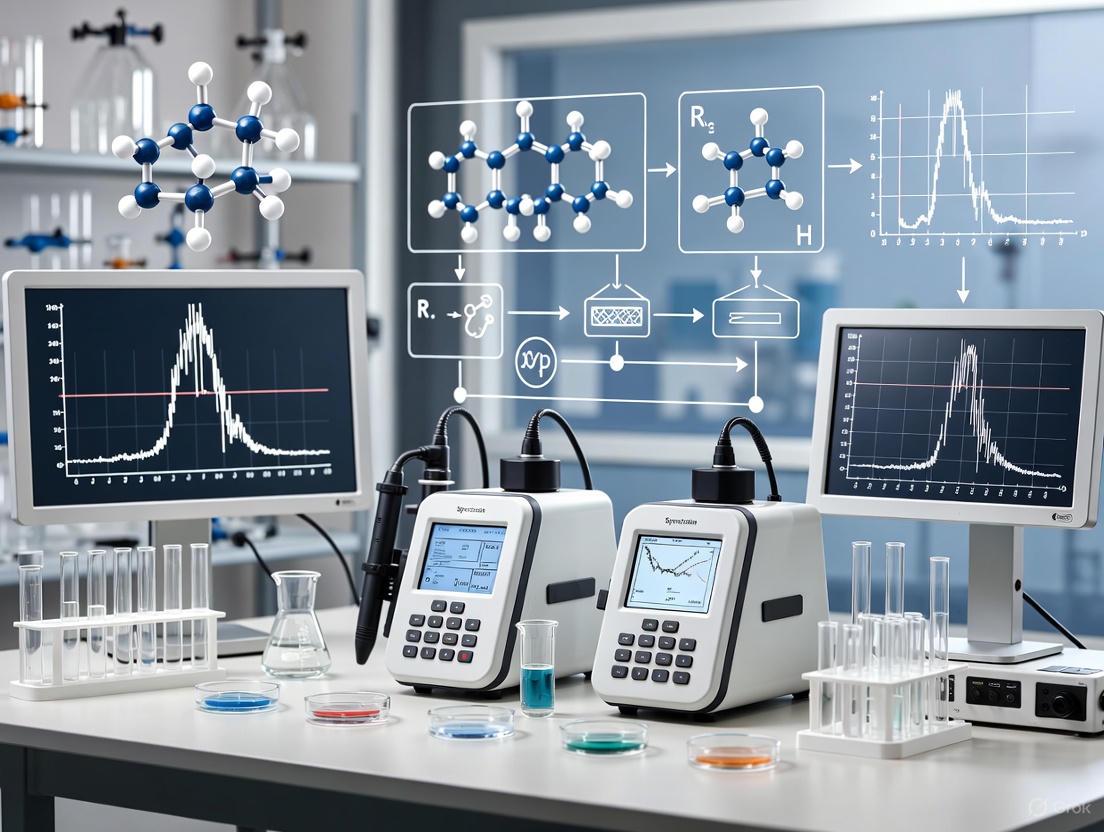
This article provides a comprehensive overview of the latest advancements and methodologies in portable spectrometry for the on-site detection and analysis of microplastics.
On-Site Microplastic Analysis: A Guide to Portable Spectrometry for Environmental Researchers
Abstract
This article provides a comprehensive overview of the latest advancements and methodologies in portable spectrometry for the on-site detection and analysis of microplastics. Tailored for researchers and scientists, it covers the foundational principles of portable spectroscopic techniques, their practical field applications, and strategies for optimizing performance. The content synthesizes current research to guide the selection, validation, and effective use of these technologies, bridging the gap between laboratory analysis and real-world environmental monitoring.
The Rise of Portable Spectrometry: Understanding the 'Why' and 'What' for Field-Based Microplastic Detection
Microplastics, defined as plastic fragments smaller than 5 millimeters, have permeated every ecosystem on Earth, from remote Antarctic ice to the depths of the oceans [1] [2]. Their persistence arises from the durability of plastic molecules; scientists believe that all plastic ever made, except for what has been incinerated, remains in the environment, breaking down into ever-finer particles but never truly degrading [2]. This relentless accumulation presents a profound environmental and public health challenge. Humans are inevitably exposed through multiple pathways, including the food and water we consume, the air we breathe, and the products we use [1] [2]. Research has detected microplastics throughout the human body, including in blood, brain tissue, testicles, heart, lymph nodes, and placenta, as well as in bodily fluids like breastmilk, semen, and a newborn's first stool [2]. The ubiquity of this exposure and its potential consequences for human health and ecosystems defines a critical challenge for the scientific community.
Health Hazards: Emerging Evidence from Cellular to Human Scales
While research on the human health impacts of microplastics is still developing, preliminary evidence from cellular, animal, and a growing number of human studies points to significant biological risks. The table below summarizes the key documented and potential health effects.
Table 1: Documented and Potential Health Effects of Microplastics
| System/Organ Affected | Observed Effects | Type of Evidence |
|---|---|---|
| Cellular & Molecular | Oxidative stress, DNA damage, cell death, changes in gene expression, impaired immune function [1] [2] [3] | In vitro (human cells), animal models |
| Cardiovascular | Increased risk of heart attack, stroke, and death in patients with microplastics in arterial plaque [2] | Human clinical study |
| Reproductive & Developmental | Reduced sperm count and quality, ovarian scarring, metabolic disorders in offspring [1] | Animal studies |
| Systemic Toxicity | Inflammation, altered lipid and hormone metabolism, changes in gut microbiome [1] [3] | Animal studies, in vitro models |
| Toxicant Carrier | Can magnify the potency of other toxicants (e.g., cadmium) and carry antibiotic-resistant bacteria or pathogens [1] | Animal and in vitro studies |
The hazards are not solely from the plastic particles themselves. Microplastics can act as vectors for other molecules, including plastic components like bisphenol-A (BPA) and phthalates, which are known or suspected endocrine disruptors, as well as heavy metals and pathogens that cling to their surfaces [1] [3]. The smallest particles, nanoplastics (smaller than 1 micrometer), are of particular concern because their size allows them to infiltrate cells and even cell nuclei, potentially causing greater disruption to cellular function [1] [2].
Analytical Framework: The Role of Portable Spectrometry
Addressing the microplastic pollution challenge requires robust methods for their identification and quantification. Traditional laboratory techniques, such as Fourier Transform Infrared (FTIR) microscopy and Pyrolysis-Gas Chromatography/Mass Spectrometry (Py-GC/MS), are highly accurate but often bulky, time-intensive, and require extensive sample preparation, including chemical pretreatment and drying [4]. This limits their use for widespread, rapid field monitoring.
Portable spectrometers offer a promising alternative for on-site analysis, filling a critical gap for environmental monitoring. The primary technologies include:
- Portable Near-Infrared (NIR) Spectroscopy: This high-throughput technique can identify common polymers (e.g., PE, PP, PET) at low concentrations without sample preparation [5]. Sensor selection is crucial, as the spectral characteristics of different handheld devices (e.g., MicroNIR, NeoSpectra Scanner) significantly impact their ability to discriminate between polymer types [5].
- Portable Raman Spectroscopy: Raman microscopy is highly effective for identifying microplastics, offering the best combination of morphological and chemical characterization down to the micron scale [6] [7]. It allows for unambiguous identification of polymer types by comparing the acquired spectrum of a particle against a reference library, generating a Hit Quality Index (HQI) for the match [7]. Using a 1064 nm laser excitation can mitigate fluorescence interference from colored samples, a common challenge in Raman analysis [7].
The workflow for microplastic analysis, adaptable for portable spectrometry, generally involves five key steps, as visualized below.
Diagram 1: Microplastic analysis workflow
Experimental Protocols for On-Site Analysis
Protocol A: Microplastic Identification via Portable NIR Spectroscopy
This protocol is adapted for the rapid screening of soil microplastics using handheld NIR spectrometers [5].
1. Sampling:
- Collect environmental samples (e.g., soil, sediment) using stainless steel tools.
- Transfer samples to pre-cleaned glass jars to avoid contamination.
2. Sample Preparation (Minimal):
- Dry samples overnight at 90°C.
- For rapid screening, analysis can proceed without further treatment. For complex matrices, wet peroxide oxidation and density separation may be necessary to isolate microplastics from organic material [7].
3. Filtration:
- Pass samples through a series of stainless steel sieves (e.g., 300 μm, 1000 μm) to fractionate by size.
4. Measurement/Data Acquisition:
- Calibrate the portable NIR spectrometer (e.g., NeoSpectra Scanner, MicroNIR 1700ES) according to manufacturer specifications.
- Present the sieved sample to the sensor.
- Acquire spectra directly from the particles. The analysis is non-destructive.
5. Analysis & Reporting:
- Use the instrument's software and pre-loaded polymer spectral libraries.
- Employ covariance analysis or Principal Component Analysis (PCA) to identify and discriminate polymer types based on their unique spectral signatures.
Protocol B: Polymer Identification via Portable Raman Microscopy
This protocol details the identification of extracted microplastics from water samples using a portable Raman system [7].
1. Sampling:
- Collect water samples and fix with 4% formaldehyde.
- Size-fractionate the sample using stainless steel sieves (e.g., 300 μm, 1000 μm).
2. Sample Preparation:
- Isulate microplastics via wet peroxide oxidation and density separation.
- Collect the extracted microplastics onto 200 μm nitex mesh and allow to dry.
3. Filtration:
- The filtration step is integrated with the sample preparation above.
4. Measurement/Data Acquisition:
- Use a portable Raman system (e.g., i-Raman EX) equipped with a video microscope.
- Use 1064 nm laser excitation to minimize fluorescence from dyes.
- Set laser power below 50% of maximum (<165 mW) to prevent sample burning.
- Collect spectra with an integration time of 30 seconds to 3 minutes.
5. Analysis & Reporting:
- Process acquired spectra using identification software (e.g., BWID).
- Compare sample spectra against a reference library of plastic polymers.
- Identify the polymer type based on the highest Hit Quality Index (HQI), where a value closer to 100 indicates a stronger match.
The Scientist's Toolkit: Essential Research Reagents and Materials
Successful on-site analysis requires a suite of specialized materials and reagents. The following table outlines key components of a field toolkit.
Table 2: Research Reagent Solutions for Microplastic Analysis
| Item | Function | Example/Notes |
|---|---|---|
| Portable NIR Spectrometer | High-throughput, rapid identification of polymer types in solid samples [5]. | NeoSpectra Scanner, MicroNIR 1700ES. Performance varies by sensor. |
| Portable Raman Spectrometer | Chemical identification of microplastic particles down to micron size [7]. | i-Raman EX with 1064 nm laser and video microscope. |
| Stainless Steel Sieves | Fractionates samples by particle size for targeted analysis [7]. | Various sizes (e.g., 300 μm, 1000 μm). |
| Filtration Apparatus | Isolates microplastics from liquid samples onto a filter for microscopic and spectroscopic analysis [6]. | Uses silicon or nitex mesh filters. |
| Microplastic Standards | Validates the entire analytical workflow and instrument performance [6]. | Set of tablets with known mixture of polymer particles (e.g., PVC, PE, PP). |
| Spectral Library | Enables automated identification of unknown particles by spectral matching [7]. | Custom or commercial libraries of polymer spectra. |
| Electrochemical Impedance Spectroscopy (EIS) System | Provides a low-cost, rapid, non-destructive method for quantifying microplastics in aqueous solutions [8]. | Measures solution resistance (Rs) imparted by microplastics. |
| Bucladesine calcium | Bucladesine calcium, MF:C36H46CaN10O16P2, MW:976.8 g/mol | Chemical Reagent |
| 3-Deoxyglucosone | 3-Deoxyglucosone, CAS:30382-30-0, MF:C6H10O5, MW:162.14 g/mol | Chemical Reagent |
Comparative Analysis of Analytical Techniques
Selecting the appropriate analytical method depends on the research objectives, required data products, and constraints related to field-deployability. The following diagram and table provide a comparative overview.
Diagram 2: Technique categorization
Table 3: Comparison of Microplastic Analysis Techniques
| Technique | Polymer ID | Particle Count/Size | Key Advantage | Key Limitation for Field Use |
|---|---|---|---|---|
| Portable NIR [5] | Yes | Indirect via sieving | High-throughput, minimal sample prep | Performance varies significantly by sensor |
| Portable Raman [7] [4] | Yes | Yes (with microscope) | Identifies particles down to 1 µm; can detect pigments | Can be hampered by fluorescence; requires careful power control |
| Electrochemical Impedance [8] | No (quantification only) | No | Low-cost, rapid, works on aqueous samples | Does not identify polymer type |
| FTIR Microscopy [4] | Yes | Yes | High accuracy, established standard | Requires dry sample, bulky, time-intensive |
| Py-GC/MS [4] | Yes | No (provides mass) | Highly accurate polymer ID and contaminant data | Destructive, requires dry sample, not portable |
The challenge of microplastic pollution is defined by its global ubiquity and the emerging evidence of its potential to cause harm from the cellular to the organismal level. While the full scope of the health impact is not yet known, the precautionary principle dictates an urgent need for widespread monitoring and research. Portable spectrometers, including NIR and Raman systems, are pivotal tools in this endeavor. They enable researchers to move beyond the constraints of traditional laboratory methods, facilitating rapid, on-site identification and quantification that is essential for understanding the sources, fate, and transport of microplastics in our environment. The continued development and standardization of these field-deployable sensors, alongside the experimental protocols that support them, will be critical in guiding effective regulatory actions and mitigation strategies to protect both ecosystem and human health.
The pervasive issue of microplastic pollution represents a significant environmental and public health challenge, with these synthetic particles now detected in environments ranging from ocean sediments to atmospheric dust [9]. Accurate identification and characterization of microplastics (MPs) are essential for understanding their sources, fate, and ecological impacts. Traditional analytical approaches have predominantly relied on laboratory-based techniques such as Fourier-Transform Infrared (FT-IR) and Raman spectroscopy, which require extensive sample collection, transport, and preparation processes that limit the scope and frequency of monitoring efforts [4] [10]. These methodological constraints have created a critical need for transition from centralized laboratory analysis to decentralized field-based detection systems that can provide rapid, on-site characterization of microplastic contamination.
Field-portable sensing technologies offer the potential to overcome key limitations of conventional methods by enabling real-time monitoring with minimal sample preparation. The development of these systems represents a paradigm shift in environmental monitoring, allowing researchers to achieve greater spatial coverage, higher sampling frequency, and continuous time-series data not feasible with current laboratory-bound techniques [4]. This application note examines the evolving landscape of portable microplastic analysis technologies, provides detailed experimental protocols for field deployment, and outlines the significant advantages these systems offer for comprehensive environmental assessment and regulatory compliance.
Current Landscape of Portable Microplastic Sensing Technologies
The transition from laboratory to field-based microplastic analysis requires careful consideration of the operational principles, capabilities, and limitations of various sensing technologies. Based on their underlying detection mechanisms, portable microplastic sensors can be categorized into optical, spectroscopic, and electrical property-based systems, each offering distinct advantages for specific application scenarios.
Table 1: Comparison of Portable Microplastic Sensing Technologies
| Technology | Principle of Operation | Data Products | Field-Deployability Considerations |
|---|---|---|---|
| Portable Optical Sensors | Light attenuation and spectral analysis at multiple wavelengths [11] | Particle count, size estimation, preliminary polymer identification | High portability, low cost, rapid response, but limited polymer specificity |
| Portable FT-IR Spectroscopy | Molecular vibration detection based on infrared light absorption [9] [10] | Polymer type identification, functional group characterization | Moderate portability, proven accuracy for polymer ID, requires some sample preparation |
| Portable Raman Spectroscopy | Inelastic light scattering providing molecular fingerprints [9] [10] | Polymer type identification, detailed structural information | Moderate portability, high specificity, susceptible to fluorescence interference |
| Short-Wave Infrared (SWIR) Imaging | Multispectral imaging in short-wave infrared region [4] | Polymer type, count, size distribution | Rapid imaging capability, reduced sample preparation compared to traditional FT-IR |
| Laser-Induced Breakdown Spectroscopy (LIBS) | Elemental fingerprinting via laser-generated plasma [12] | Elemental composition, detection of adsorbed heavy metals | High sensitivity for metals, potential for real-time analysis, portable systems emerging |
| Pyrolysis-Gas Chromatography/Differential Mobility Spectrometry (Py-GC/DMS) | Thermal decomposition followed by ion separation in electric fields [4] | Polymer type, relative mass of mixed polymers | Robust portable package, high sensitivity, but requires dry samples and time-intensive analysis |
The field-deployability of these technologies must be evaluated across multiple parameters, including cost, durability, portability, power requirements, analysis time, and data quality [4]. Optical sensors typically offer the most favorable combination for field use, with prototype systems demonstrating sensitivity and reliability under various conditions while maintaining affordability [11]. Emerging hybrid approaches that combine multiple sensing modalities, such as the integration of digital microscopy with laser-induced breakdown spectroscopy (LIBS), demonstrate enhanced capabilities for detecting microplastics and associated contaminants like heavy metals [12].
Experimental Protocols for Field-Based Microplastic Analysis
Protocol 1: Portable Optical Sensor Deployment for Water Monitoring
Principle: This method utilizes multi-wavelength light attenuation measurements to detect and provide preliminary identification of microplastics in aqueous samples based on their optical properties [11].
Materials and Equipment:
- Portable optical sensor prototype with light sources (360-960 nm wavelength range)
- Raspberry Pi 4 control system with 7-inch display
- Stepper motors with A4988 drivers for scanning mechanism
- Custom printed circuit board (PCB) for system integration
- Black cloth enclosure for ambient light exclusion
- Glass slides for sample mounting (10 × 3 cm)
- Pre-filtered water samples for analysis
Procedure:
- System Calibration:
- Power the portable optical sensor system using the integrated Raspberry Pi 4
- Initiate the graphical user interface (GUI) and select calibration mode
- Perform baseline measurement using particle-free distilled water as reference
- Validate system response using standard polystyrene microspheres of known concentration
Sample Preparation:
- Collect water samples using appropriate sampling apparatus (e.g., plankton nets for open water)
- For high-particulate samples, perform preliminary filtration through 500 μm mesh to exclude large debris
- Transfer 50-100 mL of sample to sedimentation chamber for analysis
- For particulate concentration, implement gentle vacuum filtration without complete drying
Sample Analysis:
- Mount prepared sample on the automated scanning stage
- Select LED mode in the GUI interface for initial screening
- Irradiate sample with selected wavelengths (360 nm, 500 nm, 650 nm, 850 nm recommended)
- Measure transmitted light intensity (It) and calculate absorbance using: A = -log(It/I0), where I0 is incident light intensity
- Record attenuation values across the spectral range
Data Interpretation:
- Compare obtained spectral signatures against reference library of common polymers
- Utilize microscopy mode for visual confirmation of suspected microplastic particles
- Export data wirelessly to computer for further statistical analysis
- Flag samples with absorbance signatures matching polymer profiles for further laboratory confirmation
Validation:
- Confirm sensor performance using standardized reference materials (e.g., PLA, PET, ABS)
- Cross-validate findings with laboratory-based FT-IR or Raman spectroscopy for representative samples
- Establish dose-response curves for quantitative assessment using particles of known concentration
Protocol 2: Integrated Spectroscopy for Complex Environmental Samples
Principle: This protocol employs a complementary approach combining infrared and Raman spectroscopic techniques to overcome limitations of individual methods when analyzing complex environmental samples [9].
Materials and Equipment:
- Portable FT-IR spectrometer with attenuated total reflectance (ATR) accessory
- Portable Raman spectrometer with 785 nm laser excitation
- Portable digital microscope
- Sample filtration unit with cellulose nitrate membranes
- Nile Red staining solution (1 μg/mL in acetone)
- UV light source for fluorescence visualization
Procedure:
- Field Sampling and Preparation:
- Collect environmental samples (water, sediment, or biological tissue)
- For water samples, perform vacuum filtration through cellulose nitrate filters (pore size 0.45-1.2 μm based on target size range)
- For solid samples, conduct density separation using saturated NaCl solution to isolate microplastics from mineral components
- Apply Nile Red staining to enhance fluorescence of plastic particles
- Examine under UV illumination to identify suspected microplastic particles
Sequential Spectroscopic Analysis:
- Begin with FT-IR analysis to identify major functional groups and polymer classes
- Focus on characteristic absorption bands (C-H stretch ~2900 cmâ»Â¹, carbonyl region ~1700 cmâ»Â¹)
- For particles yielding inconclusive FT-IR results, proceed to Raman analysis
- Employ Raman spectroscopy with 785 nm excitation to minimize fluorescence interference
- Collect spectra in the range of 500-2000 cmâ»Â¹ for polymer identification
- Utilize built spectral libraries for automated polymer identification
Data Integration and Interpretation:
- Compile results from both techniques to generate comprehensive polymer identification
- Resolve ambiguous identifications through consensus scoring between methods
- Apply chemometric analysis (PCA, clustering) to classify particles by polymer type
- Generate report detailing particle count, size distribution, and polymer composition
Quality Assurance:
- Analyze procedural blanks alongside environmental samples to account for contamination
- Include positive controls (known polymer particles) to verify instrument performance
- Maintain consistent analytical conditions (laser power, spectral resolution, acquisition time)
- Implement rigorous validation for particles <100 μm where spectroscopic challenges increase
The Scientist's Toolkit: Essential Research Reagent Solutions
Successful implementation of field-based microplastic analysis requires careful selection of reagents and materials that facilitate sample preparation, enhance detection sensitivity, and ensure analytical reliability.
Table 2: Essential Research Reagents and Materials for Field-Based Microplastic Analysis
| Reagent/Material | Function | Application Notes |
|---|---|---|
| Cellulose Nitrate Filters | Sample support for filtration and direct analysis [11] | Minimal background interference during spectral acquisition; compatible with FT-IR analysis |
| Nile Red Stain | Fluorescent dye for enhanced microplastic detection [11] | Selective binding to hydrophobic polymer surfaces; enables rapid screening of samples |
| Saturated Sodium Chloride (NaCl) Solution | Density separation medium [10] | Efficient flotation of common polymers (PE, PP, PS) while mineral particles sediment |
| Sodium Iodide (NaI) Solution | High-density separation medium [10] | For separation of denser polymers (PET, PVC); requires proper waste disposal consideration |
| Polystyrene Microspheres | Quality control and method validation [11] | Certified reference materials in various size ranges for system calibration and recovery studies |
| Potassium Hydroxide (KOH) Solution | Organic matter digestion [10] | Selective digestion of biological material without degrading common polymers; concentration-dependent effects must be validated |
| Hydrogen Peroxide (Hâ‚‚Oâ‚‚) Solution | Oxidative digestion of organic matter [10] | Mild oxidative treatment for removing biological interference; less destructive than strong acids or bases |
| Esculentoside A | Esculentoside A, MF:C42H66O16, MW:827.0 g/mol | Chemical Reagent |
| MK-0752 | MK-0752, CAS:952578-68-6, MF:C21H21ClF2O4S, MW:442.9 g/mol | Chemical Reagent |
Integrated Workflow for Field-Based Microplastic Analysis
The following diagram illustrates the comprehensive workflow for field-based microplastic analysis, integrating sample collection, processing, and multi-technique analysis:
Advanced Applications and Future Directions
The integration of artificial intelligence with portable sensing technologies represents a significant advancement in microplastic analysis. Recent research demonstrates that machine learning algorithms can dramatically improve the classification accuracy of microplastics and associated contaminants. A maximum variance convolutional neural network (MV-CNN) approach has been shown to increase classification accuracy of heavy metal-contaminated microplastics to 91.67%, significantly higher than the 75% accuracy achieved by traditional CNNs [12]. This enhanced performance is particularly valuable for field applications where rapid, automated identification is essential.
The emerging paradigm of "image-led, spectrum-assisted" multimodal analysis combines digital morphology assessment with elemental fingerprinting to provide comprehensive characterization of microplastic samples. This approach has demonstrated strong correlation (R² > 0.86) between LIBS spectral data and heavy metal concentrations, enabling quantitative assessment of adsorbed contaminants on microplastic surfaces [12]. The integration of complementary data streams facilitates more accurate classification of complex environmental samples, with studies showing improvement in quantitative accuracy for heavy metal concentration levels from less than 65% to over 84% when using multimodal approaches compared to single-technique analysis [12].
Future developments in portable microplastic analysis will likely focus on enhancing sensitivity for nanoplastic particles, reducing analysis time through parallel processing, and incorporating connectivity features for real-time data sharing and integration with larger environmental monitoring networks. As these technologies mature, they will play an increasingly critical role in regulatory monitoring, pollution source identification, and validation of remediation efforts aimed at addressing the global challenge of plastic pollution.
Portable spectrometers have become indispensable tools for the on-site analysis of polymers, especially within environmental research focused on microplastics. These instruments enable researchers to identify and characterize plastic materials rapidly, reliably, and without the need for laboratory transport or extensive sample preparation. By leveraging techniques such as Near-Infrared (NIR) spectroscopy and Raman spectroscopy, these devices provide immediate chemical insights directly in the field. This application note details the core principles behind these technologies, provides structured experimental protocols, and discusses their critical role in advancing microplastics research.
Core Analytical Principles
Polymer identification with portable spectrometers relies on the interaction between light and matter. Each polymer has a unique chemical structure, leading to a distinct spectroscopic fingerprint.
Near-Infrared (NIR) Spectroscopy: NIR spectroscopy probes molecular overtone and combination vibrations, primarily those of C-H, O-H, and N-H bonds [13]. When NIR light is directed at a polymer, specific wavelengths are absorbed while others are reflected. The resulting spectrum is a unique pattern that can be compared to reference libraries for identification. This is a fast, non-destructive technique well-suited for analyzing bulk plastics and is widely used in sorting and recycling operations [13].
Raman Spectroscopy: Raman spectroscopy measures the inelastic scattering of monochromatic light, usually from a laser. This scattering provides information on the vibrational modes of molecules, effectively creating a unique chemical fingerprint for each polymer type [14]. A key advantage of Raman is its high specificity, allowing it to distinguish between very similar polymers (like PA6 and PA66) and analyze colored or even black materials, which can be challenging for other techniques [14].
Fourier-Transform Infrared (FT-IR) Spectroscopy: FT-IR spectroscopy, particularly in ATR (Attenuated Total Reflectance) mode, is a highly sensitive technique for polymer identification. It detects the fundamental vibrations of chemical bonds as they absorb infrared light [15]. Handheld FT-IR instruments are valuable for studying polymer degradation, as chemical changes on the material's surface (such as carbonyl group formation due to weathering) are readily apparent in the IR spectrum [15].
Table 1: Comparison of Portable Spectroscopy Techniques for Polymer Analysis
| Feature | NIR Spectroscopy [13] | Raman Spectroscopy [14] | FT-IR Spectroscopy [15] |
|---|---|---|---|
| Core Principle | Measures overtone/combination vibrations (e.g., C-H) | Measures inelastic light scattering (vibrational modes) | Measures fundamental IR absorption (vibrational modes) |
| Analysis Speed | Very fast (seconds) | Fast (less than 2 minutes) | Fast (seconds to minutes) |
| Key Strength | High-speed sorting, bulk analysis | High specificity for similar polymers, analysis through barriers | Sensitive surface analysis, ideal for weathering studies |
| Sample Form | Granules, foils, plates, rods | Pellets (including colored/black), coatings, micro-particles | Micro- and meso-plastics, fragments, films |
| Prominent Uses | Plastic recycling & waste management | Quality control, historical artifact analysis, microplastics | Environmental aging and degradation studies |
Experimental Protocol for Microplastics Analysis
The following workflow is adapted for the identification and characterization of microplastics in environmental samples, such as soil or water, using a portable spectrometer.
The diagram below outlines the general experimental workflow for microplastics analysis.
Detailed Methodology
Objective: To identify the polymer composition of microplastic particles extracted from soil samples using a portable NIR spectrometer [5].
Materials & Reagents:
- Dried environmental sample (e.g., soil, sediment)
- Portable NIR spectrometer (e.g., NeoSpectra Scanner, NIRLight) [13] [5]
- Standard sieve stack (e.g., 5 mm to 1 mm mesh)
- Analytical balance
- Glass Petri dishes
- Forceps
- Reference polymer samples (e.g., PE, PP, PS, PET) for validation [15]
Procedure:
- Sample Preparation:
- Air-dry the collected soil sample at room temperature to remove moisture, which can interfere with NIR measurements.
- Sieve the dried sample through a series of sieves to isolate the fraction between 1 mm and 5 mm (micro- and meso-plastics) [15].
- Transfer the sieved material to a glass Petri dish.
Visual Pre-sorting:
- Manually inspect the sample using forceps to separate suspected plastic particles based on physical characteristics (fragment, film, foam, pellet, fiber) [15]. This step removes obvious natural debris.
Instrument Setup:
- Power on the portable NIR spectrometer and the associated mobile application.
- Perform an instrument calibration according to the manufacturer's instructions, typically using an internal or external reference standard.
- Ensure the device's polymer library is up to date.
Spectral Acquisition:
- Place a single polymer particle on a stable, non-reflective surface.
- Point the spectrometer's probe directly at the sample and ensure good contact or proximity.
- Initiate the scan by pressing the trigger or button. Maintain the device's position until the measurement is complete (typically within 3-10 seconds) [13].
- For improved accuracy, take multiple scans of the same particle from different angles and calculate the average spectrum [13].
- Repeat this process for all suspected plastic particles.
Data Analysis:
- The instrument's software will automatically compare the acquired spectrum against its built-in library of known polymer spectra.
- The identification result is typically presented with a match score (e.g., Hit Quality Index - HQI) [15].
- A result is considered positive if the match score exceeds the manufacturer's recommended threshold (e.g., HQI > 0.8).
Weathering & Degradation Analysis (Advanced):
- For degraded plastic particles, FT-IR spectroscopy can be used to track chemical changes. Monitor specific spectral regions:
- Compare the spectra of environmentally aged samples to a chronological set of spectra from laboratory-weathered reference polymers to estimate the extent of degradation [15].
The Scientist's Toolkit
Table 2: Essential Research Reagent Solutions and Materials
| Item | Function/Description |
|---|---|
| Reference Polymer Kit | A set of verified pure polymers (PE, PP, PS, PET, PVC, etc.) used for calibrating instruments and validating analytical methods [15]. |
| Portable NIR Spectrometer | A handheld device that uses near-infrared light to rapidly identify over 40 common polymers onsite in seconds, ideal for high-throughput sorting [13]. |
| Portable Raman Spectrometer | A handheld device using laser-based Raman scattering, offering high specificity to distinguish between very similar polymers and analyze challenging samples like colored pellets [14]. |
| Portable FT-IR Spectrometer | A handheld instrument ideal for surface-sensitive analysis, especially useful for studying polymer degradation and weathering in environmental samples [15]. |
| Standard Sieve Set | Used for fractionating environmental samples (e.g., soil, sand) to isolate microplastic particles by size (e.g., 1-5mm) for analysis [15]. |
| Tribuloside | Tribuloside, MF:C30H26O13, MW:594.5 g/mol |
| AZ7550 Mesylate | AZ7550 Mesylate, MF:C30H43N7O11S3, MW:773.9 g/mol |
Portable spectrometers provide powerful, non-destructive solutions for the on-site identification and characterization of polymers. The complementary strengths of NIR, Raman, and FT-IR technologies allow researchers to address a wide array of challenges, from high-throughput sorting of plastic waste to the detailed study of microplastic degradation in the environment. By enabling rapid, accurate analysis directly at the sample source, these tools are fundamental in driving forward research into the fate and impact of plastic pollution, ultimately supporting the development of more effective mitigation and recycling strategies.
The pervasive challenge of microplastic pollution in global environments necessitates advanced analytical methods for effective monitoring and management. Portable spectroscopy technologies have emerged as powerful tools for on-site analysis, offering rapid, non-destructive identification and characterization of microplastics. This application note provides a detailed technical overview of four principal portable systems—Raman, Fourier-Transform Infrared (FTIR), Near-Infrared (NIR), and Laser-Induced Breakdown Spectroscopy (LIBS)—within the context of field-based microplastic research. We present comparative performance data, standardized experimental protocols, and implementation frameworks to guide researchers in selecting and deploying these technologies for environmental monitoring applications.
Portable spectroscopic systems each exploit distinct physical principles for microplastic identification, yielding complementary analytical capabilities suited to different field constraints and data requirements.
Raman Spectroscopy utilizes inelastic scattering of monochromatic light to detect molecular vibrations, providing detailed molecular fingerprints through structural information. FTIR Spectroscopy measures molecular vibrations based on infrared light absorption, revealing functional groups within polymers. NIR Spectroscopy analyzes overtones and combination bands of fundamental molecular vibrations in the 6000-11000 cmâ»Â¹ region, particularly those related to CH, CO, NH, and OH bonds. LIBS employs laser-generated plasma to atomize and excite sample material, detecting element-specific emission lines during plasma decay [16] [9] [17].
Table 1: Technical Specifications and Performance Characteristics of Portable Spectroscopy Systems
| Parameter | Raman Spectroscopy | FTIR Spectroscopy | NIR Spectroscopy | LIBS |
|---|---|---|---|---|
| Measurement Principle | Inelastic light scattering | Infrared absorption | NIR reflectance/absorption | Plasma emission spectroscopy |
| Spectral Range | Molecular fingerprint region | 4000-400 cmâ»Â¹ | 6000-11000 cmâ»Â¹ | UV-VIS-NIR (element-specific) |
| Spatial Resolution | ~1 μm | ~10 μm (ATR) | ~900 μm beam waist [18] | 50-200 μm (laser spot) |
| Sample Preparation | Extensive often required [17] | Minimal for ATR | Minimal to none [5] [18] | None required [17] |
| Measurement Time | Seconds to minutes per scan [17] | Seconds to minutes | 100 ms acquisition demonstrated [18] | Seconds (single laser pulses) |
| Key Identifiable Polymers | PS, PET, PA, PP, PE [16] | HDPE, LDPE, PP, PS, PVC [15] [9] | ABS, EVAC, HDPE, LDPE, PA6, PET, PS, PTFE [5] | PET, PC, PS, PA6, PE, PP, PMMA [17] |
| Field-Deployability | Moderate (sensitive to vibrations) | High (robust handheld units) [15] | High (insensitive to mechanical vibrations) [18] | High (potentially mobile) [17] |
| Water Interference | High sensitivity | Moderate (varies with technique) | Low (ideal for wet environments) [18] | None (analyzes solids directly) |
| Key Limitations | Fluorescence interference [18] [17] | Surface contact critical for ATR | Limited for small particles (<100μm) | Limited polymer differentiation |
Table 2: Data Output and Analysis Capabilities for Microplastic Characterization
| Analysis Feature | Raman | FTIR | NIR | LIBS |
|---|---|---|---|---|
| Polymer Identification | Excellent [16] | Excellent [15] | Good to excellent [5] | Moderate (polymer group) |
| Particle Counting | Possible with imaging | Possible with imaging | Possible with imaging | Possible |
| Size Determination | Possible with imaging | Possible with imaging | Limited by spot size | Limited |
| Additive Detection | Excellent | Good | Limited | Excellent for elements [17] |
| Weathering Assessment | Limited | Excellent (surface changes) [15] | Moderate | Possible |
| Mixed Sample Analysis | Challenging | Challenging | Good with ML [18] | Good |
| Quantification | Semi-quantitative | Semi-quantitative | Semi-quantitative | Semi-quantitative |
Experimental Protocols
Sample Collection and Preparation for Portable Spectroscopy
Field Collection Protocol:
- Aqueous Samples: Collect surface water using neuston nets (standard 333μm mesh) or grab samples for deeper water profiling. Preserve in clean glass containers to prevent contamination [4].
- Sediment/Soil Samples: Use stainless steel trowels or corers to collect upper layers (0-5cm). Transfer to pre-cleaned aluminum containers [10].
- Biological Samples: Collect organisms whole or dissect gastrointestinal tracts for microplastic analysis. Store frozen until processing [10].
- Field Blanks: Prepare and expose field blanks simultaneously with sampling to account for airborne contamination [10].
Sample Processing Workflow:
- Density Separation: Add saturated sodium chloride (NaCl) solution (1.2 g/cm³) to sediment samples, stir for 5 minutes, and settle for 4 hours. Filter supernatant through 1μm glass fiber filters [17].
- Organic Matter Digestion: For biological samples, add 10% potassium hydroxide (KOH) solution, incubate at 60°C for 48 hours with periodic agitation [10].
- Filtration: Pass digested samples through stacked stainless steel sieves (5mm, 1mm, 300μm, 100μm) to fractionate particles.
- Visual Sorting: Use stereomicroscopy at 10-40× magnification to identify suspected microplastic particles based on color, texture, and morphology.
- Sample Presentation: Transfer particles to appropriate substrates:
- Aluminum stub with double-sided carbon tape for Raman
- Diamond ATR crystal for FTIR
- Stone/sand-mimicking surface for NIR [18]
- Glass slide or plastic-free filter for LIBS
Instrument-Specific Measurement Procedures
Portable NIR Spectroscopy Protocol (Adapted from Shirley et al. [18]):
- Instrument Setup:
- Deploy fiber-coupled NIR system with tungsten halogen lamp source and InGaAs detector
- Orient illumination and collection arms at 45° angle for reflectance/backscattering geometry
- Set acquisition time to 100ms (adjust based on signal intensity)
- Collect dark reference (blocked aperture) and background reference (substrate only)
Spectral Acquisition:
- Place single microplastic particles on stone substrate with spectral properties similar to sand
- Position sample within beam waist (approximately 900μm diameter)
- Acquire 3-5 spectra per particle at different orientations
- Calculate absorbance: A = -logâ‚â‚€[(Rsample - Rdark)/(Rreference - Rdark)]
Data Processing:
- Apply second-order polynomial fitting for baseline correction
- Implement Fourier filter with half-life exponential decay (cut-on at ±0.5ps, half-life of 0.2ps)
- Augment dataset with interferent spectra (water, plant matter) at varying ratios
- Employ machine learning classification models (1D-CNN) for polymer identification
Handheld FT-IR Spectroscopy Protocol (Adapted from Spectroscopy Online [15]):
- Instrument Preparation:
- Select appropriate interface (ATR for surface analysis, diffuse reflectance for bulk)
- Perform background scan with clean ATR crystal
- Verify instrument calibration using polystyrene standard
Measurement Procedure:
- For ATR: Ensure firm contact between particle and crystal with consistent pressure
- For diffuse reflectance: Place sample in sampling cup with consistent packing density
- Acquire spectra in range 4000-400 cmâ»Â¹ with 4 cmâ»Â¹ resolution
- Collect 32-64 scans per spectrum to improve signal-to-noise ratio
Weathering Assessment:
- Monitor carbonyl region (1850-1500 cmâ»Â¹) for oxidation products
- Track hydroxyl region (3750-3000 cmâ»Â¹) for hydroxylation products
- Compare with accelerated aging spectral libraries for age estimation
Portable Raman Spectroscopy Protocol:
- Instrument Configuration:
- Select appropriate laser wavelength (typically 785nm to minimize fluorescence)
- Set laser power to 50-100mW to prevent sample damage
- Configure spectral resolution to 4-8 cmâ»Â¹
- Adjust integration time (1-10 seconds) based on signal intensity
Measurement Approach:
- Focus laser on particle surface using built-in camera
- Acquire multiple spectra from different positions on heterogeneous particles
- Monitor for fluorescence interference; adjust laser power if necessary
- For colored particles, test multiple laser wavelengths if available
Data Processing:
- Apply fluorescence background subtraction algorithms
- Perform cosmic ray removal
- Compare processed spectra to reference libraries (e.g., OpenSpecy, NIST)
LIBS Analysis Protocol (Adapted from Sommer et al. [17]):
- Instrument Setup:
- Set laser energy to 10-50 mJ/pulse (adjust based on particle size)
- Configure delay time (0.5-2 μs) and gate width (1-10 μs)
- Select argon or helium atmosphere to enhance carbon line intensity
- Focus laser to 50-200μm spot size on particle surface
Spectral Acquisition:
- Perform ablation on multiple positions for heterogeneous particles
- Acquire 5-10 spectra per particle at different locations
- Include blank measurements to account for potential contamination
Data Analysis:
- Normalize spectra to carbon peak at 247.86 nm
- Calculate Câ‚‚/CN ratios for polymer classification
- Apply multivariate analysis (PCA, LDA) for material discrimination
- Use decision tree based on emission ratios for rapid identification
Data Fusion and Advanced Analysis
Multi-Technique Integration Protocol (Adapted from Ramos and Dias [9]):
- Complementary Data Collection:
- Perform FT-IR analysis for functional group identification
- Conduct Raman measurements for detailed molecular structure
- Apply sequential analysis to the same particle when possible
Three-Level Fusion Strategy:
- Low-level fusion: Combine raw spectral data from both techniques
- Mid-level fusion: Merge extracted features from each dataset
- High-level fusion: Integrate final classification decisions from individual models
Machine Learning Implementation:
- Train 1D Convolutional Neural Networks (1D-CNN) on spectral datasets
- Apply data augmentation with environmental interferents
- Validate model performance with external datasets (e.g., microplastics in milk, cola, tap water)
Essential Research Reagent Solutions
Table 3: Key Research Reagents and Materials for Portable Microplastic Analysis
| Reagent/Material | Specifications | Primary Application | Technical Notes |
|---|---|---|---|
| Sodium Chloride (NaCl) | ACS grade, ≥99% | Density separation | Prepare saturated solution (1.2 g/cm³) for sediment processing |
| Potassium Hydroxide (KOH) | 10% solution, molecular biology grade | Organic matter digestion | Incubate at 60°C for 48 hours for complete tissue digestion |
| Silicon Carbide (SiC) | 1μm, 10μm, 100μm particles | Size calibration | Use for verifying spatial resolution of optical systems |
| Nile Red Stain | 10μg/mL in acetone | Fluorescent staining | Enhances visual detection for counting applications [4] |
| Polymer Standards | HDPE, LDPE, PP, PS, PET, PVC, PA | Instrument calibration | Obtain certified reference materials for quantitative analysis |
| Glass Fiber Filters | 1μm pore size, 47mm diameter | Sample filtration | Pre-combust at 450°C for 4h to remove organic contaminants |
| ATR Cleaning Solution | Isopropanol, ≥99.9% | FT-IR maintenance | Clean crystal before each measurement to prevent cross-contamination |
Technology Implementation Workflows
The following workflows visualize the standard operating procedures for implementing portable spectroscopic technologies in microplastic analysis:
Concluding Remarks
Portable spectroscopy systems provide complementary capabilities for rapid, on-site microplastic analysis, each with distinctive advantages for specific field applications. NIR systems offer high-throughput screening with minimal sample preparation, while FT-IR provides detailed molecular information for polymer identification and weathering assessment. Raman spectroscopy delivers exceptional molecular specificity, and LIBS enables rapid elemental analysis with no sample preparation requirements. The integration of these technologies with machine learning approaches and data fusion strategies significantly enhances classification accuracy, enabling researchers to address the complex challenges of microplastic pollution in diverse environmental matrices. As these portable technologies continue to evolve, they will play an increasingly vital role in large-scale environmental monitoring, regulatory compliance assessment, and understanding the ecological impacts of microplastic pollution.
The pervasive issue of microplastic pollution demands advanced monitoring solutions that can keep pace with its spread across global ecosystems. Traditional laboratory-based analysis, while accurate, often suffers from low throughput, high costs, and delayed results, hindering rapid response and large-scale assessment [5]. The emergence of portable spectrometry technologies is transforming environmental monitoring by enabling rapid, on-site analysis. This application note details the key advantages of these portable tools—speed, cost-effectiveness, and real-time data generation—within the specific context of microplastic research, providing researchers and scientists with structured data and validated protocols for their implementation.
Key Advantages of Portable Spectrometry
Portable spectrometers bring the laboratory to the sample, offering distinct and transformative benefits for environmental surveillance.
Speed and High-Throughput Capabilities
The design of portable spectrometers facilitates rapid, on-site analysis, drastically reducing the time from sample collection to actionable result. Techniques like miniaturized Near-Infrared (NIR) spectroscopy are recognized for their high-throughput capabilities, enabling the assessment of a large number of samples without the bottleneck of transporting them to a central lab [5]. Furthermore, advanced mass spectrometry techniques adapted for high-throughput screening, such as the RapidFire system, can achieve cycling times as fast as 2.5 seconds per sample [19]. This speed is critical for screening large areas for microplastic contamination or for monitoring dynamic environmental processes in near real-time.
Cost-Effectiveness and Operational Efficiency
Portable spectrometers introduce significant cost savings by minimizing sample preparation and eliminating the logistical expenses associated with transporting and storing samples. The development of low-cost, customized systems, such as a novel micro-Raman spectroscopy system, demonstrates a direct path to making advanced analytical technology accessible to more research institutions, particularly in developing nations [20]. This cost-effectiveness extends to the operational level; for instance, a prototype optical sensor for microplastic detection has been developed as an affordable option for preliminary screening, ensuring that only suspect samples are sent for more expensive, advanced analysis [11].
Real-Time and On-Site Data Generation
The ability to generate data on-site enables immediate, informed decision-making. This real-time analysis is a cornerstone of Process Analytical Technology (PAT), a framework that relies on real-time monitoring to control manufacturing and, by extension, environmental sampling processes [21]. Portable spectrometers allow researchers to obtain immediate feedback in the field, facilitating quick hypothesis testing and adaptive sampling strategies. The integration of wireless connectivity and cloud-based data sharing in modern devices further enhances this capability, allowing for instant collaboration and data management from remote locations [22].
Table 1: Quantitative Market and Performance Metrics for Portable Spectrometers
| Metric | Value | Context & Timeframe | Source |
|---|---|---|---|
| Global Market Size (Projected) | USD 2.46 Billion | Projected value by 2034 | [22] |
| Compound Annual Growth Rate (CAGR) | 7.7% - 8.5% | Projected from 2025 to 2033/2034 | [22] [23] |
| Market Size (2025 Base) | USD 1.47 Billion - USD 3,019.1 Million | Valuation in 2025 | [24] [22] |
| Rapid MS Cycling Time | 2.5 seconds/sample | Achieved by RapidFire system in BLAZE mode | [19] |
| Microplastic Detection Limit | 0.75% (w/w) | For polymers like HDPE, PET, PS in soil using handheld NIR | [5] |
Application in Microplastic Monitoring
The theoretical advantages of portable spectrometers are being realized in practical applications for detecting and analyzing environmental microplastics.
Research has demonstrated that miniaturized NIR spectroscopy can successfully identify common polymers (e.g., ABS, HDPE, LDPE, PA6, PET, PS) in soil at low concentrations (0.75% w/w) without any sample preparation [5]. This capability is crucial for high-throughput screening of contaminated sites. Similarly, Raman spectroscopy has proven highly effective for the identification of microplastics, capable of detecting particles as small as 1 µm and providing detailed morphological and chemical analysis [20] [11]. To overcome the cost barriers of commercial systems, researchers have developed a custom-built, cost-effective micro-Raman system, which includes a standardized spectral database and uses Principal Component Analysis (PCA) for reliable classification of various plastic types [20].
Another approach involves a portable optical sensor prototype that operates by measuring light attenuation across multiple wavelengths (360 nm to 960 nm) to generate color spectra for identifying microplastics like PLA [11]. This device is designed to provide a preliminary, affordable analysis, streamlining the workflow by ensuring only relevant samples are forwarded for more in-depth, costly techniques.
Table 2: Key Spectrometer Technologies for Microplastic Analysis
| Technology | Key Features | Typical Applications | Example Polymers Detected |
|---|---|---|---|
| NIR Spectroscopy | High-throughput, rapid analysis, minimal sample prep [5] | Soil screening, polymer identification [5] [23] | ABS, EVAC, HDPE, LDPE, PA6, PET, PS [5] |
| Raman Spectroscopy | Detects particles ~1 µm, detailed molecular info, non-destructive [20] [11] | Aquatic environment analysis, particle characterization [20] | Polypropylene (PP), Polyethylene terephthalate (PET) [20] |
| Portable Optical Sensor | Measures light attenuation, cost-effective, uses absorbance/attenuation [11] | Preliminary screening, presence/absence checks [11] | Polylactic acid (PLA) [11] |
| FTIR Spectroscopy | Identifies polymer composition, high-resolution [11] [23] | Polymer identification, environmental testing [23] | Polyethylene, Polypropylene [11] |
Experimental Protocols
On-Site Screening of Soil Microplastics using Handheld NIR
This protocol is adapted from studies characterizing the analytical performance of handheld NIR spectrometers for soil microplastic identification [5].
Objective: To rapidly identify and screen for common microplastic polymers in soil samples on-site without sample preparation.
Materials & Equipment:
- Handheld NIR spectrometer (e.g., models characterized: NeoSpectra Scanner, MicroNIR 1700ES)
- Soil sampling tools (clean trowel, spoons)
- Sample bags or containers
- Portable device for data analysis (laptop/tablet)
Procedure:
- Calibration: Ensure the spectrometer is calibrated according to the manufacturer's instructions before heading into the field.
- Sample Collection: Collect soil samples from the desired location using clean tools to avoid cross-contamination. For a representative profile, collect multiple sub-samples from the area of interest.
- Presentation: Place a representative portion of the unprocessed soil sample into a suitable container, ensuring a relatively flat surface for spectrometer reading.
- Spectral Acquisition: Position the handheld NIR spectrometer's window in direct contact with the soil sample. Acquire the NIR spectrum by triggering the measurement via the integrated software. Take multiple readings from different spots on the sample to account for heterogeneity.
- Data Analysis: The instrument's software will typically provide immediate feedback by comparing the acquired spectrum against a built-in spectral library of common polymers. For more advanced analysis, transfer the spectra to a computer for multivariate analysis, such as Principal Component Analysis (PCA) or covariance analysis, to discriminate between polymer types [5].
Analysis of Aquatic Microplastics using a Custom Micro-Raman System
This protocol is based on the work of researchers who developed a cost-effective, home-built micro-Raman system for analyzing microplastics in an aquatic environment [20].
Objective: To detect, characterize, and classify microplastic particles found in water samples using a customized Raman spectroscopy setup.
Materials & Equipment:
- Custom-built micro-Raman spectrometer system [20]
- Membrane filtration setup
- Glass slides or aluminum filters
- Database of standardized Raman spectra for common plastics
Procedure:
- Sample Preparation: Collect water samples from the target aquatic environment (e.g., shoreline, river). Filter the water sample through a membrane filter to concentrate the particulate matter, including potential microplastics.
- Mounting: Carefully transfer the filter, or a representative section of it, onto a glass slide for analysis under the Raman microscope.
- System Setup: Power on the custom Raman system. Set the experimental parameters, which typically include:
- Laser power
- Exposure time
- Number of accumulations [20] These parameters should be optimized and standardized for reproducible results.
- Spectral Acquisition: Using the microscope, locate a particle of interest. Focus the laser on the particle and acquire its Raman spectrum.
- Identification and Classification: Compare the acquired Raman spectrum against a standardized, custom-built spectral database for various plastic types. For robust classification of the plastic type, employ statistical methods like Principal Component Analysis (PCA) on the spectral data to effectively group and identify the polymers [20].
Workflow for Microplastic Detection and Analysis
The following diagram illustrates the core workflow for environmental microplastic analysis using portable spectrometers, from sample collection to data interpretation:
The Scientist's Toolkit: Essential Research Reagents and Materials
The successful implementation of portable spectrometer-based analysis relies on a set of key reagents and materials.
Table 3: Essential Research Reagents and Materials for Microplastic Analysis
| Item | Function/Application | Example/Note |
|---|---|---|
| Standard Polymer Reference Materials | Calibration and validation of spectrometer; creation of spectral libraries. | Pellets or fragments of pristine polymers (e.g., PE, PP, PET, PS) [5] [20]. |
| Membrane Filters | Sample preparation for aquatic microplastics; concentration of particles from water samples. | Cellulose nitrate filters are commonly used. The filter should not introduce spectral interference [11]. |
| NIR/Raman Spectral Libraries | Reference database for automated and accurate polymer identification by comparing sample spectra. | Can be commercial or custom-built from standard reference materials [5] [20]. |
| Passive Optical Filters | Integrated into optical sensor prototypes to reduce noise from ambient light, improving signal-to-noise ratio. | Used in a portable optical sensor prototype for accurate light attenuation measurements [11]. |
| Multivariate Analysis Software | Processing complex spectral data to discriminate between polymer types and identify subtle patterns. | Software enabling Principal Component Analysis (PCA) and other chemometric techniques [5] [20]. |
| Pam3CSK4 TFA | Pam3CSK4 TFA, MF:C83H157F3N10O15S, MW:1624.3 g/mol | Chemical Reagent |
| CY-09 | CY-09, MF:C19H12F3NO3S2, MW:423.4 g/mol | Chemical Reagent |
Portable spectrometers provide a powerful and practical solution for addressing the global challenge of microplastic pollution. Their speed, cost-effectiveness, and ability to deliver real-time, on-site data represent a paradigm shift from traditional, centralized laboratory analysis. By enabling high-throughput screening and rapid decision-making in the field, these technologies empower researchers and environmental professionals to conduct more extensive and efficient monitoring campaigns. The continuous advancements in miniaturization, sensor technology, and data analysis, including integration with AI and cloud platforms, promise to further enhance the capabilities and accessibility of portable spectrometry, solidifying its role as an indispensable tool in environmental science and protection.
From Theory to Practice: Deploying Portable Spectrometers for Accurate On-Site Analysis
Sample Collection and Minimal Pre-treatment for Field Analysis
The analysis of microplastics (MPs) in environmental samples presents significant challenges, particularly in field settings where access to sophisticated laboratory instrumentation is limited. Current research indicates that microplastics, defined as plastic particles smaller than 5 mm, have become pervasive environmental contaminants, detected from Arctic ice to deep-sea sediments [25]. While traditional analytical methods provide high sensitivity and specificity, they typically require extensive sample preparation including density separation, organic matter digestion, and multiple purification steps that can take hours to days to complete [26] [27]. For field analysis using portable spectrometers, sample processing must be streamlined to enable rapid, on-site detection and quantification. This application note details standardized protocols for sample collection and minimal pre-treatment methods optimized for field analysis of microplastics using portable spectroscopic tools, framed within the broader context of on-site microplastic monitoring research.
Current Challenges in Microplastic Analysis
The analysis of microplastics in environmental matrices is complicated by several factors. Sample variability in characteristics makes establishing universal pretreatment methods challenging [26]. Traditional analytical techniques such as Fourier Transform Infrared Spectroscopy (FTIR), Raman spectroscopy, and Pyrolysis Gas Chromatography/Mass Spectrometry (Pyr-GC/MS) often require complex sample preparation including digestion, density separation, and filtration steps that can extend from several hours to multiple days [10] [27]. For example, analysis of MPs in coastal sediments using Pyr-GC/MS can require up to 36 hours for digestion and extraction alone, followed by 72 hours of drying time [27]. These lengthy procedures are impractical for field deployment and real-time monitoring. Furthermore, the lack of standardized protocols across laboratories creates data comparability issues, highlighting the critical need for simplified, reproducible methods suitable for field application [25].
Field Sampling Protocols for Environmental Matrices
Sediment Sampling
Beach and shoreline sediments serve as important sinks for microplastic accumulation. Standardized collection methods are essential for generating comparable data across sampling events and locations.
- Site Selection: Sample at the high tide line (wrack line), where debris accumulation is highest due to wave action [28]. This area represents the maximum extent of water height during high tide and typically contains the highest density of microplastics without significant redistribution from wave energy.
- Sampling Equipment:
- 0.25-meter quadrat (50 cm × 50 cm)
- Stainless steel scoop or trowel
- 5-mm stainless steel sieve
- 5-gallon collection bucket
- Gallon-sized zipper-seal bags (preferably glassine or aluminum-lined to prevent contamination)
- Global Positioning System (GPS) device
- Permanent marker
- Collection Procedure:
- Randomly select locations along the wrack line to ensure representative sampling.
- Place the quadrat over the selected area with the wrack line running through its center.
- Remove large debris (sticks, seaweed) but shake any adherent sediment back into the quadrat area.
- Use the scoop to collect the top 3 cm (approximately 1 inch) of sediment from within the quadrat.
- Pass the collected sediment through a 5-mm sieve placed over the collection bucket to remove larger particles and debris.
- Transfer the sieved sediment to labeled zipper-seal bags.
- Label each sample with unique identifier, GPS coordinates, and date/time [28].
- Sample Replication: Collect at least three replicate samples from different locations along the wrack line to account for spatial heterogeneity and provide a more accurate average microplastic abundance for the sampled area [28].
Water Sampling
Surface water sampling requires approaches that concentrate suspended particles while minimizing contamination.
- Volume: Sample 0.65–1 liter of water for analysis, as this volume has been demonstrated effective for detecting PET microplastics from bottled water and apple juice using rapid detection methods [27].
- Filtration: Filter water samples through cellulose membrane filter paper (0.7 μm pore size, 47 mm diameter) to retain microplastic particles. Glass filtration apparatus is preferred to minimize plastic contamination [27].
- Sample Handling: Transfer filters to clean glass Petri dishes for transport and temporary storage. Avoid plastic containers to reduce background contamination.
Soil and Biological Tissue Sampling
- Soil: Collect surface soil (top 3 cm) using a stainless steel corer or trowel. For agricultural soils, sample between plant rows to minimize root interference. Air-dry samples briefly (approximately 5 minutes) before analysis [27].
- Biological Tissues: For small tissue samples (<4 mg), minimal preparation is required. Brief drying (approximately 20 minutes) can enhance detection sensitivity without the need for complex digestion protocols [27].
Minimal Pre-treatment Methods for Field Deployment
Traditional laboratory-based pretreatment methods for microplastic analysis typically involve multiple steps including density separation, organic matter digestion, and extensive purification. The following minimal pre-treatment approaches have been specifically optimized for field deployment with portable spectrometers.
Simplified Density Separation
Density separation exploits the buoyancy of most microplastics to separate them from denser mineral components in environmental samples.
- Procedure:
- Secure a density separator to a saltwater reservoir (target salinity: 32–35 parts per thousand) using a bungee cord or similar fastener.
- Attach a water pump to the separator and submerge the pump in the saltwater reservoir.
- Place an air stone connected to an aerator at the bottom of the separator to create bubbling.
- Introduce the sediment sample to the separator with the water pump and aerator operating.
- Allow the system to run for a predetermined time (typically 10–30 minutes), during which less dense microplastics float to the surface while denser minerals settle.
- Collect floating material by sieving through a 55 μm mesh [28].
- Salt Solutions: Sodium chloride (NaCl) and zinc chloride (ZnClâ‚‚) are most frequently used for density separation in laboratory settings, with NaCl being preferable for field use due to its lower cost and environmental impact [26].
Filtration and Brief Drying
For liquid samples, simple filtration followed by brief drying provides sufficient preparation for portable analysis.
- Procedure:
- Filter the water sample (0.65–1 L) through cellulose membrane filter paper (0.7 μm pore size).
- Air-dry the filter for approximately 2–5 minutes [27].
- Directly analyze the filter using portable spectroscopic methods.
Direct Analysis of Solid Samples
Emerging technologies enable direct analysis of minimally processed solid samples, significantly reducing preparation time.
- Soil and Tissues: For techniques such as Flame Ionization Mass Spectrometry (FI-MS), dried soil (approximately 1 mg) or biological tissue (<4 mg) can be analyzed directly without extraction or digestion, completing analysis in 30–50 seconds [27].
- Advantages: This approach eliminates potential MP loss during extensive preparation steps and enables rapid, high-throughput screening in field settings.
Table 1: Comparison of Traditional vs. Minimal Pre-treatment Methods
| Parameter | Traditional Laboratory Methods | Minimal Field Methods |
|---|---|---|
| Sample Processing Time | Hours to days [27] | Minutes to 30 minutes [28] [27] |
| Key Steps | Density separation, oxidation, digestion, multiple purification steps [26] | Sieving, brief density separation, or direct analysis [28] [27] |
| Sample Amount | Typically <50 g dry weight [26] | 1 mg – 50 g [28] [27] |
| Recovery Efficiency | Varies with method complexity | Potentially higher due to reduced handling [27] |
| Suitable Matrices | Soil, sediment, water, biological tissues [26] | Soil, sediment, water, biological tissues [28] [27] |
Workflow Integration for Field Analysis
Integrating sampling and minimal pre-treatment with portable analytics requires careful workflow planning. The following diagram illustrates the optimized pathway for field analysis of microplastics.
Research Reagent Solutions for Field Analysis
Table 2: Essential Materials and Reagents for Field Analysis of Microplastics
| Item | Function | Field Considerations |
|---|---|---|
| Sodium Chloride (NaCl) | Density separation medium for isolating microplastics from sediment [26] | Low cost, environmentally friendly, readily available |
| Cellulose Membrane Filters (0.7 μm pore size) | Retention of microplastics from water samples [27] | Minimal background interference, compatible with various analytical techniques |
| Stainless Steel Sieves (5 mm, 55 μm) | Particle size separation and classification [28] | Durable, reusable, minimizes contamination risk |
| Glass Containers | Sample storage and transport [26] | Prevents sample contamination from plastic containers |
| Instant Ocean Salt | Preparation of artificial seawater for density separation [28] | Consistent salinity (32-35 ppt) for standardized density separation |
| Butane Lighter/Propane Torch | Heat source for FI-MS analysis [27] | Portable, provides sufficient flame temperature (600-800°C) for pyrolysis |
Effective field analysis of microplastics requires a fundamental shift from complex laboratory protocols to streamlined, efficient methods that maintain analytical integrity while enabling rapid on-site detection. The sampling and minimal pre-treatment approaches outlined in this application note provide practical frameworks for researchers deploying portable spectrometers in field settings. By adopting these standardized protocols, researchers can generate comparable data across different sites and sampling events, advancing our understanding of microplastic distribution and fate in the environment. Future development should focus on further reducing pre-treatment requirements while maintaining detection sensitivity, potentially through advances in portable instrumentation and direct analysis techniques.
The infiltration of microplastics (plastic fragments smaller than 5 mm) into global ecosystems presents a significant environmental monitoring challenge [29]. On-site analysis is crucial for large-scale environmental surveys, and portable vibrational spectrometers have emerged as powerful tools for this task. These instruments provide rapid, non-destructive in-situ analysis, preserving evidence integrity and eliminating the need for extensive sample preparation and laboratory transport [30] [29]. These Application Notes provide detailed operational protocols for using portable Raman and Attenuated Total Reflectance Fourier Transform Infrared (ATR-FTIR) spectroscopy, framed within a research thesis on the on-site analysis of microplastics.
Theoretical Background
Vibrational spectroscopy techniques, including Raman and FTIR, probe the molecular vibrations of a sample to generate a characteristic spectral fingerprint.
Raman spectroscopy measures the inelastic scattering of light from a laser, providing information on molecular vibrations [30]. Its key advantages for on-site analysis include the ability to measure samples through transparent or translucent packaging and its relative insensitivity to water, allowing for the analysis of aqueous environmental samples [30] [31].
ATR-FTIR spectroscopy, on the other hand, measures the absorption of infrared light by a sample in direct contact with a crystal. The ATR technique simplifies sample handling for solids and liquids, requiring minimal preparation [29].
Individually, portable ATR-FTIR and Raman models have demonstrated recognition accuracies of approximately 73% and 75%, respectively, for microplastic identification [29]. However, a novel three-level data fusion strategy that integrates both spectral datasets has been shown to achieve a near-perfect classification rate of 99%, showcasing the profound complementary strength of these techniques when combined [29].
Operational Protocols
Pre-Analysis: Instrument Preparation and Calibration
Raman Spectrometer Start-Up and Calibration:
- Power On: Initialize the handheld Raman spectrometer. Allow the internal laser and detector to stabilize for the time recommended by the manufacturer (typically 10-15 minutes).
- Wavelength Verification: Perform an internal wavelength calibration check using a standard provided with the instrument (e.g., a polystyrene or naphthalene reference chip). Validate that the characteristic peaks appear at their correct wavenumber positions (e.g., the strong polystyrene peak at 1001 cmâ»Â¹).
- Laser Power Setting: Set the laser power appropriate for the sample. For microplastics, a power of 490 mW at 1064 nm is effective at minimizing fluorescence, while 785 nm lasers offer a balance between sensitivity and fluorescence reduction [30] [31]. Caution: Higher power can degrade sensitive samples.
ATR-FTIR Spectrometer Start-Up and Calibration:
- Power On: Initialize the portable FTIR spectrometer and allow it to complete its self-diagnostic checks.
- Background Collection: Clean the ATR crystal (commonly diamond or ZnSe) with a solvent like isopropyl alcohol and a lint-free wipe. Execute a background scan with the clean crystal exposed to air. This scan will be automatically subtracted from sample measurements.
Sample Analysis: Detailed Workflows
Workflow for Portable Raman Analysis: The following diagram outlines the key steps for analyzing a microplastic sample using a portable Raman spectrometer.
Step-by-Step Raman Protocol:
- Sample Inspection: Visually inspect the sample and its container. Ensure the packaging material (e.g., glass vial, low-density polyethylene bag) is clean and sufficiently transparent at the laser wavelength [31].
- Spectrometer Positioning: Firmly place the spectrometer's probe head flush against the sample container. Ensure no ambient light leaks into the probe, as this will increase spectral noise.
- Spectral Acquisition: Initiate the scan. The acquisition time will vary but typically ranges from 1 to 10 seconds for strong scatterers, with multiple scans averaged to improve the signal-to-noise ratio (S/N) [30]. Critical Parameters: Laser wavelength (1064 nm recommended for fluorescent samples), laser power, and acquisition time [31].
- Spectral Quality Assessment: Examine the acquired spectrum. A good quality spectrum for microplastics should have a signal-to-noise ratio (S/N) greater than 10 and display clear, sharp peaks [30]. If fluorescence obscures the signal (appears as a large, sloping baseline), adjust parameters (e.g., switch to a 1064 nm laser if available) or reposition the probe on a different part of the sample.
- Library Matching: The instrument's software will compare the acquired spectrum against its built-in spectral library. The match is often expressed as a Hit Quality Index (HQI) or correlation coefficient. A threshold of 0.95 or more is typically considered a confident match [30].
Workflow for Portable ATR-FTIR Analysis: The following diagram outlines the key steps for analyzing a microplastic sample using a portable ATR-FTIR spectrometer.
Step-by-Step ATR-FTIR Protocol:
- Crystal Cleaning: Meticulously clean the ATR crystal as described in the pre-analysis steps. Contamination is a major source of error.
- Sample Preparation: Place a small, representative amount of the solid microplastic particle directly onto the ATR crystal. For liquids, pipette a few microliters onto the crystal.
- Apply Pressure: Engage the pressure clamp to ensure firm and uniform contact between the sample and the crystal. Inadequate contact is a primary cause of weak or distorted spectra.
- Spectral Acquisition: Initiate the scan. A typical portable FTIR scan takes 10-30 seconds, co-adding multiple scans to improve the S/N.
- Spectral Verification: Examine the acquired spectrum for key absorption bands indicative of common polymers (e.g., C-H stretch around 2900-3000 cmâ»Â¹, C=O stretch around 1700 cmâ»Â¹).
- Library Matching: Use the instrument's software to search the acquired spectrum against an IR polymer library.
Post-Analysis: Data Fusion and Reporting
- Data Export: Export the raw spectral data from both instruments for offline analysis.
- Data Fusion: For the highest classification accuracy, employ a data fusion strategy. This can be done at a high level by combining the classification results from the individual Raman and FTIR models [29].
- Reporting: The final report should include the raw spectra from both techniques, the top library matches with confidence scores, and the final fused identification result.
Key Experimental Data & Specifications
Table 1: Performance Comparison of Spectroscopic Techniques for Microplastic Identification
| Technique | Excitation Source | Spectral Range | Sample Through Packaging? | Key Strength | Reported Identification Accuracy |
|---|---|---|---|---|---|
| Portable Raman | Laser (e.g., 1064 nm, 785 nm) | 250 - 2000 cmâ»Â¹ [30] | Yes [30] [31] | Minimal sample prep; insensitive to water | 75% [29] |
| Portable ATR-FTIR | Infrared Light Source | e.g., 4000 - 600 cmâ»Â¹ | No | Strong signal for many polymers; robust libraries | 73% [29] |
| Fused Raman/ATR-FTIR | Combined Sources | Combined Ranges | N/A | Complementary data; superior identification | 99% (High-level fusion) [29] |
Table 2: Spectral Quality Parameters for Raman Analysis of Materials
| Material Type | Raman Activity | Number of Peaks (N) | Maximum Intensity Range (a.u.) | Signal-to-Noise (S/N) Range |
|---|---|---|---|---|
| Synthetic Piperazines [30] | Strong | 15 - 25 | 1,500 - 15,000 | 10 - 20 |
| Cocaine (as reference) [30] | Strong | 11 - 27 | 1,744 - 51,242 | 15 - 39 |
| Mephedrone (as reference) [30] | Strong | 25 - 29 | 1,500 - 8,000 | 18 - 37 |
| Ketamine (as reference) [30] | Medium | 16 - 30 | 700 - 4,000 | 5.75 - 39 |
| MDMA (as reference) [30] | Low | Up to 25 | 1,500 - 5,000 | < 20 |
The Scientist's Toolkit: Research Reagent Solutions
Table 3: Essential Materials for On-Site Analysis with Portable Spectrometers
| Item | Function | Example/Note |
|---|---|---|
| Handheld Raman Spectrometer | Provides rapid, non-destructive molecular identification through packaging. | Instruments with 1064 nm lasers are preferred for fluorescent samples [30] [31]. |
| Portable ATR-FTIR Spectrometer | Provides complementary molecular identification based on IR absorption. | Features a diamond or ZnSe ATR crystal for solid and liquid analysis [29]. |
| Reference Standards | For instrument calibration and validation of methods. | Polystyrene chips for Raman; polymer films for FTIR. |
| Spectral Libraries | Database of known spectra for automated sample identification. | Custom libraries can be built for specific polymers of interest [31]. |
| Chemometric Software | For advanced data analysis, classification, and data fusion. | e.g., MATLAB, PLS-Toolbox; used for PCA, PLS-DA, and fusion models [30] [29]. |
| Low-Density Polyethylene Bags | Inert containers for holding powder and small solid samples during Raman analysis. | Allows for non-destructive "through-container" testing [31]. |
| Solvents & Lint-Free Wipes | For cleaning the ATR crystal and sample surfaces to prevent cross-contamination. | Isopropyl alcohol is commonly used. |
| GRGDSP TFA | GRGDSP TFA, MF:C24H38F3N9O12, MW:701.6 g/mol | Chemical Reagent |
| Isomaltotetraose | Isomaltotetraose, MF:C24H42O21, MW:666.6 g/mol | Chemical Reagent |
The pervasive challenge of microplastic pollution necessitates the development of rapid, accurate, and field-deployable detection technologies. While traditional laboratory methods like Fourier-Transform Infrared (FT-IR) and Raman spectroscopy offer high specificity, their reliance on bulky, expensive instrumentation limits their application for on-site analysis [32] [33] [9]. Staining with the solvatochromic dye Nile Red (NR) has emerged as a powerful, cost-effective alternative for rapid screening. This application note details the integration of NR fluorescence staining with portable detection systems, a synergy that creates a robust platform for the quantitative and qualitative analysis of microplastics in field settings, directly supporting thesis research focused on on-site microplastic analysis.
Core Principles and Advantages of Nile Red Staining
Nile Red is a lipophilic, solvatochromic dye that preferentially adsorbs onto plastic polymer surfaces due to their hydrophobic nature [34]. Its key property is solvatochromism: the fluorescence emission spectrum shifts to longer wavelengths (red-shift) as the polarity of its local environment increases [34]. This allows not only for the sensitive detection of microplastics but also for their categorisation based on polymer surface polarity [33] [34].
The primary advantages of this integration for portable spectrometry are:
- High Sensitivity and Speed: NR staining enables the detection of microplastics down to a few micrometres in size, with analysis times as fast as 90 seconds for some flow-based systems [35] [36]. This is hundreds of times faster than spectroscopic analysis of filters [36].
- Cost-Effectiveness: NR is inexpensive, and its fluorescence can be detected using low-cost optical components like LEDs and filters, dramatically reducing the cost of analysis compared to traditional spectrometry [33] [34].
- Field-Portability: The simplified optical requirements facilitate the design of compact, portable, and even handheld devices for real-time monitoring in diverse environments [37].
Quantitative Fluorescence Data for Method Optimization
A critical step in method development is selecting the appropriate optical parameters to maximize the fluorescence signal for different polymers. The following data, obtained via fluorescence spectrometry, summarizes the characteristic emission peaks of common NR-stained plastics at three excitation wavelengths achievable with inexpensive LEDs.
Table 1: Characteristic Fluorescence Emission Peaks (nm) of Nile Red-Stained Plastics at Standard LED Excitation Wavelengths
| Polymer | Excitation at 405 nm | Excitation at 465 nm | Excitation at 525 nm |
|---|---|---|---|
| Polyethylene (PE) | 485, 529, 552 | 541, 572, 633 | 572, 605 |
| Polypropylene (PP) | 485, 529, 552 | 541, 572, 633 | 572, 605 |
| Polystyrene (PS) | 485, 529, 552 | 560-580 | 572, 605 |
| Polyvinyl Chloride (PVC) | 485, 529, 552, 580-650 | 560-580 | 605 |
| Nylon | 485, 529, 552, 580-650 | ~600 | ~650 |
| Polyurethane (PUR) | 580-650 | ~600 | ~650 |
| Polyester (PES) | 469 (Autofluorescence) | Information Missing | Information Missing |
Data adapted from [33]. These peaks can be used to select optimal long-pass emission filters for specific polymers or for developing multi-wavelength identification algorithms.
Beyond spectral characterization, the practical performance of NR staining is well-established. The staining protocol reliably achieves high recovery rates from environmental samples. For instance, a foundational study reported an average recovery of 96.6% for microplastics spiked into marine sediments, with individual polymer recoveries detailed below [34].
Table 2: Recovery Rates of Microplastics from Spiked Sediment using NR Staining
| Polymer | Abbreviation | Density (g cmâ»Â³) | Recovery Rate (%) |
|---|---|---|---|
| Polyethylene | PE | 0.92 | 98.3 |
| Polypropylene | PP | 0.91 | 101.7 |
| Polystyrene | PS | 1.05 | 96.7 |
| Polyamide (Nylon) | PA | 1.14 | 93.3 |
| Polyethylene Terephthalate | PET | 1.37 | 90.0 |
| Polyvinyl Chloride | PVC | 1.38 | 93.3 |
| Average Recovery | 96.6 |
Data sourced from [34]. The high recovery rates validate the method's efficiency for extracting and detecting a wide range of common microplastics.
Detailed Experimental Protocols
This section provides step-by-step protocols for two key applications: a general sample preparation and imaging method, and an advanced, semi-automated counting system.
Protocol 1: Standard NR Staining and Fluorescence Imaging for Filter-Based Samples
This protocol is adapted from the rapid-screening method [34] and is ideal for initial validation and sample screening using a portable microscope.
Research Reagent Solutions:
- Nile Red Stock Solution: 10 µg/mL NR dissolved in reagent-grade acetone or ethanol. Store in the dark at 4°C [34].
- Density Separation Solution: Zinc Chloride (ZnClâ‚‚) in water, density ~1.37 g mLâ»Â¹ [34].
- Wash Solution: Phosphate Buffer (0.6 g/L Kâ‚‚HPOâ‚„, 1.4 g/L KHâ‚‚POâ‚„) or ultrapure Milli-Q water [33] [38].
- Permeabilization Solution: 30% (v/v) Ethanol in deionized water [38].
Procedure:
- Sample Preparation: Collect and homogenize the environmental sample (e.g., water, sediment). For sediments, use density separation with ZnClâ‚‚ solution to float and recover microplastics. Filter the supernatant through a glass fiber filter (e.g., Whatman) [34].
- Staining: Pipette 1 mL of the NR stock solution (10 µg/mL) directly onto the filter, ensuring the sample is fully immersed. Incubate for 30 minutes in the dark [34].
- Washing: After incubation, wash the filter with 1-2 mL of wash solution to remove unbound dye. Allow the filter to dry completely [33] [34].
- Image Acquisition: Place the filter under a portable fluorescence microscope or imaging system. Illuminate with a blue LED light source (e.g., ~465 nm) and capture images through a long-pass orange filter (e.g., blocking light below 550 nm) [34].
- Analysis: Use image analysis software (e.g., ImageJ, or custom machine learning models) to identify, count, and measure the fluorescent particles.
Protocol 2: Semi-Automated Detection and Counting using a Flow Cell System
This protocol, based on the SAMPdetect system [35], enables high-throughput analysis of extracted microplastics and is suitable for near-real-time data acquisition, such as on research vessels.
Procedure:
- Sample Preparation and Staining: Prepare a suspension of extracted microplastics in water or ethanol. Add NR stock solution to a final concentration of 10 µg/mL and incubate for 30 minutes [35] [36].
- Flow Cell Setup: Transfer the stained suspension to the glass funnel of the flow system. A peristaltic pump on the discharge side draws the suspension through the flow cell, which is mounted on a fluorescence stereomicroscope [35].
- Video Acquisition: Use a camera mounted on the microscope to capture video as the NR-stained particles flow through the observation chamber. Illuminate with a blue light source suitable for NR excitation (e.g., 450-490 nm) [35].
- Automated Detection & Classification: Process the acquired video using machine learning software. The system detects fluorescent particles, counts them, and classifies them by shape (e.g., fiber vs. fragment) with high accuracy (e.g., 98% for trained models) [35].
- Quantification: The software outputs particle count, size distribution (Feret diameter), and shape classification data. The analysis time can be as low as 4.2–8.8 seconds per particle [35].
System Integration and Workflow Visualization
Integrating NR staining with portable detection involves a streamlined workflow from sample collection to data analysis. The following diagram illustrates the logical and operational relationships in this process.
Figure 1: Integrated workflow for on-site microplastic analysis using Nile Red staining and portable detection systems.
For advanced systems incorporating flow cells and machine learning, the architecture is more specialized.
Figure 2: Architecture of a semi-automated flow-through detection system (SAMPdetect) for high-throughput analysis [35].
The Scientist's Toolkit: Essential Research Reagent Solutions
Successful implementation of these protocols relies on a core set of reagents and materials.
Table 3: Essential Research Reagents and Materials for NR-Based Microplastic Detection
| Item | Function / Role | Application Notes |
|---|---|---|
| Nile Red (NR) | Lipophilic fluorescent dye that binds to plastics. | A stock solution of 10 µg/mL in acetone or ethanol is standard [34] [36]. |
| Glass Fiber Filters | Substrate for filtering and visualizing microplastics. | Preferred for low background fluorescence under blue light excitation [34]. |
| Zinc Chloride (ZnClâ‚‚) | Salt for creating high-density solutions for density separation. | A solution with a density of ~1.37 g mLâ»Â¹ effectively floats most common plastics from sediments [34]. |
| Organic Solvents (Acetone, Ethanol) | Solvent for NR and for permeabilizing biological matter. | Ethanol (30% v/v) can be used as a permeabilization agent for complex samples [38]. |
| Flow Cell | Device for hydrodynamic focusing of sample past detector. | Enables semi-automated, continuous particle counting [35]. |
| Blue LED Light Source | Excitation light for NR fluorescence (~465 nm optimal). | Critical for portable system design; low cost and low power [33] [34]. |
| Long-Pass Emission Filter | Optical filter to block excitation light and transmit NR signal. | e.g., Schott OG550, to transmit wavelengths >550 nm [33]. |
| Mc-MMAD | Mc-MMAD, MF:C51H77N7O9S, MW:964.3 g/mol | Chemical Reagent |
| T6167923 | T6167923, MF:C17H20BrN3O3S2, MW:458.4 g/mol | Chemical Reagent |
The integration of Nile Red fluorescence staining with portable detection systems presents a transformative approach for microplastic analysis. This combination offers a compelling balance of sensitivity, speed, and cost-effectiveness, directly addressing the critical need for field-deployable tools. The protocols and data provided herein offer a foundation for researchers to develop and optimize these integrated systems, thereby accelerating the capacity for on-site monitoring and enabling a more comprehensive understanding of global microplastic pollution. Future advancements will likely focus on standardizing staining protocols, expanding spectral libraries for automated polymer identification, and further miniaturizing the integrated hardware for even greater field portability.
The proliferation of microplastics (MPs) in ecosystems represents a significant environmental and public health challenge, necessitating advanced analytical methods for detection and classification. Traditional techniques for MP analysis often require sophisticated laboratory instrumentation, extensive sample preparation, and expert interpretation, limiting their applicability for rapid on-site analysis. Machine learning (ML), particularly deep learning algorithms, has emerged as a transformative tool for enhancing the speed, accuracy, and accessibility of microplastic detection and classification. This document outlines specific protocols and application notes for implementing ML-powered classification systems within the context of on-site microplastic analysis using portable spectrometers and imaging systems.
ML-Powered Microplastic Detection: Case Studies & Performance
Recent research demonstrates the successful integration of machine learning with various analytical techniques to create advanced microplastic detection systems. The quantitative performance of these approaches is summarized in the table below.
Table 1: Performance Comparison of ML Approaches for Microplastic Detection
| ML Model | Data Input | Accuracy | Key Advantage | Reference |
|---|---|---|---|---|
| Maximum Variance CNN (MV-CNN) | Digital Microscopy & LIBS | 91.67% | Improved classification of heavy metal-contaminated MPs | [12] |
| Traditional CNN | Digital Microscopy & LIBS | 75.00% | Baseline for comparison | [12] |
| YOLOv5 (Deep Learning) | Smartphone-based Microscopy | 98.00% | High accuracy with low-cost, portable setup | [39] |
| Fusion System (MV-CNN + LIBS) | LIBS Spectral Data | >84.00% | Quantitative accuracy for heavy metal concentration | [12] |
Case Study: Multimodal Fusion System for Heavy Metal-Contaminated Microplastics
Researchers from Nanjing University of Information Science & Technology developed a novel "image-led, spectrum-assisted" fusion system that combines digital microscopy with Laser-Induced Breakdown Spectroscopy (LIBS) for detecting airborne polyamide microplastics contaminated with heavy metals like lead (Pb) and chromium (Cr) [12].
- Technology: The system uses a Maximum Variance Convolutional Neural Network (MV-CNN) that incorporates spatial variance maximization and principal component analysis (PCA) to prioritize important image features while reducing redundancy in high-dimensional datasets [12].
- Performance: This approach achieved a classification accuracy of 91.67%, significantly higher than the 75% accuracy achieved by traditional CNNs on the same data. The model was trained on a relatively small set of 400 labeled image samples, demonstrating efficiency in data-limited scenarios [12].
- Quantitative Analysis: The integration of LIBS spectra with image data improved quantitative accuracy for heavy metal concentration levels (200-1000 ppm), increasing classification accuracy from less than 65% to over 84%. A linear regression model from the LIBS data showed a strong correlation (R² > 0.86) between heavy metal concentration and spectral line intensity [12].
Case Study: Low-Cost, Rapid Detection Using Smartphone-Based Microscopy and Deep Learning
Another research team created a simple, cost-effective platform for MP detection in consumer products using a deep learning-enabled image processing approach [39].
- Technology: The system images MPs extracted from salt, sugar, teabags, toothpaste, and toothpowder using a low-cost mobile phone-based microscopy setup (TinyScope, ~$10). The YOLOv5 deep learning model was trained on a dataset of 1990 images, validated on 250 images, and tested on another 250 images [39].
- Performance: This approach identified MPs with an accuracy of 98%. The presence of plastic content in detected samples was confirmed using attenuated total reflectance-Fourier transform infrared (ATR-FTIR) spectroscopy and field-emission scanning electron microscopy (FE-SEM) [39].
- Advantage: The system provides a fast, accurate, and affordable detection method suitable for low-resource settings, enabling more frequent monitoring of MP content in consumer products [39].
Experimental Protocols
Protocol: Microplastic Extraction from Consumer Products
This protocol is adapted from the low-cost detection methodology and is suitable for preparing samples for subsequent ML analysis [39].
Table 2: Reagents and Equipment for Microplastic Extraction
| Item | Specification | Function |
|---|---|---|
| Zinc Chloride (ZnClâ‚‚) Solution | Density: 1.7 g cmâ»Â³ | Density separation agent for MP flotation |
| Hydrogen Peroxide (Hâ‚‚Oâ‚‚) | Concentration: 35.5% | Oxidation of organic matter |
| Glass Containers | 100 mL | Sample holding and processing |
| Glass Test Tubes | 25 mm × 150 mm | Density separation |
| Ultrasonic Bath | Temperature control (80°C) | Sample preprocessing |
| Vortex Mixer | 50 Hz frequency | Facilitating extraction |
| Aluminum Foil | - | Contamination prevention |
Procedure:
- Sample Preparation: Transfer 1 g of solid sample (salt, sugar, toothpaste, toothpowder) into a 100 mL glass container using a stainless steel spoon. For teabags, cut open packets with stainless steel scissors, discard contents, rinse the empty bags three times with deionized water, and transfer to a glass container [39].
- Preprocessing: Sonicate the samples for 10 minutes at 80°C. Add 10 mL of nanopure water to maintain a 10:1 solvent-to-solute ratio. Cover specimens with aluminum foil throughout to prevent contamination [39].
- Density Separation: Transfer preprocessed samples into 25 mm × 150 mm glass test tubes. Using a micropipette, add 1 mL of dense ZnClâ‚‚ solution (density 1.7 g cmâ»Â³) and 100 μL of 35.5% Hâ‚‚Oâ‚‚ [39].
- Vortexing and Settlement: Cover the test tubes with aluminum foil and seal with rubber bands. Vortex at 50 Hz for 5 minutes, then leave the tubes at room temperature for 15 minutes. Organic compounds will settle, leaving a clear liquid supernatant layer (approx. 2-3 mL) [39].
- Sample Collection: Extract 1 mL of this supernatant for subsequent spectroscopic analysis (e.g., FTIR). The remaining supernatant can be drop-cast onto an 11 μm mesh for microscopic imaging [39].
Protocol: Implementing MV-CNN for Enhanced Microplastic Classification
This protocol outlines the workflow for implementing the Maximum Variance CNN model for classifying microplastics, particularly those contaminated with heavy metals [12].
Workflow:
Procedure:
- Data Acquisition: Collect digital microscopy images of microplastic samples. For heavy metal contamination analysis, coordinate with LIBS spectral data acquisition [12].
- Spatial Variance Maximization: Apply spatial variance maximization to the input images to enhance relevant features and prioritize important image characteristics while reducing redundancy in high-dimensional datasets [12].
- Principal Component Analysis (PCA): Implement PCA to further reduce data dimensionality while preserving critical feature information. This step helps in eliminating correlated variables and noise [12].
- Feature Map Generation: Process the optimized data through convolutional layers to generate feature maps that highlight discriminative patterns related to microplastic types and contamination states [12].
- Model Training: Train the MV-CNN model on labeled image samples (approximately 400 samples sufficient for initial training). Use data augmentation techniques to expand effective training set size if needed [12].
- Validation and Testing: Validate model performance on a separate validation set, then evaluate final accuracy on a held-out test set. Integrate with LIBS spectral data for quantitative heavy metal concentration analysis if applicable [12].
Data Presentation and Visualization Standards
For effective communication of quantitative data derived from ML-powered microplastic analysis, adhere to the following visualization standards:
Table 3: Guidelines for Quantitative Data Visualization
| Data Type | Recommended Chart | Best Practice Application |
|---|---|---|
| Performance Comparison | Bar Chart | Compare accuracy, precision of different ML models. Use structured layout for immediate overview [40]. |
| Trends Over Time | Line Chart | Track model performance across training iterations or MP concentration changes. Connect data points to show trends [40]. |
| Spectral Data | Line Chart | Display LIBS or FTIR spectra with wavelength on x-axis and intensity on y-axis [12]. |
| Composition Analysis | Pie Chart | Show proportional distribution of MP polymer types in a sample. Limit categories for clarity [40]. |
| Feature Relationships | Scatter Plot | Explore correlations between MP characteristics (size, shape) and spectral features [40]. |
| Data Distribution | Histogram | Visualize distribution of MP particle sizes or concentration values in samples [40]. |
Design Principles:
- Data-Ink Ratio: Maximize the ink used for actual data representation, minimizing non-essential chart elements [41].
- Color Selection: Use color purposefully to highlight key findings. Ensure sufficient contrast between elements for readability [40].
- Labeling: Provide clear axis labels, units of measurement, and annotations to guide interpretation without clutter [40].
The Scientist's Toolkit: Essential Research Reagents & Materials
Table 4: Essential Materials for On-Site Microplastic Analysis with ML
| Item | Function | Application Note |
|---|---|---|
| Portable Spectrometer | Spectral data acquisition for polymer identification | LIBS ideal for elemental analysis; ATR-FTIR confirms polymer type [12] [39]. |
| Digital Microscope | High-resolution imaging for morphological analysis | Can be smartphone-based for field deployment [39]. |
| Density Separation Reagents | MP extraction from complex matrices | ZnClâ‚‚ (1.7 g cmâ»Â³) effectively floats common polymers [39]. |
| Oxidizing Agents | Digest organic matter in samples | Hâ‚‚Oâ‚‚ (35.5%) efficiently removes biological material [39]. |
| ML Computing Platform | Model training and inference | Laptop with GPU capability sufficient for MV-CNN/YOLOv5 [12] [39]. |
| Reference Materials | Model validation and calibration | Certified MP samples with known polymer composition [12]. |
| Filtration Apparatus | MP concentration for analysis | 11 μm mesh suitable for capturing most MP particles [39]. |
| Aaptamine | Aaptamine, MF:C13H12N2O2, MW:228.25 g/mol | Chemical Reagent |
| KKI-5 TFA | KKI-5 TFA, MF:C37H56F3N11O11, MW:887.9 g/mol | Chemical Reagent |
The coexistence of microplastics (MPs) and heavy metals (HMs) in the environment represents a complex pollution challenge due to their synergistic interactions. Microplastics can act as mobile carriers for heavy metals, adsorbing these toxic elements and potentially facilitating their transport into organisms, a process known as the "Trojan Horse effect" [42]. This case study examines a novel AI-enhanced multimodal strategy for the in-situ detection of heavy metal-adsorbed microplastics, with particular focus on its application in atmospheric monitoring [12]. The fusion approach integrates complementary analytical techniques with advanced machine learning to overcome limitations of single-method analyses, providing a framework for real-time, on-site environmental monitoring that aligns with the broader research objectives of using portable spectrometry for field-based microplastic analysis [12] [43].
Background: The Co-Pollution Challenge
The adsorption of heavy metals onto microplastics is influenced by several factors, including MP particle size, polymer type, and environmental conditions such as salinity [44]. Larger microplastics have demonstrated higher adsorption capacity for heavy metals like lead (Pb), though they require longer equilibrium times [44]. Variations in salinity significantly affect adsorption dynamics, with higher salinity generally reducing the adsorption capacity of MPs for heavy metals [44]. Different heavy metals also exhibit varying affinities for microplastic surfaces, with lead (Pb) consistently showing higher adsorption compared to cadmium (Cd), copper (Cu), and zinc (Zn) across multiple studies [44]. These complex interactions necessitate advanced detection strategies capable of addressing the dynamic nature of co-pollution in diverse environmental matrices.
The Fusion Detection Strategy
Core Technological Components
The fusion detection strategy employs a synergistic combination of analytical techniques to provide comprehensive characterization of heavy metal-adsorbed microplastics:
Table 1: Core Components of the Fusion Detection Strategy
| Component | Technology | Primary Function | Key Advantages |
|---|---|---|---|
| Imaging Module | Digital Microscopy | Particle morphology analysis, size distribution, color characterization | Rapid screening, visual identification of particles |
| Elemental Analysis Module | Laser-Induced Breakdown Spectroscopy (LIBS) | Elemental fingerprinting of heavy metals (Pb, Cr) | High sensitivity to metal contaminants, minimal sample preparation |
| Data Fusion & Analysis | Maximum Variance Convolutional Neural Network (MV-CNN) | Integration of image and spectral data for classification | Enhanced accuracy (91.67%) with limited training data |
Alternative Integrated Approaches
Other researchers have developed complementary fusion strategies for different environmental matrices. In aquatic environments, an integrated LIBS-Raman system has been successfully deployed, where Raman spectroscopy characterizes the polymer type of microplastics while LIBS simultaneously identifies adsorbed heavy metals [45]. This approach enables complete contaminant profiling using a single system with unified sampling protocols [45]. For soil analysis, miniaturized Near-Infrared (NIR) spectrometers have shown promise for rapid on-site screening of microplastic contamination, though sensor selection proves crucial as spectral characteristics significantly impact detection capabilities for different polymer types [43].
Experimental Protocol: Atmospheric Microplastic Analysis
Sample Collection and Preparation
Materials Required:
- High-volume air sampler with quartz fiber filter
- Stainless steel forceps and tools to minimize contamination
- Zinc chloride (ZnClâ‚‚) solution (density 1.7 g cmâ»Â³) for density separation
- Hydrogen peroxide (Hâ‚‚Oâ‚‚, 30%) for organic matter digestion
- Aluminum foil for contamination protection
- cellulose filter paper (11 μm mesh) for final filtration [12] [46]
Procedure:
- Collect atmospheric particulate matter using a high-volume air sampler for 24 hours
- Transfer deposited particles to glass containers using stainless steel tools
- Add 10 mL ZnCl₂ solution and 100 μL H₂O₂ to samples
- Vortex mixture at 50 Hz for 5 minutes to ensure proper mixing
- Allow samples to settle for 15 minutes until stratification occurs
- Extract supernatant liquid containing separated microplastics
- Filter supernatant through cellulose filter paper for analysis
- Maintain aluminum foil covering throughout process to prevent airborne contamination [46]
Instrumental Analysis and Data Acquisition
Multimodal Data Collection:
- Digital Microscopy Imaging
- Capture high-resolution images of filtered samples
- Document particle morphology, size distribution, and color features
- Focus on identifying polyamide (PA) microplastics and noting discoloration indicators of heavy metal adsorption [12]
LIBS Spectral Analysis
- Direct laser pulses onto individual microplastic particles
- Collect emission spectra focusing on fingerprint regions for lead (Pb) and chromium (Cr)
- Record CN molecular bands specific to polyamide microplastics
- Note enhanced spectral signals in bimetallic (Pb-Cr) systems compared to monometallic counterparts [12]
Data Integration
- Correlate spatial features from microscopy with elemental data from LIBS
- Compile dataset of 400+ image samples with corresponding spectral signatures
- Annotate samples with heavy metal concentration levels (200-1000 ppm) for training [12]
Machine Learning Processing and Classification
MV-CNN Implementation:
- Architecture Configuration
- Implement spatial variance maximization layers to prioritize informative image features
- Incorporate Principal Component Analysis (PCA) to reduce dimensionality of high-dimensional datasets
- Design network to process both image data and corresponding LIBS spectra [12]
Training Protocol
- Utilize dataset of 400 labeled image samples
- Employ data augmentation techniques to expand effective training set
- Validate model performance with separate test set not used in training
- Compare performance against traditional CNN architectures [12]
Classification Output
- Generate classification predictions for heavy metal contamination levels
- Provide confidence scores for each classification
- Output concentration estimates based on LIBS spectral intensity correlations [12]
The following workflow diagram illustrates the complete experimental procedure from sample collection to final analysis:
Key Research Reagent Solutions
Table 2: Essential Research Reagents and Materials
| Reagent/Material | Specification | Function | Application Notes |
|---|---|---|---|
| Zinc Chloride (ZnClâ‚‚) | Density 1.7 g cmâ»Â³ | Density separation medium | Enables flotation and extraction of diverse plastic types [46] |
| Hydrogen Peroxide (Hâ‚‚Oâ‚‚) | 30-35.5% concentration | Organic matter oxidation | Removes biological interference from samples [46] |
| Polyamide Microplastics | 20-250 μm particle size | Primary analyte | Common atmospheric MP with high heavy metal affinity [12] [44] |
| Heavy Metal Standards | Pb, Cr, Cd, Cu (1000 ppm) | Calibration and quantification | Enables quantitative correlation with spectral intensity [12] [44] |
| Cellulose Filter Paper | 11 μm mesh size | Sample filtration | Retains microplastics while allowing dissolved contaminants to pass [46] |
Results and Performance Metrics
Detection Accuracy and Classification Performance
The fusion strategy demonstrated significant improvements over traditional single-technique approaches:
Table 3: Performance Comparison of Detection Methods
| Method | Classification Accuracy | Heavy Metal Correlation (R²) | Key Limitations |
|---|---|---|---|
| Traditional CNN | 75.0% | <0.65 | Limited feature prioritization, redundant data processing |
| MV-CNN Fusion Strategy | 91.67% | >0.86 | Requires multimodal instrumentation |
| FT-IR Spectroscopy | N/A | N/A | Struggles with complex mixtures, degraded samples [9] |
| Raman Spectroscopy | N/A | N/A | Fluorescence interference, weak signals for some polymers [9] |
| Mobile Phone Microscopy | 98.0% (MP detection only) | N/A | Limited elemental analysis capability [46] |
Synergistic Effects in Heavy Metal Detection
A notable finding from the LIBS analysis was the enhanced spectral signal observed in samples where polyamide microplastics simultaneously adsorbed both lead and chromium [12]. The bimetallic system showed significantly stronger LIBS signals compared to monometallic counterparts, providing clues to synergistic adsorption mechanisms [12]. Concurrent changes in color features observed through digital microscopy provided key morphological markers that the MV-CNN algorithm utilized for more accurate classification of co-contaminated particles [12].
The following diagram illustrates the synergistic relationship between detection components that enables enhanced classification performance:
Implementation Considerations for Field Deployment
Instrumentation and Portability
The transition from laboratory validation to field deployment requires careful consideration of instrumental specifications:
- LIBS Instrumentation: Compact systems with miniaturized lasers and spectrometers maintain analytical capability while enhancing portability
- Imaging Components: Smartphone-based microscopy attachments offer cost-effective alternatives to conventional digital microscopes without significant accuracy compromise [46]
- Power Requirements: Field-deployable systems must accommodate battery operation for extended sampling campaigns
- Environmental Hardening: Instruments require protection against moisture, dust, and temperature fluctuations for reliable field operation
Data Processing and Computational Requirements
The MV-CNN algorithm's efficiency in processing high-dimensional data with limited training samples (n=400) makes it particularly suitable for field applications where large labeled datasets may be unavailable [12]. For real-time analysis, edge computing devices with GPU acceleration can be integrated into the system architecture to enable immediate classification results without cloud dependency.
The fusion strategy for in-situ detection of heavy metal-adsorbed microplastics demonstrates how multimodal analytical approaches, enhanced by artificial intelligence, can overcome limitations of single-technique methods. The "image-led, spectrum-assisted" framework achieves significantly higher classification accuracy (91.67%) compared to traditional approaches while maintaining practical utility for field deployment [12].
Future developments in this field will likely focus on further miniaturization of spectroscopic components, increased automation of sample processing, and expansion of machine learning algorithms to encompass broader contaminant classes. The integration of these advanced detection capabilities into networked environmental monitoring systems will provide unprecedented insights into the transport and transformation of co-pollutants across atmospheric, aquatic, and terrestrial ecosystems, ultimately supporting more effective remediation strategies and regulatory decisions.
Field deployment for microplastic (MP) sampling is a critical step in understanding the extent and impact of plastic pollution in the environment. The ubiquitous presence of MPs in aquatic and terrestrial ecosystems necessitates robust sampling methodologies that can transition from manual laboratory approaches to reproducible field technologies [4]. This application note provides detailed protocols for aqueous and terrestrial soil sampling, framed within broader research using portable spectrometers for on-site MP analysis. The goal is to enable studies that achieve greater spatial coverage, sampling frequency, and time series data not possible with conventional techniques [4]. Standardized field methods are particularly crucial given the lack of harmonized protocols for MP isolation and quantification, which currently limits comparability across studies [47].
Field-Deployability Framework for Microplastic Sensing
Developing field-portable MP sensors requires careful consideration of system design trade-offs. A field-deployable sensor is defined as having a favorable combination of characteristics that enable operation in locations where water samples are collected, such as on boats, underwater vehicles, docks, or other locations remote from controlled laboratory environments [4].
Field-Deployability Criteria
The following criteria should be considered when evaluating MP sensing technologies for field deployment [4]:
- Cost: Overall expense of the sensor system and consumables
- Durability: Ability to withstand field conditions
- Portability: Ease of transport and deployment
- Low-power operation: Energy requirements for remote operation
- Fast-time response: Speed of data collection and analysis
- High-quality data: Completeness of MP characterization (count, size, polymer type)
Microplastic Data Products
The fundamental requirement of any field MP sensor is the capability to positively identify MPs as polymers rather than other environmental particles [4]. Ideal data products include:
- MP number density per sample volume
- MP size distribution
- Polymer type identification
- Particle morphology
- Mass concentration (derived from other measurements)
Aqueous Environment Sampling Protocols
Sample Collection Considerations
For aqueous sampling, several factors must be considered to ensure representative MP collection [48]:
- Study Objectives: Define data quality objectives (DQOs) including target size ranges, particle number, shape, and polymer type identification needs [48].
- Filtration Parameters: Sieve and filter sizes should align with DQOs, balancing particle capture with potential clogging issues [48].
- Sample Volume: Volume should be appropriate for the matrix type (tap, river, lake, groundwater, etc.), location (rural vs. urban), and expected MP concentration [48].
Table 1: Sample Volume Guidelines for Different Water Matrices
| Matrix Type | Recommended Volume | Considerations |
|---|---|---|
| Drinking Water | 100-1000 L | Low particle concentration requires larger volumes |
| Surface Water | 10-100 L | Medium particle concentration |
| Wastewater Influent | 1-10 L | High particle concentration, rapid filter clogging |
| Marine Water | 10-500 L | Variable concentration depending on location |
Aqueous Sampling Workflow
The following workflow diagram illustrates the key steps for aqueous microplastic sampling:
Comparative Assessment of Aqueous Sampling Protocols
Recent research has compared various protocols for MP quantification in aqueous environments. The table below summarizes the performance characteristics of three common approaches:
Table 2: Comparison of Aqueous Microplastic Sampling Protocols
| Parameter | Protocol A: Rhodamine B with NaCl Flotation | Protocol B: Nile Red with Hâ‚‚Oâ‚‚ Digestion | Protocol C: Nile Red with ZnClâ‚‚ Flotation |
|---|---|---|---|
| Density Agent | NaCl (1.10 g/mL) | Not Applicable | ZnClâ‚‚ (1.66 g/mL) |
| Chemical Treatment | Fenton oxidation (Hâ‚‚Oâ‚‚ + Fe²âº) | Hâ‚‚Oâ‚‚ digestion with heating | None |
| Staining Method | Rhodamine B (200 mg/L) | Nile Red in acetone (0.1 g/L) | Nile Red in acetone (1 g/L) |
| Cost per Sample | 2.45€ (0.45€ with table salt) | Moderate | 15.23€ |
| Isolation Efficiency | High for fibers (57%) | Moderate | Highest for small fragments (58% <100μm) |
| Risk of Particle Fragmentation | Minimal | Highest | Moderate |
| Suitable Matrices | Wastewater, high organic content | Various water types | All aqueous samples |
Protocol A demonstrates strong isolation performance with minimal chemical hazards and moderate cost, while Protocol C offers superior recovery of small particles but at significantly higher cost [47]. Protocol B presents the highest risk of particle fragmentation due to the use of acetone and high-temperature digestion [47].
Terrestrial Soil Sampling Protocols
Soil Sampling Considerations
Soil matrices present unique challenges for MP sampling due to their complexity and heterogeneity [49]. Key considerations include:
- Soil Heterogeneity: MPs distribution varies both horizontally and vertically in soil systems [49].
- Organic Matter Content: High organic content interferes with MP analysis and requires digestion [49].
- Particle Size Range: Soil contains particles of various sizes that can be mistaken for MPs [49].
- Depth Profiling: MPs are generally higher in surface layers but can penetrate deeper through agricultural activities, bioturbation, or leaching [49]. Sampling subsurface layers (>25 cm depth) is essential for comprehensive MP profiling [49].
Soil Sampling Workflow
The terrestrial soil sampling workflow involves multiple steps from site selection to field analysis:
Soil Sampling Techniques
Different soil sampling techniques are appropriate for various research objectives:
Table 3: Terrestrial Soil Microplastic Sampling Methods
| Method | Procedure | Efficiency | Limitations |
|---|---|---|---|
| Density Separation | Uses salt solutions (NaCl, NaI, ZnClâ‚‚) to separate MPs from soil | 74-98% recovery for large MPs (0.5-1 mm) [50] | Less effective in soils with high organic content [51] |
| Electrostatic Separation | Applies electric charge to separate MPs | Varies with soil texture and MP type | Requires dry samples, limited to certain polymers |
| Oil Extraction | Uses oil to extract MPs based on hydrophobicity | Effective for hydrophobic polymers | May introduce contamination, complex cleanup |
| Pressurized Liquid Extraction | Uses solvents at high pressure/temperature | Efficient for complex matrices | Risk of MP degradation, requires specialized equipment |
| Chemical Digestion | Acid, alkaline, or oxidative digestion of organic matter | Effective organic matter removal | Risk of MP degradation, particularly with acids [51] |
Quality Assurance and Quality Control
Contamination Control Measures
QA/QC is particularly important for MP research due to the high likelihood of contamination from ubiquitous plastic sources [48]. Essential measures include:
- Blanks Implementation: Field and laboratory blanks should be employed to track contamination during sampling and processing [48]. Laboratory blanks are recommended for every batch of 10-20 samples [48].
- Clothing Protocols: Staff should avoid synthetic textiles in favor of natural materials like cotton to minimize fiber contamination [48].
- Air Handling Systems: Laboratories should use HEPA filters, fume hoods, or laminar flow hoods to reduce airborne MP contamination by up to 97% [48].
- Equipment Selection: Use glass and metal equipment instead of plastic whenever possible [48].
- Reagent Filtration: All processing water and reagents should be filtered using 0.45 µm or 1 µm filter pore sizes before use [48].
Blank Processing and Data Qualification
Blank results should be reported separately from sample results [48]. Subtraction of blank results may be performed when particles match those in samples by shape and color [48]. Data validation approaches for interpreting blank results should be determined prior to sampling and documented in the work plan [48].
The Scientist's Toolkit: Essential Research Reagents and Materials
Table 4: Essential Research Reagents and Materials for Field Microplastic Sampling
| Item | Function | Application Notes |
|---|---|---|
| Rhodamine B | Fluorescent staining of MPs | More stable in matrices with high organic content; preferred for wastewater [47] |
| Nile Red | Fluorescent staining of MPs | Strong affinity for non-polar polymers (PP, PE); selectivity affected by organic matter [47] |
| Sodium Chloride (NaCl) | Density separation (1.10 g/mL) | Low-cost, minimal hazard; effective for common polymers (PE, PP) [47] |
| Zinc Chloride (ZnClâ‚‚) | Density separation (1.66 g/mL) | Higher density recovers more polymer types; more expensive and environmentally hazardous [47] |
| Hydrogen Peroxide (Hâ‚‚Oâ‚‚) | Organic matter digestion | Effective for removing biological material; risk of MP degradation at high temperatures [47] |
| Glass Fiber Filters | Sample filtration | Various pore sizes (typically 0.45-1.2 µm); minimal MP background contamination [47] |
| Portable FTIR Spectrometer | Polymer identification | Field-deployable; provides chemical identification of MPs [4] |
| Portable Raman Spectrometer | Polymer identification | Field-deployable; higher resolution but sensitive to fluorescence [4] |
| Xylobiose | Xylobiose, MF:C10H18O9, MW:282.24 g/mol | Chemical Reagent |
Effective field deployment for aqueous and terrestrial MP sampling requires careful consideration of sampling objectives, matrix characteristics, and analytical capabilities. The protocols outlined in this application note provide a framework for standardized MP sampling that enables reliable comparative assessments across different studies and environments. As field-portable sensing technologies continue to advance [4] [52], the integration of robust sampling methods with on-site analysis will significantly enhance our understanding of MP fate and transport in the environment. Future method development should focus on reducing costs, minimizing sample preparation requirements, and improving automation to avoid operational errors [51] [49].
Maximizing Performance: Overcoming Field Challenges and Optimizing Your Portable System
Addressing Fluorescence Interference in Raman Spectroscopy
Fluorescence interference is a predominant challenge in Raman spectroscopy, particularly in the on-site analysis of environmental samples such as microplastics. The inherently weak Raman scattering effect, typically 10^6 to 10^8 times less intense than the incident laser light, is easily obscured by fluorescence backgrounds, which can be several orders of magnitude stronger [53]. This interference manifests as an elevated, sloping baseline that can obscure vibrational fingerprints, compromise signal-to-noise ratios, and in severe cases, completely swamp the Raman signals [54]. Within the context of microplastics research using portable spectrometers, this issue is exacerbated by the complex environmental matrices in which samples are found and the frequent presence of fluorescent additives in plastics themselves. Understanding and mitigating fluorescence is therefore fundamental to obtaining reliable, reproducible data for microplastic identification and quantification in field applications.
Understanding Fluorescence in Raman Spectroscopy
Raman scattering and fluorescence are distinct physical phenomena, as illustrated in the Jablonski diagrams in Figure 1. Raman scattering involves the inelastic scattering of photons via a short-lived virtual state, resulting in a energy shift corresponding to molecular vibrations. In contrast, fluorescence involves the absorption of light and promotion of a molecule to a stable electronic excited state, followed by radiative relaxation to the ground state, emitting a photon of lower energy [53]. A critical distinction is that the wavelength of Raman scattering is directly determined by the excitation laser wavelength, whereas fluorescence emission is generally independent of it, governed by Kasha's rule [53]. This fundamental difference forms the basis for many fluorescence suppression strategies.
In microplastics analysis, fluorescence can originate from multiple sources:
- Sample Intrinsic Fluorescence: Arising from plastic additives, dyes, or weathering products.
- Matrix-Derived Fluorescence: From co-extracted organic matter in environmental samples.
- Instrumental Effects: Such as background from substrates or optical components [55] [54].
Table 1: Comparison of Raman Scattering and Fluorescence
| Property | Raman Scattering | Fluorescence |
|---|---|---|
| Origin | Inelastic scattering | Absorption and emission |
| Lifetime | ~10^-14 seconds | ~10^-9 to 10^-7 seconds |
| Excitation Dependence | Shifts with excitation wavelength | Generally independent of excitation wavelength |
| Bandwidth | Narrow bands (10-20 cmâ»Â¹) | Broad bands (hundreds of nm) |
| Relative Intensity | Weak (10â»â¶ to 10â»â¸ of incident light) | Can be 10³ to 10ⶠtimes stronger than Raman |
Fluorescence Suppression Techniques: Mechanisms and Applications
A multi-faceted approach is required to effectively manage fluorescence interference. Techniques can be broadly categorized into hardware-based (physical suppression) and software-based (computational correction) methods.
Hardware-Based Suppression Methods
Hardware methods aim to prevent fluorescence from reaching the detector through strategic instrumental design and parameter optimization.
The choice of laser wavelength is one of the most effective parameters for minimizing fluorescence. The underlying principle is to use an excitation wavelength whose energy is insufficient to electronically excite fluorescent molecules in the sample [53]. Moving from visible (e.g., 532 nm) to near-infrared (NIR, e.g., 785 nm) wavelengths often significantly reduces fluorescence, as demonstrated in the analysis of gemstones where a 785 nm laser removed a broad fluorescence band observed with 532 nm excitation [53]. However, this approach involves a trade-off, as Raman scattering intensity follows a 1/λⴠrelationship, meaning longer wavelengths produce weaker Raman signals, potentially necessitating longer acquisition times [56].
Table 2: Common Laser Wavelengths for Raman Spectroscopy of Microplastics
| Laser Wavelength (nm) | Relative Raman Signal | Fluorescence Suppression | Typical Applications |
|---|---|---|---|
| 532 nm | High | Low | Clean, non-fluorescent samples; high spatial resolution |
| 633 nm | Medium | Medium | Samples with moderate fluorescence |
| 785 nm | Medium | High | Ideal for microplastics; good balance of signal and suppression |
| 1064 nm | Low | Very High | Highly fluorescent samples; FT-Raman systems |
Figure 1: Decision workflow for selecting laser excitation wavelength to minimize fluorescence.
Time-Domain Techniques (Time-Gating)
Time-gated Raman spectroscopy exploits the temporal difference between Raman scattering and fluorescence. Raman scattering is an instantaneous process (~10â»Â¹â´ seconds), while fluorescence occurs on a nanosecond timescale. Using pulsed lasers and fast detectors, time-gating collects signal only during the brief laser pulse, effectively excluding most fluorescence emission [56]. This technique is particularly powerful as it allows the use of visible lasers (with stronger Raman scattering) while suppressing fluorescence, though it requires sophisticated instrumentation. Modern systems using single-photon avalanche diode (SPAD) detectors can achieve sub-nanosecond time-gating in compact, benchtop devices [56].
Wavelength Modulation Techniques
Techniques such as Shifted Excitation Raman Difference Spectroscopy (SERDS) utilize the different wavelength dependencies of Raman and fluorescence. In SERDS, the sample is excited with two slightly different laser wavelengths (e.g., Δλ = 0.1 nm). The Raman spectrum shifts accordingly, while the fluorescence background remains largely unchanged. Subtracting the two spectra yields a difference spectrum where fluorescence is cancelled out, from which the true Raman spectrum can be reconstructed [56]. This method is highly effective for removing fluorescent backgrounds and is particularly suitable for portable instruments used in field analysis of microplastics.
Confocal Microscopy and Spatial Filtering
In confocal Raman microscopy, a pinhole is placed at the focal point to spatially filter out-of-focus light. By reducing the pinhole diameter, the collection volume is restricted primarily to the laser focus, significantly reducing fluorescence contributions from the surrounding sample matrix [53]. A study on pharmaceutical tablets demonstrated that decreasing the confocal pinhole diameter from 2 mm to 50 μm exponentially increased the contrast of Raman bands against the fluorescent background [53]. This method is particularly valuable for analyzing single microplastic particles isolated from environmental samples.
Photobleaching
Photobleaching involves pre-exposing the sample to the laser beam for an extended period to permanently quench fluorescence. The high-intensity light disrupts the molecular structure of fluorescent chromophores, reducing their emission. While sometimes effective, this method has significant drawbacks, including potential sample degradation, difficulty in achieving reproducible results for quantitative work, and increased analysis time [53] [56]. Its application in microplastics analysis is limited, especially for automated, high-throughput screening.
Software-Based Suppression Methods
Computational methods correct for fluorescence interference after data acquisition and are widely implemented in Raman software packages.
Baseline Correction Algorithms
These algorithms model and subtract the fluorescent baseline to yield a flat, fluorescence-free spectrum. Common approaches include:
- Asymmetric Least Squares (ALS): Applies different penalties to positive (Raman peaks) and negative (baseline) deviations, forcing the fit to follow the baseline [57].
- Adaptive Iteratively Reweighted Penalized Least Squares (airPLS): An iterative version of ALS that automatically adjusts weights.
- Wavelet Transform: Uses wavelet decomposition to separate sharp Raman features from broad fluorescent backgrounds by setting low-frequency components to zero [57].
- Convolutional Autoencoders (CAE+): A deep learning approach that shows promise in effectively removing baselines while preserving Raman peak intensities and shapes [58].
While these methods are convenient and require no hardware modifications, they have limitations. Automated algorithms may produce artifacts or distort Raman peak shapes and intensities if not carefully tuned [56]. They work best when Raman peaks are still visible above the fluorescence background.
Differential Raman Spectroscopy
This technique, particularly useful in microplastics analysis, involves acquiring two spectra with two similar laser wavelengths. The fluorescence background remains unchanged, while Raman peaks shift. The difference spectrum cancels out the fluorescence, and constraint operators are applied to suppress noise and obtain a high-quality Raman spectrum [59]. This has been successfully applied to detect microplastics in seawater, effectively eliminating fluorescence interference from organic matter.
Experimental Protocols for Fluorescence Management
Protocol 1: Optimizing Hardware Parameters for Microplastics Analysis
This protocol describes the systematic optimization of instrumental parameters to minimize fluorescence during Raman analysis of microplastics.
Materials:
- Raman spectrometer (portable or benchtop)
- Microplastic samples on appropriate substrate (e.g., aluminum foil, silicon wafer)
- Set of standard polymer samples (PE, PP, PS, PET, PVC)
Procedure:
- Laser Wavelength Selection:
- Begin with a NIR laser (785 nm) if multiple sources are available.
- If fluorescence persists, consider a 1064 nm FT-Raman system if accessible.
Confocal Pinhole Adjustment (for microscope systems):
- Place a fluorescent microplastic particle (e.g., dyed PET) in focus.
- Acquire spectra at various pinhole diameters (e.g., 100 μm, 50 μm, 25 μm).
- Select the smallest pinhole diameter that maintains sufficient Raman signal intensity.
Diffraction Grating Selection:
- Choose a grating with high groove density (e.g., 1200-2400 gr/mm) to disperse the spectrum widely, potentially moving Raman peaks away from fluorescence regions on the detector [53].
- Balance spectral range against resolution; higher groove density improves resolution but reduces range.
Laser Power and Acquisition Time Optimization:
- Start with low laser power (e.g., 10% of maximum) to avoid sample damage.
- Gradually increase power until Raman signals are detectable above noise but before fluorescence increases disproportionately.
- Adjust acquisition time to achieve a balance between signal quality and total measurement time, crucial for high-throughput screening.
Validation:
- Compare the optimized spectrum of a standard polymer (e.g., PS) with a database reference spectrum.
- Calculate the signal-to-background ratio for a characteristic peak (e.g., PS ring breathing mode at 1000 cmâ»Â¹) to quantify improvement.
Protocol 2: Fluorescence Staining and Differential Raman for Microplastics
This protocol uses fluorescent staining to pre-screen microplastics, followed by differential Raman spectroscopy for confirmation, enhancing analysis throughput [59] [34].
Materials:
- Nile Red (NR) dye solution (10 μg/mL in acetone)
- Filtered environmental samples (seawater, sediment extracts) on membrane filters
- Zinc chloride (ZnClâ‚‚) for density separation
- Fluorescence microscope
- Tunable wavelength Raman spectrometer or dual-wavelength system
Procedure:
- Sample Preparation and Staining:
- Extract microplastics from environmental matrices using density separation with ZnClâ‚‚ solution (density ~1.37 g/mL) [34].
- Filter the supernatant through a membrane filter (e.g., aluminum oxide).
- Stain the filter with NR solution (10 μg/mL) for 30 minutes.
- Rinse gently with purified water to remove unbound dye.
Fluorescence Pre-screening:
- Image the filter under blue light excitation (e.g., 470 nm) with an orange filter.
- Identify and record coordinates of fluorescent particles suspected to be microplastics.
Differential Raman Measurement:
- For each fluorescent particle, acquire two Raman spectra using two slightly different excitation wavelengths (e.g., 783 nm and 787 nm).
- Ensure all other parameters (laser power, acquisition time, focus) remain identical.
- Subtract the two spectra to generate a difference spectrum where fluorescence is cancelled.
Spectral Reconstruction:
- Apply a constrained deconvolution algorithm to the difference spectrum to reconstruct the fluorescence-free Raman spectrum [59].
- Compare the reconstructed spectrum against a polymer database for identification.
Validation:
- Cross-validate results with a subset of samples using FTIR microscopy.
- Calculate recovery rates using spiked samples with known polymer types and concentrations.
Figure 2: Integrated workflow for microplastics analysis combining fluorescence staining and differential Raman spectroscopy.
Protocol 3: Computational Baseline Correction
This protocol provides a step-by-step procedure for implementing asymmetric least squares (ALS) baseline correction, a widely effective computational method.
Materials:
- Raman spectral data (preferably in ASCII format)
- Software with programming/scripting capability (e.g., Python, MATLAB, R)
Python Implementation (using NumPy/SciPy):
Procedure:
- Parameter Optimization:
- Smoothness (λ): Start with a high value (e.g., 10â¶) and adjust downward if baseline follows Raman peaks too closely.
- Asymmetry (p): Typically set between 0.001 and 0.1; lower values fit baseline more tightly beneath peaks.
Application:
- Apply the ALS function to the raw spectrum to estimate the baseline.
- Subtract the calculated baseline from the raw spectrum.
- Visually inspect the result to ensure baseline is flat without negative regions or distorted peaks.
Validation:
- Process a standard spectrum with known peak intensities to ensure the correction doesn't significantly alter relative peak heights.
- Compare results with other baseline correction methods (e.g., polynomial fitting, rolling ball) for consistency.
The Scientist's Toolkit: Essential Reagents and Materials
Table 3: Key Research Reagent Solutions for Managing Fluorescence
| Reagent/Material | Function/Application | Example Usage |
|---|---|---|
| Nile Red (NR) | Lipophilic fluorescent dye for microplastic staining | Pre-screening of microplastics in complex matrices; 10 μg/mL for 30 min incubation [59] [34] |
| Aluminum Oxide Filters | Low-fluorescence substrate for sample filtration | Supporting samples for Raman analysis without adding fluorescent background [55] |
| Zinc Chloride (ZnClâ‚‚) | High-density salt for density separation | Extracting microplastics from sediments (density ~1.37 g/mL) [34] |
| Silicon Wafers | Low-cost, low-fluorescence substrate | Immobilizing microplastics for Raman analysis; provides characteristic 520 cmâ»Â¹ peak for calibration [55] |
| Standard Polymer Reference Materials | Positive controls for method validation | PE, PP, PS, PET pellets of known origin for quality control and database building |
Effectively addressing fluorescence interference is paramount for advancing the on-site analysis of microplastics using portable Raman spectrometers. A hierarchical approach is most effective: primary prevention through optimal hardware selection (particularly NIR lasers), followed by physical suppression techniques (e.g., confocal optics, time-gating), with computational correction as a final processing step. For microplastics specifically, the integrated approach of fluorescence pre-screening with Nile Red staining followed by differential Raman spectroscopy offers a promising pathway for rapid, accurate analysis in complex environmental samples. As portable instrumentation advances, incorporating techniques like SERDS and time-gating into field-deployable systems will significantly enhance our ability to monitor microplastic pollution with the sensitivity and reliability required for environmental decision-making.
On-site analysis of microplastics in environmental samples using portable spectrometers is a powerful approach for rapid environmental monitoring. However, a significant challenge confounding accurate identification and quantification is the presence of complex environmental matrices, primarily organic matter (OM) and mineral particulates [60]. These constituents can interfere with spectroscopic signals, leading to false positives, misidentification, or an underestimation of microplastic concentrations. This Application Note provides detailed protocols for managing these interferences, framed within broader research on portable spectrometry. We summarize key interference mechanisms, present standardized protocols for sample pre-treatment, and offer validated methodologies to ensure data reliability for researchers and scientists engaged in environmental drug development and toxicological studies.
Understanding the Interference Challenge
Characteristics of Interfering Substances
Environmental samples contain a complex mixture of organic and inorganic materials that can obstruct the direct spectroscopic detection of microplastics. Natural Organic Matter (NOM), such as humic and fulvic acids, and Particulate Organic Matter (POM) exhibit infrared absorption bands that can overlap with polymer-specific signals [61] [60]. Concurrently, mineral particulates like silicates and carbonates can cause light scattering and spectral baseline distortions, which are particularly problematic for techniques like Fourier-Transform Infrared (FT-IR) spectroscopy [60].
Impact on Portable Spectrometry
Portable spectrometers, while offering unparalleled field deployment capabilities, are especially susceptible to these interferences due to their typically lower spectral resolution and signal-to-noise ratio compared to benchtop instruments. Studies comparing handheld spectrometers have shown that sensor selection is crucial, with FT instruments like the NeoSpectra Scanner generally providing more accurate analysis under challenging conditions [5]. The table below summarizes the core challenges.
Table 1: Primary Environmental Interferences in Microplastic Analysis
| Interference Type | Common Examples | Primary Impact on Spectrometry |
|---|---|---|
| Organic Matter (OM) | Humic substances, algae, biota, POM [61] | Spectral overlap in C-H and C=O stretching regions; biofilm formation causing signal attenuation. |
| Mineral Particulates | Silicates, carbonates, clays [60] | Light scattering, leading to baseline drift and reduced signal intensity; can obscure particle morphology. |
| Co-occurring Pollutants | Adsorbed pesticides, heavy metals [62] | Can alter polymer surface chemistry and complicate spectral interpretation via synergistic effects. |
Experimental Protocols for Interference Management
The following section provides a step-by-step workflow and detailed protocols for sample preparation to mitigate these interferences.
Sample Pre-treatment Workflow
The following diagram visualizes the logical sequence of the sample pre-treatment process, from collection to analysis-ready state.
Detailed Wet-Lab Protocol: OM Digestion via Fenton's Reaction
This protocol is highly effective for degrading recalcitrant organic matter in soil and sediment samples [60].
Objective: To oxidize and remove natural organic matter without degrading common microplastic polymers.
Reagents & Materials:
- Iron (II) sulfate heptahydrate (FeSO₄·7H₂O)
- Hydrogen Peroxide (Hâ‚‚Oâ‚‚), 30% w/v
- Hydrochloric Acid (HCl), 1M
- Deionized Water
- Laboratory glassware (beakers, graduated cylinders)
- Magnetic stirrer and stir bar
- Filtration unit (e.g., vacuum flask and filter holder)
Procedure:
- Transfer Sample: After density separation, transfer the supernatant containing the floating fraction to a 500 mL glass beaker.
- Acidify and Add Catalyst: Adjust the sample pH to 2-3 using 1M HCl. Add 0.1 g of FeSO₄·7H₂O and stir to dissolve.
- Initiate Fenton's Reaction: Slowly add 10 mL of 30% Hâ‚‚Oâ‚‚ in a fume cupboard. Caution: The reaction is exothermic and will froth.
- Continue Reaction: Allow the mixture to react for 2 hours on a magnetic stirrer at room temperature. Add more Hâ‚‚Oâ‚‚ in 5 mL aliquots if vigorous gas evolution subsides prematurely.
- Neutralize and Filter: After digestion, quench the reaction by neutralizing to pH 7 with 1M NaOH. Filter the entire mixture through a pre-weighed silicon or alumina filter membrane (pore size 0.45 - 1.2 µm) for subsequent analysis.
Field Triage Protocol for Portable FT-IR
This protocol is adapted for on-site screening using handheld FT-IR spectrometers [5] [15].
Objective: To rapidly identify microplastics in pre-treated samples and assess polymer aging.
Reagents & Materials:
- Portable FT-IR Spectrometer (e.g., NeoSpectra Scanner, Agilent 4300 Handheld)
- ATR (Attenuated Total Reflectance) crystal attachment
- Calibration standards (e.g., HDPE, LDPE, PP, PS)
- Soft, lint-free wipes and isopropyl alcohol
Procedure:
- System Calibration: Perform an ambient air background scan and verify instrument performance using a polystyrene standard.
- Sample Loading: Place the filter membrane flat on a stable surface. Gently press the ATR crystal onto individual particles on the filter surface to ensure good optical contact.
- Spectral Acquisition: Acquire spectra in the range of 4000-650 cmâ»Â¹ with a minimum of 32 scans per measurement.
- Data Interpretation: Compare sample spectra against library standards. Pay close attention to the carbonyl region (∼1715 cmâ»Â¹) and hydroxyl regions (∼3400 cmâ»Â¹), as increases in these areas can indicate polymer oxidation and aging [15].
- Quality Control: Clean the ATR crystal with isopropyl alcohol between measurements to prevent cross-contamination.
The Scientist's Toolkit: Essential Research Reagents
The following table details key reagents and materials essential for executing the protocols described in this note.
Table 2: Key Research Reagent Solutions for Interference Management
| Reagent/Material | Function | Application Note |
|---|---|---|
| Zinc Chloride (ZnCl₂) | High-density solution (1.5-1.7 g/cm³) for density separation. | Effectively separates polymers (e.g., PE, PP) from mineral-rich sediments. |
| Fenton's Reagent (Hâ‚‚Oâ‚‚ + Fe²âº) | Advanced oxidative process for digesting organic matter. | Optimal for recalcitrant OM; less destructive to most polymers than strong acids. |
| Silicon Filter Membranes | Substrate for collecting and analyzing microplastics. | Chemically inert and suitable for direct FT-IR analysis in transmission mode. |
| Polymer Reference Standards (HDPE, LDPE, PP, PS) | Spectral libraries for instrument calibration and validation. | Critical for accurate on-site identification; accounts for portable instrument-specific signatures [5]. |
Data Presentation: Quantitative Analysis of Method Efficacy
The performance of different handheld spectrometers and the impact of pre-treatment steps can be quantitatively assessed and compared.
Table 3: Comparative Performance of Handheld Spectrometers for Microplastic Identification (at 0.75% w/w concentration without sample preparation, adapted from [5])
| Instrument Technology | Example Device | Key Strengths | Identified Challenges |
|---|---|---|---|
| FT-based NIR | NeoSpectra Scanner, NIRFlex N-500 | Highest identification accuracy; robust for complex matrices. | --- |
| LED-based NIR | SCiO Sensor | Lower cost; high-throughput capability. | Limited discrimination for certain polymer groups. |
| Tunable Filter NIR | microPHAZIR | Portable and rugged. | Varying success rates dependent on spectral characteristics. |
The accurate analysis of microplastics in environmental samples is a cornerstone of understanding their distribution and impact. However, standard spectroscopic methods face significant limitations when applied to challenging sample types, particularly dark-colored and degraded plastics. These materials are prevalent in the environment due to environmental weathering and the widespread use of carbon black and organic pigments. This Application Note details specialized protocols to overcome analytical hurdles such as fluorescence interference and surface property alterations using portable spectrometer-based techniques, enabling reliable on-site analysis.
Technical Challenges and Advanced Techniques
Dark-colored plastics, especially those containing carbon black, strongly absorb laser light, leading to signal saturation and fluorescence that can swamp the Raman signal [7]. Simultaneously, environmentally degraded plastics undergo surface oxidation and biofilm formation, which alters their chemical signature and complicates identification against standard polymer libraries [34].
Advanced and emerging techniques have been developed to address these specific challenges:
- Portable 1064 nm Raman Microscopy: The use of a longer wavelength laser excitation (1064 nm) significantly reduces fluorescence interference from both dyes and sample degradation, allowing for the clear identification of the polymer core material [7].
- Fluorescence Staining with Nile Red and Deep Learning: This rapid screening method relies on the adsorption of the lipophilic dye Nile Red onto plastic surfaces. The resulting fluorescence patterns are not only used to detect particles but, when combined with deep learning algorithms like YOLOv8, can also classify polymer types based on their surface polarity in under 20 seconds [63] [34].
- Zirconium(IV)-Assisted SERS Label: A novel Surface-Enhanced Raman Spectroscopy (SERS) technique that uses a zirconium(IV) complex to bind a Raman reporter (e.g., Rhodamine B) to microplastic surfaces. This method enhances the Raman signal dramatically, enabling the ultrasensitive detection and quantification of microplastics as small as 10 μm at concentrations as low as 1 part per billion (ppb), making it highly suitable for degraded and low-abundance samples [64].
Table 1: Comparison of Advanced Techniques for Challenging Microplastics
| Technique | Key Mechanism | Best For | Detection Limit | Analysis Time | Key Advantage |
|---|---|---|---|---|---|
| Portable 1064 nm Raman | Long-wavelength laser excitation | Dark/colored particles; Particle identification | >100 μm [7] | 30 sec - 3 min [7] | Mitigates fluorescence from dyes |
| NR Staining + Deep Learning | Adsorption of dye; Pattern recognition via AI | High-throughput screening; Low-resource settings | >100 μm [63] | ~19 seconds [63] | Extreme cost-effectiveness and speed |
| Zr4+-Assisted SERS | Signal enhancement via plasmonic label | Ultrasensitive quantification; Degraded/small particles | 1 ppb; 10 μm particles [64] | Rapid on-site capable [64] | Exceptional sensitivity for trace analysis |
Experimental Protocols
Protocol: Analysis of Dark-Colored Plastics using 1064 nm Raman Microscopy
This protocol is optimized for the unambiguous identification of dark-pigmented microplastics, which are notoriously difficult to analyze with standard 785 nm Raman systems [7].
1. Sample Preparation:
- Isolate potential plastic particles from environmental matrices (e.g., water, soil) via wet peroxide oxidation and density separation [7] [65].
- Collect the extracted particles onto 200 μm nitex mesh and dry thoroughly.
- Mount the filter for microscopic observation.
2. Instrument Setup and Data Acquisition:
- Equipment: Portable Raman system (e.g., i-Raman EX) equipped with a 1064 nm laser and a video microscope [7].
- Laser Power: Set to <165 mW (or ~10% of maximum) to prevent thermal degradation of the sample [7].
- Acquisition Parameters: Set integration time between 30 seconds to 3 minutes, with 1 scan accumulation to build sufficient signal-to-noise ratio [7].
- Targeting: Use the 50x magnification objective to focus on the particle of interest.
3. Data Analysis and Polymer Identification:
- Process the acquired spectrum using correlation software (e.g., BWID).
- Apply a first derivative to the spectrum to enhance spectral features for comparison.
- Match the unknown spectrum against a reference library of polymer spectra. An Hit Quality Index (HQI) above 90 indicates a strong match, while lower scores (e.g., ~75) may suggest the presence of pigments or additives, which should be investigated further [7].
Protocol: Rapid Screening of Degraded Plastics using Nile Red Staining and Deep Learning
This protocol describes a high-throughput, low-cost method for detecting and classifying microplastics, effective even for weathered and biofouled samples [63] [34].
1. Staining Procedure:
- Dye Solution: Prepare a 10 μg mLâ»Â¹ working solution of Nile Red in a solvent like ethanol [34].
- Staining: Incubate the isolated sample (on a filter) with the dye solution for 30 minutes in the dark.
- Rinsing: Gently rinse the filter with filtered water to remove unadsorbed dye and reduce background fluorescence [34].
2. Imaging and Automated Analysis:
- Equipment: Portable imaging system with a digital microscope, 395 nm UV source, optical filter, and a Raspberry Pi 4 as the processing unit [63].
- Imaging: Capture fluorescence images of the stained filter under blue light excitation.
- Detection & Classification: Process the images in real-time using a pre-trained YOLOv8 deep learning model. The model is trained to recognize the distinct fluorescence patterns of different polymers (e.g., PE, Nylon, PS, PVC), achieving a mean average precision (mAP@50) of up to 94.8% [63].
Protocol: Ultrasensitive Detection using Zirconium(IV)-Assisted SERS
This protocol is designed for the detection and quantification of very small or heavily degraded microplastics where conventional Raman signals are too weak [64].
1. SERS Label Preparation:
- Synthesize or acquire SERS tags functionalized with Zrâ´âº ions.
- Use Rhodamine B or a similar molecule as the Raman reporter.
2. Sample Incubation and Measurement:
- Incubate the environmental sample (e.g., filtered water) with the Zrâ´âº-assisted SERS label to allow binding to the microplastic surfaces.
- Equipment: Use a portable Raman spectrometer for on-site analysis.
- Perform SERS measurements on the collected complex. The Zrâ´âº binding enhances the localization of the reporter molecules on the plastic surface, providing a strong and quantifiable SERS signal.
- Quantification: The signal intensity correlates with microplastic concentration, allowing detection of polystyrene microplastics down to 0.1 ppm with a limit of detection of 1 ppb in tap water, with recovery rates exceeding 90% [64].
The Scientist's Toolkit
Table 2: Key Research Reagent Solutions
| Reagent/Material | Function in Analysis |
|---|---|
| Nile Red (NR) Dye | Lipophilic fluorescent dye that adsorbs to plastic surfaces, enabling rapid fluorescence-based detection and categorization based on surface polarity [63] [34]. |
| Zrâ´âº-Assisted SERS Label | A plasmonic label that binds to microplastics, dramatically enhancing the Raman signal for ultrasensitive detection and quantification of trace-level particles [64]. |
| Zinc Chloride (ZnClâ‚‚) | Used to prepare high-density solutions (up to 1.37 g mLâ»Â¹) for the density separation of microplastics from heavier inorganic and organic materials in sediment samples [34]. |
| Portable 1064 nm Raman Spectrometer | Analytical instrument whose longer laser wavelength effectively mitigates fluorescence interference from colored dyes and sample degradation, allowing for reliable polymer identification [7]. |
| YOLOv8 Deep Learning Model | An object detection and classification algorithm trained to identify and categorize microplastics in real-time based on their unique Nile Red fluorescence patterns [63]. |
Workflow for Selecting an Analytical Technique
The following decision diagram outlines a logical workflow for selecting the most appropriate analytical method based on sample characteristics and research objectives.
Optimizing Laser Power and Acquisition Settings to Prevent Sample Damage
The accurate identification and characterization of microplastics using portable spectrometers are crucial for on-site environmental monitoring. However, the integrity of analysis is often compromised by the laser-induced sample degradation, particularly when analyzing delicate, environmentally weathered particles. Such damage not only alters the physical and chemical structure of microplastics but also leads to the acquisition of poor-quality spectral data, resulting in misidentification and inaccurate quantification. Optimizing laser power and acquisition settings is therefore paramount to ensuring data reliability, especially in the context of field analysis where samples cannot be easily replaced.
This Application Note provides detailed protocols for establishing laser parameters that balance the need for a high signal-to-noise ratio with the imperative of preserving sample integrity. The procedures are specifically framed within the constraints of portable spectroscopy systems, which are essential for democratizing microplastic monitoring in community programs and resource-limited settings [63]. By implementing these guidelines, researchers can significantly improve the accuracy of their on-site microplastic analysis.
Key Principles of Laser-Sample Interaction
The interaction between the laser and a microplastic particle is a function of the polymer's absorption characteristics, thermal stability, and environmental aging history. Excessive laser flux can cause localized heating, leading to melting, ablation, or carbonization of the polymer. This is especially critical for portable systems where the sample is often not cooled and may have been weakened by environmental exposure. The primary goal is to use the minimum laser power and the shortest acquisition time necessary to obtain a diagnostically useful spectrum.
Quantitative Parameter Selection Guide
The following table summarizes recommended starting parameters for microplastic analysis via Raman spectroscopy, a common technique in portable devices. These values are derived from established methodologies in the field [66] and provide a baseline for further optimization.
Table 1: Recommended Starting Laser Parameters for Common Microplastics
| Polymer Type | Recommended Laser Power (mW) | Maximum Safe Laser Power (mW) | Recommended Acquisition Time (seconds) | Key Risk Factors |
|---|---|---|---|---|
| Polystyrene (PS) | 1 - 5 | 10 | 1 - 5 | High UV susceptibility, prone to oxidation and chemical changes [15]. |
| Polyethylene (PE) | 5 - 10 | 15 | 2 - 10 | Lower risk, but can melt under high power. |
| Polyvinyl Chloride (PVC) | 1 - 5 | 8 | 2 - 8 | Potential for thermal decomposition and chloride release. |
| Polyethylene Terephthalate (PET) | 5 - 10 | 15 | 2 - 10 | Can undergo hydrolysis and structural change under heat. |
| Polypropylene (PP) | 5 - 10 | 15 | 2 - 10 | Moderate thermal resistance. |
| Nylon (Polyamide) | 8 - 12 | 20 | 3 - 10 | Generally higher thermal resistance. |
It is critical to note that environmentally aged samples will have a significantly lower damage threshold. For example, a study on plastic aging found that polystyrene exhibits severe spectral changes after accelerated UV weathering, making it more fragile and harder to identify [15]. For such samples, parameters should be started at the lower end of the recommended range.
Step-by-Step Experimental Protocol for Optimization
This protocol describes a systematic method for determining the optimal laser settings for a given microplastic sample and portable spectrometer, minimizing the risk of sample damage.
Research Reagent Solutions and Essential Materials
Table 2: Essential Materials for Laser Setting Optimization
| Item Name | Function/Explanation |
|---|---|
| Portable Raman Spectrometer | The core analytical instrument, preferably with adjustable laser power and acquisition time. |
| Silicon Wafer Substrates | An optically flat, low-fluorescence substrate for mounting microplastic particles. |
| Standard Polymer Reference Materials | High-purity pellets or powders of common polymers (e.g., PE, PP, PS, PET) for calibration. |
| Neutral Density Filters | Optional, for fine attenuation of laser power below the instrument's minimum setting. |
| Microscope Slides & Coverslips | For preparing and viewing sample mounts. |
| Precision Tweezers | For handling individual microplastic particles. |
Pre-Experimental Sample Preparation
- Sample Extraction and Isolation: Extract microplastics from environmental matrices (e.g., water, sediment) following established density separation and digestion protocols. For instance, digest organic matter using hydrogen peroxide (e.g., 35.5% Hâ‚‚Oâ‚‚ at 80°C) and use a dense solution like ZnClâ‚‚ (1.7 g cmâ»Â³) for density separation [46] [67].
- Filtration and Transfer: Filter the supernatant onto a cellulose filter paper (e.g., Whatman GF/C, 1.2 µm pore size) [67]. Using precision tweezers, carefully transfer isolated particles onto a silicon wafer substrate to minimize background interference during spectral acquisition.
- Visual Inspection: Use the spectrometer's integrated microscope or a digital microscope to identify and document the morphology, size, and color of particles targeted for analysis.
Laser Power Calibration and Damage Threshold Test
- Baseline with Low Power: Select a representative particle (e.g., PS fragment). Begin with the lowest possible laser power (e.g., 1 mW) and a short acquisition time (e.g., 1 second).
- Acquire and Inspect: Acquire a spectrum and visually inspect the particle for any physical changes (melting, bubbling, discoloration).
- Iterate and Increase: Gradually increase the laser power in small increments (e.g., 1 mW steps), acquiring a spectrum at each step and inspecting the particle.
- Identify Damage Threshold: The damage threshold is identified when visual inspection reveals a physical change in the particle, or the acquired spectrum shows signs of distortion or the emergence of broad, featureless bands indicative of burning.
- Set Safe Operating Power: The optimal laser power for analysis is typically 20-30% below the observed damage threshold.
Acquisition Time Optimization
- Set Fixed Power: Using the safe operating power determined in Section 4.3, set a very short acquisition time (e.g., 0.5 seconds).
- Acquire and Assess Signal: Acquire a spectrum and assess the signal-to-noise ratio.
- Increase Time for Signal Averaging: Systematically increase the acquisition time until an acceptable signal-to-noise ratio is achieved. Note that longer times increase total photon flux and thus the risk of damage; using multiple short exposures (e.g., 3 accumulations of 2.25 seconds each [66]) is often safer than one long, continuous exposure.
- Final Parameter Validation: Perform a final validation by acquiring a spectrum with the optimized parameters and conducting a post-analysis visual inspection to confirm no damage occurred.
Workflow Visualization
The following diagram illustrates the logical workflow for the optimization protocol, providing a clear roadmap for researchers.
Data Analysis and Validation
Following spectral acquisition with optimized parameters, validate polymer identity by comparing the obtained spectra against standard reference spectral libraries. For complex environmental samples, integrating machine learning algorithms can significantly enhance classification accuracy and throughput. Studies have demonstrated that deep learning models trained on large datasets of Raman spectra (>64,000 spectra) can identify common polymers like PE, PP, PS, PVC, and PET with recall ≥ 99.4% and precision ≥ 97.1% [66]. This human-machine teaming approach drastically reduces analysis time and minimizes subjective errors in spectral interpretation.
This Application Note provides a foundational framework for optimizing laser settings to prevent sample damage during on-site microplastic analysis. The systematic approach to balancing laser power and acquisition time is critical for generating reliable data from environmentally aged and delicate samples. By adhering to these protocols, researchers can leverage the full potential of portable spectrometers, enabling accurate, high-quality microplastic monitoring in field conditions and contributing to more effective science-based environmental solutions.
In the context of on-site analysis of microplastics using portable spectrometers, reliable polymer identification is paramount. Portable vibrational spectrometers, such as Fourier-Transform Infrared (FTIR) and Raman devices, generate complex spectral data. The transformation of this raw data into confident material identification hinges on robust data processing pipelines and rigorous library matching strategies. These protocols are essential for differentiating common polymers like polyethylene (PE) and polypropylene (PP) in environmentally complex samples, where spectral degradation and interference are significant challenges [9] [68]. This application note details standardized methodologies to ensure data integrity and identification accuracy for researchers and scientists in environmental monitoring.
Core Principles of Spectral Data Processing
Raw spectral data from portable spectrometers contains meaningful signals alongside noise and artifacts. Pre-processing is critical to enhance spectral quality before any identification attempt.
Table 1: Essential Spectral Pre-processing Steps
| Processing Step | Function | Common Parameters/Notes |
|---|---|---|
| Smoothing | Reduces high-frequency random noise (e.g., from detectors) while preserving genuine spectral features. | Savitzky-Golay filter common; choice of polynomial order and window size is critical. |
| Baseline Correction | Removes additive, non-specific background signals (e.g., fluorescence in Raman, light scattering). | Essential for Raman to mitigate fluorescence interference [69]. |
| Normalization | Scales spectra to a standard intensity range, enabling comparison by correcting for path length or concentration effects. | Vector normalization or Min-Max scaling; ensures library comparability. |
| Deconvolution | Resolves overlapping spectral peaks, clarifying individual vibrational band contributions. | Crucial for analyzing mixed or weathered polymer samples [9]. |
Library Matching for Confident Polymer Identification
A comprehensive, well-curated spectral library is the cornerstone of reliable polymer identification. The matching process involves comparing an unknown processed spectrum against this reference library.
Library Curation and Types
- Commercial Libraries: Often included with instrument packages (e.g., the "in-depth ATR polymer library" for the Agilent 4500 FTIR) [70]. These provide a baseline for common virgin polymers.
- Custom Environmental Libraries: For on-site microplastic analysis, it is vital to supplement commercial libraries with custom spectra of weathered plastics. These account for the oxidative degradation and surface changes that alter spectral profiles compared to virgin materials [9].
- Quality Control: Reference spectra must be acquired using the same technique (ATR-FTIR, Raman) and similar instrumental parameters as the field measurements.
Matching Algorithms and Validation
Modern spectroscopy software employs sophisticated algorithms to quantify spectral similarity.
- Correlation Coefficients: Measures the overall shape and intensity similarity between two spectra. Values near 1.0 indicate a high degree of matching.
- Hit Quality Index (HQI): A common metric where a higher score (typically >85-90%) suggests a confident match.
- Multi-Library Searching: Running unknown spectra against multiple libraries (e.g., virgin and weathered) increases the chance of correct identification for environmentally sourced microplastics.
Advanced strategies involve integrating data from multiple techniques. A study by Ramos and Dias demonstrated that combining FTIR and Raman spectroscopy creates a complementary dataset, strengthening polymer identification by addressing the limitations of either technique used alone [9].
The following workflow diagrams the complete process from sample to identification, integrating both data processing and library matching steps.
Advanced and Integrated Strategies
For complex samples, basic processing and matching may be insufficient.
- Chemometric Models: Advanced data processing leverages chemometric models to deconvolute overlapping signals from mixed polymer samples or environmental interferents, significantly enhancing identification accuracy [9].
- Machine Learning/Deep Learning: AI-based approaches are increasingly used for automated, high-throughput classification. For example, a YOLOv8-based deep learning model achieved a mean average precision of 94.8% in classifying fluorescence patterns of common polymers [63]. These models can learn features directly from pre-processed spectral data, reducing reliance on rigid library matching.
- Integrated FTIR-Raman Analysis: As highlighted in recent research, an integrated protocol that combines FTIR and Raman spectroscopy provides a more comprehensive characterization. FTIR robustly identifies chemical bonds, while Raman contributes detailed structural insights, creating a synergistic effect for reliable identification, especially for weathered microplastics [9].
Table 2: Performance Metrics of Different Identification Approaches
| Identification Method | Typical Accuracy/Precision | Key Advantages | Key Limitations |
|---|---|---|---|
| FTIR with Library Matching | High for virgin polymers (>95% with quality libraries) | Robust chemical bond identification; well-established protocols [9]. | Struggles with particles <20 μm; affected by sample opacity [69]. |
| Raman with Library Matching | High for non-fluorescent samples | Detects particles ~1 μm; sensitive to non-polar groups [69]. | Prone to fluorescence interference; can cause sample heating [69]. |
| Integrated FTIR & Raman | Enhanced over single-method use | Complementary data; addresses individual technique limitations [9]. | More complex workflow; requires multiple instruments. |
| NR Staining with AI (YOLOv8) | 94.8% mAP@50 [63] | Very fast (19 s/sample); extremely low cost ($0.10/sample) [63]. | Limited to particles >100 μm; requires staining. |
Experimental Protocols
Protocol: Integrated FTIR and Raman Analysis for Weathered Microplastics
This protocol is adapted from the refined methodology of Ramos and Dias (2025) [9].
5.1.1 Research Reagent Solutions and Essential Materials
Table 3: Essential Materials for Spectral Analysis
| Item | Function |
|---|---|
| Portable FTIR Analyzer (e.g., Agilent 4500 FTIR) | Determines chemical composition via infrared light absorption for polymer verification [70]. |
| Portable Raman Spectrometer (e.g., i-Raman Prime) | Provides detailed molecular fingerprints via inelastic light scattering, complementary to FTIR [71]. |
| Diamond ATR Crystal | Standardized sample interface for FTIR that requires minimal sample preparation. |
| Spectral Library Software (e.g., BWSpec) | Software for instrument control, data acquisition, and processing, including baseline correction and peak analysis [71]. |
| Custom Weathered Polymer Spectral Library | A curated in-house library of weathered microplastic spectra for accurate environmental sample matching. |
| Standard Reference Materials (e.g., Polystyrene validation cap) | Used for daily instrument performance validation and calibration [71]. |
5.1.2 Procedure
- Sample Presentation: For FTIR analysis, firmly press the microplastic particle onto the diamond ATR crystal using the instrument's anvil to ensure good optical contact. For Raman, place the particle on a clean aluminum slide and focus the laser probe.
- Spectral Acquisition (FTIR): Acquire spectra in the range of 4000-650 cmâ»Â¹. Set the resolution to 4 cmâ»Â¹ and accumulate 32 scans per spectrum to ensure a high signal-to-noise ratio.
- Spectral Acquisition (Raman): Using a 785 nm laser to minimize fluorescence, acquire spectra with an appropriate integration time (e.g., 1-5 seconds) and accumulate multiple scans.
- Data Pre-processing: Apply a consistent pre-processing workflow to all spectra (FTIR and Raman):
- Smoothing: Use a Savitzky-Golay filter (e.g., 2nd polynomial order, 9-13 points).
- Baseline Correction: Apply an automated baseline correction algorithm (e.g., asymmetric least squares).
- Normalization: Perform vector normalization on the entire spectral range.
- Library Matching: First, run the processed unknown spectrum against the commercial virgin polymer library. If the match quality is low (<85% HQI), run it against the custom weathered polymer library.
- Integrated Analysis & Validation: For critical samples, compare the identification results from both FTIR and Raman techniques. A confident identification is achieved when both techniques concordantly identify the same polymer type. Use Py-GC-MS as a confirmatory orthonal method for ambiguous identifications.
Protocol: Automated Classification using Staining and Machine Learning
This protocol is based on the low-cost portable system described by [63].
5.2.1 Procedure
- Sample Staining: Incubate the filtered microplastic sample with a Nile Red (NR) working solution (e.g., 1 µg/mL) for 5-10 minutes. NR selectively binds to hydrophobic polymer surfaces.
- Image Acquisition: Rinse the filter gently to remove excess dye. Place it under the custom digital microscope equipped with a 395 nm UV excitation source and an appropriate optical filter. Capture high-resolution images of the fluorescent particles.
- Model Inference: Input the captured images into the pre-trained YOLOv8 deep learning model. The model will automatically localize and classify the fluorescent particles based on their unique fluorescence patterns in under 19 seconds.
- Result Verification: Manually review a subset of the classifications, particularly low-confidence scores, by comparing the particle's fluorescence morphology against established patterns for polymers like PE, PET, and Nylon.
Reliable polymer identification in on-site microplastics analysis is an iterative process that extends beyond instrument acquisition to encompass meticulous data processing and intelligent library matching. Standardizing pre-processing steps, curating application-specific spectral libraries, and leveraging advanced strategies like multi-technique integration and machine learning are fundamental for generating robust, actionable data. The protocols outlined herein provide a framework for researchers to achieve high confidence in polymer identification, thereby supporting accurate environmental monitoring and risk assessment.
The on-site analysis of microplastics using portable spectrometers presents a paradigm shift in environmental monitoring, offering a critical alternative to traditional, time-consuming laboratory methods. A core technical parameter governing the efficacy of any detection technique is its effective particle size detection range. This application note details the specific size limitations and capabilities of emerging portable technologies, with a particular focus on optical methods. The content is framed within a broader thesis research context, providing validated experimental protocols and data analysis workflows to equip researchers and scientists with the practical tools for robust field-based microplastic analysis.
Particle Size Detection Ranges of Analytical Techniques
The capability of a spectrometer to detect and classify microplastics is highly dependent on the physical size of the particles. The following table summarizes the typical particle size detection ranges for various analytical techniques, highlighting the position of portable optical methods.
Table 1: Particle Size Detection Ranges for Microplastic Analysis
| Technique | Typical Size Range | Key Size-Related Limitation |
|---|---|---|
| Portable Optical Sensor (Nile Red + DL) | > 100 µm [63] | Limited by the resolution of the digital microscope [63]. |
| Smartphone-Based Method (Nile Red) | ≥ 10 µm [72] | Resolution is dependent on the smartphone camera and optical attachment [72]. |
| Raman Spectroscopy (RMS) | ≥ 1 µm [11] | Effective for particles as small as 1 micron, providing detailed chemical analysis [11]. |
| FTIR Spectroscopy | Varies, but struggles below a specific size threshold [11] | Difficulty in detecting particles below a specific, method-dependent size [11]. |
For comparison, techniques like Dynamic Light Scattering (DLS), used for nanoparticle size distribution analysis, are highly sensitive to particle concentration. Measurements become distorted at high concentrations due to particle-particle interactions, with optimal concentration ranges dependent on the particle size and scattering power [73].
Experimental Protocol for Portable Optical Detection
This protocol details the methodology for quantifying microplastics >100 µm using a portable, low-cost system integrating Nile Red staining and deep learning, achieving a mean average precision of 94.8% [63].
Research Reagent Solutions and Essential Materials
Table 2: Essential Materials and Reagents for Microplastic Detection
| Item | Function/Brief Explanation |
|---|---|
| Nile Red Stain | Fluorescent dye that binds to plastic polymers, producing distinct fluorescence patterns for different polymer types enabling classification [63]. |
| Density Separation Solution (e.g., NaCl or NaI) | Isolates microplastics from soil or water samples based on density difference for subsequent filtration and analysis [72]. |
| Cellulose Nitrate Filter Membrane | Retains isolated microplastics after density separation and filtration; chosen to minimize background interference during spectral acquisition [11]. |
| Reference Polymer Materials (e.g., PE, PET, PS, PVC, Nylon, ABS) | Used for system calibration and validation of the deep learning model by establishing reference fluorescence signatures [63]. |
| Portable Detection System | Typically integrates a digital microscope, UV light source (e.g., 395 nm), optical filter, and a processing unit (e.g., Raspberry Pi 4) for on-site analysis [63] [11]. |
Step-by-Step Workflow
Sample Preparation (Density Separation & Filtration)
- Suspend the environmental sample (e.g., water, sediment) in a density separation solution.
- Agitate and allow to settle, enabling microplastics to float to the surface.
- Separate and vacuum-filter the supernatant through a cellulose nitrate filter membrane to capture the microplastic particles [72].
Staining
Image Acquisition
- Place the filter membrane under the portable detection system's digital microscope.
- Irradiate the sample with a 395 nm UV source to excite the stained microplastics.
- Capture fluorescence images using the system's camera. An optical filter is often used to block scattered UV light and transmit the fluorescence signal [63].
Image Analysis & Classification
- Process the captured images using a pre-trained YOLOv8 deep learning model.
- The model automatically identifies and classifies microplastic particles based on their unique Nile Red fluorescence patterns.
- The system outputs the polymer type and count. The entire process, from image acquisition to classification, can be completed in approximately 19 seconds [63].
Diagram 1: Workflow for portable microplastic detection.
Critical Data Analysis and Background Correction
Accurate quantification requires robust background correction due to ubiquitous contamination. A study testing 51 correction methods found that only 7 were suitable for microplastic data.
- Recommended Methods: Limits of Detection/Limits of Quantification (LOD/LOQ) methods and specific statistical analyses comparing means were the most reliable, removing over 96.3% of contamination data from test datasets [74].
- Methods to Avoid: Simple subtraction and mean subtraction methods are often too inflexible to account for the inherent heterogeneity of microplastics and can lead to skewed results, particularly in low-abundance samples [74].
For other spectroscopic techniques, such as X-ray Fluorescence (XRF), fundamental physical parameters also significantly impact data accuracy. In slurry analysis, the relative error of measurement for most elements increases with both larger particle size and higher water content [75]. This underscores the necessity of standardized sample preparation, even for on-site analysis.
This application note establishes that while portable optical spectrometers offer a revolutionary tool for rapid, on-site microplastic analysis—drastically reducing cost and processing time—their capabilities are bounded by a fundamental particle size detection limit, currently >100 µm for integrated systems. The provided experimental protocol and data analysis guidelines offer a framework for researchers to implement these methods effectively, ensuring the generation of reliable and quantifiable data for environmental monitoring and risk assessment.
Benchmarking Portable Spectrometry: Validation Against Gold-Standard Lab Methods
The analysis of environmental contaminants, particularly microplastics, has become a critical area of research for scientists and drug development professionals engaged in environmental health and safety. Within this field, vibrational spectroscopy techniques, namely Fourier Transform Infrared (FTIR) and Raman microscopy, have emerged as the gold standard for non-destructive, conclusive identification and characterization of polymer particles. A significant trend involves the transition from traditional benchtop instruments to portable spectrometers, enabling on-site analysis. This application note provides a comparative analysis of portable and benchtop FTIR and Raman microscopy, framing the discussion within the context of microplastics research. It details experimental protocols, presents structured quantitative data, and offers guidance for the selection and implementation of these techniques for on-site analysis.
Fundamental Principles and Technical Comparison
FTIR and Raman spectroscopy are complementary vibrational techniques that probe molecular bonds but are based on fundamentally different physical principles. FTIR spectroscopy measures the absorption of infrared light by molecular bonds that undergo a change in their dipole moment during vibration. It is exceptionally sensitive to polar functional groups (e.g., C=O, O-H, N-H) [76]. In contrast, Raman spectroscopy measures the inelastic scattering of monochromatic laser light and relies on a change in the polarizability of a molecule for a vibration to be active. It is particularly effective for characterizing non-polar bonds and molecular backbone structures (e.g., C-C, C=C, S-S) [77] [76].
The distinction in their underlying mechanisms leads to divergent advantages and limitations, which are summarized in Table 1. A key consideration for microplastics analysis is that FTIR can be severely hampered by water interference, making the analysis of aqueous samples challenging. Raman spectroscopy, with its weak water signal, is ideally suited for such samples [76]. Conversely, fluorescence from dyes or impurities in samples can overwhelm the weaker Raman signal, a problem FTIR does not encounter [77] [76].
Table 1: Fundamental Comparison of FTIR and Raman Spectroscopy Techniques
| Aspect | FTIR Spectroscopy | Raman Spectroscopy |
|---|---|---|
| Primary Principle | Absorption of infrared light | Inelastic scattering of laser light |
| Molecular Sensitivity | Strong for polar bonds (O-H, C=O, N-H) | Strong for non-polar bonds (C-C, C=C, S-S) |
| Water Compatibility | Poor (strong water absorption) | Excellent (weak Raman signal from water) |
| Fluorescence Interference | Not susceptible | Highly susceptible; can overwhelm signal |
| Sample Preparation | Often requires compression or ATR pressure | Minimal to none; can analyze through containers |
| Typical Spatial Resolution | ~10-20 μm [78] | ~1 μm [7] |
Performance Analysis: Portable vs. Benchtop Systems
The core distinction between portable and benchtop systems lies in the trade-off between analytical performance and operational flexibility. Benchtop systems generally offer superior spectral resolution, signal-to-noise ratio, and a broader array of sampling accessories [79]. Portable systems prioritize rapid, on-site analysis with minimal sample preparation, albeit with potentially modest compromises in performance.
Quantitative Performance Data
Table 2: Quantitative Comparison of Portable and Benchtop Systems for Microplastic Analysis
| System Attribute | Portable FTIR | Benchtop FTIR | Portable Raman | Benchtop Raman |
|---|---|---|---|---|
| Approx. Cost per Analysis | ~$0.10 (integrated system) [63] | ~$0.44 (FTIR method) [63] | Data Not Available | Data Not Available |
| Instrument Cost | ~$139 (integrated system) [63] | Can exceed \$100,000 | Varies (often >\$10,000) | Can exceed \$100,000 |
| Spectral Resolution | ~2 cmâ»Â¹ [79] | ~0.5 cmâ»Â¹ [79] | Varies; generally lower than benchtop | <1 cmâ»Â¹ |
| Analysis Time | ~19 seconds for classification [63] | Minutes to hours for mapping | Seconds to few minutes | Seconds to few minutes |
| Particle Size Detection Limit | >100 μm [63] | ~10-20 μm (Micro-FTIR) [78] | <1 μm [7] | <1 μm [7] |
| Key Applications | Field-based screening, citizen science, resource-limited settings [63] | High-resolution mapping, research-grade quantification | On-site identification, analysis through containers, aqueous samples | High-sensitivity research, detailed polymorph identification |
A study comparing a handheld FTIR (Agilent 4300) to a benchtop FTIR (Perkin Elmer Spectrum 100) for analyzing bone grafts reported that both could detect bacterial infection, with the handheld system operating at 2 cmâ»Â¹ resolution versus 0.5 cmâ»Â¹ for the benchtop system [79]. This demonstrates that while portable units may have lower resolution, their data quality can remain sufficient for definitive identification in many applications.
For particle size detection, the limits are technique-dependent. A portable digital microscope system has a reported lower limit of 100 μm [63], whereas micro-Raman can identify particles below 1 μm [7]. The spatial resolution of FTIR, whether portable or benchtop, is fundamentally limited by diffraction to around 10-20 μm, making Raman the superior technique for sub-20 μm particles [78].
Economic and Operational Considerations
The economic argument for portable systems is compelling. A low-cost portable microplastic detection system integrating Nile Red staining and deep learning was reported to have fixed costs of only \$139 and a per-analysis cost of \$0.10, representing a 77.3% reduction compared to conventional FTIR methods [63]. Furthermore, the portability and speed of these systems (e.g., 19-second processing time) enable high-throughput analysis suitable for field applications and citizen science, thereby democratizing environmental monitoring [63].
Experimental Protocols for Microplastics Analysis
Protocol 1: On-Site Screening of Microplastics using Portable Raman Spectroscopy
This protocol is adapted from application notes for identifying microplastics in environmental samples using a portable Raman system [7].
- Objective: To identify the polymer type of microplastic particles (fibers, fragments, beads) recovered from water samples.
- Materials & Reagents:
- Portable Raman spectrometer (e.g., i-Raman EX with 1064 nm laser to mitigate fluorescence)
- Video microscope attachment (e.g., 50x magnification)
- Glass slides or aluminum filters
- Nitric acid or hydrogen peroxide (for organic matter digestion)
- Density separation solution (e.g., sodium chloride or sodium iodide)
- Nitex mesh (200 μm) for filtration
- Procedure:
- Sample Collection: Collect surface water samples and fix with 4% formaldehyde.
- Size Fractionation: Pass samples through a series of stainless-steel sieves (e.g., 5000, 1000, and 300 μm).
- Digestion & Separation: Subject the samples to wet peroxide oxidation to digest organic material. Follow with density separation to isolate microplastics.
- Filtration: Collect the supernatant containing microplastics onto 200 μm Nitex mesh and dry.
- Visual Sorting: Examine dried samples under a stereomicroscope and categorize particles by morphology (fragment, fiber, bead).
- Raman Analysis:
- Place a single particle on a glass slide under the video microscope.
- Focus the laser on the particle. Use a laser power <165 mW (or ~10% maximum) to prevent sample burning [7].
- Collect the spectrum with an integration time of 30 seconds to 3 minutes.
- Use instrument software (e.g., BWID) to compare the acquired spectrum against a reference library of polymer spectra. Identifications are made based on the Hit Quality Index (HQI), with a higher HQI indicating a better match.
- Notes: For colored particles that fluoresce with a 785 nm laser, a 1064 nm laser is strongly recommended. Low laser power is critical to avoid thermal deformation of the polymer.
Protocol 2: Quantitative Analysis of Sub-20 μm Microplastics using Benchtop ATR-FTIR
This protocol is based on research into detecting sub-20 μm microplastic particles using attenuated total reflection (ATR) FTIR [78].
- Objective: To identify the polymer type and obtain size information for monodisperse microplastic spheres below 20 μm.
- Materials & Reagents:
- Benchtop FTIR spectrometer with ATR accessory (diamond crystal)
- Monodisperse microplastic spheres (e.g., PS, PMMA) of known sizes (e.g., 6, 10, 20 μm)
- Fine-tipped tweezers or micro-spatula
- Compressed air duster
- Procedure:
- Sample Preparation: Ensure the ATR crystal is clean by wiping with methanol and drying.
- Background Measurement: Collect a background spectrum with a clean ATR crystal.
- Sample Loading: Gently place a small amount of the microplastic powder onto the ATR crystal. For particles, use tweezers to place a few individual spheres on the crystal. Apply consistent pressure using the ATR clamp.
- Spectral Acquisition:
- Collect spectra in the range of 4000–650 cmâ»Â¹.
- Use a spectral resolution of 4 cmâ»Â¹ and accumulate 16-32 scans to ensure a high signal-to-noise ratio.
- Data Analysis:
- Identify the polymer type by matching the characteristic absorption peaks (e.g., for PS, PET) to reference libraries.
- Observe the spectral ripples in the higher wavenumber region (e.g., >2500 cmâ»Â¹). The periodicity of these ripples, caused by Whispering Gallery Modes (WGM), is indicative of the particle size [78]. Simulate these ripples using Mie scattering theory to correlate with particle dimension.
- Notes: This technique is highly sensitive for small particles, as they interact more strongly with the evanescent field of the ATR crystal. The signal strength increases with decreasing particle size in the sub-20 μm range [78].
The Scientist's Toolkit: Essential Research Reagents and Materials
Table 3: Key Research Reagent Solutions for Microplastics Analysis
| Item | Function/Benefit | Example Applications |
|---|---|---|
| Nile Red Fluorophore | Stains microplastics and creates distinct fluorescence patterns for different polymers, enabling rapid classification [63]. | Integration with portable digital microscopes and deep learning algorithms for low-cost, high-throughput screening [63]. |
| Sodium Chloride (NaCl) / Sodium Iodide (NaI) | Used to prepare high-density solutions for density separation, floating microplastics away from denser mineral and organic sediments. | Standard sample preparation protocol for isolating microplastics from water, sediment, and soil samples [7]. |
| Hydrogen Peroxide (Hâ‚‚Oâ‚‚) | Digests and removes natural organic matter (e.g., algae, biota) from environmental samples during pretreatment. | Wet peroxide oxidation (WPO) step in sample cleanup to prevent interference during spectroscopic analysis [7]. |
| 1064 nm Laser | Excitation wavelength for Raman spectroscopy that minimizes fluorescence interference from colored dyes and impurities in microplastics. | Critical for obtaining high-quality Raman spectra from environmentally weathered and colored plastic particles [7]. |
| ATR Crystal (Diamond) | Robust, chemically inert crystal for benchtop FTIR that enables direct measurement of solids and particles with minimal preparation. | Standard for ATR-FTIR analysis of microplastic fragments and single spheres; provides high-quality absorption spectra [78]. |
Decision Workflow and Application Guidance
The following diagram outlines a logical workflow for selecting the appropriate spectroscopic technique and instrument type based on research goals and sample characteristics.
The choice between portable and benchtop FTIR and Raman microscopy is not a matter of one being superior to the other, but rather which is optimal for a specific research context. Benchtop systems remain indispensable for high-resolution, research-grade analysis requiring the utmost sensitivity and precision, particularly for particles in the low micrometer range. Portable systems have matured into powerful tools that offer a compelling balance of performance, cost-effectiveness, and operational flexibility, enabling rapid, on-site screening and democratizing microplastics monitoring. For a comprehensive analytical strategy, these techniques should be viewed as complementary. The integration of portable spectrometers for field screening followed by confirmatory analysis on benchtop instruments in the laboratory represents a powerful workflow for advancing research on microplastics and other environmental contaminants.
The deployment of portable spectrometers for the on-site analysis of microplastics represents a significant advancement in environmental monitoring. However, the transition from controlled laboratory settings to dynamic field applications necessitates a rigorous framework for quantifying performance. This document outlines the critical metrics—accuracy, precision, and detection limits—essential for validating and comparing the efficacy of portable spectroscopic methods against traditional laboratory techniques. Establishing these benchmarks is fundamental for ensuring data reliability, enabling inter-study comparisons, and fostering regulatory acceptance of field-based microplastic analysis.
Performance Metrics for Microplastic Detection
The evaluation of any analytical method, including portable microplastic detection, relies on a core set of performance metrics. These parameters quantitatively assess the method's reliability and limitations, providing researchers with the data needed to interpret results confidently.
Key Quantitative Metrics
Table 1: Core Performance Metrics for Microplastic Detection
| Metric | Definition | Typical Benchmark (from search results) | Relevance to On-site Analysis |
|---|---|---|---|
| Accuracy | Closeness of a measured value to a true value. Often reported as classification or identification accuracy. | - 99% (AI-based data fusion of ATR FT-IR & Raman) [80]- 94.8% mAP@50 (Portable NR staining & YOLOv8) [63]- >98% (in complex matrices like milk, cola) [80] | Ensures reliable polymer identification in variable environmental samples. |
| Precision | The closeness of agreement between independent measurements under stipulated conditions. Includes repeatability and reproducibility. | - Recovery rates >95% (using KBr pellet validation method) [81] | Critical for consistent results across different operators and portable devices. |
| Detection Limit | The smallest size or mass of a microplastic particle that can be reliably detected. | - >100 μm (Portable digital microscope system) [63]- ~1 μm (Raman spectroscopy) [11] [82]- 40 nm (Nano Flow Cytometer) [83] | Determines the smallest particles detectable in the field, impacting ecological relevance. |
| Analysis Time | Time required per sample from preparation to result. | - 19 seconds (Portable NR & YOLOv8 system) [63] | Directly impacts throughput and feasibility for large-scale on-site monitoring. |
| Cost per Analysis | Total cost associated with processing a single sample. | - $0.10 (Portable NR & YOLOv8 system) [63]- $0.44 (Traditional FTIR method) [63] | A key driver for the adoption of portable systems in resource-limited settings. |
Experimental Protocols for Metric Validation
Protocol for Validating Accuracy and Precision Using KBr Pellets
This protocol provides a standardized approach for determining recovery rates, a key measure of accuracy and precision, across the entire analytical workflow [81].
Principle: Known quantities and types of microplastic particles are embedded in a water-soluble potassium bromide (KBr) matrix. The exact particle count is determined via FT-IR imaging before and after the sample undergoes the full preparation and analysis process, allowing for precise calculation of recovery rates.
Materials:
- FT-IR grade Potassium Bromide (KBr)
- Reference microplastic suspensions (e.g., spherical PS beads, fragmented LDPE, PVC)
- Specac Mini-Pellet Press or equivalent
- FT-IR imaging system
- Laminar flow hood
Procedure:
- Particle Suspension Preparation: Pipette a precise volume of a well-homogenized microplastic suspension onto the stamp of the pellet press. Dry thoroughly under controlled conditions [81].
- KBr Pellet Formation: Add FT-IR grade KBr powder onto the stamp over the dried particles. Compress the mixture at a pressure of 2-10 tons for at least 2 minutes to form a transparent pellet [81].
- Initial Particle Quantification (Nâ‚): Analyze the KBr pellet using an FT-IR imaging system in transmittance mode. Identify and count all embedded microplastic particles to establish the baseline count (Nâ‚) [81].
- Sample Processing: Transfer the entire KBr pellet to a sample vessel and dissolve it in clean water. Subject the dissolved sample to the standard sample preparation and filtration protocol used for the method under validation [81].
- Final Particle Quantification (Nâ‚‚): After filtration, analyze the filter using the same FT-IR or Raman imaging system. Identify and count all recovered microplastic particles (Nâ‚‚) [81].
- Calculation: Calculate the recovery rate (R) using the formula: R (%) = (Nâ‚‚ / Nâ‚) × 100. This process should be repeated (n ≥ 3) to establish precision [81].
Protocol for Assessing Detection Limits via Reference Materials
Principle: The minimum detectable particle size is determined by analyzing reference materials with well-characterized particle size distributions.
Materials:
- Commercially available polystyrene (PS) microspheres with defined sizes (e.g., 5.07, 10.06, 20.00, 47.37, and 98.1 μm) [81].
- Portable detection system (e.g., integrating Nile Red staining, UV light, and a digital microscope) [63].
Procedure:
- System Calibration: Calibrate the portable system using standard procedures for the specific technology (e.g., adjusting microscope focus and UV intensity).
- Sample Analysis: Prepare and analyze suspensions of PS microspheres across the size range. For a fluorescence-based system, this involves staining with Nile Red and imaging under UV light [63].
- Image Analysis: Process the acquired images using the integrated algorithm (e.g., YOLOv8). The detection limit is defined as the smallest particle size at which the mean average precision (mAP) remains above a predefined threshold (e.g., 90%) [63].
Workflow for On-Site Microplastic Analysis
The following diagram illustrates a generalized, validated workflow for the on-site detection and characterization of microplastics using a portable system, integrating the quality control measures and performance validation discussed in the protocols.
The Scientist's Toolkit: Essential Reagents and Materials
Table 2: Key Research Reagent Solutions for Microplastic Analysis
| Item | Function/Application | Key Characteristics |
|---|---|---|
| Nile Red Stain | Fluorescent dye for staining microplastics [63]. | Binds to hydrophobic polymer surfaces, producing distinct fluorescence patterns under specific wavelengths (e.g., 395 nm UV) for different polymers [63]. |
| Potassium Bromide (KBr) | Matrix for embedding microplastics to create validation standards [81]. | FT-IR grade, highly water-soluble, and infrared transparent, allowing for precise particle counting before and after sample processing [81]. |
| Reference Microplastic Polymers | Positive controls for method validation and calibration [81]. | Includes common polymers (PE, PS, PP, PET, PVC, Nylon) with defined sizes and shapes (spherical beads, fragments) [63] [81]. |
| VIT-DVB Copolymer | Internal standard for quality control [81]. | A synthetic polymer with a unique thione functionality, spectrally distinct from common hydrocarbon-based MPs, used to track and correct for particle loss [81]. |
| Optical Filters | Component in portable fluorescence-based detection systems [63]. | Used with a digital microscope to filter specific emission wavelengths, enhancing the signal-to-noise ratio of Nile Red fluorescence [63]. |
The economic analysis of portable microplastic detection systems reveals a compelling value proposition for researchers and environmental professionals. These systems significantly reduce operational costs associated with laboratory analysis while enabling scalable, real-time monitoring. The initial investment in portable technology is frequently offset by substantial savings in sample transportation, preparation, and labor, alongside the strategic advantage of generating immediate, actionable data for environmental management and regulatory compliance.
Economic Analysis of Portable versus Traditional Monitoring
The shift from conventional laboratory-based detection to portable, on-site systems presents a clear economic advantage, primarily through the reduction of operational overhead and the enablement of high-density, widespread monitoring networks.
Quantitative Cost-Benefit Comparison
The table below summarizes key economic drivers that favor the adoption of portable detection systems.
Table 1: Economic Comparison of Portable vs. Traditional Laboratory-Based Microplastic Detection
| Factor | Traditional Laboratory Systems | Portable/On-Site Systems | Economic Impact of Portable Systems |
|---|---|---|---|
| Capital Equipment Cost | High (e.g., FTIR, Raman systems often exceed \$100,000) [83] [84] | Lower, though advanced portable spectrometers still require significant investment [84] | High initial savings, though cost remains a consideration for sophisticated portable tech. |
| Operational & Logistical Cost | High (sample transport, cold chain, skilled lab labor) [85] | Drastically reduced (minimal sample transport, no cold chain) [85] | Significant recurring savings on a per-sample basis. |
| Analysis Speed & Decision Making | Days to weeks (batch processing, reporting delays) [85] | Seconds to minutes (real-time, on-the-spot results) [86] | Enables rapid intervention; value derived from timeliness of data. |
| Monitoring Scalability | Low (cost-prohibitive for dense spatial/temporal studies) [10] | High (enables dense network deployments for comprehensive data) [85] | Lower cost per monitoring point allows for more robust data collection. |
| Return on Investment (ROI) | Difficult to calculate outside core lab function. | Easily demonstrable in applications like Raw Material Identification (RMID) [87] | Clear RoI based on labor savings, increased inventory turnover, and reduced lab workload [87]. |
Market Trends and Financial Projections
The strong economic rationale is reflected in market growth trajectories. The global microplastic detection market is projected to grow at a CAGR of 8.1%, reaching USD 9.52 billion by 2033 [83]. A related microplastic analysis market is expected to reach USD 383.1 million by 2030, growing at a CAGR of 7.5% [88] [89]. This growth is partly driven by the development and adoption of cost-effective and portable detection solutions, which are identified as a key market opportunity that expands market reach and accessibility, particularly in resource-limited regions [83] [84].
Detailed Experimental Protocols for On-Site Analysis
This section provides application notes for two distinct portable monitoring approaches: a spectrometer-based method for polymer identification and a sensor-based method for screening and quantification.
Application Note: Polymer Identification with a Portable Raman Spectrometer
Principle: Raman spectroscopy leverages inelastic scattering of light (Raman scattering) to provide a molecular fingerprint of a sample, allowing for precise identification of polymer types in microplastics [10] [87].
Table 2: Research Reagent Solutions for Portable Raman Spectroscopy
| Item | Function/Explanation |
|---|---|
| Portable Raman Spectrometer | A compact, ruggedized device with a laser excitation source (e.g., 785 nm), spectrograph, and detector. Designed for field use with battery operation [86]. |
| Metallic Filter Holders | To support membrane filters during analysis without introducing spectral interference [11]. |
| Cellulose Nitrate Membranes | Standard filter material for collecting microplastics from water samples; compatible with spectroscopic analysis [11]. |
| Nile Red Stain | A fluorescent dye that can selectively stain microplastics. While used more with fluorescence detection, it can aid in pre-screening particles for Raman analysis [11]. |
| Pre-loaded Spectral Libraries | Database of reference Raman spectra for common polymers (PE, PP, PS, PET, etc.) essential for automated material identification in the field [87] [86]. |
Step-by-Step Protocol:
- Field Sampling & Filtration: Collect a representative water sample. Pass a known volume of water through a cellulose nitrate membrane filter (e.g., 0.45 µm pore size) using a handheld vacuum pump to capture particulate matter [11].
- Sample Drying: Allow the filter to air-dry completely at ambient temperature to avoid water interference in the spectral signal.
- Instrument Preparation: Power on the portable Raman spectrometer. Initialize the software and perform a quick instrumental calibration as per the manufacturer's instructions.
- Spectral Acquisition: Place the filter with the sample directly under the spectrometer's probe. Ensure a consistent working distance. For handheld devices, gently place the probe tip on the surface of the filter or use a minimal standoff. Acquire the Raman spectrum. Typical integration times are 1-10 seconds, with multiple accumulations to improve the signal-to-noise ratio [86].
- Data Analysis & Identification: The instrument's software automatically compares the acquired spectrum against the pre-loaded polymer library. The result is a match score or a confirmed polymer identity, displayed directly on the device [87] [86].
- Data Management: Save the spectrum and results. Modern portable instruments often include GPS and timestamp metadata, and allow for wireless transfer of data to centralized databases for further analysis and reporting [87].
Diagram 1: Raman Analysis Workflow
Application Note: Screening and Quantification with an IoT-Enabled Optical Sensor
Principle: This method uses optical turbidity or light attenuation as a proxy for total suspended particulate load, which correlates with microplastic concentration. It is ideal for continuous monitoring and early warning systems [85] [11].
Step-by-Step Protocol (Based on TEMPT System & Prototype Sensor):
- System Deployment: Deploy the custom-built sensor system (e.g., TEMPT - Turbidity Enhanced Microplastic Tracker) in the target water body. The system typically integrates a turbidity/optical sensor, a microcontroller (e.g., ESP32), and a power source optimized for low-power, long-term deployment [85].
- In-situ Measurement: The sensor operates continuously, measuring light attenuation or turbidity at programmed intervals (e.g., every 15 minutes). The system uses multiple wavelengths of light (e.g., 360-960 nm) to improve detection specificity [11]. The absorbance (A) is calculated using the formula: ( A = -\log(It / I0) ), where ( It ) is transmitted light intensity and ( I0 ) is incident light intensity [11].
- Data Processing with TETM-Water Algorithm: The acquired turbidity/absorbance data is processed in real-time by a dedicated algorithm (e.g., TETM-Water). This algorithm embeds turbidity measurements into an attention mechanism, enhancing feature weighting and robustness against noise from other suspended solids [85].
- Wireless Data Transmission & Alerting: The processed data, indicating potential microplastic load, is transmitted wirelessly (e.g., via Wi-Fi or cellular networks) to a cloud server or central monitoring station. The system can be configured to send automatic alerts if particulate levels exceed a predefined threshold [85].
- Validation: For quantitative validation, periodic grab samples should be collected from the same location and analyzed in a laboratory using FTIR or Raman spectroscopy to calibrate the sensor's readings against actual microplastic counts [85] [11].
Diagram 2: IoT Sensor Monitoring Workflow
Portable microplastic detection systems represent a paradigm shift in environmental monitoring, offering profound economic benefits without sacrificing data quality. The ability to conduct widespread, real-time analysis with lower operational costs makes these technologies indispensable for researchers, regulatory bodies, and industries committed to addressing the global challenge of microplastic pollution. The continued development of these systems, particularly through the integration of AI and improved sensor fusion, will further enhance their cost-effectiveness and analytical power.
The pervasive challenge of microplastic pollution necessitates advanced analytical techniques for effective environmental monitoring. Traditional methods, notably Fourier-transform infrared (FTIR) and Raman spectroscopy, provide reliable accuracy but are constrained by high costs, limited portability, and labor-intensive procedures, hindering widespread field deployment [16] [82]. This document details the application and validation of a novel, low-cost detection system that integrates Nile Red staining with a YOLOv8-based deep learning algorithm, presenting a portable and affordable alternative for on-site microplastic analysis [63]. Framed within broader thesis research on portable spectrometers, these protocols validate the system's performance against traditional spectroscopic methods, demonstrating its potential to democratize microplastic monitoring in resource-limited settings.
The core detection system is a compact (22 × 23 × 20 cm) portable device. Its operation involves staining microplastic samples with the fluorescent dye Nile Red, which binds to polymers and produces distinct fluorescence patterns under a 395 nm UV light source. A digital microscope, coupled with an optical filter, captures these patterns, and a Raspberry Pi 4 serves as the central processing unit, running the YOLOv8 deep learning model for real-time classification [63].
Table 1: Key Performance Metrics of the Low-Cost Detection System
| Performance Parameter | Result | Comparative Traditional Method (FTIR) |
|---|---|---|
| Mean Average Precision (mAP@0.5) | 94.8% | N/A |
| Best Performance (Polymer) | PE & Nylon (96.5%) | N/A |
| Cost per Analysis | \$0.10 | \$0.44 [63] |
| Total Fixed Cost | ~\$139 [63] | Often exceeds \$20,000 |
| Processing Time | 19 seconds [63] | Minutes to hours [46] |
| Number of Polymer Types Detected | 6 (ABS, Nylon, PE, PET, PS, PVC) [63] | Varies |
| Reported Accuracy | Up to 98% (similar YOLOv5 system) [46] | >99% (Raman + ATR-FTIR fusion) [16] |
| Particle Size Limit | >100 μm [63] | Can detect sub-micron particles [16] |
Table 2: Breakdown of System Components and Costs
| System Component / Reagent | Function / Explanation |
|---|---|
| Raspberry Pi 4 | A single-board computer acting as the central processing unit for image analysis and running the deep learning model [63] [11]. |
| Digital Microscope | Captures high-resolution images of fluorescently stained microplastics for analysis, replacing expensive lab microscopes [63]. |
| 395 nm UV LED Source | Excites the Nile Red dye, causing it to fluoresce and reveal distinct patterns for different polymers [63]. |
| Nile Red (NR) Dye | A fluorescent dye that selectively binds to plastic polymers; different polymers produce unique fluorescence signatures [63]. |
| YOLOv8 Deep Learning Model | A state-of-the-art object detection and classification algorithm that is trained to recognize and classify microplastics based on their fluorescence patterns [63]. |
| Zinc Chloride (ZnClâ‚‚) | Used in density separation for sample preparation; its high density (1.7 g cmâ»Â³) allows microplastics to float while organic/inorganic matter sinks [46] [90]. |
| Hydrogen Peroxide (Hâ‚‚Oâ‚‚) | Used in oxidative digestion during sample prep to degrade organic matter that could interfere with the analysis [46] [90]. |
| TinyScope (Mobile Attachment) | A \$10 miniaturized microscopy attachment that enables a standard cell phone camera to function as a microscope for image capture [46] [90]. |
Experimental Protocols
Protocol 1: Sample Preparation and Microplastic Extraction
This protocol details the extraction of microplastics from complex matrices like consumer products (e.g., salt, sugar, toothpaste) for subsequent analysis [46] [90].
Workflow Diagram Title: Microplastic Extraction & Staining
Materials:
- Samples (e.g., 1 g of salt, sugar, toothpaste)
- Zinc Chloride (ZnClâ‚‚) solution (density 1.7 g cmâ»Â³)
- Hydrogen Peroxide (Hâ‚‚Oâ‚‚, 35.5%)
- Glass test tubes (25 mm × 150 mm)
- Vortex mixer
- Ultrasonic bath
- Whatman cellulose filter paper (11 μm mesh)
- Aluminum foil
- Nile Red stock solution
Procedure:
- Sample Preprocessing: Transfer 1 g of sample into a 100 mL glass container. Add 10 mL of nanopure water (10:1 solvent-to-solute ratio) and sonicate at 80 °C for 10 minutes. Cover samples with aluminum foil to prevent contamination [46].
- Density Separation: Transfer the preprocessed sample to a glass test tube. Add 1 mL of dense ZnClâ‚‚ solution (1.7 g cmâ»Â³). The high density causes microplastics to float while heavier organic and inorganic matter settles [46] [90].
- Oxidative Digestion: Add 100 μL of 35.5% H₂O₂ to the test tube to oxidize and dissolve residual organic matter. Cover the tube with aluminum foil and seal with a rubber band [46].
- Vortex and Settle: Vortex the mixture at 50 Hz for 5 minutes. Let the test tube stand undisturbed at room temperature for 15 minutes. A clear supernatant layer (2–3 mL) containing the microplastics will form [46].
- Filtration: Carefully extract approximately 1 mL of the supernatant for potential validation via ATR-FTIR [46]. Drop-cast the remaining supernatant onto an 11 μm mesh Whatman cellulose filter paper to capture the microplastics [46].
- Staining: Apply a Nile Red solution to the filter paper to stain the captured particles. The dye will bind to the plastics and fluoresce under specific wavelengths [63].
Protocol 2: System Operation and Image Analysis
This protocol covers the operation of the imaging device and the deep learning-based classification of the prepared samples.
Workflow Diagram Title: Imaging & AI Classification
Materials:
- Assembled detection device (RPi4, microscope, UV light)
- Prepared and stained filter paper sample
- Power source
Procedure:
- System Setup: Power on the Raspberry Pi 4 and initialize the detection software. Ensure the digital microscope and UV light source are correctly connected and aligned.
- Sample Mounting: Place the prepared filter paper with the stained sample under the digital microscope.
- Image Acquisition: Illuminate the sample with the 395 nm UV light source. Use the digital microscope, fitted with an appropriate optical filter, to capture high-resolution images of the fluorescent patterns. The system can utilize a mobile phone with a TinyScope (\$10) attachment for this step [46] [90].
- Deep Learning Classification: The captured image is processed by the YOLOv8 deep learning model running on the RPi4. The model, pre-trained on a dataset of thousands of microplastic images, localizes and classifies particles in the image based on their unique fluorescence signatures [63]. An alternative system employing YOLOv5 achieved 98% accuracy on a similar task [46] [90].
- Output Results: The system outputs the identification and classification results (e.g., polymer type) in approximately 19 seconds, achieving a mean average precision of 94.8% for six common polymer types [63].
Protocol 3: Validation via Spectroscopic Methods
To validate the accuracy of the low-cost system, results should be confirmed using established laboratory techniques.
Materials:
- ATR-FTIR Spectrometer
- Field-Emission Scanning Electron Microscope (FE-SEM)
Procedure:
- ATR-FTIR Analysis: Use the 1 mL supernatant sample reserved during filtration. Perform ATR-FTIR spectroscopy on the extracted particles. This technique identifies chemical bonds and provides a unique spectral fingerprint for each polymer type, confirming the chemical identity of the microplastics [46] [16].
- Morphological Analysis (FE-SEM): For further validation, the morphologies of the detected microplastics can be determined using FE-SEM, which provides high-resolution images of the particle surface [46].
- Data Fusion for Robust Validation: For the highest level of validation confidence, a data fusion strategy can be employed. This involves combining ATR-FTIR and Raman spectroscopic data. One study demonstrated that a high-level fusion model integrating both techniques achieved a near-perfect 99% classification rate for microplastics, significantly outperforming either method used alone [16].
The Scientist's Toolkit: Research Reagent Solutions
Table 3: Essential Reagents and Materials for Microplastic Analysis
| Research Reagent / Material | Function / Explanation |
|---|---|
| Nile Red Dye | Fluorescent stain that binds to polymers; different polymers (PE, PET, Nylon, etc.) produce distinct fluorescence patterns enabling classification [63]. |
| Zinc Chloride (ZnClâ‚‚) | High-density salt used for density separation. It causes microplastics to float, facilitating their isolation from denser biological or mineral matter in samples [46] [90]. |
| Hydrogen Peroxide (Hâ‚‚Oâ‚‚) | Strong oxidizing agent used in sample preparation to digest and remove organic matter that could obscure microplastics during imaging [46] [90]. |
| Cellulose Filter Paper | Membrane for capturing extracted microplastics from the supernatant after density separation, preparing them for staining and imaging [46]. |
| TinyScope Mobile Attachment | A low-cost (\$10) miniaturized microscope that interfaces with a mobile phone camera, enabling high-quality image acquisition for field-portable analysis [46] [90]. |
The accurate identification and characterization of microplastics in environmental samples present a significant analytical challenge. Traditional single-technique approaches often struggle with complex mixtures and overlapping signals, limiting reliable detection [9]. Multi-method fusion, which integrates complementary analytical techniques, has emerged as a powerful strategy to overcome these limitations. By combining the strengths of spectroscopic and imaging technologies, researchers can achieve significantly enhanced accuracy in microplastic analysis, which is crucial for understanding their sources, fate, and effects in the environment [12] [9]. This protocol details practical implementations of these fused methodologies, with particular emphasis on applications suitable for on-site analysis using portable instrumentation.
Key Research Reagent Solutions
Table 1: Essential Reagents and Materials for Microplastic Analysis
| Item | Function/Application | Key Details |
|---|---|---|
| Nile Red (NR) | Fluorescent staining of microplastics [63] | Binds to polymers; enables visualization under specific illumination. Used with 395 nm UV source. |
| Zinc Chloride (ZnClâ‚‚) | Density separation for microplastic extraction [46] | High-density solution (1.7 g cmâ»Â³) facilitates flotation and separation of microplastics from sample matrices. |
| Hydrogen Peroxide (Hâ‚‚Oâ‚‚) | Digestion of organic matter [46] | Oxidizes and removes biological material that can interfere with analysis (e.g., 35.5% concentration used). |
| Polyamide (PA) Microplastics | Model pollutant for method development [12] | Commonly used to test detection systems, especially for studying heavy metal adsorption. |
| Cellulose Filter Paper | Sample substrate for analysis [46] | Used to support extracted samples for microscopic and spectroscopic examination (e.g., 11 μm mesh). |
Quantified Performance of Multi-Method Fusion Approaches
Table 2: Performance Metrics of Different Multi-Method Fusion Strategies
| Fusion Strategy | Components | Data Fusion & Analysis | Reported Accuracy/Performance | Reference |
|---|---|---|---|---|
| Image-Led, Spectrum-Assisted | Digital Microscopy, Laser-Induced Breakdown Spectroscopy (LIBS) | Maximum Variance CNN (MV-CNN) | Classification accuracy: 91.67% (vs. 75% for traditional CNN) [12] | Wang et al., 2025 |
| Fluorescence & FT-IR | Nile Red Staining, YOLOv8 Deep Learning, FT-IR | Fluorescence pattern recognition with spectroscopic validation | Mean Average Precision (mAP@50): 94.8%; Cost reduction: 77.3% [63] | Low-cost system, 2025 |
| Smartphone-Based & FT-IR | Mobile Phone Microscope, YOLOv5, ATR-FTIR | Image-based detection with spectroscopic confirmation | Detection Accuracy: 98% [46] | Deep-learning enabled, 2025 |
| Infrared & Raman Spectroscopy | FT-IR Spectroscopy, Raman Spectroscopy | Advanced data processing to deconvolute overlapping signals | Enhanced identification in mixed/weathered samples [9] | Ramos and Dias, 2025 |
Experimental Protocols
Protocol 1: AI-Enhanced "Image-Led, Spectrum-Assisted" Fusion for Airborne Microplastics
This protocol is designed for the detection and classification of microplastics and adsorbed heavy metals like lead (Pb) and chromium (Cr) [12].
Workflow Diagram
Step-by-Step Procedure
- Step 1: Sample Collection. Collect airborne particulate matter on appropriate filters suitable for both imaging and spectroscopic analysis.
- Step 2: Digital Microscopy Imaging. Acquire high-resolution images of the collected samples using a digital microscope. Capture morphological features such as particle size, shape, and color.
- Step 3: Laser-Induced Breakdown Spectroscopy (LIBS). Perform LIBS analysis on the same sample areas. LIBS uses a high-energy laser pulse to ablate a micro-volume of the material, creating a plasma whose emitted light is collected by a spectrometer. This provides the elemental fingerprint, specifically targeting spectral peaks for heavy metals like Pb and Cr, and CN molecular bands from the polymer [12].
- Step 4: Data Preprocessing and Feature Extraction.
- Image Feature Extraction: From the microscopy images, extract features related to particle morphology and color. The MV-CNN model incorporates spatial variance maximization and Principal Component Analysis (PCA) to prioritize important features and reduce data redundancy [12].
- Spectral Feature Extraction: From the LIBS spectra, identify and integrate the intensities of specific elemental emission lines correlated with heavy metal contamination.
- Step 5: Data Fusion. Fuse the extracted image features and spectral features into a unified dataset. This creates a multimodal representation of each particle.
- Step 6: Classification with MV-CNN. Process the fused data through the Maximum Variance Convolutional Neural Network (MV-CNN). The model should be pre-trained on a labeled dataset (e.g., 400 image samples as in the reference study) to classify the microplastic type and the concentration level of adsorbed heavy metals [12].
- Step 7: Quantification. Use a linear regression model calibrated with LIBS spectral line intensity against known heavy metal concentrations (e.g., 200-1000 ppm) to quantify the amount of heavy metals present [12].
Protocol 2: Low-Cost Portable System Using Fluorescence and Deep Learning
This protocol describes a field-deployable method for detecting and classifying common microplastics, offering a low-cost alternative to laboratory-based techniques [63].
Workflow Diagram
Step-by-Step Procedure
- Step 1: Sample Preparation and Staining. Extract microplastics from environmental matrices (e.g., water, sediment) using density separation with ZnClâ‚‚ solution (density 1.7 g cmâ»Â³) and digest organic matter using Hâ‚‚Oâ‚‚ [46]. Filter the extracted particles onto cellulose filter paper. Stain the sample with Nile Red (NR) dye, which fluoresces when bound to plastic polymers.
- Step 2: Image Acquisition with Portable Setup. Place the prepared filter in the imaging device. The core hardware includes:
- A 395 nm UV light source to excite the NR dye.
- An optical filter to isolate the fluorescence emission.
- A digital microscope for capturing images.
- A Raspberry Pi 4 as the central processing unit [63].
- Step 3: Deep Learning-Based Detection and Classification. The captured images are processed in real-time by a YOLOv8 deep learning model running on the Raspberry Pi. The model is trained to recognize and classify different polymers based on their distinct NR fluorescence patterns [63].
- Step 4: Result Output. The system outputs the identification of the microplastic polymer type (e.g., PE, PET, Nylon) and its location on the filter. The entire process takes approximately 19 seconds per sample [63].
Protocol 3: Integrated Infrared and Raman Spectroscopy for Complex Samples
This protocol is ideal for laboratories needing high-confidence identification of complex, mixed, or weathered microplastic samples by leveraging the complementary nature of IR and Raman spectroscopy [9].
- Step 1: Sample Preparation. Isolate microplastics from environmental samples and deposit them on an appropriate substrate (e.g., gold for Raman, IR-transparent windows for FT-IR).
- Step 2: FT-IR Spectroscopy Analysis. Perform FT-IR analysis to measure absorption related to molecular vibrations. This technique is robust for identifying characteristic functional groups of common polymers [9].
- Step 3: Raman Spectroscopy Analysis. Perform Raman spectroscopy on the same particles. Raman spectroscopy detects inelastic light scattering, providing complementary information on molecular fingerprints and crystal structure, often yielding sharp peaks for specific polymers [9].
- Step 4: Data Deconvolution and Fusion. Apply advanced chemometric data processing strategies to deconvolute overlapping spectral features from mixed polymers or environmental contaminants. The complementary spectral information from both techniques is fused to create a consolidated chemical profile for each particle [9].
- Step 5: Identification and Reporting. Compare the fused spectral data against reference libraries for both IR and Raman spectra of pristine and weathered plastics. This multi-technique comparison significantly increases the confidence of accurate identification, especially for challenging samples [9].
The pervasive challenge of microplastic pollution demands reliable on-site analytical techniques. Portable spectrometers represent a transformative tool for field researchers, offering the potential for real-time detection and identification of microplastic contaminants. However, the transition from controlled laboratory settings to variable field environments introduces significant challenges for data quality and reproducibility. This application note establishes a structured framework—encompassing standardized protocols, quality assurance practices, and validated methodologies—to ensure the generation of reliable, comparable data in field-based microplastic analysis using portable spectroscopy. The procedures outlined herein are designed for researchers and scientists engaged in environmental monitoring, toxicology, and pollution studies.
Current Technologies in Portable Microplastic Detection
Recent advancements have led to the development of several portable spectroscopic technologies for microplastic detection. The table below summarizes the operational characteristics of key emerging technologies as identified in the current literature.
Table 1: Comparison of Portable Detection Technologies for Microplastics
| Technology | Reported Size Range | Key Performance Metrics | Notable Advantages |
|---|---|---|---|
| Portable Optical Sensor [11] | Not Specified | Measures light attenuation and color spectra; uses multiple wavelengths (360–960 nm). | Affordable; designed for environmental monitoring; preliminary sample screening. |
| Portable SERS Platform [91] | 20 nm (PS) to 1010 nm (PS) | Limit of Detection (LOD): 1 ppt for 20 nm PS; Enhancement Factor (EF): 1010; Reproducibility (RSD): <11.6%. | Single-particle sensitivity; high molecular specificity; tolerance to dye fluorescence. |
| Cost-Effective micro-Raman System [20] | 1 µm to 5 mm | Identifies polymers (PE, PET) and pigments; uses Principal Component Analysis (PCA) for classification. | Cost-effective alternative to commercial systems; standardized spectral database. |
Standardized Experimental Protocols
Protocol A: Paper-Based SERS Detection for Nanoplastics
This protocol details the procedure for using a portable Surface-Enhanced Raman Scattering (SERS) platform for the identification of nanoplastics at the single-particle level, based on the method described by Lu et al. (2025) [91].
1. Reagent and Material Preparation:
- SERS Substrate: Fabricate a paper-based substrate by thermally evaporating gold onto cellulose filter paper that has been vapor-phase modified with perfluorooctyltrichlorosilane (FOS) to control surface energy.
- Particle Standards: Obtain standardized suspensions of nanoplastics (e.g., Polystyrene (PS), Nylon, PVC, PMMA) in deionized water. For example, "PS20" denotes 20 nm polystyrene particles.
- Sample Filtration: Assemble a filtration apparatus compatible with the paper-based SERS substrate.
2. Sample Enrichment and Preparation:
- Dilute the environmental water sample (e.g., 10 mL) if necessary.
- Pass the sample through the paper-based SERS substrate using the filtration apparatus. The substrate acts simultaneously as a capture filter and a SERS-active platform, enriching the nanoplastics and eliminating the need for sample transfer.
3. Instrumentation and Data Acquisition:
- Integrate the prepared substrate with a portable Raman spectrometer equipped with a 785 nm laser.
- Focus the laser beam onto the substrate surface.
- Acquire Raman spectra across multiple random spots on the substrate to ensure a representative sampling. Typical acquisition parameters (for a 785 nm portable system) may include: 5-second exposure time and 10 accumulations.
4. Data Analysis and Identification:
- Process the raw spectra by applying baseline correction and smoothing algorithms.
- Identify the plastic polymer type by matching the acquired spectral fingerprints against a validated reference spectral database.
Diagram 1: SERS nanosensor workflow for nanoplastics analysis.
Protocol B: Absorbance-Based Screening with a Portable Optical Sensor
This protocol outlines the steps for preliminary screening of microplastics using a portable, multi-wavelength optical sensor, following the principles of the device developed for field monitoring [11].
1. Sensor Setup and Calibration:
- Power the prototype sensor system (e.g., based on a Raspberry Pi 4) and initialize the graphical user interface (GUI).
- Select the "LED mode" for attenuation measurements.
- Perform a baseline calibration by measuring the incident light intensity (
I0) without a sample.
2. Sample Presentation:
- Prepare a liquid sample by filtering a water volume through a standard membrane filter.
- Place the filter with the collected residue on a glass slide (e.g., 10 × 3 cm).
- Position the slide in the sensor's sampling mechanism, which can be a 2-axis Cartesian CNC system for automated scanning.
3. Data Collection:
- Irradiate the sample with a selected wavelength from the available range (360 nm to 960 nm).
- Measure the transmitted light intensity (
It) through the sample. - The system automatically calculates the attenuation (experimental absorbance) using the equation:
A = -log(It/I0).
4. Data Interpretation:
- The sensor generates color spectra based on attenuation across wavelengths.
- Elevated attenuation values relative to a control (e.g., a clean filter) provide an initial indication of potential microplastic contamination, flagging samples for confirmatory analysis via microscopy mode or laboratory techniques like Raman spectroscopy.
A Framework for Quality Assurance
Implementing a robust Quality Assurance and Improvement Program (QAIP) is critical for ensuring the integrity of field data [92]. The core components of such a program are:
1. Internal Assessments: The lead researcher or chief scientist must conduct ongoing monitoring and periodic self-assessments to ensure conformance with established Standard Operating Procedures (SOPs) and performance objectives. This includes verifying work programs, checking that workpapers adequately support findings, and providing feedback to field personnel [92].
2. External Assessments: An external quality assessment by a qualified, independent assessor should be performed at least once every five years. This provides an objective evaluation of the entire field analysis process [92].
3. Performance Measurement: The research team must develop and track specific performance objectives for the field method, such as detection limits, reproducibility (e.g., Relative Standard Deviation), and accuracy in blinded sample testing. Feedback from data end-users should be incorporated [92].
4. Addressing Deficiencies: A fundamental requirement is the development and implementation of action plans to address any identified instances of nonconformance or opportunities for improvement [92].
Diagram 2: Quality assurance and improvement program (QAIP) framework.
The Scientist's Toolkit: Essential Research Reagents and Materials
The following table lists key materials and reagents essential for conducting reproducible field analysis of microplastics using the described SERS and optical methods.
Table 2: Essential Research Reagent Solutions for Field Deployment
| Item | Function / Application | Specification / Purpose |
|---|---|---|
| Plastic Particle Standards [91] | Positive control and calibration. | Suspensions of known polymers (PS, Nylon, PET, etc.) in deionized water for method validation and instrument calibration. |
| Paper-Based SERS Substrate [91] | Sample enrichment and signal enhancement. | Gold-coated cellulose filter paper that captures nanoplastics and enhances their Raman signal by orders of magnitude. |
| Cellulose Nitrate Filters [11] | Sample preparation for optical sensing. | Standard membrane filters for collecting microplastics from water samples prior to analysis with portable optical sensors. |
| Primary Source Aggregators [93] | Quality assurance of professional credentials. | For verifying the qualifications (e.g., licenses) of personnel involved in testing, ensuring competency (Indirectly referenced for QA process). |
| Reference Spectral Database [20] | Data analysis and polymer identification. | A curated library of Raman/absorbance spectra for known plastics, essential for accurate identification of unknown samples. |
The path to reproducible field data in microplastic analysis hinges on the rigorous application of standardization and quality assurance. The protocols and frameworks presented here for portable SERS and optical sensors provide a concrete foundation for researchers to generate reliable, high-quality data directly in the field. By adhering to standardized methodologies, implementing a cyclic QAIP, and utilizing validated materials, the scientific community can overcome the challenges of environmental variability and instrumental limitations, thereby enabling robust monitoring and effective policymaking to address the global issue of microplastic pollution.
Conclusion
Portable spectrometry represents a paradigm shift in microplastic research, moving analysis from the confines of the laboratory directly to the field. This transition enables unprecedented spatial and temporal data collection, crucial for understanding the full scope of microplastic pollution. The integration of these portable systems with machine learning and multi-modal strategies significantly enhances detection accuracy and quantitative analysis. Future advancements will focus on improving sensitivity for sub-micron particles, developing more robust and automated systems, and establishing standardized protocols. For the biomedical and clinical research community, the refinement of these portable tools is a critical step towards comprehensively assessing human exposure to microplastics and understanding their implications for public health.
References
- 1. Microplastics Everywhere | Harvard Medicine Magazine [https://magazine.hms.harvard.edu/articles/microplastics-everywhere]
- 2. Microplastics and our health: What the science says [https://med.stanford.edu/news/insights/2025/01/microplastics-in-body-polluted-tiny-plastic-fragments.html]
- 3. Health Effects of Microplastic Exposures: Current Issues and ... [https://pmc.ncbi.nlm.nih.gov/articles/PMC10151227/]
- 4. Field-Portable Microplastic Sensing in Aqueous Environments [https://pmc.ncbi.nlm.nih.gov/articles/PMC8160859/]
- 5. Rapid on-site analysis of soil microplastics using ... [https://www.sciencedirect.com/science/article/pii/S0304389424025469]
- 6. Microplastics Analysis [https://www.horiba.com/usa/scientific/applications/environment/pages/microplastics/]
- 7. Identification of microplastics with Raman microscopy [https://www.metrohm.com/en/applications/bw-tek-applikationen/410000051-B.html]
- 8. Protocol for low-cost quantification of microplastics through ... [https://www.sciencedirect.com/science/article/pii/S2666166725003533]
- 9. Advanced Spectroscopy Techniques Improve Microplastics ... [https://www.spectroscopyonline.com/view/advanced-spectroscopy-techniques-improve-microplastics-identification-and-characterization]
- 10. Portable analytics as a contemporary environmental ... [https://www.sciencedirect.com/science/article/abs/pii/S2214158824000102]
- 11. A Portable Optical Sensor for Microplastic Detection [https://www.mdpi.com/2076-3417/15/9/4757]
- 12. AI-Powered Fusion Model Improves Detection of ... [https://www.spectroscopyonline.com/view/ai-powered-fusion-model-improves-detection-of-microplastics-in-the-atmosphere]
- 13. Polymers [https://www.nirlab.com/polymers/]
- 14. Raman spectroscopy: The easy way to analyze polymers [https://www.metrohm.com/en/discover/blog/2024/polymers-plastics-raman.html]
- 15. Handheld FT-IR Spectroscopy for the Triage of Micro [https://www.spectroscopyonline.com/view/handheld-ft-ir-spectroscopy-triage-micro-and-meso-sized-plastics-marine-environment-incorporating-ac]
- 16. Identifying Microplastics Using ATR-FT-IR Spectroscopy ... [https://www.spectroscopyonline.com/view/identifying-microplastics-using-atr-ft-ir-spectroscopy-and-raman-spectroscopy?utm_source=www.spectroscopyonline.com&utm_medium=relatedContent]
- 17. Identifying microplastic litter with Laser Induced Breakdown ... [https://www.sciencedirect.com/science/article/abs/pii/S0025326X21008237]
- 18. Microplastics in the rough: using data augmentation to identify ... [https://pubs.rsc.org/en/content/articlehtml/2025/su/d4su00612g]
- 19. Advances in highâ€throughput mass spectrometry in drug ... [https://pmc.ncbi.nlm.nih.gov/articles/PMC9832828/]
- 20. Scientists Develop Cost-Effective Raman System for ... [https://www.spectroscopyonline.com/view/scientists-develop-cost-effective-raman-system-for-microplastic-detection]
- 21. The Role of Spectroscopy in Modern Pharmaceutical Industry [https://www.simsonpharma.com/us/blog-details/the-role-of-spectroscopy-in-modern-pharmaceutical-industry]
- 22. Mobile Spectrometers Market Trends, Analysis, and Forecast [https://www.globenewswire.com/news-release/2025/06/30/3107642/28124/en/Mobile-Spectrometers-Market-Trends-Analysis-and-Forecast-2025-2034-Handheld-Spectrometers-Drive-Rapid-Growth-in-On-the-Go-Material-Analysis.html]
- 23. Portable Spectrometers Market Report | Global Forecast ... [https://dataintelo.com/report/global-portable-spectrometers-market]
- 24. Mobile and Portable Spectrometers 2025-2033 Overview [https://www.archivemarketresearch.com/reports/mobile-and-portable-spectrometers-502655]
- 25. A Complete Guide to Extraction Methods of Microplastics ... [https://www.mdpi.com/1420-3049/28/15/5710]
- 26. Pretreatment methods for monitoring microplastics in soil ... [https://pmc.ncbi.nlm.nih.gov/articles/PMC10245186/]
- 27. Rapid detection of microplastics and nanoplastics in ... [https://pmc.ncbi.nlm.nih.gov/articles/PMC12396735/]
- 28. Microplastics Sampling and Processing Guidebook [https://extension.msstate.edu/publications/microplastics-sampling-and-processing-guidebook]
- 29. Identifying Microplastics Using ATR-FT-IR Spectroscopy and Raman Spectroscopy | Spectroscopy Online [https://www.spectroscopyonline.com/view/identifying-microplastics-using-atr-ft-ir-spectroscopy-and-raman-spectroscopy]
- 30. Characterization of Street Drugs Using Handheld Fourier ... [https://www.spectroscopyonline.com/view/characterization-of-street-drugs-using-handheld-fourier-transform-raman-spectroscopy]
- 31. Developing Portable Raman Spectroscopy Methods for ... [https://www.spectroscopyonline.com/view/developing-portable-raman-spectroscopy-methods-identification-raw-materials-used-pharmaceutical-deve]
- 32. Advances in Microplastic Detection and Interception [https://www.sciencedirect.com/science/article/pii/S2950263225000791]
- 33. Characterization of Nile Red-Stained Microplastics through ... [https://www.mdpi.com/2077-1312/12/8/1403]
- 34. A rapid-screening approach to detect and quantify ... [https://www.nature.com/articles/srep44501]
- 35. Rapid detection and quantification of Nile Red-stained ... [https://pmc.ncbi.nlm.nih.gov/articles/PMC11967427/]
- 36. Rapid detection of nanoplastics and small microplastics by ... [https://link.springer.com/article/10.1007/s10311-022-01545-3]
- 37. Portable surface acoustic wave sensor systems for ... [https://mnsl-journal.springeropen.com/articles/10.1186/s40486-025-00236-2]
- 38. A Simple and Rapid Protocol for Measuring Neutral Lipids ... [https://pmc.ncbi.nlm.nih.gov/articles/PMC4217289/]
- 39. Deep-learning enabled rapid and low-cost detection of ... [https://pubs.rsc.org/en/content/articlehtml/2025/ra/d4ra07991d]
- 40. Visualizing Quantitative Data: Best Practices [https://ajelix.com/data/visualizing-quantitative-data-best-practices/]
- 41. The Visual Display of Quantitative Information [https://www.edwardtufte.com/book/the-visual-display-of-quantitative-information/]
- 42. Advances in detection and sustainable risk reduction of synergistic heavy metal-microplastic co-pollution - ScienceDirect [https://www.sciencedirect.com/science/article/abs/pii/S2213343725047232]
- 43. Rapid on-site analysis of soil microplastics using ... [https://pubmed.ncbi.nlm.nih.gov/39357353/]
- 44. Heavy Metal Adsorption and Release on Polystyrene ... [https://www.frontiersin.org/journals/marine-science/articles/10.3389/fmars.2021.671802/full]
- 45. Integrated LIBS-Raman spectroscopy: A comprehensive ... [https://www.sciencedirect.com/science/article/abs/pii/S0013935123009994]
- 46. Deep-learning enabled rapid and low-cost detection of ... [https://pmc.ncbi.nlm.nih.gov/articles/PMC11969331/]
- 47. Comparative Assessment of Protocols for Microplastic ... [https://www.mdpi.com/2673-8929/4/3/49]
- 48. Sampling and analysis - Microplastics - ITRC [https://mp-1.itrcweb.org/sampling-and-analysis/]
- 49. Microplastics in soil: a comprehensive review of analytical ... [https://www.frontiersin.org/journals/soil-science/articles/10.3389/fsoil.2025.1614075/full]
- 50. Microplastic analysis in soils: A comparative assessment [https://www.sciencedirect.com/science/article/pii/S0147651324015045]
- 51. Sources and identification of microplastics in soils [https://www.sciencedirect.com/science/article/pii/S2949919423000195]
- 52. AAFS 2025: Tom Metz Discusses Developments in Field ... [https://www.spectroscopyonline.com/view/aafs-2025-tom-metz-discusses-developments-in-field-deployment-devices]
- 53. How to Reduce Fluorescence in Raman Spectroscopy [https://www.edinst.com/resource/technical-note-how-to-reduce-fluorescence-in-raman-spectroscopy/]
- 54. Artifacts and Anomalies in Raman Spectroscopy: A Review on ... [https://pmc.ncbi.nlm.nih.gov/articles/PMC11478279/]
- 55. Practical guidelines and challenges in the isolation ... [https://www.sciencedirect.com/science/article/abs/pii/S0025326X2401110X]
- 56. Time-gating and Other Fluorescence Suppression ... [https://www.timegate.com/resources/blog/time-gating-and-other-fluorescence-suppression-techniques]
- 57. Two methods for baseline correction of spectral data [https://nirpyresearch.com/two-methods-baseline-correction-spectral-data/]
- 58. Denoising and Baseline Correction Methods for Raman ... [https://pmc.ncbi.nlm.nih.gov/articles/PMC11125329/]
- 59. Fluorescent labelling combined with confocal differential ... [https://www.sciencedirect.com/science/article/abs/pii/S1386142524007571]
- 60. Analytical methods for microplastics in the environment: a review [https://pmc.ncbi.nlm.nih.gov/articles/PMC9521859/]
- 61. Assimilable organic carbon and its precursors [https://www.sciencedirect.com/science/article/pii/S2666821121000983]
- 62. Environmental interactions and remediation strategies for ... [https://www.sciencedirect.com/science/article/pii/S2950476724000023]
- 63. Low-cost portable microplastic detection system integrating ... [https://www.sciencedirect.com/science/article/pii/S2772416625001986]
- 64. Rapid On-Site and Sensitive Detection of Microplastics ... [https://pubmed.ncbi.nlm.nih.gov/39895226/]
- 65. Identification and quantification of macro- and microplastics ... [https://www.nature.com/articles/s41598-018-36172-y]
- 66. Development of a machine learning-based method for the ... [https://microplastics.springeropen.com/articles/10.1186/s43591-023-00057-3]
- 67. Protocol for extraction and analysis of microplastics in ... [https://pmc.ncbi.nlm.nih.gov/articles/PMC12444160/]
- 68. Towards the Development of Portable and In Situ Optical ... [https://pmc.ncbi.nlm.nih.gov/articles/PMC7956778/]
- 69. Methods for Microplastics Detection [https://www.technologynetworks.com/applied-sciences/articles/methods-for-microplastics-detection-394279]
- 70. 4500 FTIR Analyzer for Polymer Identification [https://www.agilent.com/en/product/molecular-spectroscopy/ftir-spectroscopy/ftir-analyzer-packages/4500-polymer-id-package?srsltid=AfmBOortEutSpGkZzIAblovmlz4hruTjmaqx_M_LZqLhlMcV8yINnAtI]
- 71. i-Raman Prime 785S Portable Raman Spectrometer [https://www.metrohm.com/en/products/b/wt-8/bwt-840000675.html]
- 72. Smartphone-enabled rapid quantification of microplastics [https://www.sciencedirect.com/science/article/pii/S2666911022000053]
- 73. Choosing the Concentration Range for DLS Size ... [https://www.horiba.com/usa/scientific/technologies/dynamic-light-scattering-dls-particle-size-distribution-analysis/concentration-range-for-dls-size-measurement/]
- 74. A comparison of control and blank data correction methods [https://www.sciencedirect.com/science/article/pii/S030438942202012X]
- 75. The effect of particle size and water content on XRF ... [https://www.nature.com/articles/s41598-022-21392-0]
- 76. FTIR vs Raman Spectroscopy: Which Technique Suits Your ... [https://www.labmanager.com/ftir-vs-raman-spectroscopy-which-technique-suits-your-analysis-33682]
- 77. Comparison Of Raman And FTIR Spectroscopy [https://gatewayanalytical.com/comparison-of-raman-and-ftir-spectroscopy-advantages-and-limitations/]
- 78. Detection of Sub-20 μm Microplastic Particles by Attenuated ... [https://pmc.ncbi.nlm.nih.gov/articles/PMC10035019/]
- 79. Comparison of Mid-Infrared Handheld and Benchtop ... [https://pmc.ncbi.nlm.nih.gov/articles/PMC10525239/]
- 80. Decoding Microplastics: How AI and Spectroscopy Improve ... [https://www.spectroscopyonline.com/view/decoding-microplastics-how-ai-and-spectroscopy-improve-detection-accuracy]
- 81. innovative solutions for precise method validation, evaluation ... [https://microplastics.springeropen.com/articles/10.1186/s43591-024-00108-3]
- 82. Advances in machine learning for the detection and ... [https://www.frontiersin.org/journals/environmental-science/articles/10.3389/fenvs.2025.1573579/full]
- 83. Microplastic Detection Market Size & Outlook, 2025-2033 [https://straitsresearch.com/report/microplastic-detection-market]
- 84. Microplastic Detection Market Size, Share & Trends, 2025- ... [https://www.fortunebusinessinsights.com/microplastic-detection-market-111878]
- 85. Tracking microplastic pathways: Real-time IoT monitoring for ... [https://pmc.ncbi.nlm.nih.gov/articles/PMC12569841/]
- 86. Field Testing Simplified: Benefits of Portable Raman ... [https://www.technosphotonics.com/blog/field-testing-simplified-benefits-of-portable-raman-spectrometers]
- 87. Pharmaceutical analysis with portable spectrometers [https://www.europeanpharmaceuticalreview.com/article/168732/pharmaceutical-analysis-with-portable-spectrometers/]
- 88. Microplastic Analysis Market worth $383.1 million by 2030 [https://www.marketsandmarkets.com/PressReleases/microplastic-analysis.asp]
- 89. Microplastic Analysis Market worth $383.1 million by 2030 ... [https://sg.finance.yahoo.com/news/microplastic-analysis-market-worth-383-153000909.html]
- 90. Deep-learning enabled rapid and low-cost detection ... [https://pubs.rsc.org/en/content/articlelanding/2025/ra/d4ra07991d]
- 91. Portable surface-enhanced Raman scattering platform for ... [https://www.sciencedirect.com/science/article/abs/pii/S0304389425028158]
- 92. Quality Assurance and Improvement Program (QAIP) [https://www.theiia.org/en/group-services/quality-assurance/quality-services/qaip/]
- 93. NCQA Updates 2025 Credentialing Product Suite [https://www.ncqa.org/news/ncqa-updates-2025-credentialing-product-suite/]