Revolutionary Portable LIBS Sensors: Transforming Crime Scene Investigation with Real-Time Forensic Analysis
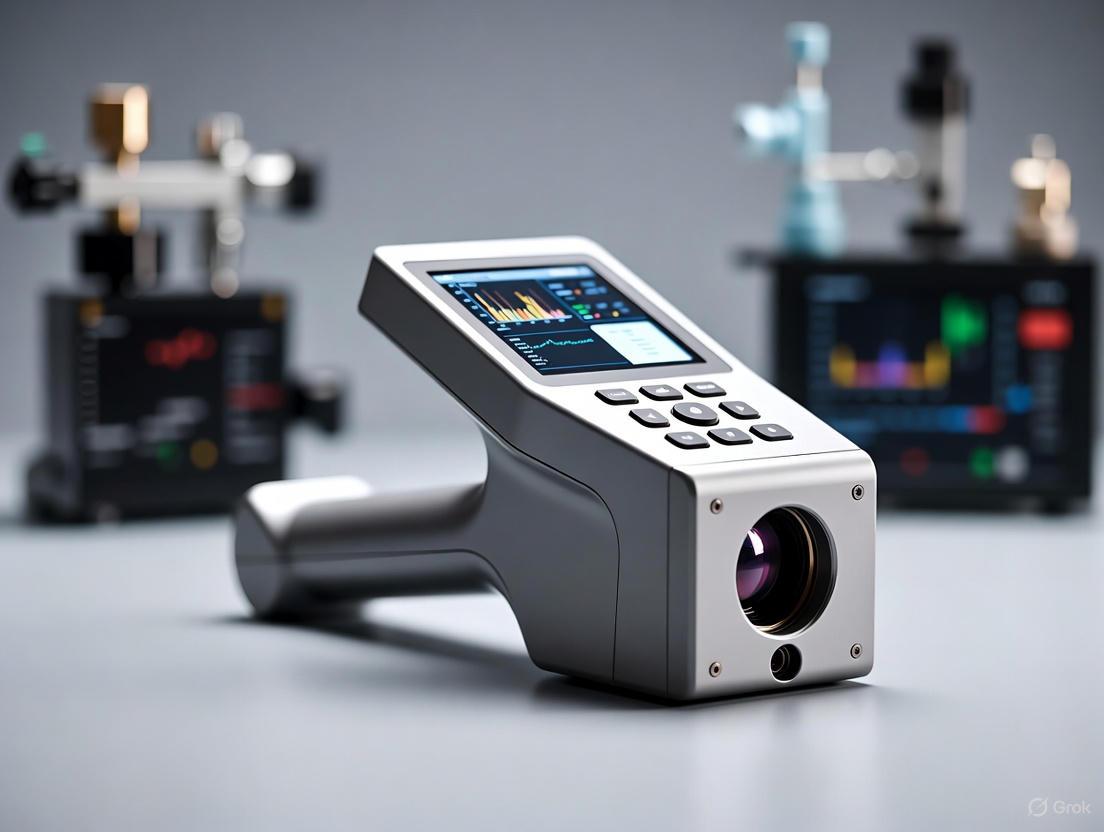
This article explores the transformative impact of portable Laser-Induced Breakdown Spectroscopy (LIBS) sensors in modern crime scene investigation.
Revolutionary Portable LIBS Sensors: Transforming Crime Scene Investigation with Real-Time Forensic Analysis
Abstract
This article explores the transformative impact of portable Laser-Induced Breakdown Spectroscopy (LIBS) sensors in modern crime scene investigation. It details the foundational technology enabling rapid, on-site elemental analysis of critical evidence such as gunshot residue (GSR), paint layers, and other micro-traces. For researchers and forensic professionals, the content covers practical methodologies, operational optimization to overcome matrix effects, and validation data comparing LIBS performance to traditional laboratory techniques like SEM-EDS. The integration of portable LIBS is shown to drastically reduce evidence backlogs and provide investigative leads with unprecedented speed, marking a significant leap forward for forensic science.
The Science Behind Portable LIBS: Principles and Technological Foundations for Forensic Science
Laser-Induced Breakdown Spectroscopy (LIBS) is an atomic emission spectroscopy technique characterized by its minimal sample preparation requirements and capability to analyze all chemical elements in real-time across various sample states, including solids, liquids, gases, and biological materials [1]. The core principle involves using a tightly focused laser beam to interact with a material sample, primarily forming atoms and ions in their excited states [1]. This interaction generates a high-temperature plasma plume that evolves over time and may reach thermodynamic equilibrium [1]. The technique has rapidly developed into a major analytical technology with capabilities for close-contact or stand-off analysis, making it particularly valuable for field applications such as crime scene investigations [1] [2].
For forensic science, LIBS offers transformative potential by enabling on-site analysis of diverse evidence types including gunshot residue (GSR), fingerprints, paint, glass, and soil [2] [3] [4]. Its minimal destructiveness (affecting only a 10-100 μm diameter spot) preserves evidence for subsequent confirmatory testing [4]. Recent advancements in portable instrumentation have demonstrated exceptional sensitivity, with detection limits below 10 picograms for most elements on silica wafers under optimized conditions [4].
Theoretical Foundations: The LIBS Process
The LIBS analytical process occurs through a sequence of physical interactions, beginning with laser ablation and culminating in the emission of characteristic atomic radiation. The fundamental stages include:
Laser-Sample Interaction and Plasma Formation
When a high-power laser pulse (typically nanoseconds to femtoseconds duration) is focused onto a sample surface, it delivers power densities exceeding 1 GW/cm², causing rapid heating, vaporization, and the formation of a luminous microplasma with temperatures reaching 10,000-20,000 K [1] [5]. This plasma consists primarily of excited atoms, ions, and free electrons from the sample material [1].
Plasma Evolution and Spectral Emission
Following laser ablation, the plasma expands and cools rapidly. During this cooling phase (approximately 1-10 μs after laser pulse initiation), excited electrons within atoms and ions return to lower energy states, emitting photons at characteristic wavelengths [1] [5]. This emission spectrum serves as a unique "fingerprint" for elemental composition, enabling qualitative and quantitative analysis of the sample [5].
Table 1: Key Physical Processes in LIBS Analysis
| Process Stage | Time Scale | Primary Physical Events | Governing Parameters |
|---|---|---|---|
| Laser Ablation | 1-10 ns | Photothermal heating, vaporization, plasma initiation | Laser wavelength, pulse duration, power density, material absorption |
| Plasma Formation | 10-100 ns | Inverse Bremsstrahlung, multiphoton ionization, plasma shielding | Ambient gas composition, pressure, laser energy |
| Plasma Expansion | 100 ns-1 μs | Plasma plume expansion, radiative cooling, atomization | Plasma temperature, sample matrix, background environment |
| Spectral Emission | 1-10 μs | Electron relaxation, photon emission, signal collection | Transition probabilities, detector timing, spectrometer resolution |
LIBS Instrumentation and Components
A typical LIBS system comprises several key components that work in concert to generate, collect, and analyze plasma emission signals.
Core Instrumentation Components
- Laser Source: Most systems employ Q-switched Nd:YAG lasers operating at fundamental (1064 nm) or harmonic frequencies (266 nm, 532 nm) with pulse durations of 1-15 ns and energies ranging from 1 mJ to 1 J, depending on application requirements [3] [4]. The 266 nm wavelength is particularly effective for GSR analysis due to reduced background interference [3].
- Optics System: Includes focusing lenses to deliver laser energy to the sample and collection optics (lenses or fiber optics) to gather plasma emission for spectral analysis [5].
- Spectrometer: Disperses collected light into constituent wavelengths using diffraction gratings, with detection systems including Intensified Charge-Coupled Devices (ICCD) or CCD arrays covering wide spectral ranges (200-900 nm) to capture elemental emission lines [5] [3].
- Timing Electronics: Precisely controls delay between laser firing and spectral acquisition to optimize signal-to-noise ratio by capturing emission when plasma continuum radiation has decayed but atomic/ionic emission remains strong [1].
Portable LIBS Configurations for Crime Scene Applications
Recent advancements have produced specialized portable LIBS sensors that operate in handheld or tabletop modes for forensic applications [2] [4]. These systems incorporate:
- Detachable, lightweight sensor heads connected via umbilical cables (approximately 2 meters) to instrument boxes containing laser and spectrometer components [2] [4].
- Integrated color cameras with illumination LEDs for sample visualization and precise pointing systems for target focus placement [4].
- Battery-powered operation for field deployment, enabling both direct surface analysis and examination of swabbed materials [4].
Experimental Protocols for Forensic Applications
Protocol: Gunshot Residue (GSR) Analysis Using Mobile LIBS
Principle: GSR particles containing characteristic elements (Sb, Pb, Ba) from primer compounds are identified through their unique emission signatures [3] [4].
Materials and Reagents:
- Carbon-adhesive substrates or tape lifts for sample collection
- Standard reference materials containing Sb, Pb, Ba at known concentrations
- Mobile LIBS system (e.g., J200 CX LIBS, Applied Spectra, Inc. or iForenLIBS)
- Disposable nitrile gloves to prevent contamination
Procedure:
- Sample Collection: Using carbon-adhesive substrates, sample the dorsum and palmar surfaces of subjects' hands using consistent pressure and circular motion. Alternatively, use tape lifts from suspected bullet holes or impact surfaces [3].
- Instrument Setup:
- Initialize portable LIBS system and allow 15-minute warm-up for laser stabilization
- Set laser parameters: 266 nm wavelength, 5-10 mJ pulse energy, 10 Hz repetition rate [3]
- Configure spectrometer: 200-500 nm spectral range, 0.1 nm resolution
- Set detector timing: 1 μs delay after laser pulse, 5 μs integration time [3]
- Calibration:
- Analyze standard reference materials to establish characteristic emission lines:
- Sb: 259.805 nm, 252.852 nm, 287.792 nm
- Ba: 455.403 nm, 493.409 nm, 614.172 nm
- Pb: 280.200 nm, 283.306 nm, 405.783 nm [3]
- Generate calibration curves for semi-quantitative analysis
- Analyze standard reference materials to establish characteristic emission lines:
- Sample Analysis:
- Mount sample substrate on XYZ stage
- Using integrated camera, identify potential GSR particles (1-5 μm diameter)
- For each sampling location, acquire 10 laser pulses at 3 different sites
- For tape lifts, employ line ablation or spot grid ablation pattern [3]
- Data Interpretation:
- Identify presence of Sb, Pb, Ba emission lines above background
- Apply chemometric pattern recognition (PCA, PLS-DA) to classify spectra as GSR or environmental particles [3]
- Report positive detection when all three characteristic elements are identified with signal-to-noise ratio >3:1
Performance Metrics: This protocol achieves >95% accuracy for shooter identification with reproducibility better than 11% RSD and absolute detection limits of 0.20-200 ng for Sb, Pb, Ba [3].
Protocol: Depth Profiling of Automotive Paint
Principle: Sequential laser pulses ablate through multiple paint layers, with elemental composition changes revealing layer structure for vehicle identification [4].
Materials and Reagents:
- Automotive paint samples or fragments from crime scenes
- Mounting substrates (aluminum stubs, glass slides)
- Standard reference materials for common paint elements (Ti, Fe, Ca, Mg, Si)
- Conductive tape for non-conductive samples
Procedure:
- Sample Preparation:
- Mount paint fragments on substrate using conductive tape
- Ensure flat, horizontal surface for consistent ablation
- For small fragments, embed in resin and cross-section for reference analysis
- Instrument Setup:
- Configure laser: 1064 nm wavelength, 50 mJ pulse energy, 10 Hz repetition rate
- Set spectrometer: 200-800 nm spectral range
- Adjust detector timing: 2 μs delay, 10 μs integration time
- Focus laser beam to 50 μm spot size on sample surface [4]
- Analysis:
- Position sample to ensure laser pulses strike same location
- Acquire 500 consecutive spectra from single location (50 pulses per layer average)
- Monitor intensity variations for key elements:
- Ti (368.52 nm, 498.17 nm) - typically in basecoat
- Fe (358.12 nm, 371.99 nm) - primer surfacer
- Mg (279.55 nm, 285.21 nm) - electrocoat primer
- Si (288.16 nm, 390.55 nm) - clear coat additives [4]
- Data Processing:
- Normalize spectra to plasma temperature using Ca II 396.85 nm / Ca I 422.67 nm ratio
- Plot elemental intensity versus pulse number to visualize layer transitions
- Apply multivariate analysis (PLS-RFE) to identify subtle compositional changes [6]
Performance Metrics: This protocol successfully identifies all four typical automotive paint layers (electrocoat primer, primer surfacer, basecoat, clear coat) with depth resolution <1 μm per pulse [4].
Table 2: Quantitative Performance of LIBS for Forensic Evidence Analysis
| Evidence Type | Key Elements Detected | Limit of Detection | Analysis Time | Accuracy/Precision |
|---|---|---|---|---|
| Gunshot Residue | Sb, Pb, Ba, Cu, Zn | 0.20-200 ng (absolute) | <1 minute | >95% accuracy, <11% RSD |
| Automotive Paint | Ti, Fe, Ca, Mg, Si | ~10 pg (absolute mass) | 2-3 minutes | 4-layer discrimination |
| Fingerprints | Na, K, Ca, Metallic traces | Sub-picogram level | 30 seconds | Material classification possible |
| Glass Fragments | Si, Na, Ca, Mg, Al, Fe | ppm range | 1 minute | Comparable to LA-ICP-MS |
| Soil Samples | Al, Si, Fe, Ca, K, Mg | ppm range | 1-2 minutes | Provenance determination |
The Scientist's Toolkit: Essential Research Reagents and Materials
Table 3: Essential Research Reagents and Materials for Forensic LIBS Analysis
| Item | Function | Application Notes |
|---|---|---|
| Carbon-Adhesive Substrates | Sample collection from hands and surfaces | Minimizes background elemental interference; compatible with SEM-EDS confirmatory analysis [3] |
| Standard Reference Materials | Instrument calibration and quantification | Certified concentrations of Sb, Pb, Ba for GSR; NIST traceable paint and glass standards [3] |
| Silica Wafers | Method development and sensitivity testing | Low elemental background for plotting nanoliter droplets to determine absolute detection limits [4] |
| Conductive Mounting Tape | Sample preparation for non-conductive materials | Prevents charging effects during analysis; maintains consistent sample geometry [4] |
| Calibration Gas Mixtures | Controlled atmosphere analysis | Argon or helium environments to enhance signal intensity for specific elements [1] |
| Certified Gunshot Residue | Method validation and quality control | Commercially available GSR particles for protocol verification and analyst training [3] |
| Eupalinolide B | Eupalinolide B, MF:C24H30O9, MW:462.5 g/mol | Chemical Reagent |
| GNE-1858 | HPK1 Inhibitor | Research-grade HPK1 inhibitor for immuno-oncology. This compound, N-[2-(3,3-difluoropyrrolidin-1-yl)-6-pyrrolidin-3-ylpyrimidin-4-yl]-1-propan-2-ylpyrazolo[4,3-c]pyridin-6-amine, is For Research Use Only. Not for human or veterinary diagnostic or therapeutic use. |
Advanced Methodological Approaches
Dual-Pulse LIBS
Dual-pulse techniques employ two sequential laser pulses (same or different wavelengths) to reheat the plasma, significantly enhancing emission intensity and improving detection limits by 5-10× compared to conventional single-pulse LIBS [1]. The first pulse ablates material and generates plasma, while the second pulse (delayed by 1-20 μs) reheats the expanding plasma to increase excitation efficiency and signal duration [1].
Femtosecond LIBS
Ultrafast laser pulses (10â»Â¹âµ seconds) provide fundamentally different ablation mechanisms compared to nanosecond lasers, minimizing thermal effects, reducing fractionation, and improving reproducibility for quantitative analysis [1]. The shorter pulse duration creates higher peak powers while depositing less total energy, resulting in cleaner ablation craters with minimal heat-affected zones [1].
Chemometric Data Analysis
Advanced statistical methods are essential for extracting meaningful information from complex LIBS spectra [6]. Key approaches include:
- Principal Component Analysis (PCA): Reduces spectral dimensionality while preserving chemical variance, enabling sample classification and outlier detection [3].
- Partial Least Squares Regression (PLSR): Constructs quantitative calibration models linking spectral features to element concentrations, particularly effective with recursive feature elimination (RFE) to select optimal variables [6].
- Light Gradient Boosting Machine (LGBM): Algorithm for effective spectral screening that outperforms standard deviation methods in classification metrics, improving quantitative analysis of heavy metals in aerosols [6].
LIBS technology represents a powerful analytical tool that bridges laboratory-grade elemental analysis with field-deployable capabilities, particularly valuable for crime scene investigations where rapid, on-site analysis informs investigative direction. The core physical principles of laser ablation, plasma formation, and atomic emission provide a robust foundation for qualitative and quantitative elemental analysis across diverse forensic evidence types. Ongoing advancements in instrumental miniaturization, laser technology, and chemometric data processing continue to expand LIBS applications while improving analytical performance. For forensic practitioners, understanding these fundamental principles and optimized protocols enables effective implementation of LIBS technology to accelerate investigative processes while maintaining scientific rigor appropriate for judicial proceedings.
Laser-Induced Breakdown Spectroscopy (LIBS) has emerged as a revolutionary analytical technique for forensic science, particularly in crime scene investigations. Portable LIBS systems represent a significant advancement over traditional laboratory-based methods, offering rapid, on-site elemental analysis with minimal sample preparation. These systems enable forensic investigators to detect and characterize microscopic residues directly at crime scenes, providing immediate investigative leads that were previously inaccessible without lengthy laboratory processing. The core principle of LIBS involves using a high-focused laser to ablate a microscopic portion of a sample, creating a plasma whose emitted light reveals the elemental composition of the material through characteristic spectral signatures [7].
The integration of portable LIBS technology into forensic workflows addresses critical challenges in modern law enforcement, including growing case backlogs and prolonged turnaround times for traditional analytical methods like Scanning Electron Microscopy with Energy Dispersive X-Ray Spectrometry (SEM-EDS). Where SEM-EDS analysis typically requires 4-12 hours per sample, portable LIBS systems can provide comparable elemental data in under one minute while remaining minimally destructive to evidence [3]. This dramatic improvement in analytical efficiency has positioned portable LIBS as a transformative tool for firearm-related investigations, shooting reconstructions, and various other forensic applications requiring rapid elemental characterization.
System Architecture and Core Components
Fundamental Operating Principle
The analytical power of portable LIBS systems stems from their sophisticated yet compact architecture, which integrates three core components: the laser source, spectrometer, and data processing unit. These systems operate through a carefully orchestrated sequence of physical processes that convert laser energy into actionable chemical information. The complete analytical pathway occurs within seconds, making LIBS ideal for rapid crime scene assessment [7] [8].
Table 1: Sequential Steps in LIBS Analysis
| Step | Process | Component Responsible | Output |
|---|---|---|---|
| 1 | Laser pulse generation and focusing | Laser Source | High-energy photons directed at sample |
| 2 | Sample ablation and plasma formation | Laser-Sample Interaction | Micro-plasma containing excited atoms and ions |
| 3 | Light emission from decaying plasma | Plasma Physics | Element-characteristic wavelengths |
| 4 | Light collection and transmission | Fiber Optics | Captured photons directed to spectrometer |
| 5 | Spectral dispersion | Spectrometer | Wavelength separation into component spectrum |
| 6 | Detection and digitalization | CCD/Detector Array | Digital spectral data |
| 7 | Data processing and interpretation | Data Processing Unit | Element identification and concentration |
The entire process, from laser pulse to results display, occurs within seconds, enabling rapid decision-making at crime scenes. The minimally destructive nature of the analysis preserves evidence for subsequent confirmatory testing using standard laboratory methods [3].
Laser Source Specifications
The laser source serves as the fundamental excitation mechanism in portable LIBS systems, generating the high-energy pulses necessary for sample ablation and plasma formation. Most forensic-grade portable LIBS systems utilize Neodymium-doped Yttrium Aluminum Garnet (Nd:YAG) lasers with wavelengths typically at 266 nm, though some systems may operate at fundamental harmonics (1064 nm) or other frequencies [3]. These lasers produce extremely short, high-intensity pulses that focus immense energy onto a microscopic area of the sample surface, achieving temperatures exceeding 10,000°C - sufficient to vaporize virtually any material into a plasma state [8].
Despite these extreme localized temperatures, portable LIBS systems are designed for safe field operation. The laser interacts with only a microscopic portion of the sample (typically vaporizing nanograms to picograms of material), leaving the surrounding area unaffected and cool to the touch for the operator [8]. This precision allows for analysis of delicate evidence without significant compromise to its integrity. Modern portable systems incorporate safety features including beam containment, interlock mechanisms, and user authentication to prevent accidental exposure while maintaining analytical performance comparable to laboratory instruments.
Table 2: Laser Source Specifications for Portable LIBS Systems
| Parameter | Typical Specification | Forensic Significance |
|---|---|---|
| Laser Type | Q-switched Nd:YAG | Provides high peak powers in compact package |
| Wavelength | 266 nm, 1064 nm | UV wavelengths improve ablation efficiency and spectral resolution |
| Pulse Duration | Nanosecond range (1-10 ns) | Short pulses minimize thermal damage to surrounding sample |
| Pulse Energy | Millijoule range (1-100 mJ) | Sufficient for plasma formation without excessive sample destruction |
| Spot Size | 10-100 μm | Enables single-particle analysis of gunshot residue |
| Repetition Rate | 1-100 Hz | Allows rapid sampling and mapping capabilities |
Spectrometer Configuration
The spectrometer constitutes the detection heart of the portable LIBS system, responsible for resolving the plasma emission light into its constituent wavelengths and converting them into digital spectral data. Portable systems typically employ compact spectrometers with diffraction gratings that separate the collected light based on wavelength [7]. Advanced systems may incorporate multiple spectrometers to cover a broad spectral range simultaneously, typically from 200 nm to 1300 nm, enabling detection of elements across the periodic table [9].
Detection is most commonly achieved through charge-coupled device (CCD) arrays that capture the dispersed wavelengths with high sensitivity. These detectors convert the photon signals into digital data representing the intensity of light at each wavelength, creating the characteristic LIBS spectrum that serves as an elemental fingerprint of the sample [3] [7]. The entire optical path is engineered for maximum efficiency in a miniaturized package, often incorporating fiber optics for flexible light transmission from the sampling head to the spectrometer unit. This configuration enables the design of handheld probes connected to the main instrument via umbilical cords, providing operational flexibility at crime scenes [2].
Data Processing and Analysis
The data processing unit transforms raw spectral data into analytically meaningful information through sophisticated algorithms and reference databases. After the CCD detectors digitize the spectral information, specialized software processes these data to identify elemental compositions based on characteristic emission lines [7]. Portable LIBS systems typically incorporate reference spectral libraries and peak-matching algorithms that automatically identify elements present in the sample by comparing acquired spectra to known emission lines [10].
The National Institute of Standards and Technology (NIST) provides a comprehensive Atomic Spectra Database (ASD) that supports LIBS applications by enabling researchers to simulate spectra for various element mixtures and plasma conditions [10]. This database allows forensic scientists to compare experimental spectra with theoretical predictions, improving identification accuracy. Advanced data processing capabilities in modern portable LIBS systems include multivariate statistical analysis, machine learning classification, and spectral mapping algorithms that enhance the detection reliability and enable creation of elemental distribution images for shooting reconstruction [3] [11]. These systems often feature intuitive graphical user interfaces designed for operation by personnel without specialized spectroscopy expertise, making the technology accessible for crime scene investigators [2].
Experimental Protocols for Forensic Applications
Gunshot Residue Analysis
Purpose: To identify characteristic elemental signatures of gunshot residue (GSR) on shooters' hands and related surfaces using portable LIBS technology. GSR particles typically contain combinations of lead (Pb), barium (Ba), and antimony (Sb) originating from primer compounds, along with copper (Cu) from jacketing materials [3].
Materials and Reagents:
- Carbon-adhesive substrates or tape lifts for sample collection
- Portable LIBS analyzer with 266 nm Nd:YAG laser
- Reference standards containing Pb, Ba, Sb, and Cu
- Spectral database for GSR identification
Procedure:
- Collect samples from subjects' hands using carbon-adhesive substrates, applying uniform pressure
- Secure sample substrate in LIBS sample chamber or position handheld probe perpendicular to surface
- Set laser parameters: 266 nm wavelength, 5-10 mJ pulse energy, 10 Hz repetition rate
- Program ablation pattern: spot grid ablation covering minimum 1 cm² area
- Acquire spectra across 200-650 nm range to cover primary GSR element lines
- Process data using chemometric models (PCA, PLS-DA) to classify shooter vs. non-shooter status
- Compare unknown spectra against reference database for GSR identification
Interpretation: Positive GSR identification requires detection of characteristic elemental combinations (Pb-Ba-Sb) with spectral line intensities significantly above background levels. Studies demonstrate accuracy rates exceeding 95% for identifying shooters using optimized LIBS protocols [3].
Shooting Distance Estimation
Purpose: To determine muzzle-to-target distance through analysis of GSR dispersion patterns around bullet entry holes using portable LIBS elemental mapping.
Materials and Reagents:
- Impacted substrates with bullet holes (cloth, drywall, wood)
- Adhesive films for residue collection
- Portable LIBS system with XYZ translation stage
- Distance reference standards fired at known distances
Procedure:
- Document bullet hole morphology and surrounding area photographically
- Apply adhesive film over bullet hole and surrounding area (minimum 15 cm radius)
- Remove film and secure to LIBS sample stage
- Program automated mapping routine with spatial resolution of 1-2 mm
- Acquire LIBS spectra at each grid position, targeting characteristic GSR elements (Pb, Ba, Sb, Cu)
- Generate heat maps of elemental distributions using spectral intensity data
- Compare spatial distribution patterns against reference standards from known distances
- Calculate shooting distance based on dispersion gradient and density
Interpretation: GSR density decreases exponentially with increasing muzzle-to-target distance. LIBS mapping can differentiate distances from contact to 36 inches (91 cm) with appropriate calibration curves [3] [11].
Bullet Hole and Ricochet Characterization
Purpose: To identify bullet impact sites and determine incidence angles through elemental analysis of transferred residues using portable LIBS.
Materials and Reagents:
- Suspected bullet impact surfaces (metal, wood, drywall, automotive parts)
- Reference samples from potential intermediate targets
- Portable LIBS with high-resolution camera attachment
- Spectral database for common building materials
Procedure:
- Visually inspect surface for potential impact sites
- Use LIBS integrated camera (1 μm resolution capability) to identify microscopic residue particles
- Perform targeted single-particle analysis on suspected GSR particles
- Conduct elemental mapping around suspected entry holes
- Acquire reference spectra from potential intermediate surfaces
- Compare residue composition on recovered bullets with suspected impact surfaces
- Analyze asymmetric GSR distribution patterns to determine incidence angle
Interpretation: Characteristic metal transfers (Cu, Pb) confirm bullet impacts. Asymmetric GSR deposition indicates oblique angles of incidence. Matching of trace elements between bullet and surface establishes ricochet relationships [12] [11].
Essential Research Reagent Solutions
Table 3: Essential Materials for Forensic LIBS Analysis
| Material/Reagent | Function | Application Example |
|---|---|---|
| Carbon-adhesive substrates | Sample collection medium | GSR sampling from shooter's hands |
| Standard reference materials (SRMs) | Instrument calibration and validation | Quantification of GSR elements |
| Adhesive films | Non-destructive residue collection | GSR pattern mapping around bullet holes |
| Silica wafers | Controlled substrate for sensitivity testing | Method validation and detection limit studies |
| Certified GSR particles | Reference standards for method development | Validation of GSR identification protocols |
| NIST Atomic Spectra Database | Spectral reference for element identification | Line assignment and interference correction |
Analytical Performance and Validation
Sensitivity and Detection Limits
Portable LIBS systems demonstrate exceptional sensitivity for forensic applications, with detection capabilities for GSR elements in the picogram to nanogram range. Absolute limits of detection for characteristic GSR elements have been reported as low as 0.20 ng for antimony, with similar sensitivity for lead and barium [3]. This sensitivity enables detection of single GSR particles, which typically range from 0.5 μm to 10 μm in diameter. The technology's detection limits surpass traditional color tests (Modified Griess, Sodium Rhodizonate) while approaching the sensitivity of laboratory-based SEM-EDS, making it suitable for identifying minute traces of GSR on shooters' hands and other surfaces [3].
Recent advancements in portable LIBS instrumentation have further improved analytical performance. Research prototypes have demonstrated detection capabilities below 10 picograms on silica wafers, highlighting the potential for next-generation systems to achieve even greater sensitivity [2]. This exceptional detection power enables forensic analysts to work with smaller sample sizes and more dilute residues while maintaining reliable identification, expanding the range of forensically viable evidence in shooting investigations.
Reproducibility and Accuracy
Method validation studies demonstrate that portable LIBS delivers excellent analytical reproducibility and classification accuracy for forensic applications. Precision measurements show better than 11% relative standard deviation (RSD) for replicate analyses of GSR samples, establishing sufficient reproducibility for forensic comparisons [3]. This precision level enables reliable differentiation between evidentiary samples and background contamination.
Classification accuracy represents perhaps the most significant performance metric for forensic techniques. Research studies utilizing portable LIBS for GSR analysis report accuracy rates exceeding 95% for distinguishing shooters from non-shooters when using appropriate chemometric models and validation protocols [3]. These high accuracy rates stem from optimized sampling protocols (spot grid ablation) and advanced data processing approaches that effectively manage the inherent spectral variability in complex forensic samples. The reproducibility and accuracy of modern portable LIBS systems support their use not only for investigative leads but potentially for evidentiary purposes in legal proceedings.
Advanced Applications in Crime Scene Investigation
Multi-transfer Evidence Analysis
Portable LIBS technology enables a revolutionary approach to shooting reconstruction through simultaneous analysis of multiple trace evidence transfers. Research demonstrates that approximately 2100 spectral comparisons with control samples can reveal multiple instances of transfer involving GSR, substrate materials, and bullet components [12]. This capability significantly enhances the probative value of trace evidence by establishing interconnected transfer patterns that place persons of interest in specific contexts.
Studies show that transfer of GSR to shooters' hands occurs in 95% of shooting events, while transfer of substrate residues (drywall, concrete, automotive materials) to recovered bullets happens in 87.5% of cases [12]. These multiple transfers create associative networks that portable LIBS can rapidly unravel at crime scenes. For example, the detection of both GSR and specific building materials on a suspect's hands provides compelling evidence of proximity to a shooting event involving that particular substrate. This multi-transfer analysis represents a paradigm shift in shooting reconstruction, moving beyond simple GSR detection to comprehensive transfer evidence mapping.
Elemental Mapping for Trajectory Reconstruction
The spatial resolution and mapping capabilities of portable LIBS systems provide unprecedented support for shooting trajectory estimation through elemental visualization. Research demonstrates that LIBS can generate detailed distribution maps of GSR elements (copper and lead) around bullet entry holes, revealing asymmetric patterns that indicate bullet incidence angles [11]. This analytical approach provides objective data to supplement traditional trajectory reconstruction methods based solely on mechanical features.
The distribution density and pattern of GSR elements vary systematically with both shooting distance and angle of incidence. On harder materials like stainless steel, LIBS mapping can differentiate between ammunition types based on their deposition patterns, enabling correlation of specific ammunition with particular entry holes in complex shooting scenes with multiple firearms [11]. This capability proves particularly valuable for reconstructing shooting sequences, identifying ricochet events, and establishing shooter positions. The integration of LIBS elemental mapping with 3D crime scene documentation systems further enhances reconstruction accuracy by combining chemical and spatial data into comprehensive shooting scenario models.
Portable LIBS technology represents a transformative advancement for forensic science, particularly in shooting investigations and crime scene reconstruction. The integration of three core components - precision laser source, high-resolution spectrometer, and sophisticated data processing - creates an analytical system capable of delivering laboratory-quality elemental analysis directly at crime scenes. This capability addresses critical challenges in modern law enforcement, including growing case backlogs and prolonged turnaround times for traditional forensic analysis.
The experimental protocols and applications detailed in this document demonstrate the versatility and robustness of portable LIBS for forensic analysis. From GSR identification on shooters' hands to trajectory reconstruction through elemental mapping, this technology provides investigative information that was previously inaccessible during the critical early stages of investigations. As portable LIBS systems continue to evolve toward greater sensitivity, miniaturization, and analytical sophistication, their integration into standard forensic practice promises to significantly enhance the efficiency and effectiveness of shooting investigations, ultimately strengthening the criminal justice system through improved evidence-based reconstruction capabilities.
Laser-Induced Breakdown Spectroscopy (LIBS) has emerged as a transformative analytical technique for modern crime scene investigation, effectively bridging the critical gap between traditional laboratory-bound instrumentation and the pressing need for rapid, on-site forensic analysis. This atomic emission spectroscopic technique operates by using a high-powered, focused laser pulse to generate a micro-plasma on the sample surface, vaporizing a small amount of material. As the plasma cools, the excited atoms and ions emit characteristic wavelengths of light, which are collected and analyzed to determine the sample's elemental composition [2] [13]. The fundamental advantage of LIBS lies in its capability for rapid, multi-elemental detection with minimal to no sample preparation, requiring only micro-gram quantities of material—a characteristic particularly suited to the trace evidence commonly encountered in forensic contexts [14].
The historical development of LIBS technology reveals a consistent trend toward miniaturization and portability. While laboratory LIBS systems have existed for decades, the pioneering development of truly field-portable and handheld instruments has occurred primarily over the past 15 years, enabled by advancements in compact laser technology, miniature spectrometers, and battery power [15] [13]. Early portable systems were often "suitcase" configurations that condensed laboratory components into transportable cases, but recent innovations have yielded genuinely handheld analyzers that weigh less than 4 pounds (1.8 kg) and can be operated for hours on battery power alone [13] [16]. This technological evolution has positioned LIBS as a powerful solution for addressing the temporal and logistical constraints of traditional forensic analysis, where evidence must often be transported to centralized laboratories, resulting in analysis turnaround times that can extend from weeks to months—a critical gap that portable LIBS technology is uniquely equipped to address [3] [17].
Comparative Analysis: Traditional Laboratory vs. Portable Field Methods
The transition from centralized laboratory analysis to mobile crime scene investigation represents a paradigm shift in forensic science, offering significant advantages in operational efficiency while presenting unique analytical challenges. Traditional forensic analysis relies heavily on sophisticated laboratory instrumentation such as Scanning Electron Microscopy with Energy Dispersive X-Ray Spectrometry (SEM-EDS), Inductively Coupled Plasma Optical Emission Spectroscopy (ICP-OES), and Laser Ablation Inductively Coupled Plasma Mass Spectrometry (LA-ICP-MS). These techniques, while offering exceptional sensitivity and selectivity, require extensive sample preparation, controlled laboratory environments, and highly trained operators, creating inevitable delays between evidence collection and analytical results [14].
Table 1: Comparison of Analytical Techniques for Forensic Elemental Analysis
| Analytical Technique | Analysis Time | Sample Preparation | Portability | Key Applications in Forensics |
|---|---|---|---|---|
| SEM-EDS | 4-12 hours per sample | Moderate (coating may be required) | Laboratory-bound | GSR particle identification via morphology and elemental composition |
| ICP-OES/ICP-MS | Hours (including digestion) | Extensive (digestion required) | Laboratory-bound | Bulk elemental analysis of soils, paints, glass |
| Laboratory LIBS | Minutes to hours | Minimal to none | Laboratory-bound | Broad elemental analysis of various forensic materials |
| Portable LIBS | Seconds to minutes | Minimal to none | Field-deployable | On-site screening of GSR, paints, soils, and other trace materials |
| XRF | Minutes | Minimal | Field-deployable | Metal analysis, limited light element detection |
The implementation of portable LIBS technology directly addresses several critical limitations of traditional forensic analysis. Most significantly, it dramatically reduces the analysis time for critical evidence—from potentially months to mere minutes—enabling investigators to make informed decisions while still at the crime scene [3] [17]. This rapid analysis capability is particularly valuable for time-sensitive evidence that may degrade or become contaminated during transport and storage. Furthermore, by performing analysis on-site, the risk of evidence contamination during transportation is substantially reduced, and the ability to conduct immediate follow-up sampling based on preliminary results enhances overall investigative efficiency [2].
However, this transition from laboratory to field analysis does present certain analytical trade-offs. While laboratory instruments like SEM-EDS can provide automated particle recognition and morphological characterization alongside elemental composition, portable LIBS prioritizes rapid elemental detection with some sacrifice in spatial resolution and, in some implementations, sensitivity for certain elements [14]. The analytical performance of portable LIBS systems continues to improve, with recent research prototypes demonstrating exceptional sensitivity below 10 picograms for many elements and the capability to differentiate multiple layers in complex samples like automotive paints [2] [14]. This balance between analytical performance and operational practicality defines the current state of portable LIBS technology in forensic science, positioning it as a complementary rather than replacement technology for traditional laboratory methods.
Current Portable LIBS Instrumentation and Performance
The current landscape of portable LIBS instrumentation encompasses a range of configurations designed to address specific forensic applications, from compact handheld devices to more sophisticated portable systems that maintain closer analytical performance to their laboratory counterparts. Recent advancements have focused on enhancing the analytical capabilities of these portable systems while maintaining their field-deployable characteristics.
Table 2: Performance Characteristics of Contemporary Portable LIBS Systems
| Instrument Type | Detection Limits | Analysis Time | Key Features | Representative Applications |
|---|---|---|---|---|
| Handheld Commercial LIBS | Low ppm range for metals | 1-3 seconds | Lightweight (2.9-3.9 lbs / 1.3-1.8 kg), battery operation | Alloy identification, soil screening, preliminary evidence assessment |
| Research-Grade Portable LIBS | <10 picograms for many elements | Seconds to minutes | High laser power, argon purge, precise targeting | GSR analysis, paint layer characterization, trace evidence |
| Mobile Laboratory LIBS | Sub-picogram to nanogram | Minutes | Cart-mounted, gas supplies, enhanced computing | Comprehensive sample analysis at scene, validation of handheld results |
A notable development in this field is the novel LIBS sensor prototype developed by the Italian National Agency for New Technologies, Energy and Sustainable Economic Development (ENEA) and the Fraunhofer Institute for Chemical Technology. This system uniquely offers both handheld and tabletop operational modes, providing flexibility for different crime scene scenarios [2] [14]. In its tabletop configuration, the instrument enables precise analysis of swabbed materials or small fragments, while the handheld mode allows direct pointing at targets that cannot be transported or swabbed. Key technical features include a color camera for sample visualization, illumination LEDs, and a precise pointing system for accurate laser focusing—addressing a significant limitation of earlier portable systems that lacked precise targeting capabilities [14].
The analytical performance of contemporary portable LIBS systems has reached levels once exclusive to laboratory instrumentation. Optimization of acquisition parameters has enabled remarkable detection sensitivity, with limits of detection for most elements below 10 picograms when analyzing nano-plotted traces on silica wafers [14]. This exceptional sensitivity is crucial for forensic applications where sample quantities are extremely limited. Furthermore, advanced portable systems now demonstrate sophisticated analytical capabilities such as depth profiling, which was successfully used to identify all four distinct layers in automotive paint samples—electrocoat primer, primer surfacer, basecoat, and clear coat—providing valuable information for vehicle identification in criminal investigations [2] [14].
The continuous innovation in portable LIBS technology is reflected in the commercial market, with several manufacturers now offering handheld analyzers specifically designed for field use. Instruments such as the Thermo Scientific Niton Apollo and B&W Tek NanoLIBS-Q exemplify this trend, featuring lightweight designs (typically 3-6 pounds / 1.3-2.7 kg), battery operation for 4+ hours, touchscreen interfaces, and connectivity options for data transfer [18] [16]. While these commercial systems are particularly adept at bulk material analysis, research-grade portable instruments maintain superior performance for trace evidence analysis, highlighting the ongoing specialization within the field of portable LIBS development [14].
Application Protocols for Forensic Evidence Analysis
Gunshot Residue (GSR) Analysis Protocol
The analysis of gunshot residue represents one of the most forensically significant applications of portable LIBS technology, offering a rapid alternative to the time-consuming SEM-EDS methods traditionally employed for this evidence type. The standard protocol begins with sample collection using adhesive carbon stubs or tape lifts from surfaces of interest, particularly the hands of persons of interest, bullet entry holes, and surrounding areas [3] [17]. The sampling process should prioritize areas most likely to retain GSR particles, including the thumb-web space and dorsal surfaces of the hands for individuals, and concentric zones around bullet holes for distance determination studies.
Following collection, the sample stub is positioned in the portable LIBS instrument's analysis chamber. Advanced systems, such as the mobile LIBS unit (J200 CX LIBS, Applied Spectra, Inc.), incorporate high-quality camera magnification (up to 1 μm resolution) for visualization of individual GSR particles, enabling targeted single-particle ablation rather than random sampling [3]. The analytical method should be optimized with the following parameters: laser energy typically between 5-15 mJ, spot size of 10-50 μm, argon gas purge to enhance signal-to-noise ratio, and spectral acquisition across a broad wavelength range (200-780 nm) to capture characteristic emission lines for antimony (Sb), barium (Ba), and lead (Pb)—the primary elemental constituents of inorganic GSR [3] [17]. Additional elements commonly associated with modern ammunition (aluminum, calcium, iron, silicon, tin, zinc, copper, titanium, strontium) should also be monitored for improved evidentiary value.
For each sample, a minimum of 30-50 sampling locations should be analyzed to ensure representative sampling, with each location subjected to 1-3 laser pulses. The resulting spectra are processed using chemometric pattern recognition techniques, such as principal component analysis (PCA) or partial least squares-discriminant analysis (PLS-DA), to classify samples as GSR-positive or GSR-negative based on their elemental signatures [3]. Validation studies using this protocol have demonstrated accuracy rates exceeding 95% for GSR identification, with analysis times of approximately 10-15 minutes per sample—a significant improvement over the 4-12 hours required for SEM-EDS analysis [3] [17].
Paint Layer and Coating Analysis Protocol
The analysis of multi-layered paint chips and coatings represents another forensically important application where portable LIBS technology offers unique capabilities, particularly through its depth-profiling function. The protocol initiates with visual examination and documentation of the paint fragment using the instrument's integrated camera system, noting surface characteristics, color, and texture. The sample is then secured on the instrument's stage, ensuring stable and reproducible positioning throughout the analysis.
For depth profiling analysis, the laser is focused on a single location on the sample surface, with sequential laser pulses ablating progressively deeper into the material. Each laser pulse removes a sub-micrometer layer of material, with the resulting spectra collected after each pulse representing the elemental composition at that specific depth [2] [14]. Key analytical parameters include: laser energy of 10-20 mJ, spot size of 50-100 μm, repetition rate of 1-5 Hz, and spectral acquisition after each pulse or pulse series. The analysis continues until the spectral signatures indicate the substrate material has been reached, typically requiring 10-100 pulses depending on the thickness and composition of the layers.
Data interpretation focuses on identifying shifts in elemental composition that demarcate different paint layers. For automotive paints, this typically involves detecting: (1) the top clear coat characterized by silicon and oxygen; (2) the basecoat containing pigments (titanium, iron) and organic colorants; (3) the primer surfacer with higher concentrations of fillers (barium, calcium) and corrosion inhibitors; and (4) the electrocoat primer directly on the metal substrate, containing anti-corrosion elements like phosphorus and zinc [14]. This layered elemental information can be crucial for vehicle identification in hit-and-run investigations or for associating paint fragments with specific sources. Contemporary portable LIBS systems have successfully identified all four characteristic layers in automotive paint samples, demonstrating the technique's suitability for this application [2] [14].
General Trace Evidence Screening Protocol
For screening unknown trace materials at crime scenes—including glass, soils, fibers, and other particulates—a generalized LIBS analysis protocol provides a systematic approach for rapid elemental characterization. The protocol begins with visual inspection of the evidence item using the instrument's camera system to identify areas of interest for analysis. The laser probe is then positioned to ensure proper focus on the sample surface, with contact-based systems requiring firm placement against irregular surfaces to prevent signal loss due to ambient light interference [15].
The analysis employs the following standardized parameters: laser energy of 2-10 mJ, spot size of 50-100 μm, 3-5 laser pulses per location to ensure representative sampling and remove potential surface contamination, and spectral acquisition across a broad wavelength range to detect elements from lithium to uranium. For each evidence item, multiple locations (typically 5-10) should be analyzed to account for potential heterogeneity, with the first pulse at each location often discarded to eliminate surface contamination effects [14].
The resulting spectra are compared against reference spectral libraries specific to the evidence type (e.g., glass database, soil database, polymer database) using correlation algorithms or multivariate statistical methods. For quantitative applications, such as soil metal contamination assessment, calibration curves developed using matrix-matched standards provide quantitative results for elements of interest [19] [13]. This protocol enables rapid classification of unknown materials based on their elemental signatures, guiding subsequent investigative decisions and laboratory submissions. The entire process, from sample positioning to result interpretation, typically requires less than 2 minutes per sampling location, making it particularly valuable for rapid screening of multiple evidence items at complex crime scenes [16] [14].
Essential Research Reagent Solutions and Materials
The effective implementation of portable LIBS technology in forensic investigations requires specific materials and calibration standards to ensure analytical accuracy and reproducibility. These reagents and reference materials form the foundation of quality assurance protocols for field-based elemental analysis.
Table 3: Essential Research Reagents and Materials for Forensic LIBS Analysis
| Material/Standard | Composition/Purpose | Application in Protocol | Critical Specifications |
|---|---|---|---|
| Matrix-Matched Calibration Standards | Synthetic standards with known element concentrations in specific matrices (e.g., soil, paint, polymer) | Quantitative analysis calibration, method validation | Certified reference materials with uncertainty measurements, similar matrix to evidence samples |
| GSR Simulant Standards | Particles containing precise ratios of Sb, Ba, Pb | Instrument calibration for GSR analysis, quality control | Particle size distribution (0.5-10 μm), spherical morphology similar to authentic GSR |
| Silica Wafer Test Substrates | Ultra-pure silicon wafers with nano-plotted element traces | Sensitivity verification, limit of detection studies | Element masses from 1 pg to 100 ng, precise spatial deposition |
| Adhesive Carbon Stubs/Tape | Conductive adhesive surfaces for particle collection | GSR sampling, trace evidence collection | SEM-compatible for confirmatory analysis, low elemental background |
| Argon Gas Supply | High-purity argon (≥99.998%) | Plasma enhancement for improved signal-to-noise | Portable canister compatible with field instrumentation, pressure regulation |
| Spectral Library Databases | Reference spectra for forensic materials (glass, paint, soil, GSR) | Automated material identification, classification | Comprehensive coverage of material types, validated with known samples |
The quality assurance framework for portable LIBS analysis incorporates these materials through systematic protocols. Daily verification of instrument performance should include analysis of sensitivity standards (e.g., nano-plotted silica wafers) to confirm detection capabilities, followed by analysis of control standards representing materials of interest (e.g., GSR simulants, paint chips) to validate classification accuracy [14]. For quantitative applications, a calibration curve using at least three matrix-matched standards with varying concentrations of target elements should be established at the beginning of each analysis session and verified periodically during extended analyses [19].
The unique advantage of portable LIBS technology in preserving evidence for subsequent confirmatory analysis must be emphasized. The micro-destructive nature of LIBS (typically removing less than 1 μg of material) ensures that sufficient evidence remains for traditional laboratory analysis using SEM-EDS, ICP-MS, or other techniques [3] [14]. This characteristic makes LIBS particularly valuable as a screening tool, enabling rapid on-site decisions while maintaining the evidentiary integrity for subsequent confirmatory testing. Proper documentation of LIBS analysis locations, through micro-scale photography or coordinate mapping, further enhances the value of this sequential analytical approach by ensuring that subsequent analyses avoid previously ablated regions [14].
Future Directions and Development Opportunities
The evolution of portable LIBS technology for forensic applications continues to advance, with several promising development pathways emerging from current research. Instrument miniaturization remains a primary focus, with ongoing efforts to reduce the size and weight of components without compromising analytical performance. Research teams are actively working to condense the instrument box to backpack dimensions, enhancing portability and accessibility in challenging crime scene environments [2]. This miniaturization is coupled with efforts to enhance analytical capabilities through hardware improvements such as motorized slits for precise sample positioning, enhanced spatial resolution for viewing cameras, and improved software for automated data analysis [2].
Beyond physical refinements to the instruments themselves, significant research is focusing on the expansion of application domains for portable LIBS in forensic science. Promising areas include cultural heritage preservation (analysis of pigments, historical materials), environmental monitoring (soil and water contamination), and food safety (contaminant detection) [2]. Within core forensic applications, current research is exploring the integration of LIBS with complementary analytical techniques such as Raman spectroscopy, creating hybrid instruments that provide both elemental and molecular information from the same microscopic sample area [14]. This combined approach offers particularly powerful capabilities for complex evidence types such as pharmaceuticals, explosives, and multi-layered paints.
The development of sophisticated data analysis approaches represents another critical frontier in portable LIBS technology. Current research is focusing on the implementation of artificial intelligence and machine learning algorithms for automated spectral interpretation, pattern recognition, and evidence classification [13] [14]. These computational advancements are particularly important for maximizing the utility of portable LIBS in field settings where operator expertise may be limited. By embedding expert knowledge into automated classification systems, these developments promise to make powerful analytical capabilities accessible to a broader range of forensic practitioners while simultaneously improving the objectivity and reproducibility of analytical results [14].
As portable LIBS technology continues to mature, its integration into broader forensic workflows represents the ultimate development opportunity. The RISEN project exemplifies this systems approach, integrating LIBS analysis with interactive 3D crime scene mapping and other sensor technologies to create comprehensive investigative platforms [2] [14]. This integration enables not only the elemental characterization of individual evidence items but also the spatial documentation of elemental distributions across crime scenes, potentially revealing patterns and relationships that would remain invisible through discrete evidence collection and laboratory analysis. As these integrated systems evolve, portable LIBS technology is poised to transition from a specialized analytical tool to a central component of comprehensive crime scene investigation methodologies.
Firearm-related investigations present significant forensic challenges, including the need for rapid, on-site analysis of microscopic gunshot residue (GSR) and the accurate determination of bullet trajectories. Traditional techniques, such as scanning electron microscopy with energy-dispersive X-ray spectroscopy (SEM-EDX), are laboratory-bound, time-consuming, and costly, creating a critical technology gap for real-time investigative decision-making at crime scenes [20]. The emergence of portable Laser-Induced Breakdown Spectroscopy (LIBS) offers a transformative solution by providing in-situ elemental analysis with high sensitivity and speed, enabling investigators to overcome these historical limitations [4]. This application note details how portable LIBS technology meets the unmet needs in shooting reconstruction, framed within a broader research context of developing advanced sensors for crime scene investigation.
Application Scenarios: Portable LIBS in Shooting Reconstructions
Portable LIBS systems bridge the technology gap by delivering laboratory-quality analytical capabilities directly to the crime scene. Their functionality in two distinct operational modes makes them uniquely adaptable to the diverse challenges of a shooting incident investigation.
Table 1: Key Operational Modes of Portable LIBS Systems
| Operational Mode | Description | Application in Shooting Reconstructions |
|---|---|---|
| Handheld Mode | Sensor head is pointed directly at large or immovable targets at the scene [4]. | Direct analysis of bullet entry/exit holes on walls, vehicle doors, or other fixed structures without destructive sampling [12]. |
| Tabletop Mode | Instrument is used in a static setup for the analysis of swabbed materials or collected fragments [4]. | Precise analysis of GSR swabs from a shooter's hands or recovered bullets for elemental fingerprinting [12] [20]. |
The core capabilities of portable LIBS that address specific unmet needs in shooting reconstructions are summarized below.
On-Site Gunshot Residue (GSR) Detection and Analysis
Portable LIBS enables the in-situ detection of GSR particles based on their characteristic elemental signature, primarily lead (Pb), barium (Ba), and antimony (Sb) [4] [20].
- Enhanced Sensitivity: Proof-of-concept studies have demonstrated that LIBS can detect GSR in 95% of samples collected from a shooter's hands and from bullet entry holes across various common substrates, including drywall, concrete, and automotive materials [12].
- Rapid Analysis: The technique requires minimal sample preparation and provides results in seconds, a significant advantage over the hours or days required for laboratory-based confirmation [21].
- Robust Performance: LIBS results are not adversely affected by the presence of common interferents like blood, making it reliable for use in real-world conditions [20].
Bullet Trajectory Estimation via Residue Mapping
Determining the angle of incidence is critical for trajectory reconstruction. Portable LIBS can generate 2D and 3D chemical maps of the distribution of bullet-derived elements (e.g., copper and lead) around an entry hole [20].
- Angle of Incidence Determination: Research shows that the quantitative data from LIBS scans of entry holes in materials like stainless steel, PVC, and particleboard can be correlated to the angle at which a bullet struck. The asymmetric deposition of residues provides chemical evidence to support trajectory estimation [20].
- Substrate Transfer Analysis: Studies reveal that transferred residues from various substrates (e.g., drywall, concrete) can be detected on a shooter's hands in 87.5% of experiments, providing a forensic link between the shooter, the firearm, and the scene [12].
Experimental Protocols for Portable LIBS in Shooting Reconstructions
The following protocols are synthesized from recent research to ensure reliable field application.
Protocol 1: In-Situ GSR Analysis on a Shooter's Hands
Objective: To detect and identify GSR particles on a suspect's hands using a portable LIBS system in tabletop mode.
Table 2: Research Reagent Solutions for GSR Analysis
| Item | Function |
|---|---|
| Adhesive Carbon Tape | Used for sampling; collects GSR particles from the hands while providing a conductive, uniform background for LIBS analysis [20]. |
| Portable LIBS Sensor | Performs the elemental analysis; must cover a wide spectral range and have high resolution to identify key GSR elements (Pb, Ba, Sb) and others (Cu, Zn) [4]. |
| Calibration Standards | Silica wafers or pellets with plotted traces of standard elements; used for instrument calibration and to estimate limits of detection [4]. |
Methodology:
- Sample Collection: Firmly press a strip of adhesive carbon tape onto the back of the subject's hand, focusing on the web space between the thumb and index finger. Repeat 3-4 times per hand.
- Sample Mounting: Secure the tape, particulate-side up, onto a clean sample stub.
- LIBS Analysis:
- Place the sample stub into the LIBS instrument's analysis chamber.
- Define a measurement grid on the tape surface for automated analysis.
- Set acquisition parameters (e.g., laser pulse energy: ~10-20 mJ, spot size: ~50 µm, number of shots per location: 3-5).
- Initiate automated scanning.
- Data Interpretation: Process spectra using chemometric software (e.g., PCA, SVM) to classify spectra and identify the presence of characteristic GSR elements (Pb, Ba, Sb) against the substrate background [4] [20].
Protocol 2: Trajectory Reconstruction via Entry Hole Residue Mapping
Objective: To determine the bullet's angle of incidence by mapping the elemental distribution of GSR around a bullet entry hole.
Methodology:
- Scene Documentation: Photograph and measure the entry hole prior to analysis.
- Direct LIBS Interrogation:
- Use the portable LIBS in handheld mode, placing the sensor head directly over the bullet hole.
- Define a rectangular scanning grid that encompasses the entire entry hole and its immediate periphery.
- Perform LIBS analysis at each point on the grid, recording the intensities of selected elements (e.g., Cu from the jacket, Pb from the core).
- Data Processing and 3D Mapping:
- Use integrated software to generate 2D false-color maps showing the spatial distribution and relative concentration of each target element.
- The asymmetry in the elemental deposition pattern, particularly the "comet-tail" direction of higher concentration, provides crucial information about the impact angle [20].
- Correlate the chemical map with the physical deformation of the entry hole for a more robust trajectory estimation.
The following workflow diagram illustrates the integrated process for using portable LIBS in a shooting reconstruction scenario, from evidence identification to investigative conclusion.
The Scientist's Toolkit: Essential Materials for LIBS-Based Shooting Reconstruction
For researchers and forensic professionals developing and applying these protocols, a specific set of reagents and materials is essential.
Table 3: Essential Research Reagents and Materials
| Item | Function |
|---|---|
| Portable LIBS Sensor | A dual-mode (handheld/tabletop) instrument with a high-energy pulsed laser, wide spectral detection range (e.g., 200-980 nm), and an integrated camera for precise pointing [4]. |
| Adhesive Sampling Tapes | Carbon or cellulose-based tapes for the non-destructive collection of trace particulates from hands, surfaces, and clothing [20]. |
| Standard Reference Materials | Pellets or wafers with known concentrations of elements (e.g., NIST standards) for daily instrument calibration and validation of analytical methods [4]. |
| Chemometric Software | Software packages capable of Principal Component Analysis (PCA), Support Vector Machine (SVM), and other machine learning algorithms for automated spectral classification and GSR identification [20]. |
| WEHI-9625 | WEHI-9625, MF:C34H27NO5S2, MW:593.7 g/mol |
| ZYF0033 | ZYF0033, MF:C26H30N4O2S, MW:462.6 g/mol |
Portable LIBS technology effectively bridges a critical technology gap in forensic science by bringing sensitive, rapid, and multi-elemental analysis directly to the crime scene. Its application in shooting reconstructions—from the definitive identification of GSR on a shooter's hands to the elucidation of bullet trajectories through chemical mapping—provides investigators with immediate, probative information that was previously inaccessible. The experimental protocols and toolkit detailed in this application note provide a framework for researchers and forensic professionals to integrate this powerful technology into their investigative workflows, thereby enhancing the accuracy and efficiency of firearm-related investigations.
From Theory to Crime Scene: Practical Applications and Methodologies for Portable LIBS
The rapid and reliable analysis of Gunshot Residue (GSR) is of paramount importance in the reconstruction of firearm-related incidents. The detection of characteristic inorganic elements—Antimony (Sb), Lead (Pb), and Barium (Ba)—on the hands of a shooter or on surrounding surfaces provides critical evidence for investigators [22]. Traditional analysis via Scanning Electron Microscopy with Energy-Dispersive X-ray Spectroscopy (SEM-EDS), while considered a "gold standard," is costly, time-consuming (requiring 4 to 12 hours per sample), and often unavailable in many forensic laboratories, leading to significant case backlogs [23] [3].
Within the context of a broader thesis on portable sensors for crime scene investigation, this application note details the use of Laser-Induced Breakdown Spectroscopy (LIBS) as a rapid, in-situ alternative. LIBS technology has evolved into portable and mobile systems that offer sensitive, multi-elemental detection in under a minute with minimal to no sample preparation [3] [17]. When combined with machine learning algorithms, LIBS provides a powerful tool for the probabilistic classification of samples, enabling investigators to make informed decisions directly at the crime scene.
Current Portable LIBS Solutions for Forensic GSR Analysis
Recent research and development have yielded sophisticated portable LIBS sensors designed to meet the stringent requirements of law enforcement agencies. The key advancements in two such systems are summarized below.
Table 1: Advanced Portable LIBS Systems for GSR Analysis
| System Feature | ENEA/Fraunhofer Compact LIBS Sensor [2] [4] | iForenLIBS System [24] [3] |
|---|---|---|
| Operation Modes | Handheld and tabletop modes | Handheld mode; can be mounted on a laboratory scanner |
| Key Capabilities | Depth profiling (e.g., identifying paint layers); Detection limits <10 picograms for most elements; Graphical User Interface (GUI) | Direct analysis on a large variety of surfaces; Single-particle targeting; Real-time detection and mapping of GSR elements |
| Design | Detachable, lightweight sensor head connected via an umbilical; Compact instrument box | Portable system; High-power pulsed laser; Wide spectral detection range |
| Noted Applications | Fingerprints, swabbed soil, GSR, varnishes on metal, coated plastics | Assessing bullet holes, estimating incidence angles, and identifying bullet types |
Experimental Protocols
Sample Collection from Hands
The following protocol is adapted from standardized procedures used by Brazilian police and forensic laboratories [23].
- Materials: Double-sided adhesive tape (e.g., 3M brand transparent tape), aluminum stubs (compatible with SEM-EDS for confirmatory analysis).
- Procedure:
- Press the adhesive side of the tape firmly onto the back of the suspect's hand, focusing on the thumb, forefinger, and the webbing between thumb and index finger.
- Repeat the process for the palm of the hand.
- Carefully remove the tape and attach it to an aluminum stub for stabilization and analysis.
- Collect control samples from non-shooters using the same procedure to establish a baseline.
Direct Surface Analysis at the Crime Scene
This protocol leverages the handheld mode of portable LIBS systems for the direct analysis of potential bullet holes and other impacted surfaces [24].
- Materials: Portable LIBS sensor with a handheld probe (e.g., iForenLIBS, ENEA/Fraunhofer sensor).
- Procedure:
- Visually inspect the crime scene to identify potential bullet holes, ricochet marks, or other impacted surfaces.
- Preliminary Surface Screening: Perform a control LIBS analysis on an unaffected area of the same substrate. This step is crucial to identify the substrate's elemental composition and mitigate the risk of false positives from materials that may contain elements common to GSR (e.g., Ba in certain paints) [24].
- Analyze the area surrounding the bullet hole. Portable LIBS can create elemental distribution maps (heat maps) of Sb, Pb, and Ba around the impact point.
- These maps provide an objective data basis for estimating the muzzle-to-target distance, as the density and distribution of GSR are distance-dependent [3].
LIBS Instrumental Analysis and Data Processing
This core protocol details the instrumental setup and data analysis, which can be performed either on-site or in a laboratory setting.
- Materials: LIBS instrument (portable or mobile unit), argon gas supply (if applicable to enhance signal).
- Instrument Parameters (Representative values, requires optimization):
- Laser: Nd:YAG laser (e.g., 266 nm) [3].
- Laser Energy: ~25 mJ per pulse [23].
- Ablation Pattern: Spot grid ablation or a linear pattern to cover a larger area of the sample [3].
- Spectral Range: Covering the characteristic emission lines for Sb (e.g., 259.81 nm, 326.75 nm), Pb (e.g., 280.20 nm, 405.78 nm), and Ba (e.g., 233.53 nm, 493.41 nm) [23].
- Data Preprocessing:
- Normalize the raw spectra to the total spectral area to correct for pulse-to-pulse laser fluctuations [23].
- Machine Learning Classification:
- Utilize a Support Vector Machine (SVM) algorithm trained on known shooter and non-shooter samples [23].
- The model outputs a probability score for the sample belonging to the "Shooter" or "Non-Shooter" category.
- Implement a probability threshold (e.g., 80%) to define classification outcomes, including an "Undefined" category for samples with uncertain classification, thereby enhancing model reliability and reducing false positives/negatives [23].
The following workflow diagram illustrates the integrated process from sample collection to final classification.
Performance Data and Validation
The LIBS methodology for GSR analysis has been rigorously validated against traditional SEM-EDS, demonstrating high accuracy and operational efficiency.
Table 2: Quantitative Performance of LIBS for GSR Analysis
| Analysis Metric | Performance Data | Context & Validation |
|---|---|---|
| Detection Limits | < 10 picograms (absolute mass) for most elements on silica wafers [4] | Demonstrates extreme sensitivity suitable for trace analysis. |
| Single-Particle Detection | Capable of detecting a single GSR particle with a diameter >1 µm [24] | Confirms suitability for microscopic GSR particles. |
| Classification Accuracy | >95% accuracy for distinguishing shooter from non-shooter samples [23] [3] | Achieved using SVM algorithms on LIBS spectral data. |
| Analysis Time | < 1 minute per sample [3] | Compared to 4-12 hours per sample for SEM-EDS [3]. |
| External Validation | 95% detection rate on shooter's hands and bullet entry holes [12] | Proof-of-concept study involving 2100 spectral comparisons. |
The Scientist's Toolkit: Essential Research Reagents & Materials
Table 3: Key Materials and Reagents for GSR Analysis via LIBS
| Item | Function in GSR Analysis |
|---|---|
| Double-Sided Adhesive Tape | Standardized medium for the non-destructive collection of GSR particles from the hands of a suspect or other surfaces [23]. |
| Aluminum Stubs | Provides a stable, conductive substrate for mounting adhesive tape samples. Ensures compatibility with subsequent SEM-EDS confirmatory analysis [17]. |
| Portable LIBS Sensor | Core instrumental platform for performing in-situ, multi-elemental analysis. Key features include a pulsed laser, spectrometer, and a handheld or portable probe [2] [4]. |
| Argon Gas Purge | Inert gas flow used during analysis to enhance the intensity of analyte emission lines by reducing atmospheric interference, improving signal-to-noise ratio [17]. |
| Standard Reference Materials | Materials with known elemental compositions used for calibration and validation of the LIBS instrument, ensuring analytical accuracy [4]. |
| G5-7 | G5-7, MF:C22H19F2NO3, MW:383.4 g/mol |
| CD73-IN-3 | CD73-IN-3, MF:C15H18N4O2, MW:286.33 g/mol |
Portable LIBS technology represents a paradigm shift in the analysis of gunshot residues. The protocols outlined herein enable the rapid, in-situ detection of characteristic elements Sb, Pb, and Ba with high sensitivity and reliability. The integration of machine learning for probabilistic classification introduces a robust, data-driven framework for forensic decision-making.
For the broader thesis on portable crime scene sensors, this work underscores that LIBS is not merely an alternative to SEM-EDS but a complementary and often superior tool for initial screening and triage. Its ability to provide actionable chemical intelligence in minutes, directly at the crime scene, significantly enhances the efficiency and effectiveness of firearm-related investigations. Future work will focus on the continued miniaturization of hardware, the development of more sophisticated automated classification models, and the expansion of spectral libraries to include a wider array of ammunition types and environmental contaminants.
Single-Particle Targeting and High-Magnification Visualization of Microscopic Residues
The analysis of microscopic residues is a critical component of modern crime scene investigation. Traditional methods for examining evidence such as gunshot residue (GSR) often involve time-consuming laboratory processes, with turnaround times ranging from weeks to months [3]. The advent of portable Laser-Induced Breakdown Spectroscopy (LIBS) systems with enhanced magnification and single-particle targeting capabilities represents a transformative advancement for forensic science. This technology enables researchers and forensic professionals to perform sensitive, multi-elemental detection of microscopic materials directly at the crime scene, providing rapid investigative leads that were previously impossible [17] [4].
This application note details the methodologies and protocols for utilizing portable LIBS technology for single-particle analysis of forensic evidence, focusing on the technical capabilities that allow for precise targeting and visualization of microscopic residues, including GSR, paint layers, and other trace materials.
Portable LIBS systems designed for single-particle analysis incorporate several key features that distinguish them from conventional laboratory instruments or earlier portable models.
Core Components and Specifications
The operational principle of LIBS involves using a high-focused laser pulse to ablate a micro-volume of material, creating a plasma whose emitted light is analyzed to determine elemental composition [7]. For single-particle targeting, this base technology is enhanced with specific components:
- High-Magnification Camera Systems: Advanced mobile LIBS units integrate high-quality cameras that provide the magnification necessary to visualize individual particles as small as 1 μm on the sample surface [3]. This visual capability is fundamental for selecting specific particles of interest for analysis.
- Precision Targeting Mechanisms: The combination of a high-resolution camera and a custom, compatible sample stage allows operators to precisely direct the laser onto a single microscopic particle [17].
- Argon Gas Flow Purge: Many systems incorporate an argon gas flow environment during analysis. This purge enhances analyte signal intensity by reducing atmospheric interference, leading to lower detection limits and cleaner spectral data [17].
- Ruggedized Portable Design: These instruments maintain field-deployable portability without compromising analytical performance, often complying with military standards for ruggedness (e.g., MIL-STD-810G) and featuring ingress protection (e.g., IP54) for use in diverse crime scene environments [25].
Quantitative Performance Data
The following tables summarize the demonstrated performance metrics of portable LIBS systems in forensic applications, particularly for single-particle and trace residue analysis.
Table 1: Analytical Sensitivity and Accuracy of Portable LIBS Systems
| Performance Parameter | Reported Value | Experimental Context |
|---|---|---|
| Detection Limits | < 10 picograms (absolute mass) [4] | Testing with 21-element standard plotted on silica wafer |
| Detection Limits for GSR | 0.20 to 200 ng (absolute mass for Pb, Ba, Sb) [3] | Analysis of gunshot residue on shooters' hands |
| Analysis Accuracy | > 95% [17] [3] | Classification of samples from shooters vs. non-shooters |
| Analysis Speed | Seconds to minutes per sample [3] | Comparison to SEM-EDS which requires 4-12 hours per sample |
Table 2: Depth Profiling Capability for Multi-Layer Materials
| Sample Type | LIBS Performance | Forensic Significance |
|---|---|---|
| Automotive Paint | Successfully identified all four layers (electrocoat primer, primer surfacer, basecoat, clear coat) [4] | Determination of vehicle make, model, and year [4] |
| Coated Plastics | Recognition of different coating layers and substrates [4] | Analysis of plastic fragments from accidents or crimes |
Experimental Protocols
Protocol 1: Analysis of Gunshot Residue (GSR) from a Shooter's Hands
Principle: This protocol uses the single-particle targeting capability of portable LIBS to detect and identify characteristic GSR particles (containing Pb, Ba, Sb) collected from the hands of a potential shooter.
Materials & Reagents:
- Aluminum stubs with adhesive carbon tape (standard for SEM-EDS compatibility) [17]
- Argon gas supply
- Deionized water for cleaning (if required)
- Reference standards for GSR elements (Pb, Ba, Sb)
Procedure:
- Sample Collection: Use aluminum stubs with adhesive carbon tape to collect potential GSR particles from the back of the subject's hands, particularly the thumb and index finger.
- Sample Mounting: Secure the sample stub onto the LIBS instrument's custom stage, ensuring compatibility and stability [17].
- System Purge: Initiate the argon gas flow over the sample area to create an optimized atmosphere for plasma formation and signal enhancement.
- Visualization and Targeting:
- Use the integrated high-magnification camera to scan the sample surface.
- Identify particles with morphological characteristics suggestive of GSR (e.g., spherical morphology).
- LIBS Analysis:
- Precisely position the laser on the identified single particle.
- Fire a single or a few laser pulses (e.g., Nd:YAG laser at 266 nm) to ablate the particle [3].
- Collect the emitted plasma light using the spectrometer.
- Data Interpretation: Analyze the spectrum for the presence of characteristic emission lines for antimony (Sb), barium (Ba), and lead (Pb). The confirmation of all three elements strongly indicates the presence of GSR.
Protocol 2: Depth Profiling of Automotive Paint Chips
Principle: This protocol leverages the layer-by-layer ablation property of LIBS to determine the elemental composition of each layer in a multi-layer paint chip, which can provide crucial evidence in hit-and-run investigations.
Materials & Reagents:
- Mounting substrate for paint chips
- Reference paint databases for automotive paints
Procedure:
- Sample Preparation: Secure the paint chip fragment on the mounting substrate to ensure it remains stationary during analysis.
- Initial Surface Analysis:
- Select an analysis spot on the clear coat (top layer).
- Perform a single LIBS measurement to record the elemental signature of the top layer.
- Depth Profiling:
- Direct a sequence of laser pulses to the exact same spot on the sample.
- Each subsequent pulse ablates deeper into the material, moving into the underlying layers.
- Collect a LIBS spectrum at predetermined pulse intervals (e.g., every 5-10 pulses).
- Data Analysis:
- Plot the intensities of key elemental markers (e.g., Ti, Ca, Al, C) against the laser pulse number.
- Observe the changes in elemental composition to clearly identify the transition between the four distinct paint layers [4].
- Compare the elemental profile of each layer to automotive paint databases to suggest a possible vehicle source.
Workflow and System Diagrams
The following diagrams illustrate the logical and operational workflows for the described protocols.
Diagram 1: Single-Particle LIBS Analysis Workflow
Diagram 2: Portable LIBS System for Single-Particle Targeting
The Scientist's Toolkit: Essential Research Reagents and Materials
Table 3: Key Materials for Portable LIBS Trace Evidence Analysis
| Item | Function / Application |
|---|---|
| Aluminum Stubs with Adhesive Carbon Tape | Standard substrate for collecting and holding trace particles; ensures compatibility with confirmatory SEM-EDS analysis [17]. |
| Silica Wafers | Used as a clean, controlled substrate for plotting standard reference materials and for estimating limits of detection [4]. |
| Argon Gas Tank | Provides inert gas purge to enhance signal-to-noise ratio and lower detection limits by minimizing atmospheric interference [17]. |
| 21-Element Standard Reference Materials | Used for instrument calibration, validation of analytical performance, and estimation of detection limits for a wide range of elements [4]. |
| Certified Gunshot Residue (GSR) Standards | Provide positive controls containing Pb, Ba, and Sb for method validation and quality assurance in GSR analysis [3]. |
| Automotive Paint Chip Reference Collection | A database of known samples for comparative analysis and identification of unknown paint chips from crime scenes [4]. |
| XST-14 | XST-14, MF:C16H21NO4, MW:291.34 g/mol |
| MLT-231 | MLT-231, MF:C19H19ClF3N7O2, MW:469.8 g/mol |
Laser-Induced Breakdown Spectroscopy (LIBS) has emerged as a powerful analytical technique for the elemental mapping and depth profiling of complex materials, making it particularly valuable for modern crime scene investigations [26]. For forensic scientists, the ability to determine the elemental composition of a sample layer-by-layer without extensive sample preparation is transformative. Portable LIBS sensors, developed to meet the requirements of law enforcement agencies, can now perform this analysis directly at a crime scene, providing immediate intelligence from trace evidence [4] [2]. These instruments utilize a series of focused laser pulses to ablate micro-quantities of material from a sample's surface. Each pulse removes a sub-micrometer layer while simultaneously creating a plasma whose emitted light is spectroscopically analyzed to reveal the elemental signature at that specific depth [26]. This capability is especially crucial for analyzing multi-layer materials such as automotive paints, coated plastics, and other complex layered evidence, where the sequence and composition of layers can provide critical associative links in a forensic investigation.
The integration of LIBS into portable, battery-operated devices represents a significant advancement for field forensics. Recent developments have produced sensors that operate in both handheld mode for direct pointing at evidence and tabletop mode for more precise analysis of collected samples [4] [27]. This flexibility allows investigators to analyze large immovable objects at a scene while also enabling high-sensitivity measurements of trace materials that have been swabbed or collected as fragments. The non-destructive nature of the analysis (relative to the evidentiary value of the sample) and the minimal sample consumption (often less than 1 µg per analysis point) make LIBS an ideal technique for preserving evidence for subsequent confirmatory laboratory testing [4].
Fundamental Principles of LIBS Depth Profiling
Core Mechanism and Ablation Process
The fundamental principle underlying LIBS depth profiling involves the repeated application of laser pulses to a single location on a sample surface [26]. Each laser pulse, typically lasting nanoseconds to femtoseconds, delivers high energy density to a microscopic area, generating a high-temperature plasma (10,000-20,000 K) that ablates a minute amount of material (ranging from nanometers to micrometers per pulse, depending on the laser parameters and sample properties) [26] [28]. As this plasma cools, the excited atoms and ions within it emit element-specific wavelengths of light, which are collected and dispersed by a spectrometer to produce the LIBS spectrum for that ablation pulse [29]. By recording the spectra from successive laser pulses at the same location, a depth profile is constructed, revealing how the elemental composition changes with increasing depth into the sample.
The quality and resolution of the depth profile are critically dependent on the laser-sample interaction and the resulting crater morphology. In an ideal scenario, each laser pulse would remove a perfectly uniform layer of material, exposing a fresh, uncontaminated surface for the subsequent pulse. In practice, factors such as laser beam profile, pulse energy, material homogeneity, and focusing conditions significantly influence the ablation crater's geometry and, consequently, the depth resolution [26]. The laser beam profile is particularly important, as a Gaussian energy distribution can create a non-uniform crater with deeper ablation at the center, potentially leading to the simultaneous detection of multiple layers and complicating interface identification [30]. Advanced systems address this challenge through beam shaping techniques that create a more uniform "top-hat" energy profile, yielding craters with flat bottoms and sharper interfaces between layers [30].
Technical Considerations for Depth Resolution
Achieving high-fidelity depth profiles requires careful optimization of several technical parameters. The depth resolution—the ability to distinguish between two closely spaced layers—is influenced by laser wavelength, pulse duration, energy, and the material properties of the sample itself. Shorter wavelengths (e.g., UV) typically provide better linear absorption in many materials, leading to more controlled ablation and improved depth resolution [30]. Similarly, ultra-short pulses (femtosecond vs. nanosecond) minimize thermal effects and the heat-affected zone (HAZ), reducing collateral damage and yielding cleaner spectral signatures from each distinct layer [28].
Interface roughness is another critical factor affecting depth profiling accuracy. Rough interfaces between layers create a mixing region where elements from adjacent layers are detected simultaneously across multiple laser pulses, making the precise determination of the interface location challenging [30]. Recent research has led to the development of sophisticated models, such as the Laser Profile & Interface Roughness (LPIR) model, which account for these factors to reconstruct more accurate depth profiles and improve layer thickness calculations [30]. For the forensic practitioner, this means understanding that the apparent width of a transition between layers in a LIBS depth profile is a combination of both instrumental factors and the physical properties of the sample itself.
Experimental Protocols for Multi-Layer Evidence Analysis
Evidence Collection and Sample Preparation
The first critical step in the LIBS analysis of multi-layer evidence involves proper evidence collection and minimal sample preparation. For direct analysis at a crime scene, the portable LIBS sensor head can be positioned over the area of interest without any physical contact [4]. For paint chips or other fragmented evidence, secure the sample on a stable, non-reflective substrate using double-sided conductive tape if necessary. Avoid sample contamination by using clean, powder-free gloves and sterile tweezers during handling. If the evidence is too large for direct analysis (e.g., a car door), consider non-destructive swabbing of the surface to transfer trace materials onto a silica wafer for subsequent tabletop LIBS analysis [4]. Document the sampling location photographically with the integrated color camera before initiating spectroscopic analysis.
Instrument Setup and Parameter Optimization
Optimal LIBS depth profiling requires careful calibration of instrument parameters. Begin by positioning the sensor head using the umbilical connection to ensure stability. Activate the illumination LEDs and color camera to visualize the sample and select the analysis point, using the pointing system to ensure the target is at the correct focal distance [4]. The following key parameters must be optimized for the specific type of evidence being analyzed:
- Laser Energy and Fluence: Adjust the laser pulse energy to achieve sufficient signal intensity without excessive ablation. For most paint and coating systems, start with a laser fluence in the range of 15-45 J/cm² and optimize based on spectral quality [28]. Higher fluence typically increases ablation rate but may degrade depth resolution.
- Wavelength and Spot Size: UV wavelengths (e.g., 343 nm) often provide better absorption on organic materials and improved depth resolution [28]. Focus the laser to a spot size of approximately 10-100 μm in diameter, balancing spatial resolution with sufficient signal generation [4].
- Spectrometer Settings: Configure the spectrometer gate width and delay to maximize signal-to-noise ratio for the elements of interest. A typical gate delay of 1 μs after the laser pulse helps reduce continuum background radiation [28].
Table 1: Key Research Reagent Solutions for LIBS Depth Profiling
| Item | Function | Application Notes |
|---|---|---|
| Silica Wafer | Reference substrate for trace materials | Provides clean, uniform surface for swabbed samples; enables picogram-level detection limits [4] |
| Calibration Standards | Quantitative element analysis | Nano-plotted traces with known elemental masses (10-500 pg) for sensitivity validation [4] |
| Conductive Adhesive Tape | Sample immobilization | Secures fragments without adding elemental contaminants; minimizes sample vibration during analysis |
| Reference Paint Layers | Method validation | Known multilayer systems (e.g., automotive paints) for verifying depth profiling capability [4] |
Data Acquisition and Depth Profile Generation
With parameters optimized, begin data acquisition by applying a sequence of laser pulses to the same spot on the sample. For most multi-layer systems, 50-200 pulses are typically sufficient to penetrate through all layers of forensic interest. Record the full spectrum for each pulse to build a three-dimensional data cube (intensity vs. wavelength vs. pulse number). Monitor key elemental emission lines in real-time to identify compositional changes. For automotive paints, this might include monitoring Ti (in white pigments), Ca, Si, Al, and organic components (C, H, N, O) [4]. After data collection, export the spectral data for processing. Construct depth profiles by plotting the normalized intensity of characteristic elemental emission lines against the pulse number. Convert pulse number to approximate depth by measuring the total crater depth post-analysis using optical microscopy or profilometry and assuming a constant ablation rate per pulse [26].
Analytical Performance and Validation
Sensitivity and Detection Limits
The compact LIBS sensor developed for crime scene investigations demonstrates exceptional sensitivity for trace element detection, a critical requirement for analyzing the thin layers encountered in forensic coatings. Under optimized conditions, the detection limits for most elements, in terms of absolute mass, were found to be below 10 picograms when analyzing nano-plotted traces on silica wafers [4] [31]. This extraordinary sensitivity enables the detection of even minor elemental constituents within individual layers of paint or coating systems, providing a wealth of comparative data for evidentiary purposes. The technique's capability to perform multi-elemental analysis simultaneously further enhances its forensic utility, allowing for the creation of comprehensive elemental fingerprints for each layer in a multi-layer system.
The analytical performance of LIBS for depth profiling has been rigorously validated against established forensic materials. In one key demonstration, the sensor successfully identified all four layers of a standard automotive paint system: electrocoat primer, primer surfacer, basecoat, and clear coat [4] [2]. This capability is particularly valuable for vehicle-related investigations, where paint chip evidence can provide associative information about a suspect's vehicle make, model, and even production year. The depth resolution achieved in these analyses was sufficient to clearly distinguish between adjacent layers, with transitions typically occurring within a few laser pulses, indicating sharp interface detection.
Table 2: LIBS Performance in Forensic Depth Profiling Applications
| Evidence Type | Key Elements Detected | Performance Metrics | Forensic Value |
|---|---|---|---|
| Automotive Paint | Ti, Ca, Si, Al, Mg, C | All 4 standard layers identified; depth resolution ~1-2 μm/pulse [4] | Vehicle identification; associative evidence |
| Gunshot Residue | Pb, Ba, Sb, Cu, Zn | Detection on multiple surfaces; 95% detection rate from hands [12] | Shooting confirmation; distance determination |
| Fingerprints | Na, K, Ca, exogenous metals | Elemental composition varies between individuals [4] | Suspect identification; substance transfer |
| Coated Plastics | C, H, Cl, polymer additives | Layer sequencing; coating thickness estimation [4] | Product sourcing; manufacture tracing |
Quantitative Analysis and Modeling
While LIBS is inherently semi-quantitative, advanced approaches have been developed to extract more quantitative information from depth profiling data. The One-Line Calibration-Free LIBS (OLCF-LIBS) method has been successfully applied to quantify elemental concentrations in depth profiles of multilayer systems without requiring extensive calibration standards [30]. This approach is particularly valuable in forensic applications where reference materials may not be available for the specific evidence being analyzed. Furthermore, sophisticated models like the LPIR (Laser Profile & Interface Roughness) model have been developed to reconstruct or predict LIBS depth distribution profiles by accounting for key factors such as laser beam profile and interface roughness [30]. These models improve the accuracy of layer thickness calculations and interface localization, with demonstrated relative errors of less than 5% in controlled multilayer samples [30].
For the forensic practitioner, these quantitative approaches enhance the evidentiary value of LIBS data by providing objective, measurable parameters for comparing questioned and known samples. The ability to precisely determine layer thicknesses and interface characteristics adds another dimension to the comparative analysis of multi-layer evidence beyond simple elemental composition. When combined with the portability and rapid analysis capabilities of modern LIBS sensors, these quantitative methods create a powerful tool for field-deployable forensic analysis.
Advanced Applications in Forensic Investigations
Case Study: Automotive Paint Analysis
The analysis of automotive paint fragments represents one of the most established applications of LIBS depth profiling in forensic science. When a vehicle is involved in a hit-and-run incident, microscopic paint chips transferred to the victim or scene can provide crucial investigative leads. The portable LIBS sensor's ability to characterize all four layers of modern automotive paint systems directly at a crime scene represents a significant advancement over traditional methods that require laboratory analysis [4] [27]. The protocol involves positioning the sensor head directly over the paint chip evidence, focusing the laser on the surface, and acquiring depth profiles by monitoring key elements characteristic of each layer: typically titanium (from TiOâ‚‚ pigments in primers and basecoats), carbon (from organic binders), and various fillers and extenders (Si, Ca, Al, Mg).
The resulting depth profile provides not only the elemental sequence of the layers but also semi-quantitative information about layer thicknesses and composition. This multi-layered signature can be highly specific, with different vehicle manufacturers utilizing distinct paint formulations and layer structures. The non-destructive nature of the analysis preserves the evidence for subsequent confirmatory testing using laboratory techniques such as SEM-EDS or infrared spectroscopy. Furthermore, the creation of reference databases of LIBS depth profiles from known automotive paints could enable rapid field classification of unknown paint chips by make, model, and production year.
Emerging Applications: GSR and Fingerprint Analysis
Beyond paint analysis, LIBS depth profiling shows significant promise for other challenging forensic evidence types. For gunshot residue (GSR) analysis, LIBS can detect characteristic elements (Pb, Ba, Sb) along with other ammunition-associated elements (Al, Ca, Fe, Si, Sn, Zn, Cu) both on surfaces and within porous materials [4] [12]. Recent studies have demonstrated a 95% detection rate for GSR on shooters' hands and bullet entry holes across various substrates including drywall, glass, and automotive materials [12]. The depth profiling capability is particularly valuable for determining the sequence of deposits when multiple layers of material are present, such as GSR particles overlaid with dust or other environmental contaminants.
The analysis of fingerprints represents another emerging application where depth profiling adds significant value. While traditional fingerprint analysis focuses primarily on ridge pattern identification, LIBS can provide additional intelligence by characterizing the chemical composition of the fingerprint residue, which varies between individuals and can reveal the presence of exogenous materials such as explosives, drugs, or GSR particles [4]. The depth profiling capability allows for the differentiation between materials originally present in the fingerprint and those deposited later, potentially establishing the chronology of events at a crime scene. This application demonstrates how LIBS transforms fingerprints from purely morphological evidence to both morphological and chemical evidence, significantly enhancing their intelligence value.
Future Perspectives and Method Enhancement
The ongoing development of portable LIBS technology for forensic applications continues to expand its capabilities for depth profiling of complex evidence. Future directions include further miniaturization of the instrument box to backpack size, enhancing field portability without compromising analytical performance [2]. Software advancements focusing on automated data analysis and pattern recognition will make the technology more accessible to non-specialist operators and reduce subjective interpretation of depth profiles. The integration of machine learning algorithms for rapid classification of unknown samples against spectral libraries represents another promising direction, potentially enabling real-time identification of materials based on their layered composition.
Advanced laser technologies, particularly femtosecond LIBS (fs-LIBS), offer significant potential for improving depth resolution in forensic applications. The ultra-short pulse duration of femtosecond lasers minimizes thermal effects and reduces the heat-affected zone, enabling more precise layer-by-layer analysis with less mixing between adjacent layers [28]. This enhanced resolution is particularly valuable for analyzing ultra-thin layers commonly encountered in modern industrial coatings and electronic materials. Additionally, the combination of LIBS with complementary techniques such as Raman spectroscopy within a single portable instrument could provide both elemental and molecular information from the same sample location, offering a more comprehensive characterization of complex multi-layer evidence.
As these technological advancements continue, the role of LIBS depth profiling in forensic investigations is expected to expand beyond its current applications. The ability to provide rapid, in-situ analysis of the stratigraphic structure of evidence creates new possibilities for establishing connections between suspects, scenes, and instruments of crime. With ongoing validation studies and the development of standardized protocols, LIBS depth profiling is poised to become an indispensable tool in the forensic investigator's toolkit, delivering actionable intelligence from the layered composition of trace evidence directly at the crime scene.
In firearm-related investigations, microscopic residues transferred between surfaces during a shooting event provide crucial forensic intelligence. Traditional analysis methods, often slow and laboratory-bound, can overlook the full potential of this evidence. The emergence of portable Laser-Induced Breakdown Spectroscopy (LIBS) enables in-situ, multi-elemental detection of these traces, revolutionizing crime scene reconstruction. This application note details protocols for using portable LIBS to trace the cross-transfer of materials—such as gunshot residue (GSR), building materials, and automotive paints—between a shooter's hands, fired bullets, and impacted substrates, all within the framework of modern, rapid forensic investigation.
Key Principles of Cross-Transfer Evidence
When a firearm is discharged, a complex exchange of microscopic materials occurs. The diagram below illustrates the primary and secondary transfer pathways that form the basis for chemical reconstruction of a shooting event.
Cross-transfer evidence encompasses this two-way exchange: 1) GSR particles (containing Pb, Ba, Sb) from the ammunition are deposited on the shooter's hands and surrounding surfaces, and 2) substrate residues from impacted surfaces (e.g., drywall, concrete, automotive glass) are transferred back onto the fired bullet and, in many cases, onto the shooter's hands [3] [12]. Portable LIBS rapidly characterizes the elemental signatures of these materials, creating chemical links between the suspect, the weapon, and the crime scene.
Quantitative Data on Residue Transfer
Controlled studies provide quantitative validation for the prevalence of these cross-transfer events, underscoring the value of this evidence.
Table 1: Detection Rates of Transferred Residues in Controlled Shooting Experiments
| Sample Type | Residue Type Detected | Detection Rate (%) | Key Elements Identified | Experimental Conditions |
|---|---|---|---|---|
| Shooter's Hands | GSR (Pb, Ba, Sb) | ~95% [12] | Lead (Pb), Barium (Ba), Antimony (Sb) | Various ammunition types & substrates |
| Shooter's Hands | Substrate Residues | 33-100% [12] | Variable (e.g., Ca, Si, Mg, Al) | Firing at 8 different common substrates |
| Recovered Bullets | Substrate Residues | 87.5% [12] | Variable (e.g., Ca from drywall, Fe from car fender) | Perforation or ricochet scenarios |
| Bullet Entry Holes | GSR (Pb, Ba, Sb) | ~95% [12] | Lead (Pb), Barium (Ba), Antimony (Sb) | Various ammunition types & substrates |
Table 2: Performance Metrics of Portable LIBS Systems
| Performance Parameter | Portable/Mobile LIBS Performance | Comparative Laboratory Technique (SEM-EDS) |
|---|---|---|
| Analysis Time | Minutes per sample [17] [32] | 4-12 hours per sample [3] |
| Detection Accuracy | >95% for GSR classification [3] [32] | Considered the standard; high specificity [3] |
| Limit of Detection | <10 picograms for many elements [4] | Sub-micron particle detection [3] |
| Sample Throughput | High (rapid screening) [32] | Low (contributes to case backlogs) [3] |
Experimental Protocols
Protocol 1: Sampling and Analysis of Shooter's Hands
Objective: To collect and analyze GSR and transferred substrate residues from a shooter's hands.
Step 1: Sample Collection
- Materials: Carbon-coated adhesive stubs (standard SEM-EDS stubs for workflow compatibility) [32], tweezers, evidence packaging.
- Procedure: Firmly press the adhesive surface of the stub onto the web between the thumb and index finger, the back of the hand, and the palm. Use separate stubs for each hand to preserve spatial information.
Step 2: LIBS Instrument Setup
- Instrument: Portable LIBS system with a minimum triple-pulse laser (e.g., Nd:YAG @ 266 nm), argon purge, and high-magnification camera for particle targeting [32].
- Parameters:
Step 3: Spectral Acquisition
- Visual Inspection: Use the integrated camera to identify potential particles of interest.
- Ablation Strategy: Employ a spot grid ablation pattern across the stub surface.
- Data Collection: Acquire 3-5 spectra per sampling spot. Monitor characteristic emission lines for GSR: Pb (405.78 nm), Ba (455.40 nm, 493.41 nm), Sb (259.81 nm, 326.75 nm) [33] [34].
Step 4: Data Interpretation
- Positive GSR Indication: Co-localization of Pb, Ba, and Sb emission lines in a single spectrum [32].
- Substrate Residue Detection: Identify spectral lines inconsistent with GSR (e.g., high Ca and Si from drywall, Fe from automotive parts) and compare against known reference samples from the scene [3] [12].
Protocol 2: Analysis of Recovered Bullets and Impacted Substrates
Objective: To identify GSR distribution around bullet holes and characterize foreign residues on recovered bullets.
Step 1: Sample Preparation
- Bullet Holes: Document and photograph the area prior to analysis. No preparation is typically needed for LIBS analysis of solid substrates.
- Recovered Bullets: Handle with clean tweezers to avoid contamination. Secure the bullet in a stable mount for analysis.
Step 2: Chemical Mapping for Shooting Distance
- Procedure: Use the portable LIBS probe to perform a grid analysis around the suspected bullet hole.
- Data Processing: Generate 2D heat maps based on the intensity of key GSR elements (Pb, Ba, Sb). The density and spread of these residues are correlated to the muzzle-to-target distance [34].
- Output: A visual, objective chemical map to estimate shooting distance, superior to traditional color tests [34].
Step 3: Bullet Surface Analysis
- Ablation Strategy: Focus laser pulses along the bullet's surface, particularly on deformed areas or striations that may trap material.
- Data Collection: Acquire spectra from multiple points.
- Data Interpretation: Identify elemental signatures matching substrates at the scene (e.g., calcium (Ca) from concrete or drywall, silicon (Si) from glass, iron (Fe) from vehicle parts). This can confirm bullet trajectory and ricochet events [3] [12].
The following workflow summarizes the end-to-end process for analyzing cross-transfer evidence from the crime scene to the laboratory.
The Scientist's Toolkit
Table 3: Essential Research Reagent Solutions and Materials
| Item | Function/Application |
|---|---|
| Carbon-Adhesive SEM Stubs | Standardized substrate for collecting GSR and micro-traces from hands and surfaces; ensures compatibility with subsequent SEM-EDS analysis [3] [32]. |
| Argon Gas Canister | Purge gas to improve signal-to-noise ratio in LIBS spectra by reducing atmospheric interference [32]. |
| Standard Reference Materials | Materials with known elemental composition (e.g., NIST standards) for instrument calibration and validation of analytical methods [4]. |
| Portable LIBS with Camera | Mobile instrument featuring a high-magnification camera for visualizing microscopic particles (≥1 µm) and targeting single-particle analysis [3] [4]. |
| Elemental Spectral Library | Database of characteristic elemental emission lines for accurate identification of GSR and substrate components (e.g., Pb @ 405.78 nm, Ba @ 455.40 nm) [33]. |
| MLT-943 | MLT-943, MF:C16H14ClF3N6O2, MW:414.77 g/mol |
| SU0268 | SU0268, MF:C26H25N3O4S, MW:475.6 g/mol |
Portable LIBS technology fundamentally enhances shooting incident investigations by enabling the rapid, on-site detection of cross-transfer evidence. The protocols outlined herein allow researchers and forensic professionals to chemically link a shooter's hands to specific discharged ammunition and a bullet to specific impacted substrates. This capability for real-time, chemically intelligent triage at the crime scene streamlines the investigative process, reduces laboratory backlogs, and provides robust, multi-layered physical evidence for the judicial system. Future developments will focus on advanced chemometrics for automated material classification and further miniaturization of LIBS hardware.
Laser-Induced Breakdown Spectroscopy (LIBS) has emerged as a powerful analytical technique for forensic trace evidence analysis, particularly with the recent development of portable and handheld systems that enable on-site crime scene investigation. LIBS utilizes a highly energetic laser pulse to generate a micro-plasma on the sample surface, and the characteristic atomic emission spectra from this plasma provide rapid, multi-elemental detection capabilities with minimal sample preparation [21] [29]. The technique's capacity to analyze major, minor, and trace elements directly from solid surfaces makes it ideally suited for forensic applications where evidence preservation is critical [29].
Recent technological advances have addressed previous limitations in portable LIBS systems, resulting in sensors capable of both handheld operation for direct evidence analysis and tabletop configuration for more controlled measurements of swabbed materials or fragments [14] [2]. These developments fill a critical technical gap in crime scene investigation tools, providing law enforcement agencies with a versatile instrument that combines high analytical sensitivity with operational flexibility. The integration of portable LIBS into forensic workflows represents a significant advancement in rapid evidence screening and crime scene reconstruction capabilities.
Analytical Fundamentals of LIBS for Trace Evidence
The fundamental principle underlying LIBS technology involves using a focused laser pulse to ablate a nanogram to microgram amount of material from a sample surface, creating a transient plasma with temperatures reaching 10,000-20,000 K [21] [29]. As this plasma cools, excited atoms and ions return to their ground states, emitting element-specific wavelengths of light that are detected and analyzed to determine elemental composition [29]. This process enables simultaneous multi-element detection from a single laser pulse, with typical analysis times of seconds rather than hours.
For forensic applications, LIBS offers several distinct advantages over traditional laboratory-based techniques like SEM-EDS, ICP-MS, or LA-ICP-MS. Its minimal sample destruction is confined to a laser spot typically 10-100 μm in diameter, preserving adjacent areas for subsequent analysis by other techniques [14]. Portable LIBS systems maintain high detection sensitivity for most elements at parts-per-million levels, with recent prototypes demonstrating detection limits below 10 picograms for many elements on silica wafers under optimized conditions [14]. This exceptional sensitivity, combined with the ability to detect light elements (including H, Li, Be, B, C) that are challenging for other field-portable techniques like XRF, significantly expands the range of detectable forensic markers [35].
Table 1: Comparison of Analytical Techniques for Forensic Trace Evidence
| Technique | Elemental Coverage | Spatial Resolution | Detection Limits | Sample Preparation | Analysis Time |
|---|---|---|---|---|---|
| Portable LIBS | All elements (including light elements) | 10-100 μm | ppm to ppb (varies by element) | Minimal to none | Seconds to minutes |
| Handheld XRF | Elements heavier than Mg | 1-10 mm | ppm range | Minimal | Minutes |
| LA-ICP-MS | Most elements | 10-100 μm | ppb to ppt | Minimal | Minutes to hours |
| SEM-EDS | Elements heavier than Be | 1 μm | ~0.1% | Coating often required | Minutes to hours |
| ICP-OES/MS | Most elements | N/A (bulk analysis) | ppb to ppt | Extensive digestion required | Hours |
Glass Analysis Protocols and Applications
Experimental Protocol for Glass Fragment Analysis
Sample Preparation:
- Collect glass fragments using clean tweezers and place on a clean, dry surface.
- If necessary, clean fragments gently with high-purity methanol to remove surface contaminants.
- Mount smaller fragments (<2 mm) on double-sided carbon tape on a microscope slide for stability during analysis.
- For larger fragments, position directly on the sampling stage.
- Document fragment characteristics (color, thickness, curvature) prior to LIBS analysis.
LIBS Instrument Parameters:
- Laser: Nd:YAG, 1064 nm, 5-10 mJ/pulse [36]
- Spot size: 50-100 μm
- Repetition rate: 10-20 Hz
- Number of pulses per spot: 5-10 (to account for heterogeneity)
- Detection delay: 1 μs
- Gate width: 5-10 ms
- Spectral range: 200-600 nm (covering major glass components)
Data Collection:
- Acquire spectra from at least 3-5 different locations on each glass fragment.
- Include both surfaces (if accessible) and cross-sections when possible.
- Analyze a minimum of 3 fragments from the same source to assess homogeneity.
- Run calibration verification standards before and after sample analysis.
Data Analysis:
- Identify major emission lines for Si (288.16 nm), Ca (315.89 nm, 317.93 nm), Na (589.00 nm, 589.59 nm), Al (308.22 nm, 309.27 nm), Mg (279.55 nm, 280.27 nm), and Fe (358.12 nm, 373.49 nm).
- Normalize spectra to the silicon line at 288.16 nm to account for pulse-to-pulse variations.
- Apply multivariate statistical analysis (PCA, PLS-DA) to discriminate between glass types [36].
- Compare unknown samples to reference databases of known glass types.
Figure 1: Experimental workflow for forensic glass analysis using portable LIBS
Application Data for Glass Analysis
Research demonstrates that LIBS, when combined with refractive index measurements, provides high discrimination power (>90%) for various glass types, including beverage containers, automobile headlamps, and float glass from vehicle windows [36]. The technique successfully differentiates between glasses with similar refractive indices but different elemental compositions, particularly through variations in minor and trace elements such as Mg, Fe, Sr, and Ba.
Table 2: Key Spectral Lines and Diagnostic Ratios for Glass Analysis
| Element | Characteristic Emission Lines (nm) | Forensic Significance | Typical Concentration Range |
|---|---|---|---|
| Silicon | 212.41, 251.43, 251.61, 288.16 | Major matrix element | 20-35% |
| Calcium | 315.89, 317.93, 393.37, 396.85 | Network modifier | 0.1-15% |
| Sodium | 589.00, 589.59 | Network modifier | 5-20% |
| Aluminum | 308.22, 309.27, 394.40, 396.15 | Network former | 0.1-5% |
| Magnesium | 279.55, 280.27, 285.21 | Discriminatory element | 0.01-5% |
| Iron | 358.12, 373.49, 374.56 | Trace element indicator | 0.01-1% |
| Strontium | 407.77, 421.55, 460.73 | High discrimination power | 0.001-0.5% |
| Barium | 455.40, 493.41, 614.17 | Manufacturing process indicator | 0.001-0.5% |
Comparative studies show that while LA-ICP-MS generally provides higher discriminating power for glass evidence, LIBS offers a favorable balance between discrimination capability, analysis time, and instrumental cost [36]. For automobile side-mirror glass, which typically exhibits limited variation in refractive index, LIBS has demonstrated particular utility by successfully discriminating subsets that would otherwise be indistinguishable by refractive index alone [36].
Polymer Analysis Protocols and Applications
Experimental Protocol for Polymer and Paint Analysis
Sample Preparation:
- For paint chips, secure samples to a stable mount using minimal adhesive.
- For polymer fibers, stretch across a custom sample holder to create a taut, flat surface.
- Clean surfaces gently with high-purity solvent if surface contaminants are present.
- Document layer structure and color before analysis.
- For depth profiling, ensure the sample is perpendicular to the laser beam.
LIBS Instrument Parameters:
- Laser: Nd:YAG, 1064 nm, 1-5 mJ/pulse (lower energy to control ablation rate) [14]
- Spot size: 50 μm
- Repetition rate: 10 Hz
- Number of pulses per spot: 50-100 (for depth profiling)
- Detection delay: 0.5-1 μs
- Gate width: 5 ms
- Spectral range: 200-900 nm
Data Collection for Depth Profiling:
- Focus laser on the sample surface using the integrated camera and pointing system.
- Acquire spectra from consecutive laser pulses at the same position.
- Monitor specific element signals to identify layer transitions.
- Continue analysis until the substrate is reached (indicated by stable elemental signals).
- Repeat at multiple locations to assess homogeneity.
Data Analysis:
- Identify organic components through C (247.86 nm), H (656.28 nm), N (746.83 nm), O (777.19 nm) emissions.
- Monitor inorganic pigments and fillers through specific elements (Ti, Zn, Ca, Ba, Fe).
- For depth profiling, plot normalized intensity of key elements versus pulse number.
- Apply chemometric pattern recognition to classify polymer types.
- Compare elemental signatures to reference databases of automotive paints or polymers.
Figure 2: Depth profiling workflow for multi-layer paint analysis using portable LIBS
Application Data for Polymer Analysis
Portable LIBS systems have demonstrated exceptional capability for analyzing complex multi-layer materials commonly encountered in forensic investigations. Automotive paints, which typically consist of four distinct layers (electrocoat primer, primer surfacer, basecoat, and clear coat), can be successfully characterized through LIBS depth profiling [14]. The technique provides superior depth resolution compared to micro-XRF, enabling precise identification of each layer based on its elemental composition [14].
LIBS has proven valuable for classifying diverse polymers, including those found in fibers, tapes, adhesives, plastics, and microplastic particles [14]. The elemental signatures of additives, fillers, and pigments provide discrimination between otherwise similar polymer materials, with recent research achieving high classification accuracy through chemometric analysis of spectral data [14].
Table 3: Elemental Markers for Polymer and Paint Analysis
| Application | Target Elements | Analytical Significance | Typical Spectral Lines (nm) |
|---|---|---|---|
| Automotive Paint Layers | Ti, Ca, Ba, Zn, Si, Fe, Al, Mg, K | Layer identification and discrimination | Ti II 334.94, Ca II 393.37, Ba II 455.40, Zn I 481.05 |
| Plastic Polymers | Cl, F, Br, Si, Ti, Ca | Polymer type and additive identification | Cl I 837.59, F I 685.60, Br I 827.24 |
| Polymer Fibers | Ti, Sb, Zn, Pb, Ca, Si, S, P | Delusterants, flame retardants, pigments | Ti II 334.94, Sb I 206.83, Zn I 481.05 |
| Adhesives & Tapes | Ca, Si, Ti, Zn, S, Al, Mg, Fe | Fillers and mineral content | Ca II 393.37, Si I 288.16, Ti II 334.94 |
The minimal sample destruction caused by LIBS analysis preserves the structural integrity of paint chips and polymer fragments for subsequent analysis by complementary techniques such as FT-IR or Raman spectroscopy, making it an ideal first step in a comprehensive forensic analysis workflow [35].
Soil Analysis Protocols and Applications
Experimental Protocol for Soil Evidence Analysis
Sample Collection and Preparation:
- Collect soil samples from relevant locations using clean tools.
- Air-dry samples at room temperature for 24 hours.
- Gently homogenize using a ceramic mortar and pestle (avoid grinding to preserve particle structure).
- Pass through a 150-200 μm sieve to remove large debris and ensure particle size consistency.
- Press approximately 0.5 g of soil into a pellet using a hydraulic press (5-10 tons for 1-2 minutes) or place loosely in a sample cup for portable LIBS analysis.
- Include control samples from known locations for comparative analysis.
LIBS Instrument Parameters:
- Laser: Nd:YAG, 1064 nm, 10-20 mJ/pulse [29]
- Spot size: 100 μm
- Repetition rate: 10-20 Hz
- Number of pulses per spot: 10-20
- Number of locations: 15-30 per sample to account for heterogeneity
- Detection delay: 1-2 μs
- Gate width: 5-10 ms
- Spectral range: 200-900 nm
Data Collection:
- Acquire spectra from multiple random locations on each soil pellet.
- Analyze both the fine fraction and any distinctive inclusions separately.
- Include quality control standards with known elemental composition.
- For comparative analysis, maintain identical instrument parameters for all samples.
Data Analysis:
- Identify major elements: Si (288.16 nm), Al (308.22 nm, 309.27 nm), Fe (358.12 nm, 373.49 nm), Ca (315.89 nm, 317.93 nm), Mg (279.55 nm, 280.27 nm), Na (589.00 nm, 589.59 nm), K (766.49 nm, 769.90 nm).
- Identify trace elements: Ti, Mn, Ba, Sr, Li, Cr, Zn, Pb based on specific emission lines.
- Apply multivariate statistical methods (PCA, LDA, cluster analysis) to identify compositional patterns.
- Compare unknown samples to reference databases using chemometric algorithms.
Figure 3: Soil analysis workflow for forensic provenance determination using portable LIBS
Application Data for Soil Analysis
Soil evidence possesses significant transfer potential in forensic investigations, with LIBS providing rapid elemental characterization that reflects the geological origin and environmental context of the sample [29]. The technique's sensitivity to both major and trace elements enables discrimination between soils from different locations, even within relatively small geographic areas.
Research by Martin et al. demonstrated LIBS's capability for detecting heavy metal contamination in soil samples with high accuracy, highlighting its application for environmental forensic investigations [29]. The spatial resolution of LIBS allows for analysis of individual soil components, providing additional discrimination power beyond bulk composition.
Table 4: Key Elements for Soil Provenance Determination
| Element Category | Specific Elements | Geological Significance | Detection Capability |
|---|---|---|---|
| Major Elements | Si, Al, Fe, Ca, Mg, Na, K, Ti | Parent rock composition, weathering processes | Excellent (ppm level) |
| Trace Elements | Ba, Sr, Rb, Li, Mn, Zn, Cu, Pb, Cr, Ni, V | Geological provenance indicators | Good (low ppm level) |
| Light Elements | C, H, N, O, P, S | Organic matter, fertilizers, contaminants | Moderate to good |
| Rare Earth Elements | La, Ce, Nd (selected) | High discrimination potential | Challenging (requires optimized conditions) |
The portable nature of modern LIBS systems enables preliminary soil screening directly at crime scenes, allowing investigators to make informed decisions about sample collection priorities and potentially identifying links between multiple locations before submitting samples to laboratory analysis [14] [2]. When combined with spatial analysis techniques, LIBS data can provide compelling evidence regarding the provenance of soil evidence recovered from suspects, vehicles, or items associated with criminal activities.
The Scientist's Toolkit: Essential Research Reagents and Materials
Table 5: Essential Materials and Reagents for Forensic LIBS Analysis
| Item | Specification | Application | Notes |
|---|---|---|---|
| Standard Reference Materials | NIST 610, 612 (glass); NIST 2710a (soil); NIST 2582 (paint) | Quality control, method validation, instrument calibration | Essential for quantitative analysis |
| Sample Support Substrates | High-purity silica wafers, aluminum foil, carbon tape | Sample mounting for trace materials | Low elemental background critical |
| Cleaning Solvents | High-purity methanol, isopropanol, acetone | Sample surface preparation | HPLC grade or better recommended |
| Pellet Press | Hydraulic press (5-15 ton capacity) with stainless steel dies | Soil and powder compaction | Improves analysis reproducibility |
| Microscope Slides | Pre-cleaned glass or quartz | Small particle mounting | Inert background preferred |
| Certified Element Standards | Single-element or multi-element solutions for plotting | Calibration curves, detection limit determination | Traceable to national standards |
| Sample Collection Kits | Clean tweezers, scalpels, sample containers, gloves | Evidence preservation and contamination prevention | Dedicated to forensic use only |
Portable LIBS technology represents a significant advancement in forensic trace evidence analysis, providing crime scene investigators with a powerful tool for rapid elemental characterization of glass, polymers, and soil evidence. The protocols and applications detailed in this document demonstrate the technique's versatility, sensitivity, and operational practicality for modern forensic science. As portable LIBS systems continue to evolve with improvements in miniaturization, spectral resolution, and data analysis software, their integration into standard forensic workflows will undoubtedly expand, ultimately enhancing the efficiency and effectiveness of crime scene investigations and evidence analysis.
Maximizing Analytical Performance: Overcoming Challenges and Optimizing Portable LIBS Operation
Laser-Induced Breakdown Spectroscopy (LIBS) has emerged as a powerful analytical technique for elemental analysis at crime scenes, valued for its minimal sample preparation and capacity for in-situ analysis. The technique operates by focusing a high-energy laser pulse onto a sample surface to create a microplasma, then analyzing the characteristic atomic emissions from this plasma to determine elemental composition. However, the analytical performance of LIBS, particularly for portable instruments used in forensic settings, is significantly compromised by matrix effects—the phenomenon where a sample's chemical and physical properties influence the emission intensity of elements, potentially leading to inaccurate qualitative identification and quantitative analysis. These effects present substantial challenges for forensic investigators who must analyze diverse materials including gunshot residue (GSR), paint chips, soil, glass, and other trace evidence encountered at crime scenes [2] [3].
Matrix effects in LIBS fundamentally arise from variations in how different sample matrices absorb laser energy, form plasma, and subsequently cool. These differences can alter emission line intensities independently of the actual elemental concentration, compromising analytical accuracy. Specific manifestations include: variations in laser-sample coupling efficiency dependent on surface properties and color; differences in plasma temperature and electron density affecting ionization degrees; and matrix-dependent fractionation effects during ablation. In forensic contexts, where evidentiary samples range from metallic gunshot residue particles to organic substrates like clothing fibers, these effects are particularly pronounced and problematic [37] [38].
For portable LIBS systems deployed at crime scenes, the challenges are exacerbated by operational constraints including limited laser energy, minimal sample preparation, and environmental variables. Despite these challenges, effective mitigation of matrix effects is essential for generating forensically admissible results that can withstand legal scrutiny. This Application Note presents comprehensive strategies and validated protocols to overcome matrix effects, enabling reliable analysis across the diverse substrates encountered in forensic investigations [2] [3].
Core Strategies for Matrix Effect Mitigation
Chemometric Data Processing Approaches
Advanced chemometric algorithms represent the most powerful approach for compensating matrix effects in LIBS analysis. These multivariate statistical techniques can effectively separate analyte-specific signals from matrix-induced variations, significantly improving analytical performance.
Euclidean Distance Prediction Algorithms: Recent research demonstrates that combining handheld LIBS (hLIBS) with an intelligent Euclidean distance prediction algorithm enables rapid fertilizer nutrient analysis with error rates below 6%, achieving R² values of 0.9828, 0.9541, and 0.9610 for N, P, and K respectively [39]. This approach constructs a feature matrix based on spectral similarity to reference materials, effectively minimizing matrix interferences by identifying samples with comparable properties.
Partial Least Squares Regression (PLSR): PLSR has proven exceptionally effective for quantitative analysis in complex matrices. The method projects both the spectral data (X-block) and concentration data (Y-block) onto a new coordinate system that maximizes the covariance between them. For forensic applications, PLSR models can be developed using training sets encompassing the expected range of sample matrices, creating robust calibrations that remain accurate even when analyzing unknown substrates. When combined with Euclidean distance algorithms, PLSR has demonstrated RMSE values below 1.02 g·kgâ»Â¹ for nutrient analysis in complex fertilizer matrices, showcasing its capability for precise quantification despite matrix variations [39].
Classification Algorithms: For qualitative forensic analysis such as material identification, algorithms including K-Nearest Neighbors (KNN), Soft Independent Modeling of Class Analogy (SIMCA), and Support Vector Machines (SVM) have shown excellent performance in distinguishing material types regardless of matrix effects. These methods classify samples based on spectral patterns rather than absolute intensities, reducing susceptibility to matrix-induced variations. A comprehensive tutorial on statistical comparison of LIBS predictive models provides guidance for selecting optimal algorithms based on specific analytical requirements [38].
Artificial Intelligence and Neural Networks: Emerging approaches leverage deep learning networks to model complex, non-linear relationships between spectral data and composition. As Professor Jorge O. Cáceres notes, "We have significantly contributed to the use of artificial intelligence (AI) and in particular, the application and development of neural networks (NNs), to have a prominent place in LIBS research" [37]. These systems can automatically learn features that are invariant across matrix types, offering unprecedented robustness for field-deployable systems.
Table 1: Performance Metrics of Chemometric Algorithms for Matrix Effect Mitigation
| Algorithm Type | Typical Applications | Key Advantages | Reported Performance Metrics |
|---|---|---|---|
| Euclidean Distance Prediction | Material classification, rapid screening | Simple implementation, fast processing | Error rates <6%, R² up to 0.9828 [39] |
| Partial Least Squares Regression (PLSR) | Quantitative analysis, concentration prediction | Handles correlated variables, reduces dimensionality | RMSE <1.02 g·kgâ»Â¹, RPD >4.64 [39] |
| Principal Component Analysis (PCA) | Exploratory data analysis, outlier detection | Visualizes data structure, identifies patterns | Successful for dairy adulteration detection [37] |
| Artificial Neural Networks (ANN) | Complex pattern recognition, non-linear modeling | Learns complex relationships, high adaptability | Applied to megapixel LIBS imaging [37] |
| Support Vector Machines (SVM) | Classification of complex materials | Effective in high-dimensional spaces | Used for sample classification in challenging matrices [38] |
Instrumental and Operational Approaches
Beyond data processing, strategic instrumental configurations and operational protocols can significantly reduce matrix effects during data acquisition.
Plasma Parameter Optimization: Careful control of laser energy, pulse duration, wavelength, and temporal gating parameters can minimize matrix dependence. Shorter laser wavelengths (e.g., 266 nm) typically provide better coupling with various materials and reduce fractionation effects. Additionally, optimizing the delay time between laser firing and spectral acquisition allows collection of signal when plasma conditions are more uniform across different matrices [3].
Spatial Resolution Enhancement: The development of megapixel multi-elemental imaging with micrometric spatial resolution represents a significant advancement. As Professor Cáceres explains, "Nowadays, it is possible to take several spectra based on LIBS and generate high-quality elemental imaging data with micrometric spatial resolution, a ppm-scale limit of detection, and high scanning speed (up to 1000 pixels/s)" [37]. This approach enables analysis of heterogeneous forensic samples like GSR particles while avoiding matrix interferences from surrounding material.
Sample Presentation Standardization: While portable LIBS allows minimal sample preparation, simple standardized approaches such as consistent pressure application for handheld units, fixed measurement geometry, and surface smoothing where feasible can significantly reduce matrix effects arising from physical property variations.
Depth Profiling: For layered materials such as automotive paints commonly encountered in hit-and-run investigations, depth profiling capabilities of modern LIBS systems enable analysis of individual layers separately. Recent compact LIBS sensors for crime scene forensics have successfully identified all four layers in car paint samples, demonstrating the value of this approach for eliminating inter-layer interference [2].
Calibration Strategies
Effective calibration approaches are essential for managing matrix effects in quantitative analysis.
Matrix-Matched Standards: The most straightforward approach involves using calibration standards with chemical and physical properties closely matching the unknown samples. While effective, this method is often impractical for crime scene work due to the unpredictable variety of evidentiary materials.
Standard Addition Methods: For specific high-value evidence, standard additions can effectively compensate for matrix effects by spiking samples with known analyte concentrations and measuring the response change. This approach is particularly valuable for complex, unique matrices where matched standards are unavailable.
Internal Standardization: Adding a known concentration of an element not present in the sample to all standards and unknowns can correct for variations in ablation efficiency and plasma properties. The ratio of analyte signal to internal standard signal provides more consistent calibration across diverse matrices.
Experimental Protocols for Matrix Effect Assessment and Mitigation
Protocol 1: Development of Matrix-Robust Calibrations
This protocol establishes a calibration approach that maintains accuracy across diverse substrates typical in forensic investigations.
Materials and Equipment:
- Portable LIBS instrument (e.g., J200 CX LIBS, Applied Spectra, Inc. or iForenLIBS)
- Certified reference materials spanning expected concentration ranges
- Representative substrate materials (glass, metal, painted surfaces, fabric)
- Sample preparation tools
- Computer with chemometric software (MATLAB, Python, or proprietary solutions)
Procedure:
- Sample Selection and Preparation: Collect certified reference materials with known composition across the concentration range of interest. Include materials with varying physical properties (conductivity, hardness, color).
- Spectra Acquisition: Acquire LIBS spectra using standardized parameters:
- Laser energy: 5-10 mJ/pulse (adjust based on specific instrument)
- Wavelength: 266 nm for reduced matrix dependence
- Delay time: 1.0 μs (optimize for specific instrument)
- Gate width: 1.0 μs
- Number of spectra per sample: 50-100 for statistical robustness
- Spot size: 50-100 μm
- Data Preprocessing:
- Apply dark subtraction and background correction
- Normalize spectra using total intensity or internal standard
- Perform wavelength calibration verification
- Remove outlier spectra based on Mahalanobis distance
- Model Development:
- Split data into training (70%), validation (15%), and test (15%) sets
- Develop PLSR model with optimal component selection via cross-validation
- Alternatively, train neural network with single hidden layer (10-15 nodes)
- Validate model using independent test set
- Performance Evaluation:
- Calculate Root Mean Square Error of Prediction (RMSEP) for quantification
- Determine classification accuracy for qualitative analysis
- Assess model robustness across different substrate types
Expected Outcomes: A properly validated model should achieve RMSEP improvements of 30-50% compared to univariate calibration and maintain classification accuracy above 90% across multiple substrate types.
Protocol 2: Standardized Analysis of Gunshot Residue on Various Substrates
This protocol addresses the specific challenge of GSR analysis across different surfaces encountered at shooting scenes.
Materials and Equipment:
- Portable LIBS system with camera magnification capability (≥1 μm resolution)
- GSR collection substrates (carbon-adhesive tabs, tape lifts)
- Reference GSR materials
- Various test substrates (drywall, painted drywall, glass, plywood, concrete, automotive materials)
- Statistical analysis software
Procedure:
- Sample Collection:
- Apply standardized collection protocols across all substrate types
- Use consistent pressure and collection time
- Document substrate characteristics (color, texture, porosity)
- LIBS Analysis:
- Utilize camera magnification to identify individual GSR particles
- Perform targeted single-particle ablations where possible
- Employ spot grid ablation for general screening
- Maintain consistent laser parameters across all analyses:
- Laser energy: 3-5 mJ/pulse
- Spot size: 10-20 μm for single-particle analysis
- Number of shots per location: 3-5
- Analysis grid: 5×5 to 10×10 points for general screening
- Data Collection:
- Monitor characteristic GSR elements (Sb, Pb, Ba)
- Record additional elements for substrate identification (Ca, Si, Al, etc.)
- Collect 20-30 spectra per sample type for statistical significance
- Data Processing:
- Apply vector normalization to all spectra
- Use peak area integration for quantitative analysis
- Employ PCA for pattern recognition and outlier detection
- Implement SVM classification for GSR identification
- Results Interpretation:
- Compare detection rates across different substrates
- Calculate false positive/negative rates
- Determine limits of detection for each substrate type
Validation: This protocol has demonstrated GSR detection in 95% of samples collected from shooter's hands and bullet entry holes across eight common substrates, with detection rates from 33% to 100% depending on bullet type and substrate properties [3].
Protocol 3: Cross-Substrate Validation Procedure
This protocol validates method performance across different substrate types to ensure reliability for forensic casework.
Procedure:
- Select representative samples from each major substrate category encountered in forensic investigations
- Analyze each sample type using standardized LIBS parameters
- Apply chemometric models to predict composition or identity
- Compare results to reference values or confirmatory methods
- Calculate precision (RSD) across multiple substrate types
- Determine accuracy (bias) for each substrate category
- Perform statistical comparison of model performance using appropriate tests (e.g., paired t-test, F-test) as described in model comparison tutorials [38]
Acceptance Criteria: Methods should demonstrate no statistically significant difference in accuracy (p > 0.05) across substrate types and maintain precision better than 15% RSD across all categories.
Visualization of Methodologies
Matrix Effect Mitigation Workflow
Chemometric Model Selection Logic
The Scientist's Toolkit: Essential Research Reagents and Materials
Table 2: Essential Materials for Matrix-Robust LIBS Analysis in Forensic Applications
| Item | Function/Application | Specifications/Notes |
|---|---|---|
| Certified Reference Materials | Calibration development, method validation | Should span expected concentration ranges and include diverse matrix types |
| Carbon-Adhesive Substrates | GSR collection and analysis | Standardized substrate for consistent particle collection [3] |
| Portable LIBS with Camera | In-situ analysis, particle identification | Requires ≥1 μm resolution for GSR particle visualization [3] |
| Chemometric Software Package | Data processing, model development | MATLAB, Python, or proprietary solutions with PLSR, PCA, SVM capabilities |
| Standardized Sample Collection Kits | Consistent evidence collection | Include multiple substrate types for comprehensive testing |
| Statistical Analysis Software | Method validation, model comparison | Required for significance testing of model performance [38] |
Mitigation of matrix effects is essential for generating reliable, forensically admissible results from portable LIBS analysis at crime scenes. The combination of robust chemometric models, optimized instrumental parameters, and standardized protocols presented in this Application Note provides a comprehensive framework for overcoming these challenges.
Implementation in operational forensic settings should prioritize method validation across the full range of anticipated sample types, establishing standard operating procedures for both analysis and data interpretation, and maintaining ongoing quality control through regular proficiency testing. As emphasized in recent research, "The potential applications of this LIBS sensor extend beyond forensic science" to various fields where in-situ analysis of materials is required [2], highlighting the broad relevance of these matrix effect mitigation strategies.
Future developments in standardized protocols, advanced machine learning algorithms, and miniaturized hardware with enhanced capabilities will further improve the robustness of portable LIBS against matrix effects, solidifying its position as an indispensable tool for modern crime scene investigation.
Calibration Protocols and Reference Standards for Quantitative Precision
For researchers deploying portable Laser-Induced Breakdown Spectroscopy (LIBS) sensors at crime scenes, achieving quantitative precision presents significant analytical challenges. The laser-induced plasma exhibits inherent variability due to pulse-to-pulse fluctuations, matrix effects where the sample composition influences emission signals, and varying environmental conditions encountered in field investigations [21]. Successful quantitative implementation requires robust calibration methodologies that compensate for these factors while maintaining the technique's advantages of rapid, in-situ analysis with minimal sample preparation [40].
The fundamental goal of LIBS calibration is to establish a reliable mathematical relationship between the intensity of elemental emission lines in plasma spectra and the actual concentration of those elements within a sample. This relationship enables forensic scientists to move beyond simple qualitative identification toward precise quantification of elemental compositions in evidence such as gunshot residue, glass fragments, paint chips, and solder alloys [41] [42]. For portable instruments used in crime scene investigations, the calibration approach must be particularly robust to handle diverse sample types without the controlled conditions of a laboratory environment.
Calibration Methodologies for Forensic LIBS
Traditional Calibration Approaches
Univariate Calibration establishes a relationship between the intensity of a single atomic emission line and the concentration of its corresponding element. This method requires creating calibration curves using matrix-matched certified reference materials (CRMs) with known concentrations [42]. For forensic applications, this might involve using standard glass reference materials for glass fragment analysis or solder alloys for explosive device components [41]. The univariate approach benefits from simplicity but suffers from limitations when analyzing complex matrices where spectral interferences or matrix effects are significant.
Multivariate Calibration techniques leverage multiple emission lines or entire spectral regions to build more robust quantitative models. These methods, including Principal Component Regression (PCR) and Partial Least Squares (PLSR), effectively handle spectral interferences and compensate for matrix effects by correlating complex spectral patterns with concentration data [40] [43]. For portable LIBS systems analyzing diverse evidence types, multivariate approaches provide superior performance when proper calibration sets are available.
Advanced and Specialty Calibration Methods
Calibration-Free LIBS (CF-LIBS) represents an innovative approach that eliminates the need for calibration standards by calculating elemental concentrations directly from plasma physics principles [44]. This method relies on measuring plasma parameters (temperature and electron density) and assuming local thermodynamic equilibrium to convert relative line intensities into concentration ratios [43]. While theoretically advantageous for crime scene investigations where appropriate standards may be unavailable, CF-LIBS currently faces challenges in accuracy and precision compared to traditional methods [21].
One-Standard Calibration techniques offer a practical compromise for field instrumentation. This approach, validated for forensic analysis of lead-free solder alloys, uses a single matrix-matched certified reference material combined with an internal standard element to normalize signals and compensate for mass-dependent drift and matrix effects [41]. The method significantly reduces the number of standards required for quantitative analysis while maintaining reasonable accuracy.
Table 1: Comparison of LIBS Calibration Methods for Forensic Applications
| Method | Principles | Best For | Limitations |
|---|---|---|---|
| Univariate Calibration | Linear relationship between single line intensity and concentration | Homogeneous evidence with simple matrices (pure metals, glass) | Susceptible to matrix effects and spectral interferences |
| Multivariate Calibration | Correlation of multiple spectral variables with concentration using chemometrics | Complex, heterogeneous evidence (soils, GSR, paints) | Requires large calibration set; complex model development |
| Calibration-Free LIBS | Plasma physics principles without calibration standards | Situations with no appropriate standards available | Lower accuracy and precision; complex implementation |
| One-Standard Calibration | Single CRM with internal standardization | Limited standard availability; field applications | Requires matrix-matched CRM and internal standard element |
Experimental Protocols for Quantitative LIBS Analysis
Protocol 1: Quantitative Analysis of Glass Fragments
Principle: Glass fragments encountered at crime scenes can be discriminated and potentially sourced based on their trace elemental profile, enhancing the evidentiary value beyond refractive index measurements alone [42].
Materials and Equipment:
- Portable LIBS system with wavelength coverage 200-900 nm
- NIST 1831 glass standard reference material
- Certified glass reference materials spanning expected concentration ranges
- Aluminum or glass sample mounting plates
- Ultrasonic cleaner for fragment preparation
Procedure:
- Sample Preparation: Clean glass fragments in ultrasonic bath with deionized water for 5 minutes, air dry on clean filter paper. Mount fragments on adhesive-free sample plates to maintain positioning during analysis.
- Instrument Optimization: Set laser pulse energy to 30-50 mJ, gate delay to 1 µs, and gate width to 5 µs. Use 100 µm spot size with 10 Hz repetition rate. Verify system alignment using NIST 1831 standard.
- Data Acquisition: Acquire 30 spectra from different locations on each sample. For each acquisition location, employ 5 laser pulses (discarding the first 2 pulses to remove surface contaminants) and average the remaining 3 pulses.
- Spectral Processing: Subtract continuum background using wavelet transform algorithms. Normalize spectra to Ca I 422.67 nm line to compensate for pulse-to-pulse variations.
- Quantitative Modeling: Develop PLSR model using 70% of reference data as calibration set, reserving 30% for validation. Monitor model performance using root mean square error of cross-validation (RMSECV).
Data Interpretation: Compare trace elements (Ba, Sr, Ti, Mn) concentrations in questioned samples to known sources using ±3 standard deviation matching criteria. Combine elemental data with refractive index measurements for enhanced discrimination power [42].
Protocol 2: Gunshot Residue (GSR) Analysis on Multiple Substrates
Principle: GSR particles contain characteristic elements (Pb, Ba, Sb) that can be identified and quantified to confirm shooting incidents and potentially link suspects to firearms [12].
Materials and Equipment:
- Portable LIBS system with high spectral resolution (<0.1 nm)
- GSR standard materials or synthesized pellets with known concentrations
- Swabbing materials consistent with standard forensic protocols
- Conducting carbon tape for sample mounting
Procedure:
- Sample Collection: Use standard GSR collection swabs from hands, clothing, or surfaces. Transfer representative portions of swabbed material to carbon tape on sample mounts.
- Method Development: Create calibration curves using GSR standards with Pb, Ba, and Sb concentrations spanning 0.1-10 µg/cm². Incorporate internal standards (such as Li) added to swabbing solution to normalize collection efficiency variations.
- LIBS Analysis: Set laser parameters to 40 mJ pulse energy, 0.2 µs gate delay, and 2 µs gate width to enhance signal-to-noise for trace elements. Use 50 µm spot size with raster pattern to sample multiple particles.
- Spectral Identification: Monitor Pb I 405.78 nm, Ba II 455.40 nm, and Sb I 259.81 nm emission lines. Employ spectral masking algorithms to distinguish GSR particles from environmental contaminants.
- Quantification: Use peak area ratios (analyte/internal standard) for quantification. Apply multivariate classification models (PCA-LDA) to differentiate GSR from environmental particles with similar elemental composition.
Data Interpretation: Report positive GSR identification when all three characteristic elements are detected above 3σ of blank levels. Quantify elemental ratios to potentially discriminate between ammunition types [12].
Reference Standards and Quality Control
Certified Reference Materials for Forensic Analysis
Successful quantitative LIBS analysis requires appropriate certified reference materials (CRMs) that closely match the matrix of evidentiary samples. For forensic applications, key CRM types include:
- Glass Standards: NIST 1831 and other float glass standards for window and container glass analysis [42]
- Solder Alloys: Lead-free solder CRMs for explosive device component analysis [41]
- Paint Standards: Automotive paint layer standards for depth profiling applications [14]
- Soil Standards: NIST 2710 and 2711 for environmental forensic investigations
The implementation of a one-standard calibration method has shown particular promise for portable LIBS systems, where transporting multiple CRMs to crime scenes is impractical. This approach, validated for lead-free solder analysis, uses a single matrix-matched CRM with an internal standard element (such as Pb) to normalize signals and compensate for instrumental drift [41].
Quality Control Protocols
Rigorous quality control measures ensure the reliability of quantitative LIBS results in forensic contexts:
- Daily Validation: Analyze quality control samples at the beginning, middle, and end of each analytical sequence. Results should fall within established control limits (±2SD of historical mean).
- Blank Analysis: Process and analyze method blanks with each sample batch to monitor contamination.
- Duplicate Analysis: Analyze every tenth sample in duplicate to monitor precision, with relative percent difference acceptance criteria of <15% for major elements and <25% for trace elements.
- Continual Calibration Verification: Reanalyze mid-range calibration standards every 10-15 samples to monitor instrumental drift, applying correction factors if deviation exceeds ±10%.
Table 2: Detection Capabilities of LIBS for Forensic Elements
| Element | Emission Line (nm) | Typical LOD (µg/g) | Primary Forensic Application |
|---|---|---|---|
| Pb | 405.78 | 5-10 | Gunshot residue, solder alloys |
| Ba | 455.40 | 2-5 | Gunshot residue |
| Sb | 259.81 | 10-20 | Gunshot residue |
| Sr | 460.73 | 1-3 | Glass discrimination |
| Cu | 324.75 | 2-5 | Jackets, wiring, alloys |
| Ag | 328.07 | 5-10 | Jewelry, solder alloys |
| Sn | 284.00 | 10-15 | Solder alloys |
| Ca | 422.67 | 5-10 | Soil, building materials |
The Scientist's Toolkit: Essential Materials for Forensic LIBS
Table 3: Research Reagent Solutions for Forensic LIBS Analysis
| Material/Standard | Function | Application Example |
|---|---|---|
| NIST 1831 Glass CRM | Calibration verification | Quantitative analysis of glass fragments |
| Lead-free Solder CRM | Matrix-matched calibration | Analysis of explosive device components |
| Conductive Carbon Tape | Sample mounting | Secure positioning of trace evidence |
| Swabbing Materials | Evidence collection | GSR recovery from hands and surfaces |
| Internal Standard Solutions | Signal normalization | Addition of Li or Y to swabbing solutions |
| Silica Wafer Substrates | Background reduction | Analysis of swabbed particulate materials |
| Polymer Pellets | Method development | Validation of plastic evidence analysis |
| Soil Reference Materials | Environmental forensics | Soil comparison and sourcing |
Data Analysis and Chemometric Processing
Spectral Preprocessing Techniques
Effective preprocessing of LIBS spectra is essential for quantitative accuracy, particularly for portable instruments operating in variable environmental conditions:
Continuum Background Removal: Implement wavelet transform algorithms to subtract bremsstrahlung radiation背景 without distorting analytical emission lines [43]. This approach improves signal-to-background ratios, particularly for trace elements in complex matrices.
Spectral Normalization: Apply internal standardization using a naturally occurring element (e.g., Pb in solder alloys) or total light normalization to compensate for pulse-to-pulse energy fluctuations [41] [43]. For evidence types without consistent internal standard elements, plasma image-based normalization or acoustic signal normalization provides alternative approaches.
Signal Averaging: Average multiple spectra (typically 30-50 laser pulses) from different sample locations to improve representativeness and signal-to-noise ratios while accounting for sample heterogeneity.
Multivariate Statistical Analysis
Chemometric techniques enable effective extraction of quantitative information from complex LIBS spectra:
Principal Component Analysis (PCA): Reduce spectral dimensionality while preserving chemical variance, enabling discrimination of samples based on trace elemental profiles [41]. Applied successfully to discriminate lead-free solder alloys from different manufacturers, including different solders from the same manufacturer.
Partial Least Squares Regression (PLSR): Develop robust quantitative models that maximize covariance between spectral features and reference concentrations, effectively handling spectral collinearity [40]. PLSR models demonstrate superior performance to univariate methods for complex evidence types like soils and paints.
Classification Models: Implement linear discriminant analysis (LDA) or support vector machines (SVM) to classify evidence sources based on elemental profiles, providing statistical confidence measures for associations [42].
Method Validation and Uncertainty Assessment
For quantitative LIBS methods to withstand legal scrutiny, rigorous validation following established guidelines is essential:
Accuracy Assessment: Determine method accuracy through analysis of certified reference materials with recovery acceptance criteria of 80-120% for major elements and 75-125% for trace elements. For evidence types without CRMs, validate against results from reference methods like LA-ICP-MS [42].
Precision Evaluation: Establish precision through repeated analysis of homogeneous samples, with acceptance criteria of <5% RSD for major elements and <15% RSD for trace elements.
Limit of Quantification: Define practical quantification limits as the concentration that produces signal 10 times the standard deviation of blank measurements, with precision and accuracy meeting the above criteria at this level.
Uncertainty Budgeting: Quantify contributions to measurement uncertainty from sampling, reference values, calibration curve fitting, and instrument precision using bottom-up modeling approaches.
{## 1. Introduction}
Laser-Induced Breakdown Spectroscopy (LIBS) has emerged as a powerful analytical technique for in-situ elemental analysis in forensic science. The development of portable LIBS sensors has enabled law enforcement agencies to perform rapid, on-site examination of forensic evidence, including gunshot residue (GSR), explosives, paint layers, glass fragments, and soil samples [2] [14]. Unlike controlled laboratory settings, crime scene investigations expose analytical instruments to harsh and unpredictable environmental conditions. Dust, humidity, and temperature variations present significant operational challenges that can compromise the analytical performance, reliability, and longevity of portable LIBS systems [45] [21]. This application note details these challenges within the context of crime scene investigations and provides structured protocols to manage them effectively, ensuring data validity for forensic research and application.
{## 2. Environmental Challenges and Their Impact on LIBS Performance}
The analytical core of LIBS involves using a pulsed laser to create a micro-plasma on the sample surface, with the emitted light spectrum used for elemental quantification [46]. This process is highly sensitive to environmental factors, which can alter plasma properties and spectral signatures.
Humidity Variations
Water vapor in the air directly interferes with plasma formation and emission characteristics. Research confirms a linear relationship between ambient humidity and the intensity of the hydrogen-alpha (Hα) emission line at 656.3 nm [45]. This variation can be pronounced enough that LIBS itself has been studied as a method for measuring air humidity [45]. For forensic applications, this effect is critical when analyzing organic materials or explosives, which contain hydrogen, nitrogen, and oxygen, as fluctuating humidity can mask or mimic spectral signatures from these elements, leading to false positives or negatives [45] [14].
Dust and Particulate Contamination
Dust poses a dual threat to portable LIBS sensors. Externally, airborne particulates can settle on the instrument's optical windows, lenses, and laser output, scattering the incident laser light and attenuating the emitted signal, which reduces sensitivity [46]. Internally, the ablation process can generate fine particles that contaminate the instrument's interior. Without regular cleaning, this accumulation can degrade optical components and lead to cross-contamination between samples, a critical concern in forensic evidence collection [46]. The internal pressure check safety interlock in handheld devices like the Niton Apollo can be triggered by poor sealing due to debris, preventing laser operation [46].
Temperature Fluctuations
Field-portable instruments must operate across a wide range of temperatures, which can affect both electronic and optical components. Temperature shifts can cause thermal drift in spectrometers, misaligning the wavelength calibration and introducing errors in element identification and quantification [21]. Furthermore, the stability and output energy of the laser itself can be temperature-dependent, leading to inconsistent plasma generation and reduced analytical precision [21].
Table 1: Impact of Environmental Factors on LIBS Analysis and Forensic Implications
| Environmental Factor | Impact on LIBS Plasma & Signal | Specific Forensic Analysis Affected |
|---|---|---|
| High Humidity | Increases Hα 656.3 nm line intensity; modifies plasma temperature and electron density [45]. | Explosives detection (C, N, O ratios); organic residue analysis; gunshot residue (GSR) classification [45] [14]. |
| Dust & Particulates | Attenuates laser energy and collected light; causes signal loss; risk of sample cross-contamination [46]. | All trace evidence analysis (e.g., soil, GSR, paint fragments); degrades detection limits [2] [14]. |
| Temperature Variation | Induces spectrometer wavelength drift; alters laser performance and stability [21]. | Quantitative analysis for all materials; precise element identification required for evidence matching [21]. |
Figure 1: Logical workflow from environmental challenge to forensic consequence.
{## 3. Experimental Protocols for Environmental Challenge Validation}
To ensure the reliability of data collected in the field, researchers must validate LIBS sensor performance under simulated environmental stressors. The following protocols provide a methodology for this validation.
Protocol for Quantifying Humidity Interference
Objective: To establish a calibration curve between relative humidity (RH) and specific spectral line intensity ratios to correct spectral data obtained in humid environments [45].
Materials:
- Portable LIBS sensor (e.g., RISEN project prototype or commercial handheld unit) [14].
- Environmental chamber or sealed container with humidity control.
- Certified hygrometer (accuracy ±1.5% RH).
- Standard reference material (e.g., silica wafer with plotted trace elements) [14].
Methodology:
- Place the LIBS sensor and reference material inside the environmental chamber.
- Begin at a low RH (e.g., 40%) and incrementally increase humidity to 90% in 10% steps, allowing stabilization time at each step [45].
- At each RH level, acquire LIBS spectra from the standard reference material using a fixed set of acquisition parameters (laser energy, delay time, gate width).
- For each spectrum, calculate the intensity ratios of the Hα 656.3 nm line to stable nitrogen and oxygen lines (e.g., N II 500.5 nm, O I 777.4 nm) [45].
Data Analysis:
- Plot the calculated intensity ratios against the measured RH values.
- Perform linear regression analysis to establish a calibration function (y = a + bx, where y is RH and x is the intensity ratio).
- The high linearity (R² > 0.99) of this relationship allows for mathematical correction of humidity-induced spectral effects in subsequent field measurements [45].
Protocol for Assessing Dust and Temperature Effects
Objective: To evaluate signal degradation due to particulate contamination and determine the operational temperature limits of the portable LIBS sensor.
Materials:
- LIBS sensor, temperature chamber, dust chamber (for generating standardized particulates).
- NIST-traceable temperature sensor.
- Sample set (e.g., metal alloys for temperature tests, soil samples for dust tests).
Methodology:
- Temperature Testing: Place the sensor in the temperature chamber. Acquire spectra from standard samples across a temperature range (e.g., 0°C to 45°C). Monitor laser pulse energy and record the peak position and intensity of key spectral lines.
- Dust Testing: In a controlled environment, introduce a known concentration of standardized dust (e.g., Arizona Test Dust) onto the sensor's optical window. Acquire spectra and document the signal-to-noise ratio (SNR) degradation over successive measurements. Perform a cleaning procedure as per manufacturer guidelines and re-measure to confirm SNR recovery [46].
Data Analysis:
- For temperature tests, plot spectral line shift (pm) and intensity variation (%) against temperature to define the sensor's operational envelope.
- For dust tests, plot SNR against the number of measurements or particulate density to establish a cleaning frequency threshold.
Table 2: Key Reagent and Material Solutions for Environmental Testing
| Research Reagent/Material | Function in Protocol | Specification & Rationale |
|---|---|---|
| Silica Wafer Standards | Reference substrate for LOD and humidity tests [14]. | Plotted with trace elements (picogram masses); provides uniform, known sample for sensitivity measurement. |
| Arizona Test Dust | Standardized particulate for dust contamination studies. | Particle size distribution simulates real-world contaminants; allows for reproducible testing. |
| Analytical Argon Cartridges | Provides inert purge gas for the analysis chamber [46]. | Enhances plasma signal-to-noise ratio; crucial for maintaining sensitivity in compact LIBS systems. |
| Certified Hygrometer | Precisely measures relative humidity during experiments [45]. | High accuracy (±1.5% RH) is required for establishing reliable humidity correction curves. |
| Optical Cleaning Kit | Removes contaminants from sensor optics [46]. | Specific tools and solvents approved by manufacturer; essential for preventing cross-contamination and signal loss. |
{## 4. Mitigation Strategies and Best Practices}
Based on the characterized challenges, the following mitigation strategies are recommended for researchers deploying portable LIBS for crime scene investigations.
- Implement Internal Humidity Referencing: Utilize the established linear relationship between the Hα/O I or Hα/N II intensity ratios and RH to correct spectral data mathematically in real-time. This turns a source of interference into an internal calibrant [45].
- Establish Rigorous Cleaning and Maintenance Schedules: Adhere to a strict cleaning regimen. The Niton Apollo, for example, requires cleaning every 1,000 readings to remove ablation debris from optical windows [46]. Always use manufacturer-approved cleaning kits and procedures to avoid damage.
- Perform In-Situ Calibration and Validation: Before and during field deployment, validate instrument performance using standard reference materials that match the forensic sample matrix (e.g., plotted trace elements, GSR simulants) [14] [46]. This accounts for cumulative environmental effects.
- Utilize Protective Equipment and Designs: Deploy instruments with high Ingress Protection (IP) ratings (e.g., IP54 for dust and water resistance) for harsh environments [46]. Allow the instrument to acclimate to ambient temperature before conducting critical analyses.
Figure 2: Recommended field workflow with integrated mitigation steps.
{## 5. Conclusion}
Managing the impacts of dust, humidity, and temperature is not merely an engineering concern but a fundamental requirement for producing forensically sound data with portable LIBS sensors. By understanding the specific mechanisms through which these environmental factors affect LIBS analysis and by implementing the rigorous validation protocols and mitigation strategies outlined in this document, researchers and law enforcement professionals can significantly enhance the reliability and admissibility of elemental evidence collected directly at the crime scene. Future work should focus on the development of smarter, auto-correcting instruments that integrate internal environmental monitoring with real-time spectral compensation.
The efficacy of a portable Laser-Induced Breakdown Spectroscopy (LIBS) sensor in crime scene investigation is heavily dependent on the software architecture and data handling protocols that transform raw spectral data into actionable forensic intelligence. The complex, multi-elemental nature of LIBS data, especially when analyzing trace evidence such as gunshot residue (GSR) or paint layers, necessitates sophisticated software solutions for accurate interpretation. Modern portable LIBS systems designed for crime scene use incorporate specialized graphical user interfaces (GUIs) and data processing workflows that enable researchers and forensic professionals to conduct precise chemical analysis in field conditions. These systems must balance analytical rigor with operational simplicity, allowing for rapid evidence assessment without requiring deep technical expertise in spectroscopy from the operator. The integration of these software components with hardware systems—including compact sensor heads, high-resolution spectrometers, and precision targeting cameras—creates a comprehensive analytical platform that brings laboratory-grade capabilities to the crime scene [2] [14].
Software Architecture and Graphical Interface Design
Core Interface Capabilities
The graphical user interface in portable LIBS systems serves as the primary interaction point between the investigator and the analytical instrument. Based on specifications from recently developed systems, an effective GUI must provide several critical functions. The interface must display real-time spectra during measurement, allowing the operator to immediately assess data quality. It should integrate camera feedback for precise sample targeting, a feature particularly important when analyzing microscopic trace materials. The system must also enable basic spectral manipulation functions, including zooming, scaling, and normalization, to facilitate preliminary assessment. Furthermore, the interface should guide the user through standardized measurement protocols for different evidence types (e.g., GSR, paint, glass) to ensure analytical consistency. These functionalities are essential for maintaining analytical rigor in the variable environments encountered at crime scenes [2] [14].
A notable example is the Axiom software suite mentioned in search results, which features an intuitive graphical interface that allows multiple users to operate the instrument with different access privileges. This enables the same LIBS instrument to be used by crime scene technicians for routine evidence screening while also supporting advanced research functions for forensic scientists developing new methods. The software includes a TruLIBS database for spectral reference, which is crucial for rapid material identification in field conditions [47].
Data Integration and System Interoperability
Advanced portable LIBS systems are increasingly designed as components within larger forensic ecosystems. The RISEN project highlights this integration, where the LIBS sensor transmits analytical data directly to a central 3DA-CSI system that constructs interactive 3D models of crime scenes. This integration allows forensic investigators to visualize the spatial distribution of chemical evidence within the reconstructed crime scene, potentially revealing patterns and relationships that would be difficult to discern through separate analyses. The software architecture must therefore support standardized data formats and communication protocols to enable this interoperability while maintaining data integrity for evidentiary purposes [2] [14].
Table 1: Key Software Components in Portable LIBS Systems
| Software Component | Function | Implementation Example |
|---|---|---|
| Real-time Spectrum Display | Visualizes spectral data as it is acquired | Live spectrum viewer with zoom/scale controls |
| Camera Integration Module | Links visual sample image with analysis points | Overlay of laser targeting reticule on sample video feed |
| Data Communication Interface | Transfers results to external systems | Direct transmission to RISEN 3DA-CSI system [2] |
| Access Control System | Manages user privileges for different expertise levels | Tiered access for operators vs. research scientists [47] |
| Reference Spectral Database | Provides comparison spectra for material identification | TruLIBS database included with Axiom software [47] |
Data Processing and Analytical Algorithms
Chemometric Analysis for Material Discrimination
The discrimination of forensic materials often requires more sophisticated analysis than simple visual inspection of spectra can provide. Portable LIBS systems increasingly incorporate chemometric software packages that utilize statistical algorithms to identify patterns in spectral data that correlate with material properties and composition. Applied Spectra's proprietary chemometric software, for instance, has been proven effective for distinguishing materials with similar elemental compositions, such as different types of GSR particles or automotive paints. These algorithms can include principal component analysis (PCA), partial least squares discriminant analysis (PLS-DA), and other multivariate techniques that reduce spectral dimensionality while highlighting chemically significant features [47].
The research on carbonate mineral analysis demonstrates the value of these approaches, where correlation coefficients and similarity metrics applied to LIBS spectra enabled discrimination between minerals with nearly identical compositions. In forensic contexts, such capabilities allow investigators to distinguish between GSR from different ammunition types or paint fragments from different vehicle models, providing potentially crucial investigative leads [48].
Quantitative Analysis Methodologies
While qualitative analysis suffices for many forensic applications, certain scenarios require quantitative assessment of elemental concentrations. The software in portable LIBS systems must therefore support calibration models that convert spectral intensities into concentration values. The study on carbonate minerals illustrates a typical quantitative approach, using univariate calibration curves generated from measurements on standards with certified compositions. In this methodology, the area or intensity of specific elemental emission lines is correlated with known concentrations to create predictive models [48].
For field deployment, these calibration models can be pre-loaded into the software for common forensic materials, allowing for immediate quantitative assessment. The software typically includes tools for evaluating measurement precision and accuracy, such as calculation of determination coefficients (R²) and assessment of predictive ability through metrics like RMSE (Root Mean Square Error). These statistical tools help investigators assess the reliability of their quantitative results, which is crucial when presenting findings in legal proceedings [48].
Diagram 1: LIBS data processing workflow showing the pathway from raw spectra to final report generation. The process includes quality control checks that may require recollecting data if standards aren't met.
Experimental Protocols for Forensic Applications
Gunshot Residue (GSR) Analysis Protocol
Purpose: To detect and characterize gunshot residue particles on various surfaces at a crime scene using portable LIBS technology.
Materials and Equipment:
- Portable LIBS sensor with GUI
- Sampling swabs (if transfer required)
- Reference GSR samples for validation
- Substrate controls (e.g., clean surfaces from similar materials)
Procedure:
- System Calibration: Initiate the LIBS system and select the GSR analysis protocol from the GUI menu. The system should automatically configure the appropriate spectral range and laser parameters for GSR detection.
- Sample Targeting: Using the integrated camera view in the GUI, identify areas of interest on the substrate. For handheld operation, position the sensor head approximately 2-3 cm from the surface. For tabletop mode, secure the sample and use the motorized stage for precise positioning.
- Spectral Acquisition: Acquire LIBS spectra from multiple points on each sample area. The software should be set to accumulate 3-5 laser pulses per point to ensure representative sampling while minimizing substrate damage.
- Elemental Identification: The software automatically identifies characteristic GSR elements (Pb, Ba, Sb) and associated components (Al, Ca, Fe, Si, Sn, Zn, Cu) based on their emission lines. The GUI displays these elements with highlighting or color-coding for easy identification.
- Data Interpretation: Use the chemometric tools within the software to classify residue type based on spectral patterns. Compare against reference spectra from known ammunition types if available in the database.
- Reporting: Generate a comprehensive report through the GUI, including elemental composition, distribution maps if multiple points were analyzed, and confidence metrics for the identification.
Validation Notes: As demonstrated in recent studies, this protocol has detected GSR in 95% of samples collected from shooters' hands and bullet entry holes across eight different substrates. Detection rates varied from 33% to 100% depending on bullet type and substrate properties [12].
Multi-layered Paint Analysis Protocol
Purpose: To perform depth profiling of automotive paint fragments for vehicle identification.
Materials and Equipment:
- Portable LIBS sensor with depth profiling capability
- Mounting substrates for paint fragments
- Reference paint database
Procedure:
- Sample Preparation: Secure the paint fragment to ensure stability during analysis. For best results, create a clean cross-section if possible.
- Interface Configuration: Select the "Depth Profiling" mode in the GUI, which optimizes the system for layer-by-layer analysis.
- Initial Layer Characterization: Position the laser focus on the surface and acquire spectra from the clear coat layer.
- Progressive Ablation: Continue laser pulses at the same location while the software automatically tracks spectral changes indicating transition between layers.
- Layer Identification: As each new layer is encountered (typically basecoat, primer surfacer, electrocoat primer), the software records the spectral signature and prompts the user to confirm layer detection.
- Database Comparison: Use the integrated search function to compare the layer composition against automotive paint databases for potential vehicle make, model, and year identification.
Validation Notes: Testing has demonstrated the ability to identify all four typical automotive paint layers, with the GUI providing a visual representation of the layer structure and composition [2] [14].
Table 2: Quantitative Performance Metrics of Portable LIBS Systems
| Analytical Parameter | Performance Value | Experimental Conditions |
|---|---|---|
| Detection Sensitivity | <10 picograms absolute mass for most elements | Nano-plotted traces on silica wafers [14] |
| GSR Detection Rate | 95% on shooter's hands and bullet entry holes | Analysis across 8 common substrates [12] |
| Substrate Transfer Detection | 87.5% (7 of 8 substrates) to recovered bullets | Analysis of residue transfers in shooting reconstructions [12] |
| Depth Profiling Resolution | Identification of all 4 standard automotive paint layers | Analysis of coated plastic and metal samples [2] [14] |
| Spectral Acquisition Speed | Rapid single-particle analysis capability | Proof-of-concept study for shooting reconstructions [12] |
Essential Research Toolkit for Portable LIBS Implementation
Table 3: Research Reagent Solutions and Essential Materials for Forensic LIBS
| Item | Function | Application Example |
|---|---|---|
| Silica Wafer Substrates | Platform for sensitivity testing and calibration | Used to achieve <10 picogram detection limits [14] |
| Carbonate Mineral Standards | Reference materials for quantitative analysis | Creating calibration curves for element quantification [48] |
| 21-Element Plotted Standards | System performance validation | Multi-element detection limits assessment [14] |
| GSR Reference Materials | Positive controls for shooting residue analysis | Validation of GSR detection protocols [12] |
| Automotive Paint Panels | Depth profiling capability verification | Testing layer identification algorithms [2] [14] |
| Sample Preparation Press | Creating uniform pellets from powder samples | Preparation of carbonate standards for quantitative work [48] |
Future Development Directions
The ongoing evolution of software and data handling in portable LIBS systems focuses on several key areas. Future developments aim to further reduce the size of the instrument control units to backpack-sized systems, enhancing field portability. Software improvements include implementing motorized slits for automated sample positioning, enhancing spatial resolution for the viewing camera, and developing more sophisticated algorithms for automatic data analysis. These advancements will continue to bridge the gap between laboratory-grade analysis and field-deployable technology, ultimately providing law enforcement with increasingly powerful tools for crime scene investigation [2].
Additionally, research continues on expanding application-specific algorithms for emerging forensic needs, including improved discrimination of overlapping evidence types and integration with complementary techniques like Raman spectroscopy and XRF. As these software capabilities mature, portable LIBS systems will become even more indispensable for modern crime scene investigation, providing rapid, reliable chemical analysis that supports both investigative leads and judicial proceedings.
Minimizing Contamination and Preserving Sample Integrity for Confirmatory Lab Analysis
The integration of portable Laser-Induced Breakdown Spectroscopy (LIBS) into crime scene investigation represents a paradigm shift in forensic fieldwork, offering real-time elemental analysis capabilities previously confined to laboratory settings. This technology enables investigators to conduct on-site preliminary assessments of evidence, ranging from gunshot residue to paint layers and soil traces, while preserving the integrity of samples for subsequent confirmatory laboratory analysis [2] [49]. The core challenge addressed in this application note is the systematic minimization of contamination risks throughout this analytical workflow, ensuring that field analyses do not compromise the evidentiary value of samples.
Portable LIBS operates by focusing a pulsed laser onto a microscopic area of a sample, creating a transient plasma whose characteristic optical emission is analyzed to determine elemental composition [4]. While the technique is considered micro-destructive within the laser spot (typically 10-100 µm in diameter), this localized effect must be carefully managed to prevent interference with subsequent analyses [4]. The RISEN project prototype, developed by ENEA and the Fraunhofer Institute, exemplifies the modern portable LIBS sensor, featuring a detachable lightweight sensor head connected via an umbilical to a portable instrument box, enabling both handheld and tabletop operation modes [2] [4]. This flexibility allows for direct analysis of large immovable items at the crime scene while also facilitating precise examination of swabbed materials or fragments in a controlled setting.
Analytical Performance Characteristics
Understanding the technical capabilities of portable LIBS systems is essential for designing contamination-minimizing protocols that align with the instrument's detection limits and analytical scope.
Table 1: Analytical Performance Metrics of Portable LIBS Systems
| Performance Parameter | Specification | Forensic Significance |
|---|---|---|
| Detection Sensitivity | <10 picograms for most elements on silica wafers [4] | Enables identification of trace materials without exhaustive sampling |
| Spatial Resolution | 10-100 µm laser spot diameter [4] | Limits analysis to microscopic areas, preserving surrounding sample integrity |
| Analysis Speed | Real-time results (seconds to minutes) [49] [17] | Reduces evidence handling time and associated contamination risks |
| Depth Profiling Capability | Identification of all four automotive paint layers [2] [4] | Enables stratified analysis without physical layer separation |
| Accuracy for GSR Detection | >98.8% compared to laboratory methods [17] | Provides reliable field data reducing need for repeated sampling |
The exceptional sensitivity of modern portable LIBS systems, capable of detecting absolute element masses below 10 picograms under optimized conditions [4], necessitates exceptionally clean handling procedures to avoid introducing exogenous contaminants at levels that could interfere with analysis. The technology's capability for stratified analysis through depth profiling is particularly valuable for multi-layer materials such as automotive paints, where it can identify each layer without physical cross-sectioning that could potentially introduce contaminants or compromise structural integrity [2] [4].
Contamination Control Protocol Workflow
A systematic approach to contamination control must be implemented throughout the entire evidence handling process, from collection at the crime scene through to laboratory confirmation.
Figure 1: Systematic workflow for contamination-controlled evidence analysis using portable LIBS technology.
Pre-Analysis Evidence Handling
- Crime Scene Documentation: Before any physical contact with evidence, comprehensive documentation through photography and 3D scanning creates a permanent record of the evidence in its original context [49]. Modern 3D scanners combine photography with laser distance measurements to capture spatial relationships between evidence items, providing crucial contextual information without physical disturbance.
- Controlled Zone Establishment: Limit access to the immediate evidence area to essential personnel only to minimize contamination introduction from clothing, hair, or skin cells [49]. Research indicates that approximately 2100 spectral comparisons with control samples can reveal transfer of materials like GSR and substrate residues onto shooters' hands, highlighting the sensitivity to cross-contamination [50].
- Personal Protective Equipment (PPE): Personnel must wear disposable gloves, masks, and coveralls throughout evidence handling and analysis procedures. Studies demonstrate that LIBS can detect chemical variations in fingerprints that vary between individuals [4], making exclusion of contemporary handler contamination critical.
Sample Collection Strategies
- Direct Analysis vs. Swabbing: For large, immovable items, the handheld LIBS mode enables direct analysis without physical sampling [2] [4]. For trace materials on surfaces, dry swabbing with cellulose-based swabs is preferred, with control swabs analyzed from adjacent areas to establish background signals [4].
- Substrate-Specific Considerations: The detection rates for residues vary significantly (33% to 100%) depending on substrate properties and bullet type in shooting reconstructions [50]. This necessitates tailored approaches for different evidence types, with porous or irregular surfaces often requiring swabbing rather than direct analysis.
LIBS Analysis Parameters for Minimal Impact
- Laser Parameter Optimization: Using the minimum laser energy necessary to generate adequate signal (typically 10-100 mJ/pulse) confines the micro-destructive effect to the smallest possible area [4]. The number of laser pulses per location should be limited to prevent unnecessary penetration, particularly for layered materials.
- Spatial Planning of Analysis Points: When analyzing evidence, begin with visual examination and non-destructive testing before proceeding to LIBS analysis. Document the exact locations of LIBS points to ensure subsequent analyses (including laboratory confirmation) can avoid these micro-damaged areas [2] [4].
- Mode Selection Guidance: Use handheld mode for large, immovable items where the sensor head can be directly positioned on the evidence [2]. Employ tabletop mode for swabbed materials, fragments, or small items where precise positioning under the fixed sensor head is preferable for optimal analysis [4].
Experimental Protocols for Forensic Materials
Gunshot Residue (GSR) Analysis Protocol
Table 2: GSR Analysis Parameters and Methodological Considerations
| Parameter | Specification | Contamination Control Rationale |
|---|---|---|
| Sample Collection | Dry swabbing followed by analysis on aluminum stubs [17] | Compatible with standard forensic collection methods |
| Laser Settings | 20 Hz repetition rate, argon gas purge [17] | Enhanced signal reduces need for multiple pulses |
| Target Elements | Pb, Ba, Sb, plus other ammunition-associated elements [4] [50] | Multi-element signature improves specificity |
| Detection Rate | 95% from shooter's hands and bullet entry holes [50] | High reliability reduces need for repeated sampling |
| Substrate Considerations | Testing on 8 common substrates (drywall, glass, concrete, automotive materials) [50] | Accounts for variable background interference |
Procedure:
- Using clean, powder-free nitrile gloves, collect GSR samples with dry cellulose swabs according to standard forensic protocols.
- Transfer swabbed material to standard aluminum stubs compatible with both portable LIBS and laboratory SEM-EDS systems [17].
- Mount the stub in the LIBS tabletop mode stage, ensuring secure positioning to prevent movement during analysis.
- Activate the argon gas flow system to enhance analyte signals and reduce atmospheric interference [17].
- Using the integrated camera system, visualize the sample surface to select analysis points away from visible contaminants.
- Apply 3-5 laser pulses per analysis point at optimized energy levels to characterize elemental composition.
- Document all analysis points spatially to ensure subsequent laboratory analyses avoid these locations.
- Compare detected elements against known GSR signatures (typically containing Pb, Ba, and Sb) [4] [50].
Multi-Layer Paint Analysis Protocol
Procedure:
- Visually document the paint fragment using macro photography under standardized lighting.
- Secure the fragment in the tabletop mount using non-conductive tweezers to avoid metal contamination.
- Using the integrated high-resolution camera, select an analysis area with representative layering.
- Configure the LIBS system for depth profiling mode with controlled pulse energy.
- Apply sequential laser pulses to the same location while monitoring spectral changes indicative of layer transitions.
- Continue analysis until the spectral signature stabilizes, indicating passage through all layers.
- The system successfully identifies all four typical automotive paint layers: electrocoat primer, primer surfacer, basecoat, and clear coat [4].
- Preserve the fragment with clear documentation of the analysis point for potential laboratory confirmation using techniques like micro-XRF [4].
Trace Material and Fingerprint Analysis Protocol
Procedure:
- For latent fingerprints, first document via crime light imaging (CLI) before LIBS analysis [49].
- Using the portable LIBS in handheld mode, carefully approach the fingerprint without physical contact.
- Employ the minimum laser energy necessary to detect exogenous materials (explosives, drugs, GSR) within the fingerprint residue [4].
- For chemical characterization of the fingerprint itself, analyze multiple regions to account for natural variation.
- Limit analysis to 1-2 pulses per location to preserve the print structure for potential subsequent enhancement techniques.
- The detection of trace materials initially present on skin and transferred to substrates has been demonstrated feasible with LIBS [4].
Essential Research Reagent Solutions
Table 3: Key Materials and Reagents for Contamination-Controlled LIBS Analysis
| Item | Specification | Function in Workflow |
|---|---|---|
| Cellulose Swabs | Dry, sterile, particle-free | Trace evidence collection without introducing elemental contaminants |
| Aluminum Sample Stubs | Standard SEM-EDS compatible format [17] | Secure holding of particulate evidence for both field and laboratory analysis |
| Silica Wafer Reference | 21-element standard with 10-500 pg masses [4] | System calibration and detection limit verification |
| Argon Gas Supply | High purity, portable canister | Enhancement of analyte signals in field conditions [17] |
| Disposable Nitrile Gloves | Powder-free, low trace element content | Prevention of handler contamination during evidence collection |
| Certified Reference Materials | Matrix-matched to evidence types (paint, soil, alloys) | Quality assurance and method validation |
Analytical Pathway for Evidence Preservation
The sequential analytical pathway ensures that portable LIBS analysis does not compromise subsequent confirmatory testing while maximizing informational yield from precious forensic evidence.
Figure 2: Sequential analytical pathway prioritizing non-destructive methods first and preserving sample integrity for confirmatory analysis.
Portable LIBS technology represents a significant advancement in crime scene investigation capabilities, offering rapid elemental analysis with minimal sample impact when proper protocols are observed. The contamination control measures outlined in this application note ensure that the analytical sequence from field analysis to laboratory confirmation maintains the integrity and evidentiary value of samples. Through careful implementation of these protocols—including appropriate PPE use, optimized laser parameters, strategic analysis point selection, and thorough documentation—researchers and forensic professionals can leverage the powerful analytical capabilities of portable LIBS without compromising subsequent confirmatory analyses. Future developments in LIBS technology, including further miniaturization and enhanced software for automatic data analysis [2], will continue to expand the applications of this technique while maintaining the fundamental principle of forensic evidence preservation.
Proving Efficacy: Validation Studies and Comparative Analysis of Portable LIBS vs. Traditional Methods
Laser-Induced Breakdown Spectroscopy (LIBS) has emerged as a powerful analytical technique for detecting gunshot residue (GSR), demonstrating exceptional accuracy that frequently surpasses 95% in validated studies. This performance establishes LIBS as a viable rapid screening tool that can modernize forensic workflows involving firearm-related investigations. The technology's capability to provide multi-elemental detection of microscopic residues in minutes rather than hours addresses critical limitations of traditional scanning electron microscopy-energy dispersive X-ray spectroscopy (SEM-EDS) methods, which remain the gold standard but require extensive analysis time and laboratory infrastructure [17] [22]. Recent advancements in portable LIBS instrumentation have successfully transferred this analytical capability from controlled laboratory environments to crime scenes, enabling real-time decision-making for investigators while maintaining rigorous performance standards [2] [51].
The fundamental principle underlying LIBS involves using a high-energy laser pulse to create a microplasma on the sample surface, with the collected emission spectra enabling identification of elemental compositions. For GSR analysis, this technique specifically targets characteristic elemental signatures from primer components, including lead (Pb), barium (Ba), and antimony (Sb), along with other ammunition-related elements such as copper (Cu), zinc (Zn), and aluminum (Al) [23] [22]. The integration of machine learning algorithms for spectral analysis and classification has further enhanced LIBS capabilities, yielding the high accuracy rates that position this technology as a transformative tool in forensic science [23] [52].
Performance Benchmark Data
Rigorous validation studies conducted across multiple research institutions have consistently demonstrated that LIBS technology achieves accuracy rates exceeding 95% for GSR detection. The following table summarizes key performance benchmarks from recent scientific investigations:
Table 1: Documented Accuracy Rates of LIBS for GSR Detection
| Study Context | Instrument Type | Sample Size | Reported Accuracy | Reference |
|---|---|---|---|---|
| West Virginia University Validation | Laboratory LIBS | 300 hand samples | >98.8% | [17] [51] |
| West Virginia University Validation | Mobile LIBS | 300 hand samples | >98.8% | [17] [51] |
| Probabilistic SVM Protocol (Brazil) | Laboratory LIBS | Shooter/Non-shooter samples | ~97% (after "Undefined" classification) | [23] |
| iForenLIBS System (Spain) | Portable LIBS | 90 samples | 92.3% true positive rate | [32] |
| Dual-Detection Methodology (NIJ) | LIBS & Electrochemical | 3,200+ samples | 92-99% | [52] |
These documented accuracy rates demonstrate that properly optimized LIBS systems consistently achieve performance benchmarks that meet or exceed the thresholds required for forensic screening applications. The exceptional performance of both laboratory and mobile instruments (>98.8%) in direct comparison studies indicates that miniaturization and portability do not necessitate compromising analytical capability [17] [51]. Furthermore, the application of advanced machine learning algorithms has enabled researchers to implement probabilistic classification approaches that introduce an "Undefined" category for borderline cases, thereby enhancing the reliability of definitive classifications by effectively eliminating uncertain results from accuracy calculations [23].
Experimental Protocols for High-Accuracy GSR Detection
Sample Collection Protocol
Consistent and reliable sample collection forms the foundation of accurate GSR detection. The following protocol has been validated across multiple studies:
- Collection Material: Use standard aluminum stubs with carbon adhesive tabs or 3M-brand double-sided transparent adhesive tape, compatible with both LIBS and subsequent SEM-EDS confirmation analysis [17] [23].
- Collection Technique: Apply firm pressure when contacting the skin surface, systematically covering the entire target area (typically the dorsum of the hands, fingers, and webbing between fingers). For deceased individuals, include the palms and back of hands [23] [52].
- Control Samples: Collect background samples from non-exposed individuals using identical materials and techniques to establish baseline environmental elemental profiles [23] [52].
- Sample Preservation: Place collected samples in sealed containers immediately after collection to prevent contamination and preserve integrity during transport [17].
LIBS Analysis Protocol
The analytical protocol for LIBS-based GSR detection involves standardized instrumentation parameters and spectral acquisition procedures:
- Laser Parameters: Utilize Nd:YAG lasers operating at 266 nm or 1064 nm wavelengths with pulse energies ranging from 10-40 mJ. Laser spot size should be optimized for single-particle targeting (typically 10-100 μm diameter) [17] [4].
- Atmosphere Control: Employ argon gas flow during analysis to enhance analyte signal intensity and reduce atmospheric interference [17] [32].
- Spectral Acquisition: Collect 3-5 laser pulses per sampling location with delay times of 1.0 μs and gate widths of 1.05 ms. Monitor spectral ranges covering characteristic GSR elements: Pb (357.3 nm, 368.3 nm, 405.8 nm), Ba (413.1 nm, 455.4 nm, 493.4 nm), and Sb (259.8 nm, 252.8 nm, 326.8 nm) [23] [32].
- Spatial Sampling: Implement automated grid patterns or random raster sampling across the collection surface to ensure representative analysis of the entire sample [17] [23].
Data Processing and Classification Protocol
The transformation of spectral data into reliable classifications requires sophisticated data processing and analysis:
- Spectral Preprocessing: Apply normalization techniques to minimize signal fluctuations, followed by baseline correction and peak identification algorithms [23].
- Feature Selection: Identify characteristic emission lines for GSR elements while recognizing potential spectral interferences from environmental contaminants [23] [22].
- Machine Learning Classification: Implement Support Vector Machine (SVM) algorithms with radial basis function kernels. Utilize k-fold cross-validation (typically k=10) for model training and validation [23].
- Probabilistic Classification: Apply probability thresholds (e.g., ≥0.6 for "Shooter" classification, ≤0.4 for "Non-shooter" classification, with intermediate values assigned to "Undefined" category) to enhance classification reliability [23].
Table 2: Essential Research Reagent Solutions for LIBS-GSR Analysis
| Reagent/Material | Specification | Function in Protocol |
|---|---|---|
| Aluminum Stubs | Standard SEM-EDS compatible | Sample collection platform |
| Carbon Adhesive Tabs | Conductive, 12mm diameter | Particle immobilization for analysis |
| Argon Gas | High purity (>99.9%) | Enhancement of analyte signal intensity |
| Standard Reference Materials | NIST-traceable elemental standards | Instrument calibration and validation |
| Silica Wafers | 100nm patterned traces | Sensitivity verification (LOD <10pg) |
| 3M Adhesive Tape | Double-sided transparent | Alternative collection substrate |
The following workflow diagram illustrates the complete GSR analysis procedure from sample collection through final classification:
Figure 1: Workflow for High-Accuracy GSR Detection Using LIBS
Technological Advancements Enabling High Accuracy
Portable LIBS Instrumentation
Recent innovations in portable LIBS design have specifically addressed the technical requirements for reliable GSR detection at crime scenes:
- Enhanced Magnification: Advanced CMOS detectors and imaging systems provide sufficient magnification (up to 10x) to visualize individual GSR particles as small as 1μm, enabling targeted analysis of specific particles of interest [17] [51].
- Argon Purge Systems: Integrated gas flow cells create an argon-rich environment during analysis, significantly improving signal-to-noise ratios by reducing atmospheric interference [17] [32].
- Flexible Operation Modes: Modern portable LIBS sensors support both handheld operation for direct analysis at crime scenes and tabletop configuration for more controlled laboratory-style analysis [2] [4].
- Multi-Spectral Detection: Compact spectrometer systems covering wide wavelength ranges (225-960 nm) enable simultaneous monitoring of all characteristic GSR elements [4] [32].
Advanced Data Analysis Techniques
The exceptional accuracy rates demonstrated by LIBS for GSR detection rely heavily on sophisticated data processing methodologies:
- Machine Learning Algorithms: Support Vector Machine (SVM) algorithms with optimized hyperparameters effectively classify complex spectral patterns, achieving high sensitivity and specificity in distinguishing shooter from non-shooter samples [23].
- Probabilistic Classification Frameworks: The introduction of probability-based classification with established thresholds (≥0.6 for shooter, ≤0.4 for non-shooter) and an "Undefined" category for intermediate probabilities (0.4-0.6) has significantly enhanced classification reliability by effectively eliminating uncertain classifications from accuracy calculations [23].
- Multivariate Analysis: Principal component analysis (PCA) and other dimensionality reduction techniques enable efficient processing of complex spectral datasets while maintaining critical discriminatory information [23].
Implications for Forensic Practice
The consistent demonstration of accuracy rates exceeding 95% positions LIBS as a transformative technology for firearm-related investigations. The implementation of LIBS screening protocols offers substantial advantages over traditional methods:
- Reduced Analysis Time: LIBS completes GSR analysis in minutes compared to the hours required for SEM-EDS analysis, dramatically accelerating investigative timelines [17] [52].
- Cost Efficiency: Portable LIBS systems provide a more accessible analytical capability for law enforcement agencies operating with limited resources [52] [49].
- Evidence Triage: Rapid screening enables more informed decisions regarding which samples warrant comprehensive SEM-EDS analysis, optimizing resource allocation [51] [52].
- Extended Applications: LIBS technology has demonstrated utility beyond traditional GSR detection, including shooting distance estimation, bullet hole identification, and analysis of additional trace evidence such as paints, glass, and explosives [3] [49].
The integration of LIBS technology into standard forensic workflows represents a significant advancement toward modernizing gunshot residue analysis. The consistently demonstrated accuracy rates exceeding 95% provide the scientific foundation for adoption by forensic laboratories and law enforcement agencies seeking to enhance the efficiency and effectiveness of firearm-related investigations.
In the realm of forensic science, particularly in crime scene investigation, the rapid and accurate analysis of trace evidence is paramount for effective law enforcement and judicial outcomes. Gunshot residue (GSR) has been a critical form of evidence for reconstructing shooting incidents, yet its analysis has long been hampered by time-consuming methods and laboratory backlogs. The current standard technique, Scanning Electron Microscopy-Energy Dispersive X-Ray Spectrometry (SEM-EDS), while highly specific, is a slow process that can take several hours to analyze a single sample, with total turnaround times for reports potentially reaching two months [17] [32]. This delay critically impedes the pace of criminal investigations. Recently, Laser-Induced Breakdown Spectroscopy (LIBS), especially in its portable format, has emerged as a powerful analytical technique promising to revolutionize on-site forensic analysis. This application note provides a direct comparison between portable LIBS and SEM-EDS, focusing on turnaround time, cost, and sensitivity, to guide researchers and forensic professionals in leveraging these technologies for expedited firearm-related investigations.
Fundamental Principles
- Portable LIBS: LIBS operates by focusing a pulsed laser onto a microscopic area of a sample. The intense energy ablates the material, creating a transient plasma. As the plasma cools, the excited atoms and ions emit element-specific light, which is collected by a spectrometer and analyzed to provide a qualitative and quantitative elemental fingerprint [53] [4]. Its portability allows this process to be conducted directly at a crime scene.
- SEM-EDS: This technique uses a focused beam of high-energy electrons to scan a sample's surface. The interaction between the electron beam and the sample generates various signals, including secondary electrons for topographical imaging and backscattered electrons for compositional contrast. The EDS component detects the characteristic X-rays emitted from the sample, allowing for elemental identification and composition analysis [54] [55].
Direct Comparative Analysis
The following tables summarize the core differences between the two techniques across key operational parameters.
Table 1: Analytical and Operational Performance Comparison
| Parameter | Portable LIBS | SEM-EDS |
|---|---|---|
| Analysis Speed | Seconds to minutes per sample [17] | Several hours per sample [17] |
| Typical Turnaround Time | Minutes at the crime scene [2] | Up to two months for a formal report [32] |
| Sensitivity (Detection Limit) | Picogram-level demonstrated [4]; suitable for GSR particle detection [32] | Lower sensitivity for trace elements compared to XRF [55] |
| Spatial Resolution | ~10-100 μm laser spot size [4] | Low nanometer (nm) range for imaging [54] |
| Elemental Range | Excellent for light elements (e.g., Li, Be, B, C) [53] | Limited sensitivity for light elements (below aluminum) [55] |
| Sample Preparation | Minimal to none; can analyze swabs or directly probe surfaces [2] [4] | Extensive; requires a conductive coating and vacuum conditions [54] [53] |
| Portability | Handheld and field-portable configurations available [2] [32] | Large, laboratory-bound instrument [53] |
| Key Forensic Advantage | Rapid triage and on-site decision-making; depth profiling for layered materials [2] [4] | Unmatched morphological confirmation of spherical GSR particles [17] [32] |
Table 2: Economic and Practical Considerations
| Consideration | Portable LIBS | SEM-EDS |
|---|---|---|
| Instrument Cost (New) | ~$10,000 - $60,000 (Handheld/Desktop) [56] | $70,000 - $1,000,000+ [54] |
| Operational Costs | Lower; no specialized facilities, minimal consumables | Very high; requires dedicated space, stable power, vibration isolation, and regular specialist maintenance [54] |
| Regulatory & Safety | No licensing requirements; non-ionizing laser radiation [53] | May require safety protocols and certifications for ionizing X-ray radiation [53] |
| User Training | Less extensive; designed for field use [2] | Extensive training required for both operation and data interpretation |
Experimental Protocols for GSR Analysis
Protocol: GSR Analysis via Portable LIBS
This protocol is adapted from recent studies validating mobile LIBS for GSR detection on standard aluminum collection stubs at crime scenes [32] [51].
Research Reagent Solutions & Materials:
- Aluminum Collection Stubs: Standard stubs used by law enforcement for GSR collection, compatible with subsequent SEM-EDS analysis.
- Portable LIBS Instrument: Configured with enhanced magnification, an argon gas flow port, and a custom stage for stubs. Example: System with a Nd:YAG laser (1064 nm), a spectrometer range of 200-980 nm, and a CMOS camera for particle visualization [32] [51].
- High-Purity Argon Gas: To enhance analyte signal intensity.
- Calibration Standards: Certified reference materials for elements of interest (Pb, Ba, Sb).
Procedure:
- Sample Collection: GSR is collected from a subject's hands or a surface using the aluminum stubs following standard forensic protocols.
- Instrument Setup: Secure the stub in the custom sample stage. Purge the analysis area with argon gas and initiate the gas flow.
- Particle Localization: Use the integrated high-magnification camera to visually scan the stub surface and identify potential GSR particles based on spherical morphology.
- Spectral Acquisition: Position the laser spot on a targeted particle. Fire a sequence of laser pulses (e.g., 3 pulses at 100 Hz) to ablate the material and acquire the emission spectrum.
- Data Analysis: The software automatically identifies the presence of characteristic emission lines for key GSR elements (Pb, Ba, Sb). A positive identification is based on the co-detection of these elements in a single spectrum.
- Validation & Archiving: After LIBS analysis, the stub remains intact and can be transferred to a laboratory for confirmatory SEM-EDS analysis, as the LIBS process is only micro-destructive [32] [51].
Protocol: Confirmatory GSR Analysis via SEM-EDS
This protocol describes the standard laboratory method for conclusive GSR identification [17] [32].
Research Reagent Solutions & Materials:
- SEM-EDS System: Laboratory instrument with automated particle recognition and X-ray detection capabilities.
- Sample Stubs: The same stubs analyzed by LIBS.
- Sputter Coater: For applying a thin conductive coating (e.g., gold or carbon) to non-conductive samples to prevent charging.
Procedure:
- Sample Preparation: The aluminum stub with collected GSR is mounted in the SEM chamber. If the sample is non-conductive, it is sputter-coated with a thin layer of carbon or gold.
- Vacuum Establishment: The SEM chamber is evacuated to a high vacuum.
- Automated Particle Screening: The instrument is programmed to raster the electron beam across the stub surface at high magnification. Software algorithms detect particles based on their brightness in backscattered electron mode and their elemental composition.
- Manual Review: Particles flagged by the software as potential GSR (typically containing Pb, Ba, and Sb) are manually reviewed by a forensic scientist to confirm both their spherical morphology and elemental signature.
- Reporting: A formal report is generated detailing the number and characteristics of the confirmed GSR particles.
Visual Workflows and Signaling Pathways
The following diagram illustrates the logical workflow for integrating portable LIBS into a forensic investigation, highlighting its complementary role with SEM-EDS.
GSR Analysis Integrated Workflow: This flowchart depicts the synergistic use of portable LIBS for rapid on-site screening and SEM-EDS for laboratory confirmation.
The comparative data unequivocally demonstrates that portable LIBS and SEM-EDS serve distinct, complementary roles in modern forensic workflows. Portable LIBS excels as a rapid screening tool, reducing analytical time from hours to minutes and providing immediate investigative leads at the crime scene [17]. Its relatively low cost and operational simplicity make it accessible for field deployment. However, its limitations in definitive particle morphology characterization mean it is best used as a triage tool.
Conversely, SEM-EDS remains the gold standard for confirmatory analysis due to its unique ability to simultaneously document the spherical morphology and elemental composition of GSR particles—a combination that is exceptionally specific to a firearm discharge event [17] [32]. Its high cost and operational complexity are justified for final, court-admissible evidence.
In conclusion, the integration of portable LIBS into forensic practice represents a significant leap forward. It addresses the critical need for speed in the initial phases of an investigation, potentially reducing case backlogs and improving resource allocation [51]. The most effective strategy for firearm-related investigations is a synergistic approach: using portable LIBS for rapid on-site screening and intelligence-led sampling, followed by targeted SEM-EDS analysis on forensically significant samples for unambiguous confirmation. This combined protocol maximizes both the efficiency and the probative value of gunshot residue evidence.
The integration of portable Laser-Induced Breakdown Spectroscopy (LIBS) into forensic crime scene investigation represents a significant advancement in analytical science. However, the admissibility of evidence generated by any novel technique in a legal context necessitates rigorous validation against established, standardized methods. This application note details the procedures and protocols for correlating data from portable LIBS sensors with ISO-compliant techniques, ensuring the reliability, accuracy, and scientific defensibility of results for forensic researchers and practitioners. The framework supports the broader research objective of establishing portable LIBS as a validated tool for on-site elemental analysis.
Performance Benchmarking: Portable LIBS vs. Standard Techniques
The validation of a portable LIBS system requires a thorough comparison of its key analytical performance metrics against those of standard laboratory techniques. The following table summarizes a quantitative benchmark for a compact, high-sensitivity LIBS sensor developed for crime scene use against established methods like Inductively Coupled Plasma – Optical Emission Spectroscopy (ICP-OES) and Scanning Electron Microscopy with Energy Dispersive X-ray Spectroscopy (SEM-EDS) [14].
Table 1: Analytical Performance Comparison for Forensic Trace Evidence Analysis
| Analytical Parameter | Portable LIBS Sensor | ICP-OES / ICP-MS | SEM-EDS | XRF |
|---|---|---|---|---|
| Typical Detection Limits | Sub-10 picogram absolute mass for many elements [14] | parts-per-trillion (ppt) to parts-per-billion (ppb) | ~0.1-1% weight (element dependent) | ~1-100 ppm (poor for light elements) |
| Elemental Coverage | Hydrogen to Uranium; excels at light elements (Li, Be, B) [57] | Comprehensive metal analysis | Elements with atomic number > Boron (B) | Elements with atomic number > Magnesium (Mg) |
| Analysis Speed | Seconds per measurement point; real-time capability [58] | Minutes to hours per sample (incl. preparation) | Minutes per point/area | Seconds to minutes per measurement |
| Spatial Resolution | 10-100 µm crater diameter [14] | Bulk analysis (solution) | ~1 µm | ~1 mm to several cm |
| Destructive Nature | Micro-destructive (nanograms ablated) [14] | Destructive (sample digestion) | Virtually non-destructive | Non-destructive |
| Sample Preparation | Minimal to none [59] | Extensive (digestion, dilution) | Often requires coating for non-conductors | Minimal |
| Portability / On-Site Use | High (handheld & portable configurations) [2] | Laboratory-bound | Laboratory-bound | Moderate (handheld devices available) |
The data indicates that while laboratory techniques like ICP-OES offer superior absolute sensitivity for trace metals in solutions, portable LIBS provides a unique combination of speed, minimal sample preparation, excellent spatial resolution, and sensitivity sufficient for a wide range of forensic trace materials, all within a portable form factor.
Experimental Protocols for Correlative Studies
To establish a definitive correlation between portable LIBS and standard methods, the following experimental protocols are recommended. These workflows are designed to be implemented collaboratively between forensic researchers and analytical chemistry laboratories.
Protocol 1: Validation for Gunshot Residue (GSR) Analysis
This protocol is designed to validate the performance of portable LIBS for the detection of characteristic GSR particles containing elements like lead (Pb), barium (Ba), and antimony (Sb) [12].
1. Sample Preparation:
- Substrate Collection: Collect GSR samples from hands of shooters using standardized adhesive stubs [12].
- Reference Materials: Split samples for parallel analysis. Alternatively, create calibrated GSR simulants deposited on silica wafers or adhesive substrates for controlled testing [14].
- Substrate Variety: Test on a range of substrates commonly encountered in shooting reconstructions, including drywall, painted surfaces, glass, and automotive parts [12].
2. Instrumental Analysis:
- Portable LIBS Analysis:
- Operate the LIBS sensor in tabletop mode for precise positioning over the sample stub.
- Set the laser pulse energy to a level sufficient to ablate single particles without excessive penetration of the substrate. Typically, craters of 50-500 µm are produced [58].
- Collect spectra from multiple points (e.g., 10-30) across the sample surface.
- Key spectral lines to monitor: Pb (405.78 nm), Ba (455.40 nm, 493.41 nm), Sb (259.81 nm, 287.79 nm) [14].
- Reference Method (SEM-EDS):
- Analyze the same or a parallel sample stub using automated SEM-EDS following standard protocols (e.g., ASTM E1588-20).
- Document the morphology and elemental composition of all particles identified as characteristic of GSR.
3. Data Correlation & Validation Metrics:
- Detection Rate: Compare the percentage of samples where characteristic GSR was detected by both techniques. A study using mobile LIBS reported GSR detection in 95% of samples from shooters' hands and bullet entry holes [12].
- False Positive/Negative Rate: Calculate the rate of incorrect classifications by LIBS using SEM-EDS as the ground truth.
- Spectral Concordance: Ensure the LIBS spectra for identified GSR particles show a clear match for the key elemental peaks against certified standards.
The following workflow diagram outlines the experimental procedure:
Protocol 2: Validation for Multi-Layer Paint Analysis
This protocol validates the depth-profiling capability of LIBS for characterizing complex, layered materials such as automotive paints, a common form of trace evidence [14].
1. Sample Preparation:
- Known Standards: Obtain or prepare paint chips with a known number and composition of layers (e.g., automotive panels with electrocoat primer, primer surfacer, basecoat, and clear coat) [14].
- Cross-Sectioning: Prepare a cross-section of the paint chip for reference analysis using micro-XRF or SEM-EDS to visually identify the layer structure and composition.
2. Instrumental Analysis:
- Portable LIBS Depth Profiling:
- Mount the sample and operate the LIBS sensor in a static, tabletop mode to ensure laser pulses are delivered to the exact same spot.
- Fire a sequence of laser pulses (e.g., 1-100 pulses) at a single location.
- Collect a spectrum after each pulse or after a set number of pulses.
- Monitor the intensity of key marker elements for each layer (e.g., Ti in primer, C in clear coat, various pigments in basecoat).
- Reference Method (Micro-XRF):
- Analyze the cross-sectioned sample using micro-XRF to map the elemental distribution across the different layers, providing a ground truth for layer sequence and composition [14].
3. Data Correlation & Validation Metrics:
- Layer Identification: Correlate the sequence of elemental intensity changes in the LIBS depth profile with the known layer structure from micro-XRF.
- Depth Resolution: Determine the number of laser pulses required to ablate through a layer of known thickness, establishing a depth calibration.
- Compositional Accuracy: Compare the relative intensities of key elements identified by LIBS in each layer with the semi-quantitative results from micro-XRF.
The following workflow diagram outlines the experimental procedure:
The Scientist's Toolkit: Essential Research Reagents & Materials
For researchers conducting validation studies for forensic LIBS, the following materials and reagents are essential for generating reliable and defensible data.
Table 2: Key Research Reagents and Materials for Forensic LIBS Validation
| Item | Function & Application in Validation |
|---|---|
| Certified Reference Materials (CRMs) | CRMs for alloys, soils, and polymers provide a ground truth for instrument calibration and accuracy verification against certified values. |
| Nano-printed Trace Element Standards | Silica wafers with precisely plotted traces of elements at picogram levels are used for determining the absolute Limits of Detection (LOD) of the LIBS system [14]. |
| GSR Simulant Standards | Calibrated materials containing known concentrations of Pb, Ba, and Sb are used to validate GSR analysis protocols without the variability of real-world samples [14]. |
| Multi-Layer Paint Panels | Panels with a documented sequence and composition of paint layers serve as known standards for validating LIBS depth-profiling capabilities [14]. |
| Adhesive Sampling Stubs | Standardized stubs (e.g., carbon tape, adhesive-coated) for the consistent collection of particulate evidence like GSR for both LIBS and reference SEM-EDS analysis [12]. |
| High-Purity Silica Wafers | An inert, low-spectral-background substrate for depositing trace evidence standards and for testing substrate interference effects. |
| Calibration Gas | High-purity argon or helium gas for purging the optical path to enhance signal intensity, particularly for elements like C, N, O, S, and P [58]. |
The rigorous validation of portable LIBS sensors against ISO-compliant techniques is a critical step in their adoption for forensic crime scene investigations. The protocols and comparative data presented herein provide a framework for researchers to empirically demonstrate the reliability and accuracy of LIBS for specific forensic applications, such as GSR and paint analysis. By establishing a strong correlation with established methods, portable LIBS can be transitioned from a promising research tool into a legally defensible asset for real-time, on-site forensic trace evidence qualification.
Laser-Induced Breakdown Spectroscopy (LIBS) has emerged as a powerful analytical technique for rapid, multi-elemental analysis with minimal sample destruction, making it particularly valuable for crime scene investigations where preserving evidence is crucial. The development of portable LIBS sensors has brought laboratory-grade analytical capabilities directly to field settings, enabling law enforcement agencies to perform real-time chemical characterization of forensic traces. This application note details the experimental protocols and performance validation of a novel portable LIBS sensor capable of detecting absolute element masses below 10 picograms, a sensitivity level that significantly enhances the detection of trace forensic evidence including gunshot residue (GSR), fingerprint contaminants, and automotive paint layers [14] [2].
The compact LIBS sensor described herein was developed specifically to meet requirements identified by law enforcement agencies within the Real-time on-site forenSic tracE qualificatioN (RISEN) project. It operates in dual modes—handheld for direct scene analysis and tabletop for detailed examination of collected samples—providing unprecedented flexibility for forensic investigators [14] [4]. This document provides detailed methodologies for achieving and validating extreme sensitivity, supporting researchers and forensic professionals in implementing this cutting-edge technology.
Sensor Architecture and Key Components
The portable LIBS sensor incorporates specialized components optimized for maximal sensitivity and field operation. The system comprises a sensor head connected via a 2-meter umbilical to an instrument box containing the core electronics and potential battery power source [14] [2].
Table 1: Key Components of the High-Sensitivity Portable LIBS Sensor
| Component | Specification | Function in Analysis |
|---|---|---|
| Pulsed Laser | Relatively high-power (specific energy not stated) | Generates micro-plasma through sample ablation; crucial for trace material signal generation |
| Spectrometer | Wide wavelength range, high resolution | Detects emission lines from multiple elements simultaneously |
| Color Camera | Integrated with illumination LEDs | Enables sample visualization and precise pointing for trace analysis |
| Pointing System | Precision targeting mechanism | Ensures laser focus on minute traces for optimal signal acquisition |
| Umbilical Connection | 2-meter cable | Provides operational flexibility between sensor head and main unit |
The sensor head is designed for precise positioning, incorporating both a color camera for sample visualization and a pointing system that ensures the laser is correctly focused on the target area. This precision is critical when analyzing trace materials where the laser spot diameter typically ranges from 10-100 μm [14]. The instrument box can be battery-powered, enhancing field deployment capabilities at crime scenes without readily available power sources [14] [2].
Performance Optimization and Detection Limits
Limit of Detection (LOD) Determination
The Limit of Detection (LOD) represents the lowest concentration of an element that can be reliably detected with a given analytical technique. For LIBS applications, proper LOD calculation is essential for validating method sensitivity. The traditional IUPAC definition formula has been updated to account for uncertainties in calibration curves [60]:
LOD = 3.3 × σ(y/x) × √(1 + 1/n + (C̄²/SSxx)) / b
Where:
- σ_(y/x) = standard error of the regression
- n = number of calibration standards
- CÌ„ = mean concentration of calibration standards
- SS_xx = sum of squares of concentration deviations
- b = slope of the calibration curve [60]
This refined calculation method controls for both false positives and false negatives, providing a more statistically robust determination of detection capabilities, especially crucial at extreme sensitivity levels [60].
Achieved Detection Limits
Through systematic optimization of acquisition parameters, the LIBS sensor demonstrated exceptional sensitivity during testing on nano-plotted traces on silica wafers. The detection limits, expressed as absolute element masses, were found to be below 10 picograms for most elements in optimized conditions [14] [4]. This extreme sensitivity enables the detection of trace forensic materials previously challenging for field-portable instrumentation.
Table 2: Experimental Parameters for Optimal Sensitivity
| Parameter | Optimized Setting | Impact on Sensitivity |
|---|---|---|
| Laser Pulse Energy | High power (value not specified) | Increases plasma intensity and signal strength |
| Spectral Range | Wide wavelength coverage | Enables detection of multiple elements simultaneously |
| Detection Delay | Time-resolved acquisition | Reduces background continuum interference |
| Spatial Resolution | 10-100 μm laser spot | Enables analysis of microscopic trace evidence |
| Signal Accumulation | Minimal pulses required (single/few) | Preserves sample integrity while maintaining sensitivity |
The sensor's capability to provide chemical identification from sample masses below 1 μg with a minimal number of laser pulses makes it particularly suitable for forensic applications where evidence preservation is critical [14]. This performance bridges a significant technical gap in crime scene investigation tools, providing laboratory-level sensitivity in a portable format.
Experimental Protocols for Forensic Applications
General Sample Analysis Procedure
Materials Required:
- Portable LIBS sensor system
- Forensic samples (swabbed materials or fragments)
- Reference standards for calibration
- Appropriate personal protective equipment
Procedure:
- System Initialization: Power on the LIBS instrument and allow the laser and spectrometer to stabilize.
- Operation Mode Selection: Choose between handheld mode for direct scene analysis or tabletop mode for collected samples.
- Sample Positioning: For tabletop mode, secure the sample on the stage. For handheld mode, position the sensor head perpendicular to the sample surface.
- Target Visualization: Use the integrated color camera and illumination LEDs to identify the analysis area.
- Laser Focusing: Employ the pointing system to ensure the laser is correctly focused on the target.
- Parameter Setting: Apply optimized acquisition parameters (Table 2) based on sample type.
- Spectra Acquisition: Fire the laser and acquire emission spectra. For heterogeneous samples, collect multiple spectra from different positions.
- Data Analysis: Process spectra using appropriate software to identify elemental composition based on characteristic emission lines.
- Validation: Compare with reference standards or databases to confirm elemental assignments [14] [2].
Specific Protocol: Gunshot Residue (GSR) Detection
Objective: To identify characteristic GSR elements (Pb, Ba, Sb) on various surfaces.
Sample Preparation:
- Collect residue using standard forensic swabbing techniques.
- Transfer swabbed material to a clean substrate for tabletop analysis, or
- Analyze directly on collected evidence using handheld mode.
Instrument Settings:
- Laser energy: Set to maximum available power
- Detection delay: Optimize for reduced background (typically 1 μs)
- Acquisition points: Multiple locations to account for particle distribution
Data Interpretation:
- Identify lead (Pb) emission lines at 405.78 nm
- Identify barium (Ba) emission lines at 493.41 nm
- Identify antimony (Sb) emission lines at 259.81 nm
- Note additional elements (Cu, Zn, Al) that may indicate modern ammunition [14] [49]
Quality Control:
- Analyze certified GSR standards alongside samples
- Verify detection capability through blank substrates
- Document all parameters for forensic chain of custody [14] [2]
Experimental Workflow
The following diagram illustrates the complete experimental workflow for forensic sample analysis using the portable LIBS sensor:
Research Reagent Solutions and Essential Materials
Successful implementation of high-sensitivity LIBS analysis requires specific materials and reagents to ensure analytical reliability, particularly for quantitative assessments.
Table 3: Essential Research Reagents and Materials for Forensic LIBS
| Material/Reagent | Specification | Application in LIBS Analysis |
|---|---|---|
| Silica Wafers | High-purity substrate | Platform for nano-plotted traces for sensitivity calibration |
| Certified Reference Materials | Matrix-matched standards | Calibration curve establishment and method validation |
| Gas Purge System | Argon or helium supply | Enhanced signal-to-noise ratio by reducing atmospheric interference |
| Calibration Standards | NIST traceable (e.g., NIST 610, 612, 1831) | Instrument calibration and quantitative analysis verification |
| Forensic Swabs | Cleanroom manufactured | Trace evidence collection without contamination |
Matrix-matched standards are particularly crucial for reliable quantitative analysis, as LIBS signals are strongly influenced by the sample matrix [60]. The use of certified reference materials with known elemental concentrations enables the construction of calibration curves essential for determining picogram-level detection limits [14] [60].
Applications in Crime Scene Investigation
Case Study: Depth Profiling of Automotive Paints
Objective: To identify multiple layers in automotive paint samples for vehicle identification.
Procedure:
- Mount paint fragment securely on the tabletop stage.
- Select a representative area for analysis using the camera.
- Focus the laser on the surface layer.
- Apply successive laser pulses at the same location.
- Acquire spectra after each pulse to track elemental composition changes.
- Continue ablation until substrate material is detected.
Results Interpretation:
- Identify clear coat layer: Typically low inorganic content
- Basecoat: Often contains characteristic pigments (Ti, Fe, etc.)
- Primer surfacer: Specific elemental markers
- Electrocoat primer: Directly on metal substrate [14]
The portable LIBS sensor successfully identified all four typical automotive paint layers during validation testing, demonstrating its capability for depth profiling of heterogeneous samples [14] [2].
Data Analysis and Spectral Processing
The following diagram illustrates the spectral data processing pathway from acquisition to forensic conclusion:
The portable LIBS sensor described in this application note represents a significant advancement in forensic field analysis technology, providing detection capabilities below 10 picograms for most elements while offering dual-mode operation for maximum investigative flexibility. The detailed protocols for GSR detection, paint layer analysis, and other forensic applications provide researchers and crime scene investigators with robust methodologies for implementing this technology. As sensor miniaturization continues and data analysis algorithms become more sophisticated, the integration of LIBS technology into standard forensic workflows promises to enhance the efficiency and evidentiary value of trace material analysis at crime scenes. Future developments aim to further reduce the instrument size to backpack-portable dimensions while enhancing software capabilities for automated data interpretation [14] [2].
Multi-Laboratory Studies and Real-World Case Validation in Active Investigations
The integration of portable analytical instrumentation into crime scene investigation represents a paradigm shift in forensic science, enabling rapid, on-site evidence analysis. Among these technologies, portable Laser-Induced Breakdown Spectroscopy (LIBS) has emerged as a particularly promising tool for elemental analysis of forensic evidence. This application note details the framework for conducting multi-laboratory studies and real-world case validations of portable LIBS sensors within active criminal investigations. The protocols outlined herein provide forensic researchers and practitioners with standardized methodologies for verifying instrument performance across diverse operational environments and evidence types, ensuring the reliability and admissibility of data generated in field settings.
Performance Validation Through Multi-Laboratory Studies
Multi-laboratory studies are essential for establishing the analytical reliability and reproducibility of portable LIBS sensors across different operational environments and user expertise levels. These collaborative validation efforts provide the statistical foundation required for courtroom admissibility of field-generated data.
Key Performance Metrics and Validation Parameters
Rigorous testing across multiple research institutions and law enforcement agencies has established consensus regarding the critical performance parameters that must be validated for portable LIBS systems. The table below summarizes the core metrics evaluated in multi-laboratory studies.
Table 1: Key Performance Metrics for Portable LIBS Validation in Multi-Laboratory Studies
| Performance Metric | Target Specification | Testing Methodology | Inter-Laboratory Acceptance Criteria |
|---|---|---|---|
| Limit of Detection (LOD) | <10 pg for most elements [4] | Analysis of nano-plotted traces on silica wafers | CV <15% across participating laboratories |
| Spectral Resolution | Sufficient to resolve Pb, Ba, Sb peaks for GSR identification [12] | Measurement of FWHM of standard reference material peaks | Consistent identification of key elemental peaks across platforms |
| Analysis Speed | Seconds per sample for rapid screening [61] | Timed analysis of standardized sample sets | Complete analysis within 300% of benchmark time across all sites |
| Depth Profiling Capability | Identification of all layers in automotive paint systems [4] [2] | Analysis of standardized layered samples | Consistent layer identification across minimum of 10 replicate analyses |
| False Positive/Negative Rate | <5% for controlled substance identification [61] | Blind analysis of known positive/negative samples | Statistical equivalence (p>0.05) in error rates across laboratories |
Standardized Experimental Protocols for Multi-Laboratory Validation
The following protocols establish standardized methodologies for evaluating portable LIBS performance across multiple research facilities and operational environments.
Protocol for Sensitivity and Limit of Detection Determination
Objective: To determine the minimum detectable quantity of forensically relevant elements using portable LIBS systems across multiple operational environments.
Materials:
- Standard reference materials with certified elemental concentrations
- Silica wafers with nano-plotted traces (10-500 pg absolute mass per element) [4]
- Portable LIBS sensor with calibration verification standards
- Environmental monitoring equipment (temperature, humidity)
Procedure:
- System Calibration: Verify instrument calibration using certified reference materials at beginning of each analysis session.
- Environmental Recording: Document ambient temperature, humidity, and lighting conditions throughout testing.
- Sample Analysis:
- Analyze nano-plotted traces in triplicate using standardized laser parameters (typically 10-100 μm spot size) [4]
- Employ identical spectral acquisition parameters across all participating laboratories (number of pulses, delay time, gate width)
- Include method blanks with each sample batch
- Data Analysis:
- Calculate Limit of Detection (LOD) using the 3σ criteria (three times standard deviation of blank measurements)
- Compile results across participating laboratories for statistical analysis
- Determine inter-laboratory coefficient of variation (CV) for each element
Validation Criteria: Successful method validation requires CV <15% for LOD values of key forensic elements (Pb, Ba, Sb, Cu) across participating laboratories.
Protocol for Substrate Interference Assessment
Objective: To evaluate portable LIBS performance for trace evidence analysis on forensically relevant substrate materials.
Materials:
- Eight common forensic substrates: drywall, painted drywall, architectural sheet glass, plywood, concrete, vehicle windshield, fender, and side door [12]
- Certified gunshot residue (GSR) standards
- Swabbing materials for trace evidence collection
Procedure:
- Sample Preparation:
- Apply standardized quantities of GSR to each substrate type
- Allow to settle for standardized duration (typically 2 hours)
- For swabbing protocols, use consistent pressure and pattern
- Direct Analysis:
- Perform LIBS analysis directly on substrates with applied residues
- Utilize both spot analysis and mapping functions where available
- Document any visible substrate damage or interference
- Swab Analysis:
- Collect residue using standardized swabbing techniques
- Analyze swabs using portable LIBS in tabletop mode
- Data Analysis:
- Calculate detection rates for each element by substrate type
- Compare signal intensity and spectral quality across substrates
- Determine false positive/negative rates for each substrate category
Validation Criteria: Successful validation requires ≥95% detection rate for GSR on shooter's hands and bullet entry holes across ≥80% of tested substrates [12].
Real-World Case Validation in Active Investigations
Field validation within active criminal investigations provides critical data on portable LIBS performance under operational conditions, complementing controlled laboratory studies.
Case Study Analysis and Performance Metrics
Real-world validation studies have demonstrated the operational capabilities of portable LIBS systems for diverse forensic evidence types. The following table summarizes performance metrics from field deployments.
Table 2: Portable LIBS Performance in Real-World Case Validation Studies
| Evidence Type | Analysis Capability | Validation Cases | Operational Performance |
|---|---|---|---|
| Gunshot Residue (GSR) | Multi-element detection (Pb, Ba, Sb) and substrate transfer analysis [12] | Shooting reconstruction studies with multiple bullet types | 95% detection rate on shooter's hands; 33-100% detection variation by bullet type [12] |
| Automotive Paint | Layer identification and chemical profiling | Vehicle investigation cases | Successful identification of all four standard paint layers: electrocoat primer, primer surfacer, basecoat, and clear coat [4] [2] |
| Fingerprints | Chemical characterization and exogenous material detection [4] | Evidence screening from multiple crime scenes | Detection of explosives, drugs, GSR, and exogenous metals in fingerprint residues [4] |
| Questioned Documents | Ink analysis and deposition sequencing [4] | Document forgery investigations | 100% correct responses in blind test for toner discrimination [4] |
| Soil Evidence | Elemental profiling for geographic sourcing | Crime scene location verification | Successful discrimination of soil samples from different locations based on elemental signatures |
Standardized Protocols for Field Validation
The following protocols establish methodologies for validating portable LIBS performance within active criminal investigations while maintaining evidentiary integrity.
Protocol for Gunshot Residue Analysis in Shooting Investigations
Objective: To validate portable LIBS for GSR detection and characterization during active shooting investigations.
Materials:
- Portable LIBS sensor with handheld and tabletop operation capabilities
- GSR collection kits (stubs, swabs)
- Evidence packaging and chain of custody documentation
- Personal protective equipment to prevent contamination
Procedure:
- Scene Assessment:
- Identify potential GSR deposition areas (shooter's hands, bullet entry/exit points, surrounding surfaces)
- Document scene conditions photographically before analysis
- Sample Collection:
- Collect GSR from shooter's hands using standardized stubbing technique
- Swab bullet holes and surrounding surfaces using moistened swabs if necessary
- Collect control samples from areas unlikely to contain GSR
- On-Site Analysis:
- Analyze samples directly using portable LIBS in both handheld and tabletop modes
- Perform triplicate measurements from each sample collection area
- Document all spectral data with timestamps and GPS coordinates where available
- Confirmatory Analysis:
- Preserve duplicate samples for laboratory confirmation using SEM-EDS
- Maintain chain of custody documentation for all samples
- Data Interpretation:
- Identify characteristic GSR elements (Pb, Ba, Sb) in spectral data
- Note additional elements that may indicate ammunition type or substrate transfer
- Compare results with control samples to minimize false positives
Validation Criteria: Consistent detection (≥95% rate) of characteristic GSR elements with confirmation by laboratory methods in ≥90% of cases [12].
Protocol for Paint Layer Analysis in Hit-and-Rune Investigations
Objective: To validate portable LIBS for rapid paint layer characterization and vehicle identification at accident scenes.
Materials:
- Portable LIBS sensor with depth profiling capability
- Microscopic examination tools
- Evidence collection containers for paint chips
- Automotive paint reference databases
Procedure:
- Evidence Location:
- Identify paint transfer evidence on victim's clothing, vehicles, or objects
- Document evidence location and appearance before collection
- Non-Destructive Analysis:
- Perform in situ LIBS analysis on paint transfers when possible
- Utilize depth profiling function to characterize layer structure
- Document spectral signatures of each layer detected
- Sample Collection:
- Collect paint chips using clean forceps when in situ analysis is not possible
- Package samples to prevent cross-contamination and layer damage
- Laboratory Correlation:
- Analyze collected samples using benchtop LIBS and microscopy
- Compare layer identification and chemical profiles between portable and laboratory methods
- Database Comparison:
- Compare paint layer profiles with automotive paint databases
- Provide investigative leads regarding vehicle make, model, and year
Validation Criteria: Correct identification of all paint layers (electrocoat primer, primer surfacer, basecoat, clear coat) with >90% correlation to laboratory analysis results [4] [2].
Experimental Workflows and Signaling Pathways
The operational deployment of portable LIBS sensors in forensic investigations follows standardized workflows to ensure analytical reliability and evidentiary integrity. The following diagrams illustrate key operational pathways.
Portable LIBS Analysis Workflow for Forensic Evidence
Multi-Laboratory Validation Pathway for Forensic LIBS
Research Reagent Solutions and Essential Materials
The implementation of standardized protocols for portable LIBS validation requires specific research-grade materials and reagents. The following table details essential items and their forensic applications.
Table 3: Essential Research Reagents and Materials for Portable LIBS Validation Studies
| Material/Reagent | Specification | Forensic Application | Validation Purpose |
|---|---|---|---|
| Certified Gunshot Residue Standards | Certified concentrations of Pb, Ba, Sb | GSR analysis protocol validation | Reference materials for sensitivity and specificity determination [12] |
| Nano-Plotted Trace Elements | 21 elements on silica wafer (10-500 pg) [4] | Limit of Detection studies | Absolute mass sensitivity determination for trace evidence |
| Automotive Paint Panels | Multi-layer reference panels with documented composition | Paint layer analysis validation | Depth profiling capability assessment [4] [2] |
| Forensic Substrate Collection | 8 common substrates (drywall, glass, concrete, etc.) [12] | Substrate interference studies | Matrix effect evaluation in realistic conditions |
| Swabbing Materials | Standardized forensic swabs | Trace evidence collection validation | Sample transfer efficiency assessment |
| Calibration Verification Standards | NIST-traceable elemental standards | Instrument calibration maintenance | Quality assurance and inter-laboratory comparability |
Multi-laboratory studies and real-world case validations demonstrate that portable LIBS sensors have reached a technology readiness level suitable for operational deployment in active criminal investigations. The standardized protocols presented in this application note provide a framework for robust validation of analytical performance across diverse evidence types and operational scenarios. Through rigorous inter-laboratory testing and controlled field validation, portable LIBS technology achieves the necessary sensitivity, specificity, and reliability for forensic applications including gunshot residue analysis, paint layer characterization, and evidence screening. Continued validation efforts should focus on expanding the technology's application to emerging forensic challenges and further integrating machine learning approaches for automated spectral interpretation.
Conclusion
Portable LIBS technology represents a paradigm shift in crime scene investigation, moving sensitive elemental analysis from the laboratory directly to the field. Synthesis of the four intents confirms that LIBS provides a scientifically robust, methodologically versatile, and operationally efficient solution for forensic teams. Key takeaways include its ability to deliver rapid, sensitive detection of GSR and other trace evidence with accuracy rivaling traditional SEM-EDS, while simultaneously overcoming critical challenges of evidence backlogs and lengthy turnaround times. Future directions point toward deeper integration of artificial intelligence for automated data analysis, ongoing miniaturization into backpack-portable systems, and the development of hybrid techniques combining LIBS with other spectroscopic methods. These advancements will further cement portable LIBS as an indispensable tool for modern forensic science, enhancing the probative value of evidence and accelerating the pace of justice.
References
- 1. Laser-Induced Breakdown Spectroscopy [https://www.sciencedirect.com/book/9780444517340/laser-induced-breakdown-spectroscopy]
- 2. Compact LIBS Sensor Modernizes Crime Scene Forensics [https://www.spectroscopyonline.com/view/compact-libs-sensor-modernizes-crime-scene-forensics]
- 3. Advancing the use of LIBS mobile technology in shooting ... [https://www.sciencedirect.com/science/article/abs/pii/S0584854725001594]
- 4. A Novel LIBS Sensor for Sample Examinations on a Crime ... [https://pmc.ncbi.nlm.nih.gov/articles/PMC10933989/]
- 5. Laser-Induced Breakdown Spectroscopy [https://link.springer.com/book/10.1007/978-3-642-20668-9]
- 6. Spectral screening-assisted LIBS for quantitative analysis of ... [https://pubs.rsc.org/en/content/articlehtml/2025/ja/d5ja00118h]
- 7. LIBS, Laser Induced Breakdown Spectroscopy ... [https://www.thermofisher.com/us/en/home/industrial/spectroscopy-elemental-isotope-analysis/portable-analysis-material-id/industrial-elemental-radiation-solutions/how-does-libs-work.html]
- 8. LIBS Technology: Everything You Need To Know [https://www.portableas.com/news/libs-technology-everything-you-need-to-know/]
- 9. (PDF) Portable and Raman Spectroscopy Standoff Chemical... LIBS [https://www.academia.edu/26205667/Portable_LIBS_and_Raman_Spectroscopy_Standoff_Chemical_Analysis_System]
- 10. NIST: Atomic Spectra Database - LIBS Interface Help File [https://physics.nist.gov/PhysRefData/ASD/Html/libshelp.html]
- 11. Preliminary study of gunshot residues in entry holes at ... [https://pubmed.ncbi.nlm.nih.gov/39754974/]
- 12. Advancing the use of LIBS mobile technology in shooting ... [https://nij.ojp.gov/library/publications/advancing-use-libs-mobile-technology-shooting-reconstructions-and-firearm]
- 13. Field-portable and handheld laser-induced breakdown ... [https://www.sciencedirect.com/science/article/abs/pii/S0584854720304523]
- 14. A Novel LIBS Sensor for Sample Examinations on a Crime ... [https://www.mdpi.com/1424-8220/24/5/1469]
- 15. Handheld LIBS vs. XRF: 7 Main Differences [https://www.sweetfishmedia.com/blog/handheld-libs-vs-xrf]
- 16. BW Tek NanoLIBS-Q Handheld LIBS Analyze Quantita [https://www.spectraresearch.com/product/bw-tek-nanolibs-q-handheld-libs-analyze/]
- 17. Portable LIBS Paves the Way for More Effective Gunshot ... [https://www.spectroscopyonline.com/view/portable-libs-paves-the-way-for-more-effective-gunshot-residue-testing]
- 18. Laser Induced Breakdown Spectroscopy, LIBS Analyzer [https://www.thermofisher.com/us/en/home/industrial/spectroscopy-elemental-isotope-analysis/portable-analysis-material-id/industrial-elemental-radiation-solutions/niton-apollo-handheld-libs-analyzer.html]
- 19. comparison of LIBS field and laboratory instruments [https://www.sciencedirect.com/science/article/abs/pii/S0584854701002294]
- 20. Preliminary study of gunshot residues in entry holes at ... [https://www.sciencedirect.com/science/article/abs/pii/S0379073824004316]
- 21. Analysis of the State of the Art: LIBS [https://www.spectroscopyonline.com/view/analysis-state-art-libs]
- 22. A chronological study of gunshot residue (GSR) detection ... [https://ejfs.springeropen.com/articles/10.1186/s41935-023-00369-8]
- 23. Probabilistic-based identification of gunshot residues (GSR ... [https://www.sciencedirect.com/science/article/abs/pii/S0026265X24022549]
- 24. Assessment of gunshot residue detection on a large variety ... [https://www.sciencedirect.com/science/article/abs/pii/S0379073823003365]
- 25. Handheld LIBS analyzers | Vulcan+ range [https://hha.hitachi-hightech.com/en/product-range/products/handheld-xrf-libs-analyzers/handheld-libs-analyzers]
- 26. Application of Laser-Induced Breakdown Spectroscopy for ... [https://www.mdpi.com/1996-1944/16/20/6641]
- 27. Revolutionary LIBS Sensor Enhances Crime Scene Forensics [https://criminalytics.com/2025/05/25/revolutionary-libs-sensor-enhances-crime-scene-forensics/]
- 28. Interface identification in micro-LED repair applications via ... [https://pmc.ncbi.nlm.nih.gov/articles/PMC12630935/]
- 29. of laser-induced breakdown spectroscopy ( Evaluation )... LIBS [https://nofor.org/2023/06/26/evaluation-of-laser-induced-breakdown-spectroscopy-libsapplications-in-the-aspect-of-forensic-chemistry/]
- 30. Experimental and model study of LIBS depth profile for ... [https://www.sciencedirect.com/science/article/abs/pii/S0584854723001702]
- 31. A Novel LIBS for Sample Examinations on a Sensor Crime Scene [https://pubmed.ncbi.nlm.nih.gov/38475005/]
- 32. Evolution of LIBS technology to mobile instrumentation for ... [https://www.sciencedirect.com/science/article/abs/pii/S0584854723001283]
- 33. Characterization of Gunshot Resi" by Kristina Jenee' Truitt [https://digitalcommons.library.uab.edu/etd-collection/3175/]
- 34. Chemical Analysis of Firearm Discharge Residues Using ... [https://nij.ojp.gov/library/publications/chemical-analysis-firearm-discharge-residues-using-laser-induced-breakdown]
- 35. Laser-Induced Breakdown Spectroscopy: A Closer Look at ... [https://www.spectroscopyonline.com/view/laser-induced-breakdown-spectroscopy-closer-look-capabilities-libs]
- 36. Application of Laser-Induced Breakdown Spectroscopy to ... [https://nij.ojp.gov/library/publications/application-laser-induced-breakdown-spectroscopy-forensic-science-analysis]
- 37. Advances in Laser Induced Breakdown Spectroscopy for ... [https://www.spectroscopyonline.com/view/advances-laser-induced-breakdown-spectroscopy-qualitative-and-quantitative-analysis-multiple-sample]
- 38. Statistical comparison of predictive models for quantitative ... [https://www.sciencedirect.com/science/article/abs/pii/S0584854723001635]
- 39. 手æŒå¼æ¿€å…‰è¯±å¯¼å‡»ç©¿å…‰è°±ï¼ˆhLIBS)结åˆæ™ºèƒ½æ¬§å‡ 里得è·ç¦»é¢„测 ... [https://www.ebiotrade.com/newsf/2025-11/20251117003854136.htm]
- 40. Laser-induced breakdown spectroscopy (LIBS): calibration ... [https://pubs.rsc.org/en/content/articlelanding/2024/ja/d4ja00250d]
- 41. Laserâ€induced breakdown spectroscopy/laser ablation ... [https://pmc.ncbi.nlm.nih.gov/articles/PMC12046102/]
- 42. Assessment and forensic application of laser-induced ... [https://www.sciencedirect.com/science/article/abs/pii/S0379073814001960]
- 43. Calibration Methods of Laser-Induced Breakdown ... [https://www.intechopen.com/chapters/58688]
- 44. Laser Induced Breakdown Spectroscopy (LIBS) [https://www.springerprofessional.de/en/laser-induced-breakdown-spectroscopy-libs/51490748]
- 45. Laser-induced breakdown spectroscopy for the ... [https://pmc.ncbi.nlm.nih.gov/articles/PMC12308682/]
- 46. FAQs - Niton Apollo Handheld LIBS Analyzer [https://www.thermofisher.com/us/en/home/industrial/spectroscopy-elemental-isotope-analysis/portable-analysis-material-id/industrial-elemental-radiation-solutions/niton-apollo-handheld-libs-analyzer-faqs.html]
- 47. J200 Laser-Induced Breakdown Spectroscopy (LIBS) ... [https://appliedspectra.com/products/j200-libs-instrument.html]
- 48. Access to quantitative analysis of carbonates using a ... [https://www.sciencedirect.com/science/article/abs/pii/S0584854722000416]
- 49. How Sensors Enhance Forensics and Trace Evidence ... [https://www.azosensors.com/article.aspx?ArticleID=3157]
- 50. Advancing the use of LIBS mobile technology in shooting ... [https://www.ojp.gov/library/publications/advancing-use-libs-mobile-technology-shooting-reconstructions-and-firearm]
- 51. Evolution of LIBS technology to mobile instrumentation for ... [https://nij.ojp.gov/library/publications/evolution-libs-technology-mobile-instrumentation-expediting-firearm-related]
- 52. Fast Screening of Gunshot Residue Aims to Modernize Practice [https://nij.ojp.gov/topics/articles/fast-screening-gunshot-residue-aims-modernize-practice]
- 53. LIBS Analyzers Explained: How It Works, What It Detects ... [https://www.worldoftest.com/articles/libs-analyzers-explained]
- 54. Electron Microscope Price, including Cost of 50 Different ... [https://www.labx.com/resources/electron-microscope-price-including-cost-of-50-different-models/425]
- 55. Exploring the elemental detection on portable XRF vs SEM ... [https://www.sciencedirect.com/science/article/abs/pii/S0026265X25010215]
- 56. libs analyzer price: Best Deals in 2025 [https://www.accio.com/plp/libs-analyzer-price]
- 57. XRF vs. LIBS vs. OES: Comprehensive Guide to Choosing ... [https://verichek.net/xrf-vs-libs-vs-oes-metal-analysis-guide.html]
- 58. LIBS in Mining: Real-Time Elemental Analysis Solutions [https://discoveryalert.com.au/libs-technology-mining-2025-geochemical-analysis/]
- 59. LIBS: Fundamentals, Benefits, and Advice to New Users [https://www.spectroscopyonline.com/view/libs-fundamentals-benefits-and-advice-new-users]
- 60. Calculating the Limits of Detection in Laser-Induced ... [https://www.mdpi.com/2076-3417/13/6/3642]
- 61. Portable Spectroscopy and Forensic Analysis: Trends and ... [https://www.spectroscopyonline.com/view/portable-spectroscopy-and-forensic-analysis-trends-and-emerging-technologies]