Spectroscopy in Pharma 2025: AI-Driven Methods, Market Trends, and Regulatory Advances
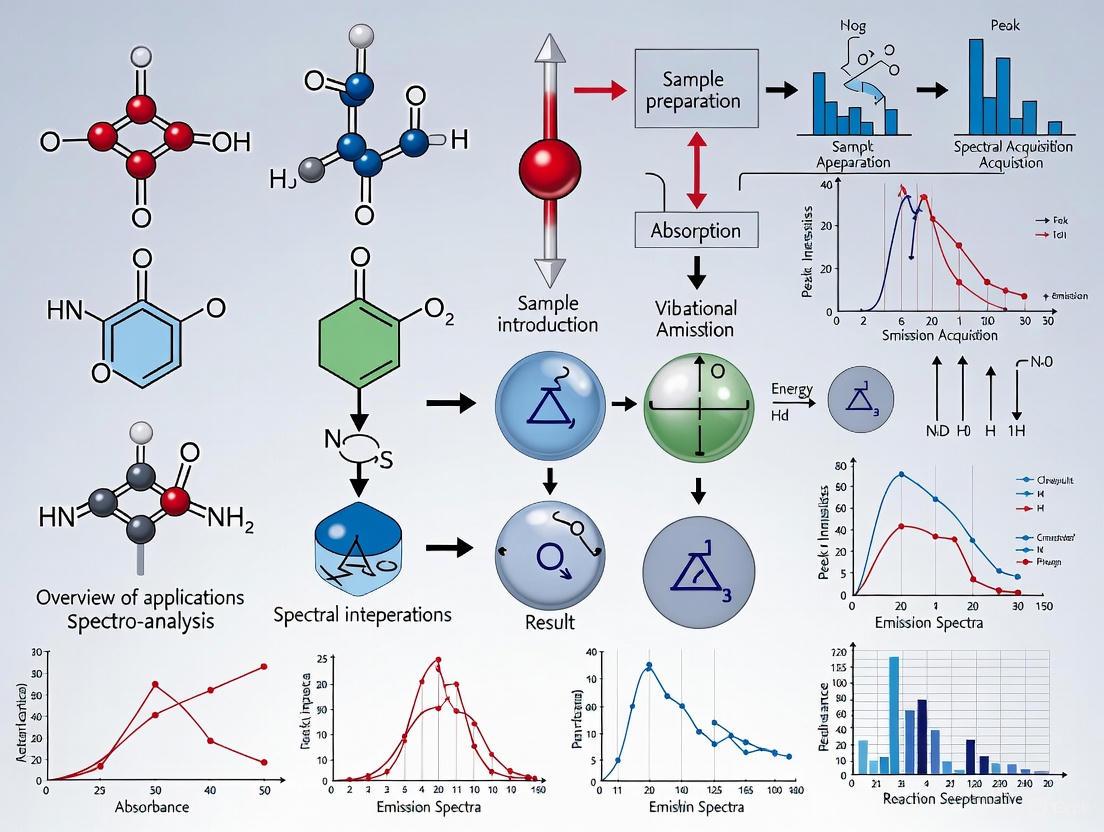
This article provides a comprehensive overview of the latest spectroscopic technologies and their transformative applications in the pharmaceutical industry.
Spectroscopy in Pharma 2025: AI-Driven Methods, Market Trends, and Regulatory Advances
Abstract
This article provides a comprehensive overview of the latest spectroscopic technologies and their transformative applications in the pharmaceutical industry. Tailored for researchers, scientists, and drug development professionals, it explores foundational principles, cutting-edge methodological advances like AI-powered Raman and portable NIR, and strategic approaches for troubleshooting and optimization. It further examines evolving validation paradigms and offers a comparative analysis of techniques, synthesizing key trends to guide instrument selection, enhance analytical workflows, and meet stringent regulatory standards for drug development and quality control.
The Expanding Role of Spectroscopy in Modern Pharma: Market Drivers and Core Technologies
Molecular spectroscopy, the study of the interaction between matter and electromagnetic radiation, has become an indispensable tool in the pharmaceutical industry. This analytical technique provides critical insights into molecular structures, composition, and dynamics across all stages of drug development and manufacturing. The global molecular spectroscopy market is positioned for substantial growth, projected to increase from USD 7.15 billion in 2025 to approximately USD 9.04 billion by 2034, representing a compound annual growth rate (CAGR) of 2.64% [1]. This growth trajectory underscores the technique's expanding role in pharmaceutical research, quality control, and process optimization. The increasing demand for advanced analytical techniques in drug discovery, development, and quality assurance, coupled with technological innovations, is driving market expansion. This whitepaper provides an in-depth technical analysis of the molecular spectroscopy market, with a specific focus on its applications, methodologies, and future trends within the pharmaceutical and biopharmaceutical sectors.
Market Size and Growth Projections
The molecular spectroscopy market demonstrates robust growth potential, though reported figures vary slightly between research firms due to differing methodologies and segment definitions. The overall consensus confirms a steady expansion driven by pharmaceutical and biotechnology applications.
Table 1: Molecular Spectroscopy Market Size and Growth Projections
| Metric | Towards Healthcare Projections | Allied Market Research Projections |
|---|---|---|
| Base Year (2024) Value | USD 6.97 billion [1] | USD 3.9 billion [2] |
| 2025 Market Size | USD 7.15 billion [1] | - |
| 2034 Market Size | USD 9.04 billion [1] | USD 6.4 billion [2] |
| Forecast Period | 2025-2034 [1] | 2025-2034 [2] |
| CAGR | 2.64% [1] | 5% [2] |
Despite varying figures, both sources indicate consistent market growth, particularly in pharmaceutical and biotechnology applications. The differing valuations can be attributed to variations in market definition, with some reports focusing on specific technique segments while others provide broader industry coverage.
Key Market Segments and Regional Analysis
Technology Segment Analysis
Different spectroscopic technologies contribute variably to market growth, each with distinct applications and adoption rates in pharmaceutical research and quality control.
Table 2: Market Share and Growth by Technology Segment
| Technology | Market Share (2024) | Growth Potential | Primary Pharmaceutical Applications |
|---|---|---|---|
| NMR Spectroscopy | Dominating share [1] | Steady growth | Drug discovery, metabolomics, structural biology [1] [2] |
| Mass Spectroscopy | Significant segment | Fastest growth [1] | Proteomics, genomics, therapeutic drug monitoring [1] |
| Raman Spectroscopy | Growing segment | Fastest CAGR [2] | Molecular imaging, bioprocess monitoring [3] |
| IR Spectroscopy | Established segment | Stable growth | Raw material verification, quality control [4] |
| UV-Visible Spectroscopy | Mature segment | Moderate growth | Concentration analysis, dissolution testing [3] |
Regional Market Distribution
The adoption of molecular spectroscopy varies significantly across geographic regions, reflecting differences in healthcare infrastructure, research funding, and industrial development.
North America: Dominated the market in 2024, attributed to well-established healthcare infrastructure, significant R&D investments, and the presence of major pharmaceutical and biotechnology companies [1] [2]. Federal agencies in the U.S. allocated over $42 billion to research and development in 2022, with significant portions supporting advanced analytical instrumentation [2].
Asia-Pacific: Expected to witness the fastest growth during the forecast period, driven by rapid industrialization, expanding pharmaceutical R&D capabilities, and increasing government initiatives to strengthen scientific research infrastructure [1] [2]. China's 14th Five-Year Plan specifically emphasizes advanced instrumentation development to reduce import reliance [2].
Europe: Maintains a strong market position supported by a well-established academic and research ecosystem, stringent regulatory frameworks for food safety and environmental monitoring, and robust pharmaceutical manufacturing capabilities, particularly in Germany, Switzerland, and the UK [2].
Molecular Spectroscopy in Pharmaceutical Applications
Technical Applications in Drug Development
Molecular spectroscopy serves as a critical analytical tool throughout the pharmaceutical development lifecycle, providing essential data for decision-making and quality assurance.
Drug Discovery and Development: Nuclear Magnetic Resonance (NMR) spectroscopy is unparalleled for determining the structure of organic compounds and understanding molecular interactions [5]. It provides detailed information about molecular structure and conformational subtleties through the interaction of nuclear spin properties with an external magnetic field [3]. Infrared (IR) and Raman spectroscopy offer insights into functional groups and bond types, enabling researchers to characterize potential drug candidates efficiently [5].
Biopharmaceutical Characterization: The analysis of therapeutic proteins presents unique challenges that spectroscopic techniques are well-suited to address. Size exclusion chromatography coupled with inductively coupled plasma mass spectrometry (SEC-ICP-MS) has emerged as a valuable strategy for differentiating between ultra-trace levels of metals interacting with proteins and free metals in solution [3]. This is critical for understanding protein-metal interactions that can affect therapeutic efficacy, safety, and stability.
Process Analytical Technology (PAT): Spectroscopy forms a cornerstone of PAT initiatives, enabling real-time monitoring and control of pharmaceutical manufacturing processes [5]. Near-infrared (NIR) spectroscopy is particularly valuable for its ability to measure parameters like moisture content, particle size, and drug content without disrupting manufacturing processes [5]. Raman spectroscopy has been successfully implemented for real-time measurement of product aggregation and fragmentation during clinical bioprocessing, with hardware automation and machine learning enabling product quality measurements every 38 seconds [3].
Quality Control and Assurance: Ultraviolet-visible (UV-Vis) spectroscopy allows for fast, non-destructive analysis of Active Pharmaceutical Ingredient (API) concentration, purity, and formulation at various production stages [5]. The development of non-invasive in-vial fluorescence analysis provides innovative approaches to monitor protein denaturation without compromising sterility or product integrity [3].
Experimental Protocols and Methodologies
Real-Time Bioprocess Monitoring Using Raman Spectroscopy
Objective: To enable real-time monitoring of product aggregation and fragmentation during clinical bioprocessing using inline Raman spectroscopy with hardware automation and machine learning [3].
Materials and Equipment:
- Raman spectrometer with fiber optic probes
- Bioreactor system
- Automated sampling system
- Computational infrastructure for machine learning algorithms
- Reference analytical instruments (e.g., HPLC, SEC) for validation
Methodology:
- System Integration: Interface Raman spectrometer with bioreactor using immersion or flow-through probes suitable for sterile conditions.
- Calibration: Develop multivariate calibration models using representative samples spanning expected process variations. Employ machine learning algorithms to reduce calibration effort and enhance model robustness.
- Data Acquisition: Collect Raman spectra continuously at predetermined intervals (e.g., every 38 seconds). Implement automated quality control checks to identify and eliminate anomalous spectra.
- Spectral Processing: Process raw spectra using preprocessing algorithms including cosmic ray removal, baseline correction, and normalization.
- Multivariate Analysis: Apply partial least squares (PLS) regression or comparable chemometric techniques to correlate spectral features with critical quality attributes.
- Model Validation: Validate prediction accuracy against reference analytical methods throughout the process duration.
- Real-Time Monitoring: Implement controlled bioprocesses based on spectroscopic measurements to ensure consistent product quality.
This approach has demonstrated capability to accurately monitor multiple cell culture components simultaneously, with Q² values (predictive R-squared values) exceeding 0.8 for 27 different components [3].
Protein-Stability Assessment via FT-IR Spectroscopy with Hierarchical Cluster Analysis
Objective: To evaluate the stability of protein drugs under various storage conditions using Fourier-transform infrared spectroscopy (FT-IR) coupled with hierarchical cluster analysis (HCA) [3].
Materials and Equipment:
- FT-IR spectrometer with attenuated total reflection (ATR) accessory
- Protein drug samples
- Temperature-controlled storage facilities
- Python programming environment with scientific computing libraries (e.g., SciPy, scikit-learn)
Methodology:
- Sample Preparation: Dispense protein drug formulations into appropriate containers under controlled conditions.
- Storage Conditions: Store samples under varied temperature conditions relevant to intended storage and potential stress scenarios.
- Spectral Collection: Weekly, collect FT-IR spectra of samples across appropriate wavelength range (e.g., 4000-400 cmâ»Â¹) with sufficient resolution. Maintain consistent instrument parameters throughout study.
- Spectral Preprocessing: Process spectra using second derivatives and vector normalization to enhance protein-specific spectral features, particularly in the Amide I region (1600-1700 cmâ»Â¹) which reports on secondary structure.
- Hierarchical Cluster Analysis: Implement HCA in Python to assess similarity of secondary protein structures across different storage conditions and timepoints.
- Data Interpretation: Interpret clustering patterns to evaluate structural stability, identify significant changes, and determine optimal storage conditions.
This methodology has revealed that protein drug stability was maintained across temperature conditions, with closer similarity among samples than anticipated, suggesting FT-IR coupled with HCA as a valuable tool for future drug stability studies [3].
Emerging Trends and Innovations
The molecular spectroscopy landscape is evolving rapidly, with several technological advancements shaping its future applications in pharmaceutical research and development.
Integration of Artificial Intelligence and Machine Learning: AI and ML are revolutionizing spectral data interpretation, enabling more accurate predictions and faster analysis. These technologies facilitate real-time decision making, predictive maintenance, and technologically-assisted process optimization, making spectroscopy systems smarter and more effective [6]. The intersection of spectroscopy and data science represents the next generation of enabling technologies for pharmaceutical process development [7].
Miniaturization and Portable Devices: There is growing demand for smaller, portable, and mobile methods of spectroscopy analysis to service on-site testing and increase applicability in field-based applications [6]. Portable NIR and Raman spectrometers are increasingly deployed for point-of-care diagnostic applications and therapeutic drug monitoring [7] [8].
Advanced Raman Techniques: Surface-Enhanced Raman Spectroscopy (SERS) and Tip-Enhanced Raman Spectroscopy (TERS) are expanding the capabilities of conventional Raman spectroscopy, enabling non-destructive, real-time analysis of protein dynamics and aggregation mechanisms with significantly enhanced sensitivity [3]. These techniques provide insights into molecular events with potential applications in diverse fields, including biopharmaceuticals and point-of-care devices.
Hyphenated Techniques: The combination of separation techniques with spectroscopic detection continues to advance pharmaceutical analysis. Size exclusion chromatography coupled with inductively coupled plasma mass spectrometry (SEC-ICP-MS) has been developed to speciate and quantify target metals in cell culture media, aiding in quality control, contaminant identification, and assessment of media stability and cell metal uptake [3].
The Scientist's Toolkit: Essential Research Reagents and Materials
Successful implementation of molecular spectroscopy in pharmaceutical research requires specific reagents, reference materials, and specialized equipment.
Table 3: Essential Research Reagents and Materials for Pharmaceutical Spectroscopy
| Item | Function/Application | Technical Specifications |
|---|---|---|
| Cell Culture Media | Matrix for biopharmaceutical production; metal speciation studies [3] | Defined formulations; characterized metal content (Mn, Fe, Co, Cu, Zn) |
| Therapeutic Proteins | Analytical targets for structural and interaction studies [3] | Monoclonal antibodies, recombinant proteins; high purity (>95%) |
| Size Exclusion Columns | Separation of protein-metal complexes in SEC-ICP-MS [3] | Appropriate molecular weight range; biocompatible materials |
| Reference Standards | Instrument calibration and method validation [5] | USP/PhEur compliant; certified purity; traceable documentation |
| ATR Crystals | FT-IR sampling for protein secondary structure analysis [3] | Diamond, ZnSe, or Ge crystals; appropriate refractive index |
| SERS Substrates | Signal enhancement in Surface-Enhanced Raman Spectroscopy [3] | Gold/silver nanoparticles; reproducible enhancement factors |
| NMR Solvents | Sample preparation for structural analysis[ccitation:8] | Deuterated solvents (D₂O, CDCl₃, DMSO-d6); high isotopic purity |
| Process Probes | Inline monitoring in bioreactors [3] [5] | Steam-sterilizable materials; compatible with PAT frameworks |
| ML307 | ML307, MF:C28H36ClN7O, MW:522.1 g/mol | Chemical Reagent |
| HFI-437 | HFI-437, MF:C23H20N2O5, MW:404.4 g/mol | Chemical Reagent |
The molecular spectroscopy market demonstrates steady growth potential, with projections indicating an increase from USD 7.15 billion in 2025 to USD 9.04 billion by 2034. This expansion is largely driven by pharmaceutical and biotechnology applications, where spectroscopic techniques provide critical analytical capabilities throughout the drug development lifecycle. The continued adoption of Process Analytical Technology (PAT) initiatives, advancements in spectroscopic instrumentation, and integration of artificial intelligence and machine learning for data analysis represent significant growth opportunities. Despite challenges related to instrument costs and operational complexity, the essential role of molecular spectroscopy in ensuring drug quality, safety, and efficacy ensures its continued importance in pharmaceutical research and development. The ongoing miniaturization of devices and development of portable instruments will further expand applications in point-of-care testing and field-based analysis, solidifying molecular spectroscopy's position as a cornerstone technology in modern pharmaceutical science.
The pharmaceutical industry is undergoing a profound transformation, driven by three interconnected forces: the acceleration of research and development (R&D), the rise of personalized medicine, and the critical advancement of biologics characterization. For researchers, scientists, and drug development professionals, understanding these drivers is essential for navigating the current landscape. These trends are not only reshaping therapeutic development but also placing new demands on analytical technologies, including advanced spectroscopy, which provides the foundational data for quality control and product understanding. This whitepaper examines the current state, technological enablers, and future directions of these key market drivers, providing a technical guide for industry professionals.
The Imperative for R&D Acceleration
Facing unprecedented pressures, the pharmaceutical industry is prioritizing R&D acceleration to improve productivity and sustainability.
Current Challenges in Pharmaceutical R&D
The industry contends with a paradox of high activity but declining productivity. A record 23,000 drug candidates are currently in development, with over 10,000 in clinical stages, supported by annual R&D spending exceeding $300 billion [9]. Despite this investment, R&D productivity has not kept pace. The success rate for Phase 1 drugs plummeted to just 6.7% in 2024, down from 10% a decade ago, and the internal rate of return for R&D investment has fallen to 4.1%—well below the cost of capital [9]. Furthermore, the industry is approaching the largest patent cliff in history, with an estimated $350 billion in revenue at risk between 2025 and 2029 [9]. Shareholder returns have also lagged, with a PwC pharma index returning 7.6% from 2018-2024 compared to over 15% for the S&P 500 [10].
Strategies for Accelerating R&D
To counter these challenges, leading organizations are deploying several key strategies:
AI and Data-Driven Development: Approximately 85% of biopharma executives plan to invest in data, digital, and AI for R&D in 2025 [11]. These technologies deliver tangible benefits; Amgen has doubled clinical trial enrollment speed using machine learning, and Sanofi collaborates with OpenAI to reduce patient recruitment timelines "from months to minutes" [11].
Smarter Trial Designs: Companies are moving away from exploratory trials toward critical experiments with clear success/failure criteria [9]. There is also a strong focus on inclusive trials through community-based and decentralized models, with companies like BMS reporting that over 60% of its research sites are in highly diverse communities [11].
Portfolio Focus and Strategic Exits: Companies are making bold decisions to exit markets, functions, and categories where they lack competitive advantages [10]. Roche, for example, announced its intention to trim targeted disease areas to 11, with particular focus on just five [11].
Table 1: Global Pharmaceutical R&D Metrics and Trends
| Metric | Historical Benchmark | Current Status (2024-2025) | Data Source |
|---|---|---|---|
| Phase 1 Success Rate | 10% (a decade ago) | 6.7% (2024) | Evaluate [9] |
| R&D Internal Rate of Return | Not specified | 4.1% (below cost of capital) | Evaluate [9] |
| Annual R&D Spending | Not specified | >$300 Billion | Evaluate [9] |
| Companies Investing in AI for R&D | Not specified | 85% of biopharma executives | ZS [11] |
| Revenue at Risk from Patent Cliff | Not specified | $350 Billion (2025-2029) | Evaluate [9] |
The Rise of Personalized Medicine
Personalized medicine represents a paradigm shift from the traditional "one-size-fits-all" approach to healthcare, tailoring medical decisions and treatments to individual patient characteristics.
Market Size and Growth Projections
The personalized medicine market demonstrates robust growth across multiple forecasts, though specific valuations vary by methodology and segmentation.
Table 2: Personalized Medicine Market Size and Growth Projections
| Market Scope | 2024/2025 Base Value | 2030/2034 Projected Value | CAGR | Source |
|---|---|---|---|---|
| Global Market | $531.7 Billion (2024) | $869.9 Billion (2030) | 8.5% | ResearchAndMarkets.com [12] |
| Global Market | $614.2 Billion (2024) | $1,315.4 Billion (2034) | 8.1% | Precedence Research [13] |
| U.S. Market | $56.4 Billion (2024) | $252.9 Billion (2034) | 17.32% | Custom Market Insights [14] |
| Global Market | $89.2 Billion (2025) | $169.5 Billion (2032) | 9.6% | Coherent Market Insights [15] |
Key Application Areas and Technologies
Oncology Dominance: Oncology leads personalized medicine applications, accounting for approximately 40% of the market share [12] [13] [15]. This leadership is driven by molecular understanding of cancer biology and advancements in targeted therapies like immunotherapies and companion diagnostics.
Personalized Therapeutics and Nutrition: The personalized medicine therapeutics segment is anticipated to be the fastest-growing product category [13], while personalized nutrition and wellness currently holds the largest market share at 45.9% [12].
Technology Enablers: Pharmacogenomics is the largest technology segment (30.2% share) [12]. Artificial intelligence and machine learning represent the fastest-growing technology category, projected to expand at a CAGR of 11% from 2024-2030 [12]. AI enables analysis of vast genetic, clinical, and lifestyle datasets to identify disease risks and predict treatment responses [15].
Regional Landscape
North America, particularly the U.S., dominates the personalized medicine market, holding a 44-45% share [13] [15]. This leadership is supported by advanced healthcare infrastructure, substantial R&D investment, and supportive regulatory frameworks. However, the Asia-Pacific region is poised for the fastest growth, projected at a CAGR of 11.4% [12], driven by large patient populations, increasing healthcare investment, and government initiatives.
Biologics Characterization: Ensuring Quality and Consistency
As biopharmaceuticals dominate the therapeutic landscape, rigorous characterization becomes paramount for ensuring product quality, safety, and efficacy.
The Characterization Imperative
Biologics characterization is the comprehensive analysis of biological drug products to determine their molecular and product attributes [16]. Unlike small-molecule drugs, biologics are produced in living systems and exhibit inherent molecular heterogeneity due to factors like post-translational modifications (e.g., glycosylation), charge variants, and higher-order structure differences [16] [17]. The global biopharmaceutical market was valued at approximately $452 billion in 2024 and is projected to reach $740 billion by 2030, with monoclonal antibodies (mAbs) dominating at 61% of total revenue [17].
Analytical Workflow for Biologics Characterization
A comprehensive characterization program leverages orthogonal analytical techniques. The following diagram illustrates the integrated workflow for structural and functional analysis of biologics.
Diagram 1: Integrated Workflow for Biologics Characterization
Regulatory Expectations and Phase-Appropriate Strategy
Regulatory agencies require extensive characterization data, guided by standards like ICH Q6B, to confirm identity, purity, potency, and safety [16] [17]. A phase-appropriate strategy is crucial:
- Early Development (IND): Focus on safety and proof of concept using platform methods; method qualification is not yet required [18].
- Late Development (BLA): Requires a "complete package" with deep characterization using qualified methods, demanding 100% amino acid sequence coverage and impurity characterization down to the 0.1% level [18].
Failure to qualify characterization methods and understand method performance is a crucial risk that can lead to significant project delays [18]. Demonstrating batch-to-batch consistency through rigorous analytical comparability is essential, especially after manufacturing changes [16].
The Scientist's Toolkit: Essential Research Reagents and Materials
The following table details key reagents and materials essential for conducting biologics characterization, supporting the experimental workflows described in this whitepaper.
Table 3: Essential Research Reagents for Biologics Characterization
| Reagent/Material | Function/Application | Technical Specification Notes |
|---|---|---|
| Reference Standard | Serves as the benchmark for identity, purity, and potency assays. Critical for comparability studies. | Should be well-characterized and representative of the final commercial process [18]. |
| Cell Lines (e.g., CHO) | Expression systems for biologic production. Source of product heterogeneity. | Choice impacts post-translational modifications (e.g., glycosylation) [16] [17]. |
| Enzymes (Trypsin, Lys-C) | Proteolytic digestion for peptide mapping and LC-MS analysis. | Required for determining amino acid sequence and identifying post-translational modifications [16]. |
| LC-MS Grade Solvents | Mobile phase for chromatographic separation and mass spectrometric detection. | High purity is essential to minimize background noise and ion suppression. |
| Surface Plasmon Resonance (SPR) Chip | Immobilization surface for binding partners in kinetic analysis. | Enables determination of association/dissociation rate constants (kon, koff) [16]. |
| Cell-Based Assay Reagents | Components for functional bioassays (e.g., ADCC, CDC). | Includes effector cells, reporter systems, and cytokines to measure biological potency [16]. |
| Kv2.1-IN-1 | Kv2.1-IN-1, MF:C22H29N3O3, MW:383.5 g/mol | Chemical Reagent |
| SRC-1 (686-700) | SRC-1 (686-700), MF:C77H131N27O21, MW:1771.0 g/mol | Chemical Reagent |
Interconnected Drivers and Future Outlook
The three market drivers of R&D acceleration, personalized medicine, and biologics characterization are deeply intertwined. The push for R&D acceleration necessitates more efficient characterization technologies. The rise of personalized medicine, particularly advanced modalities like cell and gene therapies, produces increasingly complex biologics that demand more sophisticated characterization strategies [13] [17]. In turn, robust biologics characterization provides the foundational data required to ensure the safety and efficacy of these novel, targeted therapies, thereby enabling their successful development and regulatory approval.
Looking forward, the industry will be shaped by several key trends. The integration of AI and machine learning will continue to advance across all three areas, from drug discovery and patient stratification to analytical data analysis [11] [17]. Multi-attribute methods (MAM) and other advanced analytical platforms will increase efficiency in characterization [16]. Furthermore, the industry must navigate a evolving regulatory landscape and ongoing pricing pressures [10] [11], making the efficient convergence of these three drivers more critical than ever for delivering innovative therapies to patients.
The International Council for Harmonisation (ICH) guidelines Q2(R2) and Q14 represent a significant evolution in the pharmaceutical analytical landscape. These guidelines, officially adopted in November 2023, foster a more robust, science- and risk-based approach to analytical procedure development and validation [19]. Concurrently, regulatory initiatives like the FDA's Emerging Technology Program (ETP) are actively encouraging the adoption of innovative manufacturing and quality control strategies, including Real-Time Release Testing (RTRT) [20]. RTRT is an advanced approach that evaluates and ensures product quality based on process data, rather than relying solely on end-product testing [21]. This whitepaper explores this converging regulatory and technological landscape, detailing how modern spectroscopic tools are enabling compliance and transforming quality assurance into an integrated, data-driven activity for researchers and drug development professionals.
The paradigm for ensuring pharmaceutical product quality is shifting from a traditional, reactive model (Quality by Test) to a proactive, knowledge-based framework (Quality by Design, QbD) [22]. This evolution is codified in the latest ICH guidelines and supported by regulatory agencies worldwide to enhance product understanding, control, and ultimately, patient safety.
ICH Q2(R2): Validation of Analytical Procedures
ICH Q2(R2) provides updated guidance on validating analytical procedures for drug substances and products. It expands upon the previous Q2(R1) to include more detailed consideration for validating a broader range of analytical techniques, including those used for biological and biotechnological products [23]. The guideline outlines the key validation characteristics that must be demonstrated, such as accuracy, precision, specificity, and linearity, ensuring that analytical methods are fit for their intended purpose throughout their lifecycle [23] [19].
ICH Q14: Analytical Procedure Development
ICH Q14 introduces, for the first time, comprehensive harmonized guidance on the science- and risk-based development of analytical procedures [24] [19]. It encourages a more systematic approach to understanding the procedure's performance, establishing an Analytical Procedure Control Strategy, and managing the procedure over its entire lifecycle. This includes provisions for multivariate models and real-time release testing, directly facilitating the adoption of modern PAT tools [24].
The Synergy between Q2(R2), Q14, and RTRT
The combination of Q14's structured development principles and Q2(R2)'s modernized validation requirements provides a clear and supportive regulatory pathway for implementing advanced quality assurance strategies like RTRT. RTRT is defined as "the ability to evaluate and ensure the quality of in-process and/or final product based on process data" [21]. This typically includes a combination of Process Analytical Technology (PAT) tools, material attributes, and process controls [21] [22]. By building a deep understanding of the process and product through Q14, and validating the associated analytical methods per Q2(R2), manufacturers can justify the release of a batch without performing traditional end-product testing [25].
The Role of Spectroscopy in Enabling RTRT
Spectroscopic techniques are cornerstone PAT tools in RTRT strategies due to their ability to provide rapid, non-destructive, and quantitative analysis of materials in real-time or near-real-time.
Key Spectroscopic Techniques for PAT/RTRT
- Raman Spectroscopy: A vibrational spectroscopy technique well-suited for PAT applications, especially where information about molecular composition and variance is required. It is non-destructive, can probe through glass packaging, and is highly specific, making it ideal for raw material identification, monitoring cell culture media, and final product testing of biologics [26].
- Near-Infrared (NIR) Spectroscopy: Another vibrational technique widely used in pharmaceutical unit operations. It is commonly applied to monitor processes such as blending, granulation, and coating by measuring critical quality attributes like blend uniformity and moisture content [21] [22].
A Practical Workflow for Spectroscopic RTRT
The following diagram illustrates a generalized workflow for developing and implementing a spectroscopic method within an RTRT framework, aligning with ICH Q14 and Q2(R2) principles.
The Scientist's Toolkit: Essential Reagents and Materials for Spectroscopic RTRT
Table 1: Key research reagents and materials used in developing and validating spectroscopic RTRT methods.
| Item | Function in RTRT Development | Example Application |
|---|---|---|
| Reference Standards | To build and validate chemometric models for identity and quantitative analysis. | High-purity drug substance for building a PLS model to predict API concentration [26]. |
| Process Samples | To capture natural process variability and ensure model robustness (as per Q14). | Samples collected from various stages of blending to model and monitor blend uniformity [22]. |
| Chemometric Software | For multivariate data analysis, model development (e.g., PLS, PCA), and method validation. | TQ Analyst Software or equivalent for discriminant analysis and quantitative calibration [26]. |
| PAT Instrumentation | The core hardware for in-process data acquisition (e.g., Raman, NIR spectrometers). | A Raman spectrometer with a fiber optic probe for non-contact analysis in bioreactors or through glass vials [26]. |
| Validation Samples | A statistically sound set of samples, independent of the calibration set, for assessing method performance per Q2(R2). | Samples with known concentrations of preservatives to determine accuracy and precision of a quantitative method [26]. |
| M4K2281 | M4K2281, MF:C27H31N3O4, MW:461.6 g/mol | Chemical Reagent |
| Logmalicid B | Logmalicid B, MF:C21H30O14, MW:506.5 g/mol | Chemical Reagent |
Experimental Protocols and Methodologies
Detailed Protocol: Final Product Identity and Preservative Concentration Using Raman Spectroscopy
The following protocol is adapted from a feasibility study conducted by Thermo Fisher Scientific for a multinational drug manufacturer, which successfully differentiated 15 biologic drug products and quantified two preservatives [26].
1. Objective: To replace a compendial final product identity test (e.g., peptide mapping) and an HPLC test for preservative concentration with a single, non-destructive Raman spectroscopic method.
2. Materials and Equipment:
- Spectrometer: Thermo Scientific DXR3 SmartRaman Spectrometer with universal sampling plate and 180-degree sampling module.
- Laser Source: 532 nm laser operating at 40 mW power.
- Software: Thermo Scientific TQ Analyst Software for chemometric analysis.
- Samples: Drug products in their native glass vials (3 ml and 10 ml). Concentrations: Drug product (0.5 - 6.0 mg/ml), Preservative A (0.85 - 5.0 mg/ml), Preservative B (0.42 - 3.91 mg/ml).
3. Method Development (Aligning with ICH Q14):
- Spectral Acquisition: Acquire spectra with a 1-minute scanning time. Collect ten spectra per sample to account for variability from glass vials and scattering effects.
- Data Analysis:
- For Identity Testing: Use Discriminant Analysis based on Principal Component Analysis (PCA). The software computes the Mahalanobis distance to classify unknown samples against known product classes. All classes in the feasibility study were correctly identified with no false positives [26].
- For Quantitative Analysis: Use Partial Least Squares (PLS) regression to build a model relating the spectral data to the known concentrations of the preservatives.
4. Method Validation (Aligning with ICH Q2(R2)):
- Demonstrate method performance characteristics as required by Q2(R2).
- Specificity: Confirm the ability to unequivocally assess the analyte in the presence of other components. This was shown by detecting significant spectral differences between the drug product and its placebo (see Figure 2 in [26]).
- Linearity & Range: Evaluate over the specified range of preservative concentrations. The PLS model for Preservative A showed a correlation coefficient of 0.998, indicating excellent linearity [26].
- Accuracy: Assessed by comparing the predicted concentration from the Raman model against the known reference value. Metrics like Root Mean Square Error of Calibration (RMSEC) and Root Mean Square Error of Prediction (RMSEP) are used. For the cited study, the RMSEC for Preservative A was 0.0425 mg/ml [26].
The Regulatory Push and Implementation Support
Regulatory agencies are not merely passive observers but are actively facilitating the adoption of these advanced approaches through dedicated programs.
Regulatory Support Initiatives
- FDA's Emerging Technology Program (ETP): Established to promote and facilitate the adoption of innovative pharmaceutical manufacturing and quality control. The ETP allows companies to engage with the FDA's Emerging Technology Team (ETT) for pre-submission guidance on novel technologies, including PAT and RTRT, thereby de-risking the regulatory submission process [21] [20]. The program has already "graduated" its first technology, Continuous Direct Compression (CDC), indicating that FDA reviewers are now sufficiently experienced with this technology to assess it through the standard review process [20].
- EMA's Notification Model: The European Medicines Agency has adopted a "do and then tell" model for certain PAT applications, which avoids manufacturing stoppages while waiting for regulatory approvals, contrasting with the traditional "prior approval" model [21].
Experience Bands for Regulatory Submissions
The FDA's ETP has defined "experience bands" for technologies like CDC, which serve as a useful reference for the maturity of supporting technologies. The table below summarizes key criteria for CDC, a process that heavily relies on PAT and RTRT.
Table 2: Selected Experience Bands for Continuous Direct Compression (CDC) as defined by the FDA's Emerging Technology Program [20].
| Category | Criteria for Standard Assessment Pathway |
|---|---|
| Drug Product | Immediate release; single API or fixed-dose combination; BCS Class 1, 2, 3, or 4. |
| Advanced In-process Controls | Include ratio control for loss-in-weight (LIW) feeders and quantitative spectroscopic measurement for blend uniformity. |
| Material Diversion | Includes residence time distribution (RTD) based diversion strategies. |
| Real Time Release (RTR) | For assay and content uniformity (CU) using spectroscopic measurement & tablet weight; dissolution via compendial test or RTR based on PLS models. |
The confluence of updated regulatory guidelines (ICH Q14 and Q2(R2)) and proactive regulatory programs (like the ETP) has created a uniquely supportive environment for the pharmaceutical industry to modernize its quality control systems. Real-Time Release Testing (RTRT) represents the pinnacle of this evolution, shifting quality assurance upstream and making it a continuous, data-driven activity. Spectroscopic techniques, particularly Raman and NIR, are proving to be enabling technologies for RTRT, supported by robust chemometric models. For researchers and drug development professionals, mastering the principles of Q14 for analytical development, Q2(R2) for validation, and the practical application of spectroscopy is no longer a forward-looking concept but a present-day imperative for achieving efficient, robust, and compliant pharmaceutical manufacturing.
Spectroscopic techniques form the analytical backbone of the modern pharmaceutical industry, providing critical data that ensures the safety, efficacy, and quality of therapeutic products from discovery through manufacturing. These methods enable scientists to elucidate molecular structures, verify identity, assess purity, and quantify drug substances with unparalleled precision. Within the highly regulated pharmaceutical environment, techniques including Ultraviolet-Visible (UV-Vis), Infrared (IR), Nuclear Magnetic Resonance (NMR), Mass Spectrometry (MS), and Raman spectroscopy serve as indispensable tools for characterizing both small molecule drugs and complex biologics [27] [28]. Their non-destructive nature, accuracy, and ability to provide real-time data support compliance with stringent Good Manufacturing Practice (GMP) and other regulatory standards, making them fundamental to pharmaceutical research, development, and quality control [27] [28]. This whitepaper examines the fundamental principles, specific applications, and experimental protocols of these core spectroscopic techniques within the context of pharmaceutical development.
Comparative Analysis of Core Spectroscopic Techniques
The following table summarizes the fundamental characteristics, strengths, and primary applications of the five core spectroscopic techniques in pharmaceutical analysis.
Table 1: Comparison of Core Spectroscopic Techniques in Pharmaceutical Analysis
| Technique | Fundamental Principle | Key Pharmaceutical Applications | Key Advantages | Key Limitations |
|---|---|---|---|---|
| UV-Vis Spectroscopy [28] | Measures electronic transitions from ground state to excited state (190-800 nm). | Content uniformity testing, dissolution profiling, concentration determination of APIs, impurity monitoring [28]. | Rapid, simple, inexpensive, high-throughput, excellent for quantification [28]. | Requires chromophores, limited structural information, susceptible to matrix interference. |
| IR Spectroscopy [28] | Measures vibrational transitions of molecular bonds (functional group "fingerprinting"). | Raw material identification, polymorph screening, contaminant detection, formulation verification [27] [28]. | Excellent for qualitative analysis, minimal sample preparation (especially ATR-FTIR), non-destructive [28]. | Difficulty analyzing complex mixtures, can be affected by water, requires extensive sample prep for some techniques [29]. |
| NMR Spectroscopy [30] [28] | Measures absorption of radiofrequency by atomic nuclei in a magnetic field. | Structural elucidation, stereochemical verification, impurity profiling, quantitative NMR (qNMR) for potency [30] [28]. | Provides definitive atomic-level structural detail, non-destructive, quantitative without standards, excellent for stereochemistry [30]. | Lower sensitivity compared to MS, requires deuterated solvents, high instrument cost, complex data interpretation. |
| Mass Spectrometry (MS) [31] | Measures mass-to-charge ratio ((m/z)) of gas-phase ions. | Biomolecule characterization, metabolite identification, quantification of APIs and impurities, high-throughput screening [31]. | Extremely high sensitivity and specificity, provides molecular weight, can analyze complex mixtures, hyphenation with LC/GC. | Destructive technique, requires standards for quantification, complex data analysis, high instrument cost. |
| Raman Spectroscopy [32] | Measures inelastic scattering of light from molecular vibrations. | Raw material verification, polymorph identification, real-time process monitoring, counterfeit drug detection [32]. | Minimal sample preparation, non-destructive, can analyze aqueous solutions, suitable for through-packaging testing [32]. | Weak signal susceptible to fluorescence interference, can require high laser power potentially damaging samples. |
Fundamental Roles and Experimental Protocols
Ultraviolet-Visible (UV-Vis) Spectroscopy
UV-Vis spectroscopy is a fundamental quantitative analytical technique in pharmaceutical quality control laboratories due to its simplicity, speed, and cost-effectiveness [28].
- Fundamental Role: Its primary role is the quantification of active pharmaceutical ingredients (APIs) in various matrices, such as tablets, capsules, and liquid formulations. It is routinely applied in content uniformity testing, dissolution profile testing, and impurity monitoring based on absorbance changes [28].
- Experimental Protocol for API Quantification in a Tablet:
- Standard Solution Preparation: Accurately weigh and dissolve a certified reference standard of the API in a suitable solvent (e.g., water, methanol, buffer) to create a stock solution. Prepare a series of standard solutions of known concentrations via serial dilution.
- Sample Solution Preparation: Weigh and finely powder not less than 20 tablets. Accurately weigh a portion of the powder equivalent to the claimed API content. Dissolve the powder in the solvent using sonication and shaking, then filter or centrifuge to obtain a clear supernatant.
- Instrumental Analysis: Using a UV-Vis spectrophotometer, zero the instrument with the pure solvent in a quartz or glass cuvette. Measure the absorbance of each standard and sample solution at the predetermined wavelength of maximum absorption (λmax).
- Quantification: Construct a calibration curve by plotting the absorbance of the standard solutions versus their concentrations. Use the linear regression equation from this curve to calculate the concentration of the API in the sample solution [28].
Infrared (IR) Spectroscopy
IR spectroscopy is the workhorse for qualitative analysis and identity testing in the pharmaceutical industry, providing a unique molecular "fingerprint" [28] [29].
- Fundamental Role: It is predominantly used for raw material identification (ID) before they are released for manufacturing. Regulatory standards mandate that every raw material, including APIs and excipients, must undergo 100% ID testing, for which FTIR with an ATR (Attenuated Total Reflectance) accessory is extensively used due to its minimal sample preparation needs [28] [29].
- Experimental Protocol for Raw Material Identity Testing:
- Background Collection: Acquire a background spectrum of the clean, empty ATR crystal.
- Sample Preparation (ATR Method): Place a small amount of the solid raw material directly onto the ATR crystal. For liquids, a drop is sufficient. Apply firm, consistent pressure to ensure good contact between the sample and the crystal.
- Spectral Acquisition: Acquire the IR spectrum of the sample over a standard wavenumber range (e.g., 4000-400 cmâ»Â¹).
- Data Interpretation and Comparison: Compare the acquired spectrum of the test material against a reference spectrum from a certified standard or a validated spectral library. The identity is confirmed if the sample spectrum exhibits all significant absorption bands (peak positions and relative intensities) present in the reference spectrum [28].
Nuclear Magnetic Resonance (NMR) Spectroscopy
NMR spectroscopy is the most powerful technique for unambiguous structural determination, providing detailed information about the carbon-hydrogen framework of a molecule [30] [33].
- Fundamental Role: Its primary role is the definitive structural elucidation and stereochemical verification of complex drug molecules, impurities, degradants, and natural products. It is critical for confirming the identity of a synthesized API and for characterizing novel compounds during drug discovery [30] [33].
- Experimental Protocol for Small Molecule Structure Elucidation:
- Sample Preparation: Dissolve 2-10 mg of the pure, dry compound in 0.5-0.7 mL of a high-purity deuterated solvent (e.g., CDCl₃, DMSO-d₆). Filter the solution into a high-quality, clean NMR tube to remove any particulate matter.
- Data Acquisition:
- Run a ¹H NMR spectrum to identify the number and type of hydrogen environments, integration (number of H), and spin-spin coupling (neighboring H).
- Run a ¹³C NMR spectrum (often with DEPT editing) to determine the number and type of carbon environments (CH₃, CH₂, CH, or quaternary C).
- For complex structures, acquire 2D NMR spectra:
- COSY: Identifies protons that are coupled to each other.
- HSQC: Identifies direct ¹H-¹³C connectivity.
- HMBC: Identifies long-range ¹H-¹³C couplings over 2-3 bonds, crucial for establishing connectivity between molecular fragments.
- Data Interpretation: Analyze all spectral data (chemical shift, coupling constants, integration, 2D correlations) to piece together the complete molecular structure, including relative stereochemistry if NOESY/ROESY experiments are performed [30].
Mass Spectrometry (MS)
Mass spectrometry provides exceptional sensitivity for detecting and quantifying analytes based on their molecular weight and fragmentation pattern, making it vital for bioanalysis and impurity profiling [31].
- Fundamental Role: MS, particularly when coupled with liquid chromatography (LC-MS), is essential for the identification and quantification of drugs, metabolites, and impurities in complex biological matrices (e.g., plasma, urine). It is also indispensable for the characterization of large biomolecules like proteins and antibodies [31].
- Experimental Protocol for LC-MS/MS Bioanalysis of a Drug in Plasma:
- Sample Preparation: Precipitate proteins from plasma samples (e.g., with acetonitrile) containing the drug and an internal standard. After vortexing and centrifuging, collect the supernatant for analysis.
- Chromatographic Separation: Inject the supernatant onto a reverse-phase UHPLC column to separate the analyte from the matrix components and potential interferences.
- Mass Spectrometric Detection: The eluent from the LC is ionized (typically using Electrospray Ionization - ESI) and introduced into the tandem mass spectrometer.
- The first quadrupole (Q1) selects the precursor ion of the drug.
- The second quadrupole (Q2) acts as a collision cell to fragment the precursor ion.
- The third quadrupole (Q3) selects a specific product ion.
- Quantification: The intensity of the selected reaction monitoring (SRM) transition for the drug is compared to that of the internal standard. A calibration curve is constructed from spiked plasma standards to calculate the concentration of the drug in the unknown samples with high accuracy and precision [31].
Raman Spectroscopy
Raman spectroscopy complements IR spectroscopy and is highly valuable for non-destructive, in-situ analysis, often requiring no sample preparation [32].
- Fundamental Role: It is widely used for raw material verification and polymorph identification. Its ability to analyze samples through packaging (glass, plastic) makes it ideal for rapid, on-site inspection and for preventing cross-contamination in quality control laboratories [32].
- Experimental Protocol for Handheld Raman Verification of a Raw Material:
- Method Setup: Load the validated reference spectrum for the specific raw material into the handheld Raman device's library.
- Sample Analysis: Point the handheld spectrometer's laser probe at the sample. For materials in clear packaging, the analysis can often be performed through the container. Trigger the measurement to acquire the Raman spectrum in seconds.
- Automated Verification: The instrument's software automatically compares the collected spectrum to the reference library using a pre-defined algorithm and match threshold (e.g., Hit Quality Index - HQI). The result is a simple "PASS/FAIL" output, confirming the material's identity without requiring expert spectral interpretation for routine checks [32].
Workflow Visualization: Spectroscopic Techniques in Drug Development
The following diagram illustrates how the core spectroscopic techniques are integrated across the various stages of pharmaceutical drug development, from discovery to quality control.
Essential Research Reagent Solutions
The successful application of spectroscopic techniques relies on a suite of specialized reagents and materials. The following table details key items essential for pharmaceutical analysis.
Table 2: Key Research Reagents and Materials for Spectroscopic Analysis
| Reagent/Material | Function | Primary Technique |
|---|---|---|
| Certified Reference Standards [28] | Provides a known substance with certified purity and composition for instrument calibration, method validation, and quantification. | UV-Vis, MS, NMR, IR, Raman |
| Deuterated Solvents (e.g., CDCl₃, DMSO-d₆) [28] | Provides a solvent that does not produce interfering signals in the proton frequency range, allowing for lock signal and shimming. | NMR |
| ATR Crystals (Diamond, ZnSe) [28] | Serves as the internal reflection element in ATR accessories, enabling direct analysis of solids and liquids with minimal preparation. | IR |
| Potassium Bromide (KBr) [28] | Used to create transparent pellets for transmission-mode IR analysis of solid samples. | IR |
| High-Purity Solvents (HPLC/UV Grade) [28] | Minimizes background interference and UV absorbance for sensitive quantitative analysis and chromatography. | UV-Vis, LC-MS |
| Quartz Cuvettes [28] | Provides optical cells transparent in the UV-Vis range for liquid sample analysis. | UV-Vis |
| Internal Standards (for qNMR) [30] | A compound with a known concentration and distinct NMR signal used for precise quantification of analytes. | NMR |
The core spectroscopic techniques—UV-Vis, IR, NMR, MS, and Raman—collectively provide a comprehensive analytical toolkit that is fundamental to every stage of the pharmaceutical lifecycle. UV-Vis spectroscopy offers robust quantification, IR and Raman spectroscopy deliver rapid molecular fingerprinting, MS provides ultra-sensitive detection and identification, and NMR affords unparalleled structural detail. The integration of these techniques, supported by appropriate reagents and standardized protocols, enables pharmaceutical scientists to ensure the identity, strength, quality, purity, and stability of drug substances and products. As the industry advances with more complex drug modalities like biologics and personalized medicines, the evolution and synergistic application of these spectroscopic methods will continue to be a cornerstone of pharmaceutical innovation and regulatory compliance.
The pharmaceutical industry is experiencing a paradigm shift in analytical spectroscopy, moving from centralized laboratories to decentralized, on-site analysis. Portable and handheld spectroscopic devices are revolutionizing drug development and quality control by providing immediate, actionable data at the point of need. This transition from bringing samples to the spectrometer to bringing the spectrometer to the sample is transforming traditional workflows, enabling real-time decision-making, and accelerating pharmaceutical development cycles [34]. The global portable spectrometer market, valued at approximately USD 2.2 billion in 2024, is projected to reach between USD 4.47 billion by 2032, reflecting a compound annual growth rate (CAGR) of around 9.3% [35]. This growth is fueled by technological advancements that have dramatically increased instrument capabilities while reducing their size and weight, driven by developments in consumer electronics, computing power, and ongoing R&D innovation [34].
Market Dynamics and Growth Trajectory
Quantitative Market Landscape
The expansion of portable spectroscopy is reflected in several key market segments. The table below summarizes the current market size and growth projections for portable spectrometers and the broader molecular spectroscopy market, in which pharmaceutical applications play a significant role.
Table 1: Portable and Molecular Spectroscopy Market Overview
| Market Segment | 2024/2025 Base Value | 2032/2034 Projected Value | CAGR | Key Drivers |
|---|---|---|---|---|
| Portable Spectrometer Market [35] | USD 2,202.30 Million (2024) | USD 4,472.52 Million (2032) | 9.30% | Demand for on-site analysis, pharmaceutical & chemical industry growth |
| Portable Handheld Spectrometer Market [36] | ~USD 1.5 Billion (2025) | - | 6.5% (through 2033) | Quality control needs, regulatory compliance, technology advancements |
| Molecular Spectroscopy Market [37] | USD 6.97 Billion (2024) | USD 9.04 Billion (2034) | 2.64% | Pharmaceutical R&D, diagnostic applications, personalized medicine |
Technology and End-User Segmentation
The portable spectrometer market demonstrates distinct segmentation patterns by technology type and end-user application. Mass spectrometers currently lead in market share within the portable spectrometer segment, while Nuclear Magnetic Resonance (NMR) spectroscopy dominates the broader molecular spectroscopy market [35] [37].
Table 2: Portable Spectrometer Market Segmentation by Type and End-User (2024)
| Segment Category | Leading Sub-Segment | Market Share (2024) | Key Applications and Drivers |
|---|---|---|---|
| By Type [35] | Mass Spectrometer | 39.27% | High sensitivity, faster analysis, isotope differentiation |
| Optical Spectrometer | Fastest Growing | Quantitative metal/alloy analysis in metallurgy | |
| By End-User [35] | Pharmaceutical | Highest Share | Drug identity/purity testing, crystalline structure analysis |
| Chemical | Fastest Growing | Purity assessment, chemical characteristics determination | |
| By Technology [37] | NMR Spectroscopy | Dominating Share | Drug discovery, metabolomics, non-destructive analysis |
The pharmaceutical sector represents the largest application segment for portable spectrometers, driven by increasing pharmaceutical production and the need for rapid analysis of drug identity, purity, and crystalline structures [35]. The chemical industry segment is expected to witness the fastest growth, propelled by investments in chemical manufacturing infrastructure and rising production of industrial chemicals [35].
Core Technologies and Pharmaceutical Applications
Key Spectroscopic Techniques in Pharma
Portable spectroscopic devices leverage multiple technologies, each with distinct advantages for pharmaceutical applications:
Raman Spectroscopy: Utilizes laser light to measure molecular vibrations, providing chemical fingerprints for material identification. Portable Raman systems are particularly valuable for raw material verification, monitoring chemical reactions, and counterfeit drug detection [34] [3]. Recent advancements include the use of 1064 nm excitation to reduce fluorescence interference and spatially offset Raman spectroscopy (SORS) for analyzing samples through packaging [34].
Near-Infrared (NIR) Spectroscopy: Measures overtone and combination molecular vibrations, ideal for quantitative analysis of active pharmaceutical ingredients (APIs), moisture content, and blend uniformity in solid dosage forms. NIR's non-destructive nature and minimal sample preparation make it well-suited for Process Analytical Technology (PAT) initiatives [36] [5].
X-ray Fluorescence (XRF): Provides elemental analysis capabilities critical for detecting catalyst residues, heavy metal impurities, and verifying metal-based APIs. Handheld XRF has seen significant adoption with cumulative shipments exceeding 100,000 units [36] [34].
Ultraviolet-Visible (UV-Vis) Spectroscopy: Used for concentration verification of APIs and excipients in solution. Recent portable systems enable real-time monitoring of protein chromatography purification processes [3] [38].
Emerging Technological Capabilities
The capabilities of portable spectrometers have expanded significantly, with several emerging trends enhancing their pharmaceutical utility:
Hybrid Instrumentation: Combined technologies such as Raman-NIR, Raman-XRF, and FT-IR systems provide complementary data from a single device, increasing analytical confidence and application range [34].
Enhanced Data Analytics: Integration of machine learning and artificial intelligence enables more sophisticated data processing, including identification of complex mixtures and detection of subtle spectral changes indicative of product quality issues [36] [3].
Miniaturization and Connectivity: Shrinking component sizes have enabled truly handheld devices without sacrificing performance. Cloud connectivity and mobile app integration facilitate real-time data sharing and collaborative analysis [36].
Experimental Protocols and Implementation
Raw Material Identification Protocol
Objective: To verify the identity and purity of incoming raw materials using portable Raman spectroscopy.
Materials:
- Portable Raman spectrometer with 785 nm or 1064 nm laser
- Reference spectral library of approved materials
- Sample presentation accessory (if applicable)
- Safety equipment (laser safety glasses)
Procedure:
- Instrument Calibration: Perform wavelength and intensity calibration according to manufacturer specifications using built-in standards.
- Spectral Acquisition:
- Place a representative sample of the material in the instrument's sampling area.
- Apply the laser to the sample and collect spectra with appropriate integration time (typically 1-10 seconds).
- Average multiple acquisitions to improve signal-to-noise ratio.
- Spectral Matching:
- Process spectra using preprocessing algorithms (e.g., baseline correction, normalization).
- Compare acquired spectrum against reference spectral library using correlation algorithms.
- Document match quality with statistical confidence metrics.
- Result Interpretation:
- Match values exceeding predefined thresholds (e.g., >95%) confirm material identity.
- Spectral mismatches trigger failure mode analysis and laboratory confirmation testing.
Validation Parameters: Specificity, precision, robustness, and detection limits should be established during method validation [5] [3].
Real-Time Bioprocess Monitoring Protocol
Objective: To monitor critical quality attributes during pharmaceutical manufacturing using inline NIR spectroscopy.
Materials:
- Fiber-optic coupled portable NIR spectrometer
- Inline or at-line immersion probe
- Multivariate calibration model for target analytes
- Data acquisition and analysis software
Procedure:
- System Configuration:
- Install NIR probe directly into bioreactor or flow cell for continuous monitoring.
- Establish communication between spectrometer and process control system.
- Calibration Model Application:
- Load validated partial least squares (PLS) calibration models for target analytes (e.g., glucose, lactate, product titer).
- Verify model performance with standard samples before process initiation.
- Real-Time Monitoring:
- Collect spectra at predetermined intervals (e.g., every 30-60 seconds).
- Apply calibration models to convert spectral data to concentration values.
- Monitor trends and trigger alerts when parameters deviate from established ranges.
- Data Integration:
- Feed analytical results to process control system for potential parameter adjustments.
- Document all data for batch record completeness and regulatory compliance.
Application Example: A 2024 study demonstrated inline Raman spectroscopy for real-time monitoring of product aggregation and fragmentation during clinical bioprocessing, achieving measurements every 38 seconds through automation and machine learning integration [3].
Diagram 1: Portable spectrometer implementation involves a structured, phased approach from planning through operation, with continuous improvement feeding back into requirement definition.
The Scientist's Toolkit: Essential Research Reagents and Materials
Successful implementation of portable spectroscopy in pharmaceutical settings requires specific reagents and materials to ensure analytical accuracy and reproducibility.
Table 3: Essential Research Reagent Solutions for Portable Spectroscopy
| Item | Function | Application Examples |
|---|---|---|
| Validation Standards | Instrument performance verification and method validation | Polystyrene standards for wavelength verification in Raman; NIST-traceable reference materials for quantitative calibration |
| Spectral Libraries | Reference databases for material identification | Custom libraries of APIs, excipients, and raw materials; Commercial databases for general chemical identification |
| Sample Presentation Accessories | Standardized sampling interfaces | Quartz cuvettes for UV-Vis; Diamond ATR crystals for FT-IR; Vial holders for liquid samples |
| Calibration Transfer Sets | Maintaining consistency across multiple instruments | Well-characterized samples representing expected analyte ranges for model transfer between laboratory and portable devices |
| Cleaning Solvents | Preventing cross-contamination between samples | HPLC-grade solvents appropriate for material types analyzed (e.g., methanol, acetonitrile) |
| Quality Control Materials | Ongoing method performance verification | Stable, homogeneous materials with established reference values for daily system suitability testing |
| TEAD-IN-13 | TEAD-IN-13, MF:C23H22F3N3O4, MW:461.4 g/mol | Chemical Reagent |
| TNG348 | TNG348, MF:C27H23F6N9O, MW:603.5 g/mol | Chemical Reagent |
Advantages and Implementation Challenges
Driving Forces and Benefits
The adoption of portable spectroscopic devices in pharmaceuticals is driven by several significant advantages:
Real-Time Decision Making: Immediate analytical results at the point of need enable rapid decisions in manufacturing, quality control, and research settings, reducing delays associated with laboratory sample submission [34].
Enhanced PAT Implementation: Portable devices serve as ideal tools for Process Analytical Technology, supporting real-time release testing and continuous manufacturing through inline, online, or at-line analysis [5].
Cost Efficiency: Reduced sample transport, faster analysis cycles, and decreased laboratory workload contribute to significant operational cost savings [39].
Non-Destructive Analysis: Most spectroscopic techniques are non-destructive, allowing valuable samples to be preserved for additional testing or reference purposes [5].
Regulatory Compliance: Portable methods support compliance with evolving regulatory expectations for quality-by-design and real-time product quality assessment [5].
Implementation Challenges and Limitations
Despite the compelling benefits, several challenges must be addressed for successful implementation:
Initial Cost Barriers: While decreasing, high-performance portable spectrometers still represent significant capital investment, particularly for advanced technologies like portable mass spectrometers [36].
Technical Limitations: Portable devices may have reduced sensitivity and resolution compared to laboratory instruments, potentially limiting applications for trace analysis or complex matrices [34].
Model Development Requirements: Quantitative applications require robust calibration models developed with extensive sample sets, representing significant upfront method development investment [36].
Data Management Complexity: Distributed analytical systems generate substantial data volumes requiring sophisticated data management, integration, and integrity strategies [36].
Regulatory Acceptance: While increasing, regulatory acceptance of portable methods for definitive quality decisions may require extensive validation and comparison with established laboratory methods [35].
Diagram 2: A decision tree logic guides the appropriate use of field-portable analysis versus traditional laboratory testing based on analytical requirements and method readiness.
The future of portable spectroscopy in pharmaceuticals points toward increasingly sophisticated, connected, and intelligent analytical systems. Several emerging trends will shape further adoption:
AI-Enhanced Analytics: Integration of artificial intelligence and machine learning will enable more sophisticated spectral interpretation, anomaly detection, and predictive analytics, potentially identifying subtle quality issues before they impact product quality [7] [3].
Multi-Technology Platforms: The development of hybrid instruments combining complementary techniques (e.g., Raman-LIBS, Raman-XRF) will expand application ranges and analytical confidence [34].
Miniaturization Advancements: Continuing component miniaturization will enable even smaller form factors without performance compromise, potentially leading to smartphone-integrated spectroscopic capabilities [34].
Expanded Biopharma Applications: As portable technologies mature, applications will expand from small molecules to complex biologics, including monitoring of protein structure, aggregation, and post-translational modifications [3].
Standardization and Regulatory Alignment: Increasing industry acceptance will drive standardization of methods, validation approaches, and regulatory alignment, supporting broader implementation for quality decisions [36].
The pharmaceutical industry's adoption of portable and handheld spectroscopic devices represents a fundamental shift in analytical philosophy, moving from centralized laboratory testing to distributed, real-time quality assessment. This transition supports the industry's evolution toward continuous manufacturing, real-time release, and more agile development processes. While implementation challenges remain, the compelling benefits of immediate analytical results, enhanced process understanding, and accelerated development timelines ensure that portable spectroscopy will play an increasingly central role in pharmaceutical research, development, and manufacturing. As technologies continue to advance and validation frameworks mature, field-based analysis is poised to become an integral component of the modern pharmaceutical quality ecosystem.
Advanced Applications: From Drug Discovery to Quality Control with Next-Gen Spectroscopy
Raman spectroscopy, a non-destructive analytical technique known for its high sensitivity and molecular specificity, has become a cornerstone of pharmaceutical analysis. Its integration with artificial intelligence (AI), particularly deep learning, is now revolutionizing the field, enabling breakthroughs in drug development, quality control, and clinical diagnostics [40]. This synergy enhances the accuracy, efficiency, and application scope of Raman techniques by overcoming traditional challenges such as background noise, complex data interpretation, and manual feature extraction [40]. This technical guide explores the transformative impact of AI-powered Raman spectroscopy, with a specific focus on its dual role in pharmaceutical impurity detection and disease diagnosis, providing detailed methodologies and resources for researchers and drug development professionals.
Technical Foundations: Raman Spectroscopy and AI Integration
Raman spectroscopy probes molecular vibrations to provide a characteristic "fingerprint" of a sample's chemical composition. The core advantage of being non-destructive makes it ideal for analyzing precious pharmaceutical compounds and biological specimens [40] [41]. However, the high-dimensional, noisy, and multicollinear nature of Raman data often makes manual interpretation and traditional chemometric analysis labor-intensive and prone to error [40] [42].
Deep learning algorithms address these limitations by automatically identifying complex patterns and meaningful features from raw spectral data with minimal manual intervention [40]. Key architectures include:
- Convolutional Neural Networks (CNNs): Excel at identifying localized spectral features and shapes, such as characteristic peak patterns of specific impurities or biomarkers [42] [41].
- Transformers: Utilize attention mechanisms to capture long-range dependencies and relationships across different spectral regions, which is useful for identifying correlated features [40] [42].
- Generative Adversarial Networks (GANs): Can be employed for data augmentation to enhance model training where experimental data is scarce [40].
A significant challenge in deploying these "black box" models in regulated environments like pharmaceuticals is their interpretability. Researchers are addressing this by developing explainable AI (XAI) methods, such as SHAP (SHapley Additive exPlanations) and attention mechanisms, which provide insights into which spectral regions (wavenumbers) are most influential in a model's decision-making process [40] [42] [41]. This transparency is crucial for regulatory acceptance and building trust in AI-driven results [40].
Application 1: Impurity Detection and Pharmaceutical Quality Control
The detection and profiling of impurities—organic, inorganic, and residual solvents—are critical for ensuring drug safety, efficacy, and regulatory compliance [43]. AI-powered Raman spectroscopy significantly enhances this domain.
Experimental Protocol: Impurity Identification and Quantification
The following workflow details a standard methodology for using AI-powered Raman spectroscopy in impurity analysis:
Sample Preparation:
- Prepare standard solutions of the Active Pharmaceutical Ingredient (API) with known, spiked concentrations of target impurities [43] [41].
- For solid dosage forms, homogenize tablets or powders to ensure a representative sample. Analysis can often be performed non-invasively [41].
Data Acquisition:
- Use a Raman spectrometer (e.g., Endress+Hauser Raman Rxn2 analyzer) with a 785 nm laser to minimize fluorescence [41].
- Collect multiple spectra from each sample to account for heterogeneity. Key parameters include a spectral resolution of 1 cmâ»Â¹ and a range covering the fingerprint region (e.g., 150–1150 cmâ»Â¹) where most molecular vibrations occur [41].
- Implement daily wavelength and intensity calibration using certified standards (e.g., cyclohexane) to ensure data reproducibility [41].
Data Preprocessing:
- Apply standard preprocessing steps: dark noise subtraction, cosmic ray filtering, and intensity correction [41].
- For AI models, additional steps like spectral cropping to the fingerprint region can reduce dimensionality and focus the model on chemically informative features [41].
AI Model Training and Analysis:
- Train a 1D-CNN or Support Vector Machine (SVM) on a dataset of preprocessed spectra from pure API and impurity-containing samples [41].
- For quantification, structure the task as a regression problem to predict impurity concentration.
- Apply SHAP analysis to the trained model to identify the specific Raman shifts (wavenumbers) most predictive of impurity presence. This links the AI's decision to underlying chemical structures, providing interpretability [41].
The following diagram illustrates this experimental and computational workflow:
Diagram 1: Workflow for AI-powered impurity detection.
Performance of ML Models in Pharmaceutical Classification
In a benchmark study classifying 32 pharmaceutical compounds, various machine learning models demonstrated exceptional performance, underscoring their readiness for quality control applications [41].
Table 1: Benchmark performance of machine learning models on Raman spectra of 32 pharmaceutical compounds [41].
| Machine Learning Model | Reported Accuracy (%) |
|---|---|
| Linear Support Vector Machine (SVM) | 99.88% |
| 1D Convolutional Neural Network (CNN) | 99.26% |
| Random Forest | 98.30% |
| XGBoost | 98.30% |
| LightGBM | 97.99% |
| k-Nearest Neighbors (k-NN) | 97.12% |
Application 2: Disease Diagnosis and Clinical Biomarker Discovery
In clinical diagnostics, AI-powered Raman spectroscopy offers a non-invasive, rapid, and highly accurate method for detecting diseases at the molecular level, often before morphological changes occur [40].
Experimental Protocol: Serum-Based Disease Diagnosis
This protocol is adapted from research on diagnosing autoimmune diseases using serum Raman spectroscopy [44].
Sample Collection and Preparation:
- Collect fresh blood samples from patients and healthy controls under fasting conditions to minimize dietary interference [44].
- Centrifuge blood samples at 4000 rpm at 4°C to separate serum. Aliquot and store the serum at -80°C until analysis [44].
- For measurement, transfer a small aliquot (e.g., 10 µL) of serum onto a tinfoil-lined slide and allow it to air dry partially (approx. 13 minutes) [44].
Data Acquisition:
- Use a high-resolution confocal Raman spectrometer for analysis [44].
- Collect multiple spectra per serum sample to ensure statistical robustness.
Addressing the Label Scarcity Challenge: Medical data, especially for complex conditions like autoimmune diseases, is often poorly labeled. Unsupervised Domain Adaptation (UDA) techniques can be employed to leverage knowledge from a labeled source domain (e.g., one disease dataset) to perform diagnosis on an unlabeled target domain (e.g., a new, related disease) [44].
- Framework: A Pseudo-label-based Conditional Domain Adversarial Network (CDAN-PL) can be used [44].
- Process: The model generates high-confidence pseudo-labels for the unlabeled target domain and uses adversarial training to align the feature distributions of the source and target domains. This allows for accurate diagnosis even without initial labels for the target data [44].
- Performance: This approach has achieved an average accuracy of 92.3% in homologous transfer tasks (between similar diseases) and 90.05% in non-homologous tasks, demonstrating strong generalization [44].
The following diagram visualizes this adaptive diagnostic process:
Diagram 2: Unsupervised Domain Adaptation for disease diagnosis.
Advanced Feature Selection for Enhanced Diagnostic Interpretability
The high dimensionality of Raman data necessitates robust feature selection to improve model performance and interpretability. Explainable AI-based feature selection methods have proven highly effective [42].
Table 2: Comparison of feature selection methods for medical Raman spectroscopy [42].
| Feature Selection Method | Basis of Selection | Reported Outcome |
|---|---|---|
| CNN-based GradCAM | Gradient-weighted Class Activation Mapping to highlight important spectral regions. | Highest average accuracy, selecting only 10% of features. |
| Transformer Attention Scores | Weights from self-attention layers identifying relevant wavenumbers. | Comparable accuracy with significant data compression. |
| Ant Colony Optimization (ACO) | Swarm intelligence algorithm mimicking path-finding behavior. | Accuracy up to 93.2% using only 5 diagnostically relevant Raman bands. |
| Fisher-based Feature Selection | Statistical measure of separability between classes. | Identifies biologically relevant features, reducing overfitting. |
The Scientist's Toolkit: Essential Research Reagents and Materials
Successful implementation of AI-powered Raman spectroscopy relies on a suite of specialized instruments, software, and reagents.
Table 3: Essential materials and reagents for AI-powered Raman spectroscopy.
| Item | Function / Application | Example / Specification |
|---|---|---|
| Confocal Raman Spectrometer | High-resolution spectral data acquisition. | LabRAM HR Series, Rxn2 analyzer [41] [44]. |
| 785 nm Laser | Excitation source; minimizes fluorescence in biological samples. | Standard for pharmaceuticals and biomaterials [41]. |
| Calibration Standards | Ensures wavelength accuracy and intensity response. | Certified cyclohexane standard [41]. |
| Serum/Plasma Samples | Matrix for disease biomarker discovery. | Collected from fasted patients, centrifuged, stored at -80°C [44]. |
| Pharmaceutical Compounds | API and impurity standards for method development. | High-purity (>98%) solvents and reagents [41]. |
| AI/ML Software Frameworks | Model development, training, and explainability analysis. | Python with Scikit-learn, PyTorch/TensorFlow, SHAP library [42] [41]. |
| IMP-1575 | IMP-1575, MF:C19H25N3OS, MW:343.5 g/mol | Chemical Reagent |
| KAMP-19 | KAMP-19, MF:C75H127N23O26, MW:1766.9 g/mol | Chemical Reagent |
The convergence of AI and Raman spectroscopy signals a new era for pharmaceutical analysis and clinical diagnostics. The market reflects this growth, with the molecular spectroscopy sector projected to reach $6.4 billion by 2034, with Raman spectroscopy being the fastest-growing technology segment [45]. Future advancements will be driven by several key trends:
- Increased Model Interpretability: Continued development of XAI methods will be critical for regulatory approval and clinical adoption, making AI decisions transparent and trustworthy [40] [42].
- Miniaturization and Portability: The rise of handheld and portable Raman devices, combined with AI, will enable real-time quality control in manufacturing and point-of-care disease diagnosis [38] [45].
- Unsupervised and Adaptive Learning: Techniques like domain adaptation will become increasingly important for applying models across different instruments, sample types, and patient populations without the need for extensive relabeling [44].
In conclusion, AI-powered Raman spectroscopy is a transformative tool that enhances every stage of the pharmaceutical lifecycle, from ensuring drug purity through advanced impurity detection to enabling early and accurate disease diagnosis. As algorithms become more sophisticated and interpretable, their integration into standard operational and clinical workflows will undoubtedly accelerate, paving the way for smarter, faster, and more reliable analytical outcomes.
Recent advancements in Raman spectroscopy are poised to revolutionize quality control and forensic analysis in the pharmaceutical industry. A groundbreaking methodological approach now enables the specific identification of active pharmaceutical ingredients (APIs) within complex, multi-component formulations in as little as four seconds, achieving an optical resolution of 0.30 nm and a signal-to-noise ratio of 800:1 [46]. This technical guide delves into the core architecture of this method, which integrates advanced algorithms to overcome longstanding challenges of fluorescence interference and spectral noise. By providing a robust, non-destructive, and rapid analytical technique, this development significantly accelerates pharmaceutical analysis, ensures product quality, and strengthens the fight against counterfeit medicines, marking a significant evolution in spectroscopic applications for pharmaceutical sciences.
Spectroscopy has long been an indispensable tool in the pharmaceutical industry, playing a critical role in drug discovery, development, and quality control [5]. The global molecular spectroscopy market, valued at USD 6.97 billion in 2024, is a testament to its importance, with pharmaceutical applications forming a dominant segment [37]. Techniques such as Infrared (IR), Ultraviolet-Visible (UV-Vis), and Nuclear Magnetic Resonance (NMR) spectroscopy are routinely used to determine molecular structure, functional groups, and purity levels [5].
Among these techniques, Raman spectroscopy has gained prominence due to its minimal sample preparation requirements, rapid analysis capabilities, and non-destructive nature [46]. It is routinely applied for drug detection and analysis, including the analysis and monitoring of drug levels in blood using surface-enhanced Raman spectroscopy (SERS) [46]. However, its effectiveness in analyzing composite medications—formulations containing multiple active ingredients—has been historically hampered by persistent issues like spectral noise and strong fluorescence interference from excipients or the APIs themselves [46]. Traditional mitigation strategies often involved hardware modifications, such as applying filters or adjusting laser frequencies, which frequently proved insufficient for handling intricate spectral overlaps found in compound medications [46]. The novel method detailed in this guide represents a paradigm shift, addressing these limitations through sophisticated software-based solutions.
Core Technological Breakthrough
The novel Raman method represents a significant leap forward, centered on a specific instrumental setup and a sophisticated algorithmic approach to data processing.
Instrumentation and Performance Metrics
The core analysis is performed using a Raman spectrometer with an excitation wavelength of 785 nm, which helps minimize fluorescence [46]. The entire process, from sample handling to detection, takes no more than three minutes per experiment, with the system itself demonstrating a remarkably quick response time of four seconds [46]. The key performance specifications are summarized in Table 1 below.
Table 1: Key Performance Metrics of the Advanced Raman Method
| Parameter | Specification | Technical Impact |
|---|---|---|
| Excitation Wavelength | 785 nm | Reduces inherent fluorescence from samples [46] |
| System Response Time | 4 seconds | Enables near real-time, high-throughput analysis [46] |
| Optical Resolution | 0.30 nm | Allows for precise differentiation of closely spaced spectral peaks [46] |
| Signal-to-Noise (S/N) Ratio | 800:1 | Enhances detection clarity and reliability of the spectral data [46] |
| Total Analysis Time | ≤ 3 minutes | Includes sample handling and detection, ensuring rapid workflow [46] |
Overcoming Fluorescence and Noise with a Dual-Algorithm Approach
The true innovation of this method lies in its software backbone, which employs a strategic combination of algorithms to purify the spectral signal.
Baseline Correction with airPLS: The method utilizes the adaptive iteratively reweighted penalized least squares (airPLS) algorithm, an advanced noise reduction tool that effectively smoothes out background noise and clarifies the target compound’s Raman signature [46]. This is particularly effective for formulations like antondine injection (containing antipyrine) [46].
Fluorescence Suppression with Interpolation Peak-Valley Method: For samples exhibiting strong fluorescence, such as Amka Huangmin Tablets (containing paracetamol and lincomycin-lidocaine gel), the researchers developed a novel dual-algorithm approach [46]. They combined airPLS with an interpolation peak-valley method. This technique identifies spectral peaks and valleys and uses piecewise cubic Hermite interpolating polynomial (PCHIP) interpolation to reconstruct a more accurate spectral baseline, effectively subtracting the fluorescent background [46].
This combined algorithmic approach not only eliminates background noise but also resolves baseline drift while preserving the integrity of characteristic Raman peaks, leading to accurate identification of target compounds [46]. The workflow of this method is illustrated in Figure 1.
Figure 1: Experimental workflow for the novel 4-second Raman detection method.
Theoretical Validation
To further support and validate the interpretation of the experimental Raman shifts, especially in complex matrix environments, the method incorporates density functional theory (DFT) calculations [46]. These quantum-mechanical computations provide theoretical Raman spectra, offering a robust reference point to confirm the identity of the experimentally detected active ingredients.
Detailed Experimental Protocol
This section provides a step-by-step methodology for implementing the novel Raman detection method, based on the procedures that led to the reported breakthrough.
Sample Preparation and Handling
A key advantage of this technique is its minimal sample preparation requirement, which contributes significantly to its speed.
- Sample Integrity: Solid tablets, liquid injections, and gels can be analyzed with little to no pre-treatment. Intact tablets can be measured as received [47].
- Minimal Processing: The non-destructive nature of the technique means the sample remains unaltered and available for further testing [5]. For specific applications, such as reducing interference from a titanium dioxide coating, crushing the tablet into a powder can double the Raman scattering intensity when using laboratory-based instruments [47].
Instrumentation and Data Acquisition Settings
The following parameters, derived from the research, are critical for replicating the high-speed, high-precision results.
Table 2: Data Acquisition Protocol
| Step | Parameter | Setting/Instruction |
|---|---|---|
| 1. Instrument Calibration | Laser Wavelength | 785 nm [46] |
| Spectral Resolution | Set to achieve 0.30 nm resolution [46] | |
| 2. Sample Loading | Physical State | Accept solid, liquid, or gel without alteration [46] |
| 3. Data Collection | Integration Time / Response Time | 4 seconds [46] |
| Spectral Range | 150–3425 cmâ»Â¹ (to capture fingerprint region) [48] |
Data Processing and Analysis Steps
The acquired raw spectral data must be processed through the following steps to extract meaningful information.
- Preprocessing: Apply the airPLS algorithm to the raw spectrum for baseline correction and noise reduction [46].
- Fluorescence Correction (if needed): For fluorescent samples, apply the interpolation peak-valley method with PCHIP interpolation to the data already processed by airPLS [46].
- Spectral Identification: Compare the processed, clean spectrum against reference libraries of known APIs. The use of open-source Raman datasets, such as the one described in [48], which contains 3,510 samples of 32 common compounds, can be invaluable for this step.
- Validation: Correlate the experimental Raman shifts with theoretical shifts calculated using Density Functional Theory (DFT) to confirm the identity of the API [46].
Applications in Pharmaceutical Development
The versatility and speed of this method make it applicable across a wide range of critical pharmaceutical applications.
- Quality Control and Counterfeit Detection: The method's ability to quickly and accurately identify APIs in final formulations is a powerful tool for quality assurance and for spotting counterfeit drugs, which may contain incorrect APIs, toxic substitutes, or no active ingredient at all [46] [47].
- Complex Generic Drug Development: For topical products like gels, Raman spectroscopy can quantify the spatiotemporal disposition of an API within the skin. This enables the extraction of pharmacokinetic metrics to establish bioequivalence between a generic and a reference product, potentially reducing the need for lengthy and expensive clinical trials [49] [50].
- Morphologically-Directed Raman Spectroscopy (MDRS): Regulatory agencies like the FDA recommend MDRS, which combines automated particle imaging with Raman spectroscopy. This technology can determine the API-specific particle size distribution in complex formulations like nasal sprays, which is critical for demonstrating bioequivalence and accelerating regulatory approval [51].
- Process Analytical Technology (PAT): The speed of this method makes it an excellent candidate for real-time monitoring and control of manufacturing processes, ensuring consistent product quality and minimizing batch failures [5] [52].
The Scientist's Toolkit: Essential Research Reagents and Materials
Successfully implementing this advanced Raman method requires access to specific chemical references and analytical tools. The following table details key resources for pharmaceutical scientists.
Table 3: Essential Research Reagents and Tools for API Detection
| Item Name | Function / Application | Technical Specification / Example |
|---|---|---|
| High-Purity API Standards | Serves as reference materials for spectral matching and validation of the method. | Purity > 99%; e.g., Metronidazole for rosacea gel analysis [50]. |
| Complex Formulation Excipients | Used to test method specificity and model interference in final drug products. | Include lactose monohydrate, microcrystalline cellulose (MCC), HPMC [52]. |
| Open-Source Raman Spectral Datasets | Provides a high-quality, accessible reference library for spectral identification and machine learning model training. | Dataset with 3,510 samples of 32 common API development compounds [48]. |
| MDRS Analysis Service | Offers specialized, FDA-recognized testing for component-specific particle size and morphology, critical for bioequivalence studies. | Statistically significant analysis of API particle size distribution in generics [51]. |
| BLU0588 | BLU0588, MF:C26H25N5O, MW:423.5 g/mol | Chemical Reagent |
| SB-1295 | SB-1295, MF:C23H22ClNO6, MW:443.9 g/mol | Chemical Reagent |
Comparative Analysis with NIR Spectroscopy
While Raman spectroscopy is powerful, Near-Infrared (NIR) imaging is another vibrational spectroscopic technique widely used in pharmaceutical analysis. A comparative understanding is crucial for selecting the right tool. A 2023 study directly compared both techniques for predicting drug release rates from sustained-release tablets [52].
- Raman Strengths and Weaknesses: Raman imaging generally provides superior spectral resolution, making it easier to distinguish between different components based on their characteristic peaks [52]. It is also more sensitive to APIs present in low concentrations. However, it is highly susceptible to fluorescence, which can sometimes dominate the signal and make analysis difficult or impossible [52].
- NIR Strengths and Weaknesses: NIR instrumentation typically allows for much faster measurements than Raman, making it a strong candidate for real-time, in-line process control [52]. It is also less sensitive to ambient light and fluorescence. Its main drawbacks are lower spatial resolution and broader, often overlapping spectral bands, which can make it harder to differentiate between chemically similar components like HPMC and microcrystalline cellulose [52].
The decision between Raman and NIR should be based on the specific application, the properties of the sample, and the required throughput.
The development of a Raman spectroscopy method capable of detecting active ingredients in complex formulations within four seconds marks a transformative advancement for pharmaceutical analysis. By strategically combining a standard 785 nm spectrometer with a powerful dual-algorithm processing approach (airPLS and interpolation peak-valley), this technique effectively overcomes the perennial challenges of fluorescence and spectral noise. Its proven success across solid, liquid, and gel formulations, coupled with theoretical validation via DFT, underscores its robustness and versatility.
This method significantly boosts precision in drug component detection, enhancing capabilities in quality control, counterfeit drug identification, and the development of complex generic products. As the pharmaceutical industry continues to evolve, the integration of such rapid, non-destructive, and precise analytical technologies will be paramount to accelerating development cycles, ensuring public health and safety, and bringing more effective medicines to market faster.
In the pharmaceutical industry, the precise analysis of protein-based therapeutics is paramount for ensuring drug safety, efficacy, and stability. Fourier-Transform Infrared (FT-IR) spectroscopy has emerged as a powerful analytical technique for protein characterization, providing detailed insights into secondary structure, dynamics, and stability. Recent technological innovations, particularly in vacuum technology and advanced microscopy, are pushing the boundaries of FT-IR, enabling researchers to detect subtle protein conformational changes with unprecedented sensitivity and resolution. These advancements are crucial within the framework of Quality by Design (QbD) and Process Analytical Technology (PAT) initiatives, which emphasize real-time monitoring and control of Critical Quality Attributes (CQAs) during biopharmaceutical development and manufacturing [53]. This technical guide explores the integration of vacuum FT-IR and FT-IR microscopy for protein analysis, providing detailed methodologies and applications relevant to pharmaceutical researchers and drug development professionals.
Fundamental Principles of FT-IR for Protein Analysis
Probing Protein Secondary Structure
FT-IR spectroscopy analyzes proteins by measuring the absorption of infrared light by molecular bonds. The amide bands in the IR spectrum are specific to the peptide backbone and provide direct information on secondary structure:
- Amide I (1600–1690 cmâ»Â¹): Primarily C=O stretching vibration; highly sensitive to protein secondary structure (α-helices, β-sheets, turns, random coils) [54].
- Amide II (1480–1575 cmâ»Â¹): CN stretching and NH bending; useful for monitoring hydrogen/deuterium (H/D) exchange kinetics [54].
The sensitivity of these vibrational modes to their molecular environment makes FT-IR ideal for detecting conformational changes, stability, and interactions under various conditions.
Sampling Techniques for Protein Analysis
Different sampling modes adapt FT-IR for diverse protein samples:
- Transmission: Traditional method for liquid or solid samples, requiring precise pathlength control.
- Attenuated Total Reflectance (ATR): Requires minimal sample preparation; ideal for analyzing proteins in solution, gels, or solid state [53].
- Diffuse Reflectance (DRIFTS): Used for powdered samples, sometimes applied to lyophilized proteins [53].
Vacuum FT-IR Technology
Principles and Advantages
Vacuum FT-IR systems operate with the entire optical path under vacuum, eliminating atmospheric interference from water vapor (Hâ‚‚O) and carbon dioxide (COâ‚‚). This provides significant advantages for sensitive protein studies:
- Elimination of Atmospheric Absorbance: Removes spectral masking from atmospheric gases, revealing weak intrinsic protein spectral features [55] [56].
- Enhanced Stability and Sensitivity: The vacuum environment provides maximum stability for the optics bench, enabling higher sensitivity and superior signal-to-noise ratio (SNR), which is critical for detecting subtle protein spectral changes [55] [56].
- Optimal Conditions for Advanced Techniques: Essential for time-resolved step-scan spectroscopy and far-infrared (FIR) measurements probing slow protein dynamics and low-frequency vibrations [55].
Modern systems, such as the Bruker VERTEX NEO Ultra, offer full automation and the ability to switch between optical components without breaking vacuum, enhancing reproducibility and throughput for pharmaceutical analysis [55].
Vacuum ATR Innovations
The Vacuum Platinum ATR accessory maintains the optical path under vacuum while allowing easy sample introduction in ambient air. This enables analysis of liquid protein solutions, volatile buffers, and fine powders without atmospheric interference or the need for cumbersome purge systems [55].
Table 1: Quantitative Advantages of Vacuum FT-IR over Purged Systems
| Parameter | Vacuum FT-IR | Purged (Dry Air/Nâ‚‚) FT-IR |
|---|---|---|
| Water Vapor Removal | Complete | Incomplete (residual bands often remain) |
| Stability | Maximum (cast aluminum housing, no purge fluctuations) | Moderate (sensitive to purge gas quality and flow rate) |
| Spectral Range | Full range (NIR to FIR) with no atmospheric cuts | FIR range can be compromised |
| Sensitivity (SNR) | Highest (no atmospheric background subtraction) | Good, but limited by residual atmospheric features |
| Maintenance | No continuous gas supply required | Requires consistent supply of dry purge gas |
FT-IR Microscopy for Heterogeneous Protein Samples
Technical Capabilities
FT-IR microscopy combines visual microscopy with chemical analysis, enabling the interrogation of microscopic domains within complex, heterogeneous protein samples—a common scenario in pharmaceutical formulations [57]. Key technical aspects include:
- Spatial Resolution: Can analyze objects down to ~1 µm using ATR crystals with high refractive indices (e.g., Germanium) and sensitive detectors [57].
- Visualization and Targeting: High-resolution visible imaging allows for precise selection of regions of interest (ROI), such as protein aggregates or specific phases in a solid dispersion [58] [59].
- Mapping and Imaging: Creates chemical images based on IR absorption, revealing the spatial distribution of protein secondary structure and excipients within a formulation [59].
Detector Technology for Microscopy
The choice of detector is critical for achieving the necessary sensitivity for microscopic protein analysis:
Table 2: FT-IR Microscopy Detectors for Protein Analysis
| Detector Type | Optimal Sample Size | Cooling Requirement | Typical Application in Protein Analysis |
|---|---|---|---|
| DLaTGS | > 50 µm | None or Thermo-electric | General survey of large, homogeneous areas. |
| TE-MCT | > 10 µm | Continuous Thermo-electric | Analysis of medium-sized protein aggregates or specific formulation domains. |
| LN-MCT | ≥ 5 µm | Liquid Nitrogen | High-resolution mapping of small protein inclusions or single aggregates at the diffraction limit. |
| FPA (Focal Plane Array) | Imaging | Liquid Nitrogen | High-speed chemical imaging of large areas to map protein distribution and heterogeneity. |
Systems like the PerkinElmer Spotlight and Thermo Scientific Nicolet RaptIR leverage these detectors to automate workflows, reduce analysis time, and provide reproducible, operator-independent data—key assets for regulated QC environments [58] [59].
Experimental Protocol: Protein Dynamics via H/D Exchange Monitored by FT-IR
Hydrogen/Deuterium (H/D) exchange monitored by FT-IR is a powerful protocol for studying protein dynamics and conformational stability [54]. The following detailed methodology is adapted for both vacuum and microscopy systems.
The diagram below illustrates the H/D exchange experiment workflow:
Step-by-Step Method Details
Subject areas: Biophysics, Protein Biochemistry, Structural Biology [54].
Before you begin:
- The protein should be at least 95% pure and soluble at high concentrations (typically >10 mg/mL).
- Prepare appropriate Dâ‚‚O-based buffer. Adjust pH using a pH meter, noting the reading is not accurate in Dâ‚‚O (pH meter reading +0.4 is an approximate correction).
Key Resources Table: Table 3: Essential Research Reagents and Materials
| Reagent/Resource | Source Example | Function in Protocol |
|---|---|---|
| Dâ‚‚O (99.9% D) | Various chemical suppliers | Exchange solvent; replaces Hâ‚‚O to initiate H/D exchange. |
| High-Purity Protein (≥95%) | Recombinant expression and purification | The analyte of interest for dynamics studies. |
| Lyophilizer | Christ Alpha 2-4 LSCplus | Removes Hâ‚‚O from protein sample prior to reconstitution in Dâ‚‚O. |
| FT-IR Spectrometer | Bruker VERTEX NEO, Thermo Nicolet iS50 | Instrument for collecting infrared spectra. |
| ATR Accessory | Specac Golden Gate, Bruker Vacuum Platinum ATR | Sampling accessory for liquid or solid protein samples. |
| Data Analysis Software | OPUS (Bruker), OMNIC (Thermo) | Software for spectral processing, analysis, and kinetic fitting. |
Procedure Timing: 1–2 hours for sample preparation and initial measurement; data collection can span minutes to 24 hours depending on exchange kinetics [54].
Steps:
Protein Sample Preparation (Timing: 1–2 h):
- Place the purified protein solution (in Hâ‚‚O buffer) in a suitable vial and lyophilize to remove all water.
- Reconstitute the lyophilized protein in the pre-prepared D₂O buffer to initiate H/D exchange. The final protein concentration should be high enough for a strong Amide I signal (typically 5–20 mg/mL).
FT-IR Spectra Collection:
- Load a small volume (e.g., 2-10 µL) of the protein solution in D₂O onto the ATR crystal of the FT-IR spectrometer. For vacuum systems, the sample compartment can be purged or the sample loaded via a sealed port.
- Immediately begin collecting time-series spectra. For a vacuum system like the VERTEX NEO Ultra, the constant vacuum eliminates water vapor drift, ensuring high stability for long-term kinetics [55].
- Typical Acquisition Parameters: Resolution: 4 cmâ»Â¹; Scans: 1024; Range: 4000–1000 cmâ»Â¹. Collect spectra at regular intervals (e.g., every 30 seconds initially, then less frequently over 24 hours).
Spectra Analysis:
- Process all spectra (atmospheric vapor subtraction if necessary, baseline correction, normalization).
- Monitor the decay of the Amide II band intensity over time. The Amide II band (primarily NH bending) diminishes as hydrogens are exchanged for deuteriums. The Amide I band shifts to a lower wavenumber (Amide I') but remains intense, serving as an internal reference. The ratio of Amide II/Amide I' intensity provides a robust measure of the H/D exchange rate [54].
Kinetic Parameter Fitting:
- Plot the normalized Amide II intensity or the Amide II/Amide I' ratio versus time.
- Fit the decay curve to an appropriate kinetic model (e.g., single or multi-exponential decay) to determine rate constants. These parameters directly report on the solvent accessibility and dynamics of different protein regions.
Pharmaceutical Applications and Emerging Trends
The synergy of vacuum FT-IR and microscopy creates powerful tools for pharmaceutical development:
- Biologics Formulation Development: FT-IR microscopy analyzes secondary structure and stability of monoclonal antibodies and other proteins in various formulations, helping to identify aggregates and optimize shelf-life [58].
- High-Throughput Screening (HTS): Automated microscopes like the Spotlight Aurora enable unattended analysis of multiple formulation conditions, providing rapid feedback on protein physical stability [59].
- RNA Therapeutics: As a rapidly growing field, FT-IR is sensitive to RNA structure and may play a future role in the analysis of RNA therapeutics and their formulations [53].
- Counterfeit Drug Detection: ATR-FTIR microscopy provides a rapid, non-destructive method to identify counterfeit protein therapeutics by detecting differences in composition and protein structure between genuine and adulterated products [53] [59].
The global FT-IR spectroscopy market, projected to grow at a CAGR of 7.4%, reflects the increasing adoption of these technologies, driven by demands in the pharmaceutical and biotechnology sectors [60] [61].
Vacuum FT-IR and FT-IR microscopy represent significant innovations in the analytical scientist's toolkit. By providing enhanced sensitivity, superior spatial resolution, and robust, automated workflows, these technologies deliver the detailed molecular insights necessary to understand protein behavior in pharmaceutical contexts. As the industry continues to advance with more complex biologics and personalized medicines, embracing these sophisticated FT-IR applications will be crucial for accelerating drug development, ensuring product quality, and maintaining regulatory compliance.
The biopharmaceutical industry relies on sophisticated analytical techniques to ensure the safety, efficacy, and quality of complex therapeutic molecules. Liquid Chromatography coupled with Tandem Mass Spectrometry (LC-MS/MS) has emerged as a cornerstone technology for bioanalysis, enabling precise quantification of both small and large molecule drugs [62]. Within this landscape, the Multi-Attribute Method (MAM) represents a significant advancement—a streamlined, LC-MS-based peptide mapping approach that leverages high-resolution accurate-mass (HRAM) mass spectrometry to simultaneously monitor multiple Critical Quality Attributes (CQAs) of biopharmaceutical products [63] [64]. This technical guide explores the implementation, workflows, and applications of these hyphenated techniques, framed within the broader context of spectroscopic and spectrometric analysis essential to modern pharmaceutical development.
MAM addresses a fundamental challenge in biologics development: the structural complexity of large molecule drugs such as monoclonal antibodies (mAbs) and antibody-drug conjugates (ADCs), which contain numerous potential modification sites that must be thoroughly characterized to ensure product quality [63] [65]. Unlike traditional methods that typically monitor one attribute per assay, MAM provides a comprehensive view of product quality through a single, unified method, enabling better process control and alignment with Quality by Design (QbD) principles advocated by regulatory agencies [63] [64].
Technical Foundations of LC-MS/MS and MAM
Liquid Chromatography-Mass Spectrometry (LC-MS/MS) Platform
LC-MS/MS combines the superior separation capabilities of liquid chromatography with the exceptional detection specificity of mass spectrometry. In this hyphenated system, liquid chromatography first separates analytes of interest from complex biological matrices, which are then introduced into the mass spectrometer for detection and characterization [66]. Modern LC-MS systems for bioanalysis primarily utilize triple quadrupole mass spectrometers operated in Multiple Reaction Monitoring (MRM) mode for targeted quantification, offering unmatched selectivity and sensitivity [62]. Additionally, high-resolution accurate-mass (HRAM) instruments such as quadrupole-time-of-flight (Q-TOF) and Orbitrap-based systems are gaining prominence for their ability to provide simultaneous quantitative and qualitative analysis [62].
The evolution of ionization techniques, particularly electrospray ionization (ESI), has been pivotal for the analysis of large biomolecules, enabling the soft ionization of proteins, peptides, and nucleic acids without significant fragmentation [66]. When applied to biopharmaceutical analysis, LC-MS/MS provides robust capabilities for quantifying biotherapeutics in both preclinical and clinical sample matrices, with instrument systems like the QTRAP 6500+ LC-MS/MS System delivering the high sensitivity, selectivity, and dynamic range required for complex biologics quantitation [67].
The Multi-Attribute Method (MAM) Paradigm
MAM represents a strategic application of LC-MS technology specifically designed for biologics characterization and quality control. Fundamentally, MAM is a peptide mapping-based method that utilizes high-resolution mass spectrometric data to identify, quantify, and monitor multiple product quality attributes simultaneously [63] [64]. The method's power lies in its ability to provide a comprehensive view of CQAs at the molecular level, detecting attributes including post-translational modifications (PTMs), glycosylation patterns, sequence variants, and process-related impurities—all within a single assay [65] [64].
A defining feature of MAM is its New Peak Detection (NPD) capability, which enables comparative analysis of LC-MS chromatograms between test samples and reference standards to detect unexpected impurities or degradation products that might not be targeted in routine monitoring [65]. This NPD function is particularly valuable for stability testing and lot release, as it can detect unexpected changes occurring during manufacturing or storage that might be missed by conventional methods [65].
Table 1: Key Advantages of MAM Over Conventional Analytical Approaches
| Aspect | Conventional Methods | MAM Approach |
|---|---|---|
| Analytical Scope | Multiple methods required (e.g., IEC, HILIC, CE-SDS) | Single method monitoring multiple attributes |
| Data Quality | Indirect measurement of variants | Direct, site-specific quantification |
| Sensitivity & Specificity | Limited by chromatographic separation | Enhanced by high-resolution MS detection |
| Impurity Detection | Targeted analysis only | Untargeted new peak detection capability |
| Regulatory Alignment | Traditional quality testing | Quality by Design (QbD) principles |
MAM Workflow: From Sample to Results
The successful implementation of MAM requires a carefully optimized and controlled workflow to ensure reproducible and reliable results. The complete process, from sample preparation to data analysis, involves several critical stages that collectively provide comprehensive characterization of biologics.
Figure 1: End-to-end workflow for Multi-Attribute Method (MAM) analysis of biologics, highlighting key stages from sample preparation to final results reporting.
Sample Preparation and Enzymatic Digestion
The initial sample preparation stage is critical for successful MAM implementation, as it must generate representative peptides while minimizing artificial modifications. The process typically begins with protein denaturation to unfold the native structure, followed by reduction of disulfide bonds using agents like tris(2-carboxyethyl)phosphine (TCEP) and alkylation with iodoacetamide (IAM) to prevent reformation of disulfide bridges [68]. The prepared protein then undergoes enzymatic digestion, most commonly with trypsin, which cleaves proteins at specific sites to generate peptides ideal for LC-MS analysis (typically 4-45 amino acids in length) [63] [68].
To minimize artifacts such as deamidation and oxidation during digestion, optimized protocols utilize specialized buffers such as Low Artifact Digestion Buffer (LADB) and controlled digestion conditions [68]. The digestion process can be enhanced through methods like Filter-Aided Sample Preparation (FASP), which simplifies reagent removal and improves reproducibility by using molecular weight cutoff filters to retain target proteins during buffer exchanges and remove enzymes after digestion [68]. For higher throughput and consistency, automated sample preparation systems such as the Beckman Coulter Biomek Laboratory Automation Workstation can be integrated into the workflow, providing greater productivity with more consistent, dependable results [67].
Peptide Separation and MS Analysis
Following digestion, the resulting peptides are separated using reversed-phase ultra-high-pressure liquid chromatography (UHPLC) systems, which offer exceptional robustness, high gradient precision, improved reproducibility, and peak efficiency necessary for high-resolution peptide separations [63]. The use of columns with solid core particles (e.g., 1.5 µm) enables exceptionally sharp peaks, maximal peak capacities, and remarkably low retention time variations, contributing to reproducible peptide mapping for reliable batch-to-batch analysis [63].
Separated peptides are then analyzed using high-resolution accurate-mass (HRAM) mass spectrometry, which provides the precise mass measurements essential for confident peptide identification and attribute monitoring [63] [65]. The Orbitrap mass analyzer, known for its high resolution and mass accuracy, is particularly well-suited for MAM applications as it enables detection of minute mass changes associated with post-translational modifications and sequence variants [63]. This HRAM data allows for comprehensive characterization of product quality attributes without requiring full chromatographic separation of all peptide species [64].
Data Processing and Analysis
The final stage of the MAM workflow involves sophisticated data processing to extract meaningful information about product quality attributes. Specialized software platforms process the raw MS data through peptide identification based on accurate mass matching against expected theoretical masses, enabling both targeted quantitation of specific attributes and untargeted new peak detection [63] [65].
The targeted attribute quantitation (TAQ) component focuses on predefined CQAs, providing precise quantification of modified and unmodified peptides containing these attributes [65]. Simultaneously, the new peak detection (NPD) function performs comparative analysis of LC-MS chromatograms between test samples and reference standards, identifying unexpected peaks that may represent process-related impurities or product degradation variants [65]. This powerful combination enables comprehensive monitoring of both expected product quality attributes and unexpected changes, providing a complete picture of product quality for lot release and stability assessment.
Essential Research Reagents and Materials
Successful implementation of LC-MS/MS and MAM workflows requires specific high-quality reagents and materials optimized for reproducible analysis of biopharmaceuticals. The following table details key components essential for these analytical techniques.
Table 2: Essential Research Reagents and Materials for LC-MS/MS and MAM Workflows
| Reagent/Material | Function | Application Notes |
|---|---|---|
| SOLu-Trypsin | Specific proteolytic cleavage | 1 mg/mL ready-to-use concentration; ensures complete digestion with minimal autolysis [68] |
| Low Artifact Digestion Buffer (LADB) | Digestion medium | Minimizes deamidation and oxidation during sample preparation [68] |
| Tris(2-carboxyethyl)phosphine (TCEP) | Reduction of disulfide bonds | 100 mM solution in 8 M urea; preferred over DTT for better stability [68] |
| Iodoacetamide (IAM) | Alkylation of free thiols | 100 mM solution prepared fresh; prevents disulfide bond reformation [68] |
| UHPLC Columns (C18) | Peptide separation | Columns with 1.5 µm solid core particles provide sharp peaks and retention time stability [63] |
| System Suitability Standards | LC-MS performance verification | Synthetic isotope-labeled peptides (e.g., MSRT1) monitor instrument performance [68] |
Comparative Analysis: MAM Versus Conventional Methods
The implementation of MAM represents a significant shift from conventional analytical approaches for biologics characterization. Traditional methods typically rely on multiple orthogonal techniques, each monitoring a limited set of attributes, while MAM consolidates this analysis into a single, information-rich method. The table below illustrates how MAM addresses analytical needs typically covered by various conventional methods.
Table 3: MAM Coverage of Attributes Typically Monitored by Conventional Methods
| Conventional Method | Attributes Monitored | MAM Coverage | Notes |
|---|---|---|---|
| Ion-Exchange Chromatography (IEC) | Charge variants | Yes | MAM specifically detects deamidation, oxidation, succinimide formation, and other modifications causing charge changes [65] |
| Hydrophilic Interaction Chromatography (HILIC) | Glycosylation | Yes | MAM provides site-specific glycosylation information and quantitation [65] |
| Reduced CE-SDS (R-CE-SDS) | Fragments, Low molecular weight species | Partial | MAM can detect specific cleavage sites but may not capture all fragments equally [65] |
| Size Exclusion Chromatography (SEC) | Aggregates, High molecular weight species | No | MAM does not directly monitor size variants or aggregates [65] |
| Peptide Mapping by UV | Identity, Primary structure | Yes | MAM with MS detection provides superior specificity and sensitivity [65] |
MAM offers particular advantages for monitoring covalent modifications that occur during manufacturing and storage, such as deamidation, oxidation, and glycosylation changes [65]. These attributes are readily detectable and quantifiable through peptide mapping with mass spectrometry. However, it's important to note that MAM has limitations for monitoring higher-order structure changes and size variants (aggregates), which may still require orthogonal techniques such as SEC-MALS or analytical ultracentrifugation [65].
The regulatory landscape for MAM implementation continues to evolve, with the FDA's Emerging Technology Program listing MAM as an emerging technology and providing pathways for sponsors to discuss implementation strategies prior to regulatory submission [65]. Successful adoption requires careful method validation, risk assessment, and in some cases, bridging studies to demonstrate comparability with conventional methods, particularly when implementing MAM for existing products [65].
Advanced Applications and Implementation Considerations
Real-Time Release Testing with Spectroscopic Techniques
While LC-MS/MS and MAM provide comprehensive characterization, other spectroscopic techniques offer complementary capabilities for real-time monitoring and release testing. Raman spectroscopy has emerged as a powerful tool for Real-Time Release Testing (RTRT), enabling non-destructive, non-contact analysis of biologics through glass vials, jars, and syringes without sample preparation [26]. This vibrational spectroscopy technique provides high molecular specificity through detection of characteristic band assignments in the fingerprint region, allowing for identity confirmation and quantification of drug products and preservatives in their final container [26].
The application of Raman spectroscopy for RTRT aligns with the pharmaceutical industry's movement toward Process Analytical Technology (PAT) frameworks, which emphasize timely measurements during manufacturing rather than solely end-product testing [26]. This approach allows for identity testing and osmolality measurement of buffers through single-use flexi bags using fiber optic probes at the point of use, significantly streamlining quality control operations [26]. Furthermore, Raman spectroscopy can be configured for multi-attribute end product testing, with feasibility studies demonstrating successful differentiation of 15 different biologic drug products and simultaneous quantification of preservative concentrations using chemometric methods such as Partial Least Squares (PLS) analysis [26].
Implementation Challenges and Solutions
Despite its significant advantages, MAM implementation presents several technical and regulatory challenges that require careful consideration. The NPD functionality, while powerful, represents a novel approach for many organizations and requires robust procedures for data review and exception handling [65]. Additionally, method performance for the targeted quantitation component must be demonstrated as suitable for the quality control environment, with established precision, accuracy, and limits of quantification appropriate for monitoring product quality attributes [65].
Successful implementation strategies often include:
- Early engagement with regulatory agencies through programs like the FDA Emerging Technology Program to address potential technical and regulatory challenges prior to filing [65]
- Comprehensive comparison studies to establish correlation with conventional methods, particularly for attributes also monitored by orthogonal techniques [65]
- Robust method transfer protocols to ensure consistent performance across different laboratories and instruments [67] [63]
- Advanced training programs for quality control staff who may be more familiar with traditional chromatographic or electrophoretic techniques [65]
For new biological entities, implementing MAM early in development provides significant advantages, as it establishes a comprehensive dataset throughout clinical development and facilitates better process understanding through enhanced attribute monitoring [65]. For existing products, implementation may require more extensive bridging studies to demonstrate comparability with historical data generated using conventional methods [65].
The integration of hyphenated techniques such as LC-MS/MS and Multi-Attribute Methods represents a transformative advancement in biopharmaceutical analysis. MAM specifically addresses the growing complexity of biological therapeutics by providing a unified, information-rich approach to quality attribute monitoring that surpasses the capabilities of conventional orthogonal methods. By leveraging high-resolution mass spectrometry within a carefully optimized workflow, MAM enables simultaneous targeted quantification of multiple critical quality attributes and detection of unexpected variants through new peak detection—all within a single assay.
When framed within the broader context of spectroscopic and spectrometric analysis in the pharmaceutical industry, these techniques complement other emerging technologies such as Raman spectroscopy for real-time release testing, collectively providing a comprehensive analytical toolkit for modern biopharmaceutical development and quality control. As the industry continues to advance toward more complex modalities including bispecific antibodies, antibody-drug conjugates, and fusion proteins, the implementation of information-rich, multi-attribute approaches will be increasingly essential for ensuring product quality while streamlining analytical operations throughout the product lifecycle.
Process Analytical Technology (PAT) is a system for designing, analyzing, and controlling pharmaceutical manufacturing through timely measurements of critical quality and performance attributes of raw and in-process materials. The fundamental goal of PAT is to ensure final product quality by integrating real-time monitoring and control strategies directly into the manufacturing process [22] [69]. Initiated by the U.S. Food and Drug Administration's (FDA) 2004 guidance framework, PAT has emerged as a crucial paradigm shift from traditional batch-end testing to continuous quality assurance during pharmaceutical production [70] [22]. This approach is particularly vital for continuous manufacturing, where material is continuously tracked as it flows through interconnected equipment, enabling real-time release testing (RTRT) and significantly reducing production cycle times [71] [69].
In-line spectroscopy represents the technological cornerstone of modern PAT implementations, allowing for non-destructive, rapid analysis of critical quality attributes (CQAs) without removing samples from the process stream. Unlike at-line or off-line analytical methods that introduce time delays, in-line spectroscopic tools provide immediate feedback on process parameters, facilitating instantaneous adjustments and ensuring product quality throughout manufacturing [22] [71]. When implemented within a Quality by Design (QbD) framework, these tools provide a scientific, risk-based approach to pharmaceutical development and manufacturing, emphasizing product and process understanding alongside quality risk management [70] [72] [22].
Spectroscopic Technologies in PAT
Various spectroscopic techniques are employed as in-line PAT tools, each with distinct operational principles, advantages, and specific applications within pharmaceutical manufacturing.
Near-Infrared (NIR) Spectroscopy
Near-Infrared (NIR) spectroscopy operates in the wavelength range of 780-2500 nm and measures molecular overtone and combination vibrations. It is particularly valuable for quantifying API concentration in powder blends and monitoring blend uniformity prior to tablet compression [73] [71] [69]. NIR's non-destructive nature, rapid analysis capabilities, and ability to penetrate packaging materials make it ideal for real-time monitoring. Additionally, specific water absorption wavelengths in the NIR region enable moisture content analysis of granules exiting dryer systems, allowing for active control of the drying process to ensure optimal product quality [71]. A significant application includes monitoring final blend potency in continuous manufacturing lines, where it can track active ingredient concentration in real-time, replacing traditional off-line HPLC testing for certain applications [69].
Raman Spectroscopy
Raman spectroscopy measures inelastic scattering of monochromatic light, typically from a laser source, providing molecular fingerprint information complementary to IR absorption. Its significant advantage includes minimal interference from water, making it suitable for monitoring aqueous systems. In pharmaceutical applications, Raman spectroscopy excels in monitoring coating thickness in continuous coaters by tracking the decrease in API signal and concurrent increase in coating material signal as layers are applied [71]. It also effectively quantifies API content in polymer carriers during hot melt extrusion (HME) processes [74]. Furthermore, Raman systems can be deployed directly in tablet press feed frames for blend potency determination, enabling real-time monitoring of API concentration during compression [74].
UV-Vis Spectroscopy
Ultraviolet-Visible (UV-Vis) spectroscopy utilizes light in the 200-780 nm range, measuring electronic transitions in molecules. Its key advantages include high sensitivity to API concentration changes and short integration times (millisecond range), delivering rapid results [70] [72]. In hot melt extrusion processes, in-line UV-Vis systems successfully monitor API solubility in polymer carriers and detect potential oversaturation by measuring absorbance and color changes (lightness L) [70] [72]. Transmission or reflectance measurements can also be converted to CIELAB color space parameters (L, a, b), providing quantitative color measurement that correlates with product quality and potential degradation [72]. This capability allows for rapid assessment of thermal degradation processes during manufacturing.
Other Spectroscopic Techniques
Fourier Transform Infrared (FTIR) spectroscopy provides molecular specificity through fundamental vibrational transitions in the mid-infrared region (4000-400 cmâ»Â¹). Recent implementations include integration into mobile continuous pharmaceutical manufacturing systems for real-time process monitoring [75]. Nuclear Magnetic Resonance (NMR) spectroscopy, while less common in continuous processing, exploits magnetic properties of atomic nuclei to provide detailed molecular structural information. The process spectroscopy market has seen introductions of compact NMR spectrometers for advanced molecular and structural biology applications [4].
Table 1: Comparison of Major Spectroscopic Techniques Used in PAT
| Technique | Spectral Range | Key Applications in PAT | Advantages | Limitations |
|---|---|---|---|---|
| NIR Spectroscopy | 780-2500 nm | Blend uniformity, Moisture content, API potency | Deep penetration, Non-destructive, Rapid analysis | Complex calibration models, Sensitivity to physical properties |
| Raman Spectroscopy | Varies with laser | Coating thickness, API quantification in HME, Polymorph identification | Minimal water interference, Specific molecular fingerprints | Fluorescence interference, Potential sample damage from laser |
| UV-Vis Spectroscopy | 200-780 nm | API concentration, Color measurement, Degradation monitoring | High sensitivity, Simple data interpretation, Fast measurement | Limited to chromophores, Shallow penetration depth |
| FTIR Spectroscopy | 4000-400 cmâ»Â¹ | Polymer composition, Reaction monitoring | High specificity, Fundamental vibrations | Strong water absorption, Sample presentation challenges |
Implementation and Methodology
Successful implementation of in-line spectroscopic PAT requires systematic methodology encompassing experimental design, model development, and validation protocols.
PAT Implementation Framework
The PAT implementation framework begins with defining an Analytical Target Profile (ATP) that outlines the performance requirements for the measurement, analogous to the Quality Target Product Profile (QTPP) in product development [72]. This is followed by risk assessment using tools like Failure Mode and Effect Analysis (FMEA) to identify factors impacting analytical procedure performance [72]. A sequential Design of Experiments (DoE) approach—typically screening, optimization, and verification—is then employed to understand the influence of process parameters on critical quality attributes [70]. For example, in hot melt extrusion of piroxicam/Kollidon VA64 systems, DoE revealed interaction effects between API concentration and temperature on UV-Vis absorbance and lightness values, while screw speed showed minimal impact [70].
Experimental Protocols for PAT Method Development
In-line UV-Vis Spectroscopy for Hot Melt Extrusion
Objective: To develop and validate an in-line UV-Vis spectroscopic method for quantifying API content during hot melt extrusion.
Materials and Equipment:
- Twin-screw hot melt extruder (e.g., Leistritz Nano 16)
- UV-Vis spectrophotometer with fiber optic probes (e.g., Inspectro X ColVisTec)
- API (e.g., Piroxicam) and polymer carrier (e.g., Kollidon VA64)
- Reference analytical instruments: HPLC, DSC, XRD
Methodology:
- Install PAT probe: Position transmission probes in the extruder die with a defined spot size (typically 2 mm diameter) and sample volume (approximately 2.5 mm³) [72].
- Collect reference spectra: Obtain baseline transmittance signal with empty die at process temperature (e.g., 140°C) [72].
- Establish calibration model: Process calibration samples covering expected API concentration range (e.g., 10-20% w/w) under varying process conditions (temperature, screw speed, feed rate) [70] [72].
- Validate model: Challenge the calibration model with independent validation sets, using accuracy profile strategy with β-expectation tolerance limits (typically ±5%) [72].
- Monitor continuously: Implement model for real-time API content monitoring during production, collecting spectra from 230-816 nm at 0.5 Hz frequency [72].
Table 2: Essential Research Reagent Solutions for PAT Implementation
| Category | Specific Examples | Function in PAT Implementation |
|---|---|---|
| Polymer Carriers | Kollidon VA64, MCC (Avicel PH-102), Lactose (Fast Flo 316) | Solubility enhancement for poorly soluble APIs, formation of amorphous solid dispersions |
| Excipients | Sodium starch glycolate, Magnesium stearate | Disintegrant and lubricant functions in final dosage form |
| API Standards | Piroxicam, Sodium saccharine | Model compounds for method development and validation |
| Calibration Standards | USP reference standards, Certified reference materials | Method qualification and system suitability verification |
In-line NIR Spectroscopy for Blend Potency in Tablet Feed Frame
Objective: To develop an in-line NIR method for real-time API concentration monitoring in tablet press feed frame.
Materials and Equipment:
- Tablet press with customized paddle wheel (notches: 10 mm width, 1 mm depth)
- NIR spectrometer with high-speed acquisition capability
- Powder blends with varying API concentrations
- HPLC for reference analysis
Methodology:
- Modify feed frame: Implement customized paddle wheel with notches to avoid spectral disturbances from moving parts [73].
- Position probe: Install NIR probe to monitor powder blend inside feed frame [73].
- Develop quantification model: Collect spectra under varied process conditions (tableting speed, paddle speed) using optimization design [73].
- Validate using accuracy profiles: Apply SFSTP validation approach based on total error concept (trueness and precision) [73].
- Implement control strategy: Use model for real-time release with capability for feedback/feedforward control [73].
Model Lifecycle Management
PAT models require ongoing management throughout their lifecycle, which comprises five interrelated components: data collection, calibration, validation, maintenance, and redevelopment [69]. Continuous monitoring is essential as model performance can be affected by aging equipment, changes in API or excipients, or previously unidentified process variations [69]. Statistical diagnostics during production runs, including lack-of-fit measures and variation from center scores, help identify when model updates are necessary [69]. The model redevelopment process typically takes up to two months and may involve adding new samples to capture additional variability, adjusting spectral ranges, or modifying spectral preprocessing methods [69].
Applications, Case Studies, and Regulatory Aspects
Pharmaceutical Manufacturing Applications
In-line spectroscopic PAT finds diverse applications throughout pharmaceutical manufacturing processes, particularly in continuous manufacturing platforms.
Hot Melt Extrusion: UV-Vis spectroscopy successfully monitors API concentration and solubility in polymer melts during extrusion. For piroxicam/Kollidon VA64 systems, optimum HME conditions (20% w/w PRX, 140°C, 200 rpm screw speed, 6 g/min feed rate) were confirmed through in-line UV-Vis monitoring, with oversaturation readily identified through baseline shifts in the visible spectrum [70]. This approach also detects thermal degradation by tracking color changes measured through CIELAB parameters [72].
Continuous Tableting: NIR spectroscopy implemented in tablet press feed frames enables real-time blend potency monitoring. In one implementation, a customized paddle wheel with notches (10 mm width × 1 mm depth) eliminated spectral disturbances, allowing model development without extensive preprocessing [73]. The resulting method provided accurate API quantification validated through accuracy profiles, enabling real-time release testing [73].
Continuous Coating: Raman spectroscopy monitors coating thickness in real-time by tracking API signal reduction as coating layers accumulate. This allows for precise endpoint determination and ensures consistent coating quality throughout the process [71].
Case Study: PAT in Continuous Manufacturing of Trikafta
Vertex Pharmaceuticals implemented an integrated PAT approach for continuous manufacturing of Trikafta, a triple-combination solid dosage form. The system utilizes NIR spectroscopy for potency measurement of three APIs in the final blend, with nine chemometric models deployed—three PLS models for API quantification and six linear discriminant analysis models for classification [69]. The control strategy integrates loss-in-weight feeder data (90-110% potency range) with NIR models (95-105% typical potency limits), providing overlapping quality assurance [69]. This implementation demonstrates comprehensive PAT lifecycle management, with models maintained through continuous monitoring, annual parallel testing, and systematic redevelopment when needed [69].
Regulatory and Validation Considerations
PAT implementations must adhere to regulatory guidelines including ICH Q2(R1), with forthcoming revisions (Q2[R2]/Q14) specifically addressing multivariate model validation [72]. The accuracy profile approach, developed by Société Française des Sciences et Techniques Pharmaceutiques (SFSTP), provides effective validation for spectroscopic methods based on total error concept (combining trueness and precision) [72] [73]. For the piroxicam UV-Vis method, accuracy profile validation demonstrated β-expectation tolerance limits within ±5% acceptance limits for all concentration levels [72]. Method robustness must be evaluated against process parameter variations (e.g., screw speed 150-250 rpm, feed rate 5-9 g/min for HME) to ensure reliable performance under normal operational variability [72].
Market Trends and Future Perspectives
The process spectroscopy market continues to evolve, driven by technological advancements and increasing adoption in pharmaceutical manufacturing. The market is projected to grow from USD 21,321.20 Million in 2024 to over USD 40,403.63 Million by 2032, at a compound annual growth rate (CAGR) of 9.1% [4]. This growth is primarily fueled by rising utilization of spectroscopy in the pharmaceutical sector for drug characterization, quality control, and real-time process monitoring [4].
Table 3: Process Spectroscopy Market Analysis (2024-2032)
| Segment | 2024 Market Value | Projected 2032 Value | CAGR | Key Growth Drivers |
|---|---|---|---|---|
| Overall Market | USD 21,321.20 Million | USD 40,403.63 Million | 9.1% | Pharmaceutical production growth, PAT implementation |
| IR Spectroscopy Segment | Significant share | Steady growth | - | High sensitivity, rapid analysis, non-destructive testing |
| NMR Spectroscopy Segment | Smaller share | Substantial growth | - | Advanced molecular and structural biology applications |
| Hardware Component | 59.52% share | Maintained dominance | - | Spectrometer advancements and new product launches |
| Asia-Pacific Region | USD 5,582.76 Million | USD 10,949.38 Million | - | Growing healthcare, paper & pulp, and semiconductor sectors |
Future trends indicate growing adoption of virtual sensors (soft sensors) that correlate easily measured process parameters (e.g., temperature, pressure, force) with product quality attributes using first-principle models [71]. These complement spectroscopic PAT by providing additional robustness against raw material variability and reducing dependency on complex multivariate models [71]. Additionally, miniaturized and handheld spectrometers are gaining traction, with recent product introductions focusing on enhanced portability and field applications [38]. The integration of artificial intelligence and machine learning for advanced data analysis represents another emerging trend, enabling more sophisticated pattern recognition and predictive modeling for quality attribute monitoring [38].
The regulatory landscape continues to evolve alongside technological advancements, with agencies recognizing that PAT models require periodic updates throughout their lifecycle [69]. Successful PAT implementation therefore requires not only robust initial method development and validation but also comprehensive lifecycle management strategies that accommodate process changes, raw material variability, and equipment aging while maintaining regulatory compliance [69].
Overcoming Analytical Hurdles: AI, QbD, and Data Integrity for Robust Methods
In the pharmaceutical industry, molecular spectroscopy techniques, including Raman spectroscopy, are indispensable for drug discovery, development, and quality control. These techniques provide critical information on drug crystalline structures, interactions between active ingredients and excipients, and overall drug identity and purity [4]. The global molecular spectroscopy market, valued at USD 7.3 billion in 2025, reflects this importance, with pharmaceutical applications accounting for 38.9% of the total revenue share [76]. However, the effectiveness of these analytical techniques is consistently challenged by intrinsic signal limitations and extrinsic perturbations, including spectral noise and fluorescence interference, which can undermine quantification accuracy and reliability [77].
Fluorescence interference presents a particularly persistent challenge in Raman spectroscopy, often distorting or obscuring critical spectral features. This interference is especially problematic in composite medications—formulations containing multiple active ingredients—where it can manifest as strong background fluorescence, causing baseline drift and obliterating characteristic peaks [46] [78]. Traditional hardware-based solutions, such as applying filters or adjusting laser frequencies, often fall short in handling the intricate spectral overlaps found in compound medications [46]. Consequently, advanced computational approaches, particularly algorithmic baseline correction methods, have become essential for extracting meaningful information from contaminated spectra.
The adaptive iteratively reweighted penalized least squares (airPLS) algorithm has emerged as a powerful tool for addressing these challenges. Its simplicity, efficiency, and minimal parameter requirements make it particularly suitable for pharmaceutical applications where rapid, non-destructive testing is essential [46] [78]. This technical guide explores the theoretical foundations, practical implementations, and recent advancements of airPLS algorithms within the context of pharmaceutical spectroscopy, providing researchers and drug development professionals with comprehensive methodologies for overcoming spectral interference challenges.
Theoretical Foundations of airPLS Algorithm
Core Mathematical Principles
The airPLS algorithm operates on the fundamental principle of achieving perfect smoothing by balancing two competing objectives: fidelity to the original data and roughness of the fitted baseline. The algorithm predicts baselines by iteratively optimizing a loss function that incorporates both these factors [79] [80]. The mathematical foundation lies in penalized least squares, which takes the degree of approximation of the fitted baseline to the true baseline as the objective function while using smoothness as a constraint [80].
The algorithm employs three key parameters that govern this optimization process:
- λ (lambda): Controls the relative weight given to smoothness versus fidelity in the loss function, with larger λ values producing smoother baselines.
- Ï„ (tau): Defines the convergence tolerance and stopping criteria for the iterative optimization process, with smaller Ï„ values requiring tighter convergence before termination.
- p: Determines the mathematical order of smoothness constraints applied to the baseline, where higher values enforce greater continuity in baseline derivatives [79].
In the standard airPLS implementation, the weight vector is updated iteratively based on the difference between the spectral signal and the fitted baseline. If the spectral signal at a specific point is higher than the fitted baseline, that point is assigned a smaller weight, effectively excluding peak regions from baseline estimation. Conversely, points where the signal is below or equal to the baseline receive higher weights, ensuring they contribute significantly to the baseline fit [80]. This adaptive reweighting strategy enables the algorithm to automatically distinguish between baseline contributions and analytical peaks without requiring explicit peak detection.
Limitations of Traditional airPLS
Despite its widespread adoption, the conventional airPLS approach with default parameters (typically λ = 100, τ = 0.001, and p = 1) faces several significant limitations in complex pharmaceutical applications. Research has identified three primary issues that arise with these default parameters: (1) nonsmooth, piecewise linear baselines; (2) significant errors in broad peak regions leading to large mean absolute errors; and (3) difficulties with complex spectral regions containing multiple overlapping peaks [79].
When the spectral signal-to-noise ratio is low, the fitted baselines of both airPLS and improved asymmetric least-squares (IAsLS) methods often fall below the actual baselines, resulting in inaccurate corrections [80]. This is particularly problematic in pharmaceutical analysis of complex formulations, where weak active ingredient signals may be obscured by strong fluorescence from excipients or other matrix components [46]. Furthermore, the algorithm's performance is highly sensitive to parameter selection, and suboptimal choices can lead to artifacts such as negative corrected spectral values, further complicating quantitative analysis [79].
Advanced airPLS Implementations and Optimizations
OP-airPLS: Optimized Parameter Selection
To address the limitations of traditional airPLS with default parameters (DP-airPLS), researchers have developed OP-airPLS, an optimized version that employs an adaptive grid search algorithm to systematically fine-tune key parameters [79]. This approach fixes p = 2 and systematically adjusts λ and τ values to produce smooth baselines and minimize the mean absolute error (MAE) across various spectral shapes.
The optimization framework uses an adaptive grid refinement approach that progressively searches finer parameter regions around the best-performing combinations. Convergence is determined when the MAE improvement becomes negligible (less than 5% change) across five consecutive refinement steps, indicating that further parameter adjustment yields diminishing returns in baseline correction accuracy [79]. This method has demonstrated substantial improvements over DP-airPLS, achieving an average percentage improvement (PI) of 96 ± 2% across 12 simulated spectral shapes, with the maximum improvement reducing MAE from 0.103 to 5.55 × 10â»â´ (PI = 99.46 ± 0.06%) and the minimum improvement lowering MAE from 0.061 to 5.68 × 10â»Â³ (PI = 91 ± 7%) [79].
ML-airPLS: Machine Learning Enhancement
A machine learning-enhanced approach, ML-airPLS, combines principal component analysis with random forest (PCA-RF) to directly predict optimal λ and τ values from input spectral features, eliminating the computational burden of iterative optimization [79]. This approach was trained on a dataset of 6000 simulated spectra representing 12 spectral shapes comprising three peak types (broad, convoluted, and distinct) and four baseline variations (exponential, Gaussian, fifth-order polynomial, and sigmoidal).
The PCA-RF model demonstrated robust performance, achieving an overall PI of 90 ± 10% while requiring only 0.038 seconds to process each spectrum [79]. This represents a significant advancement for high-throughput pharmaceutical applications where rapid analysis is essential. The model's performance, however, is constrained by both the signal-to-noise ratio of real spectra and the similarity of spectral shape to the training data, highlighting the importance of comprehensive training sets encompassing diverse pharmaceutical samples.
NasPLS: Non-Sensitive Area Integration
For particularly challenging spectral scenarios with low signal-to-noise ratios, the NasPLS (non-sensitive area baseline automatic correction method based on weighted penalty least squares) approach has shown promise. This method leverages the observation that in absorption spectra of gases, there are non-sensitive regions where absorbance of the target gas approaches zero, allowing accurate baseline determination through these segments [80].
The algorithm searches for these non-sensitive regions in spectral data and adaptively updates smoothing parameters according to the root mean square error between the original spectrum and the fitted baseline, finding the minimum root mean square error to optimize baseline estimation [80]. While initially developed for gas analysis, this approach has potential applications in pharmaceutical spectroscopy, particularly for analyzing volatile compounds or samples with well-characterized spectral regions known to be unaffected by target analytes.
Hybrid Algorithmic Approaches
In practical pharmaceutical applications, researchers have successfully combined airPLS with complementary algorithms to address complex interference scenarios. For instance, Gao's team developed a novel dual-algorithm approach that integrated airPLS with an interpolation peak-valley method, which identifies spectral peaks and valleys and uses piecewise cubic Hermite interpolating polynomial (PCHIP) interpolation to reconstruct a more accurate spectral baseline [46] [78].
This hybrid technique proved particularly effective for analyzing Amka Huangmin Tablets and lincomycin-lidocaine gel, where strong fluorescence interference caused baseline drift and obliterated peaks. The combined approach successfully restored clarity to the spectra, revealing the signature peaks of target compounds like paracetamol and lidocaine [78]. This demonstrates the potential of tailored algorithmic combinations to address specific challenging sample types encountered in pharmaceutical analysis.
Experimental Protocols and Methodologies
Pharmaceutical Sample Analysis Protocol
Materials and Instrumentation:
- Raman spectrometer system with 785 nm excitation wavelength [46] [78]
- Solid, liquid, and gel pharmaceutical formulations (e.g., Antondine Injection, Amka Huangmin Tablet, lincomycin-lidocaine gel) [78]
- airPLS algorithm implementation (standard or optimized versions)
- Complementary algorithms for specific challenges (e.g., peak-valley interpolation for fluorescence)
Procedure:
- Sample Preparation: Conduct analysis without sample preparation to minimize processing time and maintain non-destructive advantages [46] [78].
- Spectral Acquisition: Acquire Raman spectra using 785 nm excitation wavelength with integration times optimized for each sample type. The system should achieve optical resolution of up to 0.30 nm and signal-to-noise ratio as high as 800:1 [46].
- Initial Assessment: Visually inspect raw spectra for evident fluorescence interference, characterized by elevated baselines with significant drift, particularly in the low-wavenumber region.
- Algorithm Selection:
- For moderate fluorescence: Apply standard airPLS with default parameters (λ = 100, τ = 0.001, p = 1) [79].
- For strong fluorescence with baseline drift: Implement hybrid approach combining airPLS with interpolation peak-valley method using PCHIP interpolation [46] [78].
- For high-throughput applications: Utilize ML-airPLS for rapid parameter optimization [79].
- Baseline Correction: Execute selected algorithm(s) to subtract fluorescence background and correct baseline drift.
- Validation: Compare corrected spectra with theoretical predictions from density functional theory (DFT) calculations to verify detection accuracy [46] [78].
- Component Identification: Analyze corrected spectra to identify characteristic peaks of active ingredients (e.g., antipyrine, paracetamol, lidocaine).
OP-airPLS Optimization Protocol
Materials:
- Spectral dataset with known or simulated baselines for validation
- Computational resources (Intel Core i7-13700KF CPU or equivalent with 64 GB RAM recommended) [79]
- Python 3.11.5 with key libraries (NumPy 1.24.3, Pandas 2.2.1, SciPy 1.11.1, Scikit-learn 1.4.1) [79]
Procedure:
- Parameter Space Definition: Define initial search ranges for λ (e.g., 10² to 10â¶) and Ï„ (e.g., 10â»Â¹ to 10â»â¶) with fixed p = 2 [79].
- Grid Initialization: Initialize grid with (λ₀, τ₀) = (100, 0.001) for first spectrum in each shape group [79].
- Adaptive Search: Implement iterative grid refinement with convergence determined when MAE improvement is <5% across five consecutive refinement steps [79].
- Performance Evaluation: Calculate percentage improvement (PI) for each spectrum using the formula: PI(%) = |MAEOP - MAEDP| / MAEDP × 100% [79] where MAEDP and MAE_OP represent mean absolute errors for default and optimized parameters, respectively.
- Result Application: Apply optimized parameters to subsequent spectra within the same spectral shape group, leveraging parameter similarity within groups.
Validation with Density Functional Theory
To substantiate results obtained through airPLS processing, researchers have successfully integrated density functional theory (DFT) calculations to provide theoretical validation of experimental Raman shifts [46] [78]. The protocol involves:
- Theoretical Modeling: Perform DFT simulations to predict theoretical Raman spectra for target compounds.
- Experimental Comparison: Compare baseline-corrected experimental spectra with DFT-predicted spectra.
- Peak Assignment: Verify that observed spectral features in corrected spectra align with theoretical predictions, confirming proper identification of target molecules.
- Accuracy Assessment: Evaluate detection accuracy based on congruence between experimental and theoretical peak positions and relative intensities.
This validation approach is particularly valuable in complex matrix environments where multiple components may contribute to the overall spectral profile [46].
Performance Comparison and Quantitative Analysis
Table 1: Performance Metrics of airPLS Algorithm Variants
| Algorithm Version | Average Percentage Improvement (PI) | Computational Time | Key Advantages | Optimal Application Context |
|---|---|---|---|---|
| DP-airPLS (Default Parameters) | Baseline (λ=100, τ=0.001, p=1) | Fastest | Simplicity, minimal parameter tuning | Initial screening, simple baselines |
| OP-airPLS (Optimized Parameters) | 96 ± 2% [79] | High (adaptive grid search) | Maximum accuracy for known spectral shapes | Research settings with computational resources |
| ML-airPLS (Machine Learning) | 90 ± 10% [79] | 0.038 seconds/spectrum [79] | Rapid processing, automated parameter selection | High-throughput pharmaceutical analysis |
| Hybrid airPLS (with peak-valley interpolation) | Significant visual improvement in complex samples [78] | Moderate | Handles strong fluorescence and baseline drift | Complex formulations with multiple active ingredients |
Table 2: Pharmaceutical Application Performance of airPLS-Enhanced Raman Spectroscopy
| Pharmaceutical Formulation | Active Component Detected | Analysis Time | Key Challenge | Algorithm Approach | Result |
|---|---|---|---|---|---|
| Antondine Injection (Liquid) | Antipyrine [46] [78] | ≤3 minutes total [46] | Noise interference | airPLS alone | Successful detection with noise reduction [46] |
| Amka Huangmin Tablet (Solid) | Paracetamol [46] [78] | 4 seconds response time [46] | Strong fluorescence interference | airPLS + interpolation peak-valley method | Resolved baseline drift, revealed characteristic peaks [78] |
| Lincomycin-Lidocaine Gel (Gel) | Lidocaine [46] [78] | 4 seconds response time [46] | Strong fluorescence interference | airPLS + interpolation peak-valley method | Successfully detected target component [78] |
The Scientist's Toolkit: Essential Research Reagents and Materials
Table 3: Key Research Reagent Solutions for airPLS-Enhanced Pharmaceutical Spectroscopy
| Item | Function | Example Specifications | Application Context |
|---|---|---|---|
| Raman Spectrometer | Molecular analysis via Raman scattering | 785 nm excitation wavelength, 0.30 nm resolution, 800:1 S/N ratio [46] | Core instrumentation for spectral acquisition |
| airPLS Algorithm Software | Baseline correction and fluorescence removal | Default parameters: λ=100, τ=0.001, p=1 [79] | Primary computational tool for spectral preprocessing |
| Enhanced airPLS Variants | Optimized baseline correction for specific challenges | OP-airPLS, ML-airPLS, or hybrid approaches [79] | Addressing complex interference scenarios |
| Pharmaceutical Reference Standards | Validation and method calibration | Certified active ingredients (antipyrine, paracetamol, lidocaine) [78] | Ensuring analytical accuracy and reliability |
| Computational Environment | Algorithm execution and optimization | Python 3.11.5 with scientific libraries (NumPy, SciPy, Scikit-learn) [79] | Implementing and customizing airPLS algorithms |
| Density Functional Theory (DFT) Software | Theoretical spectral validation | Quantum chemistry packages (e.g., Gaussian, ORCA) | Verifying experimental results through theoretical modeling |
| SAAP 148 | SAAP 148, MF:C157H261N49O27, MW:3267.1 g/mol | Chemical Reagent | Bench Chemicals |
Workflow Visualization
airPLS Algorithm Selection Workflow for Pharmaceutical Samples
Evolution of airPLS Algorithms Addressing Technical Limitations
The integration of airPLS algorithms into pharmaceutical spectroscopy represents a significant advancement in addressing the persistent challenges of fluorescence interference and spectral noise. The development of optimized variants, including OP-airPLS with systematic parameter optimization and ML-airPLS with machine learning-enhanced prediction, has substantially improved baseline correction accuracy while maintaining computational efficiency. The successful application of these algorithms across diverse pharmaceutical formulations—including solids, liquids, and gels—demonstrates their versatility and practical utility in real-world drug development and quality control scenarios [46] [78].
Future developments in airPLS methodologies are likely to focus on several key areas. First, the integration of more sophisticated machine learning and artificial intelligence approaches will further automate and optimize parameter selection, potentially incorporating spectral shape recognition for fully adaptive baseline correction [79] [77]. Second, the growing emphasis on real-time process analytical technology (PAT) in pharmaceutical manufacturing will drive the development of streamlined algorithms capable of operating within the stringent time constraints of production environments [81] [76]. Finally, the creation of comprehensive, standardized spectral libraries coupled with advanced algorithms will enhance the accuracy and reliability of component identification in complex multi-drug formulations.
As the pharmaceutical industry continues to embrace advanced analytical technologies, airPLS and its evolving variants will play an increasingly crucial role in ensuring accurate, reliable, and efficient spectral analysis. By effectively addressing the dual challenges of fluorescence interference and spectral noise, these algorithms empower researchers and quality control professionals to extract maximum information from complex spectral data, ultimately contributing to the development of safer, more effective pharmaceutical products.
The pharmaceutical industry is experiencing a paradigm shift from traditional, reactive quality control methods toward a proactive, systematic approach known as Quality by Design (QbD). Originally conceptualized by Dr. Joseph M. Juran and introduced to pharmaceuticals through ICH guidelines Q8-Q11, QbD emphasizes building quality into products and processes from the outset rather than relying solely on end-product testing [82]. When applied to analytical method development, this approach, termed Analytical Quality by Design (AQbD), creates robust, reproducible methods that maintain regulatory compliance throughout their lifecycle [82] [83].
The fundamental philosophy of AQbD contrasts sharply with traditional method development. Where conventional approaches often use trial-and-error experimentation focused primarily on meeting regulatory requirements, AQbD employs science-based and risk-management principles to thoroughly understand method operation and control variability sources [82]. This systematic understanding enables the establishment of a Method Operable Design Region (MODR), defined as the multidimensional combination of analytical method parameters that have been demonstrated to provide suitable quality with a high degree of assurance [82]. Operating within the MODR provides method flexibility while maintaining robustness, as changes within this approved space do not require regulatory re-approval [84].
The implementation of QbD principles in analytical development aligns with the broader framework of Process Analytical Technology (PAT), which facilitates real-time monitoring and control of Critical Process Parameters (CPPs) to ensure final product quality [85]. For spectroscopic methods and other analytical techniques, this integrated approach significantly enhances method reliability while reducing operational inefficiencies and costly regulatory setbacks [82].
Core Principles and Regulatory Framework
Foundational Elements of AQbD
Implementing AQbD effectively requires understanding its core components, which work interdependently to create a systematic framework for analytical method development:
Quality Target Product Profile (QTPP): A prospective summary of the quality characteristics of an analytical method that ensures the desired quality of pharmaceutical products. The QTPP guides method development by defining target attributes such as accuracy, precision, specificity, and detection limits [84] [82].
Critical Quality Attributes (CQAs): Method parameters that have a direct impact on the quality and reliability of analytical results. These typically include characteristics such as resolution, tailing factor, retention time, and peak capacity [86]. CQAs are identified through risk assessment and must be controlled within appropriate limits to ensure method performance [84].
Critical Method Parameters (CMPs): Variable factors in the analytical method that significantly impact CQAs. For chromatographic methods, these typically include mobile phase composition, buffer pH, column temperature, and flow rate [87] [86]. For spectroscopic techniques, CMPs may include parameters such as wavelength, sample thickness, and compaction force [88].
Method Operable Design Region (MODR): The established multidimensional combination of CMPs that have been demonstrated to produce results with suitable quality. Operating within the MODR provides method flexibility while maintaining robustness [82].
Control Strategy: A planned set of controls derived from current product and process understanding that ensures method performance and reproducibility. This includes procedures for monitoring, real-time release testing, and system suitability criteria [84].
Regulatory Foundation and Guidelines
The implementation of AQbD is supported by a robust regulatory framework established through various International Council for Harmonisation (ICH) guidelines:
Table: Key Regulatory Guidelines for AQbD Implementation
| Guideline | Title | Key Focus Areas | Role in AQbD |
|---|---|---|---|
| ICH Q8(R2) | Pharmaceutical Development | Design space, flexibility, control strategy | Foundation for establishing MODR and product understanding [84] |
| ICH Q9 | Quality Risk Management | Risk assessment, risk control, risk communication | Systematic approach to identify CQAs and CMPs [89] |
| ICH Q10 | Pharmaceutical Quality System | Knowledge management, quality metrics, continuous improvement | Framework for maintaining method performance over lifecycle [84] |
| ICH Q11 | Development and Manufacture of Drug Substances | Approach to development, justification, control strategy | Guidance for development studies and establishing controls [84] |
| ICH Q12 | Product Lifecycle Management | Post-approval changes, management, regulatory flexibility | Supports management of method changes within approved MODR [84] |
| ICH Q14 | Analytical Procedure Development | AQbD principles, MODR, method validation | Comprehensive guidance for AQbD implementation [82] |
Regulatory agencies including the U.S. FDA and European Medicines Agency (EMA) actively encourage QbD implementation, recognizing its potential to enhance product quality while providing operational flexibility [82] [83]. Studies demonstrate that QbD implementation can reduce development time by up to 40% and decrease material wastage by 50% through optimized parameters and reduced batch failures [82].
Systematic QbD Workflow for Method Development
Defining QTPP and Identifying CQAs
The initial phase of AQbD implementation involves defining the Analytical Target Profile (ATP), which describes the intended purpose of the analytical method. The ATP outlines the required performance characteristics such as accuracy, precision, specificity, and range based on the method's application [82]. From this ATP, CQAs are identified as those method attributes that must be controlled to ensure the method meets its intended purpose.
For spectroscopic methods, CQAs typically include parameters such as signal-to-noise ratio, spectral resolution, baseline stability, and accuracy of quantitative measurements [88]. In chromatographic methods, CQAs often include peak resolution, tailing factor, retention time, and theoretical plates [86]. The identification of CQAs should be documented through a systematic risk assessment process.
Risk Assessment and CMP Identification
Risk assessment forms the cornerstone of effective AQbD implementation, enabling developers to identify and prioritize factors that require systematic evaluation. The most commonly employed tools include:
Failure Mode Effects Analysis (FMEA): A structured approach to identify potential failure modes, their causes, and effects, with prioritization based on severity, occurrence, and detection [84] [89]
Cause and Effect Diagrams (Fishbone/Ishikawa diagrams): Visual tools that systematically organize potential causes of method variability [84] [89]
Process Flow Diagrams: Graphical representations that help identify critical steps where variability may be introduced [89]
These tools facilitate the identification of CMPs that significantly impact method CQAs. For instance, in Transmission Raman Spectroscopy (TRS), critical parameters include tablet thickness, porosity, and compaction force, which significantly impact spectral accuracy by altering photon scattering and absorption characteristics [88]. In chromatographic methods, CMPs typically include mobile phase composition, buffer pH, column temperature, and gradient profile [87] [86].
Figure: AQbD Systematic Workflow - This diagram illustrates the iterative, lifecycle approach to analytical method development under QbD principles, emphasizing continuous improvement based on knowledge management.
Design of Experiments (DoE) in Method Development
DoE Fundamentals and Design Selection
DoE represents a powerful statistical approach for systematically evaluating the relationship between CMPs and CQAs. Unlike traditional one-factor-at-a-time (OFAT) approaches, DoE enables efficient exploration of factor interactions while minimizing experimental runs [82]. The selection of appropriate experimental designs depends on the development stage and objectives:
Screening Designs: Used in early development to identify the most influential factors from a large set of potential variables. Common approaches include two-level full factorial designs (2³ FFD) and Plackett-Burman designs [87]. These designs efficiently identify the critical few factors from many potential variables.
Response Surface Methodology (RSM): Employed to optimize factor levels and understand complex nonlinear relationships. Central Composite Design (CCD) and Box-Behnken designs are commonly used to model curvature and identify optimal operating conditions [86].
Mixture Designs: Used when the response depends on the proportions of components in a mixture, such as mobile phase composition in chromatographic methods.
The systematic application of DoE enables researchers to develop mathematical models that describe the relationship between CMPs and CQAs, facilitating the establishment of a robust MODR [82].
Practical DoE Implementation Case Studies
Case Study 1: Chromatographic Method Development
A recent study developed a stability-indicating HPLC method for simultaneous quantification of atorvastatin and apigenin in a SMEDDS formulation using AQbD principles [86]. The implementation followed a systematic approach:
CMP Identification: Risk assessment identified organic phase ratio, buffer pH, and flow rate as CMPs impacting CQAs (retention time, tailing factor, resolution)
Experimental Design: A Central Composite Design (CCD) was employed to systematically evaluate the main, interaction, and quadratic effects of the three CMPs
Model Development: Mathematical relationships between CMPs and CQAs were established, enabling prediction of method performance across the design space
MODR Establishment: The optimal operational conditions were identified as acetonitrile:ammonium acetate buffer (40:60 v/v) at pH 7.0 with a flow rate of 0.4 mL/min [86]
This approach resulted in a validated method that demonstrated excellent linearity (0.1–10 µg/mL), precision, accuracy, and specificity while exhibiting robustness within the defined MODR [86].
Case Study 2: Spectroscopic Method Development
In Transmission Raman Spectroscopy (TRS), researchers applied QbD principles to address spectral distortions caused by variations in tablet physical properties [88]. The systematic approach included:
CMP Identification: Tablet thickness, porosity, and compaction force were identified as critical parameters affecting TRS signals
DoE Implementation: A systematic experimental design varying compaction forces and thicknesses revealed how these parameters alter optical paths and introduce attenuation effects across the Raman spectrum
MODR Establishment: Researchers developed a spectral correction technique that significantly improved model accuracy, reducing root mean square error (RMSE) from 2.5% to 2.0% and eliminating residual bias between different compaction forces [88]
This QbD approach enhanced TRS reliability as a non-destructive, real-time analysis tool aligned with pharmaceutical industry goals under the QbD framework [88].
Table: Common DoE Designs in AQbD Implementation
| Design Type | Key Characteristics | Typical Applications | Advantages |
|---|---|---|---|
| Full Factorial Design (FFD) | Evaluates all possible combinations of factors and levels | Screening critical factors; understanding factor interactions [87] | Estimates all main effects and interactions; requires relatively few runs per factor [87] |
| Central Composite Design (CCD) | Includes factorial points, center points, and axial points | Response surface methodology; MODR establishment [86] | Efficient for fitting quadratic models; enables optimization |
| Box-Behnken Design | Three-level design based on balanced incomplete block designs | Response surface methodology when full factorial is too expensive | Fewer runs than CCD; avoids extreme factor combinations |
| Plackett-Burman Design | Two-level screening design for N-1 factors in N runs | Early screening phase to identify critical factors from many variables [82] | Highly efficient for screening; minimal experimental runs |
Establishing the Method Operable Design Region (MODR)
MODR Development and Verification
The MODR represents the multidimensional combination and interaction of CMPs that have been demonstrated to provide suitable method quality with a high degree of assurance [82]. Developing the MODR involves:
Experimental Data Collection: Conducting designed experiments (DoE) to systematically explore the effects of CMPs on CQAs across a defined range
Mathematical Model Building: Developing relationship models between CMPs and CQAs using statistical techniques such as regression analysis, response surface methodology, or machine learning algorithms
Design Space Verification: Conducting confirmatory experiments to verify that the MODR boundaries accurately represent the region of satisfactory method performance
Control Strategy Implementation: Establishing procedures to ensure the method remains within the MODR during routine operation, including system suitability tests and periodic method performance assessments
A key advantage of operating within an approved MODR is the regulatory flexibility it provides. Changes to method parameters within the MODR do not require regulatory re-approval, enabling continuous improvement without submitting prior approval supplements [84] [82].
MODR Visualization and Control
Visualization of the MODR typically involves response surface plots and contour plots that display the relationship between CMPs and CQAs. For methods with more than two CMPs, overlay plots (graphical optimization) can display the MODR for multiple CQAs simultaneously.
Figure: MODR Establishment Process - This workflow illustrates the systematic approach to defining and verifying the Method Operable Design Region, highlighting the regulatory flexibility gained through this QbD approach.
Advanced Applications and Integration with Spectroscopy
QbD in Spectroscopic Method Development
The implementation of QbD principles in spectroscopic methods addresses unique challenges through systematic development approaches:
Transmission Raman Spectroscopy (TRS): QbD has been applied to correct for spectral distortions caused by variations in tablet physical properties (thickness, porosity, compaction force) that impact photon scattering and absorption [88]. The development of standardized correction techniques reduced RMSE from 2.5% to 2.0% and eliminated residual bias between different compaction forces [88].
Near-Infrared (NIR) Spectroscopy: As a key PAT tool, NIR spectroscopy benefits from QbD through robust model development that maintains accuracy across varying manufacturing conditions [85]. The integration of QbD principles ensures reliable quantification of active ingredients despite changing physical parameters.
Process Analytical Technology (PAT): QbD-driven PAT applications enable real-time monitoring and control of Critical Process Parameters (CPPs) through advanced spectroscopic techniques [85]. This includes emerging technologies such as ultrasonic backscattering, soft sensors, and microfluidic immunoassays that provide comprehensive process understanding [85].
Emerging Trends and Innovations
The implementation of AQbD continues to evolve with several emerging trends enhancing its application in spectroscopic methods:
AI-Integrated Modeling: Machine learning algorithms and artificial intelligence complement traditional DoE by handling complex, nonlinear relationships in high-dimensional spaces [84]. These approaches enhance predictive modeling and sensitivity analysis for spectroscopic applications.
Hybrid Agile QbD Approaches: Recent innovations propose combining QbD with Agile Scrum methodologies, structuring development into iterative "sprints" aligned with Technology Readiness Levels (TRL) [89]. This approach addresses priority development questions through hypothetico-deductive cycles, particularly beneficial for early-stage development of novel analytical techniques.
Dimensionless QbD Models: The integration of the Pi-Buckingham theorem with QbD principles creates scale-agnostic models that facilitate method transfer and scalability [90]. This approach uses dimensional analysis to transform physical variables into dimensionless parameters, reducing experimental burden while preserving essential relationships.
Green Analytical Chemistry Integration: The combination of AQbD with green chemistry principles promotes sustainable method development, as demonstrated in the development of eco-friendly chromatographic methods that minimize solvent consumption while maintaining analytical performance [87].
The Scientist's Toolkit: Essential Research Reagents and Materials
Table: Key Research Reagents and Materials for AQbD Implementation
| Category | Specific Examples | Function in AQbD | Application Notes |
|---|---|---|---|
| Chromatographic Columns | Inertsil ODS 2 C-18 [87], Agilent Eclipse XDB C-18 [86] | Stationary phase for separation | Critical for achieving required resolution; selection impacts multiple CQAs |
| Mobile Phase Components | Acetonitrile [86], Methanol [87], Ammonium acetate buffer [86] | Creates elution gradient | Composition and pH directly impact retention and separation (CMPs) |
| Spectroscopic Standards | USP/Ph. Eur. reference standards [84] | Method qualification and validation | Essential for establishing accuracy and defining MODR boundaries |
| Sample Preparation Materials | Potassium dihydrogen phosphate [87], Orthophosphoric acid for pH adjustment [87] | Buffer preparation and pH control | Impact method robustness and reproducibility (CMPs) |
| Quality Control Materials | System suitability reference mixtures [86] | Daily method performance verification | Critical component of control strategy |
| Software Tools | Design Expert [86], Minitab [87] | DoE design and data analysis | Enables statistical analysis and modeling of CMP-CQA relationships |
| PAT Instrumentation | NIR spectrometers [85], Raman spectrometers [88] [85] | Real-time quality monitoring | Enables continuous quality verification and real-time release |
The implementation of Quality by Design principles in analytical method development represents a fundamental shift from empirical approaches to science-based, systematic methodology. By defining Method Operable Design Regions through rigorous Design of Experiments, pharmaceutical scientists can develop robust, flexible methods that maintain compliance throughout their lifecycle. The integration of AQbD with spectroscopic techniques enhances method reliability while supporting real-time quality monitoring through PAT initiatives. As regulatory agencies continue to endorse QbD principles, their adoption promises to enhance analytical method quality, reduce operational inefficiencies, and ultimately improve patient outcomes through more reliable pharmaceutical quality assessment.
The pharmaceutical industry is undergoing a fundamental transformation, shifting from a blockbuster-centric commercial model to a precision-driven enterprise powered by data intelligence [91]. Within research and development, this transformation is most evident in analytical techniques such as spectroscopy, where the growing complexity of experiments has created significant challenges for interpreting structures, compositions, and mechanisms within intricate samples [92]. Traditional methods often involve manual interpretation of spectral data—a process that is both labor-intensive and prone to human error, while simultaneously failing to meet the monitoring requirements of modern industrial sites [93] [94].
The core challenge is no longer data scarcity but rather disconnected systems that impede real-time decision-making [95]. Pharmaceutical researchers now face a deluge of spectroscopic data from multiple techniques including optical spectroscopy (UV, vis, IR), X-ray spectroscopy, nuclear magnetic resonance (NMR), and mass spectrometry (MS) [92]. This data overload creates analytical bottlenecks that slow drug development timelines and increase costs. However, two technological paradigms are converging to address this challenge: artificial intelligence (AI) for enhanced spectral analysis and cloud-based Laboratory Information Management Systems (LIMS) for data integration and management. This whitepaper explores how these technologies are creating a new operational framework for spectral interpretation in pharmaceutical research.
AI-Enhanced Spectroscopy: From Data to Intelligence
The Machine Learning Revolution in Spectral Analysis
Artificial intelligence, particularly machine learning (ML), has revolutionized spectroscopy by enabling computationally efficient predictions of electronic properties, expanding libraries of synthetic data, and facilitating high-throughput screening [92]. ML algorithms learn complex relationships within massive amounts of data that are difficult for humans to interpret visually, mapping input spaces (raw spectral data) to query spaces (chemical insights) through functions that are learned from examples rather than programmed through traditional physical models [92].
The three main types of ML algorithms applied in spectroscopic analysis include:
- Supervised learning: Used for regression models to predict continuous properties or classification tasks to categorize samples. Techniques include partial least squares regression (PLS), random forest (RF), support vector machine (SVM), and deep learning [94].
- Unsupervised learning: Employed for finding patterns in data without access to target properties, including dimensionality reduction techniques like principal component analysis (PCA) and clustering algorithms [92].
- Reinforcement learning: Learning from interaction with an environment and corresponding rewards, though applications in spectroscopy remain emerging [92].
Key Benefits and Applications in Pharma
AI-enhanced spectroscopy offers transformative benefits across the pharmaceutical development pipeline:
Speed and Real-Time Analysis: AI algorithms can analyze spectral data in real-time, enabling timely insights that lead to better outcomes—such as identifying contaminants in drug manufacturing or monitoring process parameters [94]. For instance, AI can reduce the time required for quality checks of drug formulations while enhancing precision [94].
Improved Accuracy and Predictive Capability: By training algorithms to consistently detect discrepancies in spectral data, AI reduces chances of misinterpretation [94]. Based on existing spectroscopic data, ML models can be trained to predict outcomes of chemical reactions or material behaviors, enabling proactive quality control [94].
Multimodal Data Fusion: Advanced frameworks like the adaptive weighted feature fusion (AWFF) method can integrate near-infrared (NIR) and Raman spectral data to construct rich and balanced feature representations [93]. Building upon this, lightweight multi-scale residual networks (LMRN) can precisely predict multi-component concentrations of volatile organic compounds (VOCs) in pharmaceutical wastewater with R² values exceeding 0.949 [93].
Table 1: Quantitative Performance of AI-Enhanced Spectroscopy in Pharmaceutical Applications
| Application Area | AI Technique | Performance Metrics | Reference |
|---|---|---|---|
| VOC Monitoring in Wastewater | Adaptive Weighted Feature Fusion with Multi-scale Residual Network | R²: 0.9501 (methanol), 0.9499 (isopropanol), 0.9498 (acetone); RMSE: 375.16, 287.27, 357.54 mg/L | [93] |
| Pharmaceutical Packaging QC | Machine Learning with Mid-infrared Spectroscopy | Fast, non-invasive, highly selective classification of blister content | [94] |
| Water Pollution Assessment | Least Squares Support Vector Machine (LSSVM) with NIR | Accurate determination of chemical oxygen demand | [94] |
| 2D Nanoscale NMR Enhancement | Convolutional Neural Network (CNN) | Enhanced signal-to-noise ratio, improved sensitivity | [94] |
Cloud-Based LIMS: The Data Integration Backbone
The Evolution of Laboratory Information Management
Laboratory Information Management Systems (LIMS) have evolved from sample tracking systems to comprehensive platforms that centralize data, streamline operations, automate workflows, and enhance collaboration [96]. Cloud-based LIMS represent the next evolutionary step, offering pharmaceutical laboratories significant advantages over traditional on-premise solutions:
- Centralized Data Management: Cloud LIMS centralize information from scattered paper and spreadsheet records into dedicated digital platforms, providing users access to more accurate, controlled, and real-time data for informed decision-making [97].
- Reduced IT Overhead: Cloud-based platforms simplify implementation and maintenance, reducing the total cost of ownership and allowing organizations to focus on science rather than infrastructure [96].
- Enhanced Collaboration: Browser-based interfaces with no desktop installation requirements enable access from anywhere, facilitating collaboration across distributed teams and sites [98].
- Regulatory Compliance: Built-in support for FDA 21 CFR Part 11, GxP, and ISO/IEC 17025 requirements with features like electronic signatures, audit trails, and role-based access control [98].
LIMS Platform Comparison for Spectral Data Management
Table 2: Comparison of Cloud-Based LIMS Platforms Relevant for Spectral Data Management (2025)
| Platform | Key Features | Deployment & Implementation | Strengths for Spectral Data | Considerations | |
|---|---|---|---|---|---|
| SciCord | Hybrid ELN/LIMS, no-code configurable workflows, spreadsheet paradigm | Quick deployment (often within 30 days), cloud-hosted on Microsoft Azure | Rapid implementation, minimal IT overhead, strong compliance tracking | Smaller vendor with less established track record | [96] |
| Thermo Fisher Core LIMS | Advanced workflow builder, native instrument integration, multi-site support | Complex implementation (months), requires significant IT support, cloud or on-premise | Excellent Thermo Fisher instrument connectivity, enterprise scalability | Steep learning curve, costly for smaller labs, vendor lock-in | [98] |
| LabVantage | Full ecosystem (LIMS+ELN+SDMS+analytics), configurable workflows, multilingual support | Longer implementation (6+ months), browser-based UI, cloud or on-premise | End-to-end data handling, global enterprise readiness | Resource-intensive, requires dedicated admin, UI feels dated | [98] [96] |
| LabWare | LIMS+ELN integration, advanced instrument interfacing, automation tools | Lengthy deployment, high resource demands, multi-site data management | Highly customizable, trusted in regulated environments, modular design | Outdated interface, requires internal LIMS admins or consultants | [98] [96] |
| Matrix Gemini LIMS | Visual configuration tools, template library, flexible reporting | Code-free configuration, modular licensing, multi-site ready | Labs can adapt system in-house without developers | UI isn't slick, may lack pre-validated features for GxP environments | [98] |
Integrated Workflows: AI and LIMS in Practice
Experimental Protocol for AI-Enhanced VOC Monitoring
A notable example of AI-enhanced spectroscopy comes from pharmaceutical wastewater monitoring, where researchers developed a comprehensive protocol for detecting volatile organic compounds (VOCs) [93]:
Sample Collection and Preparation: Wastewater samples are collected from various points in pharmaceutical manufacturing effluent streams, preserved according to standard protocols, and prepared for spectral analysis without extensive pretreatment to maintain real-time capability.
Multimodal Spectral Acquisition:
- Both Near-Infrared (NIR) and Raman spectra are collected simultaneously from each sample using integrated spectroscopic systems.
- Spectral data is acquired across relevant wavelength ranges capturing molecular fingerprints of target VOCs (methanol, isopropanol, acetone).
Data Preprocessing and Fusion:
- Raw spectral data undergoes preprocessing including baseline correction, normalization, and noise reduction.
- The Adaptive Weighted Feature Fusion (AWFF) method integrates NIR and Raman data to construct rich and balanced feature representations, giving optimal weightings to the most informative features from each technique.
AI Model Implementation:
- A Lightweight Multi-scale Residual Network (LMRN) architecture processes the fused features to precisely predict multi-component concentrations.
- The model is trained on labeled datasets with known VOC concentrations, using appropriate validation techniques to prevent overfitting.
Results Integration and Reporting:
- Concentration predictions are automatically fed into the cloud-based LIMS, linked with sample metadata.
- Results are visualized through customizable dashboards, with automated alert generation when VOC levels exceed predefined thresholds.
This integrated approach demonstrates R² values exceeding 0.949 for major VOCs with root mean square errors (RMSE) of 375.16, 287.27, and 357.54 mg/L for methanol, isopropanol, and acetone respectively [93].
Workflow for High-Throughput Mass Spectral Analysis in Drug Discovery
Another implementation comes from high-throughput mass spectrometry in drug discovery, where AI Quantitation software combined with LIMS integration streamlines compound screening and pharmacokinetic profiling [99]:
Sample Preparation and Acquisition:
- Ready-to-inject microsomal incubation samples are prepared at multiple time points (0, 15, 30, 60 minutes).
- Samples are analyzed using multiple MS techniques including MRM, Zeno MRMHR, and Zeno MS1 on platforms like the Echo MS+ system with ZenoTOF 7600 system.
Automated Data Processing:
- AI Quantitation software automatically selects optimal MS and MS/MS signals based on compound structure and peak quality parameters using a bond-breaking and MS algorithm.
- The software assigns fragment ions per compound of interest and uses algorithm thresholds for peak selection, eliminating manual method optimization.
Endpoint Calculation and Integration:
- Customizable endpoint calculations (t½, clearance, %remaining) are automatically performed using embedded formulas within the software.
- Results are seamlessly transferred to the cloud LIMS, maintaining data integrity and audit trails.
Data Management and Reporting:
- All data—raw spectra, processing parameters, and calculated endpoints—are stored in the centralized LIMS repository with appropriate metadata tagging.
- Researchers access results through customized reports and dashboards, with ability to trace back to original spectral data.
This workflow demonstrates compatibility across various experiment types (MRM, MRMHR, Zeno MS1) while maintaining excellent precision and reliability, significantly reducing analytical bottlenecks in early drug discovery [99].
Implementation Framework: The Scientist's Toolkit
Research Reagent Solutions for Spectral Analysis
Table 3: Essential Research Reagents and Materials for AI-Enhanced Spectral Analysis
| Item | Function | Application Example |
|---|---|---|
| Ready-to-inject Microsomal Incubation Samples | Provide standardized biological matrices for metabolic stability testing | High-throughput MS analysis in drug discovery [99] |
| Formic Acid in Acetonitrile/Water | Serve as carrier solvent for LC-MS applications, enabling proper ionization | Mobile phase preparation for chromatographic separation [99] |
| Phenomenex Kinetex XB-C18 Column | Provide analytical separation of complex mixtures prior to spectral analysis | Pharmaceutical compound resolution in LC-MS workflows [99] |
| Volatile Organic Compound Standards | Enable calibration and validation of spectroscopic models for environmental monitoring | Quantitative VOC analysis in pharmaceutical wastewater [93] |
| Reference Materials for NMR/IR/MS | Establish baseline measurements and instrument calibration across techniques | Quality control and method validation in multimodal spectroscopy [94] [92] |
Implementation Considerations and Best Practices
Successfully implementing AI and cloud-based LIMS for spectral interpretation requires addressing several critical considerations:
Data Quality and Quantity: AI models require large, high-quality datasets for effective training. Collecting and curating these datasets can be costly and time-consuming [94]. Laboratories should implement standardized protocols for data generation and annotation to ensure consistency.
System Integration: Integrating AI systems into existing spectroscopic setups requires technical expertise and investment, which may be a barrier for smaller organizations [94]. Application Programming Interfaces (APIs) and standardized data formats facilitate smoother integration between instruments, AI processing tools, and LIMS.
Explainability and Trust: Concerns about the lack of transparency in how AI models produce outcomes can hinder adoption [94]. Explainable Artificial Intelligence (XAI) is emerging as a critical research area to provide insights into how models generate predictions [94].
Regulatory Compliance: For regulated environments, software validation according to Good Automated Manufacturing Practice (GAMP) and FDA computer system assurance guidelines is essential [97]. This includes documentation of development processes, testing protocols, and change control procedures.
Change Management: Successful implementation requires addressing human factors through comprehensive training programs, clear communication of benefits, and phased rollout strategies to minimize disruption to established workflows.
The convergence of AI-enhanced spectroscopy and cloud-based LIMS represents a paradigm shift in how pharmaceutical research manages and extracts value from spectral data. This powerful combination addresses the fundamental challenge of data overload by transforming disconnected information into connected intelligence—enabling real-time decision-making, predictive analytics, and automated regulatory compliance.
For researchers, scientists, and drug development professionals, mastering these technologies is no longer optional but essential for maintaining competitive advantage in an increasingly data-driven industry. The frameworks and protocols outlined in this whitepaper provide a roadmap for implementation, highlighting both the transformative potential and practical considerations for adoption.
As the pharmaceutical industry continues its digital transformation, organizations that successfully leverage AI and cloud-based informatics platforms will be best positioned to accelerate drug development, enhance product quality, and ultimately deliver better therapies to patients faster. The future belongs not to those who collect the most data, but to those who connect it most intelligently.
Managing High Costs and Skilled Personnel Shortages through Automation
The pharmaceutical industry stands at a pivotal juncture, facing simultaneous pressure to control escalating costs and bridge critical skilled personnel shortages. Automation, artificial intelligence (AI), and advanced analytical technologies present a transformative pathway to address these challenges. This whitepaper details how the integration of these technologies, with a specific focus on process spectroscopy, enables a shift towards more efficient, data-driven operations. By adopting strategic automation, pharmaceutical manufacturers can mitigate workforce gaps, achieve significant cost savings, accelerate drug development, and ensure uncompromised product quality, thereby reinforcing the industry's capacity for innovation.
The Dual Challenge: Costs and Skilled Labor Shortages
The pharmaceutical sector is grappling with a constraining dual challenge that threatens to slow innovation and reduce competitive advantage.
The Financial Pressure
The cost of drug development and manufacturing remains prohibitively high. The average clinical trial, for instance, is delayed by over 12 months, potentially increasing costs by $600,000 to $8 million per incident [100]. Furthermore, a recent McKinsey analysis indicates that healthcare industry EBITDA as a proportion of national health expenditure was 200 basis points lower in 2024 compared to 2019, with further pressure expected [101]. These financial constraints make efficiency-enhancing technologies not merely advantageous, but essential.
The Critical Skills Gap
Perhaps the more pernicious challenge is the severe shortage of skilled personnel. A 2025 data-driven analysis highlights that 49% of industry professionals report a shortage of specific skills and talent as the top hindrance to their company’s digital transformation [102]. Similarly, 44% of life-science R&D organizations cite a lack of skills as a major barrier to AI and machine learning adoption [102]. This gap is multifaceted, encompassing a deficit in technical AI and data science skills, a shortfall in personnel who bridge technical and domain expertise (so-called "AI translators"), and a lack of data literacy across the traditional workforce [102]. By 2028, 80% of pharmaceutical manufacturers report a mismatch between existing employee skills and evolving job requirements [103].
Automation and AI as Strategic Solutions
Automation, powered by AI and machine learning, is being deployed across the pharmaceutical value chain to directly address these challenges. The following table summarizes high-impact applications and their quantified benefits.
Table 1: High-Impact Automation Solutions in Pharma
| Application Area | Specific Technology | Key Impact & Quantified Benefit |
|---|---|---|
| Drug Discovery | AI for target identification & molecule design | Shortens preclinical research by up to 2 years [104]; explores billions of molecules in silico [104]. |
| Job Shop Scheduling | AI-driven production scheduling | Reduces operational costs by up to 10%; generates schedules in 50% less time [105]. |
| Predictive Maintenance | AI analyzing machine sensor data | Projected to generate ~$10 billion in value by 2030 via reduced unplanned downtime [105]. |
| Quality Control | Computer Vision for real-time checks | Boosts labor productivity; improves first-pass yield and reduces defects [105]. |
| Clinical Trials | AI for patient recruitment & data analysis | Increases trial probability of success; enables ~twofold increase in development speed [101]. |
| Process Spectroscopy | AI-powered analytics of spectral data | Enables real-time monitoring and control; integral to Process Analytical Technology (PAT) frameworks [106] [6]. |
The Role of Process Spectroscopy and AI
Process spectroscopy is a cornerstone of modern pharmaceutical automation, providing real-time analysis of chemical and physical processes. Its integration with AI is a key trend, transforming it from a monitoring tool to a predictive and optimizing system [6].
- Real-Time Quality Control: Spectroscopy instruments, such as Near-Infrared (NIR) and Raman spectrometers, are used for real-time analysis of moisture, protein, and fat content, and for monitoring Active Pharmaceutical Ingredient (API) consistency [106]. This allows for immediate corrective actions, reducing scrap and rework costs.
- Golden Batch Replication: Combined with digital twin technology, spectroscopy data can help identify the "golden batch" – the optimal production run. AI algorithms then use this data to uncover optimal settings for future production and trigger alerts for deviations, ensuring consistent quality [105].
- Supporting Continuous Manufacturing: The global shift towards continuous manufacturing, with an estimated 50 such lines operational as of 2025, makes in-line spectroscopy an essential technology for non-stop, real-time quality assurance [106].
Experimental Protocol: Implementing an AI-Enhanced Spectroscopy PAT System
This protocol outlines the methodology for implementing a Process Analytical Technology (PAT) system that integrates process spectroscopy with AI analytics for real-time quality control in a pharmaceutical manufacturing process.
Aim: To establish a validated system for real-time monitoring and control of API concentration in a fluid-bed dryer, reducing end-product testing needs and minimizing batch failures.
Materials and Reagent Solutions
Table 2: Key Research Reagent Solutions and Materials
| Item | Function in the Experiment |
|---|---|
| Fourier Transform Near-Infrared (FT-NIR) Spectrometer (e.g., Bruker MPA-III) | The primary analytical hardware for non-destructive, real-time collection of spectral data from the process stream [106]. |
| Fiber-Optic Probe | Enables in-situ measurement by transmitting light to and from the sample within the process vessel (e.g., dryer), ensuring representative data [4]. |
| Chemometric Software (e.g., SIMCA, Unscrambler) | Used to develop and deploy multivariate calibration models that correlate spectral data to reference method results (e.g., HPLC) [4]. |
| Reference Standard (API) | A high-purity sample of the API used for calibration model development and validation. |
| High-Performance Liquid Chromatography (HPLC) System | The primary, validated reference method used to determine the true API concentration for building the calibration model [4]. |
Methodology:
System Configuration & Feasibility:
- Install an FT-NIR spectrometer equipped with a fiber-optic diffuse reflectance probe at a strategic location in the fluid-bed dryer to ensure a representative sample.
- Validate the hardware installation, ensuring it meets data integrity requirements (e.g., FDA 21 CFR Part 11) with secure audit trails and electronic records.
Calibration Model Development (The Critical Phase):
- Data Collection: Over multiple production runs, collect NIR spectra at regular intervals from batches with known, varying API concentrations (designed using Design of Experiments principles).
- Reference Analysis: Simultaneously, draw physical samples and analyze them using the validated HPLC method to determine the actual API concentration.
- Chemometric Modeling: Use the chemometric software to correlate the collected NIR spectral data (X-matrix) with the HPLC reference data (Y-matrix). Techniques like Partial Least Squares (PLS) regression are typically employed to create a robust calibration model.
Model Validation:
- Validate the performance of the calibration model using a separate set of test batches not used in model development.
- Key performance metrics include Root Mean Square Error of Prediction (RMSEP) and R² (coefficient of determination) to ensure the model's predictions are sufficiently accurate and precise for its intended use.
AI Integration & Continuous Learning:
- Integrate the validated model with the plant's Distributed Control System (DCS).
- Implement an AI-powered anomaly detection system. This system continuously learns from the incoming spectral data and process parameters to identify subtle deviations that may signal a future quality issue, enabling proactive intervention [105].
Implementation & Control:
- Use the real-time API concentration predictions for release criteria or to automatically control the drying process endpoint, ensuring consistent product quality and reducing cycle time.
The workflow for this implementation is outlined below.
Quantitative Benefits and Market Validation
The strategic adoption of automation is supported by compelling market data and financial projections.
Table 3: Market and Financial Impact of Key Automation Technologies
| Technology / Sector | Market Data & Financial Impact | Source/Projection |
|---|---|---|
| Process Spectroscopy Market | Valued at USD 23.2 billion in 2024, projected to reach USD 53.8 billion by 2033 (CAGR 9.8%) [106]. | Astute Analytica, 2033 |
| AI in Pharma (Overall Impact) | Projected to contribute over $250 billion in value over five years; could raise operating margins from ~20% to over 40% by 2030 [105]. | PwC Study |
| AI in Drug Discovery | By 2025, 30% of new drugs will be discovered using AI, reducing discovery timelines and costs by 25-50% in preclinical stages [103]. | Industry Projection |
| Reskilling vs. Hiring | Reskilled teams saw a 25% boost in retention and 15% efficiency gains, at roughly half the cost of hiring new talent [102]. | Industry Analysis |
Strategic Roadmap for Implementation
Successfully navigating the transition to an automated and AI-augmented facility requires a deliberate strategy that addresses both technology and people.
Develop a Comprehensive Digital Transformation Plan: Create a detailed plan with specific goals, timelines, and resources. This plan must align with overall business objectives and account for the unique regulatory constraints of the pharmaceutical industry [103].
Prioritize Workforce Reskilling and Upskilling: Invest in continuous learning programs. Leading companies are already embedding AI literacy across the organization; for example, Johnson & Johnson has trained over 56,000 employees in AI skills [102]. Utilize Virtual and Augmented Reality (VR/AR) for safe, immersive, and effective hands-on training [103].
Foster a Culture of Change Management: Proactively communicate the benefits of digital transformation to all employees. Involve them in the process to mitigate resistance and build ownership. Only 10% of executives recognize the magnitude of the shift felt by frontline workers, highlighting a critical communication gap [103].
Establish Robust Data Governance and Cybersecurity: Implement strong encryption, access controls, and regular vulnerability assessments. The integrity and security of manufacturing and patient data are paramount in a GxP environment [103].
Form Strategic Partnerships: Collaborate with technology providers, academic institutions, and consortia (e.g., AUTOMA+ Congress) [107] to access specialized expertise, stay abreast of emerging trends, and co-develop solutions.
The challenges of high costs and skilled personnel shortages are formidable, but the path forward is clear. The integration of automation, AI, and smart technologies like process spectroscopy is no longer a futuristic concept but a present-day necessity for maintaining a competitive and innovative pharmaceutical industry. By strategically investing in both technology and human capital, companies can build a more resilient, efficient, and agile operation. This will not only secure their economic future but, more importantly, accelerate the delivery of life-saving therapies to patients worldwide. The industry must view the workforce and technology not as opposing forces, but as mutually reinforcing drivers of a new era in pharmaceutical manufacturing.
Lifecycle Management and Continuous Monitoring for Method Sustainability
In the modern pharmaceutical industry, spectroscopic techniques have evolved from niche research tools into cornerstones of analytical control strategies that span the entire drug lifecycle. From early drug discovery through commercialization and life cycle management, these techniques provide the critical data required to ensure product quality, patient safety, and regulatory compliance. The convergence of advanced instrumentation, sophisticated data analytics, and regulatory science has positioned spectroscopy at the forefront of pharmaceutical analysis, enabling real-time decision-making and continuous quality verification in ways previously unimaginable [108].
The paradigm shift toward continuous manufacturing represents one of the most significant transformations in pharmaceutical production since the adoption of Good Manufacturing Practices. Unlike traditional batch manufacturing with discrete temporal and spatial boundaries, continuous manufacturing integrates operations into a flowing system where materials enter, transform, and exit in a steady state. This fundamental change creates extraordinary opportunities for process control and quality assurance but simultaneously introduces the critical challenge of maintaining method sustainability amidst constantly evolving process conditions [109]. Within this context, lifecycle management and continuous monitoring of spectroscopic methods have become essential disciplines for ensuring analytical methods remain fit-for-purpose, robust, and compliant throughout their operational lifetime.
Foundational Concepts: Method Lifecycle Management
The Analytical Target Profile Framework
The foundation of effective method lifecycle management begins with establishing a clear Analytical Target Profile (ATP). The ATP defines the required quality attributes of the analytical method itself, specifying the performance characteristics necessary to generate data suitable for its intended decision-making purpose. A well-constructed ATP includes:
- Accuracy and Precision Requirements: Defined based on the Critical Quality Attributes (CQAs) being monitored and their impact on product quality and patient safety.
- Measurement Uncertainty: Establishing acceptable ranges for variability under different operating conditions.
- Design Space Boundaries: Defining the operational ranges within which the method must perform reliably.
- System Suitability Criteria: Specific parameters that verify the method is functioning correctly at the time of analysis.
The ATP serves as the cornerstone for all subsequent lifecycle activities, providing the objective criteria against which method performance is continually assessed. As process understanding deepens and manufacturing conditions evolve, the ATP may require refinement, but any changes must follow formal change control procedures with appropriate regulatory oversight.
Regulatory Framework and Compliance Considerations
The regulatory landscape for analytical methods has evolved significantly to keep pace with technological advancements. ICH Q13 on continuous manufacturing explicitly addresses material traceability and diversion as essential elements of continuous manufacturing control strategies. The FDA guidance on continuous manufacturing emphasizes that material tracking enables the batch definition and lot traceability that regulators require for product recalls, complaint investigations, and supply chain integrity [109].
For spectroscopic methods used in GMP environments, the model impact classification under ICH Q13 determines the level of validation and verification required:
- Low-Impact Models: Used for monitoring or optimization but don't directly control product acceptance.
- Medium-Impact Models: Inform control strategy decisions, including material diversion, feed-forward control, or batch disposition.
- High-Impact Models: Serve as the sole basis for accepting product in the absence of other testing.
Most spectroscopic methods used for continuous monitoring fall into the medium-impact category, requiring documented development rationale, validation against experimental data using statistically sound approaches, and ongoing performance monitoring [109]. These models cannot be treated as informal calculations or unvalidated spreadsheets—their validation must be commensurate with risk, providing high assurance that predictions support reliable GxP decisions.
Continuous Monitoring Strategies for Spectroscopic Methods
Real-Time Process Analytical Technology (PAT) Applications
The integration of spectroscopic techniques as Process Analytical Technologies (PAT) enables real-time monitoring of Critical Process Parameters (CPPs) and Critical Quality Attributes (CQAs). Advances in instrumentation have transformed spectroscopy from a specialized research technique into a practical tool that spans drug discovery, development, and life cycle management [108]. The latest spectroscopic instruments are smaller, faster, and more sensitive, capable of resolving fine molecular differences that were previously undetectable.
Raman spectroscopy has demonstrated particular utility in continuous monitoring applications. Recent research demonstrates that Raman methods with advanced algorithms can accurately identify active ingredients in multi-component pharmaceutical formulations without sample preparation. One developed method achieved detection of antipyrine, paracetamol, and lidocaine in just 4 seconds per test with an optical resolution of up to 0.30 nm and a signal-to-noise ratio reaching 800:1 [78]. This level of performance enables real-time quality assessment during manufacturing operations.
The successful implementation of Raman spectroscopy for continuous monitoring relies on sophisticated algorithmic approaches to manage spectral interference:
- Adaptive Iteratively Reweighted Penalized Least Squares (airPLS): Effectively reduces noise in Raman spectral data, particularly for liquid formulations.
- Hybrid Peak-Valley Interpolation: Combines airPLS with interpolation algorithms to correct for fluorescence interference in complex samples like tablets and gels.
- Density Functional Theory (DFT) Modeling: Provides theoretical Raman spectra for comparison with experimental results to validate detection accuracy [78].
Material Tracking Models for Continuous Manufacturing
In continuous manufacturing systems, Material Tracking (MT) models provide the mathematical foundation for understanding how materials flow through the system over time. These models, typically built on Residence Time Distribution (RTD) principles, enable manufacturers to predict where specific materials are within the continuous system at any given moment and what their composition will be upon exit [109].
The implementation of MT models involves several key steps:
- RTD Characterization: Determining how long individual parcels of material spend within a unit operation or integrated line using tracer studies, step-change testing, or in silico modeling.
- Model Integration: Combining RTD distributions from individual unit operations to track material through the entire manufacturing line.
- Validation: Demonstrating model accuracy across the full commercial operating range using statistically sound approaches.
Table 1: Material Tracking Model Applications in Continuous Manufacturing
| Application | Function | Regulatory Consideration |
|---|---|---|
| Material Traceability | Links raw materials to finished products for recall investigations | Requires validated accuracy for lot assignment |
| Diversion Control | Automatically routes non-conforming material to waste | Must demonstrate conservative accuracy to prevent quality failures |
| Batch Definition | Defines traceable quantities in continuous processes | Enables flexible approaches per ICH Q13 |
| Steady-State Detection | Identifies when process has stabilized after disturbances | Supports automated control decisions |
For spectroscopic methods, MT models provide essential context for interpreting real-time data. By understanding where material originated and what process conditions it experienced, scientists can better interpret spectral data and make appropriate adjustments to method parameters.
Data Management and Advanced Analytics
The exponential growth in spectroscopic data volume necessitates robust data management strategies and advanced analytical approaches. Modern spectroscopic systems generate gigabytes of spectral data that require sophisticated processing and interpretation [108]. Effective continuous monitoring systems incorporate several key elements:
- Cloud-Based Data Storage: Enables secure, scalable storage of historical spectral data for trend analysis and method performance tracking.
- Machine Learning Algorithms: Leverage historical data to identify subtle patterns indicative of method drift or impending performance issues.
- Statistical Process Control: Applies control charts and trend analysis to method performance parameters, enabling early detection of deviations.
- Data Integration Platforms: Combine spectroscopic data with other process data to provide comprehensive understanding of method behavior.
The integration of artificial intelligence (AI) and machine learning into spectroscopic data analysis represents the next wave of innovation. AI-driven algorithms can learn from errors, refine pattern recognition, and improve both accuracy and speed. Just as importantly, intelligent software is being more seamlessly incorporated into laboratory information management systems (LIMS), enabling better data integration, cloud-based sharing, and eventually, standardized cross-platform interpretation of results [108].
Experimental Protocols for Method Sustainability
Raman Spectroscopy for Continuous Quality Monitoring
Recent advances in Raman spectroscopy methodology provide a template for developing sustainable analytical methods capable of continuous monitoring in complex pharmaceutical environments. The following protocol, adapted from groundbreaking research at Guangdong University of Technology, demonstrates an approach for detecting active ingredients in compound medications with minimal sample preparation [78].
Instrumentation and Parameters
- Excitation Wavelength: 785 nm laser source
- Spectral Resolution: 0.30 nm
- Integration Time: 4 seconds per measurement
- Signal-to-Noise Ratio: 800:1
- Sample Types: Liquid (Antondine Injection), solid (Amka Huangmin Tablet), and gel (lincomycin-lidocaine gel) formulations
Spectral Processing Workflow
- Raw Spectrum Acquisition: Collect Raman spectrum with 4-second integration time
- Noise Reduction: Apply airPLS algorithm for baseline correction and noise reduction
- Fluorescence Correction: For samples with significant fluorescence interference, implement hybrid peak-valley interpolation with Piecewise Cubic Hermite Interpolating Polynomial (PCHIP)
- Peak Identification: Compare processed spectra against DFT-generated theoretical spectra for target compounds (antipyrine, paracetamol, lidocaine)
- Concentration Determination: Utilize multivariate calibration models to quantify component concentrations
Validation Approach
- Accuracy Verification: Compare experimental Raman spectra with DFT-simulated theoretical spectra
- Specificity Assessment: Demonstrate detection of target compounds in presence of complex matrices
- Robustness Testing: Evaluate method performance across different formulation types without protocol modification
This protocol highlights the importance of advanced algorithmic processing in maintaining method performance across diverse sample types and operating conditions. The integration of theoretical modeling with experimental data provides a robust framework for verifying method accuracy throughout its lifecycle [78].
Near-Infrared Spectroscopy for Material Characterization
Near-infrared (NIR) spectroscopy has emerged as a powerful technique for biomedical and pharmaceutical analysis, particularly with advancements in miniaturized spectrometers that enable non-destructive analysis directly in production environments [8]. The following protocol outlines an approach for implementing NIR spectroscopy for raw material verification and in-process testing.
Instrument Selection Considerations
- Laboratory vs. Field Instruments: Based on application requirements
- Spectral Range: UV-vis-NIR (e.g., NaturaSpec Plus) for broadest applicability
- Additional Features: GPS coordinates, real-time video documentation for field applications
- Portability Requirements: Handheld devices for at-line testing in manufacturing environments
Method Development Steps
- Spectral Library Development: Collect reference spectra for all approved raw materials under controlled conditions
- Multivariate Model Development: Establish correlation between spectral features and material attributes using Partial Least Squares (PLS) regression
- Acceptance Criteria Definition: Establish statistical thresholds for material identification and qualification
- System Suitability Tests: Define daily verification procedures to ensure instrument performance
Continuous Verification Approach
- Spectral Database Maintenance: Regularly update spectral libraries to incorporate new material lots
- Model Performance Monitoring: Track prediction accuracy over time using control charts
- Periodic Model Recalibration: Adjust multivariate models based on accumulated performance data
Visualization of Lifecycle Management Framework
Spectroscopic Method Lifecycle Workflow
The following diagram illustrates the integrated workflow for managing spectroscopic methods throughout their lifecycle, emphasizing the continuous feedback loops that maintain method sustainability:
Continuous Monitoring Control System
This diagram visualizes the control loops and decision points in a continuous monitoring system for spectroscopic methods:
The Scientist's Toolkit: Essential Research Reagent Solutions
Table 2: Essential Research Reagents and Materials for Spectroscopic Method Sustainability
| Reagent/Material | Function | Application Notes |
|---|---|---|
| Ultrapure Water Systems (e.g., Milli-Q SQ2 series) | Provides interference-free water for sample preparation, mobile phases, and dilution | Critical for maintaining consistent baseline in sensitive spectroscopic measurements [38] |
| Reference Standards | Enables instrument calibration and method verification | Must be traceable to certified reference materials; require periodic requalification |
| Spectral Calibration Materials | Verifies wavelength accuracy and instrument performance | Polystyrene films for Raman; rare earth oxides for NIR; frequency standards for MS |
| Tracer Compounds | Characterizes Residence Time Distribution in continuous systems | Must demonstrate similar flow behavior to actual product; requires justification [109] |
| Cleaning Validation Standards | Confirms absence of carryover between samples | Typically high-concentration solutions of analytes with strong spectral signatures |
| Stability-Indicating Standards | Monitors method performance over time | Includes samples with known degradation profiles for ongoing method verification |
| Data Processing Algorithms (e.g., airPLS, PCHIP) | Manages spectral interference and baseline correction | Essential for maintaining method performance with complex samples [78] |
The future of lifecycle management and continuous monitoring for spectroscopic methods will be shaped by several converging technological trends. The integration of artificial intelligence and machine learning into spectroscopic data analysis promises to revolutionize method sustainability by enabling predictive maintenance, adaptive calibration, and self-optimizing methods. AI-driven algorithms can learn from errors, refine pattern recognition, and improve both accuracy and speed of spectroscopic data interpretation [108].
Advances in instrument miniaturization and field-portable spectroscopy are expanding the boundaries of where continuous monitoring can be implemented. Modern handheld spectroscopic devices offer performance characteristics approaching those of laboratory instruments, enabling at-line and in-line monitoring in manufacturing environments previously inaccessible to conventional spectroscopic techniques [38]. These technological advancements, combined with evolving regulatory frameworks that emphasize risk-based approaches and continuous verification, create an unprecedented opportunity to implement truly sustainable spectroscopic methods that adapt to changing conditions while maintaining data integrity and regulatory compliance throughout the drug lifecycle.
As the pharmaceutical industry continues its transition toward continuous manufacturing and real-time quality assurance, the principles of lifecycle management and continuous monitoring for spectroscopic methods will become increasingly central to operational excellence. By embracing these approaches, pharmaceutical scientists can ensure that their analytical methods not only meet current requirements but remain capable of delivering reliable, meaningful data throughout the entire lifespan of the products they support.
Benchmarking and Validation: Selecting the Right Spectroscopic Tool for the Task
Vibrational spectroscopy techniques, including Near-Infrared (NIR), Mid-Infrared (MIR), and Raman spectroscopy, have become indispensable analytical tools in the pharmaceutical industry. These non-destructive methods provide critical information about molecular structure, composition, and physical state of materials throughout the drug development and manufacturing lifecycle. Within the framework of modern quality-by-design (QbD) principles and process analytical technology (PAT) initiatives, understanding the comparative advantages and limitations of each technique is essential for researchers, scientists, and drug development professionals seeking to optimize analytical workflows [110]. This whitepaper provides a comprehensive technical comparison of these three vibrational spectroscopy methods, focusing on their fundamental principles, performance characteristics, and specific pharmaceutical applications to inform strategic implementation within quality control and research environments.
Fundamental Principles and Technical Characteristics
Each vibrational spectroscopy technique operates on distinct physical principles, resulting in unique spectral information and technical requirements. NIR spectroscopy analyzes the absorption of light in the 780-2500 nm range, corresponding to overtones and combinations of fundamental molecular vibrations, particularly C-H, N-H, and O-H bonds [111]. Its quantitative precision and rapid analysis capabilities (2-5 seconds) make it particularly suitable for process monitoring [111]. MIR spectroscopy utilizes the fundamental molecular vibration region (approximately 2500-25000 nm), where light absorption leads to transitions between vibrational energy levels, providing rich structural information with high specificity for functional group identification [112].
In contrast, Raman spectroscopy relies on the inelastic scattering of monochromatic light, typically from a laser source, with the energy shifts in scattered photons corresponding to molecular vibrational energies [113] [40]. This technique provides a structural fingerprint valuable for identifying polymorphs, characterizing APIs, and studying crystal forms [113]. The complementary nature of these techniques often makes them valuable in tandem, with MIR and Raman being particularly complementary as they probe different aspects of molecular vibrations from the same energy transitions.
Table 1: Fundamental Technical Characteristics of NIR, MIR, and Raman Spectroscopy
| Characteristic | NIR Spectroscopy | MIR Spectroscopy | Raman Spectroscopy |
|---|---|---|---|
| Physical Principle | Absorption of light (overtone/combination bands) | Absorption of light (fundamental vibrations) | Inelastic scattering of monochromatic light |
| Typical Wavelength Range | 780 - 2500 nm | 2500 - 25000 nm | Dependent on laser wavelength |
| Spectral Information | Overtone and combination vibrations of C-H, N-H, O-H | Fundamental molecular vibrations | Molecular vibrational rotations |
| Measurement Speed | Very fast (2-5 seconds) [111] | Fast (varies with technique) | Slower (can be minutes per spectrum) |
| Spatial Resolution | Lower (millimeter range) | Moderate | High (sub-micrometer with microscopy) [113] |
| Sample Throughput | High | Moderate | Lower |
| Quantitative Capability | Excellent for concentrated components | Good | Good for major components |
| Molecular Specificity | Moderate | High | High |
| Primary Industries Using Technique | Pharmaceuticals, Food & Beverage, Agriculture [114] [112] | Pharmaceuticals, Environmental, Chemical | Pharmaceuticals, Life Sciences, Material Science [113] |
Comparative Performance Analysis for Pharmaceutical Applications
Direct Technique Comparison: NIR vs. Raman
A 2023 study directly compared NIR and Raman imaging for predicting drug release rates from sustained-release tablets containing hydroxypropyl methylcellulose (HPMC). Both techniques, when combined with artificial neural networks, successfully predicted dissolution profiles, with Raman yielding a slightly higher average f2 similarity value (62.7) compared to NIR (57.8) [52]. However, the study concluded that NIR's significantly faster measurement speed makes it a stronger candidate for real-time process implementation [52].
Raman spectroscopy demonstrated superior spatial resolution and sensitivity for components with low concentrations, providing clearer boundaries of particles in distribution maps [52]. Conversely, NIR spectroscopy was less sensitive to ambient light and fluorescence effects, which can significantly interfere with Raman measurements, particularly with fluorescent compounds like microcrystalline cellulose (MCC) [52] [111].
Table 2: Application-Based Performance Comparison in Pharmaceutical Settings
| Application | NIR Performance & Advantages | MIR Performance & Advantages | Raman Performance & Advantages |
|---|---|---|---|
| Raw Material Identification | Excellent; rapid, non-destructive, requires minimal sample prep [110] | Good; high specificity for functional groups | Excellent; specific molecular fingerprinting |
| Tablet Potency/Content Uniformity | Excellent for major components; used for real-time release testing [110] | Challenging due to strong absorption | Good for API distribution; sensitive to low concentration components [52] |
| Polymorph Characterization | Limited sensitivity | Good for polymorph identification | Excellent; high sensitivity to crystal structure [113] |
| Process Monitoring (PAT) | Excellent; fast, non-invasive, suitable for inline analysis [110] | Good with ATR probes for liquids | Good; can be limited by fluorescence interferences [52] |
| Biopharmaceuticals (Protein Characterization) | Limited for structure | Excellent for secondary structure | Good for tertiary structure and microenvironment |
| Contaminant/Impurity Detection | Good for major impurities | Excellent for identifying functional groups of impurities | Excellent with SERS for trace contaminants [115] |
| Mapping/Imaging | Limited spatial resolution | Moderate spatial resolution | Excellent; high spatial resolution with microscopy [52] [113] |
Market Adoption and Growth Trajectories
Market analysis reflects the adoption trends of these techniques, with the global Raman spectroscopy market projected to grow at a CAGR of 7.73% from 2025 to 2034, reaching approximately $2.88 billion [113]. The NIR spectroscopy market shows even stronger growth, projected to reach $784.37 million in 2025 with a CAGR of 13.59% [114]. The Fourier Transform Near-infrared (FT-NIR) segment specifically was valued at $525 million in 2024 and is expected to reach $807 million by 2032, exhibiting a CAGR of 6.5% [112]. This robust growth in NIR markets is largely driven by its rapid adoption for pharmaceutical quality control and food safety testing [114] [112].
Experimental Protocols for Pharmaceutical Analysis
Protocol 1: API Content and Distribution Analysis in Tablets
This protocol is adapted from a study comparing NIR and Raman imaging for predicting dissolution profiles of sustained-release tablets [52].
Objective: To determine the concentration and spatial distribution of an Active Pharmaceutical Ingredient (API) and excipients in a tablet formulation using chemical imaging and to predict dissolution performance.
Materials:
- Sustained-release tablets with varying HPMC concentrations and particle sizes
- NIR imaging spectrometer or Raman microscope with laser source
- Classical Least Squares (CLS) software for spectral analysis
- Convolutional Neural Network (CNN) for particle size analysis
- Artificial Neural Network (ANN) with single hidden layer for dissolution prediction
Methodology:
- Spectral Acquisition: For each tablet, collect hyperspectral data cubes where each spatial point is characterized by a spectrum. Raman measurements typically use a laser source (e.g., 785 nm) with appropriate laser power to avoid sample damage. NIR measurements utilize a broadband source in the 780-2500 nm range.
- Spectral Preprocessing: For NIR data, apply first derivative processing to enhance spectral differences [52]. For Raman data, apply baseline correction to address fluorescence background, particularly from excipients like MCC [52].
- Chemical Imaging Processing: Process chemical images using Classical Least Squares (CLS) to generate concentration maps of each component based on pure component spectra [52].
- Particle Size Analysis: Apply a Convolutional Neural Network (CNN) to the chemical images to extract information regarding the particle size of critical components such as HPMC [52].
- Data Reduction: Reduce chemical images to an average HPMC concentration and a predicted particle size value for each tablet.
- Dissolution Profile Modeling: Use the extracted concentration and particle size data as inputs in an Artificial Neural Network (ANN) with a single hidden layer to predict the dissolution profile of the tablets [52].
Key Considerations: Raman spectroscopy provides clearer boundaries of particles but is more susceptible to fluorescence. NIR spectroscopy offers faster measurement speed, facilitating real-time implementation, though with potentially lower spatial resolution [52].
Protocol 2: Raw Material Verification Using NIR Spectroscopy
This protocol outlines the use of NIR for rapid, non-destructive verification of raw materials, a critical step in pharmaceutical manufacturing endorsed by regulatory agencies including the FDA, EMA, and USP [110].
Objective: To perform identity verification of incoming APIs and excipients against reference spectral libraries without sample destruction.
Materials:
- NIR spectrometer (benchtop or portable)
- Reference spectral library of qualified raw materials
- Appropriate software for spectral matching (e.g., correlation algorithms)
Methodology:
- Library Development: Build a comprehensive spectral library using approved reference materials for all incoming raw materials.
- Sample Presentation: Present the unknown raw material sample to the NIR spectrometer in its original container (for reflection mode) or in a suitable sample cell.
- Spectral Acquisition: Acquire NIR spectrum of the unknown sample with appropriate spectral averaging to ensure high signal-to-noise ratio.
- Spectral Matching: Compare the unknown spectrum against the reference spectral library using appropriate chemometric algorithms (e.g., correlation, principal component analysis, or spectral distance measurements).
- Result Interpretation: Establish a pass/fail criteria based on spectral match threshold (e.g., correlation coefficient >0.95 compared to reference).
Key Considerations: This non-destructive method significantly reduces analysis time compared to traditional wet chemistry methods, allows for testing through packaging, and enables 100% raw material verification in manufacturing settings [110].
Visualization of Experimental Workflows
Tablet Analysis Workflow
Technique Selection Decision Pathway
Essential Research Reagent Solutions
Table 3: Key Materials and Reagents for Spectroscopic Analysis in Pharmaceutical Research
| Item | Function/Application | Technical Considerations |
|---|---|---|
| HPMC (Hydroxypropyl Methylcellulose) | Common sustained-release excipient used in dissolution performance studies [52] | Particle size and concentration significantly impact drug release rates; requires precise characterization |
| Microcrystalline Cellulose (MCC) | Common tablet excipient and diluent | Can cause significant fluorescence in Raman spectroscopy, interfering with analysis [52] |
| SERS Substrates (e.g., Gold/Silver Nanoparticles) | Enhance Raman signals for trace detection; used in Surface-Enhanced Raman Scattering [113] | Provide significant signal amplification (up to 10â¶-10â¸) for low-concentration analytes |
| ATR Crystals (e.g., Diamond, ZnSe) | Enable MIR sampling of various physical forms with minimal preparation [112] | Diamond offers durability; ZnSe provides good spectral range but is more fragile |
| NIR Spectral Libraries | Reference databases for raw material identity verification [110] | Must be developed with certified reference materials and validated for regulatory compliance |
| Chemometric Software | Multivariate data analysis for spectral interpretation and model development [52] | Essential for extracting meaningful information from complex NIR and Raman datasets |
| CMOS Sensors | Advanced detectors for Raman systems providing high quantum efficiency [113] | Offer lower noise, minimized readout time, and lower-cost production compared to traditional detectors |
The comparative analysis of NIR, MIR, and Raman spectroscopy reveals a complementary landscape where each technique offers distinct advantages for specific pharmaceutical applications. NIR spectroscopy excels in quantitative analysis, rapid processing, and real-time PAT applications, particularly for raw material verification and tablet quality assessment. MIR spectroscopy provides superior molecular specificity for functional group identification and is less affected by water interference, making it valuable for structural analysis. Raman spectroscopy offers exceptional spatial resolution and sensitivity for polymorph characterization and component mapping, particularly when enhanced by AI algorithms and SERS techniques.
The choice between these techniques should be guided by specific analytical requirements, including the need for speed, molecular specificity, spatial resolution, and the physical state of the sample. The ongoing integration of artificial intelligence with these spectroscopic methods, particularly deep learning for spectral analysis, is further enhancing their accuracy, efficiency, and application scope in pharmaceutical analysis [40]. As the industry continues to embrace PAT frameworks, QbD principles, and real-time release testing, strategic implementation of these vibrational spectroscopy techniques will remain crucial for ensuring drug quality, safety, and manufacturing efficiency.
The pharmaceutical industry's relentless pursuit of innovation in drug discovery and development is fundamentally reliant on advanced analytical technologies. Spectroscopy, as a cornerstone of analytical science, provides the critical capabilities necessary for elucidating molecular structures, quantifying compounds, and ensuring product quality and safety. The global molecular spectroscopy market, valued at $7.3 billion in 2025 and projected to reach $14.1 billion by 2035, reflects this essential role [76]. Within this expanding landscape, selecting the appropriate instrumentation vendor becomes a strategic decision that directly impacts research outcomes, regulatory compliance, and operational efficiency. This guide provides a comprehensive technical evaluation of five leading spectroscopy vendors—Bruker, Horiba, Agilent, Shimadzu, and PerkinElmer—framed specifically for the demanding requirements of pharmaceutical research and drug development professionals. The evaluation encompasses recent financial performance, technological innovations, application-specific strengths, and practical implementation protocols to inform strategic vendor selection.
A vendor's financial health and market positioning offer valuable insights into its ability to invest in R&D, provide sustained support, and remain a viable long-term partner. The following table summarizes key financial metrics and market positioning for the evaluated companies in 2025.
Table 1: Financial and Market Position Overview of Key Spectroscopy Vendors (2025)
| Vendor | Recent Revenue / Trend | Market Capitalization | Key Market Focus Areas |
|---|---|---|---|
| Bruker | Q3 2025: $860.5M (org. decline 4.5% YoY); FY25 Guidance: $3.41-$3.44B [116] | - | Spatial biology, multiomics, proteomics, NMR, mass spectrometry [116] [117] |
| Agilent | - | - | Mass spectrometry, liquid/gas chromatography, clinical diagnostics, pharmaceutical QA/QC [118] [119] [117] |
| Shimadzu | - | - | Mass spectrometry (e.g., LCMS-8065XE), HPLC systems, PFAS analysis, material testing [120] [117] |
| PerkinElmer | $2.8B (Source 1) / $3.35B (Source 2) [121] [122] | ~$1.1T [121] | Diagnostics, life sciences, applied markets, environmental testing [121] [117] |
| HORIBA | - | - | Raman, IR, UV-Vis spectroscopy, process analytical technology (PAT) [76] [117] |
Analysis of Market Position and Strategic Direction:
- Bruker is navigating a period of organic revenue contraction but is strategically focused on high-growth areas like spatial biology and proteomics, leveraging recent product launches to regain momentum [116]. The company is also implementing significant cost-saving initiatives targeting $100-$120 million, aimed at improving margins in FY2026 [116].
- PerkinElmer's revenue profile shows some discrepancy between data sources, but both indicate a company of significant scale, though it has experienced a negative revenue CAGR over the past three and five years [121].
- Agilent and Shimadzu demonstrate their market focus through continuous innovation, as evidenced by their prominent presence and new product unveilings at recent key conferences like ASMS 2025 [118] [119].
- HORIBA solidifies its position by launching targeted systems like the PoliSpectra Rapid Raman Plate Reader, addressing specific workflow needs in regulated pharmaceutical labs [76].
Core Product Innovations and Technical Capabilities
Technological innovation is the primary driver of capability in pharmaceutical research. The following section details the latest instrument launches and core technological advancements from each vendor, with a focus on features that enhance pharmaceutical analysis.
Table 2: Recent Product Innovations and Technical Specifications in Pharmaceutical Spectroscopy
| Vendor | Recent Product Launches / Highlights | Core Technology & Pharmaceutical Application |
|---|---|---|
| Bruker | Spatial biology, proteomics, and multiomics solutions [116] | High-resolution mass spectrometry, NMR; for drug discovery, disease biology research, and structural analysis of biologics [116] [117] |
| Agilent | InfinityLab Pro iQ Series (LC/MS), Enhanced 8850 GC/SQ & GC/TQ, MassHunter Explorer 2.0 Software [118] [119] | Intelligent LC/MS and GC/MS systems; for targeted metabolomics, high-throughput toxicology, biopharma quality control (MAM), and PFAS analysis [118] [119] |
| Shimadzu | LCMS-8065XE Triple Quadrupole MS, i-Series Integrated HPLC, LabSolutions Detect (AI) Software [120] | Ultra-fast UF-Technology for high-sensitivity PFAS analysis; AI-powered software for automatic impurity detection in pharmaceutical QC [120] |
| PerkinElmer | - | Portfolio of spectrometry, imaging systems, diagnostic kits; for genomics, oncology research, and environmental health [121] [117] |
| HORIBA | Veloci system, PoliSpectra Rapid Raman Plate Reader [76] | Fluorescence spectroscopy (e.g., A-TEEM) as a Process Analytical Technology (PAT) for real-time manufacturing control in pharmaceuticals [76] |
Analysis of Technological Trends: A clear trend among vendors is the integration of artificial intelligence (AI) and advanced software to automate complex data analysis tasks and improve reliability. Shimadzu's LabSolutions Detect software uses AI to automatically identify impurities in chromatographic data, minimizing human error in quality control [120]. Similarly, Agilent's software suites are designed for rapid, non-targeted differential analysis [118] [119]. Furthermore, the push towards miniaturization and portability is evident, with Agilent and others focusing on compact, high-performance systems [119] [117]. Finally, the application of spectroscopy as a Process Analytical Technology (PAT) is a key focus, with HORIBA explicitly highlighting its use for real-time monitoring and control during pharmaceutical continuous manufacturing, which aligns with FDA emphases [76].
Experimental Protocols for Pharmaceutical Applications
This section provides a detailed methodology for a common critical application in pharmaceutical analysis: the detection and quantification of unknown impurities in a drug product using Liquid Chromatography-Mass Spectrometry (LC-MS), a technique central to all vendors discussed.
Detailed Protocol: Impurity Profiling of a Drug Substance using LC-MS
1. Objective: To separate, detect, and identify potential unknown impurities and degradation products in a active pharmaceutical ingredient (API) sample.
2. Materials and Reagents:
- API sample and reference standard.
- HPLC-grade solvents: Water, methanol, and acetonitrile.
- Mobile phase additives: Formic acid or ammonium acetate.
- Instrumentation: A high-performance liquid chromatograph coupled to a mass spectrometer (e.g., Agilent 6495D LC/TQ, Shimadzu LCMS-8065XE, or Bruker, PerkinElmer equivalent).
- Data acquisition and processing software (e.g., Agilent MassHunter, Shimadzu LabSolutions).
3. Sample Preparation:
- Dissolve the API sample in a suitable diluent (often a mixture of water and organic solvent) to achieve a final concentration of approximately 1 mg/mL.
- Vortex and sonicate to ensure complete dissolution.
- Filter the solution through a 0.22 µm nylon or PVDF syringe filter into an LC vial.
4. Instrumental Parameters:
- Chromatography:
- Column: C18 reversed-phase column (e.g., 2.1 x 100 mm, 1.8 µm particle size).
- Mobile Phase: A: 0.1% Formic acid in water; B: 0.1% Formic acid in acetonitrile.
- Gradient: 5% B to 95% B over 15 minutes, hold for 3 minutes.
- Flow Rate: 0.3 mL/min.
- Column Temperature: 40 °C.
- Injection Volume: 5 µL.
- Mass Spectrometry:
- Ionization Mode: Electrospray Ionization (ESI), positive and/or negative mode.
- Scan Mode: Full scan (m/z 100-1000) for initial detection, followed by data-dependent MS/MS scans for fragmentation of major impurities.
- Source Parameters: Gas temperature and flow, nebulizer pressure, and capillary voltage should be optimized for the specific instrument and analyte.
5. Data Analysis Workflow:
- Acquire data for the sample and a blank (diluent).
- Use the software to compare the sample chromatogram to the blank and to the reference standard.
- Identify peaks present in the sample but absent in the standard as potential impurities.
- Extract the mass spectrum for each impurity peak to determine its molecular weight.
- Trigger MS/MS spectra for the impurity ions to obtain structural information through fragmentation patterns.
- Use library searching (if available) and interpret fragmentation patterns to propose structures for the impurities.
The following diagram illustrates the logical workflow for data analysis and impurity identification in this experiment.
The Scientist's Toolkit: Essential Research Reagent Solutions
The following table lists key reagents and materials used in the featured LC-MS impurity profiling protocol, along with their critical functions.
Table 3: Essential Reagents and Materials for LC-MS Impurity Profiling
| Item | Function / Rationale |
|---|---|
| HPLC-Grade Water & Solvents | High-purity solvents prevent background contamination and signal noise, ensuring accurate baseline and peak detection. |
| Formic Acid / Ammonium Acetate | Mobile phase additives aid in analyte protonation/deprotonation, improving ionization efficiency and chromatographic peak shape. |
| Reverse-Phase C18 Column | The standard workhorse for separating small molecule APIs and their impurities based on hydrophobicity. |
| Syringe Filters (0.22 µm) | Removal of particulate matter from the sample solution is critical to protect the LC system and column from blockage. |
| API Reference Standard | A highly pure sample of the API essential for method development and for identifying the main peak versus impurities. |
| LC-MS Instrument & Software | The integrated platform for separation, detection, data acquisition, and processing. Vendor choice (e.g., Agilent, Shimadzu) dictates the specific software environment and capabilities like automated data-dependent analysis. |
Strategic Vendor Comparison and Selection Framework
Selecting a vendor requires a multi-faceted analysis beyond technical specifications. The following diagram outlines the key decision-making workflow and logical relationships between selection criteria.
Interpreting the Selection Framework:
- Define Application & Workflow Needs: The process must begin with a clear understanding of the primary application (e.g., high-throughput screening, impurity identification, PAT). This dictates whether a robust triple quadrupole MS (e.g., for quantification) or a high-resolution Q-TOF (e.g., for unknown identification) is required [118] [117].
- Assess Technical Specs & Software: Evaluate sensitivity, resolution, speed, and ease-of-use. The integration of AI-powered software, as seen with Shimadzu and Agilent, can significantly enhance productivity and reduce human error [118] [120].
- Evaluate Total Cost of Ownership (TCO): Look beyond the initial purchase price to include installation, maintenance contracts, consumables, and training. The high cost and complexity of instrumentation is a known market challenge [76].
- Review Service & Support: A vendor's local service network, technical expertise, and responsiveness are critical for minimizing instrument downtime, a key factor in a high-throughput pharmaceutical lab [117].
- Check Regulatory Compliance: Ensure the instrument and its associated software meet regulatory requirements for data integrity (e.g., FDA 21 CFR Part 11), a non-negotiable aspect of pharmaceutical analysis [76].
The spectroscopy vendor landscape in 2025 is dynamic, characterized by strong competition and continuous technological advancement. Bruker maintains a strong position in high-end research markets like spatial biology and proteomics, while Agilent and Shimadzu are pushing the envelope in intelligent, sensitive, and robust LC-MS and GC-MS systems. PerkinElmer and HORIBA offer critical solutions in diagnostics, applied markets, and specialized PAT applications.
Looking forward, several key trends will shape the vendor landscape beyond 2025. The integration of AI and machine learning for predictive maintenance, automated data interpretation, and intelligent system control will become standard, moving beyond basic analysis [123] [76]. The demand for sustainable and green laboratory solutions will drive innovation in energy-efficient instruments and solvent-saving technologies, a area where several vendors are already focusing [119] [120]. Finally, the market will see a continued expansion of portable and handheld spectrometers, bringing analytical capabilities directly to the production line or for point-of-need testing, further blurring the lines between the lab and the field [76] [117]. For pharmaceutical researchers, aligning specific, evolving application needs with a vendor's core technological strengths, financial stability, and vision for the future will be the definitive factor in making a successful long-term partnership.
The foundation of pharmaceutical product quality is reliable analytical data. The process for demonstrating this reliability—analytical procedure validation—is undergoing a fundamental transformation. The recent finalization of ICH Q2(R2) on the validation of analytical procedures represents a significant shift from a static, compliance-focused exercise to a dynamic, risk-based lifecycle approach [124] [125]. This modern paradigm, which integrates with ICH Q14 on analytical procedure development, demands a deeper scientific understanding of methods and an ongoing commitment to ensuring they remain fit for purpose throughout their entire lifespan [126] [127]. This whitepaper delineates the core differences between traditional and modern validation approaches, providing researchers and drug development professionals with a detailed guide for implementation within the context of advanced spectroscopic and pharmaceutical analysis.
Core Conceptual Frameworks: A Paradigm Shift
The transition in validation strategy represents a fundamental rethinking of how analytical quality is assured.
The Traditional Validation Paradigm
Traditionally, analytical validation was treated as a discrete, one-time event conducted just before regulatory submission. This approach was largely prescriptive and checklist-oriented, focusing on proving a set of predefined performance characteristics such as accuracy, precision, specificity, linearity, and range [125]. The primary goal was to satisfy regulatory requirements, often leading to a "compliance theater" where methods demonstrated acceptable performance in controlled, idealized studies but sometimes failed under real-world routine conditions [126]. This model operated in isolation, with validation, routine monitoring, and post-approval changes existing as separate entities, creating a rigid system vulnerable to unexpected failures after the validation was complete [127].
The Modern Lifecycle Approach per ICH Q2(R2) and Q14
The modern framework, articulated through the synergistic application of ICH Q2(R2) and ICH Q14, reconceives validation as an integral part of a continuous Analytical Procedure Life Cycle (APLC) [125] [127]. This approach is scientific, risk-based, and knowledge-driven. Its core principle is "fitness for purpose," meaning the validation must demonstrate that the method is suitable for its intended use in decision-making throughout the product's lifecycle [126]. It introduces critical new concepts like the "reportable result"—the final value used for quality decisions—forcing validation studies to reflect the actual routine testing procedure, including all replications and calculations [126]. This paradigm is supported by Analytical Quality by Design (AQbD), which builds robustness into the method from the initial development stages and provides a structured framework for managing knowledge and risk, ultimately promoting regulatory flexibility for post-approval changes [127].
The following diagram illustrates the continuous, integrated nature of this modern lifecycle approach.
Comparative Analysis: Traditional vs. Lifecycle Validation
The differences between the two paradigms can be understood by examining their core principles, execution, and outcomes. The table below provides a structured, point-by-point comparison.
Table 1: Core Differences Between Traditional and Modern Lifecycle Validation Paradigms
| Feature | Traditional Validation (Pre-Q2(R2)) | Modern Lifecycle Approach (ICH Q2(R2)/Q14) |
|---|---|---|
| Governing Mindset | Discrete, one-time event; checklist for compliance [126] [125] | Continuous lifecycle; integrated part of product quality [127] |
| Primary Focus | Verify performance against pre-set criteria [125] | Demonstrate and maintain "fitness for purpose" [126] |
| Core Concept | Individual measurements (e.g., single injection) [126] | "Reportable result" (final value used for decisions) [126] |
| Development Foundation | Often empirical, sequential (develop then validate) [127] | AQbD principles; robustness built-in from start [127] |
| Risk Management | Implicit or limited to validation parameters | Explicit, systematic, and integrated across the lifecycle [127] |
| Replication Strategy | Often simplified for experimental convenience [126] | Mirrors routine testing to capture real-world variability [126] |
| Data Evaluation | Parameters assessed separately (accuracy, precision) [126] | Combined accuracy/precision via statistical intervals (total error) [126] |
| Post-Approval Strategy | Fixed; changes require revalidation | Dynamic; facilitated change management within control strategy [127] |
| Regulatory Flexibility | Low, due to rigid validation packages | Higher, with scientifically justified enhanced approach [127] |
Implementing the Modern Paradigm: Protocols and Procedures
Transitioning to the modern approach requires changes in validation protocols and statistical evaluation. The following workflow provides a high-level overview of the experimental and data analysis process for validating an analytical procedure under the ICH Q2(R2) framework.
Detailed Methodologies for Key Experiments
The validation of a quantitative procedure for a small-molecule active ingredient assay using High-Performance Liquid Chromatography (HPLC) with UV detection serves as an illustrative example. The following protocols detail the key experiments, redesigned to align with ICH Q2(R2) principles.
Accuracy and Precision with Combined Evaluation
This experiment demonstrates the protocol's freedom from bias (accuracy) and its variability (precision) for the reportable result.
- Objective: To demonstrate that the reportable result for the assay of the active ingredient is within ±2.0% of the true value with 95% confidence, encompassing both accuracy and precision (total error).
- Experimental Design:
- Prepare a minimum of six independent sample preparations at 100% of the test concentration (e.g., from a single homogenous powder blend). This reflects the routine replication strategy.
- Analyze each preparation using the complete analytical procedure, including any stipulated replicate injections as per the SOP.
- Calculate the reportable result for each independent preparation (e.g., the mean of duplicate injections).
- Repeat the study on a second day with a second analyst to incorporate intermediate precision.
- Data Analysis:
- Calculate the mean (´x) and standard deviation (s) of all reportable results from the intermediate precision study.
- Construct a β-expectation tolerance interval (also known as a total error margin interval): ´x ± k * s, where k is a factor based on the sample size and desired confidence (e.g., ~2.5 for 18 results and 95% confidence).
- Acceptance Criterion: The calculated tolerance interval must fall entirely within the predefined acceptance range (e.g., 98.0% to 102.0% of the theoretical concentration) [126].
Specificity
This experiment demonstrates the procedure's ability to unequivocally assess the analyte in the presence of potential interferents.
- Objective: To confirm that the analyte peak is pure and free from co-elution from excipients, known impurities, or degradation products.
- Experimental Design:
- Inject and analyze: 1) Placebo (all excipients), 2) Analyte standard, 3) Analyte spiked into placebo, 4) Stressed samples (e.g., forced degradation with heat, acid, base, oxidation), 5) Individual solutions of known impurities.
- Use Diode Array Detector (DAD) to assess peak purity.
- Data Analysis:
- Compare chromatograms to demonstrate that the analyte peak is resolved from all other peaks (Resolution, Rs > 2.0).
- For DAD, the peak purity index should pass the system-defined threshold, confirming a homogeneous peak.
- Fitness-for-Purpose Justification: The method should be able to detect and resolve specified degradation products at or above the reporting threshold, justified by risk assessment [23].
The Scientist's Toolkit: Essential Research Reagents and Materials
Implementing robust analytical procedures, especially in spectroscopy, requires specific materials and tools. The following table details key items relevant to this field.
Table 2: Key Research Reagent Solutions for Analytical Procedure Lifecycle
| Item | Function & Rationale |
|---|---|
| Certified Reference Standards | Provides the highest quality benchmark for quantifying the analyte of interest. Essential for establishing method accuracy and linearity during validation (Q2(R2)) [23]. |
| System Suitability Test (SST) Mixtures | A prepared mixture of analyte and key interferents used to verify chromatographic or spectroscopic system performance before analysis. Directly supports the "fitness for purpose" and ongoing verification principles of USP <1220> [127]. |
| Forced Degradation Samples (Stressed) | Samples of the drug substance/product intentionally degraded under various conditions (heat, light, pH). Critical for demonstrating method specificity and stability-indicating capabilities as required by ICH Q2(R2) [23]. |
| Placebo Formulation | The drug product formulation without the active ingredient. Used to unequivocally demonstrate that excipients do not interfere with the quantification of the analyte (specificity) [23]. |
| Process Analytical Technology (PAT) Probes | Inline spectroscopic probes (e.g., ATR-FTIR, Raman) for real-time monitoring of chemical and physical parameters during manufacturing. Embodies the lifecycle and QbD principles by building quality into the process [128] [127]. |
| Data Analysis Software with Multivariate Capabilities | Software capable of advanced statistical and chemometric analysis (e.g., PLS regression). Necessary for handling complex spectroscopic data and for the combined accuracy/precision evaluation advocated in the modern paradigm [126] [128]. |
Implications for Spectroscopy in Pharmaceutical Analysis
The principles of ICH Q2(R2) and the lifecycle model have profound implications for spectroscopic techniques, which are cornerstone tools in pharmaceutical analysis.
- Enhanced Method Development: The AQbD approach encourages a systematic understanding of how instrumental parameters (e.g., laser wavelength in Raman, resolution in FTIR) affect the quality of the reportable result [128] [127]. This leads to more robust spectroscopic methods.
- Validation of Complex Data: Modern spectroscopy often relies on multivariate models (e.g., PLS for NIR quantification). ICH Q2(R2) provides a framework for validating these complex analytical procedures, ensuring the predictive models are accurate, precise, and specific over the defined range [128].
- Real-time Monitoring and Control: The lifecycle approach aligns perfectly with Process Analytical Technology (PAT). A validated inline spectroscopic method, monitored through ongoing performance verification (USP <1220> Stage 3), becomes a reliable tool for real-time release, reducing testing burden and enhancing quality assurance [4] [127].
- Leveraging AI and Data Science: The revised USP <1225> and ICH Q14 emphasize knowledge management. The integration of AI and machine learning for spectroscopic data processing is a key trend, enabling better pattern recognition, predictive modeling, and ultimately, more informed decisions throughout the method lifecycle [7] [129].
The advent of ICH Q2(R2), together with ICH Q14 and supportive pharmacopeial chapters like USP <1220>, marks a definitive shift from a static, compliance-centric view of analytical validation to a dynamic, scientific, and lifecycle-based paradigm. This modern approach, centered on the core principles of "fitness for purpose," the "reportable result," and continuous verification, demands a deeper engagement from researchers and scientists. It is no longer sufficient to simply pass a validation test; the expectation is to understand the method's performance and its limitations thoroughly and to manage it proactively throughout its use. For the pharmaceutical industry, particularly with the increasing complexity of modalities and analytical techniques like spectroscopy, embracing this paradigm is not merely a regulatory necessity but a critical step toward achieving true quality, operational excellence, and robust patient safety.
The selection of spectroscopic instruments is a critical strategic decision in pharmaceutical research and development. This technical guide provides a structured framework for evaluating benchtop versus portable spectrometers, focusing on the core criteria of sensitivity, throughput, and operational requirements. With the global benchtop NMR spectrometer market projected to grow to USD 166 million by 2032 and portable spectrometer technology advancing rapidly, understanding these trade-offs is essential for optimizing laboratory workflows, ensuring regulatory compliance, and accelerating drug development cycles [130]. The following sections provide a detailed analysis, supported by quantitative data and experimental methodologies, to inform the selection process for scientists and researchers in the pharmaceutical industry.
The pharmaceutical industry relies on a suite of spectroscopic techniques for drug discovery, development, and quality control. The global molecular spectrometer market for pharmaceutical analysis was valued at USD 315 million in 2024, underscoring the technique's foundational role [131]. The emergence of portable technologies is reshaping this landscape, offering new paradigms for on-site and real-time analysis.
- Benchtop Spectrometers are traditional, larger instruments designed for laboratory environments. They typically use high-power sources and sophisticated components to achieve maximum performance, particularly in sensitivity and resolution. Examples include high-field NMR spectrometers and FTIR instruments with advanced sampling accessories [130] [132].
- Portable Spectrometers are compact, handheld, or transportable devices designed for use outside the central laboratory. Enabled by advancements in miniaturization, such as linear variable filters (LVF) and micro-optoelectro-mechanical systems (MOEMS), these instruments prioritize mobility and ease of use, often at the expense of ultimate analytical performance [133] [134].
Comparative Analysis: Benchtop vs. Portable Spectrometers
The choice between benchtop and portable systems involves a multi-faceted trade-off. The table below summarizes the core characteristics across key selection criteria.
Table 1: Key Selection Criteria for Benchtop vs. Portable Spectrometers
| Criterion | Benchtop Spectrometers | Portable Spectrometers |
|---|---|---|
| Sensitivity & Resolution | Superior due to high-power sources, optimized optics, and stable environments [132]. | Lower, but performance is continuously improving; suitable for many quantitative applications [134]. |
| Analysis Throughput | High for automated, sequential sample analysis in controlled labs [130]. | Superior for on-the-spot, real-time decision-making; moves the lab to the sample [135]. |
| Portability & Footprint | Requires dedicated lab space and infrastructure [130]. | Compact, lightweight, and battery-operated; usable in the field or on the production floor [135]. |
| Operational Costs | High initial capital investment, plus costs for maintenance, calibration, and potentially cryogens [130] [136]. | Lower upfront cost and reduced maintenance; more favorable total cost of ownership [135]. |
| Ease of Use & Training | Often requires specialized, skilled operators [136]. | Designed with intuitive interfaces and minimal training requirements [135]. |
| Data Connectivity | Typically connected to local laboratory information management systems (LIMS). | Often feature cloud-based software for data access and management from anywhere [135]. |
| Primary Applications in Pharma | Structural elucidation, high-resolution quantitative analysis, method development, and regulatory compliance testing [131] [132]. | Raw material identification (RMI), in-process quality checks, counterfeit drug detection, and warehouse verification [131] [135]. |
Performance Comparison: Experimental Evidence
Independent studies across various fields provide quantitative data on the performance parity between portable and benchtop instruments.
Case Study 1: Food Authentication Using NIR Spectroscopy
A 2024 study directly compared the ability of benchtop and portable spectrometers to authenticate Iberian ham based on breed purity, a relevant model for pharmaceutical authentication due to its specificity requirements [134].
- Objective: To discriminate between "100% Iberian" (Black Label) and "Iberian x Duroc" (Red Label) ham samples using spectroscopy without sample preparation.
- Experimental Protocol:
- Sample Preparation: 60 samples of ham were used. Spectra were recorded from the fat tissue, muscle tissue, and a whole slice without any preparation.
- Instruments Used:
- Benchtop NIR: Büchi NIRFlex N-500, Foss NIRSystem 5000.
- Portable NIR: VIAVI MicroNIR 1700 ES, TellSpec Enterprise Sensor, Thermo Fischer Scientific microPHAZIR, Consumer Physics SCiO Sensor.
- Portable Raman: BRAVO handheld spectrometer.
- Spectral Acquisition: Spectra were collected for all samples using each device.
- Data Analysis: The spectra were evaluated and optimized using different mathematical pre-treatments. A discriminant algorithm (RMS-x residual) was used to classify the samples.
- Key Results: The study concluded that "portable devices have been shown to give even better results than benchtop spectrometers" for this classification task [134]. The portable SCiO sensor achieved 92% correct classification in validation for whole slice analysis, outperforming several benchtop and other portable devices.
Case Study 2: Soil Analysis Using Mid-IR Spectroscopy
A 2018 study compared a portable FTIR spectrometer to a benchtop instrument for quantifying key soil properties, demonstrating the viability of portable systems for quantitative analysis [137].
- Objective: To test the performance of a portable FTIR spectrometer (Agilent 4300 Handheld) against a bench-top instrument (Bruker Tensor 27) for predicting soil properties.
- Experimental Protocol:
- Sample Preparation: 40 soil samples were air-dried and ground to particle sizes <100 μm to exclude environmental effects.
- Spectral Acquisition: Measurements with the Agilent (DRIFT accessory) and Bruker (both DRIFT and a directional hemispherical reflectance (DHR) integrating sphere) were conducted.
- Data Analysis: Partial Least Squares (PLS) regression models were developed for Soil Organic Carbon (SOC), Total Nitrogen (N), pH, and clay content. Models were evaluated with a repeated 10-fold cross-validation.
- Key Results: "Measurements and multivariate calibrations with the handheld device were as good as or slightly better than Bruker equipped with a DRIFT accessory." This indicates that for quantitative applications using multivariate calibration, modern portable instruments can deliver performance comparable to benchtop systems [137].
Decision Framework for Pharmaceutical Applications
Selecting the right instrument requires aligning its capabilities with the specific application need. The following workflow provides a logical path for this decision-making process.
Essential Research Reagent Solutions
The following table details key materials and software solutions essential for implementing spectroscopic methods in pharmaceutical research.
Table 2: Key Research Reagent Solutions for Spectroscopy
| Item | Function / Application |
|---|---|
| Multivariate Calibration Software (e.g., PLS, PCA algorithms) | Essential for developing quantitative and classification models from spectral data, especially for complex mixtures like APIs and excipients [134] [137]. |
| Spectral Libraries & Databases | Pre-built collections of reference spectra for raw material identification, counterfeit detection, and method validation [36]. |
| Cloud-Based Data Analytics Platforms | Enables remote access to spectral data, real-time model application, and data management from portable devices across multiple sites [135]. |
| Process Analytical Technology (PAT) Software | Facilitates real-time monitoring and control of manufacturing processes (e.g., blending, drying) to ensure product quality [138]. |
| AI/Machine Learning Integration Tools | Enhances data interpretation through automated pattern recognition, improving speed and accuracy for identification and quantification tasks [138]. |
The dichotomy between benchtop and portable spectrometers is no longer a simple question of performance versus convenience. While benchtop systems remain the gold standard for applications demanding the highest sensitivity and resolution, portable spectrometers have evolved into powerful analytical tools capable of performing a wide range of quantitative and qualitative analyses with remarkable accuracy. The decision must be driven by a clear understanding of the specific analytical question, workflow constraints, and total cost of ownership. The integration of cloud connectivity, AI, and robust multivariate modeling is blurring the lines between these instrument classes, paving the way for a more agile, data-driven, and decentralized future for pharmaceutical analysis.
Polymorphism, the ability of a solid-state chemical substance to exist in multiple crystalline forms, is a critical quality attribute in pharmaceutical development. Different polymorphic forms can significantly alter critical properties including processability, stability, dissolution, and bioavailability of drug products [139]. The regulatory imperative for controlling polymorphism is underscored by multiple instances where product batches were withdrawn from the market due to the emergence of new polymorphic forms, highlighting the extreme importance of robust analytical techniques for identification and quantification [139].
This case study details the validation of a comprehensive spectroscopic method for polymorphism detection, framed within the broader context of quality by design (QbD) principles in pharmaceutical development. We present a systematic approach incorporating multiple spectroscopic techniques, computational advancements, and validation protocols designed to meet stringent regulatory requirements from agencies including the FDA, EMA, and ICH [139] [140].
Background and Regulatory Context
International regulatory guidelines explicitly recognize the importance of polymorph control and recommend appropriate analytical techniques. According to the EMA Guidelines on the Chemistry of Active Substances and ICH Topic Q6A Specifications, controlling polymorphism is essential when differences in solid-state forms affect drug product performance, bioavailability, or stability [139].
The regulatory landscape mandates that "Physicochemical measurements and techniques are commonly used to determine whether multiple forms exist" [139]. Recommended techniques include:
- Powder X-ray Diffraction (PXRD)
- Differential Scanning Calorimetry (DSC)
- Solid-state Infrared (IR) and Near-Infrared (NIR) spectroscopy
- Raman spectroscopy
- Solid-state Nuclear Magnetic Resonance (ssNMR) spectroscopy
These techniques form the foundation of the analytical toolkit for polymorph identification and quantification in both research and quality control environments [139].
Spectroscopic Techniques for Polymorphism Analysis
Technique Selection and Capabilities
The selection of appropriate analytical techniques is crucial for detecting polymorphic impurities at low concentrations. Each technique offers distinct advantages for specific applications in polymorph characterization.
Table 1: Comparison of Major Spectroscopic Techniques for Polymorph Detection
| Technique | Detection Mechanism | Key Advantages | Typical LOD/LOQ | Pharmaceutical Applications |
|---|---|---|---|---|
| PXRD | Crystal lattice diffraction | Gold standard for crystalline structure identification; Direct phase quantification | ~1-5% [139] | Quantitative polymorph ratios, crystalline phase identification |
| Raman Spectroscopy | Inelastic light scattering | Minimal sample prep, non-destructive, water compatibility | ~0.5-5% [139] | In-process control, polymorphic form monitoring |
| NIR Spectroscopy | Molecular overtone/combination vibrations | Rapid, non-destructive, suitable for online monitoring | Varies by application | Raw material ID, blend uniformity, polymorph screening |
| ssNMR | Nuclear spin interactions in solids | Detailed molecular structure information, amorphous content detection | ~1-10% [139] | Structural elucidation, disordered systems characterization |
| IR Spectroscopy | Molecular vibrations | Well-established, pharmacopeial methods available | ~1-5% [139] | Polymorph identification, functional group analysis |
Advanced Instrumentation Developments
Recent advancements in spectroscopic instrumentation have significantly enhanced capabilities for polymorph detection. Notable developments include:
- FT-IR Innovation: Bruker's VERTEX NEO platform incorporates a vacuum ATR accessory that places the sample at normal pressure while maintaining the entire optical path under vacuum, effectively removing atmospheric interferences that complicate protein studies or far-IR work [38].
- Raman Advancements: HORIBA's PoliSpectra Rapid Raman Plate Reader enables high-throughput screening of 96-well plates within one minute, significantly accelerating polymorph screening in drug development [38] [141].
- Microspectroscopy: Bruker's LUMOS II ILIM and ProteinMentor systems utilize Quantum Cascade Laser (QCL) technology for high-resolution imaging from 1800 to 950 cmâ»Â¹, specifically designed for protein-containing samples in biopharmaceutical applications [38].
Experimental Design and Methodologies
Integrated Workflow for Polymorph Detection
The validation strategy employs an integrated workflow that combines complementary techniques to provide comprehensive polymorph characterization.
Sample Preparation Protocols
Standard Operating Procedure for Polymorphism Analysis:
API Sampling: Collect representative samples from at least three different batches using appropriate sampling techniques to ensure statistical relevance.
Sample Conditioning:
- Store subsets at controlled conditions (temperature, humidity) to assess physical stability
- Apply stress conditions (thermal, mechanical) to potentially induce form conversion
- Use standardized grinding procedures to control particle size effects
Reference Standards: Prepare physically mixed standards with known ratios of polymorphic forms for quantitative method development, covering the range of 0.5-20% for impurity forms [139].
Data Collection Parameters
Table 2: Instrument Parameters for Polymorph Detection Methods
| Technique | Key Parameters | Data Quality Metrics | Standard Protocols |
|---|---|---|---|
| PXRD | X-ray source: Cu Kα (λ=1.5418 Å); Voltage: 40 kV; Current: 40 mA; Scan range: 3-40° 2θ; Step size: 0.02°; Scan speed: 1-5°/min | Signal-to-noise ratio >20:1; Resolution <0.1° 2θ | USP <941>; Ph. Eur. 2.9.33 |
| Raman | Laser wavelength: 785 nm or 1064 nm; Resolution: 4 cmâ»Â¹; Acquisition time: 10-60 s; Laser power: 100-500 mW | Cosmic ray removal; Fluorescence minimization; RSD <5% | USP <1120> |
| NIR | Spectral range: 800-2500 nm; Resolution: 8-16 cmâ»Â¹; Scans: 32-64; Temperature control: ±1°C | SNV normalization; MSC treatment; R² >0.99 for calibration | USP <1119> |
| ssNMR | Magnetic field: 400-600 MHz; MAS rate: 10-15 kHz; Contact time: 2-5 ms; Recycle delay: 30-60 s | Signal resolution; Line width <50 Hz | Journal validation protocols |
Method Validation Framework
Validation Parameters and Acceptance Criteria
The validation follows ICH Q2(R1) guidelines with modifications appropriate for solid-state characterization techniques.
Table 3: Validation Parameters for Spectroscopic Polymorph Quantification
| Validation Parameter | Experimental Approach | Acceptance Criteria | PXRD Example | Raman Example |
|---|---|---|---|---|
| Specificity | Ability to distinguish between polymorphic forms | No interference from excipients; Baseline separation | Distinct diffraction patterns for each form | Unique spectral fingerprints for each form |
| Linearity | Response vs. concentration of polymorph | R² > 0.990 over specified range | R² > 0.995 (5-95% w/w) [139] | R² > 0.990 (1-50% w/w) |
| Range | Interval between upper and lower concentration | LOD to 120% of target | 1-100% w/w [139] | 0.5-50% w/w |
| Accuracy | Agreement between found and actual values | Recovery 98-102% | Mean recovery 99.5% [139] | Mean recovery 98.5-101.5% |
| Precision | Repeatability and intermediate precision | RSD < 2% | RSD < 1.5% (n=6) [139] | RSD < 2.5% (n=6) |
| LOD/LOQ | Detection/quantitation limits | S/N > 3 for LOD; >10 for LOQ | LOD ~1-2%; LOQ ~3-5% [139] | LOD ~0.1-0.5%; LOQ ~0.5-1% |
Software Validation and Data Integrity
For regulated environments, spectroscopy software requires formal validation following established life cycle models. The traceability matrix approach ensures that user requirements are tracked from specification through implementation and testing [140].
Key elements of spectroscopy software validation include:
- User Requirements Specification (URS): Complete, realistic, and testable requirements defining both software and hardware needs
- Configuration Specification: Detailed documentation of software configuration, user types, and access privileges
- Technical Specification: Hardware platform definition and IT infrastructure integration
- Traceability Matrix: Relationship mapping between requirements and implementation throughout the validation life cycle [140]
Regulatory guidance states that "User requirements should be traceable throughout the validation process/life cycle" [140], making the traceability matrix a cornerstone of compliant computerized systems.
Advanced Applications and Emerging Trends
Machine Learning and AI Integration
The integration of machine learning algorithms with spectroscopic data represents a transformative advancement in polymorph detection. Neural networks, particularly convolutional neural networks (CNNs), have demonstrated remarkable capabilities in classifying spectroscopic data by learning to recognize relevant peak information while ignoring experimental artifacts [142].
Implementation framework for AI-enhanced polymorph detection:
- Data Preparation: Curate diverse spectral databases representing all known polymorphic forms
- Model Architecture: Employ CNNs with ReLU activation functions, which have proven particularly effective for distinguishing classes with overlapping peaks or intensities [142]
- Validation: Use synthetic datasets to evaluate model performance under controlled conditions before deployment with experimental data
- Continuous Learning: Implement feedback mechanisms to refine models with new data while maintaining validated states
Studies have shown that properly validated neural networks can achieve exceeding 98% accuracy in classifying synthetic spectra, though challenges remain with spectra exhibiting significant peak overlap or intensity variations [142].
Portable and Miniaturized Systems
The market is witnessing rapid development of miniaturized and portable spectrometers that enable polymorph screening in diverse environments beyond traditional laboratories. Companies including Hamamatsu, SciAps, and Metrohm have introduced handheld NIR and Raman devices with performance characteristics approaching laboratory instruments [38] [8].
These advancements support real-time monitoring applications in:
- Manufacturing environments for in-process control
- Supply chain verification of raw materials
- Forensic analysis of counterfeit pharmaceuticals
- Distributed manufacturing models requiring decentralized quality control
The Scientist's Toolkit
Table 4: Essential Research Reagents and Materials for Polymorphism Studies
| Item/Category | Specification | Function in Polymorph Detection | Example Vendors/Products |
|---|---|---|---|
| Reference Standards | Certified polymorphic forms (>99% purity) | Method calibration and quantification | USP Reference Standards; Sigma-Aldrich |
| Sample Holders | Zero-background plates (quartz, silicon) | PXRD sample presentation minimizing background | Bruker; Malvern Panalytical |
| Temperature/Humidity Chambers | Controlled environment systems | Stress testing and stability studies | CTS; Caron Pharmaceutical Chambers |
| Water Purification Systems | Type I ultrapure water (≥18.2 MΩ·cm) | Sample preparation and solvent media | Millipore Sigma Milli-Q series [38] |
| Spectroscopic Accessories | ATR crystals (diamond, ZnSe); MAS NMR rotors | Enabling specific measurement techniques | Invisible Light Labs nanomechanical accessories [38] |
| Data Analysis Software | GMP-compliant with audit trails | Spectral processing, quantification, and reporting | Bruker OPUS; Thermo Scientific OMNIC |
The validation of spectroscopic methods for polymorphism detection represents a critical capability in modern pharmaceutical development and quality control. This case study demonstrates that a systematic approach combining complementary techniques, proper validation protocols, and emerging technologies provides a robust framework for ensuring drug product quality and regulatory compliance.
The continuing evolution of spectroscopic technologies—including miniaturized systems, advanced detectors, and AI-enhanced data analysis—promises to further enhance our ability to detect and quantify polymorphic forms with increasing sensitivity and efficiency. These advancements, coupled with rigorous validation approaches as detailed in this study, will continue to strengthen the pharmaceutical industry's capability to ensure product quality, safety, and efficacy through comprehensive polymorph control.
Conclusion
Spectroscopy is firmly at the forefront of pharmaceutical innovation, driven by integration with AI, a push toward real-time analytics, and the demands of novel therapeutics. The convergence of advanced instrumentation, intelligent data processing, and robust, lifecycle-oriented validation frameworks is creating a new paradigm for drug development and quality control. Future progress will hinge on enhancing AI interpretability, further miniaturizing technology for point-of-care use, and seamlessly integrating spectroscopic systems into the continuous manufacturing workflows that define the future of the industry. For professionals, mastering these tools and trends is no longer optional but essential for ensuring drug safety, efficacy, and speed to market.
References
- 1. Molecular Spectroscopy Market to Reach USD 9.04 Billion ... [https://finance.yahoo.com/news/molecular-spectroscopy-market-reach-usd-140000500.html]
- 2. Molecular Spectroscopy Market to Reach $6.4 billion, ... [https://finance.yahoo.com/news/molecular-spectroscopy-market-reach-6-160100790.html]
- 3. A Review of the Latest Spectroscopic Research in ... [https://www.spectroscopyonline.com/view/review-latest-spectroscopic-research-pharmaceutical-and-biopharmaceutical-applications]
- 4. Process Spectroscopy Market Size, Share, Trends & ... [https://www.consegicbusinessintelligence.com/process-spectroscopy-market]
- 5. The Role of Spectroscopy in Modern Pharmaceutical Industry [https://www.simsonpharma.com/us/blog-details/the-role-of-spectroscopy-in-modern-pharmaceutical-industry]
- 6. Process Spectroscopy Market Size 2025 To 2034 [https://www.precedenceresearch.com/process-spectroscopy-market]
- 7. Emerging Trends in Pharmaceutical and ... [https://www.spectroscopyonline.com/view/emerging-trends-in-pharmaceutical-and-biopharmaceutical-analysis]
- 8. Unveiling the transformative power of near-infrared ... [https://www.sciencedirect.com/science/article/pii/S0928098725001745]
- 9. Biopharma RD Faces Productivity And Attrition Challenges ... [https://www.clinicalleader.com/doc/biopharma-r-d-faces-productivity-and-attrition-challenges-in-2025-0001]
- 10. Next in pharma 2025: The future is now [https://www.pwc.com/us/en/industries/pharma-life-sciences/pharmaceutical-industry-trends.html]
- 11. Pharmaceutical industry trends 2025, outlook and strategies [https://www.zs.com/insights/pharmaceutical-trends-2025-outlook-ai-supplychain-and-beyond]
- 12. Personalized Medicine Market Overview 2025: An $869.9 ... [https://www.businesswire.com/news/home/20250311557722/en/Personalized-Medicine-Market-Overview-2025-An-%24869.9-Billion-Industry-by-2030---ResearchAndMarkets.com]
- 13. Personalized Medicine Market Size to Increase USD ... [https://www.biospace.com/press-releases/personalized-medicine-market-size-to-increase-usd-1-315-43-billion-by-2034]
- 14. [Latest] US Personalized Medicine Market Size/Share ... [https://finance.yahoo.com/news/latest-us-personalized-medicine-market-023000015.html]
- 15. Personalized Medicine Market Share & Opportunities 2025 ... [https://www.coherentmarketinsights.com/industry-reports/personalized-medicine-market]
- 16. Biologics Characterization for Ensuring Quality and Consistency [https://www.mabion.eu/science-hub/articles/biologics-characterization-for-ensuring-product-quality-and-consistency/]
- 17. Biopharmaceutical analysis — current analytical ... [https://link.springer.com/article/10.1007/s00216-025-06036-2]
- 18. Mastering Phase-Appropriate Characterization for ... [https://www.biopharminternational.com/view/mastering-phase-appropriate-characterization-for-biologics-approval]
- 19. Navigating ICH Q2(R2) compliance in analytical method ... [https://www.sciencedirect.com/science/article/abs/pii/S0022354925002072]
- 20. News from Emerging Technology Program (ETP) [https://www.fda.gov/about-fda/center-drug-evaluation-and-research-cder/news-emerging-technology-program-etp]
- 21. Real-Time Release Testing in Pharmaceutical Manufacturing [https://www.news-medical.net/life-sciences/Real-Time-Release-Testing-in-Pharmaceutical-Manufacturing.aspx]
- 22. Process Analytical Technology Tools for Monitoring ... [https://pmc.ncbi.nlm.nih.gov/articles/PMC8234957/]
- 23. ICH Q2(R2) Validation of analytical procedures [https://www.ema.europa.eu/en/ich-q2r2-validation-analytical-procedures-scientific-guideline]
- 24. ICH Q14 Analytical procedure development - Scientific guideline [https://www.ema.europa.eu/en/ich-q14-analytical-procedure-development-scientific-guideline]
- 25. Real time release testing - Scientific guideline [https://www.ema.europa.eu/en/real-time-release-testing-scientific-guideline]
- 26. Accelerating Real-Time Release Testing of Biologics Using ... [https://www.americanpharmaceuticalreview.com/Featured-Articles/585292-Accelerating-Real-Time-Release-Testing-of-Biologics-Using-Raman-Spectroscopy/]
- 27. The Role of Spectroscopy in Modern Pharmaceutical Industry [https://www.simsonpharma.com/blog-details/the-role-of-spectroscopy-in-modern-pharmaceutical-industry]
- 28. Methods in Spectroscopic QA/QC: Pharma - UV , IR... | Lab Manager Vis [https://www.labmanager.com/spectroscopic-methods-in-pharma-qa-qc-uv-vis-ir-and-nmr-applications-34005]
- 29. IR Spectroscopy Market Size, Growth Opportunity 2024-2032 [https://www.gminsights.com/industry-analysis/ir-spectroscopy-market]
- 30. 2025 Pharma Trends: Structure elucidation services by NMR [https://resolvemass.ca/structure-elucidation-services-by-nmr/]
- 31. Evolving Role of Mass Spectrometry in Pharmaceutical ... [https://www.spectroscopyonline.com/view/evolving-role-of-mass-spectrometry-in-pharmaceutical-analysis-highlighted-in-new-review]
- 32. What Is the Use of Raman Spectroscopy Explained [https://nexusanalyticals.com/how-does-raman-spectroscopy-help-in-pharmaceutical-studies/]
- 33. NMR Spectroscopy Revolutionizes Drug Discovery [https://www.spectroscopyonline.com/view/nmr-spectroscopy-revolutionizes-drug-discovery]
- 34. The Future of Portable Spectroscopy [https://www.spectroscopyonline.com/view/future-portable-spectroscopy]
- 35. Portable Spectrometer Market Size, Share, Growth [https://www.consegicbusinessintelligence.com/portable-spectrometer-market]
- 36. Portable Handheld Spectrometer Analysis 2025 and ... [https://www.archivemarketresearch.com/reports/portable-handheld-spectrometer-438371]
- 37. Molecular Spectroscopy Market to Reach USD 9.04 Billion by [https://www.globenewswire.com/news-release/2025/10/28/3175584/0/en/Molecular-Spectroscopy-Market-to-Reach-USD-9-04-Billion-by-2034-Driven-by-Expanding-Healthcare-Applications-and-Research-Growth.html]
- 38. 2025 Review of Spectroscopic Instrumentation [https://www.spectroscopyonline.com/view/2025-review-of-spectroscopic-instrumentation]
- 39. Advantages and limitations of the use of field portable ... [https://www.sciencedirect.com/science/article/abs/pii/S0013935115001632]
- 40. AI-Powered Raman Spectroscopy Signals New Era for ... [https://www.spectroscopyonline.com/view/ai-powered-raman-spectroscopy-signals-new-era-for-drug-development-and-disease-diagnosis]
- 41. Raman Spectra Classification of Pharmaceutical Compounds [https://www.mdpi.com/2673-4117/6/7/145]
- 42. Explainable AI-Based Feature Selection Approaches for ... [https://pmc.ncbi.nlm.nih.gov/articles/PMC12385318/]
- 43. Identification and profiling of impurities in Pharmaceuticals [https://resolvemass.ca/identification-and-profiling-of-impurities-in-pharmaceuticals/]
- 44. Unsupervised Domain Adaptation with Raman ... [https://www.mdpi.com/1424-8220/25/19/6186]
- 45. Molecular Spectroscopy Market to Reach $6.4 billion, ... [https://www.easternprogress.com/molecular-spectroscopy-market-to-reach-6-4-billion-globally-by-2034-at-5-cagr-allied/article_2e7d84ec-cc20-5768-814c-45996207bc86.html]
- 46. Advanced Raman Spectroscopy Method Boosts Precision ... [https://www.spectroscopyonline.com/view/advanced-raman-spectroscopy-method-boosts-precision-in-drug-component-detection]
- 47. Comparison of Laboratory and Handheld Raman ... [https://www.spectroscopyonline.com/view/comparison-laboratory-and-handheld-raman-instruments-identification-counterfeit-medicines]
- 48. Open-source Raman spectra of chemical compounds for ... [https://www.nature.com/articles/s41597-025-04848-6]
- 49. Raman spectroscopy as a tool to accelerate development ... [https://www.sciencedirect.com/science/article/pii/S0168365925008028]
- 50. Raman spectroscopy as a tool to accelerate development ... [https://pubmed.ncbi.nlm.nih.gov/40907794/]
- 51. NSF Launches Morphologically-Directed Raman ... [https://www.nsf.org/news/nsf-launches-morphologically-directed-raman-spectroscopy-mdrs-laboratory-technology-services]
- 52. Comparing the Performance of Raman and Near-Infrared ... [https://pmc.ncbi.nlm.nih.gov/articles/PMC10534500/]
- 53. The Power of FTIR Spectroscopy for Faster, Safer ... [https://specac.com/ftir-applications/the-power-of-ftir-spectroscopy-for-faster-safer-pharmaceutical-formulations/]
- 54. Protocol for determining protein dynamics using FT-IR ... [https://pmc.ncbi.nlm.nih.gov/articles/PMC10701451/]
- 55. VERTEX NEO Ultra Constant Vacuum FT-IR Research ... [https://www.bruker.com/en/products-and-solutions/infrared-and-raman/ft-ir-research-spectrometers/vertex-research-ft-ir-spectrometer/vertex-neo-ultra.html]
- 56. FT-IR Spectroscopy in Ultrahigh-Vacuum Conditions [https://www.spectroscopyonline.com/view/ft-ir-spectroscopy-ultrahigh-vacuum-conditions-surface-science-approach-understanding-reactions-cata]
- 57. Guide to FT-IR Microscopy [https://www.bruker.com/en/products-and-solutions/infrared-and-raman/ft-ir-microscopes/what-is-ft-ir-microscopy.html]
- 58. New FTIR Applications in Pharmaceutical Analysis [https://www.thermofisher.com/blog/materials/new-ftir-applications-in-pharmaceutical-analysis/]
- 59. FTIR Microscopy & Imaging [https://www.perkinelmer.com/category/ftir-microscopy-imaging]
- 60. IR Spectroscopy Market Directional Trends 2025 [https://www.linkedin.com/pulse/ir-spectroscopy-market-directional-trends-2025-nextgen-nexuss-ss0oe]
- 61. FTIR Spectroscopy 2025 Trends and Forecasts 2033 [https://www.archivemarketresearch.com/reports/ftir-spectroscopy-466284]
- 62. LC-MS systems for quantitative bioanalysis - PubMed [https://pubmed.ncbi.nlm.nih.gov/23088465/]
- 63. Biopharmaceutical Multi-Attribute Method [https://www.thermofisher.com/us/en/home/industrial/pharma-biopharma/pharma-biopharma-learning-center/biopharmaceutical-characterization-information/multi-attribute-method.html]
- 64. Multi-Attribute Method (MAM): A Biopharmaceutical Basics ... [https://www.thermofisher.com/blog/analyteguru/multi-attribute-method-mam-a-biopharmaceutical-basics-overview/]
- 65. Mass spectrometry-based multi-attribute method in protein ... [https://pmc.ncbi.nlm.nih.gov/articles/PMC10114992/]
- 66. Recent Advances in Liquid Chromatography–Mass Spectrometry (LC–MS) Applications in Biological and Applied Sciences - PMC [https://pmc.ncbi.nlm.nih.gov/articles/PMC12204688/]
- 67. Biologics Quant Solution [https://sciex.com/products/integrated-solutions/biologics-quant-solution]
- 68. Peptide Mapping LC-MS/MS Analysis Workflow for Adalimumab [https://www.sigmaaldrich.com/US/en/technical-documents/protocol/pharmaceutical-and-biopharmaceutical-manufacturing/biologics-biosimilars-characterization/peptide-mapping-lc-ms-ms-analysis-workflow-for-adalimumab]
- 69. Process Analytical Technology (PAT) Model Lifecycle ... [https://www.spectroscopyonline.com/view/process-analytical-technology-pat-model-lifecycle-management]
- 70. - In UV-Vis Line as a Fast-Working Process Analytical... Spectroscopy [https://pubmed.ncbi.nlm.nih.gov/30249025/]
- 71. Using Spectroscopic and Virtual Sensor PAT ... in Continuous [https://www.pharmtech.com/view/using-spectroscopic-and-virtual-sensor-pat-continuous-solid-dosage-manufacturing]
- 72. Development and Validation of an in-line API ... [https://pmc.ncbi.nlm.nih.gov/articles/PMC7076712/]
- 73. Development and validation of an in-line NIR ... [https://www.sciencedirect.com/science/article/abs/pii/S0731708517325505]
- 74. Method Development and Validation of an Inline Process ... [https://cmkc.usp.org/a/cmkc-resources/RE36/method-development-and-validation-of-an-inline-process-analytical-technology-method-for-blend-monitoring-in-the-tablet-feed-frame-using-raman-spectroscopy]
- 75. Implementation on a Mobile PAT ... Continuous Pharmaceutical [https://colab.ws/articles/10.1021/acs.oprd.1c00299]
- 76. Molecular Spectroscopy Market Size, Share & Forecast 2035 [https://www.futuremarketinsights.com/reports/molecular-spectroscopy-market]
- 77. A review on spectral data preprocessing techniques for machine learning and quantitative analysis - PMC [https://pmc.ncbi.nlm.nih.gov/articles/PMC12221524/]
- 78. New Raman Spectroscopy Method Boosts Drug ... [https://www.spectroscopyonline.com/view/new-raman-spectroscopy-method-boosts-drug-component-detection-accuracy-and-speed]
- 79. Beyond Traditional airPLS: Improved Baseline Removal in ... [https://pmc.ncbi.nlm.nih.gov/articles/PMC12367207/]
- 80. An automatic baseline correction method based on ... [https://www.sciencedirect.com/science/article/abs/pii/S0924203125000402]
- 81. North America Process Spectroscopy Market Size to Hit ... [https://www.precedenceresearch.com/north-america-process-spectroscopy-market]
- 82. Rethinking Pharmaceutical Industry with Quality by Design [https://link.springer.com/article/10.1208/s12248-025-01079-w]
- 83. Rethinking Pharmaceutical Industry with Quality by Design [https://www.pharmaexcipients.com/news/rethinking-pharmaceutical-industry-qbd/]
- 84. Aspects and Implementation of Pharmaceutical Quality by ... [https://pmc.ncbi.nlm.nih.gov/articles/PMC12114689/]
- 85. Trends and new process analytical technologies in ... [https://www.sciencedirect.com/science/article/abs/pii/S037851732500794X]
- 86. Development and Validation of a Simultaneous HPLC ... [https://www.mdpi.com/2227-9717/13/9/2933]
- 87. Eco-friendly QbD-optimized chromatographic method for ... [https://bmcchem.biomedcentral.com/articles/10.1186/s13065-025-01555-6]
- 88. New Correction Technique Enhances Accuracy of ... [https://www.spectroscopyonline.com/view/new-correction-technique-enhances-accuracy-of-transmission-raman-spectroscopy-in-pharmaceutical-quality-testing]
- 89. A hybrid innovation method based on quality by design ... [https://www.nature.com/articles/s41598-025-18181-w]
- 90. Scale-Agnostic Models Based on Dimensionless Quality by ... [https://pmc.ncbi.nlm.nih.gov/articles/PMC12301016/]
- 91. The New Pharma Playbook: A 2025-2030 Guide to Market ... [https://www.drugpatentwatch.com/blog/new-business-models-for-pharmaceutical-marketing-transforming-data-into-market-domination/?srsltid=AfmBOoq4G5bp9uf2ILzDRsH2PLjskDC_mNCw4ZrqqhKTZtXOF0NlbvG9]
- 92. Machine learning spectroscopy to advance computation ... [https://pmc.ncbi.nlm.nih.gov/articles/PMC12590498/]
- 93. -enhanced multimodal AI for monitoring volatile organic... spectroscopy [https://pubmed.ncbi.nlm.nih.gov/40882564/]
- 94. How AI is Transforming Spectroscopy [https://www.azolifesciences.com/article/How-AI-is-Transforming-Spectroscopy.aspx]
- 95. From Data Overload to Intelligent Commercialization [https://www.pharmaceuticalcommerce.com/view/from-data-overload-to-intelligent-commercialization]
- 96. Best LIMS of 2025 [https://scicord.com/best-lims-of-2025/]
- 97. 2025 guide to pharmaceutical software [https://www.qualio.com/blog/pharmaceutical-software]
- 98. Best LIMS of 2025: A Guide to the Top Laboratory ... [https://labworks.com/blog/best-lims-of-2025-a-guide-to-the-top-laboratory-information-management-system/]
- 99. Streamlined analysis: Combining mass spectral data ... [https://sciex.com/tech-notes/pharma/streamlined-analysis-combining-mass-spectral-data-analysis-and-endpoint-calculations-for-drug-discovery-insights]
- 100. Unlocking Clinical Trial Success: Utilizing Automation and ... [https://www.gep.com/blog/technology/clinical-trial-success-utilizing-automation-performance-metrics]
- 101. Future of US healthcare: Gathering storm 2.0 or a golden ... [https://www.mckinsey.com/industries/healthcare/our-insights/future-of-us-healthcare-gathering-storm-2-point-0-or-a-golden-age]
- 102. Pharma's AI Skills Gap: A 2025 Data-Driven Analysis [https://intuitionlabs.ai/articles/pharma-ai-skills-gap]
- 103. Futureproofing US Pharma Manufacturing Jobs [https://ispe.org/pharmaceutical-engineering/ispeak/futureproofing-us-pharma-manufacturing-jobs]
- 104. How AI is taking over every step of drug discovery - C&EN [https://cen.acs.org/physical-chemistry/computational-chemistry/AI-taking-over-step-drug/103/web/2025/10]
- 105. AI in Pharma: Use Cases, Success Stories, and ... [https://scw.ai/blog/ai-in-pharma/]
- 106. Process Spectroscopy Market to Worth Over US$ 53.8 Billion [https://www.globenewswire.com/news-release/2025/08/27/3140007/0/en/Process-Spectroscopy-Market-to-Worth-Over-US-53-8-Billion-By-2033-Astute-Analytica.html]
- 107. AUTOMA+ 2025: Pharmaceutical Automation and ... [https://www.drugdiscoverytrends.com/automa-2025-to-cover-pharma-automation-and-digitalization-trends/]
- 108. Growing Importance of Mass Spectrometry from Drug ... [https://www.pharmasalmanac.com/articles/growing-importance-of-mass-spectrometry-from-drug-discovery-through-commercialization-and-life-cycle-management]
- 109. Material Tracking Models in Continuous Manufacturing [https://investigationsquality.com/2025/10/24/material-tracking-models-in-continuous-manufacturing-development-validation-and-lifecycle-management/]
- 110. Safeguarding product quality in drug manufacturing with ... [https://galaxy-scientific.com/ensuring-product-integrity-drug-manufacturing-nir-spectroscopy/]
- 111. NIR vs. Raman Spectroscopy in Substance Analysis [https://www.nirlab.com/unlocking-the-secrets-nir-vs-raman-spectroscopy-in-substance-analysis/]
- 112. Fourier Transform Near-infrared Spectroscopy Market ... [https://www.linkedin.com/pulse/fourier-transform-near-infrared-spectroscopy-market-ahtee]
- 113. Raman Spectroscopy Market Size 2025 to 2034 [https://www.precedenceresearch.com/raman-spectroscopy-market]
- 114. Near-Infrared (NIR) Spectroscopy Market 2025-2033 ... [https://www.marketreportanalytics.com/reports/near-infrared-nir-spectroscopy-market-1681]
- 115. Global Raman Spectroscopy Technology Market Study (2025 [https://www.linkedin.com/pulse/global-raman-spectroscopy-technology-market-study-2025-muifc]
- 116. Bruker Reports Third Quarter 2025 Financial Results [https://ir.bruker.com/press-releases/press-release-details/2025/Bruker-Reports-Third-Quarter-2025-Financial-Results/default.aspx]
- 117. Top 10 Leading Spectrometers Companies to Watch in ... [https://www.researchandmarkets.com/articles/key-companies-in-spectrometers?srsltid=AfmBOoo1HWMLNlkauBEYu1BL1tT-T-I5e95la_hu-1vk3T5iAolHqXA3]
- 118. Agilent at ASMS 2025 [https://www.agilent.com/en/promotions/asms?srsltid=AfmBOoq_320aiCA90McKcCihI2v5C_CbBgRSeZnNjKUGWrMXEw0CBv5r]
- 119. Agilent showcases intelligent LC/MS and GC/ ... [https://www.drugdiscoverynews.com/agilent-showcases-intelligent-lc-ms-and-gc-ms-innovations-advancing-lab-efficiency-and-sustainability-at-asms-2025-16431]
- 120. 2025 [https://www.shimadzu.com/an/product/month/2025/index.html]
- 121. Revenue - PerkinElmer Inc (LSE:0KHE) [https://www.alphaspread.com/security/lse/0khe/financials/income-statement/revenue]
- 122. PerkinElmer (PKI) - Revenue [https://companiesmarketcap.com/perkinelmer/revenue/]
- 123. Top Spectroscopy Companies & How to Compare Them ... [https://www.linkedin.com/pulse/top-spectroscopy-companies-how-compare-5yftc]
- 124. Q2(R2) Validation of Analytical Procedures March 2024 [https://www.fda.gov/regulatory-information/search-fda-guidance-documents/q2r2-validation-analytical-procedures]
- 125. The ICH Q2(R2) Validation Shake-Up, Why Your Old ... [https://www.linkedin.com/pulse/ich-q2r2-validation-shake-up-why-your-old-playbook-wont-cut-enkrisi-5hpae]
- 126. USP Revised: Aligning Compendial Validation with ... [https://investigationsquality.com/2025/11/13/usp-1225-revised-aligning-compendial-validation-with-ich-q2r2-and-q14s-lifecycle-vision/]
- 127. Analytical Quality by Design and Analytical Procedure Life Cycle [https://qualitymatters.usp.org/paradigm-shift-drug-development-analytical-quality-design-and-analytical-procedure-life-cycle]
- 128. Comparison of Optical Spectroscopy Techniques for ... [https://www.americanpharmaceuticalreview.com/Featured-Articles/618205-Comparison-of-Optical-Spectroscopy-Techniques-for-Pharmaceutical-Analysis/]
- 129. The latest trends in drug discovery [https://www.cas.org/resources/cas-insights/2025-drug-discovery-trends]
- 130. Benchtop Nuclear Magnetic Resonance NMR ... [https://www.intelmarketresearch.com/global-benchtop-nuclear-magnetic-resonance-spectrometer-forecast-market-18840]
- 131. Molecular Spectrometer for Pharmaceutical Market Outlook ... [https://www.intelmarketresearch.com/molecular-spectrometer-for-pharmaceutical-market-6633]
- 132. NMR Spectroscopy Market to Hit USD 2.08 Billion by 2032, [https://www.globenewswire.com/news-release/2025/04/18/3064052/0/en/NMR-Spectroscopy-Market-to-Hit-USD-2-08-Billion-by-2032-Fueled-by-Pharmaceutical-R-D-and-Rising-Demand-for-Molecular-Structure-Analysis-SNS-Insider.html]
- 133. Portable and Wearable Spectrometers in Our Future [https://www.spectroscopyonline.com/view/portable-and-wearable-spectrometers-in-our-future]
- 134. Performance of benchtop and portable spectroscopy ... [https://pmc.ncbi.nlm.nih.gov/articles/PMC10825327/]
- 135. Portable vs. Benchtop NIR – Which One Will Lead the ... [https://www.nirlab.com/portable-vs-benchtop-nir-which-one-will-lead-the-future-of-spectroscopy/]
- 136. Benchtop Spectrometers Unlocking Growth Opportunities [https://www.archivemarketresearch.com/reports/benchtop-spectrometers-193296]
- 137. Comparison of Portable and Bench-Top Spectrometers for ... [https://www.mdpi.com/1424-8220/18/4/993]
- 138. Raman Analyzers Market Insights into Portable Spectroscopy ... [https://roboticsnautomation.wordpress.com/2025/11/03/raman-analyzers-market-insights-into-portable-spectroscopy-solutions/]
- 139. Identification and quantification techniques of polymorphic ... [https://www.sciencedirect.com/science/article/abs/pii/S0731708524000785]
- 140. Validation of Spectrometry Software: The Proactive Use ... [https://www.spectroscopyonline.com/view/validation-spectrometry-software-proactive-use-traceability-matrix-spectrometry-software-validation]
- 141. Molecular Spectroscopy Market to Reach $6.4 billion, ... [https://www.prnewswire.com/news-releases/molecular-spectroscopy-market-to-reach-6-4-billion-globally-by-2034-at-5-cagr-allied-market-research-302611535.html]
- 142. Validating neural networks for spectroscopic classification ... [https://www.nature.com/articles/s41524-023-01055-y]