5 Tell-Tale Signs Your Spectrometer's Optical Window Needs Cleaning (And How to Fix It)
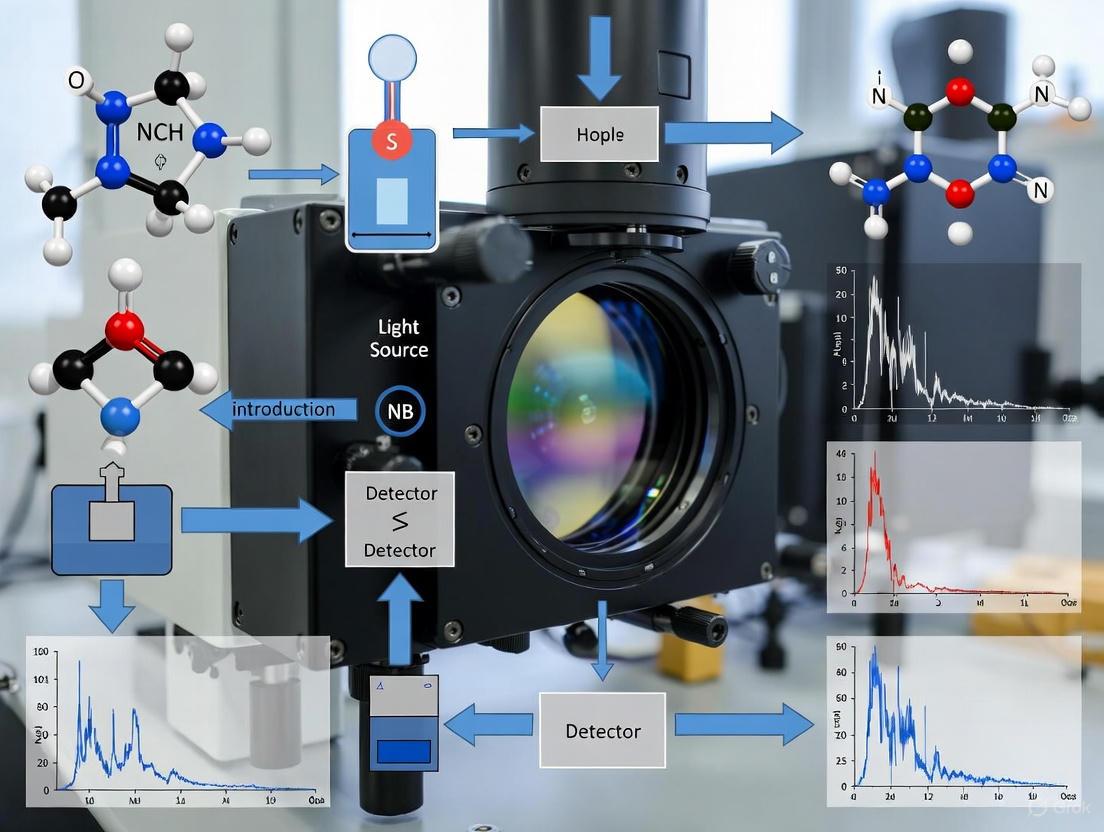
For researchers and drug development professionals, maintaining spectrometer data integrity is paramount.
5 Tell-Tale Signs Your Spectrometer's Optical Window Needs Cleaning (And How to Fix It)
Abstract
For researchers and drug development professionals, maintaining spectrometer data integrity is paramount. This article provides a comprehensive guide on identifying the subtle and overt signs of a contaminated optical window—from unexplained baseline drift and sensitivity loss to visible smudges. It details material-specific cleaning protocols for quartz, CaF₂, and ZnSe, establishes a proactive maintenance schedule to prevent costly downtime, and outlines validation procedures to ensure measurement accuracy and reproducibility in biomedical and clinical research.
Is Your Data Lying? How a Dirty Optical Window Skews Spectrometer Results
In spectroscopic analysis, the quality of data is fundamentally dependent on the physical state of the instrument itself. Unexplained baseline drift and increased spectral noise frequently serve as the primary indicators of declining instrument performance, often tracing back to a single, preventable source: contamination of the spectrometer's optical window. This degradation introduces systematic errors that compromise quantitative analysis, bias machine learning algorithms, and ultimately jeopardize the integrity of scientific conclusions and regulatory submissions in drug development [1] [2].
For researchers and scientists in pharmaceutical development, recognizing the specific signatures of contamination-induced artifacts is a critical first line of defense. Unlike electronic or environmental sources of noise, contamination on optical components produces a distinctive combination of symptoms that, when properly diagnosed, can be rapidly addressed. This technical guide provides a detailed framework for identifying, diagnosing, and correcting for the effects of optical window contamination, with a focus on practical methodologies and protocols relevant to spectroscopic analysis in regulated environments.
The Contamination Signature: Differentiating Drift and Noise from Other Artifacts
Contamination on optical windows—such as fingerprints, chemical residues, or dust—manifests through specific, measurable alterations in spectral performance. Accurate diagnosis requires understanding the unique characteristics of this contamination signature and differentiating it from other instrumental faults.
Characteristic Patterns of Contamination
- Progressive Baseline Drift: Unlike sudden baseline jumps from electronic faults, contamination typically causes a gradual, often unidirectional, drift in the baseline across the entire spectral range or specific regions. This occurs as residue accumulates, systematically attenuating the light source and reducing signal-to-noise ratio over time [1] [3].
- Increased Non-Uniform Noise: Contamination often introduces heterogeneous noise patterns that differ from the uniform electronic noise of a failing detector. The noise may appear more pronounced in specific spectral regions corresponding to the absorption characteristics of the contaminant itself [1].
- Distorted Peak Intensities: As contamination progresses, it can cause non-linear responses in peak intensities, leading to inaccurate quantitative measurements. This effect is particularly problematic for methods relying on consistent peak ratios or multivariate calibration models [2].
Diagnostic Protocol: Isolating Optical Window Contamination
A systematic approach is essential for confirming optical window contamination as the root cause of observed anomalies. The following diagnostic workflow provides a reliable method for distinguishing contamination from other common issues.
Figure 1: Diagnostic workflow for isolating optical window contamination.
Quantitative Impact Assessment
The following table summarizes the measurable effects of optical window contamination compared to other common sources of spectral degradation.
Table 1: Characteristic Signatures of Common Spectrometer Performance Issues
| Symptom | Optical Window Contamination | Electronic Component Failure | Environmental Interference |
|---|---|---|---|
| Baseline Drift Pattern | Gradual, progressive, often unidirectional | Sudden jumps or cyclic patterns | Random fluctuations correlated with environmental changes |
| Noise Characteristics | Increased, potentially non-uniform across spectrum | Uniform increase across all wavelengths | Pattern may match vibration or AC cycles |
| Spectral Feature Impact | Non-linear intensity distortions, particularly in affected regions | Consistent signal attenuation across all peaks | Minimal effect on peak shapes when present |
| Response to Blank Measurement | Abnormal blank spectrum persists with clean cuvette | May or may not affect blank measurement | Blank may be normal if measured during stable conditions |
| Corrective Action | Cleaning of optical components | Component replacement/service | Environmental stabilization/control |
Advanced Correction Methodologies for Contaminated Spectra
When contamination has occurred and immediate cleaning isn't feasible, advanced mathematical correction techniques can temporarily mitigate its effects on spectral data. These approaches are particularly valuable in continuous monitoring situations where instrument operation cannot be interrupted.
Baseline Correction Algorithms
Multiple sophisticated algorithms have been developed to address baseline drift, each with distinct advantages for handling contamination-induced artifacts:
- Reweighted Penalized Least Squares (NasPLS): This automated method identifies non-sensitive spectral regions (where absorbance approaches zero) and uses root mean square error minimization between original and fitted baselines in these regions to optimize smoothing parameters. NasPLS has demonstrated precise correction in the presence of noise interference and performs well across varying signal-to-noise ratios [4].
- Asymmetric Least Squares (AsLS) and Variants: The original AsLS algorithm applies asymmetric penalties to positive and negative residuals, favoring baseline fitting below the spectral peaks. Improved versions like AirPLS, IAsLS, and ArPLS employ different weighting strategies to address limitations in handling low signal-to-noise scenarios and prevent baseline underestimation [4] [5].
- Relative Absorbance-Based Independent Component Analysis (RA-ICA): This novel approach calculates relative absorbance spectra to eliminate baseline influence, then uses independent component analysis to extract pure component information from mixed signals with overlapping absorption peaks. The method effectively reconstructs baselines even in complex scenarios with severely overlapping components [6].
Comparative Performance of Correction Methods
The table below summarizes the key characteristics and optimal applications of prominent baseline correction methods for addressing contamination-related artifacts.
Table 2: Performance Comparison of Advanced Baseline Correction Methods
| Method | Underlying Principle | Advantages | Limitations | Optimal Use Case |
|---|---|---|---|---|
| NasPLS [4] | Reweighted penalized least squares using non-sensitive areas | Automatic parameter optimization; precise in noisy environments | Requires identification of non-sensitive spectral regions | FTIR spectra with known zero-absorption regions |
| ArPLS [4] | Asymmetric reweighted penalized least squares with logistic weighting | Robust performance across different SNR environments; handles nonlinear baselines | May require parameter tuning for specific applications | General-purpose correction for various contamination scenarios |
| RA-ICA [6] | Relative absorbance with independent component analysis | Effective with severely overlapping peaks; no reference baseline needed | Requires multiple spectra with concentration variations; computationally intensive | Continuous monitoring of mixed gases with overlapping absorptions |
| Wavelet-Based [5] | Multi-scale signal decomposition | Preserves chemical peak shapes while removing low-frequency baseline | Selection of wavelet basis and thresholds is challenging | Spectra with well-defined peak characteristics and smooth baselines |
| Multiplicative Scatter Correction (MSC) [5] | Linear transformation to reference spectrum | Corrects both additive and multiplicative effects; computationally efficient | Requires appropriate reference spectrum; assumes linear relationship | Diffuse reflectance spectra with scattering artifacts |
Implementation Workflow for Mathematical Correction
The following diagram illustrates a systematic approach for selecting and applying mathematical corrections to spectra affected by optical window contamination.
Figure 2: Method selection workflow for mathematical correction of contaminated spectra.
Experimental Protocols for Contamination Detection and Validation
Robust experimental design is essential for systematically identifying contamination effects and validating cleaning efficacy. The following protocols provide detailed methodologies for contamination-related investigations.
Protocol 1: Controlled Contamination Study
Objective: To quantitatively establish the relationship between specific contaminants and spectral degradation patterns.
Materials and Equipment:
- Spectrometer with accessible optical windows
- Analytical balance (precision 0.1 mg)
- Reference standard material (e.g., NIST-traceable polystyrene)
- Potential contaminants: fingerprint solution (sebum/salt mixture), silicone vacuum grease, particulate dust
- Cleaning supplies: lint-free wipes, HPLC-grade solvents (isopropanol, acetone)
Procedure:
- Establish baseline performance by collecting triplicate spectra of reference standard
- Calculate initial signal-to-noise ratio using peak-to-peak method at designated spectral regions
- Apply controlled contamination using deposition apparatus:
- For particulate contamination: disperse precisely weighed dust (0.1-10 mg) across window surface
- For film contamination: apply 5-50 µL of contaminant solution using microsyringe, spread uniformly
- Collect spectral data at predetermined time intervals (1, 5, 15, 30, 60 minutes)
- Quantify degradation using:
- Baseline drift magnitude at minimum absorption region
- Noise increase (standard deviation in flat spectral region)
- Peak intensity variation at characteristic absorption bands
- Perform statistical analysis of dose-response relationship between contaminant mass and spectral degradation
Protocol 2: Cleaning Validation Methodology
Objective: To verify the efficacy of optical window cleaning procedures and document return to specification performance.
Materials and Equipment:
- Certified reference materials for instrument qualification
- UV-Vis/NIR/FTIR validation standards
- Documentation forms for cleaning audit trail
Procedure:
- Document pre-cleaning performance with reference standard spectra
- Execute cleaning procedure according to established SOP
- Collect post-cleaning spectra immediately after cleaning and at 1-hour intervals for 4 hours
- Compare key performance metrics against predetermined acceptance criteria:
- Baseline flatness: ±0.005 AU over specified range
- Noise level: <0.001 AU RMS in designated quiet region
- Photometric accuracy: ±0.5% of reference value at control wavelengths
- Wavelength accuracy: ±0.2 nm shift from certified values
- Document results in equipment log with cleaning date, personnel, and performance verification
The Scientist's Toolkit: Essential Materials for Contamination Management
Table 3: Essential Research Reagents and Materials for Contamination Studies
| Item | Specification | Primary Function | Usage Notes |
|---|---|---|---|
| Optical Window Cleaning Solvents | HPLC-grade isopropanol, acetone, methanol | Dissolve and remove organic contaminants | Use in order of increasing polarity; verify compatibility with window material |
| Certified Reference Materials | NIST-traceable polystyrene, holmium oxide, didymium | Performance verification pre-/post-cleaning | Store properly to prevent degradation; use consistent measurement geometry |
| Lint-Free Wipes | Low-lint, non-abrasive fabric (e.g., microfiber) | Physical removal of contaminants without scratching | Single-use only to prevent cross-contamination |
| Compressed Gas Duster | Ultra-zero grade, moisture-free | Removal of particulate matter without contact | Hold canister upright to prevent propellant deposition |
| Spectral Validation Software | GLP-compliant with audit trail capability | Quantitative assessment of baseline and noise metrics | Establish and maintain version control for regulatory compliance |
| Contamination Simulants | Synthetic sebum, standardized dust particulates | Controlled contamination studies for method development | Prepare fresh solutions to maintain consistency |
| Digital Microscope | 100-400x magnification with ring illumination | Visual inspection of optical surfaces for microscopic contamination | Establish reference images of clean vs. contaminated surfaces |
Unexplained baseline drift and noise should trigger immediate consideration of optical window contamination as a potential root cause. The diagnostic frameworks, correction methodologies, and experimental protocols presented in this guide provide researchers and pharmaceutical professionals with a comprehensive toolkit for addressing this common but often overlooked challenge. By recognizing the distinctive signatures of contamination, implementing systematic diagnostic protocols, and applying appropriate mathematical corrections when necessary, scientists can maintain the integrity of their spectroscopic data and ensure the reliability of analytical results in drug development and quality control environments. Future advancements in real-time monitoring and automated contamination detection will further enhance our ability to distinguish optical degradation from other sources of spectral artifacts, ultimately strengthening the foundation of spectroscopic analysis in pharmaceutical applications.
In spectroscopic analysis, where precision dictates success, the gradual deterioration of data quality presents a significant challenge. Optical windows, the critical interfaces between a spectrometer and the sample environment, are often the unseen culprits behind progressive sensitivity loss and diminishing signal intensity. Contamination from environmental exposures, sample residues, or internal degradation directly compromises data integrity by introducing measurable optical losses [7] [8]. For researchers and drug development professionals, recognizing the signs of a contaminated optical window is not merely a maintenance issue but a fundamental aspect of ensuring measurement validity. This guide provides a detailed framework for identifying, quantifying, and remediating the slow fade of spectrometer sensitivity, with a focus on practical diagnostics and validated cleaning protocols.
Quantifying the Impact: How Contamination Affects Optical Performance
Contamination on optical windows impacts spectrometer performance through distinct physical mechanisms, each contributing to a quantifiable reduction in signal quality. The primary effects are light scatter, absorption, and refraction.
- Scatter: Particulate matter, dust, and micro-scratches on the window surface deflect incident light from its intended path. This scattered light does not reach the detector, resulting in a direct loss of signal intensity and an increase in background noise [9].
- Absorption: Organic films, such as oil from fingerprints or chemical residues, absorb light at specific wavelengths. This reduces the overall intensity of the transmitted light and can introduce spectral artifacts that lead to erroneous interpretation of absorbance data [9].
- Refraction/Reflection: Films and deposits can alter the refractive index at the window surface, increasing reflection losses and further reducing the light throughput of the system [9].
The following table summarizes the common types of contaminants and their primary impact on signal quality:
Table 1: Common Optical Contaminants and Their Effects
| Contaminant Type | Primary Optical Effect | Impact on Signal |
|---|---|---|
| Dust & Particulates [9] | Scatter | Reduced intensity, increased baseline noise |
| Fingerprints (Oils) [9] | Absorption & Scatter | Reduced intensity, spectral artifacts |
| Chemical Residues/ Films [8] | Absorption | Wavelength-specific intensity loss |
| Water Spots | Refraction & Scatter | Generalized signal loss, beam distortion |
Diagnostic Protocols: Experimental Methods for Identifying Contamination
A systematic approach is required to conclusively attribute sensitivity loss to a contaminated optical window. The following experimental protocols provide a step-by-step methodology for diagnosis.
Baseline and Performance Monitoring
- Establish a Historical Baseline: Maintain a log of reference measurements taken with a standard sample (e.g., a stable fluorescent dye, a neutral density filter, or a certified reflectance standard) when the spectrometer is new or after a professional calibration. Record the signal intensity, signal-to-noise ratio (SNR), and spectral shape.
- Monitor Performance Drift: Regularly measure the standard sample under identical instrument settings (e.g., integration time, gain, lamp power). A consistent, gradual decline in the maximum signal intensity or a degradation of the SNR over time is a primary indicator of accumulating contamination on optical components, including the window [10].
- Spatial Homogeneity Test: For systems that allow it, translate the standard sample or the light source relative to the optical window. A signal that varies significantly with position can indicate localized contamination or deposits on the window surface.
Signal Analysis for Contamination Identification
- Signal-to-Noise Ratio (SNR) Calculation: The SNR is a key metric for sensitivity. It is calculated as the ratio of the maximum signal intensity ((Sm)) to the root-mean-square of the background noise ((N{rms})): (SNR = Sm / N{rms}) [10]. A declining SNR suggests increased scatter or absorption due to contamination.
- Background Spectral Analysis: Acquire a dark background spectrum (with the light source off) and a reference background spectrum (e.g., with an empty sample chamber). Compare current background spectra to historical baselines. An elevated or structured background, particularly at shorter wavelengths where scatter is more pronounced, is indicative of particulate contamination.
- Visual Inspection with Coaxial Lighting: Using a magnifier or microscope with coaxial illumination can reveal fine particulates, micro-scratches, and thin films that are not visible to the naked eye.
Table 2: Diagnostic Tests and Their Interpretation
| Test | Procedure | Positive Indicator of Contamination |
|---|---|---|
| Trend Analysis | Monitor SNR of a standard sample over time. | Consistent, gradual decrease in SNR. |
| Spatial Mapping | Measure signal intensity at different locations across the window. | Significant variation in intensity correlated with location. |
| Spectral Background | Analyze the shape and intensity of the background signal. | Elevated or non-uniform background, especially in UV/blue regions. |
The logical workflow for diagnosing a contaminated optical window, based on these protocols, can be summarized as follows:
Experimental Cleaning and Validation Methodologies
Once contamination is identified, a careful and methodical cleaning process is essential. The following protocols, derived from established optical maintenance practices, provide a safe and effective methodology.
This protocol is suitable for common contaminants like dust, fingerprints, and light organic residues.
Required Research Reagent Solutions & Materials:
- Compressed Dust-Off Gas or Blower Brush: For removing loose, dry particulates without physical contact.
- Reagent-Grade Isopropyl Alcohol (IPA) or Lens Cleaning Solution: IPA is a high-purity solvent effective at dissolving oils. Commercial lens solutions are optimized for optical surfaces.
- Optical Grade Methanol: An alternative solvent for stubborn organic residues. (Use with adequate ventilation.)
- Microfiber Cloths: Lint-free cloths designed for cleaning optics.
- Powder-Free Nitrile or Latex Gloves: To prevent transferring oils from hands during handling.
Step-by-Step Procedure:
- Dry Removal: Use a blower brush or compressed gas to gently remove any loose abrasive particles from the surface. Do not wipe a dry, dusty surface.
- Solvent Application: Apply a few drops of reagent-grade IPA or lens cleaning solution to a clean microfiber cloth. Never pour solvent directly onto the optical surface, as it can seep into mounts and cause damage or leave streaks.
- Wiping: Using light pressure, wipe the optical surface in a straight line. Rotate the cloth to a clean area and repeat, moving from one side of the window to the other. Avoid circular motions, which can leave swirl marks.
- Drying: Use a dry portion of the microfiber cloth to gently remove any remaining solvent, again using a straight-line motion. The surface should be streak-free.
Advanced Cleaning for Stubborn Contamination
For hardened or chemically bonded deposits, a more rigorous approach may be necessary, as demonstrated in studies of contaminated optical components.
- Case Study: Laser Cleaning of a Rubidium Vapor Cell Window [8]
- Context: The inner window of a rubidium vapor cell developed an opaque black layer of rubidium silicate, severely reducing transmission.
- Method: A Q-switched Nd:YAG laser (1064 nm, 3.2 ns pulse width) was focused approximately 1 mm inside the cell, just beyond the contaminated inner surface.
- Mechanism: The laser pulse created a microplasma and shockwave at the focal point, mechanically dislodging the contaminant layer without transferring significant heat to the quartz window substrate.
- Result: A single laser pulse successfully cleared the discoloration at the focal spot, restoring transparency. Raman spectroscopy confirmed the removal of the rubidium silicate layer.
- Considerations: This is a highly specialized technique requiring precise control of laser parameters (wavelength, pulse energy, focal position) to avoid damaging the underlying substrate. It highlights the potential of laser-based methods for challenging contamination in sealed systems.
Proactive Maintenance and Handling to Prevent Sensitivity Loss
Preventing contamination is significantly more effective and safer than cleaning. Implementing a strict handling protocol is essential.
- Personal Protective Equipment (PPE): Always wear powder-free gloves when handling optical components or any items near the optical path [9].
- Handling Technique: Handle optical components by their edges or mounting surfaces. Avoid any contact with the optical surfaces themselves [9].
- Storage: When not in use, store optical components in a clean, dry environment. Use protective containers or dust caps to cover optical ports and windows [9].
- Controlled Environment: Maintain the laboratory environment to minimize airborne dust and chemical vapors, which can slowly deposit onto optical surfaces.
The progression from a clean window to signal degradation and the factors involved are illustrated below:
In high-precision fields like drug development, the integrity of spectroscopic data is non-negotiable. The gradual fade of signal intensity due to a contaminated optical window is an insidious problem that can compromise research validity and lead to costly errors. By understanding the underlying mechanisms, implementing regular diagnostic monitoring, and adhering to strict cleaning and handling protocols, researchers can safeguard their instruments against this slow decline. A proactive and systematic approach to optical window maintenance is not just a technical task, but a fundamental component of rigorous scientific practice.
For researchers, scientists, and drug development professionals, maintaining spectrometer performance is paramount. The optical window, a critical interface between your sample and the detector, is particularly vulnerable to contamination in laboratory environments. Dust, fingerprints, and solvent residue are not merely cosmetic issues; they represent significant sources of analytical error, potentially leading to scattered light, signal attenuation, and erroneous readings that compromise data integrity [11] [12]. This guide provides an in-depth technical framework for the visible inspection of optical windows, enabling the early detection of contaminants before they impact your spectroscopic results. Establishing a rigorous, repeatable inspection protocol is a foundational component of preventive maintenance, ensuring the reliability of your research outcomes and extending the operational life of sensitive instrumentation [13].
The Scientist's Toolkit: Essential Materials for Inspection and Cleaning
Proper inspection and cleaning require specific, high-purity materials to avoid introducing further contamination or damaging delicate surfaces. The following table details essential items for an effective optical maintenance workstation.
Table: Essential Research Reagents and Materials for Optical Inspection and Cleaning
| Item | Function & Application | Key Considerations |
|---|---|---|
| Powder-free Gloves (clean room vinyl/nitrile) | Creates a protective barrier against skin oils and salts during handling [11] [14]. | Prevents permanent fingerprint etching on optical coatings [11]. |
| Compressed Air/Duster (canned inert gas, blower bulb, or dry nitrogen) | Removes loose, abrasive dust and particulates via non-contact method [11] [15]. | First step in cleaning; essential for delicate surfaces that cannot be touched [11]. Hold can upright to prevent propellant deposition [11]. |
| Optical Wipes (Lens tissue, Webril wipes, pure cotton, microfiber) | Provides a soft, lint-free substrate for applying solvents and wiping optical surfaces [11] [16]. | Webril wipes are noted for holding solvent well and not falling apart [11]. Never use a dry wipe on an optic [11]. |
| Solvents (Reagent-Grade Isopropyl Alcohol, Acetone, Methanol) | Dissolves and removes organic contaminants like fingerprints and solvent residue [11] [15]. | Use spectroscopic or reagent-grade purity to prevent streaking [14] [15]. Always use with adequate ventilation; most are poisonous and flammable [11]. |
| Magnification Device (Microscope, magnifying loupe) | Enables visual detection of micro-scale contaminants and surface defects like fine scratches and pinholes [11] [17]. | Crucial for inspecting small optics and identifying contamination that is invisible to the naked eye [11]. |
| High-Intensity Light Source (40W lamp with diffuser) | Illuminates the optical surface at an angle to reveal contaminants through enhanced specular reflection [17] [14]. | A ground glass lamp diffuser creates even illumination. Work in a darkened room for best contrast [14]. |
| Black/White Background | Provides a contrasting field behind the optic to improve the visibility of contaminants, especially on transparent substrates [17]. | Enhances contrast, making subtle defects like light scratches or haze more apparent [17]. |
Systematic Inspection Workflow and Protocols
A consistent, multi-step inspection methodology is critical for reliably identifying all forms of contamination. The diagram below outlines the logical workflow for a comprehensive visual inspection.
Pre-Inspection Preparation
- Workspace Preparation: Begin by establishing a clean, temperature-controlled, and litter-free environment to prevent new contamination during the inspection process [11].
- Personal Protective Equipment (PPE): Don powder-free vinyl or nitrile gloves to prevent transferring skin oils to the optical surface. Avoid clothing with zippers or buttons that could accidentally scratch the optic [14] [15].
Optimized Visual Inspection Techniques
The inspection technique must be tailored to the type of optical surface, as described in the workflow. The goal is to maximize the visibility of contaminants.
- For Reflective Surfaces (e.g., Mirrors): Hold the optic nearly parallel to your line of sight. Instead of looking directly at it, look across the surface. This angle allows you to see contamination and surface defects rather than your own reflection [11].
- For Transmissive Surfaces (e.g., Lenses, Windows): Hold the optic perpendicular to your line of sight so you are looking directly through it. This allows you to observe contaminants that scatter or absorb the light passing through the substrate [11].
- Lighting and Background: Perform the inspection in a darkened room. Shine a bright light (e.g., a 40W lamp with a diffuser) onto the optical surface at a grazing angle (e.g., 45 degrees) to enhance the contrast of specular reflections from contaminants and micro-defects. Place a black or white background behind transmissive optics to further improve contrast [17] [14].
Contamination Identification and Classification
Once the inspection environment is optimized, systematically scan the entire optical surface to identify and categorize contaminants. The table below summarizes the visual characteristics and inspection techniques for common contaminants.
Table: Identification Guide for Common Optical Contaminants
| Contaminant | Visual Characteristics | Optimal Inspection Method | Primary Risk |
|---|---|---|---|
| Dust & Particulates | Scattered, specular points of light; often gritty texture. | Angled, bright lighting on a dark background; magnification [11] [17]. | Surface Scratching if wiped; increased scatter [11]. |
| Fingerprints | Oily smudges or residue with distinctive whorl patterns; may appear hazy. | Angled light for reflective surfaces; through-light for transmissive surfaces [11] [15]. | Permanent staining of coatings; signal absorption [11] [15]. |
| Solvent Residue | Thin, uniform film or streaking; often causes hazing or Newton's rings. | Careful observation under angled, bright light for interference patterns [11]. | Altered refractive index at surface; reduced transmission [11]. |
| Water Spots | Dried, spotty deposits with a mineral ring pattern; often white and crusty. | Bright, direct lighting; can be more visible after solvent cleaning fails [14]. | Light scattering centers; can be difficult to remove [14]. |
Advanced Inspection: Linking Contamination to Performance Degradation
For the research scientist, understanding the physical implications of contamination is as important as identifying it.
Impact on Spectroscopic Data Quality
Contaminants directly interfere with the fundamental optical principles of your spectrometer:
- Scatter and Stray Light: Dust and residue act as scattering centers, redirecting photons away from their intended path. This increases background noise and reduces the signal-to-noise ratio (SNR), particularly detrimental in low-light applications like fluorescence or Raman spectroscopy [12].
- Absorption and Signal Attenuation: Organic films from fingerprints or certain residues can absorb specific wavelengths of light, leading to artificial absorption peaks or a general dampening of the signal across the spectrum [12]. This directly corrupts quantitative measurements.
- Interference Effects: Thin, uniform solvent films can create interference fringes (Newton's rings), which manifest as a sinusoidal pattern in the spectral baseline, complicating data interpretation [11].
Quantifying Defects with a Scratch-Dig Paddle
For critical applications, after locating a surface defect, use a scratch-dig paddle to categorize its size. This tool contains calibrated scratches (scratches) and pits (digs). By comparing the defect on your optic to the calibrated defects on the paddle, you can determine if the defect exceeds the manufacturer's scratch-dig specification [11]. If the size of the defect is larger than the specification, it may be necessary to replace the optic to restore desired instrument performance [11].
From Inspection to Action: Validated Cleaning Methodologies
Identifying contamination logically leads to its removal. The following protocols, summarized from leading optical manufacturers, provide safe and effective cleaning methods.
Non-Contact Cleaning: Blowing Off Loose Contaminants
This is always the first and often only step required for dust, and it is the sole approved method for extremely delicate surfaces.
- Procedure: Use a canister of inert dusting gas or a blower bulb. Hold the can upright roughly 6 inches (15 cm) from the optic. Use short blasts and wave the nozzle at a grazing angle in a figure-eight pattern over the surface [11].
- Applications: The primary method for holographic gratings, ruled gratings, first-surface unprotected metallic mirrors, and pellicle beamsplitters. It is also the recommended first step for cleaning all other optics [11].
- Cautions: Never use your mouth to blow on the surface, as saliva will contaminate the optic [15]. For pellicle beamsplitters and calcite polarizers, use minimal force to avoid damaging fragile membranes or polished surfaces [11].
Solvent-Based Cleaning Methods
If blowing is insufficient, solvent cleaning with physical contact is required. Always use high-purity, reagent-grade solvents and fresh, lint-free wipes.
- Drag Method (For Flat Surfaces):
- Plan a drag path to lift contaminants off the surface immediately.
- Hold a fresh sheet of lens tissue above the optic.
- Place one or two drops of a quick-drying solvent (e.g., acetone or methanol) on the tissue, allowing its weight to make contact with the optic.
- Slowly and steadily drag the damp tissue across the surface without lifting it [11].
- Wipe Method (For Curved or Mounted Optics):
- Fold a lens tissue and clamp it with forceps, or use a cotton-tipped applicator.
- Apply a few drops of solvent to create a damp (not dripping) wipe.
- Wipe the optical surface in a smooth, continuous motion while slowly rotating the applicator to present a clean surface to the optic [11].
- Washing (For Robust, Uncoated Optics):
- If approved by the manufacturer, immerse the optic in a mild solution of distilled water and optical soap.
- Rinse thoroughly with clean distilled water.
- Use a quick-drying solvent to accelerate drying and prevent water spots [11].
In the context of spectrometer maintenance, mastering visible inspection is not a peripheral housekeeping task but a core analytical competency. The systematic approach outlined here—leveraging optimized lighting, appropriate angles, and a structured workflow—enables researchers to proactively identify dust, fingerprints, and solvent residue. This vigilance directly protects the fidelity of spectroscopic data, safeguards sensitive coatings from permanent damage, and ensures that your research conclusions are built upon a foundation of reliable instrument performance. By integrating these inspection and cleaning protocols into regular laboratory practice, scientists and drug development professionals can significantly reduce downtime, minimize costly replacements, and uphold the highest standards of data quality.
In the regulated environments of pharmaceutical development and manufacturing, the integrity of analytical data is paramount. A fundamental, yet often overlooked, factor that can compromise this integrity is the physical condition of the spectrometer itself, specifically the cleanliness of its optical windows. Contamination on these critical surfaces acts as a direct conduit between simple maintenance oversights and major data integrity failures. This connection forms a critical vulnerability within quality control systems. This guide examines the mechanistic relationship between optical contamination, the resulting analytical errors, and the subsequent non-conformances with data integrity principles. Furthermore, it provides detailed protocols for the detection and remediation of contamination, supporting robust analytical practices and regulatory compliance.
The Contamination-Data Integrity Failure Pathway
Contamination on spectrometer optical windows—such as lenses, fibers, and viewports—does not merely cause random error. It introduces systematic bias and noise that directly undermine the reliability of analytical data. The following diagram illustrates the progressive pathway from physical contamination to ultimate quality control failure.
This cascade directly impacts the ALCOA+ framework (Attributable, Legible, Contemporaneous, Original, Accurate, + Complete, Consistent, Enduring, Available) that is foundational to regulatory compliance [18]. Contamination primarily violates the Accuracy of the data, as the results no longer correctly reflect the sample's properties. It can also compromise the Original and Complete aspects of the dataset if the contaminated state of the instrument is not recorded alongside the data or if it leads to the exclusion of out-of-specification (OOS) results during investigation, a practice known as "cherry-picking" [18].
The regulatory risks associated with inadequate instrument control are significant. An analysis of FDA Form 483 observations and warning letters reveals widespread data integrity problems related to spectroscopic systems.
Table 1: Analysis of FDA Infrared 483 Citations and Warning Letters (2012-2018) [19]
| Category of Noncompliance | Percentage of Total Citations | Specific Examples from Observations |
|---|---|---|
| Inadequate Software Architecture/Design | 37% | Software does not prevent accidental or intentional deletion of data files; QC operators have the option of not saving IR data. |
| Lack of Audit Trail | 15% | System audit trails are not available on FT-IR instruments. |
| Data Storage in OS Directories | 16% | Data can be deleted off the computer system's hard drive, outside of the system software; deleted FT-IR data found in the computer recycle bin. |
| Failure to Qualify/Validate | 6% | No Performance Qualification (PQ) is performed before use to ensure instrument performance. |
While these citations often focus on electronic data integrity, the physical state of the instrument is the starting point. For instance, a failure to perform Performance Qualification (PQ), as noted in Table 1, could include verifying that the instrument meets signal-to-noise and wavelength accuracy specifications—parameters directly degraded by a dirty optical window [19] [20].
Table 2: Common Spectrometer Issues Linked to Contamination and Their Data Impact [20]
| Problem | Symptoms in Data/Output | Ultimate Impact on Data Integrity |
|---|---|---|
| Dirty Windows | Instrument analysis drifts more often, leading to poor analysis readings and frequent recalibration. | Violates Accuracy; may lead to unreported data or recalibration to force passing results. |
| Contaminated Argon | Inconsistent or unstable results; burns appear white or milky. | Violates Accuracy and Consistency. |
| Misaligned Lenses | Highly inaccurate readings due to inadequate light intensity for measurement. | Violates Accuracy; data is not a true representation of the sample. |
| Vacuum Pump Failure | Incorrect values for elements in the lower wavelength spectrum (e.g., Carbon, Phosphorus, Sulfur). | Violates Accuracy and Completeness (incomplete elemental profile). |
Detection and Diagnosis: Methodologies for Identifying Contamination
A multi-pronged approach is essential for proactively identifying contamination before it leads to data integrity failures.
Analytical Performance Monitoring
Regular monitoring of system suitability parameters is the first line of defense. As noted in troubleshooting guides, a primary symptom of dirty windows is instrumental drift and a need for more frequent recalibration [20]. This can be quantified by tracking the Relative Standard Deviation (RSD) during recalibration. As one protocol specifies, "the relative standard deviation (RSD) of any recalibration standard being analyzed should not exceed 5. If 5 RSD is exceeded, delete the analysis results and retry the process" [20]. Consistent failure to meet this criterion strongly indicates a contaminated optical path.
Visual Inspection Protocols
A direct visual inspection, when possible, is a powerful diagnostic tool. This requires a standardized methodology to ensure consistency.
Table 3: Research Reagent Solutions for Optical Window Inspection and Cleaning
| Item | Function/Explanation | Application Note |
|---|---|---|
| Regulated Nitrogen Gas | Provides a clean, dry, particulate-free air stream for removing grit before wiping. | Prevents scratching during the cleaning process; superior to canned air, which may leak solvent [14]. |
| Spectroscopy Grade Solvents | High-purity acetone, methanol, propanol, hexane. | Leaves minimal residue, ensuring the cleaning process does not introduce new contaminants. |
| Lint-Free Swabs & Tissue | Wiping materials that do not shed fibers onto the optical surface. | Critical for preventing secondary contamination from the cleaning materials themselves [14]. |
| 40W Illumination & Black Background | Creates optimal viewing conditions to highlight dust, streaks, and films on the optic. | Essential for visualizing subtle contamination that can still affect sensitive measurements [14]. |
The recommended procedure is to work in a darkened room under a HEPA-filtered laminar flow hood if possible. The window should be illuminated at a right angle from the viewing direction against a black background, held about 18 inches from the viewer [14]. This setup makes even minute particles and film residues visible.
Advanced Spectroscopic Techniques for Failure Analysis
When contamination is suspected but not visually confirmed, advanced spectroscopic techniques can identify the contaminant itself. FTIR and Raman microscopy are particularly powerful for this application.
FTIR Microscopy: This technique operates by analyzing the absorption of infrared light by a sample, providing a molecular "fingerprint" [21]. An FTIR microscope like the LUMOS II allows for the analysis of extremely small particles or defects with high lateral resolution. It can identify organic and inorganic contaminants by comparing the measured spectrum against digital spectral libraries [21].
Raman Microscopy: Raman spectroscopy evaluates inelastically scattered laser light and provides complementary information to FTIR, often with sharper spectral lines. It is especially valuable for inorganic samples and can perform analyses through transparent containers like glass vials non-invasively [21]. Both techniques are mainstays in failure analysis laboratories for chemically identifying unknown contaminants that cause product or process failures.
Experimental Protocol: Cleaning and Verification of Sapphire Optical Windows
The following detailed protocol for cleaning coated sapphire windows (common in viewports) exemplifies the level of rigor required to prevent data integrity issues. Note: Ultrasonic cleaning is prohibited for these components [14].
Key Considerations for the Protocol:
- Solvent Order: Always start with the least aggressive, highest purity solvent. Spectroscopy-grade acetone is typically the first choice [14].
- Swab Technique: Use a solvent-dampened swab, not a dripping one. "Flip off the excess before touching the window." Always use a circular motion from the outer edge to the center, and never re-use a swab on a cleaned area [14].
- Coating Compatibility: A critical precaution is to avoid using water on coated optics unless you are certain the coating is not water-soluble. For coatings above 1550nm, the use of water is explicitly prohibited [14].
- Patience: "Be patient and work slowly and systematically... Less is more. Clean only obvious dirt." [14]
Building a Defensive Framework: Prevention and Data Integrity Assurance
Preventing contamination-related failures requires a systematic, quality-driven approach that integrates instrument maintenance with data governance.
Implementing Robust Access and Audit Controls
A foundational element of data integrity is controlling system access. The FDA 21 CFR Part 11 requires that "each system user has a unique login and password to access critical systems" [18]. Shared logins create a risk of data being modified or deleted without a clear audit trail. Furthermore, the system administrator role, which can alter files and settings, "should be assigned only to personnel who are not responsible for the record content" [18]. This segregation of duties prevents individuals with a direct interest in the results from having the ability to manipulate the raw data.
Comprehensive Audit Trail Review
Modern spectroscopic software must have an enabled and secure audit trail that records user actions. However, simply having one is not enough. Organizations must have "a strategy to review this data" [18]. A meaningful, risk-based strategy should define the frequency of audit trail reviews and what specific actions to look for. For instance, a review could focus on instances of repeated file deletion or re-processing of data that moved results from an OOS to in-specification condition. Without regular review, the value of the audit trail is largely lost [18].
Proactive Instrument Qualification and Management
The updated USP <1058> on Analytical Instrument Qualification (AIQ) emphasizes that users must write a User Requirements Specification (URS) that includes operating parameters for the spectrometer and its software [19]. These parameters are verified in the Operational Qualification (OQ) upon installation and after major maintenance. Crucially, Performance Qualification (PQ) involves tests that confirm the instrument continues to operate per the URS under actual conditions of use [19]. Regular PQ checks, which would include verifying signal-to-noise ratio and wavelength accuracy, are a direct defense against performance degradation caused by slowly accumulating optical contamination.
The path from a contaminated optical window to a failed quality control is both direct and preventable. Contamination systematically degrades the accuracy of analytical data, triggering a cascade that violates the core principles of data integrity (ALCOA+) and can lead to significant regulatory actions. By understanding this link, implementing rigorous detection and cleaning protocols, and reinforcing these practices with strong data governance—including access control, audit trail review, and proactive instrument qualification—organizations can protect the integrity of their analytical data. This ensures not only regulatory compliance but also the fundamental reliability of the scientific data underpinning drug development and manufacturing.
In the realm of pharmaceutical research and analytical science, the integrity of spectroscopic data is paramount. The presence of undetected contaminants on spectrometer optical windows constitutes a critical point of failure, potentially compromising experimental results, regulatory compliance, and product quality. Contaminants interact with light through two primary mechanisms: scattering, which deflects photons from their original path, and absorption, which removes specific wavelengths of light based on the contaminant's molecular structure. These phenomena directly distort the fundamental measurements that spectroscopy relies upon—light intensity before and after interaction with a sample.
Within pharmaceutical manufacturing and cleaning validation, the consequences of compromised optical surfaces extend beyond analytical inaccuracies to include significant regulatory and safety risks. Health authorities require demonstrated equipment cleanliness, with residues reduced to scientifically justified limits based on toxicological evaluation [22]. Optical window contamination undermines the verification of these critical cleanliness standards, creating potential for cross-contamination between product batches [23]. This technical guide examines the physicochemical principles behind light-contaminant interactions, provides experimental methodologies for their detection and characterization, and establishes protocols for maintaining optical integrity in regulated environments.
Fundamental Principles: Light-Contaminant Interactions
The Nature of Light Scattering by Surface Contaminants
When light encounters particulate matter or surface irregularities on optical windows, scattering occurs through several mechanisms dependent on the contaminant properties and light wavelength. Mie scattering predominates when contaminant particles are roughly similar in size to the wavelength of incident light, occurring frequently with dust, protein aggregates, and crystalline residues common in laboratory environments. This forward-directed scattering effect reduces light throughput to the detector while creating a diffuse background signal. Rayleigh scattering becomes significant when particles are substantially smaller than the light wavelength, such as with nanoscale residues or molecular clusters, scattering light equally in all directions and disproportionately affecting shorter wavelengths.
The practical consequence of these scattering phenomena is a reduction in measured optical signal that mimics true absorption, leading to overestimation of analyte concentration. In cleaning validation applications, this scattering-induced signal loss can generate false positives for residual contaminants, unnecessarily delaying equipment release and manufacturing processes [24]. The problem is particularly insidious because conventional UV-Vis spectroscopy cannot readily distinguish between light lost to absorption versus scattering without specialized approaches.
Molecular Absorption by Contaminants
Absorption occurs when contaminant molecules contain chromophores—functional groups with electrons capable of undergoing transitions to higher energy states when excited by specific light wavelengths. Common cleaning validation contaminants exhibiting strong UV absorption include:
- Alkaline cleaning agents with chromophores added to facilitate detection, absorbing strongly at 220-224 nm [22]
- Protein residues like bovine serum albumin and monoclonal antibodies containing aromatic amino acids that absorb at 220 nm (peptide bonds) and 280 nm (tryptophan, tyrosine) [22]
- Organic residues from fermentation processes or product degradation exhibiting broad UV absorption
The Beer-Lambert law quantifies this relationship, stating that absorbance (A) equals the product of the molar absorptivity (ε), path length (l), and concentration (c): A = εlc [22] [25]. When contaminants coat optical windows, they introduce an unaccounted absorption pathway that systematically biases all subsequent measurements. This effect is particularly problematic at the low wavelengths (190-220 nm) where many pharmaceutical residues and cleaning agents absorb most strongly [22].
Table 1: Characteristic Absorption Wavelengths of Common Contaminants
| Contaminant Type | Primary Absorption Wavelength(s) | Molecular Origin | Typical Molar Absorptivity |
|---|---|---|---|
| Alkaline Cleaners | 220-224 nm | Added chromophores | High (formulation-dependent) |
| Acidic Cleaners | 220 nm | Added chromophores | High (formulation-dependent) |
| Proteins (BSA, mAbs) | 220 nm, 280 nm | Peptide bonds, aromatic amino acids | ~50,000 M⁻¹cm⁻¹ at 280 nm |
| Organic Residues | 190-400 nm (broad) | Conjugated systems | Variable |
Experimental Evidence: Documented Effects of Optical Window Contamination
Quantifying Measurement Error from Window Contamination
Research by Kang et al. systematically investigated how optical window surface contamination (OWSC) affects measurement accuracy in UV-Vis spectroscopy [24]. Their findings demonstrated that even minor fouling of optical surfaces introduces significant and progressive measurement error that correlates directly with the extent of contamination. The study developed an equivalent absorption spectrum (EAS) model to describe the spectral characteristics of OWSC, finding that contamination typically exhibits broad absorption across the UV range that increases non-linearly with fouling severity.
In one experimental demonstration, the group showed that OWSC could cause COD measurement errors exceeding 20% within one week of continuous operation without cleaning or compensation [24]. This systematic error manifested as a baseline shift across all measured wavelengths, distorting both qualitative spectral patterns and quantitative concentration determinations. The problem proved particularly acute in pharmaceutical cleaning validation where regulatory requirements often mandate detection at parts-per-million levels or lower [22] [26].
Advanced Detection Methods for Surface Contamination
Alternative spectroscopic approaches have been developed to directly detect surface contaminants without being confounded by optical window fouling. Near Infrared Chemical Imaging (NIR-CI) systems such as the OptiClean prototype demonstrated detection limits of 1.0mg/cm² for residual substances on equipment surfaces, providing both spectral and spatial information that differentiates contaminants from underlying surface materials [23].
Similarly, grazing-angle mid-infrared spectroscopy has emerged as a powerful technique for direct surface analysis in cleaning validation [27]. This approach examines the "fingerprint region" of the IR spectrum (1000-2000 cm⁻¹) where molecular vibrations provide highly specific identification of residues even at surface concentrations below 1 μg/cm²—significantly below the typical acceptable residue level of 0.45 μg/cm² for conventional drugs [27]. The method works on various surfaces including metals, glass, and plastics, though spectral features may invert on dielectric surfaces like glass and require chemometric modeling for accurate quantification at very low loadings.
Diagram 1: Contaminant effects on light measurement. This workflow illustrates how contaminants on optical windows cause both scattering and absorption, leading to compounded measurement errors.
Methodologies for Detection and Compensation
Experimental Protocol for Contamination Assessment
Researchers can implement the following standardized protocol to systematically evaluate optical window contamination in spectrometer systems:
Materials Required:
- High-purity solvent (HPLC-grade water or appropriate solvent)
- Reference standard with known absorption spectrum (e.g., potassium dichromate)
- Certified clean cuvettes or sample holders
- Lint-free wipes and optical cleaning solutions
- UV-Vis spectrophotometer with variable path length capability
Procedure:
- Baseline Establishment: Record a baseline spectrum with a pristine cuvette containing only purified solvent. Note the baseline stability and noise level across the wavelength range of interest.
- System Performance Verification: Measure a reference standard at known concentration and verify the absorbance reading falls within certified tolerances (±2% of expected value).
- Contamination Introduction: Apply a controlled contaminant to the optical window (e.g., 5µL of 0.1% BSA solution, allowed to dry), simulating accidental fouling.
- Contamination Assessment: Repeat the baseline measurement and compare to the original baseline. Calculate the apparent absorbance introduced by the contamination across key wavelengths.
- Error Quantification: Re-measure the reference standard and quantify the deviation from the known absorbance value.
- Data Analysis: Calculate the signal-to-noise ratio degradation and any spectral shape distortions introduced by the contamination.
This protocol enables systematic comparison of contamination effects across different instrument configurations and contaminant types, providing quantitative data on measurement degradation.
Compensation Techniques for Contaminated Optical Windows
Kang et al. developed a sophisticated compensation algorithm that addresses OWSC by characterizing its equivalent absorption spectrum (EAS) [24]. The method operates on the principle that window contamination produces a characteristic spectral signature that can be modeled and subtracted from measurements:
- EAS Characterization: Measure the absorption spectrum of a contaminated optical window using a reference sample of known composition (e.g., purified water).
- Spectral Fitting: Model the EAS of OWSC based on measured absorption between 380-440 nm, where most water quality parameters have minimal absorption.
- Prediction: Extrapolate the EAS of OWSC to shorter wavelengths (250-380 nm) using the established model.
- Compensation: Subtract the predicted EAS from subsequent sample measurements to recover the true sample absorbance.
This approach demonstrated successful recovery of accurate chemical oxygen demand (COD) measurements even with significantly fouled optical windows, enabling extended maintenance-free operation of online monitoring systems [24]. The method shows particular promise for pharmaceutical applications where continuous monitoring of cleaning processes is implemented [22].
Table 2: Comparison of Contamination Mitigation Strategies
| Strategy | Mechanism | Effectiveness | Limitations |
|---|---|---|---|
| Mechanical Cleaning | Physical removal of contaminants | High when properly executed | Risk of surface damage, requires system downtime |
| Ultrasonic/Megasonic Cleaning | High-frequency vibration dislodgement | Moderate to high | Ineffective for strongly adhered films |
| Laser Cleaning | Ablation of surface material | High for specific contaminant types | High cost, potential for optical damage |
| Algorithmic Compensation | Mathematical correction of spectra | Moderate for predictable contamination | Limited for severe or variable fouling |
| Scattering Cavities | Increased path length enhances signal | 10x sensitivity improvement [25] | Requires specialized instrumentation |
The Scientist's Toolkit: Essential Research Reagents and Materials
Table 3: Key Reagents and Materials for Contamination Studies
| Item | Function | Application Notes |
|---|---|---|
| Hexagonal Boron Nitride (h-BN) Scattering Cavity | Enhances sensitivity by increasing effective path length [25] | Provides >10x sensitivity enhancement; >80% diffuse reflectance at >500nm |
| Formulated Alkaline & Acid Cleaners | Model contaminants with known chromophores [22] | Absorb at 220-224nm; used for cleaning validation studies |
| Bovine Serum Albumin (BSA) | Model protein contaminant [22] [27] | Represents biopharmaceutical residues; detectable at <1μg/cm² |
| Monoclonal Antibodies (mAbs) | Therapeutic product residues [22] | Subject to degradation during cleaning; requires specific detection |
| Malachite Green & Crystal Violet | Model compounds for sensitivity testing [25] | Peak absorptions at 617nm and 590nm respectively; used for LOD determination |
| Quartz Cuvettes | Sample holders for UV spectroscopy [28] | Transparent to UV light; superior to plastic or glass for UV applications |
Implications for Cleaning Validation and Pharmaceutical Analysis
The interaction between contaminants and light has profound implications for cleaning validation in pharmaceutical manufacturing. Regulatory guidelines such as EMA's Annex 15 specifically acknowledge that biologics may degrade during cleaning processes, supporting the use of non-specific methods like UV spectroscopy when specific detection isn't feasible [22]. The implementation of in-line UV spectrometry at 220 nm enables real-time monitoring of cleaning processes, aligning with Pharma 4.0 initiatives for continuous process verification [22].
The sensitivity of these monitoring approaches depends critically on maintaining pristine optical surfaces or implementing robust compensation methods. As demonstrated by the scattering cavity approach, a 10-fold enhancement in sensitivity can lower detection limits by nearly an order of magnitude [25]. Such enhancements directly support the stringent acceptance criteria for cleaning validation, whether employing the 10 ppm criterion (maximum 10 ppm carryover between products) or the 1/1000 dosing criterion (no more than 1/1000 of the lowest daily dose carried over) [26].
Diagram 2: Optical window contamination response workflow. This decision pathway guides scientists in responding to suspected optical window contamination, with options for either compensation or cleaning based on severity.
The interaction between contaminants and light through scattering and absorption mechanisms presents a significant challenge in spectroscopic analysis, particularly in regulated pharmaceutical environments. Understanding these principles enables researchers to implement appropriate detection strategies, whether through advanced chemical imaging, grazing-angle spectroscopy, or computational compensation methods. As the field moves toward increasingly sensitive detection requirements for cleaning validation and quality control, maintaining optical integrity or accurately accounting for its degradation becomes essential for generating reliable, defensible scientific data. The methodologies and principles outlined in this technical guide provide a foundation for addressing these challenges systematically, ensuring both analytical accuracy and regulatory compliance.
Step-by-Step: Safe and Effective Cleaning Protocols for Different Optical Materials
In spectrometer maintenance, the initial step of dry gas dust removal represents the most fundamental and critical intervention for preserving optical window integrity and analytical performance. This procedure serves as the primary defense against particulate contamination that can compromise instrument function. Optical windows, particularly those situated in sample compartments, are perpetually vulnerable to environmental dust accumulation. While seemingly benign, this dust can act as a medium for more aggressive contamination; organic compounds and atmospheric moisture readily adsorb onto particulate surfaces, creating tenacious deposits that are far more challenging to remove [29]. Furthermore, the simple mechanical action of wiping a dusty surface is analogous to cleaning with sandpaper, potentially embedding hard particulates into soft coatings or the substrate itself, leading to permanent scratches [30].
The imperative for a dry, non-contact first cleaning step is therefore unequivocal. Using dry air or nitrogen gas provides a safe mechanism for displacing loose abrasive particles without physical contact. This process directly mitigates two significant risks: First, it prevents the irreversible scratching of optical surfaces, which can scatter incident light and degrade signal-to-noise ratios. Second, by removing the particulate foundation, it hinders the subsequent adhesion of oils and other contaminants from fingerprints, which are notoriously difficult to remove and can dramatically degrade optical performance by creating permanent damage on mirrors and windows [13]. Consequently, this universal first step is not merely a cleaning action but a proactive preservation strategy, extending the functional lifetime of sensitive and costly spectroscopic components.
Quantitative Impact of Contamination and Cleaning
The detrimental effects of surface contamination on optical components are not merely theoretical but are quantifiable, impacting critical performance metrics such as optical transmittance and laser-induced damage threshold. Contaminants on optical surfaces can induce damage spots up to five times the size of the contaminants themselves under intense laser irradiation, leading to a reduction of approximately 60% in the laser damage threshold [29].
The table below summarizes key quantitative findings from research on optical surface contamination and cleaning efficacy:
Table 1: Quantitative Data on Contamination Impact and Cleaning Efficacy
| Metric | Impact Level | Context/Description | Source |
|---|---|---|---|
| Laser Damage Threshold | ~60% reduction | Caused by contamination under intense laser irradiation | [29] |
| Damage Spot Size | 5x contaminant size | Induced by contaminants under laser irradiation | [29] |
| Surface Roughness | Reduced from 1.090 nm to 0.055 nm | After oxygen plasma cleaning of silicon carbide (SiC) | [29] |
| Carbon Contamination | 35% thickness reduction | Removed after 6000 seconds of low-pressure RF plasma treatment | [29] |
| Contaminant Penetration | Depth-resolved analysis | Quantified for polishing-induced contaminants on optical glass via LIBS | [31] |
Advanced cleaning methodologies like low-pressure plasma cleaning have demonstrated a remarkable ability to restore surface integrity and optical performance. For instance, oxygen plasma cleaning has been shown to significantly reduce the surface roughness of silicon carbide (SiC) from 1.090 nm to 0.055 nm [29]. Furthermore, after 6000 seconds of low-pressure RF plasma treatment, the thickness of a carbon contamination coating was reduced by 35% [29]. The quantification of contamination itself has advanced, with techniques like calibration-free Laser-Induced Breakdown Spectroscopy (LIBS) enabling depth-resolved analysis of trace contaminants originating from manufacturing processes like polishing [31].
Experimental Protocols and Detailed Methodologies
Core Dry Gas Dust Removal Protocol
The following step-by-step protocol is prescribed for the safe and effective removal of dust from spectrometer optical windows and other sensitive components [13] [30].
Table 2: Standard Operating Procedure for Dry Gas Dust Removal
| Step | Action | Rationale & Key Details |
|---|---|---|
| 1. Preparation | Turn off the spectrometer and disconnect the power supply. [13] | Avoids shock hazard and ensures operational safety. |
| 2. Inspection | Hold the optic under a bright, visible-light source. View at different angles to observe light scattering from dust. [30] | Identifies the location and density of particulate contamination. |
| 3. Gas Selection | Use clean, dry, compressed air, canned air duster, or filtered nitrogen. | Removes moisture and oil contaminants. Critical: Ensure canned air dusters are held upright to prevent solvent propellant from contacting the optic. [32] |
| 4. Application | Blow gas across the optical surface using short, controlled bursts. | Direct the stream at a shallow angle to roll particles off the surface rather than driving them into it. |
| 5. Re-inspection | Re-inspect the optic under the light source. | Verifies cleaning efficacy. If no stains remain, cease cleaning. Principle: "If it's not dirty, don't clean it." [30] |
Advanced Cleaning Methodology: Low-Pressure Plasma for Organic Contamination
For persistent organic contamination that remains after dry gas cleaning, low-pressure plasma offers an advanced, non-contact cleaning solution. The following methodology outlines the experimental setup and process as demonstrated in recent studies [29].
Table 3: Methodology for Low-Pressure Plasma Cleaning of Optical Components
| Aspect | Description |
|---|---|
| Objective | Remove organic contamination from large-aperture optical components with chemical coatings. |
| Sample Prep | Chemical-coated fused silica samples prepared via dip-coating method using sol-gel SiO2 at a 355 nm wavelength. Pull-coating at 85 mm/min, followed by post-treatment with ammonia and HMDS. [29] |
| Core Setup | A capacitive-coupling discharge model for the low-pressure plasma cleaning device is constructed. The working gas (e.g., oxygen, argon) is ionized via low-pressure radio-frequency (RF) capacitive coupling discharge. [29] |
| Plasma Characterization | Use of a Langmuir probe and emission spectrometer to determine plasma parameters (plasma potential, ion density, electron temperature) and types of reactive particles. [29] |
| Process | The generated plasma creates a large-area, uniform, diffuse environment with random ion bombardment, which efficiently removes organic contaminants without causing secondary contamination or damage. |
| Analysis | The cleaning performance is analyzed by measuring the recovery of the optical component's transmittance and its laser-damage resistance. Reactive Molecular Dynamics (RMD) models can simulate the atomic-scale interaction. [29] |
Diagram 1: Contamination Assessment Workflow
Diagram 2: Dry Gas Cleaning Protocol
The Scientist's Toolkit: Essential Research Reagents and Materials
Successful execution of optical cleaning protocols, from basic dust removal to advanced treatments, requires access to specific, high-purity materials. The following table catalogs the essential reagents and their functions in the research context [30] [32].
Table 4: Essential Research Reagents and Materials for Optical Cleaning
| Material/Reagent | Technical Function & Application Notes |
|---|---|
| Filtered Compressed Air or Nitrogen | Primary dry gas for non-contact dust removal. Must be oil-free and dry to prevent introducing new contaminants. A regulated supply of commercial dry compressed nitrogen is ideal. [30] [32] |
| Spectroscopy Grade Acetone | High-purity solvent for dissolving organic residues. Note: Fast evaporation rate can cause streaking; often mixed with methanol. Can damage plastics and certain coatings. [30] [32] |
| Spectroscopy Grade Methanol | High-purity solvent. Slower evaporation than acetone, helps dissolve different types of debris. Used in combination with acetone (e.g., 60/40 acetone/methanol mix) for optimal cleaning. [30] |
| Reagent Grade Isopropyl Alcohol | Safe and effective solvent for general cleaning. Slower evaporation can sometimes leave drying marks. Suitable for plastics where acetone is too harsh. [30] |
| De-Ionized Water | Used for final rinsing or to remove water-soluble marks. Critical: Do not use on coatings that are water-soluble (common for coatings above 1550 nm). [32] |
| Low-Lint Lens Tissue / Clean Room Swabs | Wiping substrate. Must be used wet with solvent; dry tissue can scratch surfaces. Never re-use a lens tissue. [30] [32] |
| Powder-Free Gloves (Vinyl or Nitrile) | Essential for handling optics. Prevents transfer of oils and salts from skin, which are highly corrosive to optical coatings. [30] |
The imperative for dry air or nitrogen as the universal first step in optical window cleaning is unequivocally grounded in materials science and practical preservation. This non-contact methodology effectively mitigates the primary risk of mechanical surface damage from abrasive particulates. By establishing this foundational practice, researchers and drug development professionals safeguard the precision and reliability of their spectroscopic data. While advanced techniques like plasma cleaning are powerful for addressing tenacious organic films, their efficacy is often predicated on the initial removal of particulate matter. Therefore, integrating this simple, yet critical, dry gas dust removal protocol represents a essential standard operating procedure in any research environment committed to instrument longevity and data integrity.
Within the context of broader research on signs your spectrometer optical window needs cleaning, the maintenance of quartz and fused silica components is a foundational aspect of data integrity. The optical window of your spectrometer is the gateway for light, and its cleanliness directly impacts the quality of your spectral data. Contaminants such as dust, fingerprints, or residual sample material on quartz or fused silica surfaces can lead to significant problems, including increased optical losses, beam distortions, and scattering [33]. For researchers and drug development professionals, these issues can manifest as increased signal noise, baseline drift, reduced signal-to-noise ratios, and ultimately, compromised analytical results [34]. Quartz and fused silica are preferred for their excellent UV transparency and chemical resistance [35], but their performance is contingent on pristine surfaces. This guide provides the detailed protocols and approved materials necessary to maintain these critical optical components, ensuring the reliability of your spectroscopic measurements.
Essential Cleaning Reagents and Materials
A successful cleaning procedure requires the use of high-purity solvents and appropriate, non-abrasive materials to prevent damaging the optical surface. The following table summarizes the key reagents and their specific functions in the cleaning process.
Table 1: Research Reagent Solutions for Optical Cleaning
| Item | Specification/Function | Application Notes |
|---|---|---|
| Solvents | Spectroscopy grade Acetone, Methanol, Isopropanol [36] [37] | Remove organic contaminants like grease and oil. Use sequentially if needed. |
| Compressed Gas | Dry, oil-free nitrogen or regulated compressed air [36] [37] | Initial dust removal; final drying to prevent streaks. |
| Wipes | Clean room, lint-free swabs or optical tissues [36] [37] | Apply solvents; mechanically remove contaminants without scratching. |
| Gloves | Powder-free clean room vinyl or nitrile gloves [36] | Prevent transfer of skin oils to optical surfaces during handling. |
| De-Ionized Water | High-purity, low particulate [36] | Remove water-soluble residues after initial solvent cleaning. |
Approved Cleaning Techniques and Protocols
Preliminary Inspection and Safety
- Inspect the Surface: Begin in a darkened room. Illuminate the quartz surface at an angle against a black background to make contaminants like dust, fingerprints, or haze clearly visible [36] [37].
- Personal Precautions: Always wear powder-free gloves to prevent transferring oils from your skin to the optical surface [36].
Step-by-Step Cleaning Protocol
The following workflow outlines the core procedure for safely and effectively cleaning quartz and fused silica surfaces. Adhering to this sequence is critical to avoid surface damage.
Diagram 1: Quartz Cuvette Cleaning Workflow
- Initial Dust Removal: Always start by blowing dry, clean, oil-free compressed air or nitrogen across the surface. This removes any hard, gritty dust particles that could scratch the surface during subsequent wiping [36] [37].
- Solvent Cleaning (Drag Method): Dampen a fresh, lint-free swab with spectroscopic grade acetone. Do not soak the swab; excess solvent should be flung off or dabbed on lint-free tissue to prevent excessive cooling during evaporation [36]. Gently wipe the optical surface using the "drag method": place the swab on the surface and drag it across in one direction using small circular motions, rotating the swab to present a clean surface. Never wipe back and forth, as this redistributes dirt. Use a new swab for each cleaning pass until the surface is clean [36] [37].
- Addressing Stubborn Residues: If stains or "water marks" persist after acetone cleaning, repeat the same wiping procedure using de-ionized water. Use water sparingly and only if you are sure the optical coating (if present) is not water-soluble [36]. After the water treatment, perform a final wipe with an acetone-dampened swab to rapidly dry the surface and prevent water spots [36].
- Final Drying and Inspection: Give the surface a final blow with clean, dry air or nitrogen to remove any lingering lint [36]. Perform a final inspection under angled illumination to verify cleanliness [37].
Advanced and Specialized Cleaning Methods
For contaminants resistant to solvent cleaning, advanced methods exist but require specialized equipment and expertise.
- Laser Cleaning: This method uses pulsed laser radiation (e.g., Nd:YAG laser) to remove surface layers. The laser parameters are carefully set so that the contaminant absorbs the energy and is ablated, while the quartz substrate remains undamaged. This technique has been successfully used to remove a black layer of rubidium silicate from a quartz vapor cell window [8].
- Plasma Cleaning: Low-temperature plasma cleaning uses reactive species (like oxygen plasma) to precisely remove organic contaminants in vacuum environments. This is a highly effective dry cleaning technique. However, over-cleaning must be avoided, as continuous plasma irradiation after contaminants are removed can cause nano-scale pit defects and increase surface roughness on the fused silica, degrading optical performance [38].
Chemical Compatibility and Solvent Selection
Quartz and fused silica exhibit excellent chemical resistance compared to other materials, but solvent selection remains critical for both cleaning efficacy and component longevity.
Table 2: Chemical Resistance of Cuvette Materials to Common Solvents
| Chemical | Quartz (Fused Silica) | Optical Glass | UV Plastic |
|---|---|---|---|
| Acetone | + [35] | + [35] | + [35] |
| Isopropanol | + [35] | + [35] | + [35] |
| Chloroform | + [35] | + [35] | – [35] |
| DMSO | + [35] | + [35] | + [35] |
| Hydrochloric Acid (36%) | + [35] | + [35] | + [35] |
| Nitric Acid (65%) | + [35] | + [35] | + [35] |
| Sodium Hydroxide | + [35] (Short-term, room temp) | – [35] | + [35] |
| Hydrofluoric Acid (10%) | – [35] | – [35] | + [35] |
Note: "+" indicates suitable/safe; "–" indicates not suitable/unsafe. Data adapted from a comparative chemical resistance table [35].
Key Chemical Resistance Insights
- Strong Acids: Quartz is generally stable against most strong acids (HCl, HNO₃, H₂SO₄) at room and elevated temperatures [35].
- Strong Bases: Quartz offers better resistance to strong bases (e.g., NaOH, KOH) than ordinary glass. However, prolonged contact with concentrated bases, especially under heating, can etch the surface [35].
- Hydrofluoric Acid: This is a critical exception. Quartz (SiO₂) is not compatible with HF, even at low concentrations, which will rapidly corrode and dissolve the material [35].
Maintaining the cleanliness of quartz and fused silica optical components is not merely a matter of upkeep; it is a fundamental requirement for ensuring the accuracy and reproducibility of spectroscopic data. By integrating the protocols outlined in this guide—using approved high-purity solvents, employing proper wipe techniques like the drag method, and understanding material compatibilities—researchers and scientists can proactively mitigate common instrumental issues. A rigorous and consistent cleaning routine, framed within the larger context of recognizing when your spectrometer's optical window needs attention, is a cornerstone of reliable analytical science in drug development and research.
Within precision optical systems such as spectrometers, optical windows serve as critical interfaces between the internal environment and the external sample. For researchers in drug development and materials science, the surface cleanliness of these components is paramount; even nanometer-scale contaminants can cause significant analytical drift, poor signal-to-noise ratios, and inaccurate results [20] [39]. Calcium Fluoride (CaF₂) and Zinc Selenide (ZnSe) are two crystalline materials frequently employed in mid-infrared spectroscopy due to their excellent transmission properties. However, their differing chemical and physical characteristics demand highly specialized cleaning and handling protocols to prevent irreversible damage. This guide provides an in-depth technical framework for maintaining these delicate crystals, directly supporting the integrity of your spectroscopic research.
Material Properties and Comparison
The development of an effective handling strategy begins with a fundamental understanding of the material properties of CaF₂ and ZnSe. Their distinct transmission ranges and chemical vulnerabilities dictate all subsequent cleaning choices.
Table 1: Properties of CaF₂ and ZnSe Optical Materials
| Property | Calcium Fluoride (CaF₂) | Zinc Selenide (ZnSe) |
|---|---|---|
| Transmission Range | 180 nm - 8 µm [40] | 20,000 - 500 cm⁻¹ (approx. 0.5 - 20 µm) [41] |
| Index of Refraction | 1.40 [41] | 2.43 [41] |
| Solubility in Water | Insoluble [41] | Information missing |
| Chemical Resistance | Acid and base resistant [41] | Soluble in strong acids [41] |
| Key Advantage | Broad transmission from UV to IR; water-insoluble [40] [41] | Low cut-off wavelength, extending into far IR [41] |
| Key Disadvantage | More expensive than some alternatives (e.g., BaF₂) [41] | Soluble in strong acids; requires careful solvent selection [41] |
Signs Your Spectrometer Optical Window Needs Cleaning
Recognizing the symptoms of a contaminated optical window is the first step in preventative maintenance. The following signs indicate that your CaF₂ or ZnSe windows may require cleaning, a factor that is often a controlled variable in rigorous spectroscopic research [20].
- Increased Analytical Drift: A consistent need for more frequent recalibration of the spectrometer is a primary indicator of dirty windows, as contamination scatters light and reduces signal intensity [20].
- Poor Analysis Readings: Results that are unstable, inconsistent, or show significant variation when the same sample is tested multiple times can point to compromised optical surfaces [20].
- Reduced Signal Intensity: A general decrease in signal strength, particularly for elements measured at lower wavelengths, can be traced to light loss at a dirty window, though a malfunctioning vacuum pump can cause similar symptoms and should be ruled out [20].
Specialized Cleaning Protocols
Calcium Fluoride (CaF₂) Cleaning Procedure
The following detailed protocol is adapted from industry best practices for coated and uncoated CaF₂ optics [42] [39].
Materials and Safety Precautions
Research Reagent Solutions & Essential Materials:
Table 2: Required Materials for CaF₂ Cleaning
| Item | Function | Critical Notes |
|---|---|---|
| Spectroscopy-Grade Solvents | Dissolve and remove organic contaminants. | Acetone, Methanol, Propanol, Hexane. Use ultra-filtered, low-particulate grades [42]. |
| De-Ionized (DI) Water | Remove water-soluble contaminants. | Do not use on coatings above 1550nm unless coating is confirmed water-insoluble [42]. |
| Clean, Dry Compressed Nitrogen/Gas | Remove particulate matter without contact. | Use a regulated supply; canned "air dusters" may expel solvent [42]. |
| Powder-Free Vinyl Gloves | Prevent skin oils and particulates from contaminating the surface. | Avoid contact between gloves and acetone, which can dissolve vinyl [42]. |
| Lint-Free Swabs/Tissue | Apply solvents with minimal fiber shedding. | Use a clean room grade. Do not reuse swabs on different areas [42]. |
| Laminar Flow Hood | Provide a particle-controlled workspace. | Essential for preventing new contamination during cleaning [42]. |
Critical Safety Precautions:
- Do Not Use Ultrasonic Cleaning: The intense vibrations can fracture or damage the CaF₂ crystal [42].
- Work in a Controlled Environment: Perform all cleaning in a darkened room under a HEPA-filtered laminar flow hood to visualize contaminants against a black background [42].
Step-by-Step Workflow
CaF₂ Cleaning Workflow
- Prepare Workspace: Collect all materials and ensure the laminar flow hood is operational. Work in a darkened room with a 40-watt light source illuminating the window at a right angle to your viewing direction, placed against a black background approximately 18 inches away [42].
- Blow Off Surface: Using a stream of clean, dry nitrogen or compressed air, gently blow off the window surface. This removes any hard, gritty dust that could scratch the surface during wiping [42].
- Acetone Wipe: Wearing powder-free gloves, hold the window carefully. Wet a clean, lint-free swab with spectroscopy-grade acetone, flicking off excess solvent to prevent dripping. Clean the surface using small, circular motions, moving from the outer edge toward the center. Rotate the window and use new swabs frequently. Never go back over a cleaned area with a used swab [42] [39].
- Inspect and Repeat: Under illumination, inspect the window for remaining contamination. Repeat the acetone wiping process with fresh swabs until gross contamination is removed [42].
- Address Stubborn Stains: If dust, debris, or watermarks persist, repeat the wiping procedure using a sparing amount of de-ionized water on a fresh swab. * Note: This step should only be performed if you are certain the coating (if present) is not water-soluble [42].
- Final Acetone Dry: Immediately after any water treatment, use a swab dampened with acetone to wipe the surface. This displaces the water and accelerates drying, preventing water spot formation [42] [39].
- Final Inspection: Perform a final visual inspection under light. If streaks or spots remain, gently repeat the cleaning process. If the window is clean, place it in a clean, protected container [42].
Zinc Selenide (ZnSe) Handling and Cleaning Considerations
While detailed cleaning protocols for ZnSe are less common in the available literature, its material properties dictate specific handling cautions. ZnSe is known to be soluble in strong acids, indicating a vulnerability to harsh chemicals [41]. Therefore, a conservative approach is mandatory.
- Solvent Selection: Avoid strong acids and alkaline solutions. Spectroscopy-grade isopropyl alcohol is often a safe initial choice for removing organic residues.
- Mechanical Stress: ZnSe is a softer material, making it highly susceptible to scratches and abrasion. The "blow-off first" rule is critical. Use even less pressure when wiping than with CaF₂.
- General Workflow: The workflow diagram for CaF₂ can be adapted for ZnSe, but with Step 5 (DI Water Wipe) entirely omitted due to a lack of data on its water resistance. Furthermore, all solvent use should be preceded by verification of chemical compatibility.
Maintaining the optical clarity of Calcium Fluoride and Zinc Selenide windows is not a matter of simple custodial work but a precise laboratory technique that directly impacts data quality. For researchers in drug development, where spectroscopic results can guide critical decisions, adhering to these specialized protocols—recognizing the signs of contamination, understanding the material properties, and executing the correct cleaning methodology—is essential. By integrating these procedures into a regular maintenance schedule, scientists can ensure the longevity of delicate optical components and the unwavering reliability of their analytical results.
Maintaining the integrity of spectrometer optical windows is critical for ensuring data accuracy and instrument longevity. Contaminants like dust, oils, and residues can significantly scatter incident light and create absorption sites, leading to permanent damage and unreliable results [11]. This guide details the selection of proper cleaning materials and protocols, serving as an essential component of a proactive maintenance strategy within broader research on signs your spectrometer optical window needs cleaning.
Recognizing Contamination and the Need for Cleaning
Regular inspection of optical components is a foundational practice. Inspection should be performed in a bright light, viewing reflective surfaces at a near-parallel angle to see contamination rather than reflections, and looking through transmissive surfaces held perpendicular to the line of sight [11]. The table below categorizes common contaminants and their impact on optical performance and data integrity.
Table 1: Common Optical Contaminants and Their Effects
| Contaminant Type | Primary Impact on Optics | Potential Effect on Spectrometer Data |
|---|---|---|
| Dust & Particulates | Increases light scatter [11] | Elevated baseline noise, reduced signal-to-noise ratio [8] |
| Fingerprints & Skin Oils | Creates absorption sites, can permanently stain coatings and create hot spots [11] [43] | Inaccurate absorbance/transmission readings, altered spectral features |
| Saliva Residue | Can stain optical surfaces [43] | Streaking and non-uniform response in measurements |
| Residual Cleaning Agent | Leaves streaks or films if not used properly [30] | Incorrect concentration calculations, particularly in UV spectrometry [22] |
The Scientist's Toolkit: Essential Cleaning Materials and Their Functions
Selecting the correct materials is paramount to avoid inflicting damage during the cleaning process. The following table details the essential tools and reagents for a well-equipped optical maintenance station.
Table 2: Research Reagent Solutions for Optical Cleaning
| Tool/Reagent | Primary Function & Key Characteristics | Application Notes |
|---|---|---|
| Compressed Gas Duster | First-line removal of loose dust and particulates without physical contact [11] [30]. | Use canned gas upright; hold nozzle at a grazing angle ~6" from surface. Never use breath, which contains saliva [11] [43]. |
| Lens Tissue | Low-lint, contaminant-free paper for wiping optical surfaces with solvent [44] [11]. | Never use dry, as this can scratch the surface. Always use with an appropriate solvent [30]. |
| Webril Handi-Pads | Soft, pure cotton, non-woven wipers for solvent application [44] [11]. | More durable and solvent-retentive than lens tissue, ideal for larger optics or more stubborn contaminants [11]. |
| Cotton-Tipped Applicators | Allow precise application of solvent to small or hard-to-reach areas [44] [11]. | Ensure the tips are made of high-purity, lint-free cotton. |
| Reagent-Grade Solvents | Dissolve and remove organic contaminants. Common choices include Isopropyl Alcohol, Acetone, and Methanol [11] [43]. | A 60:40 mix of Acetone:MeOH is often optimal; acetone alone dries too fast, while IPA can leave streaks [30]. Never use acetone on plastic optics or housings [43] [30]. |
| Polymer Cleaning Film | Advanced cleaner that encapsulates particulates and dissolves organics; peeled off after drying [44] [30]. | Ideal for ultra-delicate surfaces, rough textures, or gratings. Provides atomic-level cleaning without abrasion [30]. |
Experimental Protocols and Detailed Cleaning Methodologies
The following procedures, derived from established industry practices, provide a safe and effective framework for cleaning spectrometer optical windows and other components.
General Handling and Preparation
- Environment: Perform all cleaning in a clean, low-dust, and temperature-controlled environment [11] [30].
- Personal Protective Equipment (PPE): Always wear powder-free, acetone-impenetrable gloves to prevent skin oil contamination [43] [30].
- Handling: Hold optics only by their ground edges. For small components, use vacuum pick-up tools or non-marring tweezers [11] [43]. Never use metal tools directly on optical surfaces.
Core Cleaning Workflow
The following diagram outlines the key decision points and steps in the optical cleaning process.
Detailed Solvent Cleaning Techniques
After dry gas cleaning, if contaminants remain, employ one of the following solvent-based methods.
The Drop and Drag Method (for flat, unmounted optics)
- Objective: To clean flat surfaces with minimal physical contact.
- Materials: Lens tissue, approved solvent (e.g., 60:40 Acetone:MeOH).
- Protocol:
- After blowing off dust, place the optic on a clean, non-abrasive surface [30].
- Unfold a fresh sheet of lens tissue and hold it above the optic.
- Place one or two drops of solvent onto the tissue. The weight will cause it to contact the optical surface.
- Slowly and steadily drag the damp tissue across the optic in a single, continuous motion without lifting it.
- Use a fresh tissue for each attempt [11] [30].
The Lens Tissue with Forceps or Applicator Method (for mounted or curved optics)
- Objective: To safely clean optics that are mounted or have curved surfaces.
- Materials: Lens tissue or Webril wipe, forceps or cotton-tipped applicator, approved solvent.
- Protocol:
- Fold a fresh lens tissue to create a clean pad, or use a Webril wipe.
- Clamp the folded tissue with forceps, or use a cotton-tipped applicator.
- Apply a few drops of solvent to dampen the material—it should not be dripping wet.
- Wipe the optical surface in a smooth, continuous motion while slowly rotating the applicator. This brings a fresh, clean portion of the wipe into contact with the optic, dragging contaminants away instead of redepositing them [11].
- Use a spiral or snaking wipe path for curved surfaces to avoid leaving a streaked interface [11].
Verification and Quality Control
Post-cleaning verification is essential. Re-inspect the optic under bright light as described in Section 1. For critical applications in drug development, the success of cleaning can be quantified using the spectrometer itself. In-line UV spectroscopy can monitor for residual cleaning agents or contaminants in final rinse water, ensuring that any residues are below the limit of detection (LOD) and would not interfere with analytical results [22].
A meticulous approach to cleaning spectrometer optical windows, using the correct lint-free materials and optical-grade solvents as detailed in this guide, is not merely a maintenance task but a critical analytical procedure. By integrating these protocols into a regular maintenance schedule, researchers and drug development professionals can safeguard their instrumentation, ensure the integrity of their spectral data, and maintain compliance with rigorous quality control standards.
Within pharmaceutical research and development, the integrity of analytical data is paramount. The optical window of a spectrometer is a critical interface, and its cleanliness directly impacts the accuracy of results, particularly in sensitive applications such as cleaning validation using Process Analytical Technology (PAT) [23] [45]. This guide delineates the absolute prohibitions in optical window maintenance, framing them within the context of identifying when cleaning is necessary. Adherence to these protocols is non-negotiable for ensuring data fidelity, instrument longevity, and regulatory compliance.
The optical window of a spectrometer is the gateway for light interaction with a sample. Any contamination—be it dust, chemical residues, or microbial films—can scatter or absorb light, leading to spectral aberrations, increased signal-to-noise ratios, and fundamentally compromised data [30] [8]. In the context of a broader thesis on recognizing signs your optical window needs cleaning, the procedures outlined herein are the definitive countermeasure. Symptoms such as a persistent baseline drift, unexplained peaks, or a general degradation of signal intensity often trace back to a contaminated optical surface. Before initiating any cleaning procedure, a critical risk-benefit analysis is essential, as the cleaning process itself carries a inherent risk of damage [30].
Absolute Prohibitions for Spectrometer Optical Windows
The following prohibitions are foundational to the preservation of optical components. Violation of these protocols risks irreversible damage to delicate coatings and substrates.
Ultrasonic Cleaning: An Unacceptable Risk
NEVER subject spectrometer optical windows or micro-optic components to ultrasonic cleaning [30] [46]. The cavitation process, which involves the formation and violent collapse of microscopic bubbles, is exceptionally aggressive.
- Mechanism of Damage: Ultrasonic vibrations can penetrate the material, causing microscopic cracks in substrates and delaminating anti-reflective (AR) coatings. This damage is often cumulative and worsens over time [46].
- Specific Risks: For optical components, this can lead to permanent clouding, scattering of light, and catastrophic failure of the optic. The risk is especially high for coated optics, cemented components, and micro optics smaller than 3 mm [30] [46].
Harsh Detergents and Solvents: A Chemical Assault
NEVER use harsh detergents, solvents, or unidentified chemicals on optical surfaces [13] [30]. The compatibility of optical coatings with chemicals is highly specific and unforgiving.
- Prohibited Agents: This includes acetone (unless part of a specific, recommended mixture), methyl/ethyl/isopropyl alcohol, thinner, benzene, abrasive cleaners, and standard household or industrial detergents [13] [30].
- Mechanism of Damage: Harsh chemicals can dissolve or craze delicate optical coatings, react with the substrate material, and leave behind persistent residues that interfere with light transmission [13] [30]. Plastic optics and housings are particularly vulnerable to solvents like acetone [30].
Dry Wiping: The Certainty of Scratching
NEVER attempt to wipe an optical surface dry, whether with a lens tissue, kimwipe, or microfiber cloth [30]. Dust and other particulate contaminants are abrasive.
- Mechanism of Damage: Wiping a dusty surface is analogous to cleaning with sandpaper. Particles are dragged across the soft coatings or substrate, creating microscratches that permanently scatter light and degrade optical performance [30].
Experimental Protocols for Safe and Effective Cleaning
When cleaning is deemed necessary, the following methodologies, derived from established optical handling procedures, must be employed.
Protocol 1: Dry Cleaning with Compressed Gas
This is the first and often only step required for cleaning and must always precede any wet cleaning procedure [30].
- Objective: To remove loose particulate matter without physical contact.
- Materials: Canned, clean, dry, compressed air or nitrogen gas.
- Procedure: Direct a gentle, consistent stream of gas across the optical surface at a shallow angle. Use short bursts to avoid condensation from the propellant.
- Validation: Inspect the optic under a bright light. If no staining or adhered contaminants are visible, cleaning is complete. The principle of "if it's not dirty, don't clean it" applies [30].
Protocol 2: Solvent Cleaning with Lens Tissue
This protocol is for removing fingerprints, oils, and other adhered contaminants.
- Objective: To dissolve and remove organic residues without streaking or scratching.
- Materials: Reagent-grade solvents (e.g., a blend of 60% acetone and 40% methanol, or isopropyl alcohol) and low-lint lens tissue [30]. Acetone-impenetrable gloves are mandatory [30].
- Procedure - The "Drag" Technique:
- Ensure the optical window is accessible and all dust has been removed via Protocol 1.
- Fold a fresh piece of lens tissue and saturate it with solvent.
- Gently drag the soaked tissue slowly across the optical surface in a single, straight motion from one edge to the other. Do not rub in a circular pattern.
- Allow the solvent to evaporate completely; slow evaporation prevents streaking [30].
The decision-making process for cleaning is summarized in the following workflow:
Advanced Protocol: Inline Optical Monitoring for Cleaning Validation
Recent research demonstrates the use of inline PAT, such as UV-vis spectroscopy, to monitor cleaning processes in real-time [45]. This method moves validation from a post-hoc swabbing activity to a dynamic, data-rich process.
- Objective: To track in real-time the removal of Active Pharmaceutical Ingredient (API) residues from equipment surfaces, providing a quantitative endpoint for cleaning.
- Materials: A PAT instrument (e.g., UV-vis spectrophotometer), a flow-through cell, and a data acquisition system.
- Procedure:
- Install the PAT probe in the cleaning circuit (e.g., Clean-in-Place system).
- Establish a spectral baseline with the clean solvent (e.g., methanol or water).
- Initiate the cleaning process and collect spectral data continuously.
- Monitor for characteristic spectral peaks of the target contaminant (e.g., Olanzapine). The cleaning endpoint is confirmed when the signal returns to and stabilizes at the baseline level [45].
- Outcome: This protocol reduces solvent usage, shortens equipment downtime, and provides a highly reliable, data-driven cleaning verification, surpassing the limitations of traditional swab methods [45].
The Scientist's Toolkit: Essential Research Reagent Solutions
The following table details critical reagents and their functions in the maintenance and analysis of optical systems and cleaning processes.
| Item | Function & Application |
|---|---|
| Reagent-Grade Solvents (e.g., Methanol, Isopropyl Alcohol) [30] [45] | Used for safe dissolution and removal of organic residues from optical surfaces without leaving streaks. Methanol is also used as a cleaning agent in pharmaceutical CIP studies [45]. |
| Low-Lint Lens Tissue [30] | Specially manufactured tissue for optics; used exclusively with solvents to wipe surfaces without scratching or leaving fibers. Never re-used. |
| Compressed Gas Duster (Canned Air or Nitrogen) [30] | The primary method for removing abrasive dust from optics before any physical contact is made. |
| Spectrophotometer [47] | Instrument used to objectively measure color change and residue removal, both for testing detergent efficacy and for inline cleaning validation [45] [47]. |
| Raman Spectrometer [8] | Used for material analysis to identify the chemical composition of unknown contaminants on optical surfaces, informing the correct cleaning strategy [8]. |
| Near InfraRed Chemical Imaging (NIR-CI) [23] | An emerging PAT for rapid, non-destructive identification and quantification of chemical residues on equipment surfaces, potentially useful for cleaning verification. |
Adherence to technical specifications is critical. The tables below consolidate key operational data.
Table 1: Optical Cleaning Solvent Compatibility
| Material / Coating | Compatible Solvents | Incompatible / Risky Solvents |
|---|---|---|
| General Glass/Quartz | Methanol/IPA Blends, De-ionized Water [30] | Harsh, Unknown Solvents [13] |
| Anti-Reflective Coatings | De-ionized Water (with mild soap if needed) [30] | Acetone (unless specified), Ultrasonic Cleaning [30] [46] |
| Plastic Optics/Housings | Reagent-Grade Alcohol, De-ionized Water [30] | Acetone (will damage plastic) [30] |
| Polka Dot Beamsplitters | Compressed Air Only [30] | Water, All Solvents [30] |
Table 2: Cleaning Validation Performance Metrics
| Analytical Method | Typical Limit of Detection | Key Advantage |
|---|---|---|
| Traditional Swab/HPLC [23] | ~1-500 µg/25cm² [23] | Regulatory familiarity |
| NIR Chemical Imaging (OPTI-CLEAN) [23] | 1.0 mg/cm² (bench-top), 50 mg/cm² (portable) [23] | Rapid, non-destructive, real-time |
| Inline UV-vis PAT [45] | Not Specified | Real-time monitoring, reduces solvent use |
The integrity of spectroscopic data in drug development is inextricably linked to the meticulous care of the spectrometer's optical window. The prohibitions against ultrasonic cleaning, harsh detergents, and dry wiping are not merely recommendations but essential tenets of laboratory practice. By integrating the visual cues of a contaminated window with the rigorous, safe cleaning protocols and advanced validation technologies outlined in this guide, scientists can protect critical capital equipment, ensure the validity of their analytical results, and maintain the highest standards of quality and compliance.
Beyond Cleaning: Proactive Maintenance and Contamination Prevention Strategies
In the demanding environments of drug development and scientific research, the integrity of data is paramount. For techniques reliant on spectrometry, the optical window—the interface between your sample and the detector—is a critical, yet vulnerable, component. Contamination on this window, often invisible to the naked eye, can lead to significant signal attenuation, increased scatter, and the introduction of artifacts, ultimately compromising the reliability of your results. The broader thesis of this research is that recognizing the early signs of optical window fouling is a fundamental aspect of quality control. This guide provides a systematic approach to establishing a preventive maintenance (PdM) schedule, moving beyond reactive fixes to a proactive strategy that ensures instrument precision, reduces downtime, and safeguards your research investments.
Recognizing the Signs: When Your Optical Window Needs Attention
The first step in a maintenance schedule is knowing what to monitor. Contamination can manifest through various observable changes in instrument performance and physical inspection.
Performance Degradation Indicators
- Drifting Baselines: A consistent increase in baseline noise or a downward drift in UV-Vis transmission signals can indicate the buildup of a light-absorbing or scattering film on the window [48] [49].
- Reduced Signal-to-Noise Ratio (SNR): A gradual decline in SNR, particularly in fluorescence spectroscopy where sensitivity is highest, often points to contamination that increases background noise or quenches the signal [50].
- Decreased Overall Intensity: A uniform drop in signal intensity across wavelengths suggests a generalized contamination layer that is either absorbing or reflecting light before it reaches the detector [49] [51].
- Unexplained Spectral Artifacts: The appearance of new, broad peaks or a shift in existing peak ratios can be a sign of fluorescent contaminants or a chemical film that interacts with the light source [52].
Physical and Visual Inspection Indicators
- Visible Haze or Film: While some contaminants are invisible, the development of a matte black discoloration, a grey halo, or a general haze on the optical surface is a clear visual cue for cleaning [49].
- Increased Scatter: Contamination, especially particulate matter, leads to off-axis light scattering. This can be observed as a general degradation in optical clarity and can severely impact assays requiring high off-axis rejection [12].
Table 1: Contamination Indicators and Their Impact on Data
| Observed Sign | Likely Contaminant Type | Primary Impact on Data |
|---|---|---|
| Drifting Baselines | Molecular organic film | Increased noise, reduced accuracy |
| Reduced SNR (Fluorescence) | Autofluorescent compounds | Hides weak signals, lowers sensitivity |
| Uniform Signal Drop | Absorbing or reflective layer | Reduced sensitivity across spectra |
| Unexplained Broad Peaks | Chemical reaction layer (e.g., silicates) | Introduces spectral artifacts [49] |
| Visible Haze | Particulates or dense biofilm | Increased scatter, reduced throughput [12] |
Experimental Protocols for Cleaning and Validation
When signs of contamination are detected, selecting a validated cleaning method is essential. The following protocols, drawn from recent research, provide detailed methodologies for effective contamination removal.
Protocol: Laser Cleaning of Optical Glass
This protocol is adapted from successful cleaning of contaminated optical windows on specialized cells, a method applicable to robust quartz and fused silica surfaces [49].
- Objective: To remove an opaque, amorphous contaminant layer (e.g., rubidium silicate) from a quartz optical window without damaging the substrate.
- Materials & Equipment:
- Q-switched Nd:YAG laser system (e.g., Quantel Brilliant)
- Biconvex converging lens (focal length: 295 mm)
- Infrared thermal imager for monitoring (optional)
- Sample holder
- Step-by-Step Procedure:
- Characterization: Prior to cleaning, perform a Raman analysis of the contamination to understand its composition and set appropriate laser parameters [49].
- Laser Setup: Configure the Nd:YAG laser to operate at its fundamental wavelength (1064 nm) with a pulse width of 3.2 ns. Use single-pulse mode to minimize thermal stress.
- Beam Positioning: Direct the laser beam through the intact side of the optical window. Focus the beam using the lens to a point approximately 1 mm in front of the contaminated surface. This defocusing is critical to avoid damaging the glass substrate itself [49].
- Initial Test: Start with a low pulse energy (e.g., 50 mJ) and irradiate a small test area. The calculated fluence at this energy is approximately 400 J/cm² [49].
- Energy Adjustment: Cautiously increase the pulse energy up to a maximum of 360 mJ (∼3 kJ/cm²) if necessary, monitoring the cleaning effect after each pulse.
- Validation: A single pulse should be sufficient to clear the black discoloration at the focal spot, locally restoring transparency. Inspect the cleaned area for micro-cracks or damage.
Protocol: Low-Pressure Plasma Cleaning of Chemical Coatings
This protocol is ideal for cleaning large-aperture optics with delicate anti-reflective or other chemical coatings, where contact methods are unsuitable [51].
- Objective: To remove organic contaminants from sol-gel SiO₂ chemical coatings on fused silica substrates without damaging the coating.
- Materials & Equipment:
- Low-pressure radio-frequency (RF) capacitive coupling plasma chamber
- High-purity oxygen (O₂) and argon (Ar) gas
- Langmuir probe and emission spectrometer (for parameter optimization)
- Sample holder for in-situ processing
- Step-by-Step Procedure:
- Chamber Preparation: Place the optical component in the plasma chamber and evacuate to a low-pressure environment.
- Gas Introduction: Introduce a working gas mixture of oxygen and argon. Oxygen acts as the primary reactive species for oxidizing organic contaminants.
- Plasma Generation: Ionize the gas using RF capacitive coupling discharge to generate a large-area, uniform, diffuse plasma.
- Parameter Optimization: Based on experimental studies, adjust core parameters:
- Discharge Power: A key variable affecting plasma potential and ion density.
- Gas Pressure: Influences the uniformity and energy of ion bombardment.
- Treatment Time: Varies with contaminant thickness; can extend to thousands of seconds for thick layers [51].
- Cleaning Process: The directed ion bombardment and reactive species (oxygen radicals) will efficiently volatilize organic contaminants without causing secondary contamination.
- Validation: Post-cleaning, measure the optical transmittance of the component. Successful cleaning is indicated by a significant recovery of transmittance towards the component's original specification.
The Scientist's Toolkit: Research Reagent and Material Solutions
Selecting the correct materials for both the maintenance and operation of your spectrometer is crucial. The following table details essential items referenced in the featured research.
Table 2: Essential Research Reagents and Materials for Optical Maintenance
| Item Name | Function / Explanation | Key Considerations |
|---|---|---|
| Quartz Cuvettes (Fused Silica) | Holds liquid samples for UV-Vis and fluorescence spectroscopy. Essential for DNA/RNA quantification at 260 nm. | Provides transparency down to 190 nm and low autofluorescence [50]. |
| Sol-Gel SiO₂ Coating | A chemical coating applied to optical components to create anti-reflective or protective surfaces. | Used in dip-coating processes; performance can be degraded by organic contamination [51]. |
| Oxygen (O₂) & Argon (Ar) Gas | High-purity process gases for low-pressure plasma cleaning. | O₂ generates reactive oxygen radicals to oxidize organics; Ar can assist in the plasma discharge process [51]. |
| Nd:YAG Laser System | A solid-state laser used for precise, non-contact ablation of contaminants from robust substrates. | The 1064 nm wavelength and nanosecond pulses are effective for contaminant removal where the substrate is transparent to this wavelength [53] [49]. |
Building Your Preventive Maintenance Schedule
A modern PdM strategy moves beyond static, calendar-based schedules to a dynamic model that uses equipment health data to optimize maintenance interventions. This approach minimizes unnecessary actions while preventing failures.
Core Principles of Predictive Maintenance (PdM)
PdM is a strategy that focuses on the current health state of equipment to anticipate failures before an asset breaks down. It utilizes data acquisition, diagnostic analysis, and prognostic forecasting to estimate the Remaining Useful Life (RUL) of a component, thereby minimizing unplanned downtime [54]. For a spectrometer, the "health" of the optical window is a key performance factor.
Implementing a Dual-Inspection Model
A comprehensive schedule incorporates two types of inspections [55]:
- Time-Based Inspection (TBI): Regular, scheduled inspections performed at fixed intervals (e.g., weekly, monthly). This checks for general performance degradation and visible contamination.
- Shock-Based Inspection (SBI): An immediate inspection triggered by a specific "shock" or anomalous event. In a lab context, this could be a power surge, a sample spill onto or near the optical window, or a sudden, drastic change in environmental conditions (e.g., a spike in humidity or particulate matter) [55].
Accounting for Imperfect Inspection
Inspections are not flawless. The probability of correctly identifying a contaminated state can be affected by:
- Limitations of Inspection Technique: The sensitivity of the daily QC check may not detect early-stage film formation.
- Human Error: Variability in how different technicians interpret baseline data or visual cues.
- Working Environment: Ambient lighting or background noise can affect inspection accuracy [55]. A robust schedule acknowledges these factors and may incorporate redundant checks for critical instruments.
Table 3: Dynamic Preventive Maintenance Schedule for Spectrometer Optical Windows
| Maintenance Task | Initial Recommended Frequency | Trigger / Condition | Corrective Action / Tool |
|---|---|---|---|
| Performance QC Check | Daily / Before first use | Every use (Time-Based) | If baseline drift or SNR drop exceeds 5%, proceed to visual inspection. |
| Visual Inspection | Weekly | Failed QC check or scheduled (Time-Based) | Use bright light to check for haze, films, or deposits. |
| Environmental Monitor Check | Continuous | Shock-Based (e.g., particulate count spike) | If shock event occurs, initiate an immediate Visual Inspection. |
| Deep Cleaning | As Needed (Condition-Based) | Confirmed contamination from inspection | Select method (Laser, Plasma, Solvent) based on substrate and contaminant. |
| Comprehensive Validation | Post-Cleaning & Bi-annual | After cleaning or scheduled (Time-Based) | Full wavelength scan and SNR test against baseline benchmarks. |
A proactive, data-driven maintenance schedule for your spectrometer's optical components is not a luxury but a necessity for ensuring data integrity in critical research and development. By systematically recognizing the early signs of contamination, employing validated cleaning protocols tailored to the specific optical component, and implementing a dynamic PdM schedule that combines time-based and shock-based inspections, you can significantly enhance operational efficiency. This structured approach prevents the costly downtime and ambiguous results caused by contaminated optics, thereby protecting your research investments and accelerating the path to discovery.
The integrity of optical components is paramount in spectroscopic analysis, particularly for the sensitive quantitative measurements required in drug development and research. Fingerprint contamination on a spectrometer's optical window is a critical, yet often overlooked, source of error. The organic salts and oils from skin contact can significantly alter the optical properties of the window, leading to inaccurate absorbance and transmittance readings, which in turn compromises data reliability and experimental reproducibility [56]. This guide details the optimal handling procedures—specifically the use of gloves and tweezers—to prevent such contamination, forming a core component of a proactive maintenance strategy to ensure data fidelity.
The Critical Consequences of Fingerprint Contamination
Fingerprint contamination impacts optical systems through several mechanisms. The organic and inorganic residues left by fingerprints can cause light scattering, non-specific absorption, and altered reflectance. Research on optical components in demanding environments has shown that surface contamination is a primary factor in the degradation of optical performance. For instance, studies on fused silica windows in hypersonic testing facilities have documented that surface haze and contamination can disrupt critical optical diagnostics like planar laser-induced fluorescence (PLIF) and particle image velocimetry (PIV) by degrading signal-to-noise ratio [56].
Furthermore, contaminants can interact with the optical material over time. The presence of salts (e.g., NaCl) from sweat has been identified as a factor that can accelerate undesirable processes like the devitrification of fused silica at high temperatures, permanently converting the amorphous glass into a crystalline, hazy form that scatters light [56]. This underscores that the consequences of fingerprint contamination extend beyond immediate cleaning needs to potential long-term damage of expensive optical components.
Optimal Handling Protocols for Optical Components
Preventing contamination is vastly more effective and reliable than removing it. The following protocols establish a baseline for handling spectrometer optical windows and other sensitive components.
Personal Protective Equipment (PPE) and Tools
Proper selection and use of PPE and tools are the first line of defense.
- Gloves: Wear powder-free nitrile gloves. Avoid latex gloves, which can contain proteins and powder that may transfer to components, and cotton or nylon gloves, which can shed fibers and may contain salts from perspiration. Inspect gloves for tears or holes before use and change them regularly, especially when moving between tasks or if they become visibly soiled.
- Tweezers: Use anti-static, non-magnetic tweezers with smooth, rounded tips. Ceramic or plastic-tipped tweezers are ideal for optical surfaces as they are softer than metal and less likely to cause micro-scratches that can scatter light. Metallic tweezers should be reserved for non-optical components or substrates where scratch resistance is not a primary concern.
Step-by-Step Handling and Inspection Workflow
A consistent, methodical approach ensures that handling procedures are both effective and repeatable.
Table: Essential Research Reagent Solutions for Optical Surface Maintenance
| Item | Function & Rationale |
|---|---|
| Powder-Free Nitrile Gloves | Creates a barrier against skin oils and salts; powder-free to prevent particulate contamination. |
| Anti-Static Ceramic Tweezers | Allows for precise, non-marring manipulation of optical components; anti-static to avoid attracting dust. |
| Reagent-Grade Isopropyl Alcohol | High-purity solvent for dissolving organic residues during cleaning; leaves minimal residue upon evaporation. |
| Spectrometer-Calibrated Reference Standard | A known, stable material used to verify the performance and cleanliness of the spectrometer optical path. |
The following workflow diagrams the optimal procedure for handling an optical component, from preparation to final placement, integrating the use of gloves and tweezers.
Figure 1: Optical component handling and inspection workflow.
Detecting Contamination: Signs Your Spectrometer Optical Window Needs Cleaning
Vigilant monitoring of your instrument's output is crucial for detecting early signs of window contamination. The following table summarizes key indicators and their root causes.
Table: Quantitative Signs of Optical Window Contamination
| Observation | Affected Metric | Probable Cause & Underlying Mechanism |
|---|---|---|
| Drifting Baseline | Increasing baseline absorbance/reflectance, particularly in lower-wavelength regions [56]. | Non-specific light scattering and absorption by a film of organic residue (fingerprint oils) on the optical surface. |
| Reduced Signal Intensity | Decreased overall signal strength and lower signal-to-noise ratio (SNR) for all measurements [56]. | Generalized light scattering and absorption by contaminants, reducing the total light throughput. |
| Poor Reproducibility | High variance in replicate measurements of the same sample. | Inconsistent interaction of the light path with a non-uniform contaminant layer. |
| Failed System Suitability | Inability to pass instrument qualification tests using certified reference standards. | Contamination alters the instrument's baseline response, pushing it outside calibrated performance tolerances [57]. |
Experimental Protocols for Validating Cleanliness
To move from subjective observation to objective validation, the following experimental protocols can be implemented.
Protocol 1: Baseline Stability and Noise Measurement
This method uses the instrument itself as a sensor for its own cleanliness.
- Condition: Ensure the spectrometer is warmed up and in a thermally stable state.
- Measurement: Perform a blank measurement (e.g., with an empty integrating sphere or a clean air background) and record the baseline.
- Data Collection: Collect baseline data over a period of 30-60 minutes.
- Analysis: Calculate the noise as the standard deviation of the baseline and observe any upward drift. A clean, stable system will show minimal drift and low high-frequency noise. An increasing baseline, especially in the UV-Vis range, indicates light scattering from surface contaminants.
Protocol 2: Reference Material Verification
This is a direct functional test of the instrument's optical performance.
- Acquire a Standard: Use a spectrophotometer-calibrated reference material with a known and stable transmission or reflectance spectrum [57].
- Establish a Baseline Measurement: Measure the standard with a known-clean optical window and record the reference spectrum.
- Routine Verification: Periodically measure the same standard under identical conditions.
- Analysis: Compare the current measurement to the baseline. A statistically significant reduction in transmission or a change in the recorded reflectance value is a direct indicator of optical pathway contamination, potentially on the window.
The logical relationship between handling practices, contamination, and its ultimate impact on research data is summarized below.
Figure 2: Impact of handling practices on data quality.
In precision fields like pharmaceutical research and development, the quality of data is directly dependent on the integrity of the instrumentation. Adhering to rigorous handling protocols—specifically the consistent use of appropriate gloves and tweezers—is a simple yet profoundly effective strategy to safeguard the optical heart of the spectrometer. By preventing fingerprint contamination, researchers can avoid the data drift, increased noise, and irreproducible results that compromise scientific validity. Integrating these handling practices with regular monitoring and cleaning establishes a foundation of quality control, ensuring that spectroscopic data remains a reliable pillar in the drug development process.
Maintaining the ideal storage environment for laboratory instrumentation is a critical but often overlooked aspect of scientific research. For sensitive equipment like spectrometers, suboptimal conditions can lead to performance degradation, inaccurate results, and costly downtime. This technical guide, framed within broader research on spectrometer maintenance, provides an in-depth analysis of controlling humidity and particulates to ensure the long-term health and reliability of optical systems. We explore the mechanisms of contamination, advanced detection methodologies, and evidence-based protocols to safeguard your instrumental investments.
The Critical Impact of Storage Environment on Optical Components
The optical window of a spectrometer is its gateway to accurate measurement. Compromised windows due to environmental contaminants directly affect data quality by reducing signal-to-noise ratio, altering baseline stability, and introducing spectral artifacts. Surface contamination originates from two primary environmental factors: particulate deposition and atmospheric reactions facilitated by humidity.
Particulate deposition is a pervasive threat. Studies of dust accumulation on optical surfaces, such as photovoltaic panels, demonstrate that even thin layers can cause significant performance losses. Research from semi-arid environments found that dust accumulation reduced PV efficiency by up to 6.7%, with iron oxide (Fe₂O₃) and silicon dioxide (SiO₂) identified as dominant components [58]. These materials, particularly iron oxide with its high refractive index, contribute to substantial light scattering and absorption losses [58]. In indoor environments, microspectroscopic analysis of deposited particles in dwellings across the United States revealed that organic particles from activities like cooking are the predominant contaminant. These particles exhibit characteristic Raman and IR spectra with ν(C–H), δ(C–H), and ν(CO) modes, with minimal contributions from inorganic ions like sulfate or nitrate [59].
Humidity acts as a catalyst for more insidious forms of damage. It facilitates the chemical interaction between atmospheric vapors and the optical substrate. A stark example is seen in rubidium vapor cells, where humidity can contribute to the formation of an opaque rubidium silicate layer on the inner quartz window, severely compromising transparency [8]. Furthermore, humidity can directly alter the physical properties of materials. Polymer Optical Fibre Bragg Grating (POFBG) sensors, for instance, exhibit measurable swelling and refractive index changes due to water absorption, a phenomenon quantified by their humidity sensitivity [60]. This underscores that both external and internal optical components are vulnerable to humid conditions.
Proactive monitoring requires techniques capable of identifying both the quantity and composition of surface contaminants. The following table summarizes the primary analytical methods used in research to characterize surface contamination on optical materials.
Table: Analytical Techniques for Surface Contamination Characterization
| Technique | Primary Function | Key Findings from Research | Experimental Protocol Overview |
|---|---|---|---|
| Raman Microspectroscopy | Molecular identification of contaminants via vibrational spectroscopy. | Detected organic modes (ν(C–H), ν(CO)) from indoor cooking oils; identified unknown rubidium silicate on vapor cell windows [59] [8]. | Cleaned glass slides deployed as passive samplers; analyzed with a confocal Raman microscope (e.g., 532 nm laser, 15s acquisition, 3 accumulations); spectra normalized to substrate signal [59]. |
| Laser-Induced Breakdown Spectroscopy (LIBS) | Elemental quantification & depth-profiling of trace contaminants. | Quantified manufacturing-induced trace contaminants on optical glass; achieved depth-resolved analysis of polishing residues [31]. | Successive laser pulses applied to the same site; spectra analyzed via calibration-free LIBS model for plasma in local thermodynamic equilibrium; validated with ICP-AES [31]. |
| Optical Photothermal Infrared (O-PTIR) | Chemical imaging and spectroscopy in the IR range. | Complemented Raman data, confirming dominant organic character of indoor particles with minimal inorganic ions [59]. | Used mIRage-type microscope with QCL laser; reflective objectives for simultaneous IR and visible lasers; allows for fingerprinting of organic materials. |
| X-ray Fluorescence (XRF) | Elemental composition analysis of particulate matter. | Identified iron oxide and silicon dioxide as dominant dust components causing PV performance loss [58]. | Dust samples collected from various environments, applied uniformly to surfaces, and analyzed with XRF to determine elemental composition. |
The decision-making process for diagnosing and addressing a contaminated optical window can be visualized as a systematic workflow. The following diagram outlines the logical pathway from initial symptom observation to appropriate corrective action, incorporating the analytical techniques described above.
Experimental Protocols for Monitoring and Maintenance
Protocol for Passive Surface Sampling and Analysis
This protocol, adapted from a multi-dwelling indoor chemistry study, provides a method for auditing particulate deposition in your laboratory environment [59].
- Materials: Pre-cleaned glass microscope slides (matching the spectrometer window material), methanol for cleaning, forceps, slide holders, and a sealed container for post-sampling storage.
- Sampling Deployment: Using forceps, vertically deploy slides in the spectrometer's storage area and near its optical port. A cover slide can be clamped to a section as an internal control. The typical sampling duration is three weeks, though shorter periods may suffice in particle-rich environments.
- Post-Sampling Handling: After collection, carefully retrieve slides with forceps and store them in a clean, sealed container at ambient temperature to preserve particle morphology. Avoid refrigeration.
- Laboratory Analysis:
- Raman Microspectroscopy: Analyze slides using a Raman instrument (e.g., Horiba LabRAM HR Evolution) equipped with a 532 nm laser and a 100× objective. Collect spectra from 500–4000 cm⁻¹ with multiple accumulations (e.g., 3 accumulations of 15 seconds each). Analyze at least five locations per slide to account for heterogeneity.
- Data Interpretation: Look for peaks associated with common contaminants: strong C–H stretches (~2900 cm⁻¹) and carbonyl stretches (~1700 cm⁻¹) suggest organic oils; silicates may show broad, weak features. Compare spectra from different locations to identify source-specific fingerprints.
Protocol for Laser Cleaning of Optical Windows
For severe, bonded contamination, laser cleaning offers a precise and effective solution, as demonstrated on a rubidium vapor cell [8]. Warning: This procedure requires specialized equipment and trained personnel to avoid damaging the optical substrate.
- Materials: Q-switched Nd:YAG laser system, appropriate focusing lens, beam dump, and Raman spectrometer for pre- and post-analysis.
- Pre-Cleaning Analysis: First, acquire Raman spectra of the contaminated area to identify the contaminant and establish a baseline.
- Laser Setup:
- Use a laser wavelength highly absorbed by the contaminant but transmitted by the substrate (e.g., 1064 nm for glass).
- Critically, defocus the beam so the focal point is located ~1 mm in front of or behind the contaminated surface. This minimizes the peak power density on the substrate, preventing micro-crack formation.
- Start with the lowest possible pulse energy (e.g., 50 mJ) and single-pulse mode.
- Cleaning Execution: Fire a single test pulse at a contaminated spot and immediately inspect for damage or cleaning efficacy. Gradually increase pulse energy only if necessary. The cleaning mechanism is the ablation of the contaminant layer, boosted by laser-induced shockwaves.
- Validation: Use optical microscopy and Raman spectroscopy to confirm the removal of the contaminant and verify that the substrate integrity is maintained.
The following diagram illustrates the laser cleaning setup and the physical process of contaminant removal, crucial for understanding the precise alignment required.
The Scientist's Toolkit: Key Reagents and Materials
Table: Essential Materials for Contamination Research and Analysis
| Item | Function in Research |
|---|---|
| Pre-cleaned Glass Microscope Slides | Acts as a standardized, passive sampler to collect and analyze deposited particulate matter from the storage environment [59]. |
| Polymer Optical Fibre Bragg Gratings (POFBGs) | Serves as a sensitive hygrometer (humidity sensor) due to the measurable swelling and refractive index change of the polymer upon water absorption [60]. |
| Methanol (HPLC Grade) | Used for effectively cleaning glass substrates (e.g., slides, optical windows) without leaving residues prior to deployment or analysis [59]. |
| Calibration Standards (Silicon, Diamond) | Essential for the daily wavelength and intensity calibration of Raman spectrometers to ensure accurate and reproducible spectroscopic data [59]. |
| Q-Switched Nd:YAG Laser | Provides high-intensity, short-duration pulses for the precise ablation of tenacious contaminant layers from optical surfaces without damaging the substrate [8]. |
Safeguarding the performance and longevity of critical optical instrumentation like spectrometers demands a proactive, science-based approach to storage. The ideal conditions are characterized by stringent control of particulate matter and ambient humidity. By understanding the mechanisms of contamination, employing advanced detection techniques such as Raman and LIBS for auditing, and implementing rigorous protocols—from simple passive sampling to advanced laser cleaning—researchers and laboratory managers can significantly mitigate risk. Integrating these practices into standard operating procedures ensures the integrity of scientific data, reduces maintenance costs, and extends the operational life of valuable research infrastructure.
In spectrometer operation, the optical window is a critical interface between the sample and the instrument's sensitive detection system. While routine cleaning is a fundamental aspect of spectrometer maintenance, this guide addresses the more challenging scenario: diagnosing and resolving issues that persist despite proper cleaning procedures. For researchers and scientists in drug development, understanding these subtleties is crucial for maintaining data integrity, as contaminants or instrument malfunctions can skew results, leading to costly errors in analysis and development timelines. Problems that survive a cleaning cycle often indicate deeper issues related to component wear, environmental factors, or systemic failures that require a more sophisticated troubleshooting approach.
Diagnostic Framework: Identifying the Root Cause
When cleaning the optical window fails to restore performance, a systematic diagnostic approach is essential. The problem often lies not with the window itself, but with other components whose symptoms manifest as poor signal quality. The following table summarizes key troubleshooting areas and their specific symptoms based on empirical data and manufacturer guidelines [20] [61].
Table 1: Troubleshooting Persistent Spectrometer Problems Beyond Optical Window Cleaning
| Problem Area | Key Symptoms | Potential Impact on Analysis |
|---|---|---|
| Vacuum Pump Failure [20] | Constant low readings for Carbon (C), Phosphorus (P), and Sulfur (S); pump is hot, loud, or leaking oil. | Incorrect quantification of lower wavelength elements crucial for material identification. |
| Contaminated Argon Supply [20] | A white or milky appearance to the burn; inconsistent or unstable results. | Introduces contaminants into the analysis, leading to unreliable and non-reproducible data. |
| Improper Probe Contact [20] | Arc is louder than normal with bright light escaping from the pistol face; no results or error messages. | Can cause incorrect results or dangerous high-voltage discharge inside the connector. |
| Aging or Misaligned Light Source [61] | Drifting UV readings; inconsistent results across runs; low-intensity signals. | Degrades spectral signal quality and quantitative accuracy across all measurements. |
| Dirty Internal Optics [61] | Distorted or low-intensity signals; general signal degradation even after window cleaning. | Increases optical noise, reduces signal-to-noise ratio, and compromises detection limits. |
Experimental Protocol for Systematic Diagnosis
To objectively identify the root cause, follow this verified experimental protocol:
Recalibration and Baseline Check [20] [61]:
- Prepare a recalibration sample by grinding or machining it to be as flat as possible.
- Navigate to the recalibration module in the spectrometer software.
- Analyze the first recalibration standard five times in succession using the same burn spot.
- Quantitative Measure: Calculate the Relative Standard Deviation (RSD). An RSD exceeding 5 indicates persistent instability and warrants further investigation beyond cleaning [20].
Element-Specific Performance Analysis [20]:
- Monitor the readings for low-wavelength elements (C, P, S, N). Consistently low values, even after cleaning, strongly suggest a vacuum pump issue, as these wavelengths are purged by the vacuum and cannot pass effectively through a normal atmosphere.
Visual and Auditory Inspection [20]:
- Inspect the Burn: A white or milky burn is a direct indicator of contaminated argon.
- Listen to the Arc: An unusually loud arc suggests poor probe contact with the sample.
- Inspect the Pump: Check for oil leaks, and feel the pump's temperature (with caution). Leaks or excessive heat confirm pump failure.
Diagram: A diagnostic workflow for persistent spectrometer problems.
Advanced Cleaning and Handling Protocols
When basic cleaning is insufficient, more rigorous protocols are necessary. The following reagents and methods are critical for handling high-value optical components without inducing damage.
Table 2: Research Reagent Solutions for Advanced Optical Cleaning
| Research Reagent | Function / Purpose | Application Notes & Warnings |
|---|---|---|
| Reagent-Grade Isopropyl Alcohol [62] | Effectively dissolves oils and organic residues for streak-free cleaning. | Safe for most glass optics. Preferred over acetone for plastic optics or housings. |
| Reagent-Grade Acetone [62] | Powerful solvent for removing stubborn contaminants. | Never use on plastic optics as it will cause damage. Evaporates quickly. |
| De-Ionized Water [62] | Safest initial cleaning agent; used with mild soap to remove particulates. | The go-to choice when solvent reactivity is unknown. Prevents mineral deposits. |
| Lens Tissue [62] [11] | Lint-free wiping material for applying solvents without scratching. | Always use moistened, never dry. Fold to present a fresh, clean surface for each wipe. |
| Compressed Air or Inert Gas [63] [62] | Removes loose dust and abrasive particles without physical contact. | Essential first step. Do not use breath, which contains saliva and oils. |
| Industrial Strength Windex with Ammonia D [64] | Specialized cleaner for specific optical materials like sapphire windows. | Note: Use only when specified by the manufacturer, as ammonia can damage other coatings. |
| Cotton-Tipped Applicators & Webril Wipes [11] | Soft, pure-cotton tools for controlled solvent application on delicate surfaces. | Holders more solvent than lens tissue and is less prone to falling apart during use. |
Validated Methodologies for Critical Cleaning
For contaminants that remain after standard wiping, the following advanced methods are recommended:
The Drop and Drag Method for Flat Optics [11]:
- Application: Ideal for flat optical windows elevated above surrounding surfaces.
- Protocol: a. Hold a clean sheet of lens tissue above the optic. b. Apply one or two drops of an approved solvent (e.g., Reagent-Grade Isopropanol) to the tissue. The weight of the solvent will bring the tissue into contact with the surface. c. Slowly and steadily drag the damp tissue across the optic in a single motion without lifting it. This lifts contaminants off the surface instead of redistributing them. d. The correct amount of solvent will dampen the tissue without leaving a visible trace on the optic after the drag.
The Lens Tissue with Forceps Method for Curved/Mounted Optics [11]:
- Application: Used for curved windows or optics that are difficult to access.
- Protocol: a. Fold a lens tissue and clamp it with non-marring forceps. b. Apply a few drops of solvent to the tissue—it should be damp but not dripping. c. Wipe the optical surface with a smooth, continuous motion while slowly rotating the forceps to present a clean portion of the tissue to the surface. d. This technique prevents the re-deposition of contaminants and minimizes streaking.
Resolution of Systemic Issues
When advanced cleaning confirms the optical window is not at fault, the resolution shifts to hardware intervention.
Vacuum Pump Restoration
A malfunctioning vacuum pump cannot purge the optic chamber, preventing low wavelengths from passing through [20]. If diagnostics point to pump failure (e.g., low C/P/S readings, oil leaks), the required action is pump service or replacement. Prolonged use of a faulty pump will permanently degrade data quality for critical elements.
Light Source and Internal Component Maintenance
The light source (e.g., deuterium or tungsten-halogen lamp) is a common failure point. Aging or misaligned lamps cause UV drift and inconsistent results [61]. Adhere to the manufacturer's replacement intervals. Furthermore, internal optical components like mirrors and gratings can also become dirty. Critical Warning: Internal mirrors and, in particular, diffraction gratings are extremely delicate [62] [11]. The only approved cleaning method for gratings is compressed air; physical contact or ultrasonic cleaning will cause permanent damage [11].
In spectroscopic analysis, particularly in regulated fields like drug development, data integrity is paramount. Troubleshooting problems that persist after cleaning requires a shift from simple maintenance to systematic diagnostic investigation. By employing the protocols outlined in this guide—including quantitative RSD checks, element-specific trend analysis, and advanced cleaning techniques—scientists can accurately distinguish between a contaminated window and more serious hardware failures like vacuum pump issues or contaminated argon supplies. This proactive and knowledgeable approach minimizes instrument downtime, ensures the reliability of analytical results, and protects significant research and development investments.
Maintaining the integrity of your spectrometer's optical window is a critical, yet often overlooked, aspect of ensuring data accuracy and instrument longevity. Cross-contamination from samples during preparation and analysis is a primary cause of window degradation, leading to costly downtime, repairs, and unreliable results. This guide provides a systematic framework for protecting this vital component, detecting early signs of contamination, and implementing effective cleaning protocols.
The Critical Role of the Optical Window
The optical window on a spectrometer is a precision component designed to allow light to pass into the optical chamber while protecting the sensitive internal optics from the external environment. Any compromise to its clarity—from scratches, films, or residues—directly degrades the instrument's performance [20] [48].
When a window becomes contaminated, the consequences are measurable:
- Reduced Light Throughput: Contamination scatters and absorbs light, diminishing the signal that reaches the detector [20] [48].
- Increased Analytical Drift: A dirty window is a common cause of instrument calibration drift, necessitating more frequent recalibration to maintain accuracy [20].
- Poor Signal-to-Noise Ratio: With a weaker signal, background noise becomes more pronounced, which can obscure subtle spectral features and lower the confidence of your analysis [20] [65].
- Inaccurate Quantitative Results: For techniques like UV-Vis spectroscopy, consistent pathlength and transparency are essential for Beer's Law calculations; a contaminated window directly invalidates these assumptions [66].
Contamination Vectors During Sample Preparation
Understanding how contamination occurs is the first step in preventing it. The following diagram illustrates the primary pathways through which samples can compromise the optical window.
The primary contamination vectors include:
- Aerosol Generation: Fine particulates can become airborne during sample grinding, powder handling, or pouring of liquids. These particles settle on exposed optical surfaces [20].
- Direct Sample Contact: Overfilling cuvettes, spills, or improperly loaded solid samples can directly smear or deposit material onto the window [63].
- Volatile Outgassing: Some solvents, polymers, or biological samples can release volatile compounds that condense on cooler optical surfaces, forming a thin, often hard-to-detect film [48].
- Carryover from Accessories: Residues left on cuvettes, sample cups, or reflection probes can be transferred to the window during subsequent measurements [20].
Proactive Protection Strategies
Preventing contamination is far more effective and less risky than cleaning. Implement these strategies to protect your optical window.
Physical Barriers and Handling Protocols
- Use Protective Covers: When the sample compartment is not in use, keep it closed and consider using a dedicated dust cover for the entire instrument to prevent ambient dust accumulation [65].
- Maintain Safe Distances: During powder sampling or any procedure that generates aerosols, perform the work at a sufficient distance from the open spectrometer. For highly volatile samples, allow them to outgas in a fume hood before analysis [20].
- Employ Secondary Windows: For high-risk applications, installing a low-cost, sacrificial window in front of the permanent optical window can be a cost-effective protective measure. This secondary window can be cleaned or replaced frequently without risk to the main optics.
Sample Preparation Best Practices
- Guarantee Sample Compatibility: Verify that your sample is chemically compatible with the window material. Table 1 outlines the chemical resistance of common window materials. Incompatible chemicals can cause permanent etching or dissolution [66].
- Implement Rigorous Cuvette Hygiene: Establish a strict cleaning protocol for all sample holders. For quartz cuvettes, this involves immediate rinsing with compatible solvents after use, followed by proper drying with inert gases to prevent water spots [66].
- Control Sample State: Ensure solid samples are stable and not prone to flaking or dusting. For liquids, avoid overfilling cuvettes to prevent spills that could breach the seal and contact the window [67].
Table 1: Chemical Resistance of Common Optical Window Materials [66]
| Chemical | Quartz (Fused Silica) | Optical Glass | Plastic (PMMA) |
|---|---|---|---|
| Acetone | Resistant | Resistant | Not Resistant |
| Hydrochloric Acid (36%) | Resistant | Resistant | Resistant |
| Sodium Hydroxide | Moderately Resistant | Not Resistant | Resistant |
| DMSO | Resistant | Resistant | Resistant |
| Hydrofluoric Acid (10%) | Not Resistant | Not Resistant | Resistant |
Detecting Contamination: Signs and Diagnostic Protocols
Early detection of window contamination allows for prompt intervention before data is critically compromised. The following workflow provides a systematic method for diagnosing a contaminated optical window.
Key Diagnostic Indicators
- Visual Inspection with Oblique Illumination: Shine a bright light, like a penlight, across the surface of the window at a shallow angle. This technique makes dust, smudges, and thin films highly visible [65].
- Baseline Performance Test: Run a reference or background scan with no sample present (e.g., an empty but clean cuvette for a UV-Vis system). Compare this baseline to one recorded when the instrument was new or freshly serviced. A contaminated window will show increased noise, reduced overall intensity, or anomalous spectral features [20] [67].
- Monitoring Low Wavelength Elements: For OES spectrometers, consistently low readings for Carbon (C), Phosphorus (P), and Sulfur (S) can indicate a failing vacuum pump or contamination that is blocking low-wavelength light [20].
- Increased Calibration Frequency: If the instrument requires recalibration more often than usual to maintain accuracy, a dirty window affecting optical throughput is a likely culprit [20].
Cleaning and Decontamination Protocols
If contamination is detected, a careful and methodical cleaning approach is required to avoid damaging the delicate optical surface.
Step-by-Step Cleaning Procedure
- Power Down: Turn off the spectrometer and disconnect it from the power supply to eliminate any electrical hazards [63].
- Dry Dust Removal: Use a gentle stream of clean, dry, oil-free air or nitrogen to blow loose particulate matter from the window surface. Never wipe a dry, dusty surface as this can grind particles into the optic and cause scratches [65] [63].
- Apply Solvent: Moisten a piece of high-purity lens paper or a clean, lint-free swab with a suitable solvent (e.g., methanol, isopropanol). Do not pour solvent directly onto the window, as it may seep into the instrument housing [65] [63].
- Wipe Gently: Using the moistened paper or swab, wipe the window surface in a slow, straight line from one side to the other. Use minimal pressure. Rotate the swab or use a fresh piece of paper and repeat with overlapping strokes to ensure full coverage.
- Inspect and Repeat: After the solvent has evaporated, reinspect the window using oblique light. If contamination persists, repeat the process. For stubborn organic residues, a series of solvents from non-polar to polar may be necessary.
The Scientist's Toolkit: Essential Cleaning Materials
Table 2: Key Reagents and Materials for Optical Window Maintenance
| Item | Function & Specification | Usage Notes |
|---|---|---|
| Compressed Duster | Removes loose, dry particulate matter without contact. | Ensure the can is held upright to prevent propellant ejection. |
| High-Purity Solvents | Dissolves and removes organic and inorganic films. | Isopropanol for general use; methanol for tougher residues. Always use reagent grade or higher [65]. |
| Lint-Free Wipes | Provides an abrasive-free surface for applying solvent. | Use specialist lens tissue or cellulose-based wipes. Avoid common paper towels or tissues [65]. |
| Optical Swabs | Allows precise application of solvent to small areas. | Tips should be made of microfiber or other non-abrasive material. |
What to Avoid
- Harsh Chemicals: Avoid acetone, which can damage plastic components or certain optical coatings, and hydrofluoric acid, which will instantly etch quartz and glass [65] [66].
- Abrasive Materials: Never use dry cloths, coarse tissues, or kimwipes, as they can scratch the surface. Avoid cotton swabs that may have wooden shafts, as they can splinter and scratch [65].
- Excessive Pressure: Scrubbing too hard can grind contaminants into the surface or damage anti-reflective coatings.
Protecting your spectrometer's optical window from sample cross-contamination is a fundamental aspect of good analytical practice. By implementing robust preventive strategies, routinely monitoring for early signs of contamination, and following careful cleaning protocols, you can ensure the longevity of your instrument and the integrity of your spectroscopic data. A proactive approach to window maintenance is a small investment that pays significant dividends in measurement reliability and operational efficiency.
Validating Success: How to Verify Cleaning Efficacy and Restore Data Confidence
Within the context of a broader thesis on signs your spectrometer optical window needs cleaning, pre- and post-cleaning inspection emerges as a non-negotiable, foundational practice. The delicate nature of optical components means that cleaning itself carries an inherent risk of damage; inspection is the critical control point that justifies the intervention and verifies its success [11]. Contaminants such as dust, water, and skin oils increase light scatter and absorb incident radiation, which can create hot spots on the optical surface and lead to permanent damage [11]. Furthermore, for drug development professionals relying on UV-Vis spectroscopy for quantitative analysis, these contaminants directly contribute to erroneous readings, stray light effects, and deviations from the Beer-Lambert law, compromising data integrity [68]. A systematic inspection protocol is therefore not merely about cleanliness, but about ensuring the validity of the scientific data produced.
This guide provides an in-depth technical framework for visual and magnification-based inspection, enabling researchers to make objective, evidence-based decisions on the necessity of cleaning and to validate the integrity of their optical components thereafter.
Essential Inspection Equipment and Reagents
A successful inspection protocol relies on the availability of proper tools and materials. The following table details the essential components of an inspection toolkit.
Table 1: The Scientist's Inspection Toolkit: Essential Equipment and Reagents
| Item | Function and Specification |
|---|---|
| Bright, Adjustable Light Source | A 40-watt incandescent lamp or equivalent LED is recommended to provide intense, oblique illumination, enhancing the visibility of surface contaminants and defects [11] [14]. |
| Magnification Device | A microscope or magnifying loupe is necessary due to the small size of most contaminants and surface defects. The required magnification depends on the acceptable scratch-dig specification for the optic [11]. |
| Scratch-Dig Paddle | A calibrated reference tool used to categorize and quantify the size of surface defects like scratches and digs by direct visual comparison [11]. |
| Black Background | A non-reflective black surface placed behind the optic during inspection helps to improve contrast, making contaminants and defects easier to see [14]. |
| Powder-Free Gloves | Vinyl or nitrile gloves prevent the transfer of skin oils and salts, which are corrosive and can permanently damage optical surfaces during handling [11] [30]. |
| Clean Room Wipes & Lens Tissue | Low-lint, pure cotton wipes (e.g., Webril Wipes) or lens tissue are used for handling optics and, when dampened with solvent, for cleaning [11] [69]. |
| Optical-Grade Solvents | Spectrophotometric-grade acetone, methanol, and isopropanol are used for cleaning. Caution: Solvents must be stored in glass to avoid plasticizer contamination, which can leave a persistent residue [70] [14]. |
Pre-Cleaning Inspection: Establishing the Baseline
The primary goal of the pre-cleaning inspection is to determine the type, severity, and location of contaminants to inform the cleaning strategy. A systematic approach is required to avoid causing further damage.
Visual Inspection Methodology
- Prepare the Environment: Work in a clean, temperature-controlled, and darkened room if possible to control ambient light and minimize airborne dust [14].
- Set Up Inspection Station: Position a black background approximately 18 inches behind and beneath the optic. Illuminate the optic with a bright light source held at a nominally right angle to the viewer's line of sight [14] [71].
- Handle with Care: Wearing powder-free gloves, hold the optic by its ground edges only. Never touch the optical surface [11] [69].
- Inspect with Angled Viewing:
- For reflectively coated surfaces (e.g., mirrors), hold the optic nearly parallel to your line of sight. Look across the surface to see contamination and not just reflections [11].
- For polished transmissive surfaces (e.g., lenses, optical windows), hold the optic perpendicular to your line of sight and look through the component [11].
- Identify Contaminants: Tilt and rotate the optic under the light source to observe scattering from different angles. This helps distinguish between:
- Loose Contaminants: Dust and fibers will appear as bright, scattered specks.
- Fixed Contaminants: Fingerprints and oils will often show as smudges or streaks that distort the view through the optic.
- Water Spots: These can appear as circular residues with hazy outlines.
Magnification-Assisted Inspection and Defect Classification
If visual inspection reveals contamination or if working with high-precision optics, employ magnification.
- Select Magnification: Use a microscope or magnifying loupe with sufficient power to resolve small particulates. The need for magnification is common "due to the small size of most contaminants and surface defects" [11].
- Locate and Map Defects: Systematically scan the entire optical surface. Note the location of significant contaminants or inherent surface defects.
- Quantify with Scratch-Dig Paddle: For any identified surface defects, use a scratch-dig paddle to categorize their size. Compare the defects on the optic to the calibrated scratches (width) and digs (diameter) on the paddle. If the size of the defect exceeds the manufacturer's scratch-dig specification, the optic may need to be replaced to maintain performance [11].
Table 2: Pre-Cleaning Contaminant and Defect Assessment
| Contaminant/Defect Type | Visual Characteristics Under Inspection | Potential Impact on Spectrometer Performance |
|---|---|---|
| Dust & Particulates | Scattered bright specks under oblique light. | Increased scatter, reduced throughput, elevated baseline noise. |
| Fingerprints & Skin Oils | Smudges or streaks that distort transmission. | Absorption, permanent damage to coatings, hot spots under laser light. |
| Water Spots | Circular or hazy residues, often with Newton's rings. | Scatter, altered refractive index at the surface. |
| Scratches (Scratch) | Fine lines; width quantified via Scratch-Dig paddle. | Light scatter, potential for catastrophic failure in high-power applications. |
| Pits (Dig) | Small pits or bubbles; diameter quantified via Scratch-Dig paddle. | Light scatter, can act as a nucleation point for coating failure. |
Post-Cleaning Inspection: Verification of Success
The post-cleaning inspection verifies the effectiveness of the cleaning procedure and ensures no new damage has been introduced. It should be conducted immediately after the optic has dried completely.
- Repeat the Visual Inspection: Under the same lighting and viewing conditions used for the pre-cleaning inspection, carefully examine the optical surface.
- Check for Residual Contaminants: Confirm that the previously identified contaminants have been removed. Pay special attention to the edges of the optic.
- Inspect for Cleaning-Induced Damage:
- Look for new scratches that may have been caused by wiping with a contaminated cloth or dragging particulates across the surface.
- Check for streaks or residue from the solvent. Streaks can form if too much solvent was used, if an inappropriate solvent was applied, or if the solvent was contaminated from contact with plastic or rubber [70] [30].
- Final Quality Assessment: The optic should be declared clean only when no visible contaminants or new streaks are detectable under the standard inspection conditions. If residues persist, the cleaning procedure may need to be repeated with a different solvent or technique.
Integrated Workflow: From Inspection to Verification
The following workflow diagram summarizes the integrated process of pre-cleaning inspection, cleaning, and post-cleaning verification, highlighting the critical decision points.
Inspection and Cleaning Workflow
Within the rigorous framework of spectrometer maintenance, a disciplined approach to pre- and post-cleaning inspection is paramount. By adopting the visual and magnification techniques outlined in this guide, researchers and scientists can move beyond subjective assessments to a standardized, defensible protocol. This systematic process not only protects valuable optical components from unnecessary or damaging cleaning but also serves as the ultimate guardian of data quality, ensuring that the subtle signs of a dirty optical window are correctly identified and remedied, thereby upholding the integrity of scientific research and drug development.
In the context of spectrometer maintenance, performance benchmarking is a critical diagnostic tool for detecting early signs of optical component degradation, particularly contamination of the optical window. A gradual decline in spectrometer performance often manifests as a measurable reduction in signal-to-noise ratio (SNR) and a shift in baseline characteristics, frequently indicating a need for optical window cleaning long before visible contamination is apparent. This guide provides researchers and scientists with the theoretical foundation and experimental protocols necessary to quantitatively assess spectrometer performance, establish robust baselines, and accurately calculate SNR to support both routine maintenance and critical analytical work in drug development. By systematically tracking these parameters, professionals can differentiate between true signal and system noise, identify subtle performance degradation, and implement data-driven cleaning schedules to maintain instrument integrity and data reliability.
Theoretical Foundations of Spectrometer Performance
Signal-to-Noise Ratio (SNR)
Signal-to-Noise Ratio is a fundamental parameter that quantifies how much a measured signal stands above the system's inherent noise floor. In spectroscopic terms, it is typically defined as the maximum signal intensity divided by the noise intensity at a particular signal level [72]. A higher SNR indicates greater measurement precision and lower uncertainty in detecting spectral features. The practical implication of SNR is direct: if your SNR is 100:1, you have approximately 1% uncertainty in measuring a spectral peak's intensity [72]. For applications requiring high accuracy, such as low-concentration analyte detection or subtle absorbance change measurements, maintaining optimal SNR is paramount.
Two primary methodologies exist for calculating SNR, each suited to different detector technologies:
- FSD (First Standard Deviation) Method: Also known as the SQRT method, this approach uses the formula SNR = (Peak Signal - Background Signal) / √(Background Signal) [73]. This method assumes noise follows Poisson statistics and is primarily applicable to photon-counting detection systems.
- RMS (Root Mean Square) Method: This approach calculates SNR as (Peak Signal - Background Signal) / RMS(Noise) [73]. The RMS noise is determined from kinetic measurements of the background signal over time. This method is better suited for spectrometers with analog detectors.
Dynamic Range
Distinct from but related to SNR, dynamic range represents the ratio between the maximum and minimum signal intensities a spectrometer can detect in a single acquisition [72]. Specifically, it is calculated as the signal at or near saturation divided by the baseline noise (the noise from detector readout, electronics, etc.) [72]. A system with high dynamic range can resolve both weak spectral features (near the baseline) and strong peaks (near saturation) within the same measurement, providing greater analytical flexibility without requiring adjustment of integration times.
The Impact of Optical Window Contamination
Contamination on the optical window—whether from dust, chemical residues, or fingerprints—directly impacts both SNR and dynamic range by:
- Reducing light throughput: Particulates and films on the optical surface scatter and absorb incident light, effectively reducing the signal reaching the detector.
- Increasing stray light: Contaminants can scatter light within the optical path, contributing to background noise and elevating the baseline.
- Introducing spectral artifacts: Certain contaminants may exhibit fluorescence or absorption features that interfere with sample measurements.
These effects make establishing performance benchmarks and monitoring deviations essential for maintaining data quality. Research has demonstrated that manufacturing-induced surface contaminants can be quantitatively analyzed on optical glass surfaces and correlated with changes in optical properties [31]. This principle extends directly to spectrometer optical windows, where contamination similarly degrades performance.
Experimental Protocols for Benchmarking
Establishing Baseline Performance
The baseline represents the system's output in the absence of a sample-derived signal and is crucial for identifying contamination-induced artifacts.
Protocol: Baseline Characterization
- Setup: Block the light path to the spectrometer using a certified opaque cap. Ensure no external light reaches the detector.
- Acquisition Parameters: Set integration time to a low value (e.g., 10-50 ms) appropriate for your spectrometer model. Use the same integration time for all subsequent baseline measurements to ensure consistency.
- Data Collection: Acquire a minimum of 100 sequential scans [72].
- Analysis: Calculate the mean baseline intensity and standard deviation across the spectral range for all collected scans. The mean represents the DC offset, while the standard deviation indicates electronic noise.
- Documentation: Record the baseline profile, noting any spectral features or unusual peaks that might indicate system-specific artifacts.
A clean optical system typically exhibits a flat, low-amplitude baseline. Elevated or structured baselines often suggest contamination, which scatters light and increases background signals.
SNR Determination Using Water Raman Scattering
The water Raman test has become an industry standard for sensitivity comparison because ultrapure water is readily available, stable, and provides a relatively weak signal that challenges instrument performance across a broad wavelength range [73].
Protocol: Water Raman SNR Test
- Materials:
- Ultrapure water (HPLC grade or better)
- Spectrometer with appropriate excitation capability
- Quartz cuvette (pathlength 10 mm)
Instrument Configuration:
Procedure:
- Fill the cuvette with ultrapure water and place it in the sample compartment.
- Acquire emission spectra across the specified range.
- Collect 100 scans without light (with the excitation shutter closed) to characterize dark noise [72].
- Collect 100 scans with the light source on to measure the water Raman signal.
SNR Calculation:
- Identify the water Raman peak at approximately 397 nm.
- Measure the background signal in a region without Raman features (450 nm).
- Apply the appropriate SNR formula based on your detector type:
Table 1: Experimental Parameters for Water Raman SNR Test
| Parameter | Specification | Notes |
|---|---|---|
| Light Source | Steady-state, 350 nm capability | Consistent source intensity is critical |
| Excitation Wavelength | 350 nm | Standardized for comparison [73] |
| Detection Range | 365-450 nm | Must capture Raman peak (~397 nm) and background (450 nm) |
| Spectral Bandwidth | 5 nm | Affects signal intensity and resolution [73] |
| Integration Time | 1 second per step | Affects signal accumulation and noise [73] |
| Sample | Ultrapure water | HPLC grade or better to avoid fluorescence |
Dynamic Range Assessment
Protocol: Dynamic Range Measurement
- Setup: Use a stable, broadband light source with sufficient intensity to approach detector saturation at reasonable integration times.
- Minimum Signal: Measure the baseline noise at the shortest integration time (to minimize dark current contributions) using the protocol in Section 3.1.
- Maximum Signal: Increase the integration time until the maximum signal in the spectrum reaches 80-90% of the detector's saturation level (check manufacturer specifications).
- Calculation:
Table 2: Key Performance Benchmarks and Their Interpretation
| Parameter | Calculation Method | Acceptable Range | Indication of Contamination |
|---|---|---|---|
| Baseline Noise | Standard deviation of 100 dark scans | <1% of full scale | Increase >10% from baseline suggests contamination |
| SNR (Water Raman) | (S - D)/σ or (Peak-Bkg)/√(Bkg) | >200:1 for research-grade systems | Reduction >15% from established benchmark |
| Dynamic Range | Saturation signal / Baseline noise | >2000:1 for modern CCD systems | Consistent decrease across multiple measurements |
| Spectral Throughput | Peak intensity of calibrated source | Variance <5% from baseline | Progressive decline suggests contamination |
Advanced Signal Enhancement Techniques
When benchmarking reveals suboptimal performance, several signal enhancement strategies can improve SNR before resorting to physical cleaning:
- Signal Averaging: Acquiring and averaging multiple spectra improves SNR by a factor equal to the square root of the number of scans averaged [72]. For example, averaging 100 scans improves SNR by 10×.
- High-Speed Averaging Mode (HSAM): Some modern spectrometers offer hardware-accelerated averaging that performs averaging within the spectrometer itself, significantly increasing the number of scans that can be averaged per unit time compared to software-based averaging [72].
- Optimal Integration Time: Increasing integration time enhances signal but must be balanced against detector saturation and practical measurement constraints.
- Spectral Binning: Combining signal from adjacent detector pixels (spatial averaging) improves SNR by the square root of the number of pixels averaged [72].
It's important to note that while these techniques can mitigate some symptoms of contamination, they cannot restore the performance lost to a significantly contaminated optical window.
Data Interpretation and Decision Framework
Systematic interpretation of benchmarking data enables objective decisions regarding optical window cleaning:
- Establish Baseline Performance: When the instrument is new or after professional servicing, perform comprehensive benchmarking to establish reference values for SNR, dynamic range, and baseline characteristics.
- Regular Monitoring: Implement a schedule for periodic benchmarking (e.g., monthly for routine use, before critical experiments).
- Trend Analysis: Track performance metrics over time. A consistent decline in SNR or dynamic range suggests progressive contamination.
- Action Thresholds: Define predetermined thresholds for performance degradation that trigger cleaning procedures (e.g., >15% reduction in SNR from baseline).
The following workflow visualizes the logical decision process for maintaining optical window cleanliness based on performance benchmarking:
Performance Benchmarking Decision Workflow
Research Reagent Solutions for Performance Testing
The following table details essential materials and reagents required for implementing the performance benchmarking protocols described in this guide:
Table 3: Essential Research Reagents and Materials for Spectrometer Performance Testing
| Item | Specification | Function in Benchmarking |
|---|---|---|
| Ultrapure Water | HPLC grade or better, 18.2 MΩ·cm resistivity | Sample medium for water Raman test; provides standardized weak signal [73] |
| Quartz Cuvette | 10 mm pathlength, high transparency from 200-800 nm | Sample container for liquid measurements; quartz ensures UV transparency |
| Stable Broadband Light Source | Deuterium-tungsten or similar calibrated source | Provides reproducible illumination for dynamic range and throughput tests |
| NIST-Traceable Intensity Standard | Certified spectral irradiance source | Verifies absolute intensity calibration and detects throughput degradation |
| Opaque Capping Material | Certified light-tight cap | Blocks all light for baseline noise characterization |
| Optical Cleaning Solution | Specially formulated for optical glass, low residue | Removes contaminants from optical windows without damaging coatings [74] [75] |
| Certified Wavelength Standard | Holmium oxide or similar calibration filter | Verifies wavelength accuracy, which may be affected by severe contamination |
Rigorous performance benchmarking centered on SNR and baseline characterization provides an essential foundation for maintaining spectrometer data quality in research and drug development applications. By implementing the standardized protocols outlined in this guide—particularly the water Raman test for SNR assessment and systematic baseline monitoring—scientists can establish quantitative performance benchmarks, detect early signs of optical window contamination, and make data-driven decisions regarding cleaning and maintenance. This proactive approach to instrument stewardship ensures the reliability of spectroscopic data, reduces costly experimental repeats, and extends the operational lifetime of valuable laboratory equipment. In an era of increasingly sophisticated optical technologies and demanding analytical applications, systematic performance benchmarking represents not merely a best practice but a fundamental requirement for scientific rigor.
In the context of spectrometer maintenance, the cleanliness of optical windows is not merely a matter of instrument upkeep—it is a fundamental prerequisite for data integrity. For researchers and drug development professionals, the performance of analytical techniques from FTIR spectroscopy to mass spectrometry can be severely compromised by contaminated optical surfaces [76] [77]. Contaminants such as dust, fingerprints, or chemical residues cause light scattering and absorption, leading to inaccurate readings, reduced signal-to-noise ratios, and potentially costly analytical errors [78] [79].
The choice of window material—whether quartz, various types of glass, or specialty crystals like calcium fluoride—directly influences optimal cleaning strategies. Each material possesses distinct chemical resistance, surface hardness, and coating sensitivity, necessitating tailored cleaning protocols to avoid irreversible damage [76] [79]. This guide provides a detailed material comparison and outlines specific, safe cleaning procedures to maintain optimal spectrometer performance and extend component lifespan.
Material Properties and Cleaning Implications
The selection of an optical window material is a trade-off between optical performance, environmental durability, and maintenance requirements. The following table summarizes the key properties and cleaning sensitivities of common materials.
Table 1: Material Properties and Cleaning Implications for Optical Windows
| Material | Key Optical Properties | Common Spectrometer Applications | Key Cleaning Sensitivities & Vulnerabilities |
|---|---|---|---|
| Quartz | High UV-visible transmission, resistant to laser damage [8] | UV-Vis spectroscopy, laser-based systems, cells for plasma generation [8] | Resistant to acids and heat [8]; however, sensitive to alkaline solutions and abrasive physical contact that can cause scratching. |
| Borosilicate Glass | Good visible transmission, lower UV transmission than quartz | General-purpose visible light spectrometers, lower-cost instruments | Softer surface than quartz, making it more susceptible to scratching from abrasive cleaning [79]. |
| Calcium Fluoride (CaF₂) | Excellent transmission in IR and UV regions [76] | FTIR Spectroscopy windows [76] | Highly sensitive to mechanical and thermal shock; can be damaged by water (hygroscopic) and etched by ammonium salts [76] [79]. |
| Specialty Crystals (e.g., Rubidium Silicate) | N/A | Formed as contaminants on quartz windows in specialized cells (e.g., Rubidium vapor cells) [8] | These are not window materials but deposit layers that require aggressive, specialized removal techniques like laser cleaning [8]. |
Beyond the base material, the presence of anti-reflection (AR) coatings is a critical factor. These thin-film coatings reduce surface reflections but are often more delicate than the substrate material. Cleaning coated optics requires extreme care, as solvents can penetrate porous coating layers, and abrasion can easily scratch them [79]. A common recommendation for AR-coated optics is a solution of pure isopropyl alcohol and distilled water, applied gently with a microfiber cloth [78].
Quantitative Comparison of Cleaning Methods
Selecting an appropriate cleaning method requires matching the technique's aggressiveness to the contamination type and the material's durability. The following table quantifies the suitability of various methods for different window materials.
Table 2: Cleaning Method Suitability for Optical Window Materials
| Cleaning Method | Mechanism of Action | Quartz | Borosilicate Glass | Calcium Fluoride | Removal Efficacy (Dust / Fingerprints / Deposits) |
|---|---|---|---|---|---|
| Compressed Air / Gas | Physical dislodgement via air pressure [79] | Excellent | Excellent | Excellent | High / None / None |
| Microfiber Cloth & Lens Solution | Mechanical wiping with gentle solvent action [78] | Good | Good | Good (Caution: check solvent compatibility) | Medium / High / Low |
| Acid Wash (e.g., H₂SO₄ + KMnO₄) | Chemical oxidation and dissolution [76] | Good (Resistant to acids [8]) | Poor (Can etch glass) | Very Poor (Will damage CaF₂) | High / High / Medium-High |
| Laser Cleaning | Ablation via pulsed laser energy [8] | Good (Procedure exists [8]) | Risk of damage | Risk of damage | High / High / High (for specific deposits) |
| Ultrasonic Cleaning | Cavitation in a liquid medium [79] | Good | Good | Very Poor (Can fracture crystal) | High / High / Medium |
Interpreting the Data and Making Choices
The tables above provide a framework for making informed cleaning decisions. Compressed air is the safest first step for loose particulate matter and is suitable for all materials, including sensitive metal-coated mirrors and diffraction gratings [79]. For common contaminants like fingerprints, the microfiber cloth and a compatible solvent (e.g., reagent-grade isopropyl alcohol) is the standard, most versatile method [78] [79].
More aggressive methods like acid washing are typically reserved for stubborn inorganic contaminants on highly resistant materials like quartz. As noted in Table 2, this method is destructive to crystals like calcium fluoride. Similarly, laser cleaning is a highly specialized technique for removing tenacious deposits, such as rubidium silicate from the inner window of a vapor cell, and requires precise control to avoid damaging the substrate [8].
Detailed Experimental Cleaning Protocols
Protocol 1: Routine Cleaning of Quartz and Glass Windows
This standard "drop-and-drag" method is ideal for removing light dust and fingerprints from robust materials [79].
Workflow Overview: Routine Optical Cleaning
Materials and Reagents:
- Personal Protective Equipment (PPE): Nitrile or powder-free latex gloves, lab coat, and safety goggles [76].
- Lens Tissues: High-quality, soft, disposable lint-free wipes.
- Cleaning Solvent: Reagent-grade isopropyl alcohol or a commercial lens cleaning solution [78] [79].
- Compressed Air: Canned dusting gas or a clean, oil-free air source [79].
- Microfiber Cloth: A clean, dedicated cloth for final drying if needed.
Step-by-Step Procedure:
- Preparation: Don appropriate PPE and work in a clean, dust-minimized environment [79].
- Inspection: Visually inspect the optical surface under a bright light to identify contaminated areas.
- Dry Cleaning: Use compressed air to blow off loose dust. Hold the can upright to prevent propellant from contacting the surface [79].
- Solvent Application: Apply a few drops of solvent to a fresh sheet of lens tissue. Do not pour solvent directly onto the optic.
- Wiping: Using the moistened tissue, gently drag it across the optical surface in a straight line. Start from the center and move outwards. Avoid a circular scrubbing motion, which can redistribute contaminants [79].
- Drying: If any streaks remain, use a dry portion of a microfiber cloth or a fresh lens tissue to gently dab the surface dry.
- Final Inspection: Re-inspect the surface. Repeat the process if necessary.
Protocol 2: Acid Washing of Quartz Windows
This aggressive procedure is for removing tenacious organic or metallic contaminants from durable quartz windows. This protocol is NOT suitable for glass, coated optics, or specialty crystals. [76]
Materials and Reagents:
- PPE: Acid-resistant gloves, lab coat, safety goggles, and a face shield.
- Acid Solution: Concentrated sulfuric acid (
H₂SO₄). - Oxidizer: Potassium permanganate (
KMnO₄) crystals. - Neutralization Bath: A large beaker of water for initial rinsing, followed by a sodium bicarbonate (
NaHCO₃) or soda ash solution for final neutralization. - Tools: Acid-resistant beakers, Teflon forceps.
Step-by-Step Procedure:
- Safety Setup: Perform this procedure in a fume hood. Have a neutralization bath ready for all waste.
- Prepare Permanganic Acid: In a small beaker, carefully add a few crystals of
KMnO₄to ~20 mL of concentratedH₂SO₄. The solution will turn green. Warning: This is a strong oxidizer and can cause fire or explosion if mishandled [76]. - Immersion: Using Teflon forceps, immerse the quartz window into the permanganic acid bath. Agitate gently for no more than 10-15 seconds [76].
- Initial Rinse: Carefully remove the window and immediately place it into a Corning tube or beaker halfway filled with water. The water will turn pink-purple.
- Final Rinse: Transfer the window to a second container with clean water for a more thorough rinse.
- Neutralization: Dilute and carefully neutralize all used acid and rinse water in a large beaker using soda ash.
- Drying: Rinse the window with deionized water and dry thoroughly using a stream of pressurized, filtered air [76].
Protocol 3: Laser Cleaning of Quartz Windows with Rb Deposits
This highly specialized protocol, derived from published research, is for removing conductive or strongly adherent deposits (e.g., rubidium silicate) from the inside of sealed quartz cells where physical contact is impossible [8].
Workflow Overview: Laser Cleaning Process
Experimental Setup:
- Laser: Q-switched Nd:YAG laser operating at its fundamental wavelength (1064 nm) with a pulse width of 3.2 ns [8].
- Focusing Optics: A biconvex converging lens (focal length: 295 mm).
- Sample: A contaminated quartz cell mounted perpendicular to the laser beam.
Step-by-Step Procedure:
- Beam Positioning: The laser beam is focused approximately 1 mm inside the cell, deliberately defocusing it on the contaminated inner surface of the window. This minimizes heat stress to the quartz and prevents the formation of micro-cracks [8].
- Energy Calibration: Start with low pulse energy (e.g., 50 mJ) and cautiously increase if needed. The calculated fluence at this energy is approximately 400 J/cm² [8].
- Pulse Delivery: Operate the laser in single-pulse mode to minimize the risk of cumulative thermal damage to the cell structure.
- Inspection: A single laser pulse is often sufficient to clear the black discoloration at the focal spot and locally restore window transparency [8].
- Analysis: The removed contaminant can be analyzed via Raman spectroscopy to confirm its composition (e.g., rubidium silicate) [8].
The Scientist's Toolkit: Research Reagent Solutions
Table 3: Essential Reagents and Materials for Optical Cleaning
| Item | Function / Purpose | Application Notes |
|---|---|---|
| Reagent-Grade Isopropyl Alcohol | Dissolves organic residues like fingerprints and oils without leaving streaks. | A versatile and relatively safe solvent for routine cleaning of quartz and glass. Test on coated optics first [78] [79]. |
| Potassium Permanganate (KMnO₄) Crystals | Forms a powerful oxidizing acid wash when dissolved in sulfuric acid. | Used for stripping tenacious contaminants from quartz. Highly reactive; requires extreme caution and proper disposal [76]. |
| Concentrated Sulfuric Acid (H₂SO₄) | The acidic component for creating a potent oxidizing cleaning bath. | Handled only with full PPE in a fume hood. Effective for deep cleaning quartz [76]. |
| Lint-Free Lens Tissues | A disposable, soft medium for applying solvent and wiping surfaces. | Prevents scratching and avoids the transfer of lint compared to cloths or paper towels [79]. |
| Canned Compressed Air / Dusting Gas | Removes loose, particulate contamination without physical contact. | The safest first step in any cleaning procedure. Hold can upright to avoid spraying liquid propellant [79]. |
| Nitrile Clean Room Gloves | Protects optics from skin oils and salts during handling. | Provides good dexterity and haptic feedback while preventing fingerprint contamination [79]. |
Maintaining the optical clarity of spectrometer windows is a critical, non-negotiable aspect of reliable analytical science. There is no universal cleaning solution; the optimal approach is entirely dependent on the specific material-chemical-contamination triad. Quartz offers robust resistance to aggressive chemical and laser-based cleaning, while borosilicate glass requires gentler, solvent-based methods. Specialty crystals like calcium fluoride demand the most careful handling, often limited to non-contact cleaning with air.
Adherence to the structured protocols and safety measures outlined in this guide will enable researchers to make informed decisions, effectively rectify contamination issues, and ensure the longevity and accuracy of their sensitive spectroscopic instrumentation. A rigorous and material-specific cleaning protocol is a cornerstone of quality research in drug development and beyond.
Maintaining the cleanliness of a spectrometer's optical window is critical for ensuring data integrity in research and drug development. A robust system for documenting and tracking this maintenance is not merely administrative; it is a fundamental component of scientific rigor, essential for audit compliance and the reproducibility of experimental results. This guide provides a detailed framework for establishing such a system, contextualized within a broader research program on identifying signs that an optical window requires cleaning.
The Critical Link Between Optical Window Cleanliness and Data Fidelity
The optical window of a spectrometer serves as the primary interface between the instrument's sensitive detector and the sample being analyzed. Contamination on this surface—whether from dust, chemical residues, or organic films—can directly interfere with light transmission, leading to skewed results. These effects manifest as elevated baselines in UV-Vis spectra, reduced signal-to-noise ratios, introduction of spurious peaks in fluorescence measurements, or a general loss of sensitivity [22] [49].
Systematic documentation of maintenance is the cornerstone for directly linking data anomalies to the state of the instrument. For instance, a gradual drift in baseline absorbance over time can be correlated with a growing accumulation of non-soluble deposits on the window. By maintaining detailed cleaning logs, a researcher can definitively establish whether a data shift coincides with a cleaning event, thereby distinguishing a true experimental result from an artifact of instrument condition. This practice is a proactive measure to uphold the principles of data integrity required by regulatory authorities like the FDA and EMA, for whom equipment cleaning and maintenance logs are a key part of the audit trail [22] [23].
Essential Elements of a Maintenance Documentation System
A comprehensive documentation system should capture all aspects of the maintenance lifecycle, from trigger to verification. The core elements are detailed below.
The Maintenance Log Core Record
The maintenance log is the primary record for each cleaning event. It should be a structured document, either electronic or paper-based, containing the following fields:
- Entry ID: A unique identifier for the log entry.
- Date and Time: Of the maintenance activity.
- Instrument Identification: Spectrometer model and unique ID.
- Reason for Cleaning: Reference to a specific trigger (e.g., "Scheduled per SOP MNT-005," "Failed performance check PKT-012," "Visual contamination observed").
- Pre-Cleaning Data: Record of the performance verification test results that initiated the action.
- Cleaning Method: Reference to the specific protocol followed (e.g., "SOP-CLN-001: Dry Nitrogen Purge").
- Personnel: Name and signature of the individual who performed the cleaning.
- Post-Cleaning Verification: Results of performance checks after cleaning, demonstrating a return to specifications.
Quantitative Tracking and Performance Metrics
To objectively support maintenance decisions, quantitative data from performance checks and cleaning processes must be recorded. The following tables summarize key parameters from different cleaning methodologies cited in recent research.
Table 1: Performance Verification Metrics and Acceptable Limits
| Parameter | Measurement Method | Acceptable Limit (Example) | Citation |
|---|---|---|---|
| Baseline Absorbance | Measure absorbance of a clean cuvette with solvent (e.g., water) at 220 nm | Deviation < ±5% from established clean baseline | [22] |
| Signal-to-Noise Ratio (SNR) | Measure standard solution and calculate peak height vs. baseline noise | SNR > 100:1 for a defined standard | [22] |
| Water Contact Angle | Use a contact angle goniometer on a test surface | Angle < 10° (indicating hydrophilic, clean surface) | [80] |
| Transmission/Loss | Spectrophotometer measurement of a standard | Transmission > 99.9% at specified wavelength | [80] |
Table 2: Documented Parameters for Advanced Cleaning Methods
| Cleaning Method | Key Process Parameters to Document | Typical Values from Literature | Citation |
|---|---|---|---|
| Laser Cleaning | Laser Power, Wavelength, Scanning Velocity, Pulse Duration | 80-200 W, 1064 nm, 8 m/s, 3.2 ns | [53] [49] |
| Low-Pressure Plasma Cleaning | Gas Source, Pressure, Voltage, Frequency, Duration | Air, 20 Pa, 150 V, 20 kHz, 5 min | [80] |
| In-line UV Monitoring | Wavelength, Pathlength, Absorbance Threshold | 220 nm, 10 cm, Abs. < 0.05 | [22] |
Experimental Protocols for Validation and Verification
Integrating these documented methods into a coherent workflow is essential. The following diagram outlines the logical process from detection to verification.
Protocol: Performance Check via Baseline Absorbance
This non-destructive method is ideal for routine monitoring [22].
Objective: To verify the optical clarity of the spectrometer's path, including the window, by measuring the baseline signal. Materials:
- High-purity solvent (e.g., Type 1 water)
- Spectrophotometer with cuvette Method:
- Ensure the cuvette is meticulously clean.
- Fill the cuvette with the solvent and place it in the spectrometer.
- Record the absorbance spectrum across the intended operational range (e.g., 190-400 nm for UV).
- Pay particular attention to standardized wavelengths like 220 nm, which is sensitive to many organic contaminants and cleaning agents [22].
- Compare the obtained baseline to the historical baseline of a known-clean system. Documentation: Record the date, solvent used, absorbance values at key wavelengths, and the pass/fail status against pre-defined limits (see Table 1).
Protocol: Verification of Cleaning Efficacy via Water Contact Angle
This method provides a quantitative measure of surface cleanliness, particularly sensitive to organic films [80].
Objective: To assess the hydrophilicity of the optical window surface, which increases with effective cleaning. Materials:
- Contact angle goniometer
- Deionized water
- Micropipette Method:
- This method requires a test surface of the same material as the optical window. It can be performed on the window itself if accessible, or on a witness sample processed alongside the window.
- Place a small, consistent droplet of water (e.g., 2 µL) onto the surface.
- Use the goniometer to capture an image of the droplet and measure the static contact angle.
- A lower contact angle indicates a cleaner, more hydrophilic surface. After effective plasma cleaning, angles can reach as low as 7° [80]. Documentation: Record the measured angle, date, sample ID, and environmental conditions. Include before-and-after measurements if possible.
The Scientist's Toolkit: Research Reagent Solutions
The following table details key materials and instruments referenced in the experimental protocols for optical window maintenance and contamination analysis.
Table 3: Essential Materials for Maintenance and Analysis
| Item | Function/Description | Application Context |
|---|---|---|
| UV Spectrophotometer | Measures the intensity of light absorbed by a sample across UV and visible wavelengths. | Core instrument for performance verification via baseline absorbance checks [22]. |
| Contact Angle Goniometer | Measures the angle of a liquid droplet on a solid surface to quantify surface wettability. | Verifying cleaning efficacy; a low angle indicates a clean, hydrophilic surface [80]. |
| Nd:YAG Laser | A solid-state laser often operating at 1064 nm, used for laser cleaning. | Removing contaminants from surfaces like glass via ablation/shock waves [53] [49]. |
| Low-Pressure Plasma Device | Generates a plasma of reactive ions and radicals from a gas source (e.g., air) under vacuum. | In-situ cleaning of organic contaminants from sensitive optical components without damage [80]. |
| Bovine Serum Albumin (BSA) | A standard model protein used in biochemical research. | Used as a model process soil in cleaning validation studies to simulate biological contamination [22]. |
| Dibutyl Phthalate (DBP) | A common organic plasticizer. | Used as a representative organic contaminant in studies of laser and plasma cleaning efficacy [80]. |
Implementing a System for Audit and Reproducibility
A well-designed documentation system must facilitate both internal reproducibility and external audit. To achieve this, all records—maintenance logs, performance data, and executed SOPs—must be stored in a centralized, secure location with controlled access and version history. The system should explicitly link data sets to the instrument condition logs that were valid at the time of data acquisition. This allows any data anomaly to be traced back to a specific maintenance event or a period of declining performance. Furthermore, the entire process, from the triggers for cleaning to the methods used and the verification of results, must be described in formally approved and regularly reviewed Standard Operating Procedures (SOPs). This structured approach ensures that maintenance is not an ad-hoc reaction but a controlled, documented process that directly underpins the validity of scientific data [22] [23].
In the context of pharmaceutical research and development, the maintenance of spectrometer optical windows is not merely a routine operational task but a critical determinant of data integrity, operational efficiency, and cost management. A reactive approach, where cleaning or repair is only undertaken after a failure or significant performance degradation, often leads to substantial unforeseen downtime, costly emergency repairs, and compromised research outcomes. In contrast, a proactive cleaning regimen, informed by clear indicators of contamination, minimizes unplanned interruptions, extends component lifespan, and ensures the reliability of analytical data. This whitepaper provides a quantitative framework to evaluate the financial and operational trade-offs between these two strategies, offering drug development professionals detailed protocols and data-driven insights to optimize their maintenance schedules and safeguard their capital investments.
The Critical Role of the Optical Window and Indicators of Contamination
The optical window of a spectrometer is a critical interface, protecting sensitive internal optics from the process environment while allowing light to pass for analysis. Its cleanliness is paramount; any contamination—be it particulates, films, or chemical residues—can scatter or absorb light, leading to distorted spectra, reduced signal-to-noise ratio, and ultimately, inaccurate data. Within the broader thesis of identifying when an optical window needs cleaning, several key indicators signal the need for intervention. A decline in measurement sensitivity, particularly at lower wavelengths as noted in ICP-OES systems, is a primary symptom [81]. Frequent instrument fault codes or calibration failures can also point to a compromised optical path [64]. For researchers, a gradual increase in the baseline noise of spectra or the need to consistently increase laser power or integration times to achieve former signal levels are practical, daily signs that the optical window requires attention.
The consequences of ignored contamination extend beyond poor data. In severe cases, as demonstrated with rubidium vapor cells, contaminants can form an opaque layer that drastically reduces transparency [49]. Furthermore, certain residues can interact with high-intensity light sources, potentially leading to permanent laser-induced damage on the window surface, necessitating a full replacement instead of a simple clean [49].
Quantitative Cost-Benefit Analysis: A Proactive vs. Reactive Comparison
A rigorous cost-benefit analysis reveals a significant financial advantage to proactive maintenance. The following table summarizes the key cost drivers and potential savings associated with each strategy.
Table 1: Cost-Benefit Comparison of Proactive Cleaning vs. Reactive Repair
| Cost Factor | Proactive Cleaning Regimen | Reactive Repair Approach |
|---|---|---|
| Labor Costs | Predictable, scheduled time for inspection and cleaning. | Unplanned, emergency labor, often at a premium. Extensive troubleshooting required. |
| Parts & Materials | Low-cost consumables (lint-free wipes, appropriate solvents, de-ionized water) [81]. | High-cost replacement parts (e.g., entire optical window assembly). Potential for collateral damage to other components. |
| Instrument Downtime | Minimal, scheduled downtime (minutes to a few hours). | Significant, unplanned downtime (days to weeks), halting research projects [23]. |
| Impact on Data & Research | High-quality, reliable data ensures research continuity and validity. | Risk of corrupted or inaccurate data, potentially invalidating experiments and causing project delays. |
| Long-Term Asset Health | Extends the operational lifespan of the optical window and associated optics [82]. | Accelerated degradation and risk of catastrophic failure, shortening instrument life. |
| Regulatory & Safety Risk | Maintains compliance with GMP/GLP data integrity requirements [82]. Reduces safety risks from hasty repairs. | High risk of cross-contamination and regulatory non-compliance [23]. Increased safety hazards from emergency procedures involving chemicals or high voltages [81]. |
The case of cleaning validation in pharmaceutical manufacturing underscores the hidden costs of reactivity. Traditional methods relying on swabbing and HPLC analysis can quarantine equipment for up to three days awaiting results, representing an enormous economic burden and hindering multi-product manufacturing flexibility [23]. Proactive, real-time monitoring technologies aim to eliminate this downtime.
Experimental Protocols for Cleaning and Contamination Analysis
Detailed Cleaning Methodology for an ICP-OES Pre-Optic Window
The following protocol, adapted from Agilent's maintenance guidelines, provides a detailed methodology for safely cleaning a heavily contaminated optical window [81].
- Objective: To remove contaminants from the axial pre-optic window of an Agilent 5000 Series ICP-OES to restore sensitivity in the UV region without damaging the optical component.
Materials and Reagents:
- 5% v/v Laboratory Detergent: To dissolve and soak away organic residues.
- Dilute 5% v/v Nitric Acid (HNO₃): For removing more tenacious inorganic deposits.
- De-ionized Water: For thorough rinsing to prevent streaking from residual chemicals.
- Reagent Grade Isopropyl Alcohol (2-propanol): To promote rapid drying without water spots.
- Clean, Lint-Free Wipes or Cloths: To handle the window without scratching it.
- Source of Dry, Filtered Gas: Compressed air, argon, or nitrogen for final drying.
- Personal Protective Equipment (PPE): Heat-resistant gloves, safety glasses, and lab coat for chemical handling.
Experimental Workflow:
- Key Precautions:
- Warning: The torch compartment and components can be extremely hot. Allow sufficient cooling time and use heat-resistant gloves during disassembly [81].
- Chemical Hazard: Nitric acid is corrosive. Appropriate PPE must be worn during handling [81].
- Handle by Edges: Avoid touching the optical faces of the window to prevent scratches or fingerprints [81].
- Do Not Wipe: The protocol relies on soaking and rinsing; wiping the fragile optical surface is explicitly discouraged.
Advanced Protocol: Laser Cleaning and Raman Analysis of a Rubidium Vapor Cell
For specialized applications, laser cleaning represents a non-contact, highly precise alternative. The following experiment details this process [49].
- Objective: To remove an opaque layer of rubidium silicate from the inner optical window of a sealed rubidium vapor cell and analyze the contaminant's composition.
Materials and Reagents:
- Q-switched Nd:YAG Laser: Operating at 1064 nm wavelength with a pulse width of 3.2 ns.
- Focusing Lens: A biconvex converging lens (focal length 295 mm).
- Raman Spectrometer: For molecular analysis of the contaminant before and after cleaning.
- Optical Microscope: For visual inspection of the cleaning results.
Experimental Workflow:
- Key Parameters & Findings:
- Laser Parameters: The process used a single pulse with energy ranging from 50 mJ to 360 mJ, deliberately defocused 1 mm inside the cell to avoid damaging the quartz window itself [49].
- Calculated Fluence: The laser fluence at the contaminated surface was estimated between 400 J/cm² and 3 kJ/cm² [49].
- Result: A single laser pulse was sufficient to clear the black discoloration at the focal spot and locally restore the window's transparency, demonstrating a highly effective non-contact cleaning method for sensitive, enclosed systems [49].
The Scientist's Toolkit: Essential Research Reagent Solutions
The following table details key reagents and materials used in the optical cleaning and analysis protocols featured in this guide.
Table 2: Essential Research Reagents and Materials for Optical Window Maintenance
| Item | Function / Explanation | Example Protocol Use Case |
|---|---|---|
| Lint-Free Wipes/Cloths | Soft, non-abrasive material for handling and cleaning optics without introducing scratches or microfiber residue. | General exterior cleaning [13]; applying solvents without scratching [64]. |
| De-ionized Water | A pure rinse solvent that prevents mineral deposits or streaks on optical surfaces after cleaning with other agents. | Final rinsing step after detergent or acid soak to remove all chemical residues [81]. |
| Isopropyl Alcohol | A volatile, high-purity solvent that displaces water and promotes rapid, streak-free drying. | Final rinse after de-ionized water to ensure spot-free drying [81]. |
| Dilute Nitric Acid (5% v/v) | A strong inorganic acid used to dissolve and remove tenacious metallic or inorganic deposits from optical surfaces. | Secondary cleaning step for contaminants resistant to detergents [81]. |
| Industrial-Strength Windex with Ammonia D | A specific, approved cleaner for certain optical materials like sapphire, effectively removing film and debris. | Cleaning the sapphire optical window of a flame detector [64]. |
| Compressed Duster / Dry Gas | A stream of clean, dry air, nitrogen, or argon used to remove loose particulate matter without physical contact. | Removing dust from spectrometer sample compartments and optical windows [13] [81]. |
The data and protocols presented herein unequivocally demonstrate that a proactive stance on optical window maintenance is not an operational overhead but a strategic imperative. The reactive model carries with it an unacceptably high risk of cascading failures: corrupted data leads to delayed projects, which in turn incurs significant costs and jeopardizes regulatory compliance. Proactive cleaning, founded on a clear understanding of contamination indicators and guided by robust, vendor-approved protocols, is the most effective strategy to ensure data integrity, maximize instrument uptime, and protect long-term capital investment. For researchers and managers in drug development, implementing a scheduled, documented cleaning regimen is a definitive best practice that directly contributes to research efficacy and operational excellence.
Conclusion
The integrity of spectroscopic data in biomedical research is fundamentally linked to the pristine condition of the spectrometer's optical components. By learning to recognize the early warning signs of contamination, implementing rigorous, material-specific cleaning protocols, and adopting a proactive maintenance culture, labs can prevent costly inaccuracies and instrument downtime. A well-maintained optical window is not just a matter of instrument care—it is a critical foundation for reliable, reproducible, and trustworthy scientific results, ensuring that drug development and clinical research decisions are based on data of the highest quality. Future directions should include the development of even more robust, contamination-resistant coatings and integrated sensor-based alerts for early contamination detection.
References
- 1. How to Troubleshoot a Spectrum That Looks Wrong [https://www.azooptics.com/Article.aspx?ArticleID=2811]
- 2. A review on spectral data preprocessing techniques for ... [https://www.sciencedirect.com/science/article/pii/S258900422501020X]
- 3. Correcting Baseline Drift in UV-Vis Spectrophotometers [https://eureka.patsnap.com/article/correcting-baseline-drift-in-uv-vis-spectrophotometers]
- 4. An automatic baseline correction method based on ... [https://www.sciencedirect.com/science/article/abs/pii/S0924203125000402]
- 5. Baseline and Scatter: Correcting the Spectral Chameleons [https://www.spectroscopyonline.com/view/baseline-and-scatter-correcting-the-spectral-chameleons]
- 6. Baseline correction for infrared spectra using relative ... [https://opg.optica.org/oe/fulltext.cfm?uri=oe-32-26-47137]
- 7. Ethylene optical spectrometer for apple ripening monitoring ... [https://www.sciencedirect.com/science/article/abs/pii/S0925400508008307]
- 8. Laser cleaning and Raman analysis of the contamination on ... [https://pmc.ncbi.nlm.nih.gov/articles/PMC9477823/]
- 9. Why and How to Clean Your Optics [https://www.firebirdoptics.com/blog/why-and-how-to-clean-your-optics?srsltid=AfmBOopDJazbHXVDMymm8H0X7yIg1evcWL3fWHrOA1daefMDat5676RY]
- 10. Spectrometer Sensitivity [https://www.ossila.com/pages/spectrometer-sensitivity]
- 11. Optics Handling and Care Tutorial [https://www.thorlabs.com/newgrouppage9.cfm?objectgroup_id=9025]
- 12. Space Systems Contamination: Prediction, Control, and ... [https://spie.org/opa/conferencedetails/systems-contamination]
- 13. Clean the Spectrometer and Touchscreen [https://knowledge1.thermofisher.com/Molecular_Spectroscopy/Molecular_Spectroscopy_Media_and_Document_Repository/Nicolet_Summit_and_Nicolet_Summit_PRO_User_Guide/Clean_the_Spectrometer_and_Touchscreen]
- 14. Sapphire (Coated) Cleaning Notes [https://mpfpi.com/resources/sapphire-coated-cleaning-notes/]
- 15. Cleaning Optics [https://www.edmundoptics.com/knowledge-center/application-notes/optics/cleaning-optics/?srsltid=AfmBOoqsgPFDvBEXlaENJVKkiP1NnQw2z23OrsHb9VSllDZnoE-GNCr8]
- 16. Cleaning of optical windows [https://easylaser.com/files/files/manuals/XT%20Manual/en/Content/General_Information/CleanOptics.htm]
- 17. Glass Defect Detection & Inspection [2025 Guide] [https://averroes.ai/blog/glass-defect-detection]
- 18. 7 Common Data Integrity Points of Failure and How to ... [https://www.gxp-cc.com/insights/blog/7-common-data-integrity-points-of-failure-and-how-to-avoid-them/]
- 19. Analysis of FDA Infrared 483 Citations: Have You a Data ... [https://www.spectroscopyonline.com/view/analysis-fda-infrared-483-citations-have-you-data-integrity-problem]
- 20. Troubleshooting Common Spectrometer Issues [https://verichek.net/troubleshooting-common-spectrometer-issues.html]
- 21. Microspectroscopic Failure Analysis [https://www.failure-analysis-ftir.com/]
- 22. In-line UV Spectrometry Monitoring in Cleaning Validation | Pharmaceutical Technology [https://www.pharmtech.com/view/in-line-uv-spectrometry-monitoring-in-cleaning-validation]
- 23. Effective and reliable optical system for cleaning validation in ... [https://cordis.europa.eu/project/id/285836/reporting]
- 24. Smart COD sensor using UV–Vis spectroscopy against optical window surface contamination - ScienceDirect [https://www.sciencedirect.com/science/article/abs/pii/S0263224121010447]
- 25. Enhancing sensitivity in absorption spectroscopy using a scattering cavity | Scientific Reports [https://www.nature.com/articles/s41598-021-94028-4]
- 26. Analytical Methods for Cleaning Validation in the ... [https://www.intertek.ch/en-ch/cleaning-validation-pharmaceuticals/]
- 27. Is This Surface Clean? Cleaning Validation by Direct ... [https://www.americanlaboratory.com/914-Application-Notes/35736-Is-This-Surface-Clean-Cleaning-Validation-by-Direct-Spectroscopic-Surface-Analysis/]
- 28. UV-Vis Spectroscopy: Principle, Strengths and Limitations and Applications | Technology Networks [https://www.technologynetworks.com/analysis/articles/uv-vis-spectroscopy-principle-strengths-and-limitations-and-applications-349865]
- 29. Low-pressure plasma cleaning of organic contamination from ... [https://pmc.ncbi.nlm.nih.gov/articles/PMC12624504/]
- 30. Technical Note: How to Clean Optics [https://www.newport.com/n/how-to-clean-optics]
- 31. Quantification of surface contamination on optical glass via ... [https://www.sciencedirect.com/science/article/pii/S0169433220327410]
- 32. Quartz (Coated) Cleaning Notes - MPF Products, Inc. [https://mpfpi.com/resources/quartz-coated-cleaning-notes/]
- 33. Optical Windows – losses, transparency range, wedged windows, cleaning, beam direction, thermal effects [https://www.rp-photonics.com/optical_windows.html]
- 34. Quartz Fluorescence Flow‑Through Cell with Glass Tube Connectors for Optical Detection Systems丨TOQUARTZ® [https://toquartz.com/quartz-fluorescence-flow-through-cell-with-glass-tube-connectors/]
- 35. Quartz Cuvette: Complete & Essential Guide for Researchers (2025) | Qvarz [https://qvarz.com/quartz-cuvette/]
- 36. Fused Silica (Coated) Cleaning Notes [https://mpfpi.com/resources/fused-silica-coated-cleaning-notes/]
- 37. Methods for Cleaning Optics in the Lab and Industry [https://mariotonin.me/2024/07/methods-for-cleaning-optics-in-the-lab-and-industry/]
- 38. Molecular Dynamics Simulation of Nano-Defects on Fused ... [https://pmc.ncbi.nlm.nih.gov/articles/PMC12388477/]
- 39. How do I clean calcium fluoride (CaF₂) optical window? [https://mokoptics.com/how-do-i-clean-calcium-fluoride-caf%E2%82%82-optical-window/]
- 40. Calcium Fluoride Windows [https://www.thorlabs.com/newgrouppage9.cfm?objectgroup_id=3978]
- 41. Samples - Mid-IR [https://midir.lightsource.ca/user-guide/samples/]
- 42. Calcium Fluoride (CaF2) (Coated) Cleaning Notes [https://mpfpi.com/resources/calcium-fluoride-caf2-coated-cleaning-notes/]
- 43. Cleaning Optics | Edmund Optics [https://www.edmundoptics.eu/knowledge-center/application-notes/optics/cleaning-optics/]
- 44. Optic Cleaning Supplies [https://www.thorlabs.com/newgrouppage9.cfm?objectgroup_id=330]
- 45. Application of process analytical technology (PAT) in real- ... [https://www.sciencedirect.com/science/article/pii/S0957582023006018]
- 46. Will Ultrasonic Cleaners Damage Eyeglasses? [https://www.creworksequipment.com/blogs/ultrasonic-cleaner/will-ultrasonic-cleaners-damage-eyeglasses?srsltid=AfmBOor8ovWJtSxHb43YxhgIU31Uyru-dqF4kBooEaPVjum5dwG9jEpC]
- 47. A Better Clean : Using Spectrophotometers to Evaluate... | HunterLab [https://www.hunterlab.com/blog/a-better-clean-using-spectrophotometers-to-evaluate-laundry-detergent-performance/]
- 48. Evaluation of contamination impact on optical properties ... [https://www.spiedigitallibrary.org/conference-proceedings-of-spie/13628/1362804/Evaluation-of-contamination-impact-on-optical-properties-of-windows-assembly/10.1117/12.3064346.full?webSyncID=8c08e1c6-4c97-026d-873b-139ac6584444&sessionGUID=37c22323-c473-7981-396b-5dcbd186378c]
- 49. Laser cleaning and Raman analysis of the contamination ... [https://www.nature.com/articles/s41598-022-19645-z]
- 50. Quartz Cuvette: Complete & Essential Guide for ... [https://qvarz.com/quartz-cuvette/?srsltid=AfmBOoqntWoxky3DYS1PI-IXnt-6nl7wXIEEhK3avMmW1_XdjPtArWFz]
- 51. Low-pressure plasma cleaning of organic contamination from ... [https://pubs.rsc.org/en/content/articlehtml/2025/ra/d5ra05699c?page=search]
- 52. Spectroscopy in glass and coatings: precision meets ... [https://www.electrooptics.com/article/spectroscopy-glass-coatings-precision-meets-innovation]
- 53. Simulation and experimental research on laser cleaning of ... [https://www.sciencedirect.com/science/article/abs/pii/S0030399223010915]
- 54. Predictive Maintenance Approaches: A Systematic ... [https://www.mdpi.com/2673-4591/112/1/70]
- 55. A dynamic imperfect inspection-based maintenance ... [https://www.sciencedirect.com/science/article/abs/pii/S0263224125008292]
- 56. Changes in Optical Transmission of Fused Silica Windows ... [https://www.sciencedirect.com/science/article/abs/pii/S1270963825012283]
- 57. Spectrophotometer Best Practices [https://www.hunterlab.com/blog/spectrophotometer-best-practices/]
- 58. Comprehensive Assessment of Dust Accumulation ... [https://www.sciencedirect.com/science/article/pii/S266679082500223X]
- 59. Indoor surface chemistry variability - RSC Publishing [https://pubs.rsc.org/en/content/articlehtml/2025/em/d4em00816b]
- 60. Temperature and Humidity Sensitivity of Polymer Optical ... [https://pmc.ncbi.nlm.nih.gov/articles/PMC9572418/]
- 61. Troubleshooting Common Spectrometer Issues [https://nelabsystems.com/troubleshooting-common-spectrometer-issues/]
- 62. Cleaning Optics [https://www.edmundoptics.com/knowledge-center/application-notes/optics/cleaning-optics/?srsltid=AfmBOoocCvfEkT1dXSrHGA-qvQmp8v_JJct8ymrD86eW4XJNF404tlbX]
- 63. Cleaning your instrument - Thermo Fisher Knowledge Base [https://knowledge1.thermofisher.com/Molecular_Spectroscopy/Fourier_Transform_FT_Infrared_IR_and_Near_Infrared_NIR/Nicolet_Spectrometers/Nicolet_Apex_FTIR_Spectrometer/269-3615_01_Rev_A_Nicolet_Apex_FTIR_Spectrometer_User_Guide/Cleaning_your_instrument]
- 64. Cleaning the Optical Window and Reflectors [https://docs.msasafety.com/fl500/en-us/FL500%20UV_IR%20FL500-H2%20Flame%20Detector/Cleaning_the_Optical_Win.htm]
- 65. Microscope Cleaning & Maintenance: Expert Guide for ... [https://www.zeiss.com/microscopy/en/resources/insights-hub/foundational-knowledge/microscope-cleaning--maintenance.html]
- 66. Quartz Cuvette: Complete & Essential Guide for ... [https://qvarz.com/quartz-cuvette/?srsltid=AfmBOopI3vVTa1J-Arw0oAXerJo7h9NT2H3_aqQvdmbGNZ_lOOsHfEFM]
- 67. [FAQ] DLP Light Control - DLP NIRscan™︎ and ... - TI E2E [https://e2e.ti.com/support/dlp-products-group/dlp/f/dlp-products-forum/711696/faq-dlp-light-control---dlp-nirscan-and-nirscan-nano-faqs]
- 68. Ultraviolet–visible spectroscopy [https://en.wikipedia.org/wiki/Ultraviolet%E2%80%93visible_spectroscopy]
- 69. Cleaning Optics [https://www.edmundoptics.com/knowledge-center/application-notes/optics/cleaning-optics/?srsltid=AfmBOora7VPPnPWVgt922R0YbNg8_4lvGYgi9VCbtV9CxPEB2hegksmV]
- 70. How clean is the solvent you use to clean your optics? A ... [https://opg.optica.org/ao/upcoming_pdf.cfm?id=288059]
- 71. Zinc Selenide (ZnSe) (Uncoated) Cleaning Notes [https://mpfpi.com/resources/zinc-selenide-znse-uncoated-cleaning-notes/]
- 72. A Closer Look at Dynamic Range and Signal to Noise ... [https://www.unice-eo.com/en/news/knowledge/a-closer-look-at-dynamic-range-and-signal-to-noise-ratio-in-spectrometers]
- 73. How to Calculate Signal to Noise Ratio [https://www.horiba.com/usa/scientific/technologies/fluorescence-spectroscopy/how-to-calculate-signal-to-noise-ratio/]
- 74. Optical Glass Cleaner 2025-2033 Trends [https://www.archivemarketresearch.com/reports/optical-glass-cleaner-379964]
- 75. Optical Glass Cleaner: Competitive Landscape and Growth ... [https://www.datainsightsmarket.com/reports/optical-glass-cleaner-1143075]
- 76. FTIR Spectroscopy: Every Window Needs a Good Acid Wash [https://bitesizebio.com/30534/ftir-spectroscopy-window-acid-wash/]
- 77. Advances in high‐throughput mass spectrometry in drug ... [https://pmc.ncbi.nlm.nih.gov/articles/PMC9832828/]
- 78. Why and How to Clean Your Optics [https://www.firebirdoptics.com/blog/why-and-how-to-clean-your-optics?srsltid=AfmBOorCNR31oss8JHEtwufYWyo0dp0nweYEsgrlnNAPTypUJd14C8cm]
- 79. Cleaning of Optics [https://www.rp-photonics.com/cleaning_of_optics.html]
- 80. Research on low-pressure plasma cleaning of typical ... [https://www.spiedigitallibrary.org/conference-proceedings-of-spie/13511/135112U/Research-on-low-pressure-plasma-cleaning-of-typical-optical-components/10.1117/12.3056828.full]
- 81. Maintaining the Axial Pre-Optic Window - Articles [https://community.agilent.com/knowledge/icp-oes-portal/kmp/icp-oes-articles/kp50.maintaining-the-axial-pre-optic-window]
- 82. Maintenance of UV-VIS Spectrophotometer & PM Kit [https://nexusanalyticals.com/maintenance-of-uv-vis-spectrophotometer-pm-kit/]