Molecular and Elemental Analysis: Techniques, Applications, and Best Practices for Pharmaceutical Research
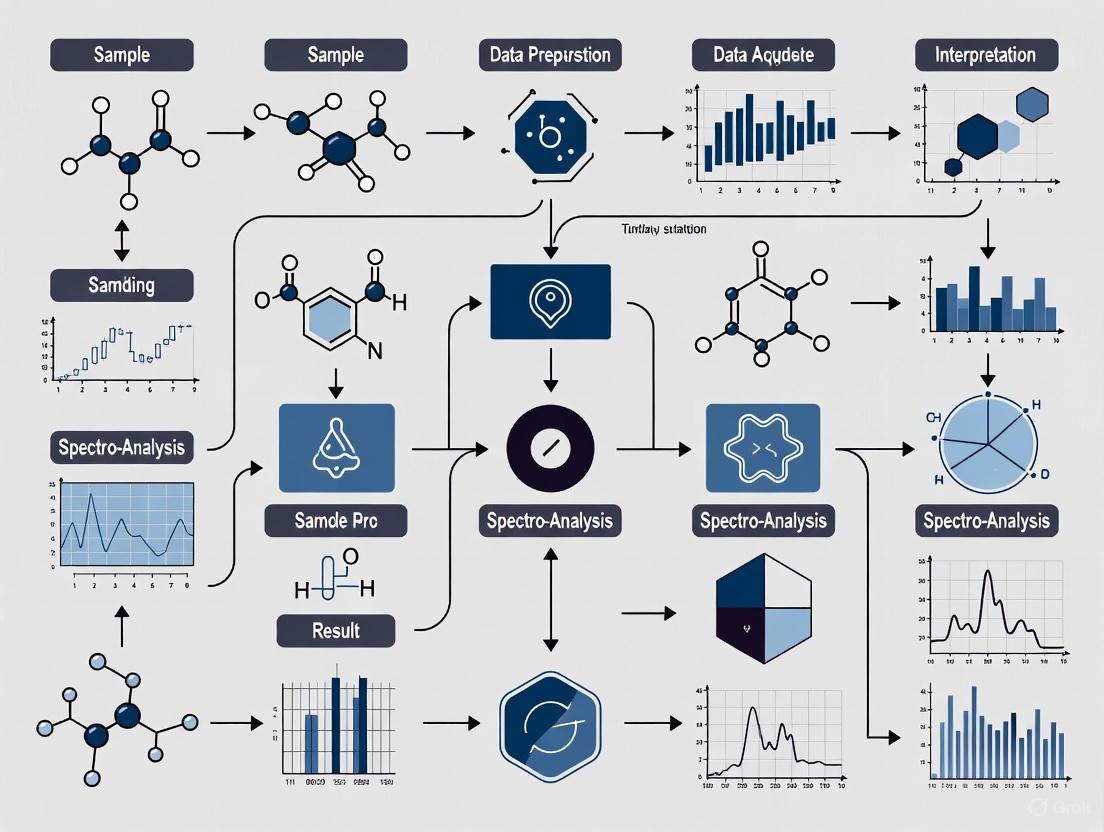
This article provides a comprehensive overview of modern molecular and elemental analysis techniques, with a specific focus on applications in pharmaceutical research and drug development.
Molecular and Elemental Analysis: Techniques, Applications, and Best Practices for Pharmaceutical Research
Abstract
This article provides a comprehensive overview of modern molecular and elemental analysis techniques, with a specific focus on applications in pharmaceutical research and drug development. It explores foundational principles, key methodologies like ICP-MS, OES, and CHNOS analysis, and their critical role in ensuring drug safety and compliance with global pharmacopeial standards such as ICH Q3D and USP <232>/<233>. The content further addresses common analytical challenges, including interference correction and sample preparation, and offers best practices for method optimization, validation, and transfer between laboratories. Designed for researchers and scientists, this guide synthesizes current trends and practical insights to enhance the accuracy and efficiency of elemental impurity analysis in quality control workflows.
Core Principles and Regulatory Drivers in Modern Elemental Analysis
Elemental analysis is a fundamental analytical science process that involves the identification and quantification of the chemical elements within a sample [1]. This process determines both the type and amount of each element present, providing critical insights into the material's overall composition [1]. The data generated serves as a cornerstone for assessing key material properties—including weight, strength, and corrosion resistance—and is indispensable for research, quality control, and regulatory compliance across a vast spectrum of industries [1]. In the context of molecular and elemental analysis research, understanding elemental composition provides the foundational layer upon which molecular structure, functional group analysis, and other complex chemical characteristics are built.
The scope of elemental analysis extends from determining the major constituents that define a material's bulk properties to detecting trace-level impurities that can critically impact performance or safety [1]. For instance, in pharmaceutical development, the same analytical principles ensure both the correct bulk formulation of an active ingredient and the absence of toxic elemental impurities in the final drug product [2]. This guide details the core concepts, techniques, and applications that define modern elemental analysis, providing a scientific framework for researchers and drug development professionals.
The Scope of Elemental Analysis: From Bulk to Trace
Elemental analysis can be categorized based on the abundance and role of the elements being measured. The distinctions between these categories dictate the required sensitivity and the choice of analytical technique.
Major Content Analysis
Major content analysis focuses on determining the primary elements that constitute the bulk of a material, typically at concentrations exceeding 1% by weight [1]. This type of analysis is essential for verifying product integrity, ensuring a material meets compositional standards, and optimizing manufacturing processes [1]. For example, in metallurgy, quantifying the percentages of iron, carbon, and other alloying elements is fundamental to achieving the desired metal properties. Techniques such as X-ray Fluorescence (XRF) and combustion-based CHNOS analyzers are commonly employed for this purpose due to their robustness and ability to handle a wide range of sample types [1] [3].
Trace and Ultra-Trace Analysis
Trace and ultra-trace analysis detects and quantifies impurities and minor elemental components at very low levels, such as parts per million (ppm), parts per billion (ppb), or even lower [1]. Even minimal contamination at these levels can have detrimental effects in fields like semiconductor manufacturing, pharmaceuticals, and high-purity materials production [1]. In pharmaceuticals, trace elemental analysis is critical for complying with regulations like ICH Q3D, which limits elemental impurities in drug products due to their potential toxicity [2]. Techniques such as Inductively Coupled Plasma Mass Spectrometry (ICP-MS) are the gold standard for this application, offering the necessary high sensitivity and broad dynamic range [3] [2].
Fingerprint Analysis
Fingerprint analysis involves identifying a material’s unique elemental signature, which helps determine its composition, structure, and distinguishing characteristics [1]. This is often a qualitative or semi-quantitative process used to verify raw materials, ensure batch-to-batch consistency, detect contamination, or identify the origin of a material in forensic investigations [1]. Techniques like XRF or Elemental Emission Spectroscopy can generate spectral or elemental profiles for material authentication and counterfeit detection [1].
Table 1: Scopes of Elemental Analysis and Their Characteristics
| Analysis Scope | Typical Concentration Range | Primary Purpose | Common Techniques |
|---|---|---|---|
| Major Content | > 1% by weight | Determine bulk composition, verify product integrity | XRF, CHNOS Analyzers, ICP-OES |
| Trace/Ultra-Trace | ppm to ppt levels | Ensure purity, identify contaminants, safety compliance | ICP-MS, ICP-OES (high-sensitivity) |
| Fingerprint | ppm to percent levels | Material authentication, defect detection, forensic identification | XRF, ICP-OES, GDOES |
Essential Techniques in Elemental Analysis
A wide array of instrumental techniques is available for elemental analysis. The choice of method depends on factors such as the required sensitivity, the elements of interest, sample type, and whether bulk or spatial information is needed.
Plasma-Based Techniques
Inductively Coupled Plasma Optical Emission Spectroscopy (ICP-OES) and Inductively Coupled Plasma Mass Spectrometry (ICP-MS) are powerful, versatile techniques for determining elemental concentrations in liquid samples and, with specialized accessories, some solids [1] [3].
- ICP-OES works by using a high-temperature argon plasma to atomize and excite the elements in a sample. The excited atoms emit light at characteristic wavelengths, which is measured to identify and quantify the elements present. It is ideal for detecting trace elements across complex matrices, offering high precision and a broad dynamic range [1].
- ICP-MS also uses an argon plasma to atomize and ionize the sample. However, instead of measuring emitted light, it uses a mass spectrometer to separate and detect ions based on their mass-to-charge ratio. This provides extremely high sensitivity, enabling detection at ultra-trace (ppb and ppt) levels [3] [2].
A key advantage of ICP methods is their ability to perform simultaneous multi-element analysis. A primary limitation is that samples typically require dissolution, which can involve hazardous acids and poses a work safety risk [3].
X-Ray Based Techniques
X-Ray Fluorescence (XRF) is a common, non-destructive method for determining elemental composition for solids, powders, and liquids [1]. When a sample is irradiated with high-energy X-rays, the elements emit characteristic secondary (or "fluorescent") X-rays. The energy of these emitted X-rays identifies the element, and their intensity quantifies its concentration [1]. XRF is well-suited for detecting elements from fluorine to uranium and is widely used in industries like mining, electronics, and recycling for its speed and cost-effectiveness [1] [3]. While generally used for bulk analysis, modern XRF systems can also perform detailed elemental mapping over surface areas [1].
Scanning Electron Microscopy with Energy Dispersive X-ray Spectroscopy (SEM-EDX or SEM-EDS) combines high-resolution imaging with elemental analysis. The electron beam scans the sample surface, generating secondary electrons for imaging and characteristic X-rays for elemental identification via an energy-dispersive spectrometer [4]. This technique is valuable for providing spatial information about elemental distribution and is commonly used for microstructural examination and failure analysis [4] [3]. Its detection limits are typically higher (0.1-1 atomic %) than plasma-based techniques [3].
Other Key Techniques
- Combustion Analyzers (CHNOS): These instruments are designed to determine the amounts of carbon, hydrogen, nitrogen, oxygen, and sulfur in organic sample materials through combustion and subsequent gas analysis [3] [2]. They are highly effective for bulk composition analysis but lack the sensitivity for trace-level work [3].
- Glow Discharge Optical Emission Spectroscopy (GDOES): This technique enables depth-resolved analysis of solid materials, measuring elemental concentrations as a function of depth. It is extensively used in the development and quality control of coated materials, thin films, and semiconductors [1].
- Atomic Absorption Spectroscopy (AAS): AAS is a technique for detecting specific metals in low concentrations. However, it is generally limited to sequential single-element analysis, and as such, has been largely supplanted by faster, multi-element techniques like ICP-OES and ICP-MS for most applications [3].
Table 2: Comparison of Popular Elemental Analysis Techniques
| Method | Detectable Elements | Sensitivity (Approx.) | Key Applications & Notes |
|---|---|---|---|
| ICP-MS | Li to U | ppm to ppt | Ultra-trace analysis; high sensitivity; multi-element [3] |
| ICP-OES | Li to U | ppm | Trace element analysis; broad dynamic range; multi-element [1] [3] |
| AAS | Up to ~70 metallic elements | ppm | Mainly metallic elements; sequential single-element analysis [3] |
| CHNOS | C, H, N, O, S | 0.05–0.1 wt% | Bulk organic composition; cannot detect trace impurities [3] |
| XRF | Be to U | 10 ppm–1 at% | Non-destructive; solid/liquid samples; bulk and mapping [1] [3] |
| SEM-EDX | All except H, He, Li | 0.1–1 at% | Surface analysis; provides spatial/imaging data [4] [3] |
Experimental Protocols and Workflows
General Workflow for Liquid Sample Analysis via ICP-MS/OES
The analysis of a sample via plasma-based techniques follows a systematic workflow to ensure accuracy and reliability.
Step 1: Sample Preparation. For solid samples, this begins with homogenization (e.g., grinding to a fine powder) to ensure a representative aliquot is taken. The sample is then dissolved using a suitable acid or mixture of acids (e.g., nitric acid, aqua regia, or hydrofluoric acid), often with the aid of heat in a process called digestion [3] [2]. Correct sample preparation is essential for achieving reliable quantitative data [2].
Step 2: Dilution and Introduction of Internal Standards. The digested sample is diluted to a volume suitable for analysis and within the linear calibration range of the instrument. At this stage, internal standards (e.g., elements not present in the original sample, such as Indium or Rhodium) are often added to correct for instrument drift and matrix effects [3].
Step 3: Instrumental Analysis. The liquid sample is introduced into the instrument via a peristaltic pump, nebulized into a fine aerosol, and transported into the high-temperature argon plasma. In ICP-OES, the emitted light is separated by a grating and measured by a detector [1]. In ICP-MS, the generated ions are extracted into a mass spectrometer (commonly a quadrupole) and separated by their mass-to-charge ratio before detection [3].
Step 4: Calibration and Quantification. The instrument is calibrated using a series of standard solutions with known concentrations. The calibration curve is then used to convert the measured signal (intensity of light for OES, ion counts for MS) in the unknown sample into an elemental concentration [3].
Step 5: Quality Control. Quality assurance/quality control (QA/QC) measures are critical. These include the analysis of certified reference materials (CRMs), method blanks, and duplicate samples to validate the accuracy and precision of the entire analytical process [2].
Method Selection Workflow
Choosing the most appropriate analytical technique is a critical first step in any elemental analysis project. The following decision logic can guide researchers.
The Scientist's Toolkit: Key Reagents and Materials
Successful elemental analysis relies on high-purity reagents and specialized materials to prevent contamination and ensure accurate results.
Table 3: Essential Research Reagent Solutions for Elemental Analysis
| Reagent/Material | Function | Application Notes |
|---|---|---|
| High-Purity Acids (e.g., Nitric, Hydrochloric) | Sample digestion and dissolution to release elements into solution. | Essential for ICP and AAS. Must be ultra-pure (e.g., TraceMetal grade) to minimize background contamination [3] [2]. |
| Certified Reference Materials (CRMs) | Calibration and verification of method accuracy. | Materials with a certified composition that are chemically and physically similar to the unknown samples [2]. |
| Internal Standard Solutions | Correction for instrument drift and matrix effects during analysis. | Added to all samples, blanks, and standards; common elements include Sc, Y, In, Rh, Bi [3]. |
| Multi-Element Standard Solutions | Instrument calibration for quantitative analysis. | Used to create a calibration curve covering the elements and concentration range of interest [3]. |
| Ultrapure Water (18.2 MΩ·cm) | Dilution and preparation of all aqueous solutions. | Prevents introduction of interfering ions from water impurities [2]. |
| Specialized Gases (e.g., High-Purity Argon) | Sustain the plasma in ICP techniques. | Impurities in gas can cause spectral interferences and instability [3]. |
Applications in Research and Industry
Elemental analysis serves as a critical tool in numerous fields, each with specific requirements and challenges.
- Pharmaceutical Development and Production: Elemental analysis supports R&D and Good Manufacturing Practice (GMP) by ensuring the identity of raw materials and quantifying catalyst residues. Crucially, it is used to test for elemental impurities per ICH Q3D and USP <232>/<233> guidelines, which classify elements like Pb, Cd, As, and Hg based on their toxicity [2].
- Environmental Monitoring: Detecting trace elements and pollutants in air, water, soil, and waste is essential for assessing environmental impact and ensuring regulatory compliance with regulations like EU food contaminant regulation 2023/915 [1] [3].
- Material Science and Metallurgy: Characterizing coatings, layered materials, and bulk metal composition is key for resource exploration, product development, and quality control. Techniques like GDOES are used to monitor photovoltaic device manufacturing and improve Li batteries [1].
- Forensic Science and Anthropology: Elemental analysis provides "elemental fingerprints" for material identification in criminal investigations. Stable isotopic profiling of human tissues (bone, teeth, hair) can reveal an individual's dietary patterns or geographical history, aiding in identification [4].
- Consumer Product Safety: Independent testing labs perform elemental analysis to ensure products like cosmetics, packaging, and toys comply with heavy metal restrictions under regulations such as REACH [3] [2].
Elemental analysis, spanning from bulk composition to trace impurities, is a dynamic and essential field in analytical chemistry. For researchers and drug development professionals, a deep understanding of the available techniques—their principles, capabilities, and limitations—is fundamental to designing robust analytical strategies. The continuous advancement of instrumentation, coupled with rigorous methodological protocols and QA/QC, ensures that elemental analysis remains a powerful tool for driving innovation, ensuring safety, and maintaining quality across the scientific and industrial landscape. As computational methods and automation continue to evolve, the speed, sensitivity, and accessibility of these techniques are poised to expand further, opening new frontiers in material characterization and trace-level detection.
The Critical Role in Pharmaceutical Quality Control and Drug Safety
Pharmaceutical quality control and drug safety represent a critical continuum of scientific processes that ensure medicinal products meet rigorous standards of identity, purity, quality, and safety from development through patient administration. This whitepaper examines the integrated framework of modern analytical techniques, computational methodologies, and regulatory protocols that underpin this field. Within the context of molecular and elemental analysis research, we explore how advanced technologies—from Process Analytical Technology (PAT) and mass spectrometry to Artificial Intelligence (AI) in pharmacovigilance—are transforming pharmaceutical manufacturing and post-market surveillance. The convergence of these disciplines enables a proactive, data-driven approach to safeguarding patient health, ensuring product efficacy, and maintaining regulatory compliance across the global pharmaceutical landscape.
Foundations of Pharmaceutical Quality Control
Quality Control (QC) in the pharmaceutical industry is a systematic set of activities and techniques designed to monitor and verify that pharmaceutical products meet predefined standards of identity, strength, quality, and purity [5]. It operates within a broader Quality Management System (QMS) that encompasses Good Manufacturing Practices (GMP), comprehensive documentation, and skilled personnel [6]. The core functions of QC are multifaceted, focusing primarily on patient safety by ensuring medications are free from contamination and impurities, and product efficacy by verifying that drugs deliver their intended therapeutic benefits [7].
The Quality Control Process Workflow
The pharmaceutical QC process is a sequence of verification stages that span the entire manufacturing lifecycle. The following diagram illustrates the core workflow:
Figure 1: Pharmaceutical Quality Control Workflow
- Raw Material Testing: All incoming primary raw materials, including Active Pharmaceutical Ingredients (APIs), excipients, and packaging components, are tested for identity, purity, and safety using sophisticated instrumental techniques like chromatography and spectroscopy [7]. This initial gate prevents contaminants from entering the production process.
- In-Process Monitoring: During manufacturing, critical parameters such as temperature, pressure, pH, and mixing time are continuously monitored. Process Analytical Technology (PAT) is a framework for real-time monitoring of Critical Quality Attributes (CQAs) and Critical Process Parameters (CPPs), enabling immediate adjustments and reducing reliance on end-product testing [7].
- Finished Product Testing: Before release, the final drug product undergoes rigorous testing, including assays, dissolution tests, stability checks, and leak tests. This confirms the product's purity, potency, and shelf life [7].
- Environmental Monitoring: Manufacturing areas, particularly those with installed HVAC systems, are constantly monitored for air quality, humidity, and microbial contamination to maintain aseptic conditions and prevent product spoilage [7].
- Quality Assurance Audits: Regular GMP audits of processes, training, equipment, and documentation ensure ongoing compliance, identify gaps, and maintain high standards [7].
Analytical Methodologies in Quality Control
The laboratory is the cornerstone of pharmaceutical QC, employing a suite of advanced analytical techniques to interrogate materials at the molecular and elemental level.
Key Analytical Techniques and Applications
Table 1: Core Analytical Techniques in Pharmaceutical QC
| Technique | Primary Application in QC | Measured Parameters | Regulatory References |
|---|---|---|---|
| Liquid Chromatography-Mass Spectrometry (LC/MS) | Identification and quantification of complex semi-volatile organic impurities, leachables, and extractables [8]. | Molecular weight, structural information, concentration. | ICH Q3B (R2) |
| Gas Chromatography-Mass Spectrometry (GC/MS) | Analysis of organic volatile impurities and residual solvents [8]. | Volatile compound identity and concentration. | USP <467>, ICH Q3C |
| Inductively Coupled Plasma Mass Spectrometry (ICP/MS) | Detection of heavy metal impurities and elemental contaminants [8]. | Elemental composition, trace metal concentration. | USP <232>, <233>, ICH Q3D |
| Ion Chromatography (IC) | Quantification of drug counterions and ionic impurities [8]. | Anion and cation concentration. | - |
| High-Resolution Accurate Mass (HRAM) Spectrometry | Unbiased screening and identification of unknown impurities with high selectivity and sensitivity [8]. | Exact mass, elemental composition. | - |
The Scientist's Toolkit: Essential Research Reagent Solutions
The execution of these analytical methods relies on a foundation of high-quality materials and reagents.
Table 2: Essential Reagents and Materials for Pharmaceutical Analysis
| Item | Function in QC Testing |
|---|---|
| Certified Reference Standards | Provides the benchmark for calibrating instruments and verifying the accuracy and precision of analytical methods for both APIs and impurities. |
| High-Purity Mobile Phases & Solvents | Ensures baseline stability in chromatographic separations (HPLC, GC) and prevents introduction of interfering artifacts or background noise. |
| Stable Isotope-Labeled Internal Standards | Used in mass spectrometry to correct for matrix effects and variability in sample preparation, improving quantitative accuracy. |
| Characterized Impurity Standards | Allows for positive identification and accurate quantification of specific known and potential impurities in a drug substance or product. |
| Sample Preparation Kits (e.g., for Leachables) | Provides standardized materials and protocols for efficient extraction, concentration, and clean-up of samples prior to instrumental analysis. |
Drug Safety Evaluation and Pharmacovigilance
Drug safety, or pharmacovigilance (PV), is the science and activities relating to the detection, assessment, understanding, and prevention of adverse effects or any other drug-related problem [9]. It is a lifecycle process, beginning with non-clinical studies and extending through a drug's entire market life.
Pre-clinical Safety Evaluation
Before human trials, therapeutic agents undergo rigorous non-clinical safety evaluation through laboratory studies in in vitro systems and in animals. This assessment is designed to identify potential toxic effects and establish a preliminary safety profile [10]. Key study types include:
- General Toxicity Studies: Acute to chronic studies to determine the relationship between dose, exposure, and adverse effects.
- Safety Pharmacology Studies: Assessment of effects on vital organ systems (e.g., cardiovascular, central nervous system).
- Reproductive and Genotoxicity Studies: Evaluation of effects on reproduction and genetic material.
- Investigative Toxicology and Biomarker Studies: Mechanistic studies to understand the basis of observed toxicities.
Post-Market Safety Surveillance
After a drug is approved, its safety profile is continuously monitored in much larger and more diverse patient populations under real-world use conditions. Traditional post-market surveillance has relied on:
- Spontaneous Adverse Event (AE) Reporting: Unsolicited communications of suspected adverse drug reactions from healthcare professionals or patients. While essential for identifying new signals, this system is limited by significant under-reporting [9].
- Aggregate Signal Detection: Using statistical methods like disproportionality analysis on large databases (e.g., FDA's FAERS) to detect patterns that may indicate a safety concern [9] [11].
The AI Revolution in Pharmacovigilance
The volume and complexity of modern safety data have rendered purely manual methods insufficient. Artificial Intelligence (AI) is now revolutionizing pharmacovigilance by enabling proactive, data-driven safety monitoring [11] [12]. The following diagram illustrates the architecture of an AI-enhanced safety monitoring system:
Figure 2: AI-Enhanced Drug Safety Monitoring Architecture
Key AI technologies transforming PV include:
- Natural Language Processing (NLP): Acts as a "universal translator" to transform unstructured text from Electronic Health Records (EHRs), social media, and call centers into structured, analyzable safety data. It uses Named Entity Recognition and Relation Extraction to identify drug-event relationships with reported accuracy reaching F-scores of 0.89 on social media data [11] [12].
- Machine Learning (ML): Serves as a "pattern-finding powerhouse," analyzing millions of data points to detect safety signals months earlier than human experts. Methods range from knowledge graphs (achieving AUCs up to 0.92) to deep neural networks, evolving toward predictive analytics for personalized risk management [11] [12].
- Robotic Process Automation (RPA): Functions as an "efficiency engine," automating repetitive tasks like data entry and initial case processing. This can free up to 40% of manual labor, allowing human experts to focus on high-value strategic analysis [12].
Leveraging Real-World Data (RWD)
The regulatory landscape has increasingly recognized the value of Real-World Data (RWD)—data relating to patient health status and/or the delivery of healthcare routinely collected from sources like EHRs and claims data [9]. Enabled by frameworks from the FDA and other international bodies, RWD can be used for more comprehensive safety surveillance, filling gaps left by pre-market clinical trials. Privacy-Preserving Record Linkage (PPRL) methods, such as tokenization, enable the creation of longitudinal patient records from disparate data sources while protecting patient privacy, offering more robust insights into long-term and rare risks [9].
Regulatory Compliance and Validation
Adherence to global regulatory standards is non-negotiable in pharmaceutical QC and drug safety. This requires a foundation of rigorous validation and qualified systems.
Equipment and Process Validation: IQ, OQ, PQ
A cornerstone of GMP is the qualification of equipment and validation of processes through a tripartite protocol [13]:
- Installation Qualification (IQ): Verifies that equipment is delivered and installed correctly according to the manufacturer's specifications.
- Operational Qualification (OQ): Demonstrates that the equipment functions as intended within its specified operating ranges.
- Performance Qualification (PQ): Confirms that the equipment can consistently perform its intended function with the actual manufacturing materials over a prolonged period.
These protocols ensure that manufacturing processes are reliable, reproducible, and capable of consistently producing a product that meets its quality attributes.
AI Validation and Regulatory Frameworks
The use of AI, particularly in safety-critical areas like pharmacovigilance, demands robust validation and governance. Regulatory expectations are crystallizing around four pillars [12]:
- Validation & Robustness: Continuous performance monitoring and validation against reference standards to detect and address "model drift" over time.
- Transparency & Explainability: Moving away from "black box" algorithms by using Explainable AI (XAI) techniques like SHAP or LIME to document decision-making processes.
- Data Integrity & Governance: Ensuring high-quality, representative data following ALCOA+ principles (Attributable, Legible, Contemporaneous, Original, Accurate) with cross-functional governance.
- Human Oversight: Maintaining a "human-in-the-loop" approach where AI augments, but does not replace, human expertise and clinical judgment.
Regulatory bodies like the FDA and EMA are developing specific guidance, such as the FDA's January 2025 draft guidance "Considerations for the Use of Artificial Intelligence to Support Regulatory Decision-Making," which establishes a risk-based framework for AI validation [12].
The fields of pharmaceutical quality control and drug safety are undergoing a profound transformation, driven by technological innovation and a shift toward more proactive, intelligence-driven paradigms.
Emerging Trends
- Hyper-Personalized Safety (2025-2026): AI will integrate genomic data, wearables, and patient-reported outcomes to predict individual patient risks [12].
- Advanced PAT and Continuous Manufacturing: Real-time monitoring and control will become standard, moving away from traditional batch testing toward more efficient continuous manufacturing [7].
- Quantum-Enhanced AI: Quantum computing principles are being explored to simulate molecular interactions, predicting adverse events based on biophysics with reported high accuracy, potentially revolutionizing early risk identification [12].
- Regulatory Harmonization: Efforts like the International Data Exchange Protocol (IDEP) aim to enable seamless safety data sharing across international borders [12].
Pharmaceutical quality control and drug safety are inextricably linked disciplines that form the bedrock of patient trust and therapeutic efficacy. The integration of sophisticated molecular and elemental analysis techniques in QC laboratories with AI-powered, data-driven approaches in pharmacovigilance creates a powerful, synergistic system for risk management. As the industry advances, the role of the scientist and safety professional will evolve toward that of a strategic partner, overseeing intelligent systems and applying irreplaceable clinical judgment. The ongoing revolution, grounded in rigorous molecular and elemental research, promises not only to enhance patient safety but also to accelerate the development of new, life-saving medicines.
The implementation of ICH Q3D, alongside supporting USP general chapters <232> and <233>, represents a fundamental shift in the control of elemental impurities in pharmaceutical products. This modernized, risk-based approach replaces outdated methods like the heavy metals test (USP <231>) with sophisticated analytical techniques to ensure patient safety. This guide provides drug development professionals with a comprehensive framework for navigating these harmonized guidelines, from fundamental principles to practical implementation strategies for compliance and robust quality control.
The global regulatory landscape for elemental impurities has evolved significantly, moving from a general, non-specific test to a targeted, risk-based approach grounded in modern toxicological science. The ICH Q3D Guideline for Elemental Impurities provides a comprehensive process for assessing and controlling elemental impurities in drug products using quality risk management principles [14]. This guideline classifies elements based on their toxicity and likelihood of occurrence, establishing Permitted Daily Exposure (PDE) limits for different routes of administration [15].
In alignment with ICH Q3D, the United States Pharmacopeia (USP) introduced new general chapters: <232> on limits and <233> on analytical procedures, effectively replacing the outdated heavy metals test (USP <231>) [16] [15]. This harmonization provides a consistent global framework for pharmaceutical manufacturers. The U.S. Food and Drug Administration (FDA) expects compliance with these standards, requiring risk assessments for both new and legacy products to be documented in regulatory submissions [15]. For medical devices, a parallel framework exists, with recent FDA draft guidance on chemical characterization aligning with the principles of ISO 10993-18 [17] [18].
Elemental Impurities: Classification and Toxicity
Elemental impurities in drug products provide no therapeutic benefit and can pose significant patient risks, including direct toxic effects or interference with drug efficacy [16]. These impurities can originate from various sources, including catalysts, excipients, process equipment, or the drug substance itself.
ICH Q3D categorizes 24 elemental impurities into four classes based on their toxicity and likelihood of occurrence in drug products [16] [15]:
- Class 1: Known human toxicants with limited or no use in pharmaceutical manufacturing (As, Cd, Hg, Pb)
- Class 2: Elements typically considered route-dependent toxicants
- Class 2A: Relatively high probability of occurrence in drug products (Co, Ni, V)
- Class 2B: Reduced probability of occurrence, primarily of concern when deliberately added (e.g., catalysts like Ir, Os, Pd, Rh, Ru)
- Class 3: Elements with relatively low toxicity by the oral route but requiring consideration for parenteral and inhalation routes (Ba, Cr, Cu, Li, Mo, Sb, Sn)
- Other Elements: Elements with low inherent toxicity that are generally excluded from risk assessment (e.g., K, Ca, Na)
The foundation of the ICH Q3D control strategy is the Permitted Daily Exposure (PDE), defined as the maximum acceptable intake of an elemental impurity per day that poses no significant risk to human health [16]. PDEs are established based on comprehensive toxicological assessments and vary according to the route of administration, reflecting differences in bioavailability and toxicity across exposure pathways.
Table 1: Permitted Daily Exposures (PDEs) for Elemental Impurities (μg/day) [16]
| Element | Class | Oral PDE | Parenteral PDE | Inhalation PDE |
|---|---|---|---|---|
| Cadmium (Cd) | 1 | 5 | 2 | 2 |
| Lead (Pb) | 1 | 5 | 5 | 5 |
| Arsenic (As) | 1 | 15 | 15 | 2 |
| Mercury (Hg) | 1 | 30 | 3 | 1 |
| Cobalt (Co) | 2A | 50 | 5 | 3 |
| Vanadium (V) | 2A | 100 | 10 | 1 |
| Nickel (Ni) | 2A | 200 | 20 | 5 |
| Palladium (Pd) | 2B | 100 | 10 | 1 |
| Lithium (Li) | 3 | 550 | 250 | 25 |
| Copper (Cu) | 3 | 3000 | 300 | 30 |
Risk Assessment and Control Strategies
A scientifically sound risk assessment forms the cornerstone of the ICH Q3D implementation process [14] [15]. This assessment evaluates the potential for elemental impurities to be present in the final drug product at levels exceeding established PDEs. The process involves three key stages: identification, analysis, and control strategy implementation.
Risk Assessment Options
ICH Q3D outlines four primary options for conducting risk assessments [15]:
- Option 1: Consider the drug product composition and identify all potential sources of elemental impurities.
- Option 2A: Evaluate individual components of the drug product based on known data.
- Option 2B: Use a summation approach where the contribution of each component is considered relative to its mass proportion in the product.
- Option 3: Measure elemental impurity levels in the final drug product.
The control threshold is set at 30% of the PDE [15]. Elements detected below this level generally do not require routine testing, while those above the threshold but below the PDE must be included in the control strategy, typically through specification limits.
The Risk Assessment Workflow
The following diagram illustrates the systematic workflow for elemental impurity risk assessment:
Analytical Methodologies and Protocols
Robust analytical methods are essential for accurate elemental impurity determination. USP general chapter <233> describes two principal procedures: Inductively Coupled Plasma-Mass Spectrometry (ICP-MS) and Inductively Coupled Plasma-Optical Emission Spectrometry (ICP-OES) [16] [15].
Sample Preparation
Proper sample preparation is critical for accurate results:
- Solubilization: The sample must be completely dissolved. Water or organic solvents may be used for intrinsically soluble materials [15].
- Acid Digestion: For insoluble materials, digestion with strong acids (typically nitric acid) using closed-vessel microwave-assisted systems is recommended to ensure complete dissolution and prevent loss of volatile elements like mercury [15].
- Recovery Studies: Sample processing steps such as solvent evaporation must be qualified with recovery rates recommended to be within 80-120% [18].
Instrumental Analysis
Table 2: Comparison of ICP-MS and ICP-OES Techniques
| Parameter | ICP-MS | ICP-OES |
|---|---|---|
| Detection Limits | Excellent (sub-ppb) | Good (low-ppb) |
| Linear Dynamic Range | 8-9 orders of magnitude | 4-6 orders of magnitude |
| Isotopic Capability | Yes | No |
| Interferences | Polyatomic, isobaric | Spectral, matrix |
| Elemental Coverage | Comprehensive | Comprehensive |
| Operational Cost | Higher | Lower |
| Sample Throughput | High | High |
The selection between ICP-MS and ICP-OES depends on the required detection limits, the elements of interest, and the sample matrix. ICP-MS generally provides superior sensitivity, particularly for elements requiring low detection limits such as Class 1 elements in inhalation products [16] [15].
Analytical Workflow
The following diagram illustrates the complete analytical workflow for elemental impurity testing:
Method Validation
According to USP <233>, analytical methods must be validated for specificity, range, accuracy, repeatability, intermediate precision, and limit of quantification (LOQ) [15]. The LOQ should be sufficiently low to detect elements at the control threshold (30% of PDE). For limit tests, only specificity and limit of detection (LOD) are required, with the LOD not exceeding 50% of the specification limit [15].
The Scientist's Toolkit: Essential Research Reagents and Materials
Successful implementation of elemental impurity controls requires specific high-quality materials and reference standards.
Table 3: Essential Research Reagents and Materials for Elemental Impurity Analysis
| Item | Function | Application Notes |
|---|---|---|
| USP Reference Standards [19] [20] | Highly characterized specimens for instrument calibration and method validation | Over 3,500 available standards; essential for compliance with USP methods |
| Single-Element Stock Solutions | Primary standards for calibration curve preparation | High-purity solutions with certified concentrations |
| Internal Standard Mix | Correction for matrix effects and instrument drift | Elements not present in samples (e.g., Sc, Y, In, Bi, Ho, Lu) |
| High-Purity Acids | Sample digestion and dilution | Trace metal grade nitric acid, hydrochloric acid |
| Tuning Solutions | ICP-MS performance optimization | Contains elements covering mass range (e.g., Li, Y, Ce, Tl, Co) |
| Quality Control Materials | Verification of method accuracy and precision | Certified reference materials with known elemental concentrations |
USP Reference Standards are particularly critical as they are explicitly required in many pharmacopeial assays and tests. These standards are established through a rigorous process involving collaborative testing and are released under the authority of the USP Board of Trustees [20]. The USP currently offers more than 3,500 Reference Standards, which are highly characterized specimens of drug substances, excipients, impurities, degradation products, and performance calibrators [19] [21].
Implementation and Compliance Strategies
Successful implementation of ICH Q3D requires a systematic approach across the product lifecycle.
Regulatory Submission Requirements
- New Products: A summary of the risk assessment should be included in CTD Section P.2 (Pharmaceutical Development) with analytical procedures detailed in Section 3.2.S.4.3/S.4.4 [15].
- Legacy Products: FDA recommends submitting risk assessments as part of the applicant's Annual Report, even if no changes are proposed [15].
- Health Canada: Requires a statement of ICH Q3D-compliance in every drug product specification [15].
- EMA: Expects a summary of risk assessments in CTD Modules 2 and 3, with full documentation available for inspection [15].
Control Strategies
Based on the risk assessment outcome, appropriate control strategies must be established:
- Supplier Qualification: Implementing strict quality agreements with API and excipient suppliers regarding elemental impurity levels.
- Specification Limits: Setting appropriate limits for the drug product or components based on PDE values and maximum daily dose.
- Routine Testing: Implementing targeted testing for elements identified as potential risks in the assessment.
- Periodic Review: Re-assessing the control strategy as part of change control procedures and periodically to address unplanned changes in components or manufacturing processes [15].
The harmonized framework of ICH Q3D, USP chapters <232>/<233>, and FDA guidance provides a scientifically rigorous, risk-based approach to controlling elemental impurities in pharmaceutical products. Successful implementation requires a thorough understanding of the regulatory requirements, robust risk assessment methodologies, and state-of-the-art analytical capabilities. By adopting this systematic approach, pharmaceutical scientists can ensure patient safety while navigating the complex global regulatory landscape efficiently. The principles of quality risk management embedded in these guidelines not only enhance product quality but also encourage continuous improvement in pharmaceutical development and manufacturing practices.
Key Market and Technology Trends Shaping Analytical Science
Analytical science is undergoing a transformative evolution driven by technological convergence across multiple domains. The integration of artificial intelligence (AI) and machine learning (ML) with traditional analytical techniques is accelerating method development and enhancing data interpretation capabilities. Concurrently, a strong emphasis on sustainability is pushing the field toward greener analytical practices, while demands for real-time, on-site analysis are fueling innovations in miniaturized and portable instrumentation. The global analytical instrumentation market, estimated at $55.29 billion in 2025, reflects this dynamism, projected to grow at a CAGR of 6.86% to reach $77.04 billion by 2030 [22]. In specialized sectors, the pharmaceutical analytical testing market demonstrates even more vigorous growth, expected to expand at a CAGR of 8.41%, from $9.74 billion in 2025 to $14.58 billion by 2030 [22]. This whitepaper examines the core technological and market trends shaping the future of molecular and elemental analysis, providing researchers and drug development professionals with a strategic overview of the evolving analytical landscape.
The analytical science market is characterized by robust growth fueled by escalating demands from the pharmaceutical, biotechnology, environmental monitoring, and materials science sectors. Rising R&D investments, coupled with stringent regulatory requirements for quality control and safety, are primary drivers of this expansion [22].
Table 1: Global Market Size and Projections for Analytical Science Segments
| Market Segment | 2025 Market Size (USD Billion) | 2030/2035 Projected Size (USD Billion) | Projected CAGR |
|---|---|---|---|
| Analytical Instrumentation [22] | 55.29 | 77.04 (by 2030) | 6.86% |
| Pharmaceutical Analytical Testing [22] | 9.74 | 14.58 (by 2030) | 8.41% |
| Life Science Analytics [23] | ~12.0 | 36.3 (by 2035) | ~11.8% |
| Data Science & Predictive Analytics [24] | 25.24 | 141.34 (by 2035) | 18.8% |
Geographically, North America currently holds the largest market share, particularly in pharmaceuticals, due to a high concentration of clinical trials and contract research organizations (CROs) [22]. However, the Asia-Pacific region is anticipated to experience the most rapid growth, driven by expanding pharmaceutical manufacturing capabilities and increasing attention to environmental concerns [22].
Key Technology Trends
AI, Machine Learning, and Automation in Analytics
The integration of AI and ML is fundamentally altering analytical workflows. These technologies enhance data analysis by automating complex processes and identifying patterns within large datasets that may elude human analysts [22].
- AI-Powered Method Development: Algorithms are increasingly used to optimize experimental parameters, such as chromatographic conditions, drastically reducing the time required for method development in techniques like HPLC [22].
- Automated Machine Learning (AutoML): AutoML platforms are democratizing analytics by automating key steps in the machine learning pipeline, such as model selection and hyperparameter tuning. This empowers non-experts to leverage predictive capabilities, accelerating research and development cycles [25].
- Predictive Maintenance: AI and ML models are being deployed to forecast instrument failures by analyzing operational data, thereby minimizing downtime and ensuring analytical consistency [26].
Table 2: AI and Data Analytics Technologies and Their Research Applications
| Technology | Core Function | Application in Analytical Science |
|---|---|---|
| Artificial Intelligence & Machine Learning [22] | Pattern recognition, process optimization, and predictive modeling. | Optimizing chromatographic separation; predicting molecular properties in silico. |
| Automated Machine Learning (AutoML) [25] | Automates the process of applying ML models. | Enables rapid development of predictive models for compound activity or toxicity. |
| Natural Language Processing (NLP) [26] | Extracts insights from textual data. | Mining scientific literature and patents for novel research insights and connections. |
| Data Democratization [27] | Makes data and tools accessible to non-experts. | User-friendly platforms for scientists to perform complex analyses without coding expertise. |
Green Analytical Chemistry and Sustainability
A significant trend is the shift toward Green Analytical Chemistry, which focuses on developing environmentally friendly procedures. Key advancements include [22]:
- Miniaturized Processes: Techniques like microextraction significantly reduce solvent consumption.
- Alternative Solvents: Employing less hazardous solvents, such as ionic liquids or supercritical fluids.
- Sustainable Techniques: Adoption of Supercritical Fluid Chromatography (SFC), which uses CO2 as the primary mobile phase, reducing reliance on organic solvents.
Miniaturization and Portable Analytical Devices
The demand for on-site, real-time analysis in fields like environmental monitoring, food safety, and forensic science is driving the development of portable and miniaturized devices [22]. Examples include:
- Portable Gas Chromatographs and hand-held XRF analyzers that provide immediate data in the field [22].
- TinyML, which involves deploying machine learning models on low-power, tiny devices, enabling intelligent data processing at the source (edge computing) for instant insights [25].
Advanced Instrumentation and Multi-dimensional Analysis
Instrumentation continues to advance, providing greater sensitivity, resolution, and throughput.
- Tandem Techniques: The combination of separation and detection techniques, such as tandem mass spectrometry (MS/MS) and LC-MS, is critical for analyzing complex mixtures in pharmaceutical and life science applications [22].
- Multidimensional Separations: Techniques like multidimensional chromatography offer superior separation power compared to one-dimensional methods, which is essential for complex samples like proteomic digests [22].
- Multi-omics Integration: Analytical chemistry is integral to multi-omics approaches (genomics, proteomics, metabolomics), which provide a holistic view of biological systems. Mass spectrometry is increasingly involved in single-cell multimodal studies, enabling early disease detection and biomarker discovery [22].
Experimental Protocols for Advanced Material Analysis
Protocol: Depth Profile Analysis of Organic/Inorganic Multilayer Coatings using Coupled GDOES and Raman Spectroscopy
This protocol details a methodology for characterizing complex multilayer systems, common in advanced materials and coatings research [28].
1. Principle: Glow Discharge Optical Emission Spectroscopy (GDOES) provides rapid, depth-resolved elemental analysis. When coupled with Raman spectroscopy, it delivers simultaneous elemental and molecular information, which is crucial for analyzing layers containing both organic and inorganic components [28].
2. Materials and Equipment:
- GDOES instrument equipped with a patented oxygen-argon (Ar/O₂) plasma source [28].
- Raman spectrometer with a microscope attachment.
- Micro-X-ray Fluorescence (µXRF) spectrometer (for complementary, non-destructive analysis).
- Solid-state multilayer sample (e.g., a polymer-metal stack from automotive coatings).
3. Procedure: Step 1: GDOES Depth Profiling with Ar/O₂ Plasma. - Mount the sample in the GDOES chamber. - Introduce the optimized Ar/O₂ gas mixture into the plasma. The oxygen enhances the sputtering efficiency and uniformity for organic materials. - Initiate the plasma and begin the depth profile analysis. The instrument records the intensity of specific elemental emission lines as a function of time, which is converted to depth. - This step generates a quantitative elemental depth profile, showing the distribution of elements (e.g., C, O, Fe, Zn) across the coating layers.
Step 2: In-situ Raman Analysis within the GDOES Crater. - After GDOES profiling, transfer the sample to the Raman microscope. - Focus the laser precisely inside the crater created by the GDOES sputtering process. - Acquire Raman spectra at various depths within the crater. The Raman spectra provide molecular fingerprinting (e.g., identifying specific polymers, oxides, or corrosion products) at different layers.
Step 3: Validation via µXRF. - Perform µXRF analysis on the same crater to obtain a non-destructive elemental map. - Correlate the XRF results with the GDOES elemental data to validate the profile and ensure no chemical alterations occurred during analysis that were not detected by Raman.
4. Data Interpretation: Correlate the GDOES elemental depth profile with the molecular fingerprints from Raman spectroscopy to build a comprehensive picture of the multilayer structure. The identical results from Raman and XRF confirm the integrity of the analyzed layers [28].
Diagram 1: Coupled GDOES-Raman analysis workflow.
Protocol: Elemental Analysis of Trace Metals in Biological Samples using ICP-MS
This protocol describes a highly sensitive method for quantifying trace metal concentrations, applicable in pharmaceutical quality control and toxicology studies [29].
1. Principle: Inductively Coupled Plasma Mass Spectrometry (ICP-MS) atomizes and ionizes a sample in a high-temperature argon plasma. The resulting ions are separated by their mass-to-charge ratio and detected, providing exceptional sensitivity for trace element analysis [29].
2. Materials and Equipment:
- ICP-MS instrument.
- Automated sample introduction system (e.g., autosampler with peristaltic pump).
- High-purity nitric acid and hydrogen peroxide.
- Certified reference materials (CRMs) for calibration and quality control.
- Ultra-pure water (18 MΩ·cm).
- Biological sample (e.g., tissue, blood).
3. Procedure: Step 1: Sample Digestion. - Accurately weigh ~0.5 g of the biological sample into a clean microwave digestion vessel. - Add 5 mL of high-purity nitric acid and 1 mL of hydrogen peroxide. - Perform microwave-assisted digestion according to a validated temperature and pressure program (e.g., ramp to 180°C over 20 minutes, hold for 15 minutes). - After cooling, quantitatively transfer the digest to a 50 mL volumetric flask and dilute to volume with ultra-pure water. Include method blanks and CRMs processed identically.
Step 2: ICP-MS Instrument Tuning and Calibration. - Tune the ICP-MS instrument daily for optimal sensitivity (e.g., using a tuning solution containing Li, Y, Ce, Tl) while minimizing oxide and doubly charged ion formation. - Prepare a multi-element calibration standard curve (e.g., at 0, 1, 10, 100, 500 ppt/ppb) covering the analytes of interest.
Step 3: Sample Analysis and Data Acquisition. - Introduce the digested samples, blanks, and CRMs into the ICP-MS via the autosampler. - Acquire data for the target isotopes. Use an internal standard (e.g., Sc, Ge, Rh, Bi) added online to all solutions to correct for instrument drift and matrix suppression/enhancement.
Step 4: Data Processing and Validation. - Calculate analyte concentrations in the sample based on the calibration curve. - Verify the accuracy of the analysis by comparing the measured values of the CRMs to their certified values. Results should fall within the certified uncertainty ranges.
Diagram 2: ICP-MS trace metal analysis workflow.
The Scientist's Toolkit: Essential Research Reagent Solutions
Table 3: Key Reagents and Materials for Advanced Analytical Research
| Reagent/Material | Function/Application | Technical Notes |
|---|---|---|
| Ionic Liquids [22] | Green alternative solvents for extraction and chromatography. | Low volatility, high thermal stability, tunable properties. |
| Certified Reference Materials (CRMs) [29] | Calibration and quality control to ensure analytical accuracy and traceability. | Essential for method validation and regulatory compliance (e.g., FDA, ICH). |
| ICP-MS Tuning Solution [29] | Optimization of instrument performance (sensitivity, resolution, oxide levels). | Typically contains elements like Li, Y, Ce, Tl at known concentrations. |
| Specialty Gases (Ar/O₂) [28] | Plasma and sputtering gas for elemental analysis techniques (ICP, GDOES). | Ar/O₂ mixture critical for uniform sputtering of organic layers in GDOES. |
| Stable Isotope-Labeled Standards | Internal standards for mass spectrometry-based quantitative proteomics and metabolomics. | Enables precise and accurate quantification of biomolecules in complex samples. |
Future Outlook
The trajectory of analytical science points toward increasingly intelligent, integrated, and automated systems. Key future trends include:
- Agentic AI: The emergence of AI systems capable of autonomous decision-making will further transform workflows. These systems can set goals, plan tasks, and execute analytical sequences with minimal human intervention, boosting forecast accuracy and operational efficiency [27].
- Quantum Computing: Though still nascent, quantum computing holds potential for revolutionizing analytical science by performing computations on quantum bits (qubits). This could enable the analysis of intricate datasets and identification of complex molecular patterns on a scale impossible for classical computers, with profound implications for drug discovery and materials science [30].
- Enhanced Human-Machine Collaboration: The role of the analytical scientist will evolve from performing routine analyses to overseeing automated systems, designing experimental strategies, and interpreting complex, multi-modal data. The synergy between human expertise and advanced computational tools will define the next frontier of discovery [25].
A Practical Guide to Key Analytical Techniques and Their Applications
Inductively Coupled Plasma Mass Spectrometry (ICP-MS) has established itself as the undisputed gold standard for ultra-trace multielement analysis across scientific disciplines. This technique combines a high-temperature inductively coupled plasma source with a mass spectrometer to detect and quantify elements at exceptionally low concentrations [31]. The fundamental strength of ICP-MS lies in its ability to provide simultaneous multi-element detection with unparalleled sensitivity, wide dynamic range, and high sample throughput, making it indispensable for researchers requiring precise elemental characterization [32] [33].
In the broader context of molecular and elemental analysis research, ICP-MS fills a critical niche by enabling the detection of metals and several non-metals at trace and ultra-trace levels that are often inaccessible to other analytical techniques. The capability to measure isotopic ratios further expands its utility in tracking elemental pathways and sources in complex biological and environmental systems [31]. As instrumental advancements continue to address analytical challenges such as spectral interference and matrix effects, ICP-MS remains at the forefront of elemental analysis, supporting innovations from drug development to environmental monitoring and clinical diagnostics.
Fundamental Principles and Instrumentation
Core Working Principle
The analytical power of ICP-MS stems from its sophisticated integration of plasma ionization and mass separation technologies. The process begins when liquid samples are nebulized into a fine aerosol and introduced into the argon plasma, which operates at temperatures ranging from 6,000 to 10,000 K [34]. At these extreme temperatures, sample particles are completely desolvated, vaporized, atomized, and ionized, forming predominantly singly charged positive ions [33] [31]. These ions are then extracted through a series of interface cones into the high-vacuum mass spectrometer region, where they are separated based on their mass-to-charge ratio (m/z) before being detected and quantified [34].
The inductively coupled plasma itself is generated within a quartz torch consisting of three concentric tubes. Argon gas flows between the outer tubes while a radio-frequency electric current (typically 27.12 MHz) is applied through an induction coil surrounding the torch [31]. This configuration creates an oscillating magnetic field that accelerates free electrons, initiating a chain reaction of ionization events that sustains the stable plasma. The sample aerosol is channeled through the center of this plasma, where efficient ionization occurs for most elements in the periodic table except carbon, hydrogen, oxygen, nitrogen, and noble gases [33].
Key Instrumentation Components
Sample Introduction System: Conventional pneumatic nebulizers convert liquid samples into aerosol, though specialized introduction systems like microdroplet generators have been developed for fragile mammalian cells to preserve structural integrity [35]. Additional options include desolvating and ultrasonic nebulizers for improved sensitivity [32].
ICP Torch and RF Generator: The quartz torch assembly maintains the argon plasma through efficient coupling with the radio-frequency energy, typically operating at 27.12 MHz with argon flow rates of 13-18 L/min [31].
Interface Region: Features sampling and skimmer cones that extract ions from the high-temperature plasma (at atmospheric pressure) into the high-vacuum mass spectrometer region through differential pumping [31].
Mass Analyzer: Most commonly a quadrupole mass filter that rapidly separates ions by m/z, though magnetic sector and time-of-flight analyzers are used for higher resolution applications [31] [34].
Detection System: Typically employs electron multipliers or Faraday cups that measure ion counts, providing detection limits reaching parts per trillion (pg/mL) for many elements [33] [34].
Analytical Capabilities and Performance
Key Analytical Figures of Merit
ICP-MS delivers exceptional analytical performance that surpasses other elemental techniques in several critical parameters. The technique offers detection limits typically in the parts per trillion (ppt) range, a linear dynamic range spanning 8-9 orders of magnitude, and the capability for rapid multi-element analysis in a single run [33] [36]. This combination of sensitivity and wide concentration range allows researchers to quantify both major and trace elements simultaneously without sample dilution or reanalysis. The high sample throughput possible with ICP-MS—processing hundreds of samples per day—has revolutionized environmental monitoring and clinical testing workflows while reducing operational costs [31].
Comparison with Other Elemental Techniques
Table 1: Comparison of ICP-MS with Other Elemental Analysis Techniques
| Technique | Multi-element Capability | Detection Limits | Linear Dynamic Range | Sample Throughput | Key Limitations |
|---|---|---|---|---|---|
| ICP-MS | Full simultaneous multi-element | ppt (pg/mL) range | 8-9 orders of magnitude | High | Equipment cost, spectral interferences, requires skilled operators [32] |
| ICP-OES | Full simultaneous multi-element | ppb (ng/mL) range | 4-6 orders of magnitude | High | Higher detection limits compared to ICP-MS [32] |
| Graphite Furnace AAS | Single element | ppt-ppb range | 2-3 orders of magnitude | Low | Low sample throughput, single element capability [32] |
| Flame AAS | Single element | ppb range | 2-3 orders of magnitude | Medium | High detection limits, single element capability [32] |
Isotopic Analysis Capability
A distinctive advantage of ICP-MS over other elemental techniques is its ability to perform isotopic analysis. This capability enables applications in radiometric dating for geochemistry, isotope dilution quantification for superior accuracy, and tracking of isotopically labeled compounds in biological systems [31]. For pharmaceutical research, stable isotope labeling combined with ICP-MS detection allows precise pharmacokinetic studies of metal-containing drugs by distinguishing administered compounds from endogenous elements [33].
Methodologies and Experimental Protocols
Sample Preparation Strategies
Proper sample preparation is critical for accurate ICP-MS analysis, particularly for complex biological matrices. For biological fluids like serum, plasma, or urine, samples typically undergo dilution (10-50 fold) with acidic or alkaline diluents to reduce total dissolved solids below 0.2%, minimizing matrix effects and nebulizer clogging [32]. Common diluents include dilute nitric acid, ammonium hydroxide, or tetramethylammonium hydroxide, often supplemented with surfactants like Triton-X-100 to solubilize lipids and membrane proteins [32]. For tissues, hair, nails, or other solid samples, more extensive digestion using strong acids with heating in hot blocks or microwave digestion systems is required to completely dissolve the sample matrix [32] [33].
Quantitative Analysis Methods
External Calibration: Uses a series of separate standard solutions to establish a relationship between instrument response and analyte concentration. While straightforward, this method doesn't account for matrix-induced effects or instrument drift [37].
Internal Standardization: The most widely used quantification approach where one or more internal standard elements (e.g., Be, Co, Ga, Y, Rh, In, Te, Tl, Bi) are added to all samples, standards, and blanks. The internal standard corrects for matrix effects and instrument drift by normalizing analyte response based on elements with similar mass and ionization potential [38] [37].
Standard Addition Method: Most effective for complex matrices with high total dissolved solids (>0.3%), this approach involves spiking aliquots of the sample with known concentrations of analyte. The calibration curve is generated directly in the sample matrix, providing superior accuracy despite being more time-consuming [37].
Isotope Dilution: Considered the gold standard for quantification, this method uses enriched stable isotopes as internal standards, providing exceptional accuracy and precision by accounting for all losses during sample preparation and analysis [31].
Protocol for Whole Blood Analysis
A validated protocol for multi-element analysis in whole blood demonstrates the application of ICP-MS in complex biological matrices [36]:
Sample Collection and Preparation: Collect whole blood using trace element-free collection tubes. Dilute samples 50-fold with a solution containing 0.5% nitric acid, 0.1% Triton X-100, and internal standards (Sc, Ge, Y, Rh, Ir).
Instrument Parameters: Use a triple quadrupole ICP-MS system with oxygen reaction gas mode (TQ-O₂) for interference removal. Employ helium kinetic energy discrimination (He KED) mode for additional interference suppression.
Calibration: Prepare multi-element calibration standards covering 43 elements (Li to U) in a matched matrix. Include quality control samples at low, medium, and high concentrations.
Analysis: Introduce samples using an autosampler with matrix handling capability. Monitor internal standard intensities throughout the run to correct for signal drift.
Data Processing: Quantify elements using internal standard corrected calibration curves. Apply interference correction algorithms for elements like As and Se using mass shift reactions (e.g., monitoring (^{75}\text{As}^{16}\text{O}) instead of (^{75}\text{As})).
Table 2: Clinical Concentration Ranges for Selected Elements in Biological Samples
| Element | Clinical Application | Approximate Concentration Range |
|---|---|---|
| Aluminium | Toxic | 0.1–10 μmol/L [32] |
| Arsenic | Toxic | 0.01–80 μmol/L [32] |
| Cadmium | Toxic | 1–100 nmol/L [32] |
| Copper | Nutritional, Metabolic | 1–50 μmol/L [32] |
| Lead | Toxic | 0.01–10 μmol/L [32] |
| Manganese | Nutritional | 1–400 nmol/L [32] |
| Selenium | Toxic, Nutritional | 0.1–10 μmol/L [32] |
| Zinc | Nutritional | 1–40 μmol/L [32] |
Advanced Interference Removal
Modern ICP-MS systems employ sophisticated interference removal techniques, particularly in triple quadrupole instruments [36]. The first quadrupole serves as a mass filter to select ions with specific m/z values, which then enter a collision/reaction cell where gas-phase reactions (with oxygen, ammonia, or helium) remove polyatomic interferences. The second quadrupole filters the reaction products before detection. For example, arsenic determination in blood uses oxygen reaction gas to convert (^{75}\text{As}^+) to (^{75}\text{As}^{16}\text{O}^+), moving the measured signal away from the (^{40}\text{Ar}^{35}\text{Cl}^+) interference at m/z 75 [36].
Research Reagent Solutions and Essential Materials
Table 3: Essential Research Reagents and Materials for ICP-MS Analysis
| Reagent/Material | Function | Application Notes |
|---|---|---|
| High-Purity Acids (Nitric, Hydrochloric) | Sample digestion and dilution | Essential for minimizing background contamination; trace metal grade recommended [32] |
| Internal Standard Mix (Sc, Ge, Y, Rh, In, Ir, Bi) | Correction for matrix effects and instrument drift | Added to all samples, standards, and blanks at consistent concentration [38] [36] |
| Multi-Element Calibration Standards | Quantitative calibration | Certified reference materials covering analyte elements of interest [38] |
| Surfactants (Triton X-100) | Solubilization of biological matrices | Helps disperse lipids and membrane proteins in biological samples [32] |
| Matrix Modifiers (Ammonia, EDTA) | Stabilization of elements in solution | Ammonia stabilizes proteinaceous samples; EDTA chelates elements at alkaline pH [32] |
| Collision/Reaction Gases (He, O₂, H₂, NH₃) | Interference removal in collision cell | Helium for kinetic energy discrimination; oxygen for mass shift reactions [36] |
Applications in Pharmaceutical and Clinical Research
Drug Development and Quality Control
ICP-MS plays multiple essential roles in pharmaceutical development, particularly in ensuring drug safety and regulatory compliance. According to current regulations (USP <232> and USP <233>), pharmaceutical products must be monitored for elemental impurities including arsenic, lead, mercury, and cadmium, which can be toxic even at minimal concentrations [39]. ICP-MS provides the required sensitivity and precision to detect these contaminants at regulatory limits, making it the preferred technique for quality control in active pharmaceutical ingredients (APIs), excipients, and final drug formulations [39]. Additionally, the technique is indispensable for monitoring residual metal catalysts (platinum, palladium, rhodium) used in drug synthesis, ensuring they remain within permitted limits in the final product [39].
Analysis of Metal-Based Pharmaceuticals
Metal-containing therapeutics represent an important drug class where ICP-MS provides distinct analytical advantages. Platinum-based chemotherapeutic agents (cisplatin, carboplatin, oxaliplatin) can be quantified directly via their platinum content without needing to detect the intact drug molecule [33]. This element-specific detection enables lower limits of quantification (LLOQ of 1 ng/mL for carboplatin) compared to LC-MS/MS methods (LLOQ of 10 ng/mL), while avoiding challenges with low ionization efficiency and weak chromatographic retention of the parent drug [33]. Similarly, ICP-MS supports the development of radionuclide drug conjugates (RDCs) like Pluvicto (¹⁷⁷Lu-PSMA-617) by enabling quantification of non-radioactive stable isotopes during preclinical studies, reducing costs and improving efficiency [33].
Single-Cell Analysis for Diagnostic Applications
Recent advancements in sample introduction systems have expanded ICP-MS applications to single-cell analysis, particularly for disease diagnosis and prognosis. Conventional pneumatic nebulizers often damage fragile mammalian cells during analysis, but microdroplet generators (μDG) now enable efficient introduction of intact cells [35]. This approach maintains cellular structure while allowing quantitative measurement of elemental content in individual cells, opening new avenues for health assessment through analysis of easily collectible blood cells [35]. Researchers have successfully applied this methodology to quantify magnesium, iron, phosphorus, sulfur, and zinc in human leukemia K562 cells, demonstrating potential for tracking metabolic changes at the single-cell level [35].
Biomolecule Quantification Through Elemental Tagging
ICP-MS enables highly sensitive protein and peptide quantification through strategic elemental tagging strategies. By labeling antibodies or other biological probes with distinct lanthanide elements rather than fluorochromes, researchers can perform highly multiplexed assays using specialized ICP-MS flow cytometers [31]. This approach theoretically allows hundreds of different biological probes to be analyzed in individual cells at rates of approximately 1,000 cells per second, effectively eliminating compensation challenges encountered in conventional fluorescence-based flow cytometry [31]. The exceptional sensitivity of ICP-MS detection also facilitates measurement of low-abundance proteins or peptides that would be challenging to quantify using conventional techniques [33].
ICP-MS has firmly established itself as the gold standard for ultra-trace multielement analysis, offering unmatched sensitivity, wide dynamic range, and versatile multi-element capability. The continuing evolution of ICP-MS technology—from advanced collision/reaction cell designs to innovative sample introduction systems—ensures its ongoing relevance for addressing emerging analytical challenges in pharmaceutical research, clinical diagnostics, and environmental monitoring. As researchers increasingly recognize the importance of elemental distributions in biological systems and pharmaceutical products, ICP-MS will continue to provide critical analytical capabilities that support drug development, safety assessment, and fundamental scientific discovery.
Combustion analysis, specifically CHNOS/O analysis, is a foundational analytical method in organic chemistry and related fields for determining the elemental composition of a substance. The acronym represents the core elements it quantifies: Carbon (C), Hydrogen (H), Nitrogen (N), Sulfur (S), and Oxygen (O) [40]. This technique provides a quantitative measure of these elements' presence in an organic sample, which is crucial for deciphering its empirical molecular formula, assessing purity, and characterizing unknown compounds [40] [41]. The analysis is based on the principle of complete and instantaneous oxidation of the sample via "flash combustion," which converts all organic and inorganic substances into volatile combustion products that can be separated and quantified [41]. Its applications are broad, spanning pharmaceutical development, materials science, food analysis, and environmental research, making it an indispensable tool in the molecular and elemental analysis research toolkit [40] [42].
Core Principles and Instrumentation
Fundamental Working Principle
The CHNOS/O analyzer operates on the principle of dynamic flash combustion. The solid or liquid organic sample is introduced into a combustion chamber and subjected to extremely high temperatures exceeding 1000 °C in a pure oxygen environment (≥99.9995%) [40] [42]. This process instantly and completely oxidizes the sample, converting its constituent elements into specific gaseous compounds [40]:
- Carbon (C) is oxidized to carbon dioxide (CO₂).
- Hydrogen (H) is oxidized to water vapor (H₂O).
- Nitrogen (N) is initially converted to nitrogen oxides (NOₓ) before being reduced to nitrogen gas (N₂).
- Sulfur (S) is oxidized to sulfur dioxide (SO₂).
For oxygen analysis, the approach is different. The sample undergoes high-temperature pyrolysis in an inert atmosphere, often at temperatures around 1480 °C, causing oxygen in the sample to convert into carbon monoxide (CO) before measurement [42].
Key Instrument Components
A CHNOS/O analyzer is a sophisticated system composed of several integral components, each fulfilling a critical role in the analytical process [40]:
- Sample Chamber: The port of entry for the prepared organic sample. Proper sample introduction is vital for analytical accuracy.
- Combustion Unit: The core of the instrument, consisting of a combustion tube or chamber where the flash combustion occurs. It is responsible for the quantitative breakdown of the sample into its elemental gases.
- Reduction Unit: Following combustion, the gas stream passes over a heated reductant, typically high-purity copper at approximately 600 °C. This copper removes any excess oxygen and converts nitrogen oxides into pure N₂ gas, which is essential for accurate nitrogen measurement [40].
- Gas Separation System: The mixture of resultant gases is separated, often using a gas chromatography (GC) column, to allow for individual element detection [42].
- Specialized Detectors: The separated gases are routed to specific detectors:
- Non-Dispersive Infrared (NDIR) Detectors: Typically used for quantifying CO₂ (for Carbon) and SO₂ (for Sulfur) [40].
- Thermal Conductivity Detector (TCD): Used for measuring N₂ (for Nitrogen) and H₂O (for Hydrogen) [40] [42]. The TCD detects these gases based on changes in the thermal conductivity of the carrier gas stream.
Analytical Performance and Specifications
The performance of CHNOS/O analysis is characterized by its sensitivity, sample requirements, and throughput. The following table summarizes key quantitative specifications for this analytical method, compiled from commercial laboratory data and technical descriptions [42].
Table 1: Typical Analytical Specifications for CHNOS/O Combustion Analysis
| Parameter | Specification | Notes |
|---|---|---|
| Sample Mass | ~2 - 20 mg | Higher masses (e.g., 300 mg) may be required for additional analyses like ash content [42] [41]. |
| Detection Limits | 0.05 wt-% (500 ppm) for C, H, N | |
| 0.100 wt-% for Sulfur | ||
| 0.050 wt-% for Oxygen | ||
| Combustion Temperature | > 1000 °C / 1800 °C (flash) | Temperatures can vary based on the specific instrument and method [40] [42]. |
| Oxygen Pyrolysis Temp. | 1480 °C | For conversion of oxygen to CO [42]. |
| Typical Turnaround Time | 3 weeks (commercial service) | Applies to external laboratory analysis [42]. |
| Price (Commercial Service) | 190 € per sample (excl. VAT) | Applies to the full CHNOS package; discounts are often available for large sample batches [42]. |
Detailed Experimental Workflow
The process of conducting a CHNOS/O analysis involves a meticulous sequence of steps to ensure precise and accurate results. The workflow below details the protocol from sample preparation to final quantification.
- Sample State: The sample can be a solid or liquid. Aqueous samples require drying prior to analysis, as water content would interfere with the hydrogen measurement and skew results [42].
- Homogenization: Solid samples must be dried and finely ground into a consistent powder. This is a critical step to ensure uniform combustion and the complete release of all elemental components during the flash combustion process [40].
- Weighing: A small, precisely measured quantity of the prepared sample (typically 2-20 mg) is weighed into a small tin or silver capsule. The high-precision weighing is essential for all subsequent calculations.
- Introduction: The sealed capsule containing the sample is then dropped by an auto-sampler into the high-temperature combustion chamber of the analyzer, which is continuously purged with an inert carrier gas like helium [40].
Combustion, Reduction, and Separation
- Flash Combustion: Upon entry into the combustion chamber, the sample capsule is exposed to a pure oxygen atmosphere and instantaneously heated to over 1000 °C. The tin capsule itself ignites, creating a temporary temperature surge up to 1800 °C that ensures complete and rapid oxidation of the sample [40] [42].
- Gas Reduction: The combustion gases, now containing CO₂, H₂O, SO₂, and NOₓ, are swept by the helium carrier gas through a section filled with heated copper. This copper wire reduces residual oxygen and, crucially, converts all nitrogen oxides into elementary nitrogen gas (N₂) [40].
- Gas Separation: The mixture of product gases (CO₂, H₂O, N₂, and SO₂) is then passed through a gas chromatography (GC) column. This column separates the gases based on their interaction with the column packing, ensuring they arrive at the detectors at distinct, predictable times [42].
Detection and Data Quantification
- Element-Specific Detection:
- The CO₂ and SO₂ gases are directed to an NDIR (Non-Dispersive Infrared) cell. These detectors measure the absorption of specific infrared wavelengths, providing a quantitative reading that corresponds directly to the carbon and sulfur content in the original sample [40].
- The H₂O and N₂ are routed to a TCD (Thermal Conductivity Detector). The TCD measures the change in the thermal conductivity of the carrier gas stream caused by the presence of each gas, allowing for the precise quantification of hydrogen and nitrogen [40] [42].
- Oxygen Analysis (Optional): If oxygen content is required, a separate aliquot of the sample is pyrolyzed at 1480 °C in an inert atmosphere in the presence of granulated carbon. The oxygen in the sample is converted to carbon monoxide (CO), which is then measured, typically by a TCD [42].
- Data Calculation: The instrument's software integrates the detector signals and, using the initial sample mass and calibration curves obtained from standard reference materials, calculates the weight percentage (wt-%) of each element in the sample.
The entire experimental workflow, from sample injection to final detection, is visualized in the following diagram:
The Scientist's Toolkit: Essential Research Reagents and Materials
Successful CHNOS/O analysis relies on a suite of high-purity consumables and reagents. The following table details the essential components of the research toolkit for this technique.
Table 2: Key Research Reagent Solutions for CHNOS/O Analysis
| Tool/Reagent | Function | Specification & Importance |
|---|---|---|
| High-Purity Oxygen | Combustion agent | ≥99.9995% purity. Essential for complete and controlled oxidation of the sample without introducing contaminants that could affect the results [40]. |
| Inert Carrier Gas | Transport medium | High-purity Helium or Argon. Sweeps the combustion gases through the reduction zone, separation column, and detectors without reacting with them [40]. |
| Copper Reductant | Reduction agent | High-purity copper wire/granules, heated to ~600°C. Removes excess oxygen and critically reduces NOₓ to N₂ for accurate nitrogen quantification [40]. |
| Tin/Silver Capsules | Sample vessels | Used to encapsulate the sample. Tin aids combustion by creating a high-temperature flash; silver is used for samples containing halogens [40]. |
| Elemental Standards | Calibration | Certified reference materials (e.g., sulfanilamide, atropine) with known elemental composition. Crucial for instrument calibration and validation of analytical accuracy [42]. |
| GC Packing Material | Separation medium | A specific chemical packing within the chromatography column. Separates the mixture of combustion gases (CO₂, H₂O, N₂, SO₂) by their physical properties before detection [42]. |
Methodological Considerations and Limitations
While CHNOS/O analysis is a powerful technique, researchers must be aware of its scope and limitations. The method provides the total elemental content of carbon, hydrogen, nitrogen, sulfur, and oxygen but yields no information on the molecular structure, functional groups, or specific bonding arrangements within the sample [42]. To obtain this level of detail, CHNOS/O analysis must be complemented with other analytical techniques such as Nuclear Magnetic Resonance (NMR) spectroscopy, Mass Spectrometry (MS), or Gas Chromatography-Mass Spectrometry (GC-MS) [42].
The primary strength of this method lies in its precision and speed for determining empirical formulas and assessing sample purity. For conventional organic samples, the analysis is robust and reliable. However, the presence of other elements, particularly halogens or metals, can interfere with the combustion process and may require specific methodological adjustments or sample pre-treatment to ensure accurate results.
Elemental analysis of solid and metallic samples is a cornerstone of research and quality control in fields ranging from material science to environmental monitoring and drug development. Among the most prevalent techniques for this purpose are X-ray Fluorescence (XRF) and Optical Emission Spectroscopy (OES). These methods enable researchers to determine the elemental composition of materials without complete sample dissolution, though they operate on fundamentally different physical principles and offer complementary analytical capabilities. XRF spectrometry has evolved since its commercialization in the 1950s to become a dominant technique for determining elemental concentrations from parts-per-million to percentage levels in diverse solid samples [43]. OES, particularly in its arc/spark configuration, has established itself as a trusted method for metal analysis, capable of detecting nearly all elements including critical light elements like carbon [44]. Understanding the principles, applications, and limitations of each technique is essential for selecting the appropriate methodology for specific research objectives within the broader context of molecular and elemental analysis.
Fundamental Principles and Instrumentation
X-Ray Fluorescence (XRF) Spectroscopy
XRF operates on the principle of exciting atoms within a sample and measuring the characteristic secondary X-rays emitted as electrons return to their ground state. When a sample is irradiated with high-energy X-ray photons from an X-ray tube, inner-shell electrons are ejected from their atomic orbitals. Subsequently, electrons from higher energy shells fill these vacancies, releasing the energy difference as X-ray photons with wavelengths characteristic of the elements present [43]. The fundamental process is summarized in Figure 1.
Figure 1. XRF Fundamental Process - This diagram illustrates the core mechanism of X-ray fluorescence, from primary X-ray excitation to the detection of characteristic secondary X-rays.
XRF instrumentation is primarily available in two configurations: Energy-Dispersive (EDXRF) and Wavelength-Dispersive (WDXRF) systems. EDXRF instruments detect and measure the intensity of photon energy simultaneously using multi-channel data electronics, resulting in compact systems that require minimal utilities and can be packaged as portable handheld devices for field use [43]. WDXRF systems disperse the polychromatic beam from the sample into its monochromatic components using an analyzing crystal, then measure photon energy at discrete wavelengths [43]. This approach provides superior spectral resolution and lower detection limits, particularly for light elements, but requires more complex instrumentation [43]. Key detector technologies include proportional counters, Si-PIN detectors, and silicon drift detectors (SDDs), with SDDs typically providing the highest resolution for complex samples [43].
Optical Emission Spectroscopy (OES)
OES operates on the principle of exciting atoms and measuring the characteristic light emitted as electrons return to lower energy states. In traditional spark OES systems, an electrical discharge between an electrode and the sample generates a high-temperature plasma that vaporizes and excites atoms in the sample [44]. As the excited atoms return to ground state, they emit light at characteristic wavelengths. The intensity of these emission lines correlates with element concentration [44]. Laser-Induced Breakdown Spectroscopy (LIBS) represents a more recent OES variant that uses high-energy laser pulses to ablate the sample surface and create plasma, with subsequent spectral analysis of the emitted light [44].
OES instrumentation for solid metal analysis typically involves a spark source (for traditional OES) or laser source (for LIBS), an optical system for wavelength separation, and detector systems for measuring light intensity. While laboratory OES systems can be benchtop instruments, field-portable OES units are typically transportable rather than truly handheld, often weighing 45-60 lbs and requiring auxiliary equipment including argon gas tanks for spark stabilization [44]. In contrast, handheld LIBS analyzers have emerged weighing less than 6.5 lbs with integrated argon cartridges, offering greater portability while maintaining the ability to measure light elements including carbon [44].
Technical Comparison and Performance Characteristics
The selection between XRF and OES for specific applications requires understanding their comparative performance characteristics across multiple parameters, as summarized in Table 1.
Table 1: Performance comparison between XRF and OES techniques
| Parameter | XRF | OES |
|---|---|---|
| Elemental Coverage | Elements from Mg (Z=12) to U (Z=92); limited for lighter elements [43] | Nearly all elements, including carbon, boron, phosphorus, sulfur, and nitrogen [44] |
| Detection Limits | ppm to percentage levels; higher than ICP-OES/ICP-MS [45] | Excellent for trace elements; can measure carbon at <800 ppm for steel grading [46] |
| Analysis Speed | Seconds to minutes per sample [46] | Seconds for LIBS; longer for spark OES [46] |
| Precision & Accuracy | High precision but accuracy affected by matrix effects [47] | High accuracy and precision, suitable for trace element analysis [44] |
| Sample Damage | Non-destructive; no sample marks [46] | Destructive; spark leaves small burn, laser creates ablation crater [44] |
| Portability | Excellent; handheld devices available [43] | Limited for spark OES; better for LIBS [44] |
Elemental Coverage and Detection Capabilities
A fundamental distinction between XRF and OES lies in their elemental coverage. XRF excels at detecting heavier elements but struggles with light elements below magnesium (atomic number 12) because the characteristic X-rays from these elements have low energy and are easily absorbed before detection [43]. This limitation makes conventional XRF unsuitable for analyzing carbon, boron, nitrogen, and other light elements that critically influence material properties [48]. OES technologies overcome this limitation, with both spark OES and LIBS capable of detecting carbon and other light elements essential for material identification and grading [44]. This capability makes OES indispensable for distinguishing between L-grade and H-grade stainless steels, classifying low-alloy steels, and verifying carbon equivalency in steels [48].
Analytical Performance and Throughput
For detection sensitivity, XRF typically achieves parts-per-million (ppm) to percentage level detection limits, sufficient for many industrial and environmental applications but generally higher than laboratory techniques like ICP-OES or ICP-MS [45]. OES, particularly spark OES, offers superior detection limits for trace elements and is capable of measuring carbon concentrations below 800 ppm, essential for steel classification [46]. In terms of analysis speed, handheld XRF and LIBS both provide rapid results within seconds, while traditional spark OES requires longer measurement times [46]. XRF offers truly non-destructive analysis, leaving no visible marks on samples, whereas both spark OES and LIBS cause minor surface damage through spark burns or laser ablation [44]. Portability represents another key differentiator, with handheld XRF and LIBS analyzers enabling field-based analysis, while traditional spark OES systems are typically transportable at best due to their size, weight, and auxiliary gas requirements [44].
Experimental Protocols and Methodologies
Sample Preparation Requirements
XRF Analysis Protocols: Sample preparation for XRF varies significantly based on sample type and analytical requirements. For qualitative screening of metals and alloys, minimal preparation beyond surface cleaning may suffice to remove oxides or contaminants that could affect results [43]. For quantitative analysis of powdered materials (soils, ores, catalysts), common approaches include pressing powder pellets using binders or fused bead preparation where the sample is mixed with flux and melted to form a homogeneous glass disk [47] [43]. The fusion approach effectively eliminates mineralogical and particle size effects, providing more accurate quantitative results [47]. For irregular samples, specialized cups with proprietary film windows can accommodate various shapes and sizes [49]. Critical considerations include particle size homogeneity for powdered materials, surface flatness for solids, and moisture content that may affect analysis.
OES Analysis Protocols: OES requires more extensive sample preparation to ensure reliable results. For both spark OES and LIBS analysis, the sample surface must be properly prepared using grinding tools with zirconium aluminum oxide or similar abrasive discs to create a fresh, representative surface [44]. Surface contaminants, coatings, oxides, or irregularities can significantly impact analytical accuracy by affecting spark stability or laser-sample interaction [48]. The prepared surface should be clean and flat to ensure proper contact with the analyzer probe or to maintain consistent laser focusing distance. Unlike XRF, OES techniques are sensitive to surface conditions due to their micro-sampling characteristics, making proper preparation critical for analytical accuracy.
Instrument Calibration and Quality Assurance
XRF Calibration Approaches: XRF quantification relies on established calibration models to convert measured X-ray intensities to elemental concentrations. For homogeneous materials with known matrix composition, empirical calibrations using certified reference materials with similar composition provide the highest accuracy [43]. For unknown or variable matrices, fundamental parameter (FP) methods calculate elemental concentrations based on physics-based models of X-ray generation and absorption, requiring fewer standards but potentially sacrificing some accuracy [43]. Quality assurance protocols should include analysis of certified reference materials, duplicate analyses, and monitoring of instrument stability using control charts.
OES Calibration Protocols: OES systems require calibration using certified reference materials that closely match the sample composition in both matrix and elemental concentrations [44]. Calibration curves are established for each element by measuring emission intensities at specific wavelengths across a concentration range. For spark OES, the argon gas environment must be consistently maintained to ensure stable spark conditions and reproducible excitation [44]. LIBS systems may require calibration for different material types and should be verified regularly using check standards. Ongoing quality control includes monitoring of plasma conditions (for LIBS), electrode condition (for spark OES), and analysis of control samples with each analytical batch.
Research Reagent Solutions and Essential Materials
Table 2: Essential research reagents and materials for XRF and OES analysis
| Category | Specific Items | Function & Application |
|---|---|---|
| Sample Preparation | Zirconium aluminum oxide sanding discs | Surface preparation for OES analysis [44] |
| Borate-based fluxes (lithium tetraborate, metaborate) | Fusion preparation of powders, ores, and oxides for XRF [47] | |
| XRF sample cups with polypropylene film | Containment of powdered samples for XRF analysis [43] | |
| Binders (cellulose, wax, PVA) | Binding powdered samples for pressed pellet preparation [43] | |
| Calibration & QC | Certified Reference Materials (CRMs) | Instrument calibration and method validation [47] |
| Control samples | Ongoing quality assurance and instrument performance verification [44] | |
| Consumables | High-purity argon gas | Plasma stabilization for spark OES and carbon analysis with LIBS [44] |
| Disposable argon cartridges | Portable argon supply for handheld LIBS analyzers [44] | |
| Electrodes (tungsten, silver) | Spark generation for traditional OES systems [46] | |
| Safety Equipment | XRF radiation warning signs | Safety demarcation for XRF analysis areas [46] |
| Personal protective equipment | Operator safety including eye protection during sample preparation [46] |
Application Scenarios and Technique Selection
The choice between XRF and OES depends heavily on the specific analytical requirements, sample characteristics, and operational constraints. Figure 2 provides a systematic approach to technique selection based on key application criteria.
Figure 2. Technique Selection Guide - This decision tree provides a systematic approach for selecting between XRF and OES based on analytical requirements.
Application-Specific Recommendations
XRF-Dominant Applications:
- Alloy sorting and verification where carbon content is not critical (e.g., stainless steel 304 vs 316) [48]
- Environmental screening of soils, sediments, and contaminated sites for heavy metals [45]
- Analysis of valuable components where non-destructive testing is essential (e.g., jewelry, archeological artifacts) [50]
- Large or immobile samples requiring field-based analysis without sample extraction [43]
- Quality control of bulk materials where rapid, multi-element analysis is prioritized over ultimate detection limits [49]
OES-Dominant Applications:
- Carbon steel verification and classification of low-, medium-, and high-carbon steels [51]
- Stainless steel grading distinguishing between L and H grades based on carbon content [48]
- Trace element analysis in metals where low detection limits are critical [44]
- Welding procedure qualification where filler metal and heat-affected zone composition must be verified [48]
- Failure analysis requiring precise measurement of light elements that may affect material properties [44]
Complementary Use Cases
In many research and industrial settings, XRF and OES serve complementary roles within a comprehensive analytical strategy. XRF often functions as an excellent screening tool for initial material verification and identification of analysis "hot spots" in heterogeneous samples, while OES provides definitive quantitative analysis for critical elements, particularly carbon and other light elements [45] [48]. This complementary approach maximizes analytical efficiency while ensuring comprehensive material characterization. For example, in scrap metal recycling operations, XRF can rapidly identify and sort stainless steels and nickel alloys, while LIBS or spark OES is deployed for final verification of carbon content in sorted materials [51]. Similarly, in environmental assessment, field-portable XRF can guide sampling strategies by identifying areas of contamination, with subsequent laboratory analysis using OES or ICP techniques providing definitive quantification at trace levels [45].
XRF and OES represent complementary analytical techniques with distinct strengths and applications for solid and metallic sample analysis. XRF offers truly non-destructive analysis, excellent portability, and rapid multi-element capabilities for elements heavier than magnesium, making it ideal for material verification, environmental screening, and quality control applications where minimal sample preparation is desirable. OES techniques (including both spark OES and LIBS) provide superior capabilities for detecting light elements including carbon, boron, and phosphorus, with enhanced sensitivity for trace-level analysis, making them essential for material grading, specification verification, and comprehensive elemental characterization. The selection between these techniques should be guided by specific analytical requirements including target elements, required detection limits, sample destructibility constraints, and operational environment. Within a comprehensive elemental analysis strategy, these techniques often function synergistically, with XRF providing rapid screening and OES delivering definitive quantitative analysis for critical applications. As both technologies continue to evolve, particularly in miniaturization and field-portable configurations, their implementation in research and industrial settings will further expand, enabling more comprehensive material characterization across diverse applications.
Surface and mapping techniques are indispensable tools in modern analytical science, enabling researchers to determine the spatial distribution of elements and molecules across a variety of surfaces. Within the broader context of molecular and elemental analysis research, these techniques provide critical insights into material composition, chemical heterogeneity, and structural-property relationships that are fundamental to advancements in fields ranging from drug development to environmental science and materials engineering. Scanning Electron Microscopy with Energy Dispersive X-ray Spectroscopy (SEM-EDS), Laser Ablation Inductively Coupled Plasma Mass Spectrometry (LA-ICP-MS), and X-ray Fluorescence Microscopy (XFM) represent three powerful methodologies for spatially resolved analysis. Each technique offers unique capabilities, limitations, and application domains, forming a complementary toolkit for researchers and scientists requiring precise elemental localization and quantification. This technical guide provides an in-depth examination of these core techniques, their operational principles, experimental protocols, and applications within pharmaceutical and biological research contexts.
Core Technique Principles and Comparisons
Scanning Electron Microscopy with Energy Dispersive X-ray Spectroscopy (SEM-EDS)
SEM-EDS combines high-resolution imaging with elemental analysis. A focused electron beam scans the sample surface, generating secondary electrons for topological imaging and backscattered X-rays characteristic of the elements present. An energy-dispersive spectrometer detects these X-rays, providing elemental composition data. The technique is particularly valuable for analyzing surface deposits and coatings. For instance, it has been effectively used to map the spatial distribution of fungicides containing specific marker elements (e.g., fluorine and chlorine) on treated wheat leaf surfaces [52]. Specialized sample preparation, such as using a cool stage to freeze-leaf samples, stabilizes the structure for vacuum analysis and fixes the fungicide in situ for accurate mapping [52].
SEM-EDS is often compared with Wavelength-Dispersive X-ray Spectroscopy (WDS). As shown in the table below, WDS offers superior spectral resolution and lower detection limits (around 0.01 wt% or 100 ppm) compared to EDS (0.08-0.1 wt% or 800-1000 ppm), making it more suitable for trace element analysis and resolving overlapping peaks. However, EDS allows faster measurements and simultaneous element detection [53].
Laser Ablation Inductively Coupled Plasma Mass Spectrometry (LA-ICP-MS)
LA-ICP-MS uses a focused laser beam to ablate microscopic amounts of material from a solid sample. The ablated particles are transported by a carrier gas into an ICP-MS, which ionizes the particles and measures their mass-to-charge ratios. This provides exceptionally sensitive elemental (and isotopic) quantification with spatial resolution down to the low micrometer range [54] [55]. This technique is highly effective for creating quantitative distribution maps of trace metals in biological tissues, such as human tooth enamel and dentine, revealing insights into nutritional status and metal exposure histories [56] [57]. Its high sensitivity (in the ng g⁻¹ range) and good spatial resolution make it particularly valuable for mapping trace element distributions in diverse matrices, including biological tissues, polymers, and environmental samples [54].
X-ray Fluorescence Microscopy (XFM)
XFM utilizes high-energy X-rays to excite inner-shell electrons in atoms within the sample. When these electrons are ejected, outer-shell electrons fill the vacancies, emitting fluorescent X-rays with energies characteristic of the elements present. An detector, such as the Maia 384-element array detector, captures these X-rays to build an elemental map [58]. A key advantage of XFM is its capacity for high-sensitivity quantitative imaging of trace metals at high spatial resolution over large sample areas without the need for vacuum conditions, making it suitable for radiation-sensitive biological specimens [58]. Proper instrument calibration using multi-element thin-film reference foils is critical for accurate quantification [58].
Technical Comparison
The table below summarizes the key quantitative performance characteristics of these three techniques.
Table 1: Technical Comparison of Surface Mapping Techniques
| Parameter | SEM-EDS | LA-ICP-MS | XFM |
|---|---|---|---|
| Spatial Resolution | ~0.1 µm (WDS), Tens of nm (WDS) [53] | Single-digit µm [54] | High resolution (specific µm range depends on beamline) [58] |
| Detection Limit | 0.08-0.1 wt% (EDS), 0.01 wt% (WDS) [53] | Low ng g⁻¹ [54] | High sensitivity for trace metals [58] |
| Elemental Range | Boron and above | Virtually all metals and some non-metals | Typically heavier elements |
| Sample Environment | High vacuum | Ambient atmosphere or argon | Air or vacuum |
| Quantification | Semi-quantitative (EDS), Quantitative (WDS) [53] | Fully quantitative with standards [55] | Fully quantitative with standards [58] |
| Key Strength | Rapid elemental mapping, high-resolution imaging | Ultra-trace detection, high spatial resolution | Large area mapping, minimal sample prep |
Experimental Protocols and Workflows
SEM-EDS for Surface Distribution on Plant Tissues
Application Example: Mapping fungicide distribution (Isopyrazam containing fluorine and Cyproconazole containing chlorine) on a wheat leaf surface [52].
- Sample Preparation: Critical for biological samples to prevent structural damage in the SEM vacuum. The leaf portion is frozen using a Cool Stage, which stabilizes the leaf structure and fixes the fungicide in situ without additional chemical treatments [52].
- Instrumental Conditions: Using a low accelerating voltage (e.g., 10 kV) mitigates potential damage to the frozen sample from the high-energy electron beam. To compensate for the reduced X-ray signal intensity at low voltages, extended acquisition times for EDS maps are used. A wide collection window and solid angle are recommended for the EDS SDD detectors [52].
- Data Acquisition & Analysis: EDS elemental maps are acquired for fluorine and chlorine. The spatial distribution of these elements reveals the locations covered by the respective fungicides, allowing for analysis of coverage uniformity and potential co-localization [52].
LA-ICP-MS for Trace Metal Mapping in Biological Tissues
Application Example: Investigating trace metal spatial distributions (Cu, Fe, Mg, Sr, Pb, Zn) in human tooth enamel, dentine growth layers, and pulp [56] [57].
- Sample Preparation: The tooth sample is sectioned to expose a flat cross-section that includes all regions of interest (prenatal/postnatal enamel, neonatal line, dentine-enamel junction, dentine, pulp). The surface is polished to ensure uniform ablation [56] [57].
- Instrumental Conditions:
- Laser System: A laser beam is rastered over a defined area (e.g., 196 x 339 µm²). Laser spot size, fluency, and repetition rate are optimized for the specific tissue.
- ICP-MS: The ablated material is transported to the ICP-MS for ionization. Elements of interest are monitored, and 43Ca is often used as an internal standard to correct for variations in ablation efficiency and tissue density [56].
- Data Processing & Quantification: Intensity data for each element is processed to generate 2D distribution plots. Quantification is achieved by calibration against matrix-matched standards [57].
XFM for Trace Metal Imaging in Brain Tissue
Application Example: High-sensitivity quantitative imaging of trace metals in a thin tissue section of a rat hippocampus [58].
- Sample Preparation: Thin tissue sections are prepared. The study highlights that differences in solvent type and sample handling during fixation can significantly alter elemental content, emphasizing the need for standardized protocols [58].
- Instrumentation & Calibration: Experiments are performed at a synchrotron beamline (e.g., the XFM beamline at the Australian Synchrotron). The instrument is properly calibrated using manufactured multi-element thin-film reference foils to ensure accurate determination of elemental content from the recorded spectra [58].
- Data Acquisition: The sample is scanned with the focused X-ray beam, and the fluorescence signals are collected with a high-performance detector (e.g., Maia 384-element detector). This setup provides high statistical power and enables the mapping of trace metals over large areas to help understand neurological processes [58].
The Scientist's Toolkit: Essential Research Reagents and Materials
Successful execution of spatial distribution studies requires specific reagents and materials tailored to each technique and sample type.
Table 2: Essential Research Reagents and Materials
| Item | Function/Application | Technical Context |
|---|---|---|
| Cool Stage | Stabilizes hydrated, vacuum-sensitive samples (e.g., plant leaves) for SEM-EDS analysis. | Freezes the sample, fixing analytes in situ and preventing structural damage from the electron beam [52]. |
| Multi-element Thin-film Reference Foils | Calibration standards for quantitative XFM analysis. | Essential for proper instrument calibration to convert X-ray fluorescence counts into quantitative elemental concentrations [58]. |
| Matrix-Matched Standards | Calibration standards for quantitative LA-ICP-MS. | Solid standards with a similar matrix to the sample (e.g., synthetic glass, doped polymers) enable accurate quantification of unknown samples [57]. |
| ICP-MS Tuning Solution | Optimization of ICP-MS sensitivity and stability. | Used to calibrate and tune the mass spectrometer for optimal performance before LA-ICP-MS analysis. |
| Cryo-embedding Media | Supports biological tissues during freezing for cryo-sectioning. | Essential for preparing thin, stable cross-sections of biological samples for techniques like LA-ICP-MS and XFM. |
Advanced Applications and Future Directions
The application of these surface mapping techniques continues to evolve, driven by technological advancements and interdisciplinary research needs.
- Pharmaceutical Development: SEM-EDS, LA-ICP-MS, and XFM are increasingly used to investigate the distribution of Active Pharmaceutical Ingredients (APIs) and excipients in solid dosage forms. The combination of FTIR and Raman spectroscopy with mapping is also well-suited for identifying and sizing API domains, providing excellent chemical and spatial information about distribution and concentration in a tablet [59].
- Microplastics Research: LA-ICP-MS and LIBS are emerging as powerful techniques for the spatially resolved elemental characterization of microplastics in environmental samples. They can detect elements present as polymer additives or adsorbed environmental contaminants, helping to distinguish polymer types and understand their environmental fate [54].
- Single-Cell and Subcellular Analysis: LA-ICP-MS is being adapted for single-cell analysis, providing information on cell-to-cell variance in metal uptake and accumulation, which is crucial for understanding the effectiveness of metal-containing drugs [55].
- Super-resolution Surface Mapping: New methods like MAPT (Mapping using Accumulated Probe Trajectories) use the trajectories of molecular probes to generate super-resolution maps of physical quantities (e.g., adsorption rate, local diffusion coefficient) related to molecular interactions at surfaces under wet conditions, a challenge for traditional techniques [60].
SEM-EDS, LA-ICP-MS, and XFM form a powerful triad of surface and mapping techniques that are fundamental to advanced molecular and elemental analysis research. Each method provides unique and often complementary information about the spatial distribution of elements, from the macroscale down to the microscale. SEM-EDS offers direct correlation of elemental data with high-resolution topography, LA-ICP-MS delivers exceptional sensitivity for trace metal mapping, and XFM enables quantitative imaging of large, delicate biological specimens. For researchers in drug development and other scientific fields, the selection of an appropriate technique depends on the specific research question, considering factors such as required spatial resolution, detection limits, elemental range, sample nature, and destructiveness. As these technologies continue to advance, their integration with other spectroscopic methods and data analysis algorithms will further unlock their potential, providing ever-deeper insights into the complex spatial organization of matter.
Elemental analysis is performed to determine the identity and quantity of elements in a sample, serving as an essential tool for quality assurance, troubleshooting, and ensuring that materials meet legal requirements, industry standards, and customer expectations [3]. Within the broader thesis of molecular and elemental analysis research, selecting the appropriate analytical technique is a critical first step that dictates the success and validity of experimental outcomes. These techniques can be broadly categorized into those providing bulk composition data versus those identifying small trace impurities, and further distinguished as qualitative (identifying which elements are present) or quantitative (determining their exact amounts) [3] [61].
The choice of tool is governed by a complex interplay of factors specific to the research question, including the required sensitivity (detection limit), the elements of interest, the sample's physical state (solid, liquid, gas), and the need for destructive versus non-destructive analysis [3] [62]. This guide provides an in-depth technical comparison of major elemental analysis techniques, framing them within the practical context of research applications for scientists and drug development professionals.
Core Principles and Comparison of Major Techniques
Various techniques are employed for elemental analysis, each with unique operating principles, strengths, and limitations. The most common include Inductively Coupled Plasma techniques (ICP-OES and ICP-MS), Atomic Absorption Spectroscopy (AAS), and X-ray Fluorescence (XRF) [63] [62].
- Inductively Coupled Plasma Mass Spectrometry (ICP-MS) uses a high-temperature argon plasma (approximately 9000-10,000 K) to atomize and ionize a sample. The resulting ions are then separated and detected based on their mass-to-charge ratio using a mass spectrometer [31] [32] [64].
- Inductively Coupled Plasma Optical Emission Spectroscopy (ICP-OES) also utilizes an argon plasma to excite the atoms in a sample. The technique then measures the characteristic light emitted as these excited atoms return to their ground state [3] [63].
- Atomic Absorption Spectroscopy (AAS) operates on the principle of measuring the absorption of light at specific wavelengths by vaporized ground-state atoms of the element of interest [63] [62].
- X-ray Fluorescence (XRF) is a non-destructive technique where a primary X-ray source irradiates the sample, causing the elements to emit characteristic secondary (or fluorescent) X-rays. The energy of these emitted X-rays is used to identify the element, and their intensity is used to determine its concentration [3] [63].
Comparative Technical Specifications
The selection of an analytical technique hinges on its performance specifications relative to the experimental needs. The table below summarizes the key parameters for the major techniques.
Table 1: Technical Comparison of Major Elemental Analysis Techniques
| Technique | Working Principle | Elemental Range | Sensitivity (Detection Limit) | Sample Type | Analysis Type |
|---|---|---|---|---|---|
| ICP-MS [3] [63] [64] | Plasma ionization & mass detection | Li to U [3] [64] | ppt to ppb [63] [65] [64] | Liquids, dissolved solids [32] [64] | Multi-element, quantitative, isotopic analysis [31] [32] |
| ICP-OES [3] [63] | Plasma excitation & optical emission | Li to U [3] | ppb to ppm [3] [63] | Liquids, dissolved solids [62] | Multi-element, quantitative [32] |
| AAS [3] [63] [62] | Light absorption by vaporized atoms | Mainly metallic elements (up to ~70) [3] [62] | ppm [3] [62] | Solids, liquids [62] | Single-element, quantitative [32] |
| XRF [3] [63] [62] | X-ray excitation & fluorescence | Be to U [3] [62] | 10 ppm - 1% [3] [62] | Solids, liquids, powders [63] [62] | Non-destructive, multi-element, qualitative & quantitative [63] |
| CHNOS [3] [62] | Combustion & gas separation | C, H, N, O, S [3] [62] | 0.05–0.1 wt% [3] | Organic materials [3] [62] | Quantitative for specific non-metals [3] |
Advantages, Disadvantages, and Ideal Applications
Beyond basic specifications, understanding the operational strengths and weaknesses of each technique is crucial for selection.
Table 2: Advantages, Disadvantages, and Typical Applications of Elemental Analysis Techniques
| Technique | Advantages | Disadvantages | Best Applications |
|---|---|---|---|
| ICP-MS | Extremely high sensitivity, wide dynamic range, multi-element & isotopic analysis [32] [64] | High equipment & operational cost, complex interferences, requires skilled staff [32] [64] | Trace element analysis, environmental monitoring, clinical toxicology, isotopic studies [31] [32] |
| ICP-OES | High sample throughput, good sensitivity, multi-element capability [32] | Higher detection limit than ICP-MS, equipment cost [32] | Major and minor element analysis in environmental, geological, and metallurgical samples [3] |
| AAS | High accuracy for metals, relatively low cost, simple operation [32] [62] | Single-element analysis, less suitable for trace elements, requires different lamps per element [3] [32] | Water quality testing, specific metal analysis in food and clinical samples [62] [61] |
| XRF | Non-destructive, minimal sample prep, fast analysis, direct solid analysis [63] [62] | Less accurate for light elements, limited to surface analysis, higher detection limits [63] [62] | Mining, material science, quality control of alloys and ceramics [3] [62] |
| CHNOS | Determines H and O, which ICP cannot | Only for specific non-metals, not for trace analysis | Determining bulk composition of organic materials [3] |
Method Selection Workflow and Experimental Protocols
A Logical Framework for Technique Selection
The process of selecting the most appropriate analytical technique can be visualized as a decision-making workflow that prioritizes key research requirements.
Detailed Experimental Protocols
Protocol for ICP-MS Analysis of Biological Fluids
ICP-MS is widely used in clinical and pharmaceutical research for its exceptional sensitivity in analyzing biological matrices [32].
1. Sample Preparation:
- Dilution: Dilute the biological fluid (e.g., serum, urine) with a suitable diluent. Acidic diluents like 1% nitric acid (HNO₃) are common, but alkaline diluents with a chelating agent (e.g., Tetramethylammonium hydroxide with EDTA) may be used for proteinaceous samples to prevent precipitation [32].
- Total Dissolved Solids (TDS): Maintain TDS content below 0.2% to prevent matrix effects and nebulizer clogging. A dilution factor of 10-50 is typically adequate for serum [32].
- Digestion (for solids): Solid samples (tissue, hair) require digestion using strong acids (e.g., HNO₃) or alkali, often with heating in a dry block or microwave digestion system to dissolve the sample completely [32] [64].
2. Sample Introduction:
- Nebulization: The liquid sample is pumped to a pneumatic nebulizer, which creates a fine aerosol [32].
- Spray Chamber: The aerosol passes through a spray chamber, which removes larger droplets to ensure only a fine, consistent mist enters the plasma [31].
3. Ionization and Analysis:
- Plasma Ionization: The aerosol is injected into the argon plasma (~9000-10,000 K), where it is vaporized, atomized, and ionized [31] [64].
- Mass Separation: The resulting ions are extracted into the mass spectrometer vacuum and separated by a quadrupole based on their mass-to-charge ratio (m/z) [32].
- Detection: Ions are quantified by a detector (e.g., electron multiplier). Intensity is converted to concentration using a calibration curve from certified reference materials [31] [32].
Protocol for XRF Analysis of Solid Materials
XRF is a common, non-destructive technique for direct solid analysis [63].
1. Sample Preparation:
- Homogenization: The solid sample may need to be ground into a homogeneous fine powder.
- Pelletizing: The powder is often mixed with a binding agent and pressed under high pressure into a smooth, uniform pellet to create a flat surface for analysis and minimize particle size effects [3] [63].
2. Analysis:
- Irradiation: The prepared pellet is placed in the XRF spectrometer and irradiated with a primary X-ray beam [63].
- Emission and Detection: Elements in the sample emit characteristic fluorescent X-rays. A wavelength dispersive spectrometer separates the complex emitted spectrum, and detectors (e.g., gas flow counters, scintillation detectors) measure the intensity of the characteristic lines for each element [63].
- Quantification: The intensity of the measured energy for each element is proportional to its concentration, allowing for quantification against known standards [63].
Essential Research Reagent Solutions
Successful elemental analysis requires high-purity reagents and consumables to prevent contamination, which is critical at trace and ultra-trace levels.
Table 3: Key Research Reagents and Consumables for Elemental Analysis
| Item | Function / Purpose | Technical Notes |
|---|---|---|
| High-Purity Acids (e.g., Nitric, Hydrochloric) [32] [64] | Sample digestion and dilution; dissolves inorganic matrices and stabilizes elements in solution. | Essential for preventing introduction of contaminant metals. Trace metal grade or higher is required for ICP-MS. |
| Certified Reference Materials (CRMs) [31] [32] | Calibration and quality control; provides known concentrations to create calibration curves and verify analytical accuracy. | Should be matrix-matched to the sample type (e.g., serum, water, alloy) for optimal results. |
| Internal Standard Solution [31] | Compensation for instrument drift and matrix effects; added to all samples, blanks, and standards to correct for signal suppression or enhancement. | Typically consists of elements not present in the sample, such as Indium (In), Scandium (Sc), or Yttrium (Y). |
| Ultra-Pure Water [32] | Primary diluent and solvent for reagent preparation and rinsing. | Resistivity of 18.2 MΩ·cm is standard to ensure minimal ionic background. |
| Argon Gas [31] [32] | Sustains the inductively coupled plasma and acts as a carrier gas for the sample aerosol in ICP techniques. | High purity (>99.99%) is mandatory for stable plasma operation and low background noise. |
| Autosampler Tubes | Holds liquid samples for automated analysis. | Made of low-density polyethylene or polypropylene to minimize elemental leaching or adsorption; pre-cleaned tubes are recommended. |
Solving Common Challenges: From Sample Prep to Data Integrity
Within the framework of molecular and elemental analysis research, sample preparation is a critical foundational step that directly determines the accuracy, reliability, and efficiency of analytical results. The evolution from traditional open-vessel digestion to modern closed-vessel microwave digestion represents a significant technological advancement, enabling researchers to achieve higher throughput, minimize contamination, and safely process complex matrices. This guide details the optimization of microwave-assisted preparation methods, which are indispensable for techniques like Inductively Coupled Plasma Optical Emission Spectroscopy (ICP-OES) and Inductively Coupled Plasma Mass Spectrometry (ICP-MS) [66]. By operating at elevated temperatures and pressures, microwave digestion effectively breaks down resilient samples, including silicates, biological tissues, and advanced materials, thereby supporting rigorous analytical standards in pharmaceutical development, environmental monitoring, and materials science [67] [66].
Fundamental Principles of Microwave Digestion
Microwave digestion accelerates sample preparation by using microwave energy to heat acid and sample mixtures within sealed vessels. This closed-system approach offers several key advantages over conventional hotplate methods:
- Enhanced Reaction Conditions: Sealed vessels allow temperatures to exceed the normal boiling points of acids, facilitating faster and more complete digestion of organic and inorganic matrices. Systems like the Single Reaction Chamber (SRC) can reach temperatures up to 300 °C and pressures of 199 bar, enabling the digestion of even the most refractory samples [66].
- Minimized Contamination and Loss: The enclosed environment prevents external contamination and the loss of volatile elements, ensuring the integrity of the sample [67] [66].
- Reduced Digestion Time: Methods that traditionally required days can be completed in under an hour, drastically improving laboratory efficiency [67].
The choice between closed-vessel rotor systems and Single Reaction Chamber (SRC) technology depends on throughput and sample variety. Rotor systems are highly effective for batches of similar samples [66]. In contrast, SRC technology revolutionizes workflow by placing all samples into one large, pressurized chamber. This eliminates the need for individual vessel balancing and allows different sample types and weights to be digested simultaneously, significantly reducing labor and handling [66].
System Selection and Operational Workflows
Choosing the appropriate microwave digestion system is paramount for method optimization. The decision between traditional rotor-based systems and innovative SRC technology hinges on specific laboratory needs regarding throughput, sample type diversity, and operational costs.
Table 1: Comparison of Microwave Digestion System Technologies
| Feature | Closed-Vessel Rotor Systems | Single Reaction Chamber (SRC) Systems |
|---|---|---|
| Principle | Multiple individual sealed vessels are rotated in a microwave cavity [66]. | All samples are digested together in a single, large pressurized chamber [66]. |
| Typical Throughput | Medium to High (e.g., 12-44 vessels per run) [66]. | Very High (capable of digesting many samples simultaneously) [66]. |
| Operational Flexibility | Requires samples in a run to be of similar type and weight [66]. | Any combination of sample types and weights can be digested in the same run [66]. |
| Max Temperature/Pressure | Varies by rotor; generally high but vessel-dependent. | Up to 300 °C and 199 bar [66]. |
| Handling & Labor | Vessels must be assembled, disassembled, and cleaned individually, which is labor-intensive [66]. | Simplified handling; no individual vessel preparation or cleaning [66]. |
| Consumables Cost | Significant; vessels degrade over time and require replacement [66]. | Lower; no individual pressure vessels to replace [66]. |
Workflow Visualization
The following diagram illustrates the core decision-making process and subsequent steps for implementing these two primary microwave digestion workflows.
Optimized Experimental Protocols
The effectiveness of microwave digestion depends on the careful optimization of parameters for specific sample matrices. The following protocols, derived from published methods, provide robust starting points for two common, yet challenging, sample types.
Protocol 1: Determination of Hexa-Elements in Chromite Ore
This method outlines a rapid procedure for the simultaneous analysis of chromium, iron, aluminum, and other elements in chromite, a refractory ore [68].
- Sample Preparation: Weigh 50 mg of finely powdered chromite ore into the microwave digestion vessel.
- Acid Mixture: Add 8 mL of hydrochloric acid (HCl), 2.5 mL of nitric acid (HNO₃), and 1.5 mL of sulfuric acid (H₂SO₄). Gently swirl to wet the sample.
- Microwave Digestion Program:
- Ramp Time: 10 minutes to reach 200°C.
- Hold Time: 30 minutes at 200°C.
- Pressure Limit: 40 bar.
- Post-Digestion Handling: After cooling, transfer the digestate quantitatively to a volumetric flask. Add 2 mL of yttrium (Y) internal standard solution and dilute to volume with ultrapure water for analysis by ICP-AES or ICP-OES [68].
Protocol 2: Analysis of Trace Iron in Quartz Sand
This optimized method ensures the complete decomposition of resistant silicate matrices like quartz sand for accurate trace metal determination [69].
- Sample Preparation: Weigh 100-200 mg of quartz sand into the digestion vessel.
- Acid Mixture: Add 5 mL of hydrofluoric acid (HF) and 0.25 mL of nitric acid (HNO₃). The small amount of HNO₃ is added to reduce HF ionization, improving control over the reaction [69].
- Microwave Digestion Program:
- Control the digestion pressure within a range of 8 to 15 atmospheres.
- Maintain a critical sample-to-hydrofluoric acid mass ratio of 0.05 to 0.2 : 1 [69].
- Post-Digestion Handling: The digestate can be analyzed using phenanthroline spectrophotometry for a cost-effective measurement of iron, or via ICP techniques for multi-element analysis [69].
Table 2: Summary of Optimized Digestion Parameters for Different Matrices
| Parameter | Chromite Ore (Protocol 1) | Quartz Sand (Protocol 2) |
|---|---|---|
| Sample Mass | 50 mg | 100-200 mg |
| Acid Mixture | 8 mL HCl + 2.5 mL HNO₃ + 1.5 mL H₂SO₄ | 5 mL HF + 0.25 mL HNO₃ |
| Key Digestion Parameter | 30 min at 200°C | Pressure: 8-15 atm |
| Critical Ratio | --- | Sample:HF = 0.05-0.2 : 1 (by mass) |
| Analytical Finish | ICP-AES/OES with Y internal standard | Phenanthroline Spectrophotometry or ICP |
Essential Research Reagent Solutions
A successful microwave digestion protocol relies on the careful selection of reagents tailored to the sample matrix and target analytes.
Table 3: Key Reagents and Their Functions in Microwave Digestion
| Reagent | Primary Function | Common Applications & Notes |
|---|---|---|
| Nitric Acid (HNO₃) | Strong oxidizing agent; digests organic matrices and mobilizes metals [68] [67]. | Universal acid for biological, environmental, and food samples. |
| Hydrofluoric Acid (HF) | Dissolves silicate-based matrices by breaking Si-O bonds [69] [67]. | Essential for soils, rocks, ceramics. Requires specialized PTFE vessels and extreme caution. |
| Hydrochloric Acid (HCl) | Used for its complexing ability and to digest carbonates and some oxides [68]. | Often used in combination with HNO₃ (aqua regia) for ores and alloys. |
| Hydrogen Peroxide (H₂O₂) | Strong oxidizer that aids in breaking down organic matter and destroying organics [67]. | Used as an adjunct to nitric acid to enhance oxidation power. |
| Sulfuric Acid (H₂SO₄) | High boiling point provides persistent heating power for refractory organics [68]. | Used for challenging matrices; requires careful temperature control due to high viscosity and potential for precipitation. |
| Internal Standards (e.g., Yttrium) | Compensates for signal drift and matrix effects during ICP analysis [68]. | Added post-digestion before analysis to improve quantitative accuracy. |
Advanced Applications in Research
Microwave-assisted preparation extends beyond elemental digestion into sophisticated extraction applications, demonstrating its versatility in modern analytical research.
- Speciation Analysis of Methylmercury: A method for determining methyl-mercury in water sediments combines microwave-assisted extraction (MAE) with solid-phase membrane extraction. The optimized extraction uses a solution of 10% HCl + 0.5% L-cysteine + 0.15% KCl at a controlled temperature of 40°C for 10 minutes. This mild yet efficient approach preserves the fragile organometallic species, allowing for accurate speciation analysis critical for toxicological studies [70].
- Analysis of High-Sugar and High-Fat Matrices: Flow digestion systems have been developed for challenging liquid samples like fruit juice and milk. Using a high-pressure microwave-assisted system with a coiled reactor, researchers achieved efficient digestion with a mixture of 3.7 mol/L HNO₃ and 0.3 mol/L HCl for juice, and 10.5 mol/L HNO₃ for milk. This continuous-flow approach reduces sample handling and contamination while maintaining compatibility with complex matrices [67].
Optimized microwave digestion and extraction protocols are foundational to generating reliable data in molecular and elemental analysis. The strategic selection between rotor-based and SRC systems, coupled with the meticulous optimization of parameters such as acid mixture, temperature, pressure, and sample-to-reagent ratios, allows researchers to overcome the challenges posed by diverse and complex sample matrices. As analytical science advances, these sample preparation techniques continue to evolve, enabling breakthroughs in pharmaceutical development, environmental monitoring, and materials characterization by ensuring that the critical first step of the analytical process is both efficient and unequivocally reliable.
Spectral interference presents a significant challenge in Inductively Coupled Plasma Mass Spectrometry (ICP-MS), impacting the accuracy and precision of elemental analysis. Effective management of these interferences is crucial for researchers in drug development and other fields requiring precise elemental measurements. The strategies to overcome these interferences fall into two primary categories: instrumental approaches using collision/reaction cells (CRC) and mathematical corrections applied during data processing [71]. This guide provides an in-depth examination of both methodologies, enabling researchers to select appropriate techniques for their specific analytical challenges.
Understanding Spectral Interferences in ICP-MS
Spectral interferences in ICP-MS occur when ions other than the target analyte contribute to the signal at the same mass-to-charge ratio (m/z). These interferences can originate from the sample matrix, solvent medium, or plasma gas (typically argon), complicating accurate analysis [71]. The interferences are mainly matrix-dependent and analysis-specific, requiring tailored approaches for different sample types [71].
The two primary categories of spectral interferences are:
- Isobaric Overlaps: Occur when different elements have isotopes with the same nominal mass (e.g., (^{114})Cd and (^{114})Sn) [72] [73].
- Polyatomic Ion Interferences: Formed by the combination of two or more atoms from the plasma gas, solvent, or sample matrix (e.g., (^{40})Ar(^{35})Cl(^+) on (^{75})As(^+), or (^{40})Ar(_2^+) on (^{80})Se(^+)) [74] [75].
Table 1: Common Spectral Interferences in ICP-MS
| Target Isotope | Interfering Species | Interference Source |
|---|---|---|
| 75As+ | 40Ar35Cl+ | Plasma gas + Chlorine in matrix |
| 80Se+ | 40Ar2+ | Plasma gas dimer |
| 56Fe+ | 40Ar16O+ | Plasma gas + Oxygen |
| 52Cr+ | 40Ar12C+ | Plasma gas + Carbon (e.g., from organic solvents) |
| 55Mn+ | 40Ar15N+, 37Cl18O+ | Plasma gas + Nitrogen/Chlorine/Oxygen |
| 63Cu+ | 40Ar23Na+, 31P16O2+ | Plasma gas + Matrix elements |
| 51V+ | 35Cl16O+, 37Cl14N+ | Chlorine + Oxygen/Nitrogen |
More complex interferences can include doubly charged ions, particularly from Rare Earth Elements (REEs), where (^{150})Nd(^{2+}) and (^{150})Sm(^{2+}) can overlap with (^{75})As(^+) [76]. Additionally, "peak tailing" from adjacent high-abundance isotopes can affect trace analytes next to intense major element peaks, such as trace manganese (m/z 55) analysis in an iron-rich matrix [76].
Figure 1: Origins and Solution Pathways for Spectral Interferences in ICP-MS
Collision/Reaction Cell Technology
Fundamental Principles
Collision/reaction cells (CRCs) are positioned between the plasma ion source and the mass analyzer. These cells use gas-phase reactions to remove interfering ions before they reach the detector [73]. The technology operates on the principle that polyatomic interfering ions are more susceptible to collisional attenuation or chemical reactions than the typically smaller, monatomic analyte ions [75] [76].
There are two primary mechanisms for interference removal in CRCs:
- Collisional Mechanisms: Use inert gases like helium to cause polyatomic ions to lose kinetic energy through collisions, enabling their separation from analyte ions via Kinetic Energy Discrimination (KED) [76] [73].
- Reaction Mechanisms: Use reactive gases (e.g., H(2), NH(3), O(_2)) to undergo selective chemical reactions with interfering ions, converting them into non-interfering species [75] [76].
CRC Operational Modes and Gas Selection
Table 2: Common Cell Gases and Their Applications in CRC
| Cell Gas | Mechanism | Primary Applications | Key Advantages |
|---|---|---|---|
| Helium (He) | Collisional Kinetic Energy Discrimination | Universal polyatomic interference reduction [76] | Simple, multi-element capability, minimal side reactions [76] |
| Hydrogen (H₂) | Chemical Reaction | Removal of Ar₂⁺ interferences on Se isotopes [75] | Efficient interference attenuation without toxic gases [75] |
| Ammonia (NH₃) | Chemical Reaction | Selective removal of specific interferences (e.g., ArC⁺ on Cr) [76] | High reaction selectivity with many polyatomic ions |
| Oxygen (O₂) | Mass Shift | Elements that form stable oxides (e.g., As → AsO⁺) [76] | Moves analyte to higher mass away from interference |
Advanced CRC Instrumentation
Tandem ICP-MS (ICP-MS/MS) represents a significant advancement in interference management. This configuration uses two quadrupoles with a CRC between them [76]. The first quadrupole (Q1) acts as a mass filter, allowing only ions of a specific mass to enter the CRC. This controlled introduction of ions enables more predictable and efficient reaction chemistry [76]. The key benefits of ICP-MS/MS include unprecedented ability to resolve spectral interferences using controlled reaction chemistry, significantly better separation of adjacent mass ("peak tail") overlaps, and improved detection limits through higher sensitivity and lower backgrounds [76].
Collision Reaction Interface (CRI) is an alternative approach where gas is injected directly into the sampled plasma as it passes through the interface cones [75]. This technique removes interfering ions before any ions are extracted by the ion optics, with hydrogen and helium typically used as CRI gases [75].
Mathematical Correction Methods
When instrumental approaches cannot fully eliminate interferences, mathematical corrections provide an alternative solution. These methods are particularly valuable for isobaric overlaps where elemental isotopes share the same nominal mass.
Interference Correction Equations
The fundamental principle involves measuring the intensity of an interference-free isotope of the interfering element and applying a correction factor based on natural isotopic abundances [73].
The general correction equation is:
[ C{A}^{corr} = C{A}^{meas} - (C{I}^{meas} \times R{I\rightarrow A}) ]
Where:
- (C_{A}^{corr}) = Corrected concentration of analyte A
- (C_{A}^{meas}) = Measured concentration of analyte A (including interference)
- (C_{I}^{meas}) = Measured concentration of interfering element I
- (R_{I\rightarrow A}) = Correction factor representing the natural abundance ratio of the interfering isotope to the isotope measured for I
For example, to correct for (^{40})Ar(^{35})Cl(^+) interference on (^{75})As(^+):
- Measure (^{82})Se intensity (assuming no interferences)
- Apply the formula: (I{75}^{corr} = I{75}^{meas} - (k \times I_{82}^{2})) where k is an empirically determined factor [73]
Isotope Dilution Mass Spectrometry (IDMS)
Isotope Dilution Mass Spectrometry (IDMS) is considered a primary method of measurement due to its exceptional accuracy and precision. The method involves spiking the sample with a known amount of an enriched isotope of the analyte element [77]. The fundamental IDMS equation is:
[ Cx = Cs \frac{ms}{mx} \frac{As - Rm Bs}{Rm Bx - Ax} ]
Where:
- (C_x) = Concentration of the analyte in the sample
- (C_s) = Concentration of the spike
- (ms, mx) = Masses of spike and sample
- (As, Ax) = Abundances of reference isotope in spike and sample
- (Bs, Bx) = Abundances of spike isotope in spike and sample
- (R_m) = Measured isotope ratio
Figure 2: Mathematical Interference Correction Workflow
Experimental Protocols
Method Development for CRC Applications
A systematic, six-step approach ensures effective method development for CRC applications [76]:
Establish Basic Analytical Requirements: Optimize plasma conditions to achieve CeO(^+)/Ce(^+) < 1.5%, indicating efficient matrix decomposition and reduced polyatomic ion formation [76].
Identify Critical Method Needs: Determine which analytes are affected by spectral overlaps that require CRC intervention.
Apply the Simplest Approach First: Begin with He collision mode as it supports multi-element analysis and allows access to secondary isotopes for confirmation [76].
Identify Unresolved Interferences: For overlaps not addressed by He mode (e.g., (^{14})N(_2) on (^{28})Si, (^{48})Ca on (^{48})Ti, or doubly charged REE interferences), proceed to reaction gas methods [76].
Select Appropriate Reaction Gas Mode: Choose based on well-documented ion-molecule reaction chemistry. Manufacturers' application notes and scientific literature provide proven methods [76].
Control Cell-Formed Product Ions: Ensure the instrument configuration prevents new interferences from forming in the CRC, using either mass discrimination or ion energy discrimination [76].
Example Protocol: Selenium Determination Using Hydrogen CRI
Objective: Accurately determine selenium isotopes (particularly (^{80})Se) despite Ar(_2^+) interferences [75].
Materials and Reagents:
- High-purity nitric acid
- Selenium standard solutions
- Internal standard solution (e.g., (^{115})In)
- High-purity hydrogen gas
Instrument Conditions:
- Plasma Mode: "Hot plasma" conditions (normal RF power)
- CRI Gas: H(_2) injected through skimmer cone
- H(_2) Flow Rate: 100-120 mL/min (optimized for complete interference removal) [75]
Procedure:
- Prepare calibration solutions in 2% (v/v) HNO(_3)
- Introduce H(_2) gas through the CRI system
- Gradually increase H(_2) flow rate from 0 to 120 mL/min
- Monitor (^{80})Se signal (from blank solution) and (^{115})In signal
- Establish optimal H(2) flow where Ar(2^+) interference is minimized while maintaining adequate analyte sensitivity [75]
Chemical Reactions:
- Ar(2^+) + H(2) → ArH(^+) + Ar + H
- ArH(^+) + H(2) → H(3^+) + Ar
- Final product H(_3^+) (m/z = 3) does not interfere with any analytical isotopes [75]
The Scientist's Toolkit: Key Research Reagents and Materials
Table 3: Essential Research Reagents for ICP-MS Interference Management
| Reagent/Material | Function | Application Notes |
|---|---|---|
| High-Purity Helium (He) | Collision gas for polyatomic interference reduction via KED | Default for multi-element analysis; minimal side reactions [76] |
| High-Purity Hydrogen (H₂) | Reaction gas for Ar-based dimer removal | Effective for Se analysis; non-toxic alternative [75] |
| High-Purity Ammonia (NH₃) | Reaction gas for selective interference removal | Effective for organic matrix interferences; requires proper ventilation |
| High-Purity Nitric Acid (HNO₃) | Sample digestion and stabilization | Preferred acid due to minimal spectral interference [72] |
| Hydrochloric Acid (HCl) | Sample digestion for noble metals | Use sparingly due to Cl-based polyatomic interferences [72] |
| Certified Elemental Standards | Calibration and quantification | Multi-element stock solutions for efficiency |
| Internal Standard Mix (e.g., Sc, Y, In, Tb, Bi) | Correction for signal drift and matrix effects | Should cover mass range and not be present in samples [75] |
| Tune Solutions (e.g., Ce) | Optimization of instrument parameters | Monitor CeO+/Ce+ to assess plasma conditions [76] |
Effective management of spectral interferences in ICP-MS requires a systematic approach that combines instrumental techniques and mathematical corrections. Collision/reaction cell technology, particularly in tandem ICP-MS configurations, provides powerful physical separation of interferences, while mathematical methods offer complementary solutions for specific challenging isobaric overlaps. The selection of appropriate interference management strategies should be guided by the sample matrix, target analytes, required detection limits, and available instrumentation. As ICP-MS technology continues to evolve, emerging approaches including tandem mass spectrometry, improved reaction cell designs, and advanced mathematical correction algorithms will further enhance our ability to achieve accurate elemental quantification in complex matrices.
The pursuit of accurate molecular and elemental analysis is fundamental to advancements in biomedical research, drug discovery, and diagnostic development. However, the inherent properties of certain samples—specifically those containing volatile organic compounds (VOCs) or originating from complex biological matrices—present a unique set of analytical hurdles. VOCs are carbon-containing molecules characterized by high vapor pressure and low boiling points, causing them to readily evaporate at room temperature and making them difficult to capture and analyze [78] [79] [80]. Complex matrices, such as biological fluids, tissues, or microbial communities, contain a multitude of interfering substances that can obscure target analytes.
The field of volatilomics, a sub-branch of metabolomics dedicated to the study of all VOCs (the volatilome), has emerged to address these challenges [79] [80]. This technical guide provides a structured framework for overcoming the specific hurdles associated with volatile elements and complex matrices, ensuring reliable data generation for research and development.
Key Hurdles in Sample Analysis
Analyzing volatile compounds and complex samples involves navigating several distinct technical challenges that can compromise data integrity.
- Compound Lability and Stability: The volatile nature of VOCs makes them prone to loss during sample collection, storage, and preparation. Their instability can lead to significant pre-analytical degradation, resulting in inaccurate profiles that do not reflect the original sample state [78] [79].
- Matrix Interference: Complex biological matrices contain a high background of proteins, lipids, salts, and other metabolites that can suppress the signal of target VOCs, cause ion suppression in mass spectrometry, or co-elute during chromatographic separation, thereby complicating detection and quantification [78].
- Low Abundance of Target Analytes: VOCs of biological interest are often present at very low concentrations (e.g., in human breath or microbial cultures), necessitating highly sensitive instrumentation and pre-concentration techniques to achieve detectable levels [78] [80].
- Technical Complexity and Standardization: The multi-step processes from sample preparation to data interpretation are technically demanding. A lack of uniform protocols across laboratories can lead to inconsistent results, making data comparison and replication difficult [81].
Analytical Platforms and Methodologies
Selecting the appropriate analytical platform is critical and depends on the research question, required sensitivity, and the nature of the sample matrix. The two primary methodological approaches are on-line and off-line analysis [78].
Table 1: Comparison of Mass Spectrometry Platforms for VOC Analysis
| Platform Category | Example Techniques | Key Principle | Advantages | Ideal Use Cases |
|---|---|---|---|---|
| On-Line MS | PTR-MS, SIFT-MS | Direct sample injection without chromatographic separation. | Real-time analysis; minimal sample preparation; high throughput. | Breath analysis; process monitoring; rapid screening. |
| Off-Line MS | GC-MS, GCxGC-TOF-MS | Chromatographic separation (GC) prior to MS detection. | High resolution; powerful compound identification; handles complex mixtures. | Detailed volatilome profiling; biomarker discovery; complex matrix analysis. |
| Hybrid/Tandem MS | GC-MS/MS, TD-GC-TOF-MS | Combines separation with tandem mass spectrometry. | High sensitivity and specificity; reduces background noise. | Targeted quantitation; trace-level analysis in challenging matrices. |
On-Line versus Off-Line Methods
On-line methods, such as Proton Transfer Reaction Mass Spectrometry (PTR-MS) and Selected Ion Flow Tube Mass Spectrometry (SIFT-MS), involve the direct introduction of a gaseous sample into the mass spectrometer. This approach allows for real-time, high-throughput analysis with minimal sample preparation, which is invaluable for clinical breath analysis or monitoring dynamic biological processes [78].
In contrast, off-line methods typically couple a separation technique like Gas Chromatography (GC) with Mass Spectrometry (MS). In GC-MS, the sample is first vaporized and components are separated as they travel through a chromatographic column at different rates based on their chemical properties. This separation occurs prior to introduction into the mass spectrometer, which then detects and identifies the compounds based on their mass-to-charge ratio. This approach provides superior resolution and compound identification capabilities, making it the gold standard for detailed volatilome profiling from complex samples such as tissues, soils, or food products [78] [79].
Detailed Experimental Protocols
Robust and reproducible experimental workflows are paramount. The following protocols outline standardized procedures for different sample types.
Protocol 1: GC-MS Analysis of VOCs from Microbial Cultures
This protocol is adapted from methodologies used to profile VOCs from bacteria like Escherichia coli and is suitable for liquid cultures or cultures on solid agar plates [78].
Sample Preparation:
- Inoculate the microbial strain of interest in a standard liquid broth or on an agar plate and incubate under optimal conditions until the desired growth phase is reached.
- For liquid cultures, transfer 1-2 mL of culture to a 10 mL glass headspace vial sealed with a PTFE/silicone septum. For agar plates, a section of the agar with microbial growth is placed in a larger headspace container.
VOC Extraction and Pre-concentration:
- Introduce a Solid-Phase Microextraction (SPME) fiber through the vial septum. The fiber coating (e.g., divinylbenzene/carboxen/polydimethylsiloxane) absorbs VOCs from the sample headspace.
- Heat the sample to a defined temperature (e.g., 40-60°C) and incubate with constant agitation for a set time (e.g., 30-60 minutes) to allow VOCs to partition into the headspace and onto the fiber.
GC-MS Analysis:
- Inject the SPME fiber into the hot GC injector port (e.g., 250°C) for thermal desorption of compounds onto the GC column.
- GC Conditions: Use a mid-polarity column (e.g., DB-624). Employ a temperature ramp program, for instance: hold at 40°C for 2 min, increase to 240°C at 10°C/min, and hold for 5 min. Use Helium as the carrier gas.
- MS Conditions: Operate the mass spectrometer in electron ionization (EI) mode at 70 eV. Scan a mass range of m/z 35-350.
Data Processing:
- Process raw data using the platform's software (e.g., AMDIS, ChromaTOF). Perform peak picking, deconvolution, and alignment.
- Identify compounds by comparing mass spectra against reference libraries (e.g., NIST, Wiley). Where available, confirm identities using authentic chemical standards.
Protocol 2: Volatilome Analysis for Diagnostic Biomarker Discovery
This protocol outlines a non-invasive approach for discovering VOC biomarkers from human breath or other bodily fluids for diseases such as tuberculosis or cancer [78] [80].
Sample Collection:
- Collect breath samples using standardized breath collection devices (e.g., Bio-VOC or Tedlar bags) that minimize contamination and compound adsorption. Collect samples from both case and control cohorts under fasting conditions.
Sample Pre-concentration:
- Trap VOCs from the breath sample onto sorbent tubes (e.g., Tenax TA/Carbograph) using a controlled flow rate and collection time.
- Alternatively, use Thermal Desorption (TD) tubes for direct sampling.
Thermal Desorption GC-MS Analysis:
- Place the sorbent tube into a thermal desorption unit connected to the GC-MS.
- Thermal Desorption: Desorb VOCs from the tube by heating (e.g., 280-300°C) with an inert gas flow onto a cold trap, which is then rapidly heated to inject the analytes onto the GC column.
- GC-MS Conditions: Similar to Protocol 1, but optimized for the expected chemical classes of biomarkers. GCxGC-TOF-MS can be employed for superior separation power in complex samples.
Data Analysis and Validation:
- Perform multivariate statistical analysis (e.g., Principal Component Analysis (PCA), Partial Least Squares-Discriminant Analysis (PLS-DA)) on the peak abundance data to identify features that discriminate between patient groups.
- Validate potential biomarkers in a separate, blinded cohort of samples to confirm specificity and sensitivity.
The following workflow diagram summarizes the core experimental journey for volatilomic analysis:
The Scientist's Toolkit: Key Reagent Solutions
Success in analyzing volatile and complex samples relies on a suite of specialized reagents and materials.
Table 2: Essential Research Reagents and Materials for VOC Analysis
| Item | Function | Technical Notes |
|---|---|---|
| SPME Fibers | Extracts and pre-concentrates VOCs from sample headspace. | Available with various coatings (e.g., DVB/CAR/PDMS); coating choice is critical for selectivity. |
| Sorbent Tubes (Tenax TA, Carbotrap) | Traps VOCs from gaseous samples (e.g., breath, air) for thermal desorption. | Allows for precise volume sampling and long-term storage of samples. |
| Internal Standards | Corrects for variability in sample prep and instrument response. | Deuterated or 13C-labeled analogs of target VOCs are ideal for quantification. |
| Chemical Derivatization Agents | Modifies polar/less-volatile compounds to enhance volatility and stability for GC. | Agents like MSTFA (N-Methyl-N-(trimethylsilyl)trifluoroacetamide) are commonly used. |
| Certified Reference Materials | Calibrates instruments and validates compound identification. | A mixture of VOCs with known concentrations is essential for reliable quantification. |
Data Interpretation and Bioinformatics
The complex datasets generated require sophisticated bioinformatic tools for meaningful interpretation. After raw data from GC-MS or other platforms is processed (peak picking, alignment, etc.), the resulting feature table is analyzed using multivariate statistical methods. Principal Component Analysis (PCA) is an unsupervised method used to visualize inherent clustering and outliers within the data. Partial Least Squares-Discriminant Analysis (PLS-DA) is a supervised method that maximizes the separation between pre-defined sample groups (e.g., diseased vs. healthy) to identify the most significant discriminatory features, which represent potential VOC biomarkers [79] [80]. Integrating volatilomic data with other 'omics' datasets (metagenomics, transcriptomics) provides a more holistic perspective on the biological system under study [80].
Navigating the challenges of analyzing volatile elements and complex matrices is a demanding yet achievable goal. A meticulous approach that combines rigorous sample handling, judicious selection of analytical platforms (balancing the speed of on-line MS with the resolution of GC-MS), and standardized experimental protocols forms the foundation of reliable analysis. Furthermore, the application of robust bioinformatic tools is essential to transform complex spectral data into biologically and clinically actionable insights. As the field of volatilomics continues to mature, driven by ongoing technological innovation, its role in biomarker discovery, diagnostic development, and fundamental biological research is poised for significant growth.
Best Practices for Robust Method Development and Instrument Maintenance
Within the broader context of molecular and elemental analysis research, the reliability of analytical data is paramount. Robustness in analytical methods—defined as their capacity to remain unaffected by small, deliberate variations in method parameters—and rigorous instrument maintenance are foundational to scientific integrity, influencing everything from fundamental research to drug development [82]. This guide synthesizes best practices to help researchers and scientists achieve reliable, accurate, and reproducible results in their analytical laboratories.
Core Principles of Robustness in Analytical Chemistry
Robustness is not a single step but a system property, integral from initial method development to routine analysis. Achieving it hinges on several core principles:
- Accuracy and Precision: The reliability of any analytical result depends fundamentally on the method's accuracy (closeness to the true value) and precision (repeatability of measurements) [82].
- Sensitivity and Selectivity: Methods must be sufficiently sensitive to detect the analyte at the required levels and selective enough to distinguish it from interferences in the sample matrix [83].
- Method Validation: A robust method must be formally validated, demonstrating that it is fit for its intended purpose by meeting predefined criteria for accuracy, precision, detection limits, and linearity [82].
- System Suitability: The instrument itself must be performing to specification. This is confirmed through system suitability tests, which often involve running a standard and checking parameters like signal-to-noise ratio or retention time reproducibility [82].
The pathway to a robust routine analysis is a systematic process, illustrated below.
Method Development and Optimization
Method development is the process of designing an analytical procedure to achieve specific performance characteristics. It begins with a clear definition of the analytical problem and the required performance, such as detection limits, accuracy, and precision [82].
Strategies for Method Optimization
Once a preliminary method is established, optimization fine-tunes the parameters for robustness. Key strategies include:
- Design of Experiments (DoE): A systematic approach to experimentation that allows for the simultaneous evaluation of multiple factors and their interactions. This is more efficient than the traditional one-variable-at-a-time approach [82].
- Response Surface Methodology (RSM): A statistical technique used to model and analyze the relationship between multiple input variables (e.g., temperature, pH) and a response variable (e.g., peak resolution, signal intensity) [82].
- Multivariate Analysis: Used to analyze complex datasets and identify correlations between variables, helping to pinpoint the most influential parameters [82].
Exemplary Protocol: Developing a Robust HPLC Method
A study on developing a robust HPLC method for pharmaceutical compounds provides a practical workflow [82]:
- Objective Definition: The goal was to separate and quantify active pharmaceutical ingredients and related impurities with a resolution (Rs) greater than 2.0.
- Initial Scouting: Different column chemistries (C18, C8, phenyl) and mobile phase compositions (acetonitrile/buffer vs. methanol/buffer) were evaluated.
- DoE Application: A central composite design was used to optimize three critical factors: column temperature (± 5°C from setpoint), mobile phase pH (± 0.2 units), and gradient time (± 2 minutes).
- RSM Modeling: The model's response was peak resolution. The experimental data established a design space where resolution remained above 2.0 despite the controlled variations.
- Validation: The final method was validated for specificity, linearity (R² > 0.999), accuracy (98-102%), and precision (RSD < 2%).
Instrument-Specific Maintenance and Calibration
Instrument calibration verifies that an instrument is functioning correctly and producing accurate results, while preventative maintenance ensures continuous, reliable operation [82].
Maintenance Schedules and Procedures
A proactive maintenance schedule is crucial. The table below outlines key activities for common elemental analysis instruments.
Table: Instrument Maintenance Schedule and Best Practices
| Instrument Type | Daily/Per Shift | Weekly | Monthly/Quarterly | Best Practices |
|---|---|---|---|---|
| ICP-OES/ICP-MS | Check and clean nebulizer; inspect torch for deposits; verify argon supply [84] | Clean spray chamber; check and clean injector tube [84] | Replace pump tubing; clean/change optics windows; full instrumental diagnostics [85] | Use matrix-matched standards; employ internal standards for drift correction [84] |
| Atomic Absorption Spectrometry (AAS) | Check lamp alignment and energy; clean autosampler [29] | Clean burner head and nebulizer [29] | Check and replace graphite tubes/furnace parts [29] | Use appropriate background correction methods [29] |
| CHNS/O Elemental Analyzer | Run system blank and standard for verification [86] | Check and replace drying tubes; leak check the system [86] | Replace combustion tube reagents (e.g., WO₃); clean detector [86] | Ensure samples are homogenized and dry; use sulfanilamide or similar as calibration standard [86] |
| General Chromatography (HPLC/GC) | Check for system leaks; monitor pressure baselines [82] | Purge lines; seal wash [82] | Replace column frits; perform in-line filter changes [82] | Use guard columns; flush systems with correct solvents for storage [82] |
The Critical Role of Calibration
Calibration is the process of establishing a relationship between the analytical signal and the analyte concentration [83]. Best practices include:
- Regular Calibration: Frequency depends on instrument use and stability, ranging from daily to monthly, following manufacturer recommendations and internal SOPs [82].
- Use of Certified Reference Materials (CRMs): These are essential for ensuring accuracy and traceability [82].
- Matrix-Matched Calibration: Preparing standards in a matrix similar to the sample to correct for non-spectral interferences, a common practice in ICP-OES/MS for complex samples like battery materials [84].
Troubleshooting Common Instrumental Issues
Despite rigorous maintenance, issues can arise. A systematic troubleshooting approach is key.
Table: Common Instrument Issues and Solutions
| Issue | Potential Causes | Corrective Actions |
|---|---|---|
| Baseline Drift | Unstable instrument temperature; contaminated detector; eluent degassing issues (chromatography) [82] | Check and stabilize temperature control; clean or replace detector; degas mobile phases [82] |
| Peak Tailing | Column degradation (e.g., voiding); active sites in column or liner; inappropriate injection technique [82] | Replace or repair column; re-condition or replace liner; optimize injection parameters (e.g., use pulsed splitless) [82] |
| Sensitivity Loss | Contaminated or aged detector; source contamination (MS); misaligned optics; degraded nebulizer (ICP/AA) [82] [84] | Clean or replace detector/ion source; perform optical alignment; check and clean/replace nebulizer [82] [84] |
| High Background/Noise | Contaminated gas supply or reagents; plasma instability (ICP); source aging [84] | Use high-purity gases and reagents; ensure proper plasma torch alignment; maintain/clean ion source [84] |
| Irreproducible Results | Sample inhomogeneity; instrument drift; improper calibration; autosampler malfunction [82] | Ensure sample homogeneity; use internal standards; verify calibration curve; service autosampler [82] [84] |
The logical flow for diagnosing and resolving these problems can be visualized as a decision tree.
Essential Research Reagent Solutions
The quality of reagents and materials directly impacts analytical robustness. The following table details key items essential for reliable elemental and molecular analysis.
Table: Essential Research Reagents and Materials
| Item | Function/Application | Technical Notes |
|---|---|---|
| Certified Reference Materials (CRMs) | Calibration and quality control; verifying method accuracy and traceability [82] | Must be from an accredited producer; selected to match sample matrix where possible. |
| High-Purity Acids & Solvents | Sample digestion/dilution; mobile phase preparation [84] | Use trace metal grade for ICP-MS; HPLC grade for chromatography to minimize background interference. |
| Internal Standard Solution | Corrects for instrument drift and matrix effects in ICP-MS, ICP-OES, and some chromatographic techniques [84] | Should be an element/compound not present in the sample and behave similarly to the analyte (e.g., Rh or In for most metals in ICP-MS). |
| Matrix-Matched Calibration Standards | Compensates for non-spectral interferences by mimicking the sample's composition [84] | Critical for techniques like ICP-OES/MS when analyzing complex matrices (e.g., biological fluids, battery chemicals). |
| Chromatography Columns | Separation of analytes from complex mixtures (HPLC, GC, IC) [82] | Selectivity (C18, HILIC, etc.), particle size, and dimensions are key method parameters. Use guard columns to extend life. |
| Calibration Gas Mixtures | Used for instrumental calibration in techniques like ICP-OES/MS and combustion analysis [86] | Must contain certified amounts of the element of interest in a balance of inert gas (e.g., Ar). |
Robust method development and diligent instrument maintenance are non-negotiable pillars of high-quality analytical research. By adopting a systematic approach that integrates strategic method optimization, proactive maintenance schedules, and structured troubleshooting, laboratories can ensure the generation of reliable, accurate, and defensible data. This commitment to robustness is ultimately a commitment to scientific excellence, driving confident decision-making in research and drug development.
Ensuring Accuracy: Method Validation, Transfer, and Comparative Analysis
Within the framework of molecular and elemental analysis research, the reliability of data is paramount. Analytical method validation provides the foundational assurance that experimental results are accurate, reproducible, and fit for their intended purpose. This process verifies that an analytical test system is suitable for its intended use and capable of providing useful and valid analytical data [87]. For researchers and drug development professionals, a robust validation strategy is not merely a regulatory requirement but a critical component of scientific integrity. It directly impacts decisions in drug development, quality control, and research conclusions [88] [89].
This guide focuses on three core parameters—Selectivity, Accuracy, and the Limits of Detection (LOD) and Quantification (LOQ). These parameters were selected for their critical role in establishing a method's fundamental reliability, ensuring it can correctly identify the analyte, measure it truthfully, and detect it at the required sensitivity levels.
Selectivity and Specificity
Selectivity is the ability of an analytical method to measure the analyte accurately and specifically in the presence of other components that may be expected to be present in the sample matrix [87] [90]. This includes interference from active ingredients, excipients, impurities, and degradation products. The related term, specificity, often used interchangeably, generally refers to the ability to assess unequivocally the analyte in the presence of these components [90].
Experimental Protocols for Establishing Selectivity
Selectivity is typically demonstrated by analyzing chromatographic blanks and samples spiked with potential interferents. The protocol involves:
- Analysis of Blanks: A sample matrix known to contain no analyte is analyzed to confirm the absence of a response in the expected time window of the analyte peak [87].
- Forced Degradation Studies: The sample is subjected to stress conditions (e.g., heat, light, acid, base, oxidation) to generate degradation products. The method's ability to separate the analyte peak from all degradation products confirms its selectivity [88].
- Spiking with Interferents: The sample is spiked with known impurities or excipients. The analytical method must demonstrate that these components do not co-elute with the analyte of interest [90].
- Peak Purity Assessment: For chromatographic methods, peak purity is evaluated using techniques like photodiode-array (PDA) detection or mass spectrometry (MS). PDA detectors collect spectra across a peak to identify if multiple compounds are co-eluting, while MS provides unequivocal identification based on mass [90].
Accuracy
The accuracy of an analytical method is the degree of agreement between the test result generated by the method and the true value (or an accepted reference value) [87] [90]. It is a measure of the method's trueness and is often expressed as the percent recovery of a known, added amount of analyte [90].
Experimental Protocols for Determining Accuracy
Accuracy is established by analyzing samples where the concentration of the analyte is known and comparing the measured value to the true value. The standard approach involves:
- Sample Preparation: For a drug substance, accuracy is measured by comparison to a standard reference material. For a drug product, it is evaluated by analyzing synthetic mixtures of the product composition spiked with known quantities of the analyte [90]. For impurity quantification, the sample is spiked with known amounts of the impurities [87].
- Experimental Design: Data should be collected from a minimum of nine determinations over a minimum of three concentration levels covering the specified range of the method (for example, three concentrations with three replicates each) [90].
- Calculation: Accuracy is calculated as the percentage of analyte recovered by the assay.
- Formula:
% Recovery = (Measured Concentration / Known Concentration) * 100[87].
- Formula:
The data should be reported with confidence intervals, such as the standard deviation (SD) of the recovery values [90].
Limit of Detection (LOD) and Limit of Quantitation (LOQ)
The Limit of Detection (LOD) is the lowest concentration of an analyte in a sample that can be detected, but not necessarily quantified, under the stated experimental conditions [91] [92] [93]. It represents the point at which a signal can be reliably distinguished from background noise. The Limit of Quantitation (LOQ) is the lowest concentration that can be quantitatively determined with acceptable precision and accuracy [92] [90]. It is the level above which the method can produce reliable quantitative results.
Calculation Methodologies
There are multiple accepted approaches for determining LOD and LOQ, as summarized in the table below.
Table 1: Methods for Determining LOD and LOQ
| Method | Description | Typical Application | LOD | LOQ |
|---|---|---|---|---|
| Signal-to-Noise Ratio (S/N) [92] [93] [90] | Compares the analyte signal to the background noise of the system. | Instrumental methods with baseline noise (e.g., HPLC). | S/N ≥ 3:1 | S/N ≥ 10:1 |
| Standard Deviation of the Response and Slope [91] [92] [94] | Uses the standard deviation of the response (σ) and the slope (S) of the calibration curve. | Quantitative assays, often when a calibration curve is used. | 3.3 * σ / S | 10 * σ / S |
| Visual Evaluation [92] [90] | The detection limit is determined by analyzing samples with known concentrations and establishing the minimum level at which the analyte can be reliably detected or quantified. | Non-instrumental methods (e.g., inhibition tests, visual titrations). | Based on observed detection | Based on observed quantification |
| Based on Standard Deviation of the Blank [91] | Uses the mean and standard deviation from multiple measurements of a blank sample. | - | Mean~blank~ + 3.3 * SD~blank~ | Mean~blank~ + 10 * SD~blank~ |
Experimental Protocol: LOD/LOQ via Calibration Curve in Excel
The method using the standard deviation of the response and the slope is widely applicable and can be easily implemented using Microsoft Excel [94].
- Plot a Standard Curve: Prepare a series of standard solutions at a minimum of five concentrations covering the expected range, including low concentrations near the predicted limits. Analyze each solution and plot the concentration on the X-axis against the instrument response on the Y-axis [94].
- Perform Regression Analysis: Use the Data Analysis tool in Excel (Data > Data Analysis > Regression) to perform a linear regression on the standard curve data. The regression output will provide the
Regression Statistics,ANOVA, andCoefficients, including the slope and the standard error [94]. - Calculate LOD and LOQ: The standard deviation (σ) for the calculation can be derived from the regression output. It can be the standard deviation of the y-intercepts of regression lines or the residual standard deviation of the regression line (standard error of the estimate) [92]. Use the formulas:
- LOD = 3.3 * (σ / S)
- LOQ = 10 * (σ / S) Where 'S' is the slope of the calibration curve [94].
The Scientist's Toolkit: Essential Research Reagent Solutions
The following table details key reagents and materials essential for conducting method validation experiments in molecular and elemental analysis.
Table 2: Key Research Reagent Solutions for Method Validation
| Item | Function in Validation |
|---|---|
| Certified Reference Materials | Provides a substance with a certified purity or concentration, used to validate method accuracy and prepare calibration standards [95]. |
| High-Purity Solvents & Mobile Phases | Essential for preparing samples and mobile phases in techniques like HPLC; ensures minimal background interference and maintains system suitability [88]. |
| Ion Selective Electrodes (ISE) | Used for direct potentiometric measurement of specific ion activity (e.g., F-, Ca2+), valuable for selectivity studies in complex matrices like food or biological samples [96]. |
| System Suitability Standards | A mixture of analytes used to verify that the chromatographic system is performing adequately before and during validation runs [88] [90]. |
| Stable Isotope-Labeled Internal Standards | Used in mass spectrometry to correct for analyte loss during sample preparation and matrix effects, critical for achieving high accuracy and precision [88]. |
Workflow and Relationship of Validation Parameters
The process of method validation is systematic, where parameters are interconnected. The following diagram illustrates the logical workflow and relationships between the key parameters discussed, from establishing a method's foundation to ensuring its low-level detection capability.
Strategies for Successful Method Transfer Between Laboratories
In the field of molecular and elemental analysis research, the ability to reliably reproduce analytical methods across different laboratory environments is a critical pillar of scientific integrity and efficiency. Analytical Method Transfer (AMT) is a formal, documented process that enables a receiving laboratory to successfully perform a qualified or validated analytical method originally established in a sending laboratory [97]. This process is fundamental to drug development, quality control in pharmaceutical manufacturing, and multi-center research studies, ensuring that data generated in different locations is consistent, comparable, and reliable. Within the context of modern analytical research, which encompasses a wide array of techniques from atomic spectroscopy to molecular spectrometry, a robust method transfer strategy is indispensable for maintaining the quality and traceability of data from early research through to commercial production [63] [98].
Core Principles of Analytical Method Transfer
The foundation of a successful transfer lies in understanding its core principles and definitions. At its simplest, AMT is the process that provides documented evidence that the receiving laboratory is capable of performing the analytical method transferred from the sending laboratory [97]. The primary objective is to ensure that the method performs in the receiving lab just as it did in the sending lab, thereby guaranteeing the consistency and quality of the resulting data.
The key principles guiding this process are:
- Documentation: A detailed transfer protocol, agreed upon by both parties, is the cornerstone of the process [97].
- Robustness: The method should be shown to perform acceptably under normal variations in laboratory conditions.
- Precision and Accuracy: The receiving laboratory must demonstrate that it can meet the method's predefined performance criteria [97].
Regulatory and Industry Context
In regulated industries like pharmaceuticals, AMT is not merely a best practice but a requirement. Regulatory bodies like the US FDA provide guidelines that ensure these transfers adhere to strict standards, safeguarding data integrity and reproducibility [97]. The process is typically required when an analytical method is moved, for example, from a research and development setting to a quality control laboratory, or between different manufacturing sites to support production and release testing [97].
Quantitative Acceptance Criteria for Method Transfer
A successful transfer is quantified against predefined acceptance criteria detailed in the transfer protocol. These criteria, derived from method validation parameters, provide objective measures of success.
Table 1: Key Analytical Performance Parameters and Typical Acceptance Criteria for Method Transfer
| Parameter | Description | Typical Acceptance Criteria |
|---|---|---|
| Accuracy | Closeness of agreement between the accepted reference value and the value found. | Results within specified limits (e.g., ±15% of the theoretical value for bioanalytical methods). |
| Precision | Degree of agreement among individual test results. Includes repeatability and intermediate precision. | Relative Standard Deviation (RSD) less than a specified limit (e.g., ≤15%). |
| Selectivity/Specificity | Ability to assess the analyte unequivocally in the presence of other components. | No interference from blank matrix or other components. |
| Linearity | Ability of the method to obtain results directly proportional to the analyte concentration. | Correlation coefficient (r) ≥ 0.99. |
| Limit of Quantitation (LOQ) | Lowest amount of analyte that can be quantitatively determined. | Signal-to-noise ratio ≥ 10:1; precision and accuracy at LOQ within ±20%. |
| Limit of Detection (LOD) | Lowest amount of analyte that can be detected. | Signal-to-noise ratio ≥ 3:1. |
| Robustness | Capacity of the method to remain unaffected by small, deliberate variations in method parameters. | The method should perform acceptably under varied conditions. |
The specific acceptance criteria for each parameter must be defined in the analytical method transfer protocol before the transfer begins [97].
The Method Transfer Workflow: A Step-by-Step Guide
The transfer process is a collaborative effort that can be broken down into distinct, manageable stages. The following workflow outlines the key steps from initiation to closure.
Stage 1: Pre-Transfer Planning
This initial phase sets the stage for success. Key activities include:
- Defining Scope and Objectives: Clearly identify the method(s) to be transferred and the purpose of the transfer.
- Forming the Transfer Team: Identify representatives from both sending and receiving labs, including subject matter experts and quality assurance personnel.
- Assessing Capabilities and Gaps: The receiving lab must assess its equipment, reagents, and analyst training against the method requirements [97].
Stage 2: Protocol Development
The transfer protocol is the single most important document. It must be approved by all parties before execution and should include [97]:
- The method's purpose and scope.
- Detailed, step-by-step procedure.
- A complete list of required equipment and materials.
- Clearly defined acceptance criteria for all parameters (as shown in Table 1).
- Roles and responsibilities of both laboratories.
- A detailed plan for data analysis and reporting.
Stage 3: Execution and Testing
The receiving laboratory performs the method according to the approved protocol. This typically involves analyzing a predefined number of samples, which may include quality control materials or incurred study samples, to demonstrate precision, accuracy, and other parameters [97]. The sending laboratory should be available for consultation during this phase to clarify any ambiguities in the method.
Stage 4: Data Analysis and Comparison
The data generated by the receiving lab is compiled and statistically compared against the acceptance criteria in the protocol and, where applicable, to data from the sending lab.
Stage 5: Discrepancy Management
If the data does not meet the acceptance criteria, a root cause analysis is initiated. The process may require method troubleshooting, additional training, or refinement of equipment parameters before re-testing can occur [97].
Stage 6: Transfer Closure and Reporting
A final report is generated, summarizing all activities, data, and deviations. The report must conclude whether the transfer was successful and if the receiving lab is now qualified to use the method for routine testing [97].
Essential Research Reagents and Materials
The reliability of any analytical method is contingent upon the quality and consistency of the reagents and materials used. This is especially critical during a method transfer, where a change in supplier can introduce variability.
Table 2: Key Research Reagent Solutions for Analytical Method Transfer
| Reagent/Material | Critical Function | Considerations for Transfer |
|---|---|---|
| Reference Standards | Serves as the benchmark for quantifying the analyte and confirming method performance. | Source, purity, and certification must be identical between labs. |
| Chromatographic Columns | Separates analyte from matrix components in techniques like HPLC. | Must use the same manufacturer, brand, and particle size to ensure identical separation profile. |
| Sample Collection Tubes | Preserves sample integrity with specific anticoagulants or inhibitors. | Color-coded systems prevent mix-ups in multicenter trials [99]. |
| Enzymes & Antibodies | Used for detection, quantification, or sample digestion (e.g., trypsin). | Lot-to-lot variability must be assessed; validation of new lots is essential. |
| Cell Culture Media | Supports growth of cells for biopharmaceutical production. | Metal content and speciation can impact process productivity and product quality [98]. |
| Buffers & Solvents | Creates the chemical environment for the analysis (pH, ionic strength). | Grade and supplier should be consistent, as impurities can interfere. |
Detailed Experimental Protocols for Cited Techniques
To illustrate the level of detail required for a successful transfer, below are protocols for two common analytical techniques cited in the search results.
Protocol: Western Blot for High Molecular Weight Proteins
This protocol is optimized for transferring methods involving proteins between 150-300 kDa, which present unique challenges due to inefficient transfer from gel to membrane [100].
Key Steps and Transfer-Specific Considerations:
- Gel Electrophoresis:
- Preparation: Use lower percentage acrylamide gels (e.g., 6-8%) to facilitate the migration of large proteins.
- Loading: Load at least 20 μg of total protein per lane to ensure a strong signal [100].
- Running Conditions: Run the gel at a constant voltage (e.g., 150 V) for approximately 1.5 hours. Use a pre-chilled running buffer and ice packs to prevent overheating, which can cause band smearing [100].
Membrane Transfer (Critical Step):
- Membrane Activation: Activate a PVDF membrane by immersing it in 99.5% methanol for 15 seconds [100].
- Equilibration: Immerse the gel, activated PVDF membrane, filter papers, and sponges in 1X transfer buffer for 30 minutes.
- Transfer Conditions: Perform a wet transfer at a constant current of 500 mA for 1 hour at 4°C to minimize protein degradation and enhance transfer efficiency of large proteins [100].
Antibody Staining and Detection:
- Blocking: Block the membrane for 1 hour at room temperature (or overnight at 4°C) using a 5% non-fat dry milk (NFDM) blocking buffer.
- Antibody Incubation: Incubate with primary and then secondary antibodies, each for 1 hour at room temperature with gentle shaking.
- Washing: Wash the membrane three times for 10 minutes each with TBST after each antibody incubation [100].
Protocol: Inductively Coupled Plasma Mass Spectrometry (ICP-MS)
ICP-MS is a highly sensitive technique for trace elemental analysis, and its transfer requires careful attention to sample preparation and instrument calibration [63] [98].
Key Steps and Transfer-Specific Considerations:
- Sample Preparation:
- For solid samples, a digestion step using strong acids (e.g., nitric acid) is required to liberate the target elements into a liquid solution [63].
- Liquid samples can often be injected directly, but may require dilution to fall within the instrument's calibration range.
Instrument Setup and Calibration:
- Plasma Generation: The instrument creates an argon plasma at temperatures of approximately 10,000 K, which atomizes and ionizes the sample [63].
- Calibration: Use a series of multi-element standard solutions to create a calibration curve for each target element. A blank solution is essential for background correction.
- Internal Standards: Use elements not present in the sample (e.g., Indium, Germanium) as internal standards to correct for instrument drift and matrix effects.
Analysis and Data Processing:
- The mass spectrometer filters ions based on their mass-to-charge ratio (m/z), and the intensity of the signal at the detector is proportional to the element's concentration [63].
- The receiving lab must demonstrate that it can achieve detection limits, precision, and accuracy for control samples that meet the method's predefined acceptance criteria.
A successful analytical method transfer is a meticulous, well-documented, and collaborative endeavor. It is not merely a repetition of steps but a demonstration of scientific rigor and operational excellence. By adhering to a structured workflow, defining clear quantitative acceptance criteria, and paying meticulous attention to the consistency of reagents and protocols, laboratories can ensure that valuable analytical methods for both molecular and elemental analysis produce reliable and reproducible data anywhere in the world. This capability is fundamental to advancing research, accelerating drug development, and ensuring the quality and safety of pharmaceutical products.
The pharmaceutical industry recently experienced a paradigm shift in drug product elemental impurity (EI) analysis, moving from older, non-specific colorimetric tests to modern, precise spectroscopic techniques capable of detecting specific metals at parts-per-billion concentrations [101]. This transition, driven by the implementation of ICH Q3D Guidelines and USP General Chapters <232> and <233>, represents a significant advancement in ensuring drug safety by enabling a risk-based approach to elemental impurity analysis [102]. Within this regulatory context, interlaboratory studies serve as critical tools for assessing the real-world implementation of new guidelines, identifying persistent technical challenges, and establishing best practices across the industry [102] [101].
The Product Quality Research Institute (PQRI) Elemental Impurity Interlaboratory Study was organized to address key technical challenges faced by laboratories during their implementation of these new standards [102]. This case study examines the design, execution, and findings of this collaborative effort, framing it within the broader thesis of molecular and elemental analysis research as a model for evaluating analytical method performance across multiple laboratories, identifying sources of variability, and driving technical consensus in regulated environments.
Regulatory and Methodological Background
The Regulatory Shift in Elemental Impurity Analysis
Historically, compendial testing for heavy metals relied on a wet chemistry-based colorimetric method (USP <231>) that had low sensitivity, was susceptible to inaccuracy, and only addressed total metals rather than concentrations of specific elements [101]. The modern guidelines of ICH Q3D and USP <232>/<233> aligned compendial testing with practices in environmental and biological laboratories, allowing for targeted monitoring of elements based on a risk-based approach [101] [16].
The ICH Q3D guideline categorizes elemental impurities into three classes based on their toxicity and likelihood of occurrence [103]:
- Class 1: Elements of significant toxicity (As, Cd, Hg, Pb)
- Class 2: Divided into:
- 2A: Elements with high probability of occurrence (Co, Ni, V)
- 2B: Elements with low probability of occurrence (Ag, Au, Ir, Os, Pd, Pt, Rh, Ru, Se, Tl)
- Class 3: Elements of relatively low toxicity (Ba, Cr, Cu, Li, Mo, Sb, Sn)
For a total of 24 elements, the guidelines specify toxicity limits defined as maximum Permitted Daily Exposure (PDE) levels in μg/day for different routes of administration (oral, parenteral, and inhalation) [16] [104].
Analytical Techniques for Elemental Impurity Testing
The updated guidelines recognize modern spectroscopic techniques as the standard for elemental impurity analysis [103] [16]:
- Inductively Coupled Plasma Mass Spectrometry (ICP-MS): Preferred for parts-per-billion (ppb) concentrations
- Inductively Coupled Plasma Optical Emission Spectroscopy (ICP-OES): Suitable for parts-per-million (ppm) concentrations
- Atomic Absorption Spectrometry (AAS): Also suitable for ppm concentrations
The PQRI Interlaboratory Study: Design and Methodology
Study Objectives and Design Considerations
The PQRI interlaboratory study was designed to address key technical challenges faced by laboratories further into the implementation process of the new guidelines [101]. Stakeholders provided feedback that shaped the study design, leading to several key enhancements over previous studies:
- Expanded laboratory participation to increase data robustness
- Preparation of standard testing materials at several concentrations mimicking real-world products
- Use of pharmaceutically sourced raw materials wherever possible
- Development of parallel methods for total digestion and exhaustive extraction approaches [101]
A significant challenge in designing the study was sourcing pharmaceutical raw materials that contained the elements of interest (Class 1 and 2A elements: As, Pb, Cd, Hg, V, Ni, and Co) at levels high enough to prepare testing materials at the desired concentrations [101]. This challenge itself served as an informal indicator of the risk of toxic metals in current pharmaceutical products.
Methodology and Standardization Protocols
Standardization was particularly important due to the multiple types of equipment and instruments available to participating laboratories [101]. The study organizers developed an inclusive method that could be used by as many participants as possible without modification, with two primary criteria:
- Laboratories could safely perform the methods with their available instrumentation and protocols
- Laboratories would not need to purchase specialized reagents, gases, or equipment [101]
The study compared two principal sample preparation techniques:
- Total Digestion: Methods that completely break down samples using hydrofluoric acid or similar digestion agents, leaving no residue
- Exhaustive Extraction: A rigorous acid extraction that could reliably recover all elements despite leaving a residue after the reaction [101]
Additionally, the study evaluated different measurement approaches:
- Direct Analysis of tablets
- Summation Approach calculating final concentrations from component analyses
Key Findings and Results
The interlaboratory study demonstrated that reproducibility was good for most analytes, both within and between laboratories [102]. This indicated successful implementation of the ICH Q3D and USP <232>/<233> guidelines across participating laboratories. However, the study revealed specific technical challenges:
- Most elements showed consistent results across participating laboratories
- Mercury (Hg) and Vanadium (V) proved particularly problematic, with greater variability in results [102]
- Participant laboratories generally produced consistent results despite using different instrumentation and sample preparation methods
Comparison of Sample Preparation Techniques
The study provided valuable insights into the performance of different sample preparation methods:
- Exhaustive extraction and total digestion exhibited comparable mean concentrations for many analytes
- For As, Cd, Co, and Pb, the results between the two methods were within 87-111% of each other [102]
- Total digestion exhibited lower variability than exhaustive extraction [102]
- SRC and IPV microwave systems produced comparable results for most elements except Hg and Pb [102]
Evaluation of Measurement Approaches
The comparison of measurement methodologies revealed:
- The summation approach demonstrated comparable results with direct analysis of tablets for most analytes except Hg and Cd [102]
- The summation approach demonstrated greater variability for most analytes compared to direct analysis [102]
Table 1: Comparison of Sample Preparation Method Performance
| Element | Method Agreement Range | Variability Observation |
|---|---|---|
| As, Cd, Co, Pb | 87-111% | Comparable means between methods |
| Most Elements | - | Total digestion showed lower variability |
| Hg, Pb | - | Differed between microwave systems |
| Hg, Cd | - | Differed between summation vs. direct analysis |
Table 2: Performance Summary for Problematic Elements
| Element | Technical Challenges | Methodological Considerations |
|---|---|---|
| Mercury (Hg) | Problematic in multiple comparisons | Special attention needed in method development and validation |
| Vanadium (V) | Problematic in multiple comparisons | Interference correction strategies may need optimization |
| Cadmium (Cd) | Differed between summation vs. direct analysis | Sample preparation approach affects results |
Implications for Pharmaceutical Analysis
Technical and Regulatory Implications
Despite generally favorable results, the study demonstrated that technical challenges remain after the implementation of ICH Q3D and USP <232>/<233> [102]. These challenges primarily relate to:
- Standardizing laboratory practices across the industry
- Adoption of best practices, particularly for interference correction strategies
- Method transfer between laboratories
- Specific analytical difficulties with certain elements (Hg, V)
The findings highlight the need for continued refinement of analytical methods and the importance of interlaboratory comparisons for identifying persistent challenges in method implementation.
The Scientist's Toolkit: Essential Research Reagent Solutions
Table 3: Essential Materials for Elemental Impurity Analysis
| Reagent/Material | Function | Application Notes |
|---|---|---|
| Certified Reference Materials (CRMs) | Calibration and quality control | Traceable to national/international standards [103] |
| ICP-MS Tuning Solutions | Instrument optimization | Ensure sensitivity and stability in the ppb range |
| Multi-element Standard Mixtures | Calibration curve preparation | Prepared according to ICH Q3D PDE ratios [103] |
| High-Purity Acids | Sample digestion | HNO₃, HCl of trace metal grade for low blanks |
| Microwave Digestion Systems | Sample preparation | Enable controlled, reproducible digestions |
| Internal Standard Mixes | Correction for matrix effects | Typically include Sc, Y, In, Bi, or other elements |
The PQRI Elemental Impurity Interlaboratory Study provides valuable insights into the state of analytical science for pharmaceutical elemental impurity analysis several years into the implementation of ICH Q3D and USP <232>/<233>. While the generally good reproducibility for most elements indicates successful adoption of the new guidelines, the identified challenges with specific elements (Hg, V) and methodologies highlight areas for continued improvement.
This case study demonstrates the critical role of interlaboratory comparisons in modern analytical chemistry, particularly in regulated environments. Such studies:
- Provide objective assessment of method performance across multiple laboratories
- Identify systematic challenges that may not be apparent in single-laboratory studies
- Facilitate the development of consensus best practices
- Drive continuous improvement in analytical science
For the pharmaceutical industry, the findings underscore the importance of ongoing method refinement, enhanced training on specific technical challenges, and continued collaboration between industry, regulators, and standards organizations to address persistent analytical challenges in elemental impurity analysis.
Elemental analysis is a cornerstone of modern analytical chemistry, providing critical data on the elemental composition of substances across pharmaceuticals, environmental science, materials research, and food safety. For researchers and drug development professionals, selecting the appropriate analytical technique requires careful consideration of performance capabilities, operational costs, and regulatory compliance requirements. The global elemental analysis market, valued at approximately $1.93 billion in 2025, reflects the growing importance of these techniques, with projections indicating growth to $2.99 billion by 2032 at a compound annual growth rate (CAGR) of 6.5% [105].
This technical guide provides an in-depth comparison of predominant elemental analysis technologies, focusing on inductively coupled plasma mass spectrometry (ICP-MS), inductively coupled plasma optical emission spectroscopy (ICP-OES), X-ray fluorescence (XRF), and related techniques. We examine the fundamental principles, analytical performance, cost considerations, and compliance aspects of each method to inform strategic decision-making in research and quality control environments. With increasing regulatory scrutiny and technological advancements reshaping the analytical landscape, a nuanced understanding of these techniques is essential for optimizing laboratory workflows and maintaining competitive advantage in drug development.
Technical Performance Comparison
The selection of an elemental analysis technique must align with specific analytical requirements, including detection limits, sample throughput, and elemental coverage. Each method offers distinct advantages and limitations that must be weighed against application needs.
Detection Capabilities and Analytical Range
ICP-MS represents the gold standard for ultra-trace elemental analysis, offering detection limits in the parts per trillion (ppt) range [106]. This exceptional sensitivity makes it indispensable for applications requiring precise quantification of trace impurities, such as pharmaceutical quality control semiconductor manufacturing, where detection limits below 10 ppt are often required for advanced chip materials [107]. ICP-MS simultaneously detects and quantifies trace elements and isotopes across a wide mass range, with modern instruments featuring collision/reaction cell (CRC) technology that effectively reduces spectral interferences in complex matrices [105].
ICP-OES provides slightly lower sensitivity, typically in the parts per million (ppm) range, but offers excellent performance for major and minor element analysis [106]. The technique uses high-temperature plasma to excite atoms, with detection based on measurement of element-specific emission wavelengths. While less sensitive than ICP-MS, ICP-OES demonstrates superior tolerance for complex matrices and dissolved solids, making it suitable for environmental samples, metallurgical analysis, and other applications where extreme sensitivity is not required.
XRF spectroscopy spans a sensitivity range of approximately 10 ppm to 1 atomic percent, positioning it as an ideal technique for major element composition analysis and screening applications [3]. The method determines elemental composition by exposing samples to high-energy X-rays and measuring the characteristic fluorescent X-rays emitted by excited atoms [106]. Wavelength-dispersive XRF (WDXRF) typically offers better detection limits and resolution than energy-dispersive XRF (EDXRF), though with increased instrumental complexity and cost.
Table 1: Analytical Performance Comparison of Elemental Analysis Techniques
| Technique | Detection Limits | Elemental Range | Analysis Speed | Sample Throughput |
|---|---|---|---|---|
| ICP-MS | ppt range | Li to U | Moderate to Fast | High (with automation) |
| ICP-OES | ppm range | Li to U | Fast | High |
| XRF | 10 ppm - 1 at% | Be to U | Very Fast (minutes) | Very High |
| AAS | ppm range | ~70 metallic elements | Slow (sequential) | Moderate |
| CHNOS | 0.05-0.1 wt% | C, H, N, O, S | Moderate | Moderate |
Sample Considerations and Throughput
Sample compatibility varies significantly across analytical techniques. ICP-based methods (ICP-MS and ICP-OES) typically require liquid samples dissolved using aggressive chemicals such as hydrofluoric acid, with preparation times ranging from hours to days [106]. These techniques provide bulk composition data from homogenized samples, making them excellent for total elemental content determination but unsuitable for surface analysis or spatially resolved measurements.
In contrast, XRF requires minimal sample preparation and is non-destructive, preserving sample integrity for subsequent analyses [106]. This capability makes XRF particularly valuable for analyzing precious or irreplaceable samples. XRF accommodates various sample forms, including solids, liquids, and powders, with modern benchtop systems like the Malvern Panalytical Epsilon 4 and Revontium specifically designed for pharmaceutical applications involving active pharmaceutical ingredients (APIs) and excipients [106].
Throughput considerations further differentiate these techniques. XRF provides the fastest analysis times, typically requiring only minutes per sample, enabling rapid screening and high-volume quality control [106]. ICP-OES offers rapid multi-element analysis, while ICP-MS provides slightly slower but more sensitive quantification. Atomic Absorption Spectroscopy (AAS), though not extensively covered in this guide, represents a slower alternative due to its single-element sequential analysis approach [3].
Cost Analysis and Operational Considerations
A comprehensive understanding of both capital investment and ongoing operational expenses is crucial for selecting and budgeting elemental analysis capabilities.
Capital and Operational Expenditures
The initial capital investment for elemental analysis instrumentation spans a wide range, from approximately $15,000 for portable XRF units to over $500,000 for high-end ICP-MS systems [105]. Benchtop XRF instruments typically range from $25,000 to $150,000, while ICP-OES systems fall between $46,000 and $170,000 [105] [107]. ICP-MS represents the most significant investment, with prices ranging from $150,000 to over $500,000 depending on configuration and capabilities [105].
Operational expenditures vary considerably between techniques. ICP-MS typically incurs annual operating costs of approximately $13,250 for gases, power, and consumables, plus service contracts priced at about 10% of the instrument's purchase price annually [107]. Consumables for ICP-MS (including cones, lenses, and torches) typically cost $5,000-10,000 annually, with argon gas adding $6,000-15,000 to operational budgets [105]. ICP-OES demonstrates lower operational costs, with consumables ranging from $3,000-6,000 annually and argon gas costs of $4,000-10,000 [105].
Table 2: Cost Comparison of Elemental Analysis Techniques
| Technique | Capital Cost (USD) | Annual Consumables Cost (USD) | Annual Service Contract (USD) | Estimated ROI Period |
|---|---|---|---|---|
| ICP-MS | $150,000 - $500,000+ | $5,000 - $10,000 | $12,000 - $25,000 | 2-3 years |
| ICP-OES | $46,000 - $170,000 | $3,000 - $6,000 | $8,000 - $18,000 | 2-4 years |
| XRF (Benchtop) | $25,000 - $150,000 | Lower than ICP methods | Varies by manufacturer | Varies by application |
| AAS | $10,000 - $95,000 | $500 - $2,000 | $3,000 - $8,000 | Varies |
Operational Challenges and Efficiency Considerations
Operational challenges present significant considerations for technique selection. ICP-based methods face increasing pressure from global helium shortages, with spot prices climbing to $14 per m³ in 2023, resulting in supply allocation constraints and potential instrument downtime [107]. In response, manufacturers are developing alternative methods that substitute hydrogen or nitrogen for helium, potentially reducing carrier-gas costs by up to 90% without sacrificing detection limits [107].
The sample preparation burden associated with ICP methods represents another hidden cost, requiring dedicated specialist time and hazardous chemical handling [106]. These preparation requirements create feedback loops of at least 24 hours and sometimes several days [106]. Conversely, XRF significantly reduces sample preparation requirements, enabling faster decision-making and higher throughput in quality control environments [106].
Return on investment (ROI) calculations must consider throughput and labor efficiency. ICP-MS can achieve 40-60% reduction in analysis time compared to older techniques, with automation enabling processing of up to 400 samples daily in high-throughput environments [105] [107]. These efficiency gains can deliver ROI within 2-3 years through higher throughput and reduced reruns [105].
Regulatory Compliance and Application-Specific Considerations
Elemental analysis techniques must demonstrate compliance with relevant regulatory frameworks across industries, particularly in pharmaceuticals and environmental monitoring.
Pharmaceutical Compliance
The pharmaceutical industry operates under stringent elemental impurity regulations, including ICH Q3D and USP 232/233, which set strict limits on metal impurities in drug formulations [106]. These guidelines establish Permitted Daily Exposures for elements of concern, such as Lead (5 μg/day), Cadmium (5 μg/day), Arsenic (15 μg/day), and Mercury (30 μg/day) [105].
ICP-MS has traditionally been the go-to technology for pharmaceutical elemental impurity testing due to its sensitivity and multi-element capabilities [106]. However, USP 232/233 and ICH Q3D explicitly recognize XRF as a suitable alternative to ICP-based methods [106]. This regulatory acceptance, combined with minimal sample preparation requirements, makes XRF increasingly attractive for pharmaceutical quality control, particularly during early-stage metal scavenging where ICP's extreme sensitivity may exceed necessary requirements [106].
The regulatory landscape continues to evolve, with the US FDA launching the Chemical Contaminants Transparency Tool in 2025, signaling ongoing agency focus on metals monitoring [107]. Instrument manufacturers have responded by certifying systems per 21 CFR Part 11 and developing compliance-ready software that aligns reporting directly with USP 232/233 limits [107].
Environmental and Food Safety Regulations
Environmental and food testing laboratories represent the fastest-growing end-user segment for elemental analysis, with a projected CAGR of 8.9% [107]. This growth is driven by expanding regulations, including EPA Method 1633 for PFAS testing across matrices, along with increasingly stringent limits for heavy metals in food products [107].
Global regulatory frameworks for drinking water establish strict limits for elemental contaminants, with lead limits typically set at 5-10 μg/L across the EU, U.S., China, and India [105]. Food safety regulations similarly restrict heavy metal content, with the European Union establishing maximum levels for lead in processed cereal-based foods for infants at ≤ 0.02 mg/kg [105].
These regulatory requirements create specific analytical demands best addressed by different techniques. ICP-MS equipped with collision/reaction cells provides the sensitivity and interference removal needed for ultratrace environmental contaminants, while XRF offers rapid screening capabilities for field deployment and high-throughput testing [107].
Technique Selection Framework
Selecting the optimal elemental analysis technique requires systematic evaluation of analytical requirements, sample characteristics, and operational constraints.
Decision Pathway for Technique Selection
The following workflow diagram outlines a systematic approach to selecting the most appropriate elemental analysis technique based on application requirements:
Diagram 1: Elemental analysis technique selection workflow
Application-Specific Recommendations
Different industries and analytical scenarios benefit from tailored technique selection:
Pharmaceutical Quality Control: For comprehensive elemental impurity testing per ICH Q3D, ICP-MS provides the necessary sensitivity and multi-element capabilities. During early development stages or for raw material screening, XRF offers rapid analysis with minimal sample preparation, accelerating decision cycles [106]. Modern XRF systems like the Malvern Panalytical Epsilon 4 are specifically designed for API and excipient analysis in compliance with regulatory guidelines [106].
Environmental Testing: The expanding regulatory landscape for contaminants like PFAS and heavy metals drives demand for ICP-MS with advanced interference removal capabilities [107]. For field screening and rapid sample triage, portable XRF and LIBS units provide immediate results, prioritizing samples for laboratory analysis [107].
Materials Science and Semiconductor Applications: The extreme purity requirements of advanced semiconductor manufacturing (
Essential Research Reagent Solutions
Successful implementation of elemental analysis methods requires appropriate supporting materials and reagents. The following table details key research reagent solutions essential for various analytical techniques:
Table 3: Essential Research Reagents for Elemental Analysis
| Reagent/Material | Primary Technique | Function | Application Notes |
|---|---|---|---|
| High-Purity Argon Gas | ICP-MS, ICP-OES | Plasma generation and instrument operation | Purity critical for background levels; major operational cost factor [105] |
| Hydrofluoric Acid | ICP-MS, ICP-OES | Sample digestion for silica-containing matrices | Hazardous, requires specialized labware and safety protocols [106] |
| Certified Reference Materials | All techniques | Method validation and quality control | Essential for establishing traceability and measurement uncertainty |
| CHNS Calibration Standards | Organic Elemental Analysis | Instrument calibration for C, H, N, S determination | Typically acetanilide or similar certified compounds [108] |
| Tin/Silver Crucibles | CHNS Analysis | Sample containment during combustion | Silver crucibles required for fluorine-containing samples [86] |
| Collision/Reaction Gases | ICP-MS (CRC) | Interference reduction in complex matrices | Hydrogen, helium, or ammonia gases for specific interference removal [105] |
The selection of elemental analysis technology represents a strategic decision with significant implications for research outcomes, regulatory compliance, and operational efficiency. ICP-MS delivers unparalleled sensitivity for ultratrace analysis but requires substantial capital investment and specialized operational support. ICP-OES provides robust performance for routine trace element analysis at lower operational complexity. XRF offers rapid, non-destructive analysis with minimal sample preparation, making it ideal for screening and quality control applications.
Emerging trends, including increasing regulatory scrutiny, technological advancements in portability and automation, and growing application in pharmaceutical and environmental sectors, continue to shape the elemental analysis landscape. By aligning technique capabilities with specific analytical requirements, sample characteristics, and operational constraints, researchers and drug development professionals can optimize their analytical workflows to deliver precise, compliant, and cost-effective elemental analysis results.
The ongoing development of hybrid systems, improved software integration, and more efficient sample introduction systems promises to further enhance the capabilities of elemental analysis techniques, ensuring their continued critical role in research and quality assurance across diverse scientific disciplines.
Conclusion
Molecular and elemental analysis is an indispensable pillar of modern pharmaceutical research and quality control, directly impacting drug safety and efficacy. The synergy between advanced techniques like ICP-MS for unparalleled sensitivity and combustion analyzers for organic characterization provides a comprehensive toolkit for today's scientists. However, technological capability must be matched with rigorous methodology, as evidenced by the challenges in standardizing practices across laboratories. Future directions will likely be shaped by several key trends: the push for even lower detection limits in semiconductor and pharmaceutical fields, the growing need to understand elemental speciation beyond total concentration, and the increasing adoption of automation and smart software to enhance reproducibility and compliance. By integrating these evolving best practices and technologies, researchers can continue to advance both analytical science and the development of safer, more effective therapies.
References
- 1. of Materials - HORIBA Elemental Analysis [https://www.horiba.com/int/materials/elemental-analysis/]
- 2. Elemental Analysis [https://www.intertek.com/chemicals/testing-and-analysis/elemental-trace/]
- 3. Comparison of Elemental Techniques | Measurlabs Analysis [https://measurlabs.com/blog/elemental-analysis-applications-and-method-comparison/]
- 4. Elemental Analysis - an overview | ScienceDirect Topics [https://www.sciencedirect.com/topics/medicine-and-dentistry/elemental-analysis]
- 5. QA and QC Standards in Pharma Industry (Updated for 2025 ) [https://www.compliancequest.com/bloglet/quality-assurance-in-pharmaceutical-industry/]
- 6. Best Practices in the Pharmaceutical Laboratory Quality Control [https://www.linkedin.com/pulse/best-practices-pharmaceutical-quality-control-laboratory-kj8of]
- 7. : Pharmaceutical Playbook Quality Control 2025 [https://www.pharmanow.live/pharma-manufacturing/quality-control-in-pharmaceutical-manufacturing]
- 8. Testing | Thermo Fisher Scientific - US Pharmaceutical Quality Control [https://www.thermofisher.com/us/en/home/industrial/pharma-biopharma/pharmaceutical-quality-control-testing.html]
- 9. Frontiers | Leveraging real-world data for safety signal detection and risk management in pre- and post-market settings [https://www.frontiersin.org/journals/drug-safety-and-regulation/articles/10.3389/fdsfr.2025.1626822/full]
- 10. Drug Safety Evaluation: Methods and Protocols | SpringerLink [https://link.springer.com/book/10.1007/978-1-60761-849-2]
- 11. Artificial intelligence in pharmacovigilance: advancing drug safety monitoring and regulatory integration - PMC [https://pmc.ncbi.nlm.nih.gov/articles/PMC12317250/]
- 12. AI Drug Safety: The 2025 Revolution in Pharmacovigilance - Drug Safety [https://www.drugsafetyhub.com/ai-drug-safety-the-2025-revolution-in-pharmacovigilance/]
- 13. manufacturing: IQ, OQ, and PQ Pharmaceutical protocols [https://www.news-medical.net/whitepaper/20240515/Ensuring-quality-and-reliability-IQ-OQ-and-PQ-protocols-in-pharmaceutical-manufacturing.aspx]
- 14. Elemental impurities - Scientific guideline | European... ICH Q 3 D [https://www.ema.europa.eu/en/ich-q3d-elemental-impurities-scientific-guideline]
- 15. Elemental impurities testing and specification limits - ICH Q 3 D [https://www.europeanpharmaceuticalreview.com/article/82507/elemental-impurities-update-ichq3d/]
- 16. Elemental Impurities Analysis Information | Thermo Fisher Scientific - US [https://www.thermofisher.com/us/en/home/industrial/pharma-biopharma/pharma-biopharma-learning-center/pharmaceutical-qa-qc-information/elemental-impurities-information.html]
- 17. Navigating the FDA's New Draft Guidance on Chemical Analysis for Medical Devices [https://www.intertek.com/blog/2025/01-24-new-draft-guidance-on-chemical-analysis-for-medical-devices/]
- 18. Understanding the New FDA Draft Guidance on Medical Device Chemical Characterization - NAMSA [https://namsa.com/resources/blog/new-fda-draft-guidance-chemical-characterization-2/]
- 19. USP Reference Standards [https://www.usp.org/reference-standards]
- 20. USP REFERENCE STANDARDS [https://www.drugfuture.com/pharmacopoeia/usp32/pub/data/v32270/usp32nf27s0_c11.html]
- 21. USP Compendial Reference Standards [https://www.sigmaaldrich.com/US/en/campaigns/usp-reference-standards]
- 22. Chemistry Analytical : Trends Insights and Future... 2025 Market [https://www.azolifesciences.com/article/Analytical-Chemistry-Trends-2025-Market-Insights-and-Future-Forecasts.aspx]
- 23. Life Science Outlook ( Analytics –2035): Market , Growth... 2025 Trends [https://www.linkedin.com/pulse/life-science-analytics-market-outlook-20252035-trends-zd4ec]
- 24. Data Science and Predictive Analytics Size | Growth Report... Market [https://www.researchnester.com/reports/data-science-and-predictive-analytics-market/3448]
- 25. Top 9 Data Science Trends to Watch in 2025 [https://binariks.com/blog/data-science-trends/]
- 26. Emerging Technologies and Applications in Data Analytics for 2025 | Ironhack Blog [https://www.ironhack.com/us/blog/data-analytics-in-2024-emerging-technologies-and-applications]
- 27. The Future of Data Analytics: Trends in 7 Industries [2025] [https://www.coherentsolutions.com/insights/the-future-and-current-trends-in-data-analytics-across-industries]
- 28. Elemental Analysis Newsletter - September 2025 issue [https://www.horiba.com/usa/materials/elemental-analysis/ea-newsletter-september-2025/]
- 29. Elemental Analysis [https://www.degruyterbrill.com/document/doi/10.1515/9783111333946/html?lang=en]
- 30. The Future of Data Science: Emerging Trends for 2025 and Beyond [https://www.dasca.org/world-of-data-science/article/the-future-of-data-science-emerging-trends-for-2025-and-beyond]
- 31. Inductively coupled plasma mass spectrometry - Wikipedia [https://en.wikipedia.org/wiki/Inductively_coupled_plasma_mass_spectrometry]
- 32. Inductively Coupled Plasma Mass Spectrometry: Introduction to Analytical Aspects - PMC [https://pmc.ncbi.nlm.nih.gov/articles/PMC6719745/]
- 33. Overview of Inductively Coupled Plasma Mass Spectrometry ( ICP - MS )... [https://dmpkservice.wuxiapptec.com/articles/351-introduction-to-inductively-coupled-plasma-mass-spectrometry-icp-ms-and-its-applications-in-bioanalysis/]
- 34. 2 Key Points to Know What is ICP-MS: Working Principle and Applications - Drawell [https://www.drawellanalytical.com/2-key-points-to-know-what-is-icp-ms-working-principle-and-applications/]
- 35. Single-cell elemental using Inductively... | ScienceDaily analysis [https://www.sciencedaily.com/releases/2025/01/250122130026.htm]
- 36. Cutting-Edge Triple Quad ICP - MS for Clinical Trace Element Analysis [https://www.thermofisher.com/blog/analyteguru/cutting-edge-triple-quad-icp-ms-for-clinical-trace-element-analysis/]
- 37. ICP-MS Data Analysis | Thermo Fisher Scientific - US [https://www.thermofisher.com/us/en/home/industrial/spectroscopy-elemental-isotope-analysis/spectroscopy-elemental-isotope-analysis-learning-center/trace-elemental-analysis-tea-information/inductively-coupled-plasma-mass-spectrometry-icp-ms-information/icp-ms-data-analysis.html]
- 38. Qualitative and Quantitative Analysis by ICP-MS | Inductively Coupled Plasma Mass Spectrometry: SHIMADZU (Shimadzu Corporation) [https://www.shimadzu.com/an/service-support/technical-support/inductively-coupled-plasma-mass-spectrometry/analysis-results/qualitative-and-quantitative-analysis-by-icp-ms.html]
- 39. Mass Spectrometry in Drug Development Applications [https://netpharmalab.es/en/2025/03/10/mass-spectrometry-drug-development/]
- 40. How Does a CHNSO Analyzer Work? [https://www.azom.com/article.aspx?ArticleID=23140]
- 41. CHNO by Combustion | Oxidation | Flash Combustion [https://jordilabs.com/lab-testing/technique/elemental-analysis/chno/]
- 42. CHNOS analysis of organic materials | Measurlabs [https://measurlabs.com/products/chnos-analysis/]
- 43. X-Ray Fluorescence ( XRF ): Theory, Practice and Applications [https://www.technologynetworks.com/analysis/articles/x-ray-fluorescence-xrf-theory-practice-and-applications-396212]
- 44. OES, XRF, and LIBS: What’s the Difference? [https://www.azom.com/article.aspx?ArticleID=19893]
- 45. Rapid screening of heavy metals and trace elements in environmental... [https://pmc.ncbi.nlm.nih.gov/articles/PMC4386753/]
- 46. LIBS vs. OES vs. XRF : PMI Testing Techniques [https://www.sweetfishmedia.com/blog/libs-vs-oes-vs-xrf]
- 47. ICP- Compare and OES for Determination of XRF Composition... Metal [https://www.inorganicventures.com/advice/compare-icp-oes-and-xrf-for-determination-of-metal-composition-in-catalyst-powder-samples]
- 48. PMI Technologies: What's the Difference Between XRF, LIBS, and OES? - Analyzing Metals [https://www.thermofisher.com/blog/metals/pmi-technologies-whats-the-difference-between-xrf-libs-and-oes/]
- 49. How ICP and XRF Spectroscopies Can Help Mines and Smelters... [https://www.thermofisher.com/blog/mining/how-icp-and-xrf-spectroscopies-can-help-mines-and-smelters-reduce-costs-and-increase-productivity/]
- 50. ICP-OES vs. XRF: What are the Key Differences [https://www.drawellanalytical.com/icp-oes-vs-xrf-what-are-the-key-differences/]
- 51. Positive Material Identification: Using XRF and More for Detection [https://www.azom.com/article.aspx?ArticleID=24750]
- 52. of Fungicide Analysis on Treated Plant Surfaces... Spatial Distribution [https://www.azom.com/article.aspx?ArticleID=23728]
- 53. Choosing between energy-dispersive or wavelength-dispersive SEM ... [https://link.springer.com/article/10.1007/s10570-025-06771-w]
- 54. Laser ablation-based techniques for microplastic analysis: recent... [https://pubs.rsc.org/en/content/articlehtml/2025/ja/d5ja00141b]
- 55. Review about Powerful Combinations of Advanced and Hyphenated Sample Introduction Techniques with Inductively Coupled Plasma-Mass Spectrometry (ICP-MS) for Elucidating Trace Element Species in Pathologic Conditions on a Molecular Level [https://www.mdpi.com/1422-0067/23/11/6109]
- 56. of laser ablation-inductively coupled plasma-mass... Application [https://pubmed.ncbi.nlm.nih.gov/15214424/]
- 57. [PDF] Application of laser ablation–inductively... | Semantic Scholar [https://www.semanticscholar.org/paper/Application-of-laser-ablation%E2%80%93inductively-coupled-Kang-Amarasiriwardena/2927f0ccce00563a1170261fa82c98a790d00276]
- 58. Quantitative comparison of preparation methodologies for X-ray... [https://pubmed.ncbi.nlm.nih.gov/21533642/]
- 59. Pharmaceutical Research | Pharmaceutical Analysis Instruments | Thermo Fisher Scientific - US [https://www.thermofisher.com/us/en/home/industrial/spectroscopy-elemental-isotope-analysis/spectroscopy-elemental-isotope-analysis-learning-center/molecular-spectroscopy-information/pharmaceuticals-spectroscopy-academy.html]
- 60. Super-resolution surface mapping using the trajectories of molecular probes | Nature Communications [https://www.nature.com/articles/ncomms1530]
- 61. - Analytik Jena Elemental Analysis [https://www.analytik-jena.com/products/chemical-analysis/elemental-analysis/]
- 62. How to Select the Best Elemental for Your Requirements Analyzer [https://aelabgroup.com/select-the-best-elemental-analyzer-for-your-requirements/]
- 63. Most Common Elemental Techniques Analysis [https://www.azom.com/article.aspx?ArticleID=16423]
- 64. ICP-MS | Analysis for elemental impurities | EAG Laboratories [https://www.eag.com/techniques/mass-spec/inductively-coupled-plasma-icp-ms/]
- 65. ICP-MS | OHSU [https://www.ohsu.edu/elemental-analysis-core/icp-ms]
- 66. Microwave Digestion Systems for Sample Preparation - Milestone - Helping Chemists [https://www.milestonesrl.com/products/microwave-digestion]
- 67. microwave digestion procedure: Topics by Science.gov [https://www.science.gov/topicpages/m/microwave+digestion+procedure]
- 68. CN105987896B - 一种 微 -icp-aes... - Google Patents 波 消 解 [https://patents.google.com/patent/CN105987896B/zh]
- 69. patents.google.com/patent/CN102590108B/zh [https://patents.google.com/patent/CN102590108B/zh]
- 70. 辅助提 微 -固相膜 波 测定水体沉积物中的甲基汞 取 萃 取 [http://yyhx.ciac.jl.cn/CN/Y2022/V39/I9/1360]
- 71. Strategies to overcome spectral in interference - ICP detection MS [https://pubs.rsc.org/en/content/articlelanding/2016/ja/c5ja00497g]
- 72. - ICP Features and Analytes | Inductively Coupled Plasma Mass... MS [https://www.shimadzu.com/an/service-support/technical-support/inductively-coupled-plasma-mass-spectrometry/analysis_targetss/icp-ms-features-and-analytes.html]
- 73. - ICP Systems and Technologies | Thermo Fisher Scientific - CN MS [https://www.thermofisher.cn/cn/en/home/industrial/spectroscopy-elemental-isotope-analysis/spectroscopy-elemental-isotope-analysis-learning-center/trace-elemental-analysis-tea-information/inductively-coupled-plasma-mass-spectrometry-icp-ms-information/icp-ms-systems-technologies.html]
- 74. Evaluation of an ICP - collision / reaction - cell system for the... MS [https://pubs.rsc.org/en/content/articlelanding/2002/ja/b204786c]
- 75. Simple and Effective Control of Spectral Overlap Interferences in... [https://www.spectroscopyonline.com/view/simple-and-effective-control-spectral-overlap-interferences-icp-ms]
- 76. Key Steps in Method Development for Inductively Coupled Plasma–Tandem Mass Spectrometry (ICP-MS/MS) | Spectroscopy Online [https://www.spectroscopyonline.com/view/key-steps-in-method-development-for-inductively-coupled-plasma-tandem-mass-spectrometry-icp-ms-ms-]
- 77. 张文、胡兆初【SAPB 2020】激光多接收等离子体质谱测定同位素组成中同位素质量分馏校正和干扰校正方法综述-壳幔交换动力学科研团队 [https://geochemistry.cug.edu.cn/info/1014/1465.htm]
- 78. Frontiers | A matrix -centered view of mass spectrometry platform... [https://www.frontiersin.org/journals/molecular-biosciences/articles/10.3389/fmolb.2024.1421330/full]
- 79. Volatilomics: An emerging discipline within Omics... | F1000 Research [https://f1000research.com/articles/13-991]
- 80. organic compounds (VOCs) in terrestrial extreme... Volatile [https://pubs.rsc.org/en/content/articlehtml/2025/np/d4np00037d]
- 81. 7 Critical Molecular Diagnostic Challenges & How to Overcome Them [https://www.novopath.com/blog/digital-pathology/molecular-diagnostic-challenges/]
- 82. Achieving Robustness in Instrumental Analysis [https://www.numberanalytics.com/blog/achieving-robustness-instrumental-analysis]
- 83. Instrumental analysis methods [https://www.rasfoiesc.com/educatie/chimie/INSTRUMENTAL-ANALYSIS-METHODS36.php]
- 84. for Robust Quantification in Battery Chemical... Methods Elemental [https://www.spectroscopyonline.com/view/robust-methods-for-elemental-quantification-in-battery-chemical-processing]
- 85. Atomic spectrometry update: review of advances in elemental speciation - Journal of Analytical Atomic Spectrometry (RSC Publishing) DOI:10.1039/D5JA90023A [https://pubs.rsc.org/en/content/articlehtml/2025/ja/d5ja90023a]
- 86. Elemental Analysis - an overview | ScienceDirect Topics [https://www.sciencedirect.com/topics/chemistry/elemental-analysis]
- 87. Validation of Analytical Methods | IntechOpen [https://www.intechopen.com/chapters/57909]
- 88. Risks and Solutions in Key Method Validation [https://www.linkedin.com/pulse/key-risks-solutions-method-validation-pharcell-umsnf]
- 89. A practical guide to analytical method validation, including measurement uncertainty and accuracy profiles - ScienceDirect [https://www.sciencedirect.com/science/article/abs/pii/S0165993607000118]
- 90. Analytical Method Validation: Back to Basics, Part II | LCGC International [https://www.chromatographyonline.com/view/analytical-method-validation-back-basics-part-ii]
- 91. Method Validation Essentials, Limit of Blank, Limit of Detection, and Limit of Quantitation | BioPharm International [https://www.biopharminternational.com/view/method-validation-essentials-limit-blank-limit-detection-and-limit-quantitation]
- 92. What is meant by the limit of detection and quantification (LOD / LOQ)? [https://mpl.loesungsfabrik.de/en/english-blog/method-validation/limit-of-detection-quantifcation]
- 93. Limit of Detection ( LOD ) and Limit of Quantitation ( LOQ ) in Analytical... [https://www.pharmaspecialists.com/2023/09/lod-and-loq-in-analytical-method-validation.html]
- 94. Calculate LOD and LOQ with Microsoft Excel [https://bitesizebio.com/48459/excel-lod-loq/]
- 95. Analytical Method Best Practices Validation [https://www.numberanalytics.com/blog/analytical-method-validation-best-practices]
- 96. 1.7: Ion Selective Electrode Analysis - Chemistry LibreTexts [https://chem.libretexts.org/Bookshelves/Analytical_Chemistry/Physical_Methods_in_Chemistry_and_Nano_Science_(Barron)/01%3A_Elemental_Analysis/1.07%3A_Ion_Selective_Electrode_Analysis]
- 97. , Assay Analytical Services Method Transfer Method Transfer [https://www.nebiolab.com/method-transfer/]
- 98. A Review of the Latest Spectroscopic Research in Pharmaceutical and Biopharmaceutical Applications | Spectroscopy Online [https://www.spectroscopyonline.com/view/review-latest-spectroscopic-research-pharmaceutical-and-biopharmaceutical-applications]
- 99. Equipment review: A color-coded system to facilitate specimen collection and storage in a multicenter trial - PMC [https://pmc.ncbi.nlm.nih.gov/articles/PMC137222/]
- 100. Western blot protocol for high molecular weight proteins | Abcam [https://www.abcam.com/en-us/technical-resources/protocols/western-blot-for-high-molecular-weights]
- 101. How do Pharmaceutical Laboratories Approach Elemental ... Impurity [https://www.spectroscopyonline.com/view/how-do-pharmaceutical-laboratories-approach-elemental-impurity-analysis-]
- 102. The Product Quality Research Institute Elemental ... :: SSRN Impurity [https://papers.ssrn.com/sol3/papers.cfm?abstract_id=4112010]
- 103. Elemental Impurities - Certified Ref. Materials [https://www.sigmaaldrich.com/US/en/technical-documents/technical-article/analytical-chemistry/calibration-qualification-and-validation/elemental-impurities]
- 104. Elemental impurities per USP and ICH q3d guidelines | Labcorp [https://www.labcorp.com/education-events/articles/elemental-impurities-usp-and-ich-q3d-guidelines]
- 105. Market Size, Share and Forecast, Elemental -2032 Analysis 2025 [https://www.coherentmarketinsights.com/industry-reports/elemental-analysis-market]
- 106. ICP-MS, ICP-OES and XRF techniques for Comparing ... elemental [https://www.malvernpanalytical.com/en/learn/knowledge-center/insights/comparing-icp-ms-icp-oes-xrf-elemental-impurity-testing-pharmaceuticals]
- 107. Elemental Analysis Market Size, Growth, Trends & Share Report 2030 [https://www.mordorintelligence.com/industry-reports/elemental-analysis-market]
- 108. Organic Elemental (OEA) | Thermo Fisher Scientific - US Analysis [https://www.thermofisher.com/us/en/home/industrial/spectroscopy-elemental-isotope-analysis/trace-elemental-analysis/organic-elemental-analysis-oea.html]