Navigating Spectroscopy Careers: Salaries, Growth Paths, and Key Skills for Scientists
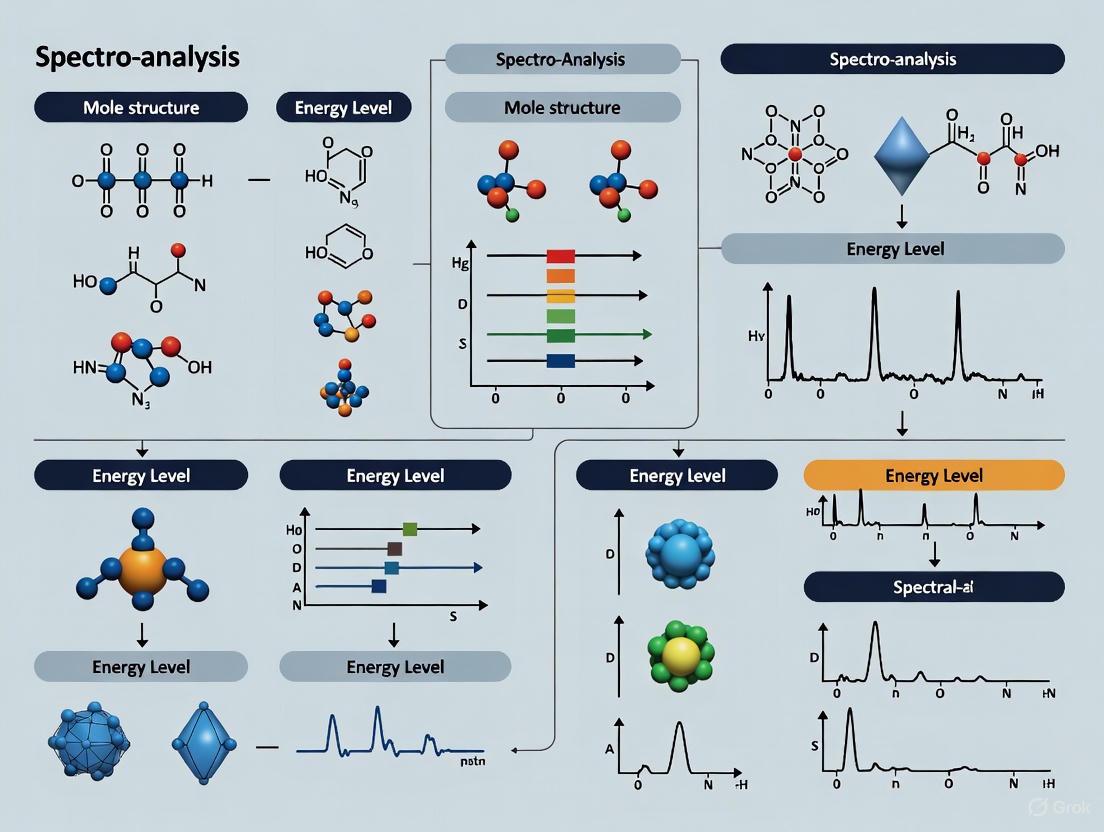
This article provides a comprehensive guide for researchers, scientists, and drug development professionals exploring careers in spectroscopy.
Navigating Spectroscopy Careers: Salaries, Growth Paths, and Key Skills for Scientists
Abstract
This article provides a comprehensive guide for researchers, scientists, and drug development professionals exploring careers in spectroscopy. It covers foundational knowledge on roles and salaries, explores methodological applications in the pharmaceutical industry and clinical research, addresses common career challenges and optimization strategies, and validates career prospects with current market data. The analysis synthesizes insights from industry surveys and expert career trajectories to offer a actionable roadmap for career advancement in this dynamic field.
Understanding Spectroscopy Careers: Core Roles, Salary Outlook, and Entry Pathways
A spectroscopist is a professional scientist who specializes in using spectroscopy—the study of the interaction between matter and electromagnetic radiation—to analyze the composition, structure, and properties of materials [1] [2]. These individuals serve as technical experts, applying a highly specialized knowledge of spectroscopic techniques to solve complex research problems across numerous scientific fields [3] [4]. The fundamental premise of their work centers on the fact that every element in the periodic table has a unique spectral signature, described by the consistent frequencies of light it emits or absorbs when diffracted [2]. This principle enables spectroscopists to identify and quantify information about atoms and molecules, making spectroscopy an indispensable tool in fields ranging from pharmaceutical development to astronomy [2].
The role of a spectroscopist is inherently interdisciplinary, requiring collaboration with researchers from diverse backgrounds including chemistry, physics, biology, materials science, and medicine [1] [5]. As the field continues to evolve with new technologies and methodologies, spectroscopists must maintain current knowledge of the latest developments to continue making valuable contributions to the scientific community [1]. This technical guide examines the core responsibilities, interdisciplinary applications, and career framework for spectroscopists, with particular emphasis on their critical role in pharmaceutical and biopharmaceutical research and development.
Core Responsibilities and Functions
Spectroscopists fulfill a diverse set of technical responsibilities that vary based on their specific field of application and employment context. The following table summarizes their primary functions and representative tasks.
Table 1: Core Responsibilities of a Spectroscopist
| Core Function | Specific Duties and Tasks | Application Context |
|---|---|---|
| Research & Analysis | Plan and apply physical/chemical methods to solve research problems [3]; Analyze electromagnetic spectra to determine material composition [1] [2]. | Medical, biological, radiochemical, geological, physical, and chemical research [3]. |
| Method Development | Develop new analytical methods and equipment for solution of analytical problems [3]; Enhance spectroscopic techniques for improved accuracy and efficiency [6]. | Pharmaceutical quality control, process analytical technology (PAT) [6] [7]. |
| Instrumentation & Data Science | Implement computer control of equipment and computer processing of data [3]; Apply machine learning for real-time spectral analysis [7]. | Bioprocess monitoring, real-time quality measurement in manufacturing [7]. |
| Consultation & Collaboration | Provide professional consultation on spectroscopic techniques to researchers [3]; Collaborate with interdisciplinary teams on complex projects [1] [5]. | Academic research, industrial R&D, government laboratories [1] [5]. |
| Training & Supervision | Train technicians in spectroscopic techniques and interpret their results [3]; Direct staff in analysis and solution of difficult research problems [3]. | University core facilities, industrial quality control laboratories, research institutes [3]. |
Spectroscopists are distinguished from general research staff by their highly specialized knowledge in specific spectroscopic phases and their role in developing novel analytical methods rather than merely applying established protocols [3] [4]. They serve as technical experts providing professional consultation on both theoretical and practical levels to researchers [3]. A critical aspect of their work involves developing and applying methods for determining the distribution and interrelationship of trace elements in biological systems and the molecular structure of mixtures of organic compounds [3]. In modern contexts, this increasingly includes developing machine learning algorithms to enhance spectral analysis, such as implementing real-time measurement of product aggregation and fragmentation during clinical bioprocessing [7].
The Interdisciplinary Nature of Spectroscopy
The work of spectroscopists transcends traditional scientific boundaries, intersecting with numerous fields and applications. The following diagram illustrates the interdisciplinary relationships and applications of spectroscopy across various domains.
Diagram 1: The Interdisciplinary Network of Spectroscopy Applications
Cross-Disciplinary Foundations
Spectroscopy represents a convergence of multiple scientific disciplines, each contributing unique perspectives and methodologies. Physics provides the fundamental principles of light-matter interactions and quantum mechanics that form the theoretical foundation of spectroscopic techniques [2] [8]. Chemistry contributes understanding of molecular structures, bonding, and reactivity that enables interpretation of spectral data [1]. Biology and medicine provide applications in tissue analysis, medical imaging, and understanding biological processes at molecular levels [2] [8]. This interdisciplinary nature means spectroscopists often have educational backgrounds in physics, chemistry, biology, or engineering, and frequently collaborate with scientists from other fields [1].
Pharmaceutical and Biopharmaceutical Applications
The pharmaceutical industry represents a major application domain where spectroscopy has become indispensable [6]. Spectroscopists in this sector contribute to multiple stages of drug development and manufacturing, including:
- Drug Discovery and Development: Determining molecular structure, functional groups, and purity levels of potential drug candidates using techniques like NMR and infrared spectroscopy [6] [9].
- Quantification and Quality Control: Ensuring correct concentration of active pharmaceutical ingredients (APIs) through UV-Vis and near-infrared (NIR) spectroscopy [6].
- Process Analytical Technology (PAT): Monitoring and controlling pharmaceutical manufacturing processes in real-time, with NIR spectroscopy widely used for measuring parameters like moisture content, particle size, and drug content without disrupting manufacturing [6].
- Stability Studies: Tracking drug degradation, identifying impurities, and determining shelf life by observing spectral changes under various conditions [6].
- Excipient and Raw Material Analysis: Ensuring non-active ingredients meet required specifications and do not interact adversely with active ingredients using Raman spectroscopy and FTIR [6].
Recent advancements highlight the growing role of spectroscopists in biopharmaceuticals, including using size exclusion chromatography coupled with inductively coupled plasma mass spectrometry (SEC-ICP-MS) to differentiate between ultra-trace levels of metals interacting with proteins and free metals in solution [7]. Additionally, Raman spectroscopy is increasingly applied for real-time monitoring of cell culture processes, with methods to identify anomalous spectra and establish models for multiple components crucial in cell culture [7].
Essential Techniques and Methodologies
Spectroscopists utilize a diverse array of techniques, classified by the type of radiative energy involved and the nature of the interaction with matter [2]. The following table outlines major spectroscopic methods, their physical principles, and primary applications in pharmaceutical and related industries.
Table 2: Essential Spectroscopic Techniques and Applications
| Technique | Physical Principle | Primary Applications |
|---|---|---|
| NMR Spectroscopy [9] [7] | Interaction of nuclear spins with magnetic fields to determine molecular structure | Molecular structure determination, protein folding analysis, quantification of compounds (qNMR) [9] [7] |
| Raman Spectroscopy [6] [7] | Inelastic scattering of photons by molecular vibrations | Molecular imaging, fingerprinting, process monitoring, protein aggregation studies [6] [7] |
| FT-IR Spectroscopy [6] [7] | Absorption of infrared radiation by chemical bonds | Identifying chemical bonds and functional groups, stability testing of protein drugs [6] [7] |
| UV-Vis Spectroscopy [6] [7] | Electronic transitions in molecules upon photon absorption | Concentration measurement of analytes, monitoring biotherapeutic transport [6] [7] |
| Atomic Spectroscopy (ICP-MS, ICP-OES) [7] | Excitation of valence electrons in atoms | Trace elemental analysis, metal speciation in cell culture media [7] |
| Fluorescence Spectroscopy [7] | Emission of light by excited electrons returning to ground state | Tracking molecular interactions, protein denaturation monitoring, kinetics studies [7] |
| Mass Spectrometry [9] | Ionization and mass-to-charge ratio separation | Structural elucidation in combination with NMR, impurity identification [9] |
Experimental Workflow in Pharmaceutical Analysis
A typical experimental workflow for a spectroscopist in pharmaceutical research and development involves multiple stages, from sample preparation to data interpretation. The following diagram illustrates a generalized protocol for drug formulation analysis using complementary spectroscopic techniques.
Diagram 2: Experimental Workflow for Drug Formulation Analysis
The Scientist's Toolkit: Essential Research Reagents and Materials
Spectroscopists utilize specialized reagents and materials to support their analytical work. The following table outlines key solutions and their functions in spectroscopic experiments.
Table 3: Essential Research Reagent Solutions in Spectroscopy
| Reagent/Material | Function and Application |
|---|---|
| Deuterated Solvents (e.g., D₂O, CDCl₃) [9] | NMR spectroscopy solvent that doesn't produce interfering proton signals |
| Referent Compounds (e.g., TMS) [9] | Internal standards for quantitative NMR (qNMR) providing calibration signal |
| Size Exclusion Chromatography Columns [7] | Separate molecules by size before ICP-MS analysis for metal speciation studies |
| Cell Culture Media [7] | Growth medium for biological systems requiring metal content analysis |
| Monoclonal Antibodies [7] | Model therapeutic proteins for formulation and stability studies |
| Porous Agarose Bead Matrix [7] | Mimics human tissue for UV-vis imaging of biotherapeutic transport |
| Fluorescent Immunosensors (Q-bodies) [7] | Detect proteins secreted by bacterial strains in screening applications |
| Protein A Affinity Resin [7] | Purifies monoclonal antibodies with UV-vis monitoring of HCP removal |
Career Framework and Educational Pathways
Educational Requirements and Qualifications
The path to becoming a spectroscopist typically begins with a strong foundation in physical sciences. The minimum qualifications often include:
- A Master's degree in physics or physical chemistry with three years of experience in physical-chemical instrumentation work, or an equivalent combination of education and experience [3] [4].
- For advanced research positions, particularly in academia or industrial R&D, a PhD in chemistry, physics, biology, or a related field is often required [1] [5].
- Knowledge and abilities essential to the successful performance of the specific duties assigned to the position [3].
Career Paths and Trajectories
Spectroscopists can pursue diverse career trajectories across multiple sectors. After completing their education, they typically begin in research roles within universities, government laboratories, or private industry [1]. With experience, they may advance to more senior positions such as lab manager or team leader [1]. Some transition into related fields including product development, technical sales, business development, science communication, or consulting [1] [5].
Representative career paths include:
- Academic Research: Developing new spectroscopic methods, studying fundamental light-matter interactions, and training future spectroscopists [5].
- Pharmaceutical Industry: Applying spectroscopic techniques to drug discovery, development, and quality control [6] [7].
- Government Laboratories: Addressing national challenges in security, energy, and environmental protection using spectroscopic tools [5].
- Instrumentation Development: Designing, building, and improving spectroscopic equipment for scientific and industrial applications [5].
- Clinical Research Management: Overseeing laboratory operations for clinical trials and ensuring quality control [5].
Compensation and Employment Outlook
While specific salary data for spectroscopists requires current market surveys, compensation typically reflects their specialized training and the technical complexity of their work. The interdisciplinary nature of spectroscopy and its critical applications across multiple industries, particularly pharmaceuticals, suggests strong demand for qualified professionals [1] [6]. The field continues to evolve with technological advancements, including increased integration of artificial intelligence and machine learning with spectroscopic data analysis [7] [8], creating new opportunities for spectroscopists with skills in these emerging areas.
Spectroscopists represent a critical class of scientific professionals whose expertise in analyzing light-matter interactions enables advancements across an extraordinary range of disciplines. Their core responsibilities encompass research and analysis, method development, instrumentation and data science, consultation, and training. The interdisciplinary nature of their work connects fundamental principles from physics, chemistry, and biology to applied fields including pharmaceutical development, biotechnology, materials science, and environmental analysis. As spectroscopic technologies continue to evolve, particularly with integration of AI and machine learning methodologies, the role of the spectroscopist will continue to expand and adapt, maintaining its position at the forefront of scientific innovation and industrial application. For researchers and drug development professionals, understanding the capabilities and methodologies of spectroscopists is essential for leveraging the full potential of spectroscopic analysis in their own work.
This technical guide provides a detailed analysis of compensation trends and employment conditions for spectroscopy professionals in 2023. Framed within a broader thesis on spectroscopy career paths, this whitepaper serves as an authoritative resource for researchers, scientists, and drug development professionals seeking to understand the economic landscape of their field. The data presented herein offers critical benchmarking information for career planning, salary negotiation, and strategic professional development within the analytical sciences sector. The following sections present comprehensive quantitative data, methodological frameworks, and contextual analysis of the factors influencing spectroscopic employment conditions during a period of significant global economic pressure.
The year 2023 represented a complex period for analytical scientists, marked by both economic uncertainty and strategic career management. As countries reported economic recessions and organizations adjusted their workforce strategies, spectroscopists navigated challenges while maintaining generally positive outlooks on their career prospects and professional value within scientific and industrial ecosystems [10]. This analysis synthesizes empirical survey data with market intelligence to provide a multidimensional perspective on spectroscopic careers.
2023 Salary Benchmark Data
Comprehensive Compensation Analysis
The core quantitative data for spectroscopy salaries in 2023 reveals several key trends and demographic differentiators essential for accurate benchmarking. The following tables summarize compensation figures, demographic distributions, and comparative metrics collected through standardized survey methodologies.
Table 1: Primary Spectroscopy Salary Benchmarks for 2023
| Metric | 2023 Value | 2022 Value | Year-over-Year Change |
|---|---|---|---|
| Average Salary | $96,683 | $99,740 | -3.0% |
| Salary Range (Included in Average) | $15,000-$250,000 | $15,000-$250,000 | No change |
| Respondents Reporting Salary Decrease | Not specified | 29% | Not applicable |
Source: 2023 Spectroscopy Employment and Salary Survey [10]
Table 2: Experience Distribution of Survey Respondents
| Years of Experience | Percentage of Respondents |
|---|---|
| <5 years | 15.0% |
| 5-9 years | 19.7% |
| 10-15 years | 12.9% |
| 16-20 years | 10.9% |
| 21-35 years | 25.2% |
| 36-40 years | 13.6% |
| 41+ years | 4.1% |
Source: 2023 Spectroscopy Employment and Salary Survey [10]
Table 3: Demographic and Employment Characteristics
| Characteristic | Distribution |
|---|---|
| Gender (Male/Female/Prefer not to answer) | 65.3%/28.6%/6.1% |
| Industry Sector (Industry/Academia/Government/Military) | 50%/32%/10%/1% |
| Geographic Representation | 16 countries including United States, United Kingdom, Germany, China, India, and others |
Source: 2023 Spectroscopy Employment and Salary Survey [10]
The observed 3% decrease in average salary from $99,740 in 2022 to $96,683 in 2023 reflects a demographic shift in survey respondents rather than an industry-wide reduction in compensation. With nearly 35% of 2023 respondents having fewer than 10 years of experience (compared to 15.5% in 2022), the composition of the respondent pool accounted for the apparent decline [10]. This demographic factor is crucial for accurate interpretation of the salary data and underscores the importance of experience-level analysis when evaluating compensation trends.
Supplementary Compensation Data
For comparative context within the broader analytical sciences field, chromatography professionals reported an average salary of $82,854 in 2023, representing an 8.7% decrease from the previous year. Similar to the spectroscopy findings, this decline was partially attributed to a higher proportion of younger respondents in the survey cohort [11]. The following year (2024), spectroscopy salaries showed a significant recovery, increasing by 14.6% to an average of $110,767, suggesting that the 2023 figures may represent a temporary market adjustment rather than a long-term declining trend [12].
Employment Conditions and Economic Sentiment
Work Environment and Job Satisfaction
Despite economic pressures, a significant majority of spectroscopists (63%) reported that their work environments had improved compared to the previous year [10]. This perception of enhanced workplace conditions occurred alongside notable anxiety about broader economic conditions, with 69% of respondents believing their country was already in an economic recession [10].
Table 4: Employment Seeking Behavior and Motivation
| Category | Percentage | Primary Factors |
|---|---|---|
| Seeking Alternative Employment | 59% | Higher salary (19%), dissatisfaction with employer (9%) |
| Not Seeking Alternative Employment | 41% | Satisfaction with salary (18%), convenient work location (16%) |
| Characterization of Job Market | 73% positive (excellent or good) | Not applicable |
Source: 2023 Spectroscopy Employment and Salary Survey [10]
The apparent paradox between positive personal work environment assessments and high interest in employment change (59%) suggests that spectroscopists remained confident in their market value despite economic headwinds. This confidence was supported by generally positive assessments of the job market, with nearly three-quarters of respondents characterizing conditions as "excellent" or "good" [10].
Job Security Perceptions
In the context of global economic uncertainty, spectroscopists reported varied perceptions of their job security, reflecting the uneven impact of economic pressures across sectors and geographic regions.
The data reveals that while a combined 74% of spectroscopists felt equally or more secure in their jobs compared to the previous year, a substantial minority (26%) experienced decreased security perceptions [10]. Economic anxiety was significant, with 37% identifying potential job loss as their primary concern during a recessionary period [10].
Experimental Methodology and Data Collection Protocols
Survey Design and Implementation
The 2023 Spectroscopy Employment and Salary Survey employed a standardized methodological approach to ensure data consistency and comparability with previous years. The following workflow details the experimental protocol for data collection and processing:
Protocol 1: Data Collection Methodology
- Survey Availability: The survey was available online from November 22, 2022, to January 12, 2023 [10]
- Response Collection: Gathered 153 complete responses from spectroscopists at various career stages [10]
- Geographic Distribution: Respondents represented 16 countries across North America, Europe, and Asia [10]
- Salary Inclusion Criteria: Analyzed all reported salaries between $15,000 and $250,000 to exclude statistical outliers [10]
- Data Segmentation: Categorized responses by experience level, industry sector, geographic location, and gender for subgroup analysis [10]
Statistical Analysis Framework
The analytical approach employed rigorous statistical treatments to ensure data validity and relevance:
Protocol 2: Data Analysis Methodology
- Normalization Procedures: Applied demographic weighting to account for experience distribution variations between survey years [10]
- Trend Analysis: Compared current data with historical benchmarks using consistent calculation methodologies [10]
- Factor Correlation: Identified relationships between compensation levels and independent variables including experience, sector, and geographic region [10]
- Sentiment Analysis: Categorized qualitative responses into thematic groupings for subjective metric development [10]
This methodological consistency enables meaningful longitudinal analysis and strengthens the validity of observed trends for career development planning.
Market Context and Industry Outlook
Spectroscopy Market Growth Projections
The employment environment for spectroscopists exists within a broader market context characterized by strong growth projections and expanding applications of spectroscopic technologies across multiple industries.
Table 5: Process Spectroscopy Market Size and Projections
| Metric | 2023 Value | 2024 Projection | 2032 Projection | CAGR (2024-2032) |
|---|---|---|---|---|
| Global Market Size | $15.93 billion | $20.41 billion | $116.49 billion | 24.3% |
| North America Market Share | 32.58% | Not specified | Not specified | Not applicable |
Source: Fortune Business Insights Process Spectroscopy Market Analysis [13]
This robust market growth, particularly the projected 24.3% compound annual growth rate from 2024-2032, indicates strong underlying demand for spectroscopic expertise and suggests favorable long-term career prospects for qualified professionals [13]. The expanding application of spectroscopy across pharmaceutical development, food safety, environmental monitoring, and materials science continues to drive employment opportunities and compensation competition.
Sector-Based Application Trends
The value of spectroscopic expertise is particularly evident in several high-growth application areas:
- Pharmaceutical Safety Processes: Increasing use of spectroscopy in drug safety assessment and quality control [13]
- Food and Beverage Quality: Growing implementation for composition analysis and contamination detection [13]
- Environmental Monitoring: Expanding applications in water and wastewater treatment analysis [13]
- Industrial Process Optimization: Rising adoption in oil and gas process operations and manufacturing [13]
These diverse applications contribute to profession resilience during sector-specific downturns and create multiple pathways for career specialization and advancement.
Strategic Career Advancement Framework
For spectroscopy professionals navigating the 2023 employment landscape, several strategic approaches emerged as particularly valuable for career development and compensation optimization.
Table 6: Career Development Toolkit for Spectroscopy Professionals
| Resource | Function & Application | Strategic Value |
|---|---|---|
| Technical Specialization | Developing expertise in high-demand methodologies (NMR, MS, Raman) | Differential advantage in competitive job markets; premium compensation potential |
| Cross-Industry Mobility | Applying core spectroscopic skills across multiple sectors (pharma, food, env) | Risk mitigation during sector-specific downturns; expanded opportunities |
| PAT Implementation Skills | Mastering Process Analytical Technology integration and application | Alignment with regulatory trends and quality-by-design initiatives |
| Data Science Integration | Combining spectroscopic expertise with computational analysis capabilities | Enhanced value in era of big data and machine learning applications |
| Geographic Flexibility | Willingness to relocate to high-opportunity regions | Access to concentrated employment hubs with premium compensation |
The tools and approaches outlined in Table 6 represent strategic resources for spectroscopists seeking to optimize their career trajectory and compensation potential within the evolving analytical sciences landscape.
Professional Adaptation Pathways
The following framework illustrates decision pathways for spectroscopists considering career adjustments in response to market conditions:
This decision framework reflects the strategic considerations reported by spectroscopy professionals in the 2023 survey data, particularly the balance between seeking external opportunities (pursued by 59% of respondents) and enhancing value within current positions [10].
The 2023 spectroscopy salary benchmark data reveals a profession navigating economic uncertainty while maintaining fundamentally strong employment conditions and positive long-term prospects. The apparent 3% decrease in average compensation primarily reflected demographic shifts in survey respondents rather than systematic compensation reduction across the field. The underlying market fundamentals for spectroscopic expertise remain strong, supported by projected market growth of 24.3% CAGR through 2032 and expanding applications across multiple high-value industries [13].
For spectroscopy professionals and those considering career paths in this domain, the data suggests that strategic specialization, cross-industry mobility, and technical adaptation represent key success factors for compensation optimization and career advancement. Despite short-term economic pressures, the essential role of spectroscopic analysis in quality control, research and development, and regulatory compliance ensures continuing demand for expertise in this foundational analytical science discipline.
This technical guide delineates the structured educational pathway from a Bachelor's to a Ph.D. in Chemistry, with a specific focus on applications in spectroscopy and drug development. For researchers, scientists, and drug development professionals, understanding this progression is critical for navigating a successful career in a field that is projected to see 6% job growth through 2032 [14]. The guide synthesizes admission prerequisites, curricular requirements, key experimental competencies, and career outcomes, providing a comprehensive framework for advanced scientific training.
The pursuit of an advanced chemistry degree, particularly a Ph.D., is a rigorous commitment designed to train the next generation of innovators. In the context of spectroscopy and pharmaceutical development, doctoral-level training provides the deep theoretical knowledge and advanced technical skills necessary to solve complex analytical problems. The career outcomes for Ph.D. graduates are robust, with approximately 70% embarking on industrial careers in sectors like pharmaceuticals, and another 20% entering academic positions [15]. This pathway is not merely an academic exercise; it is a foundational process that equips professionals to contribute to cutting-edge research and development in critical health and technology sectors.
The Educational Pathway: A Structured Progression
The journey to a Ph.D. in Chemistry is a multi-stage process that builds a candidate's knowledge and research autonomy from the ground up. The following diagram illustrates the key stages, decision points, and outcomes of this pathway.
Bachelor's Degree: The Foundational Step
The essential prerequisite for entry into a Ph.D. program is a Bachelor of Science (B.S.) or Bachelor of Arts (B.A.) in Chemistry or a closely related field. A B.S. degree typically emphasizes a rigorous curriculum with extensive laboratory work and advanced theoretical concepts, while a B.A. offers a broader foundation with flexibility for electives [16].
- Admission Requirements: Most Ph.D. programs require a minimum undergraduate GPA of 3.0 (on a 4.0 scale) [17] [18]. Some programs, like the University of Wisconsin-Madison, specifically look for a 3.0 GPA in the last 60 credit hours of undergraduate study [19].
- Core Competencies: Successful applicants are expected to have a strong foundation equivalent to an American Chemical Society (ACS)-approved curriculum, including coursework in:
- Analytical Chemistry
- Inorganic Chemistry
- Organic Chemistry (one year)
- Physical Chemistry (one year, with calculus and physics prerequisites) [18]
- Supplementary Skills: A background in mathematics through calculus and one year of physics is also essential [19].
Doctoral Degree: The Apex of Specialized Training
The Ph.D. program is designed to cultivate independent researchers. The structure, while varying slightly between institutions, generally follows a progression from structured learning to autonomous research.
Table 1: Ph.D. Program Admission Requirements Overview
| Requirement | Typical Specification | Example Institutions |
|---|---|---|
| Degree | B.S. or B.A. in Chemistry or related field | Florida Atlantic University, University of Houston [17] [20] |
| Minimum GPA | 3.0 (on a 4.0 scale) | University of Toledo, University of Wisconsin-Madison [15] [19] |
| Standardized Tests | GRE sometimes required or recommended; some programs have made it optional | University of Houston (GRE required) [20]; UW-Madison (not required) [19] |
| Letters of Recommendation | 3 letters, preferably from faculty | All referenced programs [17] [19] [18] |
| Statement of Purpose | Required essay outlining research interests and objectives | All referenced programs [17] [18] |
| International Students | TOEFL (iBT 79) or IELTS (6.0) | Florida Atlantic University [17] |
Core Program Components
Once admitted, students navigate a series of milestones, as outlined in the workflow below, which details the key phases, tasks, and outcomes of a typical Ph.D. program.
Coursework and Examinations: Doctoral students must complete advanced graduate-level courses, often with a minimum GPA of 3.0 [19]. The curriculum is typically divided between core courses in the student's specialization and breadth requirements in related STEM fields. The progression is punctuated by critical examinations, such as the Thesis Background Exam (TBE) and the Original Research Proposal (RP) Exam, which assess a student's depth of knowledge and capacity for independent inquiry [19].
Teaching and Research Assistantships: Financial support is commonly provided through Teaching (TA) or Research Assistantships (RA), which often carry a tuition waiver. At the University of Toledo, for example, all Ph.D. students must complete two semesters of supervised half-time teaching [15]. These assistantships are not merely funding mechanisms; they are integral training components, developing communication, mentorship, and project management skills.
Dissertation and Defense: The culmination of the Ph.D. is the dissertation—an original, substantial contribution to the body of chemical knowledge. The research is conducted under the guidance of a faculty advisor and dissertation committee. A final oral defense of the dissertation is required to obtain the degree [20].
Experimental Protocols & The Scientist's Toolkit
A core differentiator of Ph.D.-level training is the mastery of advanced experimental protocols, particularly in analytical fields like spectroscopy.
Detailed Methodology: Surface-Enhanced Raman Spectroscopy (SERS)
The following protocol, representative of doctoral-level research, outlines the development of Surface-Enhanced Raman Strategies for the analysis of chemical and biological systems, a technique leveraged in pharmaceutical development [5].
Substrate Preparation:
- Metallic Nanostructure Fabrication: Synthesize colloidal silver or gold nanoparticles via chemical reduction (e.g., citrate reduction of chloroauric acid for gold nanospheres). Alternatively, create nanostructured surfaces using electrochemical oxidation-reduction cycles or by depositing metal films on nanopatterned substrates.
- Characterization: Use UV-Vis spectroscopy to confirm the surface plasmon resonance band of the nanoparticles. Employ scanning electron microscopy (SEM) or transmission electron microscopy (TEM) to analyze the size, distribution, and morphology of the nanostructures.
Sample Preparation and Immobilization:
- Analyte Adsorption: The target analyte (e.g., a drug molecule, protein, or pollutant) is adsorbed onto the metallic nanostructure surface. This is achieved by mixing the colloidal nanoparticles with the analyte solution or by depositing the analyte onto a solid SERS substrate.
- Optimization: Critical parameters such as pH, ionic strength, and analyte concentration are optimized to maximize adsorption and SERS signal intensity.
Instrumental Analysis and Data Acquisition:
- Spectral Collection: The prepared sample is analyzed using a Raman spectrometer equipped with a laser source suitable for excitation (e.g., 785 nm to minimize fluorescence in biological samples). The laser is focused on the sample, and the inelastically scattered Raman light is collected.
- Mapping: For heterogeneous samples, SERS mapping may be performed by raster-scanning the sample stage to construct a spatial distribution map of the analyte based on its characteristic Raman peaks.
Data Processing and Interpretation:
- Pre-processing: Raw spectra are processed to remove cosmic rays, correct for baseline fluorescence (e.g., using polynomial fitting), and normalize the signal.
- Multivariate Analysis: Advanced chemometric methods, such as Principal Component Analysis (PCA) or Partial Least Squares Discriminant Analysis (PLS-DA), are applied to complex spectral datasets to identify patterns, classify samples, or quantify analyte concentrations.
Research Reagent Solutions and Essential Materials
The execution of advanced spectroscopic protocols requires familiarity with a suite of specialized materials and instruments.
Table 2: Essential Research Reagents and Instrumentation for Spectroscopic Research
| Item | Function/Application |
|---|---|
| Gold/Silver Nanoparticles | Serve as the plasmonic substrate in SERS, providing the signal enhancement necessary for detecting low concentrations of analytes [5]. |
| Raman Spectrometer | Core analytical instrument used to measure the inelastic scattering of light, providing vibrational fingerprints of molecules. |
| Lasers (e.g., 785 nm, 633 nm) | Monochromatic light source for exciting the sample; wavelength selection is critical to avoid fluorescence and resonate with the substrate's plasmonic peak. |
| SEM/TEM | Used for high-resolution imaging and characterization of the nanoscale morphology of SERS substrates and other materials [15]. |
| NMR Spectrometer | A fundamental tool for determining the structure and dynamics of organic and inorganic molecules in solution; often a core facility in chemistry departments [15]. |
| Mass Spectrometer | Used for determining the molecular weight and structure of compounds, essential for identifying synthesized molecules or complex biological samples [15]. |
| Single Crystal X-ray Diffractometer | Used for determining the three-dimensional atomic structure of crystalline materials, from small molecules to proteins [15]. |
Career Pathways and Salary Expectations
An advanced chemistry degree, especially with a focus on analytical techniques like spectroscopy, opens doors to diverse and rewarding career trajectories. The following diagram visualizes the primary career sectors and roles available to Ph.D. graduates.
Professionals with expertise in spectroscopy and analytical chemistry find opportunities in a wide array of roles, including:
- Pharmaceutical Chemist / Medicinal Chemist: Designing and synthesizing new drug candidates.
- Materials Scientist: Developing new materials for applications in electronics, energy, or medicine.
- Business Development (VP, Global BD): Driving the commercial strategy for scientific instrument companies [5].
- Senior Fellow Scientist (National Lab): Conducting mission-oriented research, such as spectroscopic monitoring for nuclear materials processing [5].
- Lead Senior Project Manager (Clinical Trials): Managing the central laboratory for phase 1-3 clinical trials, ensuring analytical data integrity [5].
Table 3: Salary Comparison by Degree Level and Specialization (2024 Data)
| Degree Level | Median Salary (All Chemistry Fields) | Median Salary (Analytical Chemistry Specialization) |
|---|---|---|
| Bachelor's Degree | ~$60,000 [16] | $89,000 [14] |
| Master's Degree | ~20-30% higher than Bachelor's [16] | $120,000 [14] |
| Doctoral Degree (Ph.D.) | N/A | $131,000 [14] |
Note: The data suggests that specialized roles in analytical chemistry command higher median salaries compared to general chemistry degree holders at the same educational level [14]. It is also important to note that while salaries have risen, a gender pay gap persists, though it is narrowing within the field [14].
The educational pathway from a Bachelor's to a Ph.D. in Chemistry is a defined, rigorous sequence designed to produce independent scientific leaders. For professionals in drug development and spectroscopy, this pathway provides the indispensable theoretical foundation and hands-on research experience required to master complex analytical techniques and drive innovation. With strong projected job growth and competitive salaries, particularly for Ph.D.-level analytical chemists and spectroscopists, this investment in advanced education remains a cornerstone for a impactful career at the forefront of scientific discovery and application.
Key Industries and Sectors for Spectroscopy Professionals
Spectroscopy, the study of the interaction between matter and electromagnetic radiation, serves as a foundational analytical technique across numerous scientific and industrial domains. For professionals in the field, understanding the market dynamics, key growth sectors, and technological trends is crucial for strategic career planning. The global molecular spectroscopy market, valued at USD 6.97 billion in 2024, demonstrates steady expansion with projections reaching USD 9.04 billion by 2034, growing at a compound annual growth rate (CAGR) of 2.64% [21]. This growth trajectory is fueled by increasing pharmaceutical research, stringent food safety regulations, and technological innovations that continue to expand spectroscopic applications.
The North American market, particularly the United States, maintains a dominant position in the spectroscopy landscape, driven by well-established healthcare infrastructure, significant research and development (R&D) investments, and the presence of leading pharmaceutical and biotechnology companies [21] [22]. Meanwhile, the Asia-Pacific region is emerging as the fastest-growing market, fueled by industrial expansion, growing healthcare investments, and increasing government support for research activities [21]. This geographic distribution of opportunities informs strategic career decisions for spectroscopy professionals seeking growth markets.
Table: Global Molecular Spectroscopy Market Overview
| Metric | 2024 Value | 2025 Value | 2034 Projection | CAGR (2025-2034) |
|---|---|---|---|---|
| Market Size | USD 6.97 billion | USD 7.15 billion | USD 9.04 billion | 2.64% |
| Segment | Leading Category | Market Share | Fastest-Growing Category | Growth Trend |
| Technology | NMR Spectroscopy | Dominating share | Mass Spectroscopy | Significant growth |
| Application | Pharmaceutical Applications | Largest share | Academic Research | Lucrative growth |
| Product | Instruments | Largest share | Consumables | Significant growth |
Key Industry Applications and Sectors
Pharmaceutical and Biotechnology Industries
The pharmaceutical sector represents the largest application segment for spectroscopy technologies, driving continuous demand for skilled professionals [21]. Spectroscopy plays multiple critical roles throughout the drug development pipeline, from initial discovery to quality control of final products. Nuclear Magnetic Resonance (NMR) spectroscopy and mass spectrometry are extensively employed for drug discovery and development, enabling researchers to determine molecular structures, identify compounds, and study molecular interactions [21] [23]. The growing emphasis on personalized medicines, biologics, and biosimilars further increases the need for spectroscopic characterization of complex molecules like proteins and metabolites [21].
Recent innovations highlight the specialized applications emerging within this sector. For instance, Horiba Instruments has developed the Veloci A-TEEM Biopharma Analyzer specifically for monoclonal antibody analysis, vaccine characterization, and protein stability assessment [24]. Similarly, Protein Dynamic Solutions introduced the ProteinMentor, a Quantum Cascade Laser (QCL) based microscopy system designed specifically for protein analysis in biopharmaceutical applications, enabling protein impurity identification and stability monitoring [24]. The Contract Research Organization (CRO) mass spectroscopy services market, valued at $1.6 billion in 2024 and projected to reach $1.81 billion in 2025, further demonstrates the growing outsourcing of specialized spectroscopic work [23].
Food, Agriculture, and Environmental Monitoring
Spectroscopy technologies provide critical solutions for quality control, safety verification, and environmental protection, creating diverse opportunities for professionals. Near-infrared spectroscopy (NIRS) coupled with chemometrics has emerged as a powerful tool for food authentication and quality assurance. Recent research has demonstrated the ability to classify green coffee beans based on post-harvest processing methods with accuracies up to 100% for some categories, addressing significant verification challenges in the specialty coffee industry [25]. This application showcases the potential for spectroscopy in combating food fraud and ensuring supply chain integrity.
In environmental monitoring, governments are increasingly implementing spectroscopic technologies to control pollution and ensure regulatory compliance [21]. The water and wastewater management segment represents the fastest-growing application area within the process spectroscopy market, driven by the need to upgrade aging infrastructure, comply with stringent regulations, and manage water scarcity through advanced monitoring technologies [22]. Spectroscopy professionals in this sector develop methods for contaminant detection, water quality assessment, and environmental monitoring, playing a crucial role in sustainability efforts.
Materials Science and Industrial Applications
Materials science represents a high-growth sector for spectroscopy professionals, particularly those specializing in techniques like Raman spectroscopy and scanning probe microscopy. The global Raman spectroscopy market, valued at USD 297 million in 2024 and projected to reach USD 472 million by 2032 (7.0% CAGR), serves diverse applications across nanotechnology, semiconductor development, and advanced materials characterization [26]. Horiba's SignatureSPM, which integrates scanning probe microscopy with Raman and photoluminescence spectroscopy, exemplifies the sophisticated instrumentation being developed for materials research in semiconductors and nanotechnology [24].
Industrial process control represents another significant sector, with the North America process spectroscopy market projected to expand from USD 10.34 billion in 2024 to USD 29.42 billion by 2034 (11.02% CAGR) [22]. Spectroscopy professionals in this domain develop and implement real-time monitoring systems for quality assurance in chemical manufacturing, polymer production, and oil and gas operations. The integration of Industry 4.0 principles with process spectroscopy enhances operational efficiency and enables data-driven decision-making across industrial settings [22].
Table: Spectroscopy Applications by Industry Sector
| Industry Sector | Key Spectroscopy Techniques | Primary Applications |
|---|---|---|
| Pharmaceutical & Biotechnology | NMR, Mass Spectroscopy, FT-IR, A-TEEM | Drug discovery, protein characterization, quality control, impurity detection |
| Food & Agriculture | NIRS, Raman, Mass Spectroscopy | Quality verification, fraud detection, composition analysis, safety testing |
| Environmental Science | Atomic Spectroscopy, Mass Spectroscopy, NIRS | Water quality monitoring, contaminant detection, regulatory compliance |
| Materials Science | Raman, FT-IR, Scanning Probe Microscopy | Nanomaterial characterization, semiconductor analysis, polymer development |
| Industrial Processing | NIRS, FT-IR, Raman | Real-time quality control, process optimization, reaction monitoring |
Career Pathways and Professional Opportunities
Roles, Responsibilities, and Salary Benchmarks
Spectroscopy professionals enjoy diverse career paths with competitive compensation across multiple specializations. Research Directors and Senior Scientists in the pharmaceutical and biotechnology sectors represent the highest-earning roles, with salary ranges typically between $150,000 and $220,000+ [27]. These leadership positions oversee drug discovery programs, manage laboratory teams, and bridge the gap between scientific innovation and business objectives, requiring both deep technical expertise and managerial capabilities.
Medicinal Chemists and Pharmaceutical Chemists, who design and synthesize novel drug compounds, command salaries ranging from $110,000 to $175,000, depending on experience and education level [27]. These roles demand expertise in organic chemistry, biochemistry, and analytical techniques, with responsibilities spanning compound design, structure-activity relationship studies, and collaboration with biological testing teams. Materials Scientists, with median salaries of $104,160 (top 10% earning over $161,080), develop and characterize new materials for applications in electronics, aerospace, and healthcare [27]. Chemical Engineers, earning median salaries of $121,840, apply spectroscopic principles to process design, optimization, and scale-up in industrial settings [27].
The growing emphasis on intellectual property protection has created opportunities for Patent Examiners with chemistry specializations, who can earn between $90,000 and $150,000 while evaluating the novelty and patentability of chemical inventions [27]. These roles typically require strong analytical capabilities and attention to detail, with opportunities in both government agencies and private sector firms.
Emerging Trends and Future Outlook
Several technological and market trends are shaping the future landscape for spectroscopy professionals. The integration of artificial intelligence and machine learning with spectroscopic techniques represents the most significant trend, enhancing data analysis capabilities, enabling real-time process control, and improving quality assurance [22]. AI-powered spectroscopy facilitates anomaly detection, ensures product consistency, and enables automated decision-making, particularly in regulated industries like pharmaceuticals [22].
The miniaturization of spectroscopic instruments and development of portable handheld devices is expanding applications into field-based analysis, point-of-care diagnostics, and on-site industrial monitoring [24] [26]. Companies like SciAps and Metrohm are developing field-portable NIR and Raman systems that bring laboratory-quality analysis to field settings for applications in agriculture, geochemistry, and pharmaceutical quality control [24]. The rising adoption of hyphenated techniques, which combine chromatography with spectroscopy, provides powerful solutions for analyzing complex mixtures in natural products, biogenic materials, and biological samples [28].
The expanding outsourcing of analytical services to Contract Research Organizations represents another significant trend, with the CRO mass spectroscopy services market expected to grow to $2.94 billion by 2029 at a CAGR of 12.9% [23]. This trend creates opportunities for spectroscopy professionals in specialized service organizations, supporting drug discovery, clinical research, and environmental testing across multiple industries.
Experimental Protocols and Methodologies
Sample Preparation Techniques Across Spectroscopic Methods
Proper sample preparation is fundamental to obtaining accurate and reproducible spectroscopic results, with inadequate preparation accounting for approximately 60% of all analytical errors [29]. The specific protocols vary significantly across different spectroscopic techniques, each requiring specialized approaches to ensure optimal analysis.
For X-Ray Fluorescence (XRF) spectrometry, sample preparation focuses on creating flat, homogeneous surfaces with consistent particle size distribution (typically <75 μm) [29]. Techniques include grinding with spectroscopic grinding machines, milling to create even flat surfaces, and pelletizing using hydraulic presses at 10-30 tons pressure to transform powdered samples into solid disks with uniform density [29]. For challenging materials like ceramics and minerals, fusion techniques involving lithium tetraborate flux at 950-1200°C create homogeneous glass disks that eliminate particle size and mineral effects [29].
Inductively Coupled Plasma-Mass Spectrometry (ICP-MS) requires complete dissolution of solid samples, accurate dilution to appropriate concentration ranges, and filtration (typically 0.45 μm or 0.2 μm) to remove suspended particles [29]. High-purity acidification with nitric acid (typically 2% v/v) prevents precipitation and maintains metal ions in solution, while internal standardization compensates for matrix effects and instrument drift [29].
Fourier Transform Infrared Spectroscopy (FT-IR) employs varied preparation methods depending on sample state. Solid samples often require grinding with KBr for pellet production, while liquid samples need appropriate solvent selection and pathlength-controlled cells [29]. Solvent selection is critical for FT-IR, with deuterated solvents like CDCl3 providing transparency across most of the mid-IR spectrum with minimal interfering absorption bands [29].
Table: Essential Research Reagent Solutions for Spectroscopic Analysis
| Reagent/Buffer | Composition/Preparation | Primary Function | Application Techniques |
|---|---|---|---|
| KBr Matrix | Anhydrous potassium bromide, spectroscopic grade | Pellet formation for solid samples, IR-transparent matrix | FT-IR |
| Lithium Tetraborate Flux | High-purity Li₂B₄O₇ | Sample fusion, creation of homogeneous glass disks | XRF |
| Nitric Acid Diluent | 2% (v/v) high-purity HNO₃ in Type I water | Sample acidification, prevention of precipitation | ICP-MS |
| Deuterated Solvents | CDCl₃, D₂O, DMSO-d₆ | IR-transparent solvents for liquid samples | FT-IR, NMR |
| Internal Standard Solution | Elemental standards (Sc, Y, In, Bi) in dilute acid | Instrument drift correction, matrix effect compensation | ICP-MS |
| Binding Agents | Boric acid, cellulose, wax powders | Powder binding for pellet formation | XRF |
Advanced Analytical Workflows
Hyphenated techniques that combine chromatography with spectroscopy represent sophisticated workflows for complex sample analysis. These approaches are particularly valuable for natural product analysis, where they enable extraction, characterization, and quantification of phytochemicals from complex matrices [28]. Liquid chromatography coupled with mass spectrometry (LC-MS) provides powerful capabilities for de novo identification, distribution analysis, and quantification of constituents in biogenic raw materials and natural medicines [28].
Recent research demonstrates innovative applications of spectroscopic workflows across various domains. Dynamic FTIR spectroscopy has been employed to monitor biomolecular changes in bacterial cells during growth, with studies on Staphylococcus aureus revealing prominent spectral changes in proteins, nucleic acids, and carbohydrates throughout the exponential growth phase [25]. Principal component analysis of time-resolved spectra achieved 100% accuracy in discriminating between early and late log phase growth stages, highlighting the power of spectroscopic approaches for monitoring biological processes [25].
Surface-enhanced Raman spectroscopy (SERS) has shown promising applications in seed germination analysis, with research on lettuce seeds demonstrating consistent spectral patterns at specific germination stages [25]. This approach enables differentiation between normally germinating and non-viable seeds based on significant spectral differences, providing a potential method for rapid seed quality assessment. Similarly, Raman spectroscopy combined with partial least squares regression has been utilized to study the thermal isomerization of oleic acid, enabling simultaneous determination of cis and trans isomer concentrations and calculation of activation energy (31 kJ/mol) for the isomerization process [25].
Spectroscopy professionals operate at the intersection of advanced instrumentation, computational analysis, and diverse industrial applications. The field offers robust career opportunities with competitive compensation, particularly for specialists with expertise in pharmaceutical applications, materials characterization, and emerging areas like artificial intelligence integration. The steady market growth, technological innovation, and expanding applications across sectors ensure continued demand for skilled spectroscopy professionals.
Successful career development in spectroscopy requires both deep technical expertise in specific analytical methods and broad understanding of application domains. Professionals should monitor emerging trends in miniaturization, automation, and data science integration while building foundational knowledge in sample preparation, method validation, and instrumental operation. The geographic distribution of opportunities, with North America maintaining dominance and Asia-Pacific showing rapid growth, presents strategic considerations for career planning and development.
Career Stability and Job Market Sentiment in Spectroscopy
In the specialized field of spectroscopy, career stability and job market sentiment are closely tied to broader economic conditions and evolving industrial needs. Recent surveys conducted by Spectroscopy magazine provide a quantitative basis for understanding these dynamics, revealing the concerns, compensation trends, and career movements of practicing spectroscopists [12]. This technical guide synthesizes the latest employment data to offer researchers, scientists, and drug development professionals an evidence-based overview of the current spectroscopy job landscape. The analysis is framed within the context of a sustained period of economic uncertainty, which has heightened anxiety about job security while simultaneously driving notable shifts in compensation and professional mobility [12] [10].
Quantitative Analysis of Employment Trends
Salary and Compensation Metrics
Recent compensation data reveals significant year-over-year changes for spectroscopists. The following table summarizes key salary metrics and year-over-year changes.
Table 1: Spectroscopy Salary Trends Comparison (2023-2024)
| Metric | 2023 Value | 2024 Value | Year-over-Year Change |
|---|---|---|---|
| Average Reported Salary | $96,683 [10] | $110,767 [12] | +14.6% [12] |
| Salary Range Analyzed | $15,000-$250,000 [10] | $15,000-$250,000 [12] | No change |
| Primary Reason for Not Seeking New Employment | Salary (18%) [10] | Salary (15.2%) [12] | -2.8% |
| Primary Reason for Seeking New Employment | Higher Salary (19%) [10] | Higher Salary (19%) [12] | No change |
This substantial increase in average salary comes despite ongoing economic pressures and suggests a continued high valuation of spectroscopic expertise in the marketplace [12]. It is noteworthy that the desire for a higher salary remains the top motivator for those seeking alternative employment, consistent between both survey years [12] [10].
Job Market Sentiment and Security Indicators
Sentiment regarding the job market and personal job security provides crucial context for understanding career stability. The data shows a complex picture of optimism tempered by economic concerns.
Table 2: Job Market Sentiment and Security Indicators
| Indicator | 2023 Results | 2024 Results | Trend |
|---|---|---|---|
| Job Market Perception (Excellent/Good) | 73% [10] | 64% [12] | -9% |
| Feel More Secure in Job | 31% [10] | 32% [12] | +1% |
| Feel Less Secure in Job | 26% [10] | 28% [12] | +2% |
| Job Security Unchanged | 43% [10] | ~40% [12] | ~-3% |
| Work Environment Better Than Previous Year | 63% [10] | 61% [12] | -2% |
A notable trend is the decreased interest in seeking alternative employment. In 2024, a slight majority (53%) reported they were not interested in seeking better opportunities, a 12% increase from the previous year [12]. This suggests a "stay put" mentality may be emerging in response to economic uncertainty.
Experimental Protocols for Employment Surveys
Demographics and Methodology
The employment data cited in this guide were collected through structured survey instruments administered to practicing spectroscopists. Understanding the methodological parameters is essential for proper interpretation of the results.
2024 Survey Methodology:
- Data Collection Period: January 31 to February 19, 2024 [12]
- Total Respondents: 105 spectroscopists [12]
- Experience Distribution: 27.6% had 21-35 years of experience; 18.1% had 10-15 years; 17.1% had 16-20 years; 11.4% had 36-40 years; 9.5% had 5-9 years; 8.6% had >41 years; 7.6% had <5 years [12]
- Sector Distribution: 57% industry; 22% academia; 10% government or national laboratories; 2% military; 10% other fields [12]
- Geographic Scope: Responses collected from 23 countries including the United States, United Kingdom, Germany, and others [12]
2023 Survey Methodology:
- Data Collection Period: November 22, 2022, to January 12, 2023 [10]
- Total Respondents: 153 spectroscopists [10]
- Experience Distribution: 25.2% had 21-35 years; 19.7% had 5-9 years; 15% had <5 years; 13.6% had 36-40 years; 12.9% had 10-15 years; 10.9% had 16-20 years; 4.1% had >41 years [10]
- Sector Distribution: 50% industry; 32% academia or academic institutions; 10% government or national laboratories; 1% military [10]
The demographic differences between survey years, particularly the higher proportion of younger workers in the 2023 survey, are important to note when interpreting salary differences and trends [10].
Data Analysis Protocols
The quantitative analysis followed standardized procedures to ensure consistency and comparability:
- Salary Data Filtering: All reported salaries between $15,000 and $250,000 were included in the analysis, with outliers outside this range excluded [12] [10].
- Average Salary Calculation: The mean average was calculated from all filtered self-reported salaries [12].
- Sentiment Analysis: Categorical responses (e.g., "excellent," "good," "poor") were converted to percentages based on the total number of respondents answering each question [12].
- Trend Analysis: Year-over-year comparisons were made using consistent question phrasing and methodology between survey administrations [12].
Diagram 1: Career decision pathway for spectroscopists. This workflow illustrates the key factors influencing employment decisions based on survey data, highlighting how economic conditions and job satisfaction interact to shape career movements [12].
Broader Context for Analytical Science Careers
Comparative Analysis with Related Fields
The employment trends observed in spectroscopy align with broader patterns in analytical chemistry. According to the American Chemical Society (ACS), the median salary for chemists and materials scientists in 2021 was approximately $105,000, representing a 7% increase from the previous year [14]. However, these pay increases have not always kept pace with inflation, creating financial pressures despite nominal gains [14].
The ACS survey data further reveals interesting educational attainment patterns. For those working in analytical chemistry, median salaries were $89,000 with a bachelor's degree, $120,000 with a master's degree, and $131,000 with a PhD. Interestingly, individuals who specifically received their degrees in analytical chemistry showed slightly different compensation: $92,000 (bachelor's), $108,000 (master's), and $119,000 (PhD) [14]. This suggests that specializing in analytical chemistry during one's education does not necessarily confer a salary advantage over those who enter the field with other educational backgrounds.
Evolving Skill Demands
The field of analytical chemistry, including spectroscopy, is experiencing shifts in required skill sets due to technological advancements. Automation is reducing the need for routine analysis while increasing demand for professionals who can troubleshoot and operate sophisticated instrumentation [14]. This trend is creating new opportunities in quality assurance and quality control, particularly as regulatory requirements for laboratories continue to expand [14].
Diagram 2: Evolution of skills demand in spectroscopy. Increasing automation is reducing the need for traditional routine analysis while creating greater demand for advanced troubleshooting, data interpretation, and regulatory compliance expertise [14].
For spectroscopists navigating the current job market, certain resources and strategies have proven effective for career advancement and employment searches.
Table 3: Essential Career Development Resources for Spectroscopists
| Resource/Skill Category | Specific Examples | Function/Purpose | Effectiveness |
|---|---|---|---|
| Job Search Channels | Professional websites (LinkedIn, Indeed) [14] | Primary method for identifying employment opportunities | 43-56% report as most effective method [14] |
| Networking Resources | Informal colleague/friend connections [14] | Leveraging professional relationships for opportunities | 17-21% report as most effective method [14] |
| Academic Preparation | Undergraduate research, internships [14] | Gaining practical experience before employment | 29% of 2023 graduates cited research as key [14] |
| Technical Specialization | Instrumentation troubleshooting, QA/QC [14] | Developing high-demand skills less susceptible to automation | Increasing importance due to automation [14] |
The spectroscopy job market presents a complex landscape of opportunities and challenges. While economic uncertainties have heightened job security concerns for some professionals, the field has demonstrated resilience through significant salary growth and generally positive market perceptions. The 14.6% increase in average salaries from 2023 to 2024 indicates strong valuation of spectroscopic expertise, though this has occurred alongside a slight decrease in perceived job security for a minority of practitioners [12]. The emerging "stay put" mentality, with more spectroscopists choosing to remain in their current positions, suggests a cautious approach to career mobility during uncertain economic times [12]. For drug development professionals and researchers in spectroscopy, success in the current market appears to depend on developing specialized technical skills—particularly in instrumentation troubleshooting and quality systems—while utilizing both digital platforms and professional networks for career advancement [14]. As automation continues to transform the field, adapting to these changing skill demands will likely be crucial for long-term career stability and growth.
Spectroscopy in Practice: Pharmaceutical Applications, Clinical Research, and Biologics Analysis
Nuclear Magnetic Resonance (NMR) spectroscopy has become an indispensable analytical technique in modern pharmaceutical research and development, providing critical insights that guide drug discovery from initial target identification to final product quality control. As the complexity of drug molecules continues to increase, particularly with the rise of biologics and complex small molecules, the pharmaceutical industry's reliance on NMR has grown substantially in 2025 [30]. Unlike other analytical methods that provide limited structural information, NMR offers comprehensive atom-level mapping of molecular structures, including stereochemical configuration and dynamic behavior in solution [30] [31]. This capability makes NMR particularly valuable for characterizing intricate molecular features that directly impact drug efficacy, safety, and stability.
The integration of NMR within drug development workflows aligns with promising career paths in analytical chemistry. According to recent data, the field of chemistry is projected to experience 5% employment growth over the coming decade, with NMR specialists commanding competitive salaries due to their specialized skill sets [16]. Professionals with expertise in advanced NMR techniques are particularly well-positioned for roles in pharmaceutical R&D, where they contribute to accelerating drug development timelines while ensuring regulatory compliance [30] [16].
Theoretical Foundations of NMR
NMR spectroscopy operates on the principle that certain atomic nuclei possess intrinsic magnetic moments and angular momentum when placed in a strong external magnetic field. These nuclei absorb and re-emit electromagnetic radiation at characteristic frequencies that provide detailed information about their chemical environment. For pharmaceutical applications, the most commonly studied nuclei are hydrogen-1 (¹H) and carbon-13 (¹³C), though other nuclei such as nitrogen-15 (¹⁵N) and phosphorus-31 (³¹P) can also provide valuable structural insights [30].
When a sample is placed in a strong magnetic field and subjected to radiofrequency pulses, nuclei resonate at frequencies dependent on their local electronic environment. These resonances are recorded as chemical shifts in an NMR spectrum, which serve as fingerprints for different functional groups and molecular frameworks [30]. The chemical shift, measured in parts per million (ppm), along with splitting patterns (J-coupling) and integration values, provides crucial structural information including the number of hydrogen or carbon environments, electronic shielding/deshielding effects, bond connectivity, and stereochemical relationships [30].
The development of pure shift NMR techniques in 2025 has further enhanced spectral resolution by suppressing scalar coupling, thereby simplifying complex spectra and enabling more accurate analysis of pharmaceutical compounds [32]. When combined with advanced computational methods and deep learning algorithms, these improvements have significantly expanded the utility of NMR for analyzing increasingly complex drug molecules [32].
NMR Techniques for Structural Elucidation
Basic and Advanced NMR Approaches
NMR structure elucidation employs a hierarchical approach beginning with one-dimensional techniques and progressing to sophisticated multidimensional experiments that provide comprehensive structural information. Each technique offers distinct advantages for specific aspects of molecular characterization [30]:
1D NMR Techniques form the foundation of structural analysis:
- ¹H NMR: Identifies the type and number of hydrogen atoms in different chemical environments within a molecule.
- ¹³C NMR: Reveals distinct carbon environments, often enhanced through DEPT editing techniques to differentiate between primary, secondary, and tertiary carbon atoms.
2D NMR Techniques provide critical information through correlation experiments:
- COSY (Correlation Spectroscopy): Detects spin-spin coupling interactions between protons that are directly bonded through two or three bonds, establishing connectivity within molecular frameworks.
- HSQC/HMQC (Heteronuclear Single/Multiple Quantum Coherence): Correlates hydrogen atoms with directly bonded carbon atoms, providing crucial information about carbon-hydrogen bonding networks.
- HMBC (Heteronuclear Multiple Bond Correlation): Detects long-range proton-carbon couplings across two to three bonds, enabling the connection of molecular fragments through quaternary carbons.
- NOESY/ROESY (Nuclear Overhauser Effect Spectroscopy): Provides information about spatial proximity between atoms (typically within 5Å), critical for determining three-dimensional molecular configuration and conformation.
Emerging NMR Methodologies
Recent advancements have significantly expanded NMR capabilities for pharmaceutical applications. Pure Shift Spectroscopy has emerged as a powerful technique that improves spectral resolution by suppressing scalar coupling effects, particularly valuable for analyzing complex mixtures or molecules with significant signal overlap [32]. The integration of deep learning algorithms with pure shift methodologies has further enhanced data processing and interpretation, enabling more accurate structural assignments [32].
For studying protein-ligand interactions, NMR-Driven Structure-Based Drug Design (NMR-SBDD) represents a novel research strategy that combines ¹³C side chain protein labeling with advanced computational tools [31]. This approach generates reliable protein-ligand structural ensembles that closely resemble native state distributions in solution, providing critical insights for medicinal chemistry optimization [31].
High-throughput methodologies have also advanced substantially. G-matrix Fourier Transform (GFT) NMR spectroscopy addresses the "NMR sampling problem" by enabling joint sampling of several indirect dimensions, dramatically reducing data collection time from weeks to days while maintaining high-quality structural information [33]. This approach has been successfully implemented in structural genomics pipelines, demonstrating its robustness for rapid structure determination of domain-sized proteins [33].
NMR in Impurity Analysis
Identification and Characterization
NMR spectroscopy plays a crucial role in pharmaceutical impurity profiling, offering capabilities that complement other analytical techniques such as LC-MS. A key advantage of NMR in impurity analysis is its ability to detect and characterize compounds that may be missed by mass spectrometry-based methods [30]. NMR excels particularly at identifying isomeric impurities including positional isomers and tautomers, which often exhibit identical molecular weights but distinct structural fingerprints [30]. Additionally, NMR can detect non-ionizable compounds that show poor response in MS analysis, residual solvents, excipients, and degradation products with similar masses but different structural arrangements [30].
The pharmaceutical industry increasingly relies on NMR for supporting ICH Q3A/B compliance, as regulatory agencies require comprehensive characterization of impurities present in drug substances and products above specific thresholds [30]. NMR provides orthogonal confirmation to chromatographic methods, ensuring thorough identification of potential impurities that could impact drug safety or efficacy.
Comparative Advantages
The following table summarizes how NMR compares to other analytical techniques for impurity analysis:
| Analysis Parameter | NMR | MS (Mass Spectrometry) | IR (Infrared Spectroscopy) |
|---|---|---|---|
| Isomeric Impurity Detection | Excellent sensitivity to positional and structural isomers | Limited differentiation for isomers with identical mass | Limited to functional group differences |
| Non-Ionizable Compound Detection | Effective detection regardless of ionization potential | Poor response for non-ionizable compounds | Effective for functional group identification |
| Structural Detail | Complete molecular framework including stereochemistry | Molecular weight and fragmentation pattern only | Functional group identification only |
| Quantification Capability | Accurate without external standards | Requires standards or internal calibrants | Limited quantitative applications |
| Sample Requirements | Non-destructive; sample can be recovered | Destructive in most cases | Generally non-destructive |
Experimental Protocols
High-Throughput Protein Structure Determination
A standardized protocol for high-throughput protein structure determination capitalizes on high spectrometer sensitivity through G-matrix Fourier transform NMR experiments. This approach significantly reduces data collection time while maintaining high-quality structural constraints [33]:
Sample Preparation:
- Uniformly ¹³C,¹⁵N-labeled protein samples at ≈1 mM concentration in appropriate buffer systems (typically 95% H₂O/5% ²H₂O)
- Addition of reducing agents (e.g., 10 mM DTT) and stabilizers as needed for target proteins
- Sample volumes of 250-500 μL in standard NMR tubes
Data Collection Protocol:
- A set of five GFT NMR experiments for backbone and sidechain resonance assignment
- Simultaneous 3D ¹⁵N,¹³C-aliphatic,¹³C-aromatic-resolved [¹H,¹H]-NOESY spectrum for ¹H-¹H upper distance limit constraints
- Typical measurement times range from 1-9 days depending on protein size and complexity, representing less than 10-25% of conventional NMR measurement requirements
Data Processing and Analysis:
- Semiautomated data analysis integrated with the collection protocol
- Sequential assignment using highly resolved 4D and 5D spectral information
- Structure calculation using NOE-derived distance constraints
This protocol has been successfully applied to proteins ranging from 9 to 20 kDa, effectively removing data collection as a bottleneck for high-throughput solution structure determination [33].
NMR Screening for Drug Discovery
A novel screening method developed in 2025 uses advanced NMR for label-free detection of protein-ligand interactions, significantly expanding the types of molecules that can be studied [34]:
Methodology:
- Utilization of High Resolution Magic Angle Spinning (HRMAS) technology at powerful magnetic fields (800 MHz)
- Specialized NMR equipment including 4mm HRMAS HCND probes
- Label-free approach requiring no molecular modifications
Experimental Workflow:
- Validation using known binders (e.g., caffeine) to establish binding signatures
- Application to unknown compound libraries for hit identification
- Analysis of chemical shift perturbations, line broadening, or relaxation effects to detect binding
Advantages:
- Eliminates need for radioactive or fluorescent labels that can be prohibitively expensive or impossible for some molecules
- Enables study of a much wider range of molecular types
- Provides direct evidence of binding without molecular modification
This approach has particular value for studying therapeutically important proteins that currently lack drug treatments, opening new avenues for drug discovery [34].
NMR Drug Discovery Workflow
The Scientist's Toolkit: Essential Research Reagents and Materials
Successful implementation of NMR in drug development requires specialized reagents and materials designed to maximize data quality and experimental efficiency. The following table details essential components of the NMR toolkit for pharmaceutical applications:
| Reagent/Material | Function | Application Notes |
|---|---|---|
| Deuterated Solvents (D₂O, CDCl₃, DMSO-d₆) | Provides field frequency lock signal; minimizes solvent background in ¹H NMR | Choice depends on compound solubility; must be >99.8% deuterated for optimal performance |
| NMR Reference Standards (TMS, DSS) | Chemical shift calibration; quantitative analysis | Added in minute quantities (0.01-0.1%) as internal standards |
| Shift Reagents (Eu(fod)₃, Cs(15C5)) | Resolve overlapping signals; determine enantiomeric purity | Chiral shift reagents differentiate enantiomers in racemic mixtures |
| Cryogenic Probes | Enhances sensitivity by reducing thermal noise | Critical for studying low-abundance samples or large proteins |
| Isotope-Labeled Precursors (¹³C-glucose, ¹⁵N-ammonium chloride) | Production of isotopically labeled proteins for structural studies | Enables multidimensional NMR experiments for complex structure determination |
| HRMAS Probes | Improves resolution for semi-solid samples | Essential for new label-free screening methodologies [34] |
Career Context: NMR in the Spectroscopy Profession
The growing importance of NMR in pharmaceutical development has created promising career opportunities for spectroscopy professionals. Current market analysis indicates that chemistry professions are projected to experience 5% growth over the next decade, with NMR specialists commanding competitive salaries [16]. The following table outlines typical salary ranges for chemistry professionals with NMR expertise:
| Degree Level | Typical Positions | Median Salary Range | NMR Specialization Value |
|---|---|---|---|
| Associate Degree | Laboratory Technician, NMR Operator | ~$40,000 annually | Entry-level position with instrumentation focus |
| Bachelor's Degree | Research Chemist, Analytical Scientist | ~$60,000 annually | 20-30% premium for NMR specialization [16] |
| Master's Degree | Senior Scientist, NMR Specialist | 20-30% higher than BS | Specialized expertise in advanced techniques |
| Doctoral Degree | Principal Scientist, Research Director | $90,000+ | Method development and leadership roles |
Professionals with expertise in advanced NMR techniques such as protein-ligand interaction studies, impurity profiling, and structure elucidation are particularly well-positioned for roles in pharmaceutical R&D [30] [31]. The integration of artificial intelligence with NMR data analysis represents an emerging skill set that is increasingly valued in the industry [32].
NMR Application Techniques
NMR spectroscopy continues to evolve as a critical technology in pharmaceutical development, with recent advancements significantly expanding its capabilities for structural elucidation and impurity analysis. The technique's unique ability to provide atomic-resolution information about molecular structure, dynamics, and interactions in solution makes it indispensable for modern drug discovery and development pipelines. Emerging methodologies including pure shift spectroscopy, label-free screening approaches, and AI-enhanced data analysis are positioning NMR as an even more powerful tool for addressing complex challenges in pharmaceutical research [34] [32].
For professionals in the spectroscopy field, NMR expertise represents a valuable specialization with strong career prospects in the pharmaceutical industry. The continuous innovation in NMR technology and methodologies ensures that skilled practitioners will remain at the forefront of drug development efforts, contributing to the creation of safer and more effective therapeutics while commanding competitive compensation in the scientific marketplace [30] [16]. As drug targets become increasingly complex, NMR's role in characterizing challenging molecular interactions and ensuring product quality will only grow in importance, making it a cornerstone technique in both current and future pharmaceutical development workflows.
UV Spectroscopy in Bioprocess Monitoring and Quality Control
In the evolving landscape of pharmaceutical development and biomanufacturing, ultraviolet-visible (UV-Vis) spectroscopy has established itself as a cornerstone analytical technique for bioprocess monitoring and quality control. This whitepaper explores the fundamental principles, cutting-edge applications, and implementation frameworks of UV spectroscopy within modern bioprocessing environments, particularly through the lens of Process Analytical Technology (PAT). The convergence of UV spectroscopy with machine learning algorithms and advanced chemometrics is revolutionizing how scientists monitor culture contamination, determine protein concentration, and maintain product quality in real-time, thereby creating demanding and well-compensated career paths for analytical scientists specializing in spectroscopic technologies [35] [36] [37].
The global UV spectroscopy market, valued at USD 21.52 billion in 2025 and projected to reach USD 27.62 billion by 2030, reflects the technique's growing indispensability across pharmaceutical and biotechnology sectors [38]. This growth is largely driven by the industry's transition toward continuous manufacturing, expanded biologics pipelines, and heightened regulatory emphasis on data integrity and real-time quality assurance [38]. For professionals in pharmaceutical sciences, recent compensation data indicates a median base salary of $191,800 in the United States, underscoring the economic value of specialized technical expertise in this domain [39].
Fundamental Principles and Technological Advancements
Core Principles of UV-Vis Spectroscopy in Bioprocessing
UV-Vis spectroscopy operates on the fundamental principle that molecules absorb light in the ultraviolet and visible regions, with absorption maxima corresponding to electronic transitions in chromophores. The Beer-Lambert Law (A = εlc) forms the quantitative foundation, relating absorbance (A) to the analyte's molar absorptivity (ε), pathlength (l), and concentration (c) [40]. In bioprocess applications, this relationship enables the quantification of critical parameters including protein concentration, cell density, and metabolite levels without complex sample preparation.
The technique excels in biological systems due to its sensitivity to naturally occurring chromophores in microalgae and other production organisms. Chlorophylls, carotenoids, and aromatic amino acids in proteins provide distinct spectral fingerprints that can be monitored throughout fermentation processes [35]. Recent technological innovations have significantly expanded UV spectroscopy's utility through:
- Variable Pathlength Technology: Systems like the Solo VPE utilize computer-controlled linear stages to automatically make 5-10 absorbance measurements at successively different pathlengths, generating a slope value that enables direct concentration calculation without manual dilutions, even for samples up to 300 mg/mL [40].
- Miniaturization and Portability: Hand-held devices are experiencing rapid adoption (7.46% CAGR), driven by point-of-care diagnostics and on-site material verification needs in continuous manufacturing [38].
- Diode-Array Configurations: These systems capture entire spectra in milliseconds, enabling peak-purity checks and forced-degradation profiling essential for ICH stability guidelines, with the technology projected to outpace other optical designs through 2030 [38].
Comparative Advantages for Bioprocess Monitoring
While various spectroscopic techniques are available for bioprocess monitoring, UV-Vis spectroscopy offers distinct practical advantages. Compared to Raman spectroscopy, which struggles with limited sampling volume in large-scale cultures, and Fourier transform infrared (FT-IR) spectroscopy, which is unsuitable for in-vivo monitoring in aqueous media due to water's strong infrared absorption, UV-Vis spectroscopy provides a robust solution for real-time, in-line monitoring [35]. Fluorescence spectroscopy, though highly sensitive, is limited to molecules exhibiting intrinsic fluorescence and susceptible to interference from background fluorescence, photo-bleaching, and sample turbidity [36].
The following table compares UV-Vis spectroscopy with other common spectroscopic techniques used in bioprocess monitoring:
Table 1: Comparison of Spectroscopic Techniques for Bioprocess Monitoring
| Technique | Key Advantages | Key Limitations | Ideal Bioprocess Applications |
|---|---|---|---|
| UV-Vis Spectroscopy | Rapid analysis; minimal sample preparation; cost-effective; suitable for aqueous solutions | Less sensitive and selective than vibrational spectroscopy; overlapping spectra in complex mixtures | Protein concentration (A280); cell density monitoring; contamination detection [35] [36] [40] |
| FT-IR Spectroscopy | Detailed molecular structure information; fingerprint region for compound identification | Strong water absorption limits aqueous applications; extensive sample preparation often required | Off-line analysis of dried samples; metabolic profiling [35] |
| Raman Spectroscopy | Minimal sample preparation; suitable for aqueous solutions; detailed molecular information | Limited sampling volume; fluorescence interference; expensive instrumentation | In-line monitoring of specific metabolites; crystal form identification [35] |
| Fluorescence Spectroscopy | Extremely high sensitivity; non-invasive measurements | Limited to fluorescent compounds; background interference; photo-bleaching | Monitoring intrinsic fluorophores (NADH, tryptophan); product purity assessment [36] |
Implementation in Bioprocess Monitoring
Real-Time Monitoring Configurations
In PAT frameworks, UV-Vis spectroscopy can be deployed in three primary configurations for real-time monitoring, each with distinct advantages:
- In-line Monitoring: A non-invasive optical probe is inserted directly into the bioreactor, enabling continuous measurement without sample removal or process disruption. This approach provides the most direct and immediate process data, facilitating automated control responses [36] [37].
- On-line Monitoring: A built-in flow cell or bypass loop continuously divests small sample volumes from the bioreactor for analysis, with samples typically returned to the vessel after measurement. This configuration protects sensitive instrumentation from harsh process conditions while maintaining sterility [36].
- At-line Monitoring: Samples are automatically withdrawn from the process and analyzed in close proximity to the production line, providing faster turnaround than traditional off-line analysis but with minimal time delay compared to continuous methods [36].
Diagram: UV-Vis Spectroscopy Implementation in Bioprocess Monitoring
Advanced Applications with Machine Learning Integration
Recent research demonstrates how UV-Vis spectroscopy combined with machine learning (ML) creates powerful solutions for complex bioprocess challenges. A 2025 study published in Spectrochimica Acta Part A established a novel method for detecting biological contamination in microalgae cultures by leveraging the natural pigment chemistry of microorganisms, which produces distinctive spectral fingerprints [35].
The experimental protocol for this application involved:
- Instrumentation Setup: A UV-Vis light source covering 200-1000 nm wavelengths, a 10-mm cuvette holder, and a handheld spectrometer for data collection [35].
- Spectral Acquisition: Collection of spectral data from both uncontaminated cultures and cultures contaminated with known biological pollutants (flagellates and rotifers) [35].
- Data Processing: Application of principal component analysis (PCA) to classify spectral differences with accuracy, even under challenging conditions such as salt-stressed media that alter pigment balance and create obscuring spectral changes [35].
- Model Development: Training of machine learning algorithms to identify subtle contamination patterns in complex cultures by recognizing characteristic absorption features of chlorophylls, carotenoids, and lipids [35].
This approach demonstrated sufficient sensitivity to distinguish between the microalgae Tetradesmus obliquus, the flagellate Poterioochromonas malhamensis, and the rotifer Brachionus plicatilis within bulk Chlorella vulgaris solutions, providing a rapid, automated alternative to traditional labor-intensive microscopy and cytometry methods [35].
Experimental Protocols for Quality Control
Protein Concentration Determination Using Variable Pathlength Technology
Accurate protein concentration measurement is critical throughout biopharmaceutical development and manufacturing, serving as both an in-process test and product-release assay. Traditional fixed-pathlength UV-Vis methods at 280 nm (A280 analysis) require careful sample dilution to bring concentrations within the instrument's linear range, introducing analyst-dependent errors and extending processing times to hours [40].
The following protocol implements slope spectroscopy using variable pathlength technology to overcome these limitations:
Table 2: Key Research Reagent Solutions for UV-Vis Protein Concentration Analysis
| Item | Function/Description | Application Notes |
|---|---|---|
| Solo VPE System | Variable pathlength spectrophotometer with computer-controlled linear stage (0.005-15 mm pathlength) | Enables automated pathlength optimization; requires 10-300 μL sample volume depending on concentration [40] |
| Quartz Sample Cups | Disposable sample containers in multiple sizes (large, small, micro) | Selection based on expected concentration; micro cups for highly concentrated samples [40] |
| Protein Standard | Reference material of known concentration and extinction coefficient | Required for method validation and periodic verification [40] |
| Dilution Buffer | Appropriate buffered solution matching sample matrix | Used only for traditional method comparison; slope spectroscopy typically eliminates dilution needs [40] |
Procedure:
System Initialization: Power on the Solo VPE system connected to a UV-Vis light source (e.g., Agilent Cary 50). Initialize the software and select the protein concentration method [40].
Sample Loading: Transfer 10-30 μL of undiluted protein sample to an appropriately sized quartz cup based on expected concentration. For unknown concentrations, use the default cup size and allow the instrument's search algorithm to identify the optimal pathlength [40].
Automated Measurement: Initiate the automated analysis sequence. The system will:
- Perform an initial scan to determine sample absorbance.
- Automatically select 5-10 pathlengths within the instrument's linear range (targeting ~1 AU).
- Measure absorbance at each pathlength.
- Generate a linear regression plot of absorbance versus pathlength [40].
Concentration Calculation: The software calculates concentration using the slope spectroscopy equation derived from the Beer-Lambert law:
- Linear regression: A = ml + b, where m is slope
- Slope spectroscopy equation: m = εc
- Concentration calculation: c = m/ε, where ε is the molar absorption coefficient [40]
Data Validation: Review the regression coefficient (R²) to confirm linearity. For quality control purposes, R² should exceed 0.999 [40].
Method Performance: This approach reduces analytical error to approximately 2% (attributable to instrument precision alone), compared to traditional methods where sample preparation errors can create significantly larger variances. Processing time decreases from hours to minutes by eliminating dilution requirements [40].
Diagram: Slope Spectroscopy Workflow for Protein Concentration
Contamination Detection in Microbial Cultures
The following protocol adapts the research methodology for detecting biological contamination in microalgae cultures to general microbial fermentation systems [35]:
Materials:
- UV-Vis spectrophotometer with scanning capability (200-1000 nm)
- Immersion probe or flow cell for in-line/on-line monitoring
- Data acquisition system with machine learning capabilities
- Pure culture and potential contaminant standards
Procedure:
Baseline Establishment: Collect UV-Vis spectra (200-1000 nm) from pure, uncontaminated cultures at various growth stages and conditions to establish a spectral baseline [35].
Contamination Challenge: Introduce known contaminants at varying concentrations to create training datasets, collecting time-series spectral data throughout the contamination process [35].
Feature Identification: Apply PCA to identify spectral regions most sensitive to contamination presence, typically focusing on pigment absorption bands (e.g., chlorophyll at 400-500 nm and 600-700 nm) [35].
Model Training: Train machine learning algorithms (e.g., support vector machines, random forests) using the spectral database to recognize contamination patterns, validating against holdout datasets [35].
Implementation: Deploy the trained model for real-time monitoring, establishing alert thresholds based on validation performance metrics [35].
Career Path and Compensation Analysis
The integration of advanced analytical techniques like UV spectroscopy into bioprocessing has created specialized career paths with competitive compensation. The 2025 AAPS Salary Survey reported a median base salary of $191,800 for pharmaceutical scientists in the United States, representing a 4.5% increase from the previous year [39]. This growth significantly outpaces the broader U.S. wage increase of 0.8% in the same period, reflecting the high demand for specialized technical expertise [39].
Roles specifically utilizing spectroscopic techniques fall within several high-paying clinical research positions, though spectroscopy-specific salary data from 2023 indicated an average of $96,683 for professionals primarily working with spectroscopic methods [10]. The table below compares compensation across selected roles in the field:
Table 3: Compensation Ranges for Selected Scientific Roles (2025)
| Role | Average Salary (U.S.) | Key Responsibilities | Spectroscopy Relevance |
|---|---|---|---|
| Principal Investigator | $190,000 – $220,000+ | Oversight of scientific, ethical, and regulatory trial aspects | High-level methodology approval [41] |
| Pharmaceutical Scientist | $191,800 (median) | Drug development, formulation, analytical method development | Direct hands-on application of UV spectroscopy [39] |
| Regulatory Affairs Specialist | $95,000 – $120,000 | Submission strategy, quality compliance, audit responses | Review and approval of spectroscopic methods [41] |
| Biostatistician | $105,000 – $135,000 | Experimental design, data analysis, model development | Chemometric analysis of spectral data [41] |
Regional variations significantly impact compensation, with North America maintaining the highest salary levels across most roles. Europe presents a more varied landscape, with Switzerland consistently offering premiums 20-30% higher than Germany or the UK. The Asia-Pacific region is experiencing the most rapid salary growth (10-20% year-over-year), particularly in emerging CRO hubs in China and Singapore [41].
The strongest compensation growth is concentrated in roles combining technical expertise with data science capabilities, reflecting industry demand for professionals who can implement and interpret advanced spectroscopic methods integrated with machine learning [41]. This trend aligns with the movement toward Industry 4.0 in biomanufacturing, where PAT and real-time monitoring are becoming standard practice rather than exceptional approaches [38] [37].
UV-Vis spectroscopy has evolved from a basic analytical tool to an sophisticated component of modern bioprocess monitoring and quality control systems. The integration of variable pathlength technology, machine learning, and PAT frameworks has significantly enhanced its utility for real-time decision-making in pharmaceutical development and manufacturing. The demonstrated applications in protein concentration determination and contamination detection highlight UV spectroscopy's versatility, accuracy, and efficiency advantages over traditional methods.
For scientific professionals, expertise in these advanced spectroscopic applications represents a valuable career differentiator with strong compensation prospects. As the industry continues its transition toward continuous processing and real-time quality assurance, the demand for skilled scientists capable of implementing and interpreting these sophisticated analytical systems will continue to grow. The convergence of spectroscopic knowledge with data science capabilities positions professionals at the forefront of biopharmaceutical innovation, enabling more efficient processes and higher quality products in an increasingly competitive global market.
The Role of Spectroscopy in Biologics and Personalized Medicine
Spectroscopy, the study of the interaction between matter and electromagnetic radiation, has become an indispensable tool in the development of biologics and the advancement of personalized medicine. These techniques provide unparalleled capabilities for analyzing the structure, function, and dynamics of biomolecules, from proteins and nucleic acids to metabolites and pharmaceuticals. The unique advantage of spectroscopy lies in its ability to provide non-perturbative, label-free extraction of biochemical information, enabling researchers to obtain crucial insight into biological systems without altering their native state [42]. As the life sciences increasingly focus on personalized treatment approaches, spectroscopic methods have evolved to offer the sensitivity, precision, and speed necessary to characterize complex biological samples and identify patient-specific biomarkers.
The growing significance of spectroscopy in clinical applications is underscored by career data for spectroscopists, who report strong job markets despite economic uncertainties. According to the 2023 Spectroscopy Employment and Salary Survey, approximately 73% of spectroscopists categorize the job market as either "excellent" or "good," reflecting the expanding role of these techniques across multiple sectors [10]. With an average salary of $96,683 for professionals in the field, spectroscopy represents both a scientifically and professionally rewarding career path at the forefront of biomedical innovation [10].
Fundamental Spectroscopic Techniques in Biological Research
Ultraviolet-Visible (UV-Vis) Spectroscopy
UV-Vis spectroscopy quantifies the concentration of biomolecules by measuring the absorption or transmission of light in the ultraviolet and visible regions of the electromagnetic spectrum [43]. This technique primarily involves exciting valence electrons between molecular orbitals, particularly between the highest occupied molecular orbital (HOMO) and the lowest unoccupied molecular orbital (LUMO) [44]. The fundamental measurement in UV-Vis spectroscopy is absorbance (A), calculated as the logarithm of the ratio of incident light intensity (I0) to transmitted light intensity (I). This relationship is quantitatively described by the Beer-Lambert Law: A = εcd, where ε is the molar absorption coefficient (M-1cm-1), c is the concentration (M), and d is the pathlength (cm) [44].
In biologics development, UV-Vis spectroscopy finds crucial application in quantifying protein concentrations, particularly during recombinant protein production and purification processes [44]. Proteins containing aromatic amino acids (phenylalanine, tryptophan, and tyrosine) exhibit strong absorption at 280 nm, enabling researchers to estimate protein concentration rapidly. While this method may be influenced by interfering substances such as nucleic acids, it remains widely valuable for monitoring protein purification in HPLC systems and other purification platforms [44].
Table 1: Key Applications of UV-Vis Spectroscopy in Biologics Development
| Application Area | Specific Use Case | Experimental Parameters |
|---|---|---|
| Protein Quantification | Measurement of protein concentration at 280 nm based on aromatic amino acids | Absorbance at 280 nm, pathlength typically 1 cm |
| Enzyme Kinetics | Monitoring reaction progress via changes in absorbance | Time-based measurements at specific wavelengths |
| Quality Control | Assessment of biomolecule purity in pharmaceutical preparations | Spectral scanning from 200-400 nm |
| Drug Development | Characterization of protein-ligand interactions | Titration experiments with absorbance monitoring |
Infrared (IR) and Fourier Transform IR (FTIR) Spectroscopy
IR spectroscopy measures the absorption of infrared radiation by chemical bonds in a sample, providing information about molecular vibrations that serve as unique biochemical fingerprints [43]. In biological research, the most informative spectral regions are the fingerprint region (600-1,450 cm−1) and the amide I and amide II region (1,500-1,700 cm−1), which are particularly sensitive to protein secondary structure [42]. The higher-wavenumber region (2,550-3,500 cm−1) corresponds to stretching vibrations of bonds such as S-H, C-H, N-H, and O-H [42].
FTIR spectroscopy represents a significant advancement in IR technology, enabling non-destructive analysis of biological specimens with high signal-to-noise ratios [42]. When combined with microscopy (microspectroscopy), FTIR allows examination of complex tissues and heterogeneous samples, constructing images of tissue or cell architecture based on their spectral signatures [42]. The three major sampling modes in FTIR are transmission, transflection, and attenuated total reflection (ATR), each offering specific advantages for different sample types [42].
In the context of personalized medicine, FTIR imaging has demonstrated remarkable capability in distinguishing between benign and malignant tumors in tissue samples of breast, colon, lung, and prostate, as well as in classifying cervical cytology specimens [42]. The methodology typically involves sample preparation (including fixed cytology and tissue sections, live cells, or biofluids), acquisition of high signal-to-noise ratio spectra, and sophisticated data processing including quality control, spectral pre-processing, feature extraction, and classification [42].
Fluorescence Spectroscopy
Fluorescence spectroscopy measures light emission from a sample following excitation by a specific wavelength, providing exceptional sensitivity for studying biomolecular interactions and dynamics [43]. The phenomenon occurs when an electron in an excited singlet state relaxes to the ground electronic state by emitting a photon, with timescales typically ranging from picoseconds to nanoseconds [44]. The Jablonski diagram provides a conceptual framework for understanding fluorescence and related processes, including phosphorescence and intersystem crossing [44].
A key parameter in fluorescence measurements is the quantum yield (Φ), defined as the number of photons emitted divided by the number of photons absorbed [44]. The maximum quantum yield is 1, indicating that every absorbed photon results in an emitted photon, while lower values indicate competing relaxation pathways. Time-resolved fluorescence measurements using pulsed lasers can determine fluorescence lifetimes (τ), the time required for fluorescence intensity to decay to 1/e of its initial value [44]. These measurements provide information about the local microenvironment of fluorophores, as demonstrated by studies of near-infrared fluorescent proteins (iRFPs) where fluorescence lifetimes differed significantly in H2O versus D2O due to kinetic isotope effects [44].
Förster Resonance Energy Transfer (FRET) represents a particularly powerful application of fluorescence spectroscopy for studying biomolecular interactions. FRET occurs between two fluorophores with overlapping emission and absorption spectra when they are in close proximity (typically 1-10 nm), with efficiency following a 1/r⁶ distance dependence [44]. This extreme distance sensitivity makes FRET invaluable for studying protein-protein interactions, conformational changes, and in super-resolution localization imaging [44].
Circular Dichroism (CD) Spectroscopy
Circular dichroism has emerged as a major steady-state spectroscopy technique for protein structural studies and chiral analysis in pharmaceutical development [45]. CD measures the difference in absorption of left-handed and right-handed circularly polarized light, providing information about the secondary structure of proteins and the absolute configuration of chiral molecules. Traditionally reserved for basic research, CD has found expanding applications from far-UV to NIR fields in organic chemistry and the pharmaceutical industry, where it serves as a critical tool for lead identification in drug discovery [45].
The MOS-500 CD spectrometer exemplifies recent technological advances, featuring an innovative three-stage wavelength selection system that bypasses limitations of traditional prism-based monochromators [45]. This design delivers outstanding performance in wavelength range, sensitivity, precision, speed, and modularity, while reducing operating costs by requiring optics purging only when working below 195 nm [45]. For high-throughput applications in pharmaceutical screening, CD microplate readers like the EKKO spectrometer enable automated chiral screening, performing 96 single-wavelength measurements in less than 2 minutes – reducing measurement time by a factor of 10 to 50 compared to traditional chiral HPLC [45].
Table 2: Career Context for Spectroscopists in Biologics and Personalized Medicine
| Career Aspect | Statistics and Trends | Implications for Professionals |
|---|---|---|
| Average Salary | $96,683 (2023 survey) [10] | Competitive compensation reflecting specialized expertise |
| Job Market Perception | 73% rate as "excellent" or "good" [10] | Strong demand for spectroscopic skills across sectors |
| Work Environment | 63% report better environment than previous year [10] | Generally positive workplace conditions |
| Job Security | 31% feel more secure than previous year, 26% less secure [10] | Mixed perceptions reflecting economic uncertainties |
| Employment Settings | 50% industry, 32% academia, 10% government [10] | Diverse career pathways available |
Advanced Spectroscopic Platforms for Personalized Medicine
Mass Spectrometry (MS) in Biomarker Discovery
Mass spectrometry has revolutionized clinical chemistry with unparalleled capabilities for biomolecule analysis, particularly when coupled with separation techniques like liquid chromatography (LC-MS) [46]. The unique advantages of MS in accurately identifying and quantifying diverse molecules have positioned it as a cornerstone in personalized medicine advancement [46]. MS-based technologies enable comprehensive understanding of disease mechanisms and patient-specific treatment responses, driving innovations in disease diagnosis, prognosis, and treatment strategies [46].
In the context of personalized medicine, LC-MS has shown exceptional utility in analyzing complex biological matrices, while high-resolution MS has expanded analytical capabilities to detect low-abundance molecules and elucidate complex biological pathways [46]. The integration of MS with other techniques, such as ion mobility spectrometry, has further opened new avenues for biomarker discovery and validation [46]. These advancements make MS indispensable for clinical metabolomics, which aims to stratify patients according to their responses to pathologies and treatments, provide prognostic and diagnostic biomarkers, and improve therapeutic outcomes [47].
Nuclear Magnetic Resonance (NMR) Spectroscopy
NMR spectroscopy represents another powerful platform for clinical metabolomics and personalized medicine, offering distinct advantages including high robustness, reproducibility, minimal sample preparation, and quantitative analysis without analytical bias [47]. These characteristics make NMR well-suited for large cohort studies, multi-site investigations, and longitudinal patient monitoring – all essential components of personalized treatment approaches [47].
In clinical applications, NMR is particularly valuable for untargeted metabolomics, which comprehensively measures a large number of metabolites without prior selection based on chemical class or biological activity [47]. This approach enables discovery of new biomarkers and pathological mechanisms without predefined hypotheses. Conversely, targeted NMR metabolomics focuses on specific, chemically similar groups of biochemically annotated metabolites, providing quantitative data essential for validating biomarkers identified through untargeted approaches and for longitudinal patient monitoring [47].
The standard workflow for NMR-based metabolomics begins with experimental design guided by biological and clinical questions, followed by sample collection (biofluids, tissues, or cells), spectral acquisition and pre-processing, statistical analysis, and biological interpretation [47]. Far from competing with mass spectrometry, NMR demonstrates strong complementarity with MS, with the combined use of both platforms providing more comprehensive metabolomic coverage than either technique alone [47].
Experimental Protocols and Methodologies
FTIR Spectroscopy Protocol for Biological Samples
FTIR spectroscopic analysis of biological specimens requires careful attention to sample preparation, instrumental parameters, and data processing to generate reproducible, high-quality results [42]. The following protocol outlines key steps for successful FTIR analysis of tissue sections and cell samples:
Sample Preparation:
- Tissue specimens should be sectioned to appropriate thickness (typically 4-10 μm for transmission mode) using a microtome or cryostat and mounted on IR-transparent windows or reflective substrates depending on sampling mode [42].
- Cell cultures require careful washing to remove culture medium components that may interfere spectrally, followed by deposition onto appropriate substrates [42].
- Biofluids can be analyzed directly or with minimal preparation, though drying may be necessary for certain acquisition modes [42].
Spectral Acquisition:
- Select appropriate sampling mode (transmission, transflection, or ATR) based on sample characteristics and experimental goals [42].
- Optimize instrumental parameters including resolution (typically 4-8 cm−1), number of scans (64-128 for adequate signal-to-noise), and spectral range (at least 4000-900 cm−1) [42].
- Include background spectra collected under identical conditions without sample present [42].
Data Processing:
- Perform quality control to identify and exclude outliers or poor-quality spectra based on signal-to-noise ratios and absence of artifacts [42].
- Apply spectral pre-processing including atmospheric correction (for CO2 and water vapor), normalization, and derivatization (typically second derivative) to minimize confounding effects of sample morphology and highlight biochemical differences [42].
- Utilize multivariate statistical methods (PCA, PLS-DA, etc.) for feature extraction and classification [42].
Fluorescence Spectroscopy Protocol for Protein Folding Studies
Time-resolved fluorescence spectroscopy provides detailed information about protein folding dynamics and conformational changes through measurement of fluorescence lifetimes and anisotropy. The following protocol outlines key steps for studying protein folding:
Sample Preparation:
- Incorporate fluorescent probes either intrinsically (through tryptophan residues) or extrinsically (via covalent labeling with appropriate fluorophores) [44].
- Carefully control buffer conditions (pH, ionic strength, temperature) to ensure relevance to physiological conditions [44].
- Consider inclusion of denaturants (urea, guanidine HCl) or stabilizers for folding stability studies [44].
Instrument Setup:
- Select appropriate light source (lasers for time-resolved studies, lamps for steady-state) with wavelength matched to fluorophore absorption maximum [44].
- Configure monochromators or filters for both excitation and emission paths to minimize scattered light interference [44].
- For time-resolved measurements, ensure proper calibration of detection system with known lifetime standards [44].
Data Collection and Analysis:
- Collect steady-state emission spectra to identify optimal wavelengths for time-resolved measurements [44].
- Acquire time-resolved decay data using time-correlated single photon counting or phase modulation methods [44].
- Analyze decay curves using appropriate modeling (multi-exponential fits, maximum entropy methods) to extract fluorescence lifetimes [44].
- For anisotropy measurements, collect parallel and perpendicular polarization components to calculate rotational correlation times [44].
The Scientist's Toolkit: Essential Research Reagents and Materials
Table 3: Essential Research Reagents and Materials for Spectroscopy in Biologics
| Reagent/Material | Function and Application | Technical Considerations |
|---|---|---|
| IR-Transparent Substrates (CaF2, BaF2 windows) | Sample support for transmission FTIR measurements | Low background absorption in mid-IR region, compatible with biological samples |
| Low-E Slides | Reflective substrates for transflection FTIR microscopy | Enable measurement of tissue sections and cell monolayers with enhanced signal |
| ATR Crystals (diamond, ZnSe) | Internal reflection elements for ATR-FTIR | Provide evanescent wave sampling with minimal sample preparation |
| Fluorescent Probes (intrinsic/extrinsic) | Enable fluorescence detection of biomolecules | Must be matched to instrument capabilities and biological question |
| Deuterated Solvents | NMR spectroscopy solvents | Minimize interference from solvent protons in ¹H NMR spectra |
| Stable Isotope Labels (¹³C, ¹⁵N) | Metabolic tracing in NMR and MS studies | Enable tracking of metabolic fluxes and pathway analysis |
| Chromatography Columns | Separation for LC-MS analyses | Critical for resolving complex biological mixtures prior to mass spectrometry |
| Bradford/Lowry Reagents | Protein quantification assays | Complementary verification of spectroscopic concentration measurements |
Future Perspectives and Career Implications
The future of spectroscopy in biologics and personalized medicine points toward increasingly sophisticated applications in patient stratification, treatment monitoring, and diagnostic innovation. Mass spectrometry and NMR technologies continue to evolve, providing enhanced sensitivity and resolution for detecting minute changes in biochemical composition that signal disease onset or treatment response [46] [47]. Similarly, advancements in FTIR and Raman imaging enable detailed spatial mapping of biochemical heterogeneity within tissues, offering insights into disease mechanisms that were previously inaccessible [42] [43].
For professionals in the field, these technological advancements translate to diverse and expanding career opportunities across multiple sectors. The Spectroscopy Employment and Salary Survey reveals that spectroscopists work in varied environments including industry (50%), academia (32%), government (10%), and other settings, with career development opportunities extending beyond traditional research roles to include business development, clinical trials management, science communication, and instrumentation development [10] [5]. This diversity of career paths reflects the increasingly integral role of spectroscopic analysis across the entire continuum of biologics development and personalized medicine implementation.
As personalized medicine continues to evolve, spectroscopic techniques will play an ever more critical role in bridging the gap between analytical chemistry and clinical implementation. The ability to obtain real-time information about biological composition and dynamics positions spectroscopy as a key enabling technology for the precise diagnoses and individualized treatment strategies that define the future of healthcare [43]. For scientists and technicians specializing in these methods, this translates to sustained demand for their expertise and ongoing opportunities for professional growth at the intersection of analytical science and clinical medicine.
The field of analytical spectroscopy is undergoing a significant transformation, driven by the convergence of advanced sensing technologies with the demands for decentralized, rapid, and accessible analysis. This evolution is creating new career paths and specializations for scientists, particularly in two high-impact areas: environmental monitoring and point-of-care (POC) diagnostics. In environmental science, spectroscopy provides critical tools for tracking pollutants and understanding complex ecological changes [48]. Concurrently, in healthcare, the integration of spectroscopic techniques with machine learning (ML) is revolutionizing diagnostic testing by bringing laboratory-grade accuracy to non-laboratory settings [49]. This whitepaper explores the technical foundations, current innovations, and methodological approaches in these two emerging applications, providing a framework for professionals to understand the required expertise and technological landscape shaping modern spectroscopy careers.
Technological Foundations and Current Innovations
Core Spectroscopy Technologies in Environmental Monitoring
Spectroscopy offers a versatile suite of techniques for detecting and quantifying environmental contaminants. Key methods deployed in the field include:
- Fluorescence Spectroscopy: Ideal for detecting hydrocarbon pollutants and characterizing natural organic matter (NOM) in water sources [48]. Recent innovations like Horiba's Aqualog-Next A-TEEM spectrometer simultaneously acquire absorbance and fluorescence excitation-emission matrices (EEMs), generating molecular fingerprints of water samples in seconds [50].
- Raman Spectroscopy & Surface-Enhanced Raman Spectroscopy (SERS: Powerful for identifying organic compounds and pesticides. SERS utilizes engineered nanomaterials like gold and silver nanoparticles to achieve ultrasensitive detection of environmental contaminants in complex matrices [51].
- Laser-Induced Breakdown Spectroscopy (LIBS: Effective in processing and monitoring nuclear materials [48].
- Near-Infrared (NIR) Spectroscopy: Widely adopted in recycling industries for rapid, automated classification of materials like common polymers in waste streams [48].
- Absorbance Spectroscopy: A cornerstone for water quality monitoring, particularly in coastal areas [48].
- Differential Optical Absorption Spectroscopy (DOAS: A vital technique for air quality monitoring and emission control, enabling tracking and analysis of atmospheric pollutants [48].
Integrated Platforms and the Role of Machine Learning
The integration of artificial intelligence (AI) and machine learning (ML) is a pivotal innovation across both environmental and POC applications. ML algorithms enhance the capabilities of spectroscopic systems by improving analytical sensitivity, test accuracy, and multiplexing capabilities [49].
In POC diagnostics, ML addresses key limitations such as the subjective interpretation of results by untrained users. Convolutional Neural Networks (CNNs) are widely applied to imaging-based POC platforms for pattern recognition and feature extraction, while supervised learning methods like support vector machines (SVMs) and random forest are used for classifying test results and quantifying analyte concentrations [49]. These algorithms process complex datasets to identify subtle patterns in biomarker profiles, improving diagnostic accuracy despite the noisy nature of biological samples [49].
Similarly, in environmental monitoring, advanced platforms like the Aqualog-Next support multivariate analysis methods including parallel factor analysis (PARAFAC) and principal component analysis (PCA). These computational techniques are essential for decomposing complex spectral data from environmental samples, enabling scientists to identify underlying chemical components and their contributions to the overall signal [50].
Table 1: Core Spectroscopy Technologies for Environmental Monitoring
| Technique | Primary Environmental Applications | Key Technological Innovations |
|---|---|---|
| Fluorescence Spectroscopy | Hydrocarbon pollutant detection, NOM analysis, water quality assessment [48] | A-TEEM technology for simultaneous absorbance/fluorescence EEM acquisition [50] |
| SERS | Pesticide detection, organic compound identification in food/environmental samples [51] | Biorecognition molecules (antibodies, aptamers) combined with nanomaterial substrates [51] |
| NIR Spectroscopy | Polymer classification in recycling waste streams [48] | Miniature spectrometers for integration into automated sorting systems [48] |
| DOAS | Air pollutant tracking, emission control [48] | Continuous emission monitoring systems (CEMS) [48] |
Experimental Methodologies and Workflows
Standard Protocol for Water Quality Analysis using A-TEEM
The following methodology outlines the procedure for obtaining molecular fingerprints of water samples using the Aqualog-Next spectrometer, which combines Absorbance, Transmission, and Excitation-Emission Matrix (A-TEEM) measurements [50].
Objective: To characterize dissolved organic matter and detect contaminants in water samples for research applications such as harmful algal bloom monitoring, drinking water compliance, and climate change studies.
Materials and Reagents:
- Aqualog-Next A-TEEM Spectrometer (Horiba) or equivalent integrated system.
- EzSpec Software for instrument control, data acquisition, and processing.
- High-Purity Solvents (e.g., methanol, Milli-Q water) for cleaning cuvettes.
- Standard Reference Materials (e.g., NIST-traceable standards) for instrument calibration and validation.
- Quartz Cuvettes (e.g., 1 cm path length), suitable for UV-Vis and fluorescence measurements.
Procedure:
- Sample Preparation:
- Filter water samples through a 0.45 µm membrane filter to remove particulate matter.
- If necessary, dilute samples with high-purity water to ensure absorbance values are within the instrument's linear range (typically below 0.3 AU at 254 nm) to minimize inner filter effects.
System Initialization and Calibration:
- Power on the Aqualog-Next spectrometer and launch the EzSpec software.
- Perform a system calibration using a NIST-traceable reference material to ensure wavelength and intensity accuracy.
- Clean the quartz cuvette thoroughly with high-purity solvents and load it with a blank (purified water) for background measurement.
Data Acquisition:
- Place the blank cuvette in the sample compartment and collect the background Absorbance and EEM spectra.
- Replace the blank with the prepared sample and initiate the A-TEEM measurement.
- The instrument simultaneously acquires the absorbance spectrum and the fluorescence EEM using an ultra-fast CCD detector, generating a molecular fingerprint in seconds.
Data Processing and Analysis (Post-Acquisition):
- Inner-Filter Effect (IFE) Correction: Apply the built-in IFE correction algorithm in EzSpec to correct for absorbance-related fluorescence quenching, ensuring quantitative accuracy [50].
- Rayleigh Masking: Mask the Rayleigh and Raman scatter peaks in the EEM to facilitate visualization and analysis of the underlying fluorescence signals.
- PARAFAC Modeling: Export the corrected EEM data for multivariate analysis. Use PARAFAC modeling to decompose the complex EEM data set into individual fluorescent components and their relative contributions, identifying specific fluorophores present in the sample [50].
The workflow for this integrated analysis is depicted below.
Generalized Workflow for ML-Enhanced Point-of-Care Diagnostics
The integration of machine learning into POC diagnostic platforms follows a structured pipeline, which is crucial for developing robust and reliable automated analysis systems [49].
Objective: To develop an ML model that automatically and accurately interprets results from a point-of-care sensor (e.g., a lateral flow assay or imaging-based sensor).
Materials and Software:
- POC Device: Imaging-based reader for lateral flow assays (LFAs), vertical flow assays (VFAs), or other test formats.
- Data Acquisition System: A digital camera or scanner to capture test result images.
- Computing Environment: Python with libraries (e.g., Scikit-learn, TensorFlow, PyTorch) or specialized ML software.
- Labeled Dataset: A large set of sample images/data with known ground truth labels (e.g., positive, negative, analyte concentration).
Procedure:
- Data Preprocessing:
- Data Denoising: Apply filters to reduce electronic or optical noise from the sensor/reader.
- Background Subtraction: Remove consistent background signals to isolate the specific test signal.
- Data Augmentation: Artificially expand the training dataset by applying rotations, scaling, or brightness adjustments to images to improve model generalizability.
- Normalization: Scale the input data to a standard range to ensure stable model training.
Data Splitting:
- Randomly split the entire preprocessed dataset into three subsets:
- Training Set (~60%): Used to train the ML model.
- Validation Set (~20%): Used to tune model hyperparameters and prevent overfitting.
- Blind Testing Set (~20%): Used for the final, unbiased evaluation of the model's performance.
- Randomly split the entire preprocessed dataset into three subsets:
Model Optimization and Feature Selection:
- Select an appropriate ML algorithm (e.g., CNN for images, SVM or Random Forest for signal data).
- Train the model on the training set, using the validation set to guide the selection of model architecture and parameters (hyperparameter tuning).
- Perform feature selection to identify the most relevant input variables, which can improve model performance and reduce computational cost.
Blind Testing and Validation:
- Evaluate the final, optimized model on the blind testing set, which contains samples the model has never encountered during training or optimization.
- Calculate performance metrics such as sensitivity, specificity, and accuracy to assess clinical and analytical validity.
The logical flow of the ML integration pipeline is summarized in the following diagram.
The Scientist's Toolkit: Key Research Reagent Solutions
Successful implementation of advanced spectroscopic applications relies on a suite of specialized reagents and materials. The following table details essential components used in the workflows described in this guide.
Table 2: Essential Research Reagents and Materials for Spectroscopy Applications
| Item Name | Function/Brief Explanation |
|---|---|
| NIST-Traceable Standards | Certified reference materials used for calibrating spectroscopic instruments, ensuring measurement accuracy and traceability to international standards [50]. |
| A-TEEM Spectrometer | An instrument that simultaneously measures Absorbance, Transmission, and Excitation-Emission Matrices, providing a detailed molecular fingerprint of a sample in seconds [50]. |
| EzSpec Software | Integrated software for A-TEEM systems that controls data acquisition, performs critical data processing (e.g., IFE correction), and facilitates database management [50]. |
| SERS Substrates | Nanostructured materials (e.g., gold/silver nanoparticles, hybrid systems) that dramatically enhance Raman scattering signals, enabling ultrasensitive detection of analytes like pesticides [51]. |
| Biorecognition Elements | Molecules such as antibodies, aptamers, and enzymes integrated with sensors to provide high specificity for target analytes in complex samples like blood or environmental water [51] [52]. |
| Paper/Flexible Polymer Substrates | Low-cost, versatile materials used as the foundation for many POC diagnostic tests (e.g., lateral flow assays) and wearable sensors, enabling fluidic handling and biocompatibility [52]. |
| Convolutional Neural Network (CNN) | A class of deep learning algorithms particularly effective for automated image analysis, used for interpreting results from imaging-based POC tests with high accuracy [49]. |
| PARAFAC Modeling Algorithm | A multivariate data analysis algorithm used to decompose complex spectral data (e.g., EEMs) into identifiable chemical components, crucial for analyzing natural organic matter in water [50]. |
For spectroscopists, working effectively within multidisciplinary teams is no longer a specialized skill but a fundamental career requirement. Modern scientific challenges, particularly in fields like drug development and advanced materials science, require the integration of diverse expertise that no single discipline can provide. The convergence of spectroscopy with other scientific domains is creating new career pathways while simultaneously raising the bar for professional collaboration.
The Blue Sky Initiative at St. Jude Children's Research Hospital exemplifies this trend, where NMR spectroscopists work alongside biochemists, cell biologists, and computational chemists to characterize the conformational landscape of the human kinome [53]. Similarly, in cultural heritage science, spectroscopic analysis now integrates chemistry, art history, and computer science to preserve and understand priceless artifacts [54] [55]. These collaborations are transforming how spectroscopists approach problems, requiring both technical excellence and collaborative fluency.
Career Context: Spectroscopy Job Market and Collaboration Requirements
Understanding the professional landscape for spectroscopists reveals why collaborative skills have become indispensable. Current employment data demonstrates robust opportunities for those who can effectively work across disciplinary boundaries.
Salary and Employment Trends
Table 1: Spectroscopy Employment and Salary Trends (2023-2024)
| Metric | 2023 Data | 2024 Data | Change |
|---|---|---|---|
| Average Salary | $96,683 [10] | $110,767 [12] | +14.6% |
| Positive Job Market Perception | 73% [10] | 64% [12] | -9% |
| Job Security (Feel More Secure) | 31% [10] | 32% [12] | +1% |
| Better Work Environment | 63% [10] | 61% [12] | -2% |
The 14.6% increase in average salaries for spectroscopists between 2023 and 2024 indicates strong market demand for these skills [12]. Specialized roles command even higher compensation, such as the NMR Senior Scientist position at St. Jude offering $104,000-$186,160 annually [53]. This role specifically requires working "in a fast-paced multidisciplinary environment closely interacting with biochemists, cell biologists, and computational chemists" [53], demonstrating the premium placed on collaborative capability.
Sector Distribution and Collaborative Environments
Spectroscopists find employment across diverse sectors, each with distinct collaborative requirements:
- Industry (57% of spectroscopists): Typically involves product development teams with clear objectives and structured workflows [12]
- Academic Institutions (22%): Often focuses on fundamental research with fluid team structures and cross-institutional partnerships [12]
- Government Laboratories (10%): Frequently addresses regulatory science and public mission research with interdisciplinary teams [12]
The growing complexity of analytical challenges necessitates collaboration even within traditionally specialized domains. For example, the integration of machine learning with spectroscopic analysis requires partnerships between spectroscopists and data scientists [55], creating new hybrid roles at this intersection.
Framework for Effective Spectroscopy Collaboration
Successful cross-functional collaboration in spectroscopy requires intentional strategies that address the fundamental challenges of integrating diverse expertise.
Core Collaboration Principles
Establish Shared Mental Models: Begin projects by developing a common vocabulary and conceptual framework that bridges disciplinary jargon. For example, when NMR spectroscopists collaborate with computational chemists on protein kinase dynamics, they must align on terms like "conformational landscape" with precise shared definitions [53].
Define Integration Points: Identify specific handoff points in the research workflow where different expertise must interact. In the Operation Night Watch project studying Rembrandt's masterpiece, spectroscopists, art historians, and conservationists established clear integration points for data interpretation [54].
Implement Iterative Feedback Loops: Create structured opportunities for team members to review interim findings and adjust approaches. The Lyman-Alpha Forest Research Collaboration (LARC) exemplifies this with regular interdisciplinary sessions where astrophysicists, computer scientists, and philosophers review simulation results [56].
Organizational Structures for Collaboration
Table 2: Collaborative Team Structures in Spectroscopy Research
| Structure Type | Key Characteristics | Best For | Examples |
|---|---|---|---|
| Integrated Project Team | Co-located specialists with shared goals and resources | Complex, time-sensitive projects with clear objectives | Blue Sky Protein Kinases Initiative [53] |
| Distributed Network Model | Geographically dispersed experts collaborating on specific tasks | Projects requiring rare expertise across institutions | Lyman-Alpha Forest Collaboration [56] |
| Hub-and-Spoke Model | Central team coordinating with external specialists | Resource-intensive projects with core and peripheral needs | Operation Night Watch [54] |
Experimental Protocols for Collaborative Spectroscopy
Implementing effective collaborative research requires structured methodologies that ensure scientific rigor while accommodating diverse expertise.
Multi-Technique Cultural Heritage Analysis
The analysis of cultural heritage artifacts demonstrates a sophisticated integration of multiple spectroscopic techniques through standardized protocols.
Table 3: Research Reagent Solutions for Cultural Heritage Spectroscopy
| Reagent/Material | Function | Application Example |
|---|---|---|
| Reference Pigment Standards | Calibration and validation of spectral data | Identifying historical paint composition [55] |
| Non-Abrasive Sampling Swabs | Micro-sampling without surface damage | Collecting material from fragile artifacts [55] |
| Optical Clearing Agents | Temporary refractive index matching | Enhancing subsurface feature visualization [55] |
| Stable Isotope Labels | Tracing material origins and authenticity | Provenance determination of archaeological materials [55] |
Protocol: Integrated Spectroscopic Analysis of Historical Paintings
Macro-scale Imaging Documentation
- Acquire high-resolution images of the entire artifact using standardized lighting conditions
- Create spatial mapping coordinates for precise location tracking of analysis points
Multi-spectral Data Collection
- Perform Raman spectroscopy at predetermined points to identify molecular composition
- Conduct Laser-Induced Breakdown Spectroscopy (LIBS) for elemental analysis at adjacent locations
- Implement Infrared Spectroscopies to characterize organic components [55]
Data Integration and Validation
- Correlate findings across techniques to overcome individual methodological limitations
- Validate interpretations using reference databases and control samples
- Apply machine learning algorithms to identify patterns across large spectral datasets [55]
This protocol exemplifies how collaborative spectroscopy leverages complementary techniques to generate insights no single method could provide independently.
Protein Kinase Dynamics via Integrated Structural Biology
The Blue Sky Initiative's study of protein kinases demonstrates collaboration between solution NMR, cryoEM, X-ray crystallography, and computational approaches.
Diagram 1: Protein kinase analysis workflow integrating multiple techniques.
Protocol: Integrated Analysis of Protein Kinase Dynamics
Sample Preparation and Optimization
- Design protein constructs optimized for different structural techniques (NMR, cryoEM, crystallography)
- Express and purify isotopically labeled proteins (²H, ¹³C, ¹⁵N) for NMR studies
- Prepare grids for cryoEM and crystals for X-ray studies in parallel [53]
Multi-modal Data Collection
- Collect NMR data including backbone and methyl assignments using high-field instruments (800 MHz - 1.1 GHz)
- Perform CEST relaxation experiments to characterize conformational exchange processes
- Acquire cryoEM datasets and X-ray diffraction data from corresponding samples [53]
Integrative Computational Analysis
- Process NMR data using specialized software (nmrPipe, Poky/Sparky)
- Calculate structures using CYANA and refine with Amber/CNS
- Integrate structural constraints from multiple sources using hybrid modeling approaches [53]
This workflow demonstrates how collaborative structural biology generates comprehensive understanding of dynamic biomolecular systems.
Visualization Strategies for Cross-Functional Communication
Effective visual communication enables spectroscopists to share complex findings with collaborators from different backgrounds.
Spectral Data Translation Framework
Diagram 2: Cross-functional data translation from raw spectra to collaborative decisions.
Collaborative Knowledge Integration
The Lyman-Alpha Forest Research Collaboration demonstrates advanced visualization strategies for interdisciplinary cosmic spectroscopy, where "the public will also get a chance to participate in this cosmic exploration" through interactive displays [56]. This approach includes:
- Multi-layered visualizations that present the same data at different complexity levels appropriate for various collaborators
- Interactive simulation tools that allow team members to explore parameters and outcomes relevant to their expertise
- Unified data representations that maintain scientific precision while being accessible to non-specialists
Implementation Tools and Techniques
Practical implementation of collaborative spectroscopy requires specific tools and methodologies that facilitate cross-disciplinary work.
Coordination Mechanisms for Spectroscopy Teams
Structured Communication Protocols: Establish regular cross-functional meetings with agendas focused on specific integration points. The Blue Sky Initiative uses weekly data review sessions where spectroscopists present findings to computational chemists and cell biologists for immediate feedback and hypothesis generation [53].
Shared Data Management Systems: Implement centralized repositories with standardized metadata schemas that accommodate different analytical techniques. Cultural heritage projects use specialized platforms that link spectral data with contextual information about artifacts, preservation history, and art historical records [55].
Cross-Training Initiatives: Develop technical familiarization sessions where team members explain their methodologies to collaborators. Effective programs include hands-on demonstrations of instrumentation limitations and capabilities to set realistic expectations across disciplines.
Assessment Framework for Collaborative Success
Evaluating the effectiveness of cross-functional collaboration requires specific metrics beyond traditional scientific outputs:
- Integration Efficiency: Time between data generation and cross-disciplinary interpretation
- Methodological Innovation: Development of new hybrid techniques emerging from collaboration
- Knowledge Transfer: Evidence of conceptual or technical exchange between disciplines in publications
- Problem-Solving Scope: Expansion of addressable research questions through combined expertise
Cross-functional collaboration represents both the present and future of advanced spectroscopic research. As instrumentation becomes more sophisticated and scientific questions more complex, the ability to work effectively across disciplinary boundaries will increasingly define successful spectroscopy careers. The integration of spectroscopy with emerging fields like artificial intelligence and data science will create new collaborative opportunities while demanding even greater interdisciplinary fluency.
Spectroscopists who master both their technical domain and the art of collaboration will be positioned to lead tomorrow's most innovative research initiatives. They will drive discoveries that transcend traditional disciplinary boundaries, from unraveling the dynamics of disease-associated proteins to preserving our cultural heritage for future generations. The frameworks and methodologies outlined in this guide provide a foundation for building these essential collaborative capabilities.
Overcoming Career Challenges: Skills Development, Instrument Expertise, and Market Adaptation
The global job market is experiencing a significant skills paradox. While employers project the creation of 78 million new jobs by 2030, 63% identify skills gaps as their single biggest barrier to business growth [57]. Concurrently, employers expect 39% of workers' core skills to change within the same timeframe [58] [57]. This disruption is particularly pronounced in technical fields like spectroscopy, where the integration of artificial intelligence (AI) and advanced data analysis is transforming traditional workflows. For researchers, scientists, and drug development professionals, bridging this gap requires a strategic focus on merging foundational spectroscopic expertise with emerging technological competencies—especially in AI, big data, and chemometrics. This whitepaper provides a technical guide to the essential competencies and detailed methodologies required to thrive in the evolving landscape of spectroscopic research.
The Evolving Skills Landscape in Science and Technology
The skills crisis identified by leading employers reflects a broader transformation affecting scientific disciplines. The World Economic Forum's Future of Jobs Report reveals that technological skills are projected to grow in importance more rapidly than any other skill category [58]. Analytical thinking remains the top core skill, identified as essential by seven out of ten companies, highlighting the critical need for problem-solving capabilities in complex research environments [58].
Table 1: Projected Evolution of Core Skills Importance (Next 5 Years)
| Skill Category | Projected Change | Key Drivers |
|---|---|---|
| AI & Big Data | Highest growth | AI integration in analytical instrumentation, predictive modeling |
| Networks & Cybersecurity | Very high growth | Data security, protected research information |
| Technological Literacy | Very high growth | Complex instrument operation, data systems |
| Creative Thinking | High growth | Experimental design, problem-solving |
| Resilience & Adaptability | High growth | Rapid technological change, research pivots |
| Curiosity & Lifelong Learning | High growth | Continuous skill development requirements |
| Environmental Stewardship | Growing importance | Green chemistry, sustainable analytical methods |
| Manual Dexterity & Precision | Net decline (24% expect decrease) | Automation of manual sample preparation |
Table 2: Spectroscopy-Specific Technical Skills Framework
| Competency Area | Traditional Skills | Emerging Requirements |
|---|---|---|
| Instrument Operation | UV-Vis, IR, FTIR, Raman, NMR operation | Hyperspectral imaging, portable sensors, automated systems |
| Sample Preparation | Manual techniques, matrix-specific protocols | Automated preparation, minimal preparation methods |
| Data Interpretation | Visual spectrum analysis, reference libraries | Multivariate analysis, chemometrics, AI-driven pattern recognition |
| Quality Control | Calibration standards, manual validation | Automated validation, real-time monitoring, predictive quality |
| Research Documentation | Laboratory notebooks, standard reports | Electronic lab notebooks, data management plans, FAIR data principles |
Core Technical Competencies for Modern Spectroscopy
Advanced Spectroscopic Techniques
The foundational knowledge of light-matter interactions remains essential, but modern applications require proficiency with advanced techniques that provide greater specificity, sensitivity, and spatial resolution [59] [60].
Fourier Transform Infrared (FTIR) Spectroscopy provides significantly improved speed and sensitivity compared to traditional IR spectroscopy, with enhanced spectral resolution crucial for analyzing complex samples like microplastics in environmental matrices or characterizing bio-based polymers [60]. The methodology involves interferometer-based measurement where a beam splitter divides the source beam, creating an interference pattern that encodes spectral information through the Fourier transform algorithm.
Raman Microscopy combines Raman spectroscopy with microscopy to enable spatially resolved chemical analysis, allowing mapping of chemical composition across sample surfaces [60]. This is particularly valuable for pharmaceutical research investigating drug distribution in formulations or environmental science analyzing pollutant penetration in materials.
Hyperspectral Imaging acquires spectral information over a wide range of wavelengths for each pixel in an image, generating chemical maps of large areas useful for remote sensing of environmental pollution, monitoring vegetation health, or assessing industrial impact on ecosystems [60].
Experimental Protocol: Quantitative Analysis of Active Pharmaceutical Ingredients (APIs) Using FTIR Spectroscopy with Chemometric Modeling
Objective: To develop and validate a quantitative method for determining API concentration in solid dosage forms using FTIR spectroscopy coupled with Partial Least Squares (PLS) regression.
Materials and Equipment:
- FTIR spectrometer with diffuse reflectance accessory
- Analytical balance (±0.1 mg accuracy)
- Mortar and pestle for sample homogenization
- Standard reference materials of API and excipients
- Hydraulic press for pellet preparation (if using transmission mode)
Methodology:
Sample Preparation:
- Prepare calibration standards spanning 50-150% of target API concentration (e.g., 8-12% w/w for a 10% formulation)
- Precisely weigh API and excipient components using geometric dilution for homogeneous mixing
- For each standard, perform three independent preparations to account for variability
- Compact samples using consistent pressure application if using diffuse reflectance
Spectral Acquisition:
- Acquire background spectrum using pure potassium bromide (KBr) or appropriate matrix blank
- Collect spectra of all calibration standards across 4000-400 cm⁻¹ range
- Employ 4 cm⁻¹ resolution with 64 scans per spectrum to optimize signal-to-noise ratio
- Maintain consistent environmental conditions (temperature, humidity) throughout analysis
- Randomize sample analysis sequence to minimize systematic drift effects
Spectral Pre-processing:
- Apply Savitzky-Golay derivative (2nd order polynomial, 15-point window) to minimize baseline effects
- Implement Standard Normal Variate (SNV) transformation to reduce scattering effects
- Perform mean centering to prepare data for multivariate analysis
Chemometric Model Development:
- Utilize Kennard-Stone algorithm for splitting data into calibration (70%) and validation (30%) sets
- Develop PLS regression model correlating spectral features with reference concentration values
- Determine optimal number of latent variables using leave-one-out cross-validation
- Validate model using external validation set not included in model development
Model Validation:
- Calculate root mean square error of calibration (RMSEC) and prediction (RMSEP)
- Determine coefficient of determination (R²) for both calibration and validation sets
- Perform residual analysis to identify potential outliers or non-linear responses
- Establish specificity through analysis of placebo formulations containing only excipients
Critical Data Analysis Parameters:
- Spectral range selection based on API-specific fingerprint regions
- Outlier detection using Mahalanobis distance and spectral residuals
- Model robustness testing through variation of pre-processing methods
- Accuracy acceptance criteria: mean recovery of 98-102% with RSD <2%
Data Analysis Competencies for Spectroscopic Applications
Chemometric Methodologies
Modern spectroscopic data analysis extends far beyond simple peak measurement, requiring sophisticated chemometric approaches to extract meaningful information from complex datasets [61] [60].
Principal Component Analysis (PCA) serves as an unsupervised pattern recognition technique for exploratory data analysis. The mathematical foundation involves eigenvector decomposition of the covariance matrix to identify orthogonal directions of maximum variance in the spectral data matrix X (samples × wavelengths). The algorithm proceeds through mean centering of data, computation of the covariance matrix, calculation of eigenvalues and eigenvectors, and projection of original data onto the principal components. In spectroscopic applications, PCA enables identification of sample groupings, detection of outliers, and reduction of data dimensionality prior to quantitative modeling.
Partial Least Squares (PLS) Regression represents the cornerstone of quantitative spectroscopic analysis, particularly when spectral features overlap extensively. Unlike PCA, PLS is a supervised technique that identifies latent variables that maximize covariance between spectral data (X-block) and concentration or property data (Y-block). The iterative algorithm involves weighting vector calculation, score and loading vector determination, and regression coefficient computation. For spectroscopic calibration development, PLS facilitates model development even when the number of wavelengths far exceeds the number of samples, handling collinearity effectively through latent variable selection.
Multivariate Curve Resolution (MCR) implements a bilinear model to resolve pure component spectra and concentration profiles from complex mixture data without prior information about composition. The alternating least squares algorithm iterates between concentration and spectral profile estimation while applying constraints such as non-negativity, closure, and unimodality. This methodology is particularly valuable for reaction monitoring, where it can resolve intermediate species spectra and concentration profiles from evolving spectroscopic data.
AI-Driven Spectroscopic Data Interpretation
The integration of artificial intelligence and machine learning represents the most significant advancement in spectroscopic data analysis, transforming how researchers extract information from spectral datasets [60].
Deep Learning for Spectral Recognition utilizes convolutional neural networks (CNNs) to automatically identify and classify spectral patterns with high accuracy. The typical architecture includes convolutional layers that detect local spectral features (peak patterns, slopes), pooling layers that provide translational invariance, and fully connected layers that perform the final classification or regression. For large-scale environmental monitoring, these systems can process thousands of spectra daily, detecting trace pollutants at sensitivity levels potentially exceeding human capability.
Predictive Modeling extends beyond simple identification to forecast material properties or behaviors based on spectroscopic signatures. Machine learning algorithms including support vector machines, random forests, and gradient boosting machines can correlate spectral features with functional properties—predicting pharmaceutical tablet dissolution based on NIR spectra or estimating polymer mechanical properties from FTIR data. These models learn complex nonlinear relationships that may not be apparent through traditional chemometric approaches.
Table 3: Research Reagent Solutions for Spectroscopic Analysis
| Reagent/Material | Function | Application Examples |
|---|---|---|
| Potassium Bromide (KBr) | Matrix for solid sample analysis | FTIR pellet preparation for solid powders |
| Deuterated Solvents | NMR solvent with minimal interference | DMSO-d6, CDCl₃ for compound structure elucidation |
| NIST Traceable Standards | Calibration and method validation | Quantitative analysis accuracy verification |
| Silicon Wafer Substrates | Background for reflectance measurements | Raman spectroscopy of thin films, surfaces |
| Internal Standards | Signal normalization reference | Deuterated compounds for quantitative MS |
| Mobile Phase Additives | Chromatographic separation | Ion-pairing agents for LC-MS analysis |
Implementation Framework for Skills Development
Strategic Competency Acquisition Pathway
Bridging the technical skills gap requires a structured approach to competency development. The following pathway outlines a progression from foundational to advanced skills:
Organizational Implementation Strategy
For research institutions and pharmaceutical companies addressing the skills gap, a systematic approach to competency development is essential:
Skills Assessment Matrix: Develop a comprehensive inventory of current technical capabilities versus projected needs, with particular emphasis on AI and data science competencies relevant to spectroscopic applications.
Structured Learning Pathways: Create role-specific technical development tracks that combine formal education, hands-on instrumentation training, and data analysis projects with progressively increasing complexity.
Cross-Functional Project Teams: Establish teams that pair spectroscopic experts with data scientists to foster knowledge exchange and collaborative problem-solving on real research challenges.
External Partnership Development: Cultivate relationships with instrumentation manufacturers for advanced technical training and academic institutions for access to cutting-edge methodological research.
The rapid evolution of spectroscopic technologies necessitates continuous skill refreshment, with research indicating that skills in AI and big data, creative thinking, and technological literacy are among the fastest-growing in importance across technical fields [58] [57]. For drug development professionals, this translates to an imperative to integrate computational thinking with traditional analytical expertise, creating a new generation of spectroscopic researchers capable of leveraging both fundamental principles and advanced analytical technologies.
The skills gap in technical and data analysis competencies represents both a significant challenge and strategic opportunity for spectroscopic researchers in drug development and scientific research. By systematically addressing the disconnect between traditional spectroscopic expertise and emerging requirements in data science, AI integration, and advanced chemometrics, both individuals and organizations can position themselves at the forefront of analytical innovation. The methodologies and frameworks presented in this technical guide provide a roadmap for developing the integrated competencies needed to advance spectroscopic science and its applications in pharmaceutical research and development.
Navigating Economic Uncertainty and Job Security Concerns
In an era of global economic volatility, professionals in the spectroscopic and pharmaceutical development sectors face unique challenges and opportunities. This technical guide examines the current employment landscape through comprehensive data analysis, revealing that while economic uncertainty creates legitimate concerns, the specialized nature of spectroscopic expertise and continuous technological advancement within the field provide substantial buffers against market fluctuations. The data indicates that spectroscopists who proactively engage in strategic upskilling and sector diversification can not only navigate but thrive within this environment, with the field demonstrating strong growth projections and competitive compensation packages despite broader economic headwinds.
Economic Context and Spectroscopy Employment Landscape
Global Economic Pressures on Scientific Professionals
Recent surveys of the global workforce reveal significant concerns about job security amid economic uncertainty. According to a Randstad survey of 35,000 workers worldwide, 52% of respondents expressed concern about the global economy's impact on their livelihood, with over a third (37%) explicitly worried about losing their jobs [62]. Younger workers (Gen Z, aged 18-24) showed particularly high anxiety levels, with 43% fearing job loss—a 10 percentage point increase from the previous year [62]. This economic pressure has driven many professionals to seek additional income sources, with approximately one quarter of respondents pursuing or looking for a second role to manage the cost of living crisis [62].
Spectroscopy-Specific Employment Metrics
Contrasting with broader workforce anxieties, the specialized field of spectroscopy demonstrates notable stability and growth. According to the 2024 Spectroscopy Employment Survey, the average salary for spectroscopists reached $110,767, representing a significant 14.6% increase from 2023 figures [12]. This survey also revealed that most spectroscopists (61%) reported their current work environments were better than the previous year, and a slight majority (53%) were not interested in seeking alternative employment—a 12% increase from the previous year [12].
Table 1: Spectroscopy Employment Indicators (2024)
| Metric | 2024 Result | Year-over-Year Change |
|---|---|---|
| Average Salary | $110,767 | +14.6% |
| Positive Work Environment Perception | 61% | -2% |
| Seeking Alternative Employment | 47% | -12% |
| Job Market Perception (Excellent/Good) | 64% | Not Specified |
| Job Security Perception | 32% feel more secure | +6% |
When spectroscopists do seek new positions, the primary motivations include pursuing new challenges (20%) and obtaining higher salary (19%), while those remaining in positions cite good salary (15.2%) and convenient work location (13.3%) as key factors [12]. These indicators suggest spectroscopy professionals enjoy relatively strong positioning despite broader economic concerns.
Market Growth and Technical Advancements Driving Opportunity
Spectroscopy Market Expansion Metrics
The fundamental driver of job security in spectroscopy lies in robust market growth across multiple sectors. The global process spectroscopy market was valued at USD 15.93 billion in 2023 and is projected to grow to USD 116.49 billion by 2032, exhibiting a impressive compound annual growth rate (CAGR) of 24.3% during the forecast period [13]. Similarly, the molecular spectroscopy market specifically is estimated to increase from $6.47 billion in 2024 to $7.03 billion in 2025, reflecting a CAGR of 8.6%, with projections reaching $9.73 billion by 2029 [63].
Table 2: Spectroscopy Market Growth Projections
| Market Segment | Base Year Value | Projection Year Value | CAGR | Dominant Region/Application |
|---|---|---|---|---|
| Process Spectroscopy | USD 15.93B (2023) | USD 116.49B (2032) | 24.3% | North America (32.58%) |
| Molecular Spectroscopy | $6.47B (2024) | $9.73B (2029) | 8.5% | Pharmaceutical Applications |
| Process Spectroscopy (North America) | USD 4.06B (2022) | USD 5.19B (2023) | Not Specified | Food & Beverage Segment |
This growth is driven by multiple factors, including rising demand for high-quality products across pharmaceutical, food and beverage, and manufacturing sectors, increased pharmaceutical R&D investment, and regulatory requirements for quality control [13]. The expansion of the pharmaceutical sector specifically represents a key growth driver, with European pharmaceutical manufacturing output increasing from $356.35 billion in 2021 to $374.00 billion in 2022 [63].
Technological Innovation and Application Diversification
The 2025 Review of Spectroscopic Instrumentation highlights continuous technological evolution across spectroscopic platforms, creating new specialist roles and applications [24]. Notable developments include:
- Advanced Molecular Spectroscopy: New platforms like the Bruker Vertex NEO with vacuum ATR accessories that remove atmospheric interference, particularly valuable for protein studies and far IR applications [24]
- Microspectroscopy Innovations: Instruments like the Bruker LUMOS II ILIM QCL-based microscope capable of imaging at rates of 4.5 mm² per second, and specialized systems like the ProteinMentor designed specifically for biopharmaceutical applications [24]
- Field and Portable Instrumentation: Significant growth in handheld and portable devices from companies including Metrohm, Avantes, and Spectra Evolution, expanding applications in field analysis and industrial quality control [24]
- Emerging Techniques: Commercialization of new technologies like BrightSpec's broadband chirped pulse microwave spectrometer for unambiguous determination of molecular structure in gas phase [24]
These innovations demonstrate the field's dynamic nature and create continuous demand for specialized technical expertise across industrial, academic, and governmental sectors.
Strategic Framework for Career Resilience
Upskilling and Continuous Learning Protocols
In the current economic climate, continuous professional development has transitioned from optional to essential. According to edX survey data, 70% of respondents (including 78% of managers) identified upskilling as important for ensuring job security [64]. The strategic importance varies by management level, with 29% of supervisors versus 24% of non-supervisors identifying job security as a "top benefit" of additional training [64].
Table 3: Upskilling Priorities by Professional Dimension
| Dimension | Priority Action | Strategic Benefit |
|---|---|---|
| Technical Skills | Learn AI/ML integration for spectral analysis | Enhanced data interpretation capabilities |
| Instrumentation | Develop expertise with emerging technologies (QCL, A-TEEM) | Address specialized industry applications |
| Sector Knowledge | Understand regulatory frameworks (PAT, FDA compliance) | Quality control and process optimization roles |
| Complementary Skills | Business development, project management | Career progression beyond technical roles |
The 2022 Spectroscopy webinar "So Many Opportunities - Demystifying Career Paths for Early Career Spectroscopists" highlighted successful career trajectories that combined deep technical expertise with complementary skills in areas including business development, applications support, clinical trials management, and science communication [5]. These hybrid skill sets create career flexibility and reduce vulnerability to economic downturns in specific sectors.
Strategic Career Planning Methodology
Based on successful career paths identified in the search results, the following methodological approach provides a framework for navigating economic uncertainty:
Diagram 1: Career Resilience Strategic Framework
The career planning methodology incorporates six iterative phases:
Assessment Phase: Objectively evaluate current technical capabilities, publication record, instrumentation expertise, and transferable skills against market requirements.
Skill Development Planning: Based on market analysis, prioritize technical skills in high-growth areas (e.g., biopharmaceutical applications, PAT implementation) and complementary business skills.
Sector Diversification Strategy: Identify opportunities across industry sectors (pharmaceutical, environmental, materials science), academia, government laboratories, and instrumentation development.
Network Development: Active participation in professional organizations (Society for Applied Spectroscopy, ACS, FACSS) and technical conferences to establish industry connections.
Implementation: Execute strategic career moves based on comprehensive analysis rather than reactive decisions to economic conditions.
Continuous Evaluation: Regularly assess market trends, emerging technologies, and skill requirements to maintain strategic positioning.
This methodological approach enables professionals to make evidence-based career decisions rather than reactive responses to economic fluctuations.
Experimental Protocol: Skills Gap Analysis and Development Planning
Materials and Methodology
Research Reagent Solutions for Skills Assessment:
Table 4: Essential Materials for Professional Development Protocol
| Item | Function | Application Context |
|---|---|---|
| Industry Employment Surveys | Baseline compensation and satisfaction metrics | Objective career positioning assessment |
| Market Growth Reports | Sector-specific expansion analysis | Strategic specialization decisions |
| Technical Literature | Emerging methodology comprehension | Identification of evolving skill requirements |
| Professional Organization Resources | Networking and continuing education | Skills maintenance and career mobility |
| Online Learning Platforms | Structured skill development | Efficient knowledge acquisition |
Experimental Procedure:
Current State Analysis (Weeks 1-2)
- Collect compensation data from the latest Spectroscopy Employment Survey [12]
- Document current technical capabilities, instrumentation experience, and publication record
- Assess satisfaction across dimensions including compensation, work environment, and growth opportunity
Market Opportunity Mapping (Weeks 3-4)
- Analyze growth sectors using market reports (e.g., pharmaceutical applications, environmental testing) [13] [63]
- Identify emerging technical platforms with expanding adoption (QCL microscopy, A-TEEM, handheld spectrometers) [24]
- Evaluate geographic opportunities considering regional market variations
Skills Gap Identification (Week 5)
- Compare current capabilities against high-opportunity application areas
- Identify technical, analytical, and complementary skill deficiencies
- Prioritize gaps based on strategic importance and learning investment required
Development Plan Implementation (Weeks 6-26)
- Enroll in targeted courses addressing priority skill gaps
- Pursue instrumentation-specific training on emerging platforms
- Attend technical conferences with both educational and networking objectives
- Initiate professional organization involvement in committee or presentation roles
Evaluation and Refinement (Ongoing)
- Quarterly assessment of progress against development objectives
- Adjustment of strategy based on evolving market conditions
- Expansion of professional network through strategic relationship building
Data Interpretation and Strategic Application
The skills gap analysis generates multiple data streams requiring systematic interpretation:
Diagram 2: Skills Gap Analysis Workflow
Critical interpretation metrics include:
- Technical Capability Index: Percentage match between current skills and high-opportunity application requirements
- Market Alignment Score: Quantitative assessment of positioning within growth sectors versus declining areas
- Compensation Positioning: Current compensation relative to experience-based benchmarks and high-opportunity sectors
- Development Priority Matrix: Categorization of skill gaps by strategic importance and acquisition difficulty
This protocol generates actionable intelligence for strategic career decisions rather than reactive responses to job market fluctuations.
The data reveals a paradox in the current spectroscopy employment landscape: while global economic uncertainty generates legitimate concerns among scientific professionals, the specialized field of spectroscopy demonstrates remarkable resilience and growth potential. The 14.6% year-over-year salary increase [12], strong market growth projections [13] [63], and continuous technological innovation [24] create a favorable environment for strategic career development.
Successful navigation of this landscape requires methodical approach combining technical specialization in high-growth application areas, strategic upskilling aligned with market demands, and proactive career management based on comprehensive market intelligence. The framework presented in this guide provides a structured methodology for spectroscopy professionals to not only withstand economic uncertainty but to position themselves for accelerated career advancement throughout market cycles.
The most significant risk in the current environment is not economic fluctuation itself but rather professional inertia—failing to proactively develop the specialized skills and strategic positioning necessary to capitalize on expanding opportunities in pharmaceutical research, industrial process optimization, and technological innovation across the spectroscopic landscape.
Mastering advanced operational and troubleshooting techniques is a critical differentiator in a spectroscopy career, directly influencing both instrumental data quality and professional advancement. In today's competitive landscape, where economic pressures can impact job security, spectroscopists who demonstrate deep technical proficiency position themselves for greater success [12]. The 2024 Spectroscopy Employment Survey revealed that while job security concerns persist, specialists command an average salary of $110,767, reflecting the high value placed on expert-level skills [12]. This guide provides a structured approach to resolving complex instrumental issues and implementing advanced methodologies, providing researchers and drug development professionals with the technical framework needed to enhance data defensibility, instrument uptime, and career trajectory.
Advanced Troubleshooting Methodologies
Systematic Troubleshooting Workflow
A rigorous, systematic approach is fundamental to diagnosing and resolving complex spectrometer malfunctions efficiently. The following workflow provides a logical pathway for problem-solving, from initial problem identification to solution verification. This process minimizes downtime and prevents misdiagnosis.
Resolving Complex Instrumental Issues
Beyond systematic workflows, specific advanced techniques are required to address complex analytical challenges.
Multivariate Data Analysis and Correction
Multivariate data analysis is a powerful tool for spectroscopy troubleshooting, enabling researchers to identify patterns and correlations not apparent through univariate analysis [65]. Key techniques include:
- Principal Component Analysis (PCA): A dimensionality reduction technique that helps identify the most significant factors contributing to data variance, often used to correct for baseline drift by modeling it as a separate component [65].
- Partial Least Squares Regression (PLS-R): Models the relationship between spectral data and response variables, valuable for quantitative analysis despite instrumental variations [65].
- Multivariate Curve Resolution (MCR): Resolves overlapping spectral peaks into their individual components, essential for analyzing complex mixtures [65].
These techniques collectively address issues including baseline drift, spectral interferences, and non-linear responses [65].
Addressing Specific Analytical Challenges
Table 1: Advanced Troubleshooting Techniques for Complex Issues
| Challenge Type | Common Causes | Advanced Resolution Techniques |
|---|---|---|
| Non-Linear & Anomalous Responses | Instrumental non-linearity, sample non-linearity, component interference | Non-linear regression analysis, data transformation (log/square root), non-linear correction algorithms [65] |
| Spectral Interferences & Artifacts | Overlapping peaks, stray light, detector artifacts, sample fluorescence/scattering | Spectral deconvolution, artifact removal algorithms, orthogonal signal correction (OSC) techniques [65] |
| Complex Sample Matrices | Matrix effects (absorption/scattering), component interferences, sample heterogeneity | Matrix matching/correction, multivariate data analysis (PLS-R, MCR), advanced sample preparation (extraction/separation) [65] |
Advanced Operation and Technique Integration
Cutting-Edge Instrumentation and Applications
The field of spectroscopy continues to evolve with new instrumentation offering enhanced capabilities for drug development and research.
Table 2: Emerging Spectroscopic Technologies and Their Applications
| Technology | Vendor/Platform | Key Features | Primary Applications |
|---|---|---|---|
| Multi-collector ICP-MS | Not Specified | High-resolution multi-collector capability, customizable analysis, resolves isotopes from interferences [24] | Precision isotope ratio analysis, geochemistry, metallomics |
| A-TEEM Biopharma Analyzer | Horiba Instruments | Simultaneous Absorbance, Transmittance, and Excitation-Emission Matrix (A-TEEM) measurement [24] | Monoclonal antibody analysis, vaccine characterization, protein stability [24] |
| QCL-Based Microscopy | Bruker LUMOS II, ProteinMentor | Operational range 1800-950 cm⁻¹, room temperature FPA detector, fast imaging (4.5 mm²/s) [24] | Protein impurity identification, stability studies, deamidation monitoring [24] |
| Broadband Chirped Pulse MW | BrightSpec | First commercial platform using broadband chirped pulse microwave spectroscopy [24] | Unambiguous gas-phase molecular structure determination [24] |
Advanced Sample Preparation and Handling
Sample preparation remains a critical step in ensuring spectroscopic data quality. Advanced techniques include:
- Internal Standards: Correcting for instrumental variations [65].
- Sample Homogenization: Reducing heterogeneity for improved reproducibility [65].
- Automated Preparation: Using robots to enhance reproducibility and throughput [65].
- Environmental Control: Utilizing temperature and humidity stabilization to minimize thermal and moisture-related effects [65].
Integrating Machine Learning and AI
Machine learning and artificial intelligence are transforming spectroscopic troubleshooting and operation. As noted by Professor Giulia Galli at ICESS 2025, "AI can make a difference as a tool when you can predict the next step in an experiment, and you can learn from the last step using it" [66]. Key applications include automated data analysis and correction, predictive modeling, and anomaly detection for proactive instrument maintenance [65].
Experimental Protocols for Advanced Spectroscopy
Protocol: Multivariate Calibration for Quantitative Analysis
This protocol outlines a methodology for developing a robust quantitative model using Partial Least Squares (PLS) regression, essential for quantifying analytes in complex matrices like pharmaceutical formulations.
Principle: PLS regression models the relationship between spectral data (X-matrix) and analyte concentration (Y-matrix) to predict unknown concentrations, even in the presence of co-varying interferents [65].
Procedure:
- Sample Preparation: Prepare a calibration set of 20-30 samples with known analyte concentrations spanning the expected range. Use a separate validation set of 5-10 samples. Employ matrix matching if sample composition varies significantly [65].
- Spectral Acquisition: Collect spectra for all calibration and validation samples using consistent instrument parameters (resolution, number of scans, gain).
- Data Pre-processing: Apply necessary pre-treatment to the spectral data (X-matrix). Common steps include:
- Model Development (Calibration):
- Input the pre-processed spectra (X) and reference concentrations (Y) of the calibration set into the PLS algorithm.
- Use cross-validation (e.g., leave-one-out) to determine the optimal number of latent variables (LVs) to avoid overfitting.
- Model Validation:
- Apply the developed model to the pre-processed spectra of the independent validation set.
- Calculate the Root Mean Square Error of Prediction (RMSEP) and the coefficient of determination (R²) between predicted and known values to assess model accuracy.
- Deployment: Use the validated model to predict analyte concentration in unknown samples from their acquired spectra.
Protocol: Spectral Deconvolution for Peak Resolution
This protocol describes the use of Multivariate Curve Resolution (MCR) to resolve overlapping spectral bands, a common challenge in analyzing multi-component mixtures.
Principle: MCR decomposes a set of spectra from a mixture system into the pure spectra and concentration profiles of the individual components [65].
Procedure:
- Data Collection: Acquire a hyperspectral dataset or a series of spectra from a system where composition changes (e.g., reaction monitoring, spatial mapping).
- Data Matrix Construction: Arrange the data into a 2D matrix D (samples × wavelengths).
- Model Application: Apply the MCR-Alternating Least Squares (MCR-ALS) algorithm. The model is D = C Sᵀ + E, where C is the concentration matrix, Sᵀ is the matrix of pure component spectra, and E is the residual matrix.
- Constraints: Apply appropriate constraints during the ALS optimization to obtain physically meaningful solutions. Common constraints include:
- Non-negativity: For concentrations and often for spectral intensities.
- Closure: If the total mass or concentration is known.
- Initial Estimate: Provide initial estimates for either C or Sᵀ, which can be obtained from prior knowledge, Pure Variable Detection methods, or Evolving Factor Analysis.
- Iteration and Resolution: Run the MCR-ALS algorithm iteratively until convergence is achieved. The output is the resolved concentration profile and pure spectrum for each contributing component.
- Interpretation: Identify the resolved components by comparing their pure spectra to reference libraries or known standards.
The Scientist's Toolkit: Essential Research Reagents and Materials
Table 3: Key Reagents and Materials for Advanced Spectroscopy
| Item | Function/Application |
|---|---|
| Deuterium-Labeled Compounds (e.g., D₂O) | Metabolic imaging probes; enable detection of newly synthesized lipids, proteins, and DNA via carbon-deuterium vibrational signatures in SRS microscopy [68]. |
| Internal Standards (e.g., Isotopically Labeled Analogs) | Correct for instrumental drift, matrix effects, and sample preparation variability in quantitative analyses, especially in ICP-MS [65]. |
| Ultrapure Water (e.g., from Milli-Q SQ2 system) | Critical for sample/reagent preparation, mobile phases, blanks, and dilution to prevent trace element contamination and background interference [24]. |
| Stable Isotope Tracers (¹³C, ¹⁵N) | Track metabolic flux and pathways in biological systems using techniques like NMR and MS [68]. |
| Certified Reference Materials (CRMs) | Calibrate instruments, validate methods, and ensure accuracy and traceability of quantitative measurements [65]. |
Career Context: Integrating Technical Mastery with Professional Growth
Technical expertise in troubleshooting and advanced operation is intrinsically linked to career progression and compensation in the spectroscopy field. The 2024 Spectroscopy Employment Survey indicates a robust average salary of $110,767, reflecting a significant 14.6% increase from the previous year [12]. This suggests a strong market valuation for highly skilled practitioners. While economic pressures cause some professionals to remain in their current roles, those with demonstrated mastery are better positioned to seek new challenges or command higher compensation [12].
Specialized knowledge in emerging areas such as operando spectroscopy, which involves characterizing materials under working conditions, and advanced molecular imaging techniques like those pioneered by Lingyan Shi at UC San Diego, represent the frontier of the field [69] [68]. Engagement with the scientific community through conferences such as ICESS and Operando VIII is crucial for networking, learning cutting-edge techniques, and establishing collaborative opportunities, particularly for early-career scientists [66] [69]. This combination of deep technical skill, specialization in high-demand areas, and active professional involvement forms a powerful strategy for career advancement in spectroscopy.
This technical guide provides a structured framework for spectroscopy and analytical chemistry professionals navigating career transitions between academia, industry, and government sectors. Within the broader context of spectroscopy career paths, we analyze sector-specific compensation data, identify transferable competencies, and present validated methodologies for successful cross-sector migration. We incorporate empirical salary findings from recent employment surveys, experimental protocols for skill gap analysis, and visualization tools for strategic career planning. The guidance is specifically tailored to researchers, scientists, and drug development professionals seeking to optimize their career trajectories across institutional boundaries.
The professional landscape for spectroscopy experts and analytical chemists is dynamically interconnected across academic, industrial, and governmental domains. Current labor market analysis indicates steady growth in chemistry fields, with the U.S. Bureau of Labor Statistics projecting 5-6% employment growth for chemists and materials scientists over the next decade, resulting in approximately 7,200 annual job openings [16] [14]. This growth, coupled with an ongoing transition of senior professionals toward retirement, creates significant opportunities for strategic career movement between sectors.
Cross-disciplinary career transitions represent an increasingly prevalent phenomenon in today's pluralistic society, where professionals must adapt to ever-changing job demands [70]. For spectroscopy professionals, these transitions are facilitated by the fundamental applicability of analytical techniques across multiple domains, from pharmaceutical development to environmental monitoring and materials science. This whitepaper establishes a comprehensive framework for navigating these transitions, with specific attention to compensation differentials, skill translation methodologies, and strategic networking protocols unique to the spectroscopy field.
Sector Comparison and Compensation Analysis
Understanding the distinct characteristics, compensation structures, and professional expectations of each sector is fundamental to planning a successful transition. The following analysis synthesizes current data from recent chemistry employment surveys and industry reports.
Table 1: Sector Comparison for Spectroscopy and Analytical Chemistry Professionals
| Parameter | Academic Sector | Industry Sector | Government Sector |
|---|---|---|---|
| Median Salary (PhD) | $105,000 [14] | $110,767 (spectroscopy) [12] | $105,000 [14] |
| Primary Focus | Fundamental research, publication, education | Product development, applied research, profit generation | Regulatory compliance, public service, mission-oriented research |
| Performance Metrics | Publications, grant funding, teaching evaluations | Patents, product pipelines, revenue impact | Policy impact, regulatory outcomes, public safety |
| Job Security | Grant-dependent, tenure-track | Market-dependent, restructuring potential | High stability, civil service protections |
| Work Environment | Flexible schedule, high autonomy | Structured, team-oriented, milestone-driven | Standardized procedures, bureaucratic processes |
| Employment Distribution | 22% of spectroscopists [12] | 57% of spectroscopists [12] | 12% of analytical chemists [14] |
Table 2: Compensation by Degree Level for Analytical Chemistry Roles
| Degree Level | Median Salary (Working in Analytical Chemistry) | Median Salary (Degree in Analytical Chemistry) |
|---|---|---|
| Bachelor's | $89,000 | $92,000 |
| Master's | $120,000 | $108,000 |
| PhD | $131,000 | $119,000 |
Recent survey data indicates that 61% of spectroscopists report their current work environments have improved compared to the previous year, though 53% are not actively seeking new employment opportunities, primarily citing satisfaction with salary (15.2%) and convenient work location (13.3%) as key factors [12]. Notably, compensation does not always directly correlate with advanced degrees for specialized roles, as professionals with analytical chemistry degrees sometimes earn less than those who entered the field from other specializations [14].
Transition Methodology and Experimental Protocols
Successful sector transitions require systematic approaches analogous to rigorous scientific methodologies. The following protocols provide structured frameworks for executing career transitions.
Protocol 1: Strategic Network Development
Objective: Establish cross-sector professional connections to facilitate information gathering, opportunity identification, and mentorship.
Materials: Professional conference programs, institutional directories, LinkedIn platform, curriculum vitae.
Procedure:
- Identify Target Professionals: Compile list of 15-20 individuals with career paths aligning with your aspirations
- Engage Through Professional Societies: Participate actively in Society for Applied Spectroscopy, American Chemical Society, or Royal Society of Chemistry events [71]
- Request Informational Interviews: Schedule 30-minute meetings with prepared questions about career paths and sector insights
- Establish Mentorship Relationships: Seek both "in-lane" mentors (similar career path) and "orthogonal" mentors (different perspective) [71]
- Maintain Reciprocal Engagement: Provide value to connections through information sharing and collaboration opportunities
Validation Metric: Develop network of 5-10 meaningful professional relationships in target sector within 6-month timeframe.
Protocol 2: Cross-Sector Skill Translation Mapping
Objective: Systematically identify and reframe existing competencies for relevance in target sector.
Materials: Professional accomplishment inventory, target sector job descriptions, skill assessment matrix.
Procedure:
- Inventory Technical Competencies: Document instrumentation expertise (HPLC, MS, NMR, IR), analytical techniques, and specialized methodologies
- Catalog Transferable Skills: Identify project management, data analysis, supervision, budgeting, and collaboration capabilities
- Analyze Target Sector Requirements: Map skills to 5-10 target position descriptions identifying gaps and alignments
- Develop Sector-Appropriate Narrative: Reframe academic accomplishments as business outcomes where appropriate (e.g., grants as managed budgets, publications as deliverables)
- Address Competency Gaps: Pursue targeted training, certifications, or project work to address critical missing qualifications
Validation Metric: Create comprehensive skills translation portfolio with evidence-based demonstrations of sector-relevant capabilities.
Protocol 3: Strategic Position Identification and Negotiation
Objective: Identify and secure optimal positions that leverage existing expertise while providing growth opportunities in new sector.
Materials: Job search platforms, professional network contacts, compensation data, career transition framework.
Procedure:
- Identify Bridge Positions: Target roles that value cross-disciplinary experience (e.g., research administration, technical consulting, regulatory affairs)
- Leverage Multiple Channels: Utilize professional society networks (56% effectiveness), online platforms (43%), and personal connections (21%) [14]
- Demonstrate Sector-Relevant Value: Prepare accomplishment portfolios highlighting transferable successes
- Negotiate Compensation Package: Utilize sector-specific salary data (Table 1) to establish appropriate compensation expectations
- Secure Transition Support: Request professional development resources, mentorship programs, or orientation periods
Validation Metric: Secure position with minimum 10% compensation increase and defined professional development pathway.
The Scientist's Toolkit: Career Transition Essentials
Table 3: Essential Resources for Successful Career Transitions
| Resource Category | Specific Tools | Application in Transition Process |
|---|---|---|
| Professional Networks | Society for Applied Spectroscopy, American Chemical Society, The Coblentz Society [71] | Mentorship opportunities, sector intelligence, position referrals |
| Skill Development Platforms | Instrument-specific training, statistical programming courses, regulatory compliance certifications | Addressing competency gaps, demonstrating sector commitment |
| Compensation Benchmarks | ACS Salary Survey [14], Spectroscopy Employment Survey [12] | Negotiation preparation, target setting, offer evaluation |
| Career Transition Framework | Informational interview protocols, skills translation matrices, gap analysis tools | Structured transition planning, progress assessment |
| Digital Presence Assets | LinkedIn profile, ResearchGate, professional website | Visibility to recruiters, demonstration of expertise, network expansion |
Case Study: Academic to Government Transition
A documented case study illustrates the successful application of these transition protocols. A senior staff scientist with 15 years of experience in an academic melanoma biology laboratory faced an unexpected career transition when his principal investigator announced retirement plans [72]. Despite extensive expertise in experimental biology and mouse models, initial attempts to secure positions within his existing institution were unsuccessful, as potential employers primarily valued his technical rather than his supervisory capabilities.
The scientist implemented a strategic transition protocol with the following key steps:
- Strategic Collaboration: Initiated partnerships with the newly established Cancer Data Science Laboratory (CDSL), leveraging extensive mouse model data for computational biology studies [72]
- Skill Translation: Developed "translator" capabilities between experimental and computational biologists, creating unique value at this interdisciplinary interface [72]
- Progressive Integration: Gradually increased involvement in computational projects while maintaining primary responsibilities, building relevant experience and visibility
- Strategic Positioning: Co-authored eight papers with computational biologists and prepared a manuscript as co-corresponding author with a biomathematician [72]
- Formal Transition: Successfully secured a specially created position in CDSL focusing on bridging experimental and computational cancer research [72]
This case demonstrates that successful transitions often require identifying and cultivating unique value propositions at disciplinary interfaces rather than competing directly with specialists in the target domain.
Strategic career transitions between academia, industry, and government sectors represent viable pathways for professional advancement in spectroscopy and analytical chemistry. Success requires methodical approaches including comprehensive sector analysis, strategic network development, systematic skill translation, and targeted position identification. The protocols and frameworks presented in this guide provide structured methodologies for spectroscopy professionals to navigate these transitions effectively.
Current market conditions favor strategic mobility, with growing demand for analytical expertise across sectors and increasing recognition of the value conferred by cross-disciplinary perspectives. Spectroscopy professionals who strategically position themselves at the interfaces between sectors can leverage their unique qualifications to advance their careers while contributing to innovation across traditional institutional boundaries.
The field of spectroscopy is undergoing a profound transformation driven by artificial intelligence (AI) and machine learning (ML). For researchers, scientists, and drug development professionals, maintaining a competitive edge now requires continuous learning about these technological advancements. The integration of AI is reshaping traditional workflows, enabling the extraction of deeper insights from complex spectral data, and creating new career opportunities that demand hybrid expertise [73] [74]. This evolution represents a significant shift from conventional analysis methods toward data-driven approaches that can process high-dimensional spectral information with unprecedented speed and accuracy [75].
The volume of data generated by modern spectroscopic techniques—including mass spectrometry (MS), nuclear magnetic resonance (NMR), infrared (IR), Raman, and UV-Vis—has created a pressing need for automated and intelligent analysis beyond traditional expert-based workflows [75]. This whitepaper provides a comprehensive guide to navigating this changing landscape, offering practical strategies for skill development, and detailing experimental protocols that illustrate the powerful synergy between spectroscopy and AI.
Core AI Concepts and Terminology for Spectroscopists
Foundational Machine Learning Concepts
Understanding AI's role in spectroscopy begins with mastering its core concepts. Machine learning (ML), a subfield of AI, enables computers to learn patterns from data without explicit programming [74]. In spectroscopic contexts, ML algorithms process spectral data to identify molecular features, classify samples, or predict properties. Deep learning (DL), a more complex ML subset, uses artificial neural networks (ANNs) with multiple hidden layers to automatically extract relevant features from raw spectral data, eliminating the need for manual feature engineering [76] [74].
A crucial development is Explainable AI (XAI), which addresses the "black box" nature of complex models by making their decisions transparent and interpretable [76]. This is particularly important in clinical and pharmaceutical settings where understanding model reasoning is essential for validation and trust. Key XAI techniques include SHapley Additive exPlanations (SHAP), Local Interpretable Model-agnostic Explanations (LIME), and Class Activation Mapping (CAM) [76]. The distinction between interpretability (how well a model's internals can be understood) and explainability (a model's ability to summarize reasons for its behavior) is particularly relevant for spectroscopic applications [76].
Spectroscopy-Specific AI Applications
The application of AI in spectroscopy encompasses both forward tasks (predicting spectra from molecular structures) and inverse tasks (inferring molecular properties from spectral data) [75]. Modern approaches include graph neural networks that naturally represent molecular structures, transformer-based models for sequence data, and foundation models that can generalize across diverse spectroscopic tasks [75]. Transfer learning—where models pre-trained on large datasets are fine-tuned for specific applications—has emerged as a powerful strategy, particularly when labeled experimental data is limited [73].
Strategic Learning Pathways and Skill Development
Foundational Education and Continuous Training
Building AI expertise requires a structured approach to learning. The foundational knowledge typically begins with a Bachelor's degree in Chemistry, Physics, or Materials Science, providing essential theoretical knowledge in analytical chemistry, quantum mechanics, and instrumentation principles [77]. Graduate education (Master's or Ph.D.) allows for specialization in advanced spectroscopic methods and AI integration [77].
For established professionals, continuous learning can be achieved through:
- Technical workshops offered by instrument manufacturers focusing on their equipment's AI capabilities and data analysis software [77].
- Professional certifications from organizations like the Society for Applied Spectroscopy (SAS) that validate proficiency [77].
- Specialized online courses covering ML fundamentals, Python programming, and data science techniques tailored for spectroscopic applications.
- Manufacturer training sessions on specific AI-powered instrumentation and software suites [77].
Practical Implementation Framework
Transitioning from theoretical knowledge to practical implementation requires a systematic approach. Begin with familiar techniques applied to well-understood samples, such as using convolutional neural networks (CNNs) for IR or Raman spectral classification [74]. Implement XAI methods from the outset to build intuition about which spectral features drive model decisions [76]. Gradually progress to more complex applications like multimodal data integration, where AI models combine information from multiple spectroscopic techniques (e.g., IR, NMR, and MS) for more comprehensive material characterization [75].
Engage with the research community through conferences like Pittcon and MSACL, which increasingly feature sessions on AI applications [78] [79]. Participate in specialized workshops and networking events, such as the Society for Applied Spectroscopy's Early Career Interest Group roundtables, which provide opportunities to learn from practitioners who have successfully integrated AI into their spectroscopic workflows [78].
Experimental Protocols and XAI Methodologies
Convolutional Neural Networks for Spectral Classification
Objective: To automate the classification of vibrational spectroscopy data using CNNs while identifying significant spectral regions that contribute to classification decisions [74].
Materials and Methods:
- Instrumentation: FT-IR or Raman spectrometer with standardized measurement parameters [74].
- Samples: Biological or clinical samples with known classifications (e.g., different breast cancer subtypes) [74].
- Software: Python with TensorFlow or PyTorch libraries for CNN implementation [74].
Procedure:
- Data Collection: Acquire spectra from all samples, ensuring consistent preprocessing (e.g., baseline correction, normalization) [74].
- Data Preparation: Split data into training (70%), validation (15%), and test (15%) sets. Augment data through synthetic spectrum generation if needed [75].
- Model Architecture: Implement a CNN with a single convolutional layer (shallow architecture) followed by max-pooling and fully connected layers [74].
- Training: Train the model using the training set, validating performance after each epoch to prevent overfitting.
- Evaluation: Assess model performance on the test set using accuracy, precision, and recall metrics.
- Interpretation: Apply XAI techniques (e.g., SHAP, LIME) to identify spectral regions most influential for classification decisions [76] [74].
Expected Outcomes: Research demonstrates CNNs can achieve classification accuracy of 96% on preprocessed FT-IR data, significantly outperforming traditional methods like Partial Least Squares (PLS) regression at 89% [74]. The XAI component will reveal which wavenumbers correspond to meaningful chemical differences (e.g., lipid, collagen, or nucleic acid content in tissue samples) [74].
Explainable AI for Raman Spectral Analysis
Objective: To implement an XAI framework for interpreting ML model decisions on Raman spectra of biomedical samples, enhancing trust and clinical applicability [76].
Materials and Methods:
- Instrumentation: Raman spectrometer with 785 nm excitation source [74].
- Samples: Inflammatory skin disease tissue samples (e.g., chemically induced inflammation in mouse ear tissue) [74].
- Software: Python with SHAP or LIME libraries for model interpretation [76].
Procedure:
- Data Acquisition: Collect Raman spectra from inflamed and control tissue samples [74].
- Preprocessing: Apply automated noise filtering, fluorescence background correction, and standard normal variate (SNV) normalization [74].
- Model Training: Train a random forest or support vector machine (SVM) classifier to distinguish inflamed from control tissue.
- XAI Implementation: Apply SHAP analysis to quantify the contribution of individual Raman shifts to the classification decision [76].
- Validation: Compare model predictions with histological findings and calculate receiver operating characteristic (ROC) curves.
Expected Outcomes: Studies show that implementing XAI with Raman spectroscopy can improve inflammation prediction accuracy from 80.0% to 93.1%, with the area under the curve (AUC) increasing from 0.864 to 0.936 [74]. The XAI output will highlight specific biomolecules (e.g., proteins, lipids) associated with the inflammatory state.
AI-Enhanced Spectral Data Processing Workflow
The following diagram illustrates the integrated workflow for AI-powered spectral analysis, highlighting the role of XAI in creating interpretable results:
Essential Research Reagents and Computational Tools
Research Reagent Solutions
Table 1: Essential Research Reagents and Computational Tools for AI-Enhanced Spectroscopy
| Item | Function | Application Example |
|---|---|---|
| FTIR Spectrometer | Measures infrared absorption for molecular vibration analysis [77] | Material characterization and quality control [77] |
| Raman Spectrometer | Analyzes molecular vibrations via inelastic light scattering [77] | Biomedical sample classification [74] |
| NMR Spectrometer | Determines molecular structure through nuclear magnetic resonance [77] | Protein characterization and drug discovery [77] |
| Mass Spectrometer | Identifies molecules based on mass-to-charge ratio [77] | Metabolite screening and biomarker discovery [77] |
| Quantum Cascade Laser | Provides precise mid-infrared illumination for advanced spectral analysis [80] | High-resolution IR spectroscopy of amide bands [80] |
| Python with SciKit-Learn | Provides ML algorithms for spectral data classification and regression [76] | Building custom spectral analysis pipelines [76] |
| SHAP/LIME Libraries | Enable model interpretability by quantifying feature importance [76] | Explaining AI model decisions on spectral data [76] |
| Spectral Data Analysis Software | Specialized software for processing and interpreting spectral data [77] | Routine analysis and method development [77] |
Career Path Evolution and Professional Adaptation
Emerging Roles and Skill Integration
The integration of AI into spectroscopy is creating hybrid career paths that demand both analytical chemistry knowledge and computational skills. Traditional spectroscopist roles are evolving to include responsibilities such as developing ML models for spectral interpretation, optimizing AI-driven experimental protocols, and validating computational predictions with laboratory measurements [77] [75]. The global outlook for spectroscopists with AI expertise is strong, with significant opportunities in pharmaceuticals, biotechnology, materials science, and environmental monitoring across North America, Europe, and Asia [77].
Career advancement is increasingly linked to specialization in AI applications for specific spectroscopic techniques or industry domains. For example, professionals might focus on AI-enhanced mass spectrometry for clinical diagnostics, ML-powered NMR for drug discovery, or computer vision approaches for spectral imaging data [79] [74]. The ability to bridge disciplinary gaps between data science and traditional spectroscopy has become particularly valuable, with roles such as "spectral data scientist" emerging in research institutions and industry [77].
Organizational Implementation Strategy
Successfully integrating AI capabilities requires organizational commitment beyond individual skill development. Research institutions and companies should:
- Establish cross-functional teams combining spectroscopists, data scientists, and domain specialists to identify high-impact AI applications [77].
- Implement phased technology adoption starting with well-defined problems before expanding to more complex challenges [74].
- Develop data governance frameworks that ensure spectral data quality, consistency, and accessibility for AI training [75].
- Create internal training programs to upskill existing staff in AI fundamentals and their spectroscopic applications [77].
- Foster partnerships with instrument manufacturers, academic institutions, and AI specialists to access cutting-edge capabilities [78].
The integration of AI into spectroscopy represents both a challenge and opportunity for professionals in the field. Continuous learning is no longer optional but essential for career advancement and scientific impact. The most successful spectroscopists will be those who embrace hybrid skill development, combining deep analytical chemistry knowledge with computational expertise.
Future advancements will likely include increased automation of spectral interpretation, foundation models pre-trained on massive spectral databases, and enhanced explainability techniques that provide deeper insights into molecular properties [73] [75]. Multimodal AI systems that integrate spectroscopic data with other analytical techniques will enable more comprehensive material characterization [75]. For individual professionals and organizations alike, maintaining a commitment to continuous learning and strategic technology adoption will be crucial for leveraging these advancements to drive innovation in research, drug development, and material science.
Spectroscopy Career Validation: Market Growth, Alternative Paths, and Future Outlook
Spectroscopy, the study of the interaction between light and matter, serves as a foundational analytical tool across numerous scientific and industrial disciplines [81]. For researchers, scientists, and drug development professionals, understanding the market dynamics and technological evolution of this field is not merely an academic exercise; it is crucial for making informed decisions about instrument procurement, research direction, and career development. The global spectroscopy market is in a significant growth phase, propelled by technological advancements, stringent regulatory requirements, and expanding applications in pharmaceuticals, biotechnology, and environmental monitoring [82] [83]. This analysis provides a detailed examination of the spectroscopy sector's expansion, current investment trends, and the resulting implications for scientific professionals, framed within the context of spectroscopy career paths.
The global spectroscopy market is demonstrating robust growth, characterized by a steady compound annual growth rate (CAGR). This expansion is driven by the increasing demand for precise analytical techniques in drug development, quality control, and environmental safety [83].
Table 1: Global Spectroscopy Market Outlook (2023-2033)
| Metric | 2023/2024 Value | Projected 2033 Value | CAGR | Key Drivers |
|---|---|---|---|---|
| Overall Spectroscopy Market [83] | USD 16.9 Billion (2023) | USD 34.8 Billion | 7.5% | Pharmaceutical R&D, environmental testing, food safety regulations |
| Process Spectroscopy Market [82] | USD 23.2 Billion (2024) | USD 53.8 Billion | 9.8% | Real-time quality control, continuous manufacturing, regulatory adoption of PAT |
The Process Spectroscopy segment, which involves real-time monitoring during manufacturing processes, is growing at an even faster pace. This is largely due to its critical role in industries like pharmaceuticals, where it is integral to the U.S. Food and Drug Administration's (FDA) Process Analytical Technology (PAT) framework, enabling quality assurance by design [82]. A study noted that 65% of pharmaceutical manufacturers have already integrated PAT tools into their processes, underscoring the deep penetration of this technology [82].
Market Segmentation and Growth Analysis
Dominance by Technology and Application
The market can be segmented by technology and application, revealing clear areas of dominance and high growth.
Table 2: Market Segmentation and Leading Areas (2024)
| Segmentation By | Dominant Segment (2024) | Fastest-Growing Segment | Key Applications |
|---|---|---|---|
| Technology | Molecular Spectroscopy (e.g., NIR, FT-IR, Raman) [82] [83] | Mass Spectroscopy [22] | Chemical & biological analysis [83]; Molecular structure identification [22] |
| Application | Pharmaceutical & Biopharmaceutical [82] [83] | Water & Wastewater Management [22] | Drug quality control, process optimization [82]; Monitoring pollutants [22] |
| Component | Hardware [82] [22] | Software [22] | Spectrometer instruments; AI & cloud-based data analysis [84] |
The pharmaceutical and biotechnology sector is the primary engine of growth, projected to command over 38.9% of the molecular spectroscopy market revenue in 2025 [82]. This dominance is fueled by the sector's need for rigorous quality control and compliance with regulatory frameworks.
Regional Investment Hotspots
Geographically, the market landscape is shifting. While North America, with its advanced research infrastructure and strong industrial base, currently holds the largest market share (over 45% in 2023), the Asia-Pacific region is emerging as the fastest-growing market [83] [22]. This growth is driven by rapid industrialization, expanding pharmaceutical production, and supportive government initiatives in countries like China, India, and South Korea [83].
Key Market Trends and Innovation Drivers
Several technological trends are reshaping the spectroscopy landscape and creating new opportunities for research and investment.
- Miniaturization and Portability: The development of compact, handheld spectrometers is accelerating, enabling rapid on-site analysis in fields such as agriculture, forensics, and environmental monitoring [83]. For example, over 150 patents for miniaturized hardware were filed in the U.S. in 2024 alone [82].
- Integration of AI and Machine Learning: The adoption of AI and ML algorithms is becoming widespread for interpreting complex spectral data. These tools enhance reproducibility, speed up decision-making, and enable predictive process control [82] [83] [84]. AI-powered spectroscopy can identify anomalies and ensure product consistency, which is vital in regulated industries [22].
- Multi-Modal Spectroscopy and Imaging: The integration of vibrational spectroscopy with imaging modalities is gaining traction in medical and materials research. This allows for real-time, non-invasive analyses, such as assessing tissue margins during cancer surgery [83].
- Cloud-Based and Connected Software: The market is shifting towards remotely accessible spectroscopy software solutions, which facilitate collaboration among geographically dispersed teams and allow for flexible data analysis [84]. The spectroscopy software market itself is growing at a CAGR of 9.1% [84].
Employment Landscape and Career Implications
The expanding spectroscopy market has a direct and positive impact on the profession's employment landscape. According to the 2024 Spectroscopy Employment Survey, the average annual salary for spectroscopists is $110,767, a significant 14.6% increase from the previous year [12]. This suggests strong demand for skilled professionals.
The survey also found that the majority of spectroscopists (61%) feel their current work environment is better than the previous year, and 53% are not actively seeking new employment, often citing good salary and convenient work location as reasons to stay [12]. Furthermore, 64% of respondents view the current job market as "excellent" or "good," indicating overall professional optimism [12]. This robust job market is reflected in tangible hiring metrics; for instance, there were over 1,500 new job postings for process analytical chemists in a single year, highlighting the deepening infrastructure supporting this field [82].
Experimental Protocols in Spectroscopy
For researchers, understanding standard protocols is essential. Below are detailed methodologies for two common applications.
Protocol 1: Protein Concentration Determination via UV-Vis Spectroscopy
This is a fundamental technique in biochemical laboratories for estimating protein concentration.
Workflow:
Detailed Methodology:
- Sample Preparation: Dilute the protein sample in the same buffer as the reference (e.g., phosphate-buffered saline). The buffer must not absorb significantly at 280 nm. For accurate results, the target absorbance should fall between 0.2 and 0.8 [44].
- Instrument Setup: Use a dual-beam UV-Vis spectrometer. Set the monochromator to a wavelength of 280 nm [44].
- Measurement:
- Place the reference buffer in both the sample and reference cuvettes to zero the instrument.
- Replace the sample cuvette with the one containing the protein solution.
- Record the absorbance value (A).
- Data Analysis: Apply the Beer-Lambert Law to calculate the protein concentration:
- A = ε * c * d
- Where A is the measured absorbance, ε is the molar absorption coefficient (M⁻¹cm⁻¹), c is the concentration (M), and d is the pathlength of the cuvette (cm) [44].
- The concentration of the protein can be estimated based on the known extinction coefficients of aromatic amino acids (tryptophan, tyrosine, and phenylalanine) that absorb at 280 nm.
Research Reagent Solutions:
| Item | Function |
|---|---|
| Purified Protein Sample | The analyte of interest whose concentration is being determined. |
| Reference Buffer Solution | A chemically inert solution that does not absorb at 280 nm, used to establish a baseline. |
| Quartz Cuvette (pathlength d) | A container designed to hold liquid samples for spectroscopic analysis, with a defined pathlength. |
| UV-Vis Spectrometer | The instrument that generates light at 280 nm and measures the intensity of light transmitted through the sample. |
Protocol 2: Intraoperative Cancer Detection via Raman Spectroscopy
This protocol outlines how Raman spectroscopy is used for real-time tissue diagnosis during surgical procedures.
Workflow:
Detailed Methodology:
- Sample Targeting: A sterilized optical fiber probe is positioned in contact with the tissue region of interest during surgery [83].
- Spectral Acquisition: A laser (e.g., at 671 nm) is used to excite the tissue. The inelastically scattered Raman signal is collected, often with a very short acquisition time of 0.5 seconds to enable real-time feedback [83].
- Data Processing and Diagnosis: The acquired Raman spectrum, which serves as a unique molecular "fingerprint" of the tissue, is immediately processed by a pre-trained AI or machine learning algorithm. The model compares the spectrum against a database of known cancerous and healthy tissues to provide a diagnostic readout. This method has been shown to detect dense tumor regions with a sensitivity of 80% and a specificity of 90% [83].
Investment Trends and Strategic Industry Moves
The competitive landscape is dynamic, with leading players engaging in strategic activities to maintain market dominance. Key strategies include:
- Aggressive Research and Development: Companies are heavily investing in R&D to drive innovation. For instance, Bruker Corporation dedicated $20 million to portable device R&D for 2025 [82].
- Strategic Acquisitions and Partnerships: Firms are actively acquiring niche players and forming alliances to enhance their technological portfolios. In January 2024, Bruker purchased Tornado Spectral Systems, a manufacturer of process Raman instruments, to strengthen its offerings [82].
- Focus on Software and Services: Beyond hardware, companies are building long-term customer relationships through service contracts and sophisticated software. Thermo Fisher Scientific, for example, projected to cover over 10,000 new hardware installations with service contracts in 2025, creating a recurring revenue stream [82].
The spectroscopy sector is on a strong growth trajectory, underpinned by its critical role in pharmaceutical innovation, industrial process control, and environmental monitoring. Key trends such as miniaturization, AI integration, and the rise of process spectroscopy are defining the future of the field. For researchers, scientists, and drug development professionals, this expansion translates into a robust job market with competitive salaries and a positive career outlook. Staying abreast of these technological and market dynamics is essential for leveraging the full potential of spectroscopic techniques and for advancing both scientific discovery and professional growth in this vital field.
The field of spectroscopy, fundamental to advancements in pharmaceuticals, materials science, and environmental analysis, offers a diverse landscape of career opportunities. For researchers, scientists, and drug development professionals, navigating this landscape requires a clear understanding of the distinct trajectories available. This guide provides a comparative analysis of traditional and alternative career paths in spectroscopy, examining the associated roles, responsibilities, compensation, and long-term prospects. Framed within broader thesis research on spectroscopy careers, this document leverages current employment data and expert trajectories to serve as a strategic resource for career planning and development.
Defining the Pathways: Traditional vs. Alternative
The career landscape for spectroscopists can be broadly categorized into two pathways:
- Traditional Pathways are characterized by roles primarily focused on fundamental research, method development, and technical application within established, technically driven institutions. The work is often centered on advancing scientific knowledge or solving specific technical challenges within a defined field.
- Alternative Pathways leverage deep spectroscopic expertise in contexts where the primary role is not research. These careers apply analytical skills to business, communications, or entrepreneurial ventures, often acting as a critical bridge between technical teams and other business functions.
Table 1: Core Characteristics of Career Pathways in Spectroscopy
| Feature | Traditional Pathway | Alternative Pathway |
|---|---|---|
| Primary Focus | Fundamental research, method development, technical problem-solving | Application of scientific expertise in business, strategy, or communication |
| Common Sectors | Academia, government laboratories, industrial R&D (e.g., pharmaceuticals, biotechnology) [5] | Instrumentation sales & marketing, business development, science publishing, clinical trials management, consulting [5] |
| Key Output | Scientific publications, patents, new analytical methods, technical reports [3] | Business growth, market analysis, strategic partnerships, scientific communication, project deliverables [5] |
| Skill Emphasis | Deep technical expertise, experimental design, data interpretation, specialized instrumentation [3] | Communication, commercial acumen, project management, networking, strategic thinking [5] |
Quantitative Comparison: Salaries, Stability, and Satisfaction
Recent survey data provides a snapshot of the current employment climate for analytical scientists, including spectroscopists. According to the 2024 Spectroscopy Employment Survey, the average reported salary is $110,767, representing a significant 14.6% increase from the previous year [12]. This figure serves as a central benchmark for the field.
Beyond the headline salary, the survey reveals key insights into job market sentiment and security:
- Job Market Perception: A majority of respondents (64%) view the current job market as "excellent" or "good" [12].
- Job Security: While 32% of spectroscopists feel more secure in their jobs than the previous year, 28% feel less secure, indicating a nuanced and potentially volatile environment for some [12].
- Mobility: A slight majority (53%) are not actively seeking new employment, a 12% increase from the previous year, suggesting a cautious approach in the current economic climate [12]. For those seeking change, the top motivators are the desire for a "new challenge" (20%) and a "higher salary" (19%) [12].
Table 2: Employment Sentiment and Mobility in Spectroscopy (2024 Survey Data) [12]
| Metric | Finding | Implication |
|---|---|---|
| Average Salary | $110,767 | Strong earning potential within the field. |
| Job Market Outlook | 64% positive ("excellent" or "good") | Generally favorable conditions for employment. |
| Job Seekers | 47% are seeking new opportunities | Significant portion of the workforce is open to or actively seeking change. |
| Top Reasons for Seeking Change | New challenge (20%), Higher salary (19%) | Non-monetary factors are a primary driver of career movement. |
Work Environment and Demographics
The work environment is a critical factor in career satisfaction. A strong majority of spectroscopists (61%) report that their current work environment is better than the previous year, though this is a slight decrease from 63% in 2023 [12]. The field remains predominantly employed in industry (57%), followed by academia (22%) and government laboratories (10%) [12]. This distribution underscores the strong industrial demand for spectroscopic expertise.
Detailed Analysis of Traditional Pathways
Traditional roles form the backbone of spectroscopic research and application, offering deep technical engagement.
Academia and Government Research
In academia and government national laboratories, spectroscopists engage in long-term, fundamental research. A typical role, such as a Senior Fellow Scientist at a national lab, involves developing and deploying spectroscopic methods for challenging problems, such as monitoring nuclear materials processing [5]. These positions require deep expertise and often involve cross-disciplinary collaboration.
- Typical Role: Spectroscopist (University Setting)
- Responsibilities: Planning and applying physical-chemical methods (NMR, X-ray fluorescence, X-ray diffraction) to solve medical, biological, and chemical research problems; developing new analytical methods and equipment; providing professional consultation on spectroscopic techniques; training personnel [3].
- Requirements: A Master's degree in physics or physical chemistry and three years of experience, or an equivalent combination of education and experience [3].
- Impact: Contributions are measured through publications, grants, and the advancement of fundamental scientific knowledge.
Industrial Research and Development (R&D)
Industrial R&D roles, prevalent in pharmaceuticals, biotechnology, and materials science, apply spectroscopy to product development and process optimization.
- Typical Role: Materials Science Leader (Pharmaceuticals)
- Responsibilities: Leading teams to address raw material variability and its impact on commercial bioprocesses; developing Process Analytical Technology (PAT) methods for commercial manufacturing [5].
- Impact: Direct contribution to the development and consistent manufacturing of therapeutics, where the reward is tied to knowing "that people with diseases live better as a result of his work" [5].
Detailed Analysis of Alternative Pathways
Alternative pathways leverage core spectroscopic skills in non-traditional settings, often offering diversified responsibilities and direct commercial impact.
Business Development and Sales
This pathway applies technical knowledge to drive commercial strategy.
- Typical Role: VP of Global Business Development (Instrumentation)
- Responsibilities: Responsible for business, product, and applications development in key markets like life sciences and advanced materials [5]. This role requires understanding customer technical needs and translating them into business strategy.
- Career Trajectory: Often begins in technical sales or product management, building a bridge between the technical and commercial sides of the business [5].
Science Communication and Publishing
This path leverages analytical skills to evaluate, synthesize, and communicate scientific advancements to a broad audience.
- Typical Role: Editorial Director (Scientific Publications)
- Responsibilities: Overseeing peer-reviewed publications that serve analytical chemists and spectroscopists; managing editorial content and strategy for scientific media [5].
Clinical Trials and Project Management
Spectroscopic expertise is highly valuable in regulated environments like clinical research.
- Typical Role: Lead Senior Project Manager (Clinical Research Organization)
- Responsibilities: Managing the central laboratory for phase 1-3 clinical trials, ensuring data quality and compliance [5]. This role applies a deep understanding of analytical data to the rigorous process of drug development.
Entrepreneurship and Core Facility Management
This involves leveraging technical and managerial skills to run shared research resources or start a technology-based company.
- Typical Role: Nanofabrication Facility Director (University)
Essential Toolkit for Career Development
Success in any spectroscopic career path requires a foundation of both hard and soft skills, as well as active professional engagement.
Table 3: The Scientist's Career Development Toolkit
| Item | Function in Career Development | Relevance to Pathways |
|---|---|---|
| Continuing Education & Short Courses [85] | Fills the gap between academic theory and industrial application. Covers practical skills from FT-IR operation to advanced data analytics. | Critical for Both: Essential for staying current in technical roles; provides credibility and depth in alternative roles. |
| Professional Society Membership (e.g., SAS, Coblentz) [85] | Provides access to networking events, specialized resources, and community. | Critical for Both: Primary source for networking, finding mentors, and learning about new opportunities in all sectors. |
| A Mentor from a Professional Society [85] | Provides impartial advice on technical problems, workplace dynamics, and career strategy, separate from one's direct employer. | Critical for Both: Offers guidance tailored to individual growth, not corporate goals. |
| Active Networking at Conferences [85] | Facilitates connections that can lead to collaborative projects, job opportunities, and access to expert knowledge. | Critical for Both: Fundamental for building a professional reputation and discovering unadvertised roles. |
Methodologies for Career Path Analysis
A systematic approach is essential for evaluating and planning a career trajectory. The following protocols outline a framework for this analysis.
Protocol 1: Skills Gap Analysis for Desired Trajectories
Objective: To identify and systematically address the discrepancies between a spectroscopist's current skills and those required for a targeted career path.
- Target Role Definition: Clearly define the desired future role (e.g., "VP of Business Development" or "Principal Scientist").
- Skill Inventory Matrix: Create a comprehensive list of required skills, categorizing them as:
- Technical: e.g., mastery of specific spectroscopic techniques (IR, Raman, MS, NMR), data analysis, method development [85].
- Professional: e.g., project management, communication, business acumen, leadership.
- Self-Assessment: Perform an honest audit of current proficiency against the inventory matrix, rating each skill (e.g., Beginner, Intermediate, Expert).
- Gap Identification: Highlight skills with the largest discrepancy between current proficiency and target requirement.
- Action Plan Formulation: For each identified gap, define a specific action:
- Technical Skill Gap: Enroll in a professional society short course (e.g., "Spectral Interpretation of Vibrational Spectra") [85].
- Professional Skill Gap: Seek a mentor in a target role, volunteer for cross-functional projects, or pursue formal certifications.
Protocol 2: Strategic Networking and Mentorship Framework
Objective: To build a professional network that provides guidance, support, and opportunities across targeted career domains.
- Mentor Identification: Target potential mentors through professional societies (e.g., Society for Applied Spectroscopy, Coblentz Society) who have careers of interest, whether in traditional or alternative paths [85].
- Structured Outreach: Contact potential mentors with a concise, specific request (e.g., "a 20-minute discussion about your transition from R&D to business development").
- Goal-Oriented Engagement: Prepare specific questions for mentors that focus on overcoming personal career challenges or skill gaps.
- Network Diversification: Actively cultivate connections across both traditional and alternative pathways to maintain a balanced perspective on the job market.
- Reciprocal Engagement: Engage with the community by "paying it forward," for instance, by later mentoring early-career scientists, which strengthens the entire professional network [85].
Career Pathway Decision Framework
The following diagram models the strategic decision-making process for spectroscopists evaluating their career trajectory, integrating key factors from the comparative analysis.
The career landscape for spectroscopists is dynamic and rich with opportunity. The choice between a traditional pathway, with its deep focus on technical research and development, and an alternative pathway, which applies analytical skills in broader business and strategic contexts, is not a question of superiority but of alignment with individual skills, interests, and professional goals. Quantitative data indicates a healthy job market with strong salaries, while expert testimonials highlight the fulfillment possible in both domains. Ultimately, a successful career is built on a foundation of strong technical skills, actively supplemented by continuous education, strategic mentorship, and purposeful networking. By systematically evaluating their options against the frameworks provided, researchers and scientists can navigate a strategic course to a rewarding and impactful career in spectroscopy.
For spectroscopy, pharmaceutical, and drug development professionals, geographic location significantly influences career trajectory, compensation, and professional opportunities. The global photonics and medical imaging markets are experiencing robust growth, yet regional dynamics create distinct landscapes. North America offers market stability, mature research infrastructure, and high compensation, while the Asia-Pacific region demonstrates explosive market expansion, rapid infrastructure development, and burgeoning domestic innovation. This whitepaper provides a data-driven analysis of these regional ecosystems, offering a technical guide for professionals navigating career decisions within the global spectroscopy and analytical science community. The content is framed within broader thesis research on spectroscopy careers, leveraging current market data, salary reports, and regional policy analysis to equip researchers with the insights needed for strategic career planning.
The global markets underpinning spectroscopy and medical imaging are expanding, driven by technological advancements and increasing healthcare demands. Understanding these macroeconomic trends is essential for contextualizing regional opportunities.
Global Photonics and Medical Imaging Market Size
The following table summarizes the current valuation and projected growth of key related markets.
| Market Segment | 2024 Market Size | Projected Market Size | Forecast Period | CAGR | Source |
|---|---|---|---|---|---|
| Photonics Market | Not Explicitly Stated | Not Explicitly Stated | 2025-2030 | Multiple drivers (See 2.2) | [86] |
| Medical Imaging Equipment | USD 41.91 Billion | USD 68.43 Billion | 2025-2032 | 6.4% | [87] |
| AI in Endoscopy | USD 2.2 Billion | USD 21.1 Billion | 2025-2034 | 25.3% | [88] |
| Photonic Crystal Fiber | USD 33.26 Million | USD 72.25 Million | 2024-2033 | 9.0% | [89] |
Regional Growth Driver Analysis
The growth of these markets is not uniform across the globe. Specific economic, industrial, and policy drivers in North America and Asia-Pacific create divergent environments for scientific professionals.
Asia-Pacific: High-Growth Expansion
- Market Dominance: The Asia-Pacific region holds a commanding 45.7% revenue share of the global photonics market and a 38.61% share of the medical imaging market [86] [87]. This indicates a massive and active market for optics and imaging technologies.
- Industrial Catalysts: Growth is driven by strong semiconductor clusters in China, Taiwan, Japan, and South Korea. Specific initiatives, such as China's rapid adoption of LiDAR for automotive advanced driver-assistance systems (ADAS), are creating specialized demand. One leading Chinese supplier achieved a 33% global market share by monthly shipping over 100,000 units [86].
- Government Incentives: India's Production-Linked Incentive (PLI) scheme, which covers up to 50% of capital expenditure for compound semiconductor facilities, is catalyzing domestic photonIcs clusters and creating an end-to-end ecosystem [86].
North America: Stable, Innovation-Led Growth
- R&D and Venture Capital: North America maintains a high share of R&D expenditure. Significant venture capital investments, such as a USD 175 million deal for an optical interconnect startup in February 2025, highlight investor confidence in hardware that reduces data center power consumption [86].
- Regulatory and Policy Support: Federal incentives under the CHIPS Act are channeling funding into domestic pilot lines for indium phosphide and silicon photonics, diversifying the industrial base beyond defense-specific applications [86]. The FDA's proactive stance on AI-enabled imaging devices (with over 692 authorized by July 2023) further stimulates product innovation and adoption [87].
Career & Compensation Analysis
Compensation and career progression are fundamental components of a career path. The following data, synthesized from industry reports, provides a comparative view for scientific roles.
Salary Comparison for Scientific Professionals
The table below summarizes typical salary ranges for chemistry and spectroscopy-related roles in the United States, which can be used as a proxy for North American compensation [27] [90].
| Job Title | Typical Education Required | U.S. Average / Median Salary | U.S. Salary Range (Experience-Dependent) | Source |
|---|---|---|---|---|
| Research Director (Pharma/Biotech) | PhD | Median: $161,180 (BLS, 2024) | $150,000 - $220,000+ | [27] |
| Medicinal Chemist | PhD | Average: $113,238 (2025) | $98,870 - $142,000 | [90] |
| Chemical Engineer | Bachelor's | Median: $121,840 (BLS, 2024) | $100,000 - $170,000 | [27] |
| Materials Scientist | Bachelor's/PhD | Median: $104,160 (BLS, 2024) | $95,000 - $160,000 | [27] |
| Analytical Chemist | Bachelor's/PhD | Not Explicitly Stated | Varies by specialty | [91] |
| Forensic Scientist | Bachelor's | Average: $72,244 | Varies by government level | [91] |
| Quality Control Chemist | Bachelor's | Average: $63,828 | Varies by industry | [91] |
Career Pathway Visualization
The following diagram outlines a typical career progression for a scientist, such as a spectroscopist or medicinal chemist, in a North American industrial setting (e.g., pharmaceuticals, biotechnology). This pathway emphasizes a transition from technical mastery to strategic leadership.
Experimental Protocols & Methodologies
This section details core methodologies relevant to drug development and analytical science, providing a technical foundation for the workflows in these regions.
Protocol: AI-Assisted Polyp Detection in Endoscopy
The integration of AI in medical imaging is a key growth area in both regions. This protocol details the workflow for developing and validating an AI system for real-time polyp detection during colonoscopy [88].
Data Curation & Preprocessing
- Source: Collect millions of de-identified endoscopic video frames and images from hospital partnerships, with IRB approval.
- Annotation: Board-certified gastroenterologists label images, delineating polyps with bounding boxes or pixel-level segmentation masks. Data is categorized by polyp type (e.g., sessile, pedunculated) and pathology (e.g., adenomatous, hyperplastic).
- Augmentation: Apply techniques like rotation, scaling, and color jittering to increase dataset diversity and improve model robustness.
Model Training & Validation
- Architecture Selection: Employ a Convolutional Neural Network (CNN), such as a U-Net or Mask R-CNN, for semantic segmentation or object detection.
- Training Loop: Train the model on a high-performance computing (HPC) cluster using labeled data. The loss function typically combines classification and localization errors.
- Validation: Evaluate model performance on a held-out validation set using metrics like sensitivity, specificity, and Dice coefficient. CADe systems have demonstrated polyp detection rate (ADR) improvements of over 30% in clinical studies [88].
Clinical Deployment & Workflow Integration
- Integration: Deploy the trained model as software that integrates with existing endoscopic tower processors. It must operate in near-real-time (<100ms latency).
- Validation Study: Conduct a pivotal clinical trial to compare ADR for procedures performed with and without the AI assistance.
- Regulatory Approval: Submit trial results and software documentation to regulatory bodies like the FDA (U.S.) or NMPA (China) for market authorization.
The Scientist's Toolkit: Key Research Reagent Solutions
The following table details essential materials and reagents used in a typical drug discovery pipeline, a core area for spectroscopic and analytical chemists [90].
| Item/Category | Function & Brief Explanation |
|---|---|
| Chromatography Consumables | HPLC/UPLC columns for separating and analyzing complex chemical mixtures to determine purity and identity of synthesized compounds. |
| Spectroscopy Standards | NMR solvents & calibration standards for preparing samples and ensuring the accuracy of chemical shift and quantitative measurements. |
| Chemical Building Blocks | Advanced intermediates & reagents for the synthetic chemistry workflow, enabling the construction of novel drug-like molecules. |
| Cell-Based Assay Kits | Viability, cytotoxicity, and target engagement assays to provide the biological data needed to understand compound efficacy and toxicity. |
| Proteomics & Metabolomics Kits | Sample preparation kits and labeled standards for mass spectrometry-based analysis of protein binding and metabolic effects of drug candidates. |
Regional Opportunity Analysis: Strategic Implications
The distinct regional characteristics lead to specific strategic implications for professionals, which can be visualized in the following decision-path diagram.
Pursuing a Career in North America: Professionals should focus on leveraging the mature ecosystem. This includes targeting roles in established pharmaceutical corporations (e.g., Pfizer, Merck) or instrumentation companies (e.g., HORIBA, Renishaw) that offer clear, structured career ladders and competitive salaries as detailed in Section 3.1 [27] [90]. The strong venture capital presence also makes this an ideal environment for those interested in joining innovative startups, particularly in AI-driven diagnostics and silicon photonics for data centers [86] [87]. Career advancement often requires a Ph.D. and demonstrable leadership and strategic planning skills [27].
Pursuing a Career in Asia-Pacific: The opportunities here align with participating in high-growth, scaling industries. Professionals can engage with the rapid integration of technologies like LiDAR in the Chinese automotive sector or the expansion of domestic semiconductor and photonic crystal fiber manufacturing [86] [89]. Government initiatives, such as India's PLI scheme, create new roles in building and managing these nascent supply chains. The environment is fast-paced, offering the potential for rapid career advancement and the opportunity to work on large-scale industrial deployment.
The choice between North American stability and Asia-Pacific growth is not a matter of superior value, but of strategic alignment with personal career objectives. North America offers a predictable, high-compensation pathway grounded in deep-tech R&D and a mature regulatory environment, ideal for those seeking to advance within established innovation frameworks. Conversely, the Asia-Pacific region presents a dynamic landscape of rapid market expansion and infrastructure development, offering unparalleled opportunities for professionals to contribute to and grow with scaling industries. For the modern spectroscopist, pharmaceutical scientist, or drug development professional, a nuanced understanding of these regional dynamics is no longer a luxury but a necessity for strategic career planning in an increasingly globalized scientific workforce.
The pharmaceutical, biotechnology, and contract research organization (CRO) sectors are navigating a period of profound transformation driven by scientific innovation, economic pressures, and evolving healthcare paradigms. For scientists and researchers, including spectroscopists and analytical chemists, understanding these macroeconomic forces is crucial for aligning career development with areas of greatest growth potential. Industry-wide challenges including declining R&D productivity, pricing pressures, and patent expirations are compelling organizations to rethink traditional business models and accelerate adoption of advanced technologies [92] [93]. Despite these headwinds, substantial growth continues in specific therapeutic areas and service sectors, creating dynamic opportunities for professionals with expertise in analytical methodologies and advanced characterization techniques. This whitepaper examines the key demand drivers shaping these interconnected industries, with particular relevance to the technical specialists who enable drug discovery and development.
Quantitative Industry Outlook and Growth Metrics
Global CRO Market Projection (2024-2033)
| Metric | 2024 Value | 2033 Projected Value | CAGR | Primary Growth Drivers |
|---|---|---|---|---|
| Global CRO Market Size | $55.84 - $65.06 billion [94] [95] | $105.73 - $126.17 billion [94] [95] | 6.85% - 7.42% [94] [95] | Rising R&D costs, trial complexity, regulatory demands [94] |
| North America Share | 44% market share (2024) [95] | Maintained dominance | - | Robust pharmaceutical sector, advanced infrastructure [95] |
| Asia-Pacific Growth | Rapid expansion | Fastest growing region [95] | - | Diverse patient populations, lower operational costs [95] |
Pharmaceutical Industry Financial and Therapeutic Area Focus
| Sector | Key Growth Indicator | Statistical Finding | Impact on Talent Demand |
|---|---|---|---|
| Overall Industry | CEO confidence | Many CEOs doubt business models can survive decade [92] | Drives restructuring, strategic pivots |
| Overall Industry | Shareholder returns | Pharma returned 7.6% (2018-Nov 2024) vs S&P 500's 15%+ [92] | Increased pressure for operational efficiency |
| Therapeutic Areas | Strategic prioritization | 64% sponsors prioritizing oncology; 41% immunology/rheumatology; 31% rare diseases [96] | Concentrated opportunities in high-ROI areas |
| GLP-1 Market | Market expansion | Projected to reach tens of billions by 2030 [96] | Demand for long-term safety/efficacy studies |
| Digital Transformation | AI impact | AI could generate up to 11% value relative to revenue [93] | Growing need for AI-literacy and data science skills |
Primary Demand Drivers and Strategic Shifts
Technological Transformation and AI Integration
Artificial intelligence has transitioned from experimental tool to core operational component across the drug development lifecycle. By 2025, an estimated 30% of new drugs will be discovered using AI, reducing preclinical discovery timelines and costs by 25-50% [97]. This transformation extends beyond discovery into clinical development, where scenario modeling powered by AI and predictive analytics helps sponsors simulate trial outcomes, optimize resource allocation, and identify potential bottlenecks [96]. For analytical scientists, this creates demand for hybrid skills combining traditional laboratory expertise with data science capabilities, particularly in generating high-quality, AI-ready datasets.
The industry is moving toward what some term "snackable AI" – AI integration into day-to-day work at scale to improve decision-making [97]. This includes using digital twins (virtual patient replicas) for early testing of drug candidates, which allows for simulating therapeutic effectiveness and accelerating clinical development [93]. Spectroscopy professionals will find opportunities in developing analytical methods that feed these digital twins with high-fidelity chemical and biological data.
Evolving R&D Models and Precision Medicine
The industry is experiencing a fundamental shift from volume-based to value-based R&D models, with increasing focus on precision medicine and personalized therapies. Over half (51%) of industry respondents identify personalized medicine as a top opportunity, particularly in oncology, immunology, and rare diseases [96]. This transition necessitates new approaches to clinical trials, including smaller, more targeted patient populations, complex biomarker-driven protocols, and adaptive trial designs.
This precision medicine revolution is driving demand for long-term studies to ensure safety and efficacy for chronic conditions requiring lifelong management [96]. The expansion of GLP-1 receptor agonists for applications beyond Type 2 diabetes to cardiovascular disease, diabetic kidney disease, obesity, and Type 1 diabetes exemplifies this trend [96]. For researchers, this creates need for expertise in designing and implementing studies that capture long-term outcomes and real-world evidence.
Economic Pressures and Portfolio Optimization
Economic realities are forcing difficult strategic choices across the industry. A significant patent cliff approaches, with more than $300 billion in sales at risk through 2030 due to expiring patents on high-revenue products [93]. Concurrently, ongoing pricing pressures from government interventions like the Inflation Reduction Act and competitive commercial markets are squeezing profit margins [92] [98].
In response, companies are aggressively streamlining operations and prioritizing programs with the highest potential return. Seventy-seven percent of executives expect M&A to increase in 2025 as organizations seek to fill pipeline gaps and achieve scale [93]. This environment intensifies focus on R&D productivity, with 56% of biopharma executives acknowledging the need to rethink R&D and product development strategies [93]. For scientific professionals, this means increased emphasis on demonstrating measurable impact and working efficiently within constrained resources.
Geopolitical and Regulatory Complexity
The global regulatory landscape is becoming increasingly complex, with significant variations across regions. In the US, the overturn of the Chevron doctrine creates uncertainty regarding FDA interpretations of ambiguous statutes [93]. Europe is implementing new clinical trial regulations with requirements for plain language summaries and data anonymization [93]. Meanwhile, new U.S. tariffs on pharmaceutical imports threaten to disrupt supply chains and increase costs [98].
These developments accelerate supply chain reshoring and nearshoring efforts as companies seek to mitigate geopolitical risks [98]. The CRO sector benefits from this complexity, as sponsors require specialized expertise to navigate diverse regulatory environments [94]. Professionals with expertise in global regulatory requirements and quality systems will find growing opportunities to contribute across all three sectors.
Experimental Protocols and Research Methodologies
AI-Enhanced Drug Discovery Workflow
The integration of AI into drug discovery represents a fundamental shift in research methodology. The following protocol outlines a standardized approach for AI-enhanced discovery:
Phase 1: Target Identification and Validation
- Utilize AI algorithms to analyze multi-omics datasets (genomics, proteomics, metabolomics) to identify novel therapeutic targets
- Apply natural language processing to mine scientific literature and patent databases for target-disease associations
- Validate targets through in silico perturbation modeling and digital twin simulations [93]
- Employ high-throughput spectroscopic techniques (e.g., RAMAN, NMR) to characterize target structures and binding sites
Phase 2: Compound Screening and Optimization
- Implement virtual screening of compound libraries against validated targets using molecular docking simulations
- Conduct high-throughput experimental screening with integrated spectroscopic readouts (UV-Vis, fluorescence, mass spectrometry)
- Apply machine learning to structure-activity relationship (SAR) data to guide compound optimization
- Utilize automated synthesis and characterization platforms for rapid iteration of lead compounds
Phase 3: Preclinical Development
- Employ AI-driven predictive toxicology models to assess compound safety profiles
- Integrate spectroscopic bioanalysis (LC-MS, ICP-MS) for ADME profiling
- Implement microdosing studies with advanced analytical detection to preliminarily assess human pharmacokinetics
This methodology significantly compresses traditional discovery timelines, with AI reducing discovery costs by 25-50% in preclinical stages [97].
Decentralized Clinical Trial (DCT) Implementation Framework
The shift toward patient-centric trial models represents another methodological evolution with significant implications for data collection:
Protocol Design Phase
- Implement scenario modeling to optimize trial design, predicting recruitment rates, protocol compliance, and operational bottlenecks [96]
- Develop hybrid (virtual-in-person) visit schedules to minimize participant burden
- Select and validate digital endpoints (wearable sensors, mobile apps, patient-reported outcomes)
- Establish data integration architecture for combining traditional and digital endpoints
Site and Participant Engagement
- Deploy digital recruitment strategies using AI-driven patient matching from electronic health records [96]
- Establish telehealth infrastructure for remote consent and monitoring
- Implement direct-to-patient investigational product supply chain
- Provide virtual training for site personnel and participants on technology use
Data Collection and Management
- Utilize electronic data capture (EDC) systems with application programming interface (API) connections to digital health technologies
- Implement remote monitoring and data quality checks
- Apply advanced analytics to combined clinical and real-world data streams
- Maintain regulatory compliance through audit trails and electronic source documentation
Decentralized approaches address critical industry challenges, with $265 billion worth of care services potentially shifting to home settings by 2025 [97].
Visualization of Key Workflows and Relationships
Pharmaceutical Value Chain Evolution
Diagram 1: Evolving Pharmaceutical Value Chain - Contrasting traditional volume-based approaches with emerging value-based models enabled by AI and CRO partnerships.
Integrated Drug Development Pipeline
Diagram 2: Integrated Drug Development Pipeline - Mapping CRO services and analytical characterization technologies across the drug development lifecycle.
The Scientist's Toolkit: Essential Research Reagents and Materials
Core Analytical and Reagent Solutions for Modern Drug Development
| Category | Specific Technology/Reagent | Function in Research | Application in Featured Experiments |
|---|---|---|---|
| AI and Data Analytics | Predictive Analytics Platforms | Scenario modeling for trial optimization and portfolio management | Simulating trial outcomes under various conditions [96] |
| Biomarker Detection | Multiplex Immunoassays | Simultaneous measurement of multiple biomarkers in limited samples | Patient stratification for precision medicine trials [96] |
| Cell Culture Systems | 3D Organoid Models | Physiologically relevant systems for compound screening | Target validation and compound efficacy assessment [96] |
| Gene Editing Tools | CRISPR-Cas9 Systems | Precision gene editing for target validation and disease modeling | Creating disease models for target identification [93] |
| Spectroscopic Systems | High-Content Screening Platforms | Automated cellular imaging and analysis | Phenotypic screening and compound profiling |
| Mass Spectrometry | LC-MS/MS Systems | Quantitative analysis of compounds and metabolites | ADME profiling and bioanalysis [96] |
| Molecular Probes | Fluorescent Ligands | Target engagement and binding studies | Mechanism of action studies [96] |
| Sensor Technologies | Wearable Biometric Sensors | Continuous physiological monitoring | Digital endpoints in decentralized trials [94] |
Implications for Spectroscopy and Analytical Science Professionals
The transformation of the pharmaceutical, biotechnology, and CRO sectors creates distinct opportunities for analytical scientists, particularly spectroscopists. Several intersecting trends drive demand for advanced characterization expertise:
First, the rise of complex modalities including cell and gene therapies, antibody-drug conjugates, and other biologics necessitates sophisticated analytical approaches for characterization and quality control [93]. These therapies often require multi-attribute monitoring throughout development and manufacturing, creating sustained demand for spectroscopic expertise.
Second, the emphasis on R&D productivity accelerates adoption of high-throughput and automated analytical systems that generate rich datasets for AI and machine learning applications [92]. Spectroscopists who can bridge traditional analytical chemistry with data science will be particularly well-positioned to contribute.
Third, regulatory evolution toward real-time release testing and continuous manufacturing increases reliance on process analytical technology (PAT) approaches, many of which are spectroscopy-based [95]. Implementation of these technologies requires professionals who understand both analytical fundamentals and regulatory requirements.
Finally, the expansion of the CRO sector creates diverse career paths for analytical scientists, with opportunities ranging from specialized technical roles to project management and business development [94] [5]. The projected growth of the CRO market to $126 billion by 2033 indicates sustained demand for these expertise [95].
For early-career scientists, developing T-shaped expertise—deep technical knowledge in specific analytical methodologies combined with broad understanding of drug development processes—provides the strongest foundation for career advancement in this evolving landscape.
For professionals in spectroscopy and drug development, future-proofing a career requires a strategic blend of technical specialization and cross-functional, durable skills. The field is being transformed by artificial intelligence (AI), digital health technologies, and an intensified focus on sustainability. This guide details the high-demand specializations, quantifies the essential skill set, and provides a strategic framework for continuous professional development to ensure long-term relevance and impact in this dynamic landscape.
High-Demand Specializations in Spectroscopy and Drug Development
The application of spectroscopic techniques is rapidly evolving, creating niches for specialists who can bridge traditional analytical expertise with modern industry challenges. The following specializations are experiencing significant growth and demand.
Spectroscopy in Biologics and Advanced Therapeutics
The complexity of biologics, vaccines, and novel therapeutic modalities demands advanced analytical characterization.
- Role of A-TEEM and Raman Spectroscopy: Techniques like Absorbance-Transmittance and Fluorescence Excitation-Emission Matrix (A-TEEM) are specifically targeted for the analysis of monoclonal antibodies, vaccine characterization, and protein stability, providing an alternative to traditional separation methods [24]. High-throughput Raman plate readers, fully automated with liquid handling equipment, are becoming critical in pharmaceutical and biopharmaceutical markets for high-throughput screening [24].
- Gene Therapy Assay Development: A specific and growing niche involves developing and validating immunogenicity assays for gene therapies, particularly those using adeno-associated virus (AAV) vectors. Professionals with expertise in determining pre-existing immunity in patients are crucial for ensuring the safety and efficacy of these groundbreaking treatments [99]. The regulatory landscape for these assays is evolving, with a shift towards requiring companion diagnostics (CDx), making this a high-stakes specialization [99].
Process Analytical Technology (PAT) and Continuous Manufacturing
The drive for efficiency in pharmaceutical manufacturing is fueling demand for experts in Process Analytical Technology.
- In-Line and On-Line Monitoring: Spectroscopists are needed to develop and deploy spectroscopic monitoring methods for nuclear materials processing, chemical synthesis, and bioprocessing [5]. This involves cross-disciplinary collaboration with engineers and facility operators [5].
- Raw Material Variability Management: Leading teams that address raw material variability and its impact on commercial bioprocesses is a critical function, requiring deep knowledge of spectroscopic methods and their relationship to process upsets and regulatory standards [5].
Quantum Cascade Laser (QCL) Microscopy
Infrared microscopy is undergoing a revolution with the adoption of Quantum Cascade Lasers, opening new avenues for detailed material analysis.
- High-Speed Chemical Imaging: QCL-based microscopes like the LUMOS II can create images in transmission or reflection at a rate of 4.5 mm² per second, a significant advancement over traditional FT-IR microscopy [24]. This is invaluable for contaminant analysis, semiconductor inspection, and nanotechnology [24].
- Specialized Protein Analysis: Dedicated QCL-based systems, such as the ProteinMentor, are designed specifically for the biopharmaceutical industry to determine protein stability, product impurity identification, and monitor degradation processes like deamidation [24].
Field-Portable and Miniature Spectroscopy
The shift of analytical power from the central lab to the point of need is a major trend, creating demand for new skill sets.
- Handheld and MEMS-based Devices: The market is seeing a clear division between laboratory and field-portable instruments [24]. New products include handheld Raman spectrometers with on-board cameras for hazardous materials teams, and miniature Vis-NIR instruments for agriculture, geochemistry, and pharmaceutical quality control [24].
- UV-Vis-NIR Field Applications: Field-deployable UV-Vis-NIR instruments now include features like real-time video and GPS coordinates, making them essential for environmental monitoring, geology, and agriculture [24].
Table 1: Emerging Specializations and Their Market Drivers
| Specialization | Key Technologies | Primary Industries | Market Driver |
|---|---|---|---|
| Biologics Characterization | A-TEEM, Raman Spectroscopy, Circular Dichroism Microspectrometry [24] | Biopharma, Vaccine Development [24] | Growth of biologic drugs and complex therapeutics [24] |
| Process Analytical Technology | In-line NIR, IR, Raman | Pharmaceutical Manufacturing, Chemical Industry [5] | Demand for manufacturing efficiency and quality-by-design [5] |
| QCL Microscopy | Quantum Cascade Lasers, Focal Plane Array Detectors | Biopharma, Semiconductors, Advanced Materials [24] | Need for high-speed, high-resolution chemical imaging [24] |
| Field-Portable Analysis | Handheld Raman, MEMS FT-IR, Vis-NIR | Hazardous Materials, Agriculture, Environmental Science [24] | Decentralization of testing and real-time decision making [24] |
The Essential Skillset for the Modern Scientist
Technical prowess in a specific spectroscopic method is no longer sufficient. A future-proof career is built on a foundation of both deep technical skills and broad, transferable competencies.
Technical and Digital Skills
The volume and complexity of data generated by modern instruments require advanced digital literacy.
- Data Science and Analytics: Proficiency in analyzing complex datasets, deriving actionable insights, and making data-driven decisions is essential. This includes skills in data visualization (Power BI, Tableau), the use of Electronic Lab Notebooks (ELNs) and Laboratory Information Management Systems (LIMS), and statistical analysis using Python, R, or Excel [100] [101].
- Coding and Computational Chemistry: Knowledge of coding is shifting from a preference to a necessity. Chemists and spectroscopists use Python, MATLAB, and AI/ML libraries (scikit-learn, TensorFlow) to automate workflows, predict chemical behavior, and run molecular simulations, particularly in AI-assisted drug design [101].
- Digital Health and Telemedicine Integration: As healthcare delivery evolves, professionals with knowledge of digital health, health informatics, and the integration of spectroscopic data with telehealth platforms will be increasingly sought after [100].
Regulatory and Quality Expertise
The highly regulated nature of the pharmaceutical and healthcare industries ensures that compliance skills are perennially in demand.
- Regulatory Affairs and Compliance: Expertise in navigating global regulatory frameworks (FDA, GMP, GLP, ISO) is invaluable for expediting product approvals and ensuring compliance [100] [101]. This is particularly critical for gene therapy assay development, where understanding the shift from Laboratory Developed Tests (LDTs) to Companion Diagnostics (CDx) is crucial [99].
- Quality Management Systems: Professionals skilled in Quality Assurance (QA), Quality Control (QC), and methodologies like Six Sigma and Lean Manufacturing are essential for ensuring product quality, safety, and compliance with regulatory standards [100].
Professional and Business Acumen
These "durable skills" enable scientists to translate technical work into tangible business and research impact.
- Project Management and Leadership: Effective project management is essential for driving innovation, managing cross-functional teams, and delivering successful outcomes. Certifications such as PMP (Project Management Professional) demonstrate competency in leading projects from inception to completion [100]. This also includes mastering project management tools like Trello, Asana, or Monday.com [101].
- Science Communication: The ability to clearly share scientific work—whether through presentations, patents, grant proposals, or public engagement—is what sets a scientist apart. Strong communication enhances visibility, funding success, and public trust [101].
- Interdisciplinary Collaboration: Modern research in bioengineering, nanotechnology, and advanced materials depends on collaborative efforts across chemistry, biology, physics, and computer science. Successful scientists must be effective team players who can work across functional boundaries [101].
Table 2: The Future-Proof Skillset: A Quantitative Overview
| Skill Category | Specific Skills | Importance & Impact | Recommended Certification/Training |
|---|---|---|---|
| Data Science & Analytics [100] [101] | Python/R, Data Visualization (Tableau, Power BI), ELN/LIMS | Core for research efficiency and data-driven decision-making; opens paths to Data Science roles [101] | Coursera/edX Data Science certificates; vendor-specific LIMS/ELN training |
| Regulatory Affairs [100] | FDA guidelines, GMP, GLP, IVDR | Critical in highly-regulated pharma/device industries; ensures compliance and expedites approvals [100] [99] | Regulatory Affairs Certification (RAC) |
| Project Management [100] | Agile Methodologies, Budgeting, Team Leadership | Important for laboratory efficiency and leadership roles; drives projects to completion [100] [101] | PMP (Project Management Professional), PRINCE2 |
| Green Chemistry [101] | Life Cycle Assessment (LCA), 12 Principles of Green Chemistry | Vital for eco-conscious innovation; market for green chemicals projected to reach $160B by 2030 [101] | Green Chemistry Certificates (e.g., ACS) |
A Strategic Framework for Career Development
Building a future-proof career is an active and continuous process. The following strategic framework provides a pathway for sustained professional growth.
Experimental Protocol: A Methodology for Continuous Upskilling
This protocol provides a repeatable methodology for skill development.
- Skill Gap Analysis (Quarterly): Audit current skills against target job descriptions or future career goals. Use development profiles or self-assessment tools to identify strengths and weaknesses [102].
- Goal Setting (Specific, Measurable, Realistic): Define clear learning objectives. For example, "Complete a certified course in Python for data analysis and build a portfolio of 3 projects within 6 months" [102].
- Resource Identification and Execution: Select learning platforms (Coursera, LinkedIn Learning) or professional short courses from organizations like the Society for Applied Spectroscopy or the Coblentz Society, which offer practical training on topics from FT-IR basics to advanced data analytics [85] [102].
- Application and Portfolio Building: Apply new skills to real or simulated work problems. Documenting this process in a digital portfolio creates tangible proof of competency.
- Feedback and Iteration (Monthly): Seek regular feedback from supervisors, peers, and mentors to refine skills and adjust learning goals [102].
Beyond laboratory reagents, a professional toolkit includes resources for learning, networking, and personal branding.
Table 3: The Scientist's Professional Toolkit
| Tool/Resource | Category | Function & Application |
|---|---|---|
| ELN/LIMS [101] | Digital Literacy | Electronic Lab Notebooks and Laboratory Information Management Systems for managing experimental data, ensuring data integrity, and improving reproducibility. |
| Python/R with scikit-learn [101] | Coding & Data Analysis | Programming languages and machine learning libraries for statistical analysis, automating workflows, and predictive modeling. |
| Professional Society Membership (e.g., SAS, Coblentz) [85] | Networking & Education | Provides access to continuing education short courses, mentorship programs, networking events, and industry insights. |
| LinkedIn Learning / Coursera [102] | Continuous Learning | Online platforms offering flexible courses on in-demand skills like data science, project management, and digital communication. |
| Project Management Software (Trello, Asana) [101] | Organization & Leadership | Tools for managing research projects, timelines, and collaboration with team members, enhancing productivity. |
The Role of Mentorship and Professional Networks
Mentorship is one of the most effective ways to accelerate career development. A mentor provides industry insights, helps with skill development, expands your professional network, and offers accountability [102]. Professional societies are invaluable for finding mentors who understand the specific challenges of applied spectroscopy and can provide guidance outside of one's immediate employer [85]. Attending conferences and actively networking extends learning beyond short courses and can lead to direct problem-solving for specific technical challenges [85].
The following diagram illustrates the interconnected, cyclical relationship between the key pillars of a future-proof career strategy.
The future for spectroscopists and drug development professionals is one of immense opportunity, driven by digital transformation, novel therapeutics, and sustainable innovation. By strategically specializing in high-growth areas, systematically building a robust and diverse skill set, and engaging in continuous learning and mentorship, professionals can not only safeguard their careers but also position themselves as leaders at the forefront of scientific advancement. The responsibility for future-proofing lies with the individual, but the resources and pathways—through professional societies, online learning, and strategic networking—are readily accessible.
Conclusion
Spectroscopy offers robust career opportunities with competitive salaries, particularly for professionals with expertise in pharmaceutical applications, biologics analysis, and emerging technologies like AI integration. The field's evolution toward personalized medicine, environmental monitoring, and point-of-care diagnostics creates new career pathways beyond traditional roles. Success requires continuous skill development in both instrumentation and data analysis, with particular attention to the growing markets in Asia-Pacific and the expanding CRO sector. The future of spectroscopy careers will be shaped by technological innovation, regulatory changes, and the ongoing transformation of healthcare and pharmaceutical industries, ensuring sustained demand for skilled spectroscopists across multiple sectors.
References
- 1. What does a Spectroscopist do? Career Overview, Roles, ... [https://careers.aacei.org/career/spectroscopist]
- 2. Spectroscopy [https://en.wikipedia.org/wiki/Spectroscopy]
- 3. Spectroscopist - Campus Human Resources - UCLA [https://chr.ucla.edu/hr-administration/compensation-and-classification/spectroscopist]
- 4. Spectroscopist - UCnet - University of California [https://ucnet.universityofcalifornia.edu/job/class-i-sciences-laboratory-and-allied-services/spectroscopist/]
- 5. So Many Opportunities - Demystifying Career Paths for ... [https://www.spectroscopyonline.com/view/so-many-opportunities---demystifying-career-paths-for-early-career-spectroscopists]
- 6. The Role of Spectroscopy in Modern Pharmaceutical Industry [https://www.simsonpharma.com/us/blog-details/the-role-of-spectroscopy-in-modern-pharmaceutical-industry]
- 7. A Review of the Latest Spectroscopic Research in ... [https://www.spectroscopyonline.com/view/review-latest-spectroscopic-research-pharmaceutical-and-biopharmaceutical-applications]
- 8. Interdisciplinary physics - PMC [https://pmc.ncbi.nlm.nih.gov/articles/PMC12269268/]
- 9. NMR spectroscopy in drug discovery and development [https://pmc.ncbi.nlm.nih.gov/articles/PMC8963582/]
- 10. Is a Recession Looming—Or Even Already Here? [https://www.spectroscopyonline.com/view/the-2023-spectroscopy-employment-and-salary-survey-is-a-recession-looming-or-even-already-here-]
- 11. The 2023 LCGC Salary Survey: How Workers Are ... [https://www.chromatographyonline.com/view/the-2023-lcgc-salary-survey-how-workers-are-navigating-a-tough-economic-landscape]
- 12. The 2024 Spectroscopy Employment Survey [https://www.spectroscopyonline.com/view/the-2024-spectroscopy-employment-survey-continuing-economic-pressures-and-how-it-impacts-spectroscopists]
- 13. Process Spectroscopy Market Size, Share | Growth [2032] [https://www.fortunebusinessinsights.com/process-spectroscopy-market-105549]
- 14. The State of Jobs in Analytical Chemistry: A Deep-Dive into ... [https://www.chromatographyonline.com/view/the-state-of-jobs-in-analytical-chemistry-a-deep-dive-into-the-latest-trends-in-salaries-jobs-and-career-growth-in-chromatography]
- 15. Ph.D. (Doctoral) Program [https://www.utoledo.edu/nsm/chemistry/grad/degrees/doctorate.html]
- 16. Different Types of Chemistry Degrees and Their Salaries in ... [https://research.com/advice/different-types-of-chemistry-degrees-and-their-salaries]
- 17. Major: Chemistry [https://www.fau.edu/graduate/graduate-programs/phd-chemistry/]
- 18. Doctor of Philosophy in Natural Sciences: Chemistry [https://catalog.umkc.edu/colleges-schools/graduate-studies/chemistry/phd/]
- 19. Chemistry, PhD < University of Wisconsin-Madison - Guide [https://guide.wisc.edu/graduate/chemistry/chemistry-phd/]
- 20. Program: Chemistry, PhD - University of Houston [https://publications.uh.edu/preview_program.php?catoid=33&poid=12011]
- 21. Molecular Spectroscopy Market to Reach USD 9.04 Billion ... [https://finance.yahoo.com/news/molecular-spectroscopy-market-reach-usd-140000500.html]
- 22. North America Process Spectroscopy Market Size to Hit ... [https://www.precedenceresearch.com/north-america-process-spectroscopy-market]
- 23. Contract Research Organization (CRO) Mass Spectroscopy [https://www.globenewswire.com/news-release/2025/11/04/3180545/0/en/Contract-Research-Organization-CRO-Mass-Spectroscopy-Services-Market-Report-2025-Opportunities-in-Adopting-Advanced-Technologies-AI-Integration-Strategic-Acquisitions-Global-Foreca.html]
- 24. 2025 Review of Spectroscopic Instrumentation [https://www.spectroscopyonline.com/view/2025-review-of-spectroscopic-instrumentation]
- 25. Spectrosc. J., Volume 3, Issue 2 (June 2025) – 10 articles [https://www.mdpi.com/2813-446X/3/2]
- 26. Raman Spectroscopy Market Outlook 2025-2032 [https://www.intelmarketresearch.com/raman-spectroscopy-market-13663]
- 27. Top 15 Highest Paying Chemistry Jobs in 2025 (With Salaries ... [https://apexlearning.org.uk/highest-paying-chemistry-jobs-2025/]
- 28. A comprehensive review-current development in ... [https://www.sciencedirect.com/science/article/pii/S2211715625003248]
- 29. Spectroscopic Sample Preparation: Techniques for ... [https://www.metkon.com/spectroscopic-sample-preparation/]
- 30. 2025 Pharma Trends: Structure elucidation services by NMR [https://resolvemass.ca/structure-elucidation-services-by-nmr/]
- 31. NMR-driven structure-based drug discovery by unveiling ... [https://www.nature.com/articles/s42004-025-01542-x]
- 32. NMR Pure Shift Spectroscopy and Its Potential Applications ... [https://pubmed.ncbi.nlm.nih.gov/40263759/]
- 33. NMR data collection and analysis protocol for high-throughput ... [https://pmc.ncbi.nlm.nih.gov/articles/PMC1180791/]
- 34. New Screening Method Uses Advanced NMR to Discover ... [https://nationalmaglab.org/user-facilities/nmr-mri-s/research/amris-science-highlights/potential-drug-molecules/]
- 35. New UV–Visible Spectroscopy Method Harnesses ... [https://www.spectroscopyonline.com/view/new-uv-visible-spectroscopy-method-harnesses-machine-learning-to-detect-contamination-in-microalgae-cultures]
- 36. Spectroscopic Advances in Real Time Monitoring of ... [https://www.mdpi.com/2813-446X/3/2/12]
- 37. Application of process analytical technology for real-time ... [https://pmc.ncbi.nlm.nih.gov/articles/PMC12528235/]
- 38. UV Spectroscopy Market Size & Share Analysis [https://www.mordorintelligence.com/industry-reports/uv-spectroscopy-market]
- 39. 2025 Salary Survey [https://www.aaps.org/aaps/news/media/2025-salary-survey]
- 40. UV-Vis Based Determination of Protein Concentration [https://www.bioprocessintl.com/monoclonal-antibodies/uv-vis-based-determination-of-protein-concentration-validating-and-implementing-slope-measurements-using-variable-pathlength-technology]
- 41. Top 10 Highest Paying Clinical Research Jobs in 2025 [https://ccrps.org/clinical-research-blog/top-10-highest-paying-clinical-research-jobs-in-2025]
- 42. Using Fourier transform IR spectroscopy to analyze biological ... [https://pmc.ncbi.nlm.nih.gov/articles/PMC4480339/]
- 43. Spectroscopy - Types & Applications - Danaher Life Sciences [https://lifesciences.danaher.com/us/en/library/spectroscopy.html]
- 44. Important Spectroscopic Techniques and Examples [https://andor.oxinst.com/learning/view/article/fundamentals-of-spectroscopy-history-explanations-and-applications]
- 45. Overview: Spectrometer solutions [https://www.biologic.net/overview-spectrometers/]
- 46. Mass Spectrometry Advancements and Applications for ... [https://pubmed.ncbi.nlm.nih.gov/39337367/]
- 47. Nuclear Magnetic Resonance Spectroscopy in Clinical ... [https://www.frontiersin.org/journals/molecular-biosciences/articles/10.3389/fmolb.2021.698337/full]
- 48. Environmental Industry & Spectroscopy - Emission control [https://www.avantes.com/applications/markets/environmental/]
- 49. Machine learning in point-of-care testing: innovations, ... [https://www.nature.com/articles/s41467-025-58527-6]
- 50. Horiba Launches Spectrometer Designed for Water ... [https://www.spectroscopyonline.com/view/horiba-launches-spectrometer-designed-for-water-research-and-environmental-monitoring]
- 51. Surface-enhanced Raman spectroscopy as a tool for food ... [https://pubs.rsc.org/en/content/articlelanding/2025/na/d5na00539f]
- 52. Point-of-Care Diagnostics: Recent Developments in a ... [https://pmc.ncbi.nlm.nih.gov/articles/PMC5793870/]
- 53. NMR Senior Scientist in Blue Sky Protein Kinases - 4013 [https://talent.stjude.org/careers/JobDetail/NMR-Senior-Scientist-in-Blue-Sky-Protein-Kinases-JR6093/4013]
- 54. Discover the science behind Rembrandt's Night Watch ... [https://www.surf.nl/en/news/discover-the-science-behind-rembrandts-night-watch-at-research-day-2025]
- 55. Application of spectroscopy technique in cultural heritage [https://www.nature.com/articles/s40494-025-01622-0]
- 56. $4M John Templeton Foundation grant funds ... [https://carnegiescience.edu/news/4m-john-templeton-foundation-grant-funds-interdisciplinary-approach-unraveling-cosmic]
- 57. 63% of Employers Say Skills Gaps Are Their Biggest ... [https://blog.theinterviewguys.com/63-of-employers-say-skills-gaps-are-their-biggest-barrier/]
- 58. 3. Skills outlook - The Future of Jobs Report 2025 [https://www.weforum.org/publications/the-future-of-jobs-report-2025/in-full/3-skills-outlook/]
- 59. The Essentials of Analytical Spectroscopy: Theory and ... [https://www.spectroscopyonline.com/view/the-essentials-of-analytical-spectroscopy-theory-and-applications]
- 60. Spectroscopic Data Analysis → Term [https://pollution.sustainability-directory.com/term/spectroscopic-data-analysis/]
- 61. Spectroscopy: Interpreting Measurement Data [https://www.yokogawa.com/us/library/resources/media-publications/spectroscopy-interpreting-measurement-data/]
- 62. Employees Around The World Are Facing A Job Security ... [https://www.forbes.com/sites/josiecox/2023/01/18/employees-around-the-world-are-facing-a-job-security-crisis-survey-of-35000-shows/]
- 63. Molecular Spectroscopy Market Trends 2025-2029 [https://menafn.com/1110285400/Molecular-Spectroscopy-Market-Trends-2025-2029-Regional-Outlook-And-Sizing-Analysis]
- 64. Most adults agree that continuous learning increases job ... [https://www.edx.org/resources/upskilling-and-job-security]
- 65. Advanced Spectroscopy Troubleshooting [https://www.numberanalytics.com/blog/advanced-spectroscopy-troubleshooting]
- 66. Celebrating the Legacy and Future of Electron Spectroscopy [https://als.lbl.gov/celebrating-the-legacy-and-future-of-electron-spectroscopy-highlights-from-icess-2025/]
- 67. Mastering Spectroscopy Data Analysis: A Guide for Chemistry... [https://www.chemistryassignmenthelp.com/blog/techniques-for-analyzing-spectroscopy-data-in-chemistry-assignments/]
- 68. Lingyan Shi of the University of California, San Diego [https://www.spectroscopyonline.com/view/the-2025-emerging-leader-in-molecular-spectroscopy-lingyan-shi-of-the-university-of-california-san-diego]
- 69. The 8th International Congress on Operando Spectroscopy [https://events.slac.stanford.edu/operando-viii/]
- 70. How prevalent is the cross-disciplinary career transition? ... [https://www.nature.com/articles/s41599-025-05273-1]
- 71. Guided by Mentorship: Spectroscopy Experts Reflect on ... [https://www.spectroscopyonline.com/view/guided-by-mentorship-spectroscopy-experts-reflect-on-career-defining-mentorship-moments]
- 72. Career transition in my 50s - Research Communities [https://communities.springernature.com/posts/career-transition-in-my-50s]
- 73. AI Shakes Up Spectroscopy as New Tools Reveal the ... [https://www.spectroscopyonline.com/view/ai-shakes-up-spectroscopy-as-new-tools-reveal-the-secret-life-of-molecules]
- 74. Artificial Intelligence in Analytical Spectroscopy, Part II [https://www.spectroscopyonline.com/view/artificial-intelligence-in-analytical-spectroscopy-part-ii-examples-in-spectroscopy]
- 75. [2502.09897] Artificial Intelligence in Spectroscopy [https://arxiv.org/abs/2502.09897]
- 76. Explainable artificial intelligence for spectroscopy data [https://pmc.ncbi.nlm.nih.gov/articles/PMC11958459/]
- 77. Spectroscopist Career , Skills & Advice Path 2025 [https://jobicy.com/careers/spectroscopist]
- 78. So Many Opportunities - Demystifying Career for Early Paths ... Career [https://labscievents.pittcon.org/event/pittcon-2025/planning/UGxhbm5pbmdfMjQ1MzYwOQ==]
- 79. MSACL - Mass Spectrometry & Advances in the Clinical Lab [https://www.msacl.org/index.php?header=MSACL_2025&tab=Details&subtab=Career_Exploration_in_CMS]
- 80. Understanding Spectrometry and Spectroscopy [https://www.atascientific.com.au/spectrometry/]
- 81. Spectroscopy: A Measurement Powerhouse [https://www.nist.gov/spectroscopy/what-spectroscopy]
- 82. Process Spectroscopy Market to Worth Over US$ 53.8 Billion [https://www.globenewswire.com/news-release/2025/08/27/3140007/0/en/Process-Spectroscopy-Market-to-Worth-Over-US-53-8-Billion-By-2033-Astute-Analytica.html]
- 83. Spectroscopy Market Size, Share, Growth Analysis [https://media.market.us/spectroscopy-market-news/]
- 84. Spectroscopy Software Market: 2025-2034 Growth ... [https://www.gminsights.com/industry-analysis/spectroscopy-software-market]
- 85. Finding Education, Mentorship, and Success in Your ... [https://www.spectroscopyonline.com/view/finding-education-mentorship-and-success-in-your-spectroscopy-career]
- 86. 光子学市场规模、趋势与份额| 行业预测2025-2030 [https://www.mordorintelligence.com/zh-CN/industry-reports/photonics-market-market]
- 87. 医学成像市场规模,分享|增长分析[2032] [https://www.fortunebusinessinsights.com/zh/industry-reports/medical-imaging-equipment-market-100382]
- 88. 2025 - 2034 年内窥镜AI 市场规模及份额报告 [https://www.gminsights.com/zh/industry-analysis/ai-in-endoscopy-market]
- 89. 光子晶体纤维市场规模和见解报告[2025-2033] [https://www.globalgrowthinsights.com/zh/market-reports/photonic-crystal-fiber-market-110441]
- 90. How to Become a Medicinal Chemist: Education, Salary, ... [https://research.com/advice/how-to-become-a-medicinal-chemist-education-salary-and-job-outlook]
- 91. Top 10 Best Paying Chemistry Jobs & Careers 2026 (Inc ... [https://www.nexford.edu/insights/highest-paying-chemistry-jobs]
- 92. Next in pharma 2025: The future is now [https://www.pwc.com/us/en/industries/pharma-life-sciences/pharmaceutical-industry-trends.html]
- 93. 2025 life sciences outlook | Deloitte Insights [https://www.deloitte.com/us/en/insights/industry/health-care/life-sciences-and-health-care-industry-outlooks/2025-life-sciences-executive-outlook.html]
- 94. Healthcare CRO Market Trends and Investment ... [https://www.businesswire.com/news/home/20251126425855/en/Healthcare-CRO-Market-Trends-and-Investment-Opportunities-2025-2033---Globalization-of-Trials-Increases-Demand-for-Professional-Regulatory-Compliance---ResearchAndMarkets.com]
- 95. Contract Research Organization (CRO) Market Forecast [https://www.precedenceresearch.com/contract-research-organization-market]
- 96. Five Key Trends Shaping Biopharma and Biotech in 2025 [https://www.ppd.com/blog/2025-biopharma-biotech-trends/]
- 97. How 2025 can be a pivotal year of progress for pharma [https://www.weforum.org/stories/2025/01/2025-can-be-a-pivotal-year-of-progress-for-pharma/]
- 98. The U.S. Pharmaceuticals Industry in 2025 [https://resources.atradius.us/trends-and-insights/the-us-pharmaceuticals-industry-in-2025-atradius-blog/]
- 99. Key Strategies for Future-Proofing Gene Therapy Assays [https://www.precisionformedicine.com/blog/future-proofing-gene-therapy-assays-for-long-term-success]
- 100. Future-Proofing Your Career in Life Sciences: Skills and ... [https://www.planet-pharma.com/insights/future-proofing-your-career-in-life-sciences-skills-and-certifications-in-high-demand]
- 101. Basic Chemistry Skills You Need Beyond Labs in 2025 [https://www.rasayanika.com/2025/09/18/basic-chemistry-skills/]
- 102. Future-Proof Your Career: Strategies for Upskilling & ... [https://omniagroup.com/future-proof-your-career-strategies-for-upskilling-development/]