Optimizing Spectral Resolution in Diffraction Grating Systems: Advanced Strategies for Biomedical Research and Drug Development
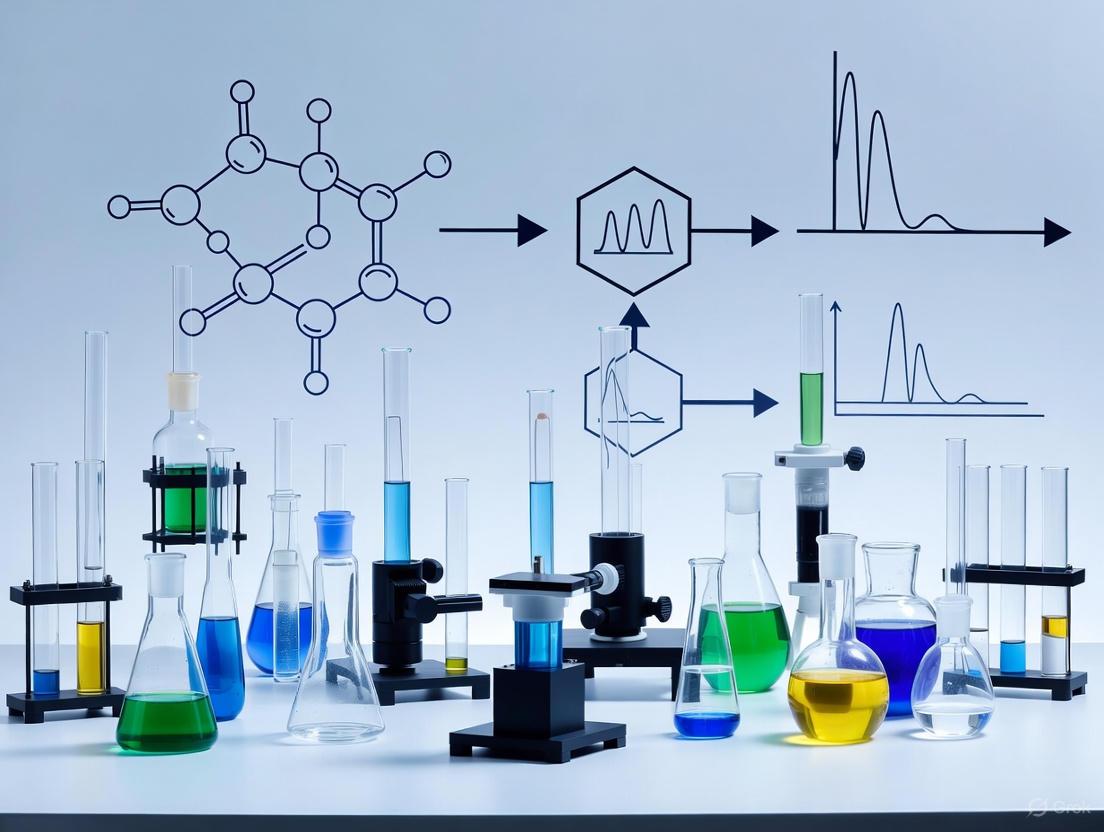
This article provides a comprehensive guide for researchers and drug development professionals on optimizing spectral resolution in diffraction grating systems.
Optimizing Spectral Resolution in Diffraction Grating Systems: Advanced Strategies for Biomedical Research and Drug Development
Abstract
This article provides a comprehensive guide for researchers and drug development professionals on optimizing spectral resolution in diffraction grating systems. It covers foundational principles of diffraction grating theory, explores advanced methodological approaches for high-resolution applications in spectroscopy and imaging, details troubleshooting and optimization techniques to overcome common pitfalls, and establishes rigorous validation and comparative analysis frameworks. By synthesizing the latest research and technological advancements, this resource aims to empower scientists to extract maximum performance from their optical systems for precise analytical measurements in biomedical research.
Mastering Diffraction Grating Fundamentals: Principles, Parameters, and Performance Limiters
This guide provides essential technical support for researchers working with diffraction grating systems. Diffraction gratings are foundational components in spectroscopic instruments, enabling the separation of light into its constituent wavelengths. Understanding the core grating equation and its direct impact on spectral resolution is critical for optimizing system performance in applications ranging from drug development to analytical chemistry. The following sections address frequently asked questions and troubleshooting guides to help you overcome common experimental challenges and achieve high-quality spectral data.
Core Principles and FAQs
What is the diffraction grating equation and how does it work?
The diffraction grating equation describes the fundamental relationship that determines how light is dispersed into different angles based on its wavelength.
Grating Equation: The basic formula is ( n\lambda = d(\sin i + \sin \theta_m) ) [1], where:
- ( n ) is the diffraction order (an integer: 0, ±1, ±2, ...)
- ( \lambda ) is the wavelength of the incident light
- ( d ) is the distance between adjacent grooves on the grating (grating spacing)
- ( i ) is the angle of incidence
- ( \theta_m ) is the angle of the diffracted light for order ( m )
Simplified Common Case: For the common configuration where light is incident perpendicular to the grating (normal incidence), the equation simplifies to ( n\lambda = d \sin \thetam ) [2]. This means that for a given order ( n ), different wavelengths ( \lambda ) are diffracted at different angles ( \thetam ), thereby separating white light into a spectrum.
How is spectral resolution defined and what determines it?
Spectral resolution (( R )) quantifies a grating's ability to distinguish two closely spaced wavelengths, ( \lambda ) and ( \lambda + \Delta\lambda ).
Definition: Resolution is defined as ( R = \frac{\lambda}{\Delta\lambda} ) [3], where ( \Delta\lambda ) is the smallest detectable wavelength difference. A higher ( R ) value indicates better resolution.
Theoretical Limit: The theoretical resolving power of a diffraction grating is given by ( R = nN ) [3] [1], where:
- ( n ) is the diffraction order used
- ( N ) is the total number of grooves on the grating that are illuminated by light
This means resolution can be improved by using higher diffraction orders or by illuminating more grooves (e.g., using a wider grating or a broader beam).
What is the physical explanation for the resolution formula ( R = nN )?
The Rayleigh criterion provides the physical basis for this formula. According to this criterion, two wavelengths are just resolved when the principal maximum of one diffraction pattern coincides with the first minimum of the other [3] [4].
The angular separation between a principal maximum and its first minimum is approximately ( 1/N ) times the separation between adjacent principal maxima. This relationship, when combined with the rate of change of angle with wavelength from the grating equation, leads directly to the conclusion that the smallest resolvable wavelength difference corresponds to ( R = nN ) [3] [4].
Troubleshooting Common Experimental Issues
Problem: Poor spectral resolution in measurements
Possible Causes and Solutions:
Insufficient Illuminated Grooves: The theoretical resolution is directly proportional to ( N ), the number of illuminated grooves [3] [1].
- Solution: Ensure the light beam fully illuminates the usable width of the grating. Avoid using apertures that unnecessarily clip the beam.
Using Too Low a Diffraction Order: Resolution is also proportional to the diffraction order ( n ) [3].
Grating Quality: Periodic errors in groove placement from the ruling process can create "ghost" lines and increase stray light, reducing effective resolution and signal-to-noise ratio [6] [1].
- Solution: For applications requiring very low stray light, consider using a holographic grating, which is produced via an interference pattern and is less prone to periodic errors and ghosts [1].
Problem: Low signal intensity or diffraction efficiency
Possible Causes and Solutions:
Non-Blazed Grating: The "blaze angle" of a ruled grating is designed to concentrate efficiency into a specific spectral region and diffraction order [1].
- Solution: Select a grating with a blaze wavelength appropriate for your target spectral range and intended order of use.
Polarization Sensitivity: Grating efficiency can be highly dependent on the polarization state of the incident light [1].
- Solution: Check the polarization of your light source. Orient the polarization vector perpendicular to the grooves for higher efficiency, as suggested by some manufacturer data [1]. Alternatively, consider polarization-independent grating designs.
Grating Type: For transmission phase gratings, a standard single-sided design may have limited efficiency.
- Solution: Recent research shows that a double-sided grating design, with parallel grooves on both sides of a transparent layer, can significantly enhance first-order diffraction efficiency across the entire visible spectrum without increasing the aspect ratio and fabrication difficulty [7].
Problem: Unwanted stray light or ghost lines in the spectrum
Possible Causes and Solutions:
Grating Ruling Errors: As analyzed by Yang and Chen, specific mechanical errors in the ruling machine are the primary cause.
- Worm Gear Error: This is a key reason for the appearance of ghost lines [6].
- Lead Screw Error and Random Grooving Error: These are the main reasons for general stray light [6].
- Solution: When procuring a ruled grating, inquire about the ruling engine's correction systems. For the highest requirements, use holographic gratings which inherently lack periodic errors [1].
Surface Contamination: Dust, fingerprints, or oils on the grating surface act as scattering centers [8].
- Solution: Handle gratings exclusively by the edges. Never touch the grooved surface. Use filtered air to remove dust. For cleaning, consult experts, as improper cleaning can permanently damage the delicate groove structure [8].
Experimental Protocols and Data Presentation
Methodology: Verifying Grating Resolution
This protocol allows you to experimentally verify the resolving power of your grating system using known spectral lines.
- Setup: Align your spectroscopic system according to the manufacturer's instructions. Ensure the light source is properly focused on the entrance slit.
- Calibration: Use a light source with known emission lines (e.g., a mercury-argon lamp) to calibrate the wavelength axis of your spectrometer.
- Measurement: Introduce a light source with closely spaced doublet lines. The standard benchmark is the sodium doublet at 589.00 nm and 589.59 nm [3].
- Data Collection: Record the spectrum around the doublet. Ensure the signal-to-noise ratio is high enough to clearly see the line shapes.
- Analysis: Apply the Rayleigh criterion. If the two peaks are distinguishable with a dip between them, the system resolution is at least ( \lambda/\Delta\lambda = 589.3/0.59 \approx 999 ) [3]. If the peaks are merged into a single broad peak, the resolution is insufficient.
Table 1: Standard Benchmark Spectral Doublets for Resolution Verification
| Spectral Doublet | Wavelengths (λ) | Wavelength Difference (Δλ) | Required Minimum Resolving Power (R=λ/Δλ) |
|---|---|---|---|
| Sodium D-lines [3] | 589.00 nm & 589.59 nm | 0.59 nm | ~1,000 |
| Hydrogen & Deuterium Red Lines [3] | 656.3 nm & 656.1 nm | 0.2 nm | ~3,280 |
Workflow: Diagnosing Spectral Resolution Issues
The following diagram outlines a logical workflow for diagnosing the root cause of poor spectral resolution in your experimental setup.
The Scientist's Toolkit: Key Reagents and Materials
Table 2: Essential Materials for Diffraction Grating Experiments
| Item | Function/Description | Key Considerations |
|---|---|---|
| Ruled Grating | A grating manufactured by physically engraving grooves with a ruling engine [1]. | Ideal for applications requiring a specific blaze angle to maximize efficiency in a target order and wavelength [1]. |
| Holographic Grating | A grating created using a laser-constructed interference pattern (photolithographic process) [1]. | Superior for achieving very low stray light and the absence of ghost lines, as they are not subject to periodic ruling errors [1]. |
| Blazed Grating | A type of ruled grating with a sawtooth profile that concentrates efficiency into a specific direction [1]. | Select a blaze angle/wavelength matched to your experiment. The Littrow configuration (i = θₘ) is often used as a standard for specification [1]. |
| Polydimethylsiloxane (PDMS) Polymer | A material used in soft-imprint lithography to replicate grating structures [7]. | Enables fabrication of double-sided phase gratings, which can enhance first-order diffraction efficiency without increasing aspect ratio [7]. |
| Aluminum (Al) Coating | Standard reflective coating for gratings used from UV to far IR [1]. | Resistant to oxidation. For enhanced UV/visible performance, can be overcoated with Magnesium Fluoride (MgF₂) [1]. |
| Gold (Au) Coating | A reflective coating for near-infrared (NIR) applications [1]. | Provides >96% reflectance in NIR but performance drops substantially below 600 nm. Not recommended for visible or UV use [1]. |
Advanced Optimization Notes
For researchers designing their own grating systems or pushing the limits of resolution:
- System vs. Grating Resolution: The actual resolution of an optical system depends on additional factors like focal length, slit size, optical quality, and alignment, and is often lower than the theoretical resolving power of the grating itself [1].
- Double-Sided Grating Fabrication: The process for creating high-efficiency double-sided phase gratings involves using a DVD as a master template, removing its metal layer, and performing soft-imprint lithography with PDMS to create a replica with parallel grooves on both sides [7]. The inter-grating film thickness is a key parameter that can be tuned to optimize diffraction efficiency [7].
- Grating Handling: Always handle gratings by their edges. Fingerprints, breath, or any contact with the grooved surface can cause permanent contamination and damage to the delicate groove structure, increasing scattered light [8]. Use filtered air to remove dust.
Diffraction gratings are fundamental optical components with a periodic structure that splits and diffracts light into several beams traveling in different directions [9]. Their performance is governed by the grating equation, ( m\lambda = d (\sin{\alpha} + \sin{\beta}) ), where ( m ) is the diffraction order, ( \lambda ) is the wavelength of light, ( d ) is the groove spacing, and ( \alpha ) and ( \beta ) are the angles of incident and diffracted light relative to the grating normal [10] [11]. Optimizing spectral resolution in spectroscopic systems—critical for applications in drug development and analytical research—requires a deep understanding of the different grating types and their configurations. This guide provides researchers with practical troubleshooting and methodologies for selecting and implementing transmission, reflection, blazed, and holographic gratings.
Grating Types and Characteristics
Comparison of Key Grating Types
The following table summarizes the core characteristics, advantages, and typical applications of the four main grating types.
| Grating Type | Core Mechanism | Key Advantages | Common Applications |
|---|---|---|---|
| Transmission [10] [11] | Light is diffracted while passing through a periodic structure on a transparent substrate. | Simpler alignment in some optical paths. | Spectrometers, laser tuning, pulse compression [11]. |
| Reflection [10] [11] | Light is diffracted while reflecting from a periodic surface structure. | Can be designed for very high efficiency. | Monochromators, spectrographs, high-resolution spectrometers [11]. |
| Blazed (Ruled) [10] [12] | Features a sawtooth-like groove profile to concentrate efficiency into a specific diffraction order. | Maximum efficiency at a designed "blaze wavelength" [10]. | Applications requiring high light throughput at a specific wavelength range. |
| Holographic [10] [13] [11] | Grooves are created via an optical interference pattern (holography), typically yielding a sinusoidal profile. | Very low stray light and scattered light due to minimal surface irregularities [13]. | Raman spectroscopy, sensitive analytical measurements where stray light is a concern [13]. |
Performance and Efficiency Optimization
Efficiency and Stray Light
- Blazed Gratings: A blazed grating is engineered to direct a maximum of optical power into a specific diffraction order (other than the zeroth order) by using a sawtooth facet geometry [10] [12]. Its performance peaks at a specific blaze wavelength and blaze angle. The Littrow configuration (( \alpha = \beta )) is often used to achieve the highest grating efficiency for a given wavelength [10] [11] [12].
- Ruled vs. Holographic Scatter: Traditional ruled gratings can suffer from periodic errors and stray light (ghosting) due to imperfections in the mechanical ruling process. Holographic gratings, created by exposing a photoresist to an interference pattern, exhibit significantly lower stray light, making them superior for sensitive measurements like Raman spectroscopy [10] [13].
Groove Profile and Fabrication
| Characteristic | Ruled Gratings | Holographic Gratings |
|---|---|---|
| Typical Groove Profile | Triangular or trapezoidal [13] [11] | Sinusoidal (unless modified post-exposure) [13] [11] |
| Master Fabrication | Mechanical ruling with a diamond stylus (slow, sequential) [13] [12] | Holographic exposure (fast, simultaneous groove formation) [13] [12] |
| Key Strengths | Easier to blaze for high peak efficiency [13] | Lower stray light, ability to create curved grooves for aberration correction [13] |
Troubleshooting Common Experimental Issues
Low Signal-to-Noise Ratio or Poor Throughput
- Problem: The spectral signal is weak, leading to poor data quality.
- Solution:
- Verify Grating Efficiency: Check the grating's efficiency curve for your operating wavelength range. If you are working far from the grating's blaze wavelength, efficiency will drop significantly. Consider switching to a grating with a blaze wavelength centered in your range of interest [10] [11].
- Check Optical Alignment (Littrow): For reflective gratings, ensure your setup is as close as possible to the Littrow configuration, where the incident and diffracted angles are equal. This configuration typically yields the highest diffraction efficiency [10] [12].
- Investigate Stray Light: If noise is the issue, particularly with a ruled grating, a holographic grating may reduce stray light and improve the signal-to-noise ratio [13].
Poor Spectral Resolution
- Problem: Inability to resolve closely spaced spectral lines.
- Solution:
- Confirm Grating Resolving Power: The theoretical resolving power ( R ) of a grating is given by ( R = \frac{\lambda}{\Delta\lambda} = mN ), where ( m ) is the diffraction order and ( N ) is the total number of grooves under illumination [11]. Use a grating with a higher groove density or work in a higher diffraction order to increase ( R ).
- Illuminate the Grating Fully: Ensure the incident light beam completely underfills the grating aperture to utilize the maximum number of grooves (( N )). Overfilling the grating can cause stray light, while underfilling reduces the effective ( N ) and resolution [11].
- Consider an Echelle Grating: For very high-resolution applications, use an Echelle grating. It operates at high angles and high diffraction orders, providing superior dispersion and resolving power [10] [11] [12].
Ghosting or Aberrations in the Spectrum
- Problem: The acquired spectrum contains false lines or distorted images.
- Solution:
- Identify Ghosting Sources: Periodic errors in ruled gratings can cause "ghost" lines. Replacing a ruled grating with a holographic one often eliminates this issue [10] [13].
- Address Imaging Aberrations: In spectrometer designs, straight grooves on a flat grating can lead to aberrations. For systems requiring a flat focal plane (e.g., with a detector array), consider using a holographic grating with curved grooves, which can be designed to correct for aberrations directly [13].
Experimental Protocols for Grating Characterization
Protocol 1: Measuring Diffraction Efficiency
Objective: To experimentally determine the diffraction efficiency of a grating as a function of wavelength and compare it to the manufacturer's data.
- Setup: Configure a stable, collimated broadband light source (e.g., a tungsten-halogen lamp). Place the grating on a high-precision rotation stage. Use a monochromator coupled with a calibrated photodetector at the output, or use a tunable laser source with a power meter.
- Alignment: Align the system without the grating to establish a baseline. Insert the grating and set the angle of incidence (( \alpha )).
- Data Collection:
- For a reflective grating, rotate the detector to the angle of the desired diffraction order (( \beta )) for a specific wavelength.
- Measure the optical power, ( P{m}(\lambda) ), in the diffraction order.
- Replace the grating with a high-quality, calibrated mirror. Measure the reflected power, ( P{ref}(\lambda) ), at the same angle.
- Calculation: The diffraction efficiency for that order and wavelength is ( \etam(\lambda) = \frac{P{m}(\lambda)}{P_{ref}(\lambda)} \times 100\% ). Repeat this process across the entire wavelength range of interest.
Protocol 2: Verifying Spectral Resolution
Objective: To determine the practical spectral resolution of a grating-based spectrometer system.
- Setup: Use a narrow-linewidth light source, such as a single-mode laser or a spectral lamp with known, sharp emission lines (e.g., a mercury-argon lamp).
- Acquisition: Introduce the light source into the spectrometer. Acquire the spectrum of the sharp emission line.
- Analysis: Measure the Full Width at Half Maximum (FWHM) of the spectral line peak. This width, ( \Delta \lambda ), is the instrumental resolution at that wavelength. Verify that it meets the requirements of your application.
Essential Research Reagent Solutions
The table below lists key components for building and optimizing diffraction grating systems.
| Item | Function / Explanation |
|---|---|
| Blazed Reflection Grating | Provides high-efficiency wavelength dispersion for a targeted range; the workhorse for high-throughput spectrometry [10] [11]. |
| Holographic Grating | Critical for experiments where minimal stray light is paramount (e.g., Raman spectroscopy, weak signal detection) [13]. |
| Echelle Grating | Enables ultra-high spectral resolution by operating in high diffraction orders, often used in advanced analytical instruments [10] [11]. |
| Precision Rotation Stages | Allows for accurate setting of the incident (( \alpha )) and diffracted (( \beta )) angles, which is essential for alignment and wavelength selection [11]. |
| Calibrated Photodetector / Spectrometer | The measurement device for quantifying optical power or recording spectra; calibration ensures accurate efficiency and resolution measurements. |
System Configuration and Workflow Diagrams
Diffraction Grating Operational Workflow
Grating Equation and Order Relationships
Frequently Asked Questions (FAQs)
Q1: When should I choose a ruled blazed grating over a holographic grating? A: Choose a ruled blazed grating when your experiment operates in a well-defined wavelength band and your primary concern is maximizing signal throughput (efficiency). Choose a holographic grating when your application is sensitive to stray light (e.g., Raman spectroscopy) or requires specialized aberration correction [13].
Q2: What is the "blaze wavelength," and how critical is it for my experiment? A: The blaze wavelength is the specific wavelength for which the grating efficiency is maximized in a given diffraction order (typically the first order). It is critically important. Operating significantly away from this wavelength will result in substantially reduced signal intensity. Always select a grating whose blaze wavelength is near the center of your spectral range of interest [10] [11].
Q3: Why is the Littrow configuration so frequently mentioned? A: The Littrow configuration (where the incident and diffracted beams are co-linear) is a special case that often provides the highest possible diffraction efficiency for a reflection grating. It is commonly used in monochromators and for wavelength selection in tunable lasers [10] [12].
Q4: My spectrometer's resolution is worse than calculated from the grating's resolving power. Why? A: The theoretical resolving power ( R = mN ) is an upper limit. In practice, resolution is often limited by other factors, including the entrance and exit slit widths of the spectrometer, optical aberrations in the system, and misalignment. Ensure your slits are correctly sized and the optical components are properly aligned [11].
This guide provides technical support for researchers optimizing diffraction grating systems to achieve high spectral resolution, a cornerstone of accurate spectrometry in fields from drug development to analytical science.
Spectral resolution quantifies a spectrometer's ability to distinguish two close spectral lines. In diffraction grating systems, this capability is governed by fundamental grating parameters that control dispersion and optical efficiency. The grating equation itself, ( n'\sin\thetam - n\sin\thetai = -m\lambda/d \ ), forms the mathematical foundation, defining the relationship between light's wavelength (λ), the grating's groove spacing (d), and the angles of incidence (α or θi) and diffraction (βm or θm) [14] [15]. Maximizing resolution requires precise optimization of the critical parameters detailed in this guide.
Critical Parameters and Their Quantitative Effects
The following parameters directly determine the theoretical and practical resolution limits of your grating system.
Groove Density (G) and Groove Spacing (dG)
Groove density (G), often expressed in grooves per millimeter, is the reciprocal of groove spacing (dG). This is arguably the most direct parameter affecting the system's angular dispersion (D), which is the rate of change of the diffracted angle with respect to wavelength [14].
- Relationship: ( D = \frac{d\beta}{d\lambda} = \frac{m}{dG \cos \betam} = \frac{m G}{\cos \beta_m} ) [14]
- Impact on Resolution: Higher groove density (smaller dG) leads to greater angular dispersion. This means different wavelengths are physically separated by a larger angle, making it easier for the optical system to resolve them. In a spectrometer, this high dispersion translates to a smaller reciprocal linear dispersion (P) value (often in nm/mm), meaning each millimeter on the detector corresponds to a narrower wavelength range, thus improving resolution [14].
Blaze Angle and Wavelength
The blaze angle is a controlled shaping of the grating groove profile (e.g., a sawtooth pattern) designed to maximize the diffraction efficiency into a specific order for a target wavelength range [14] [16]. This is critical for achieving high signal-to-noise ratio.
- Function: A blazed grating directs a majority of the incident light energy into a single diffraction order (e.g., the first order, m=1) rather than distributing it across many orders [16].
- Performance: The "blaze wavelength" is the wavelength for which the grating is most efficient. Properly blazed gratings can achieve diffraction efficiencies exceeding 70% and, in optimized designs, can approach 98% [16] [17]. This high efficiency is essential for detecting weak spectral signals.
Pitch Deviation and Ruling Streaks
Pitch deviation refers to any non-uniformity or error in the periodic spacing of the grating grooves. These deviations act as a primary source of scattered light, which raises the background noise level and reduces the signal-to-noise ratio (SNR) of the system [8].
- Sources: Deviations can arise from imperfections in the ruling engine during master grating fabrication or from replication errors [8] [16].
- Impact: While minor cosmetic defects or isolated "ruling streaks" may not significantly reduce overall efficiency, they increase scattered light. This scattered light degrades resolution by obscuring weak spectral features and reducing the contrast between adjacent peaks [8].
Table 1: Summary of Key Grating Parameters and Their Impact on Resolution
| Parameter | Definition | Direct Effect on Performance | Quantitative Relationship |
|---|---|---|---|
| Groove Density (G) | Number of grooves per unit length (e.g., gr/mm) [14] | Determines Angular Dispersion (D). Higher density provides greater wavelength separation [14]. | ( D = \frac{m G}{\cos \beta_m} ) [14] |
| Blaze Angle | Facet angle optimized for specific wavelength [16] | Maximizes Diffraction Efficiency into a desired order, boosting signal strength [16]. | Efficiency >70%, up to ~98% possible at blaze wavelength [16] [17]. |
| Pitch Deviation | Irregularities in groove spacing [8] [16] | Increases Scattered Light, reducing signal-to-noise ratio and effective resolution [8]. | - |
Troubleshooting Guide: Common Experimental Issues
This section addresses specific problems researchers may encounter during system setup and operation.
Problem 1: Lower-than-Expected Resolution in Measurements
- Possible Cause 1: The entrance and exit slits of your monochromator are too wide.
- Solution: Reduce the slit width. The spectral bandpass is the product of the reciprocal linear dispersion (P) and the slit width. Narrower slits directly improve resolution, though at the cost of signal intensity [14].
- Possible Cause 2: The grating has significant pitch deviations or surface contamination, leading to high scattered light.
- Solution: Inspect the grating surface for visible defects or contamination. Ensure proper handling and cleaning protocols are followed (see below). If possible, try a different grating with known high quality [8].
- Possible Cause 3: The optical system is misaligned or suffers from aberrations.
- Solution: Verify the alignment of the grating, mirrors, and slits according to your spectrometer's manufacturer manual. Ensure the grating is illuminated correctly [14].
Problem 2: Poor Signal-to-Noise Ratio or Low Signal Intensity
- Possible Cause 1: The grating's blaze wavelength is not optimized for your spectral range of interest.
- Solution: Select a grating with a blaze wavelength near the center of your target spectral range to maximize efficiency [16].
- Possible Cause 2: The grating surface is contaminated with dust, oils, or other residues.
- Solution: Clean the grating carefully using approved methods. Start by removing dust with filtered, dry air. For fingerprints or oils, consult cleaning guidelines (see FAQs) [8].
- Possible Cause 3: Using a holographic grating where a ruled grating (or vice-versa) is more appropriate.
- Solution: Understand the trade-offs. Ruled gratings generally offer higher peak efficiency (if blazed correctly), while holographic gratings typically exhibit lower scattered light [14].
Problem 3: Unwanted Spectral Orders Overlapping with Data
- Possible Cause: Higher diffraction orders (e.g., m=2) for shorter wavelengths are diffracted at the same angle as the first order (m=1) for longer wavelengths [14] [15].
- Solution: Use an appropriate order-sorting filter (a long-pass or band-pass filter) in the light path to block the shorter, overlapping wavelengths from higher orders [14].
Frequently Asked Questions (FAQs)
Q1: How do I safely handle and clean a diffraction grating to avoid permanent damage? A1: Diffraction gratings are delicate first-surface optics. Always handle them by the edges, preferably with powder-free gloves. Never touch the grooved surface, as contact will permanently damage the soft epoxy layer that holds the groove profile. To remove dust, use filtered, dry air only. For fingerprints or oils, extreme care is needed; one may try a gentle rinse with spectroscopic-grade solvents, but scrubbing should be absolutely avoided as it will destroy the grooves. In many cases, professional cleaning is recommended [8].
Q2: We observe visible scratches or "ruling streaks" on our grating. Does this mean it is ruined? A2: Not necessarily. Many surface defects are cosmetic and do not adversely affect the grating's core optical performance. The most appropriate test is not a visual inspection but to use the grating in your system and determine if it still meets spectral resolution and efficiency specifications. However, damage that increases scattered light can degrade the signal-to-noise ratio for weak signals [8].
Q3: What are the practical differences between a ruled grating and a holographic grating? A3: The choice involves a trade-off between efficiency and scattered light.
- Ruled Gratings: Fabricated by a mechanical ruling engine. They can be blazed for very high efficiency in a specific order and wavelength range. They are often the choice for applications requiring high resolution and high light throughput [14].
- Holographic Gratings: Created using a sinusoidal interference pattern. They typically exhibit lower scattered light (and thus lower background noise) and are better at minimizing aberrations in some optical designs. They can have high efficiency for a single plane of polarization [14].
Q4: Are there modern or advanced grating designs that can enhance performance? A4: Yes, research in grating technology is very active.
- Echelle Gratings: A type of ruled grating that is coarse but used in high orders at high blaze angles. They provide very high dispersion and resolution in a compact system, though they require another optic (like a prism) to separate overlapping orders [14].
- Dielectric Metagratings: Use nanostructured materials to achieve exceptionally high efficiency and novel functions, such as maintaining performance across different environmental media (e.g., air vs. water) [17].
- Double-Sided Gratings: Recent research demonstrates that placing parallel grating structures on both sides of a transparent polymer film can enhance first-order diffraction efficiency without increasing the challenging aspect ratio of single-sided gratings [7].
Experimental Protocols and Workflows
Protocol 1: Procedure for Verifying Grating Efficiency
Objective: To measure the diffraction efficiency of a grating as a function of wavelength.
- Setup: Arrange a tunable laser or monochromatic light source, the test grating mounted on a precision rotation stage, and a calibrated photodetector.
- Alignment: Align the system at zero order (specular reflection for a reflection grating) to establish the reference angle.
- Measurement: For a desired wavelength (λ) and diffraction order (m), rotate the grating to the correct incidence angle (α) and position the detector at the corresponding diffraction angle (βm) as calculated by the grating equation.
- Data Collection: Measure the optical power (P_m) in the diffracted order.
- Reference Measurement: Replace the grating with a calibrated reference mirror and measure the incident power (P_i) under the same conditions.
- Calculation: Compute the absolute diffraction efficiency: ( \eta(\lambda) = Pm / Pi ).
- Analysis: Repeat steps 3-6 across the desired wavelength spectrum to build an efficiency curve and identify the blaze wavelength.
Protocol 2: Systematic Approach to Optimizing Spectrometer Resolution
The following workflow outlines the logical process for diagnosing and improving resolution in a grating-based spectrometer.
The Scientist's Toolkit: Essential Research Reagents & Materials
Table 2: Key Materials and Solutions for Grating Fabrication and Experimentation
| Item / Material | Function / Role in Experimentation |
|---|---|
| Polydimethylsiloxane (PDMS) Polymer | A transparent elastomer used in soft-imprint lithography to replicate micro/nanostructures from a master grating, enabling inexpensive fabrication of phase gratings [7]. |
| Master Template (e.g., DVD) | A commercially available source of uniform, sub-micron periodic structures used as a master for replicating gratings in research settings [7]. |
| Spectroscopic-Grade Solvents | High-purity solvents used for cleaning optical surfaces like diffraction gratings without leaving residual contaminants that could contribute to scattered light [8]. |
| Particle Swarm Optimization (PSO) | A metaheuristic optimization algorithm used in computational design to discover complex grating structures (e.g., metagratings) with desired properties, such as constant diffraction angle across different media [17]. |
| Rigorous Coupled Wave Analysis (RCWA) | A computational electromagnetic method used to simulate and characterize the diffraction efficiency and performance of periodic grating structures before fabrication [7]. |
FAQs on Groove Pattern Imperfections
What are groove pattern imperfections in diffraction gratings? Groove pattern imperfections refer to deviations from a perfect periodic structure on a diffraction grating, primarily non-equidistance (variations in the spacing between grooves) and non-parallelism (grooves that are not perfectly parallel to each other) [18]. For ruled gratings, these defects are introduced by the mechanical ruling process and can include periodic errors and spacing errors [19]. For holographic gratings, imperfections are predominantly determined by the quality of the wavefronts from the lasers used to create the master grating's interference pattern [18].
How do these imperfections impact my spectral data? The primary consequence is the introduction of phase errors in the wavefront of the light reflected from the grating [18]. This leads to:
- Space-time coupling: The wavefront distortion becomes dependent on the light's wavelength, causing a coupling between spatial and temporal properties of a laser pulse [18].
- Reduced focal intensity: In high-power laser systems like compressors, these imperfections directly degrade the intensity of the focused laser pulse [18].
- Stray light and ghosting: Particularly in ruled gratings, periodic errors can scatter light, creating false spectral lines (ghosts) and raising the background noise level [19].
Can these errors be corrected or compensated for in my optical system? In some complex systems, it is possible to partially compensate for the effects. Research has shown that in a four-grating compressor, the focal intensity can be maximized by rotating individual gratings or interchanging their positions, as the imperfections do not additively affect the output [18]. However, the most effective strategy is prevention through the selection of an appropriate grating type and careful handling.
Are some types of gratings less susceptible to these imperfections? Yes. Holographic gratings are manufactured using an optical interference technique, which inherently produces a very regular groove structure. They exhibit significantly lower stray light and are free from ghosting effects compared to ruled gratings [19] [12]. The quality requirements for the optics used to write a holographic master grating are exceptionally high, as any imperfection in the writing process will be transferred to the final grating [18].
Troubleshooting Guide
Symptom: Unexpectedly Low Signal-to-Noise Ratio or Ghost Lines in Spectrum
| Potential Cause | Diagnostic Steps | Recommended Solutions |
|---|---|---|
| High stray light from ruled grating imperfections | Inspect grating specifications; compare background noise levels with a holographic grating. | Replace ruled grating with a holographic grating for lower stray light [19]. |
| Contamination on grating surface | Visually inspect (without touching) for fingerprints, dust, or deposits [8]. | Clean grating using approved methods: use filtered air for dust or consult the manufacturer for cleaning with pure solvents. Avoid any scrubbing [8]. |
| Groove damage from improper handling | Inspect under good lighting for visible scratches or marks on the active surface. | Handle gratings only by the edges and use powder-free gloves. If damaged, contact the manufacturer for inspection or replacement [8]. |
Symptom: Reduced Resolution or Broadening of Spectral Lines
| Potential Cause | Diagnostic Steps | Recommended Solutions |
|---|---|---|
| Groove non-equidistance or non-parallelism | This is difficult to diagnose directly. Use a known, highly monochromatic source and check for line width and shape deviations from expected. | Ensure the grating is specified for the required resolution. Verify that the grating is mounted and aligned correctly according to the manufacturer's instructions. |
| Insufficient illumination of grating lines | Check if the incident light beam is underfilling the grating. A smaller than designed illuminated area reduces the resolving power [20]. | Adjust the beam to fully illuminate the intended width of the grating to maximize the number of grooves (N) involved in dispersion [20]. |
Experimental Protocols for Diagnostics
Protocol: Quantifying Stray Light and Ghosting
Objective: To compare the level of stray light and identify ghost lines from different grating types. Materials: Broadband light source (e.g., tungsten-halogen), monochromator or narrowband filter, grating under test, detector (e.g., CCD or photodiode), optical bench. Methodology:
- Set up the light source to illuminate the grating via the monochromator set to a specific wavelength (λ₀).
- Place the detector to capture the diffracted spectrum.
- Measure the intensity at the primary wavelength (λ₀).
- Systematically measure the intensity at wavelengths away from λ₀, where no diffraction orders are expected, to quantify stray light.
- Scan the detector to look for any sharp, low-intensity lines (ghosts) near the primary line.
- Repeat the experiment with a holographic grating of similar groove density as a control.
Expected Outcome: A ruled grating will typically show a stray light level up to 10 times higher than a holographic grating and may exhibit clear ghost lines due to periodic errors in its groove pattern [19].
Protocol: Verifying Grating Alignment and Focusing
Objective: To ensure that a concave grating is properly focused on the detector plane, minimizing aberrations. Materials: Concave grating, broadband light source, entrance slit, detector array (e.g., CCD). Methodology:
- Align the optical system according to the grating's specification (e.g., positioning the entrance slit and detector on the Rowland circle for a Rowland-type grating).
- For an aberration-corrected (flat-field) concave grating, verify that the entire spectral range from the entrance slit is sharply focused onto the flat plane of the detector array [19].
- If the image is astigmatic or blurred, carefully adjust the alignment and focusing of the components.
Expected Outcome: A correctly aligned aberration-corrected concave grating will project a sharp, in-focus spectrum across the entire flat field of the detector, which is ideal for use with array detectors [19].
System Optimization and Workflow
The following workflow outlines a systematic approach to diagnosing and resolving issues related to groove imperfections and other common grating problems.
Research Reagent Solutions: Essential Materials
The following table details key components used in the setup and maintenance of diffraction grating-based systems.
| Item | Function / Rationale |
|---|---|
| Holographic Reflection Grating | A primary dispersive element with inherently low groove pattern imperfections, leading to reduced stray light and the absence of ghosting, crucial for high-precision spectrometry [19] [12]. |
| Aberration-Corrected Concave Grating | Functions as both the dispersive and focusing element in a spectrometer, reducing the number of optical components, increasing throughput, and providing a flat-field image for array detectors [19]. |
| Blazed Grating (Ruled or Holographic) | A grating with a sawtooth groove profile optimized to direct a maximum of optical power (high efficiency) into a specific diffraction order for a designed "blaze wavelength" [19] [10]. |
| Pulse Compression Grating | A specialized, high-damage-threshold grating (often with a sinusoidal profile) used in high-power laser systems for chirped pulse amplification, capable of withstanding intense laser pulses [19]. |
| Powder-Free Gloves | Essential for handling gratings to prevent permanent contamination of the delicate groove surface with finger oils, which can scatter light and reduce performance [8]. |
| Spectroscopic-Grade Solvents | High-purity solvents used, with extreme care and per manufacturer guidance, in an attempt to remove contaminants from a grating surface without damaging the groove structure [8]. |
Frequently Asked Questions (FAQs)
1. What are the key advantages of using a double-layer binary grating over a conventional blazed grating for broadband applications?
Conventional blazed gratings exhibit high efficiency only at a specific "blazed wavelength," leading to uneven and low average efficiency across a wide spectral range. This non-uniformity adversely affects the dynamic range and signal-to-noise ratio (SNR) of spectrometers. Double-layer binary gratings address this by using two layers of material with different dispersion properties. The design, achieved through rigorous finite element method (FEM) optimization, improves the consistency of phase delay across different wavelengths. This results in high, uniform efficiency exceeding 60% over a broad band from 0.4 µm to 1.0 µm, solving the problems of low efficiency and non-uniformity inherent in conventional gratings [21].
2. How can I design a grating to be insensitive to the polarization state of incident light?
Polarization sensitivity is a common challenge. Two effective design strategies are:
- Two-Dimensional (2D) Gratings: Designing a grating that is periodic in two directions (e.g., with conical frustum-shaped arrays) creates a symmetrical unit cell. This symmetry ensures that the grating interacts similarly with transverse electric (TE) and transverse magnetic (TM) polarized light, leading to minimal polarization-dependent loss. Designs have achieved a Degree of Polarization (DOP) below 0.5% and polarization sensitivity better than 2.5% [21] [22].
- Material Selection: Using material combinations with a small refractive index difference at the interface can also reduce the difference in response to various polarization states [21].
3. My application requires a very high groove density (>10,000 lines/mm). What fabrication methods are available?
Standard lithography techniques reach their limits at these dimensions. Advanced, maskless methods have been developed for ultra-high-line-density gratings:
- Vacancy Epitaxy: This is a bottom-up, self-assembly approach where a crystalline substrate (like GaAs) is irradiated with low-energy ions at elevated temperatures. The resulting surface vacancies self-organize into extremely regular, sawtooth nanograting structures. This method can achieve groove densities of around 20,000 lines/mm (period of ~50 nm) on a wafer scale [23].
- Application Note: These nanostructures are often too fine to function efficiently alone in EUV/soft X-ray regimes and are typically coated with a multilayer stack (e.g., Mo/Si or Cr/C) to enhance diffraction efficiency via Bragg reflection [23].
4. What metrology techniques can I use to characterize nanoscale gratings with sub-nanometer accuracy?
As grating features shrink, characterizing their critical dimensions (CD) becomes challenging. A powerful hybrid metrology approach combines:
- Soft X-ray Scatterometry: This technique uses short-wavelength radiation to measure the diffraction efficiencies from the grating. The data is used to reconstruct the grating's dimensions by solving an inverse problem, typically using rigorous simulation methods like FEM or Rigorous Coupled Wave Analysis (RCWA) [24].
- Soft X-ray Fluorescence (XRF): This technique measures the characteristic X-ray emission stimulated by the incident soft X-rays. The fluorescence signal provides complementary information about the spatial distribution of materials within the grating structure [24].
- Hybrid Approach: Using both scattering and fluorescence data in a combined regression analysis helps resolve ambiguities that arise from using either method alone, leading to a more accurate dimensional reconstruction with sub-nanometer uncertainty [24].
Troubleshooting Guides
Issue 1: Low and Non-Uniform Diffraction Efficiency Across Target Bandwidth
Problem: Your spectrometer's signal-to-noise ratio (SNR) is poor because the grating efficiency drops significantly at the edges of your operational bandwidth.
Solution: Implement a high-degree-of-freedom double-layer binary grating.
- Design Protocol:
- Material Selection: On an Abbe diagram, select "Material II" whose nd (refractive index) and νd (Abbe number) are close to the narrow red corridor of "Material I." This selection helps satisfy the "efficiency achromatization" condition for broadband performance [21].
- Structural Optimization: Use Finite Element Method (FEM) software to optimize the groove shapes (e.g., rectangular, trapezoidal) within the two material layers. The goal is to tailor the phase profile for consistent performance across the band.
- Efficiency Compensation: Actively design the grating's efficiency curve to compensate for known non-uniformities, such as detector response or light source spectra. This can improve the system's spectral dynamic range by a factor of 3 or more [21].
Table 1: Performance Comparison of Conventional vs. Advanced Grating Designs
| Grating Type | Average Efficiency (0.4-1.0 µm) | Polarization Sensitivity | Key Advantage |
|---|---|---|---|
| Conventional Blazed Grating | Low and uneven | High | High efficiency at one wavelength |
| Double-Layer Binary Grating | > 60% (up to 77.2% polychromatic) [21] | < 0.5% DOP [21] | Broadband uniformity |
| 2D Reflective Grating (Conical Frustum) | > 95% (1.59-1.62 µm) [22] | < 2.6% [22] | High efficiency & polarization insensitivity |
Issue 2: High Polarization Sensitivity Degrading Measurement Accuracy
Problem: Your spectral measurements are inconsistent because the grating's efficiency varies with the polarization state of the input light.
Solution: Shift from a 1D to a 2D grating design with a symmetric unit cell.
- Design Protocol:
- Choose a 2D Lattice: Design a grating that is periodic in both the x and y directions.
- Select a Symmetric Element: Use a rotationally symmetric unit cell shape, such as a conical frustum (a truncated cone). This ensures identical optical behavior for different polarizations [22].
- Material Stack: For a reflective grating, a robust stack can include:
- A base reflector (e.g., 300 nm Ag).
- A low-index spacer (e.g., 300 nm SiO₂).
- The 2D patterning in a high-index material (e.g., 100 nm TiO₂ on 500 nm Si) [22].
- Fabrication: Employ metal/oxide evaporation and electron beam lithography to realize the conical frustum-shaped arrays [22].
Table 2: Essential Materials for a High-Performance 2D Reflective Grating
| Material / Component | Function in the Grating System | Example Application |
|---|---|---|
| Silver (Ag) Reflector | Provides a high-reflectivity base layer for the resonant structure. | Reflective backing in a 2D conical frustum grating [22]. |
| Silicon (Si) | Acts as a high-index material layer to form part of the 2D resonant element. | Layer in a 2D conical frustum grating for efficiency >95% [22]. |
| Titanium Dioxide (TiO₂) | Used as a high-index material for patterning the 2D nanostructures. | Capping layer in a conical frustum array for polarization insensitivity [22]. |
| Aluminum (Al) Grid | A subwavelength metasurface that introduces polarization sensitivity. | Integrated with graphene in a stack to create a biomimetic polarization detector [25]. |
Issue 3: Fabrication and Metrology Challenges for Nanoscale Features
Problem: It is difficult to fabricate grating structures with high aspect ratios, and it is even harder to measure their critical dimensions accurately after fabrication.
Solution: Adopt shaped grooves to reduce aspect ratios and use hybrid metrology for verification.
Fabrication Improvement:
- Replace rectangular binary grooves with trapezoidal grooves. This simple shape change can reduce the minimum aspect ratio of the grating groove by a factor of 7.5 to 9.5, significantly easing fabrication constraints and improving manufacturability [21].
Metrology Protocol (Hybrid Soft X-ray Method):
- Sample Preparation: Mount the nanoscale grating (e.g., a 100 nm pitch Si₃N₄ grating on a Si substrate) in a soft X-ray measurement chamber [24].
- Data Acquisition:
- Scatterometry: Perform an angular scan of the sample using a soft X-ray beam. Record the diffraction efficiency of all available orders using a CCD detector.
- Fluorescence Analysis: Simultaneously, use a Silicon Drift Detector (SDD) to collect the characteristic XRF radiation emitted by the sample elements (e.g., N from Si₃N₄) [24].
- Dimensional Reconstruction:
- Use a rigorous simulation method (like FEM) to model both the scattering and fluorescence signals.
- Perform a combined regression analysis, fitting the model to both datasets simultaneously. This hybrid approach resolves ambiguities and yields a dimensional reconstruction with sub-nanometer uncertainty [24].
Advanced Methodologies and System Integration for High-Resolution Biomedical Applications
Frequently Asked Questions (FAQs) on Spectral Resolution Optimization
FAQ 1: What are the fundamental parameters that determine the resolution of a diffraction grating system?
The spectral resolution of a diffraction grating system is determined by several interdependent parameters. The resolving power (R) is a key metric, defined as R = λ/Δλ, where λ is the wavelength and Δλ is the smallest resolvable wavelength difference [26]. This resolving power is directly proportional to the diffraction order (m) and the total number of grating grooves under illumination (N) [26]. The grating equation itself, mλ = d(sinα + sinβ), governs the relationship between wavelength, grating spacing (d), and the angles of incidence (α) and diffraction (β) [26] [2]. The table below summarizes these core parameters and their roles.
Table 1: Fundamental Parameters Affecting Grating Resolution
| Parameter | Symbol | Role in Resolution | Governing Equation/Relationship |
|---|---|---|---|
| Resolving Power | R | Defines the smallest resolvable wavelength difference (Δλ). | R = λ/Δλ = mN [26] |
| Diffraction Order | m | Higher orders increase dispersion and resolving power. | mλ = d(sinα + sinβ) [26] [2] |
| Number of Illuminated Grooves | N | More illuminated grooves yield higher resolution. | R = mN [26] |
| Grating Spacing | d | Finer grooves (higher density) increase angular dispersion. | mλ = d(sinα + sinβ) [26] [2] |
| Free Spectral Range | Fλ | The wavelength range in one order without overlap from adjacent orders. | Fλ = λ / m [27] |
FAQ 2: How do slit width and optical alignment impact the measured resolution and signal?
Slit configuration is critical as it controls the bandpass of the light entering the system. If the entrance and exit slits are too wide, they become the limiting factor for the system's spectral resolution, even if the grating itself has high resolving power [26]. A broad source bandpass can cause sharp efficiency peaks to appear flattened and broadened, reducing the measured efficiency by several percent [27]. Furthermore, the grating must be aligned to underfill the grating surface; the grating should be larger than the incident light beam to prevent stray light from the edges from bouncing around the system and creating false signals [26]. Misalignment can also cause the diffracted beam to miss the detector entirely, leading to signal loss [27].
FAQ 3: What is the Littrow configuration and why is it important for resolution and efficiency?
The Littrow configuration is a specific optical arrangement where the angle of incidence (α) and the diffracted angle (β) are equal for a particular wavelength and order [10]. In this configuration, the diffraction formula simplifies to mλ = 2d sinα. This setup is crucial because it is the geometry where the grating efficiency is highest [10]. For a blazed grating, the Littrow angle is equal to the blaze angle at the design wavelength, concentrating maximum optical power into the desired diffraction order and thus enhancing the signal-to-noise ratio for that wavelength [10].
FAQ 4: How can I minimize stray light and overlapping diffraction orders in my spectrometer?
Two common issues are addressed as follows:
- Overlapping Orders: Diffracted light from different orders (e.g., first order at wavelength λ and second order at λ/2) can exit at the same angle [27]. This is prevented by using order-sorting filters, which are high-pass optical filters that transmit longer wavelengths while blocking shorter, overlapping ones [27].
- Stray Light: This can be caused by overfilling the grating, optical misalignment, or imperfections in the grating itself [26] [27]. Using holographic gratings instead of ruled gratings can significantly reduce stray light and periodic errors like ghosting [10]. Ensuring all optical components are clean and properly aligned also minimizes stray light.
FAQ 5: What are the key differences between ruled, holographic, and blazed gratings for high-resolution applications?
The choice of grating type involves a trade-off between efficiency, stray light, and spectral range.
Table 2: Comparison of Diffraction Grating Types for High-Resolution Applications
| Grating Type | Key Features | Best For | Limitations |
|---|---|---|---|
| Blazed (Ruled) | Sawtooth groove profile; superior efficiency at a specific "blaze" wavelength and order [10]. | Applications requiring maximum light throughput at a specific wavelength range (e.g., laser tuning) [10]. | Higher stray light and periodic errors (ghosting) compared to holographic gratings [10]. |
| Holographic | Sinusoidal groove profile; created via laser interference; reduced stray light and ghosts [10]. | Sensitive analytical measurements where low stray light is critical (e.g., Raman spectroscopy) [10]. | Generally lower peak efficiency compared to a perfectly blazed grating [10]. |
| Echelle | A type of blazed grating with a high blaze angle and low groove density for use in high orders (m>>1) [26] [10]. | Achieving the highest possible resolving power and dispersion [26]. | Very small free spectral range (Fλ); requires a second dispersive element (cross-disperser) to separate orders [10]. |
Troubleshooting Guides
Issue 1: Lower-than-Expected Resolution
Symptoms: Broadened spectral peaks, inability to distinguish closely spaced emission or absorption lines.
Potential Causes and Solutions:
- Slits Too Wide: The most common cause. The system's bandpass (B) is defined by B = w / (rD), where w is the slit width, r is the distance to the detector, and D is the grating's dispersion [27]. Solution: Reduce the entrance and exit slit widths, balancing the loss of signal intensity.
- Grating Under-illuminated: The resolving power R = mN depends on the number of illuminated grooves (N). Solution: Ensure the beam fully illuminates the grating's width without overfilling it [26].
- Grating Misalignment: The grating may not be at the correct angle for the wavelength range of interest. Solution: Follow the instrument's calibration procedure to ensure the grating angle is synchronized with the wavelength reading [27].
- Using the Wrong Grating: A grating with too low a groove density (lines/mm) will have insufficient dispersion. Solution: Select a grating with a higher groove density for the required wavelength range.
Issue 2: Poor Signal-to-Noise Ratio or Low Signal Intensity
Symptoms: High baseline noise, weak signal requiring very long acquisition times.
Potential Causes and Solutions:
- Sub-Optimal Grating Efficiency: You may be using a grating away from its blaze wavelength or in a non-Littrow configuration. Solution: Use a grating whose blaze wavelength is centered in your spectral range of interest. Configure your system in the Littrow configuration for maximum efficiency if possible [10].
- Polarization Dependence: Grating efficiency is unique for different polarization states [26]. Solution: Control the polarization of the incident light or use a grating type like Volume Phase Holographic (VPH) gratings, which have low polarization-dependent loss [10].
- Stray Light: As discussed in FAQ 4. Solution: Use holographic gratings, ensure proper baffling, and keep optics clean.
- Source Fluctuation: The intensity of the light source can change between reference and sample measurements. Solution: Use a current-regulated power supply for filament lamps or a system with photo-feedback to stabilize intensity [27].
Advanced Configuration: Parallel Double Grating Spectrometer
For applications requiring ultrahigh resolution beyond conventional single-grating systems, a Parallel-Double-Grating Spectrometer (PDGS) can be implemented. This design uses two plane reflection gratings placed in parallel and staggered, forcing light to pass through multiple dispersive stages [28]. This compound structure greatly improves the dispersion capability of the spectrometer, and therefore its resolution. A simulation using two gratings with 168 gr/mm achieved a resolution better than 30.88 pm across a 450 nm to 610 nm waveband [28]. The workflow below visualizes the core operational principle.
The Scientist's Toolkit: Essential Research Reagent Solutions
Table 3: Key Components for a High-Resolution Grating System
| Item | Function/Description | Application Note |
|---|---|---|
| Blazed Reflection Grating | A grating with a sawtooth profile designed for maximum efficiency (light throughput) at a specific wavelength and diffraction order [10]. | Critical for maximizing signal intensity. Select a blaze wavelength near the center of your experimental spectral range. |
| Order-Sorting Filter | A high-pass optical filter that blocks shorter wavelengths to prevent overlapping of light from different diffraction orders [27]. | Essential when working with broadband sources to avoid misinterpreting signals from second or third orders. |
| Precision Slits | Adjustable mechanical slits that control the bandpass of light entering and exiting the spectrometer. | Narrower slits improve resolution but reduce signal. An optimal width balances both. |
| Current-Regulated Light Source | A lamp power supply that maintains constant current to ensure stable light intensity during measurements [27]. | Eliminates signal drift and errors caused by fluctuations in source intensity. |
| Reference Mirror (Buried Surface) | A stable mirror with a reflective coating protected from the atmosphere, used for accurate ratiometric efficiency measurements [27]. | Provides a reliable baseline for quantifying grating efficiency and system performance. |
Troubleshooting Guide
This guide addresses common issues encountered during in-situ pitch deviation validation of diffraction gratings using laser autocollimation.
Table 1: Common Problems and Solutions
| Problem Category | Specific Symptom | Possible Cause | Recommended Solution |
|---|---|---|---|
| Measurement Repeatability | Inconsistent results between consecutive measurement sets [29] [30]. | Loose measurement components (sensor head, brackets) [29] [30]. | Tighten all components affixed to shafts or stages to prevent slipping or rocking [29] [30]. |
| Sensor head rubbing against stationary components during sweep [29]. | Ensure clear path for sensor head movement and check for obstructions [29]. | ||
| Backlash from play in mechanical couplings or stages [29] [30]. | Minimize mechanical play; use a measurement mode that maintains rotation in a single direction [29] [30]. | ||
| System Alignment & Setup | Difficulty obtaining initial optical alignment or reflection [31]. | Mirror and autocollimator grossly misaligned [31]. | Use a laser alignment tool to simplify initial mirror positioning [31]. |
| Crosshair drift (vertical reading changes with horizontal mirror movement) [31]. | Autocollimator roll/tilt misalignment relative to the measurement surface [31]. | Level the autocollimator by adjusting its roll until the crosshair does not drift when the mirror is moved along its axis of travel [31]. | |
| Data Accuracy & System Response | Machine moves do not correlate with measured corrections [29]. | Incorrect machine dimensions entered into the alignment system [29]. | Verify all input dimensions (e.g., sensor positions, distances) for accuracy [29]. |
| Coupling strain or "soft foot" causing shaft deflections [29]. | Check and correct for soft foot and other external stresses on the machinery [29]. |
Experimental Protocols
Protocol 1: The Differential Measurement Method for Pitch Deviation
This methodology enables on-machine calibration by separating pitch error from stage error motions [32].
1. Principle: The sensor utilizes two autocollimation units to simultaneously detect the angles of the positive and negative first-order diffracted beams from a scale grating [32]. Pitch deviations cause equal-magnitude, opposite-sign changes in these diffraction angles. The differential output between the two units isolates the pitch deviation, effectively canceling out the scale's tilt error motion [32].
2. Setup and Apparatus:
- Differential Angle Sensor: Comprises two laser autocollimation units [32].
- Light Source: A laser diode (e.g., 685 nm wavelength) producing a collimated beam (e.g., 1 mm diameter) [32].
- Linear Scale Grating: The specimen under test, with a nominal pitch (e.g., 1.6 µm) [32].
- Scanning Motion: Uses the machine tool's existing slide (e.g., X-slide of an ultra-precision lathe) to move the sensor or grating [32].
3. Procedure:
- Mount the optical sensor head and secure the scale grating on the machine tool.
- Align the collimated laser beam to project onto the scale grating.
- Position the two angle detection units to capture the positive and negative first-order diffracted beams.
- Initiate a scanning motion with the machine slide over the desired calibration length.
- Record the simultaneous angular outputs from both detection units throughout the scan.
- Compute the differential signal (Unit A - Unit B) to derive the pitch deviation profile.
Protocol 2: System Verification via the Pipe Test
A simple field test to verify the basic functionality and accuracy of a laser alignment measurement system [29].
1. Objective: To confirm that the laser alignment system produces zero misalignment results when measuring a single, straight piece of material.
2. Setup:
- Take a straight piece of pipe or shaft with a diameter of at least 50 mm (2 inches) [29].
- Mount the measurement heads (laser and detector) directly onto this pipe, spaced 150-250 mm (6-10 inches) apart [29].
- If available, use V-blocks to support the pipe; otherwise, it can be rotated by hand [29].
3. Procedure:
- Start the horizontal shaft alignment program on the measurement unit.
- Enter the dimensions for the positions of the laser heads. Foot or machine dimensions are not required [29].
- Rotate the pipe smoothly through at least one full 360-degree rotation to take a set of measurements.
- Perform a second, separate measurement by rotating the pipe again.
- The system should report coupling misalignment results that are zero or very close to zero, confirming proper function [29].
Frequently Asked Questions (FAQs)
Q1: Why is achieving measurement repeatability the first critical step in the alignment process? Achieving repeatability ensures that your measurement data is consistent and reliable. Without it, you cannot trust the alignment values, and you will waste time "chasing your corrections" without making real progress [29] [30].
Q2: What is the key advantage of using a differential angle sensor over a single-head setup? The primary advantage is the cancellation of error motions. The differential output of the two sensors is sensitive to the pitch deviation of the grating but inherently cancels out the tilt error motion of the moving stage, leading to more accurate on-machine calibration [32].
Q3: My autocollimator's vertical reading changes when I move the mirror laterally. What is wrong? This is likely caused by a misalignment in the autocollimator's roll (tilt). The instrument needs to be leveled so that its horizontal crosshair is in a plane parallel to the surface on which it stands. Adjust the autocollimator's rotation until the vertical reading remains stable when the mirror is moved along a straight edge [31].
Q4: How can I ensure my optical sensor head is robust enough for on-machine calibration? The basic performance of the sensor, including its robustness to environmental factors on a machine tool, should be confirmed through testing on the machine itself. This involves checking for consistent results and the system's ability to reject environmental vibrations [32].
The Researcher's Toolkit
Table 2: Essential Research Reagents and Materials
| Item | Function / Role in the Experiment |
|---|---|
| Linear Scale Grating | The specimen under test; a diffraction grating with a precise nominal pitch (e.g., 1.6 µm) whose pitch deviations are to be validated [32]. |
| Laser Autocollimation Unit | The core angle sensor. It projects a collimated beam and detects angular changes in the reflected/diffracted beam with high sensitivity [33] [32]. |
| Collimated Laser Diode | A coherent light source producing a parallel beam (e.g., 1 mm diameter, 685 nm wavelength) that is projected onto the grating to generate diffracted orders [32]. |
| Dual-Angle Detection Setup | A configuration of two autocollimation units that simultaneously detect two diffracted beams (e.g., +1st and -1st order), enabling differential measurement [32]. |
| Precision Gimbal Mount | Holds and allows for precise angular adjustment (pitch and yaw) of the reference mirror, crucial for initial alignment [31]. |
| Ultra-Precision Linear Slide | Provides the scanning motion for the calibration. It can be an integrated part of the machine tool (e.g., lathe slide) being used for the on-machine measurement [32]. |
Experimental Workflow Diagram
Troubleshooting Guide: Common Issues and Solutions
This guide addresses frequent challenges researchers encounter when integrating diffraction gratings into multimodal microscopy setups.
Table 1: Troubleshooting Common Experimental Issues
| Problem Category | Specific Symptom | Potential Cause | Solution | Prevention Tips |
|---|---|---|---|---|
| Signal & Image Quality | Low signal-to-noise ratio [34] | High background from mounting media, specimen autofluorescence, or laser reflections [34] | Treat background as a spectral component during linear unmixing by gathering its reference spectrum [34]. | Use non-fluorescent mounting media and minimize laser reflection paths during setup. |
| Signal bleed-through in unmixed images [34] | Reference spectra not representative of actual fluorophore profiles in the specimen [34]. | Acquire reference spectra from control specimens with single fluorophores under identical imaging conditions [34]. | Always prepare single-fluorophore control specimens alongside multi-labeled samples. | |
| Saturated pixels or weak signals lost in noise [34] | Dramatic intensity mismatch between different fluorophores in the specimen [34]. | Balance fluorophore expression or staining concentrations to achieve similar signal intensities [34]. | Titrate antibody and dye concentrations during specimen preparation. | |
| System Configuration | Inaccurate linear unmixing results [34] | Microscope optical components (mirrors, filters, objectives) impart bias; using reference spectra from another instrument [34]. | Collect all reference spectra on the same instrument and with the same settings (objective, gain, wavelength range) as the test specimen [34]. | Establish a standard operating procedure for reference spectrum acquisition on each microscope. |
| Poor spectral resolution or signal loss [34] | Use of an excessively narrow detection channel bandwidth, limiting collected photons [34]. | Select a channel width that balances spectral resolution with an acceptable signal-to-noise ratio for your fluorophores [34]. | Use brighter fluorophores if very high spectral resolution (e.g., <5 nm) is required. | |
| Specimen Preparation | Inability to distinguish fluorophores with near-identical emission spectra [34] | Fluorophores with emission maxima separated by less than 4-5 nanometers [34]. | Choose fluorescent probes with emission maxima separated by at least 7 nanometers for reliable unmixing [34]. | During experimental design, consult spectral viewers and prioritize fluorophores with distinct spectra. |
| Poor image quality and unsuccessful unmixing | High background from transfection reagents or specimen autofluorescence [34]. | Include background autofluorescence as a component during linear unmixing [34]. | Use low-autofluorescence plastics and media; allow transfected cells to recover fully before imaging. |
Frequently Asked Questions (FAQs)
General Concepts
Q1: What is the core advantage of using a diffraction grating for spectral imaging of cells? A diffraction grating enables multimodal spectral imaging, allowing a single setup to concurrently record data by fluorescence, darkfield, brightfield, and differential interference contrast (DIC) microscopy. This provides spatially co-registered information on localization, scattering, and absorption from the same cell based on spectral properties [35].
Q2: How does spectral imaging with a grating differ from a conventional fluorescence microscope? Conventional microscopes use filter cubes to isolate specific fluorophores, typically imaging one or two colors at a time. A spectral microscope with a diffraction grating disperses the full emission spectrum, allowing simultaneous multi-color imaging and the ability to digitally separate ("unmix") the signals from multiple, overlapping fluorophores during analysis [35] [34].
Technical Setup
Q3: What are the most critical factors for successful spectral unmixing? The two most critical factors are:
- Accurate Reference Spectra: Collect reference spectra for each fluorophore from single-labeled control specimens imaged on the same microscope and with identical settings (objective, gain, wavelength range) as your experimental sample [34].
- Optimized Signal: Avoid pixel saturation and minimize background noise. Balance the signal intensities of all fluorophores in your specimen to prevent strong signals from overwhelming weaker ones [34].
Q4: Can I use reference spectra from a published database or another microscope? No. The optical components of every microscope system are highly variable and impart a unique bias. For reliable results, you must acquire reference spectra on your own instrument under the same conditions used for your experimental lambda stacks [34].
Experimental Design
Q5: How close in emission spectra can two fluorophores be and still be separated? Linear unmixing is powerful and can separate fluorophores with emission maxima differing by only 4-5 nm if their signal intensities are well-balanced. For more robust separation, especially with varying signal levels, choose probes with emission maxima separated by at least 7 nm [34].
Q6: What is a common mistake in specimen preparation for spectral imaging? A common mistake is using mismatched concentrations of fluorescent dyes or unbalanced expression of fluorescent proteins, leading to drastic intensity mismatches. This can saturate the detector for the bright probe while the dim probe is lost in noise, compromising the unmixing process [34].
The Scientist's Toolkit: Key Research Reagent Solutions
Table 2: Essential Reagents for Multimodal Cellular Imaging
| Item | Function / Application | Example from Literature | Key Consideration |
|---|---|---|---|
| Cell Lines | Bovine Pulmonary Artery Endothelial (BPAE) cells | Used as a model system for validating multi-color fluorescence labeling of nuclei, actin, and mitochondria [35] [34]. | Ensure consistent culture conditions to minimize variations in autofluorescence. |
| Fluorescent Dyes & Labels | DAPI (4′,6-diamidino-2-phenylindole) | Nuclear staining; blue fluorescent dye [35]. | Check for potential spectral cross-talk with other blue-emitting probes. |
| Alexa Fluor 488-phalloidin | Labels filamentous actin in the cytoskeleton; green fluorescent [35] [34]. | Phalloidin derivatives are toxic; handle with appropriate care. | |
| MitoTracker Red CMXRos | Labels mitochondria in live cells; red fluorescent [35] [34]. | Function is dependent on mitochondrial membrane potential. | |
| Rhodamine 123 | Labels mitochondria in live cells [35]. | Can be less photostable than newer MitoTracker dyes. | |
| Preparation Materials | Phosphate Buffered Saline (PBS) | Washing and suspending cells during labeling procedures [35]. | Use without calcium/magnesium for washing steps to prevent cell clumping. |
| Antifade Solution | Prolongs fluorescence signal intensity during prolonged storage and imaging [35]. | Use an antifade compatible with your fluorophores (e.g., not Vectashield for QDs). |
Experimental Protocols: Key Methodologies
Protocol 1: Fluorescence Spectral Imaging of Labeled Mammalian Cells
This protocol is adapted from methods used for imaging mouse vascular endothelial cells [35].
1. Cell Culture and Seeding:
- Culture cells (e.g., mouse vascular endothelial cells) in appropriate media (e.g., DMEM with 10% FBS) on 22 mm x 22 mm glass coverslips placed in a multi-well plate until they reach the desired confluence [35].
2. Staining with Multiple Fluorophores:
- Prepare a dye mixture in culture medium. An example concentration is:
- 20 µL of 10 µg/mL DAPI (nuclei stain)
- 10 µL of a 1 mg/mL Rhodamine 123 solution (mitochondria stain)
- 10 µL of a 0.6 mg/mL RITC (Rhodamine isothiocyanate) solution (e.g., for cytoskeleton or other targets) [35].
- Rinse the coverslip with PBS to remove residual serum.
- Add the dye mixture onto the coverslip and incubate at 37°C for 90 minutes in the dark [35].
3. Washing and Mounting:
- Discard the dye solution and wash the coverslip twice with PBS, followed by a wash with culture medium, each for 10 minutes.
- Attach the coverslip to a microscope slide containing a small drop of PBS and antifade solution using double-sided tape. For prolonged storage, seal the edges of the coverslip with nail polish [35].
4. Spectral Image Acquisition:
- Use a microscope equipped with a transmission diffraction grating and a triple filter cube (e.g., DAPI/FITC/Texas Red) [35].
- Acquire lambda stacks, ensuring you collect enough wavelength bands to cover the entire emission spectrum of all fluorophores present [34].
- Under identical settings, acquire reference spectra from control specimens labeled with only a single fluorophore each [34].
Protocol 2: Establishing Reference Spectra for Accurate Linear Unmixing
1. Preparation of Control Specimens:
- For each fluorophore to be used in the final multi-label experiment, prepare a separate control specimen.
- This control should be the same cell type, prepared with the same mounting medium, and stained with only that single fluorophore, using the same protocol and concentration as for the multi-label experiment [34].
2. Image Acquisition for References:
- Using the exact same microscope settings as for your experimental lambda stack, image the control specimens.
- Critical parameters to keep identical include: objective, pinhole diameter, photomultiplier voltage/gain, offset, wavelength range, dichromatic mirror, and laser power [34].
- Select a region of interest from the single-labeled image to serve as that fluorophore's reference spectrum.
3. Spectral Unmixing:
- In your analysis software, apply the collected reference spectra to the lambda stack from the multi-labeled experimental specimen.
- The algorithm will calculate the contribution of each reference spectrum to the signal in every pixel, generating separate, unmixed images for each fluorophore [34].
System Workflow and Grating Principle
Diagram 1: Spectral Imaging Workflow
This workflow outlines the key steps from sample preparation to final analysis, highlighting the role of the diffraction grating in data acquisition and the critical importance of reference spectra for accurate unmixing [35] [34].
Diagram 2: Grating Dispersion Principle
A transmission diffraction grating works by separating polychromatic light (e.g., fluorescence emission from a sample) into its constituent wavelengths. Each wavelength is diffracted at a slightly different angle, creating a spatial separation that can be recorded by a detector like a CCD camera to form a spectrum for each pixel in the image [35].
FAQs and Troubleshooting Guides
Flow Cytometry Troubleshooting
This section addresses common challenges encountered during flow cytometry experiments, providing targeted solutions to enhance data quality.
FAQ: How can I reduce high background fluorescence in my flow cytometry data?
High background can stem from multiple sources. To address this, ensure you are using an Fc receptor blocking step to prevent non-specific antibody binding [36]. Incorporate a viability dye into your panel to gate out dead cells, which are a major source of non-specific staining and autofluorescence [36] [37]. Furthermore, titrate all antibody reagents to determine their optimal concentration, as using too much antibody is a common cause of high background [38] [37]. Finally, for highly autofluorescent cell types like neutrophils, use fluorophores that emit in the red channel, where autofluorescence is minimal [36] [37].
FAQ: What should I do if I have a weak or absent fluorescence signal?
A weak signal can be the result of several protocol issues. First, verify that your antibody is validated for flow cytometry and for your specific sample type and fixation method [36] [37]. If staining for an intracellular target, confirm that your fixation and permeabilization protocol is adequate and that you are using ice-cold methanol where required [37]. Always protect your fluorophores from light to prevent photobleaching [36]. Finally, pair your fluorophore wisely with the antigen; use a bright fluorophore (e.g., PE) for low-density targets and a dimmer one (e.g., FITC) for high-density targets to ensure a strong, detectable signal [37].
FAQ: My scatter properties look unusual; what does this indicate?
Unusual scatter properties are typically a sign of poor sample quality [36]. This can result from cellular damage caused by harsh handling, such as vigorous vortexing or centrifugation [36]. Sample contamination can also alter scatter properties. To preserve sample quality, handle cells with care, use proper aseptic technique, and avoid repeated freeze-thaw cycles [36]. Run samples as soon as possible after staining for best results [36].
The table below summarizes additional common issues and their solutions.
| Problem | Possible Causes | Recommendations |
|---|---|---|
| High Fluorescence Intensity | Instrument settings too high; inadequate washing; insufficient antibody titration. | Decrease laser power or PMT voltage; increase number of wash steps or add detergent to wash buffer; titrate antibodies [36]. |
| Unexpected Cell Populations | Multiple cell types express the same marker; non-specific binding to dead cells. | Alter staining strategy to include more specific markers; use viability dye to exclude dead cells [36]. |
| Abnormal Event Rates | Flow cytometer clogged; incorrect sample concentration; sample contamination. | Unclog instrument per manufacturer's instructions; prepare sample at correct concentration; use automated cell counter [36]. |
| Poor Cell Cycle Resolution | Flow rate too high; insufficient DNA staining. | Run samples at the lowest flow rate setting; ensure sufficient incubation with DNA dye like Propidium Iodide [37]. |
Raman Spectroscopy Troubleshooting
This section focuses on frequent errors in Raman spectroscopy data analysis and how to avoid them to build robust models.
FAQ: What is the most critical mistake to avoid in my Raman data analysis pipeline?
A critical mistake is incorrect model evaluation that leads to information leakage and over-optimistic performance estimates. To ensure a reliable evaluation, your training, validation, and test data subsets must contain independent biological replicates or patients [39] [40]. A related error is performing spectral normalization before baseline correction, which can bias your model because the fluorescence background intensity becomes encoded in the normalization constant. Always correct the baseline before you normalize your spectra [39].
FAQ: Why is spectrometer calibration so important, and what happens if I skip it?
Skipping wavenumber and intensity calibration is a serious error because systematic drifts in your measurement system can overlap with and be misinterpreted as sample-related changes [39]. Proper calibration ensures your spectra are comparable across different measurement days and setups. For wavenumber calibration, measure a standard like 4-acetamidophenol and align the measured peaks to their theoretical values to create a fixed wavenumber axis [39] [40]. For intensity calibration, use a white light source to determine the spectral transfer function of your setup and correct for it [39].
FAQ: How can I design an experiment to build a robust predictive model using Raman spectroscopy?
A robust model begins with careful experimental design. Use a Design of Experiments (DOE) approach to define a design space with more variation than typically expected, which helps create a more adaptable model [41]. Furthermore, implement an analyte spiking regimen; adding known concentrations of analytes breaks the natural correlations between them, reducing cross-sensitivity and leading to a more robust calibration model that is specific to your target analyte [41].
The table below outlines other common mistakes and best practices in Raman spectroscopy.
| Mistake | Consequence | Best Practice |
|---|---|---|
| Insufficient Independent Samples | Model lacks statistical power and is not generalizable. | For cell studies, use 3-5 independent replicates; for diagnostic studies, use 20-100 patients [39]. |
| Over-Optimized Preprocessing | Model is overfitted to the training data and performs poorly on new data. | Use spectral markers, not final model performance, to optimize preprocessing parameters [39]. |
| Unsuitable Model Selection | Poor prediction performance due to model complexity mismatch. | For small data sets, use low-parameterized models (e.g., linear). For large data sets, use complex models (e.g., deep learning) [39]. |
| Incorrect Statistical Testing | False positive findings due to multiple comparisons. | Use non-parametric tests (e.g., Mann-Whitney U test) and apply corrections like Bonferroni for multiple comparisons [39]. |
Experimental Protocols for Enhanced Spectral Resolution
Protocol 1: Optimizing a High-Dimensional Flow Cytometry Panel
This protocol is designed to maximize fluorescence detection and minimize spillover in complex panels, directly relating to the optimization of spectral resolution in diffraction grating-based detection systems.
- Panel Design and Fluorophore Selection: Assign the brightest fluorophores (e.g., PE) to the lowest abundance antigens and dimmer fluorophores (e.g., FITC) to high abundance antigens [37]. Utilize tools like FluoroFinder's Panel Builder to ensure fluorophores are optimal for your specific cytometer configuration and to check for spectral overlap [36].
- Antibody Titration and Staining: Titrate every antibody to find the concentration that provides the best stain index, balancing sensitivity and background [38]. Include an Fc receptor blocking step and a viability dye to reduce non-specific staining [36] [38].
- Instrument Setup and Compensation: Adjust photomultiplier tube (PMT) voltages so that the autofluorescence of unstained cells is clearly distinguished from the instrument's electronic noise [38]. Use single-stained controls, such as compensation beads or cells, to calculate a spillover matrix for spectral compensation [38].
- Acquisition and Gating: Use fluorescence minus one (FMO) controls to accurately set gates for dimly expressed markers and to account for spillover spreading [38]. Acquire data at an event rate that is sufficiently high for statistical relevance but not so high that it compromises sample quality [36].
Flow Cytometry Panel Optimization
Protocol 2: Building a Robust Raman Spectroscopy Calibration Model
This protocol outlines a workflow for acquiring and analyzing Raman spectral data, emphasizing steps that enhance signal-to-noise ratio and spectral fidelity, which are critical for diffraction grating performance.
- Experimental Design (DOE): Evaluate your process and identify critical parameters. Create a Design of Experiments (DOE) setup that incorporates a wide range of process parameter variations to make your model robust [41].
- Sample Preparation and Spiking: Design and execute an analyte spiking regimen. Spiking extends the concentration range of the calibration model and, more importantly, breaks correlations between different analytes to prevent cross-sensitivity in the final model [41].
- Spectral Acquisition and Preprocessing: Consult your Raman vendor to determine ideal measurement settings and use the same settings for all acquisitions to ensure consistency [41]. Follow a strict preprocessing sequence:
- Model Building and Validation: Use multivariate data analysis (MVDA) software like SIMCA to find correlations between preprocessed spectral data and reference analyte concentrations [41]. Evaluate the model using a cross-validation framework where the training and testing data sets contain independent biological replicates to avoid overestimation of performance [39] [40].
Raman Calibration Model Workflow
The Scientist's Toolkit: Essential Research Reagent Solutions
The following table details key materials and reagents essential for conducting the experiments described in this guide.
| Item | Function / Application |
|---|---|
| Viability Dyes (e.g., Fixable Live/Dead Dyes) | Allows for the identification and subsequent gating of live cells during flow analysis, reducing background from dead cells [36] [37]. |
| Fc Receptor Blocking Reagents | Prevents non-specific binding of antibodies to Fc receptors on immune cells, a major source of high background in flow cytometry [36] [38]. |
| Wavenumber Standard (e.g., 4-Acetamidophenol) | A material with known, sharp Raman peaks used to calibrate the wavenumber axis of a spectrometer, ensuring spectral comparability over time [39] [40]. |
| Bright Fluorophores (e.g., PE, APC) | Used in flow cytometry to detect low-abundance antigens, ensuring a strong signal above background autofluorescence [36] [37]. |
| Surface-Enhanced Raman Scattering (SERS) Substrates | Nanoparticles or nanostructured surfaces that dramatically enhance the weak Raman signal, enabling the detection of trace analytes in clinical samples [42]. |
| DNA Staining Dyes (e.g., PI, DAPI) | Stoichiometrically bind to DNA, allowing for cell cycle analysis and ploidy determination by flow cytometry [43] [37]. |
Technical Support Center
Troubleshooting Guide: Common Issues and Solutions
1. Problem: Poor Spectral Resolution
- Symptoms: Inability to distinguish closely spaced spectral peaks, blurred emission lines.
- Potential Causes and Solutions:
- Cause: Entrance slit width is too wide. A wider slit allows more light but increases diffraction, reducing resolution [44].
- Solution: Reduce the slit width. A 25 µm slit is often a good compromise between resolution and sensitivity [44].
- Cause: Diffraction grating with too low groove density.
- Solution: Use a grating with a higher number of grooves per unit length (e.g., 1200 lines/mm instead of 600 lines/mm). The resolving power (R) of a grating is R = nN, where n is the diffraction order and N is the total number of illuminated grooves [44].
- Cause: Optical misalignment in a Czerny-Turner or Littrow configuration.
- Solution: Verify the alignment of mirrors and the grating. 3D-printed mounts must be designed to hold components rigidly to prevent drift [45].
2. Problem: Low Signal-to-Noise Ratio (SNR)
- Symptoms: Noisy baseline, weak signal from low-light samples.
- Potential Causes and Solutions:
- Cause: Slit width is too narrow, severely limiting photon flux.
- Solution: Widen the slit to increase light throughput, accepting a trade-off in resolution [44].
- Cause: Low quantum efficiency of the CMOS sensor at the target wavelength.
- Solution: Select a CMOS sensor with a high quantum efficiency curve matched to your application (e.g., UV-Vis vs. NIR).
- Cause: Stray light within the spectrometer body.
- Solution: Design 3D-printed enclosures with internal baffles and use matte, black finishes to absorb stray light [45].
3. Problem: Inaccurate Wavelength Calibration
- Symptoms: Measured peak wavelengths do not match known reference values.
- Potential Causes and Solutions:
- Cause: Grating or detector position shifted due to temperature changes or mechanical stress.
- Solution: Use 3D printing materials with low coefficient of thermal expansion (e.g., polyamide-aluminum blends) for critical mounts. Re-calibrate using known light sources (e.g., laser lines, mercury-argon lamps) [45] [44].
- Cause: Non-linearity in the CMOS pixel array.
- Solution: Apply a multi-point calibration curve across the entire wavelength range.
4. Problem: 3D-Printed Part Imperfections
- Symptoms: Optical components are misaligned, difficulty assembling parts.
- Potential Causes and Solutions:
- Cause: Printing resolution is too low, causing rough surfaces or dimensional inaccuracies.
- Solution: Print with a smaller layer height. Use a manufacturing technique like two-photon direct laser writing for ultra-compact, high-precision mounts on the micrometer scale [46].
- Cause: Warping of printed parts.
- Solution: Choose printing materials with low shrinkage and ensure the print bed is level and at the correct temperature.
Frequently Asked Questions (FAQs)
Q1: What is the most critical factor for achieving high spectral resolution? There is no single factor; it is a system-dependent property. However, the diffraction grating is paramount. Its groove density directly determines the fundamental resolving power [44]. This is followed by the entrance slit width and the quality of the optical alignment. All three must be optimized together.
Q2: How can I calculate the theoretical resolution of my spectrometer design? The theoretical resolution can be estimated by the formula [44]: [ R = \frac{\lambda}{\Delta\lambda} ] where:
- ( R ) is the resolving power.
- ( \lambda ) is the operating wavelength.
- ( \Delta\lambda ) is the Full Width at Half Maximum (FWHM) of the smallest distinguishable spectral feature.
The FWHM is often approximated by a system model considering slit width, grating dispersion, and pixel size. Empirically, it is measured using a monochromatic light source (e.g., a single-mode laser), where the FWHM of the detected signal defines ( \Delta\lambda ) [44].
Q3: My 3D-printed mount seems to flex, affecting calibration. How can I improve rigidity? Consider the following:
- Material Selection: Use composite filaments (e.g., carbon fiber, metal-filled) for increased stiffness [45].
- Design Geometry: Incorporate gussets, ribs, and cylindrical structures in your CAD design to resist bending.
- Post-Processing: Some materials can be annealed or chemically smoothed to relieve internal stresses and improve dimensional stability.
Q4: Can I really build a functional spectrometer with a 100 x 100 µm footprint using 3D printing? Yes, research has demonstrated this is feasible, but it requires advanced fabrication techniques beyond typical desktop printing. A published design used two-photon direct laser writing combined with a super-fine inkjet process to create a tailored, chirped grating on this microscopic scale [46]. This device achieved a spectral resolution of 9.2 nm at 532 nm over a 200 nm visible range [46].
Q5: What is the Littrow configuration, and why is it beneficial for compact designs? In the Littrow configuration, the angle of incidence of incoming light equals the angle of the diffracted light for a specific wavelength [10]. This simplifies the optical path, potentially reducing the number of components and making the system more compact and stable. For a blazed grating, this configuration also yields the highest diffraction efficiency at the blaze wavelength [10].
Quantitative Data for Spectrometer Design
Table 1: Factors Affecting Spectrometer Resolution and Performance
| Component | Key Property | Effect on Resolution | Effect on Sensitivity | Design Consideration |
|---|---|---|---|---|
| Entrance Slit | Slit Width | Decreasing width increases resolution by reducing diffraction broadening [44]. | Decreasing width decreases sensitivity by reducing light throughput [44]. | A 25 µm slit is a common starting point for balancing both [44]. |
| Diffraction Grating | Grooves per mm | Increasing groove density increases resolution (R = nN) [44]. | Often decreases sensitivity as light is dispersed over a wider angle. | A blazed grating directs more energy into a specific order, improving efficiency [10]. |
| CMOS Detector | Pixel Density & Size | Higher pixel density allows better sampling of the dispersed spectrum [44]. | Smaller pixels collect fewer photons, potentially reducing signal. | Pixel resolution is not the same as spectral resolution; ≥3 pixels are needed to define a peak [44]. |
| Optical Path | Focal Length | A longer focal length can increase dispersion and resolution. | A longer path can lead to more light loss. | Critical for Czerny-Turner configurations to minimize aberrations. |
Table 2: Example Performance of a Miniature 3D-Printed Spectrometer
| Parameter | Value / Specification | Context / Notes |
|---|---|---|
| Footprint | 100 × 100 μm² [46] | Fabricated via two-photon direct laser writing. |
| Spectral Range | 490 nm to 690 nm [46] | Covers the visible range. |
| Spectral Resolution | 9.2 ± 1.1 nm (@ 532 nm); 17.8 ± 1.7 nm (@ 633 nm) [46] | Resolution is often wavelength-dependent. |
| Grating Type | Tailored, chirped high-frequency grating [46] | Custom design for strongly dispersive behavior. |
Experimental Protocols
Protocol 1: Measuring the Spectral Resolution of Your Spectrometer
Objective: To empirically determine the Full Width at Half Maximum (FWHM) of your spectrometer system, which defines its spectral resolution (Δλ).
Materials:
- Unit under test (your compact spectrometer).
- Monochromatic light source (e.g., low-pressure mercury-argon emission lamp or a single-mode laser) [44].
- Power supply and data acquisition software.
Methodology:
- Setup: Allow the light source and spectrometer to warm up to stable operating conditions. Direct the light source to the entrance slit of the spectrometer.
- Data Acquisition: Acquire a spectrum of the monochromatic source. Ensure the signal is within the linear range of the CMOS detector (not saturated).
- Analysis:
- Identify the peak corresponding to the known wavelength of your source.
- Plot intensity versus wavelength.
- Measure the width of the spectral peak at half of its maximum intensity. This is the FWHM (Δλ).
- The measured Δλ at that specific wavelength (λ) is the spectral resolution of your system [44].
Protocol 2: Calibrating the Wavelength Axis
Objective: To establish an accurate relationship between CMOS pixel number and wavelength.
Materials:
- Unit under test.
- Light source with multiple known, sharp emission lines (e.g., mercury-argon calibration lamp with lines at 435.8 nm, 546.1 nm, etc.).
Methodology:
- Setup: Illuminate the spectrometer with the calibration lamp.
- Data Acquisition: Record a spectrum.
- Analysis:
- Identify the pixel numbers for the center of each known emission peak.
- Fit a function (e.g., polynomial) to the data pairs (pixel number, known wavelength).
- Apply this function to convert all future pixel data to wavelength.
The Scientist's Toolkit: Essential Materials & Reagents
Table 3: Key Research Reagent Solutions for Spectrometer Characterization
| Item | Function / Application | Example & Notes |
|---|---|---|
| Monochromatic Light Source | Empirical measurement of spectral resolution (FWHM) and wavelength calibration [44]. | Low-pressure Mercury-Argon lamp. Provides distinct, sharp emission lines at known wavelengths. |
| Standard Reference Materials | Validating the accuracy of spectral measurements (e.g., absorbance, wavelength). | Holmium oxide or didymium glass filters. Have characteristic absorption peaks for verification. |
| High-Precision 3D Printing Resin | Fabrication of custom optical mounts and enclosures with fine features and stability. | A 50:50 polyamide-aluminum blend can improve thermal characteristics for stable performance [45]. |
| Collimating & Focusing Optics | Shaping the light beam within the spectrometer. | Off-the-shelf or 3D-printed mounts for spherical or off-axis paraboloid mirrors. Critical for image quality [45]. |
Workflow and System Diagrams
Compact Spectrometer Optimization Workflow
Key Factors Determining Spectral Resolution
Troubleshooting Performance Issues and Implementing Advanced Optimization Algorithms
This guide provides troubleshooting for common optical artifacts in diffraction grating systems, crucial for maintaining data integrity in spectral research.
Troubleshooting Common Artifacts
Image Distortion in Dispersive Spectrographs
Problem: Slight distortions in recorded spectroscopic images due to misalignment of the imaging detector, uncorrected slit-image curvature, and other optical aberrations [47].
Diagnosis:
- Observed Effect: A straight spectral line appears curved (smile or frown distortion) across the detector's spatial axis [47].
- Impact: Significantly affects reproducibility and increases the apparent complexity of fluorescent backgrounds in spectra, leading to inaccurate quantitative analysis [47].
Correction Protocol - Projective Transformation: This software correction method maps distorted images to their ideal positions using control points [47].
- Collect Reference Images: Use a source with known, sharp emission lines (e.g., a neon or potassium lamp) to capture a calibration image. This provides known spatial and spectral registration points [47].
- Define Control Points: Identify the coordinates of these emission lines in the distorted image (
measured control points) and their known, ideal coordinates (ideal control points) [47]. - Calculate Transformation: A second-order polynomial function is computed to relate the ideal and measured control point positions. The general form of the transformation for each pixel is [47]:
x' = a₀ + a₁x + a₂x² + a₃y + a₄y² + a₅xyy' = b₀ + b₁x + b₂x² + b₃y + b₄y² + b₅xywhere (x, y) are the original coordinates, (x', y') are the transformed coordinates, and a and b are coefficients determined by a least-squares fit.
- Apply Transformation: Use this function to remap all pixels in the acquired spectral images, interpolating intensities to create a distortion-corrected output [47].
Uneven Light Intensity (Low Efficiency)
Problem: The diffracted light intensity is uneven across wavelengths or concentrated in the wrong diffraction order, reducing signal-to-noise ratio.
Diagnosis:
- Observed Effect: The spectral signal is weak except at the zeroth order, which contains no wavelength information [10].
- Cause: Using a standard reflective or transmission grating without optimization for a specific wavelength [14] [10].
Correction Protocol - Use of Blazed Gratings:
- Solution: Employ a blazed grating (or echelette grating), which is engineered with a specific groove profile (blaze angle) to concentrate light into a designated diffraction order for a particular wavelength (the blaze wavelength) [14] [10].
- Configuration: For reflective gratings, the Littrow configuration is often used for maximum efficiency. In this setup, the angle of incidence (α) and the diffraction angle (β) for a specific order and wavelength are identical [10]. The Littrow angle is equal to the blaze angle at the design wavelength [10].
Unwanted Diffraction Fringes (Error Fringes)
Problem: Tilted, curved, or distorted interference fringes in spatial heterodyne spectrometers (SHS) or other interferometric systems, leading to errors in demodulated spectral data [48].
Diagnosis:
- Observed Effect: Interference fringes are not perfectly vertical or parallel. This is caused by systematic errors like grating asymmetry, tilt aberrations, or component misalignment, which introduce a spurious frequency component (
f_y) in the y-direction of the interferogram [48].
Correction Protocol - Automatic Spectral Analysis: This method corrects fringe errors in the frequency domain [48].
- Fourier Transform: Perform a 2D Fast Fourier Transform (FFT) on the erroneous interferogram,
I(x,y). - Peak Identification: Use an automated peak-search function to locate the spectral components. The desired signal is at
(f_x, 0), while the error appears at(f_x, f_y)and(-f_x, -f_y)[48]. - Filtering and Correction: Design a mask function to isolate the target single-sided spectrum. The key step is to automatically correct the y-component of the target spectral peak, setting
f_yto zero [48]. - Inverse Transform: Perform an inverse FFT (IFFT) on the corrected spectrum to reconstruct the interferogram with straight, vertical fringes [48].
Frequently Asked Questions (FAQs)
Q1: What is the fundamental equation governing diffraction gratings, and how does it relate to these artifacts?
The grating equation is fundamental: mλ = d_G (sinα ± sinβ_m) [14], where m is the diffraction order, λ is the wavelength, d_G is the groove spacing, and α and β_m are the angles of incidence and diffraction. Artifacts like distortion and stray fringes often arise from imperfections in how this ideal equation is physically realized, such as misaligned components or grating surface errors [47] [48].
Q2: My spectrometer's resolution is insufficient for my application. What can I do? Resolution is determined by several factors, including groove density and optical design [14]. To improve it:
- Increase Groove Density: Gratings with higher groove density (G) provide greater angular dispersion (D), which improves the ability to discriminate between close wavelengths [14].
- Use an Echelle Grating: These are coarse, ruled gratings with high blaze angles used in high orders. They provide high dispersion and resolution in a compact system, though orders can overlap and require separation by a prism or another grating [14].
- Innovative Design: One method involves dividing a wide spectral band into two narrower bands using a mirror, directing each sub-band to different parts of the same detector, thereby improving resolution across the entire range [49].
Q3: Are there hardware solutions to correct slit-image curvature? Yes, hardware solutions exist, such as using a curved entrance slit or arranging fiber optics in an arc opposite to the distortion. However, a key limitation is that these methods typically correct the curvature completely at only a single wavelength. Software correction via projective transformation can provide correction across the entire spectral range [47].
Q4: What is the difference between ruled and holographic gratings in terms of artifacts?
- Ruled Gratings: Created by physically scratching a surface with a diamond tool. They can be blazed for high efficiency but may suffer from periodic errors (ghosting) and higher scattered light [14] [10].
- Holographic Gratings: Created using a sinusoidal interference pattern etched into glass. They have lower scatter and fewer ghosts (reduced stray fringes) but generally have lower peak efficiency than blazed ruled gratings [10].
The Scientist's Toolkit: Research Reagent Solutions
Table 1: Essential Materials and Tools for Diffraction Grating Experiments
| Item | Function/Benefit |
|---|---|
| Neon or Potassium Emission Lamp | Provides sharp, known spectral lines for wavelength calibration and distortion correction (as control points) [47]. |
| Blazed Grating | Maximizes diffraction efficiency into a specific order at a designated "blaze wavelength," mitigating uneven intensity [14] [10]. |
| Volume Phase Holographic (VPH) Grating | A type of transmission grating with high efficiency, low polarization dependence, and reduced scattered light (minimizes stray fringes) compared to ruled gratings [10]. |
| Software with FFT/Image Transform | Essential for implementing advanced correction algorithms for distortion (projective transformation) and error fringes (automatic spectral analysis) [47] [48]. |
Table 2: Summary of Common Artifacts and Solutions
| Artifact | Primary Cause | Key Correction Method |
|---|---|---|
| Image Distortion | Optical aberrations, detector misalignment [47] | Projective transformation using polynomial mapping [47]. |
| Uneven Light Intensity | Non-optimized grating efficiency [14] [10] | Use of a blazed grating at the blaze wavelength [14] [10]. |
| Unwanted Diffraction Fringes | System asymmetry, tilt aberrations [48] | Automatic spectral analysis and correction in the Fourier domain [48]. |
## Troubleshooting Guides
This guide addresses common challenges researchers face when implementing inverse operation algorithms for diffraction grating imaging optimization.
### Problem 1: Uneven Light Intensity and Image Distortion
Problem Description: Reconstructed images from diffraction grating systems show non-uniform illumination, streaking, or geometric distortions, leading to inaccurate spectral data [50].
Solution: Implement an Inverse Operation Algorithm with Iterative Optimization.
- 1. Diagnose the Forward Model: Verify the accuracy of your initial forward model that simulates grating diffraction. Ensure it correctly accounts for your specific grating parameters (groove density, depth, profile) and incident light properties [50] [14].
- 2. Initialize the Inverse Model: Set up the inverse operation algorithm to compensate for the identified diffraction effects. The core of the solution is to use iterative optimization to solve for the optimal grating structure parameters that would produce a uniform image [50].
- 3. Run Iterative Optimization: Execute the algorithm, which iteratively adjusts the model parameters. The process refines the solution until the difference between the simulated output and the desired image is minimized [50] [51].
- 4. Validate and Refine: Cross-validate the optimized parameters with a new set of experimental data. Fine-tune regularization parameters if over-fitting or under-fitting occurs [52].
The following workflow outlines the structured procedure for resolving image distortion issues.
### Problem 2: Slow Convergence of Iterative Algorithms
Problem Description: Optimization algorithms like ISTA or FISTA take an excessively long time to converge to a solution, hindering experimental throughput [52].
Solution: Apply Algorithmic Acceleration Frameworks.
- 1. Identify Bottleneck: Profile your code to determine if the slowdown is due to the high-dimensional forward/adjoint operators or the denoiser computational cost [53].
- 2. Implement Operator Sketching: For slow forward/adjoint operators, integrate an operator sketching framework. This technique uses dimensionality reduction to create computationally cheaper approximations of the large measurement operators, significantly accelerating each iteration [53].
- 3. Implement Lazy Denoising: If the denoiser is the bottleneck, use a "Lazy-PnP" scheme. This approach skips the denoising step with a high probability in each iteration, drastically reducing compute time without significantly compromising final image quality [53].
- 4. Monitor Convergence: Observe the convergence curve of the accelerated algorithm. Adjust sketching parameters or denoiser skipping probability to ensure stable and accurate convergence [53] [52].
## Frequently Asked Questions (FAQs)
Q1: What is the fundamental principle behind using inverse operation algorithms for diffraction grating imaging?
These algorithms are designed to solve ill-posed inverse problems common in computational imaging. The method involves first creating a accurate "forward model" that numerically simulates how light diffracts through your specific grating structure. Once this model is established, an "inverse model" is constructed to computationally compensate for the distortions and diffraction effects introduced by the forward process. By using iterative optimization, the algorithm solves for the system parameters that minimize the difference between the simulated output and the ideal, undistorted image, thereby enhancing resolution and contrast [50].
Q2: How do I choose between different iterative optimization algorithms like ISTA, FISTA, or others for my grating system?
The choice depends on your specific problem structure and requirements. ISTA (Iterative Shrinkage-Thresholding Algorithm) is a robust baseline for problems involving L1-norm regularization (e.g., promoting sparsity). FISTA (Fast ISTA) incorporates a momentum term, leading to significantly faster convergence rates than ISTA for the same class of problems [52]. For extremely high-dimensional problems (e.g., from high-resolution gratings), consider accelerated frameworks like PnP-MS2G (Plug-and-Play Multistage Sketched Gradient) or Lazy-PnP, which use sketching and denoiser-skipping to reduce per-iteration cost [53]. Start with FISTA for standard problems and explore accelerated frameworks if computational efficiency is critical.
Q3: What are the most critical parameters to optimize in a diffraction grating structure itself, and how do inverse algorithms help?
The key physical parameters are:
- Groove Density (Pitch): Dictates the angular dispersion and resolution [14].
- Groove Profile/Blaze: Crucially determines the diffraction efficiency and the concentration of light into a specific desired order (e.g., first order). Advanced design algorithms can optimize complex, non-standard groove shapes to tailor the spectral efficiency for a specific application [51] [14]. Inverse algorithms help by treating these parameters as variables in an optimization loop. The algorithm iteratively adjusts a simulated grating profile to achieve a target output, such as maximized efficiency at a target wavelength or a flat efficiency response across a band [50] [51].
Q4: Our reconstructed images have significant artifacts. Is this a problem with the algorithm or the physical grating setup?
Artifacts can stem from both. First, systematically diagnose the source:
- Physical Setup: Check for issues like uneven illumination, misalignment in the optical path, or imperfections in the grating itself.
- Algorithmic Limitations: Artifacts are common with imperfect distributed arrays or sparse sampling. To address this, consider using a method like the Regularized Iteration Method with Structural Prior (RISP). This technique uses a probability matrix derived from multiple reconstructions to guide the optimization, effectively identifying and suppressing random artifacts and noise while preserving true image structures [54].
## Experimental Protocols & Data
### Protocol 1: Inverse Operation Algorithm for Image Quality Enhancement
This protocol details the implementation of an inverse operation algorithm to optimize diffraction grating imaging, addressing issues like uneven light intensity and distortion [50].
Key Research Reagent Solutions:
| Item | Function in the Experiment |
|---|---|
| Diffraction Grating | The core optical component under test; its groove density, depth, and profile are key optimization variables [14]. |
| Simulation Software (e.g., Lumerical FDTD/RCWA) | Used to build the numerical forward model of light-grating interactions and run initial simulations [55]. |
| Computational Environment | A platform (e.g., MATLAB, Python with NumPy/SciPy) for coding the inverse operation and iterative optimization algorithms [50]. |
| Spectral Light Source & Detector | For empirical validation of the optimized grating performance in a lab setting [14]. |
Methodology:
- Forward Model Construction: Develop a numerical simulation of the diffraction process based on your grating's physical parameters (period, depth, profile shape) and the incident light [50] [55]. Tools like Lumerical's FDTD or RCWA can be used for this purpose [55].
- Inverse Algorithm Setup: Design the inverse operation model. The goal is to find the parameters
xthat minimize the difference between the forward model's outputA(x)and the desired imageb, often formulated asmin ||b - A(x)||² + regularization[50] [53]. - Iterative Optimization: Apply an iterative algorithm (e.g., a variant of ISTA, FISTA, or a sketched gradient method).
- Proximal Gradient Step: Update the current estimate of the image by taking a gradient step on the data fidelity term [52].
- Denoising/Regularization Step (PnP): Use a denoising algorithm (like BM3D or a CNN denoiser) to act as a proximal operator for the regularization term, refining the image estimate [53].
- Convergence Check: After each iteration, check if the solution has converged based on a criterion (e.g., change in solution between iterations is below a threshold). If not, return to Step 3 [50] [52].
- Validation: Use the optimized parameters to either fabricate a new grating or process experimental data, and validate the improvement in resolution and contrast against the initial baseline [50].
The following flowchart illustrates the iterative optimization workflow.
### Quantitative Performance Data
The table below summarizes key metrics and outcomes from relevant studies on iterative optimization algorithms in imaging.
| Algorithm/Study | Key Performance Metric | Result / Impact on Image Quality |
|---|---|---|
| Inverse Operation Algorithm [50] | Resolution & Contrast | Significant improvement in both resolution and contrast of diffraction grating imaging; suppression of diffraction fringes and noise. |
| ISTA/FISTA for EIT [52] | Conductivity Reconstruction Accuracy | Achieved accuracy of >80%; faster convergence and better visualization compared to NOSER and Newton-Raphson methods. |
| Operator Sketching (PnP-MS2G) [53] | Computational Efficiency | Achieved competitive reconstruction accuracy for CT/MRI with a fraction of the computation cost of standard methods (e.g., LPD). |
| Structured-Groove Grating Design [51] | Spectral Efficiency | Enabled tailoring of grating efficiency response (e.g., flat in VNIR, matched to solar curve in SWIR) to optimize instrument SNR. |
In the pursuit of optimizing spectral resolution in diffraction grating systems, environmental factors present significant challenges. Temperature fluctuations and atmospheric pressure variations can induce physical changes in the grating structure and alter the optical path, leading to measurable deviations in spectral data. These effects are particularly critical in applications requiring high precision, such as pharmaceutical development, astronomical spectroscopy, and advanced material analysis. This technical support center provides targeted troubleshooting guides and experimental protocols to help researchers identify, quantify, and mitigate these environmental impacts, thereby enhancing the reliability and accuracy of their spectroscopic measurements.
Troubleshooting Guides
Common Symptoms and Diagnostic Procedures
When environmental factors affect diffraction grating systems, several recognizable symptoms may appear. The table below outlines these symptoms and recommended diagnostic actions.
Table 1: Symptom Diagnosis and Initial Troubleshooting Steps
| Observed Symptom | Potential Environmental Cause | Immediate Diagnostic Action | Required Tools |
|---|---|---|---|
| Spectral Line Drift | Temperature-induced grating expansion/contraction | Record laboratory temperature log; verify thermostat stability | Thermistor, data logger, wavelength standard (e.g., Hg/Ne lamp) |
| Reduced Diffraction Efficiency | Thermal deformation of grating substrate or coating | Measure grating surface temperature; check for thermal gradients | IR thermometer, efficiency calibration setup |
| Increased Stray Light or Ghosting | Mechanical stress from uneven thermal loading | Inspect mounting hardware for stress; check for direct air currents on grating | Alignment laser, beam profiler |
| Broadened Spectral Peaks | Localized air density changes (pressure/temperature) affecting optical path | Monitor barometric pressure; check for drafts or ventilation flows | Barometer, environmental chamber |
| Unstable Signal Intensity | Temperature-dependent detector response or source output fluctuation | Isolate detector with temperature control; characterize source stability | Temperature-controlled detector mount, stable reference light source |
Advanced Quantitative Impact Assessment
For a deeper understanding, the following table quantifies the typical impact of environmental variables on key grating performance parameters, drawing from experimental data and theoretical models [56] [21].
Table 2: Quantitative Impact of Environmental Variables on Grating Performance
| Performance Parameter | Environmental Variable | Typical Impact Magnitude | Measurement Conditions |
|---|---|---|---|
| Peak Wavelength Position | Temperature (+1°C) | Drift of 0.01-0.05 nm | Ruled grating, 1200 grooves/mm, visible spectrum |
| Spectral Resolution | Temperature Gradient (Δ5°C across grating) | Degradation of 5-15% | Holographic grating, 5 cm aperture |
| Diffraction Efficiency | Temperature (Δ10°C from nominal) | Variation of 1-5% (absolute) | Blazed grating at blaze wavelength [10] |
| Wavefront Error | Temperature (Δ1°C) | λ/10 - λ/4 increase (at 632.8 nm) | Low-TCE material substrate (e.g., Zerodur) |
| Angular Drift of Diffracted Beam | Atmospheric Pressure (Δ10 mbar) | Angular shift of 2-5 arcseconds | Unsealed optical path, 500 mm focal length |
Frequently Asked Questions (FAQs)
Q1: Why does the position of my spectral peak drift throughout the day, even when my light source is stable?
This is a classic symptom of laboratory temperature variation. The grating substrate material expands or contracts with temperature changes, altering the groove spacing (d). According to the grating equation, this directly shifts the diffracted angle and the measured wavelength [56]. A temperature change of just 1°C can cause a measurable drift of 0.01-0.05 nm for a typical visible grating. The solution is to implement temperature control for the grating mount and record temperature data alongside spectral acquisitions for post-processing correction.
Q2: How does atmospheric pressure specifically affect my measurements in an open-beam spectrometer?
Atmospheric pressure changes alter the refractive index of air in the optical path between the grating and the detector. A change in the refractive index (n) changes the optical path length (nL), effectively introducing a phase error that manifests as a shift in the apparent wavelength position. A pressure drop of 10 mbar can cause an angular beam shift of several arcseconds [56]. For the highest precision, seal and purge the beam path with a dry, stable gas like nitrogen, or use real-time pressure monitoring to apply corrective algorithms.
Q3: My diffraction efficiency seems to drop in a non-uniform way across the spectrum when the lab is colder. Is this possible?
Yes. Temperature changes can affect the physical dimensions of the grating grooves, including the blaze angle in ruled gratings. This can slightly alter the efficiency profile versus wavelength [10]. Furthermore, temperature-sensitive components in the light source or detector can compound this effect. It is crucial to characterize your entire system's performance (source, grating, detector) across its intended operational temperature range during the calibration phase.
Q4: What is the most cost-effective first step to mitigate thermal drift in my setup?
The most effective and low-cost first step is improved thermal isolation. Enclose the spectrometer optical bench, use insulating materials around the grating mount, and eliminate sources of radiant heat (e.g., windows with direct sunlight, equipment exhaust fans). Actively monitoring the temperature at the grating with a simple thermistor provides data that can be used for software-based correction of spectral drift, offering a significant improvement without the expense of full temperature stabilization [57].
Experimental Protocols for Characterization and Mitigation
Protocol: Characterizing Temperature Coefficient of Wavelength Drift
Objective: To quantitatively determine the relationship between ambient temperature change and spectral peak displacement for a specific diffraction grating system.
Materials:
- Diffraction grating spectrometer system
- Wavelength calibration source (e.g., Hg-Ar lamp with known, sharp emission lines)
- Temperature-controlled environmental chamber (or a means to slowly vary local temperature)
- High-accuracy temperature probe and data logger (±0.1°C)
- Data acquisition software for recording spectra and temperature simultaneously
Workflow:
- Place the entire spectrometer and the temperature probe inside the environmental chamber.
- Set the chamber to the lowest temperature in your expected operating range (e.g., 18°C) and allow the system to stabilize for 2 hours.
- Acquire a spectrum of the calibration source, recording the precise centroid position (e.g., in pixels or nm) of several well-defined emission lines.
- Simultaneously, record the average temperature from the probe placed near the grating.
- Incrementally increase the chamber temperature (e.g., in 2°C steps) up to the maximum expected operating temperature (e.g., 26°C).
- At each temperature step, allow for stabilization and repeat steps 3 and 4.
- Plot the shift in peak position (Δλ) for each line against the temperature change (ΔT). The slope of the linear fit for each line is its temperature coefficient (in nm/°C).
Protocol: Verifying System Resilience to Pressure Variations
Objective: To assess the impact of atmospheric pressure changes on spectral fidelity and test the effectiveness of a nitrogen-purged beam path as a mitigation strategy.
Materials:
- Open-beam spectrometer (e.g., Czerny-Turner configuration)
- High-stability, narrow-linewidth laser source
- Precision barometer
- Sealed enclosure or tubing for the optical path
- Source of dry nitrogen gas with flow regulator
- High-resolution detector or position sensor
Workflow:
- Align the laser source to be incident on the grating and direct the diffracted beam to the position sensor.
- With the beam path open to ambient air, continuously monitor the position of the diffracted beam on the sensor over 24-48 hours while simultaneously logging barometric pressure data.
- Correlate the angular drift of the beam with recorded pressure changes.
- Enclose and seal the optical path between the grating and the detector.
- Purge the enclosed volume with a steady, low flow of dry nitrogen for 30 minutes to displace the ambient air.
- Repeat the beam position and pressure logging over another 24-48 hours with the purge active.
- Compare the magnitude of beam drift versus pressure change between the open-path and purged-path conditions. A successful purge will show a significant reduction in pressure-dependent drift.
The Scientist's Toolkit: Essential Research Reagents and Materials
The following table lists key materials and solutions crucial for executing the experimental protocols and for constructing environmentally stable diffraction grating systems.
Table 3: Research Reagent Solutions for Environmental Mitigation
| Item Name | Function / Application | Technical Specification & Rationale |
|---|---|---|
| Low Thermal Expansion (TCE) Grating Substrate | Base material for the diffraction grating | Materials like Zerodur or ULE Fused Silica with Coefficient of Thermal Expansion (CTE) < 1 x 10⁻⁷ /K. Minimizes thermally-induced groove spacing changes [56]. |
| Temperature-Stable Mounting Epoxy | Securing the grating to its kinematic mount | Epoxy with high thermal conductivity and low CTE, filled with silver or ceramic. Reduces thermal gradients and stress-induced birefringence. |
| Wavelength Calibration Standard Lamp | Reference for quantifying spectral drift | Hg(Ar), Ne, or other gas discharge lamps with NIST-traceable, narrow emission lines from UV to NIR. Provides an absolute reference for drift measurements. |
| Dry Nitrogen Purge Gas | Stabilizing the refractive index in the optical path | High-purity (99.998%+) dry nitrogen. Displaces humid, CO₂-rich air whose refractive index is highly sensitive to temperature and pressure fluctuations. |
| Thermoelectric Cooler (TEC) / Heatsink Assembly | Active temperature control of grating mount | Peltier-based TEC with PID controller, capable of maintaining grating temperature to ±0.1°C. Actively counters ambient temperature swings. |
| High-Contrast Positive Photoresist | Fabrication of stable holographic gratings | Used in laser interference lithography to record grating patterns with high fidelity and low scatter, contributing to overall system efficiency and stability [56]. |
Techniques for Sensitivity Fluctuation Compensation in High-Precision Angle Measurement Systems
Troubleshooting Guide: Resolving Common Issues in High-Precision Angle Measurement
Problem 1: Sensitivity Drift in Autocollimation-Based Angle Measurement
- Question: "The sensitivity of our PSD-based autocollimator seems to fluctuate, especially when trying to detect very small angles. How can we improve measurement stability and sensitivity?"
- Answer: This is a common challenge in laser collimation measurement methods, where sensitivity is primarily limited by the position detection device and spatial stability of the beam [58]. Conventional PSD-based autocollimation typically achieves sensitivity of approximately 0.05 μrad [58].
- Solution: Implement a defect spot working mode with your Position-Sensitive Detector (PSD). This innovative approach can improve small-angle measurement sensitivity by up to 57 times compared to conventional PSD-based autocollimation methods [58].
- Procedure:
- Place a rectangular plate that partially occludes (about half) the beam near the focal point of your focusing lens.
- Position the PSD behind the focal point, ensuring the beam occlusion direction aligns with the PSD's x-axis.
- The system converts angular displacement of the target mirror into changes in the defect width of the spot on the PSD.
- Leverage the PSD's approximately linear output characteristics near the half-defect point for high-sensitivity measurement [58].
- Verification: Conduct calibration experiments with a Piezoelectric Transducer (PZT) to confirm sensitivity improvement. This system is predominantly analog, offering advantages in complexity and real-time responsiveness compared to digital autocollimators [58].
Problem 2: Roll Angle Measurement Instability
- Question: "We struggle to measure roll angular displacement accurately because the rotational axis is parallel to the incident light beam. What techniques can provide stable, high-sensitivity roll angle measurement?"
- Answer: Roll angle measurement is particularly challenging because in-plane displacement doesn't induce deflection or variation in the optical path of the reflected beam [59]. Conventional methods either convert roll angle variations into beam displacements or detect changes in interference fringes [59].
- Solution: Implement a dual-beam polarization interferometry system using a birefringent crystal (BC) [59].
- Procedure:
- Pass two laser beams through a BC at approximately 45° incidence angles.
- After the BC, employ a polarization interferometer comprising polarization elements and a polarization camera to measure phase differences induced by angular displacement.
- Use a polarization camera to capture four light intensity signals corresponding to the attitude angular displacement of the BC.
- Process these signals to determine phase differences, then calculate roll angular displacement using a linear equation [59].
- Benefits: This design minimizes the effect of incidental pitch angle changes, enhancing robustness. The system can achieve a roll-angle measurement resolution of 3.88×10⁻⁴° (approximately 1.4 arcseconds) [59].
Problem 3: Angle Measurement Error from Instrument Torsional Deformation
- Question: "When testing under high torque loads, our angular sensor measurements include error from the test instrument's own torsional deformation. How can we calibrate this systematic error?"
- Answer: This is a fundamental issue in reducer performance testing and precision measurement systems. The angular sensor's measurement results include the angle measurement error caused by the instrument's torsional deformation and cannot be used as the actual torsional deformation of the device under test [60]. The relationship between stress and strain in metal components is linear within a specific range, making this deformation a repeatable systematic error [60].
- Solution: Apply a calibration method based on an Improved B-spline Curve Fitting-Gradient Descent and Particle Swarm Optimization-Radial Basis Function Neural Network (IBSCF-GDPSO-RBF) [60].
- Key Steps:
- Model the Error Components: Analyze the main sources of angle measurement error, which typically include deformation of spline couplings in the transmission chain shaft and deformation of structural platforms [60].
- Stiffness Characterization: Calculate the angular measurement error caused by shaft deformation using the formula:
Δθ₁ = (2×T×L₁)/(G×π×r₁⁴), where T is torque, L₁ is shaft length, G is material shear modulus, and r₁ is shaft radius [60]. - Neural Network Compensation: Train an RBF neural network optimized with gradient descent and particle swarm optimization to model and compensate for the complex, non-linear deformation across the entire measurement chain [60].
- Outcome: This method can reduce instrument deformation-induced angle measurement error to within ±2 angular seconds after compensation [60].
Problem 4: Diffraction Grating Efficiency Fluctuations Affecting Spectral Resolution
- Question: "Non-uniform diffraction efficiency across wavelengths in our spectrometer's grating causes sensitivity fluctuations. How can we improve broadband efficiency uniformity?"
- Answer: Conventional blazed gratings have high efficiency at the blazed wavelength but uneven and low average efficiency across a wide wavelength range, negatively impacting dynamic range and signal-to-noise ratio [21].
- Solution: Implement a double-layer binary grating designed for broadband high-efficiency performance [21].
- Design Methodology:
- Material Selection: Choose material combinations with different dispersion properties. The nd and νd (Abbe number) of material II should be close to the "narrow red corridor" of material I on the Abbe diagram [21].
- Groove Optimization: Use trapezoidal binary grooves instead of rectangular ones to reduce the depth-to-width ratio by a factor of 7.5-9.5, improving manufacturability while maintaining performance [21].
- Polarization Control: Implement two-dimensional (2D) binary grating structures to reduce the Degree of Polarization (DOP) to below 0.5%, making the grating effectively polarization-independent [21].
- Performance: Properly designed double-layer binary gratings can achieve diffraction efficiencies exceeding 60% across a broad range from 0.4 µm to 1.0 µm, with polychromatic integral diffraction efficiency up to 77.2% [21].
Experimental Protocols for Key Compensation Techniques
Protocol 1: PSD Defect Spot Mode Calibration
- Objective: Calibrate and verify the improved sensitivity of a small-angle measurement system using PSD defect spot mode [58].
- Equipment: Single-mode fiber-coupled semiconductor laser, collimating objective, mirror mounted on PZT rotation stage, focusing lens (focal length
f), rectangular occluding plate, PSD. - Procedure:
- Set up the optical path as shown in Diagram 1, ensuring the rectangular plate partially occludes the beam near the focal point.
- Align the beam occlusion direction with the PSD's x-axis.
- For a known mirror rotation angle
α(using PZT), measure the corresponding change in spot position outputSfrom the PSD. - Calculate the system constant
k₂using the relationshipα = k₂ × S, wherek₂ = 1/[2(X′ₙ×(L₂/L₁)×(f+L₁) - (f+L₂))][58]. - Compare sensitivity with conventional PSD autocollimation method by measuring the same angles with both techniques.
Protocol 2: Polarization Interferometry for Roll Angle Measurement
- Objective: Achieve high-sensitivity measurement of roll angular displacement using dual-beam polarization interferometry [59].
- Equipment: 532 nm wavelength laser, circular polarizer (CP), beam splitter (BS), mirrors (M), birefringent crystal (BC), polarization camera.
- Procedure:
- Pass the laser through a CP to create circularly polarized light.
- Split into two beams using a BS and mirror arrangement, ensuring both beams converge on the BC at 45° incidence angles.
- After passing through the BC, direct the two beams to the polarization camera.
- Capture four light intensity signals (I₁, I₂, I₃, I₄) corresponding to the attitude angular displacement.
- Calculate phase difference
Γusing the formula:Γ = arctan[(I₄ - I₂)/(I₁ - I₃)][59]. - Determine roll angular displacement from the phase difference using a pre-calibrated linear equation.
Quantitative Performance Data of Angle Measurement Techniques
Table 1: Comparison of High-Precision Angle Measurement Methods for Sensitivity Compensation
| Measurement Technique | Achievable Sensitivity/Resolution | Key Advantages | Compensation Method |
|---|---|---|---|
| PSD Defect Spot Mode [58] | Improvement of 57x over conventional PSD autocollimation | Simple system, high real-time performance, predominantly analog | Converts angular motion to spot defect size changes |
| Dual-Beam Polarization Interferometry [59] | 3.88×10⁻⁴° (≈1.4 arcseconds) | High sensitivity, minimal pitch angle interference, compact design | Measures phase differences from birefringent crystal rotation |
| Laser Interferometry [61] [58] | 0.03 μrad (commercial systems) | High accuracy, phase detection immune to light intensity changes | Heterodyne interference for higher stability vs. homodyne |
| Digital Autocollimator (CCD/CMOS) [58] | 0.0005 μrad (commercial systems) | Extremely high sensitivity | Advanced image processing algorithms |
| IBSCF-GDPSO-RBF Error Compensation [60] | Reduces error to within ±2 arcseconds | Addresses systematic errors from mechanical deformation | Neural network modeling of torsional deformation |
System Architecture and Workflow Diagrams
Diagram 1: High-Sensitivity Angle Measurement with Defect Spot Compensation
Diagram 2: Dual-Beam Polarization Interferometry for Roll Angle Measurement
Research Reagent Solutions: Essential Materials for High-Precision Angle Measurement
Table 2: Key Components for Implementing Sensitivity Compensation Techniques
| Component / Material | Function / Application | Implementation Consideration |
|---|---|---|
| Position-Sensitive Detector (PSD) | Detects spot position changes in autocollimation systems; enables defect spot mode operation [58] | Select based on active area size, position resolution, and spectral response |
| Birefringent Crystal (BC) | Creates phase retardation between ordinary and extraordinary rays in polarization interferometry [59] | Crystal orientation and cut critical for performance; common materials include calcite, quartz |
| Polarization Camera | Captures multiple polarization states simultaneously for phase difference calculation [59] | Superior to standard cameras for polarization-sensitive measurements |
| Double-Layer Binary Grating | Provides broadband high-efficiency diffraction for spectroscopic applications [21] | Enables >60% efficiency across 0.4-1.0 μm range; reduces polarization dependence |
| Piezoelectric Transducer (PZT) | Provides precise angular displacement for system calibration and verification [58] | Essential for validating measurement system sensitivity and linearity |
| 2D Dot-Matrix Calibration Plate | Serves as spatial reference for binocular vision angle measurement systems [62] | Enables high-precision coordinate transformation and system calibration |
Frequently Asked Questions (FAQs)
Environmental factors (temperature, vibration, air turbulence), mechanical deformations under load, light source instability, detector noise, and diffraction efficiency variations in grating-based systems are the primary causes [61] [58] [60]. Optical methods, while generally non-contact with high accuracy and sensitivity, are particularly susceptible to environmental stability issues [61] [58].
Q2: When should I choose interferometric methods over encoder-based methods for angle measurement?
Interferometric methods (e.g., laser interferometry) offer the highest accuracy but typically at higher cost and complexity, while encoder discs provide the largest measurement range at ordinary price points [61]. Choose interferometric methods when you require the utmost precision and can manage the environmental controls needed for stable operation. Select encoder-based methods for larger measurement ranges and more robust operation in industrial environments [61].
Q3: How does the defect spot mode with PSD actually improve sensitivity?
In conventional PSD operation, a complete spot moves across the detector surface. In defect spot mode, a partially occluded spot changes its defect pattern with angular displacement. When combined with optical leverage (appropriate L₁ and L₂ distances), this converts tiny angular changes into significant changes in the spot's defect pattern, dramatically increasing sensitivity to small angles [58].
Q4: Can these sensitivity compensation techniques be applied to multi-axis angle measurement?
Yes, many principles can be extended to multi-axis systems. Autocollimation instruments using plane mirrors, gratings, or self-designed targets can measure multiple degrees of freedom [61]. Current research focuses on single-device multi-degree-of-freedom measurement or multi-device collaborative work to completely construct position and orientation information [61].
Frequently Asked Questions (FAQs)
Q1: What is the fundamental difference between Signal-to-Noise Ratio (SNR) and Dynamic Range (DR) in a spectrometer?
- A: Dynamic Range is the ratio between the maximum and minimum signal intensities a spectrometer can detect. Specifically, it is the maximum detectable signal (near saturation) divided by the baseline noise. Signal-to-Noise Ratio is the signal intensity divided by the noise intensity at a specific signal level and varies with the measurement. The DR represents the total operational range of the instrument, while the SNR quantifies the quality of a specific measurement within that range [63] [64].
Q2: How can I improve the SNR of my spectral measurements?
- A: Several practical methods can enhance SNR [63]:
- Increase light source output.
- Use a larger-diameter optical fiber to capture more light.
- Increase the detector's integration time to collect more signal.
- Apply signal averaging: Averaging multiple spectral scans improves SNR by the square root of the number of scans. For example, averaging 100 scans increases SNR by a factor of 10 [63].
- Limit the incoming spectrum to the wavelength span of interest to use the detector's full dynamic range most effectively.
Q3: Why is handling diffraction gratings with extreme care so critical for system performance?
- A: Diffraction gratings are first-surface optics with a delicate epoxy layer that maintains the groove profile. Contact with this surface, such as from fingerprints, can cause permanent contamination or physical damage to the grooves. This damage can act as a scattering center, diverting light that should be diffracted, which increases stray light and significantly degrades the system's Signal-to-Noise Ratio [8].
Q4: What is an adaptive, SNR-aware dynamic range compression scheme?
- A: This is an advanced signal processing strategy designed for noisy environments, such as hearing aids. It dynamically adjusts the release time of a compressor based on the estimated short-term Signal-to-Noise Ratio in individual time-frequency units [65]:
- In speech-dominated (high-SNR) units, it applies fast-acting compression to restore audibility.
- In noise-dominated (low-SNR) units, it applies slow-acting compression (effectively linearizing processing). This approach compresses the target signal (e.g., speech) while preserving the natural fluctuations of the background noise, preventing the unpleasant "pumping" artifact [65].
Troubleshooting Guides
Poor Signal-to-Noise Ratio
| Symptom | Possible Cause | Solution |
|---|---|---|
| Noisy, weak spectral peaks | Insufficient light reaching the detector | Increase light source power, use a larger fiber optic diameter, or clean optical components [63]. |
| High noise across all signals | Short integration time | Increase the detector integration time to collect more photons [63]. |
| Unstable baseline noise | Electronic dark noise dominating | Cool the detector to reduce dark noise, and use signal averaging to improve the SNR [63]. |
| Low SNR even with strong signal | Contaminated or damaged diffraction grating | Inspect the grating for fingerprints or damage. Handle only by the edges and clean carefully with recommended solvents [8]. |
Insufficient Dynamic Range
| Symptom | Possible Cause | Solution |
|---|---|---|
| Spectral peaks are clipped or saturated | Signal exceeds the detector's maximum count capacity | Reduce integration time or attenuate the light source to bring the peak signal to 80-90% of full scale [63]. |
| Weak features are not detectable | Signal is below the noise floor | Concentrate on the region of interest by filtering out unused wavelengths to utilize the full dynamic range where it matters most [63]. |
| Inability to resolve features of vastly different intensities | Fundamental system DR limit | Use a spectrometer with a higher inherent dynamic range, such as one with a TE-cooled, back-thinned CCD [63]. |
Key Experimental Protocols
Protocol: Measuring Spectrometer SNR and Dynamic Range
This protocol provides a standardized method for characterizing detector performance based on industry practices [63] [64].
1. Equipment Setup:
- Spectrometer system under test.
- Stable broadband light source (e.g., tungsten-halogen lamp).
- Computer with data acquisition software (e.g., Excel, Python, MATLAB).
2. Dynamic Range Measurement:
- Measure the Maximum Signal: Set the integration time so the spectral peak is near saturation (but not clipped). Record this value as ( S_{max} ).
- Measure the Baseline Noise: Block the light source and take 25-50 dark measurements with the same integration time.
- Calculate Dark Noise: For each pixel, calculate the standard deviation (RMS noise) of the dark measurements using the
STDEVfunction. Use the average of these values across a stable pixel region as the system's dark noise, ( N_{dark} ) [64]. - Compute Dynamic Range: ( DR = S{max} / N{dark} ) [64].
3. Signal-to-Noise Ratio Measurement:
- Acquire Data with Light: With the light source on, take 100 sequential scans.
- Acquire Dark Reference: Take 100 scans with the light off.
- Calculate SNR per Pixel: For each pixel, calculate [63]:
- ( S ) = mean intensity of the 100 light scans.
- ( D ) = mean intensity of the 100 dark scans.
- ( \sigma ) = standard deviation of the 100 light scans.
- ( SNR = (S - D) / \sigma )
- The maximum SNR value (typically at or near detector saturation) is often reported as the spectrometer's SNR specification [63].
Protocol: Implementing SNR-Aware Dynamic Range Compression
This protocol outlines the workflow for an adaptive compression system that optimizes for both speech audibility and noise reduction, a technique that can be conceptually adapted for other signal processing applications [65].
Workflow for Adaptive Compression
1. Signal Analysis:
- The input signal is sampled (e.g., at 20 kHz) and segmented into overlapping frames (e.g., 10 ms duration with a 2.5 ms shift).
- Each frame is Hann-windowed, and a Short-Time Fourier Transform (STFT) is computed to generate a time-frequency (T-F) representation [65].
2. Acoustic Scene Analysis (Speech Detection):
- For each T-F unit in the STFT, a short-term SNR is estimated.
- A binary decision on speech activity is made by comparing the estimated SNR to a predefined threshold [65].
3. Adaptive Compression:
- The speech activity decision directly controls the compressor's release time.
- If Speech-dominated (High SNR): A short release time (e.g., < 200 ms) is used. This allows the gain to rapidly follow speech envelope fluctuations, restoring audibility for low-level components [65].
- If Noise-dominated (Low SNR): A long release time (e.g., > 200 ms) is used. This effectively linearizes the processing, preventing the amplification of noise during speech gaps and preserving natural background noise fluctuations [65].
4. Signal Synthesis:
- The calculated gain function is applied to the STFT of the noisy speech.
- The output signal is reconstructed using an inverse STFT (ISTFT) or Overlap-Add method [65].
The Scientist's Toolkit: Research Reagent Solutions
The following table details key components for assembling a low-cost, high-performance spectroscopic system, as demonstrated in stellar spectroscopy research [66].
| Component | Function & Specification | Example Application in Experiment |
|---|---|---|
| Diffraction Grating | Disperses light into constituent wavelengths. A 600 lines/mm transmission grating provides a balance of dispersion and light throughput for visible spectra [66]. | Core dispersive element in a compact spectrometer [66]. |
| CMOS Monochrome Sensor | Detects the dispersed light. The absence of a color filter array (as in color sensors) provides higher resolution and sensitivity for spectral measurements [66]. | Used as the detector (Skyris 236M) in the stellar spectrometer [66]. |
| Adjustable Slit System | A precision entrance slit (1.0-1.5 mm) acts as a spatial filter. It confines the incoming light to improve spectral resolution by counteracting image spreading from telescope optics and atmospheric seeing [66]. | Critical for achieving fine spectral resolution of point sources like stars [66]. |
| 3D-Printed Mount/Housing | Custom housing ensures precise and stable alignment of the optical components (grating, sensor, slit). This is crucial for reproducibility and system rigidity [66]. | Fabricated from PLA plastic to hold the grating and sensor at the calculated optimal distance (~25 mm) [66]. |
| Calibration Light Source | A source with known, sharp emission lines (e.g., Helium lamp) is essential for wavelength calibration. It establishes the pixel-to-wavelength mapping function [66]. | Used to generate known emission lines (447.1–706.5 nm) for calibrating the spectrometer [66]. |
Validation Protocols and Comparative Analysis of Diffraction Grating Technologies and Vendors
Frequently Asked Questions (FAQs)
FAQ 1: What is a "blaze wavelength" and why is it critical for my diffraction grating's efficiency?
The blaze wavelength is the specific wavelength at which a diffraction grating achieves its maximum efficiency in a given diffraction order. It represents the peak in the efficiency curve (diffracted intensity vs. wavelength). Achieving the blaze condition is vital because it allows the grating to concentrate a large percentage of the incident light energy into the desired diffraction order, maximizing signal strength and the signal-to-noise ratio for your specific target wavelength [67].
FAQ 2: My spectral lines appear distorted. Are these optical aberrations, and how can I identify the type?
Yes, distorted spectral lines can indicate optical aberrations. These are deviations from a perfect optical path caused by the wave nature of light and lens properties, not necessarily physical flaws. They are divided into two main groups [68]:
- Chromatic Aberrations: Occur when using multiple wavelengths of light. Longitudinal Chromatic Aberration (LCA) causes different wavelengths to focus at different points along the optical axis. Transverse Chromatic Aberration (TCA) causes the image size to change with wavelength [68].
- Monochromatic Aberrations: Occur even with a single wavelength of light. Common third-order types include Spherical Aberration, Coma, and Astigmatism [68]. Identification involves analyzing the pattern of distortion (e.g., color fringing for chromatic, smearing for coma) and often requires specialized optical design software.
FAQ 3: What is the difference between an achromatic doublet and an apochromatic lens for my calibration setup?
The difference lies in the degree of correction for longitudinal chromatic aberration (LCA):
- Achromatic Doublet: Corrected to bring two wavelengths (typically red [C] and blue [F]) to the same focal point, reducing primary LCA. A third wavelength (yellow [d]) will focus at a slightly different location, leaving a residual error known as secondary spectrum [68].
- Apochromatic Lens: Corrected to bring three wavelengths to a common focus, significantly reducing both primary and secondary LCA for superior color fidelity and sharper imaging across the spectrum [68].
FAQ 4: What constitutes a complete set of calibration data for a spectrograph like FIASCO?
A robust calibration pipeline requires several types of calibration data to correct for instrument signature and extract a physically meaningful spectrum [69]:
- Master Bias: Captures the camera's electronic offset.
- Master Dark: Characterizes the thermal current of the CCD at different exposures.
- Master Flat-Field: Maps pixel-to-pixel sensitivity variations and illumination patterns.
- Wavelength Calibration Function: Relates pixel position to wavelength using a lamp with known emission lines.
- Relative Flux Calibration Function: Corrects for the system's throughput using observations of standard stars.
Troubleshooting Guides
Problem: The signal from your spectrograph is consistently weak across all wavelengths, suggesting the grating is not operating at peak efficiency.
| Potential Cause | Diagnostic Steps | Solution |
|---|---|---|
| Incorrect Blaze Alignment | Verify the incidence (α) and diffraction (β) angles against the grating equation for your target wavelength. | Re-align the grating to satisfy the blaze condition. In the Littrow configuration (α=β), the blaze wavelength is given by mλ𝐵 = 2d sin(θ𝐵) [67]. |
| Coating Optimization | Check if the reflective coating is suitable for your wavelength range, especially for soft X-ray or EUV applications. | Consider gratings with optimized thin-film coatings. Research shows that coating thickness tailored for constructive interference can double diffraction efficiency [70]. |
| Grating Specification | Confirm the grating's first-order blaze wavelength and groove density match your experimental needs. | Select a grating where your primary wavelength of interest is close to the blaze wavelength. For ruled gratings, remember the blaze wavelength for order m is approximately the first-order blaze wavelength divided by m [67]. |
Issue 2: Poor Wavelength Calibration Accuracy
Problem: The calibrated wavelength scale is inaccurate or shifts between observations.
| Potential Cause | Diagnostic Steps | Solution |
|---|---|---|
| Insufficient Calibration Lines | Check the number and distribution of known lamp lines used for fitting. | Use a calibration lamp that provides multiple, well-spaced, and bright emission lines across the entire detector range. A weak or partial spectrum will lead to a poor fit [69]. |
| Instrument Flexure | Check if the wavelength shift is correlated with the telescope or instrument orientation. | Implement a calibration strategy that accounts for flexure, such as taking calibration lamp exposures frequently throughout the night or using a physical model to predict the shift [69]. |
| Incorrect Pixel-to-Wavelength Model | Examine the residuals of the fit between pixel position and known wavelengths. | Use a higher-order polynomial (e.g., 3rd or 4th order) for the wavelength calibration function to account for optical distortions that a linear fit cannot [69]. |
Issue 3: Aberrations Degrading Spectral Resolution
Problem: Spectral lines are broadened, smeared, or asymmetric, reducing the effective resolution.
| Potential Cause | Diagnostic Steps | Solution |
|---|---|---|
| Chromatic Aberration | Observe a white light source. Look for color fringing (e.g., red and blue edges of a line not overlapping). | Use an apochromatic lens system instead of a simple singlet lens. Apochromatic lenses are corrected for secondary longitudinal color, bringing three wavelengths to the same focus [68]. |
| Spherical Aberration/Coma | Analyze a point source image. Spherical aberration appears as a halo; coma looks like a comet-like tail. | Ensure the optical system is well-aligned. Use lenses that are corrected for these specific monochromatic aberrations. In some cases, stopping down the aperture can help but reduces light throughput [68]. |
| Optical Misalignment | Systematically check the alignment of all optical components (slit, collimator, grating, camera). | Follow a step-by-step realignment procedure for your specific spectrograph model. Ensure the grating is mounted at the correct angle for the Littrow or other specified configuration [67]. |
The Scientist's Toolkit: Essential Calibration Materials
Table: Key Research Reagent Solutions for Spectroscopic Calibration
| Item | Function | Example Application / Note |
|---|---|---|
| Helium-Argon (HeAr) Lamp | Provides a spectrum of sharp, well-known emission lines for precise wavelength calibration. | A common standard in astronomy for establishing the pixel-to-wavelength conversion function [69]. |
| Halogen Lamp | Produces a smooth, continuous blackbody spectrum. | Used for generating flat-field frames to correct for pixel-to-pensitivity variations and dust shadows [69]. |
| Spectrophotometric Standard Stars | Provide a known flux (energy distribution) as a function of wavelength. | Essential for relative flux calibration, correcting for the total system throughput (telescope, spectrograph, atmosphere) [69]. |
| Achromatic Doublet Lens | A lens assembly designed to minimize chromatic aberration by bringing two wavelengths to a common focus. | Used in instrument design to reduce color blurring without the high cost of an apochromat [68]. |
| Blazed Diffraction Grating | A grating with a triangular groove profile engineered to maximize efficiency at a specific "blaze" wavelength. | Critical for applications where light throughput is paramount. Efficiency >80% at the design wavelength is achievable [71]. |
Experimental Protocol: Establishing a Wavelength Calibration
This protocol outlines the steps to derive a wavelength calibration function for a spectrograph, based on the methodology used for the FIASCO spectrograph [69].
1. Acquire Calibration Lamp Exposure: Take one or more exposures of a calibration lamp (e.g., Neon, Helium-Argon) using the same instrumental configuration as your science observations. 2. Pre-process the Frame: Run the raw image through the initial calibration pipeline. This includes subtracting the master bias and dark current, and dividing by the normalized master flat-field [69]. 3. Extract the Lamp Spectrum: Sum the signal across the spatial dimension of the spectrum to create a one-dimensional plot of intensity versus pixel position. 4. Identify Emission Lines: Match the prominent peaks in the extracted spectrum to the known wavelengths of the calibration lamp's emission lines. 5. Fit the Calibration Function: Perform a polynomial fit (e.g., 2nd to 4th order) with pixel position as the independent variable and known wavelength as the dependent variable. The fit should minimize the residuals between the fitted and actual wavelengths. 6. Verify and Apply: Apply the resulting function to all science data to convert pixel coordinates into a physical wavelength scale.
Workflow: Comprehensive Data Reduction Pipeline
A complete data reduction pipeline transforms raw, instrument-distorted images into fully calibrated scientific spectra. The following workflow synthesizes the essential steps for processing data from instruments like the FIASCO spectrograph [69].
Diffraction gratings are fundamental optical components that disperse light into its constituent wavelengths. The two primary methods for their manufacture are mechanical ruling and holographic recording. The choice between them directly impacts the performance, cost, and applicability of the grating in scientific and industrial systems. This analysis, framed within research on optimizing spectral resolution, provides a troubleshooting guide for researchers and scientists encountering issues in their experimental work.
Frequently Asked Questions (FAQs)
Q1: What is the fundamental difference between a ruled and a holographic grating?
The core difference lies in the manufacturing process. Ruled gratings are created by physically engraving grooves onto a substrate with a diamond stylus, one groove at a time [72]. In contrast, holographic gratings (also known as interferometric gratings) are produced by exposing a photosensitive substrate to an interference pattern generated by laser beams, forming all grooves simultaneously [13] [72].
Q2: Which grating type is preferred for high-resolution spectroscopy in drug development applications?
Holographic gratings are often preferred due to their significantly lower stray light. This characteristic is critical for achieving high signal-to-noise ratios when analyzing weak spectral signals, such as those found in Raman spectroscopy for pharmaceutical analysis [13] [73]. Their superior imaging quality and reduced scatter enhance the accuracy of material identification and characterization.
Q3: I need high efficiency at a specific wavelength for my laser system. Which grating should I choose?
Ruled gratings have traditionally been easier to "blaze" (optimize the groove profile) for maximum efficiency at a specific wavelength [13]. However, modern blazed holographic gratings can now achieve comparable efficiency levels [73]. The choice may depend on the specific wavelength and the acceptable level of associated stray light.
Q4: My spectrometer design requires a compact form factor with minimal optical components. Can gratings help?
Yes. Holographic concave gratings are particularly suited for this. They can be engineered with curved grooves that correct for optical aberrations, allowing them to perform both dispersion and focusing functions without additional mirrors or lenses. This enables the design of very compact, high-throughput spectrometers [73] [74].
Q5: Why is there a cost difference between the two grating types?
The manufacturing time is a key factor. Creating a ruled master grating can take several weeks, as a diamond stylus must physically engrave each groove over long distances [13]. A holographic master grating, however, is exposed and developed in a much shorter time—often just minutes or hours—making the process generally faster and less expensive for standard groove densities [13].
Troubleshooting Common Experimental Issues
Problem: High Stray Light or Ghosts in Spectrum
- Possible Cause: This is a common weakness of ruled gratings, caused by periodic errors and surface irregularities from the mechanical ruling process [73] [72].
- Solution: Replace the ruled grating with a holographic grating. Holographic gratings exhibit significantly lower stray light (typically 10x lower) and are entirely free of ghosts because their grooves are formed without periodic errors [73] [72].
Problem: Poor Signal-to-Noise Ratio in Weak Signal Detection (e.g., Raman)
- Possible Cause: Excessive scattered light from the grating is overwhelming the faint target signal.
- Solution: Use a holographic grating with low stray light characteristics. For the most demanding applications, ensure it is a modern blazed holographic grating to also maintain high diffraction efficiency [13] [73].
Problem: Low Efficiency or Poor Throughput at Target Wavelength
- Possible Cause: The grating's blaze angle is not optimized for your experimental wavelength range.
- Solution: For ruled gratings, select a grating blazed for your specific wavelength. For holographic gratings, specify a custom blazed holographic grating. Consult manufacturer efficiency curves to select the best profile for your application [13] [72].
Problem: Aberrations and Poor Focus in Spectrometer Image
- Possible Cause: Using a standard ruled grating in a system that requires aberration correction. The straight, equidistant grooves of ruled gratings offer limited ability to correct for image defects [13] [74].
- Solution: Implement a custom-designed holographic grating. The groove pattern can be curved and varied to correct for specific aberrations like astigmatism and coma, leading to a better-focused spectrum on the detector [73] [74].
Problem: Grating Failure in Harsh Environments
- Possible Cause: Although more common with industrial steel grating, optical gratings can suffer from corrosion or contamination when exposed to moisture, chemicals, or debris [75] [76].
- Solution: Ensure the grating has an appropriate protective coating. Establish a regular cleaning routine using non-corrosive cleaners and perform periodic inspections for signs of damage or coating degradation [76].
Data Comparison Tables
Table 1: Performance Characteristics Comparison
| Feature | Ruled Gratings | Holographic Gratings |
|---|---|---|
| Stray Light | Higher (due to periodic errors) [73] [72] | Lower (typically 10x less) [73] [72] |
| Ghosts | Present [72] | Virtually absent [73] [72] |
| Efficiency | High, easily blazed for specific wavelengths [13] | Historically lower, now comparable with blazing tech [73] |
| Aberration Correction | Limited to straight grooves [13] | Excellent (can use curved grooves) [13] [74] |
| Ideal For | Applications where high efficiency at a specific wavelength is the primary concern [13] | Applications requiring low stray light, high resolution, and compact designs (e.g., Raman, laser fluorescence) [73] [72] |
Table 2: Manufacturing and Physical Properties
| Property | Ruled Gratings | Holographic Gratings |
|---|---|---|
| Manufacturing Process | Mechanical ruling (diamond stylus) [72] | Holographic recording (laser interference) [72] |
| Groove Profile | Triangular or trapezoidal [13] | Sinusoidal or blazed [13] |
| Standard Groove Density | 30 - 10,000 grooves/mm [13] | 1 - 10,000 grooves/mm [13] |
| Master Creation Time | Long (days to weeks) [13] | Short (minutes to hours) [13] |
| Substrate Flexibility | Limited to planar and simple concave shapes [13] | High (planar, spherical, toroidal, freeform) [72] [74] |
Experimental Protocols
Protocol 1: Measuring Grating Efficiency in Littrow Configuration
Efficiency is crucial for optimizing signal strength in your spectrometer. This protocol outlines how to characterize a grating's efficiency.
- 1. Principle: Measure the intensity of light diffracted by the grating relative to the intensity reflected from a reference mirror, both in the Littrow configuration (where incident and diffracted angles are equal) [72].
- 2. Materials:
- Tunable laser source
- Photodetector
- Reference mirror (coated with the same material as the grating)
- Optical mounts, beamsplitters, and power meter
- 3. Procedure:
- Set up the laser, grating, and detector in the Littrow configuration for the wavelength of interest.
- Measure the optical power (Pgrating) of the diffracted beam.
- Replace the grating with the reference mirror without altering the optical path.
- Measure the optical power (Pmirror) of the reflected beam.
- Calculate the relative efficiency: Efficiency (%) = (Pgrating / Pmirror) * 100 [72].
- Repeat this procedure across the entire spectral range of interest.
Protocol 2: Quantifying Stray Light
Stray light degrades spectral purity and limits dynamic range. This protocol provides a method for its quantification.
- 1. Principle: Use a laser line filter to illuminate the grating with a narrowband source, then measure the scattered light intensity at wavelengths far from the laser line.
- 2. Materials:
- High-power laser (e.g., He-Ne)
- Laser line filter
- Sample spectrometer system with the test grating
- Calibrated detector array
- 3. Procedure:
- Couple the filtered laser light into the spectrometer.
- Record the full spectrum, identifying the intense laser line peak.
- Measure the signal intensity in spectral regions distant from the laser line where no real spectral features are expected. This baseline signal is the stray light.
- Calculate the stray light ratio: Stray Light Ratio = (Intensitystray / Intensitypeak) * 100.
- Compare this ratio between different grating types; holographic gratings will show a significantly lower value [73].
The Scientist's Toolkit: Essential Research Reagents & Materials
Table 3: Key Materials for Grating-Based Experiments
| Item | Function in Experiment |
|---|---|
| Blazed Holographic Grating | Disperses light with high efficiency and low stray light; ideal for sensitive spectroscopic measurements like Raman [73]. |
| Concave Holographic Grating | Acts as both dispersive and focusing element, enabling compact spectrometer designs without additional lenses [73] [74]. |
| Freeform Substrate | Provides additional degrees of freedom for advanced aberration correction, pushing the limits of spectral resolution and image quality [74]. |
| High-Precision Rotation Stage | Enables accurate angular positioning of the grating for wavelength selection in monochromators. |
| Anti-Reflection Coated Optics | Minimizes surface reflections and ghost images in the optical path, preserving signal integrity. |
| Calibration Lamp (e.g., Hg/Ar) | Provides known spectral lines for accurate wavelength calibration and instrument validation. |
Methodological Workflows
The following workflow diagrams illustrate the core manufacturing processes for ruled and holographic gratings, highlighting key differences that lead to their performance characteristics.
Diagram 1: Ruled Grating Manufacturing. This sequential mechanical process can introduce periodic errors and surface irregularities, which contribute to stray light and ghosts [13] [72].
Diagram 2: Holographic Grating Manufacturing. This parallel optical process creates grooves with perfect periodicity, resulting in very low stray light and no ghosts [13] [72].
Grating Performance FAQ
What are the key performance metrics for evaluating diffraction gratings?
The primary metrics for benchmarking grating performance are diffraction efficiency, operational bandwidth, and polarization-dependent loss (PDL). Diffraction efficiency is the percentage of incident light energy directed into a specific diffraction order. Bandwidth refers to the range of wavelengths over which the grating maintains high efficiency. Polarization sensitivity measures how differently the grating treats transverse electric (TE) and transverse magnetic (TM) polarized light; low sensitivity is often described as "polarization-independent" and is quantified by a low PDL value [77] [78].
Why is my grating's efficiency lower than the manufacturer's specification?
Lower-than-expected efficiency can stem from several factors:
- Manufacturing Tolerances: Even minor deviations in groove depth (±35 nm), duty cycle (±0.1), or sidewall angle (±15°) during fabrication can cause measurable efficiency drops [77].
- Ghost Lines and Stray Light: Systematic errors in the grating ruling machine, such as worm gear and lead screw inaccuracies, can create periodic groove placement errors. This redistributes light energy from the main diffraction order into ghost lines and stray light, reducing usable signal strength [6].
- Incident Angle Deviation: The grating may be optimized for a specific Littrow or other incidence angle. Operating outside this designed angle can significantly reduce efficiency [78].
How can I achieve high efficiency across a broad bandwidth?
Conventional blazed gratings often have limited bandwidth. For broadband applications, consider advanced designs:
- Multi-Layer Dielectric (MLD) Gratings: Stacking dielectric materials with specific refractive indices and dispersion properties can achieve high efficiency (>95%) over a wide band (e.g., 988 nm – 1122 nm) [78].
- Double-Layer Binary Gratings: These use two materials with different dispersion properties in the groove structure to improve phase delay consistency across wavelengths, enabling high efficiency from 0.4 µm to 1.0 µm [21].
- Metallo-Dielectric Hybrid Gratings: Incorporating a metal mirror layer (e.g., silver) reduces the number of dielectric layers needed, mitigating mechanical stress and enabling broader bandwidths while maintaining high reflectivity [78].
What does "polarization-independent" mean, and how is it achieved?
A polarization-independent grating provides nearly identical diffraction efficiency for both TE and TM polarizations, minimizing polarization-dependent loss (PDL). This is typically achieved through sophisticated groove design that manipulates the effective refractive indices and phase differences for both polarization states simultaneously. For instance, designs have demonstrated efficiencies over 84% for both polarizations with a polarization imbalance of only 0.1% [77]. Other designs using double-layer dielectric rectangles have reported PDL values lower than 0.06 dB [78].
Troubleshooting Guides
Problem: Low Signal-to-Noise Ratio in Spectrometer
Possible Cause: High stray light or presence of ghost lines in the diffraction spectrum. Solution:
- Diagnose: Use a monochromatic source to identify any secondary "ghost" lines near the main diffraction peak.
- Mitigate: The root cause is often ruling machine errors. If you are fabricating gratings, optimize the worm gear and lead screw systems and implement an active error compensation system [6]. If you are purchasing, specify low-stray-light gratings from suppliers.
Problem: Significant Signal Drop at Specific Wavelengths
Possible Cause: Non-uniform diffraction efficiency across the desired operational bandwidth. Solution:
- Characterize: Map the grating's efficiency across your entire wavelength range.
- Select a New Grating: Replace conventional blazed gratings with broadband-optimized designs. The table below compares the performance of different grating types for which data is available.
Problem: Signal Fluctuations with Laser Polarization
Possible Cause: High polarization sensitivity of the grating. Solution:
- Verify: Measure the diffraction efficiency separately for TE and TM polarized light.
- Specify a New Grating: Procure a polarization-independent grating. Look for designs that use specific groove profiles and material combinations to balance efficiency for both polarizations [77] [21]. The following table benchmarks published performance of various polarization-independent designs.
Performance Benchmarking Data
Table 1: Benchmarking Grating Efficiency and Bandwidth
Performance data of various high-efficiency grating types as reported in recent research.
| Grating Type | Peak / Avg. Efficiency | Wavelength Range | Polarization | Key Design Features |
|---|---|---|---|---|
| Gold 2D Grating [77] | ~84% (TE & TM) | 780 nm (single wavelength) | Polarization-Independent | Gold coating, high process tolerance (±35 nm depth, ±15° sidewall) |
| Double-Layer Dielectric [78] | >95% | 988 nm - 1122 nm | Polarization-Independent | Double-layer rectangle groove (HfO₂ & Si), silver mirror |
| Double-Layer Binary [21] | >60% (avg., broadband) | 0.4 µm - 1.0 µm | Polarization-Independent (DOP <0.5%) | Two-material dispersion compensation, trapezoidal grooves |
| Multi-Layer Dielectric (MLD) [78] | >96% | 780 nm - 820 nm | Information Missing | Multiple etched dielectric layers |
Table 2: Fabrication Tolerance Analysis
The impact of process variations on the performance of a polarization-independent 2D gold grating, demonstrating robust design [77].
| Parameter | Tolerance Range | Impact on Diffraction Efficiency |
|---|---|---|
| Groove Depth | ± 35 nm | Remains above 60% for both TE and TM polarizations |
| Duty Cycle | ± 0.1 | Remains above 60% for both TE and TM polarizations |
| Sidewall Angle | ± 15° | Remains above 60% for both TE and TM polarizations |
Experimental Protocols
Efficiency and Bandwidth Measurement
Objective: To characterize the diffraction efficiency of a grating across a specified wavelength range. Materials: Tunable laser source, optical power meter, precision rotation stages, beam splitter, sample mount. Methodology:
- Setup: Align the grating in the Littrow configuration for the target wavelength, where the incident angle α satisfies the condition: ( \alpha = \arcsin(\lambda / 2\Lambda) ) [78].
- Measurement: For each wavelength in the range: a. Adjust the laser source and the grating angle to maintain Littrow incidence. b. Measure the optical power of the incident beam (Iincident). c. Measure the optical power of the retro-reflected (-1,0) diffraction order (Idiffracted). d. Calculate diffraction efficiency: ( \eta = (I{\text{diffracted}} / I{\text{incident}}) \times 100\% ).
- Analysis: Plot efficiency (η) versus wavelength (λ) to determine the operational bandwidth [77] [78].
Polarization Sensitivity Measurement
Objective: To quantify the Polarization-Dependent Loss (PDL) of a diffraction grating. Materials: Laser source, linear polarizer, polarization controller, power meter, precision rotation stages. Methodology:
- Setup: Place a linear polarizer and polarization controller in the beam path before the grating to generate pure TE and TM polarized light.
- Measurement: a. Set the polarization to TE and measure the diffraction efficiency (ηTE). b. Set the polarization to TM and measure the diffraction efficiency (ηTM).
- Analysis: Calculate Polarization-Dependent Loss (PDL) in decibels: ( PDL = |10 \cdot \log{10}(\eta{TM} / \eta_{TE})| ) [78]. A low PDL value (e.g., <0.1 dB) indicates high polarization independence.
The Scientist's Toolkit: Research Reagent Solutions
Table 3: Essential Materials for Advanced Grating Fabrication
Key materials and their functions in the construction of high-performance diffraction gratings.
| Material | Function / Rationale | Application Example |
|---|---|---|
| Hafnium Dioxide (HfO₂) | High-refractive-index dielectric layer; used to control phase delay and achieve high efficiency in multi-layer structures [78]. | First layer in a double-layer dielectric grating [78]. |
| Silicon (Si) | High-refractive-index material for the grating groove; enables strong light confinement and efficient phase modulation [78]. | Second layer in a double-layer dielectric grating [78]. |
| Silver (Ag) Mirror | Provides high reflectivity with low absorption; used as a substrate mirror to reduce the number of dielectric layers required, broadening bandwidth and reducing stress [78]. | Mirror layer in metallo-dielectric hybrid gratings [78]. |
| Fused Silica | Low-refractive-index material; often used as a match or protective layer. It can also serve as the grating substrate due to its excellent transparency and thermal stability [78]. | Protective match layer over a silver mirror to prevent oxidation [78]. |
| Gold (Au) | Coating material for metallic gratings; offers good reflectivity and can be engineered for polarization-independent performance with high process tolerance [77]. | Reflective coating for a robust 2D grating [77]. |
The global diffraction gratings market is a critical component of the life sciences and optical instrumentation sectors, valued at approximately USD 224 million in 2024 and projected to grow to USD 333 million by 2032, exhibiting a compound annual growth rate (CAGR) of 6.0% [9]. Diffraction gratings are optical components with a periodic structure that splits and diffracts light into several beams traveling in different directions. The groove density, depth, and profile dictate their spectral range, efficiency, resolution, and overall performance, making them fundamental for applications requiring precise wavelength selection and analysis [9].
Market growth is primarily driven by increasing demand from the telecommunications sector for wavelength division multiplexing (WDM) and rising adoption in analytical instruments like spectrometers and monochromators across life sciences and industrial applications [9]. However, the high cost of precision-engineered gratings can pose a challenge to wider adoption. Key industry players are actively engaged in product development, focusing on producing high-efficiency holographic gratings to cater to advanced laser systems [9].
Vendor Landscape and Key Manufacturers
Comprehensive Manufacturer Analysis
The diffraction grating vendor landscape includes established leaders and specialized niche providers, each offering distinct capabilities. Leading companies maintain significant market presence with diverse product portfolios, including HORIBA, MKS Instruments (Newport Corporation), Edmund Optics, Shimadzu Corporation, and Kaiser Optical Systems [9].
Table: Key Diffraction Grating Manufacturers and Specializations
| Manufacturer | Specialization & Core Strengths | Customization Capabilities | Ideal Use Cases |
|---|---|---|---|
| Newport Corporation (MKS Instruments) | High-precision ruled and holographic gratings; Richardson Gratings brand [79] | Broad wavelength coverage; custom groove densities; retrofit solutions [79] | Research applications demanding high precision; monochromator systems [80] [79] |
| Thorlabs, Inc. | Extensive portfolio of photonics equipment; optical components [81] | Comprehensive suite of standard and custom solutions | Research, manufacturing, and biomedical applications [81] |
| Horiba Scientific | Spectroscopy solutions; high line density gratings [80] | Advanced manufacturing for complex requirements | Scientific research requiring high spectral resolution [80] |
| Plymouth Grating Laboratory | Superior diffraction efficiency and laser damage threshold [81] | Multilayer dielectric, hybrid, and gold gratings; proprietary Nanoruler technology [81] | High-energy laser applications; spectral beam combining [81] |
| LightPath Technologies | Cost-effective solutions; scalable production [80] | Standard and custom options for volume requirements | Industrial or telecom applications with budget constraints [80] |
| Optometrics | Precision custom gratings [80] | Advanced manufacturing capabilities | Scientific research requiring custom specifications [80] |
| GratingWorks | Boutique, specialized vendor [80] | High flexibility for rapid prototyping | Startups or niche projects requiring agile development [80] |
| OPCO Laboratory, Inc. | Ruled diffraction gratings, beamsplitters, precision optics [81] | Custom optical solutions | Spectroscopy, defense, aerospace, and semiconductor applications [81] |
Market Evaluation Criteria
Choosing the appropriate diffraction grating vendor requires evaluating several technical and commercial factors:
- Spectral Efficiency: The grating's ability to direct light into the desired diffraction order, measured as a percentage of incident light [79]
- Manufacturing Precision: Accuracy in groove spacing, profile, and surface quality that determines optical performance [80]
- Customization Options: Ability to provide specific groove densities, blaze wavelengths, coating types, and substrate materials [79]
- Price Points and Delivery Times: Cost considerations balanced against project timelines and requirements [80]
- Innovation and R&D Capability: Vendor's ability to adapt to emerging technologies and solve novel challenges [80]
Technical Support Center
Troubleshooting Common Experimental Issues
Problem 1: Poor Signal-to-Noise Ratio in Spectroscopic Measurements
- Potential Cause: Grating efficiency has degraded due to contamination or surface damage.
- Solution: Inspect grating surface under appropriate lighting. If contaminated, clean using recommended procedure (see FAQ 3.1). If damaged, replacement may be necessary. Verify grating is aligned at correct angle (Littrow configuration) for peak efficiency at your wavelength [79].
Problem 2: Unexpected or Missing Spectral Peaks
- Potential Cause: Grating blaze wavelength is not optimized for the spectral region of interest.
- Solution: Confirm that your grating's blaze wavelength is appropriate for your experiment. The highest efficiency is typically achieved at the blaze wavelength [79]. Consult manufacturer specifications to select a grating with a blaze wavelength centered in your experimental range.
Problem 3: Low Spectral Resolution
- Potential Cause: Incorrect grating groove density for the required resolution.
- Solution: Higher groove densities (lines/mm) provide higher reciprocal dispersion and therefore higher resolution [79]. Replace with a higher density grating if necessary, ensuring your optical system and detectors can accommodate the change.
Problem 4: Stray Light or Ghost Artifacts in Spectrum
- Potential Cause: Periodic errors in grating ruling process or surface imperfections.
- Solution: Holographic gratings typically exhibit lower stray light and ghost artifacts compared to ruled gratings [81] [79]. Consider switching to a holographic grating for applications requiring high stray light rejection.
Frequently Asked Questions (FAQs)
FAQ 3.1: What is the proper way to handle and clean a diffraction grating?
- Always handle gratings by the edges, wearing appropriate gloves to prevent sebum or other contaminants from degrading performance [81]. For cleaning, use an air duster to remove loose particles. If further cleaning is required, use spectroscopic-grade methanol or isopropanol and lint-free wipes, applying minimal pressure. Avoid abrasive materials that could scratch the surface.
FAQ 3.2: How do I select the correct diffraction grating for my experiment?
- Selection is primarily based on two factors: (1) the spectral region of interest, and (2) the resolution requirements. First, choose a grating designed to cover your wavelength range. Second, select a groove density—higher groove densities (e.g., 1800 lines/mm) provide higher resolution, while lower densities (e.g., 150 lines/mm) offer broader spectral coverage [79]. Finally, specify a blaze wavelength near the most critical part of your spectrum for maximum efficiency.
FAQ 3.3: What are the key differences between ruled and holographic gratings?
- Ruled Gratings: Created by physically engraving grooves onto a substrate. They typically offer higher peak efficiency, especially in the UV-VIS-NIR regions, but may produce more stray light and ghosts [79].
- Holographic Gratings: Created using an interference pattern (photolithography). They generally exhibit lower stray light and ghosts, better wavefront quality, and higher fidelity, but may have lower peak efficiency than ruled gratings [81] [79].
FAQ 3.4: Can diffraction gratings be customized for unique experimental setups?
- Yes, several manufacturers offer extensive customization capabilities. Parameters that can often be customized include groove density, blaze wavelength, coating type (e.g., aluminum, gold), substrate material (e.g., glass, fused silica), and physical dimensions [79]. Specialized vendors like Plymouth Grating Laboratory and GratingWorks excel at producing custom gratings for novel applications [81] [80].
Experimental Protocols for Optimizing Spectral Resolution
Protocol: Systematic Grating Selection for Maximum Resolution
Purpose: To establish a methodology for selecting the optimal diffraction grating to achieve maximum spectral resolution in a monochromator or spectrometer system.
Materials:
- Monochromator/Spectrometer system with interchangeable gratings
- Light source covering spectral range of interest
- Calibrated photodetector
- Set of diffraction gratings with varying groove densities
- Optical alignment tools
Methodology:
- Define Experimental Requirements: Precisely determine the required resolution (Δλ) and the central wavelength (λ) for your application.
- Calculate Theoretical Limits: Using the grating equation, calculate the theoretical resolution for each available grating. Resolution is proportional to the total number of grooves illuminated and the diffraction order used.
- Install and Align: Install the first grating in the instrument, ensuring precise alignment according to the manufacturer's specifications.
- Measure Line Profile: Use a narrow emission line source (e.g., mercury vapor lamp or laser) at a wavelength near your experimental λ. Scan across the line and record the intensity profile.
- Determine Experimental Resolution: Calculate the Full Width at Half Maximum (FWHM) of the recorded line profile. This is the achieved instrumental resolution.
- Repeat and Compare: Repeat steps 3-5 for each candidate grating.
- Validate with Complex Spectrum: Test the highest-resolution grating(s) with a source containing multiple closely-spaced spectral lines to confirm performance across the bandwidth.
Expected Outcome: Identification of the grating that provides the best practical resolution for the specific application, which may differ from theoretical predictions due to optical aberrations and instrumental limitations.
Protocol: Validation of Grating Efficiency and Performance
Purpose: To empirically validate key performance metrics of a diffraction grating, including diffraction efficiency, blaze profile, and stray light levels.
Materials:
- Tunable light source or set of discrete wavelength sources
- Broadband light source (e.g., deuterium or tungsten lamp)
- Reference photodetector with known spectral response
- Optical power meter
- Sample holder and alignment stage
- Monochromator or spectrometer
Methodology:
- Efficiency Measurement Setup: Configure a collimated beam from the tunable source to strike the grating at the intended angle of incidence. Place the detector in the path of the diffracted beam.
- Baseline Measurement: Measure the incident power (P_in) with a reference detector.
- Diffracted Power Measurement: Measure the power in the desired diffraction order (P_out).
- Calculate Efficiency: The absolute diffraction efficiency is calculated as (Pout / Pin) × 100%. Repeat this measurement across the grating's specified wavelength range.
- Map Blaze Profile: Plot efficiency versus wavelength to generate the grating's efficiency curve and confirm the blaze wavelength.
- Stray Light Test: Illuminate the grating with a laser source at a wavelength where efficiency should be near zero (far from blaze). Measure the scattered light intensity at the detector relative to the input power.
Expected Outcome: A comprehensive efficiency map that verifies manufacturer specifications and identifies the optimal operational wavelength range for the grating in your specific system.
Visualization of Grating Selection and Optimization Workflow
Grating Selection Workflow
The Scientist's Toolkit: Research Reagent Solutions
Table: Essential Materials for Diffraction Grating Experiments
| Item | Function/Application | Technical Considerations |
|---|---|---|
| Monochromator/Spectrometer | Instrument for isolating specific wavelengths or measuring spectral distributions | Compatibility with interchangeable gratings; focal length; aperture size [79] |
| Precision Alignment Stages | For accurate angular positioning of gratings and optical components | Resolution (arcseconds); load capacity; repeatability |
| Calibrated Light Sources | Provide known spectral lines for calibration and resolution testing | Spectral purity; intensity stability; wavelength accuracy (e.g., mercury-argon lamps) |
| Optical Power Meter | Measures light intensity at specific wavelengths for efficiency calculations | Calibration traceability; spectral response; power range |
| Cleaning Solvents | Remove contaminants from grating surfaces without damage | Spectroscopic grade methanol or isopropanol; lint-free wipes [81] |
| Anti-Vibration Table | Minimizes mechanical perturbations that degrade spectral resolution | Natural frequency; damping efficiency; tabletop stiffness |
| Beam Profiler | Characterizes spatial properties of diffracted beams | Pixel size; spectral range; damage threshold |
Conclusion
Optimizing spectral resolution in diffraction grating systems requires a holistic approach that integrates foundational knowledge, advanced methodologies, rigorous troubleshooting, and systematic validation. The convergence of novel grating designs like double-layer binary structures, sophisticated computational optimization algorithms, and highly sensitive measurement techniques is pushing the boundaries of what is achievable in spectral analysis. For biomedical and clinical research, these advancements translate directly into enhanced capabilities in drug discovery, from enabling more sensitive detection of biomarkers in flow cytometry to providing higher-fidelity chemical analysis in Raman spectroscopy. Future directions will likely focus on further miniaturization of high-resolution systems, the development of intelligent gratings with adaptive properties, and the deeper integration of machine learning for real-time spectral data optimization, ultimately accelerating diagnostic and therapeutic innovations.
References
- 1. Knowledge Base - Diffraction Gratings [https://omega-optical.com/knowledge-base/diffraction-gratings/]
- 2. Diffraction grating [https://en.wikipedia.org/wiki/Diffraction_grating]
- 3. Diffraction grating resolution [http://hyperphysics.phy-astr.gsu.edu/hbase/phyopt/gratres.html]
- 4. How to derive spectral resolution from the grating equation? [https://physics.stackexchange.com/questions/608170/how-to-derive-spectral-resolution-from-the-grating-equation]
- 5. Disadvantages of viewing a diffraction grating at larger ... [https://physics.stackexchange.com/questions/183811/disadvantages-of-viewing-a-diffraction-grating-at-larger-order]
- 6. Effect of Grating Ruling Machine System Errors on ... [https://www.mdpi.com/2076-3417/12/19/10174]
- 7. Enhancement of first-order diffraction efficiency from a low- ... [https://www.sciencedirect.com/science/article/abs/pii/S0925346725010638]
- 8. Handling Diffraction Gratings [https://www.newport.com/n/handling-diffraction-gratings]
- 9. Diffraction Gratings Market Outlook 2025-2032 [https://www.intelmarketresearch.com/diffraction-gratings-market-market-15329]
- 10. Diffraction Gratings Tutorial [https://www.thorlabs.com/newgrouppage9.cfm?objectgroup_id=9026]
- 11. All About Diffraction Gratings [https://www.edmundoptics.com/knowledge-center/application-notes/optics/all-about-diffraction-gratings/?srsltid=AfmBOopT0_53STWqv8VHHBkiY_kDUE3bEcNvY73yNthZQUCPSguH3HDD]
- 12. Diffraction Gratings [https://www.rp-photonics.com/diffraction_gratings.html]
- 13. Differences Between Ruled and Holographic Gratings [https://www.newport.com/n/grating-differences]
- 14. Diffraction Grating Physics [https://www.newport.com/n/diffraction-grating-physics]
- 15. Understanding diffraction grating behavior [https://www.spiedigitallibrary.org/journals/Understanding-diffraction-grating-behavior--including-conical-diffraction-and-Rayleigh/volume-58/issue-08/087105/Understanding-diffraction-grating-behavior--including-conical-diffraction-and-Rayleigh/10.1117/1.OE.58.8.087105.full]
- 16. Blazed Grating - an overview [https://www.sciencedirect.com/topics/engineering/blazed-grating]
- 17. Designing metagratings with constant primary diffraction ... [https://opg.optica.org/ol/abstract.cfm?uri=ol-50-8-2546]
- 18. Impact of imperfect surface and imperfect groove pattern ... [https://resolve.cambridge.org/core/journals/high-power-laser-science-and-engineering/article/impact-of-imperfect-surface-and-imperfect-groove-pattern-of-compressor-diffraction-gratings-on-laser-pulse-focal-intensity/7C4D3C53D210D77A76F0F5E5E2B3F560]
- 19. About Diffraction Gratings [https://www.ssioptics.com/about-diffraction-gratings/]
- 20. All About Diffraction Gratings [https://www.edmundoptics.com/knowledge-center/application-notes/optics/all-about-diffraction-gratings/?srsltid=AfmBOopPmSvSdTC65mE-C7gHUMt8qwieA6LWMTBK6xbtRIphQS-IAw_Y]
- 21. Design of broadband high-efficiency double-layer binary ... [https://www.sciencedirect.com/science/article/abs/pii/S003039922500725X]
- 22. Polarization-insensitive two-dimensional reflective grating ... [https://www.sciencedirect.com/science/article/abs/pii/S0030399223006552]
- 23. Realization of wafer-scale nanogratings with sub-50 nm ... [https://www.nature.com/articles/s41467-019-10095-2]
- 24. Hybrid approach to reconstruct nanoscale grating dimensions ... [https://pubs.rsc.org/en/content/articlehtml/2025/nr/d4nr04580g]
- 25. Multilayer Al grid metasurface bionic layer /graphene stack ... [https://www.sciencedirect.com/science/article/abs/pii/S0143816624005438]
- 26. All About Diffraction Gratings [https://www.edmundoptics.com/knowledge-center/application-notes/optics/all-about-diffraction-gratings/?srsltid=AfmBOorDAH2X8yDEvMHYdEyIl6mEFegYbkG7ycwYLocOV8ykMuZ6w6qm]
- 27. Measuring the Efficiency of Diffraction Gratings [https://www.newport.com/a/sources-of-mode-efficiency-error]
- 28. An ultrahigh-resolution spectrometer using parallel double ... [https://www.sciencedirect.com/science/article/pii/S2211379723000517]
- 29. Laser shaft alignment troubleshooting [https://easylaser.com/en-us/about-easy-laser/blog/laser-shaft-alignment-troubleshooting]
- 30. Laser Shaft Alignment Troubleshooting: Part 1 Repeatability [https://ludeca.com/blog/alignment/9689/laser-shaft-alignment-troubleshooting-part-1/]
- 31. Leveling an autocollimator - Metrology [https://www.practicalmachinist.com/forum/threads/leveling-an-autocollimator.443162/]
- 32. On-Machine Calibration of Pitch Deviations of a Linear ... [https://www.fujipress.jp/ijat/au/ijate001800010004/]
- 33. Design of the optical sensor head for the evaluation of pitch ... [https://www.sciencedirect.com/science/article/pii/S2665917421000982]
- 34. Practical Considerations for Spectral Imaging - Zeiss Campus [https://zeiss-campus.magnet.fsu.edu/articles/spectralimaging/considerations.html]
- 35. Multimodal Spectral Imaging of Cells Using a Transmission ... [https://pmc.ncbi.nlm.nih.gov/articles/PMC3163165/]
- 36. Flow Cytometry Troubleshooting Guide [https://fluorofinder.com/flow-cytometry-troubleshooting/]
- 37. Flow Cytometry Troubleshooting Guide [https://www.cellsignal.com/learn-and-support/troubleshooting/flow-cytometry-troubleshooting-guide?srsltid=AfmBOopHRCVorkX2dHyEW2HUR5KIkkZ5KVU0cracqYUOubo1iVYj4LPd]
- 38. Principles of Advanced Flow Cytometry: A Practical Guide [https://pmc.ncbi.nlm.nih.gov/articles/PMC10802916/]
- 39. Errors and Mistakes to Avoid when Analyzing Raman Spectra [https://www.spectroscopyonline.com/view/errors-and-mistakes-to-avoid-when-analyzing-raman-spectra]
- 40. Key Steps in the Workflow to Analyze Raman Spectra [https://www.spectroscopyonline.com/view/key-steps-in-the-workflow-to-analyze-raman-spectra]
- 41. Best Practices for Raman Spectroscopy Data Analysis [https://www.sartorius.com/en/knowledge/science-snippets/best-practices-for-raman-spectroscopy-data-analysis-1017174]
- 42. Current Trends of Raman Spectroscopy in Clinic Settings [https://pmc.ncbi.nlm.nih.gov/articles/PMC10870035/]
- 43. Flow Cytometry: The Complete Guide [https://www.antibodies.com/applications/flow-cytometry]
- 44. Spectral Resolution of Spectrometer [https://www.ossila.com/pages/spectrometer-resolution]
- 45. Three-Dimensional Printing and the Art of Making Small ... [https://www.spectroscopyonline.com/view/three-dimensional-printing-and-the-art-of-making-small-working-prototype-spectrometers]
- 46. 3D-printed miniature spectrometer for the visible range with ... [https://www.light-am.com/article/doi/10.37188/lam.2021.002]
- 47. Minor Distortions with Major Consequences - PubMed Central [https://pmc.ncbi.nlm.nih.gov/articles/PMC3058353/]
- 48. Correction of Error Interference Fringes Based on ... [https://www.mdpi.com/2673-3269/6/2/26]
- 49. Improving the spectral resolution of flat-field concave ... [https://opg.optica.org/ao/abstract.cfm?uri=ao-54-32-9450]
- 50. A Diffraction Grating Imaging Optimization Method Based ... [https://centuryscipub.com/index.php/JTPMS/article/view/721]
- 51. Shaping Diffraction-Grating Grooves To Optimize Efficiency [https://www.techbriefs.com/component/content/article/2662-npo-40429]
- 52. Impact of ISTA and FISTA iterative optimization algorithms on ... [https://pmc.ncbi.nlm.nih.gov/articles/PMC11919246/]
- 53. Practical Operator Sketching Framework for Accelerating ... [https://link.springer.com/article/10.1007/s10851-025-01263-9]
- 54. Iterative optimization algorithm with structural prior for ... [https://www.sciencedirect.com/science/article/pii/S2213597925000497]
- 55. Designing and Optimizing Surface Relief Gratings for AR ... [https://blog.ozeninc.com/resources/designing-and-optimizing-surface-relief-gratings-for-ar-huds-and-advanced-display-systems]
- 56. Technologies for Fabricating Large-Size Diffraction Gratings [https://pmc.ncbi.nlm.nih.gov/articles/PMC11991516/]
- 57. Low-complexity methods to mitigate the impact of ... - AMT [https://amt.copernicus.org/articles/15/5599/2022/]
- 58. High-Precision Measurement Method for Small Angles ... [https://pmc.ncbi.nlm.nih.gov/articles/PMC11598540/]
- 59. High sensitivity roll angle measurement based on ... [https://www.sciencedirect.com/science/article/abs/pii/S0030399225006437]
- 60. Calibration of the angle measurement error caused by ... [https://www.nature.com/articles/s41598-022-25683-4]
- 61. A Review: High-Precision Angle Measurement Technologies [https://www.mdpi.com/1424-8220/24/6/1755]
- 62. The Design and Implementation of a Dynamic Measurement ... [https://pmc.ncbi.nlm.nih.gov/articles/PMC12197158/]
- 63. The Importance of Dynamic Range and Signal to Noise ... [https://www.oceanoptics.com/high-sensitivity-spectrometers/dynamic-range-and-signal-to-noise-ratio-spectrometers/]
- 64. Signal to noise ratio and dynamic range definitions [https://ibsen.com/resources/detector-resources/signal-to-noise-ratio-and-dynamic-range-definitions/]
- 65. Signal-to-Noise-Ratio-Aware Dynamic Range ... [https://pmc.ncbi.nlm.nih.gov/articles/PMC6100123/]
- 66. Stellar Spectroscopy Using Diffraction Grating, CMOS ... [https://arxiv.org/html/2510.26689v1]
- 67. Determination of the Blaze Wavelength [https://www.newport.com/n/determination-blaze-wavelength]
- 68. Chromatic and Monochromatic Optical Aberrations [https://www.edmundoptics.com/knowledge-center/application-notes/optics/chromatic-and-monochromatic-optical-aberrations/?srsltid=AfmBOooxcQlSmBJl7IAbdh4HcX5Ss92eR3XU-Jz5iRLoF9JQgmOcbsWu]
- 69. Calibration Data [http://www.eso.org/~cguirao/caos/datareduction/CALIBRATION.html]
- 70. Doubling the efficiency of high-resolution X-ray gratings via ... [https://opg.optica.org/ol/abstract.cfm?uri=ol-50-18-5929]
- 71. Spectroscopy Blazed Diffraction Grating Masters [https://inprentus.com/spectroscopy-blazed-diffraction-grating-masters/]
- 72. Diffraction Gratings Ruled and Holographic [https://www.horiba.com/usa/scientific/technologies/diffraction-gratings/diffraction-gratings-ruled-and-holographic/]
- 73. Ruled Grating vs Holographic Grating [https://www.ssioptics.com/ruled-grating-vs-holographic-grating/]
- 74. Direct design method for holographic grating imaging ... [https://www.sciencedirect.com/science/article/abs/pii/S0143816623004499]
- 75. 4 Common Causes of Grating Failure & How to Prevent Them [https://www.laurelcustomgrating.com/4-common-causes-of-grating-failure/]
- 76. Maintenance Tips for Steel Grating: Ensure Long-lasting ... [https://greatweld.com/blog/maintenance-tips-for-steel-grating-ensure-long-lasting-durability/]
- 77. A polarization-independent two-dimensional grating with ... [https://www.sciencedirect.com/science/article/abs/pii/S0030399225015579]
- 78. High-Efficiency Broadband Polarization-Independent ... [https://www.mdpi.com/2076-3417/12/17/8612]
- 79. Diffraction Gratings for Oriel ® CS260B Monochromators [https://www.newport.com/f/diffraction-gratings-for-cs260b-monochromators]
- 80. Top Diffraction Gratings Companies & How to Compare ... [https://www.linkedin.com/pulse/top-diffraction-gratings-companies-how-compare-them-fttve/]
- 81. 17 Diffraction Grating Manufacturers in 2025 [https://us.metoree.com/categories/3196/]