Raman Spectroscopy for Optical Window Contaminant Analysis: Techniques, AI Applications, and Best Practices for Pharmaceutical Research
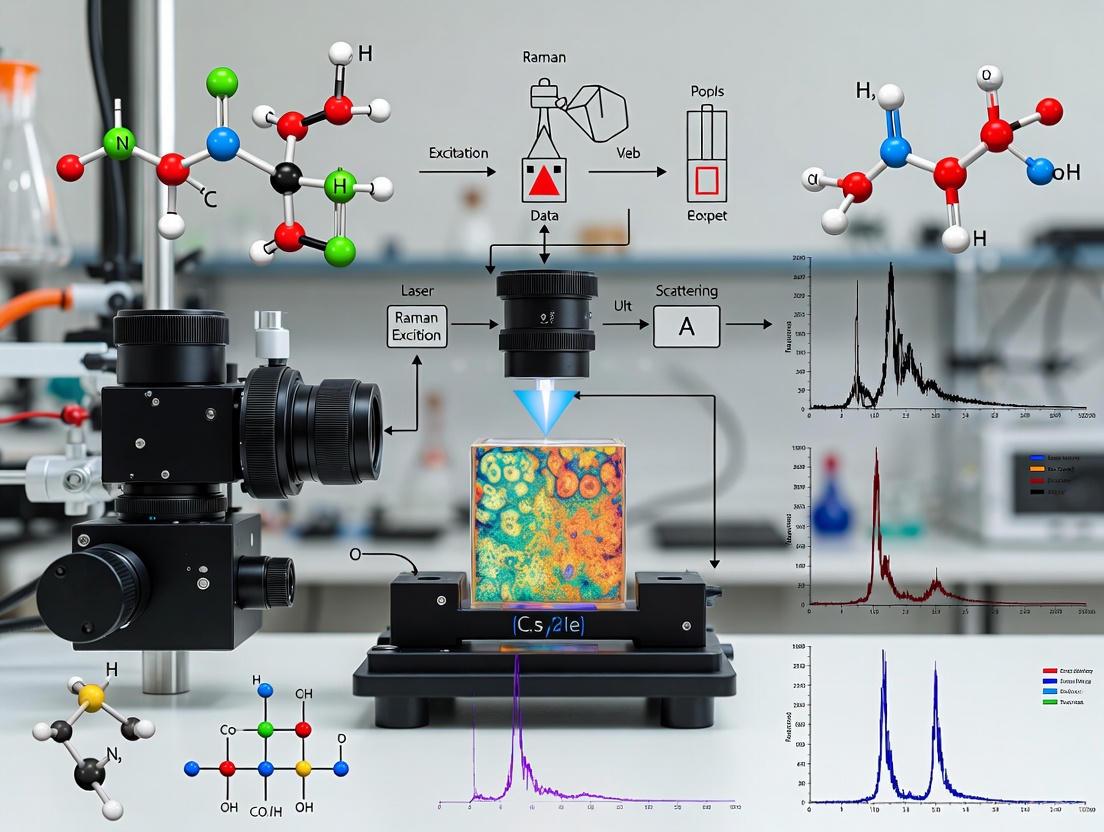
This article provides a comprehensive overview of Raman spectroscopy for identifying and analyzing contaminants on optical windows, a critical issue in pharmaceutical development and high-precision research.
Raman Spectroscopy for Optical Window Contaminant Analysis: Techniques, AI Applications, and Best Practices for Pharmaceutical Research
Abstract
This article provides a comprehensive overview of Raman spectroscopy for identifying and analyzing contaminants on optical windows, a critical issue in pharmaceutical development and high-precision research. It explores the foundational principles of how Raman spectral fingerprints uniquely identify unknown materials, such as rubidium silicate on vapor cells. The scope extends to established and emerging methodologies, including laser cleaning and Surface-Enhanced Raman Spectroscopy (SERS) for trace detection. A significant focus is placed on troubleshooting spectral contaminants and ensuring instrument stability for reliable data. Finally, the review covers validation protocols and performance comparisons with techniques like LIBS and IR spectroscopy, highlighting how AI integration is revolutionizing spectral analysis for improved accuracy and efficiency in biomedical applications.
Unveiling the Contaminant: Foundational Principles and Common Culprits in Optical Systems
Raman spectroscopy has emerged as a powerful, non-destructive analytical technique for identifying molecular contaminants in various research and industrial settings. This guide explores its application in detecting unknown contaminants on optical surfaces, comparing its performance with alternative methods, and detailing the experimental protocols that ensure reliable results.
The Principle of the Molecular Fingerprint
Raman spectroscopy operates on the principle of inelastic light scattering. When monochromatic light interacts with a molecule, most photons are elastically scattered (Rayleigh scattering). However, a tiny fraction (approximately 1 in 10⁷ photons) undergoes inelastic scattering, resulting in a shift in energy that corresponds to the vibrational modes of the molecular bonds [1]. This shift, known as the Raman shift, provides a unique vibrational fingerprint for the substance under investigation.
The key advantage of this fingerprint is its specificity. Unlike techniques that merely detect the presence of a contaminant, Raman spectroscopy can identify its molecular structure by revealing specific chemical bonds and functional groups. For example, in the analysis of optical window contaminants, this allows researchers to distinguish between different types of deposits, such as rubidium silicate versus organic residues, based on their distinct spectral signatures [2] [3].
Comparative Analysis of Contaminant Identification Techniques
The following table compares Raman spectroscopy with other common analytical techniques used for contaminant identification, highlighting their respective advantages and limitations.
| Technique | Principle | Spatial Resolution | Detection Limit | Sample Preparation | Key Strengths | Major Limitations |
|---|---|---|---|---|---|---|
| Raman Spectroscopy | Inelastic light scattering | Diffraction-limited (~0.5 µm) | ppm-ppb (enhanced with SERS) | Minimal, non-destructive | Provides molecular fingerprint; non-destructive; works in aqueous environments | Weak inherent signal; can be affected by fluorescence |
| FTIR Spectroscopy | Infrared absorption | Typically >10 µm | ~1% | Often requires compression or slicing | Fast; good for organic functional groups | Poor spatial resolution for micro-analysis; strong water interference |
| X-ray Photoelectron Spectroscopy (XPS) | Photoemission from core electrons | ~10 µm | ~0.1-1 at% | Requires ultra-high vacuum | Quantitative; provides elemental and chemical state information | Destructive to surface; complex sample environment; no direct molecular ID |
| Scanning Electron Microscopy/Energy-Dispersive X-ray (SEM/EDX) | Electron-induced X-ray emission | ~1 µm | ~0.1-1 wt% | Often requires conductive coating | Excellent topographical and elemental mapping | No direct molecular or chemical bond information |
| Traditional Microbiological Culture | Microbial growth | N/A | Single spore (but requires germination) | Extensive, sterile conditions | Gold standard for viability | Time-consuming (days); cannot identify non-viable spores [3] |
Advanced Raman Techniques for Enhanced Detection
To overcome the inherent challenge of Raman's weak signal, several advanced techniques have been developed, each suited for different scenarios.
Surface-Enhanced Raman Spectroscopy (SERS)
SERS utilizes metallic nanostructures (typically gold or silver) to amplify the Raman signal by several orders of magnitude, enabling the detection of trace contaminants down to the single-molecule level [4] [5]. This is particularly valuable for identifying low-concentration impurities in sensitive environments like pharmaceutical production [6].
Time-Resolved Raman Spectroscopy
This technique separates the instantaneous Raman signal from longer-lived fluorescence, which often masks Raman spectra. By using a pulsed laser and a time-gated detector like a CMOS SPAD array, researchers can effectively suppress fluorescent backgrounds, a common issue when analyzing biological contaminants or certain materials [7].
Spatially Offset Raman Spectroscopy (SORS)
SORS collects Raman signals from a point spatially offset from the laser illumination spot. This allows for the probing of subsurface layers, making it possible to identify contaminants buried beneath a surface without destructive sampling [8].
The following diagram illustrates the workflow for selecting the appropriate Raman technique based on the analytical challenge.
Experimental Protocols for Optical Contaminant Analysis
A robust protocol is essential for reliable contaminant identification. The following workflow, demonstrated in a study on a contaminated rubidium vapor cell, provides a generalizable framework [2].
Sample Preparation and Isolation
The first step involves isolating the contaminant for analysis. In the case of the rubidium cell, the inner surface of the optical window had developed an opaque black discoloration. The sample was carefully mounted to ensure the analysis point was accessible to both the laser and the collection optics without risking damage to the substrate [2].
Spectral Acquisition Parameters
- Laser Wavelength: A 1064 nm Nd:YAG laser is often preferred for organic or biological samples to minimize fluorescence. Shorter wavelengths (e.g., 785 nm or 532 nm) can be used for inorganic materials.
- Microscopy Coupling: The sample is placed under a microscope to precisely target the contaminated area. Differential Interference Contrast (DIC) microscopy can first be used to locate specific spores or particulate contaminants [3].
- Spectral Collection: Raman spectra are collected from multiple points on the contaminant to account for heterogeneity. Integration times are optimized to achieve a good signal-to-noise ratio without causing thermal damage to the sample.
Data Processing and Analysis
- Preprocessing: Raw spectra undergo preprocessing to remove cosmic rays, correct for the instrument response, and subtract any fluorescent background using algorithms like asymmetric least squares (AsLS) [1].
- Spectral Interpretation: The processed spectrum is analyzed for characteristic Raman peaks. For instance, in the rubidium cell study, the unknown contaminant showed peaks that, when compared to known standards and simulations, were identified as rubidium silicate [2]. In another study, spores were identified by their characteristic peaks at 1577 cm⁻¹ (CaDPA), 1666 cm⁻¹ (amide I), and 2970 cm⁻¹ (C-H stretching) [3].
- Validation: Where possible, findings are validated against reference spectra from standard materials or through correlation with other analytical techniques.
The entire experimental journey, from sample preparation to identification, is summarized below.
Case Study: Raman Analysis in Action
A compelling example of this protocol in practice is the analysis of a contaminated optical window from a rubidium vapor cell used in laser-induced plasma experiments [2].
- The Problem: The optical window developed a matte black discoloration, leading to a loss of transparency. The composition of this layer was unknown, hindering both remediation and prevention efforts.
- The Analysis: Researchers collected Raman spectra directly from the discolored area. The resulting spectral fingerprints showed distinct peaks that did not match elemental rubidium or the quartz window material.
- The Identification: By comparing the unknown spectra with known reference spectra for rubidium compounds and supporting the findings with simulation results, the contaminant was conclusively identified as rubidium silicate. This finding pointed to a chemical reaction between the rubidium vapor and the quartz (SiO₂) window, likely initiated by the intense laser irradiation during the cell's operation [2].
- The Outcome: This molecular-level identification provided critical insight into the degradation mechanism, guiding the development of more durable cell designs and cleaning strategies, such as laser cleaning focused at the identified compound.
Characteristic Raman Peaks of Common Contaminants
The table below lists Raman shift ranges associated with key molecular bonds and functional groups found in various contaminants, providing a starting point for spectral assignment.
| Raman Shift (cm⁻¹) | Associated Bond/Vibration | Example Contaminants |
|---|---|---|
| 600–800 | Si-O-Si bending | Silicate glasses, quartz dust [2] |
| 838, 895, 1052 | Spore-specific biomarkers | Clostridium and Bacillus spores [3] |
| 1000–1100 | C-C and C-O stretching | Organic polymers, biofilms |
| 1400, 1577, 1666 | CaDPA, Amide I (Spores) | Bacillus cereus, B. thuringiensis [3] |
| 1722 | C=O stretching | Esters, organic acids, polyesters |
| 2970, 3000 | C-H stretching | Hydrocarbons, organic residues, spores [3] |
The Scientist's Toolkit: Essential Research Reagents and Materials
A successful Raman spectroscopy lab requires more than just a spectrometer. The following table details key reagents and materials used in the featured experiments and the broader field.
| Item | Function in Research |
|---|---|
| Sol-gel SiO₂ Coating | Used to prepare standardized chemical coatings on optical substrates (e.g., fused silica) for contamination studies and laser damage threshold testing [9]. |
| Reference Materials (Polystyrene, CaF₂) | Provide a known Raman spectrum for instrument calibration, ensuring accurate wavenumber and intensity measurements across experiments [10]. |
| SERS Substrates (Gold/Silver Nanoparticles) | Engineered metallic nanostructures that dramatically enhance the Raman signal, enabling the detection of trace-level contaminants and single-molecule analysis [4] [5]. |
| CMOS SPAD Array Detector | A high-sensitivity, time-gated single-photon detector that allows for time-resolved Raman measurements, effectively suppressing fluorescent backgrounds [7]. |
| Python-based Analysis Platform | Enables automated batch processing, classification, and comparison of large Raman spectral datasets, reducing manual labor and improving identification efficiency [3]. |
The Future: AI and Miniaturization
The field of Raman spectroscopy is being transformed by two key developments. First, Artificial Intelligence (AI) and deep learning are now being used to automatically process complex spectral data, identify subtle patterns, and classify contaminants with high speed and accuracy, overcoming traditional challenges like background noise and fluorescence [1] [6] [8]. Second, a strong push for miniaturization is making high-performance Raman instrumentation more compact, affordable, and accessible. Recent advances have led to centimeter-scale spectrometers that are suitable for integration into handheld devices, production lines, and medical tools, thereby democratizing this powerful technology for field use [10].
The performance and longevity of optical systems are critically dependent on the pristine condition of their optical surfaces. Contamination, the unwanted accumulation of materials on these surfaces, is a pervasive challenge that can lead to significant degradation of optical performance, including reduced transmission, increased scattering, laser-induced damage, and wavefront distortion. The genesis of contaminants is multifaceted, arising from external environmental exposure, internal outgassing of system components, and even the manufacturing process itself. This guide provides a systematic comparison of common contaminants, the advanced analytical techniques used to characterize them, and the effective protocols for their mitigation, framed within the context of Raman spectroscopy analysis for optical window contaminants research.
A Comparative Analysis of Common Optical Contaminants
Optical contaminants can be broadly categorized by their origin, chemical composition, and resulting impact on system functionality. Their effects range from subtle alterations in the refractive index to complete functional failure.
Table 1: Comparison of Common Contaminants in Optical Systems
| Contaminant Type | Primary Origin | Chemical Composition | Impact on Optical Performance | Detection Methods |
|---|---|---|---|---|
| Silicates | Laser-induced reaction with substrate [2], Polishing residues [11] | Rubidium silicate, Aluminum silicate [2] [11] | Forms opaque, absorbing layers; drastically reduces transmission [2] | Raman spectroscopy, XPS [2] [11] |
| Polishing Residues | Chemical-Mechanical Polishing (CMP) [11] | Aluminum oxide (Al₂O₃), Cerium Oxide (CeO₂), Silicon Carbide (SiC) [11] | Embedded particles act as scattering centers and absorption sites, lowering LIDT [11] | XPS, Laser-Induced Breakdown Spectroscopy (LIBS) [12] |
| Synthetic Polymers | Outgassing from seals, adhesives, and composites [13] | Silicones, acrylics, polycarbonates [13] | Molecular films cause haze, transmission loss, and altered color balance [13] | Ellipsometry, Haze measurement [13] |
| Particulate Matter | Environmental fallout, wear debris, laser-induced damage [2] | Dust, metals, organics | Light scattering, wavefront distortion, can initiate laser-induced damage | Optical microscopy, light scattering |
| Water Contaminants (as deposits) | Exposure to contaminated environments [14] [15] | Phosphates, Nitrates, Pharmaceuticals, Pesticides [15] | Surface films that scatter/absorb light; can promote mold or fungal growth [14] | SERS, Raman spectroscopy [14] [15] |
The mechanisms of contamination vary significantly. Silicates, such as the rubidium silicate identified on the inner surface of a rubidium vapor cell, are often the product of a laser-induced reaction where the optical substrate itself (e.g., quartz) interacts with environmental vapors, forming an opaque layer that severely compromises transparency [2]. Conversely, polishing residues like aluminum and sodium are manufacturing-induced contaminants. Their surface concentration has been shown to increase with the concentration and pH of the polishing suspension, and they can penetrate the near-surface layer of the glass, becoming encapsulated in a so-called "Beilby layer" [11]. Synthetic polymers from outgassing are a critical concern in enclosed systems, such as space exploration modules, where molecular contamination from silicone seals and O-rings can condense on critical optical surfaces like window assemblies, leading to haze and transmission loss [13].
Analytical Techniques for Contaminant Identification and Quantification
Accurate identification and quantification are prerequisites for effective contamination control. Raman spectroscopy and Laser-Induced Breakdown Spectroscopy (LIBS) are two powerful, complementary techniques for this purpose.
Raman and Surface-Enhanced Raman Spectroscopy (SERS)
Raman spectroscopy excels in providing a molecular "fingerprint" of contaminants, allowing for precise chemical identification without extensive sample preparation [15]. The choice of laser wavelength is a critical experimental parameter, balancing signal intensity, fluorescence suppression, and sample damage. Longer wavelengths (e.g., 785 nm) reduce fluorescence but require higher power due to the inherent 1/λ⁴ decrease in Raman scattering intensity [16].
For trace analysis, Surface-Enhanced Raman Spectroscopy (SERS) provides orders-of-magnitude signal enhancement by adsorbing target molecules onto nanostructured noble metal surfaces or mixing them with metal nanoparticles [14] [15]. This makes it ideal for detecting low-concentration analytes like pharmaceutical residues or perfluoroalkyl substances (PFAS) in water, with detection limits reaching parts per billion (ppb) [14]. Pre-concentration methods, such as leveraging the "coffee-ring effect" where a drying droplet concentrates analytes at its edge, further enhance sensitivity for detecting pollutants like nitrates, phosphates, and pesticides [15].
Laser-Induced Breakdown Spectroscopy (LIBS)
LIBS is a versatile, rapid technique for elemental analysis that requires little to no sample preparation. It is particularly effective for depth-resolved analysis of contaminants. A calibration-free LIBS approach has been successfully used to quantify manufacturing-induced trace contaminants (e.g., aluminum, calcium) on optical glass surfaces, revealing their penetration depth and correlation with changes in the optical properties of the glass [12]. LIBS can also be used as a real-time monitoring tool during laser cleaning processes [2].
Figure 1: A workflow for analyzing optical contaminants using complementary spectroscopic techniques. Raman provides molecular identification, SERS enhances sensitivity for trace analysis, and LIBS delivers elemental composition and depth profiling.
Experimental Protocols for Contamination Study and Mitigation
Protocol 1: Raman Analysis of Surface Contaminants
This protocol is adapted from studies on detecting water contaminants and vapor cell deposits [2] [15].
- Apparatus: A Raman spectrometer (e.g., i-Raman with 785 nm diode laser), microscope objectives (e.g., 40X, NA 0.5), an aluminum foil-covered microscope slide.
- Procedure:
- Sample Preparation (Coffee-Ring Effect): Deposit a 2-5 µL droplet of the liquid sample (or a suspension of a solid contaminant) onto the Al substrate. Allow it to dry at room temperature for 15-20 minutes. The analyte will concentrate at the edge of the droplet.
- Instrument Calibration: Acquire a background spectrum with the laser off. Perform a spectral calibration using a standard like polytetrafluoroethylene (PTFE).
- Spectral Acquisition: Focus the laser on the edge ("coffee-ring") of the dried deposit. Acquire spectra using a laser power of a few mW to 300 mW (dependent on the sample's Raman cross-section). Average 3 acquisitions to improve the signal-to-noise ratio.
- Analysis: Compare the obtained spectra against reference spectral libraries to identify the contaminant's molecular structure. For SERS, perform the same procedure using a nanostructured SERS substrate or by adding gold nanoparticles to the sample solution before deposition [15].
Protocol 2: Laser Cleaning of Optical Components
This protocol is based on the successful cleaning of a rubidium vapor cell's internal optical window [2].
- Apparatus: A Q-switched Nd:YAG laser (1064 nm, 3.2 ns pulse width), a converging lens (e.g., f=295 mm).
- Procedure:
- Parameter Setup: Operate the laser in single-pulse mode to minimize thermal stress. Set the pulse energy cautiously, starting from low values (e.g., 50 mJ) and increasing as needed (up to 360 mJ in the referenced study).
- Beam Focusing: Focus the laser beam inside the cell, approximately 1 mm in front of the contaminated surface. This defocusing strategy minimizes heat stress on the glass substrate and prevents the formation of micro-cracks.
- Cleaning Execution: Apply a single laser pulse to the target area. The pulse is typically sufficient to clear the discoloration and restore transparency locally.
- Process Control: Monitor the cleaning efficiency visually or via microscopy. Raman spectroscopy or LIBS can be used in situ to verify the removal of the contaminant and ensure no damage to the substrate [2].
Table 2: Key Research Reagent Solutions for Contaminant Analysis and Mitigation
| Research Reagent / Material | Function / Application | Experimental Notes |
|---|---|---|
| Nanostructured SERS Substrates (Au/Ag NPs on SiO₂) [14] | Signal enhancement for ultrasensitive detection of trace contaminants. | 3D nanohybrid substrates provide greater active surface area and higher sensitivity [14]. |
| Aluminum Oxide (Al₂O₃) Polishing Suspension [11] | Simulating and studying manufacturing-induced contamination. | Concentration and pH of the suspension directly influence the level of Al and Na surface contamination [11]. |
| Q-switched Nd:YAG Laser (1064 nm) [2] | Laser cleaning of robust contaminants like rubidium silicate. | Defocusing the beam (1 mm before surface) is critical to avoid glass damage [2]. |
| Isopropanol & Cleanroom Wipes | Standard cleaning and decontamination of optical surfaces. | Effective for removing loose particulate and some molecular films; efficiency should be validated post-cleaning [13]. |
The battle against optical contamination requires a systematic approach grounded in a deep understanding of contaminant origins, precise analytical identification, and effective mitigation strategies. Silicates and polishing residues represent chemically complex, tenacious contaminants often requiring advanced removal techniques like laser cleaning. In contrast, synthetic polymers from outgassing pose a persistent threat in sensitive enclosed systems. The researcher's arsenal, featuring techniques like Raman spectroscopy, SERS, and LIBS, provides the necessary tools for definitive contaminant characterization. As optical systems continue to advance, pushing the limits of power and precision, the protocols for maintaining contaminant-free surfaces will remain a cornerstone of optical engineering and research.
In optical systems, particularly those containing reactive alkali vapors, the formation of contaminant layers on optical windows presents a significant challenge to long-term operational stability and data integrity. This case study examines a specific instance of this phenomenon: the analysis of a black, opaque contaminant layer formed on the inner window of a rubidium vapor cell. Such cells are critical components in numerous advanced applications, including atomic clocks, optical magnetometers, and research on laser wake field acceleration, where optical transparency is paramount [2]. The gradual development of this layer during normal cell operation led to a substantial loss of window transparency, necessitating both its removal and identification. This study details the application of Raman spectroscopy as the principal analytical technique for identifying the chemical composition of the contaminant, coupled with laser cleaning as a method for its removal. The findings are contextualized within broader research on optical window contaminants, highlighting the efficacy of Raman spectroscopy for non-destructive molecular fingerprinting in challenging diagnostic scenarios.
Experimental Setup and Methodology
Sample Description and Contamination Challenge
The subject of analysis was a worn Rubidium vapor cell from a laser-induced plasma generation experiment. The cell was a cylindrical glass tube with optical quality quartz end windows. The primary issue was the development of an opaque, amorphous black discoloration with a grey halo on the inner surface of the exit window, which severely compromised its transparency. In contrast to metallic rubidium deposits also present on the window, this black layer was persistent under normal operating conditions and was therefore the main target for analysis and removal [2].
Laser Cleaning Protocol
Prior to Raman analysis, a laser cleaning procedure was employed to remove the contaminant layer. The cleaning was performed using a Q-switched Nd:YAG laser operating at its fundamental wavelength of 1064 nm, with a pulse width of 3.2 ns [2].
- Laser Parameters: Pulse energy was varied cautiously from 50 to 360 mJ. The laser was operated in single-pulse mode to minimize thermal stress on the quartz substrate.
- Beam Delivery: The laser beam was passed through the intact entrance window of the cell and focused by a biconvex lens (295 mm focal length) to a point approximately 1 mm in front of the contaminated inner surface. This defocusing strategy was critical to avoid damaging the quartz window itself.
- Cleaning Efficacy: A single laser pulse was sufficient to clear the black discoloration at the focal spot, locally restoring the window's transparency. The calculated fluence at the contamination layer ranged from 400 J/cm² to 3 kJ/cm², depending on the pulse energy [2].
Raman Spectroscopy Analysis
Raman spectroscopy was utilized to determine the molecular composition of the opaque black contaminant. The methodology focused on obtaining the vibrational fingerprint of the material.
- Spectral Acquisition: Raman spectra were acquired directly from the contaminated spots on the inner window before the cleaning procedure.
- Spectral Interpretation: The obtained spectra were compared with known reference spectra from databases and the scientific literature. A specific comparison was made with spectra of rubidium germanate compounds and simulated spectra.
- Identification Strategy: The identity of the contaminant was deduced based on the positions and shapes of the Raman peaks, which served as a unique molecular fingerprint [2].
Results and Data Analysis
Identification of the Contaminant
The Raman spectral analysis proved decisive in identifying the contaminant. The spectra obtained from the black layer showed distinct peaks that did not match any previously documented rubidium compounds in the literature. However, through comparison with known materials and theoretical simulations, the evidence strongly indicated that the unknown contaminant was rubidium silicate [2]. This finding supports the plausible hypothesis that during the cell's operation in plasma generation experiments, intense laser pulses ablated the quartz (SiO₂) window material. The liberated silicon and oxygen subsequently interacted with the rubidium vapor to form a silicate compound on the inner window surface.
Raman Peak Assignments
The following table summarizes the key Raman spectral features that contributed to the identification of the contaminant as rubidium silicate.
Table 1: Key analytical data from the Raman analysis of the window contaminant.
| Analysis Parameter | Finding | Significance |
|---|---|---|
| Contaminant Identity | Rubidium Silicate | Strongly suggested by comparison with known germanate spectra and simulations [2]. |
| Raman Peaks | Distinct, previously undocumented peaks | Indicated a unique molecular structure not commonly reported [2]. |
| Laser Cleaning Result | Successful transparency restoration with a single pulse (1064 nm, 3.2 ns pulse) | Demonstrated effective, localized contaminant removal without substrate damage [2]. |
Discussion: Raman Spectroscopy in the Analysis of Optical Contaminants
Technique Advantages and Broader Context
The successful identification of rubidium silicate in this case study underscores the power of Raman spectroscopy for analyzing optical contaminants. Its key advantages in this context include:
- Molecular Specificity: Unlike elemental analysis techniques, Raman spectroscopy provides information about chemical bonds and molecular structure, allowing for direct identification of compounds like rubidium silicate [2].
- Non-Destructive Nature: The analysis can be performed in situ without the need to remove or extensively alter the sample, preserving the integrity of the valuable vapor cell for further study [2].
- Complementarity with Other Techniques: As demonstrated in studies on lithiated glasses, Raman spectroscopy is highly effective when used in tandem with elemental analysis techniques like Laser-Induced Breakdown Spectroscopy (LIBS), which can quantify elemental composition (e.g., lithium content) while Raman characterizes the bonding environment [17].
Critical Considerations for Reliable Raman Analysis
To ensure the reliability of Raman spectroscopy for sensitive applications like contaminant analysis, several factors must be addressed:
- Instrument Stability: Long-term device drift can introduce substantial spectral variations, reducing the reliability of data and machine learning models. A systematic approach to benchmarking stability using control substances is essential for quantitative work [18].
- Fluorescence Interference: Many samples, especially biological or complex contaminants, can produce strong fluorescence that overwhelms the weaker Raman signal. Time-resolved techniques using pulsed lasers and gated detectors, such as CMOS Single-Photon Avalanche Diode (SPAD) arrays, can effectively separate the instantaneous Raman scattering from longer-lived fluorescence [7].
- Miniaturization and Calibration: Emerging miniaturization strategies for Raman spectrometers aim to make the technology more accessible. A key development is the use of an internal reference channel (e.g., polystyrene) for real-time calibration of wavenumber and intensity, ensuring data consistency and accuracy in compact systems [10].
The Scientist's Toolkit: Essential Research Reagents and Materials
The following table lists key reagents, materials, and instruments used in the featured experiment and related analytical workflows in this field.
Table 2: Key research reagents and materials for Raman analysis and related studies.
| Item Name | Function / Application | Specific Example / Note |
|---|---|---|
| Rubidium Vapor Cell | Sample environment for generating contaminants and testing cleaning. | Cylindrical glass tube with quartz optical windows [2]. |
| Q-switched Nd:YAG Laser | Laser cleaning and potential excitation source for Raman. | 1064 nm, 3.2 ns pulse width, used for contaminant ablation [2]. |
| Raman Spectrometer | Molecular fingerprinting of contaminants and materials. | Can be equipped with a 785 nm laser and a cooled CCD detector [19]. |
| Reference Materials (Polystyrene, Cyclohexane) | Wavenumber and intensity calibration of the Raman spectrometer. | Critical for ensuring data accuracy and cross-instrument comparability [18] [10]. |
| Lithium Carbonate (Li₂CO₃) | Model system for studying alkali-silicate glass formation and analysis. | Added to silica glass to create standards for LIBS/Raman correlation studies [17]. |
| Time-Gated SPAD Detector | Fluorescence suppression in Raman spectroscopy. | Enables time-resolved detection to separate Raman signal from fluorescent background [7]. |
Visual Workflows
To clarify the experimental and analytical processes described, the following diagrams outline the key workflows.
Experimental Workflow for Contaminant Analysis and Removal
Data Processing Pipeline for Raman Spectral Stability
This case study demonstrates a successful integrated approach to diagnosing and remediating a complex optical contamination problem. The application of Raman spectroscopy was crucial for identifying the black contaminant as rubidium silicate, a finding that provides insight into the chemical interactions within operational vapor cells. The complementary use of laser cleaning with a carefully defocused beam effectively restored optical transparency without damaging the underlying quartz substrate. For researchers and drug development professionals, this work highlights the importance of robust, well-calibrated spectroscopic techniques. The methodologies presented—from fundamental spectral acquisition to advanced data processing for ensuring long-term instrument stability—provide a framework for tackling similar analytical challenges in the fields of optical engineering, material science, and pharmaceutical development where unwanted surface layers can compromise system performance and product quality.
The Critical Impact of Window Contamination on Optical Performance and Experiment Integrity
In photonics and analytical chemistry research, the integrity of optical windows is a fundamental prerequisite for data accuracy and experimental validity. Optical window contamination—the accumulation of foreign materials on optical surfaces—comprises a critical yet frequently overlooked variable that can systematically compromise experimental outcomes. These contaminants, ranging from sub-micron particulates to chemically reacted films, introduce significant measurement error, reduce laser-induced damage thresholds (LIDT), and ultimately jeopardize the reproducibility of scientific findings.
The context of Raman spectroscopy analysis presents a particularly compelling case study. As a technique reliant on the detection of weak inelastic scattering signals, Raman spectroscopy is exceptionally vulnerable to the confounding effects of window contamination, which can manifest as increased fluorescence background, spectral interference, or complete signal attenuation. This analysis examines the critical impact of contamination through comparative experimental data, delineates methodological frameworks for contamination identification and remediation, and provides standardized protocols for maintaining optical integrity across research applications.
Optical window contamination originates from diverse sources, each imparting distinct detrimental effects on optical performance and experimental data quality.
Manufacturing-Induced Contaminants
Residual polishing compounds and processing materials can become embedded into optical surfaces during manufacturing. Laser-Induced Breakdown Spectroscopy (LIBS) depth-profile analysis reveals that manufacturing-induced trace contaminants penetrate subsurface layers, directly correlating with localized changes in the index of refraction and creating sites for preferential laser damage [12]. These subsurface defects act as nucleation points for further contamination accumulation and significantly reduce the LIDT of optical components, a critical parameter for high-power laser applications [20].
Operational Deposits in Harsh Environments
In operational contexts, optical windows undergo complex interactions with their environment. Research using rubidium vapor cells demonstrates that internal window deposits form amorphous, opaque layers that progressively reduce transmission. Raman spectral analysis identified these deposits as rubidium silicate, a reaction product between the quartz window and rubidium vapor under laser irradiation [2]. Similarly, high-temperature optical cells for vapor analysis face persistent issues with material condensation and buildup on windows, which necessitates innovative design solutions like cover gas buffers to preserve optical access [21].
Particulate Contamination in Pharmaceutical Settings
The pharmaceutical industry documents that particulate matter on optical windows used for quality control can lead to false positive/negative results in contaminant identification. Cellulose fibers, synthetic polymers (e.g., PET, polypropylene), and glass fragments from packaging systems adhere to optical surfaces, scattering incident light and generating spurious Raman signals that interfere with accurate pharmaceutical analysis [22].
Table 1: Classification of Common Optical Window Contaminants and Their Primary Effects
| Contaminant Type | Primary Source | Impact on Optical Performance | Analytical Technique for Identification |
|---|---|---|---|
| Polishing residues (ceria, alumina) | Manufacturing process | Subsurface damage; Reduced LIDT; Refractive index modification | LIBS depth profiling [12] |
| Metallic silicates | High-temperature vapor cells | Transmission loss; Increased scattering; Permanent window opacity | Raman spectroscopy [2] |
| Synthetic polymers (PET, PP, PTFE) | Pharmaceutical processing equipment | Fluorescence background; Characteristic Raman interference peaks | Raman microspectroscopy [22] |
| Cellulose fibers & dyes | Packaging materials | Broad spectral interference; Particulate scattering | Optical microscopy + Raman [22] |
| Metallic nanoparticles | SERS substrate migration | Plasmonic effects; Signal enhancement/interference | SEM-EDS analysis [23] |
Comparative Analysis: Quantifying the Impact of Contamination
Transmission Loss and Signal Degradation
The most direct impact of window contamination is the reduction of light transmission. In rubidium vapor cells, contaminated windows developed opaque layers that rendered the cell unusable for plasma generation experiments due to insufficient transmission of the incident laser beam [2]. For Raman spectroscopy specifically, contamination-induced fluorescence background can overwhelm the weak Raman signal, necessitating advanced algorithmic correction (e.g., airPLS) to restore spectral fidelity [24].
Laser-Induced Damage Threshold Reduction
Contamination significantly compromises the resilience of optical components to high-power laser irradiation. Laser-Induced Damage in Optical Materials 2025 conference proceedings emphasize that optical surfaces often limit the power handling capability of an optic due to intrinsic and extrinsic flaws and defects [20]. Contamination particles create localized absorption centers where thermal energy concentrates, initiating damage at fluences far below the intrinsic threshold of the pristine optical material.
Analytical Interference in Spectral Measurements
Contamination interferes with analytical measurements through multiple mechanisms. Pharmaceutical research documents that particulate contamination on inspection windows leads to misidentification of drug components, potentially causing product quality failures [22]. Surface-enhanced Raman scattering (SERS) studies further show that migratory metal nanoparticles from substrates can create unpredictable enhancement zones, compromising quantitative analysis [23].
Table 2: Experimental Data on Contamination Effects Across Applications
| Application Context | Measured Parameter | Clean Window Performance | Contaminated Window Performance | Experimental Method |
|---|---|---|---|---|
| Rubidium vapor cell [2] | Transmission at 800 nm | >95% (new cell) | <10% (heavily contaminated) | Laser transmission measurement |
| High-power laser optics [20] | Laser-induced damage threshold (LIDT) | Material-dependent intrinsic value | Up to 80% reduction at contamination sites | ISO-standard LIDT testing |
| Pharmaceutical Raman [22] | Signal-to-noise ratio | >100:1 | <5:1 (with fluorescence interference) | Raman spectral acquisition |
| SERS substrates [23] | Enhancement factor variance | <15% across substrate | >300% across substrate | Rhodamine B mapping at 1358 cm⁻¹ peak |
Methodologies for Contamination Analysis and Remediation
Contamination Identification Techniques
Raman Spectroscopy for Chemical Identification
Raman spectroscopy serves as a powerful tool for non-destructive chemical identification of contaminants. Through acquisition of unique molecular fingerprint spectra, researchers can precisely identify contaminant materials without sample destruction [22]. The technique is particularly valuable for distinguishing between chemically similar contaminants, such as differentiating polyethylene terephthalate (PET) from polybutylene terephthalate (PBT) based on characteristic peak shifts in the C=O stretching region (1716 cm⁻¹ vs. 1727 cm⁻¹) [22].
Advanced Raman methodologies incorporate density functional theory (DFT) simulations to validate experimental spectra against theoretical predictions, thereby confirming contaminant identity with high confidence [24]. For complex contamination scenarios involving multiple materials, Raman microspectroscopy can resolve individual components within heterogeneous mixtures, as demonstrated in the identification of silicone-lubricated PTFE particles in pharmaceutical products [22].
Complementary Analytical Techniques
Laser-Induced Breakdown Spectroscopy (LIBS) provides elemental composition data that complements the molecular information from Raman. LIBS is particularly effective for identifying glass contaminants and determining their origin through elemental fingerprinting [22]. The technique can be implemented sequentially with Raman on the same instrument platform, enabling comprehensive contamination characterization [22].
Scanning Electron Microscopy (SEM) reveals the morphological characteristics of contaminants at nanometer resolution. SEM analysis of SERS substrates has shown that contaminants often accumulate at high-enhancement sites with fractal geometries and small interstructural distances [23]. This morphological information is crucial for understanding contamination mechanisms and developing effective prevention strategies.
Contamination Remediation Approaches
Laser Cleaning Techniques
Laser cleaning represents a precision removal approach for optical window contaminants. The process utilizes carefully controlled laser parameters (wavelength, pulse duration, fluence) to selectively ablate contaminant layers while preserving the underlying substrate [2]. Successful laser cleaning of a rubidium vapor cell window was demonstrated using a frequency-doubled Nd:YAG laser (1064 nm, 3.2 ns pulses) focused 1 mm inside the contaminated surface, achieving localized transparency restoration with single-pulse application [2].
The efficacy of laser cleaning hinges on the differential absorption between the contaminant and substrate material. Proper parameter selection ensures complete contaminant removal while maintaining the optical surface integrity, preventing micro-crack formation that could compromise mechanical stability or serve as nucleation sites for future contamination [2].
Preventive Design Strategies
Prevention represents the most effective contamination management strategy. High-temperature optical cells employ cover gas buffer systems to prevent material condensation on optical windows during extended operation [21]. Modular cell designs further facilitate maintenance and cleaning while allowing optical path length optimization for different spectroscopic techniques [21].
Diagram 1: Systematic workflow for optical window contamination management, integrating detection, impact assessment, and remediation strategies.
The Scientist's Toolkit: Essential Reagents and Materials
Table 3: Research Reagent Solutions for Contamination Analysis and Prevention
| Reagent/Material | Application Context | Specific Function | Experimental Notes |
|---|---|---|---|
| Gold-coated filters [22] | Pharmaceutical particulate analysis | Low-background substrate for Raman analysis of contaminants | Minimizes fluorescence interference; enables direct particle analysis |
| Cyclohexane standard [18] | Raman instrument calibration | Wavenumber calibration reference for spectral accuracy | Provides well-defined Raman bands at 802, 1028, 1266, 1444, 2664 cm⁻¹ |
| Silicon wafer standard [18] | Raman intensity calibration | Exposure time calibration using 520 cm⁻¹ band | Ensures consistent intensity measurements across time |
| Paracetamol reference [18] | Multi-component calibration | Validates spectral performance across wavelength ranges | Complex spectrum tests instrument resolution and sensitivity |
| Rhodamine B solutions [23] | SERS substrate characterization | Analytic for quantifying enhancement factors and uniformity | Concentrations from 10⁻² M to 10⁻¹² M assess substrate sensitivity |
| SbCl₅ vapor [21] | High-temperature cell validation | Test analyte for UV-vis/LIBS integration in vapor phase | Challenges system at operational temperatures up to 450°C |
The systematic investigation of optical window contamination reveals a multifaceted challenge with direct consequences for experimental integrity across scientific disciplines. Contamination-induced effects—including transmission loss, laser damage threshold reduction, and spectral interference—represent significant yet preventable sources of experimental error. The methodologies outlined herein provide researchers with a structured framework for contamination identification, impact assessment, and remediation.
The integration of Raman spectroscopy with complementary techniques like LIBS and SEM enables comprehensive contaminant characterization, while advanced laser cleaning approaches offer targeted removal solutions. Most critically, preventive design strategies and routine monitoring protocols represent the most effective approach to maintaining optical performance over time. As optical technologies continue to advance in sensitivity and application complexity, vigilant contamination management will remain an essential component of rigorous scientific practice.
From Detection to Action: Methodologies for Contaminant Analysis and Removal
Laser cleaning has emerged as a advanced, non-contact technique for removing contaminants from optical windows, proving particularly valuable in research applications where precision and non-invasiveness are paramount. This method utilizes controlled laser energy to ablate unwanted surface layers—such as rubidium silicate deposits, hydrocarbons, and particulate matter—without damaging the underlying optical substrate. When integrated with Raman spectroscopy, laser cleaning enables researchers to both remove contaminants and analyze their chemical composition in situ, providing a powerful combined approach for maintaining optical performance in sensitive experimental systems. This guide objectively compares laser cleaning against traditional methods, supported by experimental data and protocols demonstrating its efficacy for scientific applications.
In scientific research, the transparency and quality of optical windows are paramount. Contamination—whether from environmental exposure, operational byproducts, or handling—can significantly degrade optical performance by reducing transmission, creating wavefront distortions, and introducing localized absorption that lowers the laser-induced damage threshold (LIDT) [25] [26]. In the specific context of Raman spectroscopy, contaminated optics can yield poor-quality spectra with elevated background noise, compromising analytical results.
Traditional cleaning methods often fall short for research-grade optics. Mechanical wiping risks surface scratching, while chemical solvents may leave residues or interact with sensitive coating materials [26] [27]. Laser cleaning addresses these limitations by providing a controlled, non-contact process that can be finely tuned to remove specific contaminants while preserving the optical substrate, making it particularly suitable for the meticulous demands of drug development and analytical research.
Comparative Analysis of Optical Cleaning Methods
Various techniques are employed for cleaning optical surfaces, each with distinct mechanisms, advantages, and limitations. The table below provides a structured comparison of these methods.
Table 1: Comparison of Optical Surface Cleaning Methods
| Cleaning Method | Mechanism of Action | Best For Contaminants | Advantages | Limitations |
|---|---|---|---|---|
| Laser Cleaning [2] [28] [29] | Ablation via high-energy pulsed light | Oxides, rust, paints, coatings, thin films, rubidium silicate [2] | Non-contact, high precision, no chemicals, automatable | High initial investment, risk of thermal damage if misused |
| Solvent Cleaning [28] [27] | Chemical dissolution | Oils, greases, adhesives, organic residues | Effective on organic films, fast evaporation | Chemical hazards, potential for residue, may damage coatings |
| Mechanical Cleaning [28] [30] | Abrasion or wiping | Loose particles, some thick coatings | Fast, low cost for large surfaces | High risk of scratching, generates dust, low precision |
| Plasma Cleaning [28] [30] | Energetic ionized gas bombardment | Oils, thin organic films, dust | Non-contact, eco-friendly, good for complex geometries | Less control, can generate residues, not for all metals |
| Microbial Cleaning [28] | Microbial digestion of hydrocarbons | Oils and greases | Eco-friendly, safe process | Slow, limited to specific organic contaminants |
Laser Cleaning in Research: Principles and Protocols
Laser cleaning operates on the principle of selective photothermal ablation. Short, high-energy laser pulses are absorbed by the contaminant layer, causing rapid heating and vaporization. The underlying substrate remains undamaged provided the laser parameters are tuned so that the contaminant's ablation threshold is exceeded while the substrate's damage threshold is not [2] [31].
Experimental Protocol: Laser Cleaning and Raman Analysis of a Contaminated Vapor Cell
A study exemplifies the integration of laser cleaning with Raman analysis. Researchers successfully restored the transparency of a rubidium vapor cell's optical window, which had developed an opaque inner layer of contamination during operation [2].
Table 2: Key Research Reagent Solutions and Materials
| Item | Function in the Experiment |
|---|---|
| Frequency-doubled Nd:YAG Laser | Provides the 532 nm wavelength for Raman excitation and analysis of the contaminant. |
| Q-switched Nd:YAG Laser | Provides nanosecond pulses at 1064 nm for the cleaning procedure. |
| Biconvex Focusing Lens | Focuses the cleaning laser beam precisely inside the vapor cell. |
| Raman Spectrometer | Analyzes the molecular composition of the contaminant before and after cleaning. |
| Optical Microscope | Inspects the optical window surface for damage and assesses cleaning efficacy. |
Methodology:
- Contaminant Analysis: The unknown black contaminant on the inner window was first analyzed using Raman spectroscopy. The resulting spectra, showing peaks not previously described in literature, were compared with known standards and simulations, strongly suggesting the material was rubidium silicate [2].
- Laser Cleaning Setup: A Q-switched Nd:YAG laser (1064 nm, 3.2 ns pulse width) was used for cleaning. The beam was passed through the uncontaminated entrance window and focused by a 295 mm focal length biconvex lens to a point approximately 1 mm in front of the contaminated inner surface. This defocusing strategy was critical to minimize heat stress on the glass and prevent micro-crack formation [2].
- Cleaning Execution: The laser was operated in single-pulse mode. A single pulse with an energy of 50 mJ, yielding a calculated fluence of approximately 400 J/cm², was sufficient to clear the black discoloration at the focal spot and locally restore window transparency. The process was repeated across the contaminated area [2].
- Post-Cleaning Validation: The cleaned spots were inspected to confirm the removal of the contaminant and the absence of damage to the quartz window. The success of this single-pulse intervention demonstrated the potential of laser cleaning for in-situ remediation of sensitive optical components without disassembly [2].
The following workflow diagram illustrates the integrated process of Raman analysis followed by laser cleaning.
Technical Specifications and Performance Data
The effectiveness of laser cleaning is governed by key parameters including wavelength, pulse duration, fluence, and power. Selecting the correct configuration is essential for achieving optimal cleaning without substrate damage.
Laser Power and Performance Comparison
Laser cleaners are categorized by power and operation mode, which dictate their suitability for different tasks.
Table 3: Laser Cleaning System Specifications and Performance
| Laser Type | Power Range | Typical Applications | Cleaning Speed (Est.) | Key Considerations |
|---|---|---|---|---|
| Low-Power Pulsed [32] [29] | 20 W - 100 W | Delicate optics, removal of thin films, precision components | 20-30 cm²/s | High precision, minimal thermal load, suitable for lab environments |
| Medium-Power Pulsed [32] [29] | 100 W - 500 W | Industrial mold cleaning, rust, paint, and oxide removal | Can exceed 100 cm²/s | Balances speed and precision, versatile for R&D and maintenance |
| High-Power Continuous Wave (CW) [29] | 500 W - 1000 W+ | Large-scale rust and coating removal on structural parts | Very high speed | High thermal influence, generally not suitable for sensitive optics |
| Pulsed Fiber Laser [2] [29] | 50 mJ/pulse (e.g.) | Research-grade optic cleaning (as in protocol) | Spot-by-spot | Enables fine control of fluence, ideal for non-destructive ablation |
The Role of Laser Wavelength and Fluence
- Wavelength: The laser wavelength must be strongly absorbed by the contaminant and, ideally, transmitted or reflected by the substrate. For glass optics, UV and IR wavelengths are often effective [33]. The study on stained glass used a 248 nm excimer laser, while the vapor cell cleaning employed a 1064 nm Nd:YAG laser, demonstrating wavelength selection is context-dependent [2] [33].
- Fluence: This is the most critical parameter. The process must operate between the contaminant's ablation threshold and the substrate's damage threshold. For the rubidium vapor cell, a fluence of 400 J/cm² was successful [2]. Research on stained glass found that the ablation thresholds for crusts (0.25–2.0 J/cm²) were dangerously close to the alteration thresholds of the historical glass itself, requiring extremely careful control [33].
The decision-making process for implementing laser cleaning on an optical component can be summarized as follows.
Implementation in a Research Setting
Integrating laser cleaning into a scientific workflow, particularly one involving Raman spectroscopy, requires careful planning.
- Pre-Cleaning Analysis: Always first analyze the contaminant using Raman spectroscopy or other techniques (e.g., LIBS) to identify its composition. This informs the selection of appropriate laser parameters [2] [31].
- Parameter Calibration: Begin with laser energies well below the predicted damage threshold of the substrate. Use test samples or a small, inconspicuous area to establish safe and effective parameters. Continuously monitor the process with visual or acoustic sensors to detect early signs of damage [31].
- Post-Cleaning Validation: After cleaning, repeat Raman analysis to confirm contaminant removal and the absence of chemical alterations to the substrate. Perform microscopic inspection to rule out surface damage like micro-cracks or melting [2] [27].
For routine maintenance of less critical optics, traditional methods may suffice. However, for high-value research where optical integrity is non-negotiable—such as in the windows of vapor cells for atomic physics or the lenses of high-power laser systems—the precision and control of laser cleaning make it a superior choice, despite a higher initial investment [25] [2] [26].
Leveraging Surface-Enhanced Raman Spectroscopy (SERS) for Ultra-Sensitive Trace Detection
Surface-Enhanced Raman Spectroscopy (SERS) has emerged as a transformative analytical technique for detecting trace-level contaminants, offering unparalleled sensitivity and molecular specificity. This capability is particularly vital for analyzing optical window contaminants, where even minute residues can compromise performance in spectroscopic systems and sensor applications. SERS overcomes the inherent weakness of conventional Raman scattering by leveraging nanostructured metallic surfaces to enhance signals by factors up to 1011, enabling single-molecule detection in some applications [34] [35]. The technique provides distinctive "molecular fingerprint" identification, allowing for the precise characterization of contaminant compounds without complex sample preparation [36] [35].
This guide objectively compares the performance of various SERS substrates and detection strategies, focusing on their applicability to contaminant analysis. We present experimental data, detailed methodologies, and practical toolkits to assist researchers in selecting appropriate SERS platforms for their specific trace detection requirements in optical research and drug development contexts.
Performance Comparison of SERS Platforms
The analytical performance of SERS-based detection varies significantly across different substrate designs and enhancement strategies. The following tables summarize key performance metrics for various SERS platforms as reported in recent literature.
Table 1: Comparison of SERS Substrate Performance for Trace Contaminant Detection
| Substrate Material | Analytical Performance | Analyte | Detection Limit | Enhancement Factor (EF) | Reference |
|---|---|---|---|---|---|
| Silver-coated eggshell membrane (ESM/20Ag) | Label-free detection | 4-MBA | Not specified | 0.12 × 10⁶ | [37] |
| Silver-coated eggshell membrane (ESM/20Ag) | Label-free detection | 4-MPBA | Not specified | 0.70 × 10⁵ | [37] |
| Silver-coated eggshell membrane (ESM/20Ag) | Label-free detection | R6G | Not specified | 0.36 × 10⁴ | [37] |
| Unfunctionalized SERS substrates | Label-free detection in complex matrices | Tabun (in contact lens liquid) | 7-9 ppm | Not specified | [38] |
| Unfunctionalized SERS substrates | Label-free detection in complex matrices | Tabun (in eye serum) | 10.2 ppm | Not specified | [38] |
| Unfunctionalized SERS substrates | Label-free detection in complex matrices | VX (in contact lens liquid) | 0.6-5 ppm | Not specified | [38] |
| Cellulose-based substrates | Functionalized with metal nanoparticles | Various analytes | Down to single molecule | Up to 1011 | [34] |
Table 2: Comparison of SERS Detection Strategies
| Detection Strategy | Mechanism | Applications | Advantages | Limitations |
|---|---|---|---|---|
| Label-free detection | Direct enhancement of target molecule signals | Pesticides (thiram, thiabendazole), nerve agents [36] [38] | Simple substrate preparation, direct molecular identification | Limited to molecules with strong SERS response [36] |
| Labeled detection (SERS encoding) | Uses Raman reporter molecules with distinct spectral signatures | Multiple contaminant detection in same area [36] | Enables multiplexed detection, high specificity | Requires careful selection of non-interfering reporters [36] |
| Labeled detection (Spatial separation) | Physical separation of detection zones | Lateral flow test strips for multiple targets [36] | Simplified spectral interpretation, compatible with point-of-need formats | Limited multiplexing capacity [36] |
| Surface-Enhanced Resonance Raman Scattering (SERRS) | Combines SERS with resonance Raman effects | Tuberculosis biomarker (ManLAM) detection [39] | 10× lower LOD and 40× increased sensitivity vs. SERS [39] | Requires precise excitation wavelength matching [39] |
Experimental Protocols and Methodologies
Fabrication of Silver-Coated Eggshell Membrane (ESM/Ag) Substrates
The ESM/Ag substrate represents an innovative, cost-effective approach for SERS-based detection, demonstrating significant enhancement factors for standard analytes [37].
Materials Preparation:
- Chicken eggshell membranes (ESM) carefully separated from eggshells
- Dilute acetic acid solution for cleaning
- High-purity silver (99.99%) for thermal evaporation
- Glass slides for substrate mounting
- Ethanol for analyte solution preparation
Step-by-Step Protocol:
- ESM Extraction and Cleaning: Soak chicken eggshells in dilute acetic acid for 15-30 minutes to partially dissolve mineral components. Carefully extract the intact membrane and wash thoroughly with distilled water to remove residual albumen. Air-dry the cleaned membranes at room temperature [37].
Substrate Mounting: Cut dried ESM into uniform pieces (e.g., 1×1 cm) and securely mount onto glass slides using minimal adhesive, ensuring flat, wrinkle-free surfaces for uniform metal deposition [37].
Thermal Evaporation: Place mounted ESM in a thermal evaporation chamber (e.g., Smart Coat 3.0 thermal evaporator). Evaporate high-purity silver at a controlled rate of 0.5 Å/s under vacuum while rotating the substrate (∼8 rpm) to ensure uniform coating. Monitor deposition thickness in real-time using a quartz crystal microbalance. Optimal performance is achieved at approximately 20 nm thickness (ESM/20Ag) [37].
Characterization: Validate substrate quality using Field Emission Scanning Electron Microscopy (FESEM) to examine surface morphology, Atomic Force Microscopy (AFM) for topological features, and X-ray Diffraction (XRD) to confirm crystalline structure of deposited silver [37].
SERS Measurement Protocol for Trace Detection
Sample Preparation:
- Prepare analyte solutions (4-MBA, 4-MPBA, or R6G) in analytical grade ethanol at appropriate concentrations
- Apply 20 μL of analyte solution onto ESM/Ag substrate (0.5 × 0.5 cm)
- Air-dry completely before spectral acquisition [37]
Instrumentation Parameters (Mira DS Handheld Raman Spectrometer):
- Excitation wavelength: 785 nm
- Spectral range: 400-2300 cm-1
- Resolution: ∼10 cm-1
- Integration time: Adjust based on signal intensity (typically 1-10 seconds) [37]
Data Processing:
- Process raw spectra using Savitzky-Golay Coupled Advanced Rolling Circle Filter (SCARF) for background removal and baseline correction
- Analyze data using custom software (e.g., LabVIEW programming environment) [37]
SERS Enhancement Mechanisms and Detection Strategies
SERS enhancement arises from two primary mechanisms that often work synergistically to amplify Raman signals by several orders of magnitude.
Fundamental Enhancement Mechanisms
Electromagnetic Enhancement (EM): This dominant mechanism originates from localized surface plasmon resonance (LSPR) excitation when incident light interacts with metallic nanostructures. The LSPR creates intense electromagnetic fields at "hot spots" - nanoscale gaps and sharp features - where Raman signals can be enhanced by factors of 108 or higher. The EM effect is physically mediated and does not depend on the chemical nature of the analyte [36] [35].
Chemical Enhancement (CM): This secondary mechanism involves charge transfer between the metal substrate and analyte molecules, leading to increased polarizability. Chemical enhancement typically provides more modest signal improvements (10-103 fold) but contributes importantly to the overall SERS effect, particularly for molecules forming direct chemical bonds with the substrate [36] [34].
Detection Strategy Selection Framework
Choosing the appropriate SERS detection strategy depends on the analytical requirements, nature of the target contaminants, and available instrumentation.
Table 3: Guidance for Selecting SERS Detection Strategies
| Analytical Scenario | Recommended Strategy | Rationale | Implementation Tips |
|---|---|---|---|
| Single contaminant with strong Raman cross-section | Label-free detection | Simplified preparation, direct measurement | Ensure substrate affinity for target molecule [36] |
| Multiple contaminants in same sample | SERS encoding or spatial separation | Multiplexing capability | Select reporters with non-overlapping peaks for encoding [36] |
| Ultra-trace biomarkers with weak intrinsic signal | SERRS | Combined enhancement mechanisms | Match excitation wavelength to electronic transitions [39] |
| Field-based or point-of-need testing | Spatial separation (lateral flow) | Portability and ease of use | Compatible with handheld Raman systems [36] [38] |
| Gaseous analyte detection | Functionalized substrates (MOFs, LDHs) | Enhanced adsorption of gas molecules | Increase substrate surface area and affinity [40] |
The Researcher's Toolkit: Essential SERS Materials and Reagents
Successful implementation of SERS detection methodologies requires specific materials and reagents optimized for enhanced performance and reproducibility.
Table 4: Essential Research Reagent Solutions for SERS-Based Detection
| Category | Specific Examples | Function/Purpose | Application Notes |
|---|---|---|---|
| SERS Substrates | Silver-coated ESM, Cellulose-based substrates, Noble metal nanostructures | Provide plasmonic enhancement through LSPR | Flexible substrates adapt to irregular surfaces [34] [37] |
| Raman Reporter Molecules | 4-mercaptobenzoic acid (4-MBA), 5,5'-dithiobis-(2-nitrobenzoic acid) (DTNB), 4-nitrothiophenol (NTP) | Generate distinct Raman signatures for encoded detection | Select reporters with non-overlapping characteristic peaks [36] |
| Functional Materials | Metal-organic frameworks (MOFs), Layered double hydroxides (LDHs), Semiconductor nanoparticles | Enhance molecule adsorption, provide additional chemical enhancement | Particularly valuable for gaseous analyte detection [40] |
| Recognition Elements | Antibodies, Aptamers, Molecularly imprinted polymers | Provide molecular specificity for target capture | Essential for labeled detection approaches [36] [39] |
| Reference Analytes | Rhodamine 6G (R6G), 4-mercaptophenylboronic acid (4-MPBA) | System calibration and performance validation | 4-MPBA particularly useful for diol-containing molecules [37] |
SERS technology provides powerful capabilities for ultra-sensitive trace detection of contaminants relevant to optical window research and pharmaceutical applications. The performance comparison presented in this guide demonstrates that substrate selection and detection strategy significantly impact analytical outcomes. Label-free approaches using innovative substrates like silver-coated ESM offer cost-effective solutions with respectable enhancement factors, while encoded strategies enable multiplexed detection of multiple contaminants.
Future developments in SERS technology will likely focus on improving substrate reproducibility through advanced fabrication methods, integrating artificial intelligence for spectral analysis, and creating portable systems for field-deployable contaminant monitoring [36] [35]. The continued refinement of SERS platforms promises even greater capabilities for characterizing and quantifying trace-level contaminants that compromise optical systems and pharmaceutical products.
The analysis of low-concentration analytes is a significant challenge in analytical chemistry, particularly in fields like environmental monitoring, pharmaceutical development, and biomedical research. Sample pre-concentration has emerged as a crucial step to enhance detection sensitivity, especially when coupled with powerful analytical techniques such as Raman spectroscopy. Among various pre-concentration strategies, the 'coffee-ring' effect represents a promising, passively driven approach that can concentrate analytes with minimal instrumentation.
This phenomenon is particularly relevant for detecting trace contaminants on optical components. The gradual accumulation of contaminants on optical windows can severely compromise performance in sensitive applications, including laser systems, imaging devices, and optical sensors. Efficiently concentrating and analyzing these often sparse contaminants is essential for both preventative maintenance and fundamental research. This guide objectively compares the coffee-ring effect with other concentration methodologies, providing experimental data and protocols to inform researcher selection for specific analytical challenges.
Understanding the Coffee-Ring Effect
The coffee-ring effect is a natural phenomenon where suspended particles in a droplet form a dense ring at the edge upon drying. This effect is driven by two key mechanisms: contact line pinning and evaporation-induced capillary flow [41].
When a droplet is deposited on a surface, its outer edge becomes pinned. As evaporation occurs, the liquid at the edge evaporates faster than at the center due to greater surface exposure. To replenish this lost liquid, a capillary flow is established within the droplet, moving liquid from the center to the edge. This flow carries suspended particles to the contact line, where they are deposited and concentrated as the droplet fully dries. The resulting ring-shaped deposit can concentrate analytes by several orders of magnitude, significantly enhancing the signal for subsequent spectroscopic analysis [41].
The efficiency of this concentrating effect is highly dependent on the substrate properties. Hydrophobic surfaces are particularly effective because they promote a high contact angle and facilitate the pinning and evaporation dynamics essential for ring formation. Recent advancements have simplified the creation of such substrates. For instance, a two-step fabrication process using wax-printed nitrocellulose paper can produce a substrate with a water contact angle of 116.60 ± 8.13°, which is comparable to more complexly treated surfaces and significantly more hydrophobic than standard glass slides (30.45 ± 2.69°) [41].
Table 1: Key Factors Influencing Coffee-Ring Effect Efficiency
| Factor | Influence on Concentration Efficiency | Optimal Condition |
|---|---|---|
| Substrate Hydrophobicity | Determines contact line pinning and droplet shape | High contact angle (>90°), e.g., wax-printed nitrocellulose |
| Particle/Solute Properties | Affects transport dynamics within the droplet | Uniform, suspendable particles |
| Solvent Composition | Influences evaporation rate and capillary flow | Volatile solvents (e.g., water, ethanol) |
| Environmental Conditions | Controls the rate of evaporation | Stable temperature and humidity |
Comparison of Pre-Concentration Methods
Several pre-concentration methods are available to researchers, each with distinct operational principles, advantages, and limitations. The following section provides a comparative analysis of the coffee-ring effect against other common techniques.
Coffee-Ring Effect vs. Other Common Methods
Table 2: Comparison of Pre-Concentration Methods for Analytical Chemistry
| Method | Principle | Best For | Advantages | Disadvantages |
|---|---|---|---|---|
| Coffee-Ring Effect | Evaporation-driven capillary flow | Concentrating particles and analytes from small liquid volumes (µL scale) on surfaces for techniques like SERS. | Simple, low-cost, no specialized equipment, compatible with paper-based platforms, passive operation [41]. | Limited to small volumes, efficiency depends on substrate and particle properties, may not suit all analyte types. |
| Ultracentrifugation | High-speed centrifugal force to pellet particles | Processing larger sample volumes (mL scale) for biological samples like viruses or nanoparticles. | High recovery efficiency (e.g., 25±6% for SARS-CoV-2 in wastewater), handles larger volumes, well-established protocol [42]. | Requires expensive equipment, time-consuming, not easily portable, complex operation. |
| PEG Precipitation | Polymer-induced precipitation of particles | Concentrating viruses and macromolecules from biological fluids and environmental water samples. | Low cost, does not require complex instrumentation, scalable [43] [42]. | Lower recovery efficiency compared to ultracentrifugation (approx. half), longer processing times, can be sensitive to matrix effects [42]. |
| Ultrafiltration | Size-based separation using membranes | Separating and concentrating biomolecules or nanoparticles based on molecular weight cut-off. | Relatively fast, can process small volumes, various molecular weight cut-offs available. | Membrane fouling can occur, potential for analyte loss due to adsorption, may require optimization [42]. |
| Solid-Phase Extraction | Adsorption of analytes onto a solid sorbent | Extracting and concentrating a wide range of organic compounds from complex matrices. | High enrichment factors, can be highly selective, can be automated. | Can be expensive, requires solvents (not green), method development can be complex [44]. |
Quantitative Performance Data
Empirical data is crucial for evaluating the practical performance of these methods. The following table summarizes key metrics from published studies.
Table 3: Experimental Performance Metrics of Concentration Methods
| Method | Typical Sample Volume | Reported Recovery Efficiency/Performance | Key Experimental Findings |
|---|---|---|---|
| Coffee-Ring Effect | 0.5 - 2 µL | Up to 6-fold signal intensity increase in SERS; LOD of 41.56 nM for 4-mercaptobenzoic acid (MBA) [41]. | Gold nanoparticles (AuNPs) and analytes are localized in a single, dense ring on hydrophobic paper, enabling sensitive detection [41]. |
| Ultracentrifugation | 30 mL - 1000 mL | 25 ± 6% for SARS-CoV-2 in wastewater [42]. | Most effective method for virus concentration in a comparative study; large-volume processing did not significantly outperform small-volume for ultimate sensitivity [42]. |
| PEG/NaCl Precipitation | 50 mL - 250 mL | Higher sensitivity and viral titer than biphasic PEG-dextran method for SARS-CoV-2 [43]. | A robust and cost-effective method widely used in wastewater-based epidemiology; performance can be matrix-dependent [43]. |
| AlCl3 Precipitation | 30 mL | ~12.5% for SARS-CoV-2 (approx. half that of ultracentrifugation) [42]. | A simple precipitation method, but recovery efficiency may be lower than other techniques [42]. |
Experimental Protocols
Coffee-Ring-Assisted SERS on a Paper-Based Platform
This protocol details the fabrication of a low-cost, wax-printed substrate and its use for concentrating analytes via the coffee-ring effect for Surface-Enhanced Raman Spectroscopy (SERS) detection [41].
Materials:
- Nitrocellulose (NC) paper
- Wax printer
- Hot plate or oven (for wax melting)
- Gold nanoparticles (AuNPs)
- Sample of interest (e.g., 4-mercaptobenzoic acid or bacterial cells)
- Micropipette
Procedure:
- Substrate Fabrication: Design a hydrophobic pattern using drawing software. Print the pattern onto the NC paper using a wax printer. Melt the wax by heating the paper on a hot plate or in an oven at ~100°C for 1-2 minutes. The wax will permeate the paper, creating a hydrophobic barrier.
- Sample Preparation: Mix the target analyte with a colloidal suspension of AuNPs. The AuNPs act as both the concentrating particles for the coffee-ring effect and the enhancing substrate for SERS.
- Droplet Deposition: Pipette a small volume (e.g., 0.5 - 2 µL) of the analyte-AuNP mixture onto the center of the hydrophobic region of the prepared paper substrate.
- Drying and Concentration: Allow the droplet to dry at room temperature. As the solvent evaporates, the coffee-ring effect will concentrate the AuNPs and analytes into a narrow ring at the original droplet's edge.
- SERS Measurement: Place the dried substrate under a Raman spectrometer. Focus the laser beam on the concentrated ring to acquire the SERS spectrum.
Application in Contaminant Analysis: A Conceptual Workflow
The following diagram illustrates how the coffee-ring effect can be integrated into a workflow for analyzing contaminants found on optical surfaces, linking to the broader research context.
The Scientist's Toolkit: Essential Research Reagents & Materials
Successful implementation of pre-concentration strategies, particularly the coffee-ring effect for SERS, requires specific materials and reagents. The table below lists key solutions and their functions.
Table 4: Essential Research Reagents and Materials for Coffee-Ring SERS
| Item | Function/Application | Example & Notes |
|---|---|---|
| Gold Nanoparticles | Plasmonic substrate for SERS signal enhancement. | Spherical AuNPs (e.g., 40-80 nm diameter). Consistency in size and shape is critical for reproducible SERS enhancement [41]. |
| Hydrophobic Substrate | Platform for droplet pinning and coffee-ring formation. | Wax-printed nitrocellulose paper [41]. Alternative: chemically modified slides or other engineered hydrophobic surfaces. |
| Nitrocellulose Paper | Porous, white background material for substrate fabrication. | Provides a high-contrast background for visualizing the coffee ring and is compatible with wax printing [41]. |
| Standard Analytes | Validation and calibration of the SERS method. | 4-Mercaptobenzoic Acid: A common Raman reporter for testing SERS platform functionality [41]. |
| Volatile Solvents | Liquid medium for the sample droplet. | Deionized water or ethanol. The solvent choice influences evaporation rate and ring formation dynamics. |
The selection of an appropriate pre-concentration method is a critical decision that directly impacts the sensitivity, cost, and workflow of analytical detection. The coffee-ring effect stands out for its simplicity, low cost, and effectiveness in concentrating analytes from microliter volumes directly onto a solid surface, making it exceptionally well-suited for coupling with techniques like SERS. This is highly applicable for detecting trace contaminants on optical components, where traditional methods may be overly complex or expensive.
However, as the comparative data shows, methods like ultracentrifugation can offer superior recovery efficiency for larger volume samples. The choice is not one-size-fits-all; it depends on the sample matrix, target analyte, available equipment, and required sensitivity. Future directions for the coffee-ring technique include integration with advanced Raman methods like time-resolved spectroscopy to combat fluorescence [45] and the development of more sophisticated hydrophobic substrates to better control deposition patterns. By understanding the capabilities and limitations of each method, researchers can make informed decisions to optimize their detection strategies for low-concentration analytes.
Particulate contamination in pharmaceutical products represents a potentially life-threatening health hazard and a significant challenge for the industry [22]. Foreign particulate matter, including fibers, glass, and synthetic polymers, remains a leading cause of recalls for sterile injectable drugs [46]. These contaminants can originate from multiple sources throughout the manufacturing process, including packaging materials, processing equipment, and the production environment itself [22] [46]. For instance, glass particles are frequently generated from vial-to-vial contact on high-speed filling lines through mechanisms known as frictive sliding and impact events [46]. Similarly, synthetic polymer contamination may originate from protective clothing, packaging materials, or processing equipment [22].
The United States Pharmacopeia (USP) emphasizes that while inspection processes can detect some contaminants, prevention through identification and source control remains paramount [22]. This requires analytical techniques capable of not only detecting but precisely identifying contaminants at the molecular level. Raman spectroscopy has emerged as a powerful tool for this purpose, offering specific advantages over traditional analytical methods for contaminant identification in pharmaceutical settings [22] [47]. This guide provides a comprehensive comparison of Raman spectroscopy's performance against alternative techniques and details experimental protocols for its application in identifying common pharmaceutical contaminants.
Technique Comparison: Raman Spectroscopy vs. Alternative Methods
The identification of contaminants in pharmaceutical settings requires techniques that provide molecular-level information. The table below compares the primary analytical techniques used for this purpose.
Table 1: Performance Comparison of Contaminant Identification Techniques
| Technique | Spatial Resolution | Surface Sensitivity | Sample Preparation | Key Strengths | Key Limitations |
|---|---|---|---|---|---|
| Raman Spectroscopy | ~1 µm (confocal) [47] | High [47] | Minimal (non-contact) [47] | Molecular fingerprinting, high spatial resolution, minimal sample prep | Fluorescence interference, weak signal [48] [49] |
| FT-IR Spectroscopy | ~10-20 µm [47] | Low (sub-surface detection) [47] | Often requires contact (ATR) [48] | Comprehensive molecular information, established libraries | Poor spatial resolution, strong water interference [48] |
| SEM-EDS | <1 µm | Limited for buried features [47] | Extensive (conductive coating, vacuum) | Excellent morphology, elemental composition | No molecular information, destructive sample prep |
| Optical Microscopy | ~200 nm | Moderate | Minimal | Rapid visualization, color/ morphology data | No chemical identification |
Raman spectroscopy, particularly in confocal configurations, provides distinct advantages for pharmaceutical contamination investigations due to its high spatial resolution and superior surface sensitivity [47]. Unlike FT-IR, which can probe sub-surface features and produce "mixed" spectra of contaminants and underlying product material, Raman spectroscopy can resolve small contaminant particles as discrete entities [47]. This was demonstrated in a case where FT-IR and SEM-EDS failed to fully characterize blue marks on paracetamol tablets, while confocal Raman spectroscopy clearly identified Brilliant Blue dye particles approximately 4 µm in size on the tablet's surface [47].
Experimental Protocols for Contaminant Identification
Sample Preparation and Handling
Proper sample preparation is critical for reliable contaminant identification. For solid dosage forms like tablets, analysis can often be performed directly on the affected area with minimal preparation [47]. For particulate matter in parenteral drugs, filtration through gold-coated filters is recommended, as gold substrates provide excellent reflectance and minimal spectral interference [22]. All sample handling should be performed in laminar flow hoods to prevent additional contamination [22]. When dealing with liquid samples, the weak Raman scattering of water makes it an ideal medium for analysis, as it produces minimal spectral interference compared to infrared techniques where water exhibits strong absorption [48].
Instrumentation and Data Collection Parameters
Raman analysis of pharmaceutical contaminants typically employs 785-nm laser excitation with power levels ≤50 mW to minimize potential sample degradation while maintaining sufficient signal intensity [22]. Spectral resolution of 5 cm⁻¹ is generally adequate for identifying common contaminants [22]. For microscopic analysis, confocal configurations are preferred as they provide enhanced spatial resolution and depth discrimination, enabling precise targeting of small contaminant particles [47]. Wavelength calibration should be performed regularly using standards such as 4-acetamidophenol or naphthalene to ensure accurate wavenumber assignment [49] [50].
Data Processing and Spectral Interpretation
Proper data processing is essential for accurate contaminant identification. The typical workflow includes:
- Cosmic spike removal to eliminate artifacts from high-energy cosmic particles [49]
- Wavenumber and intensity calibration to generate stable, instrument-independent spectra [49]
- Baseline correction to remove fluorescent backgrounds, which should be performed before spectral normalization [49]
- Spectral normalization to enable comparison between samples [49]
Critical mistakes to avoid include performing spectral normalization before background correction, which can bias results, and over-optimizing preprocessing parameters, which may lead to overfitting [49]. For spectral interpretation, library match values should not be relied upon exclusively, as band shifts due to crystallinity differences or the presence of multiple materials can reduce match scores despite correct identification [22]. Functional group analysis and comparison with reference materials often provides more reliable identification than automated matching algorithms alone.
Analytical Workflow for Contaminant Identification
The following diagram illustrates the systematic workflow for identifying pharmaceutical contaminants using Raman spectroscopy:
Figure 1: Raman Spectroscopy Contaminant Identification Workflow. This workflow outlines the systematic process from sample detection through source determination and process improvement.
Performance Data and Case Studies
Glass Contamination Analysis
Glass particles represent a significant contamination risk in injectable drug formulations. Studies have shown that 22% of recalls for sterile injectable drugs between 2008-2012 were due to visible particles, with glass being a commonly identified material [46]. Raman spectroscopy can identify glass particles based on their characteristic spectral signatures, while techniques like Laser-Induced Breakdown Spectroscopy (LIBS) can provide complementary elemental data to determine the specific glass source [22]. For instance, calcium-rich glass fragments might indicate vial delamination, while sodium-rich particles could suggest sourcing from different manufacturing materials [22].
Table 2: Glass Particle Generation from Different Breaking Methods (2ml Ampoules)
| Breaking Method | Wrapping Material | Direction | Mean Particle Count | Particle Size Trend |
|---|---|---|---|---|
| Method 1 | Gauze pad | Outward | 2.93 (SD=4.24) | Mostly <60 µm |
| Method 2 | Gauze pad | Inward | 3.38 (SD=4.52) | Mostly <60 µm |
| Method 3 | Cotton ball | Outward | Fewest particles | Mostly <60 µm |
| Method 4 | Cotton ball | Inward | 2.91 (SD=3.84) | Mostly <60 µm |
| Method 5 | Syringe wrapper | Outward | 3.02 (SD=4.34) | Mostly <60 µm |
| Method 6 | Syringe wrapper | Inward | 3.20 (SD=4.36) | Mostly <60 µm |
Research has demonstrated that the method used to open glass ampoules significantly influences glass particle contamination [51]. As shown in Table 2, breaking ampoules with a cotton ball (partial neck wrapping) in an outward direction resulted in the fewest glass particles, while using a gauze pad (entire neck wrapping) with an inward direction produced the most particles [51]. This highlights the importance of procedural standardization in contamination prevention.
Synthetic Polymer Identification
Synthetic polymer contamination presents distinct challenges as many polymers appear similar under microscopic examination. Raman spectroscopy excels at distinguishing between polymer types based on their molecular vibrations. In one study, polyethylene terephthalate (PET), polypropylene (PP), and polystyrene (PS) fibers that appeared nearly identical under microscopy were readily distinguished by their Raman spectra [22]. PET, commonly used in protective clothing, exhibits a characteristic C=O stretching band around 1720 cm⁻¹, while PP shows distinctive CH₂ bending vibrations, and PS displays aromatic ring vibrations [22].
Microplastic contamination in bottled water provides relevant data on synthetic polymer prevalence, with one study finding polypropylene (54%) as the most common synthetic polymer, likely originating from bottle caps [52]. This demonstrates how Raman identification can trace contamination to specific packaging components.
Fiber Contaminant Differentiation
Cellulose fibers from paper or cardboard packaging are common pharmaceutical contaminants. While microscopy can identify general fiber characteristics, Raman spectroscopy provides definitive identification and can detect associated dyes and pigments [22]. For instance, in cases where cellulose fibers are colored with Heliogen blue (Cu-phthalocyanine), Raman spectroscopy can identify both the cellulose and the pigment, even when the color is not visually apparent [22]. This level of specificity is particularly valuable for contamination source tracking.
Essential Research Reagents and Materials
Table 3: Essential Research Reagents and Materials for Raman Analysis of Contaminants
| Item | Function/Application | Example Specifications |
|---|---|---|
| Gold-coated Filters | Particle filtration substrate | rap.ID GmbH filters; minimal spectral interference [22] |
| Wavenumber Standards | Instrument calibration | 4-acetamidophenol, naphthalene; multiple peaks across region of interest [49] |
| NIST-traceable Reference Materials | Method validation | Certified materials for specific polymers, glasses, or fibers |
| Spectral Libraries | Contaminant identification | Commercial or custom libraries with polymer, fiber, and pharmaceutical excipient spectra |
| 785 nm Laser | Excitation source | ≤50 mW power; reduces fluorescence while maintaining signal [22] |
Raman spectroscopy provides distinct advantages for identifying fiber, glass, and polymer contaminants in pharmaceutical settings, particularly when configured in confocal arrangements for high spatial resolution surface analysis. Its ability to provide molecular-level identification of contaminants, combined with minimal sample preparation requirements, makes it superior to many traditional analytical techniques for contamination investigation [47]. While potential limitations such as fluorescence interference exist, proper instrument configuration and sample handling can mitigate these concerns [49].
The technique's effectiveness is demonstrated in real-world applications, from identifying sub-visible glass particles in injectable drugs to distinguishing synthetic polymer fibers from cellulose-based materials [22] [46]. As pharmaceutical manufacturing continues to advance, Raman spectroscopy will play an increasingly critical role in quality control and contamination prevention strategies, ultimately enhancing product safety and reducing recall incidents.
Ensuring Data Fidelity: Troubleshooting Spectral Contaminants and Instrumental Drift
In Raman spectroscopy, the valuable chemical fingerprint information carried by the inelastically scattered light can be easily obscured by two common and pervasive types of interference: a broad, varying fluorescence background and sharp, intense cosmic ray spikes. Effective removal of these artifacts is not merely a data cosmetic procedure but a critical prerequisite for accurate qualitative identification and reliable quantitative analysis. For researchers investigating optical window contaminants, where sample signals can be weak and backgrounds complex, choosing the right data cleaning strategy is paramount. This guide provides a comparative overview of modern algorithms for addressing these challenges, summarizing their operational principles, performance, and ideal application contexts to help you select the most appropriate tool for your research.
Fighting Fluorescence: Background Removal Algorithms
The fluorescence background in Raman spectra is typically a broad, smoothly varying signal that can be orders of magnitude more intense than the Raman peaks themselves. Several algorithmic strategies have been developed to model and subtract this background.
Weighted Penalized Least Squares (PLS): This approach estimates the background by finding a smooth curve that fits the original spectrum, balancing fidelity to the data against the roughness of the fitted baseline. The key innovation in modern PLS variants lies in their adaptive weight calculation, which identifies and down-weights points belonging to Raman peaks, preventing them from contributing to the baseline fit [53].
Collaborative Penalized Least Squares: Building upon weighted PLS, this is a powerful strategy for processing a set of related spectra (e.g., from a time series, concentration gradient, or spatial map). It leverages the shared information across multiple measurements to achieve more robust background correction. Two primary schemes exist:
- Weights-from-Average: The weights for PLS are derived from the average spectrum of the entire set [53].
- Averaged-Weights: Weights are first calculated for each spectrum individually using a standard method (e.g., airPLS), and then averaged across all spectra before being applied uniformly [53]. This collaborative approach suppresses the effects of noise and random signal variations, leading to more accurate and consistent baseline estimation across a dataset [53].
Polarization Separation Techniques: This method is a powerful physical rather than purely computational approach to suppress laser-induced fluorescence (LIF). It exploits a fundamental difference in the physical nature of the signals: Raman scattering is strongly polarized, while fluorescence is largely unpolarized. By simultaneously collecting two Raman signals with orthogonal polarizations, the polarized Raman component can be isolated from the unpolarized fluorescence background. Recent work has successfully extended this to single-shot measurements in challenging environments like ammonia-fueled flames [54].
Statistical Approach of BAckground Removal and Spectrum Identification (SABARSI): Designed for complex, fluctuating backgrounds like those in surface-enhanced Raman scattering (SERS), SABARSI processes multiple spectra simultaneously. It does not assume a fixed background shape but allows the background's strength and shape to change gradually over time. After background removal, it includes automated modules for signal detection and matching across experiments, enhancing reproducibility [55].
Table 1: Comparison of Fluorescence Background Removal Algorithms
| Algorithm | Core Principle | Key Advantages | Limitations / Challenges | Typical Application Context |
|---|---|---|---|---|
| Weighted PLS (e.g., airPLS) | Iterative smoothing with adaptive weights | Automatic; no preset shape for baseline required [53] | Performance depends on balancing parameter (λ) and stopping criteria [53] | General-purpose; single-spectrum processing |
| Collaborative PLS | PLS using weights derived from multiple related spectra | Improved robustness & consistency by leveraging shared information [53] | Requires a set of correlated spectra | Hyperspectral imaging; time-series; concentration gradients |
| Polarization Separation | Physical separation based on signal polarization | Directly targets physical origin of interference, high fidelity [54] | Requires specialized optical setup | Combustion diagnostics; samples with strong LIF |
| SABARSI | Statistical modeling of background variation across multiple spectra | Handles strongly & variably fluctuating backgrounds; includes signal ID [55] | Complex implementation; designed for SERS-type data | SERS; data with complex, time-varying backgrounds |
Experimental Protocol: Collaborative PLS for a Set of Spectra
- Data Collection: Acquire a set of Raman spectra from the sample. These could be from a line scan, a grid map, or repeated measurements under the same conditions [53].
- Algorithm Selection: Choose a base PLS method (e.g., airPLS or MPLS) for initial weight calculation [53].
- Weight Ensemble:
- For the "Weights-from-Average" scheme, compute the average spectrum of the entire set and calculate a single weight vector from this average.
- For the "Averaged-Weights" scheme, calculate the weight vector for each spectrum individually, then compute the average weight vector.
- Background Estimation: Use the ensemble weight vector in the PLS calculation (solving Eq. 6 from the theory [53]) to estimate the background for each spectrum in the set.
- Background Subtraction: Subtract the estimated background from each original spectrum.
Silencing Cosmic Spikes: Spike Removal Algorithms
Cosmic rays striking the detector during measurement create sharp, narrow spikes that can be mistaken for real Raman peaks. Numerous algorithms have been developed for their detection and correction.
Width-and-Prominence-Based Algorithm: This intuitive method uses the morphological properties of peaks. Cosmic spikes are characteristically much narrower and have a different prominence-to-width ratio compared to true Raman bands. The algorithm detects all peaks in a spectrum and applies thresholds on the peak widths and prominences to classify them as spikes or true signals [56].
Prominence/Width Ratio Algorithm: A refinement of the above, this method uses the ratio of a peak's prominence to its width as the primary distinguishing feature. Cosmic spikes exhibit an anomalously high prominence/width ratio. A detection limit is calculated based on the distribution of this ratio across the spectrum (or a set of spectra), allowing for automatic outlier detection of spikes, including those with low intensity [56].
ARCHER (AlgoRithm for Cosmic spikE Removal): Designed for hyperspectral data, ARCHER is an automated algorithm that also leverages the spatial information present in imaging data to identify and remove cosmic spikes, in addition to addressing saturated pixels [57].
Upper-Bound Spectrum and Neighborhood Comparison Methods: These methods are particularly suited for Raman imaging data. The Upper-Bound Spectrum method creates a synthetic "spike-free" reference spectrum from the data cube (e.g., by taking the median intensity at each wavenumber across all pixels) and identifies outliers [58]. Neighborhood comparison methods check the spectral similarity between a pixel and its immediate spatial neighbors; a spectrum contaminated by a spike will be highly dissimilar and can be identified and replaced [58].
Table 2: Comparison of Cosmic Ray Spike Removal Algorithms
| Algorithm | Core Principle | Key Advantages | Limitations / Challenges | Typical Application Context |
|---|---|---|---|---|
| Width/Prominence-Based | Morphological feature analysis (width, prominence) of peaks | Intuitive; requires no prior knowledge of sample; open-source [56] | May struggle with spikes overlapping real Raman peaks | General-purpose; single spectra |
| Prominence/Width Ratio | Statistical outlier detection based on peak shape ratio | Automated detection limit; finds low-intensity spikes [56] | As above | General-purpose; batch processing of spectra |
| ARCHER | Automated detection for hyperspectral data | Automated; also handles saturated pixels [57] | -- | Hyperspectral Raman imaging |
| Neighborhood Comparison | Spatial-spectral analysis in imaging data | Uses spatial correlation; high accuracy for isolated spikes [58] | Requires imaging data; fails in spatially inhomogeneous regions | Raman chemical imaging |
Experimental Protocol: Spike Removal via Prominence/Width Ratio
- Peak Detection: Perform a preliminary peak finding routine on the spectrum to identify all local maxima [56].
- Feature Calculation: For each detected peak, calculate its width (e.g., full width at half maximum) and its prominence (the vertical distance from the peak to its lowest contour line).
- Ratio Calculation: Compute the prominence/width ratio for every peak [56].
- Spike Identification: Statistically analyze the distribution of these ratios. Peaks with ratios significantly higher than the typical distribution (e.g., beyond 3 standard deviations, or identified as outliers via boxplot) are flagged as cosmic spikes.
- Spectral Correction: Replace the intensity values in the spike region via interpolation from adjacent, uncontaminated data points [56].
The Scientist's Toolkit: Essential Research Reagents and Materials
The following table details key solutions and materials essential for conducting rigorous Raman spectroscopy experiments, particularly in the context of method development and validation for data cleaning algorithms.
Table 3: Key Research Reagents and Materials for Raman Spectroscopy
| Item | Function / Application | Brief Explanation |
|---|---|---|
| Standard Reference Materials | System calibration & algorithm validation | Samples with known, sharp Raman peaks (e.g., polystyrene, silicon) are used to calibrate the spectrometer and provide a ground truth for testing spike removal and background correction fidelity [59]. |
| Fluorescent Probe Molecules | Generating controlled fluorescence background | Molecules like riboflavin or folic acid can be used to intentionally create fluorescent samples, providing a complex but known background for testing and comparing the performance of background removal algorithms [55]. |
| Stable Laser Source | Excitation for Raman scattering | A laser with stable power output and precise wavelength (e.g., Nd:YAG at 532 nm or 355 nm) is critical for generating reproducible spectra, as fluctuations can mimic background or distort quantitation [54] [60]. |
| Polarization Optics | Implementing physical fluorescence suppression | A half-wave plate and polarizing beam splitter are essential for polarization-based separation techniques, allowing for the selective collection of the polarized Raman component [54] [60]. |
The choice between fluorescence background and cosmic spike removal algorithms is not one-size-fits-all but is dictated by the specific nature of the experiment and the data. For background removal, Collaborative PLS offers a robust solution for hyperspectral datasets, while polarization separation is unmatched for samples with intense, laser-induced fluorescence. For cosmic spike removal, morphological feature-based algorithms provide an excellent balance of simplicity and effectiveness for single spectra, whereas spatial-neighborhood methods are indispensable for imaging data. For researchers investigating optical window contaminants, where samples can be unique and backgrounds unpredictable, having a diverse toolkit of these validated algorithms is essential for extracting clean, reliable chemical information from their Raman data.
Addressing Long-Term Device Instability and Spectral Variations Over Time
In the field of Raman spectroscopy, the reliability of analytical data is paramount, especially for long-term studies such as the monitoring of optical window contaminants or ensuring the quality of pharmaceutical products. Long-term device instability, characterized by gradual spectral shifts and intensity variations, poses a significant threat to the reproducibility and reliability of spectroscopic data. These instabilities can arise from multiple sources, including laser power fluctuations, thermal effects on optical components, sensor degradation, and environmental changes in the laboratory [61]. For researchers tracking subtle changes, such as the accumulation of contaminants on optical surfaces or the consistent quantification of active pharmaceutical ingredients, these instrumental drifts can obscure true sample-related signals and lead to erroneous conclusions.
This guide objectively compares the performance of various technological and computational strategies designed to mitigate these instabilities. By presenting experimental data and detailed methodologies, we aim to provide researchers and drug development professionals with the information needed to select the most appropriate stability-enhancing solutions for their specific applications.
Quantitative Comparison of Stability Solutions
The following table summarizes key technological approaches for managing long-term instability, highlighting their core mechanisms and performance metrics as reported in recent studies.
Table 1: Performance Comparison of Stability-Enhancing Solutions for Raman Spectroscopy
| Technology / Method | Core Mechanism | Reported Performance/Impact on Stability | Key Advantages |
|---|---|---|---|
| Built-In Reference Channel with Real-Time Calibration [10] | Uses an independent internal reference (e.g., polystyrene) to continuously calibrate laser wavelength and intensity. | Enables perfect wavenumber and intensity calibration; achieves 7 cm⁻¹ resolution [10]. | Corrects for both random and systematic drift without interfering with sample measurement. |
| Computational Correction (VAE & EMSC) [61] | A Variational Autoencoder (VAE) estimates spectral variations, which are then suppressed via Extended Multiplicative Scattering Correction (EMSC). | Improved prediction accuracy for independent measurement days in classification tasks [61]. | Effective for post-hoc correction of historical data where hardware solutions are not feasible. |
| Time-Gated Detection (CMOS SPAD) [45] | Uses a Single-Photon Avalanche Diode (SPAD) array and time-correlated single photon counting to separate instantaneous Raman scattering from slower fluorescence and fibre background. | Achieved clear Raman spectra with 30-second measurement times, effectively suppressing fibre-induced backgrounds [45]. | Simultaneously mitigates fluorescence and fibre background, major sources of spectral interference. |
| Advanced Spectral Processing Algorithms [24] | Applies hybrid algorithms (e.g., airPLS with peak-valley interpolation) for baseline correction and noise reduction. | Enabled 4-second detection of active ingredients in complex formulations with an SNR of 800:1 [24]. | Enhances data quality post-acquisition; requires no hardware modification. |
Experimental Protocols for Stability Assessment and Mitigation
Protocol 1: Systematic Long-Term Stability Benchmarking
This methodology is designed to quantitatively assess the intrinsic stability of a Raman instrument over an extended period [61].
- Objective: To characterize the long-term drift of a Raman spectrometer and determine if variations are random or systematic.
- Materials and Reagents:
- Raman Spectrometer: The device under test.
- QC Reference Substances: A set of 13 stable substances covering standards, solvents, lipids, and carbohydrates to provide a wide spectral response [61].
- Procedure:
- Baseline Measurement: Acquire approximately 50 Raman spectra for each of the 13 reference substances.
- Long-Term Monitoring: Repeat the measurement process for all substances on a weekly basis for a period of at least 10 months.
- Data Analysis Pipeline: Construct a data analysis pipeline to evaluate stability from multiple perspectives:
- Intensity Variations: Track changes in peak intensities over time.
- Correlation Coefficients: Calculate correlation coefficients between spectra from different time points.
- Clustering and Classification: Perform clustering analysis and classification tasks to see if data from different periods can be distinguished.
- Outcome: This protocol provides a benchmark for device variability, establishing a baseline for the implementation of corrective measures.
Protocol 2: Real-Time Calibration Using an Independent Reference Channel
This protocol outlines the use of a hardware-based solution for continuous calibration during spectral acquisition [10].
- Objective: To maintain spectral accuracy and intensity stability during measurements, independent of the sample being analyzed.
- Materials and Reagents:
- Miniaturized Raman Spectrometer: A system incorporating a dedicated reference channel.
- Reference Material: A stable material with a known Raman spectrum, such as polystyrene, housed permanently within the spectrometer [10].
- Procedure:
- Concurrent Measurement: During sample analysis, the instrument simultaneously collects the Raman spectrum from the internal reference material via a separate optical path.
- Real-Time Calibration: The known spectrum of the reference is used to calibrate the wavenumber axis and correct for intensity fluctuations in the sample spectrum in real time.
- Data Output: The final output is a sample spectrum that has been automatically corrected for instrumental drift.
- Outcome: This method directly counters the effects of laser wavelength drift and intensity instability, enhancing data reliability for long-term or unattended operations.
Visualizing the Instability Mitigation Framework
The following diagram illustrates the logical workflow and relationships between the sources of instability, the technologies to address them, and the final outcome of improved data reliability.
Stability Mitigation Workflow: This map outlines the strategy for combating key sources of Raman instrument instability, linking each challenge to its corresponding technological solution and the resulting improvement in data reliability.
The Scientist's Toolkit: Essential Research Reagents & Materials
Table 2: Key Materials for Raman Stability and Pharmaceutical Research
| Reagent / Material | Function in Research | Specific Application Example |
|---|---|---|
| Stable Reference Substances [61] | Serve as quality control metrics to track instrument performance over time. | A panel of 13 substances (standards, solvents, lipids, carbohydrates) for long-term stability benchmarking [61]. |
| Polystyrene [10] | A common material with a well-defined Raman spectrum, ideal for calibration. | Used as a built-in reference in miniaturized spectrometers for real-time wavenumber and intensity calibration [10]. |
| Open-Source Raman Dataset [62] | Provides high-quality, reusable reference data for analysis and model development. | A dataset of 3,510 spectra from 32 API-related compounds for method validation and training [62]. |
| Active Pharmaceutical Ingredients (APIs) [24] [63] | The active components in pharmaceuticals that are the target of quantitative analysis. | Used to develop and validate rapid detection methods (e.g., paracetamol, lidocaine) [24] and MDRS for bioequivalence [63]. |
Addressing long-term device instability is not a one-size-fits-all endeavor but requires a strategic selection of technologies tailored to the specific instability sources and application requirements. Hardware-based solutions like built-in reference channels and time-gated SPAD detectors offer powerful, real-time correction by addressing the problem at the source of acquisition [10] [45]. Meanwhile, advanced computational methods such as VAE-EMSC and hybrid algorithms provide a flexible and effective means to salvage and enhance data from instruments prone to drift [61] [24]. For researchers conducting precise, long-term studies like the analysis of optical window contaminants or pharmaceutical quality control, integrating these technologies—either individually or in combination—is essential for generating reliable, reproducible, and high-fidelity Raman spectral data.
The Role of AI and Deep Learning in Automated Spectral Interpretation and Noise Reduction
Raman spectroscopy, a non-destructive analytical technique based on inelastic light scattering, has become indispensable across scientific disciplines from pharmaceutical development to environmental science. However, traditional analysis of Raman spectra faces significant challenges, including intense background noise, complex data interpretation, and labor-intensive manual feature extraction. The integration of artificial intelligence (AI), particularly deep learning algorithms, is fundamentally transforming Raman spectroscopy by enhancing its accuracy, efficiency, and application scope [6]. This technological synergy is especially valuable in the specialized field of optical window contaminant research, where precise identification and quantification of surface molecular compounds are critical for maintaining system performance and reliability.
The analysis of contaminants on optical surfaces presents unique analytical challenges. These contaminants—which can include lubricants, polymers, and reaction products from material interactions—often appear in minute quantities and produce weak spectral signals that are easily obscured by noise [64]. AI-enhanced Raman spectroscopy has emerged as a powerful solution to these limitations, enabling researchers to automatically identify complex patterns in noisy data and extract meaningful information even from signals with extremely low signal-to-noise ratios (SNR) [65]. This capability is proving invaluable for monitoring surface integrity and contamination in diverse applications, from pharmaceutical manufacturing to optical instrumentation.
AI Architectures for Spectral Interpretation and Noise Reduction
Deep Learning Models for Raman Spectroscopy
Multiple specialized deep learning architectures have been adapted for Raman spectral analysis, each offering distinct advantages for specific analytical challenges:
Convolutional Neural Networks (CNNs): Excel at identifying local spectral patterns and peak shapes, making them particularly effective for feature recognition and classification tasks. CNNs can automatically learn hierarchical representations of spectral features without manual feature engineering [6] [66].
Transformers: With their self-attention mechanisms, transformers can capture long-range dependencies across different spectral regions, identifying correlated peaks and complex relationships that might be missed by other architectures [66].
Generative Adversarial Networks (GANs): Used for data augmentation and spectral denoising, GANs can generate synthetic Raman spectra to expand limited datasets and enhance model robustness [6] [65].
Long Short-Term Memory Networks (LSTMs): Capable of modeling sequential dependencies in spectral data, making them suitable for capturing the contextual relationships between adjacent spectral features [6].
Advanced Feature Selection Methodologies
Feature selection has emerged as a critical preprocessing step for enhancing both model performance and interpretability. Recent research has introduced explainable AI-based feature selection approaches that leverage model-specific mechanisms to identify the most diagnostically relevant spectral regions [66]:
GradCAM-based CNN Feature Selection: Utilizes gradient information flowing through convolutional layers to generate localization maps highlighting classification-relevant spectral regions.
Attention-based Transformer Feature Selection: Employs attention scores from transformer heads to identify and rank important wavenumbers based on their contribution to the classification task.
Model-Agnostic Approaches: Include ant colony optimization and Fisher-based feature selection, which operate independently of specific model architectures [66].
Comparative studies demonstrate that these model-based feature selection methods can maintain comparable accuracy levels while using only 10% of the original features, significantly improving computational efficiency and model interpretability without sacrificing performance [66].
Table 1: Performance Comparison of Feature Selection Methods Across Three Medical Raman Datasets
| Feature Selection Method | Average Accuracy (%) | Optimal Feature Retention | Key Advantage |
|---|---|---|---|
| CNN-based GradCAM | Highest average | 5-20% | Superior shape recognition |
| Random Forest feature importance | High | 5-20% | Robust feature ranking |
| LinearSVC with L1 penalization | High | 1% | Extreme feature reduction |
| Transformer attention scores | Competitive | 10% | Identifies correlated peaks |
| Ant Colony Optimization | 87.7-93.2% | 5 features | Swarm intelligence approach |
Performance Comparison: AI-Enhanced Raman Spectroscopy vs. Traditional Methods
Noise Reduction and Signal Enhancement
AI algorithms dramatically outperform traditional spectral processing techniques in handling low signal-to-noise ratio conditions:
Conventional Approaches: Traditional methods like Savitzky-Golay filtering, Fourier transform filtering, and wavelet denoising often struggle with extremely low SNR conditions (SNR < 2) and may introduce artifacts or distort genuine spectral features [65].
AI-Enhanced Approaches: Deep learning models, particularly those employing specialized architectures like Bi-CNN with positional encoding and multi-head attention, have demonstrated remarkable capability in classifying Raman spectra with SNR values approaching 2, achieving classification accuracies of 99.29% (±0.58%) even with extremely short exposure times of 0.001 seconds [65].
The key innovation enabling this performance is the implementation of data augmentation through averaging, where thousands of low-SNR spectra are rapidly acquired and systematically averaged to create a comprehensive database that reflects real-world noise characteristics. This approach contrasts with synthetic noise addition methods that often fail to generalize to practical applications [65].
Quantitative Analysis of Optical Surface Contaminants
The application of AI-enhanced Raman spectroscopy for detecting and quantifying molecular surface contaminants has demonstrated exceptional sensitivity compared to conventional analytical techniques:
Table 2: Detection Capabilities for Surface Contaminant Analysis
| Analytical Technique | Detection Sensitivity | Quantification Capability | Spatial Resolution |
|---|---|---|---|
| AI-Enhanced Raman Spectroscopy | Up to 10⁻⁸ g/cm² [64] | Excellent with calibration | Diffraction-limited |
| FT-IR Spectroscopy | ~10⁻⁶ g/cm² [64] | Good with established protocols | Limited by diffraction |
| Laser-Induced Breakdown Spectroscopy (LIBS) | Trace element detection [12] | Semi-quantitative with calibration | Micrometer scale |
| Traditional Raman (without AI) | ~10⁻⁶ g/cm² [64] | Moderate | Diffraction-limited |
In controlled studies comparing contamination detection capabilities, AI-enhanced Raman has proven particularly effective for punctual investigation of surfaces, especially when samples are not transparent to infrared radiation, where FT-IR methodologies face limitations [64].
Experimental Protocols for AI-Enhanced Contaminant Analysis
Protocol 1: Low SNR Spectral Classification for Trace Detection
This methodology enables reliable identification of contaminants even under extremely noisy conditions, which is common when analyzing thin surface films or nano-scale particles [65]:
Spectral Acquisition: Collect 4,000 Raman spectra per substance with extremely short exposure times (0.02 seconds or less) using a 532 nm laser at 8 mW power. This rapid acquisition captures the natural noise characteristics of the instrument.
Data Augmentation by Averaging: Systematically average increasing numbers of spectra (n = 1 to n = 4,000) to create a database with progressively improving SNR values. This generates 33,805 augmented spectra with varying signal quality.
Tandem Unsupervised Clustering Filtering: Apply a combination of autoencoders, principal component analysis (PCA), and density-based spatial clustering (DBSCAN) to separate signal from noise and establish reliable SNR thresholds.
Supervised Learning with Bi-CNN: Train a Bi-Convolutional Neural Network with positional encoding and multi-head attention mechanisms using the filtered database for multi-label classification of contaminants.
This protocol has been successfully validated for classifying nanoplastics extracted from wastewater and weathered microplastic databases, demonstrating its practical utility for environmental contaminant analysis [65].
Protocol 2: Laser Cleaning Validation and Contaminant Characterization
This integrated approach combines laser cleaning with Raman analysis to both remove contaminants and identify their composition, particularly relevant for optical window maintenance [2]:
Pre-Cleaning Raman Analysis: Acquire reference spectra from contaminated regions using a Raman spectrometer with a 532 nm excitation laser. Collect multiple spectra from areas with varying discoloration (metallic rubidium deposits, black amorphous regions, grey halos).
Laser Cleaning Parameters: Employ a Q-switched Nd:YAG laser (1064 nm wavelength, 3.2 ns pulse width) focused approximately 1 mm inside the contaminated surface to minimize thermal stress on the substrate. Use single-pulse mode with energy levels cautiously increased from 50 to 360 mJ.
Post-Cleaning Assessment: Visually inspect cleaned areas for restored transparency and conduct follow-up Raman measurements to verify complete contaminant removal.
Spectral Database Matching: Compare acquired contaminant spectra against reference databases of potential compounds. When unknown contaminants are encountered (such as rubidium silicate formations on vapor cells), combine with elemental analysis techniques for complete characterization [2].
This methodology has successfully restored transparency to contaminated rubidium vapor cell windows while simultaneously identifying previously undocumented rubidium silicate compounds [2].
Visualization of AI-Enhanced Raman Workflows
AI-Enhanced Raman Spectroscopy Workflow for Contaminant Analysis
The workflow illustrates the integrated process of AI-enhanced contaminant analysis, highlighting how raw spectral data from contaminated surfaces progresses through specialized AI processing modules to generate actionable results for application-specific guidance.
The Scientist's Toolkit: Essential Research Reagents and Materials
Table 3: Essential Materials for AI-Enhanced Raman Studies of Optical Contaminants
| Material/Reagent | Function in Research | Application Example |
|---|---|---|
| Calcium Fluoride Windows | Substrate for contamination calibration | Creating standardized contaminant films for quantitative analysis [64] |
| Poly(methylphenylsiloxane) | Model contaminant for method validation | Testing detection limits and quantification accuracy [64] |
| Paraffin Oil | Ubiquitous industrial contaminant | Assessing method sensitivity for hydrocarbon-based contaminants [64] |
| Rubidium Vapor Cells | Specialized substrate for laser cleaning studies | Investigating contaminant formation and removal in optical systems [2] |
| Q-switched Nd:YAG Laser | Laser cleaning and LIBS excitation | Removing contaminants and generating plasma for elemental analysis [2] [12] |
| Spin Coating System | Preparation of homogeneous contaminant films | Creating calibrated surfaces with precise contamination levels (70-900 ng/cm²) [64] |
The integration of AI and deep learning with Raman spectroscopy represents a paradigm shift in analytical capabilities for optical contaminant research. The technology has progressed from basic spectral matching to sophisticated pattern recognition that can identify complex molecular signatures even in extremely challenging signal conditions. As AI algorithms continue to evolve, several emerging trends are particularly promising:
First, the development of increasingly interpretable AI methods, including attention mechanisms and ensemble learning techniques, is addressing the critical "black box" problem that has limited regulatory acceptance in some applications [6]. Enhanced model transparency will be essential for adoption in pharmaceutical quality control and clinical diagnostics where decision pathways must be explainable.
Second, the emergence of specialized feature selection approaches based on explainable AI principles is enabling more efficient data compression without sacrificing accuracy [66]. This is particularly valuable for handling the high-dimensional, multicollinear nature of Raman data while maintaining biological interpretability of results.
Finally, the democratization of AI tools through open-weight models and reduced computational costs is making these advanced capabilities accessible to a broader research community [67]. As inference costs continue to decline and model efficiency improves, AI-enhanced Raman spectroscopy is poised to become a standard analytical technique rather than a specialized approach.
In conclusion, AI and deep learning have fundamentally transformed the capabilities of Raman spectroscopy for contaminant analysis, enabling unprecedented sensitivity, speed, and accuracy in identifying and quantifying molecular surface contaminants. The continued refinement of these integrated technologies promises to further advance our ability to monitor and maintain optical system integrity across diverse scientific and industrial applications.
In Raman spectroscopy analysis of optical window contaminants, the reliability of spectral data is paramount. The detection of subtle molecular signatures, essential for applications ranging from drug development to environmental monitoring, is often compromised by instrumental drifts and background interference. For instance, a recent 10-month longitudinal study highlighted that device-specific spectral variations can substantially reduce the reliability of the technology, leading to serious consequences in scenarios such as disease diagnostics [18]. This guide provides an objective comparison of contemporary spectral pre-processing techniques, focusing on baseline correction and wavenumber calibration, to ensure data integrity and harmonization across multidisciplinary research.
The Critical Role of Pre-processing in Spectral Analysis
Spectral signals are inherently weak and prone to interference from environmental noise, instrumental artifacts, sample impurities, and scattering effects [68]. These perturbations degrade measurement accuracy and impair machine learning-based spectral analysis by introducing artifacts and biasing feature extraction. In the specific context of optical window contaminants, research has shown that opaque layers forming on optical components, such as the rubidium silicate identified on a rubidium vapor cell, can be analyzed via Raman spectroscopy, but only if the spectra are properly pre-processed to separate the contaminant signal from various backgrounds [2]. Neglecting proper data preprocessing can undermine even the most sophisticated chemometric models, as irrelevant variations may be misinterpreted as genuine chemical information [69].
A hierarchy-aware preprocessing framework is recommended to systematically address these challenges [68]. This pipeline synergistically bridges raw spectral fidelity and downstream analytical robustness, ensuring reliable quantification and machine learning compatibility. For the study of optical window contaminants, this ensures that the identified spectral features truly represent the molecular composition of the contaminant, rather than instrumental artifacts or background interference.
Wavenumber Calibration: Methods and Comparative Performance
Wavenumber calibration ensures that the Raman shift values assigned to spectral features are accurate and consistent across different instruments and over time. This is a critical first step for data comparability and for building reliable spectral libraries.
Experimental Protocols for Calibration
A recent interlaboratory study with 10 different instruments provides a robust protocol for wavenumber calibration [70]. The process involves using well-established reference samples to calibrate both the position and resolution of the spectral axis.
Recommended Reference Materials and Their Functions:
- Neon Emission Lamps: Suggested for spectrometer verification and wavenumber calibration. The spectral line wavelengths should be traceable to a national metrology institute [70].
- Silicon: Often used for a quick verification of the instrument's readiness and Raman shift. A single-crystal, undoped Si material is recommended [70].
- Polystyrene: A common standard for wavenumber/Raman shift calibration and performance validation, providing multiple well-known peaks across a wide spectral range [70].
- Calcite: Ideal for spectral resolution evaluation due to its well-defined peaks [70].
Detailed Calibration Procedure:
- Acquisition: Record spectra of the reference materials. The laser power and exposure time should be set to avoid sample damage (e.g., burning of polystyrene) or heating effects, while achieving a high signal-to-noise ratio (S/N). A minimum S/N of 100 is recommended for any Raman peak used for calibration [70].
- Pre-processing: Employ a baseline correction algorithm, such as the Statistics-sensitive Non-linear Iterative Peak-clipping (SNIP) algorithm, to subtract the background from the reference spectra [70].
- Peak Finding: Use algorithms like continuous wavelet transform-based pattern matching or a simple topological search to identify the approximate positions, widths, and heights of the peaks in the reference spectra [70].
- Peak Fitting: Fit the identified peaks using an appropriate peak shape function. The choice of function is critical for precision:
- Calibration Model: Use the refined peak positions from the fitting process to assign absolute wavenumber values to the spectrometer pixels and construct a calibration model.
The following diagram illustrates this workflow:
Wavenumber Calibration Workflow
Comparative Analysis of Wavenumber Calibration Standards
The performance of different reference materials can be evaluated based on their fitting accuracy and the resulting calibration precision. The interlaboratory study provides key insights into the optimal use of these materials [70].
Table 1: Performance of Common Calibration Standards
| Reference Material | Preferred Peak Shape | Key Application | Considerations |
|---|---|---|---|
| Neon (Ne) | Voigt | Wavelength standard for absolute position calibration | Traceable, certified sources are recommended. |
| Silicon (Si) | Gaussian | Raman shift quick verification | Use single-crystal, undoped material; not a certified reference material (CRM). |
| Polystyrene (PS) | Voigt | Wavenumber calibration across a wide range | Susceptible to laser-induced burning; use moderate laser power. |
| Calcite (CaCO₃) | Pearson IV | Spectral resolution evaluation | Effective for determining peak width (FWHM). |
Baseline Correction: Techniques and Quantitative Evaluation
Baseline correction addresses fluorescence- and instrumentation-related distortions, which are particularly prevalent in the analysis of complex samples like optical window contaminants.
Experimental Protocols for Baseline Assessment
Evaluating the performance of a baseline correction method is crucial for selecting the right approach. A robust assessment involves the following steps, as derived from recent methodological reviews [68]:
- Data Preparation: Use a dataset of raw spectra with known baseline contributions. This can be simulated data or real spectra where the baseline has been carefully characterized.
- Method Application: Apply the baseline correction methods to be compared. Key parameters for each method must be optimized:
- Piecewise Polynomial Fitting: The number of segments and polynomial degree per segment.
- B-Spline Fitting: The number and position of "knots" and the spline degree.
- Deep Learning Models: The network architecture and training parameters.
- Performance Metrics: Quantify the performance using the following metrics:
- Root Mean Square Error (RMSE): Measures the difference between the corrected spectrum and a ground truth reference.
- Peak Shape Preservation: Assesses the change in the intensity and shape of known Raman peaks after correction.
- Computation Time: Records the time required to process a single spectrum or the entire dataset.
Comparative Analysis of Baseline Correction Methods
Baseline correction methods can be broadly classified into traditional mathematical approaches and deep learning-based techniques. The table below summarizes the core mechanisms, advantages, and disadvantages of contemporary methods.
Table 2: Comparison of Baseline Correction Methods
| Method | Core Mechanism | Advantages | Disadvantages |
|---|---|---|---|
| Piecewise Polynomial Fitting (PPF) [68] | Segmented polynomial fitting with iterative refinement (e.g., S-ModPoly). | Fast, adaptive, no physical assumptions, handles complex baselines. | Sensitive to segment boundaries; can overfit or underfit. |
| B-Spline Fitting (BSF) [68] | Local polynomial control via "knots" and recursive basis functions. | Excellent local control, avoids overfitting, boosts sensitivity for trace analysis. | Requires tuning of knot number/position; scales poorly with large datasets. |
| Morphological Operations (MOM) [68] | Erosion/dilation with a structural element to estimate and remove the baseline. | Maintains spectral peaks and troughs (geometric integrity). | Structural element width must match peak dimensions. |
| Triangular Deep Convolutional Networks [71] | A novel deep learning architecture trained to identify and subtract baselines. | Superior correction accuracy, fast computation, effective peak preservation. | Requires a large, diverse training dataset; model training can be complex. |
Recent experimental results demonstrate that the proposed triangular deep convolutional network outperforms existing approaches by achieving superior correction accuracy, reducing computation time, and more effectively preserving peak intensity and shape [71]. This highlights the transformative potential of deep learning in overcoming the limitations of traditional methods, which often require manual parameter tuning for different spectral datasets.
The Scientist's Toolkit: Essential Research Reagents and Materials
For researchers replicating experiments in optical window contamination or developing new pre-processing protocols, the following reagents and materials are essential.
Table 3: Key Research Reagent Solutions for Spectral Pre-processing
| Item | Function | Example & Specification |
|---|---|---|
| Wavenumber Calibration Standards | To calibrate the x-axis (Raman shift) of the spectrometer for accurate peak assignment. | Certified Polystyrene CRM (e.g., from ELODIZ); Single-crystal Silicon wafer [70]. |
| Resolution Validation Standards | To evaluate the spectral resolution (FWHM) of the Raman instrument. | Calcite CRM (e.g., from ELODIZ) [70]. |
| Emission Line Sources | To provide absolute wavelength references for spectrometer calibration. | Neon lamp with traceable spectral lines (e.g., THEYA Ne source) [70]. |
| Stable Reference Substances | For long-term stability monitoring of the Raman setup. | Cyclohexane, Paracetamol, Squalene, etc. [18]. |
| Software Libraries | For implementing advanced pre-processing algorithms. | Python libraries (e.g., ramanchada2 for peak fitting) [70]. |
Integrated Pre-processing Workflow
For a coherent analysis of optical window contaminants, wavenumber calibration and baseline correction must be integrated into a logical sequence. The following diagram outlines a recommended workflow that incorporates the best practices discussed in this guide, from initial setup to final analysis.
Integrated Spectral Pre-processing Workflow
This guide has objectively compared the core techniques for wavenumber calibration and baseline correction, providing structured experimental protocols and performance data. The findings underscore that rigorous pre-processing is not merely a preliminary step but a foundational component of reliable Raman spectroscopy. The adoption of standardized protocols for calibration, coupled with advanced, data-driven correction methods, is pivotal for ensuring data integrity. For the field of optical window contaminant research, these practices enable the accurate identification of problematic deposits, like rubidium silicate, and facilitate the development of effective mitigation strategies, thereby ensuring the long-term performance and reliability of sensitive optical systems.
Beyond Raman: Validation Protocols and Comparative Analysis with Complementary Techniques
Raman spectroscopy has emerged as a powerful, non-destructive technique for identifying molecular contaminants on optical surfaces, a critical concern in fields ranging from pharmaceutical development to aerospace technology. While qualitative identification provides valuable information, truly actionable insights come from precise quantification of contamination levels. This requires robust calibration methodologies and a clear understanding of sensitivity limitations. The quantification process fundamentally relies on establishing a relationship between the concentration of an analyte and its corresponding Raman signal intensity, typically expressed through a calibration curve. However, this seemingly straightforward process is complicated by instrumental drifts, substrate-analyte interactions, and complex sample matrices that can obscure accurate measurement. This guide objectively compares the performance of different Raman approaches for quantitative contamination analysis, providing researchers with the experimental protocols and data needed to select the appropriate method for their specific application, particularly within the context of optical window contamination research.
Comparative Performance of Raman Quantification Techniques
Various Raman spectroscopy techniques offer distinct advantages and limitations for quantitative analysis. The table below provides a structured comparison of three key approaches based on recent research.
Table 1: Performance Comparison of Raman Quantification Techniques
| Technique | Best For | Quantitative Limitations | Reported Resolution/Performance | Key Calibration Requirement |
|---|---|---|---|---|
| Conventional Benchtop Raman | High-resolution mapping, stable laboratory environments | Signal instability over time, fluorescence interference [18] | 7 cm⁻¹ resolution; 400-4000 cm⁻¹ range [10] | Weekly calibration with stable standards (e.g., cyclohexane, polystyrene) [18] |
| Miniaturized/Robust Raman | Field analysis, process monitoring, portable systems | Potential for reduced SNR and spectral range in some miniaturized designs | Performance comparable to research-grade systems; uses built-in reference channel [10] | Real-time calibration via independent reference channel (e.g., polystyrene) [10] |
| Surface-Enhanced Raman (SERS) | Trace-level detection, sub-monolayer contamination | Non-linear calibration curves, substrate-dependent signal variance [72] | Enables single-molecule detection; limited by enhancing substrate capacity [72] | Internal standards (e.g., isotopically labeled analogs) to correct for signal variance [72] |
Experimental Protocols for Quantitative Raman Analysis
Establishing a Baseline: Wavenumber and Intensity Calibration
Long-term device stability is a major challenge for quantitative Raman. A systematic investigation highlighted the need for rigorous and regular calibration protocols to ensure data reliability over time [18].
- Procedure for Wavenumber Calibration:
- Weekly Measurement: Acquire approximately 50 spectra from stable solid and liquid standards, including cyclohexane, paracetamol, and polystyrene [18].
- Peak Position Analysis: Locate the well-defined Raman bands in the measured spectra.
- Calculation of Deviation: Calculate the Mean Absolute Deviation (MAD) of these peak positions from their established standard values.
- Model Application: Apply a calibration model to correct all subsequent sample spectra, using a combination of standards for optimal accuracy across a wide wavenumber range [18].
- Procedure for Intensity Calibration:
- Reference Material: Use a material with a known, stable Raman band, such as the silicon band at 520 cm⁻¹.
- Signal Stability Check: Ensure the intensity of this reference band remains relatively constant across measurement days.
- Laser Power Monitoring: Track laser output power, as fluctuations directly impact signal intensity and require normalization [18].
Quantitative SERS Protocol for Trace-Level Contamination
Surface-Enhanced Raman Spectroscopy (SERS) is indispensable for detecting contaminants at trace levels. Its quantification relies on managing the non-linear response caused by limited adsorption sites on the enhancing substrate [72].
- Substrate Preparation:
- Colloidal Aggregates: For non-specialists, aggregated silver or gold colloids provide a robust and accessible starting point [72].
- Internal Standard: Incorporate an internal standard (e.g., a deuterated or isotopically labeled analog of the analyte) directly into the sample mixture. This corrects for variances from instrument and substrate [72].
- Data Collection and Calibration:
- Signal Measurement: Use band height rather than area for quantification, as it is less susceptible to interference from adjacent peaks [72].
- Calibration Curve: Plot the SERS signal intensity of the analyte against its concentration.
- Define Quantitation Range: Identify the approximately linear section of the curve at lower concentrations; avoid the plateau region where the substrate becomes saturated [72].
- Precision Assessment: Calculate the relative standard deviation (RSD) of the recovered concentration, not just the signal intensity, to assess analytical precision [72].
Protocol for Fluorescence Suppression via Time-Gated Raman
Fluorescence from samples or substrates can overwhelm the weak Raman signal. Time-resolved techniques exploit the instantaneous nature of Raman scattering versus the slower fluorescence decay.
- Experimental Setup:
- Pulsed Laser: Use a pulsed laser source (e.g., 775 nm, 70 ps pulse width) for excitation [45] [7].
- Time-Gated Detector: Employ a Complementary Metal-Oxide-Semiconductor (CMOS) Single-Photon Avalanche Diode (SPAD) line sensor. This detector can record histograms of photon arrival times with a timing resolution of 50 ps [45] [7].
- Synchronization: Synchronize the detector with the laser pulse.
- Data Processing:
- Time-Gating: Apply a narrow time window (e.g., 200 ps) immediately after the laser pulse to capture the instantaneous Raman photons.
- Fluorescence Rejection: Discard photons arriving after this window, which are predominantly from fluorescence [45] [7].
- Background Subtraction: Subtract dark counts and correct for pixel timing variations to reconstruct a fluorescence-free Raman spectrum [45].
Visualization of Workflows and Relationships
Workflow for Long-Term Raman Stability Assessment
The following diagram illustrates the systematic data pipeline for evaluating and maintaining the quantitative stability of a Raman instrument over time, as required for reliable contamination monitoring.
Diagram 1: Long-term instrument stability assessment workflow.
Core Components of a Quantitative SERS Experiment
Accurate quantification in SERS depends on the careful integration of three essential components, as visualized below.
Diagram 2: Three core components of quantitative SERS.
The Scientist's Toolkit: Key Reagents & Materials
Table 2: Essential Research Reagents for Quantitative Raman Spectroscopy
| Item Name | Function in Quantification | Application Notes |
|---|---|---|
| Polystyrene | Wavenumber calibration standard; built-in intensity reference [10] [18] | Provides multiple sharp peaks across the Raman spectrum. Ideal for real-time calibration in miniaturized systems [10]. |
| Cyclohexane | Primary standard for wavenumber calibration [18] | Used to calculate Mean Absolute Deviation (MAD) for verifying instrumental peak accuracy. |
| Silicon Wafer | Intensity calibration and exposure time verification [18] | The sharp peak at 520 cm⁻¹ is used to ensure consistent laser power and detector response. |
| Aggregated Ag/Au Colloids | SERS-enhancing substrate for trace detection [72] | A robust and accessible starting point for non-specialists. Provides high enhancement factors. |
| Isotopically Labeled Internal Standard | Signal correction in SERS quantitation [72] | Added in known concentration to correct for signal variances from substrate and instrument. |
| Paracetamol (Acetaminophen) | Secondary calibration standard [18] | Used to validate wavenumber calibration across a broader spectral range, alongside other standards. |
| CMOS SPAD Line Sensor | Time-gated detector for fluorescence rejection [45] [7] | Enables time-resolved measurements to separate instantaneous Raman scattering from slower fluorescence. |
Quantifying contamination with Raman spectroscopy requires a careful balance of technique selection, rigorous calibration, and an understanding of inherent limitations. Conventional benchtop systems offer high performance but require strict stability monitoring, while miniaturized systems with innovative internal reference channels are achieving comparable robustness for field use. For trace-level analysis, SERS is unparalleled in sensitivity, though its quantification demands careful management of non-linear calibration and the use of internal standards. Furthermore, techniques like time-gating with SPAD sensors provide powerful solutions to the perennial problem of fluorescence interference. By applying the standardized protocols and performance comparisons outlined in this guide, researchers can make informed decisions to derive accurate, reliable quantitative data on optical window contaminants, thereby supporting critical advancements in drug development and material science.
Cross-Validation with Laser-Induced Breakdown Spectroscopy (LIBS) for Elemental Analysis
Laser-Induced Breakdown Spectroscopy (LIBS) has emerged as a versatile analytical technique for elemental analysis across diverse fields including biomedical research, metallurgy, and environmental monitoring [73]. This rapid, minimally destructive technique utilizes a focused laser pulse to generate a microplasma on the sample surface, whose characteristic optical emissions are analyzed to determine elemental composition [73]. For researchers investigating optical window contaminants—a critical concern in spectroscopic system maintenance and performance—LIBS offers a complementary technique to vibrational spectroscopy like Raman analysis. While Raman spectroscopy provides molecular fingerprinting, LIBS delivers direct elemental characterization, creating a powerful combined approach for contaminant identification [74].
A significant challenge in quantitative LIBS analysis is the inherent spectral variability caused by matrix effects, self-absorption, and instrumental instability, which necessitates robust cross-validation and calibration methodologies to ensure analytical reliability [73] [75] [76]. This guide objectively compares LIBS performance against alternative elemental analysis techniques, details experimental protocols for cross-validation, and provides supporting data within the context of optical contaminant research.
Fundamentals of LIBS and Comparative Technique Analysis
LIBS Operational Principles
The LIBS analytical process involves four sequential steps: (1) Laser Ablation: A high-power pulsed laser is focused onto the sample, vaporizing a nanogram to microgram quantity of material; (2) Plasma Formation: The ablated material forms a transient, high-temperature plasma (10,000-20,000 K); (3) Plasma Emission: As the plasma cools, excited atoms and ions emit characteristic wavelength radiation; (4) Spectral Analysis: A spectrometer resolves these emissions to produce a spectrum where elemental composition is deduced from specific line identities and intensities [73]. The technique requires minimal sample preparation and provides simultaneous multi-element detection capabilities [75].
Comparative Analysis of Elemental Techniques
Quantitative LIBS performance must be evaluated against established elemental analysis techniques. The following table summarizes key performance metrics and characteristics.
Table 1: Comparison of LIBS with Alternative Elemental Analysis Techniques
| Technique | Detection Limits | Precision/Accuracy | Sample Throughput | Sample Form/Destruction | Key Applications |
|---|---|---|---|---|---|
| LIBS | ppm-range generally; higher for some elements [75] | Moderate; enhanced with advanced calibration [75] | Very High (seconds) | Solids, liquids, gases; minimally destructive [73] [77] | Real-time process monitoring, spatial mapping, hazardous environments [77] [75] |
| ICP-MS | ppt-ppb range (superior) [75] | High precision and accuracy [75] | Moderate (including digestion) | Solutions only; destructive [75] | Trace element analysis, isotopic analysis |
| XRF | ppm-range for heavier elements [75] | Moderate to High [75] | High (minutes) | Solids, liquids; non-destructive | Quality control, material screening [75] |
| Traditional Chemical Analysis | Varies | High accuracy | Low (hours-days) | Solids; destructive (acid digestion) [75] | Reference method validation |
For optical window contaminant analysis, LIBS has been successfully deployed for depth-resolved quantification of manufacturing-induced trace contaminants on glass surfaces, providing correlation between surface contamination and changes in refractive index [12]. When contamination consists of rubidium silicate deposits, laser cleaning combined with LIBS and Raman analysis enables both removal and characterization [74].
Cross-Validation Frameworks and Methodologies
Dominant Factor-Driven Machine Learning (DF-ML) Framework
Recent advances address LIBS quantification challenges through sophisticated machine learning frameworks. The Dominant Factor-Driven Machine Learning (DF-ML) approach integrates physics-based domain knowledge with data-driven algorithms to enhance model accuracy, generalization, and interpretability [75]. This hybrid framework combines Partial Least Squares Regression (PLSR) with Kernel Extreme Learning Machine (KELM), systematically reducing measurement uncertainty through optimized signal processing and feature selection [75].
The workflow involves: (1) acquiring 100 spectra per sample to account for inherent variability; (2) comprehensive preprocessing including baseline correction, noise reduction, and sum normalization; (3) feature selection to identify dominant factors; (4) model development using the PLSR-KELM hybrid; (5) validation using metrological parameters (R², RMSE, MAE) [75]. This approach has demonstrated significant performance improvements, with R² values for iron content quantification increasing from 0.955 to 0.995 compared to conventional methods [75].
Calibration Approaches in LIBS
LIBS quantification employs two primary formalisms:
- Calibration Curve (CC-LIBS): Requires standard reference materials with known concentrations to construct calibration curves for quantitative analysis [73]. This method is widely used but depends on matrix-matched standards.
- Calibration-Free (CF-LIBS): Determines elemental concentration without standard references by using plasma modeling based on the assumption of Local Thermodynamic Equilibrium (LTE) [73] [12]. A sensitivity-improved CF-LIBS approach has been successfully applied to quantify trace contaminants on optical glass surfaces [12].
Self-Absorption Effect Mitigation
The self-absorption effect, where photons emitted from hot plasma core are re-absorbed by cooler outer layers, significantly reduces spectral line intensity and causes non-linearity in calibration curves [76]. In Fiber Laser-LIBS (FL-LIBS), this effect increases with laser output power and single pulse ablation area, contrary to conventional LIBS systems [76]. Mitigation strategies include:
- Careful selection of laser output power and defocus amount to control single pulse ablation area
- Discrete wavelet transform processing of spectral data
- Spectral internal standardization These approaches can reduce the system self-absorption factor from 1.29 to 0.61, improving RMSECV from 0.18 to 0.13 wt% and RSD from 6.61% to 5.88% [76].
Experimental Protocols for LIBS Cross-Validation
Protocol 1: Liquid Analysis with Engineered Sampling
Liquid analysis presents unique challenges including surface disturbance from laser-induced shockwaves and potential splashing on optical components [77]. A robust protocol for liquid analysis employs a rotating wheel sampling system:
Table 2: Research Reagent Solutions for Liquid LIBS
| Item | Function | Specifications |
|---|---|---|
| Liquid Wheel Apparatus | Forms thin, continuously refreshed liquid layer for consistent ablation | Modified commercial chamber (e.g., SC-LQ2, Applied Photonics); wedged stainless steel wheel (50mm OD, 40° angle) [77] |
| Peristaltic Pump | Controls liquid flow to sampling cell | High-speed (e.g., MP2, Elemental Scientific); nominal 10 mL/min flow rate [77] |
| Gas Nozzles | Prevents droplet formation, spreads liquid, protects optical window | Laboratory compressed air or inert gas (e.g., He) [77] |
| Laser Source | Generates plasma for analysis | Nd:YAG (1064 nm, 100 mJ) [77] |
| Single-Element Standards | Calibration reference materials | 1000 μg mL¯¹ standards (High Purity Standards) diluted with DI water (18 MΩ cm¯²) [77] |
Procedure: (1) Fill reservoir with sample solution; (2) Rotate wedged wheel (1-10 RPM) through liquid; (3) Focus laser onto wheel surface through angled optical window (∼500 μm spot size); (4) Optimize parameters (wheel speed, gas flow, laser energy, delay/integration times) using Signal-to-Background Ratio (SBR); (5) Acquire spectra at 10 Hz; (6) Employ univariate or multivariate calibration [77]. This system achieved strong prediction accuracy with average RMSECV of 3.64% for multiple elements and demonstrated real-time monitoring capability for 80 minutes with estimated precision ≤8.1% [77].
Protocol 2: Solid Sample Analysis with Advanced Calibration
For complex solid matrices like iron ores, a detailed protocol ensures accurate quantification:
Sample Preparation: (1) Grind samples to consistent particle size; (2) Press into pellets if necessary to ensure uniform surface [75].
LIBS System Configuration: (1) Utilize high-energy Nd:YAG laser (1064 nm, 2 Hz, 44.5 mJ); (2) Focus laser to ∼100 μm spot size; (3) Collect plasma emission with fiber optics to spectrometer (2048 pixels, 200-500 nm range); (4) Set delay time and gate width to optimize signal-to-noise [75].
Data Acquisition and Processing: (1) Acquire 100 spectra per sample from different locations; (2) Preprocess spectra (baseline correction, noise reduction, normalization); (3) Implement DF-ML framework with PLSR and KELM; (4) Validate using k-fold cross-validation and independent test sets [75]. This methodology has demonstrated MAE of 0.93 wt% for Fe₃O₄ quantification, significantly outperforming conventional models [75].
Performance Metrics and Validation Data
Quantitative Performance Comparison
Implementation of advanced cross-validation frameworks yields significant improvements in LIBS quantification performance:
Table 3: Performance Metrics for LIBS Quantitative Analysis
| Analysis Type | Elements | Calibration Method | Key Performance Metrics | Reference |
|---|---|---|---|---|
| Iron Ore (TFe) | Fe | DF-ML (PLSR+KELM) | R²: 0.995; MAE: 0.93 wt% | [75] |
| Liquid Monitoring | Na, Al, K, Ca, Ti, Sr, Mo, Yb | Multivariate Calibration | Avg. RMSECV: 3.64%; LODs: 0.053-67.7 μg mL¯¹ | [77] |
| Micro-Alloy Steel | Cr | FL-LIBS with Self-Absorption Mitigation | R²: 0.955→0.995; RMSECV: 0.18→0.13 wt% | [76] |
Method Validation Approaches
Robust validation of LIBS methods requires multiple approaches:
- Comparison with Reference Methods: Validate LIBS results against ICP-OES, ICP-MS, or traditional chemical analysis (e.g., TC-PDV for iron ores) [77] [75].
- Cross-Validation Statistics: Utilize k-fold cross-validation, root mean square error (RMSE, RMSEC, RMSECV), and mean absolute error (MAE) to assess model performance [75].
- Long-Term Stability Monitoring: Track instrument performance over extended periods using control charts with reference materials [18].
Integrated Workflow for Contaminant Analysis
The following diagram illustrates the integrated LIBS-Raman workflow for comprehensive optical window contaminant analysis, particularly relevant to the research context:
Figure 1: Integrated LIBS-Raman Workflow for Optical Window Contaminant Analysis
This integrated approach leverages the complementary strengths of both techniques: LIBS provides elemental composition of contaminants (e.g., detecting rubidium silicate deposits), while Raman spectroscopy delivers molecular identification [74]. For inner layer analysis in fresh produce, transmission Raman spectroscopy with shifted-excitation Raman difference spectroscopy (SERDS) has been developed to eliminate fluorescence and probe deeper layers, demonstrating the adaptability of spectroscopic techniques to different analytical challenges [78].
LIBS represents a powerful analytical technique for rapid elemental analysis when implemented with appropriate cross-validation methodologies. For researchers investigating optical window contaminants, LIBS provides complementary elemental data to molecular information from Raman spectroscopy. Advanced machine learning frameworks like DF-ML significantly enhance LIBS quantification performance, making it competitive with established techniques like XRF and in some applications, a viable alternative to more destructive methods. The cross-validation approaches, experimental protocols, and performance metrics detailed in this guide provide a foundation for implementing robust LIBS analysis within broader materials characterization workflows.
Within analytical science, vibrational spectroscopy techniques are indispensable for molecular analysis. Raman and Infrared (IR) spectroscopy are two of the most prominent methods, each providing a unique window into molecular structure and composition. For researchers investigating optical window contaminants—a critical concern in fields from pharmaceuticals to laser optics—selecting the appropriate technique is paramount. This guide provides an objective, data-driven comparison of Raman and IR spectroscopy, framing their performance within the context of contaminant analysis to inform scientists and drug development professionals.
Fundamental Principles and a Direct Comparison
Raman spectroscopy measures the inelastic scattering of light from a sample, while IR spectroscopy measures the absorption of light by the sample [79] [80]. Both techniques probe molecular vibrations but are governed by different selection rules: Raman activity depends on a change in polarizability during vibration, whereas IR activity requires a change in the dipole moment. This fundamental difference makes them highly complementary.
The table below summarizes their core characteristics and comparative advantages.
| Feature | Raman Spectroscopy | Infrared (IR) Spectroscopy |
|---|---|---|
| Principle | Inelastic light scattering [79] | Light absorption [79] |
| Water Compatibility | Minimal interference; suitable for aqueous solutions [80] | Strong absorption; requires workarounds [80] |
| Spectral Bands | Sharp, fundamental vibrations [80] | Broad, overtone and combination bands [81] [80] |
| Spatial Resolution | High (sub-micron with microscopes) [79] [82] | Lower compared to Raman [79] |
| Fluorescence Interference | Can be problematic, may obscure signal [79] [81] | Generally not an issue |
| Sample Preparation | Minimal; non-destructive; glass containers often usable | Often requires specific methods (e.g., KBr pellets, ATR) |
| Key Strength | Excellent for covalent bonds, symmetric vibrations, and aqueous samples | Excellent for polar functional groups and asymmetric vibrations |
Performance Evaluation: Experimental Data and Context
Theoretical advantages must be validated with experimental performance. The following data, drawn from recent studies, quantifies how these techniques perform in practical scenarios relevant to material and pharmaceutical analysis.
Table 2: Experimental Performance in Quantitative Analysis
| Study Context | Technique | Key Performance Finding | Source |
|---|---|---|---|
| Predicting drug dissolution from tablets [79] | Raman Imaging | Average f2 similarity factor: 62.7 | [79] |
| Predicting drug dissolution from tablets [79] | NIR Imaging | Average f2 similarity factor: 57.8 | [79] |
| Component concentration in powder mixtures [81] | NIR Spectroscopy | Accuracy degrades with variable packing density | [81] |
| Component concentration in powder mixtures [81] | WAI-6 Raman (6mm laser) | Less sensitive to packing density variation than NIR | [81] |
Table 3: Application in Contaminant and Particle Identification
| Application | Technique | Findings | Source |
|---|---|---|---|
| Particulate matter in injectable drugs [22] | Raman Microspectroscopy | Successfully identified cellulose, synthetic polymers (PET, PP, PS), and glass. | [22] |
| Foreign matter on tablets [22] | Raman Spectroscopy | Identified contaminants like charcoal on tablet surfaces. | [22] |
| Contamination on Rb vapor cell window [2] | Raman Spectroscopy | Identified the contaminant as rubidium silicate, enabling targeted cleaning. | [2] |
| Analysis of solid dispersions [79] | Raman Imaging | More sensitive to the active pharmaceutical ingredient (API). | [79] |
| Analysis of solid dispersions [79] | NIR Imaging | More sensitive to the excipient. | [79] |
Experimental Protocols for Contaminant Analysis
To illustrate how these techniques are applied, here are detailed methodologies from cited research on contaminant analysis.
Protocol 1: Identification of Particulate Contamination in Injectable Drugs using Raman Microspectroscopy [22]
- Sample Preparation: Filter the liquid drug product onto a gold-coated filter. Gold is preferred due to its high reflectance and lack of interfering spectral features.
- Instrumentation: Use a Raman microspectrometer system (e.g., single particle explorer) equipped with a 785 nm laser (<50 mW power) and a spectral resolution of 5 cm⁻¹.
- Data Acquisition: Locate particles under the microscope. For each particle, acquire a Raman spectrum in the range of 300–2000 cm⁻¹.
- Spectral Identification: Compare the acquired spectrum against commercial spectral libraries using correlation algorithms (e.g., Pearson’s method). Crucially, the analyst must also interpret the spectrum and not rely solely on automated match scores to avoid misidentification due to band shifts or mixed materials.
Protocol 2: Analysis of Optical Window Contamination and Laser Cleaning [2]
- Initial Analysis: Perform Raman mapping on the contaminated area of the optical window (e.g., inside a rubidium vapor cell) to identify the chemical composition of the opaque layer.
- Contaminant Identification: The Raman spectra, when compared to known standards and simulations, identified the material as rubidium silicate [2].
- Laser Cleaning Setup: Use a Q-switched Nd:YAG laser (1064 nm, nanosecond pulse duration). Focus the laser beam approximately 1 mm in front of the contaminated surface (inside the cell) to minimize heat stress and prevent damage to the glass window.
- Cleaning Execution: Apply a single laser pulse at a calculated fluence (e.g., 400 J/cm²). This process ablates the contaminant layer, locally restoring transparency without damaging the substrate.
Decision Framework and Visual Workflow
Selecting between Raman and IR spectroscopy depends on the sample properties and analytical goals. The following workflow and table provide a structured decision-making aid.
Figure 1: A decision workflow for selecting between Raman and IR spectroscopy.
Table 4: The Scientist's Toolkit for Spectroscopy-Based Contaminant Analysis
| Tool / Reagent | Function in Analysis |
|---|---|
| Gold-Coated Filters [22] | An ideal substrate for filtering particles from liquid samples for Raman analysis, providing high reflectance and no spectral interference. |
| Surface-Enhanced Raman Scattering (SERS) Substrates [83] | Nanostructured surfaces (e.g., of gold or silver) that dramatically enhance the Raman signal, enabling sensitive detection of trace-level contaminants. |
| ATR (Attenuated Total Reflectance) Crystal | A core component of modern FTIR instruments that allows for direct analysis of solid and liquid samples with minimal preparation. |
| Nanosecond Pulsed Nd:YAG Laser [2] | Used in laser cleaning protocols to remove contaminant layers from sensitive substrates like optical windows without causing damage. |
| Spectral Libraries & Chemometrics [84] [85] | Software and databases essential for identifying unknown compounds from their spectral fingerprint and for building quantitative models. |
Emerging Trends and Computational Advances
The field of vibrational spectroscopy is being revolutionized by computational methods and automation. Key developments include:
- Machine Learning for Structure Elucidation: Transformer models are now being trained on hundreds of thousands of simulated and experimental IR spectra to predict the complete molecular structure (as a SMILES string) directly from the spectrum, moving beyond simple functional group identification [85].
- Large-Scale Simulated Spectral Databases: Efforts are underway to create massive, open-source quantum chemistry datasets containing both IR and Raman spectra for hundreds of thousands of molecules. These datasets are crucial for training and benchmarking the next generation of machine learning models [84].
- Computational Interpretation: Ab initio calculations, such as those performed with Gaussian09, are increasingly used to compute theoretical Raman and IR spectra. These simulations aid in the interpretation of complex spectra from novel materials, including electroceramics and contaminants, by providing a reference for vibrational mode assignments [82] [84].
Raman and IR spectroscopy are powerful, complementary techniques. Raman excels in aqueous environments, offers high spatial resolution for mapping, and is superior for identifying inorganic contaminants and symmetric bonds. IR is highly effective for characterizing polar organic functional groups and is less susceptible to fluorescence. The choice is not about which technique is universally better, but which is more appropriate for the specific analytical challenge. For researchers studying optical window contaminants, Raman spectroscopy often has a distinct advantage due to its ability to identify unknown particulate matter, its compatibility with microscopy, and its proven utility in guiding successful remediation strategies like laser cleaning.
Assessing Miniaturized vs. Benchtop Raman Systems for Contamination Analysis
Raman spectroscopy has become an indispensable tool for the molecular characterization of contaminants in industrial and research settings. The analysis of optical window contaminants, a critical challenge in systems such as rubidium vapor cells used in atomic clocks and optical magnetometers, is a prime example [2]. The central question for researchers and drug development professionals is whether modern miniaturized systems can deliver the performance required for such precise analytical tasks. This guide provides an objective, data-driven comparison between miniaturized and benchtop Raman systems, focusing on their application in contamination analysis to inform instrument selection.
Technical Comparison: Miniaturized vs. Benchtop Raman Systems
The performance disparity between miniaturized and benchtop Raman spectrometers is narrowing. Key differentiators include spectral resolution, excitation wavelength flexibility, and the implementation of advanced fluorescence mitigation techniques such as Sequentially Shifted Excitation (SSE) [86].
Table 1: Key Performance Characteristics of Raman System Types
| Feature | Traditional Benchtop | Standard Miniaturized (Handheld) | Advanced Miniaturized (e.g., PSSERS) |
|---|---|---|---|
| Typical Spectral Resolution | < 2 cm⁻¹ | 5–10 cm⁻¹ [86] | ~7 cm⁻¹ [87] |
| Laser Excitation | Multiple wavelengths, high power stability | Often single wavelength (e.g., 785 nm) [88] | DuoLaser (e.g., SSE with 785 nm) [86] |
| Fluorescence Mitigation | Advanced software post-processing | Limited | Hardware-based (SSE) for effective suppression [86] |
| Sensitivity (SERS Applications) | High (detection of trace analytes) | Lower for native Raman, but viable with SERS [88] | High, comparable to benchtop [87] |
| Portability & Use Case | Laboratory-bound | On-site, point-of-care testing [89] | Field-deployable for complex analyses |
The Contamination Analysis Context: A Case Study
The problem of optical window contamination is well-illustrated by a rubidium vapor cell study. Here, an opaque layer of rubidium silicate formed on the inner quartz window, severely compromising transparency [2]. Researchers successfully employed a benchtop Raman microscope to identify the unknown contaminant and used a pulsed Nd:YAG laser to clean the deposit, restoring window transparency [2]. This case highlights the dual application of Raman spectroscopy for both contaminant identification and process control during cleaning.
Experimental Protocols for Performance Assessment
Protocol: SERS-Based Detection for Sensitivity Comparison
This protocol is adapted from studies comparing handheld and benchtop spectrometers for detecting trace-level pesticides using Surface-Enhanced Raman Scattering (SERS) [88].
- Substrate Preparation: Use silver dendrites or other noble metal nanostructures as the SERS substrate to provide electromagnetic enhancement [88] [89].
- Sample Preparation: Prepare a series of analyte concentrations (e.g., pesticides like maneb) via consecutive double dilution. For a 10 µg/mL stock, create concentrations of 10, 5, 2.5, 1.25, 0.62, 0.31, 0.16, 0.08, 0.04, 0.02, and 0.01 µg/mL [88].
- Measurement:
- Apply 5 µL of each concentration to the SERS substrate.
- Acquire spectra using both the benchtop (e.g., Thermo Fisher DXR) and handheld (e.g., Thermo Fisher Truscan) spectrometers.
- Maintain consistent integration times across instruments.
- Data Analysis:
- Pre-process spectra (baseline correction, vector normalization).
- Plot peak intensity vs. analyte concentration to establish calibration curves.
- Compare the limit of detection (LOD), linearity (R²), and signal reproducibility between the two systems [88].
Protocol: Fluorescence Mitigation in Complex Matrices
This procedure tests a system's ability to handle fluorescent samples, a common issue in biological or environmental contaminants [86].
- Sample Selection: Use microbiological samples or pigments known to produce fluorescence, such as wet cell pellets or carotenoid-producing microorganisms [86].
- Measurement:
- Acquire spectra using a standard miniaturized spectrometer (532 nm or 785 nm laser) and an advanced miniaturized system with SSE capability (e.g., Bravo PSSERS).
- A benchtop instrument can serve as a reference.
- Data Analysis:
- Compare the signal-to-background ratio in key Raman bands (e.g., carotenoid C-C stretching vibration at ~1520 cm⁻¹).
- Evaluate the clarity of the spectral fingerprint and the ability to discriminate between similar compounds.
The following workflow generalizes the experimental process for contamination analysis using Raman spectroscopy, from sample preparation to data interpretation.
Critical Considerations for System Selection
Performance and Data Quality
While benchtop systems generally offer superior resolution, advanced miniaturized systems have closed the gap significantly. For contamination analysis, the ability to resolve closely spaced peaks is critical for identifying similar compounds.
- Sensitivity: For trace contamination analysis, SERS is a game-changer, particularly for miniaturized systems. One study found that while a handheld spectrometer (Truscan) showed higher signal variation than a benchtop model (DXR), it still produced consistent and robust data for both identification and semi-quantification of pesticides like maneb when paired with a SERS substrate [88].
- Fluorescence Mitigation: The Bravo Portable Sequentially Shifted Excitation (PSSERS) Raman spectrometer represents a significant advancement. Its SSE technology mitigates fluorescence by collecting spectra at slightly shifted excitation wavelengths, effectively extracting the Raman signal from a fluorescent background [86]. This is a tangible advantage over standard handhelds for analyzing contaminants in complex matrices.
Operational and Logistical Factors
- Long-Term Stability: A recent investigation into the long-term stability of a Raman setup highlighted that device drift over time can reduce the reliability of predictive models [18]. This is a crucial factor for quality control environments. While benchtop systems in controlled labs may be less prone to such variations, the robustness of miniaturized systems used in the field must be critically evaluated.
- Quantitative Analysis & Model Building: Raman is increasingly used for quantitative monitoring, such as in bioreactors for measuring glucose, lactate, and product titer [90]. Building a robust calibration model requires high-quality data. Miniaturized systems with integrated automated sampling and reference measurement modules are now enabling reliable model building directly at the small scale, with potential for transfer to production environments [90].
The Scientist's Toolkit: Essential Research Reagents and Materials
Table 2: Key Reagents for Raman Contamination Analysis
| Reagent/Material | Function in Analysis | Example Application |
|---|---|---|
| SERS Substrates (e.g., Silver dendrites, Au/Ag nanoparticles) | Enhances Raman signal by orders of magnitude via plasmonic effects, enabling trace-level detection [88] [89]. | Detection of pesticide residues (maneb, PDCA) at µg/mL levels [88]. |
| Calibration Standards (e.g., Polystyrene, Cyclohexane, Paracetamol) | Provides reference peaks for wavenumber and intensity calibration of the spectrometer, ensuring data accuracy [18]. | Weekly performance validation and correction of instrumental drifts [18]. |
| Pure Solvents (e.g., Acetonitrile, DMSO) | Used for dissolving and diluting analytes for SERS calibration curves and for sample extraction [88]. | Preparation of stock and serial dilution of pesticide samples [88]. |
| Reference Materials (e.g., Silicon, Acetaminophen) | Stable materials with known Raman spectra used for system suitability tests and longitudinal stability tracking [18]. | Monitoring long-term device stability and focusing instability [18]. |
The choice between miniaturized and benchtop Raman systems for contamination analysis is no longer a simple matter of performance versus portability. Advanced miniaturized systems with SSE fluorescence mitigation can now handle analytical challenges that were previously the exclusive domain of benchtop instruments, as demonstrated in the analysis of microbial pigments [86]. Furthermore, the integration of SERS with handheld devices has made sensitive, on-site identification of trace contaminants a practical reality [88] [89].
For a research or development laboratory, the decision should be guided by the specific application requirements:
- Select a benchtop system if your work demands the ultimate spectral resolution, involves extensive quantitative model building in a controlled environment, or requires the highest flexibility in laser wavelengths.
- Choose an advanced miniaturized system (with SSE/SERS) for on-site analyses, rapid screening, and applications where fluorescence is a major obstacle, provided its resolution is sufficient for the target contaminants.
- Opt for a standard handheld spectrometer primarily for qualitative identification of bulk materials or when used in conjunction with highly effective SERS substrates for trace analysis.
The trend towards miniaturization without compromising performance is clear, democratizing access to powerful analytical capabilities and enabling faster, more informed decision-making in the field and on the production line.
Conclusion
Raman spectroscopy stands as a powerful, non-destructive pillar for the identification and analysis of contaminants on optical windows, with direct implications for ensuring data quality and product safety in pharmaceutical and biomedical research. The integration of AI and deep learning is set to further revolutionize this field by enhancing the speed, accuracy, and interpretability of spectral analysis, moving beyond traditional 'black box' models. Future directions point toward the wider adoption of robust, miniaturized systems for in-situ monitoring and the development of standardized, large-scale spectral databases. By combining Raman with complementary techniques like LIBS and implementing rigorous calibration and data pre-processing protocols, researchers can achieve an unprecedented level of control over molecular contamination, thereby securing the integrity of sensitive optical experiments and manufacturing processes.
References
- 1. Advances in deep learning-based applications for Raman ... [https://www.sciencedirect.com/science/article/abs/pii/S0026265X25000463]
- 2. Laser cleaning and Raman analysis of the contamination ... [https://www.nature.com/articles/s41598-022-19645-z]
- 3. Rapid identification platform of spores based on Raman ... [https://pmc.ncbi.nlm.nih.gov/articles/PMC12362135/]
- 4. Surface-enhanced Raman spectroscopy: a half-century ... [https://pubs.rsc.org/en/content/articlehtml/2025/cs/d4cs00883a]
- 5. Recent advances of surface enhanced Raman ... [https://www.sciencedirect.com/science/article/pii/S0165993624004734]
- 6. AI-Powered Raman Spectroscopy Signals New Era for ... [https://www.spectroscopyonline.com/view/ai-powered-raman-spectroscopy-signals-new-era-for-drug-development-and-disease-diagnosis]
- 7. Time-resolved Raman spectroscopy using a CMOS SPAD ... [https://opg.optica.org/boe/abstract.cfm?uri=boe-16-7-2824]
- 8. Artificial Intelligence-Powered Raman Spectroscopy through ... [https://pmc.ncbi.nlm.nih.gov/articles/PMC12613844/]
- 9. Low-pressure plasma cleaning of organic contamination from ... [https://pubs.rsc.org/en/content/articlehtml/2025/ra/d5ra05699c?page=search]
- 10. Optics miniaturization strategy for demanding Raman ... [https://www.nature.com/articles/s41467-024-47044-7]
- 11. Contamination of fused silica surfaces polished with ... [https://opg.optica.org/ome/abstract.cfm?uri=ome-15-11-2643]
- 12. Quantification of surface contamination on optical glass via ... [https://www.sciencedirect.com/science/article/pii/S0169433220327410]
- 13. Evaluation of contamination impact on optical properties ... [https://www.spiedigitallibrary.org/conference-proceedings-of-spie/13628/1362804/Evaluation-of-contamination-impact-on-optical-properties-of-windows-assembly/10.1117/12.3064346.short]
- 14. Ultrasensitive detection of emerging water contaminants ... [https://www.sciencedirect.com/science/article/abs/pii/S2468584424000229]
- 15. Fast Detection of Different Water Contaminants by Raman ... [https://pmc.ncbi.nlm.nih.gov/articles/PMC9655218/]
- 16. Laser wavelength selection in Raman spectroscopy [https://pubs.rsc.org/en/content/articlehtml/2025/an/d5an00324e]
- 17. Comparative analysis of lithiated silica glasses by laser- ... [https://www.sciencedirect.com/science/article/abs/pii/S0022309320305834]
- 18. Long-term device stability for Raman spectroscopy [https://pubs.rsc.org/en/content/articlehtml/2025/an/d5an00255a]
- 19. Applications of Raman Spectroscopy in Solvent Distillation ... [https://www.spectroscopyonline.com/view/applications-of-raman-spectroscopy-in-solvent-distillation-and-exchange-during-early-phase-chemical-synthesis]
- 20. Laser-Induced Damage in Optical Materials 2025 [https://spie.org/LD25/conferencedetails/laser-damage]
- 21. A high-temperature optical cell for chemical analysis of vapor ... [https://pubs.rsc.org/en/content/articlehtml/2025/ra/d5ra01462j]
- 22. Raman Spectroscopy for Identification of Contaminant ... [https://www.spectroscopyonline.com/view/raman-spectroscopy-identification-contaminant-materials-pharmaceuticals]
- 23. Experimental and Theoretical Comparison and Analysis of ... [https://www.mdpi.com/2076-3417/14/19/9040]
- 24. New Raman Spectroscopy Method Boosts Drug ... [https://www.spectroscopyonline.com/view/new-raman-spectroscopy-method-boosts-drug-component-detection-accuracy-and-speed]
- 25. Research progress and prospects of laser coating technology [https://www.light-am.com/article/doi/10.37188/lam.2025.055]
- 26. Case Study – Optical Performance in Additive Manufacturing [https://mpo.im/insights/case-study-optical-performance-in-additive-manufacturing-a-practical-engineering-solution/]
- 27. Optics Handling and Care Tutorial [https://www.thorlabs.com/newgrouppage9.cfm?objectgroup_id=9025]
- 28. Removal of Surface Contaminants: Laser vs. Other Methods [https://www.laserax.com/blog/removal-surface-contaminants]
- 29. [Ultimate Guide] Laser Cleaning Applications 2025 [https://dplaser.com/what-is-the-laser-cleaning-applications-2025/]
- 30. Review of Techniques to Achieve Optical Surface ... [https://pmc.ncbi.nlm.nih.gov/articles/PMC5603965/]
- 31. Characterization of Laser Cleaning of Artworks - PMC [https://pmc.ncbi.nlm.nih.gov/articles/PMC3707465/]
- 32. Understanding Laser Power in Laser Cleaning: 100w, 200w ... [https://ud-machine.com/blog/power-levels-in-laser-cleaning-100w-200w-and-500w-compared/]
- 33. Laser cleaning of stained glass windows – Final results ... [https://www.sciencedirect.com/science/article/abs/pii/S1296207402011871]
- 34. Frontiers | Recent advances in the functionalization of cellulose... [https://www.frontiersin.org/journals/nanotechnology/articles/10.3389/fnano.2025.1599944/full]
- 35. Research Progress of Surface-Enhanced Raman ... [https://www.mdpi.com/2304-6732/12/8/809]
- 36. Simultaneous Detection of Food Contaminants Using ... [https://pmc.ncbi.nlm.nih.gov/articles/PMC12427925/]
- 37. Silver-coated eggshell membrane as a cost-effective SERS platform for... [https://pubs.rsc.org/en/content/articlehtml/2025/ra/d5ra02461g]
- 38. Evaluation of the SERS of Tabun and VX label-free... performances [https://orbit.dtu.dk/en/publications/evaluation-of-the-sers-performances-of-tabun-and-vx-label-free-de]
- 39. Improving Biomarker Detection with Surface-Enhanced ... [https://www.spectroscopyonline.com/view/improving-biomarker-detection-with-surface-enhanced-resonance-raman-scattering-an-interview-with-2025-charles-mann-award-winner-marc-porter-part-1-]
- 40. Application and development of SERS technology in ... [https://pubs.rsc.org/en/content/articlehtml/2025/qm/d4qm00812j]
- 41. Development of a Low-Cost Paper-Based Platform for ... [https://pmc.ncbi.nlm.nih.gov/articles/PMC10515595/]
- 42. Comparison of virus concentration methods and RNA ... [https://pmc.ncbi.nlm.nih.gov/articles/PMC8816846/]
- 43. Evaluation of concentration procedures, sample pre-treatment ... [https://pmc.ncbi.nlm.nih.gov/articles/PMC10579110/]
- 44. A comprehensive review of modern green analytical methods [https://www.sciencedirect.com/science/article/pii/S2772826924000178]
- 45. Time-resolved Raman spectroscopy using a CMOS SPAD ... [https://pmc.ncbi.nlm.nih.gov/articles/PMC12265467/]
- 46. Addressing glass particulates in injectable drug formulations [https://manufacturingchemist.com/addressing-glass-particulates-in-injectable-drug-formulations-140216]
- 47. Shedding light on contaminants - Raman Spectroscopy for rapid identification | RSSL insights [https://www.rssl.com/insights/life-science-pharmaceuticals/shedding-light-on-contaminants-raman-spectroscopy-for-rapid-identification/]
- 48. Raman Spectroscopy for In-Line Water Quality Monitoring — Instrumentation and Potential - PMC [https://pmc.ncbi.nlm.nih.gov/articles/PMC4208224/]
- 49. Errors and Mistakes to Avoid when Analyzing Raman Spectra [https://www.spectroscopyonline.com/view/errors-and-mistakes-to-avoid-when-analyzing-raman-spectra]
- 50. Performance assessment of probe-based Raman ... [https://opg.optica.org/boe/abstract.cfm?uri=boe-14-7-3597]
- 51. Safety concerns with glass particle contamination [https://pmc.ncbi.nlm.nih.gov/articles/PMC8221140/]
- 52. Synthetic Polymer Contamination in Bottled Water [https://drinkableair.tech/articles/synthetic-polymer-contamination-in-bottled-water/]
- 53. Collaborative Penalized Least Squares for Background ... [https://pmc.ncbi.nlm.nih.gov/articles/PMC6136554/]
- 54. Comparative analysis of fluorescence removal approaches ... [https://www.sciencedirect.com/science/article/abs/pii/S0010218024000348]
- 55. A Statistical Approach of Background Removal and ... [https://www.nature.com/articles/s41598-020-58061-z]
- 56. An intuitive approach for spike removal in Raman spectra ... [https://www.sciencedirect.com/science/article/pii/S0003267024001132]
- 57. ARCHER. A new algorithm for automatic removal of cosmic ... [https://www.sciencedirect.com/science/article/pii/S1386142525003476]
- 58. A Practical Algorithm to Remove Cosmic Spikes in Raman ... [https://www.semanticscholar.org/paper/A-Practical-Algorithm-to-Remove-Cosmic-Spikes-in-Zhang-Henson/0655d4767eb5c26b84ce15bf8c85fa5866346ef6]
- 59. Advanced Raman spectroscopy for nanoplastics analysis [https://www.sciencedirect.com/science/article/abs/pii/S0165993623002753]
- 60. A compact and stable diagnostic system for major species ... [https://www.frontiersin.org/journals/physics/articles/10.3389/fphy.2025.1526350/full]
- 61. Long-term device stability for Raman spectroscopy [https://pubmed.ncbi.nlm.nih.gov/40423645/]
- 62. Open-source Raman spectra of chemical compounds for ... [https://www.nature.com/articles/s41597-025-04848-6]
- 63. NSF Launches Morphologically-Directed Raman ... [https://www.nsf.org/news/nsf-launches-morphologically-directed-raman-spectroscopy-mdrs-laboratory-technology-services]
- 64. Direct detection and quantification of molecular surface ... [https://pubs.rsc.org/en/content/articlelanding/2015/ay/c4ay02850c]
- 65. Machine learning-enhanced Raman spectroscopy for fast ... [https://www.sciencedirect.com/science/article/abs/pii/S0925400525010925]
- 66. Explainable AI-Based Feature Selection Approaches for ... [https://pmc.ncbi.nlm.nih.gov/articles/PMC12385318/]
- 67. The 2025 AI Index Report | Stanford HAI [https://hai.stanford.edu/ai-index/2025-ai-index-report]
- 68. A review on spectral data preprocessing techniques for ... [https://pmc.ncbi.nlm.nih.gov/articles/PMC12221524/]
- 69. Mini-Tutorial: Cleaning Up the Spectrum Using ... [https://www.spectroscopyonline.com/view/mini-tutorial-cleaning-up-the-spectrum-using-preprocessing-strategies-for-ft-ir-atr-analysis]
- 70. Interlaboratory Study to Minimize Wavelength Calibration ... [https://pmc.ncbi.nlm.nih.gov/articles/PMC12634889/]
- 71. Baseline correction of Raman spectral data using triangular ... [https://pubs.rsc.org/en/content/articlehtml/2025/an/d5an00253b]
- 72. A practical approach to quantitative analytical surface ... [https://pubs.rsc.org/en/content/articlehtml/2025/cs/d4cs00861h]
- 73. From Fundamentals of Laser-Induced Breakdown ... [https://pmc.ncbi.nlm.nih.gov/articles/PMC12608634/]
- 74. Laser cleaning and Raman analysis of the contamination on ... [https://pmc.ncbi.nlm.nih.gov/articles/PMC9477823/]
- 75. Laser-induced breakdown spectroscopy quantitative ... [https://www.sciencedirect.com/science/article/abs/pii/S026322412502473X]
- 76. Experimental Investigation of the Self-Absorption Effect in ... [https://www.spectroscopyonline.com/view/experimental-investigation-of-the-self-absorption-effect-in-laser-induced-breakdown-spectroscopy-based-on-fiber-laser-ablation]
- 77. Real-time elemental analysis of liquids for process monitoring ... [https://pubs.rsc.org/en/content/articlehtml/2025/ja/d4ja00393d]
- 78. Transmission Raman Spectroscopy for Inner Layers ... [https://pubmed.ncbi.nlm.nih.gov/40363243/]
- 79. Comparing the Performance of Raman and Near-Infrared ... [https://pmc.ncbi.nlm.nih.gov/articles/PMC10534500/]
- 80. Raman vs. IR Spectroscopy: Key Differences, Applications ... [https://www.process-instruments-inc.com/raman-spectroscopy/raman-vs-ir/]
- 81. Comparative evaluation of accuracy in near-infrared and ... [https://www.sciencedirect.com/science/article/abs/pii/S0003267024011115]
- 82. Advantages and developments of Raman spectroscopy for ... [https://www.nature.com/articles/s43246-023-00400-4]
- 83. Applications of surface‐enhanced Raman spectroscopy in ... [https://pmc.ncbi.nlm.nih.gov/articles/PMC10989676/]
- 84. A Dataset of Raman and Infrared Spectra as an Extension ... [https://pmc.ncbi.nlm.nih.gov/articles/PMC12137555/]
- 85. Leveraging infrared spectroscopy for automated structure ... [https://www.nature.com/articles/s42004-024-01341-w]
- 86. Comparison of Miniaturized Raman Spectrometers for ... [https://pmc.ncbi.nlm.nih.gov/articles/PMC6548819/]
- 87. Optics miniaturization strategy for demanding Raman ... [https://pmc.ncbi.nlm.nih.gov/articles/PMC11001912/]
- 88. Evaluation of surface-enhanced Raman scattering ... [https://www.sciencedirect.com/science/article/abs/pii/S0039914014003907]
- 89. Miniaturized Raman Instruments for SERS-Based Point-of- ... [https://www.mdpi.com/2079-6374/12/8/590]
- 90. Automated Data Generation for Raman Spectroscopy ... [https://www.mdpi.com/1424-8220/22/9/3397]