Spectroscopic Sample Preparation: A Comprehensive Guide for Accurate Analysis in Biomedical Research
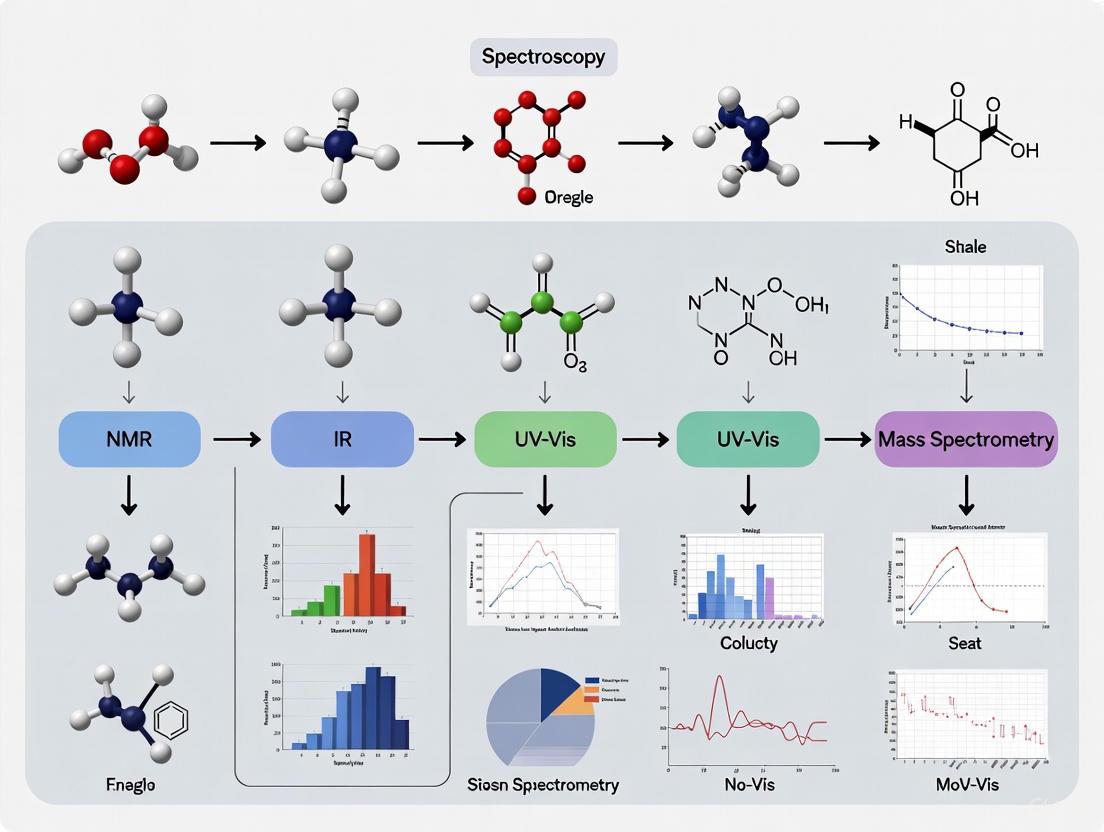
This article provides a complete guide to sample preparation for spectroscopic methods, a critical step where up to 60% of analytical errors originate.
Spectroscopic Sample Preparation: A Comprehensive Guide for Accurate Analysis in Biomedical Research
Abstract
This article provides a complete guide to sample preparation for spectroscopic methods, a critical step where up to 60% of analytical errors originate. Tailored for researchers and drug development professionals, it covers foundational principles, method-specific protocols for techniques like NMR, AAS, FT-IR, and ICP-MS, advanced troubleshooting strategies, and a comparative analysis to guide method selection. The content synthesizes current best practices and emerging technologies to empower scientists in achieving reproducible, high-quality data for biomedical and clinical applications.
The Critical Role of Sample Preparation: Foundations for Spectroscopic Success
In the realm of analytical science, the quality of data is only as good as the sample from which it is derived. A staggering 60% of all spectroscopic analytical errors can be traced back to inadequate sample preparation [1]. This statistic underscores a fundamental truth in the laboratory: even the most advanced and sensitive instrumentation cannot compensate for a poorly prepared sample. For researchers in drug development and other fields relying on spectroscopic analysis, a rigorous, method-specific sample preparation protocol is not merely a best practice—it is the absolute foundation for obtaining valid and reproducible results.
This guide details the critical role of sample preparation, providing a technical framework for scientists to minimize error and maximize data integrity in their spectroscopic analyses.
The Overwhelming Impact of Sample Preparation on Data Quality
The 60% error figure highlights sample preparation as the most significant source of uncertainty in the analytical workflow [1]. Recent surveys of laboratory professionals confirm that issues related to preparation persist as predominant problems, with poor sample recovery and a lack of reproducibility now ranking as the top challenges [2].
The following table summarizes the major sources of error in a typical analytical process, demonstrating how sample preparation-related issues constitute a major portion of the problem.
| Source of Analytical Error | Contribution to Overall Error | Relation to Sample Preparation |
|---|---|---|
| Sample Processing | ~22% (1991 survey) [2] | Directly encompasses all steps of sample preparation. |
| Operator Error | ~17% (1991 survey) [2] | Manual preparation is highly susceptible to technician technique and consistency. |
| Contamination | ~15% (1991 survey) [2] | Introduced from impure reagents, solvents, or equipment during preparation. |
| Calibration | Leading concern (2023 survey) [2] | Proper preparation ensures calibrants and samples have matched matrices. |
| Integration | Major concern (2023 survey) [2] | Poor preparation (e.g., incomplete extraction) can lead to difficult-to-interpret data. |
Errors introduced during preparation manifest in several specific ways that directly compromise spectroscopic data [1]:
- Particle Size and Surface Effects: Inhomogeneous or rough samples scatter light unpredictably, distorting spectral baselines and intensities.
- Matrix Effects: Co-existing elements or compounds in the sample can absorb radiation or enhance analyte signals, leading to inaccurate quantitative results.
- Sample Inhomogeneity: A non-representative sample yields non-reproducible results, as each measured aliquot has a different composition.
- Contamination: The introduction of external contaminants during grinding, dilution, or container transfer creates spurious spectral signals.
Sample Preparation Fundamentals for Core Spectroscopic Methods
Different spectroscopic techniques probe different sample properties, necessitating tailored preparation protocols. A one-size-fits-all approach is a common route to analytical failure.
Technique-Specific Preparation Requirements
| Spectroscopic Method | Primary Preparation Goals | Common Techniques | Critical Parameters to Control |
|---|---|---|---|
| X-Ray Fluorescence (XRF) | Flat, homogeneous surface; uniform density and particle size [1] | Grinding/milling, pressed pelletizing, fusion [1] [3] | Particle size (<75 µm), binder selection, pressing force [1] |
| Inductively Coupled Plasma Mass Spectrometry (ICP-MS) | Complete dissolution of solids; accurate dilution; removal of particulates [1] | Acid digestion, filtration, precise dilution, acidification [1] | Digestion temperature/time, final acid concentration, dilution factor [1] |
| Fourier Transform Infrared (FT-IR) | Optimal pathlength and concentration for measurement [1] | KBr pellets for solids, solution in IR-transparent solvents, ATR with flat contact [1] | Solvent transparency in spectral region, sample homogeneity, film thickness [1] |
| Liquid Chromatography-Mass Spectrometry (LC-MS) | Isolate analyte from matrix; concentrate; remove interfering species (e.g., proteins, salts) [4] [5] | Protein precipitation, solid-phase extraction (SPE), liquid-liquid extraction, filtration [4] [5] | Solvent/sorbent chemistry selection, pH adjustment, sample load and elution volume [5] |
Detailed Experimental Protocols
Pressed Pellet Preparation for XRF Analysis
This method is ideal for creating solid, homogeneous disks from powdered samples for quantitative XRF analysis [1].
Materials: Spectroscopic grinding mill (e.g., swing mill), hydraulic press (10-30 ton capacity), pellet die, primary standard cellulose or wax binder, sample powder. Procedure:
- Grinding: Grind the representative sample to a fine powder, targeting a particle size of <75 µm to minimize particle size effects [1].
- Mixing: Accurately weigh a portion of the ground sample and mix it uniformly with a binder (e.g., 0.5 g sample with 5 g boric acid backing) [1] [3].
- Pressing: Transfer the mixture into a pellet die. Place the die in a hydraulic press and apply a pressure of 10-25 tons for 30-60 seconds to form a stable, flat pellet [1].
- Storage: Store the prepared pellet in a desiccator to prevent moisture absorption before analysis.
Solid-Phase Extraction (SPE) for LC-MS Sample Clean-up
SPE is used for purifying and concentrating analytes from complex liquid matrices like biological fluids, removing proteins and phospholipids that cause ion suppression [5].
Materials: SPE cartridges (C18 for reversed-phase), vacuum manifold, high-purity solvents (methanol, water, acetonitrile), buffering salts. Procedure:
- Conditioning: Pass 2-3 mL of methanol through the SPE sorbent, followed by 2-3 mL of water or a buffer matching the sample's pH. Do not let the sorbent run dry [5].
- Loading: Load the prepared liquid sample (e.g., plasma filtrate) onto the cartridge at a slow, drop-wise flow rate to maximize analyte-sorbent interaction.
- Washing: Wash with 1-2 mL of a mild aqueous buffer (e.g., 5% methanol) to remove weakly retained matrix interferences.
- Elution: Elute the purified analytes with 1-2 mL of a strong solvent (e.g., 90% methanol in water). Collect the eluate for direct analysis or concentration.
The Scientist's Toolkit: Essential Reagents & Materials
| Tool/Reagent | Function | Typical Application |
|---|---|---|
| Borate Flux (e.g., Lithium Tetraborate) | Flux for fusion; dissolves refractory materials to form a homogeneous glass disk [1] [3] | XRF fusion for minerals, ceramics, and other difficult-to-dissolve materials [1] |
| Platinum Crucibles | High-temperature, inert containers for fusion preparation [1] | Withstanding 950-1200°C temperatures during XRF fusion without contaminating the sample [1] |
| Solid-Phase Extraction (SPE) Cartridges | Selective isolation and concentration of analytes from liquid matrices [5] | Clean-up of biological samples (plasma, urine) for LC-MS analysis; environmental water testing [5] |
| ATR Crystal (Diamond) | Robust crystal for direct measurement of solids and liquids via attenuated total reflection [6] | FT-IR spectroscopy of bitumen, polymers, and other solids without extensive preparation [6] |
| Membrane Filters (0.45 µm, 0.2 µm) | Removal of suspended particles from liquid samples [1] | Preparation of aqueous samples for ICP-MS to prevent nebulizer clogging [1] |
| Deuterated Solvents (e.g., CDCl₃) | Spectroscopically transparent solvents for nuclear magnetic resonance (NMR) and FT-IR [1] | Dissolving samples for FT-IR analysis in transmission mode with minimal interfering absorption bands [1] |
The following diagram maps the sample preparation journey for a solid sample, highlighting critical control points where errors are most likely to be introduced, leading to the 60% statistic.
Best Practices for Mitigating Error and Enhancing Reproducibility
To combat the high error rate associated with sample preparation, laboratories should adopt the following evidence-based practices:
- Prioritize Homogeneity and Contamination Control: The foundation of accurate analysis is a sample that is both uniform and pure. Invest in high-quality grinding equipment with non-contaminating surfaces and establish rigorous cleaning protocols between samples [1]. For solids, ensure particle size is reduced and consistent.
- Standardize and Document Protocols: Reproducibility is paramount. Develop and adhere to Standard Operating Procedures (SOPs) for each sample type and analytical technique. Automated systems excel here, as they log parameters (time, pressure, temperature) to create an audit trail, transforming preparation from an "art" to a traceable science [7].
- Select Methods Appropriate to Your Technique and Sample: Understand the fundamental requirements of your spectroscopic method. For instance, XRF demands a flat, homogeneous surface, while ICP-MS requires total dissolution [1]. Similarly, solvent selection for FT-IR must consider the solvent's own IR absorption profile [1].
- Embrace Automation Where Possible: Automated grinding, polishing, and liquid handling systems significantly reduce operator-dependent variability and human error [7]. These systems enhance throughput and provide the consistency needed for high-quality, reproducible results, directly addressing the top challenges of recovery and reproducibility [2] [7].
- Consider Green Chemistry Principles: With 88.6% of survey respondents concerned about solvent environmental, health, and safety effects, there is a push toward sustainable practices [2]. Explore solventless methods (like SPME), use smaller solvent volumes, or investigate alternative solvents to reduce this source of error and hazard [2].
The 60% error statistic is a powerful reminder that the analytical process begins long before a sample is placed in an instrument. For researchers in drug development and spectroscopy, compromising on sample preparation means compromising the very data upon which critical decisions are based. By understanding the rigorous, method-specific requirements, implementing standardized and automated protocols, and maintaining a relentless focus on homogeneity and contamination control, scientists can turn this major source of error into a cornerstone of reliability. Excellent sample preparation is, and will remain, non-negotiable for excellent science.
In analytical sciences, the accuracy of spectroscopic data is not solely determined by the performance of the instrument but is profoundly influenced by the physical characteristics of the sample itself. Homogeneity, particle size, and surface quality constitute a critical triad of physical properties that directly govern how matter interacts with electromagnetic radiation. These parameters form the foundation of reliable spectral analysis, yet their systematic impact is often overlooked in spectroscopic practice.
Sample preparation represents the most significant source of analytical error in spectroscopy, accounting for approximately 60% of all analytical errors [1]. Within the context of a broader thesis on spectroscopic method development, understanding these core physical principles becomes paramount for researchers aiming to develop robust analytical protocols. This technical guide examines the fundamental relationships between sample physical properties and spectral data quality, providing a scientific basis for standardized sample preparation protocols across various spectroscopic techniques.
Fundamental Principles of Light-Matter Interaction
The interaction between light and matter provides the theoretical foundation for all spectroscopic techniques. When electromagnetic radiation strikes a sample, it may be absorbed, transmitted, reflected, or scattered, with the relative proportions of each interaction determined by both the material's chemical composition and its physical structure.
The Role of Surface Roughness in Light Scattering
Surface topography directly influences the fate of incident radiation through scattering phenomena. Rough surfaces disrupt the specular reflection of light, instead scattering it diffusely in random directions. This scattering effect is quantitatively described by the root mean square (RMS) roughness parameter (σ), which must be substantially less than the wavelength of incident light to maintain measurement integrity [8].
The relationship between surface roughness and scattered light can be modeled using a single-layer homogeneous model, which treats surface roughness as a thin layer with a refractive index intermediate between the ambient medium and the substrate material [8]. This approach allows researchers to quantify how rough surfaces impact both reflectance and transmittance measurements for s-polarized and p-polarized light, with implications for both qualitative identification and quantitative analysis.
Particle Size Effects on Radiation Penetration and Scattering
Particle size dictates the optical path length and scattering cross-section within powdered samples. Larger particles create heterogeneous environments with inconsistent penetration depths, while excessively fine particles can promote agglomeration and increase scattering losses. The optimal particle size range for most spectroscopic techniques is <75 μm, though specific applications may require different size distributions [1].
Laser diffraction studies have established that particle size distributions directly correlate with sample homogeneity, particularly for mycotoxin analysis in food and feed matrices [9]. When particle size measurements fall below 850 μm, mycotoxin concentrations become consistent across independent test portions, confirming the fundamental relationship between particle size reduction and analytical homogeneity [9].
Quantitative Effects on Spectral Data Quality
Homogeneity and Representativeness
Sample homogeneity ensures that a small test portion accurately represents the entire sample material. Heterogeneous distributions of analytes or matrix components introduce sampling errors that cannot be corrected through instrumental refinement alone. The variance associated with homogeneity can be isolated and quantified using approaches described in ISO Guide 35:2017, which provides statistical methods for homogeneity assessment [9].
Laser diffraction particle size analysis has emerged as a rapid, reliable technique for homogeneity characterization, correlating strongly with established ISO protocols [9]. This method quantifies within-subsample and between-subsample variances through multiple measurements, providing a practical homogeneity index for routine analysis.
Particle Size and Spectral Reproducibility
Particle size directly influences spectral reproducibility through multiple mechanisms. The following table summarizes key quantitative relationships between particle size and spectral parameters:
Table 1: Quantitative Effects of Particle Size on Spectral Data
| Particle Size Parameter | Spectral Effect | Magnitude/Impact | Analytical Technique |
|---|---|---|---|
| Dv50 < 75 μm | Homogeneous X-ray interaction | Required for quantitative analysis | XRF [1] |
| Particles > 850 μm | Increased sampling error | Mycotoxin concentration variance | NIR, LC-MS [9] |
| Fine fraction increase | Elevated surface roughness | Adhered particles increase Sa, Sz | L-PBF manufacturing [10] |
| Optimal size range | Reduced light scattering | Improved signal-to-noise ratio | NIRS, FT-IR [1] |
The particle size distribution also affects final product properties in manufacturing processes. In laser powder bed fusion (L-PBF) for metal parts, the smallest particles in a powder batch disproportionately contribute to surface roughness by adhering to the manufactured part surface [10]. This relationship demonstrates how particle size effects transcend analytical spectroscopy and extend to materials processing applications.
Surface Quality and Signal Fidelity
Surface roughness parameters provide quantitative descriptors of surface quality and its impact on spectral measurements. The most commonly cited parameters include:
Table 2: Surface Roughness Parameters and Their Spectral Significance
| Roughness Parameter | Definition | Spectral Significance | Limitations |
|---|---|---|---|
| Ra/Sa | Arithmetical mean height | General surface quality indicator | Insufficient alone for complex surfaces [11] |
| Rq/Sq | Root mean square height | More sensitive to extreme values | Better for Gaussian surfaces |
| Rz/Sz | Maximum height of profile | Peak-to-valley distance | Limited reproducibility [11] |
| Multiparameter approach | Combined roughness assessment | Comprehensive surface characterization | Required for irregular surfaces [11] |
Research on shot-peened surfaces has demonstrated that relying on a single roughness parameter like Ra or Rz can yield misleading conclusions when comparing dissimilar surfaces [11]. Surfaces with identical Ra values may exhibit dramatically different spatial distributions of peaks and valleys, resulting in different light interaction behaviors. A comprehensive set of amplitude and spacing parameters provides more reliable surface characterization for spectroscopic applications [11].
Experimental Protocols for Characterization
Laser Diffraction Particle Size Analysis
Objective: To determine particle size distribution and assess sample homogeneity. Materials: Laser diffraction particle size analyzer, appropriate dispersant (e.g., methanol), sample dividing (riffling) device.
- Sample Preparation: Comminute bulk samples using wet, cryogenic, or dry milling. Obtain representative subsamples using a sample dividing device [9].
- Dispersant Selection: Use methanol to wet particle surfaces and separate agglomerated particles. Verify stability of particle size distribution over sequential measurements [9].
- Stirring Optimization: Set stirring rate to 3500 rpm to eliminate agglomeration and create uniform suspension. Lower rates (e.g., 500 rpm) cause agglomeration and yield unrealistic particle sizes [9].
- Optical Parameter Configuration: Set refractive index to 1.6 with absorption of 0.01 for organic materials. Adjust for specific matrix properties [9].
- Data Collection: Perform minimum of 60 sequential measurements to verify stability. Calculate Dv10, Dv50, and Dv90 values with relative standard deviations (RSD) [9].
Surface Roughness Characterization
Objective: To quantitatively characterize surface topography relevant to light interaction. Materials: Optical profilometer, surface roughness standard for calibration.
- Surface Scanning: Use non-contact optical microscope (e.g., Alicona Infinite Focus) with appropriate magnification. Scan sufficiently large area (e.g., 10.2 × 5.6 mm²) to ensure representative sampling [11].
- Parameter Extraction: Extract both profile (Ra, Rq, Rz) and areal (Sa, Sq, Sz) roughness parameters according to ISO 25178-2 [11] [10].
- Multiparameter Approach: Utilize comprehensive set of amplitude and spacing parameters rather than relying solely on Ra or Rz [11].
- Statistical Analysis: Assess parameter reproducibility across multiple surface locations. For treated surfaces, evaluate evolution of parameters as function of processing time or exposure [11].
Method-Specific Preparation Requirements
X-Ray Fluorescence (XRF) Spectrometry
XRF analysis requires flat, homogeneous surfaces with consistent density. Particle size must be reduced to <75 μm through grinding, followed by pelletizing with binding agents or fusion with fluxing materials to create uniform specimens [1]. The pelletizing process typically involves blending ground sample with a binder (e.g., wax or cellulose) and pressing at 10-30 tons to form stable disks with smooth surfaces [1].
Near-Infrared (NIR) Spectroscopy
NIR spectroscopy benefits from consistent particle size distribution to minimize light scattering variations. Effective spectral pre-processing methods, including simple ratio indices (SRI), normalized difference indices (NDI), and three-band index transformations (TBI), significantly enhance prediction accuracy for soil properties and other complex matrices [12]. Feature selection approaches like recursive feature elimination (RFE) and least absolute shrinkage and selection operator (LASSO) help manage the high dimensionality of transformed spectral data [12].
Inductively Coupled Plasma Mass Spectrometry (ICP-MS)
ICP-MS demands complete sample dissolution to avoid nebulizer clogging and matrix effects. Samples require accurate dilution to appropriate concentration ranges, filtration (typically 0.45 μm) to remove particulates, and acidification with high-purity nitric acid to prevent precipitation [1]. Internal standardization compensates for matrix effects and instrument drift, improving quantitative accuracy.
The Scientist's Toolkit: Essential Research Reagent Solutions
Table 3: Essential Materials for Spectroscopic Sample Preparation
| Item | Function | Application Examples |
|---|---|---|
| Spectroscopic Grinding Mills | Particle size reduction to <75 μm | XRF, NIR, ICP-MS sample preparation [1] |
| Laser Diffraction Particle Analyzers | Particle size distribution measurement | Homogeneity assessment [9] |
| Hydraulic Pellet Presses | Fabrication of uniform sample disks | XRF pellet preparation [1] |
| Optical Profilometers | Non-contact surface roughness measurement | Surface quality verification [11] [10] |
| Enhanced Matrix Removal (EMR) Cartridges | Selective removal of matrix interferences | PFAS, mycotoxin analysis in food [13] |
| High-Purity Flux Agents | Sample fusion for refractory materials | XRF glass disk preparation [1] |
| Volatile Modifiers | Enhancement of ionization efficiency | ESI-LC/MS mobile phase preparation [14] |
| MALDI Matrices | Energy absorption and sample incorporation | MALDI-MS target preparation [14] |
The physical principles governing sample homogeneity, particle size, and surface quality represent fundamental determinants of spectroscopic data quality. These parameters directly control light-matter interactions through defined mechanisms that can be quantified and optimized. Standardized characterization protocols, including laser diffraction particle size analysis and multiparameter surface roughness assessment, provide researchers with robust tools for sample quality control.
Within the broader context of spectroscopic method development, acknowledging these physical principles as core analytical parameters rather than peripheral sample preparation concerns represents a paradigm shift toward more robust and reproducible spectroscopic analysis. Future research should focus on establishing quantitative relationships between specific physical parameters and spectral fidelity metrics across different material classes and spectroscopic techniques.
Contamination control is a foundational pillar of analytical integrity in trace analysis, where the accuracy of results is paramount. Inadequate sample preparation is responsible for up to 60% of all spectroscopic analytical errors, underscoring the critical need for rigorous contamination prevention protocols [1]. The process of transforming a raw sample into a form suitable for spectroscopic analysis introduces numerous potential contamination vectors, each capable of compromising data validity. This guide addresses the pervasive challenge of contamination within the context of sample preparation for spectroscopic methods such as ICP-MS, XRF, and FT-IR, providing a systematic framework for identifying contamination sources, assessing associated risks, and implementing effective mitigation strategies. The goal is to equip researchers and scientists with the knowledge to produce reliable, reproducible, and analytically sound results, thereby supporting robust scientific research and quality control in fields like drug development [1].
Contamination in trace analysis can originate from every stage of the analytical process, from sample collection to final analysis. Understanding these sources is the first step toward developing effective countermeasures.
- Sample Collection and Handling: The sample itself can be a primary source of contamination, particularly if it is heterogeneous or collected from a polluted environment. Cross-contamination between samples, contact with non-inert collection tools, and adsorption of contaminants from the atmosphere during handling are significant risks. For instance, trace metal pollution from industrial, agricultural, or mining activities can be introduced during sampling [15].
- Laboratory Environment: The ambient laboratory air can introduce particulate matter, aerosols, and volatile organic compounds. Dust, skin cells, and fibers from clothing are common contaminants. Activities in nearby lab areas can also contribute to cross-contamination.
- Reagents and Solvents: Acids, bases, solvents, and water used in digestion, dilution, and other preparation steps can contain impurity metals or organic compounds at levels significant for ultra-trace analysis. For example, the purity of water from a purification system is critical for techniques like ICP-MS [16].
- Labware and Equipment: Containers, volumetric flasks, pipettes, syringes, and filters can leach elements or absorb analytes. Grinding and milling equipment can contribute particulate wear debris to solid samples [1]. The choice of material (e.g., glass, quartz, plastics like PTFE, PP) is crucial as each has different leaching and adsorption properties.
- Sample Preparation Processes: Specific preparation techniques carry inherent contamination risks. Grinding and milling can cause cross-contamination from previous samples or from the grinding media itself [1]. In ICP-MS preparation, inaccurate dilution or the use of impure reagents can directly skew results [1].
Quantifying Contamination Risks in Spectroscopic Analysis
The impact of contamination is technique-dependent, influenced by the method's sensitivity and the specific analytical question. The table below summarizes the primary contamination effects and their impact on major spectroscopic techniques.
Table 1: Contamination Risks and Impacts on Common Spectroscopic Techniques
| Analytical Technique | Primary Contamination Concerns | Impact on Analysis |
|---|---|---|
| ICP-MS | Contamination from reagents, water, and labware; incomplete sample dissolution; particle introduction clogging nebulizer [1]. | Skews isotopic ratios, causes spectral interferences, elevates baseline, leads to inaccurate quantification, and damages instrument components. |
| XRF | Surface impurities, inconsistent particle size, and cross-contamination during grinding/pelletizing [1]. | Alters X-ray absorption and emission characteristics, leading to inaccurate elemental composition data and reduced precision. |
| FT-IR | Contamination from solvents, KBr pellets, or the atmosphere affecting the sample matrix [1] [17]. | Introduces extraneous absorption bands, obscuring the sample's molecular "fingerprint" and complicating spectral interpretation. |
| Non-Target Analysis (NTA) with HRMS | Contamination that co-elutes chromatographically with analytes of interest; contamination introduced during sample purification (e.g., SPE cartridges) [18]. | Generates spurious chemical signals, complicating the already complex dataset and leading to false positives in contaminant identification. |
Beyond the analytical instrument, contamination poses significant ecological and human health risks when data is used for environmental decision-making. Trace metals like lead, cadmium, and mercury can bioaccumulate, impacting biodiversity and entering the food chain [15]. Inaccurate risk assessments due to contaminated samples can therefore lead to flawed environmental management and policy decisions.
Experimental Protocols for Contamination Prevention and Control
Implementing robust, standardized protocols is essential for mitigating contamination. The following methodologies provide a framework for safeguarding sample integrity.
Protocol for Solid Sample Preparation (Grinding/Pelletizing)
This protocol is critical for techniques like XRF and FT-IR to ensure a homogeneous, contaminant-free sample [1].
- Equipment Cleaning: Prior to processing, clean grinding vessels and milling tools thoroughly. Use a multi-step wash with high-purity solvents (e.g., acetone) and acids (e.g., dilute nitric acid for metal analysis), followed by copious rinsing with high-purity water (e.g., from a system like the Milli-Q SQ2) and drying in a particle-free environment [1] [16].
- Sample Homogenization: For heterogeneous materials, pre-homogenize the bulk sample using a jaw crusher or similar device.
- Grinding/Milling: Select a grinding or milling machine with materials of construction that minimize contamination (e.g., zirconia or tungsten carbide for hard materials). Process the sample to a consistent, fine particle size (e.g., <75 μm for XRF). Clean all equipment meticulously between samples to prevent cross-contamination [1].
- Pelletizing (for XRF): Mix the ground powder with a suitable binder (e.g., cellulose or wax). Press the mixture into a pellet using a hydraulic press (typically 10-30 tons force) to create a flat, uniform-density disk for analysis [1].
- Fusion (for refractory materials): For complete dissolution and matrix normalization, fuse the sample with a flux (e.g., lithium tetraborate) at high temperatures (950-1200°C) in platinum crucibles to create a homogeneous glass disk [1].
Protocol for Liquid Sample Preparation (ICP-MS Focus)
ICP-MS is exceptionally sensitive, requiring ultra-clean preparation techniques [1].
- Sample Digestion: For solid samples, use total acid digestion in a closed-vessel microwave digestion system to ensure complete dissolution and prevent atmospheric contamination.
- Dilution and Acidification: Perform all dilutions with high-purity acids (e.g., nitric acid to 2% v/v) and ultrapure water. Use accurate, calibrated pipettes and volumetric glassware. Acidification helps keep metals in solution and prevents adsorption to container walls [1].
- Filtration: After digestion or dilution, filter the liquid sample through a membrane filter (e.g., 0.45 μm or 0.2 μm for ultratrace analysis) to remove any suspended particles that could clog the nebulizer. Use PTFE membranes to minimize contamination [1].
- Internal Standardization: Add internal standards to all samples, blanks, and calibration standards to correct for matrix effects and instrument drift, improving quantitative accuracy [1].
General Quality Control Measures
- Laboratory Blanks: Process method blanks (all reagents without sample) alongside every batch of samples. The blank is used to identify and correct for background contamination originating from reagents or the preparation process.
- Replication: Analyze samples in duplicate or triplicate to assess the precision and reproducibility of the entire preparation and analytical method.
- Certified Reference Materials (CRMs): Include CRMs with a known matrix and analyte composition that matches the samples. The recovery of the certified values verifies the accuracy of the entire analytical protocol [18].
Advanced Techniques and Machine Learning for Contamination Tracking
Emerging technologies are enhancing the ability to identify and account for contamination.
Machine Learning (ML) for Non-Target Analysis (NTA): ML algorithms are powerful tools for interpreting complex datasets from techniques like high-resolution mass spectrometry (HRMS). They can be trained to distinguish source-specific chemical fingerprints, helping to identify whether a detected compound is a true analyte or an external contaminant introduced during sampling or preparation [18]. For example, classifiers like Random Forest (RF) and Support Vector Classifier (SVC) have been used to screen hundreds of features (chemical signals) across samples with high accuracy, identifying their contamination source [18].
Hyphenated and Advanced Spectroscopic Techniques: The integration of FT-IR with chemometric models is an advancement that improves the detection limits and specificity for identifying metal-binding functional groups in complex matrices like food [17]. Furthermore, the development of portable and handheld spectrometers, as noted in the 2025 instrumentation review, allows for on-site screening, reducing the number of handling and transportation steps where contamination can occur [16].
The workflow below illustrates how machine learning integrates with non-target analysis to improve the identification of contamination sources.
The Scientist's Toolkit: Essential Reagents and Materials
Selecting the right tools is fundamental to any contamination-control strategy. The following table details key reagents and materials used in trace analysis sample preparation.
Table 2: Essential Research Reagent Solutions for Trace Analysis
| Item | Function | Key Considerations |
|---|---|---|
| High-Purity Acids (e.g., HNO₃, HCl) | Sample digestion and dissolution; equipment cleaning. | Use ultra-pure trace metal grade to minimize introduction of elemental impurities, especially for ICP-MS. |
| Solid Phase Extraction (SPE) Cartridges | Purification and pre-concentration of analytes; removal of interfering matrix components [18]. | Select sorbent phase (e.g., Oasis HLB, Strata WAX) based on the target analytes' physicochemical properties to ensure optimal recovery and selectivity. |
| Ultrapure Water Purification System | Preparation of blanks, standards, and dilution of samples; final rinsing of labware. | Systems like the Milli-Q SQ2 series deliver Type 1 water (18.2 MΩ·cm) with low organic content, critical for sensitive techniques [16]. |
| Membrane Filters | Removal of particulate matter from liquid samples prior to analysis (e.g., ICP-MS). | Pore size (0.45 μm or 0.2 μm) and membrane material (e.g., PTFE, nylon) must be selected to avoid analyte adsorption and contamination. |
| Spectroscopic Grinding/Milling Equipment | Particle size reduction and homogenization of solid samples [1]. | Equipment should have hardened grinding surfaces (e.g., tungsten carbide) to minimize wear debris and be easy to clean to prevent cross-contamination. |
| Binders for XRF Pelletizing (e.g., cellulose, boric acid) | Create robust, uniform pellets for analysis by providing structural integrity [1]. | Must be free of the target analytes and produce a pellet with consistent density and surface properties. |
Vigilance against contamination is not a single step but a pervasive mindset that must be embedded throughout the entire analytical workflow. From the initial selection of sample collection tools to the final data validation, every action presents an opportunity to either introduce or prevent error. As analytical techniques like ICP-MS and non-target HRMS push detection limits ever lower, the margin for error shrinks accordingly, making rigorous contamination control protocols non-negotiable. The integration of advanced tools, including machine learning for data interpretation and high-purity reagent systems, provides a powerful defense. By systematically understanding contamination sources, quantifying their risks, and implementing the detailed prevention protocols and essential tools outlined in this guide, researchers can ensure the production of reliable, accurate, and defensible data. This commitment to analytical integrity is the cornerstone of valid scientific research, robust environmental monitoring, and safe drug development.
Matrix effects represent a fundamental challenge in analytical spectroscopy, detrimentally impacting the accuracy, sensitivity, and reproducibility of quantitative analyses [19]. In essence, a matrix effect occurs when components in a sample, other than the analyte of interest, interfere with the analytical measurement process [20]. These interfering components, collectively known as the "matrix," can co-elute or co-exist with the analyte and cause unintended signal suppression or enhancement [19] [21]. In techniques like liquid chromatography-mass spectrometry (LC-MS), this interference predominantly happens during the ionization process, leading to ionization suppression or enhancement [19]. The matrix can include a wide variety of substances, such as salts, proteins, lipids, metabolites, or humic acids, depending on the sample origin (e.g., biological fluids, environmental samples, or food) [20] [21].
The mechanisms behind matrix effects are diverse. In mass spectrometry, one theory suggests that co-eluting basic compounds may deprotonate and neutralize analyte ions, reducing the formation of protonated ions [19]. Other theories propose that less-volatile compounds can affect droplet formation efficiency in the electrospray ion source, or that high-viscosity interferents increase the surface tension of charged droplets, thereby reducing droplet evaporation efficiency [19]. In atomic spectroscopy, matrix effects can also manifest as flame noise, spectral interferences, and chemical interferences [22]. Understanding these mechanisms is the first step toward developing effective strategies to mitigate their impact, which is crucial for generating reliable data in research and drug development.
Detection and Quantification of Matrix Effects
Established Detection Methods
Several experimental methods are routinely employed to detect and assess the presence and extent of matrix effects.
Post-Extraction Spike Method: This method evaluates matrix effects by comparing the signal response of an analyte spiked into a blank matrix extract with the signal response of an equivalent amount of the analyte in a neat mobile phase or pure solvent [19]. The difference in response indicates the extent of the matrix effect. A significant drawback is the requirement for a blank matrix, which is not available for endogenous analytes like metabolites [19].
Post-Column Infusion Method: In this qualitative approach, a constant flow of analyte is infused into the HPLC eluent while a blank sample extract is injected [19]. Variations in the signal response of the infused analyte caused by co-eluting interfering compounds indicate regions of ionization suppression or enhancement in the chromatogram. While useful for method development, this process is time-consuming, requires additional hardware, and is less suitable for multi-analyte samples [19].
Simple Recovery-Based Method: To overcome the limitations of the above methods, a simpler, fast, and reliable method based on recovery has been proposed. This method can be applied to any analyte, including endogenous compounds, and to any matrix without requiring additional hardware [19].
Quantitative Evaluation
The matrix effect can be quantified to understand its practical impact on an analysis. The formula below is used to calculate the matrix effect (ME), expressed as a percentage:
ME (%) = (Signal in Matrix / Signal in Neat Standard) × 100% [21]
For example, if the signal for a pesticide in a strawberry matrix extract is only 70% of the signal for an identical concentration in a pure solvent, this indicates a 30% signal loss due to matrix effect, or an instrumental recovery of 70% [21]. A value of 100% indicates no matrix effect, values below 100% indicate signal suppression, and values above 100% indicate signal enhancement.
Table 1: Interpretation of Matrix Effect Quantification
| Matrix Effect Value | Interpretation |
|---|---|
| > 100% | Signal Enhancement |
| ≈ 100% | No Significant Matrix Effect |
| < 100% | Signal Suppression |
Strategies for Mitigating Matrix Effects
It is often impossible to completely eliminate matrix effects, so a combination of preventative techniques and data correction strategies is required to manage them [19] [20].
Sample Preparation and Cleanup
Optimizing sample preparation is a primary line of defense. The goal is to remove interfering compounds from the sample prior to analysis [19] [1].
- Technique Selection: Methods like liquid-liquid extraction, solid-phase extraction, and filtration can significantly reduce matrix components [1]. For ICP-MS, filtration through a 0.45 μm or 0.2 μm membrane is standard to remove particulates [1].
- Sample Dilution: Simply diluting the sample can reduce the concentration of interfering compounds to a level where their impact is minimized [19] [19]. This approach is only feasible when the method's sensitivity is high enough to tolerate the dilution [19].
Chromatographic and Instrumental Optimization
Modifying the analytical separation can prevent interferents from co-eluting with the analyte.
- Chromatographic Separation: Changing parameters such as the mobile phase composition, gradient, and column type can improve the separation, thereby avoiding the co-elution of analytes and interfering compounds [19] [23] [16].
- Sample Introduction: In atomic spectroscopy, standard addition is a general method used to account for unknown matrix effects [22].
Calibration and Data Correction Techniques
When matrix effects cannot be fully removed, data correction techniques are essential.
- Stable Isotope-Labeled Internal Standards (SIL-IS): This is considered the gold standard for correcting matrix effects in LC-MS [19]. The SIL-IS is chemically identical to the analyte and co-elutes with it, experiencing the same matrix effects. The response of the analyte is normalized to the response of the SIL-IS, effectively canceling out the variability caused by the matrix [19]. The main limitations are the high cost and lack of commercial availability for all analytes [19].
- Standard Addition Method: This method involves adding known increments of the analyte to the sample itself [19] [22]. The signal for each increment is measured and plotted against the added concentration. The resulting line is extrapolated back to the x-axis to determine the original analyte concentration in the sample. The underlying assumption is that the added analyte experiences the same matrix effect as the native analyte [22]. This method is particularly useful for complex or unique matrices where a blank is unavailable [19].
- Structural Analogue as Internal Standard: A co-eluting structural analogue of the analyte can serve as a more affordable alternative to a SIL-IS [19]. While it may not perfectly mimic the analyte's behavior, it can provide a reasonable correction for matrix effects [19].
- Matrix-Matched Calibration: This technique involves preparing calibration standards in a matrix that is free of the analyte but otherwise similar to the sample matrix [20]. This can be challenging as it requires a suitable blank matrix and it is difficult to exactly match the matrix of every unknown sample [19].
The following workflow outlines a systematic approach to diagnosing and addressing matrix effects in the laboratory.
Experimental Protocols for Key Experiments
Protocol: Post-Extraction Spike for Matrix Effect Quantification
This protocol is used to quantify the matrix effect for an analyte in a given matrix [19] [21].
Sample Preparation:
- Obtain a blank matrix (e.g., organically grown strawberry extract for pesticide analysis).
- Prepare a post-extraction spiked sample: To 900 µL of the blank matrix extract, add 100 µL of a known concentration of analyte spiking solution (e.g., 50 ppb) to make the final concentration (e.g., 5 ppb) [21].
- Prepare a neat standard: To 900 µL of pure solvent, add 100 µL of the same analyte spiking solution to achieve the same final concentration.
Analysis:
- Analyze both the post-extraction spiked sample and the neat standard using the developed LC-MS/MS or other spectroscopic method.
- Record the peak areas (or other signal metrics) for the analyte in both samples.
Calculation:
- Calculate the Matrix Effect (ME) using the formula: ME (%) = (Peak Area in Post-Extraction Spike / Peak Area in Neat Standard) × 100% [21].
Protocol: Standard Addition Method
This protocol is used to both detect a matrix effect and accurately quantify the analyte concentration in its presence [19] [22].
Sample Aliquots:
- Take several equal-volume aliquots of the sample containing the unknown concentration of analyte (X).
- To each aliquot, add a known and increasing volume of a standard analyte solution.
- Dilute all aliquots to the same final volume. This results in a series of samples with the same original matrix and original analyte concentration, but with known amounts of added standard (e.g., +0, +C, +2C, +3C).
Analysis:
- Analyze all samples in the standard addition series.
- Record the signal (e.g., peak area) for the analyte in each sample.
Data Plotting and Calculation:
- Plot the measured signal on the y-axis against the concentration of the added standard on the x-axis.
- Perform a linear regression and extrapolate the line to where it crosses the x-axis (i.e., where signal = 0).
- The absolute value of the x-intercept is the original concentration of the analyte in the sample [22].
The Scientist's Toolkit: Essential Research Reagents and Materials
The following table details key materials and reagents used in the detection and mitigation of matrix effects.
Table 2: Key Research Reagent Solutions for Matrix Effect Management
| Reagent/Material | Function in Managing Matrix Effects |
|---|---|
| Stable Isotope-Labeled Internal Standard (SIL-IS) | Co-elutes with the analyte, undergoes identical ionization, and provides a reference signal to correct for suppression/enhancement; considered the most effective correction method [19]. |
| Structural Analogue Internal Standard | A chemically similar compound used as a more accessible alternative to SIL-IS to correct for matrix effects, though it may not be as precise [19]. |
| High-Purity Solvents & Acids | Used for sample dilution, preparation of mobile phases, and acidification (e.g., for ICP-MS) to minimize the introduction of contaminants that can cause or exacerbate matrix effects [1]. |
| Solid-Phase Extraction (SPE) Cartridges | Used for selective sample clean-up to remove interfering matrix components (e.g., proteins, lipids) before analysis [1]. |
| Filtration Membranes (e.g., 0.22 µm PTFE) | Used to remove particulate matter from samples, preventing clogging and reducing a source of physical interference, especially in ICP-MS and HPLC [19] [1]. |
| Matrix-Matched Blank Material | An analyte-free sample of the same or similar matrix used to prepare calibration standards for the matrix-matched calibration technique, compensating for consistent matrix effects [20]. |
Method-Specific Protocols: A Practical Guide to Preparing Samples for Major Spectroscopic Techniques
Within the broader context of spectroscopic methods research, Nuclear Magnetic Resonance (NMR) spectroscopy stands as a powerful technique for elucidating molecular structure, dynamics, and interaction. The critical differentiator between success and failure in NMR analysis often lies not in the spectrometer's capabilities but in the preparatory stages long before the experiment begins. Proper sample preparation is a foundational requirement that transcends all spectroscopic methods, and in NMR, it dictates the clarity, resolution, and ultimate interpretability of the data. This guide provides an in-depth examination of the three pillars of effective NMR sample preparation: the selection of appropriate deuterated solvents, the choice of a correctly specified NMR tube, and the formulation of a solution with an optimal concentration. These factors collectively determine the quality of the magnetic field homogeneity, the signal-to-noise ratio, and the accuracy of the resulting spectrum, forming a non-negotiable protocol for researchers and drug development professionals aiming to generate reliable, high-quality data.
Deuterated Solvent Selection
Deuterated solvents are a group of compounds in which one or more hydrogen atoms have been replaced with deuterium (²H). They serve as the backbone of NMR spectroscopy for two primary reasons: they provide a deuterium signal for the spectrometer to "lock" onto, compensating for magnetic field drifts, and they minimize the intense solvent background signals that would otherwise obscure the analyte's spectrum, particularly in ¹H NMR [24] [25].
Table 1: Common Deuterated Solvents and Their Properties
| Solvent | Common Applications | Boiling Point (°C) | Key Advantages & Considerations |
|---|---|---|---|
| Chloroform-D (CDCl₃) | Non-polar organic compounds [26] | 61.2 [25] | Relatively inexpensive, high isotopic purity, easy to evaporate for sample recovery [25] |
| Dimethyl Sulfoxide-D6 (DMSO-d6) | Compounds difficult to solubilize (e.g., polar organics, pharmaceuticals) [25] | 189 [25] | Excellent solubilizing power; high boiling point makes sample recovery difficult without specialized equipment [25] |
| Deuterium Oxide (D₂O) | Water-soluble molecules, biomolecules [26] | 101.4 | Essential for biological samples; pH is measured as pD (pD = pH meter reading + 0.4) [24] |
| Methanol-D4 (CD₃OD) | Medium-polarity compounds, reaction mixtures | 64.7 | Useful for a wide range of polarities |
| Acetonitrile-D3 (CD₃CN) | Versatile polar solvent | 81.6 | Low viscosity, sharp peaks |
When selecting a solvent, the primary consideration is whether it can dissolve your analyte completely to create a homogeneous solution [25]. One should also consult the solvent's NMR spectrum to ensure its residual proton signals do not overlap with critical peaks of the analyte. For ¹H NMR, it is recommended to dissolve between 2 and 10 mg in 0.6 to 1 mL of solvent [25]. Furthermore, for samples that need to be recovered post-analysis, the solvent's boiling point becomes a major factor, with low-boiling solvents like CDCl₃ being significantly easier to remove than high-boiling ones like DMSO-d6 [25].
NMR Tube Selection and Handling
The NMR tube is a deceptively simple piece of equipment whose quality directly impacts spectral resolution. NMR tubes are typically made from borosilicate glass or high-precision quartz and come in standard lengths, most commonly 7 inches (17.8 cm) [27] [28]. The most prevalent outer diameter is 5 mm, which fits the probes of most modern spectrometers [27] [28].
Tube Grades and Specifications
The quality of NMR tubes is categorized into several tiers, each suited for different applications and field strengths. Key specifications to understand are concentricity (how round the tube is, affecting wobble), camber (the tube's straightness), and wall thickness [29].
Table 2: NMR Tube Grades by Application and Field Strength
| Tube Grade | Typical Field Strength | General Application | Key Characteristics & Limitations |
|---|---|---|---|
| High-Throughput / Economy | 100 - 400 MHz [30] | Routine organic chemistry, educational applications [31] [30] | Least costly; thicker walls reduce S/N; longer shimming times; not for VT experiments [31] |
| Precision / Research | 400 - 700 MHz [30] | Routine synthetic chemistry research, metabolic mixture analysis [30] | Better dimensional control (concentricity, camber); improved S/N and resolution [31] |
| Ultra-Precision / Premium | 700 - 900+ MHz [30] | Structural biology, multi-purpose research [30] | Highest quality control; often thin-walled for maximum S/N; essential for high-field instruments [31] |
Sample Preparation and Tube Handling
Proper handling is crucial. The optimal solution height in a 5 mm NMR tube is 4 cm (approximately 0.55 mL) [31]. Shorter samples are difficult or impossible to shim properly, while longer samples can be wasteful and may also present shimming challenges [31]. The sample must be free of solid particles, as they distort the magnetic field homogeneity, causing broad, indistinct spectral lines [31]. If solids are present, the solution should be filtered using a Pasteur pipette with a tightly packed plug of glass wool (cotton wool should be avoided as it can leach impurities) [31]. After use, tubes should be rinsed with an appropriate solvent like acetone and dried lying flat, preferably in a vacuum oven at low temperature or with a blast of dry air to avoid distortion from high heat [31] [28].
Sample Concentration Guidelines
The concentration of the analyte in the deuterated solvent is a critical determinant of data quality, directly influencing the signal-to-noise (S/N) ratio and the required acquisition time.
Standard Organic Molecules
For routine ¹H NMR analysis of organic compounds, a sample quantity of 5 to 25 mg dissolved in 0.5 - 0.6 mL of solvent is typically adequate [31] [28]. At very low concentrations, peaks from common contaminants like water and grease can dominate the spectrum, and achieving a satisfactory S/N will require significantly more spectrometer time (halving the concentration requires four times the acquisition time to achieve the same S/N) [31]. Conversely, over-concentration can lead to broad or asymmetric lines due to increased solution viscosity or if the sample concentration varies along the height of the solution [28].
Proteins and Biomolecules
NMR studies of proteins and peptides have more specific concentration requirements, which are also influenced by the need for isotopic labeling.
Table 3: Sample Concentration Guidelines for NMR Experiments
| Analyte Type | Recommended Concentration | Typical Quantity Required (in ~0.5 mL) | Special Considerations |
|---|---|---|---|
| Small Organic Molecules (¹H NMR) | 5 - 25 mg [31] | 5 - 25 mg | Higher concentrations can cause viscosity broadening [31] [28] |
| Small Organic Molecules (¹³C NMR) | 20 - 50 mg [26] | 20 - 50 mg | ~6000x less sensitive than ¹H; high concentration is key [28] |
| Peptides | 1 - 5 mM [32] | 1.5 - 7.5 mg | Requires higher concentrations than larger proteins [32] |
| Proteins (< 30-50 kDa) | 0.3 - 0.5 mM [32] | 5 - 10 mg (for a 20 kDa protein) | High-resolution structure determination [32] |
| Protein Interaction Studies | ~0.1 mM [32] | Varies by system | Lower concentrations may suffice depending on the binding affinity [32] |
For biomolecules, labeling with ¹⁵N and/or ¹³C is often essential. For small proteins (≤40 residues), labeling may not be strictly necessary, but ¹⁵N labeling is beneficial for low-concentration samples or more precise data. For larger proteins, ¹⁵N and ¹³C labeling is required to reduce spectral overlap, and ²H labeling is necessary to enhance the S/N ratio for proteins larger than 20 kDa [32].
Experimental Workflow for NMR Sample Preparation
The following diagram outlines the logical workflow for preparing a standard NMR sample, from selection of materials to final quality checks before insertion into the spectrometer.
NMR Sample Preparation Workflow
Detailed Methodology for Key Steps
- Solvent and Tube Selection: The choice of solvent and tube should be made in tandem, driven by the analyte's properties and the experimental goals outlined in Sections 2 and 3. For instance, a drug discovery professional working with a novel, poorly soluble active pharmaceutical ingredient might empirically determine that
DMSO-d6is the only viable solvent and would therefore select a standard precision-grade tube for a 500 MHz instrument [25] [30]. - Weighing and Dissolution: Accurately weigh the analyte, targeting the concentrations detailed in Section 4. The compound should be dissolved in a clean vial or directly in the NMR tube using approximately 0.6 mL of the selected deuterated solvent. Gentle vortexing or sonication can be used to ensure complete dissolution and a homogeneous solution [26].
- Transfer and Filtration: Use a clean pipette to transfer the solution to the NMR tube, avoiding the introduction of air bubbles. If the solution is cloudy or contains solid particles, it must be filtered. This can be done by preparing a slightly larger volume of solution and filtering it through a Pasteur pipette containing a tight plug of glass wool (not cotton, which can leach impurities) into the NMR tube [31] [28].
- Final Preparation Steps:
- Solution Depth: Use a ruler or depth gauge to ensure the solution height is at least 4 cm from the bottom of the tube [31] [26].
- Capping: Push a polyethylene cap fully onto the tube to prevent solvent evaporation, particularly for volatile solvents like
CDCl₃[31] [28]. - Cleaning: Wipe the outside of the NMR tube thoroughly with a lint-free tissue and a solvent like ethanol or acetone to remove any fingerprints, dust, or residue. This is critical to prevent dirt from building up inside the NMR probe [26] [28].
- Labeling: Label the top of the tube or the cap with a permanent marker. Do not use paper labels, tape, or any other materials that could come loose inside the spectrometer [31] [28].
The Scientist's Toolkit: Essential Research Reagent Solutions
Table 4: Essential Materials for NMR Sample Preparation
| Item | Function in NMR Sample Preparation |
|---|---|
| Deuterated Solvents (e.g., CDCl₃, DMSO-d6) | Dissolves the analyte, provides a deuterium lock signal, and minimizes solvent interference in the spectrum [24] [25]. |
| NMR Tubes (5 mm standard) | Holds the sample solution; high-quality tubes with good concentricity and camber are essential for high-resolution spectra [31] [29]. |
| Internal Reference (e.g., TMS, DSS) | Provides a standard peak (0 ppm) for chemical shift referencing in ¹H NMR [31]. |
| Micropipettes/Syringes | Allows for accurate and precise measurement and transfer of solvent and sample solutions [26]. |
| Pasteur Pipettes & Glass Wool | Used for filtering samples to remove solid particles that degrade spectral quality [31]. |
| Analytical Balance | Accurately weighs milligram quantities of the analyte for precise concentration preparation [26]. |
| Tube Depth Gauge | Ensures the solution is at the optimal height (~4 cm) in the NMR tube for proper shimming [26]. |
| Inert Atmosphere (N₂/Ar) | Used when handling air- or moisture-sensitive compounds to prevent sample decomposition [24]. |
| Molecular Sieves | Added to solvent bottles to absorb water and maintain anhydrous conditions, minimizing the water peak in the spectrum [28]. |
In the realm of material characterization, spectroscopic methods are indispensable, yet they often present a significant trade-off between information quality and analytical speed. Sample preparation requirements constitute a major bottleneck in analytical workflows, particularly for complex, multi-layered, or delicate materials. Traditional Fourier-Transform Infrared (FT-IR) spectroscopy, while powerful, typically demands extensive sample manipulation—including microtoming, embedding, polishing, or KBr pellet formation—to yield usable data. These procedures are not only time-consuming but also introduce risks of altering the sample's inherent properties or introducing contaminants [33] [34].
Attenuated Total Reflection (ATR) FT-IR spectroscopy has already made strides in simplifying sample preparation by enabling direct measurement of solids and liquids. However, even conventional ATR methods could require substantial pressure to achieve adequate optical contact, often destroying delicate samples or necessitating structural supports. This technical guide explores a transformative innovation: Live ATR-FT-IR imaging. This advancement enables truly preparation-free, high-resolution chemical analysis of polymers, revolutionizing workflows in pharmaceutical development, materials science, and industrial quality control [33].
Technical Foundations: From Conventional ATR to Live Imaging
Fundamental Principles of ATR-FT-IR
ATR-FT-IR spectroscopy operates on the principle of total internal reflection. Infrared light passes through an Internal Reflection Element (IRE) crystal with a high refractive index (e.g., diamond, germanium). When this light strikes the crystal-sample interface at an angle exceeding the critical angle, it generates an evanescent wave that penetrates approximately 0.5–2 µm into the sample in contact with the crystal. The sample absorbs specific wavelengths of this energy, creating an absorption spectrum that serves as a molecular "fingerprint" [34] [35].
Compared to transmission FT-IR, which requires samples thin enough to be IR-transparent (typically 5–20 µm), ATR imposes no such thickness limitations. Furthermore, ATR provides a significant enhancement in spatial resolution—by a factor of four over transmission mode—enabling the identification and mapping of micron-scale features within complex samples [33].
The Evolution to Live Chemical Imaging
The critical innovation enabling preparation-free analysis is the integration of focal plane array (FPA) detectors with a "live ATR imaging" mode that provides real-time enhanced chemical contrast [33].
Unlike linear-array detectors that build images sequentially, a 64×64 FPA detector simultaneously captures 4,096 individual spectra, generating an instantaneous 2D chemical image. The live imaging mode processes this data in real-time, dramatically enhancing the visual contrast between different chemical species. This allows the operator to visually monitor the exact moment of sample-to-crystal contact and assess the quality of that contact across the entire field of view before collecting the final data. This visual feedback enables the application of extremely low pressure, eliminating the buckling or distortion that previously required rigid sample supports like resin embedding for delicate materials [33].
Table 1: Comparative Analysis of FT-IR Sampling Techniques
| Parameter | Transmission FT-IR | Conventional ATR-FT-IR | Live ATR-FT-IR Imaging |
|---|---|---|---|
| Sample Preparation | Extensive (thin sectioning, KBr pellets) | Moderate (flattening, often requires embedding) | Minimal to None ("as-is" samples) |
| Spatial Resolution | ~10-15 µm [33] | ~1.1 µm pixel size [33] | ~1.1 µm pixel size [33] |
| Typical Analysis Time | Hours to days (including prep) | Minutes to hours | Minutes (including prep) |
| Pressure Required | Not Applicable | High (risk of damage) | Ultra-low (non-destructive) |
| Suitability for Delicate Laminates | Poor | Poor without embedding | Excellent |
| Real-Time Contact Monitoring | No | No | Yes |
Experimental Protocol: Preparation-Free Analysis of Polymer Laminates
The following detailed methodology is adapted from a landmark study demonstrating the direct analysis of a commercial polymer laminate sausage wrapper (~55 µm thick) without any structural support [33].
Research Reagent Solutions and Essential Materials
Table 2: Essential Materials and Equipment for Live ATR-FT-IR Imaging
| Item | Specification/Function |
|---|---|
| FT-IR Imaging System | Agilent Cary 670-IR FT-IR spectrometer coupled to a Cary 620-IR FT-IR microscope [33] |
| Detector | 64x64 MCT Focal Plane Array (FPA) [33] |
| ATR Accessory | "Slide-on" micro Germanium (Ge) ATR accessory attached to a 15× IR objective [33] |
| Sample Holder | Micro-vice (e.g., from ST-Japan) for securing unsupported sample cross-sections [33] |
| Spectral Resolution | 4 cm⁻¹ [33] |
| Number of Scans | 64 co-added scans [33] |
| Field of View (FOV) | 70 µm × 70 µm [33] |
| Pixel Sampling Size | 1.1 µm [33] |
Step-by-Step Workflow
- Sample Sectioning: A small piece of the polymer laminate is cut and secured vertically in a micro-vice. A clean razor blade is used to cross-section the sample, creating a fresh, flat edge for analysis [33].
- Mounting: The micro-vice holding the unsupported, cross-sectioned sample is placed on the motorized microscope stage [33].
- Live Contact Monitoring: The stage is raised incrementally toward the ATR crystal. The live ATR imaging mode with enhanced chemical contrast is activated, allowing the operator to observe the sample making initial contact with the crystal in real-time. This visual feedback ensures optimal, uniform contact is achieved with minimal applied force [33].
- Data Acquisition: Once optimal contact is confirmed, the final hyperspectral data cube is collected. For the referenced study, this involved collecting 64 scans at 4 cm⁻¹ resolution, taking approximately 2 minutes [33].
- Data Processing and Analysis: Software is used to generate chemical images based on the distribution of specific absorption bands (e.g., carbonyl stretches, methylene bends). Library searching and multivariate analysis identify components and their spatial distribution [33].
Results and Analysis: Uncovering Hidden Laminate Structures
Application of this protocol to a commercial 55 µm thick sausage wrapper successfully identified a five-layer structure, including three primary polymer layers and two sub-micron adhesive "tie" layers, all without resin embedding [33].
- Layer Identification: The three main layers were identified via spectral library search as polyethylene (outer left, 11 µm), nylon (middle, 16 µm), and polyethylene (outer right, 20 µm) [33].
- Visualizing Thin Tie Layers: Two distinct tie layers (adhesives) were chemically visualized between the main layers. Their extreme thinness resulted in some spectral mixing from the adjacent polymers in the chemical maps, but their presence and location were clearly confirmed [33].
This analysis would have been impossible with traditional transmission FT-IR due to the sample's thickness and opacity. Conventional ATR would have likely buckled the unsupported laminate, requiring an overnight resin embedding process that risks contamination and obscures the delicate tie layers [33].
Advanced Applications and Future Directions
Expanding into Biomedical and Pharmaceutical Fields
The principles of live ATR-FT-IR imaging are transferable beyond polymer laminates. In the biopharmaceutical industry, it is being developed for in-line monitoring of protein formulations during purification processes, such as protein A chromatography. Multi-channel microfluidic designs integrated with ATR-FT-IR imaging allow for high-throughput comparison of protein stability under different conditions, drastically reducing experimental variability and enhancing biopharmaceutical quality control [36].
Integration with Machine Learning and Automated Systems
The future of this technology points toward greater automation and intelligence. The integration of machine learning (ML) techniques with FT-IR spectroscopic imaging is poised to handle the vast, complex datasets generated, automatically identifying spectral patterns and predicting material properties [36]. Furthermore, the development of semi-automated systems like the MARS (Microplastic Analyzer using Reflectance-FTIR Semi-automatically) for large microplastics demonstrates a trend towards high-throughput, automated chemical identification and sizing, reducing analysis time by a factor of 6.6 compared to manual ATR-FT-IR [37].
Live ATR-FT-IR chemical imaging represents a paradigm shift in spectroscopic analysis, effectively eliminating the long-standing bottleneck of sample preparation for polymer and soft materials. By providing real-time visual feedback that enables ultralow-pressure contact, this innovation allows researchers to obtain high-resolution chemical maps from delicate, complex samples in their native state. The resulting acceleration of analytical workflows, combined with the preservation of intrinsic sample structure, provides researchers and product developers with a more powerful, efficient, and truthful analytical tool. As the technology converges with machine learning and automated high-throughput systems, its role in driving innovation across material science, pharmaceuticals, and industrial quality control is set to expand dramatically.
Within the broader context of spectroscopic sample preparation research, the precision of any analytical result is fundamentally rooted in the initial steps of sample handling. In Ultraviolet-Visible (UV-Vis) spectroscopy, where molecular information is derived from light-matter interactions, proper technique is not merely beneficial but essential for data integrity. Inadequate sample preparation accounts for approximately 60% of all spectroscopic analytical errors [1], highlighting the critical importance of methodological rigor. This guide addresses two pivotal aspects of UV-Vis sample preparation: cuvette path length selection and solvent optimization. These parameters directly influence the Beer-Lambert law relationship, where absorbance (A) is proportional to path length (b) and concentration (c), making their proper configuration fundamental to quantitative accuracy. The choices researchers make in these domains determine whether their instruments measure true molecular properties or artifacts of poor preparation, ultimately affecting research validity in fields from pharmaceutical development to environmental monitoring.
Theoretical Framework: The Interplay of Light and Matter
The Beer-Lambert Law in Practical Applications
The Beer-Lambert law (A = εbc) establishes the theoretical foundation for UV-Vis spectroscopy, creating a direct mathematical relationship between absorbance (A) and the product of molar absorptivity (ε), path length (b), and concentration (c). In practical laboratory settings, this relationship dictates that for any given analyte, the measured absorbance can be modulated by either changing the concentration of the solution or altering the path length of the light traveling through the sample. This principle becomes particularly valuable when analyzing samples with very high or low absorbance values, where instrumental limitations can compromise data quality. Understanding this interplay allows researchers to strategically optimize their experimental parameters to maintain absorbance readings within the instrument's ideal detection range (typically 0.1-1.0 AU) [38], thereby maximizing signal-to-noise ratio and photometric linearity.
Impact of Path Length on Sensitivity and Detection Limits
Path length manipulation provides a powerful tool for extending the dynamic range of UV-Vis measurements without modifying sample composition. Increasing path length enhances sensitivity for dilute samples by providing a longer interaction distance between light and analyte molecules, effectively increasing the observed absorbance. Conversely, decreasing path length is essential for highly concentrated samples that would otherwise produce absorbances beyond the instrument's photometric range (commonly above 3 AU) [38]. This approach is scientifically superior to excessive dilution for concentrated samples, as dilution can introduce errors through volumetric manipulations and alter matrix effects. The strategic selection of appropriate path length therefore serves as a primary method for optimizing analytical conditions across diverse sample scenarios, from trace analysis in environmental samples to concentrated stock solutions in pharmaceutical quality control.
Cuvette Selection: Material Compatibility and Path Length Optimization
Cuvette Material Properties and Analytical Requirements
The selection of cuvette material constitutes the first critical decision in UV-Vis sample preparation, as material properties determine the spectral range, chemical compatibility, and application suitability. Quartz cuvettes, fabricated from high-purity fused silica, provide exceptional transparency from approximately 190 nm to 2500 nm, encompassing the deep UV range essential for nucleic acid (260 nm) and protein (280 nm) analysis [39]. This material exhibits minimal autofluorescence, making it indispensable for sensitive fluorescence assays where background signal would otherwise obscure weak emissions. Chemically, quartz demonstrates robust resistance to most solvents and acids, though it is incompatible with hydrofluoric acid, and offers superior thermal stability, withstanding temperatures up to 1000°C for specific configurations [39].
Optical glass cuvettes present a cost-effective alternative but with significant limitations, transmitting only above approximately 350 nm and exhibiting moderate autofluorescence that reduces signal-to-noise ratio in detection. Plastic disposables,
Table 1: Performance Comparison of Cuvette Materials for UV-Vis Spectroscopy
| Feature | Quartz (Fused Silica) | Optical Glass | Plastic (PS/PMMA) |
|---|---|---|---|
| UV Transmission Range | 190–2500 nm | >320 nm | ~400–800 nm (No UV support) |
| Visible Transmission | Excellent | Excellent | Good |
| Autofluorescence | Low | Moderate | High |
| Chemical Resistance | High (except HF) | Moderate | Low |
| Max Temperature | 150–1200°C | ~90°C | ~60°C |
| Lifespan | Years (with proper care) | Months–Years | Disposable |
| Best Applications | UV-Vis, fluorescence, solvents | Visible-only assays | Teaching labs, colorimetric assays |
while economical for high-throughput visible light applications, are spectrally limited to approximately 400-800 nm and suffer from high autofluorescence and poor solvent resistance [39]. The material decision tree therefore follows a clear logic: quartz for UV transparency and chemical durability, glass for visible-only applications requiring reuse, and plastic for disposable visible-range analyses where cost outweighs performance considerations.
Path Length Optimization Strategies
Path length optimization requires understanding both theoretical principles and practical constraints. The standard 10 mm path length serves as the global calibration standard for UV-Vis, providing an optimal balance between sensitivity and sample volume requirements (typically 2.5-4 mL) [39]. The industry standard tolerance for path length is ±0.05 mm [40], a specification crucial for quantitative comparative studies. For samples with limited availability or high value, micro volume cells (250-1000 μL) and sub-micro cells (10-250 μL) with tapered designs maintain the 10 mm path length while reducing volume requirements [38]. These configurations employ specialized masking to prevent stray light effects when window dimensions are smaller than the beam diameter.
For analytical scenarios requiring concentration adjustment without dilution, variable path length cuvettes offer adaptable dimensions. The calculations follow a straightforward geometric principle: Path Length = Outer Dimension - (2 × Wall Thickness) [40]. Dual path length cuvettes provide a practical solution for analyzing samples of varying concentration within a single experiment, functioning as standard 10 mm cells when light traverses the long axis, but providing shorter paths (1 mm, 2 mm, etc.) when rotated 90 degrees [40]. This capability is particularly valuable for screening applications where analyte concentration may be unknown beforehand, allowing researchers to rapidly identify the optimal measurement conditions without sample manipulation.
Table 2: Cuvette Path Length Selection Guide for Common Sample Scenarios
| Sample Scenario | Recommended Path Length | Typical Volume | Key Considerations |
|---|---|---|---|
| Standard Concentration Solutions | 10 mm | 3.0–3.5 mL | Global standard; ideal for absorbance 0.1–1.0 AU |
| High Concentration Samples | 1–5 mm | 0.5–2 mL | Prevents signal saturation; avoids excessive dilution |
| Trace Analysis | 20–50 mm | 4–10 mL | Enhances sensitivity for low-concentration analytes |
| Limited/Precious Samples | 10 mm (micro) | 250–1000 µL | Maintains standard path with reduced volume |
| Highly Scattering Samples | 2 mm | 1–2 mL | Reduces multiple scattering artifacts |
| Screening Unknown Concentrations | Dual (e.g., 10×1 mm) | 1.5–3 mL | Enables quick optimization without dilution |
The following workflow diagram illustrates the decision process for selecting appropriate cuvette parameters based on experimental requirements:
Solvent Selection and Sample Preparation Protocols
Strategic Solvent Selection for Optimal Spectral Quality
Solvent selection represents a critical parameter that directly influences spectral quality through its effects on solubility, stability, and spectral interference. The primary consideration involves the solvent cutoff wavelength, defined as the point below which the solvent itself exhibits significant absorbance, thereby creating spectral backgrounds that obscure analyte signals. For UV-transparent measurements, high-purity solvents with low cutoff wavelengths are essential: water (~190 nm), acetonitrile (~190 nm), and hexane (~195 nm) provide the broadest UV transmission windows [38]. In contrast, common solvents like methanol (~205 nm) and chloroform (~245 nm) impose more significant limitations on the accessible spectral range.
Beyond transparency, solvent properties significantly impact analytical outcomes. Polarity matching between solvent and analyte ensures complete dissolution and prevents precipitation during measurement, while chemical inertness maintains sample integrity throughout analysis. For fluorescence applications, solvent purity is particularly crucial, as fluorescent impurities can generate significant background interference even at trace concentrations. The practice of using spectroscopic-grade solvents minimizes these risks, though batch-specific verification remains prudent for highly sensitive applications. Additionally, solvent selection should consider the cuvette material compatibility, as certain solvents that damage plastic or glass may require quartz for long-term stability [39] [38].
Comprehensive Experimental Protocols
Protocol 1: Baseline Correction and Solvent Subtraction
- Preparation: Select two matched quartz cuvettes with identical path lengths to minimize instrumental variance [38].
- Blank Measurement: Fill both cuvettes with the purified solvent used for sample preparation. Place one in the sample beam position and the other in the reference beam position.
- Baseline Acquisition: Execute a full spectral scan across the intended analytical range, storing this as the baseline spectrum. This measurement captures the combined absorbance contributions of the solvent, cuvette walls, and any instrumental artifacts.
- Sample Measurement: Replace the sample beam cuvette with an identical cuvette containing the analyte dissolved in the same solvent. Maintain the solvent-filled cuvette in the reference position.
- Data Processing: The instrument software automatically subtracts the baseline spectrum, generating a corrected spectrum representing only the analyte absorbance.
This protocol is particularly crucial for quantitative analysis, as it eliminates the variable background contribution, ensuring that measured absorbance values accurately reflect analyte concentration [38].
Protocol 2: Path Length Selection for Unknown Concentration Samples
- Initial Assessment: Prepare the sample solution in an appropriate UV-transparent solvent. If concentration is completely unknown, begin with a dual path length quartz cuvette (e.g., 10×1 mm configuration) [40].
- Preliminary Scan: Perform a rapid scan using the standard 10 mm path length to identify approximate peak locations and intensities.
- Absorbance Evaluation: Examine the maximum absorbance values. If the primary peak exceeds 1.0 AU, rotate the cuvette 90° to utilize the shorter path length (e.g., 1 mm) and rescan.
- Optimization: Select the path length that produces maximum absorbance values between 0.1-1.0 AU, optimizing the signal-to-noise ratio while maintaining photometric linearity.
- Documentation: Record the selected path length for all quantitative calculations, applying the appropriate correction factor (Aₜ = Aₘ × (bₛ/bₘ)) when using non-standard path lengths, where Aₜ is the true absorbance, Aₘ is the measured absorbance, bₛ is the standard 10 mm path length, and bₘ is the measured path length.
Table 3: Solvent Selection Guide for UV-Vis Spectroscopy
| Solvent | UV Cutoff (nm) | Polarity | Best For | Precautions |
|---|---|---|---|---|
| Water | ~190 | High | Polar compounds, biomolecules | Ensure high purity (e.g., Milli-Q) |
| Acetonitrile | ~190 | Medium | HPLC applications, medium polarity compounds | Toxic; use with ventilation |
| n-Hexane | ~195 | Low | Non-polar compounds, lipids | Highly flammable |
| Methanol | ~205 | High | General purpose, various analytes | VOC; evaporates rapidly |
| Ethanol | ~210 | High | Biocompatible applications | Hygroscopic; can absorb water |
| Chloroform | ~245 | Low | FT-IR compatibility | Toxic; decomposes to phosgene |
Advanced Applications and Troubleshooting
Specialized Scenarios and Solution Strategies
High Absorbance Samples present a common analytical challenge where measured values exceed the instrument's optimal detection range, resulting in signal saturation and loss of spectral detail. For moderately concentrated samples (A > 1.0), the primary solution involves switching to shorter path length cuvettes (1-5 mm) to reduce the effective absorption path [40]. For extremely concentrated analytes (A > 3.0), rear beam attenuation with a neutral density filter (1% transmittance) in the reference path balances the intense difference between sample and reference beam intensities, enabling accurate measurement of high absorbance values with improved signal-to-noise characteristics [38].
Limited Volume Samples, common in biological and pharmaceutical research where materials are scarce or valuable, require specialized cuvette designs. Micro volume cells (250-1000 μL) and sub-micro cells (10-250 μL) incorporate tapered designs and reduced window sizes to maintain standard path lengths while minimizing volume requirements [38]. These configurations necessitate precise positioning to ensure the light beam passes entirely through the sample solution, as any incidence on the cell walls introduces stray light artifacts that compromise photometric accuracy. For routine analysis of minimal volumes, masked cuvettes with blackened walls provide superior stray light rejection.
Temperature-Sensitive Samples demand careful consideration of both measurement kinetics and cuvette properties. While quartz exhibits superior thermal stability, rapid scanning speeds may be necessary to capture spectra before significant thermal degradation occurs. The relationship between response time and scanning speed follows the guideline: Response × Scanning speed < FWHM/10 (where FWHM is the full width at half maximum of the target peak) [38]. This ensures sufficient signal integration without spectral distortion, particularly important for monitoring reaction kinetics or analyzing labile pharmaceutical compounds.
Troubleshooting Common Analytical Problems
Air Bubbles in Cuvette: Small air bubbles introduced during sample loading can scatter light, creating spikes and noise in the measured spectrum. Prevention involves tilting the cuvette during filling and allowing it to settle before measurement. For viscous samples, degassing solvents before preparation minimizes this risk.
Solvent Evaporation: During extended measurements, solvent evaporation from uncapped cuvettes concentrates the analyte, progressively increasing absorbance values. Using sealed cuvettes or applying inert covers eliminates this drift, particularly important for automated sequential analysis.
Cuvette Misalignment: Improper positioning alters the effective path length and can introduce light leaks. Ensuring consistent orientation (typically with the manufacturer's marking facing the light source) and verifying the z-height (15 mm for many instruments) [38] maintains measurement reproducibility.
Chemical Etching: Repeated exposure to strong bases, particularly at elevated temperatures, can etch quartz surfaces, reducing transparency and creating light scattering sites. Immediate cleaning after use and avoiding prolonged base contact preserves cuvette integrity [39].
The Scientist's Toolkit: Essential Research Reagents and Materials
Table 4: Essential Materials for UV-Vis Sample Preparation
| Item | Specification | Primary Function |
|---|---|---|
| Quartz Cuvettes | 10 mm path length, 2-4 windows | Sample containment with optimal UV transmission |
| Matched Cuvette Pairs | ±0.05 mm path length tolerance | Reference and sample measurement consistency |
| Micro-Volume Adapters | 10 mm path, 50-500 µL volume | Limited sample analysis without dilution |
| Dual Path Length Cuvettes | e.g., 10×1 mm configuration | Rapid optimization for unknown concentrations |
| Spectroscopic Grade Solvents | Low UV cutoff, high purity | Sample dissolution without background interference |
| Neutral Density Filters | 1% transmittance (1 OD) | Reference beam attenuation for high absorbance samples |
| Cuvette Seals/Caps | Chemically resistant | Prevention of solvent evaporation and contamination |
| Certified Reference Materials | NIST-traceable absorbance standards | Instrument validation and method verification |
Optimizing UV-Vis spectroscopy through strategic path length selection and solvent optimization transforms a basic analytical technique into a precision tool for quantitative analysis. The interplay between these parameters, governed by the Beer-Lambert relationship, provides researchers with a flexible framework for adapting to diverse sample scenarios, from concentrated active pharmaceutical ingredients to trace environmental contaminants. The critical importance of these foundational preparation steps is magnified when considering that spectroscopic sample preparation errors account for the majority of analytical inaccuracies in research settings [1]. By implementing the systematic approaches outlined in this guide—selecting appropriate cuvette configurations based on spectral and volumetric requirements, choosing solvents for both solubility and transparency, and executing validated preparation protocols—researchers can ensure their UV-Vis data accurately reflects molecular properties rather than preparation artifacts. This methodological rigor supports the generation of reliable, reproducible spectroscopic data that advances research across pharmaceutical development, materials science, and molecular biology.
Solving Common Preparation Problems: Troubleshooting and Advanced Optimization Strategies
In spectroscopic analysis, the integrity of the final data is fundamentally constrained by the quality of sample preparation. Data artifacts—unwanted spectral features not inherent to the sample—can compromise analytical results, leading to inaccurate interpretations in research and development, particularly in pharmaceutical and biomedical applications. The intrinsic "fingerprint" provided by techniques like Raman spectroscopy is highly susceptible to distortion from both procedural and instrumental sources [41]. A systematic understanding of the causal relationship between preparation flaws and their spectral manifestations is therefore essential for developing robust analytical methodologies. This technical guide provides a comprehensive framework for diagnosing and mitigating these artifacts within the broader context of sample preparation requirements for spectroscopic methods.
Fundamental Categories of Spectral Artifacts
Artifacts in spectroscopic data originate from three primary domains: the sample itself, the instrumentation used, and the procedures employed during sample handling and measurement. A clear categorization of these artifacts is the first step toward effective diagnosis.
Table 1: Fundamental Categories of Spectral Artifacts and Their Origins
| Category | Sub-Category | Common Examples |
|---|---|---|
| Sample-Induced | Intrinsic Properties | Fluorescence background, absorption, scattering effects [41] |
| Composition & Purity | Impurity peaks, fluorescence from contaminants [41] | |
| Physical State | Inhomogeneity, particle size effects, polarization artifacts [41] | |
| Instrument-Induced | Light Source | Laser instability, non-lasing emission lines, plasma lines [41] |
| Detector & Optics | Cosmic rays, readout noise, etaloning, fixed-pattern noise [42] [41] | |
| Wavelength Calibration | Peak shifts, incorrect assignment of spectral features [42] | |
| Procedure-Induced | Sample Preparation | Contamination, improper mounting, pressure-induced shifts [41] |
| Data Processing | Over-optimized preprocessing, incorrect baseline correction, order of operations errors [42] |
The Sample Preparation and Data Quality Workflow
The pathway from sample to reliable data involves multiple critical steps where flaws can be introduced. The following diagram outlines this workflow and pinpoints common failure points.
Linking Specific Artifacts to Preparation Flaws
This section provides a detailed diagnostic guide, linking observed spectral anomalies to their root causes in sample preparation, and offers validated protocols for mitigation.
Fluorescence Background
Spectral Manifestation: A broad, elevated baseline, often sloping, that can obscure weaker Raman signals [41]. The fluorescence background can be 2–3 orders of magnitude more intense than the Raman bands, completely swamping the signal of interest [42].
Link to Preparation Flaw: The primary cause is the presence of fluorescent impurities either within the sample itself or introduced from the environment during preparation [41]. Common sources include contaminants from containers, residues from solvents, or intrinsic sample fluorescence. In biological samples, autofluorescence from certain biomolecules is a frequent challenge.
Mitigation Protocol:
- Sample Purification: Implement rigorous pre-cleaning procedures using high-purity, non-fluorescent solvents (e.g., HPLC-grade methanol or acetone) for all containers and substrates [41].
- Substrate Selection: Use non-fluorescent substrates such as calcium fluoride (CaF₂), aluminum (Al), or certain quartz types for sample mounting.
- Laser Wavelength Optimization: Employ near-infrared (NIR) lasers (e.g., 785 nm or 1064 nm) to significantly reduce fluorescence excitation compared to visible lasers (e.g., 532 nm) [41].
- Data Processing: Apply algorithmic baseline correction techniques. However, caution is required to avoid over-optimization, which can introduce new artifacts [42]. The correction must be performed before spectral normalization to prevent bias [42].
Cosmic Ray Spikes
Spectral Manifestation: Sharp, intense, and narrow spikes that appear randomly in single spectral acquisitions, typically spanning only one or two data points [42]. They are statistically more likely during longer exposure times.
Link to Preparation Flaw: While cosmic rays originate from high-energy particles and are not directly caused by sample preparation, the need for long acquisition times—which increases vulnerability to these spikes—often stems from poorly prepared samples. A weak signal due to low analyte concentration, poor focus, or suboptimal laser power setting necessitates longer measurements, increasing the probability of cosmic ray events.
Mitigation Protocol:
- Signal Maximization: Optimize sample preparation to yield the strongest possible signal. This includes ensuring correct laser focus on the sample and preparing samples at an appropriate concentration.
- Multiple Acquisitions: Collect multiple spectra of the same spot in rapid succession. Genuine Raman peaks will be consistent across all spectra, while cosmic ray spikes will be random.
- Post-Processing Algorithms: Use automated software detection and removal algorithms, which are standard in most modern spectroscopic software suites [42]. These algorithms identify and interpolate over sharp, statistically outlier points.
Spectral Distortions from Improper Calibration
Spectral Manifestation: Shifts in the observed Raman peaks from their true wavenumber positions, leading to incorrect chemical identification. It may also manifest as distorted peak shapes and incorrect relative intensities [42].
Link to Preparation Flaw: A critical preparation step is the calibration of the instrument using a known standard. Neglecting to run a calibration standard (e.g., 4-acetamidophenol) before measuring samples, or using a contaminated/improperly prepared standard, will lead to systematic errors that affect all subsequent data [42]. Drifts in the system between calibration and measurement also contribute to this issue.
Mitigation Protocol:
- Regular Calibration: Establish a standard operating procedure (SOP) to measure a well-prepared calibration standard at the beginning of every measurement session or whenever the setup is modified [42].
- Standard Suitability: Use a calibration standard with multiple sharp peaks across the wavenumber region of interest. The standard must be pure and prepared in a way that gives a strong, clear signal.
- Quality Control: Regularly measure a white light source or the calibration standard as a quality control measure to monitor instrumental performance over time [42].
Signal Inhomogeneity and Scattering Effects
Spectral Manifestation: Significant variations in signal intensity and shape when measuring different spots on the same sample. This can also include broad, undulating baselines caused by light scattering.
Link to Preparation Flaw: This artifact is directly traceable to poor sample homogenization and presentation. Causes include large particle size variations, uneven sample distribution on the substrate, and surface roughness that affects the scattering geometry [41]. In biological tissues, this can be due to inherent histological heterogeneity.
Mitigation Protocol:
- Particle Size Reduction: For solid powders, use fine grinding (e.g., with an agate mortar and pestle) to create a homogeneous mixture with consistent particle size.
- Uniform Mounting: For liquids and powders, ensure a flat, uniform surface for measurement. Pressing a powder into a pellet is an effective method.
- Averaging: Collect spectra from multiple random spots on the sample and average them to obtain a representative spectrum, acknowledging that this sacrifices spatial information.
Table 2: Diagnostic Guide and Correction Protocols for Common Artifacts
| Observed Artifact | Primary Preparation Flaw | Recommended Correction Protocol |
|---|---|---|
| Fluorescence Background | Fluorescent impurities; inappropriate substrate. | 1. Purify sample and solvents.2. Use NIR laser (785 nm).3. Apply baseline correction before normalization [42]. |
| Cosmic Ray Spikes | Weak signal requiring long exposure. | 1. Optimize sample concentration and focus.2. Acquire multiple spectra.3. Use automated spike-removal algorithms [42]. |
| Peak Shifts / Incorrect Assignment | Failure to calibrate with a standard. | 1. Run calibration standard (e.g., 4-acetamidophenol) daily [42].2. Interpolate to a fixed, common wavenumber axis. |
| Signal Inhomogeneity | Poor sample homogenization; uneven mounting. | 1. Grind powders to consistent, small particle size.2. Press into a pellet for a flat surface.3. Use spatial averaging. |
| Laser-Induced Damage | Excessive laser power for the sample. | 1. Perform a power tolerance test on a representative spot.2. Use the minimum laser power required for a good signal-to-noise ratio. |
The Scientist's Toolkit: Essential Research Reagent Solutions
The following table details key reagents and materials critical for mitigating artifacts in spectroscopic sample preparation.
Table 3: Essential Research Reagents and Materials for Artifact Prevention
| Reagent / Material | Function & Purpose | Technical Application Notes |
|---|---|---|
| 4-Acetamidophenol Standard | Wavenumber calibration for Raman spectroscopy. | Provides multiple sharp peaks across a wide range; used to construct a new wavenumber axis for each measurement day [42]. |
| HPLC-Grade Solvents | Sample cleaning and purification. | Minimizes introduction of fluorescent contaminants during washing or dilution steps. |
| Non-Fluorescent Substrates | Sample mounting with minimal background. | Calcium fluoride (CaF₂), aluminum slides, or specific quartz types are preferred over glass, which is often fluorescent. |
| Certified Reference Materials | Validation of analytical method accuracy. | Used to assess the performance of the entire method, from preparation to analysis, based on sensitivity, precision, and detectable elements [43]. |
| Agate Mortar and Pestle | Particle size reduction and homogenization. | Creates a uniform sample matrix for reproducible measurements; harder than most samples to avoid contamination. |
Advanced Data Integrity: Preprocessing Pitfalls and Machine Learning Overfitting
Even with a perfectly prepared sample, improper data handling can create artifacts that invalidate results. Furthermore, modern data analysis pipelines introduce their own unique challenges.
The Perils of Over-Optimized Preprocessing
Preprocessing steps like baseline correction, smoothing, and normalization are essential for standardizing data. However, a common mistake is the over-optimization of parameters, where parameters are tuned to maximize the final model's performance metric (e.g., classification accuracy) rather than to achieve a spectrally accurate correction. This leads to overfitting, where the preprocessing creates features that are not generalizable to new data [42]. The merit for optimization should be based on spectral markers and visual inspection of the corrected spectrum, not the downstream model performance.
The Correct Order of Preprocessing Operations
The sequence of preprocessing steps is critical. A specific and common error is performing spectral normalization before background correction. This sequence is flawed because the intense fluorescence background becomes encoded within the normalization constant, biasing the entire dataset. The correct order is to always perform baseline correction to remove the fluorescence background before applying normalization [42].
Data-Driven Reconstruction and Metamerism
In emerging fields like spectral reconstruction from RGB images, a fundamental limitation is the problem of metamerism—where different spectral signatures produce the same RGB color [44]. Data-driven models trained on limited datasets often fail to distinguish between these metameric colors, leading to inaccurate spectral predictions. This highlights that dataset diversity, especially the inclusion of metameric pairs, is as crucial as sample preparation in ensuring model robustness [44]. Mitigation strategies include metameric data augmentation and modeling the optical aberrations of the camera system, which can actually improve spectral encoding [44].
Workflow for Robust Spectral Data Analysis
A disciplined approach to data analysis is necessary to prevent the introduction of computational artifacts. The following flowchart outlines a robust workflow that maintains data integrity from raw spectra to a validated model.
The path to reliable spectroscopic data is a continuous process of vigilance, linking observed spectral artifacts directly back to their root causes in sample preparation and data handling. A flaw introduced at the preparation stage invariably propagates through the entire analytical pipeline, potentially compromising research conclusions and drug development outcomes. By adopting a systematic diagnostic approach—categorizing artifacts, understanding their origins in specific preparation flaws, implementing rigorous mitigation protocols, and applying data processing with disciplined correctness—researchers can significantly enhance the quality and credibility of their spectroscopic analyses. Future advancements will likely rely on intelligent, adaptive processing and physics-constrained data fusion to further push the boundaries of detection sensitivity and accuracy [45].
The accurate detection and quantification of low-abundance analytes in complex matrices like biological fluids, tissue homogenates, and environmental samples represent a significant challenge in analytical science. The core thesis of modern spectroscopic research posits that the choice of sample preparation is not merely a preliminary step but a deterministic factor governing the sensitivity, specificity, and overall success of the analytical method. This guide details advanced techniques designed to optimize sensitivity by mitigating matrix effects and enhancing analyte concentration.
Core Challenges in Detection
The primary obstacles include:
- Matrix Effects: Co-eluting compounds can cause ion suppression/enhancement in mass spectrometry (MS) or spectral interference.
- Low Abundance: Analytes exist at concentrations (pg/mL or lower) near or below the instrumental limit of detection (LOD).
- Dynamic Range: The analyte must be quantified in the presence of high-abundance, interfering species.
Foundational and Advanced Sample Preparation Techniques
Effective sample preparation aims to remove interferents, concentrate the analyte, and convert it into a form compatible with the detection system.
1. Solid-Phase Extraction (SPE) SPE utilizes a cartridge packed with sorbent particles to selectively bind the analyte from a liquid sample.
- Protocol: A biological sample (e.g., plasma) is diluted with a loading buffer (e.g., 1% formic acid). The solution is passed through a conditioned SPE cartridge (e.g., C18 for reversed-phase). Interferents are washed away with a weak solvent, and the analyte is eluted with a strong, volatile solvent (e.g., acetonitrile/methanol with 0.1% formic acid). The eluent is evaporated to dryness and reconstituted in a mobile phase compatible with LC-MS/MS.
2. Immunoaffinity Extraction This technique offers superior specificity by using immobilized antibodies to capture the target analyte.
- Protocol: Antibodies specific to the target analyte are covalently bound to magnetic beads or a solid support. The sample is incubated with the beads, allowing the antigen-antibody complex to form. A magnetic stand or centrifugation is used to separate the beads, which are then washed stringently. The analyte is eluted under denaturing conditions (e.g., low pH elution buffer), which is then neutralized before analysis.
3. Micro-Solid-Phase Extraction (µ-SPE) and Related Micro-Techniques These methods scale down traditional SPE to minimize solvent use and processing time while often improving pre-concentration factors.
- Protocol (Pipette-Tip µ-SPE): A small amount of sorbent (e.g., 1-4 mg) is packed into a pipette tip. The sample is aspirated and dispensed multiple times to facilitate binding. After washing, the analyte is eluted in a small volume (20-100 µL) directly into an autosampler vial for analysis.
4. Chemical Derivatization Derivatization involves chemically modifying the analyte to enhance its detection properties.
- Protocol for Amine-containing Analytes: A sample extract is reacted with an agent like dansyl chloride or AccQ-Tag in a buffered solution (e.g., borate buffer, pH 9.5) at elevated temperature (50-60°C) for 10-30 minutes. The reaction is quenched, and the mixture is analyzed. The derivative improves MS ionization efficiency or adds a fluorescent tag for highly sensitive LC-FLD detection.
Workflow for Sensitive Analysis
The following diagram illustrates a logical, multi-stage workflow for analyzing low-abundance analytes.
Title: Low-Abundance Analyte Workflow
Quantitative Comparison of Pre-concentration Techniques
The table below summarizes key performance metrics for common techniques.
| Technique | Typical Pre-concentration Factor | Recovery (%) | Key Advantage | Key Limitation |
|---|---|---|---|---|
| Liquid-Liquid Extraction (LLE) | 10-50 | 60-85 | Effective for non-polar analytes | Emulsion formation, large solvent volumes |
| Solid-Phase Extraction (SPE) | 50-200 | 70-100 | High selectivity and clean-up | Sorbent choice is critical, can be expensive |
| Immunoaffinity Extraction | 100-1000 | 80-95 | Exceptional specificity | High cost, antibody development required |
| Pipette-Tip µ-SPE | 20-100 | 65-90 | Minimal solvent, fast processing | Low sorbent mass limits binding capacity |
| Solid-Phase Microextraction (SPME) | 10-100 | 1-5* | Solvent-free, automation-friendly | Low recovery, requires calibration |
*SPME is an equilibrium technique, not an exhaustive extraction; the amount extracted is proportional to concentration.
The Scientist's Toolkit: Research Reagent Solutions
Essential materials for developing sensitive assays.
| Item | Function |
|---|---|
| C18 SPE Sorbent | Reversed-phase sorbent for extracting non-polar to moderately polar analytes from aqueous matrices. |
| Mixed-Mode SPE Sorbent | Combines reversed-phase and ion-exchange mechanisms for selective extraction of ionic analytes. |
| Magnetic Protein A/G Beads | For immobilizing antibodies for immunoaffinity capture; easily separated using a magnet. |
| Stable Isotope Labeled Internal Standard (SIL-IS) | Corrects for analyte loss during preparation and matrix effects during ionization; crucial for accuracy. |
| Chemical Derivatization Reagents (e.g., AccQ-Tag) | Enhances ionization efficiency or adds a fluorophore for ultrasensitive LC-MS or LC-FLD detection. |
| Phosphatase/Protease Inhibitor Cocktails | Added during sample collection to prevent protein degradation and preserve labile post-translational modifications. |
Detailed Experimental Protocol: Immunoaffinity-MS Workflow
This protocol is for quantifying a low-abundance phosphoprotein in cell lysate.
1. Sample Preparation:
- Lyse cells in RIPA buffer supplemented with phosphatase and protease inhibitors.
- Centrifuge at 14,000 x g for 15 minutes at 4°C. Collect the supernatant.
- Determine protein concentration using a BCA assay.
2. Immunoaffinity Enrichment:
- Incubate 1 mg of total cell lysate with 10 µg of phospho-specific antibody for 2 hours at 4°C with gentle rotation.
- Add 50 µL of pre-washed Protein G Magnetic Beads and incubate for an additional 1 hour.
- Place the tube on a magnetic stand for 1 minute. Carefully remove and discard the supernatant.
- Wash the beads twice with 500 µL of ice-cold PBS and once with 500 µL of water.
3. On-Bead Digestion and Elution:
- Resuspend beads in 50 µL of 50 mM ammonium bicarbonate.
- Add 1 µg of sequencing-grade trypsin and digest at 37°C for 4 hours.
- Acidify with 1% formic acid to stop digestion.
- Separate on the magnet and collect the supernatant containing the phosphopeptides.
4. LC-MS/MS Analysis:
- Analyze the extract using a nano-flow LC system coupled to a high-resolution tandem mass spectrometer.
- Use a C18 nano-column with a 30-minute gradient from 5% to 35% acetonitrile in 0.1% formic acid.
- Operate the MS in data-dependent acquisition (DDA) or parallel reaction monitoring (PRM) mode for targeted quantification.
The signaling pathway for protein phosphorylation analysis, central to this protocol, is depicted below.
Title: Protein Phosphorylation Signaling
Sample preparation is a foundational step in spectroscopic analysis, directly determining the validity and accuracy of analytical findings. Inadequate sample preparation accounts for approximately 60% of all spectroscopic analytical errors [1]. This technical guide details advanced strategies for handling two particularly challenging sample classes: refractory materials and air-sensitive compounds. Mastery of these techniques is essential for researchers in drug development and materials science who require reliable, reproducible data from techniques such as XRF, ICP-MS, and FT-IR.
The core challenge with refractory materials lies in their resistance to breakdown, necessitating aggressive physical and chemical methods to produce a homogeneous, analyzable specimen [1]. Conversely, air-sensitive compounds demand an entirely inert handling environment from sample preparation to analysis, as exposure to air or moisture can cause rapid degradation, hazardous reactions, and compromised data [46] [47]. This guide, framed within the broader context of spectroscopic research, provides a detailed roadmap for navigating these complexities.
Handling Refractory Materials
Refractory materials, such as ceramics, minerals, and certain alloys, are characterized by their stability and resistance to decomposition. Effective analysis requires transforming these hard, often heterogeneous solids into a form that interacts uniformly with spectroscopic probes.
Solid Sample Preparation Techniques
The transformation of raw refractory materials into analyzable specimens involves a sequence of mechanical and thermal processes designed to achieve homogeneity and a form suitable for specific spectroscopic techniques.
Table 1: Solid Sample Preparation Techniques for Refractory Materials
| Technique | Primary Function | Key Equipment & Materials | Target Spectroscopy Methods | Critical Parameters |
|---|---|---|---|---|
| Grinding | Particle size reduction, initial homogenization | Spectroscopic grinding mill, swing mill for tough samples [1] | XRF, ICP-MS, FT-IR | Final particle size <75 μm for XRF; avoidance of contamination [1] |
| Milling | Creates a flat, uniform surface | Automated milling machine with programmable speed/feed [1] | XRF | Surface quality for consistent density; cooling to prevent thermal degradation [1] |
| Pelletizing | Forms powdered sample into a solid, uniform disk | Hydraulic/pneumatic press (10-30 tons), binder (e.g., wax, cellulose) [1] | XRF | Uniform density and surface properties; accurate binder dilution factors [1] |
| Fusion | Complete dissolution into a homogeneous glass disk | Fusion furnace (950-1200°C), platinum crucibles, flux (e.g., lithium tetraborate) [1] | XRF | Complete decomposition of crystal structures; matrix standardization [1] |
The following workflow outlines the decision-making process for preparing solid refractory samples for spectroscopic analysis:
Detailed Experimental Protocol: Fusion for XRF Analysis
Fusion is the most rigorous preparation technique for refractory materials, eliminating mineralogical and particle size effects to enable highly accurate quantitative XRF analysis [1].
Materials and Equipment:
- High-purity lithium tetraborate (Li₂B₄O₇) or similar flux
- Fusion furnace capable of reaching 1200°C
- Platinum crucibles and casting dishes
- Specimen grinding mill (e.g., swing mill)
Step-by-Step Methodology:
- Sample Pre-treatment: Grind the representative sample to a fine powder (typically <75 µm) using a spectroscopic grinding mill to ensure initial homogeneity [1].
- Flux-Sample Mixing: Accurately weigh the ground sample and flux at a defined ratio (e.g., 1:10 sample-to-flux ratio). Mix thoroughly to ensure complete interaction. The flux acts as a solvent during melting [1].
- Fusion: Transfer the mixture to a platinum crucible and place it in the fusion furnace. Heat to 1000–1200°C for 10–20 minutes, swirling intermittently until the sample is completely dissolved and a homogeneous, bubble-free melt is achieved [1].
- Casting: Pour the molten liquid into a pre-heated platinum casting dish. The rapid cooling forms a homogeneous, stable glass disk (bead) of uniform thickness and composition [1].
- Analysis: The resulting glass disk is directly analyzed by XRF. The fused bead presents a perfectly flat and homogeneous surface with a standardized matrix, ideal for precise quantitative analysis [1].
Handling Air-Sensitive Compounds
Air-sensitive compounds, including organolithium reagents, metal hydrides, and certain catalysts, react with oxygen or moisture. This can lead to decomposition, the formation of undesired products, and potentially hazardous situations like fires or explosions [46]. Their analysis requires stringent exclusion of air throughout the entire process.
Creating an Inert Handling Environment
Two primary methods are employed to maintain an inert atmosphere during sample preparation.
Glove Boxes: A glove box provides a fully enclosed environment filled with an inert gas (nitrogen or argon), maintaining oxygen and moisture levels below 1 ppm [47]. It is ideal for highly reactive materials and for preparing samples for transfer to sealed spectroscopy cells. All manipulation—weighing, mixing, and loading into holders—is performed within this controlled atmosphere [47].
Schlenk Lines and Specialized Packaging: Schlenk lines allow for the manipulation of samples under vacuum or an inert gas stream using specially designed glassware [46]. For liquid reagents, specialized packaging like AcroSeal bottles simplifies safe storage and dispensing. These bottles feature a septum that allows a user to pressurize the bottle with inert gas and withdraw the liquid via syringe, minimizing atmospheric exposure [46].
Spectroscopic Techniques for Air-Sensitive Samples
The choice of spectroscopic method dictates the specific approach for protecting the sample during analysis.
Table 2: Spectroscopic Methods for Air-Sensitive Compounds
| Method | Core Challenge | Sample Presentation Solution | Key Technical Considerations |
|---|---|---|---|
| Glove Box Spectroscopy [47] | Isolating the entire spectrometer is often impractical. | Use a modular spectrometer inside the glove box. | Ideal for highly reactive materials; limited to smaller-scale equipment. |
| Custom Sealed Cells [47] | Transporting sample from glove box to spectrometer. | Use gas-tight cells with valves and transparent windows (e.g., quartz, sapphire). | Sample is loaded and sealed in a glove box; cell is transported to spectrometer. |
| FT-IR / UV-Vis | Maintaining inert atmosphere during measurement. | Sealed liquid cells with inert path; KBr pellets prepared in glove box. | Ensure cell windows are sealed and free of contaminants. |
| ICP-MS | Sample introduction in solution. | Use of air-tight syringes; sparging of solutions with inert gas; closed introduction systems. | Acid digestion may need to be performed in a sealed vessel inside a glove box. |
| Mass Spectrometry | Ionization at atmospheric pressure. | Inert Atmospheric Pressure Solids Analysis Probe (iASAP): A novel method that transfers samples from a glove box to the ion source while retaining a controlled chemical environment [48]. | Enables analysis of highly air-/moisture-sensitive solids that were previously difficult to characterize [48]. |
The workflow for analyzing an air-sensitive solid compound from preparation to data acquisition involves multiple critical control points:
Detailed Protocol: Using a Glove Box and Sealed Cell for FT-IR
This protocol is standard for obtaining the FT-IR spectrum of an air-sensitive solid.
Materials and Equipment:
- Inert atmosphere glove box (O₂ & H₂O < 1 ppm)
- KBr powder, FT-IR grade, dried and stored in the glove box
- Miniature pellet die
- Sealed cell fixture with KBr or NaCl windows
- Hydraulic press
Step-by-Step Methodology:
- Glove Box Preparation: Ensure the glove box atmosphere has been properly purified and that oxygen/moisture levels are acceptably low. Bring all materials—KBr, pellet die, sample, and sealed cell—inside [47].
- Pellet Preparation: Thoroughly mix approximately 1-2 mg of the air-sensitive sample with 200 mg of dry KBr powder in a mortar and pestle. Transfer the mixture to a pellet die and press under vacuum (if available) at 8-10 tons for 1-2 minutes to form a transparent pellet [1].
- Cell Sealing: Immediately place the resulting KBr pellet into the sealed cell fixture and securely fasten it to prevent ingress of air. The cell must maintain a hermetic seal [47].
- Transfer and Analysis: Remove the sealed cell from the glove box. Place it into the FT-IR spectrometer's sample compartment and acquire the spectrum as per standard instrument methods. The sealed cell protects the sample from atmospheric degradation during the measurement [47].
The Scientist's Toolkit: Essential Reagent Solutions
Successful handling of challenging samples relies on specialized reagents and materials. The following table details key items for a modern laboratory.
Table 3: Essential Research Reagent Solutions for Advanced Sample Handling
| Item | Function | Application Context |
|---|---|---|
| Lithium Tetraborate [1] | Flux for fusion | Creates homogeneous glass disks from refractory oxides and silicates for XRF analysis. |
| AcroSeal / Sure/Seal Packaging [46] | Safe storage and dispensing | Multi-layer septum on reagent bottles allows syringe withdrawal of air-sensitive liquids under inert gas. |
| Deuterated Solvents (e.g., CDCl₃) [1] | FT-IR transparent solvent | Provides a medium for dissolving samples for FT-IR with minimal interfering absorption bands. |
| High-Purity Binders (e.g., Boric Acid) [1] | Binder for pelletizing | Mixed with powdered samples to form cohesive, uniform pellets for XRF analysis. |
| Stabilized Uranyl Acetate [49] | Electron-dense stain | Used in electron microscopy sample preparation to provide contrast by binding to lipids and proteins. Pre-packaged, stabilized solutions reduce handling risks. |
| Reynold's Lead Citrate [49] | EM contrast enhancer | Stains cellular components like ribosomes and membranes after uranyl acetate treatment. Must be used under CO₂-free conditions to prevent precipitate formation. |
| Ultra-Pure Water (e.g., from Milli-Q systems) [16] | Sample preparation and dilution | Critical for ICP-MS and other trace-level analyses to minimize background contamination from impurities. |
Mastering advanced solid handling for refractory and air-sensitive materials is a non-negotiable competency for obtaining reliable spectroscopic data. The strategies outlined—from fusion and pelletizing to glove box operations and the use of specialized sealed cells—provide a robust framework for researchers. Adherence to these detailed protocols mitigates the significant risk of analytical error inherent in sample preparation, ensuring that data generated from sophisticated instrumentation accurately reflects the sample's true properties. As spectroscopic methods continue to evolve, the foundational principles of appropriate, careful, and safe sample preparation will remain paramount.
In contemporary research and drug development, manual sample preparation has become a critical bottleneck, compromising both the speed and reliability of scientific discovery. Inefficient sample handling is responsible for up to 60% of all analytical errors in spectroscopic analysis, leading to questionable data, costly delays, and failed experiments [1]. The global laboratory automation market, valued at $5.2 billion in 2022, is projected to grow to $8.4 billion by 2027, driven by demands from pharmaceutical, biotechnology, and environmental sectors for higher throughput, improved accuracy, and greater cost-efficiency [50]. This growth underscores a fundamental shift: automation is no longer a luxury but an essential component of a competitive scientific workflow. For researchers navigating the complex sample preparation requirements for different spectroscopic methods, modern automated tools are the key to unlocking new levels of reproducibility, scalability, and data integrity [51] [52].
Automation addresses two pervasive challenges in the lab. First, it significantly reduces human-induced variability, which is especially crucial for contract research organizations (CROs) and pharmaceutical companies who must provide consistent, high-quality evidence for regulatory submissions and clinical decision-making [51] [52]. Second, it enables the processing of large and complex sample sets that are intractable manually, which is critical for advanced fields like spatial biology, proteomics, and personalized medicine [53] [54]. This technical guide explores how automated technologies and software are transforming sample preparation, ensuring that data generated by techniques from ICP-MS to NMR is both trustworthy and translatable.
The Impact of Automation on Key Spectroscopic Techniques
Automated sample preparation systems are designed to handle the specific and often stringent requirements of different analytical techniques. The following table summarizes how automation interfaces with common spectroscopic methods to enhance their performance [1] [55].
Table 1: Automation Solutions for Common Spectroscopic Techniques
| Technique | Key Sample Preparation Challenges | Automated Solutions | Impact on Reproducibility and Throughput |
|---|---|---|---|
| ICP-MS | Total dissolution of solids; accurate dilution; filtration; contamination control [1]. | Automated liquid handling for dilution and acidification; online solid-phase extraction (SPE); robotic digestion workstations [55] [54]. | Ensures complete digestion and precise dilution for accurate quantitation; minimizes trace metal contamination [1] [54]. |
| XRF Spectroscopy | Creating homogeneous, flat surfaces with consistent particle size and density [1]. | Automated spectroscopic milling and grinding machines; robotic pellet presses [1]. | Produces pellets and fused beads of uniform density and surface quality, critical for quantitative analysis [1]. |
| LC-MS/GC-MS | Extensive sample clean-up; derivatization; solid-phase extraction (SPE); liquid-liquid extraction (LLE) [55]. | Autosamplers with integrated SPE, LLE, and filtration; online QuEChERS; in-tube extraction (ITEX) for GC [52] [54]. | Integrates extraction, cleanup, and injection into a single, seamless process, minimizing manual intervention and error [52]. |
| MALDI MSI | Co-crystallization with matrix; precise spotting; integration with microscopy data [53] [55]. | Automated matrix application and spotting; software like msiFlow for co-registration with immunofluorescence data [53]. | Enables high-throughput, reproducible tissue imaging and unambiguous assignment of molecular signatures to cell populations [53]. |
| FT-IR & NMR | Precise concentration in a deuterated solvent; transferring to specialized tubes without contamination [26]. | Automated liquid handlers for sample dissolution and transfer into NMR tubes; integrated pipetting systems [50]. | Eliminates variation in sample concentration and tube handling, which are critical for spectral quality and chemical shift referencing [26]. |
Case Study: Overcoming a Spatial Biology Bottleneck
A compelling example of workflow automation comes from a partnership between ZEISS Microscopy and Concept Life Sciences. In spatial biology, a major bottleneck is whole-slide tissue scanning, which can lead to unplanned reviews, repeat imaging, and unpredictable timelines. By implementing an automated high-throughput imaging workflow utilizing the ZEISS Axioscan 7 and integrating it with SlideStream for image management and Mindpeak's AI for image analysis, the CRO achieved a highly efficient and reproducible process. This integration has been crucial for their work in biomarker discovery and cancer research, as it provides the consistency needed to generate high-quality evidence for informed decisions in drug development [51].
Essential Automated Techniques and Workflows
Modern automated platforms, such as the PAL System, integrate a suite of techniques that can be combined to create bespoke workflows for virtually any application [54].
Table 2: Core Automated Sample Preparation Techniques
| Technique | Principle | Best For | Key Advantages |
|---|---|---|---|
| Micro-Solid Phase Extraction (μSPE) | Miniaturized, cartridge-based clean-up and analyte enrichment [54]. | High-throughput analysis of pesticides, drugs, and environmental contaminants in LC/MS or GC/MS [54]. | Dramatically reduces solvent consumption (aligns with Green Chemistry); ideal for complex matrices [54]. |
| Solid-Phase Microextraction (SPME) | Solvent-free extraction using a coated fiber that absorbs analytes from sample headspace or liquid [54]. | Analysis of volatile and semi-volatile organic compounds (VOCs), such as in environmental or food aroma analysis [54]. | Eliminates solvents entirely; can be automated in headspace or immersion modes [54]. |
| In-Tube Extraction (ITEX) | An active headspace technique that repeatedly draws and expels sample vapor through a sorbent-packed needle [54]. | Enrichment of trace-level volatile organic compounds for highly sensitive GC-MS analysis [54]. | Provides superior enrichment factors and lower detection limits compared to static headspace [54]. |
| Automated Liquid-Liquid Extraction (LLE) | Robotic separation of analytes between immiscible solvents based on differential solubility [54]. | Classic extraction method for a wide range of analytes, from pharmaceuticals to natural products [54]. | Minimizes manual handling of hazardous solvents, improves reproducibility, and increases throughput [54]. |
| Automated QuEChERS | Robotic version of the "Quick, Easy, Cheap, Effective, Rugged, and Safe" method for sample extraction and clean-up [54]. | Multi-residue analysis of pesticides in food; has been adapted for a wide range of analytes in complex matrices [54]. | Standardizes a powerful but manually variable method, enabling reliable high-throughput screening [54]. |
End-to-End Workflow Integration: The Path to a "Dark Lab"
The ultimate goal of automation is the creation of a fully integrated, end-to-end workflow. The concept of a "dark lab" or "dark factory"—a fully autonomous facility that operates 24/7 without human intervention—is emerging as a new paradigm, as seen in advanced manufacturing in China [50]. Initiatives like FutureLab.NRW in Europe aim to bridge this gap by digitizing, automating, and miniaturizing all laboratory processes [50].
The following diagram illustrates a generalized automated workflow for preparing complex samples for LC-MS analysis, integrating several of the techniques described above.
Diagram 1: Automated LC-MS sample preparation workflow.
Software, AI, and Reproducible Data Analysis
Automation is not confined to physical robots; sophisticated software is equally critical for ensuring reproducibility in data processing, especially for complex, high-dimensional data.
Automated Workflow Software: The msiFlow Example
In multimodal imaging, which combines techniques like MALDI Mass Spectrometry Imaging (MALDI MSI) with immunofluorescence microscopy (IFM), data analysis has been a major hurdle. Traditional software is often incomplete, requires programming skills, and involves laborious manual steps, making reproducible, high-throughput analysis difficult [53]. The open-source software msiFlow was developed to solve this. It integrates all steps—from raw data import and pre-processing to image registration, segmentation, and final visualization—into automated, vendor-neutral workflows [53]. This allows researchers to precisely map molecular signatures, such as specific lipids, to distinct cell populations in a tissue microenvironment, a task that was previously fraught with variability [53].
AI-Powered Method Development
Artificial intelligence is now being deployed to automate the very design of analytical methods. For instance, in liquid chromatography, AI-powered systems can now autonomously optimize chromatographic gradients to achieve target separation, a process that traditionally required significant expert time and manual experimentation [50]. Similarly, machine learning is being applied to streamline method development for synthetic peptides, using intelligent gradient optimization and flow-selection automation to efficiently resolve impurities [50]. This not only saves time and resources but also creates more robust and transferrable methods.
The Scientist's Toolkit: Essential Reagents and Materials for Automated Workflows
Transitioning to automated protocols requires not only new instrumentation but also a set of standardized, high-quality consumables and reagents.
Table 3: Key Research Reagent Solutions for Automated Sample Prep
| Item | Function | Application Example | Considerations for Automation |
|---|---|---|---|
| Deuterated Solvents | Provides a locking signal for the magnetic field and dissolves analytes without interfering with the spectrum [26]. | NMR spectroscopy (e.g., CDCl₃, DMSO-d₆) [26]. | High purity is critical; automated liquid handlers require solvents with consistent viscosity for precise dispensing. |
| SPE Cartridges & µSPE Plates | Selectively bind, wash, and elute target analytes to clean up and concentrate samples [52] [54]. | PFAS analysis in water; peptide purification for LC-MS [52] [54]. | Format (e.g., 96-well plate) is key for high-throughput. Automated systems require standardized cartridge dimensions. |
| MALDI Matrix | A compound that absorbs laser energy and facilitates the soft ionization of the sample [55]. | MALDI-TOF MS analysis of proteins, peptides, and microorganisms [55]. | Automated spotters require consistent matrix crystal formation for reproducible signal intensity. |
| Internal Standards (e.g., TMS, DSS) | Provides a reference peak for chemical shift calibration in NMR spectroscopy [26]. | ¹H NMR and ¹³C NMR analysis in organic or aqueous solvents [26]. | Must be inert and highly pure. Automated pipetting ensures consistent concentration across all samples. |
| Trypsin & Digestive Buffers | Enzymatically cleaves proteins into smaller peptides for bottom-up proteomic analysis [56]. | Shotgun proteomics for microbial identification or biomarker discovery [56]. | Automated digestions require precise temperature and pH control for complete, reproducible protein cleavage. |
| QuEChERS Kits | Provides salts and sorbents for a standardized approach to extract and clean up analytes from complex matrices [54]. | Multi-residue pesticide analysis in food; PFAS in seafood [54]. | Pre-packaged, weighed kits are essential for robotic systems to ensure consistency and avoid weighing errors. |
The integration of automation and modern tools into sample preparation is fundamentally enhancing the capabilities of spectroscopic research. By systematically addressing the vulnerabilities of manual processes—variability, contamination, and low throughput—these technologies are setting a new standard for data quality. The future points toward even deeper integration, with the rise of the "self-driving laboratory" where AI not only optimizes single methods but also plans and executes entire experimental workflows, from sample preparation to data interpretation [50]. For today's researchers and drug development professionals, embracing these tools is not merely an operational improvement but a strategic necessity. It is the pathway to generating the reproducible, high-quality, and impactful data required to accelerate scientific discovery and bring better therapies to patients faster [51].
Choosing the Right Path: A Comparative Guide to Validation and Method Selection
In analytical spectroscopy, the validity of any result is fundamentally constrained by the initial quality of sample preparation. Inadequate sample preparation is a primary contributor to analytical errors, accounting for as much as 60% of all spectroscopic analytical inaccuracies [1]. The core premise of this guide is that a method-matched preparation protocol is not merely a preliminary step but a foundational component of analytical integrity. The process of selecting an appropriate spectroscopic technique must, therefore, be intrinsically linked to the sample's physical state and the specific analytical question, with preparation requirements acting as a critical deciding factor.
This guide provides a structured framework for researchers and drug development professionals to navigate this complex decision-making landscape. It integrates a technique selection matrix with detailed preparation protocols and workflow visualizations, all framed within the context of a broader thesis on spectroscopic method development. The goal is to enable the selection of a coherent analytical strategy—from sample preparation to instrumental analysis—that ensures data is both accurate and defensible.
Spectroscopic Technique Selection Matrix
The following matrix serves as a primary tool for matching common sample types and analytical questions to the most suitable spectroscopic methods. It also highlights the core sample preparation imperative for each technique to guide subsequent protocol development.
Table 1: Spectroscopic Technique Selection Matrix
| Sample Type | Primary Analytical Question | Recommended Technique(s) | Core Sample Preparation Imperative |
|---|---|---|---|
| Solid (Bulk) | What is the elemental composition? | X-Ray Fluorescence (XRF) [1] | Achieve a homogeneous, flat surface with consistent density, often via grinding/milling (<75 μm) or pelletizing [1]. |
| Solid (Trace Metals) | What is the trace elemental concentration? | Inductively Coupled Plasma Mass Spectrometry (ICP-MS) [1] | Achieve complete dissolution of the solid matrix via acid digestion or fusion, followed by precise dilution and filtration [1] [57]. |
| Liquid | What is the trace metal content? | Atomic Absorption Spectroscopy (AAS) / ICP-MS [57] | Remove suspended solids via filtration (e.g., 0.45 μm), perform precise dilution to the instrument's linear range, and acidify to preserve analyte stability [57]. |
| Organic Compound | What is the molecular structure and purity? | Nuclear Magnetic Resonance (NMR) [31] | Dissolve the sample in a deuterated solvent to a defined concentration (e.g., 5-25 mg for 1H NMR) in a high-quality NMR tube with a 4 cm solution height [31]. |
| Organic Compound / Functional Groups | What functional groups are present? | Fourier Transform Infrared (FT-IR) [1] [58] | For solids: grind with KBr and press into a pellet. For liquids: use appropriate solvent cells. Ensure sample thickness avoids signal saturation [1] [58]. |
| Micro-sample / Contaminant | What is the chemical identity of a microscopic particle? | IR Microscopy (e.g., Transmission, ATR) [16] [58] | Requires minimal preparation. For transmission, crush and flatten the particle. For ATR, ensure clean, firm contact with the crystal to avoid interference patterns [58]. |
Detailed Sample Preparation Methodologies
Solid Sample Preparation for Elemental Analysis
The preparation of solid samples is critical for techniques like XRF and ICP-MS, where the physical form of the sample directly influences the analytical signal.
Grinding and Milling: The objective is to reduce particle size and create a homogeneous representative sample. Swing grinding machines are ideal for tough samples like ceramics and ferrous metals, using an oscillating motion to minimize heat generation that could alter sample chemistry. For finer control and superior surface quality, particularly with non-ferrous metals, spectroscopic milling machines are used. These can be programmed for specific rotational speeds and feed rates to produce a flat, uniform surface that minimizes light scattering and ensures consistent density for analysis [1].
Pelletizing for XRF: This process transforms powdered samples into solid, uniform disks for analysis. The protocol involves:
- Blending the ground sample with a binding agent (e.g., wax or cellulose).
- Pressing the mixture using a hydraulic or pneumatic press at high pressure (typically 10-30 tons).
- Producing a pellet with a flat, smooth surface and consistent thickness, which is essential for accurate quantitative analysis because it standardizes X-ray absorption properties [1].
Fusion Techniques: For refractory materials like silicates, minerals, and ceramics, fusion is the most rigorous method. It involves:
- Blending the ground sample with a flux (e.g., lithium tetraborate).
- Melting the mixture at high temperatures (950–1200 °C) in platinum crucibles.
- Casting the molten material into a homogeneous glass disk. This technique completely destroys the original crystal structure of the sample and eliminates mineralogical effects, providing unparalleled accuracy for complex materials [1].
Liquid Sample Preparation for Sensitive Detection
Liquid analysis, particularly for trace metals via AAS or ICP-MS, demands stringent preparation to avoid instrumental damage and matrix effects.
Filtration and Dilution for ICP-MS: The high sensitivity of ICP-MS necessitates meticulous liquid handling.
- Filtration: Use a 0.45 μm membrane filter (or 0.2 μm for ultratrace analysis) to remove suspended particles that could clog the nebulizer. PTFE membranes are preferred for their chemical resistance and low background contamination [1] [57].
- Dilution: Precisely dilute the sample using Class A volumetric glassware to bring the analyte concentration into the instrument's optimal linear detection range. This also reduces matrix effects from dissolved solids [57].
- Acidification: Add high-purity nitric acid to a final concentration of 1-2% (v/v). This keeps metal ions in solution by preventing adsorption to container walls and inhibits microbial growth, thereby preserving sample integrity [57].
Solvent Selection for Molecular Spectroscopy: For techniques like UV-Vis and FT-IR, the solvent itself must be spectroscopically transparent in the region of interest.
- For UV-Vis, select solvents with a cutoff wavelength below your measurement range (e.g., water at ~190 nm, acetonitrile at ~190 nm) [1].
- For FT-IR, the solvent must not have interfering absorption bands. Deuterated solvents like CDCl₃ are excellent choices as they offer high transparency across the mid-IR spectrum [1].
Specialized Preparation for Structural Elucidation
NMR Sample Preparation: NMR is highly sensitive to sample quality, requiring careful protocol execution.
- Tube Selection: Use high-quality NMR tubes (e.g., Wilmad, Norell). Avoid economy-grade tubes for high-resolution or variable-temperature work, as they can have poor magnetic susceptibility, leading to longer shimming times and lower resolution [31].
- Sample Solution: Weigh 5–25 mg of the analyte for a standard ¹H NMR experiment. Dissolve it in ~0.6 mL of an appropriate deuterated solvent (e.g., CDCl₃, DMSO-d₆) to achieve the correct concentration and a solution height of 4 cm in the tube [31] [26].
- Particle Removal: Ensure the sample is completely free of solid particles, which distort the magnetic field and cause broad, indistinct spectral lines. Filtration through a tightly packed glass wool plug in a Pasteur pipette is recommended [31].
IR Microspectroscopy Techniques: IR microscopy allows for the analysis of minute samples or contaminants with little preparation.
- Transmission Measurement: When using a diamond compression cell, use only a trace amount of sample. After compressing the sample between two plates, analyze the material adhered to a single plate to avoid interference fringes caused by the parallel diamond surfaces [58].
- ATR Measurement: Before analysis, always perform a background measurement and then a "monitor-measurement" with the prism empty but in contact position to check for residue from previous samples. Clean the prism thoroughly if any peaks are detected [58].
Advanced and Emerging Preparation Techniques
The field of sample preparation is continuously evolving, with a strong emphasis on green chemistry and efficiency. Recent innovations highlighted in the 2025 literature include the use of compressed fluids and novel solvents [59].
- Pressurized Liquid Extraction (PLE): Uses high pressure and temperature to enhance extraction efficiency from solid matrices.
- Supercritical Fluid Extraction (SFE): Employs supercritical CO₂ as a clean and selective extraction medium.
- Deep Eutectic Solvents (DES): These are bio-based, biodegradable solvents considered a sustainable alternative to traditional organic solvents [59].
Workflow Visualization for Method Selection and Application
To effectively navigate the technique selection process and understand the core principle of mitigating matrix effects, the following diagrams provide clear visual workflows.
Technique Selection and Preparation Workflow
The diagram below outlines a logical decision pathway for selecting a spectroscopic technique and its corresponding sample preparation protocol based on the sample type and analytical goal.
Addressing the Matrix Effect in Quantitative Analysis
The matrix effect is a fundamental challenge where all components of the sample other than the analyte influence its measurement [60]. The following diagram illustrates strategies to compensate for this effect and ensure quantitative accuracy.
The Scientist's Toolkit: Essential Research Reagents and Materials
Successful sample preparation relies on the use of specific, high-quality materials. The following table details key reagents and their functions in spectroscopic analysis.
Table 2: Essential Research Reagents and Materials for Spectroscopic Sample Preparation
| Item | Primary Function | Key Applications & Notes |
|---|---|---|
| Deuterated Solvents (e.g., CDCl₃, DMSO-d₆) | Provides a deuterium lock signal for magnetic field stabilization and dissolves the analyte without interfering proton signals [31]. | NMR Spectroscopy. Ensure isotopic purity and store appropriately to prevent moisture absorption. |
| High-Purity Acids (TraceMetal Grade HNO₃, HCl) | Digests and dissolves solid samples, liberating target elements. Acidifies liquid samples to preserve analyte stability [57]. | AAS, ICP-MS. Essential to prevent contamination from the reagents themselves. |
| Binding Agents (Cellulose, Wax, Boric Acid) | Binds powdered samples into cohesive, uniform pellets under pressure for stable and reproducible analysis [1]. | XRF Pelletizing. The binder should not contain any of the target analytes. |
| Fluxes (Lithium Tetraborate) | Fuses with refractory samples at high temperatures to form a homogeneous glass disk, completely destroying the original matrix [1]. | XRF Fusion for minerals, ceramics. Typically performed in platinum crucibles. |
| Internal Standards (TMS, DSS) | Provides a reference peak (0 ppm) for chemical shift calibration in NMR spectra [31]. | NMR Spectroscopy. TMS for organic solvents, DSS for aqueous solutions. |
| Certified Reference Materials (CRMs) | Materials with certified analyte concentrations used to validate the entire analytical method, from preparation to instrumental analysis [57]. | Quality Control for AAS, ICP-MS, XRF. Critical for proving method accuracy. |
| Membrane Filters (0.45 μm, PTFE) | Removes suspended particulate matter from liquid samples to prevent nebulizer or capillary clogging [1] [57]. | ICP-MS, AAS. 0.2 μm filters are used for ultratrace analysis. |
Fourier-Transform Infrared (FT-IR) and Raman spectroscopy stand as two pillars in the field of vibrational spectroscopy, providing molecular fingerprints critical for material identification and chemical analysis. While both techniques probe molecular vibrations, they originate from fundamentally different physical processes: FT-IR measures the absorption of infrared light by molecular bonds, whereas Raman spectroscopy relies on the inelastic scattering of monochromatic light [61]. This fundamental difference results in complementary sensitivity profiles, making the techniques individually powerful but collectively unsurpassed for comprehensive material characterization.
The principle of cross-technique validation leverages this inherent complementarity to confirm analytical results, minimize methodological bias, and provide a more complete molecular understanding. For researchers investigating sample preparation requirements, recognizing that FT-IR and Raman respond to different molecular properties is crucial for designing robust validation protocols. FT-IR exhibits strong sensitivity for polar functional groups such as O-H, C=O, and N-H, while Raman spectroscopy excels at detecting non-polar covalent bonds including C-C, C=C, and S-S [61]. This synergistic relationship enables scientists to detect a broader range of chemical functionalities within a single sample, significantly enhancing analytical confidence in diverse fields from pharmaceuticals to forensics.
Fundamental Principles and Complementarity
Core Physical Mechanisms and Selection Rules
The complementary nature of FT-IR and Raman spectroscopy stems from their distinct physical mechanisms governed by different selection rules. FT-IR spectroscopy relies on absorption processes that occur when the frequency of infrared light matches the vibrational frequency of a molecular bond. For absorption to occur, the vibration must result in a change in the dipole moment of the molecule [62]. This makes FT-IR exceptionally sensitive to asymmetric vibrations in heteronuclear bonds, which inherently possess dipole moments.
In contrast, Raman spectroscopy depends on light scattering phenomena. When monochromatic laser light interacts with a molecule, most photons are elastically scattered (Rayleigh scattering). However, approximately one in 10⁷ photons undergoes inelastic scattering, gaining or losing energy corresponding to vibrational energy levels of the molecule [61]. This Raman effect requires a change in molecular polarizability during vibration rather than a dipole moment change. Consequently, Raman spectroscopy is particularly effective for studying homonuclear bonds and symmetric molecular vibrations [61] [63].
The combination of these techniques is powerful because they follow mutually exclusive selection rules for molecules with a center of symmetry. In such symmetric molecules, vibrations that are active in IR are forbidden in Raman, and vice versa [63]. Although most real-world samples lack perfect symmetry, the general principle holds that strong IR absorbers tend to be weak Raman scatterers, and vice versa, making the techniques profoundly complementary.
Molecular Vibrations and Spectral Information
Molecules exhibit several types of fundamental vibrations including stretching, bending, rocking, twisting, and wagging motions [62]. Each vibration occurs at specific frequencies unique to the chemical bond and molecular environment. In FT-IR spectroscopy, these vibrations are observed as absorption peaks when the incident IR light matches the vibrational frequency, with the resulting spectrum representing a "chemical fingerprint" of functional groups present [62].
Raman spectra similarly provide molecular fingerprints through Raman shifts, measured as the energy difference between incident and scattered light [61]. The resulting spectrum reveals information about molecular structure, crystallinity, polymorphism, and stress/strain effects in materials [61] [63].
Table 1: Fundamental Vibration Modes and Technique Sensitivity
| Vibration Mode | FT-IR Sensitivity | Raman Sensitivity | Characteristic Frequencies (cm⁻¹) |
|---|---|---|---|
| O-H Stretching | Very Strong | Weak | 3200-3600 |
| C=O Stretching | Very Strong | Moderate | 1680-1750 |
| C-H Stretching | Strong | Moderate | 2850-3000 |
| C≡C Stretching | Weak | Very Strong | 2100-2260 |
| S-S Stretching | Very Weak | Strong | 500-550 |
| C-C Stretching | Weak | Strong | 800-1200 |
Technical Comparison and Sample Preparation
Comparative Technique Profiles
Understanding the operational characteristics and limitations of each technique is essential for effective cross-technique validation. The following comparison highlights key practical considerations:
Table 2: Operational Comparison of FT-IR and Raman Spectroscopy
| Parameter | FT-IR Spectroscopy | Raman Spectroscopy |
|---|---|---|
| Fundamental Principle | Absorption of infrared light | Inelastic scattering of laser light |
| Best For | Organic compounds, polar molecules | Aqueous samples, non-polar molecules |
| Water Compatibility | Poor (strong IR absorption) | Excellent (weak Raman signal) |
| Sensitivity | Strong for polar bonds | Strong for non-polar bonds |
| Spatial Resolution | ~5-20 μm | ~0.5-1 μm (with visible lasers) |
| Fluorescence Interference | Not susceptible | Susceptible (can overwhelm signal) |
| Sample Preparation | Often requires preparation | Minimal preparation typically needed |
| Through-container Analysis | Not possible | Possible (glass, plastic) |
| Portability | Primarily lab-based; some portable systems | Many portable and handheld options available |
Sample Preparation Methodologies
Sample preparation requirements differ significantly between techniques and must be considered when designing validation protocols. FT-IR typically requires more extensive sample preparation, while Raman spectroscopy often enables analysis with minimal sample manipulation.
FT-IR Sampling Techniques
Transmission Techniques: The traditional FT-IR approach requires careful sample preparation to avoid total absorption. Solid samples are often ground and mixed with KBr (potassium bromide) then pressed into pellets [62] [64] [65]. For liquids, transmission cells with precisely spaced infrared-transparent windows are used [64]. The KBr pellet method requires a sample concentration of 0.2-1% in KBr, with pellets pressed at 20,000 psi for optimal clarity [65]. This method is excellent for quantitative analysis but is time-consuming and destructive to the sample.
Attenuated Total Reflectance (ATR): ATR has become the primary FT-IR sampling technique due to minimal sample preparation requirements [62] [64]. The sample is placed in direct contact with a high-refractive-index crystal (diamond, ZnSe, or Germanium). Infrared light undergoes total internal reflection within the crystal, generating an evanescent wave that penetrates 0.5-5 μm into the sample [64]. Different crystal materials offer specific advantages: diamond provides durability, ZnSe offers excellent throughput, and Germanium enables analysis of highly absorbing materials through its shallow penetration depth [64].
Reflectance Techniques:
- Diffuse Reflectance (DRIFTS): Ideal for powdered samples and highly scattering materials [64]. Samples can be analyzed neat or diluted with KBr, with quantitative analysis requiring careful control of particle size and packing density [64].
- Specular Reflectance: Used for smooth, reflective surfaces with minimal sample preparation [64].
- IR Reflection-Absorption (IRRAS/RAIRS): Employed for thin films on metal substrates, offering high sensitivity to angstrom-level thickness variations [64].
Raman Sampling Techniques
Raman spectroscopy requires significantly less sample preparation due to its fundamental physics and typical instrumentation. Most Raman systems require simply placing the sample in the laser path, with no specific thickness requirements [61]. The technique works with solids, liquids, powders, and gases without preparation, and can even analyze samples through transparent containers like glass vials or plastic packaging [61]. This non-destructive nature makes Raman ideal for analyzing valuable or irreplaceable samples.
Specialized Raman techniques include:
- Raman Microscopy: Enables high spatial resolution mapping of heterogeneous samples.
- Stimulated Raman Scattering (SRS): Provides enhanced signal levels for faster imaging [66].
- Surface-Enhanced Raman Spectroscopy (SERS): Increases sensitivity for trace analysis.
Experimental Design for Cross-Technique Validation
Integrated Workflow for Combined Analysis
Effective cross-technique validation requires a systematic approach to ensure complementary data collection. The following workflow diagram illustrates a robust experimental design for FT-IR and Raman validation:
Implementation Protocols
Successful implementation of cross-technique validation requires attention to specific experimental details:
Sample Consistency: For validation studies, ensure identical sample portions are used for both techniques when possible. For heterogeneous materials, implement strategies to account for sample variability, potentially through multiple sampling points or homogenization [63] [67].
Spatial Correlation: When using microspectroscopic approaches, document specific analysis locations to enable direct spectral correlation. Microscopic visualization systems integrated with both FT-IR and Raman instruments facilitate precise location matching [63].
Spectral Processing: Apply appropriate corrections to account for technique-specific artifacts. For ATR FT-IR, apply correction algorithms for wavelength-dependent penetration depth. For Raman, implement fluorescence background subtraction when necessary [64].
Data Fusion Strategies: Combine data from both techniques using structured approaches:
- Low-Level Data Fusion: Direct merging of spectral data matrices from both techniques [68].
- Mid-Level Data Fusion: Feature selection or extraction from each technique before combination [68].
- High-Level Data Fusion: Combining prediction results from models developed for each technique [68].
Advanced Applications and Case Studies
Pharmaceutical Analysis
The pharmaceutical industry extensively uses FT-IR and Raman combination for drug development and quality control. A compelling study compared Raman and NIR imaging for predicting drug release rates from sustained-release tablets containing hydroxypropyl methylcellulose (HPMC) [67]. Both techniques successfully predicted dissolution profiles, with Raman providing better spatial resolution and component differentiation, while NIR imaging offered faster measurement capabilities [67]. This demonstrates how technique selection depends on specific application requirements within validation protocols.
In polymorph analysis, FT-IR and Raman provide complementary information about crystal forms. Raman spectroscopy is particularly sensitive to changes in the crystal lattice through subtle molecular vibration shifts, while FT-IR effectively identifies hydrogen bonding patterns and functional group environments [61] [63]. Combining both techniques enables comprehensive polymorph characterization critical for pharmaceutical patent protection and quality assurance.
Biomedical Diagnostics
Advanced biomedical applications leverage the complementarity of FT-IR and Raman spectroscopy for disease detection. A 2024 study demonstrated dramatically improved lung cancer detection from blood plasma samples by fusing Raman and FT-IR data [68]. The research found that low-level data fusion combined with feature selection achieved remarkable 99% accuracy in distinguishing cancer patients from healthy controls, significantly outperforming either technique alone [68]. The combined approach identified protein structural changes as crucial diagnostic markers, with additional contributions from carbohydrates and nucleic acids [68].
Another study applied Raman spectroscopy to assess radiation exposure by analyzing changes in hair keratin following neutron irradiation [69]. Machine learning models applied to Raman spectra predicted radiation dose with errors as low as 0.7 Gy, demonstrating the technique's sensitivity to molecular structural modifications [69]. Such applications could benefit from FT-IR validation to confirm protein conformational changes indicated by amide band shifts.
Forensic Science and Material Identification
Combined FT-IR and Raman analysis provides powerful capabilities for forensic evidence examination. The techniques successfully identify unknown substances, analyze fiber compositions, detect explosives, and characterize counterfeit pharmaceuticals [61] [63]. A key application involves analyzing seized tablets to compare excipient identity and distribution patterns against legitimate products [63]. Combined mapping reveals spatial distribution of active pharmaceutical ingredients (APIs) and excipients, with Raman imaging clearly differentiating components like magnesium stearate, lactose, and starch through their unique spectral signatures [63].
Polymer and Materials Characterization
Polymer analysis benefits greatly from combined FT-IR and Raman approaches. FT-IR effectively identifies functional groups, additives, and degradation products, while Raman spectroscopy provides insights into polymer backbone structure, crystallinity, and stress-strain effects [61] [63]. As shown in Figure 2 of the search results, silicone (polydimethylsiloxane) exhibits complementary spectral features, with strong IR bands around 1100 cm⁻¹ (Si-O stretching) and characteristic Raman bands in the 2900-3000 cm⁻¹ range (C-H stretching) [63]. This complementarity enables comprehensive polymer characterization unobtainable with either technique alone.
Research Reagent Solutions and Essential Materials
Table 3: Essential Materials for Cross-Technique Validation Studies
| Material/Reagent | Primary Technique | Function/Application | Technical Notes |
|---|---|---|---|
| Potassium Bromide (KBr) | FT-IR | Transmission pellet matrix; ATR crystal | Hygroscopic; requires drying; IR-transparent [64] [65] |
| Diamond ATR Crystal | FT-IR | Internal reflection element | Rugged; low wavenumber cutoff (200 cm⁻¹); standard for solid samples [64] |
| Zinc Selenide (ZnSe) Crystal | FT-IR | Internal reflection element | Exceptional throughput; high wavenumber cutoff (650 cm⁻¹) [64] |
| Germanium (Ge) Crystal | FT-IR | Internal reflection element | Low penetration depth (0.8 μm); ideal for highly absorbing samples [64] |
| Nujol (Mineral Oil) | FT-IR | Mulling agent for solids | Avoid for analyzing C-H stretches; useful for hydrophilic samples [65] |
| Aluminum Substrates | Raman | Reflective substrate for enhancement | Improves signal for weak scatterers; standard for microscopic analysis |
| Calibration Standards | Both | Instrument performance verification | Polystyrene for Raman; polystyrene or rare earth oxides for FT-IR |
| KRS-5 (Thallium Bromoiodide) | FT-IR | IR-transparent windows | Soluble in water; used for far-IR measurements; toxic [64] |
Data Integration and Interpretation Strategies
Correlation Methodology
Effective cross-technique validation requires systematic correlation of spectral data. Implement these strategic approaches:
Spectral Region Mapping: Identify complementary regions where each technique provides unique information. For example, the low-frequency region (<650 cm⁻¹) is inaccessible to standard FT-IR but readily available to Raman spectroscopy, providing crucial information about metal oxides and inorganic fillers [63].
Band Intensity Ratios: Monitor relative band intensities between techniques. Bands that are strong in IR and weak in Raman (or vice versa) provide confirmation of molecular symmetry and vibration characteristics [63].
Multivariate Analysis: Apply Principal Component Analysis (PCA) and other multivariate techniques to fused datasets to identify patterns not apparent in individual techniques [68] [67].
Validation Metrics and Quality Controls
Establish quantitative metrics to validate technique agreement:
Statistical Correlation Coefficients: Calculate correlation values between expected and observed complementary spectral features.
Spectral Match Factors: Develop match factors between experimental results and reference databases for both techniques.
Detection Limit Verification: Confirm detection limits for target analytes using both techniques, recognizing that each method will have different sensitivity profiles for various compound classes.
FT-IR and Raman spectroscopy, when combined in cross-technique validation protocols, provide a powerful analytical framework that transcends the capabilities of either technique alone. Their complementary physical principles—absorption versus scattering, dipole moment versus polarizability changes—deliver comprehensive molecular characterization unattainable through single-technique approaches. The integration of these methods proves particularly valuable in complex analytical scenarios including pharmaceutical development, biomedical diagnostics, forensic investigation, and advanced materials science.
Successful implementation requires careful attention to experimental design, including appropriate sample preparation, spatial correlation, spectral processing, and data fusion strategies. As demonstrated across multiple applications, the synergistic combination of FT-IR and Raman spectroscopy significantly enhances analytical confidence, provides validation of results, and delivers deeper molecular insights. For researchers developing sample preparation methodologies, understanding these complementary relationships enables design of more robust, informative, and validated analytical protocols that leverage the unique strengths of each vibrational spectroscopy technique.
In analytical sciences, the validity of any measurement is contingent upon rigorous performance benchmarking. For spectroscopic methods, which form the backbone of modern analytical chemistry, this translates to a meticulous evaluation of three core parameters: recovery, reproducibility, and detection limits. These metrics are not merely academic exercises; they determine the reliability, accuracy, and ultimate utility of analytical data in research and development, particularly in critical fields like drug development. Inadequate sample preparation is a primary source of error, accounting for as much as 60% of all spectroscopic analytical errors [1]. Therefore, benchmarking these parameters within the specific context of sample preparation is not just best practice—it is a fundamental requirement for generating credible scientific results. This guide provides an in-depth technical framework for designing and executing benchmarking studies that ensure spectroscopic data meets the highest standards of quality and reliability.
Core Concepts and Their Significance in Spectroscopy
Defining the Key Metrics
The evaluation of an analytical method's performance rests on three pillars. Understanding their precise definitions and interrelationships is crucial for effective benchmarking.
Recovery: This measures the efficiency of an analytical process in measuring the true quantity of an analyte present in a sample. It is expressed as a percentage and calculated as (Measured Concentration / Expected Concentration) × 100. Recovery is profoundly influenced by the sample matrix and preparation steps, such as extraction efficiency, potential adsorption losses, and dilution accuracy [1]. For techniques like ICP-MS, high-purity acidification is used to prevent precipitation and adsorption, thereby preserving recovery [1].
Reproducibility: Often used interchangeably with precision, reproducibility refers to the degree of agreement between repeated measurements under varied conditions, such as different days, operators, or instruments. It is a measure of the method's robustness. In high-throughput metabolomics, for instance, reproducible metabolites are defined as those that demonstrate consistency across replicate experiments, which can be assessed using non-parametric statistical methods like the Maximum Rank Reproducibility (MaRR) procedure [70].
Detection Limits: These define the lowest amount of an analyte that can be reliably detected or quantified by the method. Several related terms exist, and their precise definition is critical for method validation [71]:
- Lower Limit of Detection (LLD): The smallest amount of analyte detectable with 95% confidence, traditionally related to the background signal [71].
- Instrumental Limit of Detection (ILD): The minimum net peak intensity detectable by the instrument with 99.95% confidence [71].
- Limit of Detection (LOD) & Limit of Quantification (LOQ): The LOD is the threshold at which a signal can be identified as a peak, often defined as a signal-to-noise ratio of 3:1. The LOQ is the lowest concentration that can be quantified with specified confidence and is typically set at a higher signal-to-noise ratio, such as 10:1 [71].
The Critical Role of Sample Preparation
Sample preparation is the bridge between a raw sample and a analyzable specimen, and its impact on benchmarking metrics cannot be overstated. The physical and chemical state of the sample directly governs how it interacts with electromagnetic radiation.
- Particle Size and Homogeneity: In XRF spectrometry, particle size is typically reduced to below 75 μm to ensure a flat, homogeneous surface that minimizes scattering and ensures representative sampling. Heterogeneity leads to non-reproducible results [1].
- Matrix Effects: Constituents in the sample matrix can absorb or enhance spectral signals, interfering with the target analyte. Proper preparation techniques, such as dilution, extraction, or matrix matching via fusion techniques, are designed to remove these interferences [1]. For example, fusion with lithium tetraborate creates a homogeneous glass disk that standardizes the matrix for XRF analysis, eliminating mineralogical effects [1].
- Contamination: The introduction of foreign material during grinding, milling, or filtration can produce spurious signals. Using appropriate equipment materials and rigorous cleaning protocols is essential to prevent cross-contamination [1].
Table 1: Impact of Sample Preparation on Analytical Metrics for Different Spectroscopic Techniques
| Spectroscopic Technique | Sample Preparation Focus | Primary Impact on Benchmarking Metric |
|---|---|---|
| XRF Spectrometry | Particle size reduction (<75 μm), pelletizing, fusion | Reproducibility (homogeneity), Detection Limits (matrix effects) |
| ICP-MS | Total dissolution, accurate dilution, filtration (0.45 μm or 0.2 μm), acidification | Recovery (dissolution, losses), Detection Limits (contamination) |
| FT-IR Spectroscopy | Grinding with KBr (solids), solvent selection (liquids) | Recovery (solvent transparency, pathlength) |
| Raman Spectroscopy | Elimination of contaminants (e.g., hemoglobin in cells), substrate choice | Reproducibility (fluorescence background, signal-to-noise) |
Experimental Protocols for Benchmarking
This section provides detailed methodologies for establishing the key performance metrics.
Protocol for Determining Detection Limits
This protocol, adapted from a study on Ag-Cu alloys, outlines a systematic approach for determining detection limits in complex matrices [71].
- Sample Preparation: Prepare a series of standard samples with known, varying ratios of the analytes of interest. For instance, Ag-Cu alloys with silver fractions (x) of 0.05, 0.1, 0.3, 0.75, and 0.9 [71].
- Instrumental Analysis: Analyze each standard sample using the spectroscopic method under validation (e.g., ED-XRF or WD-XRF). Ensure instrument parameters are optimized and held constant.
- Data Collection: For each analyte in every sample, record the net peak intensity and the measured background intensity under the analyte's peak.
- Calculation: Compute the various detection limits using the following relationships:
- LLD: Derived from the standard error (σB) of the measured background (IB). A common definition is LLD = 2 * σB [71].
- ILD: Specific to the instrument's capability for a given analyte and sample [71].
- LOD: The concentration equivalent to a peak intensity that is three times the standard deviation of the background (i.e., signal-to-noise ratio of 3) [71].
- LOQ: The concentration equivalent to a peak intensity that is ten times the standard deviation of the background (signal-to-noise ratio of 10) [71].
- Analysis: Observe how the detection limits for each element change with the sample matrix composition. This highlights the matrix's influence and underscores that detection limits are not absolute instrument constants [71].
Protocol for Assessing Reproducibility
This protocol can be applied to both technical and biological replicates to gauge the precision of the entire analytical workflow.
- Replicate Preparation: Prepare multiple samples (n ≥ 5) from the same homogeneous source. For technical reproducibility, these can be aliquots of the same extracted sample. For biological reproducibility, they should be independent biological samples processed identically.
- Data Acquisition: Analyze all replicates in a randomized sequence to avoid confounding effects from instrument drift.
- Data Processing: Process the raw data using a standardized computational pipeline. The use of open-source, version-controlled software like MZmine for mass spectrometry or ASpecD for general spectroscopic data helps ensure processing reproducibility [72] [73].
- Statistical Analysis:
- For targeted analysis: Calculate the relative standard deviation (RSD) for the abundance of each identified metabolite, protein, or elemental concentration across the replicates.
- For untargeted analysis: Apply a method like the MaRR (Maximum Rank Reproducibility) procedure [70]. This involves: a. Ranking features (e.g., metabolites, spectral peaks) based on a metric like abundance or fold-change in each replicate experiment. b. Using a maximal rank statistic to detect the point at which the correlation between replicate ranks drops, indicating a transition from reproducible to irreproducible signals. c. Estimating the proportion of reproducible features while controlling the False Discovery Rate (FDR). Studies show this method effectively identifies a higher level of reproducibility for technical replicates compared to biological replicates [70].
Protocol for Evaluating Recovery
The standard method for determining recovery is through the use of spike-in experiments.
- Sample Selection: Select a representative sample matrix. If possible, use a certified reference material (CRM) with known analyte concentrations.
- Spike-in Experiment:
- Divide the sample into two portions.
- To one portion, add a known amount of the target analyte (the "spike").
- The second portion remains unspiked.
- Process both portions through the entire sample preparation and analytical workflow.
- Calculation: Calculate the percentage recovery using the formula: Recovery (%) = [(Concentration in spiked sample - Concentration in unspiked sample) / Added concentration] × 100
- Interpretation: A recovery close to 100% indicates minimal loss or interference during sample preparation and analysis. Recovery values should be consistent across different spike levels and sample matrices to demonstrate the method's accuracy.
The Scientist's Toolkit: Essential Reagent Solutions
The following reagents and materials are fundamental for sample preparation in spectroscopic benchmarking studies.
Table 2: Key Research Reagent Solutions for Spectroscopic Sample Preparation
| Reagent/Material | Function | Application Example |
|---|---|---|
| High-Purity Fluxes (e.g., Lithium Tetraborate) | Fuses with refractory materials to create homogeneous glass disks, eliminating particle size and mineralogical effects. | XRF analysis of silicates, minerals, and ceramics [1]. |
| Spectroscopic Grade Binders (e.g., Boric Acid, Cellulose) | Binds powdered samples into stable, uniform-density pellets for analysis. | Pellet preparation for XRF spectrometry [1]. |
| High-Purity Acids & Solvents | Digest solid samples, prevent precipitation, and maintain analytes in solution. Must be spectroscopically pure to avoid background interference. | Nitric acid for ICP-MS digestion and acidification; UV-Vis/FT-IR grade solvents for liquid sample preparation [1]. |
| Internal Standards (Isotope-Labeled) | Compensates for matrix effects and instrument drift, improving quantitative accuracy. | Isotope-dilution mass spectrometry in proteomics (e.g., ICP-MS, LC-MS) [74]. |
| Specialized Substrates (e.g., CaF₂, Silica Wafers) | Provide low spectral background for micro-spectroscopic techniques. | O-PTIR and AFM-IR analysis of substrate-deposited aerosols and thin films [75]. |
Workflow Visualization for Benchmarking
The following diagram illustrates the integrated logical workflow for designing and executing a comprehensive benchmarking study, from sample preparation to final validation.
Data Presentation and Analysis
The culmination of a benchmarking study is the synthesis of quantitative results into clear, actionable formats. The table below summarizes key detection limit data from a study on Ag-Cu alloys, demonstrating the variability of these limits with matrix composition [71].
Table 3: Experimentally Determined Detection Limits in Ag-Cu Alloys (Adapted from [71])
| Alloy Composition (AgₓCu₁₋ₓ) | Detection Limit Type | Detection Limit for Ag | Detection Limit for Cu | Key Observation |
|---|---|---|---|---|
| Ag₀.₀₅Cu₀.₉₅ | LLD | Higher | Lower | Detection limits are significantly influenced by the sample matrix. |
| Ag₀.₁Cu₀.₉ | LLD | High | Low | The limit for an element is generally higher when it is the minor component. |
| Ag₀.₃Cu₀.₇ | LLD | Moderate | Moderate | As composition equalizes, detection limits for both elements become more comparable. |
| Ag₀.₇₅Cu₀.₂₅ | LLD | Low | High | The major element has a lower detection limit. |
| Ag₀.₉Cu₀.₁ | LLD | Lower | Higher | Matrix effects are pronounced at extreme compositions. |
| All Compositions | LOD (≈ 3 × Background) | Variable | Variable | Provides a consistent signal-to-noise threshold for peak identification. |
| All Compositions | LOQ (≈ 10 × Background) | Variable | Variable | Defines the minimum concentration for reliable quantification. |
Benchmarking performance through the systematic evaluation of recovery, reproducibility, and detection limits is a non-negotiable component of rigorous spectroscopic analysis. As demonstrated, these metrics are deeply intertwined with sample preparation protocols. The choice of grinding medium, the rigor of dissolution, the selection of solvents and substrates, and the use of internal standards all directly influence the final analytical result. The experimental frameworks and statistical tools outlined in this guide, from spike-in recovery experiments to the MaRR procedure, provide a concrete pathway for scientists to validate their methods. In an era where scientific claims are scrutinized for reproducibility and reliability, a robust benchmarking practice, supported by detailed documentation and automated data processing frameworks like ASpecD [73] and MZmine 3 [72], is the bedrock upon which trustworthy scientific discovery and drug development are built.
In the realm of analytical spectroscopy, the pathway to valid and reproducible data is paved long before the instrument is initialized. It is forged during sample preparation, a critical step that can account for a substantial 60% of all analytical errors [1]. For researchers and drug development professionals, the choice between simple and rigorous preparation techniques is not merely a matter of protocol but a strategic decision that balances analytical requirements against resource constraints. This guide provides a structured framework for navigating this cost-benefit analysis, ensuring that the chosen preparation method aligns perfectly with the goals of the spectroscopic analysis, the nature of the sample, and the constraints of the laboratory environment [1].
The Fundamental Principles of Sample Preparation
The core objective of sample preparation is to present a sample to the spectroscopic instrument in a form that yields an accurate, representative, and interpretable signal. The required rigor of preparation is directly dictated by the specific spectroscopic technique and its inherent operational principles.
- Homogeneity: Heterogeneous samples yield non-reproducible results because the analyzed portion may not represent the whole. Techniques like grinding and milling are employed to create homogeneous samples that provide reliable data [1].
- Matrix Effects: Constituents in the sample matrix can absorb or enhance spectral signals, interfering with the analyte of interest. Proper preparation, such as dilution, extraction, or matrix matching, is designed to remove these interferences [1].
- Particle Size and Surface Characteristics: These factors directly influence how radiation interacts with the sample. Rough surfaces scatter light randomly, while consistent particle size ensures uniform interaction, which is crucial for quantitative analysis [1].
- Contamination: The introduction of foreign material during preparation can produce spurious signals. Meticulous cleaning techniques and the use of appropriate equipment are essential to prevent cross-contamination [1].
A Framework for Preparation Rigor: The Cost-Benefit Analysis
The decision to employ a simple versus a rigorous preparation protocol can be systematically evaluated using a cost-benefit analysis framework. This structured approach involves tallying and comparing all projected costs and benefits associated with a project or decision [76].
Step 1: Establish the Analytical Framework
First, define the goals and objectives of the analysis. What constitutes success? This involves identifying the required detection limits, acceptable levels of uncertainty, and the intended use of the data (e.g., qualitative screening vs. strict regulatory quantification). The specific spectroscopic method sets the foundational requirements [76].
Step 2: Identify Costs and Benefits
Compile exhaustive lists of all potential costs and benefits associated with the preparation method.
Costs to Consider:
- Direct Costs: Labor, specialized equipment (e.g., spectroscopic grinding machines, fusion furnaces), and consumables (e.g., high-purity solvents, acids, binders) [76] [1].
- Indirect Costs: Fixed overhead, such as utilities and facility space [76].
- Intangible Costs: Decreased throughput due to longer preparation times, the risk of sample degradation during extensive processing, and the required level of analyst expertise [76].
- Opportunity Costs: The potential benefits lost by dedicating resources to a lengthy preparation instead of other projects [76].
Benefits to Consider:
- Direct Benefits: Higher data accuracy, improved reproducibility, and lower detection limits [1].
- Indirect Benefits: Increased confidence in results, broader applicability of the method, and reduced need for re-analysis [76].
- Intangible Benefits: Enhanced compliance with regulatory standards and bolstered credibility of findings [76].
- Competitive Benefits: The advantage of being able to perform analyses that are not feasible with simpler methods [76].
Step 3: Assign Values and Compare
Assign monetary or quantitative values where possible to allow for a direct comparison. If the total benefits outweigh the total costs, the decision to pursue the more rigorous method is justified from a business and analytical perspective [76].
Table: Cost-Benefit Analysis of Sample Preparation Rigor
| Factor | Simple Preparation | Rigorous Preparation |
|---|---|---|
| Time Investment | Low | High |
| Equipment Cost | Low | High |
| Consumable Cost | Low | High |
| Required Skill Level | Basic | Advanced |
| Data Accuracy | Moderate | High |
| Result Reproducibility | Variable | High |
| Risk of Error | Higher | Lower |
| Best Use Case | Qualitative analysis, screening | Quantitative analysis, regulatory submission, research publication |
Application to Spectroscopic Techniques
The following section details how the cost-benefit analysis applies to specific, common spectroscopic methods, highlighting the consequences of preparation choices.
X-Ray Fluorescence (XRF) Spectrometry
XRF determines elemental composition and requires a homogeneous, flat surface with consistent density and particle size to ensure accurate and reproducible X-ray interaction [1].
Simple Preparation (Pressed Powder Pellet): This cost-effective and relatively quick method involves grinding the sample to a fine powder (typically <75 μm) and pressing it with a binder into a solid disk [1].
- Benefit-Cost Profile: Low cost and high throughput. Ideal for high-volume screening and qualitative analysis.
- Drawbacks: Susceptible to particle size and mineralogical effects, which can compromise quantitative accuracy.
Rigorous Preparation (Fusion): This method involves completely dissolving the ground sample in a flux (e.g., lithium tetraborate) at high temperatures (950-1200°C) to create a homogeneous glass disk [1].
- Benefit-Cost Profile: High accuracy and elimination of mineralogical and particle size effects. Essential for high-precision quantitative work.
- Drawbacks: High cost of equipment and consumables (e.g., platinum crucibles), longer preparation time, and requires significant operator skill.
Inductively Coupled Plasma Mass Spectrometry (ICP-MS)
ICP-MS provides ultra-sensitive elemental analysis and demands that solid samples are completely dissolved and free of particulates that could clog the instrument or suppress ionization [1] [55].
Simple Preparation (Dilution and Filtration): For liquid samples, this may involve simple acidification, dilution to the instrument's linear range, and filtration (e.g., 0.45 μm) to remove suspended particles [1].
- Benefit-Cost Profile: Fast and straightforward. Suitable for clean liquid samples with high analyte concentration.
- Drawbacks: Inadequate for complex matrices or solid samples.
Rigorous Preparation (Acid Digestion): Solid samples require complete dissolution, often using strong acids (e.g., nitric acid) in a closed-vessel microwave digestion system, followed by precise dilution and sometimes matrix separation [55].
- Benefit-Cost Profile: Enables analysis of complex solid samples (tissues, soils) with high accuracy and sensitivity. Required for achieving very low detection limits.
- Drawbacks: Time-consuming, involves hazardous materials, and risks contamination or incomplete digestion if not performed correctly.
Fourier Transform Infrared (FT-IR) Spectroscopy
FT-IR identifies molecular structures through infrared absorption. Preparation aims to present the sample in a form that allows for clear transmission or reflection of the IR beam without overwhelming absorbance or scattering [1].
Simple Preparation (Liquid Cell): For liquid samples, this involves placing the sample in a cell with two IR-transparent windows separated by a spacer. The choice of solvent is critical, as it must not absorb strongly in the spectral region of interest [1].
- Benefit-Cost Profile: Quick and effective for pure liquids or simple solutions.
- Drawbacks: Limited to soluble analytes and requires a spectroscopically transparent solvent.
Rigorous Preparation (KBr Pellet for Solids): Solid powders are finely ground and mixed with a potassium bromide (KBr) powder, then pressed under high pressure to form a transparent pellet. This method minimizes light scattering [1].
- Benefit-Cost Profile: Produces high-quality spectra for solid samples, ideal for identification and structural elucidation.
- Drawbacks: Hygroscopic KBr can lead to moisture interference, and the grinding process must be meticulous to avoid spectral artifacts.
Table: Preparation Requirements by Spectroscopic Method
| Technique | Key Preparation Need | Simple Method | Rigorous Method |
|---|---|---|---|
| XRF | Homogeneous, flat surface, consistent density | Pressed powder pellet | Fusion bead |
| ICP-MS | Complete dissolution, minimal matrix | Dilution/Filtration (liquids) | Acid digestion (solids) |
| FT-IR | Controlled pathlength, minimal scattering | Liquid cell | KBr pellet (solids) |
| GC-MS | Volatile, purified analytes | Liquid injection | Derivatization, SPE clean-up |
| MALDI | Co-crystallization with matrix | Direct spotting | Homogenization, washing steps |
The Scientist's Toolkit: Essential Research Reagents and Materials
The following table details key reagents and materials used in spectroscopic sample preparation, along with their primary functions.
Table: Essential Research Reagent Solutions
| Item | Function |
|---|---|
| Potassium Bromide (KBr) | An IR-transparent matrix used to create pellets for FT-IR analysis of solid samples, minimizing scattering [1]. |
| Lithium Tetraborate | A common flux used in fusion techniques for XRF to dissolve refractory materials and create homogeneous glass disks [1]. |
| High-Purity Acids (e.g., HNO₃, HCl) | Used for digesting and dissolving solid samples (e.g., tissues, soils) for elemental analysis via ICP-MS [55]. |
| Solid-Phase Extraction (SPE) Cartridges | Used to clean up and concentrate samples by selectively retaining analytes and removing interfering matrix components, commonly for LC-MS [55]. |
| Matrix Compounds (e.g., CHCA, SA) | Organic acids that absorb laser energy and assist in the soft ionization of large biomolecules in MALDI mass spectrometry [55]. |
Visualizing the Decision Workflow and Processes
The following diagrams, created with DOT language, illustrate the logical pathways for making preparation decisions and the workflows for key techniques.
Sample Prep Decision Flow
XRF Pellet Prep Workflow
ICP-MS Digestion Workflow
In spectroscopic research, there is no one-size-fits-all approach to sample preparation. The choice between a simple and a rigorous technique is a calculated trade-off between analytical confidence and practical constraints. By applying a structured cost-benefit analysis—meticulously weighing the required data quality, the capabilities and limitations of the analytical technique, and the available resources—researchers and drug development professionals can make an informed, justified decision. This strategic approach ensures that the investment in sample preparation is optimally aligned with the ultimate goal: generating reliable, defensible, and meaningful scientific data.
Sample preparation, the critical initial step in analytical workflows, has traditionally been a major bottleneck in laboratories. It is estimated that inadequate sample preparation is the cause of as much as 60% of all spectroscopic analytical errors and can consume over 60% of total analysis time in chromatographic methods [1] [77]. This inefficiency has driven significant investment in novel technologies that can enhance accuracy, speed, and sustainability. The future of sample preparation is being shaped by interdisciplinary advances in functional materials, reaction-based strategies, energy field applications, and dedicated device integration. These innovations are particularly crucial for spectroscopic and chromatographic techniques—including LC-MS, XRF, ICP-MS, and FT-IR—where matrix effects and contamination can severely compromise analytical results [78] [1]. This technical guide examines the transformative impact of these emerging technologies within the context of evolving sample preparation requirements for spectroscopic methods research, providing researchers and drug development professionals with a framework for navigating this rapidly advancing landscape.
Current Sample Preparation Landscape & Challenges
Traditional sample preparation methods face significant challenges in meeting the demands of modern analytical laboratories. The fundamental limitations include extensive manual intervention, substantial solvent consumption, prolonged processing times, and inconsistent recoveries that introduce variability before analysis even begins [52]. These challenges are particularly acute in clinical and pharmaceutical environments where reproducibility and speed are critical.
The evolution of sample preparation technologies can be visualized as a progression from manual, time-consuming methods toward integrated, automated solutions that minimize human intervention:
Figure 1: The sample preparation technology progression shows a clear trajectory toward automation and intelligence.
For spectroscopic techniques specifically, preparation requirements vary significantly based on the analytical method and sample state. Each technique presents unique challenges that demand specialized preparation protocols to preserve sample integrity while optimizing analytical performance [1]:
- X-Ray Fluorescence (XRF) Spectrometry requires flat, homogeneous surfaces with controlled particle size (typically <75 μm), often prepared as pressed pellets or fused beads for consistent density.
- Inductively Coupled Plasma-Mass Spectrometry (ICP-MS) demands complete dissolution of solid samples, precise dilution to appropriate concentration ranges, and rigorous contamination control.
- Fourier Transform Infrared Spectroscopy (FT-IR) needs specialized preparations including grinding solids with KBr for pellet production, selecting appropriate solvents and cells for liquids, and proper containment for gas samples.
Emerging High-Performance Sample Preparation Strategies
Recent advances in sample preparation have been systematically classified into four principal strategies that enhance performance across selectivity, sensitivity, speed, stability, accuracy, automation, application, and sustainability [77]. The table below summarizes the core approaches, their mechanisms, and performance benefits:
Table 1: High-Performance Sample Preparation Strategies and Their Characteristics
| Strategy | Key Mechanisms | Performance Enhancements | Limitations |
|---|---|---|---|
| Functional Materials | Use of additional phases to disrupt system equilibrium; Materials: MOFs, COFs, magnetic nanoparticles, molecularly imprinted polymers [77] | Enhanced sensitivity & selectivity through efficient enrichment | Increased operational complexity; Extended analysis time |
| Chemical/Biological Reactions | Chemical conversion to more detectable forms; Biological recognition mechanisms [77] | Significantly enhanced detection sensitivity; Greatly increased selectivity | Additional operational steps; Limited applicability; High reagent use |
| Energy Field Assistance | Application of thermal, ultrasonic, microwave, electric, or magnetic fields to accelerate kinetics [77] | Accelerated mass transfer; Reduced phase separation duration | Specialized instrumentation required; Potential stability limitations |
| Device Integration | Miniaturization, arrayed, or online configurations; Microfluidic technology [77] | Improved automation, precision & accuracy; Reduced preparation time; Enhanced environmental compatibility | Development complexity; Upfront investment costs |
Functional Material-Based Strategies
Novel materials are revolutionizing sample preparation by providing highly selective platforms for analyte extraction. Metal-organic frameworks (MOFs) and covalent organic frameworks (COFs) offer exceptionally high surface areas and tunable pore structures that can be functionalized for specific analyte recognition [77]. These materials are particularly valuable in pharmaceutical analysis where they enable selective extraction of target compounds from complex biological matrices.
Magnetic nanoparticles functionalized with specific ligands have transformed solid-phase extraction by allowing rapid separation using external magnetic fields, significantly reducing processing time compared to traditional centrifugation or filtration [77]. This approach is especially beneficial for clinical laboratories processing high volumes of samples for LC-MS analysis, where supported liquid extraction (SLE) products like Strata SE SLE deliver clean extracts from biological matrices with minimal method development [78].
Reaction-Based Strategies
Reaction-based sample preparation addresses the limitations of traditional separation techniques when applied to complex matrices with structurally similar compounds or ultralow analyte concentrations [77]. These approaches include chemical derivatization to enhance detection sensitivity and biologically-inspired recognition mechanisms such as molecularly imprinted polymers that provide antibody-like specificity for target molecules.
In clinical mass spectrometry, reaction-based strategies have enabled the analysis of challenging compounds like steroids at very low detection limits. For instance, modern SLE techniques consistently achieve the highest level of sample cleanliness with reproducible performance over multiple lots, which is vital in clinical settings where repeat extractions consume valuable lab resources and reduce turnaround time [78].
Energy Field-Assisted Strategies
External energy fields significantly accelerate mass transfer and reduce phase separation duration in sample preparation [77]. Ultrasonic energy enhances extraction efficiency through cavitation effects, while microwave energy provides rapid, uniform heating that reduces extraction times from hours to minutes. Electric fields enable precise control over electrophoretic separations, and magnetic fields facilitate the manipulation of magnetic-responsive sorbents.
These energy-assisted techniques are particularly valuable for solid sample preparation in spectroscopic analysis. The controlled application of energy enables more efficient homogenization and extraction, directly addressing the sample preparation challenges that account for the majority of spectroscopic errors [1].
Device-Based Strategies
Device-based strategies represent perhaps the most transformative approach to modern sample preparation challenges. Miniaturization through microfluidic technology enables significant improvements in operational efficiency, analysis speed, and reagent consumption [77]. Automated systems can now perform tasks including dilution, filtration, solid-phase extraction (SPE), liquid-liquid extraction (LLE), and derivatization with minimal human intervention [52].
The Samplify automated sampling system introduced by Sielc Technologies exemplifies this trend, designed for unattended, routine, periodic sampling of any liquid source with features including adjustable sample volumes (5 to 500 µL), automatic mixing with vial shaking, and thorough probe cleaning to prevent cross-contamination [13]. Similarly, the Alltesta Mini-Autosampler can operate as a fraction collector, reactor sampling probe, or automated sample storage system with built-in shaking for sample homogeneity [13].
Field-Specific Technological Implementation
Clinical and Bioanalytical Applications
In clinical laboratories, sample preparation technologies are evolving toward methods that are fast, reliable, sustainable, and require minimal method development [78]. Supported liquid extraction (SLE) has gained widespread adoption in clinical laboratories using LC-MS/MS methods due to its minimal method development requirements and reduced hands-on time. Modern SLE products like Strata SE SLE are engineered to deliver highly clean extracts from biological matrices, supporting sensitive and reproducible quantification in low-level analytical workflows [78].
Sustainability has become a critical consideration in clinical sample preparation. Regulatory pressures are limiting the use of halogenated solvents to protect human health, driving clinical laboratories to modernize their preparation methods. Newer SLE products provide excellent recovery with minimal matrix effects using ethyl acetate for elution instead of traditional dichloromethane, aligning with green chemistry principles [78].
Pharmaceutical and Biopharmaceutical Applications
The pharmaceutical industry has seen remarkable innovations in standardized, streamlined sample preparation workflows. Vendors have developed specialized kits that include standards, workflows, and optimized LC-MS protocols to ensure accurate results for challenging analyses [52]. For example, the rise of oligonucleotide-based therapeutics has spurred development of extraction kits utilizing weak anion exchange for precise dosing and metabolite tracking [52].
Vendors are also streamlining peptide mapping workflows—critical for protein characterization—with kits that reduce digestion time from overnight to under 2.5 hours, significantly boosting throughput and consistency [52]. These approaches directly address customer demands for simpler solutions to complex preparation problems, making standardized workflows essential for reliable analytical results.
Environmental and Food Safety Applications
Analysis of persistent environmental contaminants like per- and polyfluoroalkyl substances (PFAS) has driven innovations in sample preparation technologies. Vendors have developed stacked cartridges that combine graphitized carbon with weak anion exchange, effectively isolating PFAS while minimizing background interference [52] [13]. These specialized materials address the particular challenges of "forever chemicals," which are notoriously difficult to analyze due to their pervasive presence in laboratory environments.
In food safety testing, enhanced matrix removal (EMR) cartridges have been introduced for multiclass mycotoxin analysis in food and animal feed. These mycotoxin-specific cartridges eliminate the need for multiple extraction protocols for multiclass mycotoxins, simplifying workflow and reducing matrix effects [13]. The availability of such specialized sample preparation products demonstrates how technological innovation is targeting specific analytical challenges across different fields.
Experimental Protocols and Workflows
Automated Sample Preparation for LC-MS/MS Analysis
The integration of automated sample preparation directly with analytical instrumentation represents a significant advancement in workflow efficiency. Online sample preparation merges extraction, cleanup, and separation into a single, seamless process, minimizing manual intervention and reducing errors [52]. The following workflow illustrates this integrated approach:
Figure 2: Integrated automated workflow for LC-MS/MS analysis reduces manual intervention and improves reproducibility.
Protocol Details: Automated systems can handle multiple preparation tasks including dilution, filtration, solid-phase extraction (SPE), liquid-liquid extraction (LLE), and derivatization. For steroid analysis in serum using LC-MS/MS, Strata SE SLE in a 96-well plate format provides clean extracts with minimal interferences, enabling accurate quantitation at low concentrations [78]. The process involves loading samples onto the SLE plate, adding internal standards, a brief equilibrium period, elution with ethyl acetate (replacing traditional halogenated solvents), evaporation under nitrogen, reconstitution in mobile phase, and direct injection into the LC-MS/MS system.
Solid Sample Preparation for XRF Spectroscopy
Proper preparation of solid samples is fundamental for obtaining accurate XRF results. The preparation process must create homogeneous samples with consistent particle size and surface properties:
Figure 3: Solid sample preparation workflow for XRF spectroscopy ensures homogeneous samples with consistent properties.
Protocol Details: For routine XRF analysis, grinding followed by pelletizing is typically sufficient. The process involves reducing particle size to <75 μm using spectroscopic grinding machines, mixing with a binder (such as wax or cellulose), and pressing at 10-30 tons to create pellets with flat, smooth surfaces of consistent thickness [1]. For more challenging materials like minerals, ceramics, and refractory oxides, fusion techniques provide superior accuracy by completely breaking down crystal structures. Fusion involves blending the ground sample with a flux (typically lithium tetraborate), melting at 950-1200°C in platinum crucibles, and casting the molten material as homogeneous glass disks for analysis [1].
The Scientist's Toolkit: Essential Research Reagent Solutions
Modern sample preparation relies on specialized reagents and materials designed for specific applications. The table below highlights key solutions that have emerged as essential tools for researchers:
Table 2: Essential Research Reagent Solutions for Advanced Sample Preparation
| Product/Technology | Application Area | Function | Key Features |
|---|---|---|---|
| Strata SE SLE [78] | Clinical LC-MS/MS | Supported liquid extraction for biological samples | Excellent recovery with ethyl acetate; Minimal matrix effects; QC tested by LC-MS/MS |
| Captiva EMR PFAS Food Cartridge [13] | Environmental Analysis | PFAS extraction from food matrices | Enhanced Matrix Removal; Automation-friendly format; Reduces manual cleanup steps |
| Resprep PFAS SPE [13] | Environmental Analysis | PFAS extraction per EPA Method 1633 | Dual-bed design (WAX/GCB) with filter aid; Minimal clogging; Avoids wool packing |
| InertSep WAX FF/GCB [13] | Environmental Analysis | PFAS analysis in various matrices | High-purity sorbents; Optimized permeability; Reduced contamination risk |
| Weak Anion Exchange Kits [52] | Biopharmaceuticals | Oligonucleotide therapeutic analysis | SPE plates with traceable reagents; Optimized protocols for direct LC-MS injection |
| Rapid Peptide Mapping Kits [52] | Biopharmaceuticals | Protein characterization | Reduces digestion time from overnight to <2.5 hours; Standardized workflow |
| Captiva EMR Mycotoxins [13] | Food Safety | Multiclass mycotoxin analysis | Eliminates multiple extraction protocols; Reduces matrix effects; Simplified workflow |
| Captiva EMR Lipid HF [13] | Food Analysis | Lipid/fat removal from complex samples | High-flow size exclusion; Hydrophobic interaction; Fast processing without vacuum |
The future of sample preparation is characterized by increased automation, smarter materials, and more integrated workflows. Advanced software solutions paired with AI tools are playing a critical role in automation, enabling systems that not only perform tasks but also optimize and troubleshoot preparation processes [52]. The convergence of functional materials, reaction-based strategies, energy field assistance, and dedicated devices is creating unprecedented opportunities to address the longstanding challenges in sample preparation.
For researchers and drug development professionals, these technological advances translate to improved data quality, faster analysis times, and reduced costs. The trend toward standardized, streamlined workflows through ready-made kits and automated systems is making sophisticated sample preparation accessible to more laboratories, potentially reducing the 60% of analytical errors currently attributed to inadequate sample preparation [1]. As these technologies continue to evolve, they will undoubtedly unlock new capabilities in spectroscopic and chromatographic analysis, enabling researchers to tackle increasingly complex analytical challenges across diverse fields from clinical diagnostics to environmental monitoring.
Conclusion
Mastering spectroscopic sample preparation is not a preliminary step but the foundation of analytical validity, directly impacting the reliability of data in drug development and clinical research. By integrating foundational principles with technique-specific protocols, proactive troubleshooting, and informed method selection, researchers can significantly enhance data quality and reproducibility. The future points toward increased automation, integrated preparation-detection platforms like those in SALDI-TOF MS, and smarter, less invasive techniques. Embracing these advancements will be crucial for tackling complex biomedical challenges, from characterizing biopharmaceuticals to detecting trace biomarkers, ensuring that analytical results are a true reflection of the sample and not an artifact of its preparation.
References
- 1. Spectroscopic Sample Preparation: Techniques for ... [https://www.metkon.com/spectroscopic-sample-preparation/]
- 2. Trends in Sample Preparation, Part I: Current State of the ... [https://www.chromatographyonline.com/view/trends-in-sample-preparation-part-i-current-state-of-the-field]
- 3. The Importance of Sample Preparation in XRF [https://www.xrfscientific.com/the-importance-of-sample-preparation-in-xrf/]
- 4. Critical Factors in Sample Collection and Preparation for ... [https://pmc.ncbi.nlm.nih.gov/articles/PMC10819689/]
- 5. What is Sample Preparation? [https://www.teledynelabs.com/markets/what-is-sample-preparation]
- 6. Evaluating the reproducibility and consistency of different ... [https://link.springer.com/article/10.1617/s11527-025-02755-1]
- 7. Automated Sample Preparation | Cut Impact, Save Time & ... [https://www.metkon.com/automated-sample-preparation/]
- 8. Single layer homogeneous model for surface roughness by ... [https://www.sciencedirect.com/science/article/abs/pii/S0030399207000916]
- 9. Characterization of Particle-Size-Based Homogeneity and ... [https://pmc.ncbi.nlm.nih.gov/articles/PMC10467063/]
- 10. Effect of powder particle size distribution on the surface ... [https://link.springer.com/article/10.1007/s00170-022-10423-9]
- 11. Evaluating the Homogeneity of Surface Features Induced ... [https://www.mdpi.com/1996-1944/14/13/3476]
- 12. Effective spectral pre-processing methods enhance ... [https://link.springer.com/article/10.1007/s42452-025-07580-3]
- 13. New Sample Preparation Products and Accessories for ... [https://www.chromatographyonline.com/view/new-sample-preparation-products-and-accessories-for-2024-2025]
- 14. Sample Preparation and Submission Guidelines [https://sites.krieger.jhu.edu/mass-spec/sample-preparation-and-submission-guidelines/]
- 15. Environmental Risk Assessment of Trace Metal Pollution [https://pmc.ncbi.nlm.nih.gov/articles/PMC11870910/]
- 16. 2025 Review of Spectroscopic Instrumentation [https://www.spectroscopyonline.com/view/2025-review-of-spectroscopic-instrumentation]
- 17. Emerging roles of FTIR spectroscopy in toxic metal profiling [https://foodsafetyandrisk.biomedcentral.com/articles/10.1186/s40550-025-00119-9]
- 18. Integrating non-target analysis and machine learning [https://www.nature.com/articles/s41545-025-00504-z]
- 19. Strategies for the Detection and Elimination of Matrix Effects in Quantitative LC–MS Analysis | LCGC International [https://www.chromatographyonline.com/view/strategies-detection-and-elimination-matrix-effects-quantitative-lc-ms-analysis]
- 20. Matrix Effect - an overview [https://www.sciencedirect.com/topics/engineering/matrix-effect]
- 21. What is matrix effect and how is it quantified? [https://sciex.com/support/knowledge-base-articles/what-is-matrix-effect-how-to-quantify-it_en_us]
- 22. 6.4B: Accounting for Matrix Effects [https://chem.libretexts.org/Bookshelves/Analytical_Chemistry/Molecular_and_Atomic_Spectroscopy_(Wenzel)/6%3A_Atomic_Spectroscopy/6.4%3A_Other_Considerations/6.4B%3A_Accounting_for_Matrix_Effects]
- 23. Understanding Success Criterion 1.4.3: Contrast (Minimum) [https://www.w3.org/WAI/WCAG21/Understanding/contrast-minimum.html]
- 24. Selection Guide on Deuterated Solvents for NMR [https://labinsights.nl/en/article/selection-guide-on-deuterated-solvents-for-nmr]
- 25. NMR solvent selection - that also allows sample recovery [https://biochromato.com/nmr-solvent-selection/]
- 26. How To Prepare And Run An NMR Sample - Blogs - News [https://www.alwsci.com/news/how-to-prepare-and-run-an-nmr-sample-85160307.html]
- 27. NMR Tubes [https://www.fishersci.com/us/en/browse/90168090/nmr-tubes]
- 28. Sample Preparation | Faculty of Mathematical & Physical ... [https://www.ucl.ac.uk/mathematical-physical-sciences/nmr/sample-preparation]
- 29. NMR Tubes Selection Guide: Types, Features, Applications [https://www.globalspec.com/learnmore/labware_scientific_instruments/spectrometers_analytical_photometers/nmr_tubes]
- 30. NMR Sample Tubes [https://newera-spectro.com/nmr-sample-tubes]
- 31. NMR Sample Preparation [https://cse.umn.edu/chem/nmr-sample-preparation]
- 32. NMR sample preparation guidelines [https://nmr-bio.com/nmr-sample-preparation-guidelines/]
- 33. Sample Preparation - Free Micro ATR FT-IR Chemical ... [https://www.spectroscopyonline.com/view/sample-preparation-free-micro-atr-ft-ir-chemical-imaging-polymers-and-polymer-laminates]
- 34. FTIR: Transmission vs ATR spectroscopy | Animated Guides [https://specac.com/theory-articles/transmission-vs-atr-spectroscopy-animated-guides/]
- 35. Recent applications of ATR FTIR spectroscopy and ... [https://www.sciencedirect.com/science/article/abs/pii/S1570963913002872]
- 36. The Future of FT-IR Imaging [https://www.spectroscopyonline.com/view/the-future-of-ft-ir-imaging]
- 37. designed for the analysis of large microplastics [https://pubs.rsc.org/en/content/articlehtml/2025/va/d4va00400k]
- 38. Tips and Tricks for - JASCO [https://jascoinc.com/learning-center/best-practices/tips-and-tricks-for-uv-visible-spectroscopy/]
- 39. Quartz Cuvette: Complete & Essential Guide for ... [https://qvarz.com/quartz-cuvette/?srsltid=AfmBOopVlTP7xFv4A8Bx4uA8E19GuN20onrN9JdrIDNVnD7h9A70SFex]
- 40. Cuvette Path Length [https://www.fireflysci.com/news/2015/9/8/cuvette-path-length?srsltid=AfmBOoofwezjAz99SQ3IiXm6zUvQxdoW9SODWQBPL9E2s2fxlTgbdl6H]
- 41. Artifacts and Anomalies in Raman Spectroscopy: A Review on ... [https://pmc.ncbi.nlm.nih.gov/articles/PMC11478279/]
- 42. Errors and Mistakes to Avoid when Analyzing Raman Spectra [https://www.spectroscopyonline.com/view/errors-and-mistakes-to-avoid-when-analyzing-raman-spectra]
- 43. Evaluation of the Quantitative Performance of Different ... [https://www.sciencedirect.com/science/article/pii/S0946672X25001646]
- 44. Limitations of Data-Driven Spectral Reconstruction – Optics ... [https://arxiv.org/html/2401.03835v2]
- 45. A review on spectral data preprocessing techniques for ... [https://www.sciencedirect.com/science/article/pii/S258900422501020X]
- 46. Air-Sensitive Chemistry: Practical and Safety Considerations [https://www.fishersci.com/us/en/scientific-products/publications/lab-reporter/2021/issue-2/air-sensitive-chemistry-practical-and-safety-considerations.html]
- 47. Conducting Spectroscopy on Air-Sensitive Samples [https://www.azooptics.com/Article.aspx?ArticleID=2685]
- 48. Analysis of air-, moisture- and solvent-sensitive chemical ... [https://pubmed.ncbi.nlm.nih.gov/29233000/]
- 49. Brief Introduction to Contrasting for EM Sample Preparation [https://www.leica-microsystems.com/science-lab/life-science/brief-introduction-to-contrasting-for-em-sample-preparation/]
- 50. HPLC 2025 Day 1: Automating The Analytical Laboratory [https://www.chromatographyonline.com/view/hplc-2025-day-1-automation]
- 51. Advanced workflow automation and scalable image ... [https://www.zeiss.com/microscopy/en/about-us/newsroom/press-releases/2025/partnership-concept-life-sciences.html]
- 52. Chromatography 2025: Sample Preparation Goes Automated [https://www.sepscience.com/chromatography-2025-sample-preparation-goes-automated-11259]
- 53. msiFlow: automated workflows for reproducible and ... [https://www.nature.com/articles/s41467-024-55306-7]
- 54. Automated Sample Preparation with PAL System [https://www.palsystem.com/en/automated-sample-preparation/]
- 55. Mass Spectrometry Sample Preparation Guide [https://www.organomation.com/mass-spectrometry-sample-preparation-guide]
- 56. Sample Preparation and Processing for Quick, Universal, ... [https://pubmed.ncbi.nlm.nih.gov/39715997/]
- 57. AAS Sample Preparation: A Guide to Accurate Results [https://qualitest.ae/blog/sample-preparation-for-aas/]
- 58. Maximizing Your IR Microscope: Techniques for Improved ... [https://www.spectroscopyonline.com/view/maximizing-your-ir-microscope-techniques-improved-performance-and-measurement]
- 59. Innovative sample preparation techniques in food analysis [https://www.sciencedirect.com/science/article/pii/S2772582025000440]
- 60. Matrix Effect Assessment via Matrix Matching Strategy ... [https://www.sciencedirect.com/science/article/abs/pii/S0003267025010864]
- 61. FTIR vs Raman Spectroscopy: Which Technique Suits Your ... [https://www.labmanager.com/ftir-vs-raman-spectroscopy-which-technique-suits-your-analysis-33682]
- 62. Guide to FT-IR Spectroscopy [https://www.bruker.com/en/products-and-solutions/infrared-and-raman/ft-ir-routine-spectrometer/what-is-ft-ir-spectroscopy.html]
- 63. FT-IR–Raman Combination: The Perfect Analytical ... [https://www.spectroscopyonline.com/view/ft-ir-raman-combination-perfect-analytical-solution-vibrational-spectroscopists]
- 64. Sampling Techniques for FTIR Spectroscopy - JASCO [https://jascoinc.com/learning-center/theory/spectroscopy/fundamentals-ftir-spectroscopy/sampling/]
- 65. FT‐IR Sample Preparation - NIU - Department of Chemistry ... [https://www.niu.edu/chembio/research/analytical-lab/ftir/sample-preparation.shtml]
- 66. Super-resolution stimulated X-ray Raman spectroscopy [https://www.nature.com/articles/s41586-025-09214-5]
- 67. Comparing the Performance of Raman and Near-Infrared ... [https://pmc.ncbi.nlm.nih.gov/articles/PMC10534500/]
- 68. Fusion of Raman and FTIR Spectroscopy Data Uncovers ... [https://www.mdpi.com/1422-0067/25/20/10936]
- 69. The Advantages of Raman Spectroscopy Over ... [https://www.spectroscopyonline.com/view/the-advantages-of-raman-spectroscopy-over-biodosimetric-methods]
- 70. Reproducibility of mass spectrometry based metabolomics ... [https://pmc.ncbi.nlm.nih.gov/articles/PMC8424977/]
- 71. Validation of analytical methods and detection limits in ... [https://www.sciencedirect.com/science/article/abs/pii/S0969806X24009745]
- 72. Reproducible mass spectrometry data processing and ... [https://www.nature.com/articles/s41596-024-00996-y]
- 73. ASpecD: A Modular Framework for the Analysis of ... [https://chemrxiv.org/engage/chemrxiv/article-details/622ce66410d143c5f0cd9217]
- 74. Multi-site assessment of the precision and reproducibility of ... [https://pubmed.ncbi.nlm.nih.gov/19561596/]
- 75. Case Study of Substrate-Deposited Sea Spray Aerosols [https://pmc.ncbi.nlm.nih.gov/articles/PMC11843498/]
- 76. What Is Cost-Benefit Analysis? 4 Step Process - HBS Online [https://online.hbs.edu/blog/post/cost-benefit-analysis]
- 77. Recent progress in high-performance sample preparation ... [https://www.sciencedirect.com/science/article/abs/pii/S0021967325007083]
- 78. The future of clinical sample preparation [https://myadlm.org/cln/cln-industry-insights/2025/the-future-of-clinical-sample-preparation]