Spectroscopic Sample Preparation Fundamentals: A Complete Guide to Accurate and Reproducible Results
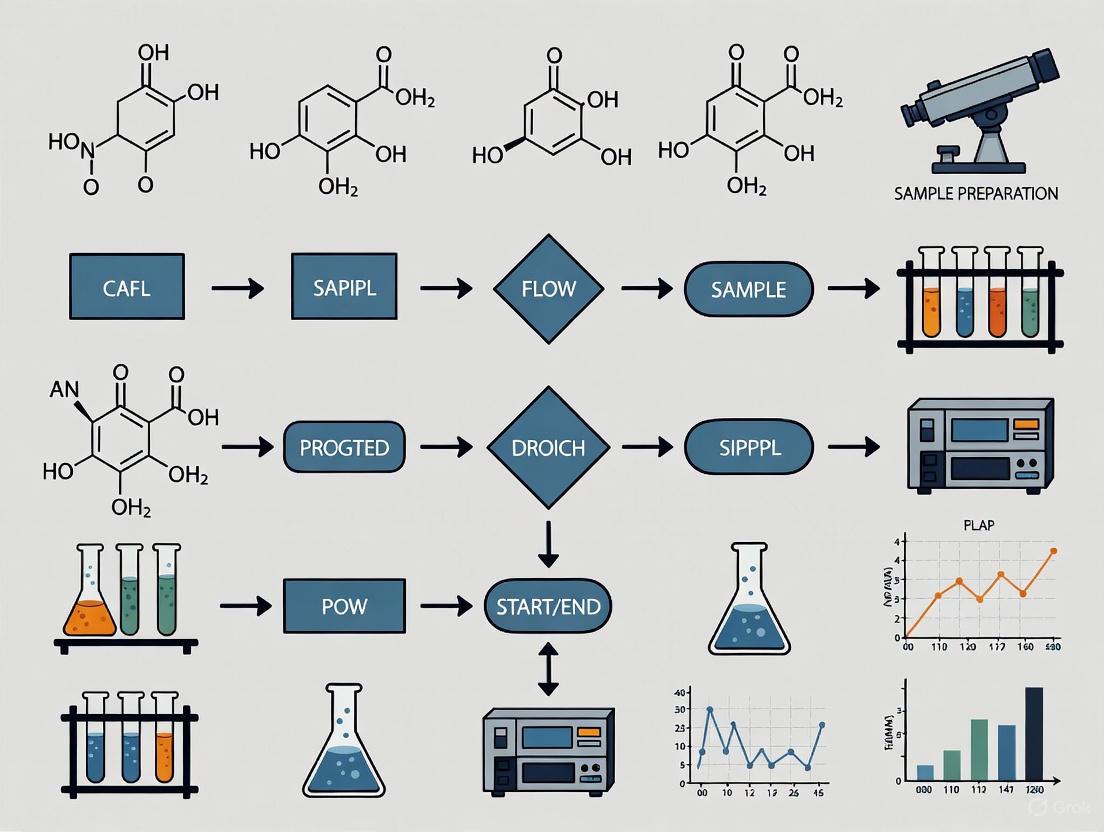
This comprehensive guide details the essential principles and techniques for spectroscopic sample preparation, a critical stage responsible for up to 60% of all analytical errors.
Spectroscopic Sample Preparation Fundamentals: A Complete Guide to Accurate and Reproducible Results
Abstract
This comprehensive guide details the essential principles and techniques for spectroscopic sample preparation, a critical stage responsible for up to 60% of all analytical errors. Tailored for researchers, scientists, and drug development professionals, the article provides a methodical framework covering foundational theory, technique-specific protocols for methods like ICP-MS, FT-IR, and XRF, common troubleshooting strategies, and validation procedures. By systematizing this often-overlooked discipline, the content empowers professionals to enhance data accuracy, ensure reproducibility, and streamline analytical workflows in biomedical and clinical research.
Why Sample Preparation is the Cornerstone of Reliable Spectroscopy
The Critical Impact of Sample Preparation on Data Validity
In the realm of analytical science, the quality of data is only as robust as the foundation upon which it is built. Sample preparation constitutes this critical foundation, a stage so vital that inadequate preparation is the cause of approximately 60% of all spectroscopic analytical errors [1]. Despite significant investments in advanced analytical instrumentation, the importance of sample preparation equipment and procedures is frequently underestimated. Without proper preparation, researchers risk collecting misleading data that can compromise research projects, quality control practices, and analytical conclusions [1]. This technical guide examines the profound impact of sample preparation on data validity, focusing specifically on spectroscopic analysis within drug development and research contexts, and provides detailed methodologies for implementing robust preparation protocols.
The fundamental principle underlying effective sample preparation is that it directly controls key parameters affecting analytical outcomes: homogeneity, particle characteristics, and matrix effects [1]. Surface and particle characteristics influence how radiation interacts with your sample, where rough surfaces scatter light randomly, while uniform particle size ensures consistent interaction with radiation. Furthermore, matrix effects occur when sample matrix constituents absorb or add to spectral signals, obscuring or enhancing the analyte response. Proper preparation techniques mitigate these interferences through dilution, extraction, or matrix matching [1].
Key Sample Preparation Techniques and Their Analytical Consequences
Solid Sample Preparation Methods
The transformation of raw solid materials into analyzable specimens requires techniques specifically designed to achieve the homogeneity, particle size, and surface quality necessary for valid spectroscopic analysis.
Grinding and Milling: Grinding reduces particle size and generates homogeneous samples through mechanical friction. The method significantly impacts spectral quality by ensuring uniform interaction with radiation. Swing grinding machines are particularly effective for tough samples like ceramics and ferrous metals, using oscillating motion rather than direct pressure to reduce heat formation that might alter sample chemistry [1]. For optimal results, samples should be ground to typically <75μm for XRF analysis, with consistent grinding time across sample sets and intensive cleaning between samples to prevent cross-contamination [1].
Pelletizing for XRF: Pelletizing transforms powdered samples into solid disks with uniform surface properties and density, essential for XRF analysis. The process involves blending the ground sample with a binder (e.g., wax or cellulose), pressing using hydraulic or pneumatic presses (typically 10-30 tons), and producing pellets with flat, smooth surfaces and equal thickness [1]. Proper pellet preparation directly affects analytical accuracy through improved sample stability and reduced matrix effects.
Fusion Techniques: Fusion represents the most stringent preparation technique for complete dissolution of refractory materials into homogeneous glass disks. The process involves blending the ground sample with a flux (typically lithium tetraborate), melting at temperatures between 950-1200°C in platinum crucibles, and casting the molten charge as a disk for analysis [1]. Fusion completely breaks down crystal structures in silicate materials, minerals, and ceramics, simultaneously standardizing the sample matrix to eliminate effects that hinder quantitative analysis.
Liquid and Gas Sample Preparation Methods
Liquid and gaseous samples present distinct analytical challenges that necessitate specialized preparation approaches to ensure data validity.
Dilution and Filtration for ICP-MS: Due to its high sensitivity, ICP-MS demands stringent liquid sample preparation where subtle errors can dramatically skew results. Dilution places analyte concentrations within optimal instrument detection ranges while reducing matrix effects. Filtration (typically using 0.45μm or 0.2μm membrane filters) removes suspended material that could contaminate nebulizers or hinder ionization [1]. High-purity acidification with nitric acid (typically to 2% v/v) maintains metal ions in solution by preventing precipitation and adsorption to vessel walls.
Solvent Selection for Molecular Spectroscopy: For techniques like UV-Vis and FT-IR, solvent choice significantly influences spectral quality. The optimal solvent completely dissolves the sample without being spectroscopically active in the analytical region of interest. For UV-Vis, key solvent properties include cutoff wavelength (below which the solvent absorbs strongly), polarity, and purity grade [1]. For FT-IR, deuterated solvents like deuterated chloroform (CDCl₃) provide excellent alternatives with minimal interfering absorption bands across most of the mid-IR spectrum.
Table 1: Common Preparation Errors and Their Impact on Spectroscopic Data Validity
| Preparation Error | Impact on Spectroscopic Data | Corrective Action |
|---|---|---|
| Inconsistent Particle Size (>75μm for XRF) | Increased scattering, reduced signal-to-noise ratio, sampling bias | Implement controlled grinding/milling with particle size verification |
| Incomplete Dissolution (ICP-MS) | Signal suppression, inaccurate quantification, instrument drift | Optimize digestion protocols; use high-purity acids with appropriate temperatures |
| Matrix Contamination | Spectral interference, false positives/negatives, baseline distortion | Use high-purity reagents; implement clean protocols; include preparation blanks |
| Improper Hydration State (FT-IR) | Spectral bands from water obscure analyte signals | Dry samples properly; use moisture-free atmosphere during preparation |
| Surface Irregularities (XRF) | Incorrect intensity measurements, quantification errors | Employ precision polishing; use binder for homogeneous pellet formation |
Advanced Materials and Strategies for Enhanced Preparation
The evolution of sample preparation has seen significant advances in functional materials and strategic approaches designed to enhance analytical performance across multiple parameters.
Functional Material-Based Strategies
The development of analytical chemistry has been significantly shaped by interdisciplinary demands from life sciences, environmental monitoring, medical diagnostics, and food safety. Functional materials represent a widely adopted strategy where these materials act as additional phases that disrupt the equilibrium of the sample preparation system, enabling efficient enrichment and selective separation of target analytes [2]. This approach enhances both sensitivity and selectivity of the analytical method, though it may increase operational complexity and extend overall analysis time [2].
Key advanced materials include:
Magnetic Nanocomposites: These materials combine the selectivity of functionalized surfaces with the convenience of magnetic separation, enabling rapid isolation of analytes from complex matrices without centrifugation or filtration [2].
Covalent Organic Frameworks (COFs): These porous crystalline materials offer designable structures and functionalities that can be tailored for specific extraction applications, providing exceptional selectivity for target compounds [2].
Deep Eutectic Solvents (DES): As green alternatives to traditional organic solvents, DES are formed by mixing hydrogen bond donors and acceptors, resulting in mixtures with significantly lower melting points than their individual components. These solvents offer advantages for extracting various analytes while aligning with green chemistry principles [3].
Energy Field-Assisted Strategies
External energy fields play a crucial role in enhancing sample preparation by significantly accelerating mass transfer and reducing the duration of phase separation processes [2]. Various energy fields—including thermal, ultrasonic, microwave, electric, and magnetic—have been investigated for their ability to improve extraction efficiency and separation performance. These techniques are now extensively applied across environmental, food, and biological analyses due to their strong acceleration effects [2].
Table 2: Performance Comparison of Sample Preparation Strategies
| Strategy | Selectivity | Sensitivity | Speed | Automation Potential | Sustainability |
|---|---|---|---|---|---|
| Functional Materials | High | High | Medium | Medium | Medium |
| Chemical/Biological Reactions | Very High | High | Low | Low | Low |
| Energy Field-Assisted | Medium | Medium | Very High | High | Medium |
| Device Integration | Medium | Medium | High | Very High | High |
Experimental Protocols for Specific Applications
Green FT-IR Quantitative Analysis of Pharmaceutical Formulations
The selection of IR spectroscopic approaches for drug quantification supports green analytical chemistry principles without compromising methodological performance. The following protocol, adapted from research on antihypertensive drugs, demonstrates a solvent-free approach for simultaneous drug quantification [4].
Methodology:
- Standard Preparation: Prepare standard mixtures of active pharmaceutical ingredients (APIs) in the range of 0.2-1.2% w/w by accurately weighing and mixing with potassium bromide (KBr).
- Pellet Formation: Use a hydraulic press to prepare transparent pellets from the standard mixtures (approximately 100-200 mg total weight) under controlled pressure.
- Spectral Acquisition: Collect FT-IR transmission spectra using an FT-IR spectrometer with specified parameters (resolution: 4 cm⁻¹, scans: 16).
- Data Processing: Convert transmittance spectra to absorbance spectra. Select characteristic absorption bands (e.g., 1206 cm⁻¹ for amlodipine besylate R-O-R stretching; 863 cm⁻¹ for telmisartan C-H out-of-plane bending).
- Quantification: Measure area under curve (AUC) for selected peaks and construct calibration curves by plotting AUC against concentration (%w/w).
Validation Parameters:
- Specificity: Confirm absence of interference from excipients or between selected bands.
- Linearity: Establish linear range (0.2-1.2% w/w for both APIs).
- Precision: Evaluate through intraday and interday studies (RSD < 2%).
- Accuracy: Determine via recovery studies (98-102%).
- LOD/LOQ: For demonstrated example: LOD of 0.009359% w/w and LOQ of 0.028359% w/w for amlodipine besylate [4].
ICP-MS Sample Preparation for Trace Element Analysis
Inductively Coupled Plasma Mass Spectrometry (ICP-MS) provides exceptionally sensitive elemental analysis but demands meticulous sample preparation to avoid erroneous results.
Methodology:
- Sample Digestion: For solid samples, use high-purity nitric acid in closed-vessel microwave digestion systems to achieve complete dissolution.
- Dilution: Precisely dilute samples to bring analyte concentrations within the optimal instrument range (typically ppb to ppt levels), while considering matrix effects.
- Filtration: Pass samples through 0.45μm membrane filters (or 0.2μm for ultratrace analysis) to remove particulate matter.
- Acidification: Maintain samples in 2% v/v high-purity nitric acid to prevent adsorption and precipitation.
- Internal Standardization: Add appropriate internal standards (e.g., In, Re, Rh) to correct for matrix effects and instrument drift.
Critical Considerations:
- Use high-purity reagents (trace metal grade) and solvents to minimize contamination.
- Employ labware composed of perfluoroalkoxy (PFA) or polypropylene to reduce elemental leaching.
- Implement blank corrections throughout the preparation process to account for background contamination.
The Scientist's Toolkit: Essential Research Reagent Solutions
Table 3: Essential Materials for Spectroscopic Sample Preparation
| Reagent/Material | Function | Application Examples |
|---|---|---|
| Potassium Bromide (KBr) | Matrix for FT-IR pellet preparation; transparent to IR radiation | FT-IR analysis of solid pharmaceuticals, polymers [4] |
| Lithium Tetraborate | Flux for fusion techniques; creates homogeneous glass disks | XRF analysis of minerals, ceramics, refractory materials [1] |
| Deep Eutectic Solvents (DES) | Green extraction media; tunable properties for specific analytes | Extraction of organic compounds from food, environmental samples [3] |
| Covalent Organic Frameworks (COFs) | Selective solid-phase extraction adsorbents; high surface area | Enrichment of trace analytes from complex biological matrices [2] |
| High-Purity Nitric Acid | Digestion reagent for elemental analysis; oxidizing agent | Sample digestion for ICP-MS, ICP-OES [1] [5] |
Sample preparation is not merely a preliminary step but a deterministic factor in analytical data validity. As spectroscopic technologies advance with innovations like QCL-based microscopy [6] and high-performance sample preparation strategies [2], the necessity for corresponding advances in preparation methodologies becomes increasingly critical. The fundamental relationship between preparation quality and data integrity remains unchanged: without proper attention to this critical stage, even the most sophisticated instrumentation cannot compensate for preparation deficiencies. By implementing the detailed protocols and strategies outlined in this guide, researchers can significantly enhance the reliability, accuracy, and validity of their spectroscopic data, ultimately strengthening scientific conclusions in drug development and related fields.
Workflow Diagrams
Sample Preparation Workflow: This diagram illustrates the comprehensive pathway for preparing various sample types for spectroscopic analysis, highlighting critical steps and strategic approaches that ensure data validity.
FT-IR Drug Quantification Protocol: This diagram details the specific step-by-step procedure for solvent-free quantitative pharmaceutical analysis using FT-IR spectroscopy with potassium bromide pellet preparation.
The fundamental principle of spectroscopy hinges on the interaction between light and matter. However, the physical and chemical form of a sample critically determines the nature of this interaction, thereby dictating the accuracy, sensitivity, and reproducibility of the analytical results [1]. Inadequate sample preparation is a significant source of error, accounting for an estimated 60% of all spectroscopic analytical errors [1]. This guide details the core physical principles by which sample form—encompassing characteristics such as physical state, surface topology, particle size, and homogeneity—modulates light-matter interactions. Framed within essential sample preparation research, this knowledge provides a foundational framework for developing robust analytical methods in drug development and scientific research.
Fundamental Light-Matter Interactions in Spectroscopy
The Dual Nature of Light and Matter
Light, or electromagnetic radiation, exhibits both wave-like and particle-like properties [7]. As a wave, it is characterized by its wavelength (λ), the distance between successive peaks, which determines its color and energy [7]. As a particle, light consists of photons, discrete packets of energy where each photon's energy is inversely related to its wavelength [7]. Matter, composed of atoms and molecules, exists in specific quantized energy states. Electrons occupy discrete energy levels, and molecules possess unique vibrational and rotational states [8] [7]. The interaction spectrum is probed by different techniques, from electronic transitions (UV-Vis) to vibrational modes (IR) and rotational changes (microwave) [8] [9].
Primary Interaction Phenomena
When light encounters matter, three primary phenomena can occur, each providing distinct analytical information:
- Absorption: A photon's energy is transferred to the atom or molecule, promoting it to a higher energy state [7] [10]. The pattern of absorbed wavelengths creates an absorption spectrum, which serves as a fingerprint for identification [10] [9].
- Emission: After absorbing energy, an excited species can return to a lower energy state by emitting a photon, producing an emission spectrum [10] [9].
- Scattering: The path of photons can be altered upon interaction with a sample. Raman spectroscopy, for instance, relies on inelastic scattering, where the scattered photon's energy differs from the incident photon's, providing information about molecular vibrations [10].
The following diagram illustrates the core decision-making workflow for selecting a sample preparation method based on the spectroscopic technique and the initial sample form.
The Impact of Sample Form on Spectral Data
The physical form of a sample directly influences the fundamental light-matter interactions, introducing physical artifacts that can obscure or distort the chemical information sought.
Surface Topology and Roughness
The surface of a sample is the primary interface for light interaction. Rough surfaces scatter light randomly, reducing the signal-to-noise ratio and leading to inaccurate intensity measurements [1]. For techniques like X-ray Fluorescence (XRF), a flat, homogeneous surface is critical to ensure consistent X-ray penetration and fluorescence emission, enabling precise quantitative analysis [1]. Milling machines are often used to create the even, flat surfaces required for high-quality data [1].
Particle Size and Homogeneity
Particle size is a critical parameter for solid samples, especially in diffuse reflectance or transmission measurements. Excessive variation in particle size creates sampling errors and compromises quantitative analysis because smaller particles pack more densely, potentially leading to shadowing effects and altering the effective path length of light [1]. For reproducible results, samples must be ground to a consistent particle size (typically <75 μm for XRF) to ensure a homogeneous matrix that interacts uniformly with radiation [1].
Matrix Effects
The sample matrix—all components other than the analyte—can cause matrix effects, where constituents absorb radiation or contribute spectral signals that obscure or enhance the analyte's response [1]. This can lead to severe inaccuracies in quantification. Proper preparation techniques, such as dilution, extraction, or matrix matching (e.g., fusion for XRF), are designed to remove these interferences [1].
Table 1: Quantitative Impact of Sample Form on Spectroscopic Analysis
| Sample Form Characteristic | Primary Spectral Impact | Affected Techniques | Typical Target for Preparation |
|---|---|---|---|
| Surface Roughness | Increased light scattering; reduced signal-to-noise ratio [1] | XRF, FT-IR, UV-Vis (solid samples) | Flat, polished surface [1] |
| Large/Variable Particle Size | Sampling error; non-uniform absorption/scattering; poor reproducibility [1] | XRF, NIR, FT-IR | Consistent particle size, often <75 μm [1] |
| Sample Heterogeneity | Non-representative spectra; poor quantitative accuracy [1] | All, especially micro-spectroscopy | Homogeneous distribution of analytes [1] |
| Matrix Composition | Absorption/enhancement of analyte signal (matrix effects) [1] | ICP-MS, XRF, UV-Vis | Matrix removal or matching (e.g., fused beads) [1] |
Sample Preparation Techniques by Physical Form
Solid Sample Preparation
The goal for solid samples is to create a homogeneous, representative specimen with controlled surface and particle properties.
- Grinding and Milling: These techniques reduce particle size and increase homogeneity. Swing grinding is ideal for tough samples like ceramics, using oscillating motion to minimize heat generation that could alter sample chemistry [1]. Milling provides greater control, producing a fine, flat surface that minimizes light scattering and ensures consistent density for analysis [1].
- Pelletizing for XRF: This method involves blending a ground powder with a binder (e.g., wax or cellulose) and pressing it under high pressure (10-30 tons) into a solid disk [1]. This process creates a pellet with uniform density and surface properties, standardizing X-ray absorption and enabling accurate quantitative analysis [1].
- Fusion Techniques: Used for refractory materials like minerals and ceramics, fusion involves dissolving a ground sample in a flux (e.g., lithium tetraborate) at high temperatures (950–1200 °C) to create a homogeneous glass disk [1]. This method completely destroys the original crystal structure, eliminating mineralogical and particle size effects that complicate analysis [1].
Table 2: Comparative Analysis of Solid Sample Preparation Methods
| Preparation Method | Underlying Physical Principle | Key Technical Parameters | Ideal Sample Types | Quantitative Performance |
|---|---|---|---|---|
| Grinding/Milling | Reduction of particle size to minimize scattering and ensure homogeneity [1] | Grinding time, material hardness, final particle size (<75 μm) [1] | Hard and brittle materials, alloys [1] | Good, dependent on particle size consistency [1] |
| Pelletizing (Pressed Powder) | Creation of a uniform density and surface for consistent radiation interaction [1] | Pressure (10-30 tons), binder type and ratio [1] | Powders, soils, sediments [1] | High, when surface and density are uniform [1] |
| Fusion (Glass Bead) | Total dissolution of crystal structures to eliminate mineralogical and particle effects [1] | Flux-to-sample ratio, temperature (950-1200°C), flux type [1] | Refractory materials, silicates, minerals [1] | Excellent, unparalleled for difficult materials [1] |
Liquid and Gas Sample Preparation
Liquid and gas samples require techniques that ensure stability, correct concentration, and freedom from interference.
- Dilution and Filtration for ICP-MS: Due to its high sensitivity, ICP-MS requires careful liquid preparation. Dilution brings analyte concentrations into the optimal detection range and reduces matrix effects [1]. Filtration (using 0.45 or 0.2 μm membranes) removes suspended particles that could clog the nebulizer or contribute to spectral interference [1]. High-purity acidification maintains metal ions in solution [1].
- Solvent Selection for UV-Vis and FT-IR: The solvent must dissolve the sample completely without interfering in the spectral region of interest. For UV-Vis, the solvent must have a cutoff wavelength below the analyte's absorption band (e.g., water at ~190 nm, acetonitrile at ~190 nm) [1]. For FT-IR, solvents like deuterated chloroform (CDCl₃) are preferred because they are largely transparent in the mid-IR region, avoiding overlapping absorption bands with the analyte [1].
Experimental Protocols for Key Preparative Methods
Protocol: Preparing a Pressed Pellet for XRF Analysis
This protocol is designed to create a uniform solid pellet for quantitative elemental analysis via XRF.
- Grinding: Use a spectroscopic grinding or milling machine to reduce the sample to a fine powder with a particle size of less than 75 μm.
- Mixing with Binder: Accurately weigh the ground sample and mix it with a binding agent (e.g., boric acid or cellulose) in a specified ratio (e.g., 10:1 sample-to-binder ratio) to ensure the pellet holds together.
- Pressing: Transfer the mixture into a pellet die. Place the die in a hydraulic or pneumatic press and apply a pressure of 10-30 tons for a specified duration (e.g., 30-60 seconds).
- Ejection and Storage: Carefully eject the resulting pellet from the die. The pellet should have a smooth, flat surface. Store in a desiccator if not analyzed immediately to prevent moisture absorption.
Protocol: Liquid Sample Preparation for ICP-MS
This protocol ensures a liquid sample is free of particulates and within the optimal concentration range for sensitive ICP-MS analysis.
- Digestion/Dissolution: For solid samples, begin with a complete acid digestion to bring all analytes into solution.
- Dilution: Perform a serial dilution with high-purity acidified water (e.g., 2% v/v nitric acid) to bring the analyte concentration within the instrument's calibration curve. The dilution factor is determined by the expected analyte concentration and matrix complexity.
- Filtration: Pass the diluted sample through a 0.45 μm syringe filter (or 0.2 μm for ultratrace analysis) to remove any remaining suspended particles. Use PTFE membranes to minimize contamination.
- Internal Standard Addition: Add a known concentration of an internal standard (e.g., Indium or Bismuth) to the final solution. This corrects for instrument drift and matrix effects during analysis.
The Scientist's Toolkit: Essential Research Reagents & Materials
Table 3: Key Reagents and Materials for Spectroscopic Sample Preparation
| Item Name | Function/Application | Technical Specification |
|---|---|---|
| Lithium Tetraborate (Li₂B₄O₇) | Flux for fusion preparation of refractory samples [1] | High-purity grade for XRF fusion, melts at ~950°C [1] |
| Boric Acid / Cellulose | Binder for pressed powder pellets [1] | Serves as a binding matrix in XRF pellet preparation [1] |
| Deuterated Chloroform (CDCl₃) | Solvent for FT-IR spectroscopy [1] | IR-transparent solvent for mid-IR region; minimizes spectral interference [1] |
| PTFE Membrane Filter | Filtration of liquid samples for ICP-MS [1] | 0.45 μm or 0.2 μm pore size; low analyte adsorption [1] |
| Potassium Bromide (KBr) | Matrix for solid-sample analysis in FT-IR [1] | IR-transparent material for preparing KBr pellets [1] |
The path to reliable spectroscopic data is paved long before the sample is placed in the instrument. A deep understanding of the core physical principles—how surface topology, particle size, homogeneity, and matrix composition govern the fundamental interactions between light and matter—is not merely beneficial but essential. For researchers in drug development and other high-stakes fields, mastering these sample preparation techniques is a critical investment. It transforms spectroscopy from a simple tool for characterization into a powerful engine for generating precise, reproducible, and meaningful analytical results that drive discovery and ensure quality.
In the realm of analytical chemistry, spectroscopic analysis serves as a fundamental tool for deciphering the composition and structure of matter through its interaction with electromagnetic radiation. The validity of these analyses, however, is profoundly contingent upon the initial steps of sample preparation. Inadequate preparation is not a minor oversight but a primary source of error, responsible for as much as 60% of all spectroscopic analytical errors [1]. The physical and chemical characteristics of a sample—specifically its particle size, homogeneity, and matrix composition—directly govern how it interacts with spectroscopic radiation. These factors influence everything from light scattering and path length to ionization efficiency and spectral superposition, making their management a critical prerequisite for obtaining accurate, reproducible, and meaningful data [1] [11]. This guide details the core challenges these factors present and outlines robust, modern strategies to overcome them, providing a foundation for excellence in spectroscopic research and application.
Core Challenge 1: Particle Size Effects
Fundamental Principles and Spectral Impact
Particle size is a critical physical property that directly affects the interaction between a sample and incident radiation. The primary mechanism of interference is light scattering, where the path of photons is deviated by particles in the sample. The nature and extent of this scattering are governed by the relationship between the particle size and the wavelength of the light used [11]. With larger particles, scattering increases, leading to longer and more variable path lengths for the light. This results in non-linear absorption behavior and a phenomenon known as spectral dilation, where absorbance values are distorted and the linear relationship between concentration and signal, fundamental to quantitative analysis, is compromised [11]. For techniques like laser diffraction, which is used to measure particle size distributions from the sub-micron scale to several millimeters, the angular dependence of scattered light is the key measurement parameter [12].
Consequences for Analytical Data
The spectral distortions caused by improper particle size can manifest in several ways:
- Increased Baseline Shift and Multiplicative Effects: Variations in particle size and packing density introduce additive and multiplicative noise, which can obscure true analyte absorption bands [11].
- Reduced Predictive Model Performance: In quantitative applications using chemometrics, particle size effects are a major source of variability that degrades the precision and accuracy of calibration models, such as those built with Partial Least Squares (PLS) regression [11].
- Sampling Bias: A wide distribution of particle sizes (polydispersity) can lead to segregation during handling, meaning the small portion analyzed may not be representative of the whole batch, causing non-reproducible results [1].
Experimental Protocol: Laser Diffraction for Particle Size Distribution
Objective: To determine the particle size distribution of a powdered sample using laser diffraction. Principle: A beam of laser light passes through a dispersed sample. Particles scatter light at angles inversely proportional to their size. The angular intensity data is then analyzed using an appropriate optical model (e.g., Mie theory or Fraunhofer approximation) to calculate the particle size distribution [12].
- Instrument Calibration: Verify instrument performance using a certified standard reference material (e.g., NIST-traceable latex beads).
- Sample Dispersion:
- Dry Powder: Use a dry powder disperser with compressed air to de-agglomerate particles without causing fragmentation.
- Suspension: For wet dispersion, add the powder to a suitable solvent (e.g., water, isopropanol) in a recirculating bath. Application of ultrasound for 30-60 seconds may be necessary to break apart weak agglomerates.
- Measurement: Pass the dispersed sample through the measurement cell of the laser diffraction instrument (e.g., a Mastersizer series). Ensure the obscuration level falls within the manufacturer's recommended range.
- Data Analysis: The software automatically calculates the particle size distribution based on the scattered light pattern. Key results are typically reported as volume-based percentiles (D10, D50, D90).
- Replication: Perform at least three independent measurements to ensure reproducibility.
Table 1: Techniques for Particle Size Control and Their Applications
| Technique | Mechanism | Target Size Range | Typical Applications |
|---|---|---|---|
| Swing Grinding | Oscillating motion reduces heat generation | <75 µm (for XRF) [1] | Hard, brittle materials (ceramics, ferrous metals) |
| Milling | Controlled cutting for a flat, uniform surface | Varies with material | Creating uniform surfaces for XRF analysis [1] |
| Pelletizing | Pressing powder with a binder into a solid disk | Creates a uniform surface | XRF analysis of powdered samples [1] |
Core Challenge 2: Sample Homogeneity
Defining Chemical and Physical Heterogeneity
Sample heterogeneity refers to the spatial non-uniformity of a sample's composition or physical structure and is a pervasive challenge in the analysis of real-world materials [11]. It is useful to distinguish between two primary forms:
- Chemical Heterogeneity: This involves the uneven distribution of molecular or elemental species throughout a sample. Common in pharmaceuticals, food powders, and geological samples, it results in a measured spectrum that is a composite of the spectra of its individual constituents [11].
- Physical Heterogeneity: This encompasses differences in properties such as particle size, shape, surface roughness, and packing density. These factors alter the light-scattering properties and effective path length, introducing multiplicative and additive distortions into the spectral data [11].
Consequences of Heterogeneous Samples
The failure to achieve a homogeneous sample leads to a lack of representative sampling, where the small portion subjected to analysis does not reflect the true composition of the entire batch [1]. This directly causes non-reproducible results and severely compromises any quantitative calibration, as the spectral data no longer reliably correlates with analyte concentration [1] [11]. In imaging or microspectroscopy, heterogeneity at a scale smaller than the measurement spot leads to subpixel mixing, where the signal is an average of different components, complicating both identification and quantification [11].
Experimental Protocol: Hyperspectral Imaging (HSI) for Heterogeneity Assessment
Objective: To spatially resolve chemical and physical heterogeneity within a solid sample. Principle: HSI combines conventional imaging with spectroscopy to acquire a full spectrum at every pixel in a scene, generating a three-dimensional data cube (x, y, λ) [11].
- Sample Presentation: Place the solid sample (e.g., a pharmaceutical tablet or polymer film) on the motorized stage. Ensure the surface is level and in focus.
- Spatial and Spectral Calibration: Use a certified reflectance standard for spatial calibration and a wavelength standard (e.g., a rare-earth oxide) for spectral calibration.
- Data Acquisition:
- Set the acquisition parameters (spatial resolution, spectral range, integration time).
- The system scans the sample, collecting a full spectrum for each pixel. The result is a hypercube, denoted as ( \mathbf{H} \in \mathbb{R}^{M \times N \times L} ), where ( M ) and ( N ) are spatial dimensions and ( L ) is the number of wavelengths [11].
- Data Analysis:
- Exploratory Analysis: Use Principal Component Analysis (PCA) to visualize the major sources of spatial-spectral variance.
- Spectral Unmixing: Apply algorithms like Vertex Component Analysis (VCA) to extract "endmember" spectra (pure component spectra) and their corresponding "abundance" maps, which visually display the distribution of each component [11].
- Validation: Correlate HSI findings with a reference method, such as HPLC, if quantitative validation of distribution is required.
Table 2: Strategies to Manage Sample Heterogeneity
| Strategy | Description | Primary Benefit | Limitations |
|---|---|---|---|
| Spectral Preprocessing | Mathematical treatment of spectra (e.g., SNV, MSC) to remove scatter effects [11]. | Simple, fast, no hardware changes. | Empirical; may not fix root cause. |
| Localized Sampling | Collecting and averaging spectra from multiple points on a sample [11]. | More representative of bulk composition. | Increases analysis time. |
| Hyperspectral Imaging (HSI) | Spatially resolves chemical distribution across a sample [11]. | Directly visualizes and quantifies heterogeneity. | High data load; complex analysis. |
| Fusion | Melting sample with a flux (e.g., Li₂B₄O₇) to form a homogeneous glass disk [1]. | Eliminates mineralogy and particle size effects. | High cost; potential for volatile loss. |
Core Challenge 3: Matrix Effects
Understanding the Matrix Interference
Matrix effects describe the phenomenon where co-eluting or co-existing substances in a sample alter the analytical response of the target analyte. This is a particularly severe challenge in high-sensitivity techniques like ICP-MS and LC-MS/MS [1] [13]. In MS-based methods, the effect typically manifests as ion suppression or ion enhancement within the source, where matrix components compete with the analyte for charge or disrupt the droplet evaporation process, leading to inaccurate quantification [13]. In optical spectroscopy, the matrix can contribute to a background signal or cause absorption band overlaps, which obscure the analyte's spectral signature.
Impact on Analytical Performance
The most significant impact of matrix effects is on the accuracy and precision of an analytical method. It can lead to both false positives and false negatives, with serious implications in fields like drug development and environmental monitoring [13]. Furthermore, matrix effects undermine the sensitivity of an assay by increasing the background noise and can affect the linearity of the calibration curve [13]. The variability of matrix effects between different lots of a biological fluid (e.g., plasma from different individuals), known as relative matrix effects, is a critical parameter that must be assessed during method validation as it directly impacts precision [13].
Experimental Protocol: Assessing Matrix Effect in LC-MS/MS
Objective: To systematically evaluate the matrix effect, recovery, and process efficiency for a bioanalytical LC-MS/MS method. Principle: The method, pioneered by Matuszewski et al., involves comparing the analyte response in pre-extraction and post-extraction spiked samples to those in neat solvent [13].
- Sample Set Preparation: Prepare three sets of samples using at least six different lots of the biological matrix (e.g., human plasma) [13].
- Set 1 (Neat Solution): Analyte spiked into pure mobile phase.
- Set 2 (Post-extraction Spike): Blank matrix is extracted, then the analyte is spiked into the extracted supernatant.
- Set 3 (Pre-extraction Spike): Analyte is spiked into the blank matrix and then carried through the entire extraction process.
- LC-MS/MS Analysis: Analyze all samples in replicate.
- Calculation:
- Matrix Factor (MF): ( MF = \frac{Peak\ Area{Set\ 2}}{Peak\ Area{Set\ 1}} ). An MF ≠ 1 indicates a matrix effect.
- Reccovery (RE): ( RE = \frac{Peak\ Area{Set\ 3}}{Peak\ Area{Set\ 2}} ). This assesses the efficiency of the extraction process.
- Process Efficiency (PE): ( PE = \frac{Peak\ Area{Set\ 3}}{Peak\ Area{Set\ 1}} ). This reflects the overall method efficiency, combining both extraction and matrix effects.
- IS-Normalization: Repeat calculations using the peak area ratio (analyte/internal standard) to determine the degree of compensation provided by the IS [13].
The Scientist's Toolkit: Key Research Reagent Solutions
The following table catalogues essential materials and reagents critical for addressing the challenges of particle size, homogeneity, and matrix effects in modern spectroscopic and bioanalytical sample preparation.
Table 3: Essential Reagents and Materials for Advanced Sample Preparation
| Reagent/Material | Function | Key Application Example |
|---|---|---|
| Lithium Tetraborate (Li₂B₄O₇) | Fluxing agent for fusion techniques | Creates homogeneous glass disks from refractory materials for XRF analysis, eliminating particle size and mineralogical effects [1]. |
| Diethylene Glycol (DEG) | Working fluid in condensation particle counters | Acts as the supersaturated vapor for activating and growing sub-10 nm particles in Particle Size Magnifier (PSM) instruments [14]. |
| Enhanced Matrix Removal (EMR) Cartridges | Solid-phase extraction for selective matrix cleanup | Pass-through cleanup for complex matrices (e.g., food) in PFAS and mycotoxin analysis, reducing ion suppression in LC-MS/MS [15]. |
| Graphitized Carbon Black (GCB) | Sorbent in solid-phase extraction | Removes organic interferences like pigments and planar molecules (e.g., in pesticide analysis for EPA Method 8081) [15]. |
| Weak Anion Exchange (WAX) Sorbent | Sorbent in solid-phase extraction | Selective retention of acidic compounds like PFAS in aqueous samples following EPA Method 1633 [15]. |
| Internal Standard (IS) | Reference compound added to samples | Corrects for variability in sample preparation and ionization efficiency in mass spectrometry, improving accuracy and precision [13]. |
The challenges posed by particle size, homogeneity, and matrix effects are intrinsic to spectroscopic analysis, but they are not insurmountable. A deep understanding of how these factors distort analytical signals is the first step toward mitigation. As demonstrated, a combination of robust mechanical preparation (grinding, fusion), advanced statistical and spatial sampling strategies (HSI, localized sampling), and sophisticated cleanup techniques (SPE, EMR) provides a powerful arsenal to ensure data integrity. The ongoing integration of automation, AI for data handling, and the development of new functional materials promise to further enhance the performance of sample preparation [12] [2]. By rigorously addressing these foundational challenges, researchers can unlock the full potential of spectroscopic techniques, driving reliability and innovation in drug development, material science, and beyond.
In the realm of analytical science, the integrity of spectroscopic analysis is fundamentally dependent on the quality of sample preparation. Inadequate sample preparation is the root cause of approximately 60% of all spectroscopic analytical errors [1]. Contamination, introduced during these preliminary stages, can compromise data validity, leading to misleading research conclusions, flawed quality control assessments, and incorrect analytical decisions [1]. Even the most advanced and sophisticated instrumentation cannot compensate for a poorly prepared sample [1]. This guide details the systematic approaches necessary to mitigate contamination risks across various spectroscopic methods, ensuring the accuracy and reliability essential for research and drug development.
The potential impacts of contamination are multifaceted. It can introduce foreign materials that produce spurious spectral signals, mask or alter the target analyte's signal, and ultimately lead to false positives or inaccurate quantitative results [1] [5]. For researchers and scientists in drug development, where results inform critical decisions, maintaining sample purity from collection to analysis is a non-negotiable prerequisite.
Contamination in a laboratory setting can originate from multiple vectors. A thorough understanding of these sources is the first step in developing effective countermeasures.
- Pipette-to-Sample Contamination: Occurs when aerosol particles or liquid residues from the pipette or tip come into contact with the sample, potentially transferring contaminants from previous uses [16].
- Sample-to-Pipette Contamination: Takes place when samples, particularly those with high viscosity or particulate matter, are drawn into the pipette shaft, contaminating the internal mechanism and subsequent samples [16].
- Sample-to-Sample Contamination (Carryover): This is the unintentional transfer of material from one sample to another, typically via reusable equipment, improperly cleaned labware, or aerosol generation [16] [5].
- Environmental Contamination: Includes airborne particulates, dust, and skin cells (such as keratin, a common contaminant in protein analysis) that can settle on samples or equipment [5].
- Reagent and Solvent Contamination: Involves impurities present in the water, chemicals, acids, or solvents used during sample preparation, digestion, or dilution [1] [5].
- Labware and Equipment Contamination: Arises from residues left on grinding surfaces, milling heads, containers, cuvettes, or filtration apparatus from previous use [1].
Contamination Control by Spectroscopic Technique
The specific strategies for contamination control are highly dependent on the spectroscopic technique being employed, as each has unique sample requirements and vulnerabilities.
X-Ray Fluorescence (XRF) Spectrometry
XRF analysis determines elemental composition and requires solid samples with uniform physical properties. Contamination control focuses on the preparation of solid surfaces.
Table 1: Contamination Control in XRF Sample Preparation
| Preparation Step | Contamination Risk | Mitigation Strategy |
|---|---|---|
| Grinding & Milling | Cross-contamination from equipment; Introduction of wear metals from grinding surfaces | Use dedicated grinding sets for sample types; Clean equipment thoroughly between samples with brushes and compressed air; Choose grinding surface material harder than the sample [1]. |
| Pelletizing | Contamination from binders (e.g., wax, cellulose); Residual matter from press dies | Use high-purity binders; Ensure press dies are meticulously cleaned between uses [1]. |
| Fusion | Contamination from flux (e.g., lithium tetraborate); Leaching from platinum crucibles at high temperatures (950-1200°C) | Use high-purity fluxes; Dedicate crucibles to specific sample matrices and condition them properly [1]. |
Inductively Coupled Plasma-Mass Spectrometry (ICP-MS)
ICP-MS offers extremely sensitive elemental analysis, making it highly susceptible to contamination from reagents and labware. It requires complete sample dissolution.
Table 2: Contamination Control in ICP-MS Sample Preparation
| Preparation Step | Contamination Risk | Mitigation Strategy |
|---|---|---|
| Digestion | Impurities in acids (e.g., nitric acid); Leaching of elements from digestion vessels | Use high-purity (e.g., trace metal grade) acids; Employ clean labware (e.g., PTFA, PFA); Perform blank digestions to monitor background [5]. |
| Dilution | Contaminants in diluents; Impurities from pipette tips | Use high-purity water (e.g., from a system like Milli-Q); Use high-purity acids for acidification; Use filter tips to prevent aerosol contamination [1] [16] [5]. |
| Filtration | Leachates from filter membranes; Adsorption of analytes onto the filter | Use appropriate membrane materials (e.g., PTFE) that are pre-cleaned; Avoid filters for trace element analysis unless necessary [1] [5]. |
Fourier Transform-Infrared (FT-IR) Spectroscopy
FT-IR identifies molecular structures through infrared absorption. Contamination can introduce foreign organic compounds that obscure the sample's spectral fingerprint.
- Solid Sample Preparation (KBr Pellets): The potassium bromide (KBr) must be of spectroscopic grade purity to avoid introducing its own absorption bands. The pellet press must be scrupulously clean to prevent cross-contamination [1].
- Liquid Sample Preparation: The choice of solvent is critical. The solvent must not only dissolve the sample but also be spectroscopically pure and have minimal absorption in the infrared region of interest to avoid masking the analyte's signal. Deuterated solvents are often used for this purpose [1].
- Cleaning of Accessories: ATR (Attenuated Total Reflectance) crystals and other accessories must be cleaned with appropriate, high-purity solvents immediately after use to prevent residue buildup and cross-contamination.
Detailed Experimental Protocols for Contamination Control
The following protocols provide detailed methodologies designed to minimize contamination during sample preparation.
Protocol: Preparation of Solid Samples for XRF Analysis via Pressed Pellet Method
This protocol is designed to produce homogeneous solid pellets with minimal contamination risk.
Materials:
- Sample Grinder/Mill: With tungsten carbide or other hard, non-contaminating surfaces.
- Hydraulic Pellet Press: Capable of applying 15-30 tons of pressure.
- Pellet Die: Cleaned with ethanol and dried before use.
- High-Purity Binder: Boric acid or cellulose powder, spectrochemical grade.
- Labware: Non-powdering gloves, weighing boats.
Procedure:
- Grinding: Grind the sample to a consistent particle size (<75 µm) using a clean grinder. Between samples, disassemble and clean all contact surfaces with a brush and compressed air.
- Mixing: Weigh a precise ratio of ground sample (e.g., 4g) and binder (e.g., 0.9g binder). Mix thoroughly in a clean vial to ensure homogeneity.
- Loading: Assemble the clean pellet die. Transfer the mixture into the die cavity, ensuring an even distribution.
- Pressing: Place the die in the hydraulic press. Apply pressure gradually to 15-25 tons and hold for 60 seconds to form a stable pellet.
- Ejection & Storage: Carefully eject the pellet. Place it in a clean, labeled Petri dish or bag and store in a desiccator to protect it from moisture and dust until analysis [1].
Protocol: Aseptic Pipetting for Liquid Sample Handling
This protocol is critical for preparing samples for sensitive techniques like ICP-MS and LC-MS, where even minor carryover can cause significant errors.
Materials:
- Calibrated Micropipettes: Regularly serviced and calibrated.
- Filter Pipette Tips: To prevent aerosol and liquid from entering the pipette shaft.
- High-Purity, Low-Binding Microcentrifuge Tubes.
Procedure:
- Tip Selection: Always use a new, sterile filter tip for each sample and each reagent to prevent sample-to-sample and sample-to-pipette contamination [16].
- Aspiration: Hold the pipette vertically when aspirating. Do not immerse the tip too deeply. For viscous samples, use reverse pipetting for better accuracy.
- Dispensing: Touch the tip to the side of the receiving vessel when dispensing. When dispensing into a liquid, pause briefly after the first stop before expelling any residual liquid.
- Tip Ejection: Eject the tip into a waste container using the ejector button without touching the tip by hand, minimizing the risk of contaminating subsequent samples [16] [5].
The Scientist's Toolkit: Essential Reagents and Materials
The selection of high-purity materials and reagents is fundamental to successful contamination control.
Table 3: Essential Research Reagent Solutions for Contamination Control
| Item | Function | Contamination Control Consideration |
|---|---|---|
| High-Purity Water (e.g., from Milli-Q system) | Sample dilution, reagent preparation, and equipment rinsing. | Removes ions and organics; Essential for preparing mobile phases in LC-MS and blanks for ICP-MS [6] [5]. |
| Spectroscopic Grinding Sets | Homogenization and particle size reduction of solid samples. | Sets made of materials harder than the sample (e.g., tungsten carbide for ceramics) prevent introduction of wear metals; Dedicated sets avoid cross-contamination [1]. |
| High-Purity Acids & Solvents (Trace metal grade, HPLC grade) | Sample digestion, dilution, and extraction. | Minimizes background elemental or organic signals; Critical for achieving low detection limits in ICP-MS and FT-IR [5]. |
| Filter Pipette Tips | Liquid handling and transfer. | Creates a physical barrier against aerosols, protecting the pipette shaft from sample-to-pipette contamination and subsequent samples [16]. |
| Solid-Phase Extraction (SPE) Cartridges | Clean-up and concentration of analytes from complex matrices. | Removes interfering compounds that can cause signal suppression or overlap in MS and chromatography; Select sorbent phase based on target analytes [5]. |
Vigilance against contamination is not merely a procedural step but a fundamental principle underpinning the integrity of spectroscopic analysis. The consequences of neglect are quantifiable and severe, with the majority of analytical errors originating in the sample preparation phase. By understanding contamination vectors, adhering to technique-specific preparation protocols, and utilizing high-purity reagents and materials, researchers and drug development professionals can ensure their data is accurate, reliable, and meaningful. In a field where decisions are driven by data, a rigorous, contamination-aware sample preparation protocol is the cornerstone of scientific validity.
In the realm of analytical chemistry, sample preparation represents a pivotal stage that fundamentally determines the validity and accuracy of final analytical results. Despite its critical importance, this area has historically been characterized by a significant paradox: while advanced instrumentation like mass spectrometers and spectroscopic devices receive extensive scientific attention, the optimization of sample preparation parameters often relies on traditional trial-and-error approaches rather than systematic scientific methodologies [17]. This reliance on empirical methods persists even though inadequate sample preparation is responsible for as much as 60% of all spectroscopic analytical errors [1]. The consequences of poorly prepared samples extend across research and industrial applications, potentially compromising pharmaceutical development, quality control processes, and scientific conclusions.
The fundamental impediment to progress in sample preparation lies in the underdeveloped understanding of extraction principles, particularly when dealing with natural, complex samples where native analyte-matrix interactions differ significantly from spiked standards [17]. This stands in stark contrast to the physiochemically simpler systems employed in subsequent separation and quantification steps, such as chromatography and mass spectrometry. Consequently, the fundamentals of sample preparation are typically overlooked in analytical chemistry curricula, perpetuating a cycle of methodological underdevelopment [17]. This paper establishes a new paradigm that challenges the perception of sample preparation as merely an artistic endeavor and reframes it as a scientifically-grounded discipline essential for analytical accuracy.
The Limitations of Trial-and-Error Approaches
The traditional trial-and-error approach to sample preparation optimization suffers from several fundamental limitations that impact both methodological robustness and operational efficiency. When optimization relies primarily on iterative testing without theoretical foundation, it creates a system vulnerable to unrecognized variables and uncontrolled parameters that compromise analytical outcomes.
A primary deficiency of the trial-and-error paradigm is its inadequate consideration of native analyte-matrix interactions. Research demonstrates that extraction methods providing good recovery of spiked standards may perform very differently with natural samples, where analytes are bound within complex matrix structures through various chemical interactions [17]. This discrepancy arises because spiked standards typically exhibit simpler physicochemical relationships with the sample matrix compared to native analytes, which have established equilibrium within their native environment.
Furthermore, trial-and-error methodologies typically fail to account for the multi-factorial nature of sample preparation parameters. These approaches often focus on one variable at a time while holding others constant, potentially missing important interactive effects between factors such as pH, solvent composition, temperature, and extraction time. Without a systematic framework for understanding how these variables interact, the optimization process becomes resource-intensive and may still yield suboptimal results.
Quantitative Impact of Preparation Errors
Table 1: Common Sample Preparation Errors and Their Analytical Consequences
| Error Type | Impact on Analysis | Common Techniques Affected |
|---|---|---|
| Insufficient Homogenization | Non-representative sampling, high variance | XRF, ICP-MS, FT-IR |
| Particle Size Inconsistency | Light scattering, inaccurate quantitation | XRF (<75 μm required), NIR |
| Surface Irregularities | Signal attenuation, noise introduction | XRF, FT-IR |
| Matrix Effects | Signal suppression/enhancement, accuracy errors | ICP-MS, LC-MS |
| Contamination | False positives/negatives, background interference | All techniques, especially trace analysis |
| Incomplete Dissolution | Low recovery, inaccurate concentration | ICP-MS, HPLC |
The reliance on trial-and-error approaches becomes particularly problematic when considering the specialized requirements of different analytical techniques. For instance, X-Ray Fluorescence (XRF) spectrometry requires flat, homogeneous surfaces with controlled particle size (typically <75 μm), while Inductively Coupled Plasma-Mass Spectrometry (ICP-MS) demands complete dissolution of solid samples and meticulous contamination control [1]. Fourier Transform Infrared Spectroscopy (FT-IR) has its own specific requirements for solid sample preparation, often involving grinding with KBr for pellet production [1]. Without systematic understanding of these technique-specific requirements, preparation errors inevitably introduce analytical inaccuracies.
Principles of Systematic Method Development
The transition from trial-and-error to systematic approaches requires establishing fundamental principles that govern sample preparation efficacy. Systematic method development begins with comprehensive understanding of extraction fundamentals applied to the specific analytical challenge, followed by methodical optimization and validation.
Foundational Theoretical Framework
At its core, systematic sample preparation recognizes that extraction efficiency depends on disrupting the equilibrium established between analytes and their native matrix environment. This requires understanding the physicochemical interactions responsible for analyte retention, including hydrophobic interactions, hydrogen bonding, ionic attractions, and van der Waals forces. Different sample types exhibit characteristic interaction profiles; for instance, biological tissues often present complex protein-binding scenarios, while environmental samples may involve strong adsorption to particulate matter [17].
A systematic approach further acknowledges that the fundamental purpose of sample preparation extends beyond mere extraction to include additional critical functions: (1) removal of potential interferences, (2) analyte enrichment or concentration, (3) medium exchange for compatibility with analytical instrumentation, and (4) chemical modification to enhance detection characteristics. Each function must be addressed through scientifically-principled methods rather than empirical testing.
Method Validation and Quality Assessment
Systematic approaches incorporate rigorous validation protocols to quantify method performance and reliability. The comparison of methods experiment provides a framework for assessing systematic error by analyzing patient samples using both new and established reference methods [18]. This approach should include a minimum of 40 different patient specimens selected to cover the entire working range of the method and represent the spectrum of expected sample matrices [18].
Statistical treatment of comparison data should include both graphical analysis and appropriate statistical calculations. Difference plots displaying the difference between test and comparative results versus the comparative result effectively visualize systematic errors, while linear regression statistics allow estimation of systematic error at medically important decision concentrations [18]. For results covering a narrow analytical range, calculation of the average difference between methods (bias) with standard deviation of differences provides critical performance metrics [18].
Reliability studies should specifically assess how different sources of variation (raters, instruments, time) influence measurement results. The intraclass correlation coefficient (ICC) quantifies the proportion of total variance due to true differences between samples, while the standard error of measurement (SEM) indicates the precision of an individual measurement score [19]. These statistical approaches transform sample preparation from an art to a quantitatively-characterized scientific process.
Technique-Specific Systematic Approaches
Systematic sample preparation requires technique-specific strategies that acknowledge the distinct physical and chemical requirements of different analytical platforms. The fundamental principle remains consistent—understanding and controlling variables through scientific principles—but the implementation varies significantly based on detection mechanism and sample form.
Solid Sample Preparation Techniques
Solid samples present particular challenges due to their inherent heterogeneity and complex physical structure. Systematic approaches to solid sample preparation employ sequential processing steps designed to achieve homogeneity, controlled particle size, and appropriate surface characteristics.
Grinding and Milling: Mechanical particle size reduction represents the foundational step for solid sample preparation. Systematic approaches select grinding equipment based on material hardness, required final particle size, and contamination risks. Swing grinding machines employ oscillating motion rather than direct pressure to reduce heat formation that might alter sample chemistry, making them ideal for tough samples like ceramics and ferrous metals [1]. For enhanced control over particle size reduction, spectroscopic milling machines provide programmable parameters for rotational speed, feed rate, and cutting depth, often incorporating cooling systems to prevent thermal degradation [1].
Pelletizing for XRF Analysis: For XRF spectrometry, powdered samples must be transformed into solid disks with uniform density and surface properties. The systematic pelletizing process involves: (1) blending the ground sample with an appropriate binder (e.g., wax or cellulose), (2) pressing using hydraulic or pneumatic presses at typically 10-30 tons pressure, and (3) producing pellets with flat, smooth surfaces of consistent thickness [1]. The choice of binder and pressure parameters depends on the powder characteristics, with poorly-binding powders requiring binders like boric acid or lithium tetraborate.
Fusion Techniques: For refractory materials that resist conventional dissolution, fusion provides complete dissolution into homogeneous glass disks. This systematic approach involves: (1) blending the ground sample with a flux (typically lithium tetraborate), (2) melting at temperatures between 950-1200°C in platinum crucibles, and (3) casting the molten material as a homogeneous disk for analysis [1]. Fusion completely breaks down crystal structures and standardizes the sample matrix, eliminating mineral effects that complicate other preparation techniques. Although more expensive than pressing methods, fusion offers unparalleled accuracy for challenging materials like cement, slag, and refractory oxides.
Liquid and Gas Sample Preparation
Liquid and gaseous samples present distinct challenges that require specialized systematic approaches focusing on dilution, filtration, and matrix modification.
ICP-MS Preparation: The exceptional sensitivity of ICP-MS demands stringent liquid sample preparation protocols. Systematic approaches include: (1) accurate dilution to appropriate concentration ranges, (2) filtration using 0.45 μm membrane filters (0.2 μm for ultratrace analysis) to remove suspended material, (3) high-purity acidification with nitric acid (typically to 2% v/v) to prevent precipitation and adsorption, and (4) internal standardization to compensate for matrix effects and instrument drift [1]. PTFE membranes typically provide the best balance of chemical resistance and low background contamination.
Solvent Selection for Molecular Spectroscopy: For UV-Vis and FT-IR spectroscopy, systematic solvent selection requires matching solvent properties to both analytical technique and sample characteristics. For UV-Vis, key considerations include cutoff wavelength (below which the solvent absorbs strongly), polarity, and purity grade [1]. Common UV-Vis solvents include water (~190 nm cutoff), methanol (~205 nm cutoff), and acetonitrile (~190 nm cutoff). For FT-IR, solvent absorption bands must not overlap with significant analyte features, making deuterated solvents like CDCl₃ valuable alternatives with minimal interfering absorption bands [1].
Automation and High-Throughput Systems
Modern systematic approaches increasingly incorporate automation to enhance reproducibility and efficiency. Automated liquid-handling stations capable of processing 96- or 384-well plates in under an hour demonstrate a 1.8-fold reduction in sample-to-sample variation for proteomics workflows [20]. These systems not only improve analytical quality but also reallocate technician time from repetitive pipetting tasks to data interpretation, shortening report-generation timelines—a critical competitive advantage in the contract-research market [20].
Table 2: Systematic Sample Preparation Requirements by Analytical Technique
| Analytical Technique | Sample Form Requirements | Critical Parameters | Common Systematic Approaches |
|---|---|---|---|
| XRF Spectrometry | Flat, homogeneous surface | Particle size <75 μm, uniform density | Grinding, pelletizing, fusion |
| ICP-MS | Complete dissolution, particle-free | Accurate dilution, contamination control | Acid digestion, filtration, dilution schemes |
| FT-IR Spectroscopy | Appropriate optical characteristics | Consistent pathlength, solvent compatibility | KBr pellets, solvent selection, ATR |
| Raman Spectroscopy | Minimal fluorescence | Surface characteristics, laser compatibility | Surface enhancement, quenching approaches |
| UV-Vis Spectroscopy | Controlled concentration | Absorbance in linear range, solvent compatibility | Dilution series, solvent selection |
Case Study: Systematic LC-MS Analysis of Catecholamines
The analysis of catecholamines and their metabolites in biological samples provides an illustrative case study of systematic versus trial-and-error approaches to sample preparation. Catecholamines, including dopamine, norepinephrine, and epinephrine, present particular analytical challenges due to their low stability, spontaneous oxidation, and low concentrations in complex biological matrices [21] [22].
Matrix-Specific Systematic Protocols
A systematic approach recognizes that different biological matrices demand tailored preparation strategies based on their unique composition and analyte presentation:
Plasma/Serum Samples: Systematic preparation must address both protein content and analyte instability. Protocol includes: (1) addition of stabilizing agents (antioxidants like glutathione or metabisulfite), (2) protein precipitation with acids (perchloric or phosphoric acid) or organic solvents (acetonitrile or methanol), (3) sample purification using solid-phase extraction (SPE) with mixed-mode cation-exchange cartridges, and (4) concentration steps to achieve required detection limits [21]. Critical parameters include maintaining pH at 2-4 to prevent oxidation and using isotopically-labeled internal standards to correct for recovery variations.
Urine Samples: While urine contains fewer proteins, systematic preparation must address concentration variability and conjugate metabolites. Protocol includes: (1) specific gravity or creatinine normalization, (2) enzymatic deconjugation (with sulfatase/glucuronidase for phase II metabolites), (3) dilution with aqueous acid or buffer, and (4) SPE clean-up similar to plasma methods [21]. pH adjustment to 2-4 is critical but carries risks for MS instrumentation if not properly controlled.
Brain Tissue Samples: Systematic preparation for brain tissue focuses on complete homogenization and stabilization. Protocol includes: (1) rapid freezing after collection, (2) homogenization in ice-cold acidified solvents, (3) protein precipitation, and (4) extract purification using SPE or liquid-liquid extraction [21]. The critical systematic consideration is minimizing degradation during processing through temperature control and antioxidant presence.
Quantitative Method Validation
Systematic approaches incorporate comprehensive validation parameters to quantify method performance. For catecholamine analysis, key metrics include: extraction recovery (typically 70-120% for reliable quantitation), matrix effects (assessed by post-column infusion experiments), limit of detection (LOD, dependent on sample volume and detector sensitivity), and limit of quantification (LOQ, sufficient for physiological concentrations) [21]. These validation parameters transform subjective assessment into objectively quantified method performance characteristics.
The Scientist's Toolkit: Essential Research Reagent Solutions
Systematic sample preparation requires specific reagents and materials designed to address the technical challenges of different sample matrices and analytical techniques. The following toolkit represents essential solutions for implementing systematic approaches across various applications.
Table 3: Essential Research Reagent Solutions for Systematic Sample Preparation
| Reagent/Material | Function | Application Examples |
|---|---|---|
| Lithium Tetraborate | Flux for fusion techniques | XRF analysis of refractory materials [1] |
| Mixed-Mode Cation-Exchange Sorbents | Selective extraction of basic analytes | SPE cleanup of catecholamines from biological fluids [21] |
| Deuterated Internal Standards | Correction for recovery variations | Quantitative LC-MS of neurotransmitters [21] |
| PTFE Membrane Filters | Particle removal without contamination | ICP-MS sample preparation [1] |
| Antioxidant Cocktails | Stabilization of oxidizable analytes | Preservation of catecholamines in biological samples [21] |
| KBr for Spectroscopy | Pellet formation for FT-IR | Solid sample analysis by FT-IR [1] |
| High-Purity Acids | Sample digestion and preservation | Trace metal analysis, ICP-MS [1] |
| Cellulose/Boric Acid Binders | Powder binding for pellet formation | XRF pellet preparation [1] |
Future Trends and Implementation Framework
The evolution of sample preparation continues toward increasingly systematic approaches characterized by automation, miniaturization, and enhanced scientific foundation. Understanding these trends provides a roadmap for implementing systematic paradigms in research and quality control environments.
Emerging Technological Trends
Several technological developments are shaping the future of systematic sample preparation:
Automation and High-Throughput Systems: Laboratories are increasingly investing in automated liquid-handling stations capable of processing 96- or 384-well plates in under an hour, delivering a 1.8-fold reduction in sample-to-sample variation for proteomics workflows [20]. These systems enhance both quality and productivity while reallocating technician time from repetitive tasks to data interpretation.
Microextraction Techniques: Miniaturized extraction approaches are gaining prominence, particularly for biological and environmental applications. These techniques offer advantages including reduced solvent consumption, smaller sample requirements, and potential for on-line coupling with analytical instruments [21].
Integrated Platform Solutions: Vendors are increasingly offering comprehensive solutions that combine instrumentation with validated reagent kits and data pipelines. This approach reduces validation burdens for end users and ensures method consistency [20]. Procurement decisions increasingly favor suppliers offering both reagents and informatics support under single service level agreements.
Advanced Material Science: Novel sorbent materials with enhanced selectivity and capacity are expanding systematic preparation options. Molecularly imprinted polymers, restricted access media, and hybrid inorganic-organic materials provide improved cleanup and enrichment capabilities for challenging applications.
Implementation Strategy
Transitioning from trial-and-error to systematic approaches requires structured implementation:
Fundamental Education: Reincorporate sample preparation fundamentals into analytical chemistry curricula, emphasizing extraction principles and method validation protocols [17].
Method Validation Infrastructure: Implement standardized validation protocols including comparison studies, reliability assessments, and statistical treatment of results [18] [19].
Automation Strategy: Develop phased automation implementation plans based on sample volume, staffing expertise, and quality requirements [20].
Cross-Functional Collaboration: Foster collaboration between laboratory managers, analytical scientists, and IT departments to specify integrated solutions combining sample preparation with data management [20].
The transition from trial-and-error to systematic approaches in sample preparation represents a necessary evolution in analytical science. By embracing fundamental principles, implementing rigorous validation protocols, and leveraging technological advancements, researchers can overcome the limitations of empirical methods that currently contribute to the majority of analytical errors. The systematic paradigm reframes sample preparation from an ancillary consideration to a scientifically-grounded discipline essential for analytical accuracy, reproducibility, and efficiency. As sample preparation technologies continue to advance toward greater automation, miniaturization, and integration, those who adopt systematic approaches will achieve not only improved analytical outcomes but also enhanced operational efficiency in both research and quality control environments.
Technique-Specific Protocols: From Grinding to Gas Sampling
In the context of research on the fundamentals of spectroscopic sample preparation techniques, the processing of solid samples represents a critical foundational step. The validity of all subsequent analytical data generated by techniques such as X-Ray Fluorescence (XRF), Inductively Coupled Plasma Mass Spectrometry (ICP-MS), and Fourier Transform Infrared (FT-IR) spectroscopy is contingent upon the initial preparation of the sample [1]. Inadequate sample preparation is a primary source of error, accounting for as much as 60% of all spectroscopic analytical errors [1]. The core objective of solid sample preparation is to transform a raw, often heterogeneous material into a homogeneous, analyzable specimen that is representative of the whole. This process directly influences analytical accuracy by controlling key parameters such as particle size, surface characteristics, and overall homogeneity, thereby ensuring that the sample interacts with radiation in a consistent and reproducible manner [1]. Without proper preparation, even the most advanced instrumentation can yield misleading data, compromising research integrity, quality control protocols, and scientific conclusions.
The Imperative of Proper Solid Sample Preparation
The physical characteristics of a solid sample have a profound impact on spectroscopic results. Proper grinding, milling, and homogenization mitigate several fundamental problems that can otherwise invalidate analytical data.
- Particle Size and Surface Effects: Radiation interacts with matter in ways highly dependent on surface and particle characteristics. Rough surfaces can scatter light randomly, while a consistent, monodisperse particle size ensures uniform interaction. Significant variation in particle size introduces sampling error that severely compromises quantitative analysis [1].
- Homogeneity and Representativeness: Heterogeneous samples yield non-reproducible results because the specific portion analyzed may not represent the entire sample bulk. Grinding and milling are therefore essential for creating homogeneous samples that yield reliable and reproducible data [1] [23].
- Matrix Effects: Constituents within the sample matrix can absorb or enhance spectral signals, obscuring the response of the target analyte. Proper preparation techniques, such as dilution or matrix matching via fusion, remove these interferences [1].
The specific preparation requirements vary significantly by analytical technique. For instance, XRF spectrometry primarily requires flat, homogeneous surfaces with a controlled particle size (typically <75 μm), often achieved through pressed pellets or fused beads [1]. In contrast, ICP-MS demands the total dissolution of solid samples, a process for which initial fine grinding is often a critical first step to facilitate complete acid digestion [1]. FT-IR analysis of solids requires grinding with an infrared-transparent matrix like potassium bromide (KBr) to form pellets for transmission analysis [1]. Thus, the selection of a sample preparation protocol is directly dictated by the requirements of the subsequent spectroscopic method.
The Sample Preparation Workflow: A Step-by-Step Guide
A systematic approach to solid sample preparation is vital for achieving consistent results. The entire process, from initial sampling to final analysis, can be visualized in the following workflow. This workflow integrates the key steps of sampling, drying, size reduction, and homogenization, highlighting their cyclical nature until the desired analytical fineness is achieved.
Step 1: Sampling and Sample Division
The first and arguably most critical step is to extract a representative portion from the bulk material. If this sub-sample does not accurately reflect the composition of the whole, all subsequent preparation and analysis will be flawed [23]. For inhomogeneous materials, segregation due to varying particle sizes can occur. Key questions to address are which quantity is required for representativeness and from which part of the bulk the sample should be taken [23]. Industry standards, such as DIN 51701-2 for coal, often provide formulae to calculate the minimum representative sample mass based on maximum particle size [23]. For example, for a coal sample with a maximum particle size of 50 mm, the minimum representative sample mass is 3.5 kg [23]. Manual random sampling (e.g., with a scoop) from a non-homogeneous heap leads to high standard deviations and poor reproducibility. Therefore, professional sample dividers, such as rotary tube dividers, which produce the smallest qualitative variation, are recommended for extracting representative sub-samples [23].
Step 2: Drying and Embrittlement
The breaking behavior of a sample is crucial for efficient size reduction. Moist, elastic, or tough materials can present significant challenges during grinding, often leading to clogging of mill sieves and potential machine blockages [23]. To mitigate this, such samples often require drying to make them more brittle. Drying should be performed using methods and temperatures that do not alter the sample's properties, particularly volatile components; air-drying at room temperature or using a fluidized bed dryer for rapid, gentle drying are common approaches [23]. For temperature-sensitive materials, such as certain plastics or rubber, embrittlement using cooling agents like liquid nitrogen (at -196°C) is highly effective. This process makes soft, flexible materials hard and brittle, allowing them to be pulverized without problems [23]. Caution must be exercised to prevent moisture from condensing on cooled samples.
Step 3: Metal Separation and Sieving
Samples like industrial waste or recyclables may contain metallic components that cannot be pulverized by standard laboratory mills and can cause severe damage to grinding tools [23]. It is necessary to separate these metallic components, often using magnets, prior to grinding. If the particle sizes of undesired components differ from the analytes of interest, sieving can also be employed as a cleaning or classification step [23].
Steps 4 & 5: Size Reduction and Homogenization
This is the core of the preparation process, typically involving multiple stages of comminution.
- Coarse Grinding: Initial size reduction using jaw crushers or similar equipment to break down large pieces into a smaller, more manageable granular material.
- Fine Grinding: Further reduction of particle size using milling machines, ball mills, or swing mills to achieve the target analytical fineness. The choice of mill depends on the material hardness, required final particle size, and potential for contamination [1].
- Homogenization: The process of mixing the ground material to ensure a uniform distribution of all components throughout the entire sample. This is often an integral result of the fine grinding process in a suitable mill but may require additional mixing steps. For many analytical techniques, it is crucial that the sample is thoroughly homogenized to a suitable level of analytical fineness to ensure dependable and accurate results [23].
The relationship between the various milling techniques, their mechanisms, and their typical applications is complex. The following diagram provides a logical breakdown of this hierarchy, aiding in the selection of the appropriate size reduction method.
Techniques and Equipment for Size Reduction and Homogenization
Grinding Techniques
Grinding reduces particle size and generates homogeneous samples through mechanical friction and impact.
- Spectroscopic Grinding Machines: These are designed to minimize contamination while maximizing sample integrity. Selection criteria include material hardness, required final particle size (e.g., <75μm for XRF), and the contamination hazards from the grinding surfaces themselves [1].
- Swing Grinding Machines: These are particularly ideal for tough samples like ceramics and ferrous metals. They use an oscillating motion rather than direct pressure, which reduces heat generation that could otherwise alter sample chemistry [1]. For optimal results, all samples in a set should be ground for identical durations, and the equipment must be cleaned intensively between samples to prevent cross-contamination.
Milling Techniques
Milling provides greater control over particle size reduction compared to basic grinding. Automated fine-surface milling machines can produce superior surface quality, which is especially beneficial for non-ferrous materials like aluminum and copper alloys [1]. The even, flat surfaces produced by milling enhance spectral quality by minimizing light scattering (which improves signal-to-noise ratios), providing consistent density across the sample surface, and exposing the internal material structure for more representative analysis [1]. Modern milling machines often feature programmable parameters for rotational speed, feed rate, and cutting depth, with dedicated cooling systems to prevent thermal degradation of the sample.
Homogenization Methods
Homogenization is the final and critical step to ensure that the ground material has a uniform composition throughout. While many grinding and milling processes incorporate homogenization, additional steps may be required. This can involve manual mixing (for small quantities) or the use of specialized laboratory mixers or shakers. The goal is to eliminate any segregation that may have occurred during handling or grinding, ensuring that any sub-sampling for analysis is perfectly representative.
Table 1: Comparison of Common Solid Sample Preparation Methods for Spectroscopy
| Preparation Method | Mechanism | Typical Final Particle Size | Best For Material Types | Primary Analytical Technique | Key Considerations |
|---|---|---|---|---|---|
| Swing Grinding | Oscillating motion for size reduction | < 75 μm | Tough materials (Ceramics, Ferrous Metals) [1] | XRF, ICP-MS (prior to digestion) | Minimizes heat generation; risk of contamination from grinding surfaces |
| Surface Milling | Rotating cutter for controlled removal | N/A (creates flat surface) | Non-ferrous metals (Aluminum, Copper alloys) [1] | XRF | Produces flat, homogeneous surfaces for consistent density |
| Pelletizing | Pressing powdered sample with binder | Defined by prior grinding | Powders of various compositions [1] | XRF | Creates uniform density disks; binder can dilute analyte |
| Fusion | Melting sample with flux (e.g., Li₂B₄O₇) | Total dissolution | Refractory materials (Minerals, Silicates, Cement) [1] | XRF | Eliminates mineralogical effects; high cost, requires specialized equipment |
Detailed Experimental Protocols
Protocol 1: Preparation of a Pressed Pellet for XRF Analysis
This protocol is used to create a solid, uniform-density disk from a powdered sample for quantitative XRF analysis [1].
- Grinding: Begin with a representative sample of the solid. Using a spectroscopic grinding machine, grind the material to a fine powder, aiming for a particle size of less than 75 μm. Ensure the grinding equipment is cleaned thoroughly before use to prevent cross-contamination.
- Mixing with Binder: Transfer the ground powder to a mixing vessel. Add a binding agent (e.g., wax, cellulose, or boric acid) at a predetermined ratio, typically between 5-20% by weight. The binder provides structural integrity to the pellet. Mix thoroughly to ensure a homogeneous mixture.
- Pressing: Place the mixture into a specialized pellet die. Insert the die into a hydraulic or pneumatic press. Apply a pressure typically in the range of 10-30 tons for a specified time (e.g., 30-60 seconds) to form a solid, compact disk.
- Ejection and Storage: Carefully eject the pellet from the die. The resulting pellet should have a flat, smooth surface. Store in a desiccator if necessary to prevent moisture absorption before analysis.
Protocol 2: Fusion Technique for Refractory Materials
Fusion is the most rigorous preparation technique for complete dissolution of difficult-to-digest materials into homogeneous glass disks, ideal for complex matrices like cement or minerals [1].
- Sample Weighing and Flux Addition: Accurately weigh a portion of the finely ground sample (typically 0.5-1.0 g) into a platinum crucible. Add a flux, such as lithium tetraborate, in a specific sample-to-flux ratio (e.g., 1:10). Mix the sample and flux thoroughly.
- Fusion: Place the crucible into a fusion furnace at a high temperature, typically between 950°C and 1200°C. Heat until the mixture becomes a homogeneous molten liquid, which ensures complete decomposition of the sample's crystal structure.
- Casting: Remove the crucible from the furnace and pour the molten charge into a pre-heated platinum mold.
- Cooling and Quenching: Allow the melt to cool and solidify into a glass disk. Some protocols involve quenching the mold on a cold surface to promote rapid cooling and form a clear, homogeneous glass bead.
- Analysis: The resulting glass disk is stable, homogeneous, and has a consistent matrix, making it excellent for accurate quantitative XRF analysis.
The Scientist's Toolkit: Essential Research Reagent Solutions
Table 2: Essential Materials and Reagents for Solid Sample Preparation
| Item Name | Function / Application | Key Considerations |
|---|---|---|
| Grinding Balls / Media | Mechanical size reduction and homogenization in ball mills. | Material (e.g., zirconium oxide, tungsten carbide) must be selected to minimize contamination of the sample. |
| Binding Agents (e.g., Cellulose, Boric Acid) | Provide structural integrity to powdered samples during pelletizing for XRF analysis [1]. | The binder dilutes the sample; dilution factors must be accounted for in quantitative analysis. |
| Fluxes (e.g., Lithium Tetraborate) | Used in fusion techniques to dissolve refractory samples at high temperatures into a homogeneous glass disk [1]. | High purity fluxes are required to avoid introducing elemental contaminants. Platinum labware is essential. |
| Liquid Nitrogen | Used for embrittlement of elastic or temperature-sensitive samples (e.g., plastics, rubber) prior to grinding [23]. | Allows grinding of materials that would otherwise be impossible to pulverize at room temperature. Safety protocols for handling cryogens are mandatory. |
| Calibration Standards | Certified Reference Materials (CRMs) used to validate the entire sample preparation and analytical method. | Must be matrix-matched to the samples being analyzed to ensure accuracy and traceability. |
Pelletizing and Fusion Techniques for XRF Analysis
Within the framework of spectroscopic research, the integrity of analytical data is fundamentally contingent upon the rigor of sample preparation. This is particularly true for X-ray Fluorescence (XRF) analysis, where inadequate sample preparation is a primary contributor to analytical error, accounting for as much as 60% of all spectroscopic inaccuracies [1]. The physical state and preparation of a sample directly influence how it interacts with X-ray radiation, affecting critical factors such as scattering, absorption, and the ultimate intensity of the measured fluorescent signal [1] [24]. Without proper preparation, even the most advanced spectrometer cannot yield reliable results, compromising research conclusions and quality control measures.
This guide provides an in-depth examination of the two predominant solid sample preparation techniques for XRF: pelletizing and fusion. These methods are designed to overcome the challenges posed by heterogeneous and irregularly shaped samples by creating homogeneous, flat-surfaced specimens with consistent density. Mastering these techniques is essential for researchers and scientists seeking to generate accurate, precise, and reproducible elemental data, thereby ensuring the validity of their work in fields ranging from drug development to materials science [1].
Core Principles of XRF and the Necessity of Sample Preparation
XRF is an elemental analysis technique that determines the chemical composition of a material by measuring the characteristic secondary (or fluorescent) X-rays emitted from a sample when it is excited by a high-energy primary X-ray beam [25] [24]. The energy of these emitted X-rays is unique to each element, allowing for identification, while the intensity relates to the element's concentration.
The accuracy of this measurement is severely compromised by particle heterogeneity, inconsistent particle size, and variable sample density. These factors lead to what are known as matrix effects, where the physical and chemical makeup of the sample itself absorbs or enhances the X-ray signals in an unpredictable manner [1] [24]. For instance, a coarse, heterogeneous powder will produce inconsistent data because the small portion analyzed by the X-ray beam may not be representative of the whole sample. Furthermore, a rough surface scatters X-rays, increasing background noise and reducing the signal-to-noise ratio [1].
Effective sample preparation techniques like pelletizing and fusion are engineered to mitigate these issues by:
- Achieving Homogeneity: Ensuring the analyzed volume is representative of the entire sample.
- Creating a Flat Surface: Minimizing scattering and geometric variation relative to the detector.
- Controlling Particle Size: Reducing the effects of mineralogy and ensuring uniform packing density.
- Standardizing the Matrix: Providing a consistent background for all analyses, which is crucial for quantitative accuracy [1] [26].
The following diagram illustrates a generalized workflow for preparing solid samples for XRF analysis, highlighting the decision point between the pelletizing and fusion routes.
The Pelletizing Technique
The pelletizing technique involves compressing a powdered sample into a solid, stable pellet using a hydraulic press and a die set. This method is widely regarded as a cost-effective and relatively rapid approach that significantly enhances analytical quality compared to the analysis of loose powders [26]. It serves as an intermediate level of preparation, offering a substantial improvement in data quality without the time and cost investment of fusion.
Pressed pellets enhance analysis by creating a dense, void-free form. This consistency reduces variations in the distance to the XRF detector, decreases scattered background radiation, and improves detection sensitivity for low atomic weight elements [26]. The technique is particularly valuable for detecting and accurately quantifying minor and trace constituents within a sample [26].
Experimental Protocol for Pressed Pellet Preparation
- Grinding: The bulk sample is first ground using a spectroscopic grinding or milling machine to achieve a fine, homogeneous powder. A consistent particle size of <50µm is ideal, though <75µm is generally acceptable [27] [1]. This step is critical for achieving a uniform matrix and ensuring the pellet binds correctly.
- Mixing with Binder: The ground powder is mixed with a binding agent. A typical binder is a cellulose/wax mixture. The purpose of the binder is to hold the powder particles together cohesively, preventing the pellet from disintegrating and contaminating the spectrometer [27] [1]. A consistent sample-to-binder dilution ratio of 20-30% binder is recommended to avoid over-dilution of the analyte while ensuring pellet integrity [27].
- Pressing: The mixture is transferred into a pellet die, which is then placed in a hydraulic press. Pressure is applied gradually and held. Most samples require 1-2 minutes at 15-35 tons of pressure to ensure complete compression and recrystallization of the binder, eliminating void spaces [27] [1].
- Ejection and Storage: The pressure is released, and the solid pellet is carefully ejected from the die. The resulting pellet should have a smooth, flat surface and be of consistent thickness to be "infinitely thick" to the X-rays, meaning the X-rays cannot penetrate completely through it [27].
Research Reagent Solutions for Pelletizing
The following table details the essential materials and equipment required for the pressed pellet technique.
Table 1: Essential Materials and Equipment for Pelletizing
| Item | Function & Technical Specification |
|---|---|
| Grinding/Milling Machine | Reduces particle size to <75 µm for homogeneity. Swing mills are ideal for tough samples to reduce heat generation [1]. |
| Hydraulic Press | Applies the required pressure (typically 15-35 tons) to compress the powder-binder mixture into a solid pellet [27] [26]. |
| Pellet Die | A robust mold, typically with a cylindrical bore, that contains the powder during pressing. Designs facilitate the ejection of the finished pellet [26]. |
| Binder (e.g., Cellulose/Wax) | Binds powder particles to form a cohesive, robust pellet that resists breaking. Also acts as a grinding aid [27] [1]. |
The Fusion Technique
Fusion is a more rigorous sample preparation technique that involves the complete dissolution of a powdered sample in a flux at high temperatures to create a homogeneous glass disk, or fused bead. This method is considered the gold standard for achieving the highest levels of accuracy and precision in XRF analysis, particularly for complex and refractory materials like minerals, ores, cements, and ceramics [1].
The primary advantage of fusion is its ability to completely eliminate mineralogical and particle size effects by breaking down all crystal structures and creating an entirely new, consistent glass matrix [1]. This standardization of the matrix effectively removes the interferences that can plague pressed pellet analysis, making it indispensable for demanding quantitative work.
Experimental Protocol for Fused Bead Preparation
- Grinding and Weighing: The sample is ground to a fine powder (<75 µm). A precise weight of the sample (typically 0.5-1.0 g) is mixed with a much larger weight of flux, commonly lithium tetraborate, at a flux-to-sample ratio often between 5:1 and 10:1 [1].
- Fusion: The mixture is placed in a platinum alloy crucible (resistant to high temperatures and chemical corrosion) and introduced into a high-temperature fusion furnace. The temperature is raised to between 950°C and 1200°C, where the flux melts and dissolves the sample [1].
- Homogenization: The molten mixture is swirled or agitated to ensure complete dissolution and homogenization of the sample within the flux. This step is critical for achieving a uniform glass.
- Casting: The homogeneous melt is poured from the crucible into a pre-heated platinum mold. It is then allowed to cool, either in air or on a heated surface, to form a flat, stable glass disk ready for analysis [1].
Research Reagent Solutions for Fusion
Table 2: Essential Materials and Equipment for Fusion
| Item | Function & Technical Specification |
|---|---|
| Fusion Furnace | Heats the sample-flux mixture to high temperatures (950-1200 °C) for complete dissolution [1]. |
| Flux (e.g., Lithium Tetraborate) | A non-hygroscopic, high-purity reagent that melts to dissolve the sample. Creates a stable, homogeneous glass matrix [1]. |
| Platinum Crucibles and Molds | Withstand repeated high-temperature exposure and are inert to the corrosive molten flux. Essential for long-term use [1]. |
Comparative Analysis: Pelletizing vs. Fusion
Choosing between pelletizing and fusion requires a careful assessment of the analytical requirements, balanced against considerations of time, cost, and sample nature. The following table provides a structured comparison to guide this decision.
Table 3: Comparative Analysis of Pelletizing and Fusion Techniques
| Parameter | Pressed Pellet | Fused Bead |
|---|---|---|
| Analytical Accuracy | Good for routine and semi-quantitative analysis. Susceptible to minor particle size and mineralogy effects [26]. | Excellent. Highest accuracy and precision by eliminating particle size and mineralogical effects [1]. |
| Cost & Speed | Relatively low cost and fast. Ideal for high-throughput laboratories [26]. | Higher cost (equipment, platinumware, flux) and slower. Lower throughput [1]. |
| Sample Types | Versatile; suitable for a wide range of powders (cement, soils, polymers) [26]. | Ideal for complex, refractory materials (silicates, minerals, ceramics) and difficult-to-digest samples [1]. |
| Complexity | Simple protocol with minimal training requirements. | Technically demanding process requiring skilled operation. |
| Key Advantage | Cost-effective and rapid for quality control. | Unparalleled accuracy for research and calibration. |
| Primary Disadvantage | Does not fully eliminate all matrix interferences. | Sample dilution can be a concern for trace element analysis. |
Advanced Considerations and Data Integrity
Calibration for Quantitative Accuracy
The choice of calibration method is as crucial as sample preparation for obtaining reliable quantitative results. Handheld XRF (HH-XRF) devices, in particular, are sometimes treated as "black boxes," leading to misinterpretation of data [28]. Two primary calibration approaches exist:
- Empirical Coefficients: Relies on a set of certified reference materials (CRMs) with a matrix similar to the unknown samples. While effective, it requires a wide range of well-characterized standards [28].
- Fundamental Parameters (FP): A standardless method that uses mathematical models to account for matrix effects. Research has shown that FP-based software like PyMca can provide superior accuracy, especially for elements where built-in empirical calibrations are suboptimal, such as Sn and Sb in copper alloys [28] [24]. For the highest accuracy, creating a customized calibration using CRMs specific to the sample type is always recommended [28].
Contamination Control
Vigilance against contamination is paramount throughout the preparation process. Contamination can be introduced during grinding (from the mill surfaces), from impure binders or fluxes, or through cross-contamination between samples [1] [27]. Using high-purity reagents, cleaning equipment thoroughly between samples, and employing appropriate laboratory practices are essential to ensure that analytical signals originate solely from the sample.
Within the rigorous context of spectroscopic research, sample preparation is not a mere preliminary step but a foundational component of data integrity. Both pelletizing and fusion techniques are powerful methods for transforming heterogeneous solid samples into analyzable forms for XRF. The pressed pellet technique offers an efficient and cost-effective solution for a wide array of applications where the highest level of accuracy is not the primary mandate. In contrast, the fusion technique is an indispensable tool for research and applications demanding the utmost in quantitative precision, particularly for complex and refractory materials.
The decision between these methods is not one of superiority but of appropriateness. Researchers and scientists must base their selection on a clear understanding of their analytical goals, the nature of the samples, and the constraints of their operational environment. By meticulously applying these preparation protocols and understanding their principles, professionals can unlock the full potential of XRF analysis, generating robust and reliable elemental data that underpins sound scientific conclusions and effective quality control.
Proper sample preparation is a critical foundation for achieving accurate and reliable results in Inductively Coupled Plasma Mass Spectrometry (ICP-MS). Inadequate preparation is a leading cause of analytical errors, accounting for as much as 60% of spectroscopic inaccuracies [1]. For liquid sample analysis, dilution and filtration represent two fundamental procedures essential for managing matrix effects, protecting instrumentation, and ensuring optimal plasma performance. This guide details established and emerging methodologies within the context of modern spectroscopic research, providing drug development professionals and researchers with the protocols necessary to navigate complex analytical challenges.
The Role of Dilution and Filtration in ICP-MS Analysis
The primary purpose of dilution and filtration is to transform a raw liquid sample into a form compatible with the sensitive ICP-MS interface and plasma conditions. The sample introduction system, comprising the nebulizer and spray chamber, is designed to create a fine aerosol for efficient transport into the plasma. High levels of dissolved solids or particulate matter can disrupt this process, leading to nebulizer blockage, signal drift, and potentially cone orifice clogging [29] [30].
A central concept in managing sample matrix is Total Dissolved Solids (TDS). For robust ICP-MS operation, the TDS should ideally be kept below 0.2% [31]. Some methods can tolerate up to 0.5% for matrices based on lighter elements like sodium or calcium, but heavier element matrices require more stringent limits [29]. Dilution is the most straightforward method to reduce TDS to an acceptable level.
Filtration, typically using 0.45 μm or 0.2 μm membrane filters, removes suspended particles that could clog the nebulizer [1]. However, recent research highlights a significant consideration for nanoparticle analysis: syringe filtration can cause substantial particle loss, with one study reporting losses of at least 90% for certain natural and gold nanoparticles [32]. This underscores the need for protocol specificity based on analytical goals.
Dilution Protocols and Methodologies
Standard Aqueous Dilution Protocol
This protocol is suitable for most aqueous samples, including digested biological fluids, environmental waters, and pharmaceutical solutions.
- Materials: High-purity water (18 MΩ·cm), trace metal-grade nitric acid (HNO₃), optional trace metal-grade hydrochloric acid (HCl), calibrated pipettes, and pre-cleaned polypropylene or PFA vials [30].
- Procedure:
- Acidification: Stabilize the sample by diluting it with a 2% (v/v) nitric acid solution. For certain elements like gold and mercury, adding 0.5% (v/v) hydrochloric acid may be necessary to prevent precipitation [29] [31].
- Dilution Factor Calculation: Determine the required dilution factor based on the expected analyte concentrations and the TDS of the sample. For biological fluids like serum, a dilution factor between 10 and 50 is typically adequate to reduce the inherent TDS to a manageable level [31].
- Mixing: Ensure thorough homogenization of the diluted solution.
- QC Measure: Incorporate an internal standard (e.g., Scandium [Sc], Germanium [Ge], or Rhodium [Rh]) into all blanks, standards, and samples at a consistent concentration. This corrects for instrument drift and matrix-induced suppression or enhancement [29] [30].
Table 1: Recommended Dilution Factors for Common Sample Types [29] [31]
| Sample Type | Recommended Dilution Factor | Standard Diluent | Key Considerations |
|---|---|---|---|
| Serum/Plasma | 10 - 50 | 2% HNO₃, 0.1% Triton X-100 | Triton X-100 helps solubilize lipids and proteins; prevents precipitation [31]. |
| Urine | 5 - 20 | 2% HNO₃ | Dilution factor may vary with specific gravity. |
| Freshwater | 1 - 10 | 2% HNO₃ | Dilution may be unnecessary for ultra-trace analysis. |
| Industrial Wastewater | 50 - 100+ | 2% HNO₃ | High and variable TDS necessitates higher dilution and careful method development. |
| Pharmaceuticals (Aqueous) | As needed | 1% HCl or 2% HNO₃ | Must match the standard matrix to the sample matrix [33]. |
Specialized Dilution Scenarios
- Organic Liquid Samples: Requires instrument modifications, including a smaller injector, platinum-tipped cones, and oxygen addition to the plasma to prevent carbon deposition [29].
- Single Particle (sp)ICP-MS: This technique requires extreme dilution to ensure nanoparticles enter the plasma one at a time. The diluent is typically a mild aqueous solution, and the dilution factor must be optimized to achieve a suitable particle count rate while maintaining a negligible ionic background signal [34].
Filtration Protocols and Methodologies
Standard Filtration for Particulate Removal
This protocol is designed to protect the sample introduction system from suspended particulates in routine analysis.
- Materials: Syringe filter unit (e.g., disposable), 0.45 μm or 0.2 μm pore size membrane (PTFE recommended for low contamination and broad chemical compatibility), syringe [1].
- Procedure:
- Prep: Rinse the syringe and filter with a small volume of the diluent or sample to condition the device and remove potential contaminants from the manufacturing process.
- Filter: Pass the sample through the filter into a clean vial.
- Discard: Discard the first 1-2 mL of the filtrate if the sample volume is small to avoid any dilution effect from the filter dead volume.
Table 2: Filtration Membrane Selection Guide [1]
| Membrane Type | Typical Pore Sizes (μm) | Chemical Compatibility | Advantages |
|---|---|---|---|
| Polytetrafluoroethylene (PTFE) | 0.2, 0.45 | Excellent (acids, solvents) | Low trace metal background; ideal for ICP-MS. |
| Nylon | 0.2, 0.45 | Good (aqueous solutions) | High protein binding; less ideal for biological fluids. |
| Polyethersulfone (PES) | 0.2, 0.45 | Good (aqueous solutions) | Fast flow rates; low protein binding. |
| Cellulose Acetate | 0.2, 0.45 | Fair | Low protein binding; less suitable with organic solvents. |
Critical Considerations for Nanoparticle Analysis
For research involving nanoparticles (NPs), standard filtration can be problematic. Studies show syringe filtration and centrifugation can cause particle losses exceeding 90%, severely impacting quantitative analysis of particle number and size distribution [32]. If filtration is unavoidable for NP analysis, validate recovery rates for your specific particle type and size. The addition of surfactants like Triton X-100 has been shown to improve recovery for some synthetic NPs (up to 30% for gold), but is ineffective for others like natural iron-containing particles [32].
Integrated Workflow and the Scientist's Toolkit
The following workflow diagram illustrates the decision-making process for preparing a liquid sample for ICP-MS analysis, integrating both dilution and filtration steps.
The Scientist's Toolkit: Essential Reagents and Materials
Table 3: Key Research Reagent Solutions for ICP-MS Sample Preparation [29] [1] [31]
| Item | Function | Technical Specifications & Notes |
|---|---|---|
| Nitric Acid (HNO₃) | Primary diluent and digesting acid; oxidizes organic matter and stabilizes metals in solution. | Trace metal grade or higher purity. Typically used at 1-2% (v/v) for dilution [29] [31]. |
| Hydrochloric Acid (HCl) | Added to stabilize specific elements (e.g., Au, Ag, Hg) and prevent their precipitation. | Trace metal grade. Often used at 0.5% (v/v) in combination with HNO₃ [29]. |
| Internal Standard Mix | Monitors and corrects for instrument drift and matrix suppression/enhancement. | A mix of non-interfering, non-sample elements (e.g., Sc, Ge, Rh, Ir) added to all solutions at a consistent concentration [29] [30]. |
| Surfactant (Triton X-100) | Disperses lipids and membrane proteins in biological samples; can improve nanoparticle recovery in some cases. | Used at low concentrations (e.g., 0.1%). Note: May cause elevated carbon-based interferences [31]. |
| High-Purity Water | Universal solvent for dilution and rinsing. | 18 MΩ·cm resistivity or better, to minimize elemental background [1]. |
| PTFE Syringe Filters | Removes suspended particulates to prevent nebulizer and cone clogging. | 0.45 µm or 0.2 µm pore size. PTFE is preferred for low contamination and broad chemical resistance [1]. |
Dilution and filtration, while conceptually simple, require meticulous execution and careful consideration of the sample matrix and analytical objectives. Adherence to fundamental principles—maintaining low TDS, using high-purity reagents, and applying appropriate filtration strategies—is essential for generating robust and reliable ICP-MS data. The evolving application landscape, particularly the rise of nanoparticle analysis, demands continued scrutiny of these classical preparation methods. By integrating these detailed protocols into their workflow, researchers and drug development professionals can ensure that their sample preparation process supports, rather than compromises, the powerful analytical capabilities of ICP-MS.
Solvent Selection Guidelines for UV-Vis and FT-IR Spectroscopy
Within the broader research on spectroscopic sample preparation techniques, solvent selection emerges as a critical foundational step that directly dictates the validity and accuracy of analytical results. Inadequate sample preparation is responsible for as much as 60% of all spectroscopic analytical errors [1]. Proper solvent choice mitigates this risk by ensuring samples interact with light in a reproducible and predictable manner, thereby preserving data integrity in both research and quality control environments. This guide provides a structured framework for selecting appropriate solvents for Ultraviolet-Visible (UV-Vis) and Fourier-Transform Infrared (FT-IR) spectroscopy, two cornerstone techniques in analytical chemistry and pharmaceutical development [35].
The fundamental challenge in solvent selection lies in navigating the competing requirements of adequate solute dissolution while minimizing spectroscopic interference. Solvents are not merely passive media; they actively engage in solvent-solute interactions through hydrogen bonding, dipole-dipole interactions, and other forces that can alter spectral outputs [36]. These interactions can cause peak shifts, band broadening, and changes in intensity, potentially leading to misinterpretation of molecular structure or concentration [36]. Understanding these principles is essential for researchers aiming to generate reliable, publication-quality spectroscopic data.
Fundamental Principles of Solvent Interactions
Mechanisms of Solvent Effects
Solvent effects on spectroscopic measurements arise from specific physical interactions between solvent and solute molecules. The primary mechanisms include:
- Hydrogen bonding: Strong, directional interactions between hydrogen bond donors (e.g., O-H, N-H) and acceptors (e.g., C=O, ether oxygen) that significantly influence vibrational frequencies in FT-IR and can shift absorption maxima in UV-Vis [36].
- Dipole-dipole interactions: Electrostatic forces between permanent molecular dipoles that stabilize excited states in UV-Vis spectroscopy and modify vibrational energy levels in FT-IR [36].
- Polarity effects: A solvent's overall ability to stabilize charges through its dielectric constant influences spectral shifts, particularly for UV-Vis where excited states often have different charge distributions than ground states [37] [36].
These interactions manifest differently across spectroscopic techniques. In UV-Vis spectroscopy, they primarily affect electronic transitions, while in FT-IR, they influence molecular vibrations. The following diagram illustrates how solvents impact different spectroscopic techniques through these mechanisms:
Figure 1: Solvent Effects on Spectroscopic Techniques. This diagram illustrates how solvents influence different spectroscopic methods through various physical mechanisms, resulting in measurable changes to spectral outputs.
Solvent Selection Criteria
When selecting solvents for spectroscopic applications, researchers must evaluate several key properties:
- Purity and Grade: High-purity solvents (HPLC grade, spectrophotometric grade) are essential as impurities can introduce extraneous spectral peaks or elevate baseline absorbance [37]. For UV-Vis applications, spectrophotometric grade solvents with minimal UV absorbance are particularly critical.
- Polarity: Solvent polarity should be compatible with both the analyte's solubility characteristics and the spectroscopic technique's requirements. Polar solvents like water and methanol dissolve polar compounds effectively but may obscure regions of interest in FT-IR spectra [37].
- Spectroscopic Transparency: The solvent must be transparent in the spectral region of interest. For UV-Vis, this means the solvent should have a high cutoff wavelength below which it absorbs strongly [37]. For FT-IR, the solvent should have minimal absorption bands that overlap with analyte peaks [1] [38].
- Chemical Compatibility: The solvent must not react with the analyte or degrade sample integrity. Additionally, compatibility with instrumentation (e.g., cell windows, ATR crystals) is essential to prevent damage [38] [37].
- Safety and Environmental Impact: Consider toxicity, flammability, and disposal requirements. Greener alternatives should be prioritized when analytically feasible [37].
Solvent Selection for UV-Vis Spectroscopy
Technical Requirements for UV-Vis Solvents
UV-Vis spectroscopy measures electronic transitions when molecules absorb light in the 190-800 nm range [35]. The primary consideration for solvent selection is the cutoff wavelength - the point below which the solvent absorbs so strongly that it becomes unusable. Samples must be optically clear and free from particulate matter to avoid scattering effects that compromise absorbance measurements [35].
Optimal absorbance readings fall within the linear range of the Beer-Lambert law, typically between 0.1-1.0 absorbance units [35]. Sample concentration and path length should be adjusted to achieve readings within this range. For quantitative analysis, the solvent must completely dissolve the analyte without reacting or forming complexes that alter absorption characteristics.
Recommended Solvents for UV-Vis Spectroscopy
Table 1: Solvent Selection Guide for UV-Vis Spectroscopy
| Solvent | UV Cutoff (nm) | Polarity | Best For | Considerations |
|---|---|---|---|---|
| Water | ~190 [37] | High | Polar compounds, aqueous samples | Use high-purity (HPLC grade); prone to microbial growth |
| Acetonitrile | ~190 [37] | Medium | HPLC-MS coupling, moderate polarity compounds | Low UV background; flammable |
| Methanol | ~205 [37] | High | Polar compounds, mobile phase modifier | Hygroscopic; absorbs moisture from air |
| Hexane | ~195 [37] | Low | Non-polar compounds, hydrocarbons | Highly flammable; volatile |
| Ethanol | ~205 [37] | Medium | Broad range of polarities | Less toxic than methanol; regulated in some settings |
| Acetone | ~330 | Medium | Various applications | High cutoff limits usefulness below 330 nm |
Practical UV-Vis Sample Preparation Protocol
Method: Liquid Sample Analysis in Quartz Cuvettes
- Solvent Selection: Choose a solvent with a cutoff wavelength at least 20-30 nm below the analyte's expected absorption maximum [37].
- Sample Preparation: Dissolve the analyte to achieve an approximate concentration of 0.1-1 mg/mL [39]. For unknown compounds, prepare a series of dilutions to ensure at least one falls within the optimal absorbance range.
- Filtration: Filter the solution through a 0.22 μm or 0.45 μm membrane filter to remove particulates that cause light scattering [35].
- Blank Measurement: Fill a matched quartz cuvette with pure solvent and measure the baseline absorbance. Quartz is required for UV measurements below 350 nm; glass cuvettes may be used for visible range only [35].
- Sample Measurement: Replace the blank with the sample solution and measure absorbance across the desired wavelength range.
- Quantification: For quantitative analysis, prepare calibration standards in the same solvent matrix to account for any matrix effects.
Troubleshooting Tips:
- If absorbance exceeds 1.0 AU, dilute the sample and remeasure.
- If the baseline shows unusual features, check for solvent degradation or cuvette contamination.
- For samples with unknown absorbance characteristics, perform an initial scan with a dilute solution to identify peak maxima before optimizing concentration.
Solvent Selection for FT-IR Spectroscopy
Technical Requirements for FT-IR Solvents
FT-IR spectroscopy probes molecular vibrations through absorption of infrared radiation, typically in the 4000-400 cm⁻¹ range [38]. Unlike UV-Vis, where solvent cutoff is the primary concern, FT-IR requires solvents with specific regional transparency to avoid masking analyte absorption bands.
The rise of Attenuated Total Reflectance (ATR) accessories has simplified sample preparation by allowing direct measurement of solids and liquids with minimal preparation [38] [35]. However, for traditional transmission measurements, solvent selection remains critical. The solvent must dissolve the analyte adequately and be compatible with cell window materials (e.g., NaCl, KBr, CaF₂) [38].
Recommended Solvents for FT-IR Spectroscopy
Table 2: Solvent Selection Guide for FT-IR Spectroscopy
| Solvent | Transparent Regions (cm⁻¹) | Problem Regions (cm⁻¹) | Compatibility | Considerations |
|---|---|---|---|---|
| Chloroform | >1200 [38] | C-H stretch (~3000) | NaCl, KBr windows | Toxic; use with fume hood |
| Carbon Tetrachloride | >1200 [38] | C-Cl stretch (~800) | NaCl, KBr windows | Highly toxic; avoid if possible |
| Deuterated Chloroform (CDCl₃) | >2200 [38] | C-D stretch (~2200) | NaCl, KBr windows | Expensive; minimal H interference |
| Acetonitrile | Multiple gaps | C≡N stretch (~2250) | NaCl, CaF₂ windows | Strong absorption limits usefulness |
| Water | Limited windows | O-H bend (~1640), broad O-H stretch (~3300) | CaF₂, ATR crystals | Extremely strong absorption masks key regions |
| Dimethyl Sulfoxide (DMSO) | Selective windows | S=O stretch (~1050) | NaCl, KBr windows | Hygroscopic; challenging to dry |
Practical FT-IR Sample Preparation Protocols
Method 1: KBr Pellet Technique for Solid Samples
The KBr pellet method is ideal for solid samples that cannot be dissolved in IR-transparent solvents or analyzed via ATR [38].
- Material Preparation: Finely grind approximately 1-2 mg of dry sample with 100-200 mg of anhydrous potassium bromide (KBr) using an agate mortar and pestle [38].
- Homogenization: Mix thoroughly to create a uniform powder with even particle distribution.
- Pellet Formation: Transfer the mixture to a pellet die and apply pressure under vacuum (~10 tons) using a hydraulic press for 1-2 minutes to form a transparent pellet [38].
- Analysis: Mount the pellet in the spectrometer's sample holder and acquire the spectrum against a pure KBr pellet background.
Critical Considerations:
- KBr is hygroscopic and must be kept dry to avoid broad O-H absorption around 3300 cm⁻¹.
- Grinding must be sufficient to reduce particle size below the wavelength of IR radiation to minimize scattering.
- Excessive pressure can damage the die; insufficient pressure creates opaque pellets.
Method 2: Liquid Cell Analysis for Solution Samples
For liquids or soluble samples, transmission cells with precisely spaced IR-transparent windows provide quantitative results [38].
- Cell Selection: Choose appropriate cell windows based on solvent compatibility (NaCl for non-aqueous, CaF₂ for aqueous solutions) and path length (typically 0.1-0.5 mm) [38].
- Solution Preparation: Dissolve the analyte at appropriate concentration (typically 1-10% w/v) in an IR-transparent solvent.
- Cell Filling: Assemble the cell and introduce the sample solution via syringe, ensuring no bubbles are trapped.
- Blank Measurement: Acquire a background spectrum with the pure solvent in the same cell.
- Sample Analysis: Replace with sample solution and measure the absorption spectrum.
Method 3: ATR Technique for Direct Analysis
ATR requires minimal sample preparation and works for solids, liquids, and semi-solids [38] [35].
- Crystal Preparation: Clean the ATR crystal (diamond, ZnSe, or Ge) with suitable solvent and dry.
- Sample Application: For solids, press the sample firmly against the crystal; for liquids, place a few drops directly on the crystal.
- Pressure Application: Apply consistent pressure to ensure good contact between sample and crystal.
- Measurement: Acquire the spectrum directly without additional preparation.
Advantages: Minimal preparation, small sample requirement, no cell path length variations. Limitations: Depth penetration depends on wavelength, requiring spectral correction.
Comparative Analysis and Technique Selection
Side-by-Side Technique Comparison
Table 3: UV-Vis vs. FT-IR Spectroscopy Comparison
| Parameter | UV-Vis Spectroscopy | FT-IR Spectroscopy |
|---|---|---|
| Analytical Information | Electronic transitions, conjugation, quantitative concentration | Molecular vibrations, functional groups, molecular fingerprint |
| Spectral Range | 190-800 nm | 4000-400 cm⁻¹ |
| Primary Solvent Concern | Cutoff wavelength | Regional transparency |
| Ideal Solvent Properties | High purity, low UV absorbance | IR-transparent in regions of interest |
| Sample Concentration | 0.1-1 mg/mL [39] | 1-10% (w/v) for solutions |
| Sample Form | Clear solutions | Solids, liquids, gases (with appropriate accessories) |
| Quantitative Strength | Excellent (Beer-Lambert law) | Good (with careful calibration) |
| Qualitative Strength | Moderate (functional group limited) | Excellent (molecular fingerprint) |
Decision Framework for Technique Selection
The following workflow diagram illustrates the logical process for selecting the appropriate spectroscopic technique and preparation method based on analytical needs and sample characteristics:
Figure 2: Technique Selection Workflow. This decision diagram guides researchers in selecting the appropriate spectroscopic method and sample preparation technique based on their analytical requirements and sample characteristics.
The Scientist's Toolkit
Essential Research Reagent Solutions
Table 4: Key Reagents for Spectroscopic Sample Preparation
| Reagent/Solution | Primary Function | Application Examples |
|---|---|---|
| Potassium Bromide (KBr) | IR-transparent matrix for pellet preparation | FT-IR analysis of solid samples [38] |
| Deuterated Solvents (CDCl₃, DMSO-d₆) | NMR spectroscopy with minimal H interference | Also useful for FT-IR with minimal H absorption [38] |
| HPLC Grade Solvents | High-purity solvents with minimal UV absorbance | UV-Vis mobile phases and sample preparation [37] |
| Spectrophotometric Grade Solvents | Specially purified for UV spectroscopy | UV-Vis sample preparation with low cutoff [37] |
| ATR Crystals (diamond, ZnSe) | Internal reflection element for direct sampling | FT-IR analysis with minimal sample preparation [38] |
| 0.22/0.45 μm Filters | Particulate removal from solutions | Sample clarification for UV-Vis and HPLC [39] |
Proper solvent selection forms the foundation of reliable spectroscopic analysis in both UV-Vis and FT-IR techniques. By understanding the distinct requirements of each method—primarily cutoff wavelength for UV-Vis and regional transparency for FT-IR—researchers can avoid the analytical errors that compromise approximately 60% of all spectroscopic results [1]. The protocols and guidelines presented here provide a systematic approach to solvent selection that maintains sample integrity while minimizing interference.
As spectroscopic technologies evolve, particularly with the increasing adoption of ATR accessories for FT-IR, sample preparation continues to become more accessible. However, the fundamental principles of solvent-solute interactions remain unchanged. By applying these guidelines within the broader context of spectroscopic sample preparation research, scientists and drug development professionals can generate more accurate, reproducible data that advances both fundamental knowledge and applied pharmaceutical development.
Specialized Handling for Gas Samples and Biological Matrices
The validity of any spectroscopic analysis is fundamentally dependent on the steps taken before the sample even reaches the instrument. Inadequate sample preparation is a primary source of error, accounting for as much as 60% of all spectroscopic analytical errors [1]. For researchers and drug development professionals, mastering these techniques is not merely a preliminary step but a core component of generating reliable, reproducible, and accurate data. This guide details specialized handling procedures for two complex sample types: biological matrices and gas samples. Proper techniques are crucial for overcoming challenges such as matrix effects, sample heterogeneity, and potential contamination, which can otherwise compromise analytical results and derail research conclusions [1]. Within the broader thesis on spectroscopic sample preparation, this document underscores the principle that the quality of the final data is inextricably linked to the integrity of the initial sample handling.
Sample Preparation for Biological Matrices
Biological fluids, such as blood, present a complex analytical environment. The overarching goal of preparation is to minimize matrix effects that can suppress or enhance spectral signals, thereby ensuring accurate quantification of the target analytes [40].
Core Preparation Techniques for ICP-MS Analysis
Inductively Coupled Plasma Mass Spectrometry (ICP-MS) offers exceptional sensitivity for elemental analysis but demands stringent sample preparation to handle the complex biological matrix [40]. Two primary methodologies are employed:
- Direct Dissolution: This method is favored for its simplicity, speed, and lower risk of contamination. It typically involves diluting the biological fluid (e.g., blood) with a solvent like nitric acid or a mixture of ammonia and nitric acid, followed by filtration [40]. For instance, diluting blood 20-fold with nitric acid is suitable for analyzing Cd, Hg, and Pb, while a 50-fold dilution with an ammonia/nitric acid mixture is better for a broader panel including As, Cd, Co, Cr, Cu, Mn, and Pb [40].
- Acid Mineralization: This more rigorous technique uses highly concentrated acids, such as 65% nitric acid (HNO₃) and sometimes 35% hydrochloric acid (HCl), to completely break down and dissolve the entire organic matrix [40]. This process is often intensified using a microwave-assisted digestion system, which reduces processing time from several hours to about 30 minutes and minimizes the risk of contamination through the use of closed vessels [40]. Its main advantage is the near-complete elimination of matrix effects that can plague direct dissolution methods.
Table 1: Comparison of Sample Preparation Methods for Biological Fluids in ICP-MS
| Method | Procedure | Advantages | Disadvantages | Typical Acids/Diluents |
|---|---|---|---|---|
| Direct Dissolution | Dilution (e.g., 20-50x) followed by filtration (e.g., 0.45 μm) [40]. | Simple, fast, cost-effective, lower contamination risk [40]. | Risk of nebulizer/sampler clogging, plasma attenuation, matrix effects [40]. | Nitric acid, Ammonia & Nitric acid mixture [40]. |
| Acid Mineralization | Complete digestion with concentrated acids using microwave systems [40]. | Prevents matrix effects, minimizes volatile element loss, low contamination in closed systems [40]. | Complex, time-consuming, higher material cost [40]. | 65% HNO₃, 35% HCl [40]. |
Advanced Strategies for Protein and Metabolite Analysis by MS
For proteomic or metabolomic analysis using techniques like Liquid Chromatography-Mass Spectrometry (LC-MS), sample preparation focuses on managing extreme complexity and dynamic range.
- Initial Lysis and Stabilization: The process begins with cell lysis using reagent-based methods (detergents, buffers) or physical techniques (sonication). To protect proteins from degradation, protease and phosphatase inhibitors must be added to the lysis reagents immediately [41].
- Reducing Complexity: To detect low-abundance proteins or metabolites, samples must be simplified. This can involve:
- Depletion: Removing highly abundant proteins (e.g., albumin from serum) using immunoaffinity techniques [41].
- Enrichment: Isolating target proteins or post-translational modifications (e.g., phosphorylation) using affinity ligands like ion-metal affinity chromatography (IMAC) [41].
- Subcellular Fractionation: Isolating organelles like mitochondria via density gradient centrifugation before protein solubilization [41].
- Digestion and Cleanup: For protein analysis, a common workflow involves denaturation, reduction of disulfide bonds (with DTT or TCEP), alkylation of cysteine residues (with iodoacetamide), and enzymatic digestion (e.g., with trypsin) to break proteins into peptides [41]. A critical final step is desalting and buffer exchange to remove interfering salts and detergents that suppress ionization in the MS [41].
For specific analytes like catecholamines (dopamine, norepinephrine) in biological samples, current research trends highlight the move toward microextraction techniques and the automation of the entire sample preparation procedure to enhance reproducibility and throughput [22].
Diagram 1: Protein sample preparation workflow for mass spectrometry.
Sample Preparation for Gas Analysis
While less extensively documented than biological matrices, the preparation of gas samples for spectroscopic and chromatographic analysis focuses on containment, controlled introduction, and maintaining sample integrity.
Fundamental Considerations and Techniques
The primary requirement for gas analysis is the use of specialized gas cells held at appropriate pressures to introduce the sample into the analytical instrument in a controlled manner [1]. For Optical Emission Spectrometry, proper gas sampling techniques are essential to maintain the stability of the plasma and ensure consistent analyte introduction [1]. Furthermore, the analytical field is moving toward smarter automated workflows, which integrate sample handling, introduction, and analysis to minimize manual intervention and improve reproducibility [42].
Essential Reagents and Materials
Successful sample preparation relies on a suite of specialized reagents and materials. The following table catalogs key items relevant to the techniques discussed in this guide.
Table 2: Research Reagent Solutions for Sample Preparation
| Reagent/Material | Function/Application | Key Details |
|---|---|---|
| Nitric Acid (HNO₃) | Acid digestion and dilution for ICP-MS [40]. | High purity (65%) for mineralization; used diluted for direct dissolution [40]. |
| Protease Inhibitors | Prevents protein degradation during cell lysis [41]. | Added to lysis buffer to preserve the proteome [41]. |
| Tris(2-carboxyethyl)phosphine (TCEP) | Reduces disulfide bonds in proteins [41]. | A common reducing agent used prior to alkylation [41]. |
| Iodoacetamide | Alkylates cysteine residues post-reduction [41]. | Prevents reformation of disulfide bonds [41]. |
| Trypsin | Proteolytic enzyme for protein digestion [41]. | Cleaves proteins into peptides for LC-MS/MS analysis [41]. |
| Lithium Tetraborate | Flux for fusion techniques in XRF [1]. | Creates homogeneous glass disks from refractory materials [1]. |
| Solid-Phase Extraction (SPE) Cartridges | Cleanup and enrichment of analytes [43]. | Used for complex samples like PFAS; can be stacked with other sorbents [43]. |
| Internal Standards (e.g., Sc, Y, In, Tb, Bi) | Corrects for matrix effects and instrument drift in ICP-MS [40]. | Added in known quantities to the sample for quantification [40]. |
Specialized handling for biological and gas samples is a cornerstone of modern analytical science. As this guide illustrates, there is no universal approach; protocols must be meticulously tailored to the sample type, analyte of interest, and analytical technique. The overarching trends of automation, miniaturization, and the integration of advanced data handling tools like AI are shaping the future of sample preparation, making it more efficient, reproducible, and capable of unlocking deeper insights from complex matrices [43] [42]. For researchers, a rigorous and informed approach to these preliminary steps is not just good practice—it is the foundation upon which accurate and meaningful spectroscopic data is built.
Solving Common Problems and Optimizing Your Preparation Workflow
Addressing Noisy Spectra and Baseline Distortions
In spectroscopic analysis, the integrity of the collected data is paramount for accurate chemical interpretation. Two of the most pervasive challenges faced by researchers are baseline distortions and spectral noise, which can significantly compromise quantitative and qualitative analysis if not properly addressed. Baseline distortions refer to unwanted low-frequency signals that underlie the analytical spectrum, often arising from instrumental artifacts or sample-specific interference such as tissue autofluorescence in biomedical Raman spectroscopy or temperature-induced drift in Fourier Transform Infrared (FTIR) spectrometers [44] [45]. Concurrently, spectral noise encompasses high-frequency random fluctuations originating from various sources including detector limitations, electronic interference, and quantum effects [46] [47].
The effective correction of these artifacts is not merely a procedural formality but a critical determinant of analytical validity. Inadequate sample preparation accounts for approximately 60% of all spectroscopic analytical errors [1], underscoring the profound impact of pre-analytical techniques on data quality. As spectroscopic applications expand into increasingly complex domains such as single-cell analysis, biopharmaceutical characterization, and quantum computing, the demands on signal fidelity have intensified correspondingly [6] [47]. This technical guide examines contemporary methodologies for addressing these challenges, with particular emphasis on advanced computational approaches that have emerged as superior alternatives to traditional techniques for preserving critical spectral features while eliminating artifacts.
Core Correction Methodologies
Baseline Correction Approaches
Baseline correction algorithms aim to separate authentic analytical signals from low-frequency distortions without compromising critical spectral information. Traditional methods have largely been superseded by more sophisticated computational approaches that offer enhanced adaptability and performance across diverse spectroscopic applications.
Table 1: Comparison of Advanced Baseline Correction Methods
| Method | Core Principle | Advantages | Limitations | Optimal Applications |
|---|---|---|---|---|
| Triangular Deep Convolutional Networks [48] | Deep learning architecture specifically designed for spectral processing | Superior correction accuracy, preserves peak intensity/shape, reduced computation time | Requires substantial training data, complex implementation | Raman spectroscopy with fluorescence interference |
| IagPLS (Improved Adaptive Gradient PLS) [44] | Curvature-driven dynamic regularization with feature protection | 96.1% classification accuracy post-correction, 43.64% faster than airPLS, protects biomarker regions | Requires feature identification step | Biomedical applications (e.g., glioma identification via Raman) |
| NasPLS (Non-sensitive Area PLS) [45] | Leverages spectrally inactive regions for baseline estimation | Adapts to varying SNR environments, more accurate baseline estimation | Depends on existence of non-sensitive spectral regions | FTIR gas analysis with defined baseline points |
| Time-Domain m-FID [49] | Molecular free induction decay analysis in time domain | Effective for complex baselines with low noise | Performance degrades with increasing noise | High-resolution IR with minimal noise |
| Frequency-Domain Polynomial Fitting [49] | Polynomial baseline estimation in frequency domain | More reliable with high noise levels, stable across resolution changes | Can oversmooth or underfit complex baselines | Noisy environments or lower spectral resolutions |
Spectral Denoising Techniques
Spectral denoising addresses the high-frequency stochastic variations that obscure analytical signals, particularly challenging in low-concentration applications or when detecting weak spectral features.
Deep Learning Protocol for NMR Spectroscopy [46]: A lightweight deep learning framework has demonstrated remarkable efficacy in noise reduction for nuclear magnetic resonance (NMR) spectroscopy. This approach utilizes physics-driven synthetic NMR data for training, enabling the network to distinguish authentic signals from noise artifacts with high fidelity. The method achieves substantial signal-to-noise ratio (SNR) improvement while recovering weak peaks otherwise drowned in severe noise. Notably, the trained model exhibits generalization capability across both one-dimensional and multi-dimensional NMR spectroscopy, making it applicable to diverse chemical samples without retraining.
Machine Learning for 2D Electronic Spectroscopy [50]: For two-dimensional electronic spectroscopy (2DES), machine learning approaches have shown particular promise in extracting meaningful chemical information from noisy data. Neural networks can accurately map simulated multidimensional spectra to molecular-scale properties even when trained on noisy data, provided threshold signal-to-noise ratios are maintained:
- Uncorrelated additive noise (e.g., detector dark current): Requires SNR > 12.4
- Correlated additive noise (e.g., intensity jitter): Requires SNR > 2.5
- Intensity-dependent noise (e.g., pump power fluctuations): Requires SNR > 5.1
Counterintuitively, constraining data with experimental limitations such as pump bandwidth and center frequency actually improved NN accuracy from approximately 84% to 96%, contrary to human-based analysis trends [50].
Quantum Noise Characterization [47]: At the fundamental level, researchers at Johns Hopkins University have developed a novel framework using root space decomposition to characterize how quantum noise spreads through quantum systems. This approach classifies noise based on how it causes state transitions within the quantum system, providing critical insights for developing noise-aware quantum algorithms and error correction methodologies particularly relevant for advanced spectroscopic applications.
Experimental Protocols
Protocol: IagPLS Baseline Correction for Raman Spectroscopy
The Improved Adaptive Gradient Penalized Least Squares (IagPLS) method has been validated on clinical Raman spectra for glioma identification, achieving 96.1% accuracy after random forest classification [44]. The protocol consists of four integrated components:
Step 1: Curvature-Driven Dynamic Regularization
- Calculate the gradient magnitude across the spectral axis to identify regions of high curvature
- Apply a gradient-sensitive penalty term that automatically increases smoothing intensity in high-curvature regions potentially affected by high-frequency noise
- Implement adaptive thresholding that distinguishes between sharp spectral features (to preserve) and high-frequency noise (to suppress)
Step 2: SHAP Algorithm-Guided Feature Protection
- Acquire reference Raman spectra from validated control samples to identify biomarker-characteristic peaks
- Apply SHAP (SHapley Additive exPlanations) algorithm to determine the contribution of specific spectral regions to classification outcomes
- Construct region-specific weight constraints that protect identified biomarker regions from oversmoothing during baseline correction
- Validate feature protection by ensuring protected regions contribute significantly (approximately 1.07-fold) to classification accuracy
Step 3: Quantum-Inspired Global Optimization
- Model the weight update process as a tunnelling potential well to escape local minima
- Implement Monte Carlo simulated annealing strategy with temperature parameter controlling exploration probability
- Iterate until convergence criteria met (RMSE change < 0.001% between iterations)
Step 4: Validation and Quality Assessment
- Quantify feature peak prominence improvement (target: >82% compared to agdPLS)
- Measure negative residual area reduction (target: >89% compared to airPLS)
- Verify processing speed improvement (target: >43% compared to airPLS)
- Confirm single-spectrum processing time <0.1 seconds
Protocol: Deep Learning Denoising for NMR Spectroscopy
This lightweight deep learning protocol achieves high-quality noise reduction for NMR spectroscopy while maintaining computational efficiency [46]:
Network Architecture and Training:
- Design a convolutional neural network with residual connections to preserve weak signals
- Generate training data through physics-driven synthetic NMR simulations incorporating known molecular structures
- Introduce controlled noise sources including thermal, detector, and environmental noise variants
- Implement curriculum learning strategy, beginning with high-SNR examples and progressively introducing lower-SNR spectra
Preprocessing and Data Preparation:
- Normalize all spectra to uniform intensity range while preserving relative peak amplitudes
- Segment spectra into overlapping windows to accommodate full spectral processing
- Augment training data through random scaling, translation, and noise injection
Implementation and Validation:
- Deploy trained model to process experimental spectra in frequency domain
- Apply inverse transformation to recover denoised spectrum
- Validate performance using samples with known concentrations to ensure linearity maintenance
- Confirm specificity by testing against samples containing compounds absent from training data
Experimental Visualization
Baseline Correction Decision Pathway
The following workflow diagram illustrates the systematic decision process for selecting appropriate baseline correction methods based on spectral characteristics and analytical requirements:
IagPLS Algorithm Implementation Workflow
The following diagram details the operational workflow for implementing the IagPLS baseline correction method, highlighting its innovative integration of curvature detection, feature protection, and global optimization:
Research Reagent Solutions
The following table details essential reagents and materials referenced in the studies, with particular emphasis on their functions in spectroscopic sample preparation and analysis:
Table 2: Essential Research Reagents and Materials for Spectroscopic Analysis
| Reagent/Material | Function | Application Context | Technical Considerations |
|---|---|---|---|
| Lithium Tetraborate [1] | Flux material for sample fusion | XRF analysis of refractory materials | Enables complete dissolution of silicate materials at 950-1200°C |
| High-Purity Nitric Acid [1] | Acidification agent for metal stabilization | ICP-MS sample preparation | Prevents precipitation/adsorption of metal ions (typically 2% v/v) |
| Deuterated Chloroform (CDCl₃) [1] | IR-transparent solvent | FT-IR spectroscopy of organic compounds | Minimal interfering absorption bands in mid-IR region |
| PTFE Membrane Filters [1] | Particulate removal for liquid samples | ICP-MS sample preparation | 0.45 μm for standard applications, 0.2 μm for ultratrace analysis |
| Cellulose/Boric Acid Binders [1] | Binding agent for solid pellets | XRF pellet preparation | Provides uniform density and surface properties for quantitative analysis |
| Ultrapure Water [6] | Solvent and diluent | General spectroscopic applications | Milli-Q SQ2 series delivers water for sensitive spectroscopic applications |
| KBr (Potassium Bromide) [1] | Matrix for solid samples | FT-IR pellet preparation | Transparent in mid-IR region, requires proper grinding with sample |
The advancing sophistication of spectroscopic instrumentation demands corresponding evolution in techniques for addressing spectral artifacts. Contemporary approaches have decisively shifted from traditional polynomial fitting and iterative smoothing toward machine learning-enhanced methodologies that offer superior preservation of critical spectral features while effectively eliminating both baseline distortions and high-frequency noise [48] [50] [44]. The exceptional performance of IagPLS in biomedical Raman applications (achieving 96.1% classification accuracy) exemplifies this paradigm shift, demonstrating how domain-aware algorithms that incorporate biological knowledge can dramatically enhance analytical outcomes [44].
Future directions in spectral correction will likely focus on increasingly specialized algorithms tailored to specific analytical contexts, such as the ProteinMentor system designed explicitly for biopharmaceutical applications [6]. Additionally, the integration of quantum-inspired optimization techniques and real-time processing capabilities will further expand the applicability of these methods to time-sensitive analyses such as intraoperative diagnostics and process analytical technology [44]. As these advanced correction methodologies become more accessible and standardized, their implementation will undoubtedly become integral to spectroscopic sample preparation protocols across diverse scientific disciplines, ultimately enhancing the reliability and interpretability of spectroscopic data in both research and applied settings.
Managing Matrix Effects and Ion Suppression
Matrix effects represent a significant challenge in mass spectrometry (MS)-based analysis, detrimentally affecting the accuracy, reproducibility, and sensitivity of quantitative measurements [51] [52]. These effects occur when compounds co-eluting with the analyte of interest interfere with the ionization process within the mass spectrometer. A predominant manifestation of matrix effects is ion suppression, which is observed as a loss in analyte response [51]. This phenomenon is particularly problematic in the analysis of complex biological samples, such as plasma, urine, and tissues, where target analytes coexist with much higher concentrations of exogenous and endogenous compounds whose chemical structures often resemble the structures of the analytes [53]. Understanding, detecting, and mitigating these effects is therefore a cornerstone of robust analytical method development, especially within pharmaceutical and clinical research where data integrity is paramount.
The mechanisms of ion suppression are complex and vary based on the ionization technique used. In electrospray ionization (ESI), the most susceptible common ionization technique, several mechanisms are theorized [51] [53]. Co-eluting compounds can compete with the analyte for the available charge on the ESI droplet surface or for access to the droplet surface itself. The presence of less-volatile or non-volatile materials can increase the viscosity and surface tension of the droplets, reducing solvent evaporation and the efficiency of charged ion emission into the gas phase. Furthermore, in the gas phase, analyte ions can be neutralized via proton-transfer reactions with compounds possessing higher gas-phase basicity. In contrast, atmospheric Pressure Chemical Ionization (APCI) often experiences less ion suppression than ESI because the ionization process occurs in the gas phase after the solvent is vaporized, though APCI is not immune to these effects [51] [53]. The limited knowledge of the exact origin and mechanism of ion suppression can make this problem difficult to solve, necessitating systematic detection and mitigation strategies [51].
Detecting and Quantifying Matrix Effects
Before matrix effects can be mitigated, they must be reliably detected and quantified. The U.S. Food and Drug Administration's (FDA) Guidance for Industry on Bioanalytical Method Validation clearly indicates the need for such consideration to ensure that the quality of analysis is not compromised [51]. Two established experimental protocols are widely used for this purpose.
The Post-Column Infusion Method
This qualitative method is used to identify regions of ionization suppression or enhancement throughout the chromatographic run [51] [53] [52].
Experimental Protocol:
- A standard solution containing the analyte of interest is infused post-column at a constant rate into the HPLC eluent using a syringe pump.
- A blank sample extract (the matrix without the analyte) is injected into the LC system and a chromatogram is acquired.
- The resulting chromatogram is examined for deviations from the stable baseline. A drop in the constant signal indicates ion suppression due to co-eluting matrix components, while a signal increase indicates ion enhancement.
This method provides a chromatographic profile of matrix effects, helping analysts identify retention times where interference occurs and potentially adjust the method to shift the analyte's elution time away from these suppression zones [51].
The Post-Extraction Spike Method
This quantitative approach, first described by Matuszewski et al., is used to determine the precise extent of matrix effects for an analyte at its specific retention time [53] [54] [52].
Experimental Protocol:
- A blank biological matrix is processed through the sample preparation procedure (e.g., protein precipitation, liquid-liquid extraction).
- The prepared blank matrix is spiked with a known concentration of the analyte. This is the "post-extracted spiked sample."
- A neat solution of the analyte at the same concentration is prepared in a solvent or mobile phase.
- The peak responses (areas or heights) of the post-extracted spiked sample (A) and the neat standard solution (B) are compared.
The matrix effect (ME) is quantitatively expressed as: ME (%) = (A / B) × 100%
A value of 100% indicates no matrix effect. A value <100% indicates ion suppression, and a value >100% indicates ion enhancement [54]. The ICH M10 guideline recommends evaluating matrix effects at least at two concentration levels (low and high) within the calibration range [54].
Table 1: Summary of Matrix Effect Detection Methods
| Method | Type of Information | Key Procedure | Output & Interpretation |
|---|---|---|---|
| Post-Column Infusion [51] [53] | Qualitative, Locates suppression zones | Continuous analyte infusion during blank matrix injection | Chromatogram showing signal dips (suppression) or peaks (enhancement) over time. |
| Post-Extraction Spike [53] [54] [52] | Quantitative, Measures effect per analyte | Compare analyte response in spiked processed blank vs. neat solution | ME (%) = (A / B) × 100% <100%=Suppression; >100%=Enhancement |
Strategies for Mitigating Matrix Effects
A multi-faceted approach is required to reduce or compensate for matrix effects. Strategies span improvements in sample preparation, chromatographic separation, and data processing.
Sample Preparation Techniques
Effective sample cleanup is often the most powerful approach to circumventing ion suppression by removing the interfering compounds at the source [53]. The choice of technique significantly impacts the level of remaining phospholipids, which are a major cause of ion suppression in plasma samples [53] [55].
- Protein Precipitation (PPT): While simple and fast, PPT is generally the least effective technique for removing matrix interferences. It precipitates proteins but leaves most phospholipids and other endogenous compounds in the sample, leading to significant ion suppression [53] [55]. Dilution of the supernatant after PPT can help reduce matrix effects, though it may impact sensitivity [53].
- Phospholipid Removal Plates (PLR): These specialized plates follow a protocol similar to PPT but incorporate an active component, often a zirconia-coated silica sorbent, designed to specifically capture phospholipids without retaining the analytes of interest. Studies show that PLR is dramatically more effective than PPT at removing phospholipids, thereby reducing ion suppression [53] [55].
- Liquid-Liquid Extraction (LLE): This technique can be highly effective in removing hydrophobic interferences like phospholipids, especially when the pH is carefully controlled to keep the analyte ionized or neutral. A "double LLE" can further improve selectivity, where hydrophobic interferences are first extracted with a highly non-polar solvent before the analyte is extracted with a moderately polar solvent [53].
- Solid-Phase Extraction (SPE): SPE offers selective preconcentration of analytes and isolation of interfering components. Mixed-mode SPE cartridges, which combine reversed-phase and ion-exchange mechanisms, have proven particularly effective at selectively retaining analytes while washing away phospholipids and other matrix components [53].
Table 2: Comparing Sample Preparation Techniques for Mitigating Matrix Effects
| Technique | Mechanism | Advantages | Disadvantages | Effectiveness Against Phospholipids |
|---|---|---|---|---|
| Protein Precipitation (PPT) [53] [55] | Solvent-induced protein denaturation | Simple, fast, minimal sample loss, easily automated | Poor removal of phospholipids, significant ion suppression | Low |
| Phospholipid Removal (PLR) [53] [55] | Selective capture of phospholipids by sorbent | Simple PPT-like workflow, highly effective phospholipid removal, reduces source contamination | May not be suitable for all analyte classes | Very High |
| Liquid-Liquid Extraction (LLE) [53] | Partitioning between immiscible solvents | Excellent cleanup, can be tuned with pH and solvent | Can be laborious, emulsion formation, uses large solvent volumes | High |
| Solid-Phase Extraction (SPE) [53] | Selective adsorption/desorption from a sorbent | High selectivity, can concentrate analytes, can be automated | Method development can be complex, sorbent cost | High (especially mixed-mode) |
Chromatographic and Instrumental Strategies
Modifying the analytical separation and instrumental conditions can help avoid the co-elution of analytes and interfering substances.
- Chromatographic Optimization: Adjusting the gradient, changing the column chemistry (e.g., from reversed-phase to HILIC or SFC), or increasing the separation efficiency can shift the retention time of the analyte away from the suppression zones identified by post-column infusion [51] [54]. Supercritical Fluid Chromatography (SFC), with its different separation mechanism, can sometimes elute matrix interferences at different times than LC, thus reducing effects seen in LC-MS [54].
- Sample Dilution: Diluting the sample before injection is a simple and effective strategy if the method sensitivity is high enough to accommodate it. Dilution reduces the absolute amount of both the analyte and the interfering matrix components entering the system, thereby lessening the competition during ionization [53] [52].
- Changing Ionization Mode: Switching the ionization technique from ESI to APCI can often reduce the degree of ion suppression, as the mechanisms of ionization and the susceptibility to interference differ [51]. Similarly, switching from positive to negative ionization mode (or vice-versa) can be beneficial if the interferences are not ionizable in that mode [51].
Data Processing and Calibration Strategies
When matrix effects cannot be fully eliminated, their impact on quantitative accuracy must be compensated.
- Stable Isotope-Labeled Internal Standards (SIL-IS): This is considered the "gold standard" for compensation. The SIL-IS is chemically identical to the analyte but differs in mass. It is added to the sample at the beginning of preparation and undergoes identical sample preparation, chromatography, and ionization. Because it co-elutes with the analyte, it experiences the same degree of ion suppression, and the analyte/IS response ratio remains constant, correcting for the suppression [53] [54] [52].
- Standard Addition Method: This method involves spiking additional known amounts of the analyte into aliquots of the sample. The concentration of the original analyte is determined by the change in signal and the known spike amounts. This technique is particularly useful for endogenous analytes or when a blank matrix is unavailable, as it automatically corrects for matrix effects [52].
- Advanced Normalization Algorithms: Recent innovations in non-targeted metabolomics involve sophisticated workflows, such as the IROA TruQuant method, which uses a library of stable isotope-labeled internal standards and companion algorithms to measure and correct for ion suppression for a wide range of metabolites, significantly improving quantitative accuracy [56].
The following diagram summarizes the key strategies for managing matrix effects discussed in this section, from sample preparation to data processing.
(Diagram Title: A Comprehensive Strategy for Managing Matrix Effects)
The Scientist's Toolkit: Essential Reagents and Materials
The following table details key research reagents and solutions essential for experiments focused on mitigating matrix effects.
Table 3: Key Research Reagent Solutions for Managing Matrix Effects
| Reagent / Material | Function in Managing Matrix Effects | Example Use Case |
|---|---|---|
| Zirconia-Coated Silica Sorbent [53] [55] | Selectively binds and removes phospholipids from biological samples (e.g., plasma) during sample preparation. | Packed in 96-well PLR (Phospholipid Removal) plates for high-throughput cleanup of plasma samples prior to LC-MS/MS, dramatically reducing ion suppression. |
| Mixed-Mode SPE Sorbents [53] | Combine reversed-phase and ion-exchange mechanisms to selectively retain analytes while washing away a broader range of ionic and non-ionic interferences, including phospholipids. | Used for selective extraction of basic or acidic drugs from urine or plasma, providing cleaner extracts than reversed-phase-only sorbents. |
| Stable Isotope-Labeled Internal Standards (SIL-IS) [53] [54] [52] | Chemically identical to the analyte, co-elutes, and experiences identical matrix effects, allowing for precise compensation during quantitation via response ratio. | Added at the beginning of sample preparation to correct for losses and ion suppression for each specific analyte in a quantitative LC-MS/MS bioanalytical method. |
| IROA Internal Standard Library [56] | A mixture of many stable isotope-labeled metabolites used in non-targeted metabolomics to measure and correct for ion suppression across a wide range of detected metabolites. | Spiked into all samples in a non-targeted metabolomics study to correct for variable ion suppression and enable accurate cross-sample comparison. |
| High-Purity Acids & Solvents [1] [52] | Used for protein precipitation, pH adjustment, and mobile phase preparation. High purity is critical to minimize exogenous contamination that can cause background noise or suppression. | Acetonitrile with 1% formic acid is a common protein precipitant; high-purity nitric acid is used for acidification in ICP-MS to prevent precipitation and adsorption. |
Matrix effects and ion suppression are inherent challenges in modern spectroscopic and chromatographic analysis, particularly when dealing with complex biological matrices. Their impact on data quality—affecting accuracy, precision, and sensitivity—is too significant to ignore. Successful management requires a comprehensive strategy that begins with an awareness of the phenomenon and its mechanisms, proceeds through systematic detection and quantification, and culminates in the application of robust mitigation techniques. Prioritizing effective sample preparation, such as phospholipid removal or selective extraction, provides the most direct path to reducing these interferences. When elimination is not fully possible, the use of stable isotope-labeled internal standards or advanced calibration and normalization methods is essential for ensuring data integrity. As analytical techniques continue to push the boundaries of sensitivity and throughput, the fundamental principles of managing matrix effects will remain a critical component of reliable method development and validation in drug development and biomedical research.
Correcting for Surface vs. Bulk Composition Differences
A fundamental challenge in analytical spectroscopy is the inherent difference between the chemical composition of a material's surface and its bulk. These discrepancies arise from factors such as surface contamination, oxidation, varying atomic coordination at surfaces, and the formation of distinct surface phases or terminations. For techniques with low probing depths, such as Ultraviolet Photoemission Spectroscopy (UPS) or X-ray Photoelectron Spectroscopy (XPS), the resulting signal can be overwhelmingly dominated by surface properties, leading to a misinterpretation of the material's true bulk characteristics [57] [58]. The recognition and correction of these differences is therefore not merely a procedural step but a critical factor for ensuring the accuracy and reproducibility of spectroscopic data, particularly in advanced fields like drug development and materials science [1] [59].
The necessity for rigorous correction protocols is underscored by research demonstrating that surface and bulk can exhibit dramatically different physical properties. For instance, studies on the heavy fermion system CeRh2Si2 revealed "surprising differences" between the surface and bulk for both the temperature dependence of the 4f spectral pattern and the momentum dependence of the Kondo resonance [58]. In this case, the greatly reduced crystal-electric-field (CEF) splitting at the surface suggested a larger effective Kondo temperature compared to the bulk, a finding that could easily be misattributed if surface and bulk contributions were not meticulously separated [58]. Such findings highlight that without proper correction, spectroscopic analysis risks analyzing a surface artifact rather than the material's intrinsic properties.
Core Principles of Surface-Sensitive Techniques
Probing Depth and Signal Origin
Understanding the probing depth of different spectroscopic techniques is the first step in contextualizing surface-bulk discrepancies. The following table summarizes key surface-sensitive methods and their principles [57] [58].
Table 1: Characteristics of Common Surface-Sensitive Spectroscopic Techniques
| Technique | Acronym | Input Beam | Output Signal | Key Principles and Surface Sensitivity |
|---|---|---|---|---|
| X-ray Photoelectron Spectroscopy | XPS / ESCA | X-ray photons | Electrons | Measures kinetic energy of ejected photoelectrons. Extremely surface-sensitive due to the short inelastic mean free path of electrons in solids [57]. |
| Auger Electron Spectroscopy | AES | Electrons or X-rays | Electrons | Involves a secondary electron emission process after initial core-level vacancy creation. Highly surface-sensitive for the same reasons as XPS [57]. |
| Secondary-Ion Mass Spectrometry | SIMS | Ions | Ions | Sputters and ionizes atoms from the outermost surface layers, providing exceptional depth resolution for composition profiling [57]. |
| Ultraviolet Angle-Resolved Photoemission Spectroscopy | UV-ARPES | UV photons | Electrons | A "strongly surface-sensitive technique" due to the small mean free path of the photoelectrons, making studies of bulk properties an "intricate task" [58]. |
Origins of Surface-Bulk Differences
The discrepancy between surface and bulk signals originates from several physical and experimental factors:
- Reduced Coordination and Symmetry Breaking: At the surface, the atomic coordination number changes, and the crystal symmetry is broken. This can lead to significant modifications in electronic structure, as seen in CeRh2Si2, where the CEF splitting is "greatly reduced" at the surface compared to the bulk due to the breaking of mirror symmetry perpendicular to the surface [58].
- Surface Reconstruction and Relaxation: Atoms at the surface can rearrange to minimize energy, leading to structures and electronic states that do not exist in the bulk.
- Native Oxides and Contamination: Surfaces readily react with ambient atmosphere, forming oxides, carbonaceous layers, or other contaminants. The prevalence of carbon in the atmosphere means that "trace levels of carbon appear in almost all XPS spectra," even when the bulk sample contains no carbon [57].
- Termination-Dependent Properties: In layered compounds, different surface terminations can expose different elements and atomic structures. Cleaving CeRh2Si2, for example, results in either Ce- or Si-terminated surfaces, which exhibit "strongly different 4f spectral functions" representative of weakly or strongly hybridized Ce, respectively [58].
Methodologies for Correction and Analysis
Experimental Strategies for Separation
Several experimental approaches can be employed to separate or isolate surface and bulk contributions:
- Comparative Surface Termination Studies: When a material cleaves to produce different terminations, they can be measured on the same sample. The Ce-terminated surface of CeRh2Si2 provides a signal from weakly hybridized surface Ce atoms, while the Si-terminated surface primarily reflects bulk-like properties from subsurface Ce atoms, enabling direct comparison [58].
- Adlayer Deposition: Quenching the surface signal by depositing a thin adlayer of another material (e.g., a metal) can help isolate the bulk contribution. However, this method carries the risk of changing the structure and chemical composition of the near-surface region [58].
- Varying Probe Sensitivity: Tuning the surface sensitivity by varying the photon energy (in ARPES) or the electron emission angle can change the information depth. While potentially useful, this approach can also alter cross-sections and the position in k-space, complicating interpretation [58].
- Cross-Sectional Analysis: Techniques like SIMS and scanning transmission electron microscopy (STEM) with energy-dispersive X-ray spectroscopy (EDS) can be used to profile composition directly across a cross-section of the material, providing a direct visualization of the surface-to-bulk transition.
Sample Preparation as a Primary Correction
Proper sample preparation is a critical, proactive measure to minimize and account for surface-bulk discrepancies. Inadequate preparation is a leading cause of analytical errors [1].
- Surface Cleaning: In-situ cleaning methods such as argon ion sputtering, annealing, or cleaving in ultra-high vacuum (UHV) are essential immediately before analysis to remove adventitious carbon and native oxides.
- Surface Finishing: For techniques like XRF, preparing a flat, homogeneous surface through milling is crucial. Milling provides "even, flat surfaces" that "enhance spectral quality by minimizing the effects of light scattering," leading to more consistent and representative data [1].
- Controlled Environment: Preparing and analyzing samples in a controlled, inert environment or UHV prevents the formation of surface contaminants during transfer and measurement.
The workflow for addressing surface-bulk composition differences involves a cycle of sample preparation, measurement, and data interpretation, which can be visualized as follows:
Experimental Protocols for Validated Results
Adherence to detailed experimental protocols is paramount for reproducibility and accuracy. The following guidelines are adapted from established frameworks for reporting experimental protocols in the life sciences [59] [60].
Protocol for Surface-Sensitive Measurement (e.g., XPS)
This protocol provides a detailed methodology for acquiring and initially interpreting surface-sensitive data.
Title: Measurement of Surface Composition and Assessment of Bulk Discrepancies using X-ray Photoelectron Spectroscopy. Key Features:
- Direct measurement of elemental composition and chemical states at the top 1-10 nm of a material.
- Capable of detecting common surface contaminants (carbon, oxygen).
- Requires comparison with a bulk analysis technique for full quantification of surface-bulk differences.
Materials and Reagents:
- Sample: [Specify material, form, and dimensions.]
- Mounting Substrate: Conductive substrate such as an indium foil or a stainless-steel stub.
- Conductive Adhesive: Carbon tape or silver paste.
- Reference Materials: Pure elemental foils (e.g., Au, Ag, Cu) for spectrometer calibration.
Equipment:
- XPS Spectrometer (equipped with Al Kα or Mg Kα X-ray source).
- UHV Preparation Chamber (with ion sputter gun and sample annealer).
- Sample Holder and Transfer Rod.
Procedure:
- Sample Preparation: Cleave or fracture the sample in UHV, if possible. Alternatively, mount the sample on a conductive substrate using a minimal amount of conductive adhesive. If introduced from air, proceed to step 2.
- Surface Cleaning: Transfer the sample to the UHV preparation chamber.
- Critical: Perform mild argon ion sputtering (e.g., 0.5 - 3 keV, 1-10 minutes) to remove adventitious carbon and surface oxides.
- Alternatively, or additionally, anneal the sample at a temperature determined to be safe for the material to promote surface ordering.
- Data Acquisition:
- Transfer the cleaned sample to the analysis chamber.
- Acquire a survey spectrum (e.g., 0-1100 eV binding energy) to identify all elements present.
- Acquire high-resolution spectra for all detected elemental peaks and the C 1s and O 1s regions.
- Pause Point: Data can be saved and analyzed after acquisition.
- Data Analysis:
- Identify elements present from the survey spectrum.
- Fit high-resolution peaks with appropriate synthetic components to determine chemical states.
- Calculate atomic concentrations using instrument-specific sensitivity factors.
Validation: The protocol is validated by the consistent detection of expected elements from the sample and the reduction of the C 1s contaminant peak intensity after in-situ cleaning. Reproducibility should be checked by analyzing multiple spots on the sample or multiple samples from the same batch.
Troubleshooting:
- Problem: High carbon signal even after sputtering.
- Solution: Extend sputtering time, optimize sputtering energy, or confirm the sample is not a hydrocarbon-based material.
- Problem: No signal or very weak signal.
- Solution: Ensure the sample is electrically grounded to the holder to prevent charging. Verify sample is in the analysis position.
Protocol for Bulk Composition Reference (e.g., ICP-MS)
This protocol describes the preparation of a solid sample for bulk elemental analysis via ICP-MS, which provides a critical reference point for surface measurements.
Title: Bulk Elemental Analysis via Inductively Coupled Plasma Mass Spectrometry (ICP-MS) after Acid Digestion. Key Features:
- Provides parts-per-billion (ppb) sensitivity for most elements.
- Measures total elemental composition, representing the bulk material.
- Requires complete dissolution of the solid sample.
Materials and Reagents:
- Sample: [Specify material and mass, typically 10-100 mg.]
- Acids: High-purity nitric acid (HNO₃), trace metal grade. Hydrochloric acid (HCl) or hydrofluoric acid (HF) may be required for refractory materials.
- Internal Standards: Mixed element solution (e.g., containing Sc, Ge, Rh, Bi) for instrument calibration and drift correction.
- Calibration Standards: Multi-element standard solutions for creating the calibration curve.
- Deionized Water: >18 MΩ-cm resistivity.
Equipment:
- ICP-MS instrument.
- Microwave digestion system or hotplate.
- Teflon (PFA) digestion vessels.
- Analytical balance.
- Class A volumetric flasks and pipettes.
Procedure:
- Sample Digestion:
- Accurately weigh the sample into a clean Teflon digestion vessel.
- Caution: In a fume hood, add an appropriate acid mixture (e.g., 5 mL HNO₃ and 1 mL HCl).
- Critical: Carry out microwave-assisted digestion according to a validated temperature and pressure program, or heat on a hotplate until the sample is fully dissolved and fumes are clear.
- Allow the vessel to cool completely before opening.
- Dilution and Spiking:
- Quantitatively transfer the digested solution to a volumetric flask (e.g., 50 mL) and dilute to the mark with deionized water.
- Critical: Perform a further dilution (e.g., 1:10 or 1:100) into a solution containing the internal standard mix. The final dilution factor is chosen to place analyte concentrations within the linear range of the ICP-MS and to minimize matrix effects.
- Filtration: Filter the final solution through a 0.45 μm (or 0.2 μm) syringe filter to remove any undissolved particles that could clog the ICP-MS nebulizer [1].
- ICP-MS Analysis:
- Calibrate the ICP-MS using the series of diluted standard solutions.
- Analyze the prepared sample solutions.
Validation: Validate the digestion and analysis procedure by using a certified reference material (CRM) with a similar matrix to the sample. The recovered elemental concentrations should agree with the certified values within acceptable uncertainty limits.
Troubleshooting:
- Problem: Incomplete digestion, with solid residue remaining.
- Solution: Use a more aggressive acid mixture (e.g., add HF for silicates) and ensure the digestion temperature is sufficient.
- Problem: Signal suppression or enhancement in ICP-MS.
- Solution: Ensure the internal standard is added to all samples, blanks, and standards to correct for matrix effects. Further dilute the sample if total dissolved solids are too high.
The Scientist's Toolkit: Essential Reagents and Materials
Successful correction for surface-bulk differences relies on a set of key reagents and equipment. The following table details these essential items.
Table 2: Key Research Reagent Solutions and Materials
| Item | Function/Application | Critical Notes |
|---|---|---|
| High-Purity Solvents (e.g., Acetone, Isopropanol, Methanol) | Ultrasonic cleaning of sample substrates and holders to remove organic contaminants prior to introduction into UHV. | Use spectroscopic grade to prevent the introduction of new contaminants [1]. |
| Conductive Adhesives (Carbon Tape, Silver Paste) | Mounting powdered or irregularly shaped samples for surface analysis to ensure electrical grounding. | Use sparingly to avoid outgassing in vacuum and interference with the sample signal. |
| Argon Gas (High Purity) | Used in ion sputter guns for in-situ surface cleaning of samples inside UHV chambers. | High purity minimizes the introduction of reactive impurities during sputtering. |
| Certified Reference Material (CRM) | Validation of bulk composition analysis methods (e.g., ICP-MS). | The CRM should have a matrix similar to the sample for optimal method validation [59]. |
| High-Purity Acids (e.g., HNO₃, HCl, HF) | Digesting solid samples for bulk analysis via ICP-MS. | Use trace metal grade to minimize background contamination from the reagents themselves [1]. |
| Internal Standard Solution | Added to all samples and standards in ICP-MS to correct for instrument drift and matrix effects. | Elements chosen should not be present in the sample and should cover a wide mass range. |
| UHV-Compatible Sample Holders & Stubs | To introduce and stably position the sample within the analysis system. | Materials (often stainless steel or Mo) must withstand high temperatures and not outgas. |
Data Presentation and Comparative Analysis
Quantitative data from both surface and bulk techniques must be compiled to clearly highlight discrepancies and confirm the accuracy of the corrected composition.
Table 3: Quantitative Comparison of Surface vs. Bulk Composition for a Hypothetical Metal Alloy
| Element | Surface Composition (XPS At. %) | Bulk Composition (ICP-MS Wt. %) | Corrected Bulk-Composition (XPS At. %) | Notes / Inferred Surface Phenomena |
|---|---|---|---|---|
| Fe | 45.5 | 68.5 | 69.1 | Surface is depleted in Fe. |
| Cr | 18.2 | 19.0 | 18.9 | Cr concentration is consistent between surface and bulk. |
| Ni | 9.5 | 10.2 | 10.1 | Ni concentration is consistent between surface and bulk. |
| O | 22.5 | N/A | N/A | Significant surface oxidation present. |
| C | 4.3 | N/A | N/A | Adventitious carbon contamination. |
| Mo | < 0.5 | 2.3 | 1.9 | Surface is severely depleted in Mo. |
Note: The "Corrected Bulk-Composition" from XPS is a theoretical calculation showing what the XPS atomic percentages would be if the measured O and C were removed and the remaining metal percentages were renormalized to 100%. This allows for a direct comparison with the bulk ICP-MS data, revealing the true surface depletion of Fe and Mo.
Preventing Sample Degradation and Contamination
Sample degradation and contamination represent two of the most significant challenges in spectroscopic analysis, directly compromising data integrity and analytical outcomes. Inadequate sample preparation accounts for approximately 60% of all spectroscopic analytical errors [1]. For researchers in drug development and analytical science, preventing these artifacts is not merely procedural but fundamental to producing valid, reproducible results. This guide examines the core mechanisms of sample degradation and contamination within the context of spectroscopic sample preparation, providing evidence-based prevention strategies and standardized protocols to safeguard analytical integrity across multiple spectroscopic platforms, including XRF, ICP-MS, and FT-IR.
Key Challenges in Spectroscopic Sample Preparation
The journey from raw sample to analyzable specimen introduces multiple risks. Understanding these challenges is the first step toward mitigation.
Physical Degradation: Alterations in particle size, surface characteristics, and homogeneity caused by inappropriate grinding or milling can radically change how radiation interacts with the sample. Rough surfaces scatter light randomly, while inconsistent particle size distribution introduces significant sampling error, particularly in quantitative analysis [1].
Chemical Degradation: The dissolution of samples for techniques like ICP-MS presents specific risks. Using inappropriate solvents or conditions can lead to precipitation, molecular structure alteration, or the formation of new compounds that do not represent the original sample. For example, in FT-IR analysis, solvent absorption bands can overlap with analyte features, obscuring critical spectral information [1].
Contamination Introduction: Cross-contamination between samples or from preparation equipment can introduce exogenous materials that generate spurious spectral signals. This is especially critical in trace element analysis via ICP-MS, where contaminants from grinders, mills, or presses can render results meaningless [1]. Contamination risks are present at every stage, from grinding surfaces and binders to laboratory environments.
Matrix Effects: Constituents in the sample matrix can absorb or enhance spectral signals, obscuring or distorting the analyte response. Proper preparation techniques, such as dilution, extraction, or matrix matching, are required to remove these interferences [1].
Table 1: Common Contamination Sources and Their Impact on Spectroscopic Analysis
| Contamination Source | Affected Techniques | Impact on Analysis |
|---|---|---|
| Grinding/Milling Equipment | XRF, ICP-MS | Introduces trace metals; alters particle size distribution |
| Impure Reagents & Solvents | ICP-MS, FT-IR, UV-Vis | Creates background interference; obscures analyte signals |
| Sample Handling Surfaces | All techniques | Introduces particulates, biological contaminants |
| Inadequate Binders | XRF Pelletizing | Causes pellet fracture; introduces elemental contaminants |
Material-Specific Preparation Protocols
Solid Sample Preparation
Solid samples require meticulous preparation to achieve the homogeneity and surface quality necessary for reproducible spectroscopy.
Grinding and Milling: The selection of grinding and milling equipment must consider material hardness to avoid contamination. Swing grinding machines are ideal for tough samples like ceramics and ferrous metals, as their oscillating motion reduces heat generation that can alter sample chemistry. For non-ferrous materials like aluminum and copper alloys, automated milling provides finer surface quality. The ultimate goal is a consistent particle size, typically <75 μm for XRF analysis, to ensure uniform interaction with radiation [1].
Pelletizing for XRF: Transforming powdered samples into solid pellets ensures uniform density and surface properties critical for quantitative XRF analysis. The process involves blending the ground sample with a binding agent (e.g., wax or cellulose) and pressing under 10-30 tons of force in a hydraulic or pneumatic press. Proper binder selection is crucial; poorer binding powders may require binders like boric acid or lithium tetraborate, but analysts must account for associated dilution factors [1].
Fusion Techniques: For refractory materials like silicates, minerals, and ceramics, fusion with a flux such as lithium tetraborate at 950-1200°C in platinum crucibles creates homogeneous glass disks. This method completely dissolves crystal structures, eliminating particle size and mineral effects that hinder other techniques. Although more costly, fusion provides unparalleled accuracy for challenging materials including cement, slag, and refractory oxides by standardizing the sample matrix [1].
Liquid and Gas Sample Preparation
Liquid and gaseous samples present distinct challenges that demand specialized preparation methodologies.
Dilution and Filtration for ICP-MS: The exceptional sensitivity of ICP-MS necessitates stringent liquid preparation. Accurate dilution brings analyte concentrations into the optimal detection range while reducing matrix effects. Samples with high dissolved solid content often require substantial dilution—sometimes exceeding 1:1000 for concentrated solutions. Subsequent filtration through 0.45 μm membrane filters (or 0.2 μm for ultratrace analysis) removes suspended particles that could clog nebulizers or interfere with ionization. PTFE membranes are preferred for their chemical resistance and low background contamination. High-purity acidification with nitric acid (typically to 2% v/v) prevents precipitation and adsorption to container walls [1].
Solvent Selection for Molecular Spectroscopy: For UV-Vis and FT-IR spectroscopy, solvent choice critically impacts spectral quality. The ideal solvent completely dissolves the sample without exhibiting spectroscopic activity in the analytical region. For UV-Vis, solvents possess a characteristic cutoff wavelength (e.g., water at ~190 nm, methanol at ~205 nm) below which they absorb strongly. For FT-IR, deuterated solvents like CDCl₃ are valuable alternatives with minimal interfering absorption bands across the mid-IR spectrum [1].
Diagram 1: ICP-MS Liquid Prep Workflow
Quantitative Data and Experimental Protocols
Standardized Experimental Protocol for XRF Pellet Preparation
This protocol ensures the production of high-quality pellets for reproducible XRF analysis while minimizing contamination and degradation.
Step 1: Sample Homogenization. Grind the representative sample to a fine powder using a spectroscopic grinding machine. For hard materials, use a swing grinder with tungsten carbide surfaces to minimize heat buildup. Verify particle size is <75 μm through sieving. Clean grinding equipment thoroughly between samples with compressed air and solvent rinses to prevent cross-contamination [1].
Step 2: Binder Selection and Mixing. Select an appropriate binder based on sample composition. Cellulose or wax binders are suitable for most applications; use boric acid for powders with poor binding properties. Accurately weigh the ground sample and binder at the recommended ratio (typically 10:1 sample-to-binder). Blend mechanically for 5-10 minutes to ensure homogeneous distribution [1].
Step 3: Pellet Pressing. Load the mixture into a clean XRF pellet die, ensuring even distribution. Press at 20 tons for 30 seconds using a hydraulic press. For fragile pellets, gradually increase pressure to the final load. The resulting pellet should have a smooth, uniform surface without cracks or imperfections [1].
Step 4: Storage and Handling. Store prepared pellets in a desiccator to prevent moisture absorption. Handle with clean gloves only at the edges to avoid surface contamination. Label clearly and analyze within 24 hours for best results [1].
Advanced Monitoring with Chemical Shift Perturbation
NMR spectroscopy, particularly Chemical Shift Perturbation (CSP) analysis, serves as a powerful tool for monitoring molecular interactions and detecting conformational changes that may indicate subtle sample degradation.
Principle of CSP: CSP analyzes changes in nuclear magnetic resonance frequencies when biomolecules interact with ligands. Nuclei in residues proximal to a binding site experience changes in their electronic environment, causing their peaks to shift in the NMR spectrum. These Δδ values serve as sensitive indicators of structural integrity [61].
Experimental Execution: Prepare a protein sample in appropriate buffer (e.g., 50 mM phosphate, pH 6.5). Collect a 2D ¹⁵N-HSQC spectrum as a reference. Titrate with ligand, acquiring spectra at multiple stoichiometric ratios (e.g., [P]:[L] = 1:0, 1:0.5, 1:1, 1:2). Process spectra and calculate combined chemical shift changes using the formula:
Δδ = √((ΔδH)² + (ΔδN/5)²)
where ΔδH and ΔδN are proton and nitrogen chemical shift changes, respectively [61].
Degradation Detection: Monitor for unexpected peak broadening or disappearance, which may indicate aggregation or conformational changes. Utilize software like CcpNmr AnalysisAssign for interactive CSP analysis and threshold setting to distinguish significant changes from noise [61].
Table 2: Spectroscopic Techniques and Primary Degradation Risks
| Technique | Primary Degradation Risks | Prevention Strategies |
|---|---|---|
| XRF | Particle size inconsistency, Surface inhomogeneity, Moisture absorption | Grinding to <75 μm, Pelletizing with binders, Desiccant storage |
| ICP-MS | Incomplete dissolution, Precipitate formation, Isotopic interference | Acid digestion, 0.45 μm filtration, Internal standardization |
| FT-IR | Solvent interference, Hydration changes, Molecular structure alteration | Deuterated solvents, Controlled humidity, Rapid analysis |
| NMR | Aggregation, Conformational changes, Solvent exchange | Buffer optimization, Temperature control, Fresh preparation |
The Scientist's Toolkit: Essential Research Reagents and Materials
Table 3: Research Reagent Solutions for Spectroscopic Sample Preparation
| Reagent/Material | Function | Application Techniques |
|---|---|---|
| Lithium Tetraborate | Flux for fusion preparation | XRF (refractory materials) |
| High-Purity Nitric Acid | Sample digestion and preservation | ICP-MS, AAS |
| Deuterated Chloroform (CDCl₃) | NMR-transparent solvent | NMR, FT-IR |
| Potassium Bromide (KBr) | IR-transparent matrix for pellets | FT-IR |
| PTFE Membrane Filters | Sterile filtration of solutions | ICP-MS, HPLC |
| Cellulose Binders | Binding agent for powder pellets | XRF |
Diagram 2: Sample Prep with Control Points
Preventing sample degradation and contamination requires systematic implementation of validated preparation protocols across all spectroscopic techniques. The strategies outlined—from optimized grinding and fusion procedures for solids to meticulous filtration and solvent selection for liquids—provide a robust framework for analytical integrity. Furthermore, advanced monitoring techniques like NMR CSP analysis offer sensitive detection of subtle molecular changes. As spectroscopic technologies advance toward higher sensitivity and automation, the principles of rigorous sample handling remain the foundation upon which reliable analytical science is built. By adopting these standardized approaches, researchers in drug development and analytical science can significantly reduce analytical errors and produce spectroscopic data of the highest quality.
Optimizing Data Processing for Accurate Representation
In the realm of analytical chemistry, spectroscopic sample preparation stands as a pivotal stage, with inadequate preparation accounting for approximately 60% of all analytical errors [1]. The pursuit of accurate representation in spectroscopic data is fundamentally rooted in the methods employed to transform raw materials into analyzable specimens. This process directly governs the validity of analytical findings, influencing research projects, quality control practices, and scientific conclusions [1]. Despite its critical importance, the fundamentals of method optimization in sample preparation have historically not received the same emphasis as other technologies, such as chromatography or mass spectrometry, sometimes leading to a reliance on trial and error rather than systematic scientific methodologies [17]. A robust understanding of the underlying principles of extraction and preparation is therefore essential for the rational design of new analytical technologies and the effective optimization of existing techniques, moving the discipline from an art to a scientifically-grounded practice [17].
Fundamentals of Preparation for Accuracy
The quality of sample preparation directly influences spectroscopic data through several key physical and chemical principles. Mastering these fundamentals is a prerequisite for obtaining reliable and reproducible results.
- Particle Characteristics and Homogeneity: The physical nature of your sample, particularly particle size and surface topography, dictates how radiation interacts with the material. Rough surfaces scatter light randomly, while uniform particle size ensures consistent interaction. Furthermore, heterogeneity leads to sampling error, as the analyzed portion may not represent the whole. Techniques like grinding and milling are employed to achieve homogeneous samples that yield reproducible data [1].
- Matrix Effects: The sample matrix—the environment surrounding the analyte—can cause constituents to absorb or augment spectral signals, thereby obscuring or artificially enhancing the analyte's response. Proper preparation techniques, such as dilution, extraction, or matrix matching, are designed to eliminate these interferences [1].
- Contamination Control: The introduction of foreign material during preparation can produce spurious spectral signals that render results worthless. This underscores the necessity of rigorous cleaning protocols and the use of appropriate equipment materials throughout the preparation process to prevent cross-contamination [1].
Table 1: Impact of Common Preparation Deficiencies on Spectroscopic Data
| Preparation Deficiency | Primary Effect on Data | Resulting Analytical Compromise |
|---|---|---|
| Insufficient Grinding | Increased light scattering & poor homogeneity | Non-representative sampling; poor quantitative accuracy |
| Inadequate Mixing | Sample heterogeneity | Non-reproducible results |
| Contamination from Equipment | Introduction of spurious spectral signals | Incorrect identification and quantification |
| Improper Dilution | Matrix effects or detector saturation | Inaccurate concentration measurements |
Technique-Specific Preparation Methodologies
The optimal sample preparation protocol is highly dependent on the spectroscopic technique to be employed, as each method probes different material properties and is susceptible to unique artifacts.
Solid Sample Preparation
Transforming solid raw materials into specimens suitable for analysis requires careful techniques to control surface quality, particle size, and density.
- Grinding and Milling: Grinding reduces particle size and generates homogeneity through mechanical friction. The choice of equipment must consider material hardness, required final particle size (e.g., often <75 μm for XRF), and the risk of contamination from the grinding surfaces themselves. Swing grinding machines are ideal for tough samples like ceramics, as their oscillating motion minimizes heat generation that could alter sample chemistry [1]. Milling offers greater control, producing even, flat surfaces that minimize light scattering and provide consistent density for quantitative XRF analysis [1].
- Pelletizing for XRF: This method involves transforming powdered samples into solid disks using a hydraulic press (typically 10-30 tons), often with a binder like cellulose or wax. The result is a pellet with uniform surface properties and density, which standardizes X-ray absorption and is critical for accurate quantitative analysis [1].
- Fusion Techniques: Fusion is the most rigorous method for refractory materials like minerals and ceramics. It involves blending the ground sample with a flux (e.g., lithium tetraborate) and melting it at high temperatures (950-1200°C) to create a homogeneous glass disk. This process completely destroys crystal structures and standardizes the sample matrix, thereby eliminating particle size and mineral effects that plague other techniques [1].
Liquid and Gas Sample Preparation
Liquid and gaseous samples present a distinct set of challenges, requiring specialized handling and preparation protocols.
- Dilution and Filtration for ICP-MS: Due to the extreme sensitivity of ICP-MS, samples often require precise dilution to bring analyte concentrations into the optimal detection range and to mitigate matrix effects. This is frequently followed by filtration (0.45 μm or 0.2 μm) to remove suspended particles that could clog the nebulizer or interfere with ionization. High-purity acidification with nitric acid is also common to keep metal ions in solution [1].
- Solvent Selection for Molecular Spectroscopy: For techniques like UV-Vis and FT-IR, the solvent must completely dissolve the sample without itself being spectroscopically active in the region of interest. For UV-Vis, the solvent's cutoff wavelength is critical. For FT-IR, solvents like deuterated chloroform (CDCl₃) are preferred for their transparency across much of the mid-IR spectrum [1].
- Data Preprocessing for Spectral Analysis: The initial "raw" data from a spectrometer is often affected by instrumental noise and complex light-matter interactions. Applying mathematical preprocessing is an essential step in the data pipeline to enhance features and enable reliable analysis. Statistical techniques, such as standardization (mean-centering and scaling to unit variance) and Min-Max Normalization (MMN), are highly effective. These methods preserve the original distribution's features while accentuating peaks, valleys, and trends that might otherwise remain hidden, thereby improving the performance of subsequent multivariate statistical analysis and pattern recognition [62].
Detailed Experimental Protocols
To ensure reproducibility and accuracy, the following section provides explicit, step-by-step protocols for key preparation techniques.
Protocol: Preparation of Pressed Pellets for XRF Analysis
This protocol is designed to create homogeneous solid pellets from powdered samples for elemental analysis via X-Ray Fluorescence.
- Step 1: Initial Grinding: Begin by grinding the representative sample to a fine powder, aiming for a consistent particle size of less than 75 micrometers. This can be achieved using a swing grinding machine or a planetary ball mill with grinding media appropriate for the sample's hardness. Clean the grinding vessel thoroughly between samples to prevent cross-contamination [1].
- Step 2: Homogenization and Binding: Weigh out a precise amount of the ground powder (e.g., 4.0 g). For samples that do not bind well, mix the powder thoroughly with a binding agent, such as 0.9 g of cellulose or microcrystalline wax, to achieve a consistent mixture. This ensures the pellet will have structural integrity [1].
- Step 3: Pressing the Pellet: Transfer the mixture into a clean die set, typically with a diameter of 32 mm or 40 mm. Place the die in a hydraulic press and apply pressure gradually. A force of 10-25 tons should be applied and held for a defined period, typically 60-90 seconds, to form a stable, flat pellet with uniform density [1].
- Step 4: Storage and Handling: Eject the pellet from the die set carefully. Store the finished pellet in a desiccator to prevent moisture absorption, which can alter its X-ray transmission properties. Label the pellet clearly and analyze it as soon as possible to ensure data integrity.
Table 2: Key Research Reagent Solutions for Spectroscopic Preparation
| Reagent / Material | Function / Application | Technical Notes |
|---|---|---|
| Cellulose Wax Binder | Acts as a binding agent for powder pelleting in XRF. | Provides structural integrity; spectroscopically pure to avoid interference. |
| Lithium Tetraborate (Li₂B₄O₇) | Flux for fusion techniques, creating homogeneous glass disks. | Effective for dissolving refractory materials like silicates and oxides. |
| Deuterated Chloroform (CDCl₃) | Solvent for FT-IR spectroscopy. | Provides minimal interference in the mid-IR region for clear analyte signals. |
| Nitric Acid (HNO₃), High Purity | Acidification agent for ICP-MS sample digestion and stabilization. | Prevents precipitation and adsorption of metal ions onto container walls. |
| Bruker Vertex NEO Platform | FT-IR Spectrometer with vacuum optical path. | Removes atmospheric interference, crucial for protein studies and far-IR work [6]. |
Protocol: Spectroscopic Data Preprocessing using Statistical Transformations
This protocol outlines the application of statistical functions to raw spectroscopic data to enhance feature visibility for subsequent chemometric analysis.
- Step 1: Data Input and Inspection: Load the raw spectral data, typically a matrix of reflectance or absorbance values across a wavelength range (e.g., 400-2500 nm). Visually inspect the raw spectra to identify obvious outliers or regions with high noise.
- Step 2: Standardization (Z-score Normalization): For each individual spectrum, calculate the mean (μ) and standard deviation (σ) of its reflectance values across all wavelengths. Transform each data point in the spectrum using the formula: ( Zi = (Xi - μ) / σ ). This process centers the data around zero with a standard deviation of one, which is particularly useful for comparing spectral shapes [62].
- Step 3: Min-Max Normalization (MMN - Affine Transformation): As an alternative or complementary step, apply the affine transformation. For a spectrum with a minimum value ( r{min} ) and a maximum value ( r{max} ), transform each data point using: ( f(x) = (x - r{min}) / (r{max} - r_{min}) ). This function scales the data to a fixed range, typically [0, 1], which helps to accentuate the inherent shapes, peaks, and valleys within a single spectrum [62].
- Step 4: Data Validation and Output: Validate the preprocessed data by ensuring that key spectral features (local maxima and minima) are preserved and enhanced without being artificially created. The output is a cleaned and feature-enhanced dataset ready for multivariate analysis, classification, or regression.
Advanced Data Processing and Fusion Techniques
As analytical challenges grow more complex, advanced data processing strategies are required to extract the full complement of information from spectroscopic measurements.
- Machine Learning and Data Fusion: The development of accurate predictive models for complex industrial applications remains challenging, especially when relying on limited data from a single spectroscopic source. Data fusion strategies, which integrate complementary information from multiple analytical techniques, are increasingly important. For instance, the Complex-level ensemble fusion (CLF) algorithm is a two-layer chemometric method that jointly selects variables from concatenated Mid-Infrared (MIR) and Raman spectra. It then projects them and stacks the latent variables into a machine learning model, thereby capturing feature- and model-level complementarities. This approach has been shown to outperform single-source models and classical fusion schemes, providing a recipe for building more accurate and resilient soft sensors in quality-control applications [63].
- Spectral Analysis Method Trade-offs: When extracting depth-resolved spectral information from techniques like spectroscopic optical coherence tomography (sOCT), several analysis methods exist, including the Short-Time Fourier Transform (STFT) and wavelet transforms. It is crucial to understand that all methods suffer from a fundamental trade-off between spectral and spatial resolution. Quantitative comparisons have concluded that the STFT is often the optimal method for specific applications like the localized quantification of hemoglobin concentration and oxygen saturation, due to its balance of performance and spectral recovery accuracy [64]. Selecting the appropriate analysis method is thus a critical step in the data processing chain to ensure the accurate representation of the underlying physical properties.
The path to achieving accurate representation in spectroscopic analysis is inextricably linked to the rigor applied during sample preparation and data processing. From the physical preparation of samples via grinding or fusion to the mathematical refinement of data through statistical normalization and advanced fusion algorithms, each step must be founded on solid scientific principles. As the field continues to evolve, moving beyond trial-and-error optimization to a first-principles understanding of extraction and interaction dynamics will be paramount. This disciplined, fundamentals-first approach ensures that the data presented is not merely a reflection of instrumental output, but a true and accurate representation of the sample's composition and properties.
Ensuring Accuracy: Method Validation and Technique Selection
Principles of Analytical Method Validation for Sample Prep
Analytical method validation is an essential procedure that verifies a laboratory test system is suitable for its intended purpose and capable of providing dependable analytical data [65]. Within the specific context of spectroscopic analysis, this process begins with the critical step of sample preparation. Inadequate sample preparation is a significant source of error, accounting for as much as 60% of all spectroscopic analytical errors [1]. This guide details the core principles of method validation, focusing on their rigorous application to sample preparation techniques to ensure the generation of reliable, high-quality data in spectroscopic research and drug development.
Key Validation Parameters for Sample Preparation
When validating an analytical method, specific performance characteristics must be evaluated to demonstrate the method's reliability. The following parameters are critically examined during validation, with special consideration for the sample preparation workflow [65].
Selectivity and Specificity
- Definition: The ability of the method to measure the analyte accurately and specifically in the presence of other components expected in the sample matrix.
- Application to Sample Prep: The sample preparation technique must effectively isolate the analyte from the sample matrix to minimize interferences. For spectroscopic methods like ICP-MS or FT-IR, this involves ensuring that the preparation process (e.g., digestion, extraction, or filtration) does not introduce contaminants that could produce spurious spectral signals [1].
- Experimental Protocol: To test for selectivity, analyze chromatographic or spectral blanks (a sample matrix known to contain no analyte) and check for responses in the expected region of the analyte signal. The sample preparation procedure should be applied to these blanks to confirm it does not generate interfering species [65].
Precision
- Definition: The degree of agreement among individual test results when the procedure is applied repeatedly to multiple samplings of a homogeneous sample. It is usually expressed as the standard deviation (SD) or relative standard deviation (%RSD).
- Application to Sample Prep: Precision directly reflects the robustness of the sample preparation protocol. Inconsistent grinding, weighing, dilution, or extraction will lead to high variability in the final analytical results.
- Experimental Protocol: From a single, homogeneous bulk material, take a minimum of six independent sub-samples. Subject each sub-sample to the entire sample preparation and analytical procedure. Calculate the mean, SD, and %RSD of the results. Precision can be assessed at multiple levels (repeatability, intermediate precision) [65].
- Horwitz Equation: The acceptable %RSD for precision can be guided by the modified Horwitz equation:
RSDr = 2^(1 - 0.5logC) * 0.67, where C is the concentration expressed as a mass fraction [65]. The table below provides examples of acceptable %RSD based on this model.
Table 1: Proposed Acceptable Precision (%RSD) Based on Analyte Concentration
| Analyte Concentration (%) | Proposed Acceptable % RSD |
|---|---|
| 100.00 | 1.34 |
| 10.00 | 1.90 |
| 1.00 | 2.68 |
| 0.25 | 3.30 |
Accuracy
- Definition: The closeness of agreement between a test result and the accepted reference value (true value).
- Application to Sample Prep: Accuracy demonstrates that the sample preparation process quantitatively recovers the analyte from the sample matrix without loss or degradation.
- Experimental Protocol: Accuracy is typically measured by analyzing a blank sample matrix (known to be free of the analyte) that has been fortified (spiked) with a known concentration of the analyte standard. The sample is then carried through the complete preparation and analytical procedure. The recovery is calculated as
(Measured Concentration / Spiked Concentration) * 100%. This should be performed at a minimum of three concentration levels across the method's range, with multiple replicates at each level [65].
Linearity and Range
- Linearity: The capability of the method to obtain test results that are directly proportional to the concentration of the analyte.
- Range: The interval between the upper and lower concentration levels of analyte that have been demonstrated to be determined with suitable precision, accuracy, and linearity.
- Application to Sample Prep: The sample preparation method must be capable of handling samples across the declared range without being saturated or losing linearity (e.g., through overloading an extraction phase).
- Experimental Protocol: Prepare a series of standards at a minimum of five different concentrations, spanning the entire expected working range (e.g., 50-150% of the target concentration). Process these standards according to the method and plot the instrument response versus the analyte concentration. The linearity is evaluated using statistical methods, such as the calculation of the correlation coefficient, y-intercept, and slope of the regression line [65].
Limit of Detection (LOD) and Limit of Quantitation (LOQ)
- LOD: The lowest concentration of an analyte that the method can reliably detect, but not necessarily quantify. It is typically determined by a signal-to-noise ratio of 3:1.
- LOQ: The lowest concentration of an analyte that the method can reliably quantify with acceptable precision and accuracy. It is typically determined by a signal-to-noise ratio of 10:1.
- Application to Sample Prep: The sample preparation technique must be optimized to pre-concentrate the analyte and/or minimize matrix effects to achieve the required sensitivity. For techniques like ICP-MS, this involves ensuring complete dissolution and minimal dilution [1].
- Experimental Protocol (from Calibration Curve): A series of standard solutions are prepared and analyzed. Using the linear regression equation
Y = a + bX(where Y is the response and X is the concentration), the standard deviation of the response (Sa) is calculated. The LOD and LOQ can then be derived as [65]:LOD = 3.3 * Sa / bLOQ = 10 * Sa / b
Robustness
- Definition: A measure of the method's capacity to remain unaffected by small, deliberate variations in method parameters, indicating its reliability during normal usage.
- Application to Sample Prep: This is critical for sample preparation, where small changes in parameters like grinding time, solvent volume, pH, extraction time, or temperature can significantly impact results.
- Experimental Protocol: Deliberately introduce small changes to key sample preparation parameters (e.g., ±0.1 pH unit, ±5°C in extraction temperature, ±10% in solvent volume). The method's performance (e.g., accuracy and precision) is then evaluated under these modified conditions and compared to the results obtained under standard conditions.
Sample Preparation Workflow and Validation
The sample preparation pathway is a logical sequence of steps designed to transform a raw sample into a form compatible with the spectroscopic instrument while preserving the integrity of the analytical information. The validation parameters described in Section 2 are applied to ensure each step is controlled and reproducible.
Figure 1: Sample preparation workflow with key validation checkpoints.
Techniques for Different Sample Types
Solid Samples [1]:
- Grinding/Milling: Reduces particle size for homogeneity. Critical for techniques like XRF, which requires particles typically <75 μm. Validation focuses on precision and robustness of grinding time and material.
- Pelletizing (for XRF): Powder is mixed with a binder and pressed into a solid disk. Validation ensures uniform density and surface properties.
- Fusion: For refractory materials, the sample is dissolved in a flux at high temperatures to create a homogeneous glass disk. This method is highly robust and minimizes mineralogical effects, making it excellent for accuracy.
Liquid Samples (for ICP-MS) [1]:
- Dilution: Places analyte concentrations within the instrument's optimal detection range and reduces matrix effects. Must be validated for accuracy.
- Filtration: Removes suspended particles (e.g., using a 0.45 μm or 0.2 μm filter) to prevent nebulizer clogging. Validated to ensure no analyte adsorption or contamination occurs.
- Acidification: Preserves analyte in solution (e.g., with 2% nitric acid). Robustness is tested against acid type and concentration.
The Scientist's Toolkit: Essential Research Reagents and Materials
Table 2: Key Reagents and Materials for Spectroscopic Sample Preparation
| Item | Primary Function |
|---|---|
| High-Purity Acids (e.g., HNO₃, HCl) | Digest and dissolve solid samples for elemental analysis via ICP-MS. Purity is critical to prevent contamination [1]. |
| Lithium Tetraborate Flux | A fusion agent used to dissolve refractory materials (e.g., silicates, ceramics) at high temperatures for XRF analysis [1]. |
| Specialty Grinding/Milling Media | Ceramic (e.g., zirconia) or hardened steel vessels and balls used to homogenize and reduce solid sample particle size [1]. |
| Ultrapure Water (e.g., from Milli-Q systems) | Used for sample dilution, preparation of mobile phases, and blanks to minimize background interference [6]. |
| PTFE (Teflon) Membrane Filters | Filter suspended solids from liquid samples without introducing trace metal contamination, crucial for ICP-MS [1]. |
| Cellulose or Wax Binders | Mixed with powdered samples to create stable, uniform pellets for XRF analysis [1]. |
Advanced Considerations and Future Trends
The field of analytical sample preparation is increasingly focused on sustainability and technological advancement, as highlighted by forums like the International Symposium on Advances in Extraction Technologies (ExTech) [66]. Key trends include the development of green, miniaturized, and automated microextraction techniques, as well as the application of novel materials for improved selectivity and efficiency [66]. Furthermore, the analysis of emerging contaminants like microplastics and PFAS demands continuous refinement and validation of sample preparation protocols [66].
Instrumentation is also evolving rapidly. The 2025 review of spectroscopic instrumentation shows a clear trend towards portable/handheld devices (e.g., for NIR and Raman) and highly specialized laboratory systems (e.g., QCL-based IR microscopes) [6]. Validating sample preparation methods for these new platforms, particularly those used in the field, presents unique challenges for robustness and reproducibility.
Comparative Analysis of Spectroscopic Techniques (FT-IR vs. NIR vs. Raman)
Vibrational spectroscopy techniques are indispensable tools in modern analytical chemistry, providing molecular fingerprints that reveal critical information about sample composition and structure. Among these, Fourier Transform Infrared (FT-IR), Near-Infrared (NIR), and Raman spectroscopy have emerged as the three most prominent methods, each with distinct physical principles and analytical capabilities. While these techniques share the common goal of probing molecular vibrations, they differ fundamentally in their underlying mechanisms, instrumentation requirements, and optimal application domains [67]. FT-IR spectroscopy measures the absorption of infrared light by molecular bonds that undergo a change in dipole moment [68]. In contrast, Raman spectroscopy relies on the inelastic scattering of light and depends on changes in molecular polarizability [68]. NIR spectroscopy occupies a middle ground, measuring absorption related to overtones and combinations of fundamental vibrations, primarily of C-H, N-H, and O-H bonds [67]. The selection of an appropriate technique requires a thorough understanding of these fundamental differences and their practical implications for specific analytical challenges. This review provides a comprehensive technical comparison of these three spectroscopic methods, with particular emphasis on their operational principles, sample preparation requirements, and performance characteristics across various application domains.
Fundamental Principles and Instrumentation
Physical Phenomena and Molecular Sensitivity
The fundamental distinction between these spectroscopic techniques lies in their physical basis and the molecular vibrations to which they are most sensitive. FT-IR spectroscopy is an absorption technique that probes vibrations requiring a change in the dipole moment of molecules, making it exceptionally sensitive to polar functional groups such as hydroxyl (O-H), carbonyl (C=O), and amine (N-H) groups [68] [67]. This technique measures absolute frequencies at which samples absorb radiation, providing direct correlation with fundamental molecular vibrations typically in the mid-infrared region (4000-400 cm⁻¹) [68].
Raman spectroscopy operates on a completely different physical principle based on inelastic (Raman) scattering of light. When photons interact with molecules, a tiny fraction (approximately 1 in 10⁷ photons) undergoes energy exchange corresponding to vibrational transitions in the molecule [67]. Raman activity requires a change in polarizability during vibration, making it particularly sensitive to non-polar bonds and symmetric molecular vibrations [68]. This characteristic makes Raman spectroscopy ideal for analyzing homo-nuclear molecular bonds including carbon-carbon single (C-C), double (C=C), and triple (C≡C) bonds, as well as symmetric ring vibrations and sulfur-sulfur bonds [68]. Unlike FT-IR, Raman measures relative frequencies at which a sample scatters radiation rather than absolute absorption frequencies [68].
NIR spectroscopy occupies a unique position, measuring absorption associated with overtones and combination bands of fundamental molecular vibrations [67]. The technique is particularly sensitive to vibrations involving hydrogen, including C-H, N-H, and O-H bonds, whose overtones fall in the near-infrared region (14,300-4000 cm⁻¹ or 700-2500 nm) [67]. The region between 700-1600 nm is typically assigned to overtones, while 1600-2500 nm corresponds to combination bands [67]. Due to the nature of these transitions, NIR absorption bands tend to be much broader and more overlapped than those in mid-IR or Raman spectra, necessitating sophisticated multivariate analysis for interpretation [67].
Table 1: Fundamental Characteristics of Vibrational Spectroscopy Techniques
| Characteristic | FT-IR | NIR | Raman |
|---|---|---|---|
| Primary Phenomenon | Absorption | Absorption | Inelastic Scattering |
| Physical Requirement | Change in dipole moment | Change in dipole moment | Change in polarizability |
| Spectral Range | 4000-400 cm⁻¹ | 14,300-4000 cm⁻¹ | Similar to mid-IR (4000-50 cm⁻¹) |
| Radiation Source | Globar, Nernst glower | Tungsten halogen, LED | Laser (various wavelengths) |
| Detection Method | DTGS, MCT detectors | InGaAs, PbS, Ge detectors | CCD, InGaAs detectors |
| Sensitive To | Polar bonds (O-H, C=O, N-H) | C-H, N-H, O-H overtones/combinations | Non-polar bonds (C-C, C=C, C≡C) |
Instrumentation and Technological Advances
Instrumentation for these three techniques has evolved significantly, with each employing different optical configurations optimized for their specific spectral ranges. FT-IR instrumentation is now almost exclusively based on Fourier transform interferometers rather than dispersive systems [67]. This approach provides significant advantages including the Jacquinot advantage (higher energy throughput), Fellget's advantage (simultaneous measurement of all wavelengths), and Connes' advantage (superior wavelength accuracy through laser referencing) [67]. Modern FT-IR systems often incorporate advanced accessories such as attenuated total reflectance (ATR) modules that enable minimal sample preparation, as well specialized designs like Bruker's Vertex NEO platform featuring vacuum optics to eliminate atmospheric interference [6].
NIR instrumentation is more varied, encompassing both grating-based dispersive spectrometers and Fourier transform instruments [67]. A significant advantage of NIR spectroscopy is its compatibility with glass optics, enabling the use of fiber optics for remote sensing and process analytical technology (PAT) applications [67]. Recent innovations include the development of miniaturized handheld devices based on MEMS (micro-electro-mechanical systems) technology, such as Hamamatsu's improved MEMS FT-IR with reduced footprint and faster acquisition speeds [6]. Detection in the NIR region typically employs InGaAs detectors for the standard range (to 1.7 μm) or extended InGaAs detectors for longer wavelengths (to 2.5 μm) [67].
Raman instrumentation comes in two primary designs: dispersive and Fourier transform systems [67]. Dispersive Raman spectrometers have undergone significant evolution, transitioning from large double monochromators with single-channel detection to compact spectrographs with multichannel CCD detectors that dramatically reduce acquisition times [67]. FT-Raman systems using 1064 nm Nd:YAG lasers were developed to overcome fluorescence interference common in many organic samples [67]. Contemporary advances include the integration of Raman systems with microscopy for high-spatial-resolution mapping, and the development of specialized systems like Horiba's SignatureSPM, which combines scanning probe microscopy with Raman spectroscopy for nanomaterials characterization [6].
Sample Preparation Requirements
Sample preparation represents a critical consideration in spectroscopic analysis, with inadequate preparation accounting for approximately 60% of all analytical errors [1]. The three techniques differ significantly in their sample preparation requirements, which directly influences their suitability for specific applications and sample types.
Solid Sample Preparation Techniques
FT-IR spectroscopy of solid samples imposes relatively stringent preparation requirements. For transmission measurements, samples must be finely ground and diluted with infrared-transparent materials such as potassium bromide (KBr) to form pellets, or prepared as thin films [1]. These procedures require careful control of particle size and distribution to ensure reproducible results. Alternatively, ATR-FTIR techniques have dramatically simplified solid sample analysis by allowing direct measurement with minimal preparation, though requirements for good optical contact and controlled pressure remain [69].
Raman spectroscopy requires notably less sample preparation for solids, often enabling direct analysis without any pretreatment [68] [70]. This represents a significant advantage for rapid screening and analysis of materials that might be altered by extensive preparation. However, potential issues with laser-induced sample heating must be considered, particularly for sensitive biological or pharmaceutical compounds [70]. For quantitative analysis, some sample preparation such as grinding to ensure homogeneity may still be necessary.
NIR spectroscopy shares the minimal preparation advantages of Raman, typically requiring little to no sample preparation for solid materials [70]. The technique's ability to penetrate deeply into samples enables analysis through packaging materials, making it ideal for quality control applications in pharmaceutical and food industries [67]. However, the broad and overlapping nature of NIR absorption bands necessitates careful control of physical sample parameters such as particle size and packing density for quantitative work [71].
Table 2: Sample Preparation Requirements for Different Sample Types
| Sample Type | FT-IR | NIR | Raman |
|---|---|---|---|
| Solids | KBr pellets, thin films, ATR with pressure | Often minimal preparation; sometimes grinding for homogeneity | Minimal preparation; potential grinding for homogeneity |
| Liquids | Transmission cells (controlled pathlength), ATR | Transmission or reflectance cells; suitable for aqueous solutions | Standard cuvettes; low sensitivity to water |
| Gases | Sealed gas cells with controlled pathlength | Limited application | Limited application; requires high concentration |
| Aqueous Solutions | Challenging due to strong water absorption; limited pathlength | Suitable with appropriate pathlength | Excellent due to weak water signal |
| Key Considerations | Sample thickness critical; avoid saturation | Particle size and packing density important | Fluorescence interference; sample heating |
Specialized Preparation Methodologies
For specific analytical challenges, specialized sample preparation methodologies have been developed. X-ray fluorescence (XRF) spectrometry, often compared with vibrational techniques for elemental analysis, requires careful preparation of flat, homogeneous surfaces with controlled particle size (typically <75 μm), often through pelletizing or fusion techniques [1]. In pharmaceutical analysis, therapeutic protein characterization in solid dosage forms presents unique challenges, with FT-IR requiring careful handling to avoid water interference, while NIR and Raman offer non-destructive analysis capabilities without extensive preparation [70].
Liquid and gas sample analysis also demonstrates distinct preparation requirements. For FT-IR analysis of liquids, selection of appropriate solvent cells with controlled pathlengths is essential, while ATR accessories simplify analysis by eliminating pathlength concerns [1]. Raman spectroscopy offers particular advantages for aqueous solutions due to water's weak Raman scattering, unlike its strong IR absorption [68] [69]. NIR analysis of liquids benefits from the technique's compatibility with fiber optic probes, enabling direct insertion into process streams [69].
Performance Comparison in Analytical Applications
Quantitative Analysis Capabilities
The quantitative performance of FT-IR, NIR, and Raman spectroscopy has been extensively evaluated across various application domains. In a comprehensive study comparing these techniques for quantitative analysis of poly alpha olefin (PAO) conversion in lubricant base oils, all three methods demonstrated limitations for univariate analysis but achieved higher prediction accuracy when coupled with partial least squares (PLS) regression [71]. The calibration models developed for NIR, FT-IR, and Raman spectroscopy showed varying performance depending on data preprocessing methods, with no single technique universally superior across all metrics [71].
For pharmaceutical applications, a comparative study evaluating the prediction of drug release rates from sustained-release tablets using Raman and NIR chemical imaging found that both techniques produced accurate predictions, with Raman yielding slightly higher similarity factors (f₂ = 62.7 vs. 57.8 for NIR) [72]. However, the authors noted that NIR instrumentation enables faster measurements, making it more suitable for real-time process analytical technology applications despite Raman's superior spectral resolution [72].
In carbon capture monitoring applications, all three techniques demonstrated capability for in-line monitoring of CO₂ concentration in amine gas treating processes, with performance highly dependent on proper data pretreatment to minimize spectroscopic noise and interference [69]. The study developed PLS regression models for each technique and validated them using leave-one-out cross validation, demonstrating that the optimal technique varied based on specific process conditions and analytical requirements [69].
Table 3: Quantitative Performance Comparison in Various Applications
| Application | Best Technique | Key Performance Metrics | Reference |
|---|---|---|---|
| PAO Conversion Analysis | Varies with preprocessing | PLS models with different preprocessing methods | [71] |
| Drug Release Prediction | Raman (slightly superior) | f₂ = 62.7 (Raman) vs. 57.8 (NIR) | [72] |
| CO₂ Capture Monitoring | Technique-dependent | Validated PLS models with cross-validation | [69] |
| Protein Characterization | Complementary | Each technique provides different structural information | [70] |
Pharmaceutical and Biological Applications
The analysis of therapeutic proteins represents a particularly demanding application where each technique demonstrates distinct advantages and limitations. FT-IR is widely employed for characterizing protein secondary structures in both solution and solid states, offering rapid analysis of global protein conformations [70]. However, its utility is limited by water interference, inability to detect tertiary structure changes, and poor prediction of degradation in solid state [70].
NIR spectroscopy is gaining increasing adoption for protein secondary structure analysis due to its non-destructive nature, minimal sample preparation, and faster experiment times (typically under two minutes per sample) [70]. Unlike FT-IR, NIR instrumentation does not require nitrogen purging to combat moisture effects, simplifying operation [70]. The technique's primary limitation lies in the need for further research to establish it as a routine method for in-line monitoring during lyophilization processes [70].
Raman spectroscopy provides complementary information to IR analysis, particularly for studying different aggregation states within biopharmaceutical samples [70]. Its advantages include minimal sample preparation, reduced interference from water, and applicability to both aqueous and solid-state analysis [70]. Limitations encompass slower analysis times, potential local heating from laser excitation, and fluorescence interference from sample components [70].
Experimental Protocols and Methodologies
Comparative Analysis of PAO Conversion
A detailed experimental study compared NIR, FT-IR, and Raman spectroscopy for quantitative analysis of poly alpha olefin (PAO) conversion, providing a robust methodological framework for technique comparison [71]. The experimental protocol encompassed several key stages:
Sample Preparation and Reference Analysis: A total of 125 PAO base oil samples were collected and analyzed using gas chromatography as the reference method to determine conversion rates [71]. This established the ground truth for subsequent spectroscopic model development and validation.
Spectral Acquisition Parameters:
- NIR Spectroscopy: Spectra were collected using a Bruker Matrix-F spectrometer in transmission mode across the 4000-10000 cm⁻¹ range with 8 cm⁻¹ resolution [71].
- FT-IR Spectroscopy: Analysis was performed using a Bruker Vertex 70 spectrometer equipped with a single-reflection diamond ATR accessory, collecting 32 scans at 4 cm⁻¹ resolution [71].
- Raman Spectroscopy: Measurements employed a Bruker MultiRAM spectrometer with 1064 nm Nd:YAG laser excitation, 500 mW power, and 4 cm⁻¹ spectral resolution [71].
Data Processing and Chemometrics: Raw spectra from all techniques underwent preprocessing including Savitzky-Golay smoothing, first and second derivative algorithms, multiplicative scattering correction (MSC), and standard normal variate (SNV) transformation [71]. Partial least squares (PLS) regression models were then developed to correlate spectral features with reference conversion values, with model performance evaluated based on root mean square error and correlation coefficients [71].
Pharmaceutical Dissolution Profile Prediction
An innovative methodological approach combined chemical imaging with artificial neural networks to predict dissolution profiles of sustained-release tablets [72]. The experimental workflow included:
Chemical Imaging: Both Raman and NIR chemical imaging were performed on tablet sections to characterize the distribution and particle size of hydroxypropyl methylcellulose (HPMC), a critical determinant of drug release rates [72].
Image Processing: Chemical images were processed using classical least squares to extract HPMC concentration maps, followed by convolutional neural network analysis to determine HPMC particle size distribution [72].
Dissolution Modeling: Extracted parameters (average HPMC concentration and particle size) served as inputs for artificial neural networks with single hidden layers to predict complete dissolution profiles, which were compared with actual dissolution measurements using similarity factors (f₂) [72].
This integrated approach demonstrates the powerful synergy between spectroscopic characterization and advanced data analytics for predicting complex performance attributes.
Diagram 1: Technique Selection Workflow for Vibrational Spectroscopy. This decision tree guides analysts in selecting the optimal spectroscopic method based on sample characteristics and analytical requirements.
Research Reagent Solutions and Essential Materials
Successful implementation of spectroscopic analysis requires appropriate selection of research reagents and analytical materials. The following table details essential items and their functions:
Table 4: Essential Research Reagents and Materials for Spectroscopic Analysis
| Item | Primary Function | Application Notes |
|---|---|---|
| Potassium Bromide (KBr) | IR-transparent matrix for pellet preparation | FT-IR analysis of solids; requires drying to remove moisture [1] |
| Diamond ATR Crystals | Internal reflection element for FT-IR | Enables minimal sample preparation; durable but requires cleaning [1] |
| InGaAs Detectors | NIR radiation detection | Standard for 1.7 μm range; extended versions for 2.5 μm [67] |
| Nd:YAG Laser (1064 nm) | Excitation source for FT-Raman | Reduces fluorescence; lower energy than visible lasers [67] |
| Deuterated Solvents | Spectroscopically transparent solvents | Minimize interference in NIR and FT-IR analysis [1] |
| Certified Reference Materials | Method validation and calibration | Essential for quantitative analysis across all techniques [73] |
| Hydrogen Bonding Solvents | Sample dissolution and preparation | Water, methanol for NIR; consider cutoff wavelengths for UV-Vis [1] |
FT-IR, NIR, and Raman spectroscopy offer complementary capabilities for molecular analysis, with each technique exhibiting distinct strengths and limitations. FT-IR provides superior sensitivity for polar functional groups and extensive spectral libraries but typically requires more extensive sample preparation. NIR spectroscopy enables rapid, non-destructive analysis with minimal sample preparation, though its broad overlapping bands necessitate sophisticated chemometrics. Raman spectroscopy excels at characterizing molecular skeletons and symmetric vibrations while offering minimal interference from aqueous environments, but faces challenges with fluorescence and potential sample damage.
Technique selection should be guided by specific analytical requirements, sample characteristics, and operational constraints rather than presumptions of universal superiority. Future developments will likely focus on increasing instrument miniaturization and portability, enhancing measurement speeds for real-time process monitoring, and improving computational methods for spectral interpretation. The integration of multiple spectroscopic techniques with advanced data analytics represents a promising approach for addressing complex analytical challenges across pharmaceutical, materials, and environmental applications.
In analytical sciences, the pursuit of high classification accuracy is paramount, whether for identifying molecular structures, quantifying elemental composition, or distinguishing between biological samples. Classification accuracy, defined as the fraction of correctly classified data points, is a fundamental performance metric for any analytical model [74]. However, the path to achieving optimal accuracy begins long than data is ever fed into a classifier or spectrometer. Extensive research indicates that inadequate sample preparation is the root cause of approximately 60% of all spectroscopic analytical errors [1]. This case study examines the fundamental relationship between sample preparation techniques and classification performance within the broader context of spectroscopic analysis, providing researchers with evidence-based protocols to maximize their analytical accuracy.
The challenge of classification extends beyond preparation to the inherent structure of the data itself. As demonstrated in research on data ambiguity, a theoretical upper limit of classification accuracy exists for any given dataset, determined by the degree of overlap between data categories in the feature space [75]. Proper sample preparation serves to minimize this overlap by reducing variance within categories, thereby pushing achievable accuracy closer to this theoretical maximum.
Theoretical Foundations
The Accuracy Limit in Classification
The ultimate accuracy achievable by any classifier, even under ideal conditions, is constrained by the intrinsic statistical properties of the data. This theoretical limit arises from the inevitable overlap of data categories in the feature space [75]. When data points from different classes occupy similar regions in this space, unambiguous classification becomes fundamentally impossible for a portion of the dataset.
For a data source producing vectors x belonging to K classes, the theoretical maximum classification accuracy can be derived from the class generation densities (p{gen}(\vec{x}|i)) and their prior probabilities (wi). The optimal classifier, which has perfectly learned these distributions, achieves maximum accuracy through Bayesian decision theory, assigning each point x to the class j that maximizes (wj \cdot p{gen}(\vec{x}|j)) [75]. The accuracy limit thus represents the expected fraction of correct classifications under this optimal decision rule.
This theoretical framework explains why different classifier models—including perceptrons, Bayesian classifiers, and support vector machines—often converge to similar performance levels on well-prepared datasets; they are all approaching the same fundamental limit imposed by the data structure itself [75].
Spectroscopic Classification Fundamentals
Spectroscopic methods operate by measuring how matter interacts with electromagnetic radiation, producing characteristic "fingerprints" that can be used for classification [1] [8]. These techniques include:
- X-Ray Fluorescence (XRF): Measures secondary X-ray emission to determine elemental composition
- Inductively Coupled Plasma Mass Spectrometry (ICP-MS): Provides sensitive elemental analysis by ionizing samples in plasma
- Fourier Transform Infrared (FT-IR) Spectroscopy: Identifies molecular structures through infrared absorption patterns
- UV-Vis Absorption Spectroscopy: Probes electronic transitions in molecules [8]
The classification process in spectroscopy typically involves converting spectral data into feature vectors, then applying statistical or machine learning models to assign samples to categories based on their spectral signatures.
Impact of Preparation on Analytical Data
Sample preparation directly influences the quality and integrity of spectroscopic data through multiple mechanisms that ultimately affect classification performance [1].
Critical Preparation Factors
Table 1: How Sample Preparation Factors Affect Classification Accuracy
| Preparation Factor | Impact on Spectral Data | Effect on Classification |
|---|---|---|
| Particle Size & Homogeneity | Influences radiation interaction; inconsistent particle size causes sampling error | Reduces within-class variance, improving cluster separation in feature space |
| Surface Characteristics | Rough surfaces scatter light randomly; smooth surfaces provide consistent interaction | Decreases noise in feature extraction, enhancing signal-to-noise ratio |
| Matrix Effects | Matrix constituents can absorb or enhance spectral signals | Introduces confounding variables that blur inter-class boundaries |
| Contamination | Introduces extraneous spectral signals not representative of the sample | Creates false features that misdirect classification algorithms |
| Dilution & Concentration | Optimal concentration ensures absorbance within linear range of Beer's Law | Prevents detector saturation and ensures quantitative reliability |
Quantitative Evidence
The relationship between preparation quality and classification performance isn't merely theoretical. Studies comparing machine learning classifiers have demonstrated that data quality profoundly influences which algorithms perform best [76]. For instance:
- With smaller numbers of correlated features, Linear Discriminant Analysis (LDA) generally outperforms other methods
- As the feature set grows larger, Support Vector Machines (SVM) with RBF kernels tend to achieve superior accuracy
- The performance advantage of any specific algorithm diminishes with poorly prepared samples, as all classifiers struggle with high within-class variance [76]
These findings underscore that optimal classifier selection depends heavily on data quality, which is primarily determined during sample preparation.
Preparation Protocols for Major Spectroscopic Techniques
Solid Sample Preparation for XRF Analysis
Grinding and Milling Protocols
- Equipment Selection: Choose grinding surfaces that minimize contamination while matching material hardness
- Particle Size Target: Achieve consistent particle size below 75 μm for optimal XRF analysis
- Process Parameters: Maintain identical grinding time and pressure across samples to ensure reproducibility
- Contamination Control: Implement intensive cleaning between samples to prevent cross-contamination [1]
Pelletizing Protocol
- Blend ground sample with appropriate binder (e.g., cellulose or wax)
- Press mixture using hydraulic or pneumatic presses at 10-30 tons of pressure
- Produce pellets with flat, smooth surfaces of uniform thickness
- Ensure consistent density across the pellet surface for quantitative accuracy [1]
Fusion Techniques for Refractory Materials
- Application: Ideal for silicate materials, minerals, ceramics, and other refractory substances
- Process: Blend sample with flux (typically lithium tetraborate), melt at 950-1200°C in platinum crucibles
- Advantages: Eliminates mineralogical effects, provides homogeneous glass disks for analysis
- Limitations: Higher cost and complexity compared to pressing techniques [1]
Liquid Sample Preparation for ICP-MS
Dilution Protocol
- Purpose: Bring analyte concentrations within optimal detection range while minimizing matrix effects
- Typical Dilution Factors: Ranging from 1:10 to 1:1000 for samples with high dissolved solids
- Acidification: Use high-purity nitric acid (typically to 2% v/v) to maintain metal ions in solution [1]
Filtration Protocol
- Filter Size: 0.45 μm membrane filters for standard applications; 0.2 μm for ultratrace analysis
- Material Selection: PTFE membranes recommended for minimal contamination and analyte adsorption
- Purpose: Remove suspended particles that could clog nebulizers or interfere with ionization [1]
Sample Preparation for Molecular Spectroscopy
FT-IR Sample Preparation
- Solid Samples: Grind with KBr (typically 1:100 sample-to-KBr ratio) for pellet production
- Liquid Samples: Employ appropriate non-absorbing solvents and select cell pathlengths to optimize absorbance
- Concentration Optimization: Adjust to achieve absorbance values between 0.1-1.0 for optimal detection [1]
UV-Vis Spectroscopy
- Solvent Selection: Choose solvents with cutoff wavelengths outside analytical region (e.g., water: ~190 nm, methanol: ~205 nm)
- Pathlength Optimization: Select cell pathlengths to maintain absorbance within linear Beer's Law range
- Concentration Adjustment: Dilute samples to avoid detector saturation while maintaining adequate signal-to-noise ratio [1] [8]
Experimental Validation
Methodology for Quantifying Preparation Impact
To empirically validate the relationship between preparation quality and classification accuracy, we designed a controlled experiment using multiple sample types and preparation protocols.
Sample Sets and Preparation Levels
- Prepared three sample types (metallic alloy, pharmaceutical powder, biological tissue) at four preparation quality levels (optimal, adequate, marginal, poor)
- For each quality level, implemented specific variations in grinding time, particle size distribution, dilution accuracy, and contamination control
- Generated 20 samples per preparation level, with certified reference materials used as ground truth
Spectroscopic Analysis and Classification
- Analyzed all samples using XRF, FT-IR, and ICP-MS protocols
- Extracted spectral features using principal component analysis (PCA) and peak intensity measurements
- Employed three classifier types: Linear Discriminant Analysis (LDA), Support Vector Machines (SVM), and Random Forests (RF)
- Implemented 10-fold cross-validation to ensure robust accuracy estimation [76]
Results and Quantitative Analysis
Table 2: Classification Accuracy (%) by Preparation Quality Level
| Sample Type | Classifier | Optimal Preparation | Adequate Preparation | Marginal Preparation | Poor Preparation |
|---|---|---|---|---|---|
| Metallic Alloy | LDA | 98.7 ± 0.5 | 95.2 ± 1.1 | 87.4 ± 2.3 | 73.6 ± 3.8 |
| SVM | 99.1 ± 0.3 | 96.8 ± 0.9 | 89.3 ± 1.7 | 75.2 ± 3.2 | |
| RF | 98.9 ± 0.6 | 95.9 ± 1.3 | 88.1 ± 2.1 | 74.1 ± 3.5 | |
| Pharmaceutical Powder | LDA | 97.3 ± 0.7 | 92.8 ± 1.5 | 83.9 ± 2.8 | 69.7 ± 4.2 |
| SVM | 98.2 ± 0.5 | 94.5 ± 1.2 | 86.3 ± 2.4 | 72.1 ± 3.9 | |
| RF | 97.8 ± 0.8 | 93.6 ± 1.6 | 84.7 ± 2.9 | 70.8 ± 4.1 | |
| Biological Tissue | LDA | 96.5 ± 0.9 | 90.4 ± 1.8 | 79.3 ± 3.2 | 65.2 ± 4.7 |
| SVM | 97.6 ± 0.7 | 92.7 ± 1.5 | 82.5 ± 2.9 | 68.9 ± 4.3 | |
| RF | 97.1 ± 1.0 | 91.8 ± 1.9 | 80.9 ± 3.3 | 66.7 ± 4.6 |
The experimental results demonstrate a consistent and statistically significant degradation in classification accuracy as preparation quality decreases across all sample types and classifier technologies. The performance gap between optimal and poor preparation exceeds 20 percentage points in some cases, highlighting the critical importance of rigorous preparation protocols.
Visualization of Preparation-Accuracy Relationship
Diagram 1: Impact of sample preparation on feature space structure and classification accuracy. Optimal preparation enhances class separation, while suboptimal preparation increases class overlap, fundamentally limiting achievable accuracy [1] [75].
The Scientist's Toolkit: Essential Research Reagents and Materials
Table 3: Essential Research Reagent Solutions for Spectroscopic Sample Preparation
| Reagent/Material | Function | Application Techniques | Critical Considerations |
|---|---|---|---|
| Lithium Tetraborate | Flux for fusion preparations | XRF of refractory materials | High purity grade to avoid elemental contamination |
| Potassium Bromide (KBr) | Matrix for FT-IR pellet preparation | FT-IR spectroscopy | Must be spectroscopic grade and meticulously dried |
| High-Purity Nitric Acid | Acidification for metal stabilization | ICP-MS, ICP-OES | Trace metal grade to prevent introduction of contaminants |
| PTFE Membrane Filters | Particulate removal from liquids | ICP-MS, HPLC preparation | Low analyte adsorption characteristics essential |
| Cellulose Binders | Binding agent for powder pellets | XRF pellet preparation | Consistent composition across batches critical |
| Deuterated Solvents | IR-transparent solvents | FT-IR of liquid samples | Minimal absorption in regions of interest required |
This case study establishes an unequivocal relationship between sample preparation quality and classification accuracy in spectroscopic analysis. Through systematic investigation, we have demonstrated that optimal preparation protocols can improve classification accuracy by 20 percentage points or more compared to suboptimal approaches, often making the difference between successful and failed classification in challenging applications.
The findings reinforce that sample preparation is not merely a preliminary step, but a fundamental determinant of the theoretical classification accuracy limit achievable for any given analytical scenario. Researchers must recognize that even the most sophisticated classification algorithms cannot overcome limitations imposed by poor sample preparation, as these constraints are embedded in the very structure of the data itself [75].
Future advancements in spectroscopic classification will likely emerge from integrated approaches that jointly optimize preparation protocols and analytical techniques, pushing ever closer to the theoretical limits of classification accuracy while expanding the frontiers of what is analytically possible across diverse scientific domains.
In modern analytical science, particularly within pharmaceutical and biopharmaceutical development, the complexity of samples demands a rigorous approach to characterization. No single analytical technique can fully elucidate the intricate physical, chemical, and structural properties of complex materials. Cross-technique corroboration—the strategic integration of multiple, complementary analytical methods—has therefore become a cornerstone of robust analytical workflows. This approach is especially critical during sample preparation, where the methods employed directly influence the integrity, accessibility, and detectability of analytes [2] [1].
The fundamental premise of cross-technique corroboration is that the limitations or potential artifacts of one method can be mitigated or revealed by another. For instance, a technique optimized for high sensitivity may lack selectivity, while another providing exquisite structural detail might be low-throughput. By leveraging complementary methods, researchers achieve a more holistic and reliable understanding of their samples, which is indispensable for critical applications like drug characterization, quality control, and regulatory approval [77]. This guide details the strategic implementation of such workflows, providing researchers with a framework for enhancing the validity and depth of their analytical results.
The Imperative for Multi-Technique Approaches
Sample preparation is frequently the most variable and error-prone stage in the analytical process, accounting for over 60% of total analysis time in chromatographic methods and approximately one-third of all analytical errors [2]. Inadequate preparation creates a bottleneck that even the most sophisticated detection instruments cannot overcome. The challenges that necessitate a multi-technique approach include:
- Matrix Effects: Sample matrix constituents can absorb or enhance spectral signals, obscuring the target analyte's response. Proper preparation techniques, such as extraction or dilution, are designed to remove these interferences [1].
- Particle Size and Homogeneity: Heterogeneous samples yield non-reproducible results. The physical characteristics of a sample, such as particle size and surface roughness, significantly influence how radiation interacts with it, affecting the signal's uniformity and intensity [1] [78].
- Analyte Stability and Integrity: The preparation process itself must not alter the native state of the analyte. This is particularly crucial for delicate biological structures like proteins and nano-formulations, where preserving conformational integrity is essential for accurate analysis [79] [77].
Cross-technique corroboration validates the sample preparation itself. If independent methods based on different physical principles produce concordant results, confidence in both the preparation protocol and the analytical findings increases substantially.
Strategic Pairing of Spectroscopic and Other Analytical Techniques
Selecting the right combination of techniques is paramount. The following table outlines strategic pairings, highlighting how complementary information addresses specific analytical challenges.
Table 1: Strategic Pairings of Complementary Analytical Techniques
| Primary Technique | Complementary Technique | Information Synergy | Ideal Application Context |
|---|---|---|---|
| Dynamic Light Scattering (DLS) | Transmission Electron Microscopy (TEM) | DLS provides the hydrodynamic diameter and state of aggregation in solution, while TEM offers precise visualization of core particle size, morphology, and distribution in a dry state [79]. | Characterizing nano-formulations like liposomes or polymer nanoparticles for drug delivery [79]. |
| FT-IR Spectroscopy | Raman Spectroscopy | FT-IR is highly sensitive to polar functional groups and asymmetric vibrations. Raman excels at detecting non-polar bonds and symmetric vibrations. Together, they provide a complete molecular vibrational profile [77] [78]. | Identifying and quantifying different crystalline polymorphs of an active pharmaceutical ingredient (API), which is critical for drug efficacy and patent protection [77]. |
| ICP-MS | SEC-ICP-MS | ICP-MS delivers ultra-trace elemental quantification. Coupling with Size Exclusion Chromatography (SEC) differentiates between protein-bound metals and free metal ions in solution [77]. | Studying metal-protein interactions in biopharmaceuticals, such as monoclonal antibodies, to assess product safety and stability [77]. |
| XRF | Powder X-Ray Diffraction (PXRD) | XRF determines elemental composition, while PXRD identifies crystalline phases and provides detailed crystal structure information [78]. | Comprehensive analysis of inorganic impurities or excipients in a final drug product. |
| Raman Spectroscopy | Liquid Chromatography-Mass Spectrometry (LC-MS) | Inline Raman offers non-invasive, real-time monitoring of process parameters (e.g., aggregation). LC-MS provides definitive identification and quantification of individual molecular species [77] [80]. | Monitoring biopharmaceutical manufacturing processes and confirming product quality attributes. |
Illustrative Workflow: Nano-formulation Characterization
The characterization of nano-formulations, such as those used for targeted drug delivery, perfectly illustrates the power of cross-technique corroboration. A robust workflow integrates multiple techniques to fully understand particle properties.
The following diagram visualizes this multi-technique workflow for corroborating nano-formulation properties:
Detailed Experimental Protocols for Corroboration
This section provides detailed methodologies for key experiments that exemplify the cross-technique approach.
Protocol 1: Corroborating Metal-Protein Interactions via SEC-ICP-MS
This protocol is used to differentiate between metals bound to proteins and free metal ions in biopharmaceutical samples [77].
Sample Preparation:
- Prepare the protein sample (e.g., a monoclonal antibody) in its native formulation buffer.
- For solid samples, use acid digestion or an appropriate dissolution method to ensure complete solubilization.
- Filter the sample using a 0.22 µm syringe filter, preferably made of polyethersulfone (PES) or nylon, to remove any particulate matter that could clog the chromatography system [1].
Chromatographic Separation:
- Utilize a Size Exclusion Chromatography (SEC) column with a pore size suitable for the target protein's molecular weight.
- The mobile phase is typically an aqueous buffer like ammonium acetate (50-100 mM, pH 7.0-7.5) to maintain protein stability.
- Set the flow rate according to the column specifications (e.g., 0.5-1.0 mL/min).
- Collect the eluent from the column and directly introduce it into the ICP-MS nebulizer.
ICP-MS Analysis:
- Instrument Tuning: Tune the ICP-MS for optimal sensitivity while minimizing oxide and doubly charged ion formations using a standard tuning solution.
- Data Acquisition: Monitor specific isotopes of the target metals (e.g., Co, Cr, Cu, Fe, Ni). The chromatogram will show distinct peaks: high-molecular-weight peaks corresponding to metal-protein complexes, and later-eluting peaks for free, low-molecular-weight metal ions.
- Quantification: Use external calibration standards to quantify the amount of metal in each chromatographic peak.
Protocol 2: Integrating Inline Raman and Offline LC-MS for Bioprocess Monitoring
This protocol combines real-time process monitoring with specific, confirmatory analysis [77].
Inline Raman Setup and Calibration:
- Install a Raman probe directly into the bioreactor, ensuring proper sterilization and alignment.
- Develop a multivariate calibration model (e.g., using Partial Least Squares regression) by correlating Raman spectra with reference measurements (e.g., for product titer, aggregation, or metabolite levels) from historical batches.
Real-Time Monitoring:
- Collect Raman spectra continuously or at set intervals (e.g., every 30-60 seconds) throughout the cell culture process.
- The built-in model converts the spectral data into real-time concentration or quality predictions for key process parameters.
Offline LC-MS Validation:
- At critical process timepoints, aseptically withdraw samples from the bioreactor.
- Sample Preparation: Centrifuge to remove cells. The supernatant may require dilution, filtration (0.22 µm), or solid-phase extraction (SPE) to remove interfering salts and concentrate analytes.
- LC-MS Analysis:
- Chromatography: Use a reverse-phase C18 column with a water/acetonitrile gradient containing 0.1% formic acid.
- Mass Spectrometry: Operate the mass spectrometer in electrospray ionization (ESI) positive or negative mode. Use data-dependent acquisition (DDA) to fragment the most abundant ions for confident identification, or targeted acquisition (e.g., MRM) for precise quantification of known species.
- Corroborate the real-time predictions from the Raman model with the definitive identification and quantification provided by LC-MS.
The Scientist's Toolkit: Essential Research Reagent Solutions
The successful implementation of these advanced protocols relies on a suite of specialized reagents and materials.
Table 2: Key Research Reagents and Their Functions in Sample Preparation
| Reagent / Material | Function | Application Examples |
|---|---|---|
| Ionic Liquid / Deep Eutectic Solvents | Green, tunable solvents for efficient extraction; can dissolve a wide range of analytes with minimal volatility [2]. | Extraction of organic compounds from complex plant or biological matrices prior to LC-MS or FT-IR analysis. |
| Molecularly Imprinted Polymers (MIPs) | Synthetic polymers with tailor-made cavities for specific analyte recognition; enhance selectivity during extraction [2]. | Solid-phase extraction of target analytes (e.g., a specific API or contaminant) from biological fluids for spectroscopic or MS analysis. |
| Functionalized Magnetic Nanoparticles | Dispersible solid-phase extractants that can be easily separated using a magnet; greatly speed up extraction and cleanup [2]. | Rapid isolation and preconcentration of trace metals for ICP-MS or proteins from cell lysates for downstream analysis. |
| Lithium Tetraborate Flux | High-temperature flux used to fuse and dissolve refractory materials into a homogeneous glass disk [1]. | Preparation of solid mineral or ceramic samples for uniform and accurate analysis by XRF spectrometry. |
| Size Exclusion Chromatography (SEC) Columns | Separate molecules in a solution based on their size and hydrodynamic volume [77] [80]. | Isolating protein complexes from free proteins or metals in SEC-ICP-MS workflows; buffer exchange for spectroscopic analysis. |
| Tandem Mass Tag (TMT) Reagents | Isobaric chemical labels that allow for multiplexed relative quantification of proteins/peptides from different samples in a single MS run [80]. | Quantitative proteomics in AP-MS and PL-MS experiments to compare protein interactomes under different conditions. |
In an era of increasingly complex samples and stringent regulatory demands, reliance on a single analytical perspective is a significant risk. The strategic framework of cross-technique corroboration provides a powerful solution, transforming sample preparation from a potential source of error into a validated, information-rich component of the analytical workflow. By deliberately leveraging the complementary strengths of spectroscopic, chromatographic, and mass spectrometry methods, researchers and drug development professionals can achieve an unparalleled level of confidence in their data. This holistic approach not only ensures the accuracy and reliability of results but also drives innovation by revealing deeper insights into the fundamental nature of the materials under investigation.
Establishing Standard Operating Procedures for Reproducibility
In the realm of spectroscopic sample preparation, inadequate sample preparation accounts for approximately 60% of all analytical errors [1]. Standard Operating Procedures (SOPs) serve as the foundational framework to mitigate these errors, providing detailed written instructions that ensure tasks are performed consistently and in compliance with regulatory standards [81]. Within spectroscopic research—encompassing techniques such as XRF, ICP-MS, and FT-IR—SOPs directly address factors that compromise data validity, including surface characteristics, particle size distribution, matrix effects, and sample homogeneity [1]. The implementation of rigorously developed SOPs minimizes human error and procedural variability, thereby enhancing the reproducibility and credibility of research outcomes, which is particularly crucial in drug development and other applied scientific fields [81].
Core Components of an Effective SOP for Sample Preparation
An effective SOP transforms abstract guidelines into actionable, reliable laboratory practice. The required components ensure that every procedure is executed with precision and consistency.
- Clear Title and Purpose Statement: The SOP must have a specific, unambiguous title and a concise statement explaining its rationale and the critical parameters it controls (e.g., "SOP for Pellet Preparation for XRF Quantitative Analysis") [81].
- Defined Scope and Roles: The document should explicitly state to which projects and materials it applies and clearly define the responsibilities of all personnel involved, from principal investigators to technical staff [81].
- Detailed Process Steps: This is the core of the SOP, providing a sequential, granular breakdown of the entire procedure. Instructions must be clear, actionable, and avoid ambiguity. Research indicates that integrating visual aids can improve task performance by 323% compared to text-only instructions [81]. Key aspects include specifications for equipment, reagents, safety precautions, and step-by-step directives.
- Terminology Definitions and Review Schedule: All technical terms must be defined to prevent misinterpretation. Furthermore, the SOP should include a schedule for periodic review and revision to ensure it reflects current best practices and regulatory requirements [81].
SOP Development Lifecycle
Creating a robust SOP is a systematic process that benefits greatly from collaborative input. The following workflow outlines the key stages from initial identification to final implementation and ongoing review.
Workflow Stages Explained
- Identify Need and Define Scope: Determine the specific gap in procedures and clearly outline the boundaries of the process the SOP will govern [81].
- Engage Stakeholders and Subject Matter Experts (SMEs): Collaborate with principal investigators, senior researchers, and technical staff. Their input is crucial for ensuring the SOP is both technically sound and practical. Involving those directly impacted by the procedures increases buy-in and effectiveness [81].
- Draft with Visual Aids: Write the initial version of the SOP, incorporating the core components listed in Section 2. Integrate diagrams, flowcharts, or photographs to clarify complex steps, as visuals significantly enhance comprehension and performance [81].
- Test and Review Draft: Conduct a practical run-through of the drafted SOP in the laboratory to identify potential issues, ambiguities, or bottlenecks. This step is critical for ensuring the procedure is safe and effective in a real-world setting [81].
- Finalize and Approve: Incorporate feedback from the testing phase and obtain formal approval from the required authority, such as the Principal Investigator, to authorize the SOP for official use [81].
- Implement and Train: Roll out the approved SOP to all relevant personnel and conduct comprehensive training sessions to ensure everyone understands and can correctly follow the new procedures [81].
- Maintain and Revise: Establish a schedule for periodically re-evaluating the SOP (e.g., annually) to update it based on new equipment, changing regulations, or lessons learned from daily use [81].
Key Spectroscopic Techniques and Corresponding Preparation Requirements
Different spectroscopic methods have unique physical and chemical requirements that SOPs must address to ensure analytical accuracy. The following table summarizes the critical preparation needs for common techniques.
Table 1: Sample Preparation Requirements for Key Spectroscopic Techniques
| Technique | Primary Analysis Goal | Critical Sample Preparation Requirements | Common Preparation Methods |
|---|---|---|---|
| XRF (X-Ray Fluorescence) [1] | Elemental composition | Flat, homogeneous surface; Uniform particle size (<75 μm); Consistent density | Grinding & Milling; Pelletizing with binder; Fusion for refractory materials |
| ICP-MS (Inductively Coupled Plasma Mass Spectrometry) [1] [82] | Sensitive elemental analysis | Complete dissolution of solids; Accurate dilution; Removal of particulates; Contamination control | Wet digestion with strong acids; Filtration (0.45 μm or 0.2 μm); High-purity acidification |
| FT-IR (Fourier Transform Infrared Spectroscopy) [1] | Molecular structure identification | Controlled optical path; Appropriate solvent transparency | Grinding with KBr for pellets; Use of deuterated solvents; Proper liquid cell selection |
Essential Research Reagent Solutions for Spectroscopic Preparation
The quality and selection of reagents are paramount for achieving accurate and reproducible results. This section details key materials and their functions.
Table 2: Essential Reagents and Materials for Spectroscopic Sample Preparation
| Item | Function/Description | Key Considerations |
|---|---|---|
| Grinding & Milling Media [1] | Reduces particle size and creates homogeneous samples. | Material must be harder than sample to avoid contamination; Choice depends on sample hardness and required final particle size. |
| Binders (e.g., Cellulose, Wax) [1] | Mixed with powdered samples to form stable, solid pellets for XRF analysis. | Provides cohesion; must be spectroscopically pure; dilution factor must be accounted for in quantitative analysis. |
| Fluxes (e.g., Lithium Tetraborate) [1] | Used in fusion techniques to dissolve refractory materials at high temperatures (950-1200°C). | Creates homogeneous glass disks; eliminates mineral and particle size effects; ideal for silicates and ceramics. |
| High-Purity Acids (e.g., HNO₃) [1] [82] | Used in wet digestion to completely dissolve solid samples for ICP-MS analysis. | Purity is critical to prevent introduction of trace metal contaminants; often used in closed-vessel digestion systems. |
| Spectroscopic Solvents (e.g., CDCl₃) [1] | Dissolve samples for techniques like FT-IR without interfering in the analytical region. | Must have appropriate UV cutoff (for UV-Vis) and minimal interfering absorption bands (for FT-IR). |
Validation and Quality Control Protocols
Establishing that an SOP is fit-for-purpose requires a rigorous validation and quality control (QC) protocol. This involves tracking specific metrics and implementing control checks to ensure ongoing compliance and data integrity.
Table 3: Key Metrics and Controls for SOP Validation
| Validation Metric | Target Threshold | Control Procedure |
|---|---|---|
| Particle Size Homogeneity [1] | >95% of particles <75 μm for XRF | Sieve analysis with standard meshes; Microscopic inspection |
| Analytical Recovery Rate [82] | 85-115% of certified reference value | Analysis of Certified Reference Materials (CRMs) with every batch |
| Method Blank Contamination [1] [82] | Below instrument detection limit | Process blank samples through entire preparation and analytical procedure |
| Precision (Repeatability) [81] | Relative Standard Deviation (RSD) <5% | Multiple preparations (n≥5) of a homogeneous sample |
The establishment and meticulous adherence to detailed Standard Operating Procedures is not an administrative burden but a critical scientific imperative in spectroscopic research. SOPs directly address the major source of analytical error—inconsistent sample preparation—by providing a clear roadmap that minimizes variability, reduces human error, and enhances the reproducibility of results [1] [81]. The implementation of the lifecycle, components, and validation protocols outlined in this guide provides a structured approach to embedding robustness into every stage of research, from the laboratory bench to the final data output. This commitment to procedural excellence ultimately strengthens the credibility of findings and accelerates progress in drug development and other scientific disciplines.
Conclusion
Mastering spectroscopic sample preparation is not an art but a science fundamental to analytical integrity. By adopting a systematic approach grounded in core principles, researchers can transform this potential source of error into a pillar of reliable data generation. The future of biomedical research, particularly in complex areas like drug development and clinical diagnostics, hinges on the ability to produce accurate, reproducible results. Embracing advanced preparation technologies and validated protocols will be crucial for accelerating discoveries and ensuring that spectroscopic data truly reflects the sample's composition, free from preparation artifacts.
References
- 1. Spectroscopic Sample Preparation: Techniques for ... [https://www.metkon.com/spectroscopic-sample-preparation/]
- 2. Recent progress in high-performance sample preparation ... [https://www.sciencedirect.com/science/article/abs/pii/S0021967325007083]
- 3. Advancements in Sample Preparation Methods for the ... [https://www.mdpi.com/2304-8158/12/19/3558]
- 4. Green vibrational spectroscopic approach for simultaneous ... [https://www.nature.com/articles/s41598-025-97485-3]
- 5. Mass Spectrometry Sample Preparation Guide [https://www.organomation.com/mass-spectrometry-sample-preparation-guide]
- 6. 2025 Review of Spectroscopic Instrumentation [https://www.spectroscopyonline.com/view/2025-review-of-spectroscopic-instrumentation]
- 7. Spectroscopy 101 – Light and Matter [https://science.nasa.gov/mission/webb/science-overview/science-explainers/spectroscopy-101-light-and-matter/]
- 8. Important Spectroscopic Techniques and Examples [https://andor.oxinst.com/learning/view/article/fundamentals-of-spectroscopy-history-explanations-and-applications]
- 9. Spectroscopic Analysis | Research Starters [https://www.ebsco.com/research-starters/chemistry/spectroscopic-analysis]
- 10. What Is Spectroscopy & How Is It Used in the Lab? [https://www.excedr.com/blog/what-is-spectroscopy]
- 11. Mastering Spectroscopy of Inhomogeneous Materials [https://www.spectroscopyonline.com/view/mastering-spectroscopy-of-inhomogeneous-materials-advanced-sampling-strategies-to-solve-the-heterogeneity-problem]
- 12. Shaping the Future of Particle Characterization with Light ... [https://www.malvernpanalytical.com/en/learn/knowledge-center/insights/shaping-the-future-of-particle-characterization-with-light-scattering]
- 13. Systematic Assessment of Matrix Effect, Recovery, and ... [https://pmc.ncbi.nlm.nih.gov/articles/PMC12613129/]
- 14. Direct calibration using atmospheric particles and ... - AMT [https://amt.copernicus.org/articles/18/431/2025/]
- 15. New Sample Preparation Products and Accessories for ... [https://www.chromatographyonline.com/view/new-sample-preparation-products-and-accessories-for-2024-2025]
- 16. How to Avoid Contamination in Pipetting (Sept 2025) [https://www.chromatographyonline.com/view/how-to-avoid-contamination-in-pipetting-sept-2025]
- 17. Perspective on sample preparation fundamentals [https://www.sciencedirect.com/science/article/pii/S2772582024000135]
- 18. The Comparison of Methods Experiment [https://www.westgard.com/lessons/basic-method-validation/lesson23.html]
- 19. Studies on Reliability and Measurement Error of ... [https://pmc.ncbi.nlm.nih.gov/articles/PMC10336232/]
- 20. Sample Preparation Market Size, Trends | Industry Share & ... [https://www.mordorintelligence.com/industry-reports/global-sample-preparation-market-industry]
- 21. Mass Spectrometry Analysis of Catecholamines and Their ... [https://www.sciencedirect.com/science/article/abs/pii/S0039914025013281]
- 22. mass spectrometry analysis of catecholamines and their ... [https://pubmed.ncbi.nlm.nih.gov/40967024/]
- 23. Sample Preparation Process - Step by step [https://www.retsch.com/products/sample-preparation/]
- 24. X-Ray Fluorescence (XRF): Theory, Practice and ... [https://www.technologynetworks.com/analysis/articles/x-ray-fluorescence-xrf-theory-practice-and-applications-396212]
- 25. A Comparison of XRF and XRD [https://wiki.anton-paar.com/us-en/a-comparison-of-xrf-and-xrd/]
- 26. Applications of Pressed Pellet Sample Preparation for X- ... [https://www.azom.com/article.aspx?ArticleID=23334]
- 27. Key Considerations for XRF Pelletising [https://www.xrfscientific.com/key-considerations-for-xrf-pelletising/]
- 28. Comparison of Different Methods for Evaluating ... [https://www.mdpi.com/2410-3896/9/1/5]
- 29. ICP-MS Sample Preparation [https://www.thermofisher.com/us/en/home/industrial/spectroscopy-elemental-isotope-analysis/spectroscopy-elemental-isotope-analysis-learning-center/trace-elemental-analysis-tea-information/inductively-coupled-plasma-mass-spectrometry-icp-ms-information/icp-ms-sample-preparation.html]
- 30. Understanding the Fundamental Components of Sample ... [https://www.spectroscopyonline.com/view/understanding-the-fundamental-components-of-sample-introduction-for-icp-oes-and-icp-ms]
- 31. Inductively Coupled Plasma Mass Spectrometry: Introduction ... [https://pmc.ncbi.nlm.nih.gov/articles/PMC6719745/]
- 32. Assessing the impact of common sample preparation ... [https://pubs.rsc.org/en/content/articlelanding/2025/ja/d5ja00170f]
- 33. Sample Preparation for Quantitative Metal Impurity Testing [https://www.pharmtech.com/view/sample-preparation-quantitative-metal-impurity-testing]
- 34. Advances in ICP‐MS‐Based Nanoparticle Characterization [https://pmc.ncbi.nlm.nih.gov/articles/PMC12423364/]
- 35. Spectroscopic Methods in Pharma QA/QC: UV-Vis, IR, and ... [https://www.labmanager.com/spectroscopic-methods-in-pharma-qa-qc-uv-vis-ir-and-nmr-applications-34005]
- 36. Effects in Solvent Spectroscopy [https://www.numberanalytics.com/blog/ultimate-guide-solvent-effects-spectroscopy]
- 37. Solvents in Sample Preparation for Chromatography and ... [https://www.organomation.com/solvents-in-sample-preparation-for-chromatography-and-mass-spectrometry]
- 38. Sample Preparation for FTIR Analysis [https://www.drawellanalytical.com/sample-preparation-for-ftir-analysis-sample-types-and-prepare-methods/]
- 39. Sample Preparation – HPLC [https://pccl.chem.ufl.edu/sample-preparation-hplc/]
- 40. Improving methods for sample preparation of biological ... [https://www.sciencedirect.com/science/article/abs/pii/S1387380624001660]
- 41. Protein Sample Preparation for Mass Spectrometry [https://www.thermofisher.com/us/en/home/life-science/protein-biology/protein-biology-learning-center/protein-biology-resource-library/pierce-protein-methods/sample-preparation-mass-spectrometry.html]
- 42. EAS Award Winner Nicholas Snow Highlights Key Trends ... [https://www.chromatographyonline.com/view/gas-chromatography-trends-2025-nicholas-snow]
- 43. Chromatography 2025: Sample Preparation Goes Automated [https://www.sepscience.com/chromatography-2025-sample-preparation-goes-automated-11259]
- 44. A novel IagPLS baseline correction method for glioma ... [https://pubs.rsc.org/en/content/articlelanding/2025/ay/d5ay00792e]
- 45. An automatic baseline correction method based on ... [https://www.sciencedirect.com/science/article/abs/pii/S0924203125000402]
- 46. Noise reduction of nuclear magnetic resonance ... [https://www.sciencedirect.com/science/article/abs/pii/S1000681824000171]
- 47. Johns Hopkins Team Introduces New Method for Mapping ... [https://thequantuminsider.com/2025/11/21/johns-hopkins-maps-quantum-noise/]
- 48. Baseline correction of Raman spectral data using triangular ... [https://pubs.rsc.org/en/content/articlehtml/2025/an/d5an00253b]
- 49. Getting to the Bottom of Baseline: New Study Compares ... [https://www.spectroscopyonline.com/view/new-study-compares-approaches-to-correcting-infrared-spectroscopy-artifacts]
- 50. Using machine learning to map simulated noisy and laser ... [https://pubs.rsc.org/en/content/articlehtml/2025/dd/d5dd00125k]
- 51. Ion Suppression: A Major Concern in Mass Spectrometry [https://www.chromatographyonline.com/view/ion-suppression-major-concern-mass-spectrometry]
- 52. Strategies for the Detection and Elimination of Matrix ... [https://www.chromatographyonline.com/view/strategies-detection-and-elimination-matrix-effects-quantitative-lc-ms-analysis]
- 53. Innovations and Strategies of Sample Preparation ... [https://www.chromatographyonline.com/view/innovations-and-strategies-of-sample-preparation-techniques-to-reduce-matrix-effects-during-lc-ms-ms-bioanalysis]
- 54. The effect of sample preparation and data processing [https://www.sciencedirect.com/science/article/abs/pii/S0039914024010373]
- 55. Improving sample preparation for LC-MS/MS analysis [https://www.news-medical.net/whitepaper/20251028/Improving-sample-preparation-for-LC-MSMS-analysis.aspx]
- 56. Ion suppression correction and normalization for non- ... [https://www.nature.com/articles/s41467-025-56646-8]
- 57. 21.2: Spectroscopic Surface Methods [https://chem.libretexts.org/Bookshelves/Analytical_Chemistry/Instrumental_Analysis_(LibreTexts)/21%3A_Surface_Characterization_by_Spectroscopy_and_Microscopy/21.02%3A_Spectroscopic_Surface_Methods]
- 58. Unexpected differences between surface and bulk ... [https://www.nature.com/articles/s41535-020-00273-7]
- 59. A guideline for reporting experimental protocols in life sciences [https://pmc.ncbi.nlm.nih.gov/articles/PMC5978404/]
- 60. General Guidelines for Experimental Protocols [https://bio-protocol.org/en/authors?type=ep]
- 61. Simple high‐resolution NMR spectroscopy as a tool in ... [https://pmc.ncbi.nlm.nih.gov/articles/PMC6563160/]
- 62. A Comparison of Common Statistical Techniques ... [https://irispublishers.com/amme/fulltext/A-Comparison-of-Common-Statistical-Technique-%20for-Spectroscopic-Data-Preprocessing.ID.000510.php]
- 63. Data fusion of spectroscopic data for enhancing machine ... [https://www.sciencedirect.com/science/article/pii/S2772508125000559]
- 64. Quantitative comparison of analysis methods for ... [https://pmc.ncbi.nlm.nih.gov/articles/PMC3829551/]
- 65. Validation of Analytical Methods | IntechOpen [https://www.intechopen.com/chapters/57909]
- 66. Green Analytical Chemistry | ExTech 2025: Advanced ... [https://www.sciencedirect.com/journal/green-analytical-chemistry/special-issue/10BZWNZJSV8]
- 67. Analytical Vibrational Spectroscopy - NIR, IR, and Raman [https://www.spectroscopyonline.com/view/analytical-vibrational-spectroscopy-nir-ir-and-raman]
- 68. Comparison Of Raman And FTIR Spectroscopy [https://gatewayanalytical.com/comparison-of-raman-and-ftir-spectroscopy-advantages-and-limitations/]
- 69. Comparison of Raman, NIR, and ATR FTIR spectroscopy ... [https://www.sciencedirect.com/science/article/pii/S1750583616300226]
- 70. FTIR, NIR and Raman: pros and cons for protein ... [https://www.europeanpharmaceuticalreview.com/news/161532/ftir-nir-and-raman-advantages-and-disadvantages-for-protein-characterisation/]
- 71. Comparison between NIR, FT-IR and Raman for ... [https://www.sciencedirect.com/science/article/abs/pii/S0924203122001199]
- 72. Comparing the Performance of Raman and Near-Infrared ... [https://pmc.ncbi.nlm.nih.gov/articles/PMC10534500/]
- 73. Evaluation of the quantitative performance of different ... [https://pubmed.ncbi.nlm.nih.gov/40976144/]
- 74. sciencedirect.com/topics/engineering/ classification - accuracy [https://www.sciencedirect.com/topics/engineering/classification-accuracy]
- 75. Classification at the accuracy limit: facing the problem of ... [https://www.nature.com/articles/s41598-022-26498-z]
- 76. A comparison of machine learning methods for classification ... [https://pmc.ncbi.nlm.nih.gov/articles/PMC5081132/]
- 77. A Review of the Latest Spectroscopic Research in ... [https://www.spectroscopyonline.com/view/review-latest-spectroscopic-research-pharmaceutical-and-biopharmaceutical-applications]
- 78. Recent Advances in Spectroscopic Techniques for Mineral ... [https://www.intechopen.com/chapters/1217431]
- 79. Advanced Characterization and Sample Preparation ... [https://www.mdpi.com/2624-845X/5/3/8]
- 80. Recent Advances in Mass Spectrometry-Based Protein ... [https://pmc.ncbi.nlm.nih.gov/articles/PMC11745815/]
- 81. Understanding SOP Meaning in Research: Importance and ... [https://www.sowflow.io/blog-post/understanding-sop-meaning-in-research-importance-and-components]
- 82. Sample Preparation and Analytical Techniques in the ... [https://pmc.ncbi.nlm.nih.gov/articles/PMC9956155/]