Unlocking Ocean Mysteries: The Discovery of Pepticinnamins
In the depths of the ocean, a microscopic resident from the South China Sea is revealing complex chemical secrets that could reshape our fight against disease.
Imagine the ocean not as a vast expanse of water, but as a living, breathing medicine cabinet. Within it, marine microorganisms have evolved complex chemical weapons to survive and thrive in competitive environments. Among these microscopic chemists, actinomycetes—particularly the Streptomyces genus—have proven to be prolific producers of therapeutic agents, accounting for approximately two-thirds of all known natural antibiotics 2 6 .
Recent research has spotlighted a marine-derived Streptomyces strain, SCSIO 68065, isolated from the South China Sea. This bacterium produces a fascinating family of molecules called pepticinnamins Q-V, which contain a unique cinnamoyl moiety—a chemical structure derived from cinnamon that is rare in nature and highly valuable in drug design 6 .
Marine Drug Discovery
Oceans cover 71% of Earth's surface and host immense biodiversity, making them rich sources of novel bioactive compounds.
Genetic Potential
A single actinomycete strain may contain 20-40 biosynthetic gene clusters, most of which remain silent under standard conditions 4 .
The Hidden World of Marine Actinomycetes
To appreciate the significance of this discovery, we must first understand the producers of these remarkable compounds. Actinomycetes are Gram-positive bacteria, primarily aerobic, with a complex life cycle that includes the formation of filamentous mycelium and spores 2 .
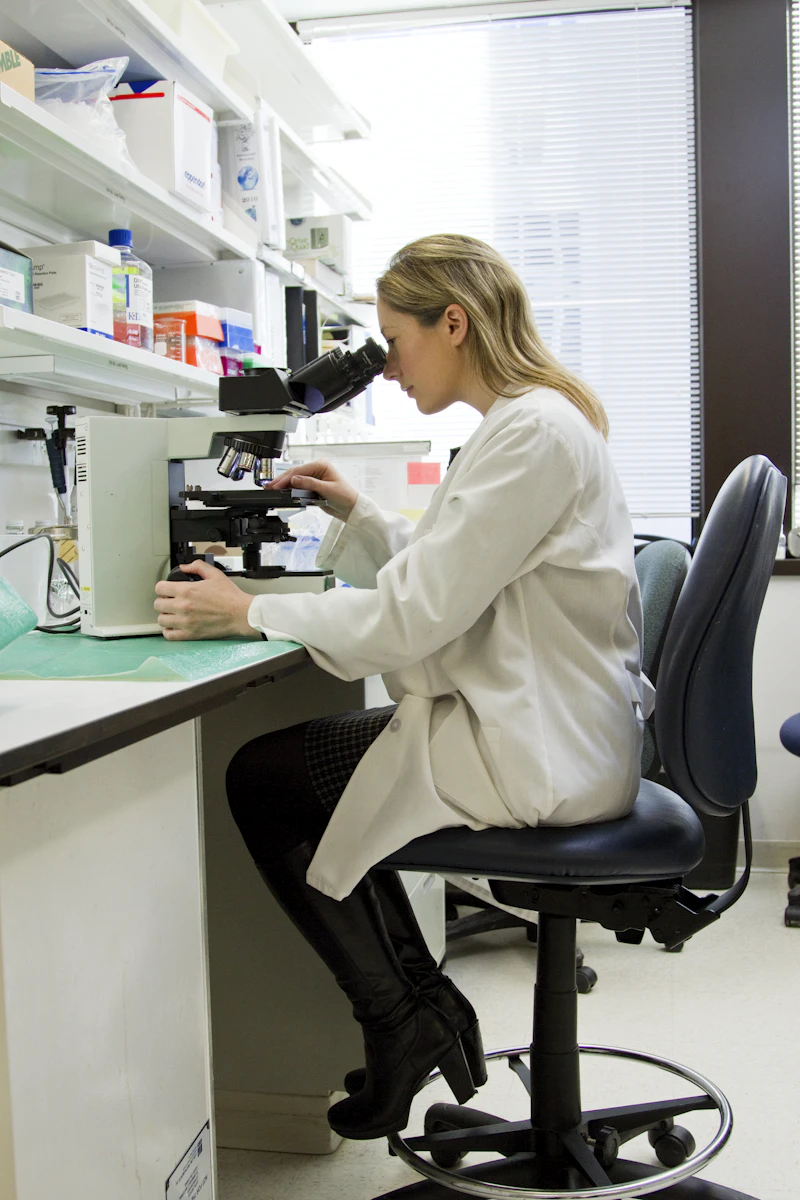
While they're widely distributed in terrestrial ecosystems, their marine counterparts have adapted to unique oceanic conditions, developing distinct biochemical pathways that yield novel compounds not found in land-based species 2 .
Actinomycete Metabolite Production
Data based on known secondary metabolite production from actinomycetes 5
The Cinnamoyl Connection: Nature's Chemical Masterpiece
The pepticinnamins belong to a class of compounds known as non-ribosomal peptides (NRPs). Unlike regular proteins, which are assembled by ribosomes following genetic blueprints, NRPs are built by massive enzyme complexes called non-ribosomal peptide synthetases (NRPSs) that can incorporate hundreds of different building blocks, including unusual amino acids not found in proteins 1 7 .
Unique Structural Feature
What sets the pepticinnamins apart is their distinctive cinnamoyl "head"—a structural unit derived from cinnamic acid that forms the starting point of these molecules 6 .
Biological Significance
The cinnamoyl group is significant because it can enhance biological activity and improve drug-like properties. Similar cinnamoyl-containing natural products have demonstrated various pharmacological effects, including antimicrobial and cytotoxic activities 6 .
Pepticinnamin Structure
The presence of this structural feature in pepticinnamins suggests they may interact with biological targets in unique ways, potentially leading to valuable therapeutic applications.
Awakening Silent Genes: The Experimental Breakthrough
Discovering new natural products like the pepticinnamins requires innovative methods to "awaken" silent biosynthetic gene clusters that aren't expressed under normal laboratory conditions. The research team employed a sophisticated strategy combining genome mining and genetic engineering to unlock the production of pepticinnamins Q-V 6 8 .
Step 1: Genome Sequencing and Analysis
The process began with comprehensive genome sequencing of Streptomyces sp. SCSIO 68065. Using bioinformatics tools, researchers identified a putative biosynthetic gene cluster (BGC) believed to encode the machinery for producing cinnamoyl-containing compounds 6 8 .
Step 2: Cluster Activation Through Regulator Overexpression
Rather than randomly testing growth conditions, the team used a targeted genetic approach. They identified potential regulatory genes within the cluster—particularly two adjacent LuxR-family regulator genes that likely act as master switches for the entire BGC 6 .
Step 3: Metabolic Profiling and Compound Isolation
The metabolic profiles of the engineered strains were compared to the wild-type bacterium using thin-layer chromatography (TLC) and high-performance liquid chromatography (HPLC) 6 . These techniques revealed that the overexpression strains produced several new compounds not detected in the control.
Step 4: Structural Elucidation
The final and most technically challenging step involved determining the exact chemical structures of the new pepticinnamins using advanced analytical techniques including High-Resolution Mass Spectrometry (HRESIMS) and Nuclear Magnetic Resonance (NMR) spectroscopy 6 .
Research Tools
- antiSMASH software Gene Prediction
- HPLC Separation
- HRESIMS Formula
- NMR Spectroscopy Structure
Experimental Results
The researchers scaled up fermentation to 20 liters and isolated the target compounds through a series of purification steps, ultimately obtaining pure samples of pepticinnamins Q, R, S, T, U, and V for structural characterization 6 .
The Biosynthetic Pathway: Nature's Assembly Line
The biosynthesis of pepticinnamins follows an elegant molecular assembly line process 6 :
Starter Unit Formation
The cinnamoyl moiety is activated as a starter unit
Peptide Chain Assembly
NRPS machinery sequentially adds specific amino acid building blocks
Chain Release and Cyclization
The completed chain is released from the enzyme complex
Enzymatic Tailoring
Additional enzymes modify the core structure
This biosynthetic pathway exemplifies the remarkable efficiency of nature's chemical factories, where multi-enzyme complexes work in concert to produce structurally sophisticated molecules with precision that surpasses current synthetic capabilities.
Biological Activities and Therapeutic Potential
While comprehensive biological evaluation of the new pepticinnamins is ongoing, their structural features provide clues to their potential applications. Related cinnamoyl-containing compounds have demonstrated 6 9 :
Antimicrobial Activity
Against drug-resistant pathogens
Cytotoxic Effects
Against various cancer cell lines
Enzyme Inhibition
Relevant to various diseases
Marine-Derived Peptides in Clinical Use
| Peptide Name | Origin | Application | Status |
|---|---|---|---|
| Ziconotide (Prialt®) | Marine cone snail | Chronic pain | FDA-approved |
| Plitidepsin (Aplidin®) | Mediterranean tunicate | Multiple myeloma | FDA-approved |
| Brentuximab vedotin | Marine peptide derivative | Lymphoma | FDA-approved |
| Enfortumab vedotin | Marine peptide derivative | Urothelial cancer | FDA-approved |
The unique structural features of the pepticinnamins, particularly their cinnamoyl heads combined with specific peptide sequences, may enable them to interact with biological targets in ways that differ from conventional drugs, potentially offering new mechanisms of action against challenging diseases.
The Future of Marine Drug Discovery
The discovery of pepticinnamins Q-V represents more than just the addition of six new molecules to the chemical lexicon. It demonstrates a powerful paradigm for future natural product discovery: genome-guided approaches that actively awaken silent biosynthetic potential 6 8 .
As genomic sequencing technologies continue to advance and our understanding of bacterial regulation deepens, we can expect an accelerating pace of discovery from marine microbes.
Untapped Potential
With millions of putative biosynthetic gene clusters identified in microbial genomes and only a small fraction characterized to date 6 , the oceans remain largely untapped reservoirs of chemical diversity with immense potential to address pressing medical challenges.
The story of pepticinnamins Q-V from Streptomyces sp. SCSIO 68065 illustrates how much remains to be discovered in our oceans. It highlights the creative strategies scientists are developing to access nature's hidden chemical treasury and offers hope that solutions to some of our most challenging medical problems may already exist—waiting silently in marine microbes for the right tools to awaken them.