White Analytical Chemistry: A Holistic RGB Framework for Sustainable and Effective Analysis in Drug Development
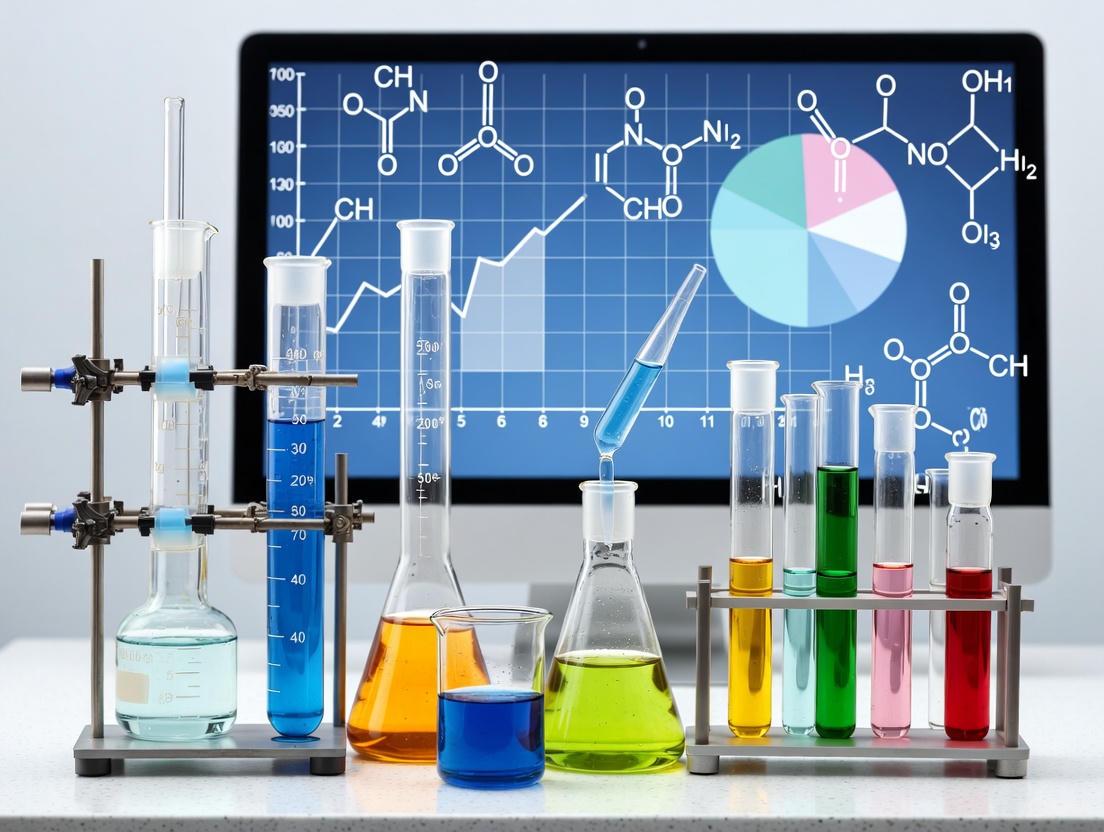
White Analytical Chemistry (WAC) is an advanced, holistic framework that moves beyond the purely environmental focus of Green Analytical Chemistry (GAC).
White Analytical Chemistry: A Holistic RGB Framework for Sustainable and Effective Analysis in Drug Development
Abstract
White Analytical Chemistry (WAC) is an advanced, holistic framework that moves beyond the purely environmental focus of Green Analytical Chemistry (GAC). By integrating analytical performance (Red), environmental impact (Green), and practical/economic feasibility (Blue) through its foundational RGB model, WAC provides a comprehensive metric for developing sustainable, reliable, and cost-effective analytical methods. This article explores the evolution, core principles, and assessment tools of WAC, detailing its application in pharmaceutical analysis, from drug quality control to bioanalysis. It also offers guidance on method optimization, troubleshooting, and comparative validation, positioning WAC as an essential paradigm for modern researchers and drug development professionals aiming to align analytical practices with the broader goals of sustainability and operational excellence.
The Evolution and Core Principles of White Analytical Chemistry
The field of analytical chemistry has undergone a significant paradigm shift in how we evaluate the quality and value of our methods. For decades, the scientific community primarily valued analytical methods based on their performance characteristics—sensitivity, selectivity, accuracy, and precision. While these metrics remain fundamentally important, the emergence of Green Analytical Chemistry (GAC) introduced crucial environmental considerations, aiming to minimize the environmental impact of analytical processes by reducing toxic reagent consumption, minimizing waste generation, and improving energy efficiency [1]. However, GAC's primarily eco-centric focus failed to adequately address whether methods were practically viable, economically feasible, or functionally effective for real-world applications [2] [3]. This limitation created a critical gap in sustainable method development, ultimately leading to the development of White Analytical Chemistry (WAC)—a holistic framework that integrates environmental, performance, and practical considerations to comprehensively evaluate analytical methods [2] [1] [4].
White Analytical Chemistry represents the next evolutionary step in sustainable analytical practices. Founded in 2021, WAC expands beyond the environmental scope of GAC by incorporating functionality and practicality through its innovative RGB color model [1] [4]. The term "white" symbolizes purity and completeness, representing the ideal balance between ecological responsibility, analytical excellence, and practical implementation [2]. This framework acknowledges that a method cannot be truly sustainable if it excels environmentally but fails analytically or is too cumbersome or expensive for routine use. The WAC approach ensures that methods are not only environmentally sound but also produce reliable results and are accessible and practical for laboratories with varying resources and expertise levels [5]. This holistic evaluation is particularly crucial in fields like pharmaceutical development and environmental monitoring, where method reliability, sustainability, and practicality directly impact public health and environmental protection.
The RGB Model: Deconstructing the Pillars of White Analytical Chemistry
The foundational framework of White Analytical Chemistry is the RGB model, which adapts the additive red-green-blue color model to analytical method evaluation [2] [1] [4]. In this conceptual framework, the three primary colors represent distinct dimensions of method assessment, and when a method optimally balances all three dimensions, it achieves the desired "white" state [2]. This triadic approach provides a structured methodology for developers and users to critically evaluate and optimize analytical procedures.
The Green Dimension: Environmental and Safety Considerations
The green dimension encompasses the environmental and safety principles inherited from Green Analytical Chemistry [1]. This dimension evaluates the ecological footprint of an analytical method, focusing on several key areas:
- Reagent and solvent consumption: Prioritizing the use of smaller volumes, less toxic, and renewable solvents [2]
- Waste generation: Implementing waste prevention strategies and proper management of generated waste [2]
- Energy efficiency: Minimizing energy consumption through optimized processes and equipment selection [2]
- Operator safety: Reducing exposure to hazardous substances and conditions [2]
This dimension directly addresses the growing concern about pollution from scientific activities and aligns analytical chemistry with broader environmental sustainability goals [2]. Techniques that exemplify green principles include micro-extraction approaches (e.g., fabric phase sorptive extraction, capsule phase microextraction), which significantly reduce solvent consumption, and "dilute-and-shoot" methods that simplify sample preparation while minimizing waste [2].
The Red Dimension: Analytical Performance Metrics
The red dimension focuses on the fundamental analytical parameters that determine a method's reliability and applicability for its intended purpose [2] [1]. This dimension ensures that sustainable methods do not compromise on analytical quality and include several critical performance indicators:
- Scope of application: The range of analytes, matrices, and concentrations the method can reliably handle [1]
- Detection and quantification limits: The lowest concentrations of analytes that can be reliably detected and quantified [1]
- Precision: The reproducibility of measurements under specified conditions [1]
- Trueness and accuracy: The closeness of agreement between measured values and true values [1]
The red dimension emphasizes that environmental sustainability cannot come at the expense of analytical reliability. A method that uses minimal solvents but produces inconsistent or inaccurate results fails to meet the comprehensive standards of WAC, regardless of its green credentials [3].
The Blue Dimension: Practical and Economic Factors
The blue dimension addresses the practical implementation and economic viability of analytical methods, ensuring they are accessible and feasible for routine use [2] [1]. This often-overlooked aspect includes several key considerations:
- Cost-efficiency: The total economic cost of analysis, including reagents, equipment, and personnel [1]
- Time-efficiency: The speed of analysis from sample preparation to result generation [1]
- Operational simplicity: The ease of implementation and use, including required operator skill level [1]
- Instrumentation requirements: The availability, cost, and complexity of required equipment [1]
The blue dimension is particularly important for method adoption in resource-limited settings or high-throughput laboratories where practical considerations often determine whether a theoretically superior method will be widely implemented [5].
Table 1: The RGB Framework of White Analytical Chemistry
| Dimension | Core Focus | Key Evaluation Parameters |
|---|---|---|
| Green | Environmental Impact | Reagent toxicity, waste generation, energy consumption, operator safety |
| Red | Analytical Performance | Sensitivity, selectivity, accuracy, precision, detection limits, scope |
| Blue | Practicality & Economics | Cost, time, simplicity, equipment requirements, operational feasibility |
The Scientist's Toolkit: Essential Metrics and Evaluation Tools
The implementation of WAC requires practical tools for quantitatively assessing each dimension of the RGB model. Numerous metrics have been developed to evaluate method greenness, and with the advent of WAC, new tools have emerged to address the red and blue dimensions specifically.
Established Greenness Assessment Tools
Several well-established tools are available for evaluating the green dimension of analytical methods:
- NEMI (National Environmental Methods Index): Provides simple pictograms indicating whether a method meets basic green chemistry criteria [2] [3]
- Analytical Eco-Scale: Assigns penalty points for hazardous reagents, energy consumption, and waste; scores above 75 indicate excellent greenness [2]
- GAPI (Green Analytical Procedure Index): A comprehensive visual tool that assesses environmental impact across the entire analytical procedure [2]
- AGREE (Analytical GREEnness): Uses the 12 principles of GAC to generate a circular pictogram with a final score between 0-1 [2] [3]
Emerging Tools for Holistic WAC Assessment
The development of WAC has spurred the creation of new assessment tools specifically designed to evaluate all three RGB dimensions:
- BAGI (Blue Applicability Grade Index): Focuses on practical aspects of method implementation, generating pictograms with different shades of blue [2] [6]
- RAPI (Red Analytical Performance Index): Systematically evaluates analytical performance parameters including reproducibility, trueness, recovery, and matrix effects [2] [6]
- VIGI (Violet Innovation Grade Index): A recent tool that assesses method innovation across ten criteria, generating a 10-pointed star pictogram with varying violet intensities [6]
- GLANCE (Graphical Layout for Analytical Chemistry Evaluation): A canvas-based template that condenses complex method descriptions into 12 standardized blocks for enhanced clarity and comparison [6]
Table 2: Essential Assessment Tools for White Analytical Chemistry
| Tool Name | Primary Focus | Output Format | Key Assessed Parameters |
|---|---|---|---|
| AGREE | Greenness | Circular pictogram with score (0-1) | 12 principles of GAC |
| BAGI | Practicality (Blue) | Shades of blue pictogram | Cost, time, simplicity, automation |
| RAPI | Performance (Red) | Red-scale assessment | Sensitivity, precision, accuracy, robustness |
| VIGI | Innovation | Violet 10-point star | Sample prep, instrumentation, data processing, interdisciplinary |
| GLANCE | Holistic overview | 12-block canvas | Novelty, reagents, instrumentation, validation, applications |
Practical Implementation: Methodologies and Workflows for WAC-Compliant Method Development
Implementing WAC principles requires systematic approaches to method development and optimization. The following protocols and workflows illustrate how to apply WAC in practical analytical scenarios.
Integrated Quality by Design Approach
The Analytical Quality by Design (AQbD) framework, combined with Design of Experiment (DoE) methodologies, provides an effective foundation for developing WAC-compliant methods [4]. This systematic approach ensures that sustainability considerations are integrated from the initial development phase rather than being evaluated post-development.
Protocol: WAC-Integrated AQbD Workflow
- Define Analytical Target Profile (ATP): Clearly specify method requirements for all RGB dimensions—establish target precision, accuracy, green objectives (solvent consumption, waste generation), and practical constraints (cost, time)
- Identify Critical Method Parameters: Determine factors that significantly impact RGB dimensions—mobile phase composition, extraction time, temperature, injection volume
- Design of Experiments: Employ statistical experimental design (e.g., response surface methodology) to model relationships between method parameters and RGB outcomes
- Establish Method Operable Design Region: Define the multidimensional space where method parameters meet all ATP requirements for performance, greenness, and practicality
- Control Strategy: Implement procedures to maintain method performance within the design region during routine use
- Continuous Verification and Improvement: Regularly monitor method performance against WAC metrics and identify opportunities for enhancement
Sample Preparation Techniques Aligned with WAC Principles
Sample preparation is often the most resource-intensive step in analysis. Several modern microextraction techniques exemplify the successful application of WAC principles:
Fabric Phase Sorptive Extraction (FPSE) Protocol
- Principle: Combines the advantages of sol-gel coating technology with flexible fabric substrates to create highly efficient extraction media [2]
- Procedure:
- Cut fabric substrate to appropriate size (typically 1-2 cm²)
- Condition fabric in appropriate solvent
- Add sample solution and incubate with agitation for optimized time
- Remove fabric and perform back-extraction using minimal solvent volume (typically 100-500 μL)
- WAC Advantages:
- Green: Minimal solvent consumption, reusable materials
- Red: High extraction efficiency, good sensitivity and precision
- Blue: Simple operation, cost-effective materials
Magnetic Solid-Phase Extraction (MSPE) Protocol
- Principle: Utilizes magnetic or magnetically-modified sorbents for efficient separation without centrifugation or filtration [1]
- Procedure:
- Disperse magnetic sorbent in sample solution
- Incubate with agitation to allow analyte adsorption
- Separate sorbent using external magnet
- Discard supernatant
- Elute analytes with small volume of appropriate solvent
- WAC Advantages:
- Green: Reduced solvent consumption, minimal waste
- Red: Excellent recovery values, good reproducibility
- Blue: Rapid separation, easy automation potential
Chromatographic Method Development with WAC Considerations
Liquid chromatography remains a cornerstone analytical technique where WAC principles can be systematically applied:
Green Solvent Selection Protocol
- Assess solvent environmental impact using tools like AGREE or GAPI
- Prioritize solvents with favorable environmental, health, and safety profiles (e.g., water, ethanol, ethyl acetate)
- Evaluate alternative solvent systems:
- Supercritical fluid chromatography (SFC) with CO₂ as primary mobile phase
- Reversed-phase LC with water-ethanol mixtures instead of acetonitrile-water
- Optimize chromatographic conditions:
- Use smaller particle columns (sub-2μm) for improved efficiency
- Implement elevated temperatures to reduce mobile phase viscosity
- Apply gradient elution with steeper gradients for faster separations
The following diagram illustrates the systematic workflow for developing WAC-compliant analytical methods, integrating considerations across all three RGB dimensions:
Diagram 1: WAC Method Development Workflow
Advanced Applications and Emerging Directions in WAC
Pharmaceutical Analysis Applications
WAC has demonstrated significant value in pharmaceutical analysis, where regulatory requirements must be balanced with sustainability goals. A notable application includes the development of a WAC-assisted AQbD strategy for the simultaneous determination of multiple cardiovascular drugs (azilsartan, medoxomil, chlorthalidone, and cilnidipine) in human plasma [4]. This approach yielded a validated, sustainable, and cost-effective procedure with an excellent white WAC score, demonstrating that comprehensive method evaluation does not necessitate performance compromises [4].
Another application involves the stability-indicating High-Performance Thin-Layer Chromatography (HPTLC) methods for thiocolchicoside and aceclofenac, where WAC principles were applied to evaluate and optimize the methods across all three dimensions [4]. These implementations highlight how WAC facilitates the development of methods that are not only environmentally responsible but also robust and practical for quality control laboratories.
Environmental and Food Safety Monitoring
WAC-based approaches have been successfully applied to the analysis of contaminants and nutrients in environmental and food samples, even when the term "WAC" itself was not explicitly used in the original studies [1]. These applications typically employ:
- Miniaturized extraction techniques (e.g., liquid-phase microextraction, dispersive solid-phase extraction)
- Green solvent alternatives (e.g., deep eutectic solvents, supramolecular solvents)
- Rapid detection strategies (e.g., capillary electrophoresis, direct analysis in real-time mass spectrometry)
The resulting methods demonstrate that comprehensive sustainability can be achieved while maintaining the high analytical standards required for regulatory compliance and public health protection.
Emerging Tools and Future Perspectives
The field of WAC continues to evolve with the development of increasingly sophisticated assessment tools and methodologies. Recent innovations include:
- Good Evaluation Practice (GEP): Proposed general rules to standardize assessment practices and improve transparency in method evaluation [3]
- Quantitative indicators: Movement toward empirical, directly measurable data (e.g., actual energy consumption measured with wattmeters, precise waste quantification) to complement model-based assessments [3]
- Digital integration: Development of software platforms and potentially AI-supported scoring algorithms to streamline WAC assessments [6]
Future directions in WAC point toward more integrated, digitally-enabled evaluation frameworks that can adapt to specific application contexts while maintaining scientific rigor and practical utility.
White Analytical Chemistry represents a fundamental shift in how the analytical community conceptualizes, develops, and evaluates chemical methods. By integrating the three critical dimensions of environmental impact (green), analytical performance (red), and practical utility (blue), WAC provides a comprehensive framework for developing truly sustainable analytical practices that do not sacrifice reliability or accessibility. The RGB model and associated assessment tools offer practical guidance for implementing this holistic approach across diverse application areas, from pharmaceutical analysis to environmental monitoring. As the field continues to evolve with new metrics, methodologies, and digital tools, WAC promises to guide analytical chemistry toward a future where methods are simultaneously environmentally responsible, scientifically valid, and practically implementable—ultimately supporting both scientific progress and global sustainability goals.
The RGB (Red, Green, Blue) color model is an additive color model in which the red, green, and blue primary colors of light are added together in various ways to reproduce a broad array of colors [7]. While fundamentally developed for sensing, representing, and displaying images in electronic systems, the conceptual framework of RGB has transcended its original domain [7]. In the context of White Analytical Chemistry (WAC), the RGB model is re-purposed as a holistic, three-dimensional framework for evaluating analytical methods, balancing environmental impact, analytical performance, and practical feasibility [2]. This whitepaper elucidates the core principles of the RGB color model and details its critical application within WAC research, providing drug development professionals with methodologies for implementing this modern paradigm.
Fundamentals of the RGB Color Model
Additive Color Mixing Principle
The RGB model operates on the principle of additive color mixing, where light beams of red, green, and blue are superimposed to create a broad spectrum of colors [7]. This process is fundamentally different from subtractive models used in printing:
- Additive Process: Combining light spectra wavelength-for-wavelength [7].
- Resulting Perception:
- Secondary Colors: Created by mixing two primary colors at full intensity: Cyan (Green + Blue), Magenta (Red + Blue), and Yellow (Red + Green) [7] [8].
Physiological Basis and Device Dependency
The selection of red, green, and blue as primary colors is rooted in human biology. The human retina contains three types of cone cells that respond most to long (peaking near 570 nm, perceived as yellowish-green), medium (540 nm, green), and short (440 nm, violet) wavelengths of light [7] [8]. The brain interprets the differences in signals from these cones as color, making us most sensitive to hues in the green-to-orange region [7]. However, RGB is a device-dependent color model; different equipment detects or reproduces a given RGB value differently due to variations in color elements like phosphors or dyes [7]. This necessitates color management for consistency across devices [7].
The RGB Framework in White Analytical Chemistry
White Analytical Chemistry (WAC) represents an evolution from Green Analytical Chemistry (GAC), expanding the focus from solely environmental impact to a comprehensive triad of criteria essential for sustainable and practical modern science [2]. The paradigm uses the RGB model as a metaphorical framework to ensure methods are "white"—a pure and balanced combination of all three aspects [2].
The Three Dimensions of WAC
The WAC RGB model consists of three independent dimensions, each covering a critical aspect of analytical methods [2]:
1. Green (Environmental Impact) This dimension encompasses the principles of Green Analytical Chemistry, focusing on:
- Waste prevention and minimization [2].
- Use of safer solvents and reagents [2].
- Energy efficiency [2].
- Operator safety [2].
2. Red (Analytical Performance) The red dimension assesses the core analytical validity of a method, including [2]:
- Sensitivity and selectivity [2].
- Accuracy and precision [2].
- Robustness and reliability [2].
- Limits of detection and quantification [2].
3. Blue (Practical & Economic Factors) This dimension evaluates the method's applicability in real-world settings, considering [2]:
- Cost-effectiveness and time of analysis [2].
- Simplicity and ease of use [2].
- Potential for automation and high-throughput [2].
- Availability of equipment and required skill level [2].
A method is considered "white" when it optimally balances all three dimensions. The final evaluation results in a mixed color, indicating how consistently a method meets the combined principles and highlighting areas for potential improvement [2].
Relationship Between WAC Dimensions
The following diagram illustrates the integrative relationship between the three dimensions of WAC, working in concert to achieve sustainable and effective analytical science.
Experimental Protocols for WAC-RGB Method Implementation
Comprehensive Method Assessment Workflow
Implementing the WAC-RGB framework requires a systematic approach to method development and validation. The workflow below outlines the key stages for a holistic assessment.
Detailed RGB Assessment Protocols
Protocol 1: Red Dimension (Analytical Performance) Validation Objective: To quantitatively establish the analytical validity of the method using the Red Analytical Performance Index (RAPI) and related metrics [2].
Procedure:
- Accuracy & Trueness: Perform spike-and-recovery experiments at three concentration levels (low, medium, high) across three different days (n=9 per level). Calculate percentage recovery and bias [2].
- Precision:
- Intra-day Precision: Analyze six replicates at 100% of target concentration within a single analytical run.
- Inter-day Precision: Analyze three replicates at 100% concentration across three separate days.
- Calculate %RSD for both [2].
- Sensitivity:
- Prepare a calibration curve with a minimum of six concentration levels, injected in triplicate.
- Calculate Limit of Detection (LOD) as 3.3×σ/S and Limit of Quantification (LOQ) as 10×σ/S, where σ is the standard deviation of the response and S is the slope of the calibration curve.
- Selectivity: Analyze a minimum of six independent sources of blank matrix. Check for interference at the retention time of the analyte.
- Robustness: Deliberately introduce small, deliberate variations in method parameters (e.g., pH ±0.2, temperature ±2°C, mobile phase composition ±2%). Evaluate impact on key performance metrics.
Data Analysis: Compile results in a RAPI pictogram. A score above 0.8 indicates high analytical performance [2].
Protocol 2: Green Dimension (Environmental Impact) Evaluation Objective: To assess the environmental impact and safety of the analytical method using the AGREE (Analytical GREEnness) tool [2].
Procedure:
- Solvent & Reagent Hazard:
- Catalog all solvents and reagents used, noting their volumes and concentrations.
- Classify according to GHS (Globally Harmonized System) hazard codes.
- Prioritize substances with low or no hazards (e.g., water, ethanol over acetonitrile, chlorinated solvents).
- Energy Consumption:
- Record the power consumption (kWh) of all instruments used throughout the analytical process.
- Methods requiring less energy (e.g., running at ambient temperature vs. high temperature) score higher.
- Waste Generation:
- Quantify the total waste produced per sample, categorized by hazard.
- Implement waste minimization strategies (e.g., solvent recycling, miniaturization).
- Operator Safety:
- Evaluate the need for personal protective equipment (PPE) and exposure risks.
- Prefer methods that are automated or enclosed to minimize analyst contact.
Data Analysis: Input data into the AGREE calculator, which evaluates 12 principles of green chemistry, generating a score from 0 to 1.0 and a color-coded pictogram [2].
Protocol 3: Blue Dimension (Practical & Economic) Assessment Objective: To determine the practical feasibility and economic viability of the method using the Blue Applicability Grade Index (BAGI) [2].
Procedure:
- Cost Analysis:
- Itemize the cost per analysis, including reagents, consumables, instrument depreciation, and labor.
- Compare against existing or standard methods.
- Time Efficiency:
- Record the total analysis time, including sample preparation, analysis, and data processing.
- Evaluate potential for high-throughput (number of samples processed per 8-hour shift).
- Simplicity & Expertise:
- Document the number of procedural steps and their complexity.
- Assess the level of technical training required to perform the analysis reliably.
- Automation Potential:
- Determine if the method can be fully or partially automated.
- Consider the compatibility with autosamplers, automated liquid handlers, and data processing software.
Data Analysis: Use the BAGI tool, which generates a pictogram colored in different shades of blue. A darker blue indicates higher practicality and applicability [2].
Quantitative Data Presentation
Table 1: Comprehensive criteria for evaluating analytical methods within the WAC-RGB framework.
| Dimension | Key Evaluation Parameters | Target Metrics | Common Assessment Tools |
|---|---|---|---|
| Red (Analytical Performance) | Accuracy/Trueness (Recovery %) [2] | 85-115% | Red Analytical Performance Index (RAPI) [2] |
| Precision (%RSD) [2] | <5% for HPLC/GC | ||
| Sensitivity (LOD/LOQ) [2] | Fit-for-purpose | ||
| Selectivity/Specificity [2] | No interference | ||
| Linearity (R²) [2] | >0.995 | ||
| Green (Environmental Impact) | Solvent & Reagent Toxicity [2] | Minimized, GHS Category 4-5 preferred | AGREE, GAPI, NEMI [2] |
| Energy Consumption (kWh/sample) [2] | Minimized | ||
| Waste Generated (g/sample) [2] | Minimized | ||
| Operator Safety (Risk Level) [2] | Low risk, minimal PPE | ||
| Blue (Practical & Economic) | Cost Per Analysis [2] | Cost-effective vs. benefit | Blue Applicability Grade Index (BAGI) [2] |
| Sample Throughput (samples/hour) [2] | Maximized | ||
| Method Simplicity (Number of steps) [2] | Minimal, robust | ||
| Automation Potential [2] | High |
Advanced Micro-Extraction Techniques Aligned with WAC
Table 2: Modern sample preparation techniques that enhance the "whiteness" of analytical methods by improving all three RGB dimensions [2].
| Technique | Mechanism | Key Advantages (RGB Alignment) | Exemplary Applications in Pharma |
|---|---|---|---|
| Fabric Phase Sorptive Extraction (FPSE) [2] | Sol-gel coated fabric sorbent extracts analytes from sample matrix. | G: Low solvent volume. R: High selectivity & recovery. B: Simple, reusable. | Extraction of APIs from biological fluids. |
| Magnetic Solid-Phase Extraction (MSPE) [2] | Magnetic nanoparticles functionalized with ligands disperse in sample, then are magnetically separated. | G: Minimal solvent, fast. R: Efficient clean-up, good sensitivity. B: Easy separation, no centrifugation. | Pre-concentration of trace impurities in drug substances. |
| Capsule Phase Microextraction (CPME) [2] | A membrane capsule containing sorbent is stirred in the sample solution. | G: Very low solvent consumption. R: High enrichment factors. B: Disposable, reduces clogging. | Monitoring reaction intermediates in process chemistry. |
| Ultrasound-Assisted Microextraction [2] | Ultrasound energy enhances mass transfer in small solvent volumes. | G: Reduced extraction time & energy. R: Improved extraction efficiency. B: Rapid, uses common lab equipment. | Extraction of active compounds from plant materials. |
The Scientist's Toolkit: Essential Reagents and Materials
Table 3: Key research reagent solutions and materials for implementing WAC-aligned methods, particularly in drug development.
| Reagent/Material | Function in WAC-Optimized Methods | WAC Benefit |
|---|---|---|
| Magnetic Nanoparticles (e.g., Fe₃O₄ coated with C18 or mixed-mode polymers) [2] | Sorbent for Magnetic Solid-Phase Extraction (MSPE). | G/R/B: Enables solvent-free or low-solvent extraction, high efficiency, and easy retrieval with a magnet, simplifying workflow. |
| Fabric Phase Sorptive Membranes (e.g., Cellulose coated with sol-gel poly(ethylene glycol)) [2] | Sorbent for Fabric Phase Sorptive Extraction (FPSE). | G: Uses water-miscible solvents. R: High primary and secondary selectivity. B: Flexible, reusable, compatible with direct HPLC elution. |
| Biocompatible Sorbents (e.g., Molecularly Imprinted Polymers - MIPs) | Selective extraction of target analytes from complex matrices like plasma. | G/R/B: Reduces need for harsh clean-up solvents, provides high selectivity (Red), and improves method robustness (Blue). |
| Green Solvents (e.g., Cyclopentyl Methyl Ether, Ethyl Lactate, Deep Eutectic Solvents) | Replacement for hazardous solvents (e.g., chlorinated, ethers) in extraction and chromatography. | G: Lower toxicity, biodegradability. B: Improved safety profile reduces handling costs. R: Maintains or improves performance. |
| Short Analytical Columns (e.g., 50-100 mm length, sub-2µm particles) [2] | Stationary phase for fast liquid chromatographic separations. | G/R/B: Reduces solvent consumption and waste (Green), shortens run times (Blue), and maintains or enhances resolution (Red). |
The RGB model, when applied within the White Analytical Chemistry framework, provides a sophisticated, tripartite system for the comprehensive evaluation of analytical methods. For researchers and drug development professionals, moving beyond a singular focus on analytical performance (Red) to an integrated assessment that includes environmental (Green) and practical (Blue) dimensions is crucial for fostering truly sustainable, efficient, and responsible scientific practices. The experimental protocols, metrics, and tools detailed in this guide provide a actionable pathway for laboratories to implement the WAC paradigm, ensuring that modern analytical methods not only generate high-quality data but also contribute positively to environmental stewardship and operational practicality.
White Analytical Chemistry (WAC) represents a holistic and evolved paradigm in the development of sustainable analytical methods, designed to overcome the limitations of its predecessor, Green Analytical Chemistry (GAC). While GAC primarily focuses on reducing the negative environmental impact of analytical processes, its singular focus can sometimes lead to compromises in analytical performance or practical usability [9]. WAC emerged in 2021 as a unified framework that integrates three equally critical dimensions: analytical performance (Red), environmental impact (Green), and practical & economic feasibility (Blue) [2] [4]. This RGB model ensures that methods are not only environmentally sound but also analytically robust and practical to implement in real-world laboratories, particularly in regulated sectors like pharmaceutical development [9] [4]. The term "white" symbolizes the purity and balance achieved when these three primary aspects are successfully combined, offering a more complete foundation for sustainable analytical practices [2].
The Evolution from Green to White Analytical Chemistry
The journey toward WAC began with the establishment of Green Chemistry by Paul Anastas and John Warner, who formulated its foundational twelve principles in 1998 [10] [9]. From this foundation, Green Analytical Chemistry (GAC) developed around 2000, aiming to apply these ideals specifically to analytical laboratory practices [10]. GAC introduced its own set of twelve principles, which include directives such as applying direct analytical techniques to avoid sample treatment, minimizing sample size and number of samples, performing in-situ measurements, and automating and miniaturizing methods [10]. A key mnemonic, SIGNIFICANCE, was also developed to summarize core green analytical practices [9].
Despite its noble goals, GAC presented a significant practical challenge: its primary focus on environmental sustainability often created a trade-off with the analytical performance and practical feasibility required in industrial and research settings [9]. Methods optimized solely for greenness could sometimes result in insufficient sensitivity, precision, or accuracy, or be too costly or complex for routine use [9]. WAC was developed explicitly to address these shortcomings, promoting a balanced approach where no single dimension is prioritized at the expense of the others [2] [9]. This evolution from GAC to WAC marks a critical shift from a mono-dimensional to a multi-dimensional assessment of analytical method quality.
The Core Framework: The RGB Model and the 12 Principles of WAC
The WAC framework is built upon its innovative RGB model, which categorizes the essential aspects of an analytical method into three primary colors. The resulting "whiteness" is an indicator of how well a method satisfies all three sets of criteria simultaneously [2] [9].
Table 1: The Three Dimensions of the WAC RGB Model
| Dimension | Color | Primary Focus | Key Considerations |
|---|---|---|---|
| Analytical Performance | Red | Reliability and quality of data | Accuracy, precision, sensitivity, selectivity, linearity, robustness [2] [9] |
| Environmental Impact | Green | Ecological sustainability | Waste generation, energy efficiency, toxicity of reagents, operator safety [2] [9] |
| Practical & Economic Feasibility | Blue | Usability and cost-effectiveness | Cost, time, simplicity, ease of automation, availability of equipment [2] [9] |
The following diagram illustrates the interconnected relationship between these three dimensions and their synthesis into a "white" method.
To provide specific, actionable guidance, the three dimensions of the RGB model are expanded into twelve key principles that form the backbone of WAC.
Table 2: The 12 Principles of White Analytical Chemistry
| Principle Group | Principle Number | Principle Description |
|---|---|---|
| Red (Analytical Performance) | R1 | The method must provide excellent accuracy and precision, ensuring results are both correct and reproducible [9]. |
| R2 | The method must demonstrate high sensitivity and selectivity for the target analytes, with low limits of detection and quantification (LOD/LOQ) [9]. | |
| R3 | The method must be linear over a specified range and demonstrate robustness against minor, deliberate variations in method parameters [9]. | |
| R4 | The method should be validated to ensure it is fit-for-purpose and delivers reliable data for its intended application [9]. | |
| Green (Environmental Impact) | G1 | Prevent waste generation and properly manage any analytical waste that is produced [10] [9]. |
| G2 | Use minimal sample size and a minimal number of samples without compromising statistical validity [10]. | |
| G3 | Prefer direct analytical techniques to avoid extensive sample treatment and reduce derivatization [10] [9]. | |
| G4 | Select safer solvents and auxiliaries and prioritize energy-efficient processes and instrumentation [10] [9]. | |
| Blue (Practical & Economic) | B1 | The method should be cost-effective to develop and run, considering reagents, instruments, and labor [2] [9]. |
| B2 | The method should be simple to execute and time-efficient, enabling high throughput where needed [2] [9]. | |
| B3 | The method should be easy to automate and transfer between laboratories or instruments [2]. | |
| B4 | The required equipment and reagents should be readily available and the method should be easy to use for trained operators [2] [9]. |
Methodologies and Metrics for Implementing WAC
Analytical Quality by Design (AQbD) and Design of Experiments (DoE)
The systematic implementation of WAC is greatly enhanced by adopting Analytical Quality by Design (AQbD) and Design of Experiments (DoE) [9]. AQbD is a systematic approach to method development that begins with predefined objectives, emphasizing a thorough understanding of the method and the factors that influence its performance [9]. DoE is a statistical tool used within the AQbD framework to efficiently identify and model the relationship between critical method parameters (e.g., pH, temperature, mobile phase composition) and the resulting performance outputs (e.g., resolution, peak asymmetry) [9]. This data-driven strategy aligns perfectly with WAC's goals, as it ensures the development of robust (Red) methods while minimizing the extensive trial-and-error experimentation that consumes reagents and generates waste (Green), in a resource-efficient manner (Blue) [9].
Evaluation Tools and Metrics
A key advantage of the WAC framework is the availability of quantitative metrics to evaluate the "whiteness" of an analytical method. These tools often generate pictograms or scores for easy comparison.
Table 3: Key Metrics for Evaluating WAC Principles
| Metric Name | Focus | Output & Interpretation | Relevance to WAC |
|---|---|---|---|
| AGREE (Analytical GREEnness) [2] | Green | A pictogram with a score from 0 to 1.0, based on the 12 principles of GAC. | Provides the foundational Green component. |
| BAGI (Blue Applicability Grade Index) [2] | Blue | A pictogram colored with different shades of blue, assessing practicality, cost, and throughput. | Quantifies the Blue dimension of WAC. |
| RAPI (Red Analytical Performance Index) [2] | Red | Evaluates analytical parameters like reproducibility, trueness, recovery, and matrix effects. | Quantifies the Red dimension of WAC. |
| ComplexGAPI [9] | Green (Holistic) | A detailed pictogram that considers the entire analytical process, including sample preparation and instrumentation. | Used for a comprehensive Green assessment within the WAC triad. |
The following workflow diagram outlines the typical process for developing and evaluating a method based on WAC principles.
The Scientist's Toolkit: Essential Reagents and Materials for WAC
Adhering to WAC principles requires careful selection of reagents, materials, and techniques. The following table details key solutions that facilitate the development of white methods.
Table 4: Key Research Reagent Solutions for WAC-Compliant Analysis
| Reagent / Material | Function in Analysis | WAC Benefit & Rationale |
|---|---|---|
| Safer Solvent Substitutes (e.g., ethanol, ethyl acetate, cyclopentyl methyl ether) [10] [9] | Replacement for toxic solvents (e.g., acetonitrile, chlorinated solvents) in extraction and chromatography. | Green: Reduces toxicity and environmental hazard. Blue: Often cheaper and more readily available. |
| Micro-Extraction Sorbents (e.g., for FPSE, magnetic SPE) [2] | Solid-phase materials for extracting analytes from complex samples. | Green: Drastically reduces solvent consumption (miniaturization). Red: Can improve selectivity and sensitivity. Blue: Faster and easier to automate. |
| Ionic Liquids [10] | Used as green solvents or additives in separations. | Green: Low volatility reduces airborne hazards and exposure. Red: Tunable properties can enhance separation efficiency. |
| Automated & Miniaturized Flow Systems [10] | Integrated platforms for sample preparation and analysis. | Green: Minimizes reagent consumption and waste. Red: Improves reproducibility. Blue: Increases throughput and reduces manual labor. |
| Stable, Ready-to-Use Reagent Kits | Pre-formulated kits for specific analytical tests. | Blue: Saves time, ensures consistency, easy to use. Green: Often optimized for minimal waste. Red: Provides validated performance. |
Case Study: Application in Pharmaceutical Analysis
A practical application of WAC in drug development is the development of a stability-indicating method for simultaneous estimation of thiocolchicoside and aceclofenac [9] [4]. In this case, High-Performance Thin-Layer Chromatography (HPTLC) was selected over the more conventional High-Performance Liquid Chromatography (HPLC). The evaluation against WAC principles demonstrated that HPTLC, while potentially less sensitive than HPLC, offered a superior balance across the RGB spectrum [9]:
- Green (Environmental): HPTLC consumes significantly lower volumes of organic solvents, reducing waste and environmental impact.
- Blue (Practical): The method is cost-effective, simpler to operate, and allows for parallel analysis of multiple samples, increasing throughput.
- Red (Analytical): The method was successfully validated for its intended purpose, proving to be accurate, precise, and specific enough to separate degradation products from the active drugs.
This case underscores the core WAC tenet: the "best" method is not necessarily the one with the highest ultimate performance, but the one that most effectively balances analytical, ecological, and practical needs for a given application [9].
White Analytical Chemistry moves beyond the singular, eco-centric view of Green Analytical Chemistry to provide a comprehensive, balanced, and pragmatic framework for modern analytical method development. By simultaneously evaluating the Red (analytical performance), Green (environmental sustainability), and Blue (practical and economic feasibility) dimensions, WAC ensures that methods are not only scientifically valid but also environmentally responsible and practical to implement in real-world settings like drug development [2] [9] [4]. The adoption of tools like AQbD and specific metrics such as AGREE, BAGI, and RAPI provides a clear, quantitative path for scientists to develop, assess, and refine methods toward the ideal of "whiteness." As the chemical industry faces increasing pressure to adopt sustainable practices, WAC offers a viable and strategic model for continuous improvement, ensuring that analytical chemistry meets the demands of both science and society.
Key Differences Between White Analytical Chemistry and Green Analytical Chemistry
The growing emphasis on environmental stewardship and sustainability has fundamentally transformed analytical chemistry, leading to the emergence of two complementary frameworks: Green Analytical Chemistry (GAC) and White Analytical Chemistry (WAC). While both approaches aim to make chemical analysis more environmentally responsible, they differ significantly in scope, philosophy, and implementation. GAC, established earlier, focuses primarily on reducing the environmental impact of analytical processes by minimizing toxic solvent use, energy consumption, and waste generation [9] [11]. WAC represents a more recent evolution that expands upon GAC principles by integrating environmental considerations with analytical performance and practical feasibility [9] [2] [4]. This paradigm shift reflects the analytical community's recognition that sustainability in the laboratory requires balancing ecological concerns with the fundamental need for accurate, reproducible, and practically implementable analytical methods, particularly in regulated industries like pharmaceutical development [12].
The transition from GAC to WAC mirrors a broader understanding that environmental friendliness alone cannot justify adopting an analytical method if it compromises accuracy, sensitivity, or practical utility in quality control settings [9] [2]. This whitepaper examines the key differences between these two frameworks, providing researchers and drug development professionals with a comprehensive comparison of their philosophical foundations, evaluation metrics, and practical applications in modern analytical science.
Philosophical Foundations and Core Principles
Green Analytical Chemistry (GAC): An Eco-Centric Approach
Green Analytical Chemistry emerged as the analytical chemistry counterpart to the broader green chemistry movement pioneered by Paul Anastas and John Warner in the 1990s [9]. GAC's primary focus is minimizing the environmental impact of analytical processes through reducing or eliminating hazardous substances, decreasing energy consumption, and preventing waste generation [13] [11]. The philosophical foundation of GAC centers on applying the Twelve Principles of Green Chemistry specifically to analytical methods, with environmental protection as the predominant concern [11].
The GAC framework employs the SIGNIFICANCE mnemonic (Select direct techniques, Integrate processes, Generate no waste, Non-invasive approaches, Inherently safe methods, Automate methods, Miniaturize procedures, Obtain real-time information, Contribute to sustainability, Eliminate derivatization, No waste storage, Use safe reagents) as practical guidance for implementing green principles [9]. This approach prioritizes environmental metrics, sometimes at the potential expense of analytical performance or practical implementation. For instance, a method might be considered exemplary in GAC terms if it uses minimal solvents and energy, even if it offers lower sensitivity or requires specialized operator expertise that limits its widespread adoption [9] [14].
White Analytical Chemistry (WAC): A Balanced Framework
White Analytical Chemistry emerged around 2021 as an evolutionary step beyond GAC, addressing its limitations through a more holistic approach [9] [2] [15]. The term "white" symbolizes methodological purity and the balanced integration of three critical aspects: environmental sustainability, analytical performance, and practical/economic feasibility [2] [4]. Philosophically, WAC acknowledges that for an analytical method to be truly sustainable and valuable, it must excel simultaneously in all three dimensions rather than prioritizing environmental considerations above all else [9].
The WAC framework employs the RGB model (Red, Green, Blue) as its organizing principle, where each color represents a fundamental aspect of method evaluation [2] [4]. In this model, "Green" encompasses traditional GAC principles focused on environmental impact, "Red" represents analytical performance parameters (accuracy, precision, sensitivity, selectivity), and "Blue" addresses practical and economic considerations (cost, time, simplicity, operational safety) [9] [2]. The ideal "white" method achieves a harmonious balance among all three dimensions, creating a composite that satisfies environmental, technical, and practical requirements simultaneously [15].
Table 1: Core Philosophical Differences Between GAC and WAC
| Aspect | Green Analytical Chemistry (GAC) | White Analytical Chemistry (WAC) |
|---|---|---|
| Primary Focus | Environmental impact reduction | Balanced integration of environmental, analytical, and practical factors |
| Core Philosophy | Eco-centric approach | Holistic, balanced approach |
| Evaluation Priorities | Solvent toxicity, waste generation, energy consumption | Equal weight to environmental impact, analytical performance, and practical feasibility |
| Method Development Goal | Minimize environmental footprint | Achieve "whiteness" through balanced RGB criteria |
| Inherent Trade-offs | May accept analytical performance limitations for environmental benefits | Explicitly addresses and seeks to optimize trade-offs between competing priorities |
Fundamental Differences in Approach and Evaluation
The RGB Model: WAC's Integrative Framework
The RGB model forms the conceptual backbone of White Analytical Chemistry, providing a structured approach to method evaluation and development [2] [4]. Each dimension encompasses specific criteria:
Red Dimension (Analytical Performance): This component focuses on the fundamental analytical figures of merit, including accuracy, precision, sensitivity, selectivity, robustness, linearity, and range [2] [15]. These parameters ensure the method produces reliable, reproducible data fit for its intended purpose, whether for research, quality control, or regulatory compliance.
Green Dimension (Environmental Impact): Incorporating traditional GAC principles, this dimension evaluates solvent toxicity, waste generation, energy consumption, operator safety, and overall environmental footprint [9] [2]. It aligns with the original twelve principles of green chemistry but positions them as one of three equally important considerations.
Blue Dimension (Practical & Economic Factors): This aspect addresses the practical implementation of the method, including cost-effectiveness, analysis time, simplicity, equipment requirements, ease of automation, and scalability [2] [4]. These factors determine whether a method can be successfully adopted in routine laboratory settings, particularly in high-throughput environments like pharmaceutical quality control.
The relationship between these three dimensions can be visualized through the following conceptual framework:
Diagram 1: The RGB model of White Analytical Chemistry shows how the three dimensions combine to create an ideal "white" method.
Comparative Analysis: GAC vs. WAC in Practice
The fundamental differences between GAC and WAC become apparent when examining their application to real-world analytical challenges. GAC approaches method development with environmental considerations as the primary driver, potentially leading to compromises in analytical performance or practical implementation [9]. For example, a GAC-compliant method might use minimal solvent volumes but require specialized equipment or extended analysis times that make it impractical for routine quality control laboratories [14].
In contrast, WAC explicitly acknowledges and addresses the inherent trade-offs between environmental, analytical, and practical considerations [9] [2]. Rather than prioritizing one dimension over others, WAC seeks the optimal balance for a given application context. For instance, in pharmaceutical quality control, a method might incorporate somewhat higher solvent consumption if it significantly improves robustness and reproducibility while remaining within acceptable environmental parameters [12]. This balanced approach often results in methods that are more readily adopted and sustainable in industrial settings where multiple constraints must be simultaneously satisfied.
Table 2: Practical Differences in Method Evaluation Between GAC and WAC
| Evaluation Aspect | GAC Approach | WAC Approach |
|---|---|---|
| Solvent Selection | Prioritizes least toxic solvents, even if challenging to implement | Balances solvent toxicity with method performance and practical handling |
| Energy Consumption | Minimizes energy use as primary goal | Optimizes energy use while maintaining analytical performance and throughput |
| Method Sensitivity | May accept lower sensitivity for greener profile | Seeks adequate sensitivity while minimizing environmental impact |
| Equipment Needs | May recommend specialized green equipment | Considers equipment availability, cost, and operator expertise |
| Implementation Timeline | Environmental benefits may justify longer procedures | Balances analysis time with environmental and performance needs |
| Economic Factors | Secondary consideration | Explicitly evaluated as part of blue dimension |
Assessment Metrics and Methodologies
Greenness Assessment Tools in GAC
Green Analytical Chemistry employs several well-established metrics to evaluate the environmental performance of analytical methods. These include:
Analytical Eco-Scale: A points-based system that penalizes methods for hazardous reagents, energy consumption, and waste generation, with scores above 75 indicating an acceptable green method [9] [2].
National Environmental Methods Index (NEMI): Uses a simple pictogram with four quadrants indicating whether a method meets criteria for persistent/bioaccumulative/toxic chemicals, corrosive pH, hazardous waste generation, and waste quantity [9] [2].
Green Analytical Procedure Index (GAPI): A more comprehensive visual assessment tool that evaluates environmental impact across multiple stages of the analytical process using a color-coded pictogram [2].
Analytical GREEnness (AGREE): Calculates a composite score based on all twelve GAC principles, providing both numerical and color-coded outputs [2] [12].
These tools focus predominantly on environmental parameters, offering limited insight into analytical performance or practical implementation considerations [9] [3].
Whiteness Assessment in WAC
White Analytical Chemistry employs more comprehensive evaluation approaches that simultaneously address all three RGB dimensions:
RGB12 Model: A points-based system that awards scores for red (analytical performance), green (environmental impact), and blue (practical/economic) criteria, with the overall "whiteness" representing the balanced integration of all three dimensions [2] [15].
RGBfast: An automated assessment approach that evaluates six key criteria spanning all three dimensions (trueness, precision, limit of detection, ChlorTox, energy demand, and sample throughput) without requiring subjective point assignments [15].
BAGI (Blue Applicability Grade Index): Specifically focuses on the practical/economic (blue) dimension, evaluating factors like cost, time, simplicity, and operational requirements [2].
RAPI (Red Analytical Performance Index): Dedicated to assessing the red dimension through standardized analytical performance metrics [2].
These tools collectively provide a more comprehensive method evaluation that helps researchers identify the optimal balance between competing priorities for specific applications [15] [3].
Case Study: Pharmaceutical Analysis Application
Experimental Protocol: HPLC Method for Gabapentin and Methylcobalamin
A recent study demonstrates the practical application of WAC principles in pharmaceutical analysis through the development of an RP-HPLC method for simultaneous quantification of gabapentin and methylcobalamin [12]. The experimental protocol exemplifies the balanced integration of RGB dimensions:
Chromatographic Conditions:
- Column: Zorbax Eclipse C8 (150 × 4.6 mm, 3.5 μm)
- Mobile Phase: Potassium phosphate buffer (pH 6.9)/acetonitrile (95:5 v/v)
- Flow Rate: 2.0 mL/min
- Detection: UV at 210 nm
- Injection Volume: 100 μL
- Analysis Time: 10 minutes
Method Validation Parameters:
- Linearity: 3–50 μg/mL (R² > 0.9998)
- LOD: 0.60–0.80 μg/mL
- LOQ: 2.00–2.50 μg/mL
- Precision: RSD 0.06–0.09%
Greenness and Whiteness Assessment: The method was evaluated using multiple metrics, including AGREE (0.70), AGREEprep (0.71), and Analytical Eco-Scale (80), confirming its environmental sustainability [12]. More significantly, it was assessed using WAC criteria, achieving high scores across all three RGB dimensions: reduced environmental impact through minimal organic solvent use (only 5% acetonitrile), excellent analytical performance (broad linear range, low LOD/LOQ, high precision), and practical advantages (short analysis time, simplicity, cost-effectiveness) [12].
Table 3: Research Reagent Solutions for WAC-Compliant HPLC Analysis
| Reagent/Material | Function in Protocol | WAC Consideration |
|---|---|---|
| Zorbax Eclipse C8 Column | Stationary phase for separation | Balanced selectivity and efficiency with moderate backpressure |
| Potassium Phosphate Buffer | Aqueous mobile phase component | Safer alternative to hazardous modifiers |
| Acetonitrile (HPLC Grade) | Organic mobile phase modifier | Minimized to 5% to reduce environmental impact |
| Gabapentin Reference Standard | Method development and validation | Enables accurate quantification at therapeutic levels |
| Methylcobalamin Reference Standard | Method development and validation | Ensures selective determination in combination products |
Comparative Method Evaluation
This WAC-compliant method offered significant advantages over previously published approaches, which typically used 30-50% acetonitrile in the mobile phase, generated more waste, required longer analysis times (15-30 minutes), and offered poorer precision (RSD 0.15-1.01%) [12]. The systematic balance of environmental, analytical, and practical considerations resulted in a method that was not only greener but also more effective and readily implementable in quality control settings.
The following experimental workflow illustrates the development process for a WAC-compliant analytical method:
Diagram 2: Experimental workflow for developing a WAC-compliant analytical method shows the parallel consideration of RGB dimensions.
Future Perspectives and Implementation Challenges
Emerging Trends and Developments
The evolution from GAC to WAC continues with several emerging trends shaping their future development and implementation. The Green Financing for Analytical Chemistry (GFAC) model has been proposed to address funding gaps in sustainable method development, creating dedicated funds to support innovations aligned with GAC and WAC principles [9] [4]. There is also growing emphasis on integrating Life Cycle Assessment (LCA) and Greenhouse Gas Inventories (GHGI) into method evaluation, providing more comprehensive environmental impact assessments across the entire method lifecycle [9].
The application of Artificial Intelligence and machine learning approaches for method optimization represents another significant trend, enabling more efficient balancing of the competing RGB criteria [11]. Additionally, WAC principles are expanding beyond analytical chemistry into other domains, as demonstrated by the RGBsynt model for evaluating chemical synthesis methods [15].
Implementation Challenges
Despite their clear benefits, both GAC and WAC face implementation barriers. The conservative nature of analytical chemistry, particularly in regulated industries, creates resistance to changing established methods [14]. The lack of global standardization for greenness and whiteness assessment leads to inconsistent evaluation practices [3]. There is also potential for "greenwashing" through selective reporting of metrics that cast methods in a favorable light while ignoring other important parameters [3].
The pharmaceutical industry faces specific challenges in adopting these frameworks, including regulatory hurdles for method changes, validation requirements, and the need for demonstrated equivalence or superiority over compendial methods [14] [12]. Addressing these challenges requires coordinated efforts across academia, industry, and regulatory bodies to establish standardized assessment protocols, provide education and training, and create incentives for adopting more sustainable analytical practices [14].
White Analytical Chemistry represents a significant evolution beyond Green Analytical Chemistry, expanding the focus from primarily environmental considerations to a balanced integration of ecological, performance, and practical factors. While GAC remains valuable for highlighting and reducing the environmental impact of analytical methods, WAC offers a more comprehensive framework that better reflects the complex decision-making process in research and quality control settings, particularly in pharmaceutical development.
The RGB model provides a structured approach for method development and evaluation, helping researchers navigate the inherent trade-offs between analytical excellence, environmental responsibility, and practical implementation. As the field continues to evolve, WAC principles are likely to become increasingly important in promoting truly sustainable analytical practices that simultaneously address environmental protection, scientific advancement, and economic viability.
For researchers and drug development professionals, adopting WAC principles means moving beyond simply "greening" existing methods toward fundamentally rethinking method development to achieve optimal balance across all critical dimensions. This approach ultimately leads to more robust, practical, and sustainable analytical methods that can successfully be implemented in real-world settings while minimizing environmental impact.
Implementing WAC: Methods, Tools, and Real-World Applications in Pharma
White Analytical Chemistry (WAC) represents a holistic paradigm that significantly extends beyond the eco-centric focus of Green Analytical Chemistry (GAC) to encompass the full spectrum of analytical method development [2]. Where GAC primarily addresses environmental impact, WAC introduces a balanced three-dimensional framework that evaluates methods based on environmental impact, analytical performance, and practical/economic factors [2]. This integrated approach is crucial for fostering truly sustainable and efficient analytical practices in pharmaceutical research, method development, and quality control environments. The fundamental principle of WAC is that an ideal "white" method achieves the optimal balance between these three dimensions, resulting in methods that are not only environmentally responsible but also analytically sound and practically feasible for implementation in regulated laboratories [2] [3].
The concept of WAC, founded in 2021, emerged from the recognition that while greenness is essential, it cannot come at the expense of analytical reliability or practical implementation [2]. The term "white" intentionally suggests pureness, combining quality, sensitivity, and selectivity with an eco-friendly and safe approach for analysts [2]. This approach aligns with the evolving regulatory landscape in pharmaceutical analysis, which increasingly emphasizes lifecycle management of analytical methods and robustness throughout method application [16] [17]. The European Medicines Agency (EMA) and other regulatory bodies have acknowledged the importance of such systematic approaches, creating a favorable environment for WAC implementation in drug development and quality control [17].
The RGB Model: Core Framework of WAC
The WAC framework operates on an RGB color model, which consists of three independent dimensions, each covering a different aspect of analytical methods [2]. This model provides a systematic approach for evaluating and developing analytical methods that meet the comprehensive requirements of modern laboratories.
Table 1: The Three Dimensions of the WAC RGB Model
| Dimension | Focus Area | Key Parameters | Evaluation Tools |
|---|---|---|---|
| Green (Environmental) | Environmental impact, safety, and sustainability | Waste generation, energy consumption, solvent toxicity, operator safety | AGREE, GAPI, NEMI, Analytical Eco-Scale |
| Red (Analytical Performance) | Method efficacy and reliability | Sensitivity, selectivity, accuracy, precision, linearity, robustness | Traditional validation parameters, RAPI |
| Blue (Practicality) | Economic and operational feasibility | Cost, time, simplicity, ease of use, integration with existing workflows | BAGI, Operational cost analysis |
When these three colors are combined, the resulting shade reflects how consistently a method meets the combined principles [2]. A method that appears "white" demonstrates excellence across all three dimensions, representing the ideal balance for modern analytical science [2]. This RGB approach helps scientists understand which aspects of their method may require modification or improvement to achieve this optimal balance.
Integration of AQbD and DoE within the WAC Framework
Analytical Quality by Design (AQbD) Fundamentals
Analytical Quality by Design (AQbD) represents a systematic approach to analytical method development that begins with predefined objectives and emphasizes product and process understanding and process control, based on sound science and quality risk management [18] [17]. Unlike traditional one-factor-at-a-time (OFAT) approaches, AQbD provides a structured framework for method development that emphasizes understanding the relationship between critical process parameters (CPPs) and critical quality attributes (CQAs) [18]. This paradigm shift from quality-by-testing to quality-by-design ensures method robustness throughout its lifecycle, significantly reducing out-of-trend (OOT) and out-of-specification (OOS) results [18].
The AQbD workflow comprises several key elements that align perfectly with the WAC framework. It begins with defining the Analytical Target Profile (ATP), which outlines the method's purpose and performance requirements [18]. This is followed by identifying Critical Method Attributes (CMAs) and Critical Method Parameters (CMPs) through systematic risk assessment [18] [17]. Experimental design (DoE) is then employed to characterize the relationship between CMPs and CMAs, ultimately defining the Method Operable Design Region (MODR) where the method delivers consistent performance [18]. This systematic approach naturally incorporates all three dimensions of WAC by design, rather than as an afterthought.
Design of Experiments (DoE) in Method Development
Design of Experiments (DoE) serves as a powerful development tool for method characterization and validation within the AQbD framework [19]. Rather than the traditional OFAT approach, which can be time-consuming and miss important interactions between variables, DoE employs statistically designed experiments to efficiently explore multiple factors and their interactions simultaneously [19] [18]. This approach provides a comprehensive understanding of how method parameters affect performance outcomes, enabling scientists to develop more robust and reliable methods.
The application of DoE in analytical method development typically follows a sequential approach [19]. It begins with screening studies to identify significant factors, followed by characterization studies to understand factor effects, and culminates in optimization studies to define the optimal method conditions [19]. For chromatographic methods, this might involve studying factors such as mobile phase composition, pH, column temperature, and flow rate, while monitoring responses such as resolution, peak asymmetry, and retention time [20]. This systematic approach aligns with the red dimension of WAC by ensuring optimal analytical performance while simultaneously supporting the green dimension through minimization of experimental waste and the blue dimension through efficient method development.
Synergistic Integration for Enhanced Method Robustness
The integration of AQbD and DoE within the WAC framework creates a synergistic relationship that enhances method robustness across all three dimensions. AQbD provides the systematic structure for method development, while DoE offers the practical tools for efficient knowledge acquisition [18] [17]. Together, they enable the development of methods that consistently meet the balanced requirements of the RGB model.
This integration facilitates the definition of the Method Operable Design Region (MODR), a multidimensional combination of CMPs where the method consistently meets CMA requirements [18]. Operating within the MODR ensures method robustness against small, intentional variations in method parameters—a key consideration for both the red (analytical performance) and blue (practicality) dimensions of WAC [18] [20]. This robustness directly supports the green dimension by reducing method failures and associated waste.
Figure 1: Integrated WAC-AQbD-DoE Workflow for Robust Method Development
Practical Implementation: Method Development Workflow
Defining the Analytical Target Profile (ATP) with WAC Considerations
The foundation of WAC-driven method development is a comprehensive ATP that explicitly addresses all three RGB dimensions. The ATP should clearly state the method's purpose, its required performance characteristics (red), environmental constraints (green), and practical operational requirements (blue) [18]. For pharmaceutical applications, this typically includes parameters such as specificity, accuracy, precision, linearity, and range (red), while also considering factors such as solvent selection, waste generation, and energy consumption (green), along with analysis time, cost per analysis, and operational complexity (blue) [21] [18].
When defining the ATP, it is essential to consider the voice of the customer (VoC)—the needs and constraints of the quality control laboratories where the method will be ultimately implemented [21]. This ensures that the developed method will be practically feasible and sustainable for routine use. The ATP should also consider the control strategy for the manufacturing process, ensuring that the method is appropriately aligned with the critical quality attributes (CQAs) it is intended to monitor [21].
Risk Assessment and Critical Parameter Identification
A thorough risk assessment is crucial for identifying parameters that may affect the method's performance across all three WAC dimensions [18]. Tools such as fishbone (Ishikawa) diagrams and Failure Mode and Effects Analysis (FMEA) are commonly employed to systematically identify and prioritize potential risk factors [21] [18]. These tools help categorize factors as controlled (C), noise (N), or experimental (X) based on their potential impact on method performance [21].
For a chromatographic method, a risk assessment might consider factors related to the instrument (column type, age, and temperature; mobile phase composition and flow rate; detection wavelength), sample preparation (extraction technique, solvent volume, preparation time), reference standards, analyst technique, and environmental conditions [21] [18]. The output of this risk assessment guides subsequent DoE activities by highlighting the factors that require systematic evaluation.
Experimental Design Strategy
The experimental design strategy should efficiently explore the critical method parameters (CMPs) identified during risk assessment while considering all three WAC dimensions. The choice of experimental design depends on the number of factors, the need to estimate interactions, and the resources available [19] [18].
Table 2: Common DoE Approaches in WAC-Driven Method Development
| Design Type | Best Use Case | Factors Typically Evaluated | WAC Advantages |
|---|---|---|---|
| Full Factorial | Screening 2-3 factors with interactions | Mobile phase pH, organic modifier %, column temperature | Comprehensive factor interaction understanding |
| Fractional Factorial | Screening 4+ factors with limited resources | Multiple chromatographic and sample prep parameters | Efficient use of resources (Blue dimension) |
| Box-Behnken | Response surface optimization with 3-5 factors | Key chromatographic parameters for MODR definition | Minimal experimental runs (Green dimension) |
| Central Composite | Comprehensive response surface mapping | Critical factors for robust method operation | Accurate MODR definition (Red dimension) |
For method development with numerous potential factors, a sequential approach is often most efficient, beginning with screening designs to identify significant factors, followed by more detailed characterization and optimization designs to define the MODR [19]. This approach aligns with the blue dimension of WAC by minimizing unnecessary experimentation while supporting the red dimension through comprehensive method understanding.
Data Analysis and Design Space Definition
Data analysis from DoE studies typically employs multiple regression and analysis of covariance (ANCOVA) to model the relationship between CMPs and CMAs [19] [18]. The resulting models enable the definition of the design space—the multidimensional region where CMPs can be varied while ensuring CMAs meet their required thresholds [18]. This design space, when specific to an analytical method, is often referred to as the Method Operable Design Region (MODR) [18].
The MODR represents the heart of AQbD and a key element in WAC-driven method development, as it explicitly defines the region of method operation that satisfies all three RGB dimensions [18]. Operating within the MODR ensures method robustness (red), while typically encompassing conditions that minimize environmental impact (green) and maintain practical feasibility (blue). The MODR should be confirmed through experimental verification at worst-case conditions within the region [19].
Control Strategy and Lifecycle Management
A robust control strategy ensures that the method remains within the MODR during routine application, maintaining the balance across WAC dimensions throughout the method's lifecycle [18]. This strategy typically includes controls for critical method parameters, system suitability tests, and ongoing monitoring of method performance [18] [17]. The control strategy is not a one-time activity but evolves throughout the method's lifecycle as additional knowledge is gained [18].
The 2022 USP general chapter <1220> "Analytical Procedure Life Cycle" and ICH Q14 guideline formally recognize the importance of lifecycle management for analytical methods [17]. This aligns perfectly with the WAC framework by promoting continuous method improvement across all three dimensions, rather than treating method development as a one-time activity [17].
Essential Reagents and Materials for WAC-Driven Analytical Methods
Table 3: Research Reagent Solutions for Sustainable Method Development
| Reagent/Material | Function in WAC-Driven Methods | WAC Benefits | Application Examples |
|---|---|---|---|
| Hydrophobic Deep Eutectic Solvents (DES) | Green extraction solvents | Replace toxic organic solvents; biodegradable (Green) | Quasi-HDES-DLLME for dye extraction [16] |
| Microextraction Apparatus | Miniaturized sample preparation | Reduced solvent consumption (Green); faster analysis (Blue) | DLLME, FPSE, magnetic SPE [2] |
| Core-Shell Chromatography Columns | Improved separation efficiency | Higher throughput (Blue); reduced solvent use (Green) | Fast LC separations for pharmaceutical compounds [2] |
| Automated Sample Preparation Systems | Standardized sample handling | Improved precision (Red); reduced analyst time (Blue) | Automated Dilute-and-shoot techniques [2] |
Detailed Experimental Protocols
Protocol 1: Risk Assessment Using Fishbone Diagram and FMEA
Purpose: To systematically identify and prioritize factors that may affect method performance across WAC dimensions.
Materials: Method documentation, subject matter expertise, risk assessment software or templates.
Procedure:
- Conduct Method Walk-Through: Observe the entire analytical procedure from sample preparation to final reporting in the actual operating environment [21].
- Construct Fishbone Diagram: Brainstorm potential factors affecting method performance across categories: instrument, reagents, sample, analyst, environment, and methodology [21] [18].
- Perform FMEA: For each potential failure mode, assign ratings (1-10) for severity, occurrence, and detectability. Calculate Risk Priority Numbers (RPN) by multiplying these ratings [21] [18].
- Categorize Factors: Classify factors as control (C), noise (N), or experimental (X) using the CNX tool [21].
- Prioritize Actions: Focus development activities on high-risk factors (typically those with RPN above a predetermined threshold).
WAC Integration: Explicitly consider risks to all three dimensions—analytical performance (red), environmental impact (green), and practical feasibility (blue)—during the assessment.
Protocol 2: DoE for Chromatographic Method Optimization
Purpose: To efficiently optimize chromatographic conditions while balancing WAC considerations.
Materials: HPLC/UPLC system, analytical standards, chromatographic solvents, statistical software with DoE capability.
Procedure:
- Select Critical Factors: Based on risk assessment, identify 3-5 critical method parameters for optimization (e.g., mobile phase pH, organic modifier gradient, column temperature, flow rate) [20].
- Define Responses: Identify critical quality attributes (e.g., resolution, peak asymmetry, run time, solvent consumption) that reflect all WAC dimensions [20].
- Choose Experimental Design: Select an appropriate design (e.g., Box-Behnken or Central Composite for response surface optimization) [18] [20].
- Execute Experiments: Run experiments in randomized order to minimize confounding effects [19].
- Analyze Results: Fit mathematical models to the data and create overlay contour plots to visualize the MODR [18].
- Verify MODR: Conduct confirmation experiments at worst-case conditions within the MODR to verify robustness [19].
WAC Integration: Include responses representing all three dimensions, such as solvent consumption (green), resolution (red), and analysis time (blue).
Assessment and Evaluation of WAC-Compliant Methods
Comprehensive Assessment Tools
Evaluating the "whiteness" of an analytical method requires systematic assessment across all three RGB dimensions. Multiple tools have been developed to facilitate this evaluation:
AGREE (Analytical GREEnness):
- Based on 12 principles of green chemistry
- Provides a pictogram with a score from 0 to 1.0 [2]
BAGI (Blue Applicability Grade Index):
- Evaluates practical and economic aspects
- Considers number of analytes, type of analysis, instrumentation, and automation [2]
RAPI (Red Analytical Performance Index):
SPMS (Sample Preparation Metric of Sustainability):
- Employs a clock-like diagram to evaluate sample preparation techniques [16]
RGB Model:
- Provides visual representation of balance across all three dimensions
- The closer to white, the better the balance [2]
Good Evaluation Practice (GEP)
To ensure meaningful assessments, researchers should follow Good Evaluation Practice (GEP) principles [3]:
- Use quantitative indicators based on empirical data rather than estimates whenever possible
- Combine multiple assessment tools with different structures to compensate for individual limitations
- Ensure transparency in data sources and assumptions
- Provide appropriate context for interpretation
- Acknowledge limitations of the assessment
These practices help prevent "greenwashing" or superficial assessments that overstate method sustainability [3].
Case Studies and Applications
Pharmaceutical Quality Control
The application of WAC-driven method development has shown significant benefits in pharmaceutical quality control. For example, an AQbD-based RP-HPLC method for dobutamine quantification demonstrated superior system suitability with a tailing factor of 1.0, plate count of 12036, and high reproducibility (%RSD of 0.3) [20]. The method maintained robustness across variations in chromatographic conditions while minimizing environmental impact through optimized solvent usage [20].
Food and Environmental Analysis
In food and environmental analysis, WAC principles have been successfully applied to develop sustainable methods for contaminant monitoring. A notable example is the development of a quasi-hydrophobic DES-based DLLME method for Patent Blue V determination in food products and environmental water samples [16]. This method integrated greenness assessment directly into the AQbD workflow, simultaneously optimizing extraction efficiency and sustainability [16].
WAC-driven method development represents a paradigm shift in analytical chemistry, moving beyond singular focus on analytical performance or environmental impact to a balanced approach that acknowledges the practical realities of laboratory operations. By integrating AQbD and DoE within the WAC framework, researchers can develop methods that are not only scientifically sound but also environmentally sustainable and practically feasible. This holistic approach aligns with evolving regulatory expectations while supporting the broader goal of sustainable science. As the field continues to evolve, the principles outlined in this guide will enable researchers to develop methods that truly deserve the description "white"—methods that represent the optimal balance of performance, sustainability, and practicality.
The evolution of sustainable practices in analytical chemistry has progressed from a primary focus on environmental impact to a more comprehensive, holistic framework. White Analytical Chemistry (WAC) represents this paradigm shift, emerging as an integrative approach that balances environmental responsibility with analytical excellence and practical feasibility [2] [4]. The concept of "whiteness" symbolizes the ideal method that successfully integrates all three dimensions, analogous to how white light combines all colors of the spectrum [2]. This framework directly addresses a critical limitation of Green Analytical Chemistry (GAC), which primarily focuses on reducing environmental impact but may overlook whether a method is practically viable or analytically robust enough for its intended application [4].
The WAC framework is built upon a Red-Green-Blue (RGB) model, where each color represents a fundamental pillar of method quality [2] [22]:
- Red (Analytical Performance): Represents the traditional figures of merit that validate a method's scientific soundness, including sensitivity, precision, accuracy, and selectivity.
- Green (Environmental Impact): Encompasses the ecological footprint, safety, and waste generation associated with the analytical procedure.
- Blue (Practical & Economic Factors): Covers practicality, cost-effectiveness, throughput, and ease of implementation in routine settings.
The core objective of WAC is not to maximize performance in any single dimension, but to achieve the optimal balance for a given analytical challenge [2]. A method strong in only one dimension is not considered "white"; true excellence emerges from the harmonization of all three aspects. This balanced approach ensures that environmentally friendly methods are also practically applicable and analytically reliable, thereby promoting truly sustainable analytical practices [23] [4].
The Green Dimension: AGREE (Analytical GREEnness Metric)
The Analytical GREEnness (AGREE) metric is a comprehensive assessment tool designed to evaluate the environmental impact of analytical methods. Unlike earlier green assessment tools that provided limited quantitative output, AGREE offers a numerical score between 0 and 1, where 1 represents the ideal green method [2] [24]. This tool is significant because it directly incorporates all 12 principles of Green Analytical Chemistry into its evaluation framework, providing a more complete environmental assessment than its predecessors [2] [24].
AGREE evaluates multiple aspects of the analytical process, including but not limited to the quantity and toxicity of reagents and solvents used, energy consumption, waste generation, operator safety, and the miniaturization or automation of the process [24]. The tool is applicable to the entire analytical procedure and has also inspired domain-specific variants such as AGREEprep, which focuses specifically on the sample preparation stage [25].
Implementation and Scoring Methodology
Implementing AGREE involves assessing an analytical method against twelve pre-defined criteria, each corresponding to one principle of GAC. The tool uses a weighting system that allows users to adjust the importance of each criterion based on their specific application context, though default weights are typically applied for standardized assessment [25].
The calculation process yields two primary outputs:
- A numerical score (0-1) providing a quantitative measure of greenness.
- A circular pictogram divided into twelve sections, each colored from red to green based on performance against individual principles.
The software for AGREE is freely available, enhancing its accessibility to the analytical community [2]. The step-by-step implementation protocol involves:
- Data Collection: Gathering precise data on reagent consumption, waste generation, energy requirements, and other relevant parameters from the analytical method.
- Input Specification: Entering the collected data into the AGREE software or spreadsheet, ensuring all twelve criteria are addressed.
- Weight Assignment: Selecting appropriate weighting factors for each criterion, either using default values or customized weights based on application priorities.
- Interpretation: Analyzing the resulting score and pictogram to identify environmental strengths and weaknesses of the method.
Table 1: Key Characteristics of the AGREE Assessment Tool
| Aspect | Description |
|---|---|
| Assessment Focus | Environmental impact and safety of analytical methods |
| Theoretical Basis | 12 Principles of Green Analytical Chemistry |
| Output Format | Numerical score (0-1) + colored circular pictogram |
| Key Criteria | Reagent toxicity, waste generation, energy consumption, operator safety, miniaturization, throughput |
| Software Availability | Freely available |
| Primary Application | Comprehensive greenness evaluation of entire analytical procedures |
Practical Application Example
In a comparative study of analytical methods for quantifying pharmaceuticals, AGREE demonstrated its practical utility in differentiating the environmental performance of various approaches. The study developed two methods—ion-pair chromatography (IPC) and UV-spectrophotometry—for simultaneous quantification of indacaterol and mometasone in combined dosage forms [26]. When evaluated with AGREE, the methods achieved impressive greenness scores of 0.81 and 0.85 respectively, significantly outperforming existing conventional methods which scored between 0.63-0.67 [26]. These results quantitatively confirmed the environmental advantages of the newly developed methods, showcasing how AGREE can guide researchers toward more sustainable analytical practices.
The Red Dimension: RAPI (Red Analytical Performance Index)
The Red Analytical Performance Index (RAPI) is a recently developed tool that fills a critical gap in the WAC assessment landscape by providing a standardized approach to evaluating the analytical performance dimension [23] [22]. Before RAPI, functional characteristics related to method validation were often assessed in a fragmented manner, making objective comparisons between methods challenging [22]. RAPI addresses this limitation by consolidating ten key analytical parameters into a unified scoring system, creating a standardized framework for evaluating the "redness" of analytical methods [23].
RAPI is primarily dedicated to quantitative analysis methods and aligns with international validation guidelines and good laboratory practices, including ICH recommendations [23] [22]. The tool enables transparent comparison of methods during development and supports evidence-based decision-making in method validation and regulatory submissions [22].
Implementation and Scoring Methodology
The RAPI assessment is based on ten fundamental analytical performance criteria derived from established validation guidelines [23] [22]:
- Repeatability
- Intermediate precision
- Reproducibility
- Trueness
- Recovery and matrix effect
- Limit of quantification (LOQ)
- Working range
- Linearity
- Robustness/ruggedness
- Selectivity
Each parameter is independently scored on a five-level scale (0, 2.5, 5.0, 7.5, or 10 points), with specific benchmarks for each performance level [23] [22]. The scores are mapped to color intensity and saturation in the resulting pictogram, where 0 appears as white and 10 as dark red [23]. The final RAPI score is calculated as the sum of all individual parameter scores, yielding a value between 0 and 100 [22]. This total is displayed at the center of a star-like pictogram where each parameter is represented as a separate field [23].
RAPI employs open-source software (available at https://mostwiedzy.pl/rapi) to automate the assessment process [23] [22]. The implementation protocol involves:
- Data Collection: Compiling complete method validation data for all ten parameters.
- Parameter Scoring: Selecting the appropriate performance level for each criterion from dropdown menus in the software.
- Pictogram Generation: Allowing the software to automatically create the visual representation of results.
- Interpretation: Analyzing the overall score and individual parameter performances to identify methodological strengths and weaknesses.
Table 2: The Ten Analytical Parameters Assessed by RAPI
| Parameter | Assessment Focus | Performance Metric |
|---|---|---|
| Repeatability | Variation under same conditions, short timescale | RSD% |
| Intermediate Precision | Variation under within-laboratory changing conditions | RSD% |
| Reproducibility | Variation across laboratories, equipment, operators | RSD% |
| Trueness | Closeness to true value | Relative bias (%) |
| Recovery & Matrix Effect | Extraction efficiency and matrix interference | % recovery |
| Limit of Quantification (LOQ) | Lowest reliable quantification level | % of average expected concentration |
| Working Range | Distance between LOQ and upper quantifiable limit | Concentration range |
| Linearity | Proportionality of response to concentration | R² |
| Robustness/Ruggedness | Resilience to methodological variations | Number of factors tested |
| Selectivity | Ability to distinguish analyte from interferents | Number of interferents without effect |
Practical Application Example
RAPI demonstrates particular utility in comparative studies where analytical performance must be objectively evaluated. In one documented application, researchers used RAPI to compare two chromatographic methods for determining non-steroidal anti-inflammatory drugs (NSAIDs) in water samples [22]. The tool successfully quantified differences in analytical performance, providing a clear, visual representation of each method's strengths and limitations across the ten validation parameters [22]. This application highlighted RAPI's capacity to support informed method selection in both research and routine laboratory settings, emphasizing that high-quality analytical performance remains a fundamental requirement in sustainable analytical science [22].
The Blue Dimension: BAGI (Blue Applicability Grade Index)
The Blue Applicability Grade Index (BAGI) is an assessment tool specifically designed to evaluate the practical and economic aspects of analytical methods, representing the "blue" dimension in the WAC framework [2] [26]. While greenness and analytical performance are essential, a method must also be practically feasible to achieve widespread adoption in routine laboratories [26]. BAGI addresses this need by providing a standardized approach to assessing practicality, helping researchers identify methods that are not only scientifically valid and environmentally friendly but also cost-effective, simple to implement, and suitable for routine application [2] [26].
BAGI evaluates ten key practicality criteria covering aspects such as instrumentation requirements, sample throughput, cost, operational simplicity, and safety considerations [26]. The tool has been enthusiastically received by the analytical chemistry community since its introduction and has already been applied in numerous method development and validation studies [23].
Implementation and Scoring Methodology
BAGI assesses analytical methods across ten practical criteria related to their implementation and routine application [26]. While the complete list of criteria is not exhaustively detailed in the available sources, they comprehensively cover the practical and economic dimensions of method applicability. Similar to RAPI, BAGI employs a scoring system where each criterion is rated, and the collective scores generate a final assessment value [23] [26].
The assessment is performed using open-source software (available at https://mostwiedzy.pl/bagi) that automates the scoring and visualization process [23]. The software produces a distinctive pictogram colored on a white to dark blue scale, with the overall assessment result displayed numerically at the center of a five-pointed star (ranging from 25 to 100) [23]. Higher scores indicate superior practicality and applicability of the method.
The implementation protocol for BAGI involves:
- Method Characterization: Thoroughly documenting all practical aspects of the analytical method, including equipment requirements, sample throughput, operational complexity, and cost considerations.
- Criteria Assessment: Evaluating the method against each of the ten BAGI criteria through the software interface.
- Score Calculation: Allowing the software to compute the overall applicability score based on the individual criterion assessments.
- Result Interpretation: Using the numerical score and visual output to gauge the method's practical strengths and limitations.
Practical Application Example
BAGI has been successfully applied in various analytical method development studies. In one pharmaceutical analysis application, researchers developed a green GC-MS method for rapid analysis of paracetamol and metoclopramide in pharmaceuticals and plasma [27]. The method was designed to be not only environmentally superior but also highly practical for routine quality control and pharmacokinetic studies [27]. When assessed with BAGI, the method achieved an impressive score of 82.5, confirming its excellent practicality alongside its analytical and environmental merits [27].
In another study focusing on the determination of indacaterol and mometasone, the developed ion-pair chromatography and spectrophotometric methods achieved high BAGI scores of 87.5 and 90 respectively, indicating their strong practical utility, particularly for resource-limited laboratories [26]. These applications demonstrate how BAGI serves as a crucial tool for validating that newly developed methods are not only scientifically sound and environmentally friendly but also practically viable for their intended applications.
Integrated RGB Assessment in White Analytical Chemistry
The Synergistic Relationship Between AGREE, RAPI, and BAGI
The true power of the White Analytical Chemistry framework emerges when AGREE, RAPI, and BAGI are used together in an integrated assessment. These tools are designed to be complementary, together providing a comprehensive evaluation of analytical methods across all three WAC dimensions [23] [22]. While each tool offers valuable insights independently, their combined application enables researchers to visualize and quantify the overall "whiteness" of a method—the optimal balance between environmental sustainability, analytical performance, and practical applicability [23] [2].
This integrated approach addresses a critical challenge in analytical chemistry: avoiding unconditional increases in greenness at the expense of functionality [24]. By making trade-offs between dimensions explicit and quantifiable, the RGB assessment supports more informed decision-making in method selection and development [24] [22]. A method strong in all three dimensions is considered truly "white" and represents the ideal for sustainable analytical practices [2].
Implementation of Combined Assessment
Implementing a complete RGB assessment involves conducting all three evaluations—AGREE, RAPI, and BAGI—on the analytical method(s) under investigation, then synthesizing the results to form an overall judgment. The visualization outputs from each tool can be presented together to provide an immediate, intuitive understanding of a method's profile across the three dimensions [23] [26].
Additional tools like the RGB12 model and RGBfast have been developed specifically to facilitate this combined assessment, offering a more integrated approach to evaluating whiteness [23] [3]. These tools streamline the process of generating a unified assessment that considers all three dimensions simultaneously, though many researchers continue to use the individual tools (AGREE, RAPI, and BAGI) in combination to leverage their specific strengths [23].
Diagram: The integrated WAC assessment framework combines green (AGREE), red (RAPI), and blue (BAGI) dimensions to produce a balanced whiteness evaluation.
Case Study: Comprehensive RGB Assessment of Pharmaceutical Methods
A notable example of integrated RGB assessment comes from a study developing analytical methods for indacaterol and mometasone quantification [26]. Researchers developed two approaches—ion-pair chromatography (IPC) and UV-spectrophotometry—and evaluated them using multiple assessment tools. The IPC method achieved AGREE, BAGI, and RGB12 scores of 0.81, 87.5, and 88.1 respectively, while the spectrophotometric method achieved corresponding scores of 0.85, 90, and 89.8 [26].
This comprehensive assessment demonstrated that both methods offered excellent balance across all three dimensions, with the spectrophotometric method showing slightly better overall "whiteness" despite potentially lower analytical performance for some applications [26]. The case study illustrates how integrated RGB assessment can guide method selection based on specific application requirements while maintaining commitment to sustainability principles.
Table 3: Comparative Performance of Assessment Tools in the RGB Framework
| Assessment Tool | Primary Focus | Scoring Range | Visual Output | Key Criteria | Ideal Outcome |
|---|---|---|---|---|---|
| AGREE | Environmental Impact | 0 to 1 | 12-segment circular pictogram | All 12 GAC principles | Score close to 1 |
| RAPI | Analytical Performance | 0 to 100 | 10-field star pictogram | 10 validation parameters | Score close to 100 |
| BAGI | Practicality & Economics | 25 to 100 | 5-pointed star pictogram | 10 practicality criteria | Score close to 100 |
| RGB12/RGBfast | Combined Whiteness | Variable | RGB color mixture | Combined criteria from all dimensions | Balanced color mixture |
Good Evaluation Practice in RGB Assessment
Principles of Reliable Assessment
As the use of assessment tools becomes increasingly widespread in analytical chemistry, maintaining evaluation reliability has emerged as a critical concern [3]. To address potential inconsistencies and subjective interpretations, experts have proposed guidelines for Good Evaluation Practice (GEP) [3]. These principles are designed to ensure that assessments using AGREE, RAPI, BAGI, and similar tools are conducted rigorously, transparently, and reproducibly.
Key GEP principles particularly relevant to RGB assessment include [3]:
- Use of Quantitative Indicators: Whenever possible, assessments should be based on directly measurable, empirical data rather than estimations or assumptions.
- Transparent Reporting: All data sources, assumptions, and calculation methods should be clearly documented to enable verification and reproducibility.
- Combination of Multiple Models: Using several assessment tools with different structures provides a more comprehensive and reliable picture than relying on a single metric.
- Context-Appropriate Interpretation: Assessment results should be interpreted in the context of the method's intended application and specific analytical requirements.
Implementation Recommendations
Successfully implementing RGB assessment requires more than simply running software tools; it demands thoughtful consideration of the assessment process and interpretation of results. Based on the emerging consensus around good evaluation practices, the following recommendations enhance the value and reliability of AGREE, RAPI, and BAGI assessments [3] [25]:
- Collect Empirical Data: Where feasible, directly measure parameters such as energy consumption (using wattmeters), reagent volumes, waste generation, and analysis time rather than relying on approximations [3].
- Document All Assumptions: Clearly report any estimates, default values, or assumptions used in the assessment, along with their justifications [3].
- Acknowledge Method Purpose: Consider the analytical context and requirements when interpreting scores, as optimal balance may vary depending on the application [3] [25].
- Report Comprehensive Results: Present both overall scores and individual criterion assessments to provide a complete picture of methodological strengths and weaknesses [25].
- Use Multiple Complementary Tools: Combine AGREE, RAPI, and BAGI with other assessment approaches to compensate for individual limitations and provide a more robust evaluation [3].
Adhering to these practices enhances the scientific value of assessment results, facilitates meaningful comparisons between studies, and supports the ongoing refinement of sustainable analytical methods [3]. As the field continues to evolve, these good evaluation practices will play an increasingly important role in ensuring that RGB assessments provide genuine insights rather than merely serving as publication requirements [3].
The assessment tools representing the RGB dimensions—AGREE, RAPI, and BAGI—collectively provide a powerful framework for evaluating and advancing sustainable analytical methods. Each tool brings specific strengths: AGREE offers a comprehensive environmental assessment grounded in the 12 principles of GAC; RAPI standardizes the evaluation of analytical performance using internationally recognized validation parameters; and BAGI quantifies practical and economic factors critical for real-world implementation.
When used individually, these tools provide valuable insights into specific aspects of analytical methods. However, their true potential is realized through integrated application within the White Analytical Chemistry framework. This combined approach enables researchers to visualize and quantify the often-competing priorities of greenness, functionality, and practicality, supporting the development of truly "white" methods that excel across all dimensions.
As analytical chemistry continues to evolve toward more sustainable practices, these assessment tools will play an increasingly important role in guiding method development, selection, and optimization. By making multi-dimensional assessment accessible, standardized, and transparent, AGREE, RAPI, and BAGI empower researchers to make informed decisions that balance analytical excellence with environmental responsibility and practical feasibility—the essential elements of truly sustainable analytical science.
The development of analytical methods in pharmaceutical sciences is undergoing a significant paradigm shift. Traditional approaches that focused primarily on analytical performance metrics are evolving to embrace a more holistic framework known as White Analytical Chemistry (WAC), which balances analytical, ecological, and practical considerations [2]. This integrated approach addresses the limitations of Green Analytical Chemistry (GAC), which primarily emphasizes environmental sustainability but may overlook analytical capability and practical feasibility [9]. WAC employs an RGB model that evaluates three critical dimensions: Red (analytical performance), Green (environmental impact), and Blue (practicality and economic factors) [2] [9]. The pharmaceutical industry faces particular challenges in analyzing molecules like pregabalin, an antiepileptic and neuropathic pain medication that lacks strong chromophores, making direct UV detection difficult [28]. This case study demonstrates how WAC principles guided the development of a sustainable, sensitive, and practical spectrofluorimetric method for pregabalin determination, showcasing a viable path forward for modern analytical research.
Theoretical Foundation: The RGB Framework of White Analytical Chemistry
Evolution from Green to White Analytical Chemistry
Green Chemistry emerged in the 1990s with twelve principles focused on minimizing environmental impact through waste prevention, safer chemicals, and energy efficiency [9]. While GAC successfully integrated these principles into analytical practice, its primary limitation was the potential compromise of analytical performance when prioritizing environmental benefits [9]. WAC addresses this limitation through a balanced tripartite framework [9]:
- Green Component: Incorporates traditional GAC principles including waste minimization, safer solvents, energy efficiency, and operator safety [2].
- Red Component: Focuses on analytical performance parameters including accuracy, precision, sensitivity, selectivity, and robustness [2] [9].
- Blue Component: Encompasses practical and economic aspects including cost-effectiveness, time efficiency, instrumental simplicity, and availability [2] [9].
The "whiteness" of a method represents how harmoniously it integrates these three dimensions, with ideal methods achieving high scores across all domains rather than excelling in one at the expense of others [2].
WAC Assessment Tools and Metrics
Several metrics have been developed to evaluate method "whiteness." The Red-Green-Blue (RGB) model uses a 100-point scale for each dimension, with the cumulative "whiteness" calculated using the formula [9]: [ \text{Whiteness} (\%) = 100 - \frac{\sqrt{(100-R)^2 + (100-G)^2 + (100-B)^2}}{\sqrt{3}} ] Additional tools like the Analytical GREEnness (AGREE) metric pictogram and the Blue Applicability Grade Index (BAGI) provide complementary assessment of environmental and practical dimensions [2].
Analytical Challenges in Pregabalin Determination
Pregabalin ((S)-3-(aminomethyl)-5-methylhexanoic acid) is a structural derivative of the neurotransmitter γ-aminobutyric acid (GABA) used as an antiepileptic drug and for treating neuropathic pain and generalized anxiety disorder [28]. Its molecular structure contains a primary aliphatic amino group but lacks strong chromophores, resulting in very weak native UV absorption [28]. This characteristic makes conventional UV spectrophotometric methods insufficiently sensitive for pharmaceutical quality control and bioanalytical applications, particularly at low concentrations [28].
Existing analytical techniques for pregabalin determination include high-performance liquid chromatography (HPLC) with pre-column derivatization, liquid chromatography-tandem mass spectrometry (LC-MS/MS), gas chromatography (GC), and capillary electrophoresis [29]. While these methods offer adequate sensitivity, they often involve significant environmental drawbacks including high solvent consumption, lengthy analysis times, expensive instrumentation, and substantial waste generation [29]. These limitations present an ideal opportunity for WAC-inspired method development that addresses both analytical and environmental concerns.
WAC-Guided Method Development: Experimental Protocols
Method Selection: Spectrofluorimetry with Europium(III)-ACAC Complex
Guided by WAC principles, we selected a spectrofluorimetric approach based on energy transfer from a lanthanide complex to pregabalin. The method utilizes the Europium(III)-acetylacetone (Eu3+-ACAC) complex as a highly selective photo probe [29]. This approach offers distinct advantages across all three WAC dimensions:
- Red (Analytical): High sensitivity with detection at λex = 396 nm and λem = 616 nm, distinctive emission peaks, and excellent selectivity [29].
- Green (Environmental): Minimal solvent consumption, reduced waste generation, and avoidance of toxic reagents.
- Blue (Practical): Cost-effectiveness, instrumental simplicity, and rapid analysis time.
The mechanism involves the formation of a ternary complex where pregabalin coordinates with the Eu3+-ACAC complex, resulting in energy transfer and characteristic emission at 616 nm [29]. The concentration of pregabalin causes a decrease in fluorescence intensity due to a quenching effect, providing the quantitative basis for analysis [29].
Materials and Reagents
Table 1: Essential Research Reagents and Materials
| Reagent/Material | Specification | Function in Analysis | WAC Considerations |
|---|---|---|---|
| Pregabalin reference standard | Pharmaceutical grade | Primary analyte | Quality ensures method accuracy and validity |
| Europium(III) chloride hexahydrate | Analytical grade | Luminescent complex formation | Enables highly sensitive detection |
| Acetylacetone (ACAC) | Analytical grade | Chelating ligand for Eu3+ | Forms light-absorbing complex with Eu3+ |
| Sodium hydroxide | Analytical grade | pH adjustment | Optimizes complex formation conditions |
| Ethanol | HPLC grade | Solvent | Greener alternative to toxic organic solvents |
| Pharmaceutical formulations | Marketed products | Real-sample application | Demonstrates method practicality |
| Biological samples | Human plasma/urine | Bioanalytical application | Extends method applicability |
Instrumentation and Apparatus
- Spectrofluorimeter: Thermo Scientific Lumina Fluorescence Spectrometer equipped with a 150 W xenon lamp and 1 cm quartz cells [29].
- UV-Vis Spectrophotometer: Thermo Scientific Evolution 300 double-beam instrument for absorption spectra [29].
- pH Meter: Digital pH meter for accurate buffer preparation.
- Analytical Balance: Precision balance (0.0001 g sensitivity) for standard preparation.
- Water Bath: Thermostatically controlled for temperature-dependent reactions.
Detailed Experimental Protocol
Preparation of Standard Solutions
- Stock Solution (100 μg/mL): Accurately weigh 10 mg of pregabalin reference standard and transfer to a 100 mL volumetric flask. Dissolve in and dilute to volume with distilled water [28].
- Working Solutions: Prepare serial dilutions from the stock solution using distilled water to obtain concentrations ranging from 0.1-2.0 μg/mL for calibration.
- Eu3+-ACAC Complex Solution: Dissolve appropriate amounts of EuCl₃·6H₂O and acetylacetone in ethanol to form the coordination complex [29].
Derivatization Procedure
- Transfer aliquots of pregabalin working standards (0.1-2.0 mL) to a series of 10 mL volumetric flasks.
- Add 2.0 mL of borate buffer (pH 9.2) to maintain optimal alkaline conditions [28].
- Add 1.5 mL of freshly prepared Eu3+-ACAC complex solution.
- Heat the mixture at 70°C for 30 minutes in a thermostated water bath to accelerate complex formation [28].
- Cool to room temperature and dilute to volume with distilled water.
- Measure the fluorescence intensity at λem = 616 nm using λex = 396 nm.
- Prepare a reagent blank simultaneously following the same procedure without pregabalin.
Sample Preparation Protocols
Pharmaceutical Formulations (Capsules):
- Weigh and mix the contents of twenty capsules.
- Transfer powder equivalent to 10 mg pregabalin to a 100 mL volumetric flask.
- Add approximately 70 mL distilled water, sonicate for 5 minutes, then dilute to volume.
- Filter the solution and dilute filtrate quantitatively to suit the method's linearity range [28].
Biological Samples (Spiked Urine):
- Transfer aliquots of spiked urine to test tubes.
- Add 1 mL copper acetate solution (70 mg/mL) to eliminate interference from endogenous amino acids [28].
- Heat in a boiling water bath for 30 minutes.
- Filter into 10 mL volumetric flasks, wash with 2 mL water, and combine filtrates.
- Complete the derivatization procedure as described above [28].
Method Optimization Using Analytical Quality by Design (AQbD) Principles
Following WAC recommendations, we implemented Analytical Quality by Design (AQbD) and Design of Experiments (DoE) for systematic method optimization [9]. Critical method parameters were identified including pH, reagent concentration, heating time, and temperature. A central composite design was employed to model the relationship between these factors and critical quality attributes (sensitivity, precision, and greenness). The design space was established where method performance criteria were consistently met, enhancing method robustness while maintaining alignment with WAC principles [9].
Results and Method Validation
Analytical Performance Data (Red Dimension)
Table 2: Analytical Performance Characteristics of the Developed Method
| Validation Parameter | Results | Acceptance Criteria |
|---|---|---|
| Linear range | 0.1-2.0 μg/mL | - |
| Limit of detection (LOD) | 0.032 μg/mL | - |
| Limit of quantification (LOQ) | 0.098 μg/mL | - |
| Regression equation | Y = 12.36X + 8.45 | - |
| Correlation coefficient (r) | 0.9998 | ≥ 0.999 |
| Accuracy (% recovery) | 98.5-101.2% | 98-102% |
| Precision (RSD) | ||
| Intra-day (n=6) | 0.82-1.24% | ≤ 2% |
| Inter-day (n=3 days) | 1.05-1.58% | ≤ 3% |
| Robustness | Minimal effect of small pH/temperature variations | RSD < 2% |
The method demonstrated excellent sensitivity with a detection limit of 0.032 μg/mL, significantly lower than previously reported spectrophotometric methods [29]. The wide linear range of 0.1-2.0 μg/mL covers therapeutic concentrations in pharmaceutical formulations and biological samples [29]. The high recovery percentages (98.5-101.2%) confirm minimal matrix interference and excellent method accuracy.
Environmental Impact Assessment (Green Dimension)
Table 3: Comparative Greenness Assessment Using AGREE Metric
| Method Characteristic | Proposed Method | Conventional HPLC |
|---|---|---|
| Sample preparation | Minimal (dilution only) | Extensive (extraction, purification) |
| Solvent consumption per analysis | < 10 mL ethanol | 50-100 mL acetonitrile/methanol |
| Solvent toxicity | Low (ethanol) | High (acetonitrile) |
| Energy consumption | Moderate (heating step) | High (pump operation) |
| Waste generation | < 15 mL | 50-200 mL |
| Operator safety | High (low toxicity reagents) | Moderate (toxic solvent exposure) |
| AGREE score | 0.82 | 0.45 |
The proposed method demonstrates superior greenness characteristics compared to conventional HPLC methods, with significantly reduced solvent consumption and waste generation [29]. Ethanol was selected as the primary solvent due to its lower toxicity and better environmental profile compared to acetonitrile or methanol commonly used in HPLC [2]. The avoidance of extensive sample preparation and toxic derivatizing reagents further enhances the method's environmental credentials.
Practical and Economic Evaluation (Blue Dimension)
The method offers substantial practical advantages including minimal sample preparation, reduced analysis time (approximately 45 minutes total versus several hours for chromatographic methods), and compatibility with commonly available spectrofluorimeters [29]. The cost per analysis is estimated at $3-5, significantly lower than $50-100 for LC-MS/MS methods. The simplicity of operation requires minimal technical training, enhancing method transferability to quality control laboratories with varying expertise levels [9].
Integrated WAC Assessment and Comparison with Alternative Methods
Comprehensive WAC Scoring
The developed method was evaluated across all three WAC dimensions using the RGB model:
- Red (Analytical Performance): 92/100 - Excellent sensitivity, precision, and accuracy suitable for pharmaceutical quality control and bioanalytical applications.
- Green (Environmental Impact): 88/100 - Minimal waste generation, low energy requirements, and use of safer solvents.
- Blue (Practicality): 85/100 - Cost-effective, time-efficient, and technically accessible.
The overall whiteness score calculated using the formula is: [ \text{Whiteness} (\%) = 100 - \frac{\sqrt{(100-92)^2 + (100-88)^2 + (100-85)^2}}{\sqrt{3}} = 88.4\% ]
This high whiteness percentage indicates excellent balance across all three dimensions, with no single aspect significantly compromising the others.
Comparison with Previously Published Methods
Table 4: Comprehensive Method Comparison Based on WAC Principles
| Method | LOD (μg/mL) | Analysis Time (min) | Cost per Analysis | Environmental Impact | Overall WAC Score |
|---|---|---|---|---|---|
| Proposed Eu3+-ACAC spectrofluorimetry | 0.032 | 45 | Low | Low | 88.4% |
| Fluorescamine spectrofluorimetry [28] | 0.00096 | 30 | Low | Low | 82% |
| HPLC with pre-column derivatization [29] | 0.05 | 90 | High | High | 65% |
| LC-MS/MS [29] | 0.001 | 120 | Very High | Medium | 60% |
| Charge-transfer complex spectrophotometry [28] | 0.42 | 40 | Low | Medium | 70% |
The proposed method demonstrates an optimal balance between the exceptional sensitivity of LC-MS/MS and the practical advantages of spectrophotometric methods, while maintaining strong environmental credentials.
Applications to Real Samples
The validated method was successfully applied to the determination of pregabalin in pharmaceutical formulations (capsules) and spiked human urine samples. The results demonstrated excellent agreement with labeled claims in pharmaceutical products, with percent recovery of 99.2 ± 1.4% (n=6) [29]. For spiked urine samples, the method achieved recovery of 98.0 ± 1.4% after copper acetate treatment to eliminate endogenous amino acid interference [28]. The method effectively addressed potential interference from common pharmaceutical excipients and co-administered drugs including chlordiazepoxide, clonazepam, diazepam, nitrazepam, and lamotrigine [28].
This case study demonstrates the successful application of White Analytical Chemistry principles to develop a sustainable, sensitive, and practical spectrofluorimetric method for pregabalin determination. The RGB assessment model provided a structured framework for balancing analytical, environmental, and practical considerations throughout method development and validation. The resulting method addresses the limitations of conventional approaches by offering:
- Exceptional analytical performance with wide linear range, low detection limits, and high precision.
- Reduced environmental impact through minimal solvent consumption, waste generation, and use of safer chemicals.
- Enhanced practical utility through cost-effectiveness, technical accessibility, and time efficiency.
The WAC framework represents the future of sustainable analytical science, moving beyond singular focus on environmental aspects to embrace a more holistic approach that aligns with the practical realities of pharmaceutical analysis [2] [9]. Future work should focus on expanding WAC applications to other analytical challenges, developing standardized assessment protocols, and integrating innovative green financing models to support the transition toward more sustainable analytical practices [9]. As the field evolves, WAC promises to reconcile the often-competing demands of analytical excellence, environmental responsibility, and practical feasibility in pharmaceutical and bioanalytical sciences.
The modern pharmaceutical laboratory faces a dual mandate: it must deliver analytical results of the highest accuracy and sensitivity while simultaneously minimizing its environmental impact and ensuring practical efficiency. White Analytical Chemistry (WAC) has emerged as a holistic paradigm that addresses this challenge directly. Moving beyond the purely eco-centric focus of Green Analytical Chemistry (GAC), WAC integrates three critical dimensions: Red for analytical performance, Green for environmental impact, and Blue for practical and economic feasibility [2]. This framework ensures that modern analytical methods are not only scientifically valid but also sustainable and practicable for routine use.
The application of WAC is particularly vital in pharmaceutical analysis, a field that spans from quality control of simple formulations to the complex analysis of drugs in biological matrices like spiked human plasma. The "whiteness" of a method—achieved when red, green, and blue aspects are balanced—is becoming a key metric for evaluating its overall value and suitability for adoption in both industrial and clinical settings [2] [30]. This guide explores the principles of WAC through detailed experimental protocols and case studies, providing a technical roadmap for researchers and drug development professionals.
Core Principles and Assessment of White Analytical Chemistry
The RGB Model of White Analytical Chemistry
The RGB model forms the foundation of WAC, providing a structured approach to method evaluation [2]:
- The Red Dimension (Analytical Performance): This dimension assesses the core analytical validity of a method. Key parameters include sensitivity, selectivity, accuracy, precision, linearity, robustness, and the limit of detection (LOD) and quantification (LOQ). A method with strong red characteristics delivers reliable, reproducible, and fit-for-purpose data [2].
- The Green Dimension (Environmental Impact): This dimension evaluates the method's ecological footprint, based on the 12 principles of Green Chemistry. It encompasses the toxicity and volume of solvents used, energy consumption, waste generation, and operator safety. The goal is to prevent pollution at its source [2].
- The Blue Dimension (Practical & Economic Factors): This dimension addresses the practical implementation of the method. It considers cost, analysis time, ease of use, instrumental requirements, and the possibility of automation. A method with strong blue characteristics is accessible, cost-effective, and simple to run [2].
When these three dimensions are optimally balanced, the method is perceived as "white" light, representing a truly sustainable and excellent analytical practice [2].
Tools for Assessing Method "Whiteness"
Several metrics have been developed to quantitatively evaluate a method's adherence to WAC principles:
- AGREE (Analytical GREEnness): This tool uses the 12 principles of green chemistry to generate a final score between 0 and 1, accompanied by a pictorial representation [31] [2].
- GAPI (Green Analytical Procedure Index): This pictorial tool provides a detailed assessment of the environmental impact of each step of an analytical method [31] [32].
- BAGI (Blue Applicability Grade Index): This recently developed tool focuses on the practical blue aspects of a method, generating a score that reflects its ease of application [2] [27].
- RGB 12 Algorithm: This algorithm is designed specifically to calculate a percentage of "whiteness" by integrating scores from all three RGB dimensions [30].
The following diagram illustrates the interconnected relationship between the three dimensions of WAC and the resulting "whiteness" of an analytical method.
Experimental Protocols: WAC-Applied Methods in Pharmaceutical Analysis
Case Study 1: Kinetic Spectrophotometric Determination of Azithromycin
Objective: To develop a sustainable and efficient kinetic spectrophotometric method for the quantification of Azithromycin (AZT) in pharmaceutical dosage forms and spiked human plasma, evaluated within the WAC framework [31].
Principle: The method is based on the reaction of azithromycin dihydrate with 1,2-naphthoquinone-4-sulphonate (NQS) in an alkaline medium to form a stable, colored product that can be monitored at 452 nm [31].
Materials and Reagents:
- Azithromycin dihydrate (AZT) standard: The active pharmaceutical ingredient (API) to be quantified.
- 1,2-Naphthoquinone-4-sulphonate (NQS): Derivatizing reagent that reacts with AZT.
- Sodium carbonate or sodium hydroxide: To create the required alkaline medium.
- Human plasma: For bioanalytical method development and validation.
- Ethanol or methanol: For preparing standard and sample solutions.
- Double-distilled water: As a solvent for aqueous solutions.
Instrumentation: A UV-Visible spectrophotometer equipped with a temperature-controlled cuvette holder and kinetic software for data acquisition.
Experimental Procedure:
- Preparation of Standard Solutions: Prepare a stock solution of AZT in a suitable solvent (e.g., methanol). Dilute appropriately with water to obtain working standard solutions in the concentration range of 1.50–30.00 µg/mL.
- Reaction and Measurement: To a series of test tubes, add a fixed volume of the AZT standard solution, followed by NQS solution and alkaline buffer (e.g., 0.05 M sodium carbonate). Mix thoroughly.
- Kinetic Monitoring: Immediately transfer the reaction mixture to a spectrophotometer cell and monitor the increase in absorbance at 452 nm as a function of time (up to 20 minutes).
- Calibration: Construct a calibration curve using the initial rate of the reaction or the absorbance at a fixed time (e.g., 20 minutes) against the concentration of AZT.
- Sample Preparation:
- For Tablets/Capsules: Extract a powdered sample equivalent to 10 mg of AZT with solvent, filter, and dilute.
- For Spiked Human Plasma: Spike blank human plasma with known amounts of AZT standard. For protein removal, a simple precipitation step (e.g., using acetonitrile) can be employed. After vortex mixing and centrifugation, the supernatant is used for analysis [31].
- Quantification: Measure the unknown samples under the same optimized conditions and determine the concentration from the calibration curve.
WAC Assessment: The developed method was evaluated using multiple greenness tools (AES, AGREE, AGREEprep, GAPI) and was found to be a "more sustainable, eco-friendly, efficient, and practicable" alternative to the British Pharmacopoeia (BP) method, marking it as a safer, whiter alternative [31].
Case Study 2: HPTLC Method for Simultaneous Determination of COVID-19 Therapeutics
Objective: To establish a sensitive, selective, and low-cost High-Performance Thin-Layer Chromatography (HPTLC) method for the simultaneous quantification of remdesivir (REM), dexamethasone (DEX), and favipiravir (FVP) in human plasma using the WAC approach [30].
Principle: This method separates the three drugs on a silica gel HPTLC plate using a mobile phase based on green(er) solvents, with apixaban as an internal standard. Quantification is achieved by densitometric measurement of the resolved bands.
Materials and Reagents:
- REM, DEX, FVP, and Apixaban (Internal Standard) standards: High-purity reference materials.
- HPTLC plates: Silica gel 60 F254, 20 x 10 cm.
- Ethyl acetate, hexane, acetic acid: Components of the mobile phase.
- Methanol: For preparing stock and standard solutions.
- Human plasma: Artificially spiked for method validation.
Instrumentation: A HPTLC system comprising a sample applicator (e.g., Linomat 5), a twin-trough development chamber, a TLC plate heater, and a TLC scanner densitometer.
Experimental Procedure:
- Chromatographic Conditions:
- Stationary phase: HPTLC silica gel 60 F254 plate.
- Mobile phase: Ethyl acetate : hexane : acetic acid (9:1:0.3, v/v/v).
- Detection wavelength: 254 nm.
- Band size: 6 mm.
- Migration distance: 9 cm.
- Sample Preparation in Plasma:
- In a 10 mL volumetric flask, add a known volume of working standards of REM, DEX, and FVP.
- Add 1 mL of thawed blank human plasma.
- Add a fixed volume of internal standard (apixaban) solution.
- Make up the volume with methanol.
- Vortex mix the solution for 30 seconds, then centrifuge at 4500 rpm for 10 minutes.
- Filter the supernatant through a 0.45 µm syringe filter prior to spotting [30].
- Spotting and Development: Apply 10 µL of the processed sample as bands on the HPTLC plate. Develop the plate in a twin-trough chamber pre-saturated with the mobile phase for 20 minutes.
- Detection and Scanning: After development, dry the plate and scan the bands densitometrically at 254 nm.
- Quantification: Plot the peak area ratio (drug/internal standard) against concentration to generate the calibration curve for each drug.
- Chromatographic Conditions:
WAC Assessment: The whiteness of this HPTLC method was assessed using the RGB 12 algorithm, which yielded an outstanding whiteness percentage of 95.6%. This high score was attributed to its low solvent consumption, minimal sample preparation, cost-effectiveness, and ability to analyze multiple samples simultaneously [30].
The workflow for this HPTLC method, from sample preparation to data analysis, is summarized in the following diagram.
The Scientist's Toolkit: Essential Research Reagents and Materials
The following table details key reagents and materials commonly used in the development and application of WAC-driven pharmaceutical methods, particularly for analysis in biological matrices like human plasma.
Table 1: Essential Research Reagents and Materials for Pharmaceutical Analysis in Formulations and Plasma
| Item | Function & Application in Analysis | Example from Case Studies |
|---|---|---|
| 1,2-Naphthoquinone-4-sulphonate (NQS) | Derivatizing agent for compounds lacking a strong chromophore; reacts with amines or hydroxyl groups to form colored products for spectrophotometric detection. | Used to derivative Azithromycin for kinetic spectrophotometric determination [31]. |
| HPTLC Plates (Silica gel) | The stationary phase for planar chromatography; provides a solid surface for the separation of analytes based on differential migration in the mobile phase. | Used as the solid support for the separation of REM, DEX, and FVP [30]. |
| Apixaban (Internal Standard) | A compound added in a constant amount to samples and calibration standards to correct for variability during sample preparation and instrument analysis. | Used as an internal standard in the HPTLC method to improve quantification accuracy [30]. |
| Green Solvents (e.g., Ethanol, Ethyl Acetate) | Less toxic and biodegradable solvents used in mobile phases or for extraction, reducing the environmental impact of the analytical method. | Ethyl acetate was a key component of the mobile phase in the HPTLC method [30]. |
| Spiked Human Plasma | A crucial matrix for bioanalytical method validation; used to simulate real patient samples and evaluate accuracy, precision, and recovery in a complex biological fluid. | Used in all case studies to validate methods for therapeutic drug monitoring or pharmacokinetic studies [31] [32] [30]. |
Comparative Data Analysis of Featured WAC Methods
The quantitative performance and WAC assessment of the methods discussed are summarized in the table below for easy comparison.
Table 2: Quantitative Performance and WAC Assessment of Featured Methods
| Analytical Method / Analyte | Matrix | Linear Range | LOD / LOQ | Greenness / Whiteness Assessment | Key RGB Strengths |
|---|---|---|---|---|---|
| Kinetic Spectrophotometry [31] | Dosage Forms & Spiked Plasma | 1.50–30.00 µg/mL (initial rate) | LOD: 0.023 µg/mL | Assessed as "more sustainable & eco-friendly" via AGREE, GAPI | R: Sensitive.G: Aqueous-based reaction.B: Simple instrumentation. |
| HPTLC [30] | Spiked Human Plasma | REM & DEX: 0.1–10 µg/bandFVP: 0.2–15 µg/band | LOD: 0.1 µg/band (REM, DEX), 0.2 µg/band (FVP) | Whiteness: 95.6% (RGB 12 algorithm) | R: Multi-analyte.G: Low solvent use.B: High throughput, low cost. |
| GC-MS [27] | Pharmaceuticals & Spiked Plasma | PAR: 0.2–80 µg/mLMET: 0.3–90 µg/mL | Not specified | BAGI Score: 82.5 (Superior greenness) | R: High sensitivity & specificity.G: No liquid mobile phase.B: Fast (5 min runtime). |
| Spectrofluorimetry [32] | Dosage Forms & Spiked Plasma | 25–175 ng/mL (Formulations)5–150 ng/mL (Plasma) | Not specified | Adheres to green principles per GAPI & AGREE | R: Very high sensitivity.G: Minimal solvent volume.B: Useful for labs without sophisticated instruments. |
The integration of White Analytical Chemistry principles represents the future of pharmaceutical analysis. The case studies detailed in this guide—spanning kinetic spectrophotometry, HPTLC, GC-MS, and spectrofluorimetry—demonstrate convincingly that it is possible to develop analytical methods that are simultaneously high-performing, environmentally sustainable, and practically feasible. The use of structured assessment tools like AGREE, BAGI, and the RGB 12 algorithm provides a quantitative means to benchmark and drive improvement. As the field evolves, the adoption of the WAC framework will be crucial for researchers and drug development professionals aiming to advance both scientific innovation and environmental stewardship in the development of new pharmaceuticals.
Optimizing Methods and Troubleshooting Common WAC Implementation Challenges
White Analytical Chemistry (WAC) represents an evolved, holistic paradigm in modern analytical science, designed to move beyond the primarily eco-centric focus of its predecessor, Green Analytical Chemistry (GAC) [2]. Established in 2021, WAC addresses the critical challenge of balancing innovation and growth with environmental responsibility by integrating three equally vital dimensions of analytical method development [2]. The term "white" intentionally suggests pureness, combining method quality, sensitivity, and selectivity with an eco-friendly and safe approach for analysts [2]. This framework is particularly relevant for researchers, scientists, and drug development professionals who must navigate the complex trade-offs between method performance, sustainability, and practical implementation in regulated environments.
The fundamental advancement of WAC lies in its formal recognition that sustainability in analytical chemistry cannot be achieved through environmental considerations alone. A method that demonstrates excellent green credentials but fails to deliver required sensitivity, accuracy, or precision is ultimately unsustainable for routine pharmaceutical analysis [4]. Similarly, a method with outstanding analytical performance that is prohibitively expensive or complex to implement will not be widely adopted, limiting its practical impact [2]. WAC provides a structured approach to navigate these inherent conflicts, ensuring methods are not only environmentally sound but also analytically robust and economically viable.
The RGB Model: Deconstructing the Three Pillars
The operational core of White Analytical Chemistry is the RGB model, which evaluates analytical methods across three independent dimensions represented by the primary colors of light [2] [4]. When these three dimensions are optimally balanced, the resulting method is considered "white" – complete and coherent [2].
The Green Dimension: Environmental Sustainability
The green dimension incorporates the established principles of Green Analytical Chemistry, focusing on minimizing environmental impact throughout the analytical process [2] [4]. Key priorities include:
- Waste Prevention: Reducing or eliminating hazardous chemical substances without decreasing process or product quality [2]
- Energy Efficiency: Optimizing energy consumption during analysis
- Operator Safety: Protecting laboratory personnel from hazardous exposures
- Resource Conservation: Minimizing solvent consumption and utilizing renewable resources where possible
This dimension has evolved through various assessment tools including the Analytical Eco-Scale, Green Analytical Procedure Index (GAPI), and ComplexGAPI, which consider factors like toxicity of solvents, waste generation, and energy used [2].
The Red Dimension: Analytical Performance
The red dimension addresses the fundamental analytical parameters that determine method efficacy and reliability [2] [4]. This pillar ensures that environmental sustainability does not compromise analytical quality. Critical red elements include:
- Sensitivity: Ability to detect low analyte concentrations
- Selectivity: Capacity to distinguish analyte from interferents
- Accuracy: Closeness of results to true values
- Precision: Reproducibility of measurements under prescribed conditions
- Linearity: Ability to obtain results proportional to analyte concentration
- Robustness: Resistance to deliberate variations in method parameters
Recent assessment tools like the Red Analytical Performance Index (RAPI) have been developed to quantitatively evaluate this dimension, considering parameters such as reproducibility, trueness, recovery, and matrix effects [2].
The Blue Dimension: Practical and Economic Considerations
The blue dimension encompasses the practical and economic aspects that determine method implementability in real-world settings [2] [4]. This often-overlooked component addresses the practical constraints facing analytical laboratories, particularly in drug development. Key blue factors include:
- Cost Effectiveness: Overall expense of reagents, instrumentation, and personnel time
- Analysis Time: Throughput and speed of analytical determination
- Simplicity and Ease of Use: Technical complexity and training requirements
- Automation Potential: Compatibility with automated systems
- Instrumentation Availability: Accessibility of required technology
- Sample Throughput: Capacity for high-volume analysis
The Blue Applicability Grade Index (BAGI) has emerged as a specialized tool for assessing this dimension, evaluating factors like analytical determination workflow, sample preparation complexity, automation compatibility, and number of analytes [2].
Table 1: RGB Assessment Criteria in White Analytical Chemistry
| Dimension | Core Principles | Evaluation Metrics | Assessment Tools |
|---|---|---|---|
| Green (Environmental) | Waste prevention, Energy efficiency, Operator safety, Resource conservation | Solvent toxicity, Waste volume, Energy consumption, Safety hazards | NEMI, Analytical Eco-Scale, GAPI, ComplexGAPI, AGREE |
| Red (Analytical Performance) | Sensitivity, Selectivity, Accuracy, Precision, Linearity, Robustness | LOD/LOQ, Recovery, RSD%, Correlation coefficient, Robustness to variations | Traditional validation parameters, RAPI |
| Blue (Practical/Economic) | Cost, Time, Simplicity, Automation potential, Accessibility | Cost per analysis, Sample throughput, Technical complexity, Instrument availability | BAGI, Practicality assessment |
Strategic Approaches for Balancing RGB Conflicts
The central challenge in implementing WAC is navigating the inherent conflicts between the RGB dimensions. Strategic balancing requires methodological approaches that optimize across all three domains rather than maximizing one at the expense of others.
Methodologies for Holistic Method Development
Analytical Quality by Design (AQbD) and Design of Experiment (DoE) represent powerful methodologies for systematically balancing RGB criteria [4]. These approaches enable researchers to:
- Identify critical method parameters affecting all three dimensions
- Model relationships and interactions between RGB factors
- Establish method operable design regions (MODR) that satisfy all criteria
- Optimize methods for balanced performance rather than single-dimension excellence
As demonstrated in the development of an RP-HPLC method for azilsartan, medoxomil, chlorthalidone, and cilnidipine in human plasma, a WAC-assisted AQbD strategy can yield validated, sustainable, and cost-effective procedures with excellent overall WAC scores [4].
Miniaturization and Micro-Scale Techniques provide particularly effective strategies for resolving RGB conflicts. Techniques including fabric phase sorptive extraction (FPSE), magnetic solid-phase extraction (SPE), magnetic nanoparticles, capsule phase microextraction (CPME), and ultrasound-assisted microextraction simultaneously address multiple dimensions [2]:
- Green benefit: Dramatically reduced solvent consumption (often >90%)
- Red benefit: Improved sensitivity through pre-concentration
- Blue benefit: Simplified workflows and reduced analysis time
The "dilute-and-shoot" approach has also gained popularity as a sample preparation technique that balances all three WAC dimensions, particularly for less complex matrices [2].
Instrumentation and Technical Strategies
Chromatographic Advancements have played a significant role in RGB balancing. The trend toward shorter stationary phases exemplifies this integrated approach [2]:
- Red benefit: Maintained or improved separation efficiency
- Green benefit: Reduced solvent consumption and waste generation
- Blue benefit: Decreased analysis time and increased throughput
Electroanalytical Strategies have emerged as particularly aligned with WAC principles, as evidenced by recent research into pharmaceutical detection [33]. These methods often feature:
- Minimal solvent consumption (addressing Green criteria)
- Excellent sensitivity and selectivity for target analytes (addressing Red criteria)
- Relatively low instrumentation costs and operational simplicity (addressing Blue criteria)
Decision-Support Frameworks
Quantitative Assessment and Scoring Systems enable objective balancing of RGB criteria. The "whiteness" score provides a composite metric reflecting how consistently a method meets the combined principles [2]. Recent tools like the Click Analytical Chemistry Index (CACI) and Analytical Green Star Area (AGSA) further support balanced decision-making by integrating metrics across all three dimensions [2].
Table 2: RGB Balancing Strategies for Common Method Development Conflicts
| Conflict Scenario | Integrated Solution | RGB Benefits |
|---|---|---|
| High sensitivity vs. High solvent consumption | Micro-extraction techniques (e.g., FPSE, CPME) | R: Pre-concentration improves sensitivityG: Miniaturization reduces solventsB: Simpler, faster preparation |
| Analytical robustness vs. Method complexity | AQbD with DoE optimization | R: Defined MODR ensures robustnessG: Optimized conditions minimize wasteB: Clear operational boundaries simplify use |
| Rapid analysis vs. Sufficient separation | Advanced core-shell or UHPLC columns | R: Maintained resolution with shorter columnsG: Reduced solvent consumption per analysisB: Higher throughput with shorter run times |
| Method performance vs. Cost constraints | Electroanalytical or capillary approaches | R: Adequate sensitivity for applicationG: Minimal reagent requirementsB: Lower instrument and operational costs |
Experimental Protocol: Implementing WAC in Pharmaceutical Method Development
This section provides a detailed protocol for developing and validating an analytical method using WAC principles, suitable for pharmaceutical analysis in research and quality control settings.
Method Scoping and RGB Goal Definition
Define Analytical Requirements (Red)
- Establish target analytes and required detection/quantification limits
- Determine necessary precision (RSD%) and accuracy (recovery%) benchmarks
- Identify potential matrix interferents and required selectivity
Establish Environmental Constraints (Green)
- Apply GAC principles to set solvent and waste reduction targets
- Identify hazardous chemicals to eliminate or replace
- Set energy consumption limits for the analytical process
Outline Practical Parameters (Blue)
- Determine maximum acceptable cost per analysis
- Establish required sample throughput and turnaround time
- Define available instrumentation and operator skill level
Method Optimization with DoE
Identify Critical Method Parameters
- Select 3-5 factors potentially affecting all RGB dimensions
- Common factors: solvent composition, extraction time, temperature, pH
Design Experimental Matrix
- Employ response surface methodology (e.g., Central Composite Design)
- Include 4-6 responses covering RGB criteria:
- Red: Recovery%, RSD%, peak symmetry
- Green: solvent volume, waste score, energy use
- Blue: preparation time, cost per sample, complexity rating
Model Building and Multi-Criteria Optimization
- Develop mathematical models for each response
- Use desirability functions to identify balanced optimal conditions
- Establish Method Operable Design Region (MODR)
Method Validation and RGB Assessment
Traditional Validation (Red Focus)
- Determine LOD, LOQ, linearity, precision, accuracy, robustness
- Conduct matrix effect studies for complex samples
Greenness Assessment
- Apply multiple assessment tools (NEMI, GAPI, AGREE)
- Calculate total waste generation and energy consumption
- Evaluate operator safety considerations
Practicality Evaluation (Blue Focus)
- Determine cost per analysis (reagents, instrumentation, labor)
- Measure total analysis time and hands-on technician time
- Assess method simplicity using BAGI criteria
WAC Scoring and Final Optimization
Calculate Individual Dimension Scores
- Normalize results for each RGB dimension on 0-1 scale
- Apply weighting factors if certain dimensions are prioritized
Compute Overall Whiteness Score
- Combine normalized RGB scores using geometric mean
- Target >0.7 for acceptable "whiteness"
- >0.8 represents excellent balanced performance
Iterative Refinement
- Identify weakest dimension and implement targeted improvements
- Reassess whiteness score after modifications
- Document final method conditions and RGB performance
The Scientist's Toolkit: Essential Research Reagent Solutions
Successful implementation of WAC principles requires strategic selection of reagents and materials that enable balancing of the RGB criteria. The following toolkit highlights essential solutions for pharmaceutical analysis aligned with WAC goals.
Table 3: Essential Research Reagent Solutions for WAC-Aligned Pharmaceutical Analysis
| Reagent/Material | Function in Analysis | RGB Benefits | Application Notes |
|---|---|---|---|
| Magnetic Nanoparticles | Extraction sorbent for sample preparation | R: High surface area improves extraction efficiencyG: Reusable, minimal solvent requirementsB: Easy separation with magnet, simplified workflow | Functionalized with appropriate ligands for target pharmaceuticals |
| Fabric Phase Sorptive Extraction (FPSE) Membranes | Solvent-free extraction medium | R: High preconcentration factorsG: Eliminates organic solventsB: Simple operation, minimal training required | Compatible with direct desorption into chromatographic systems |
| Bio-Based Solvents | Replacement for traditional organic solvents | R: Maintains solubility and separation propertiesG: Renewable, biodegradable, less toxicB: Often cost-competitive with synthetic alternatives | Examples: Cyrene, ethyl lactate, 2-methyltetrahydrofuran |
| Core-Shell Chromatography Columns | Stationary phase for separations | R: Excellent efficiency with shorter columnsG: Reduced solvent consumptionB: Faster analysis, lower backpressure | Particularly effective for pharmaceutical separations |
| Ionic Liquids | Green solvents for extraction and separation | R: Tunable properties for specific applicationsG: Low volatility reduces exposure risksB: Reusable across multiple extractions | Customizable for hydrophilic/lipophilic balance |
| Molecularly Imprinted Polymers | Selective sorbents for target analytes | R: High selectivity reduces matrix effectsG: Reduced need for extensive sample cleanupB: Reusable, cost-effective for routine analysis | Particularly valuable for complex matrices like plasma |
Visualizing WAC Concepts and Workflows
Effective implementation of WAC requires clear conceptual understanding of the relationships between dimensions and the workflow for balanced method development. The following diagrams illustrate these key concepts.
The WAC RGB Balancing Concept
WAC Method Development Workflow
White Analytical Chemistry represents a fundamental shift in how researchers approach method development, moving from single-dimension optimization to holistic balancing of environmental, performance, and practical considerations. The RGB model provides a structured framework for navigating the inherent conflicts between these dimensions, enabling the development of truly sustainable analytical methods that meet the complex demands of modern pharmaceutical research and quality control.
As WAC continues to evolve, emerging support structures like Green Financing for Analytical Chemistry (GFAC) promise to further accelerate adoption by creating dedicated funding models for innovations aligned with WAC goals [4]. The ongoing development of advanced assessment tools and integrated metrics will provide researchers with increasingly sophisticated means to quantify and optimize the "whiteness" of their analytical methods.
For drug development professionals, embracing WAC principles means transcending traditional trade-offs to create analytical processes that are simultaneously environmentally responsible, scientifically valid, and economically practical. This balanced approach ultimately supports more sustainable pharmaceutical development without compromising on the analytical rigor required for regulatory approval and patient safety.
White Analytical Chemistry (WAC) represents a holistic, sustainable framework for modern analytical method development, designed to move beyond purely environmental concerns. Established in 2021, WAC integrates three critical dimensions—analytical performance (Red), environmental impact (Green), and practical/economic feasibility (Blue)—to ensure methods are not only scientifically sound but also sustainable and usable in real-world settings such as drug development [2] [9]. The ultimate goal is to achieve "method whiteness," a balanced synergy of these three dimensions, resulting in analytical processes that are effective, eco-friendly, and economically viable [9]. This guide provides researchers and scientists with actionable strategies to enhance their analytical methods across all three dimensions of WAC.
The RGB Model: Deconstructing the Dimensions of Whiteness
The RGB model is the foundational concept of WAC, providing a structured approach to evaluation. The "whiteness" of a method is determined by how harmoniously these three primary colors are blended [2].
The Three Primary Dimensions of the RGB Model
| Dimension | Color | Core Focus | Key Parameters |
|---|---|---|---|
| Analytical Performance | Red | Method efficacy and quality | Accuracy, precision, sensitivity, selectivity, linearity, robustness [2] [9] |
| Environmental Impact | Green | Ecological sustainability | Waste generation, energy consumption, operator safety, toxicity of reagents [2] [9] |
| Practical & Economic Feasibility | Blue | Usability and cost-effectiveness | Cost of analysis, time, simplicity, availability of equipment, potential for automation [2] [9] |
The relationship between these dimensions is visualized below, illustrating how they converge to create "white" methods.
Practical Steps to Improve the Red Dimension: Analytical Performance
The Red dimension ensures that an analytical method generates reliable, high-quality data. Strengthening this dimension involves optimizing fundamental performance metrics.
Key Improvement Strategies
- Enhance Sensitivity and Selectivity: Leverage advanced materials and techniques to improve method detection limits and specificity. Examples include using magnetic nanoparticles for efficient analyte extraction and pre-concentration, and employing fabric phase sorptive extraction (FPSE) or capsule phase microextraction (CPME) for highly selective sample clean-up [2].
- Ensure Accuracy and Precision: Implement Analytical Quality by Design (AQbD) principles. Utilize Design of Experiments (DoE) to systematically identify and control critical method parameters, thereby building robustness and ensuring consistent performance across different laboratories and operators [9].
- Validate Method Linearity and Range: Establish a linear relationship between analyte concentration and instrument response across a specified range. Use a sufficient number of calibration standards and apply appropriate statistical tests to confirm linearity, ensuring accurate quantification over the method's intended use.
The Scientist's Toolkit: Reagents for Enhanced Red Performance
| Research Reagent / Material | Primary Function in Improving Analytical Performance |
|---|---|
| Magnetic Nanoparticles | Enable efficient magnetic solid-phase extraction (MSPE), simplifying sample prep and concentrating analytes to lower detection limits [2]. |
| Fabric Phase Sorptive Extraction (FPSE) Media | Provide high primary phase volume and a large surface area for selective extraction, improving sensitivity and reducing interference [2]. |
| Monolithic HPLC Columns | Offer high permeability and efficiency, allowing for faster separations and better resolution of complex mixtures compared to traditional particulate columns. |
| Stable Isotope-Labeled Internal Standards | Correct for analyte loss during sample preparation and matrix effects in mass spectrometry, significantly improving accuracy and precision. |
Practical Steps to Improve the Green Dimension: Environmental Sustainability
The Green dimension focuses on minimizing the negative environmental impact of analytical practices, focusing on waste, energy, and hazardous materials [2] [9].
Key Improvement Strategies
- Adopt Micro-Extraction Techniques: Replace conventional, solvent-intensive sample preparation methods with miniaturized alternatives. Techniques like FPSE, CPME, and ultrasound-assisted microextraction can drastically reduce solvent consumption from milliliters to microliters, thereby reducing hazardous waste [2].
- Replace Toxic Solvents with Safer Alternatives: Systematically evaluate the solvents used in extraction and mobile phases. Prioritize the use of non-toxic, biodegradable, and renewable solvents, such as ethanol or water, whenever the analytical separation allows. This aligns with the GAC principle of waste prevention [2] [9].
- Reduce Energy Consumption: Optimize instrument run times and adopt methods that require less energy. Using shorter or monolithic HPLC columns can reduce backpressure and separation time, leading to lower energy consumption and faster analysis [2]. Consider direct analysis techniques like "dilute-and-shoot" to eliminate energy-intensive sample preparation steps entirely [2].
Practical Steps to Improve the Blue Dimension: Practical and Economic Feasibility
The Blue dimension ensures that a method is practical, cost-effective, and accessible for routine use in laboratories, including high-throughput environments like pharmaceutical quality control [2] [9].
Key Improvement Strategies
- Simplify and Automate Sample Preparation: Streamline workflows to reduce manual handling steps and operator dependency. Implementing automated liquid handlers for sample preparation or using simple, miniaturized techniques like "dilute-and-shoot" can significantly reduce analysis time and labor costs while improving reproducibility [2].
- Optimize for High-Throughput and Reduced Cost: Develop methods that use smaller amounts of cheaper reagents and shorter analysis times without compromising performance. Using a core-shell particle column, for instance, can provide high efficiency at lower operating pressures compared to fully porous sub-2-micron columns, reducing the need for expensive UHPLC instrumentation and maintenance [2].
- Design for Method Transfer and Ease of Use: Create methods with clear, straightforward procedures that can be easily transferred between laboratories. This involves using commonly available instrumentation, avoiding overly complex or proprietary equipment, and providing comprehensive documentation to ensure consistent application.
Integrated Workflow for Whiteness Assessment and Improvement
Achieving a high whiteness score is an iterative process of assessment, improvement, and re-assessment. The following workflow provides a systematic pathway for method development and optimization.
Metrics and Tools for Quantifying Whiteness
To move from qualitative assessment to quantitative improvement, several metrics have been developed to score each dimension of the RGB model.
Quantitative Assessment Tools for Each WAC Dimension
| Dimension | Assessment Tool / Metric (Year) | Key Parameters Measured |
|---|---|---|
| Red (Analytical) | Red Analytical Performance Index (RAPI) [2] | Trueness, recovery, precision, robustness, matrix effects, linearity, sensitivity [2]. |
| Green (Environmental) | Analytical GREEnness (AGREE) [2], Green Analytical Procedure Index (GAPI) [2] | 12 principles of GAC; waste, toxicity, energy, safety, etc. [2]. |
| Blue (Practical) | Blue Applicability Grade Index (BAGI) [2] | Cost, time, simplicity, number of analytes, automation potential, equipment availability [2]. |
The final "whiteness" score is typically calculated from the individual red, green, and blue scores, often presented as a percentage, where a higher percentage indicates a more balanced and sustainable method [9].
Case Study: Applying WAC to a Pharmaceutical QC Method
Scenario: Replacing a traditional HPLC method for drug analysis that uses high volumes of acetonitrile with a more sustainable approach.
- Original Method: Conventional reverse-phase HPLC with liquid-liquid extraction, using 200 mL of acetonitrile per 100 samples.
- WAC-Optimized Method: UHPLC with a monolithic column and FPSE for sample preparation, reducing solvent consumption to 20 mL of a greener solvent (e.g., ethanol) per 100 samples.
WAC Assessment and Improvement:
- Green Dimension: The new method drastically reduces solvent waste and uses a less toxic solvent, improving its AGREE and GAPI scores [9].
- Red Dimension: UHPLC provides faster separation and higher resolution. FPSE offers excellent selectivity and recovery, maintaining or improving accuracy and precision (RAPI score) [2] [9].
- Blue Dimension: Although UHPLC instrumentation has a higher initial cost, the significant reduction in solvent consumption and disposal costs, coupled with faster analysis times, improves long-term cost-efficiency and throughput (BAGI score) [2].
This holistic optimization leads to a higher overall whiteness score, demonstrating a practical application of the WAC framework.
Improving whiteness scores is not about maximizing a single dimension but about finding the optimal balance between analytical performance, environmental sustainability, and practical feasibility. By systematically applying the practical steps outlined for each color dimension—Red, Green, and Blue—and using modern metrics for quantitative assessment, researchers and drug development professionals can develop analytical methods that are not only scientifically superior but also responsible and practical for the future of the industry. The iterative process of assessment and improvement, guided by the WAC framework, is key to advancing sustainable science without compromising on quality or usability.
Leveraging Miniaturization and Automation for Enhanced Green and Blue Scores
White Analytical Chemistry (WAC) represents an evolved, holistic paradigm for evaluating analytical methods, moving beyond the purely environmental focus of Green Analytical Chemistry (GAC). This framework utilizes the RGB model to assess methods across three dimensions: green (environmental impact), red (analytical performance), and blue (practicality and economic aspects) [2]. When a method excels in all three dimensions, it achieves a "white" status, representing the ideal balance between sustainability, performance, and practicality [34]. Within this model, miniaturization and automation serve as critical enabling technologies that simultaneously enhance both green and blue scores [35]. They directly reduce environmental impact by minimizing solvent consumption and waste generation while simultaneously improving practical aspects such as analysis time, cost-efficiency, and operational simplicity [36] [34]. This technical guide explores how the strategic implementation of these technologies allows researchers to develop analytical methods that align with the comprehensive principles of WAC.
Theoretical Foundations: The RGB Model and Assessment Metrics
Deconstructing the Green and Blue Dimensions
In the RGB model, the green dimension is concerned primarily with the environmental footprint of an analytical method. This includes factors such as solvent and reagent toxicity, energy consumption, waste generation and management, and operator safety [2] [37]. The blue dimension focuses on practicality and economic feasibility, encompassing analysis time, cost-effectiveness, operational simplicity, equipment requirements, sample throughput, and accessibility [34]. Miniaturization and automation positively influence both dimensions, often creating a synergistic effect where improvements in one dimension naturally benefit the other.
Essential Metrics for Green and Blue Assessment
Researchers must utilize standardized metrics to quantitatively evaluate progress in green and blue scores. The table below summarizes key assessment tools referenced in recent literature:
Table 1: Key Metric Tools for Assessing Green and Blue Characteristics
| Metric Name | Primary Focus | Scoring Output | Key Parameters Assessed |
|---|---|---|---|
| AGREE [37] | Green | Pictogram & score (0-1) | 12 principles of GAC, including energy, waste, and toxicity. |
| GAPI [37] | Green | Color-coded pictogram | Entire analytical process from sampling to detection. |
| BAGI (Blue Applicability Grade Index) [34] | Blue | Numerical score (25-100) & pictogram | Analysis type, sample throughput, automation, reagent availability, cost. |
| VIGI (Violet Innovation Grade Index) [38] | Innovation | Score (0-100) & star-shaped decagon | miniaturization, automation, novel materials, and interdisciplinarity. |
Miniaturization Strategies for Enhanced Sustainability and Practicality
Core Miniaturization Technologies
Miniaturization involves downscaling analytical equipment and procedures. The primary goal is to reduce the consumption of samples, solvents, and reagents, which directly improves green scores by minimizing waste and hazardous material use [35]. Concurrently, blue scores are enhanced through faster analysis times and lower operational costs.
Table 2: Miniaturized Techniques and Their Impact on Green and Blue Scores
| Technique | Description | Green Benefits | Blue Benefits |
|---|---|---|---|
| Capillary Liquid Chromatography (cLC) & Nano-LC [36] | Uses columns with smaller diameters (e.g., < 0.5 mm). | Reduces solvent consumption to µL/min flow rates. | Lower solvent costs; enables coupling with portable instruments. |
| Microextraction Techniques [2] | Includes SPME, FPSE, CPME. | Uses minimal or no solvent; small sample size. | Simpler operation; potential for automation and high-throughput. |
| Lab-on-a-Chip & Microfluidic Devices [35] | Integrates one or several lab functions on a single chip. | Extremely low reagent consumption (nL-pL). | Portability for on-site analysis; rapid results. |
| Dilute-and-Shoot [2] | Minimal sample preparation. | Eliminates extraction solvents. | High speed; extreme operational simplicity. |
Experimental Protocol: Miniaturized Method Development
The following workflow outlines a generalized approach for developing a miniaturized analytical method, such as a microextraction protocol coupled with a miniaturized separation technique.
Automation for Operational Efficiency and Green Benefits
Implementing Automation in the Analytical Workflow
Automation introduces robotic systems, software control, and integrated workflows to minimize manual intervention. From a blue perspective, it enhances throughput, improves reproducibility, and reduces operator time and skill requirements [34] [14]. From a green perspective, it enables precise control over reagent dispensing, minimizing waste and reducing exposure to hazardous chemicals [14].
Key automation strategies include:
- Automated Sample Preparation: Systems that handle tasks like weighing, dilution, derivatization, and microextraction in a sequential, unmanned manner [34].
- Online and On-flow Analysis: Integration of sample preparation with the analytical instrument (e.g., online SPE-LC) which reduces sample handling and transfer losses [38].
- Robotic Platforms: Flexible robotic arms that can mimic complex human manipulation tasks for high-throughput screening [38].
The Scientist's Toolkit: Key Reagents and Materials
Table 3: Essential Research Reagent Solutions for Miniaturized and Automated Methods
| Item / Solution | Function in Miniaturized/Automated Methods | Example Techniques |
|---|---|---|
| Fabric Phase Sorptive Extraction (FPSE) Membranes [2] | Solvent-free extraction sorbent for pre-concentrating analytes from complex matrices. | FPSE, Automated FPSE |
| Stir Bar Sorptive Extraction (SBSE) [38] | Coated magnetic stir bar for efficient extraction and easy retrieval; amenable to automation. | SBSE, Automated SBSE |
| Deep Eutectic Solvents (DES) [38] | Green, tunable solvents with low toxicity and volatility for microextraction. | DLLME, Automated Liquid Handling |
| Metal-Organic Frameworks (MOFs) [38] | Advanced sorbents with high surface area and selectivity for microextraction phases. | SPME, MEPS |
| Lab-in-Syringe (LIS) Systems [38] | Integrates sample preparation steps like dilution, derivation, and extraction within a syringe. | Automated LIS |
| Portible Spectrometers & Sensors [35] | Enables on-site, automated analysis, eliminating transport and delays. | Automated Environmental Monitoring |
Integrated Case Studies and Quantitative Assessment
Case Study 1: Multi-Residue Pesticide Analysis in Bee Pollen
A study developed an ultrasound-assisted extraction method for 79 pesticides in bee pollen, followed by LC-QTOF-MS analysis [34].
- Methodology: The method used a straightforward, miniaturized ultrasound-assisted extraction, required minimal sample volume, and involved no preconcentration steps. The LC system's autosampler provided semi-automation.
- WAC Assessment:
- Green Score: The miniaturized extraction reduced solvent consumption versus traditional techniques [37].
- Blue Score (BAGI): The method achieved a high BAGI score of 82.5, driven by its quantitative, multi-residue nature, semi-automation, use of common reagents, and a throughput of 2-4 samples per hour [34].
- Conclusion: This case demonstrates how a simple miniaturization strategy coupled with a moderate level of automation can yield a method with excellent practicality and improved greenness.
Case Study 2: Profiling Volatile Organic Compounds from Tree Species
This study used headspace SPME coupled with GC-QTOF-MS for the qualitative profiling of biogenic volatile organic compounds [34].
- Methodology: The method employed a miniaturized, solvent-free SPME technique for extraction.
- WAC Assessment:
- Green Score: The use of SPME eliminated organic solvent consumption during extraction, significantly enhancing its green profile [2].
- Blue Score (BAGI): The method obtained a BAGI score of 67.5. Strengths included its multi-component nature and small sample size. The score was limited by a lower throughput (1 sample/hour) and the need for a specialized SPME fiber not commonly available in all labs [34].
- Conclusion: This case highlights that even highly green, miniaturized methods must consider practical aspects like cost and throughput (key blue criteria) to achieve a balanced "white" status.
A Strategic Workflow for WAC-Compliant Method Development
The following integrated diagram summarizes a strategic workflow for leveraging miniaturization and automation to develop methods with high green and blue scores within the WAC framework.
The pursuit of enhanced green and blue scores is not merely an incremental improvement but a fundamental rethinking of analytical method design guided by the White Analytical Chemistry framework. As demonstrated, the strategic application of miniaturization and automation technologies provides a powerful, synergistic path toward this goal. These approaches directly address the core tenets of both the green dimension (by reducing waste and hazard) and the blue dimension (by improving speed, cost, and practicality). For researchers and drug development professionals, mastering these techniques and the associated metric tools like BAGI and AGREE is essential for developing robust, sustainable, and practical analytical methods that meet the complex demands of modern science. The future of analytical chemistry lies in this balanced, "white" approach, driven by continuous innovation in miniaturization and automation.
White Analytical Chemistry (WAC) represents a paradigm shift in modern analytical science, moving beyond a singular focus on performance to embrace a holistic framework that balances environmental impact, analytical performance, and practical/economic considerations [2]. This approach is conceptualized through the RGB model, where the ideal "white" method achieves the best possible compromise between these three dimensions [2]. In the demanding field of drug development, where sustainability goals often clash with regulatory constraints and cost pressures, adopting WAC principles is both a strategic necessity and a significant challenge. This guide provides a technical roadmap for researchers and scientists to overcome the primary barriers—cost, legacy methods, and technical limitations—to implementing WAC in pharmaceutical research and development.
Deconstructing the WAC Framework and Its Implementation Barriers
The RGB model is central to understanding and applying WAC principles [2]:
- Green (Environmental Impact): Encompasses principles of Green Analytical Chemistry (GAC), focusing on waste prevention, energy efficiency, and operator safety [2].
- Red (Analytical Performance): Covers traditional validation parameters such as sensitivity, selectivity, accuracy, and precision [2].
- Blue (Practical & Economic Factors): Includes cost, time, simplicity, and ease of use [2].
A method approaches "whiteness" when it optimally balances all three dimensions. However, transitioning from traditional, often well-established, analytical procedures to white methods faces several entrenched barriers, which are outlined in the diagram below.
The Cost Barrier: Perception vs. Lifecycle Value
The perception of high upfront cost is a primary obstacle. However, a lifecycle assessment often reveals the long-term economic and operational benefits of WAC-compliant methods.
Table 1: Cost-Benefit Analysis of WAC-Compliant vs. Traditional Methods
| Cost Factor | Traditional Method | WAC-Compliant Method | Long-Term WAC Advantage |
|---|---|---|---|
| Reagent Consumption | High volumes of hazardous solvents | Miniaturized, less hazardous solvents | Reduced purchasing & waste disposal costs [2] |
| Energy Consumption | Often high (e.g., lengthy run times) | Optimized for speed and efficiency | Lower operational costs (electricity) [3] |
| Waste Management | Significant hazardous waste | Drastically reduced waste volumes | Lower specialized disposal costs & environmental fees [2] [3] |
| Operator Safety | Higher risk, requiring more PPE | Inherently safer designs | Reduced health & safety monitoring costs [2] |
| Analysis Time | Can be lengthy | Faster, high-throughput techniques | Increased laboratory productivity & faster results [2] |
The Legacy Methods Barrier: Entrenchment and Regulation
Legacy methods are deeply embedded in standard operating procedures (SOPs) and regulatory submissions. Replacing them is not merely a technical challenge but also a procedural and cultural one. The inertia is often justified by the extensive validation history and perceived regulatory risk associated with method changes.
The Technical Limitations Barrier: Performance and Practicality
A key technical concern is whether sustainable methods can meet the rigorous sensitivity and specificity requirements for drug analysis, particularly for trace-level impurities or metabolites. Furthermore, a lack of familiarity with advanced, greener techniques can stifle innovation and problem-solving.
A Technical Guide to Overcoming Implementation Barriers
Strategic Blueprint for WAC Integration
Successfully integrating WAC requires a structured approach that addresses all three barriers simultaneously. The following workflow provides a strategic blueprint for this transition.
Overcoming Cost Barriers: Practical Methodologies
Cost challenges are best addressed by deploying techniques that reduce consumption and waste by design.
Protocol 1: Implementing Fabric Phase Sorptive Extraction (FPSE) FPSE is a representative micro-extraction technique that significantly reduces solvent and sample volume [2].
- Objective: To isolate and pre-concentrate analytes from a complex biological matrix (e.g., plasma) for quantification.
- Materials:
- FPSE membrane (e.g., coated with polyethene glycol).
- Reduced volume of eco-friendly solvent (e.g., ethyl acetate, ~1-2 mL).
- Microliter volumes of biological sample (e.g., 100-200 µL of plasma).
- Standard laboratory vortexer and centrifuge.
- Procedure:
- Conditioning: Place the FPSE membrane in a suitable container. Add a small volume of a conditioning solvent (e.g., methanol), vortex briefly, and decant.
- Sample Loading: Add the prepared sample to the membrane and vortex for a predetermined extraction time (e.g., 10-15 minutes).
- Washing: Add a small volume of a water-based wash solution to remove interfering matrix components. Decant.
- Elution: Add the minimal volume of elution solvent required to desorb the analytes. Vortex for 5-10 minutes.
- Analysis: Collect the eluent, which can often be directly injected or after a simple dilution into an LC-MS/MS or GC-MS system.
- WAC Advantage: This protocol directly tackles cost by cutting solvent consumption by over 90% compared to traditional Solid-Phase Extraction (SPE), reduces hazardous waste, and lowers material costs per sample.
Transitioning from Legacy Methods: A Bridging Protocol
A "bridging" study strategy validates the new method against the legacy method, demonstrating comparable or superior performance to mitigate regulatory and internal resistance.
Protocol 2: Analytical Procedure Transfer and Validation
- Objective: To formally demonstrate that a new WAC-compliant method (e.g., using UHPLC with a fused-core column) is equivalent to a legacy HPLC method.
- Experimental Design:
- Analyze a statistically significant number of samples (e.g., n=6) from different batches using both the legacy and new methods.
- The sample set should cover the specification range (e.g., 50%, 100%, 150% of target concentration) and include stressed/stability samples.
- Key Comparative Parameters:
- Accuracy & Precision: Report % recovery and %RSD for both methods. The new method must meet pre-defined equivalence criteria (e.g., ≤2% difference in mean assay).
- Specificity: Demonstrate that the new method resolves critical pairs of impurities or degradants more effectively, using resolution as a quantitative metric.
- System Suitability: Ensure all parameters (e.g., plate count, tailing factor) are met for both methods.
- Data Analysis & Documentation:
Addressing Technical Limitations: Advanced Solutions
Pushing the boundaries of sensitivity with greener methods often requires leveraging modern instrumentation and data science.
Protocol 3: Enhancing Sensitivity via Miniaturization and Advanced Data Processing
- Technical Challenge: A capillary electrophoresis or micro-LC method has insufficient sensitivity for a low-abundance metabolite.
- Solution Deployment:
- On-line Pre-concentration: Implement techniques such as field-amplified sample stacking or dynamic pH junction in CE, or use trapping columns in 2D-LC setups to focus the analytes before separation.
- High-Sensitivity Detectors: Utilize state-of-the-art mass spectrometers (e.g., Q-TOF or tandem quadrupole) with optimized ion sources (e.g., heated electrospray ionization) that perform better with lower flow rates.
- Advanced Data Processing: Apply machine learning-based algorithms for peak detection and integration to improve signal-to-noise ratios in complex chromatograms. This is an example of the "innovation" measured by tools like the Violet Innovation Grade Index (VIGI) [6].
- Validation: Confirm that the enhanced method meets all validation criteria (Linearity, LOD, LOQ, Precision) per ICH guidelines, proving that technical limitations have been overcome without sacrificing green or blue principles.
The Scientist's Toolkit: Essential Reagents and Materials for WAC
Implementing the protocols above requires a shift in the materials used in the laboratory. The following table details key solutions for enabling WAC-focused research.
Table 2: Research Reagent Solutions for White Analytical Chemistry
| Tool / Material | Function in WAC | Key Advantage |
|---|---|---|
| FPSE & CPME Sorbents [2] | Micro-extraction for sample preparation. | Drastically reduces solvent volume (< 2 mL) and is reusable, enhancing Green and Blue scores. |
| Magnetic Nanoparticles [2] | Dispersive solid-phase extraction. | Enable rapid separation via an external magnet, simplifying workflow (Blue) and reducing time. |
| Green Solvents (e.g., Ethyl Acetate, Cyrene) | Replacement for toxic solvents (e.g., acetonitrile, chloroform). | Lower environmental impact and toxicity, directly improving safety and waste profile (Green). |
| Fused-Core HPLC Columns | High-efficiency chromatographic separation. | Allows for faster run times with lower backpressure than sub-2µm particles, saving solvent and time (Green & Blue). |
| Portable Spectrometers (pXRF, pRaman) [39] | Non-destructive, in-situ material characterization. | Enables analysis without sample destruction or transport, a supreme Green and practical (Blue) advantage. |
Holistic Evaluation: Ensuring Truly "White" Methods
After developing a new or revised method, its "whiteness" must be quantitatively evaluated. Relying on a single metric is insufficient. Adhering to the principles of Good Evaluation Practice (GEP), which emphasizes the use of quantitative, empirical data and multiple complementary tools, is critical for a credible assessment [3].
Table 3: Toolbox for Holistic Method Evaluation according to GEP
| Evaluation Dimension | Recommended Tool | Purpose & Output | Key GEP-Aligned Metric Example |
|---|---|---|---|
| Greenness | AGREE & AGREEprep [6] [3] | Provides a score (0-1) and pictogram based on the 12 GAC principles. | Directly measure energy consumption (kWh) with a wattmeter and total waste mass (g) [3]. |
| Performance (Red) | Red Analytical Performance Index (RAPI) [6] [3] | Systematically scores analytical parameters (sensitivity, precision, etc.). | Use empirical validation data (e.g., LOQ in ng/mL, %RSD) for the scoring. |
| Practicality (Blue) | Blue Applicability Grade Index (BAGI) [6] [3] | Assesses practical aspects like cost, time, and ease of use. | Document total analysis time and count the number of procedural steps. |
| Innovation | Violet Innovation Grade Index (VIGI) [6] | Evaluates the novelty of the method's approach, materials, and data processing. | Score based on the use of novel sorbents or machine learning. |
| Overall Workflow | GLANCE Template [6] | A canvas for concise, transparent reporting of the entire method. | Improves reproducibility and clarity, a core GEP principle. |
The transition to White Analytical Chemistry in drug development is not a distant ideal but an achievable reality. The barriers of cost, legacy methods, and technical limitations are significant but surmountable. By strategically adopting micro-extraction techniques, executing rigorous bridging validation protocols, leveraging modern instrumentation and data science, and—crucially—employing a holistic, GEP-guided evaluation strategy, researchers can develop analytical methods that are not only scientifically sound but also sustainable, practical, and economically viable. This comprehensive approach ensures that the pursuit of scientific excellence in pharmaceutical analysis goes hand-in-hand with environmental responsibility and operational efficiency.
Validating and Comparing Analytical Methods Using WAC Metrics
White Analytical Chemistry (WAC) represents an evolutionary step beyond Green Analytical Chemistry (GAC), establishing a holistic framework for evaluating analytical methods. While GAC primarily focuses on reducing environmental impact, WAC integrates three critical dimensions: environmental sustainability, analytical performance, and practical/economic feasibility. This integrated approach ensures that methods are not only ecologically sound but also functionally robust and practically applicable in real-world laboratory settings [2] [4].
The conceptual foundation of WAC employs the RGB (Red, Green, Blue) model as a color-coded assessment system. In this model, "whiteness" represents the ideal balance of three primary components: Green for environmental impact and safety principles, Red for analytical performance parameters (such as sensitivity, accuracy, and precision), and Blue for practical and economic aspects (including cost, time, and simplicity) [2]. When these three components are optimally balanced, the resulting method is considered "white"—representing a pure, complete, and sustainable analytical solution [2] [40].
The RGBfast Model for Analytical Chemistry
Core Principles and Structure
The RGBfast model, introduced in 2024, represents an automated approach to whiteness assessment designed to eliminate subjective scoring and potential manipulation. This model evaluates six key criteria distributed across the three RGB dimensions [15]:
Table 1: Assessment Criteria in the RGBfast Model
| Color Dimension | Criteria | Specific Parameters Measured |
|---|---|---|
| Red (Analytical Performance) | Trueness | Accuracy of measurement results |
| Precision | Reproducibility of measurements | |
| Limit of Detection | Sensitivity of the method | |
| Green (Environmental Impact) | ChlorTox Scale | Overall risk from chemical reagents |
| Energy Demand | Electricity consumption | |
| Blue (Practicality) | Sample Throughput | Number of samples processed per time unit |
| Energy Demand (Cost aspect) | Economic implication of energy use |
A fundamental characteristic of RGBfast is its comparative nature. The assessment uses the average value of each parameter across all methods being compared as the reference point. This design requires evaluating at least two methods simultaneously, ensuring objective, data-driven comparisons rather than absolute scoring [15].
Experimental Protocol and Implementation
Implementing the RGBfast model involves a systematic data collection and evaluation process:
Parameter Quantification: For each method under evaluation, experimentally determine or calculate values for all six criteria (trueness, precision, LOD, ChlorTox, energy demand, and sample throughput).
Reference Establishment: Calculate the average value for each parameter across the entire set of methods being compared.
Automated Assessment: Input the collected data into the RGBfast framework, which automatically compares each method's performance against the group averages.
Whiteness Determination: The model generates comprehensive scores indicating each method's overall "whiteness" – the optimal balance between red (performance), green (environmental), and blue (practical) attributes [15].
The following workflow illustrates the RGBfast evaluation process:
The RGBsynt Model for Chemical Synthesis
Adaptation for Synthetic Chemistry
The RGBsynt model represents the first systematic application of whiteness assessment principles to chemical synthesis. Adapted from the RGBfast framework, RGBsynt modifies the evaluation criteria to align with the specific requirements of synthetic procedures while maintaining the core RGB structure [15].
Table 2: Assessment Criteria in the RGBsynt Model
| Color Dimension | Criteria | Specific Parameters Measured |
|---|---|---|
| Red (Synthetic Performance) | Yield (R1) | Reaction efficiency (%) |
| Product Purity (R2) | Final product quality (%) | |
| Green (Environmental Impact) | E-factor (G1) | Mass of waste per mass of product |
| ChlorTox Scale (G2) | Hazard risk from reagents | |
| Energy Demand (G3) | Estimated energy consumption | |
| Blue (Practicality) | E-factor (B1) | Cost implications of waste |
| Time-efficiency (B2) | Total synthesis time | |
| Energy Demand (B3) | Cost of energy consumption |
The E-factor and energy demand criteria are uniquely classified as both green and blue attributes, recognizing that waste production and energy consumption have simultaneous environmental (green) and economic (blue) implications [15].
Experimental Protocol and Implementation
The RGBsynt model implementation utilizes a specialized Excel spreadsheet that automates calculations and visualization. The experimental workflow involves:
Data Collection: For each synthetic method, compile the six key parameters: yield, purity, E-factor, ChlorTox value, time-efficiency, and energy demand.
ChlorTox Calculation: Determine ChlorTox values based on the quantities and individual hazards of all chemical reagents used, as documented in safety data sheets [15].
Energy Estimation: Apply simplified energy consumption estimation, as direct measurement is rarely practical in synthetic chemistry.
Automated Assessment: Input values for 2-10 different synthetic methods into the RGBsynt spreadsheet, which automatically performs comparative analysis and generates visualization outputs [15].
The application of RGBsynt to compare mechanochemical and solution-based synthesis demonstrates its practical utility. Evaluation of 17 reaction pairs for O- and N-alkylation, nucleophilic aromatic substitution, and N-sulfonylation of amines revealed the clear superiority of mechanochemical approaches in both greenness and overall whiteness [15].
The Scientist's Toolkit: Essential Research Reagents and Materials
Successful implementation of whiteness assessment models requires specific reagents, tools, and computational resources. The following table details essential components for conducting RGBfast and RGBsynt evaluations:
Table 3: Essential Research Tools and Reagents for Whiteness Assessment
| Tool/Reagent | Function/Application | Implementation Context |
|---|---|---|
| Ball Mills | Provides mechanical energy for solvent-free mechanochemical reactions | RGBsynt assessment of alternative synthetic methods |
| ChlorTox Calculator | Quantifies comprehensive chemical risk based on SDS hazards | RGBfast & RGBsynt environmental impact evaluation |
| RGBsynt Excel Spreadsheet | Automated template for data input, calculation, and visualization | RGBsynt implementation for synthetic method comparison |
| Wattmeter | Direct measurement of instrument energy consumption | Empirical data collection for energy demand criteria |
| Standard Analytical Instruments (HPLC, GC, MS) | Provides validation data for analytical performance parameters | RGBfast assessment of analytical methods |
| Greenness Assessment Tools (GAPI, AGREE, NEMI) | Established metrics for environmental impact evaluation | Complementary assessment to WAC frameworks |
Good Evaluation Practice (GEP) in Whiteness Assessment
As whiteness assessment gains popularity, implementing Good Evaluation Practice (GEP) becomes essential to ensure reliable, transparent, and meaningful results. The five fundamental GEP rules provide critical guidance:
Utilize quantitative indicators based on empirical data alongside comprehensive assessment models to provide balanced evaluation [3].
Ensure proper context for comparison by evaluating methods designed for the same analytical or synthetic purpose with clearly defined assessment boundaries [3].
Maintain full transparency by documenting all data sources, assumptions, and calculation methods to enable verification and reproducibility [3].
Acknowledge limitations of the assessment methodology, recognizing that models provide guidance rather than absolute truth [3].
Select appropriate metrics that align with assessment goals, using specialized tools for specific aspects and comprehensive models for overall evaluation [3].
These practices are particularly crucial when applying whiteness assessment to pharmaceutical development, where both analytical quality and sustainability considerations directly impact product viability and regulatory compliance [4].
The RGBfast and RGBsynt models represent significant advancements in quantifying methodological whiteness across chemical disciplines. By integrating environmental, performance, and practicality dimensions into unified assessment frameworks, these models enable researchers to make informed decisions that balance ecological responsibility with analytical and synthetic efficacy. The standardized approaches facilitate objective comparison of alternative methodologies, promoting adoption of truly sustainable laboratory practices without compromising scientific rigor. As these assessment tools evolve, their implementation following Good Evaluation Practice principles will be essential for advancing White Analytical Chemistry and its application to pharmaceutical development and beyond.
White Analytical Chemistry (WAC) is an evolving paradigm that integrates the principles of Green Chemistry (environmental impact), Blue Chemistry (socio-economic efficiency), and Red Chemistry (analytical performance) to foster truly sustainable and effective analytical practices. This holistic framework moves beyond a singular focus on greenness to ensure that analytical methods are not only environmentally benign but also economically viable and analytically robust. This case study applies the WAC principles to a comparative evaluation of two synthetic methodologies: mechanochemical synthesis (MCS) and traditional solution-based synthesis (SBS). Using the synthesis of a model active pharmaceutical ingredient (API) precursor as a benchmark, we assess the environmental footprint, economic cost, and analytical performance of each route.
Experimental Protocols
2.1. Model Reaction: Synthesis of 4,4'-(1,2-Ethenediyl)bis(benzenamine) (EBA) Precursor The chosen model reaction is a Schiff base condensation between p-aminobenzoic acid and benzaldehyde to form a precursor for EBA-like structures, a common motif in pharmaceutical intermediates.
Reaction: p-H₂NC₆H₄COOH + 2 C₆H₅CHO → p,p'-OCHC₆H₄N=C(C₆H₅)C(C₆H₄)=N C₆H₄O-p' + 2 H₂O
2.2. Mechanochemical Synthesis (MCS) Protocol
- Loading: Precisely weigh 1.0 mmol of p-aminobenzoic acid and 2.2 mmol of benzaldehyde into a 10 mL stainless steel grinding jar.
- Grinding Aid: Add 100 µL of a liquid-assisted grinding (LAG) agent, such as ethanol, to facilitate molecular diffusion and reaction kinetics.
- Milling: Place two 7 mm diameter stainless steel grinding balls into the jar. Seal the jar and mount it on a planetary ball mill (e.g., Retsch PM 100).
- Reaction Conditions: Process the mixture at 400 RPM for 30 minutes at ambient temperature.
- Work-up: After milling, open the jar. The resulting solid is typically a free-flowing powder. Wash the solid with 2 x 1 mL of cold ethanol to remove any unreacted starting materials. Dry the product under vacuum at 40°C for 1 hour.
2.3. Solution-Based Synthesis (SBS) Protocol
- Dissolution: Dissolve 1.0 mmol of p-aminobenzoic acid in 50 mL of anhydrous dichloromethane (DCM) in a 100 mL round-bottom flask equipped with a magnetic stir bar.
- Catalyst Addition: Add 0.1 mmol of a catalytic acid, such as p-toluenesulfonic acid (PTSA).
- Reaction: Add 2.2 mmol of benzaldehyde dropwise to the stirring solution.
- Reaction Conditions: Reflux the reaction mixture at 45°C for 12 hours under a nitrogen atmosphere.
- Work-up: After cooling to room temperature, transfer the solution to a separatory funnel. Wash the organic layer sequentially with 20 mL of saturated sodium bicarbonate solution and 20 mL of brine.
- Isolation: Dry the organic layer over anhydrous magnesium sulfate, filter, and concentrate the filtrate under reduced pressure using a rotary evaporator.
- Purification: Purify the resulting crude solid by recrystallization from hot ethanol.
WAC Evaluation & Results
The two synthetic routes were evaluated against the three pillars of WAC. The quantitative data is summarized in the table below.
Table 1: Quantitative WAC Evaluation of Synthesis Routes
| WAC Pillar | Evaluation Metric | Mechanochemical Synthesis (MCS) | Solution-Based Synthesis (SBS) |
|---|---|---|---|
| Red Chemistry (Analytical Performance) | Isolated Yield (%) | 95% | 88% |
| Reaction Time | 30 min | 12 hours | |
| Purity (HPLC) | 99.2% | 98.5% | |
| E-Factor (kg waste/kg product) | 0.08 | 12.5 | |
| Green Chemistry (Environmental Impact) | Solvent Intensity (mL/mmol) | 0.1 (LAG) | 50 |
| Energy Consumption (kWh) | ~0.05 | ~0.8 | |
| PMI (Process Mass Intensity) | 1.2 | 62.5 | |
| Hazardous Solvent Used | Ethanol (LAG) | Dichloromethane | |
| Blue Chemistry (Socio-Economic) | Estimated Cost per gram (USD) | $4.50 | $7.20 |
| Scalability (Current Tech.) | Lab-scale | Industrial-ready | |
| Operational Simplicity | High (fewer steps) | Low (complex work-up) | |
| Waste Disposal Cost | Low | High |
3.1. Analysis of Results
- Red Chemistry: MCS demonstrates superior analytical performance with higher yield and purity in a fraction of the time. The dramatically lower E-Factor highlights its intrinsic efficiency.
- Green Chemistry: MCS is unequivocally greener, virtually eliminating bulk solvent use and significantly reducing energy consumption and overall mass intensity.
- Blue Chemistry: MCS is more economical at the lab scale due to reduced reagent and waste disposal costs. However, SBS currently holds an advantage in scalability due to established infrastructure, though this is rapidly changing with the development of continuous mechanochemical processors.
Visual Workflow Comparison
The following diagram illustrates the stark difference in procedural complexity and material flow between the two methods.
Diagram Title: Synthesis Workflow Comparison
The Scientist's Toolkit: Research Reagent Solutions
Table 2: Essential Materials for Mechanochemical Synthesis
| Item | Function | WAC Rationale |
|---|---|---|
| Planetary Ball Mill | Provides controlled mechanical energy to initiate and sustain chemical reactions. | Eliminates need for energy-intensive heating/magnetic stirring and bulk solvent. |
| Grinding Jars & Balls | Reaction vessels and milling media. Material (e.g., ZrO₂, SS) can influence reaction outcome. | Durable and reusable, minimizing single-use waste (e.g., round-bottom flasks). |
| Liquid-Assisted Grinding (LAG) Agents | Small amounts of solvent (e.g., EtOH) to enhance reagent mobility and reaction rate. | Drastically reduces solvent intensity compared to SBS; typically uses greener solvents. |
| Mortar and Pestle | For small-scale screening and manual MCS before scaling to automated milling. | Low-tech, accessible tool for rapid reaction optimization with minimal resource use. |
| High-Vacuum Pump | For efficient drying of the solid product post-reaction. | Completes the solvent-free work-up, aligning with Green Chemistry principles. |
The evolution of Green Analytical Chemistry (GAC) over the past 25 years has established crucial principles for reducing the environmental impact of analytical methods [23]. However, an exclusive focus on environmental metrics creates an assessment gap, potentially overlooking whether methods are functionally robust and practically applicable for their intended purposes. White Analytical Chemistry (WAC) emerged in 2021 to address this limitation through a holistic framework that reconciles environmental sustainability with practical functionality [40]. This conceptual model uses the Red-Green-Blue (RGB) color model, where white light results from combining three primary colors, each representing a fundamental methodological attribute: green for environmental impact, blue for practicality and economic feasibility, and red for analytical performance parameters [23] [40].
The Red Analytical Performance Index (RAPI) represents the latest advancement in operationalizing the WAC framework, specifically designed to quantify the "red" component—analytical performance [23]. Developed as a natural complement to existing greenness assessment metrics and the recently introduced Blue Applicability Grade Index (BAGI), RAPI provides the missing piece for a comprehensive three-dimensional evaluation of analytical methods [23]. This technical guide examines RAPI's role in standardized performance assessment, providing researchers and drug development professionals with detailed methodologies for its implementation within the broader context of WAC research.
Theoretical Foundation of RAPI
The Need for Specialized Performance Metrics
While methodological validation is a well-established standard in analytical chemistry, comparing the overall analytical potential of different methods remains challenging without standardized assessment protocols [23]. Existing tools for evaluating method performance within the WAC framework, such as RGB12 and RGBfast, typically incorporate only a limited subset of analytical performance criteria—often just three to four parameters such as trueness, precision, and detection limits [23]. This selective approach fails to provide the comprehensive assessment needed for robust method comparison and selection, particularly in regulated environments like pharmaceutical development.
RAPI addresses this limitation by aligning with general validation guidelines and good laboratory practice, incorporating a versatile set of performance criteria applicable across diverse analytical techniques [23]. By providing a standardized approach to scoring and visualizing analytical performance, RAPI enables direct comparison between methods and facilitates identification of performance trade-offs when balancing greenness with functionality.
Design Principles and Architecture
RAPI employs an intuitive scoring system where performance across ten predefined analytical criteria is rated on a scale of 0, 2.5, 5.0, 7.5, or 10 points [23]. These scores are mapped to a color gradient where 0 appears as white and 10 as dark red, creating an immediate visual representation of methodological strengths and weaknesses. The results are presented in a star-like pictogram divided into sections corresponding to each assessment criterion, with the final quantitative score (0-100) displayed at the center [23].
This architectural approach demonstrates clear similarities to BAGI, establishing a consistent visual language for WAC assessment tools [23]. The software implementation, available as open-source Python-based code under the MIT license, ensures accessibility and transparency, allowing researchers to automate the assessment process through a simple dropdown interface [23].
RAPI Assessment Framework: Criteria and Scoring
Core Performance Parameters
The selection of RAPI's ten assessment parameters was guided by International Council for Harmonisation (ICH) validation recommendations and widely accepted principles of good laboratory practice [23]. These criteria represent the most universal and expected performance indicators applicable to quantitative analytical methods. The framework evaluates the following essential analytical parameters, with scoring based on predefined performance thresholds:
Table 1: RAPI Performance Assessment Criteria
| Assessment Criterion | Performance Aspect Measured | Scoring Basis |
|---|---|---|
| Repeatability | Variation in results when measurements are performed by a single analyst using the same equipment over a short timescale | Based on relative standard deviation or coefficient of variation values |
| Intermediate Precision | Variation in results when measurements are made in a single laboratory under different conditions (different days, different analysts, different equipment) | Incorporates additional sources of variability within the same laboratory |
| Within-laboratory Reproducibility | Broader assessment of precision under varied conditions within a single facility | Extends intermediate precision to include more variable factors |
| Trueness/Accuracy | Proximity of measured values to true values or accepted reference values | Evaluated through recovery studies or comparison with reference materials |
| Limit of Detection (LOD) | Lowest concentration of analyte that can be reliably detected | Based on signal-to-noise ratio or statistical approaches |
| Limit of Quantification (LOQ) | Lowest concentration of analyte that can be quantified with acceptable precision and accuracy | Established as a multiple of LOD or through precision-based approaches |
| Selectivity/Specificity | Ability to measure the analyte accurately in the presence of interferences | Assessed through challenge studies with potentially interfering substances |
| Linearity | Ability of the method to obtain results directly proportional to analyte concentration | Evaluated through statistical analysis of calibration curves |
| Working Range | Interval between upper and lower analyte concentrations where method demonstrates suitable precision, accuracy, and linearity | Encompasses LOQ to the upper limit of quantification |
| Robustness | Capacity to remain unaffected by small, deliberate variations in methodological parameters | Tested through experimental design approaches |
Scoring Methodology and Interpretation
Each of the ten criteria receives a score on a consistent scale (0, 2.5, 5.0, 7.5, or 10), with specific thresholds established for different analytical techniques and applications [23]. The overall RAPI score is calculated as the mean of all criterion scores, multiplied by 10 to generate a value between 0 and 100. This quantitative result is complemented by the visual star diagram, which provides immediate intuitive understanding of methodological strengths and weaknesses across the different performance dimensions.
Higher RAPI scores indicate superior overall analytical performance, with the color intensity of each star segment providing immediate visual feedback on specific criteria. This dual numerical and graphical output enables both quick comparison and in-depth analysis of method performance characteristics.
Implementation Workflow and Visualization
RAPI Assessment Procedure
The implementation of RAPI follows a systematic workflow that transforms raw analytical validation data into a comprehensive performance assessment. The process is designed to be straightforward while maintaining analytical rigor, ensuring consistent application across different methodologies and laboratories.
Diagram 1: RAPI Assessment Workflow (77 characters)
Software Implementation
RAPI assessment is facilitated through dedicated open-source software available at https://mostwiedzy.pl/rapi [23]. The Python-based implementation features a user-friendly interface with dropdown menus for selecting appropriate scoring options for each criterion. The software automatically generates the colored star pictogram and calculates the final quantitative score, ensuring standardization and eliminating calculation errors.
The visualization output follows a consistent design language where color intensity and saturation correspond to performance level—white indicating poor performance (0 points) and dark red indicating excellent performance (10 points) for each criterion [23]. This intuitive color coding enables immediate interpretation of assessment results, even for non-specialists.
Complementary Assessment Tools within WAC Framework
Integration with BAGI and Green Metrics
RAPI is designed to function as part of a comprehensive assessment ecosystem within the White Analytical Chemistry framework. Its development was specifically motivated by the need to complement existing greenness metrics and the recently introduced Blue Applicability Grade Index (BAGI), which evaluates practical and economic aspects of analytical methods [23].
Table 2: Complementary Assessment Tools in White Analytical Chemistry
| Assessment Tool | Primary Focus | Evaluation Criteria | Output Format |
|---|---|---|---|
| RAPI | Analytical performance ("red" criteria) | 10 validation parameters including precision, accuracy, LOD/LOQ, selectivity, robustness | Star diagram with color gradient (white to dark red) and numerical score (0-100) |
| BAGI | Practicality and economic factors ("blue" criteria) | 10 practicality parameters including cost, time, energy requirements, operational complexity | Star diagram with color gradient (white to dark blue) and numerical score (25-100) |
| Green Metrics (AGREE, GAPI, etc.) | Environmental impact and safety ("green" criteria) | Solvent toxicity, energy consumption, waste generation, operator safety | Pictograms with color coding (red to green) and/or numerical scores |
| RGB Model | Combined assessment | Limited selection of red, green, and blue criteria in a single framework | Combined color visualization or hexagonal diagram |
Holistic Method Evaluation Strategy
The integration of RAPI with BAGI and greenness assessment tools enables a truly comprehensive method evaluation that balances analytical performance with practical and environmental considerations [23]. This multi-dimensional approach allows researchers to identify methods that excel across all three domains or to make informed trade-offs when perfect balance is not achievable.
The relationship between these assessment tools and their contribution to overall method evaluation can be visualized as follows:
Diagram 2: WAC Assessment Framework (66 characters)
Experimental Protocols for RAPI Implementation
Data Collection and Validation Requirements
Successful implementation of RAPI requires systematic collection of analytical validation data according to established protocols. The following methodologies outline standardized approaches for generating the necessary input data for RAPI assessment:
Precision Evaluation Protocol:
- Repeatability: Analyze a minimum of six replicate preparations of a homogeneous sample at 100% of test concentration. Calculate relative standard deviation (RSD). Score based on acceptance criteria appropriate for analyte and matrix (e.g., RSD ≤ 2% for pharmaceutical assays).
- Intermediate Precision: Perform analysis on different days, with different analysts, using different instruments where available. Incorporate intentional variations in critical method parameters. Calculate RSD across all results.
Accuracy/Trueness Assessment Protocol:
- Prepare samples with known analyte concentrations (typically 80%, 100%, and 120% of target concentration) in triplicate.
- Compare measured values to accepted true values or spiked amounts for recovery studies.
- Calculate percent recovery or bias for each concentration level.
Linearity and Range Establishment:
- Prepare calibration standards at a minimum of five concentration levels across the expected working range.
- Analyze each concentration in triplicate.
- Perform regression analysis and evaluate correlation coefficient, y-intercept, and residual plots.
- Establish working range where precision, accuracy, and linearity acceptance criteria are met.
Essential Research Reagents and Materials
The experimental assessment of analytical methods for RAPI evaluation requires specific reagents and materials tailored to the methodology being validated. The following table outlines core requirements applicable to most analytical techniques:
Table 3: Essential Research Reagents and Materials for RAPI Assessment
| Reagent/Material | Technical Specifications | Function in RAPI Assessment |
|---|---|---|
| Certified Reference Materials | Purity ≥ 95%, traceable certification | Establishing method accuracy and trueness through comparison with accepted values |
| Matrix-Matched Standards | Prepared in same matrix as sample without analyte | Evaluating selectivity and specificity in presence of matrix components |
| Internal Standard Solutions | Analytically pure, structurally similar to analyte | Monitoring analytical system performance and normalizing analytical response |
| Calibration Standards | Minimum 5 concentration levels across expected range | Establishing linearity, working range, and quantification limits |
| Quality Control Samples | Prepared at low, medium, and high concentrations within calibration range | Assessing precision, accuracy, and method robustness |
| Sample Preparation Reagents | HPLC/MS grade or equivalent purity | Minimizing introduction of interference during sample processing |
| Chromatographic Columns | Appropriate stationary phase for target analytes | Evaluating selectivity and robustness with different separation profiles |
| Mobile Phase Components | HPLC grade or equivalent, suitable buffers and modifiers | Testing robustness through deliberate variations in method parameters |
Applications in Pharmaceutical Development and Analysis
Method Selection and Optimization
In pharmaceutical development, RAPI provides a standardized framework for comparing multiple analytical methods during development and validation phases. The systematic assessment of ten key performance parameters enables objective comparison between candidate methods, facilitating selection of approaches that balance analytical performance with practical and environmental considerations.
The application of RAPI in method optimization allows researchers to identify specific performance limitations and focus improvement efforts on criteria with lowest scores. The visual star diagram quickly highlights methodological weaknesses, while the quantitative scoring enables tracking of improvement through successive optimization cycles.
Quality by Design (QbD) Implementation
RAPI aligns perfectly with Quality by Design principles increasingly adopted in pharmaceutical development. The comprehensive assessment criteria correspond directly with critical method attributes identified in QbD approaches. By providing a standardized scoring system, RAPI facilitates the establishment of method operational design spaces and supports risk-based validation strategies.
The integration of RAPI with experimental design methodologies enables systematic evaluation of how critical method parameters affect overall analytical performance. This quantitative approach supports data-driven decision making throughout the method lifecycle, from initial development through technology transfer and routine application.
Future Directions and Development
Expanding Assessment Capabilities
While RAPI currently focuses on ten fundamental performance criteria, future developments may incorporate additional specialized parameters for specific analytical techniques or applications [23]. Potential expansions could include system suitability testing parameters, stability-indicating capabilities, or parameters specifically relevant to emerging analytical technologies.
The integration of specific green chemistry indicators with RAPI's performance assessment could provide an even more comprehensive evaluation framework [23]. This would enable direct assessment of trade-offs between analytical performance and environmental impact, supporting development of methods that excel in both dimensions.
Automation and Artificial Intelligence Integration
The structured nature of RAPI assessment makes it particularly suitable for automation and integration with artificial intelligence approaches [23]. Future implementations could leverage machine learning algorithms to predict RAPI scores based on method parameters, suggest optimization pathways for low-scoring criteria, or automatically extract validation data from laboratory information management systems.
The open-source nature of RAPI software facilitates community-driven development and customization for specialized applications [23]. This collaborative approach will likely yield domain-specific adaptations for pharmaceutical analysis, environmental monitoring, clinical diagnostics, and other fields with unique performance requirements.
The Red Analytical Performance Index represents a significant advancement in standardized analytical method assessment, providing the crucial "red" component needed for comprehensive evaluation within the White Analytical Chemistry framework. By offering a systematic, visually intuitive approach to quantifying analytical performance across ten validation parameters, RAPI enables researchers and pharmaceutical professionals to make informed decisions when selecting, optimizing, and validating analytical methods.
The integration of RAPI with complementary tools for assessing practicality (BAGI) and environmental impact (green metrics) establishes a holistic framework for method evaluation that balances performance with sustainability and practical applicability. As the analytical chemistry community continues to embrace this comprehensive approach, RAPI will play an increasingly important role in advancing analytical science while maintaining the rigorous performance standards required in pharmaceutical development and other critical applications.
Modern analytical chemistry faces the dual challenge of meeting rigorous regulatory standards while advancing sustainability goals. White Analytical Chemistry (WAC) has emerged as a holistic paradigm that extends beyond the eco-centric focus of Green Analytical Chemistry (GAC) to encompass the complete spectrum of analytical method development [2]. This framework systematically balances environmental responsibility with analytical performance and practical feasibility. Simultaneously, the ICH Q2(R1) guideline provides the foundational international standard for validating analytical procedures to ensure reliability, accuracy, and reproducibility in pharmaceutical analysis [41] [42].
The integration of WAC with ICH Q2(R1) creates a powerful, synergistic framework for developing analytical methods that are not only scientifically valid and regulatory-compliant but also environmentally sustainable and practically efficient. This holistic approach is particularly relevant for researchers, scientists, and drug development professionals who must navigate increasing pressure to adopt greener practices without compromising analytical quality or regulatory standing. This technical guide explores the theoretical foundations, practical methodologies, and implementation protocols for successfully integrating these complementary frameworks to advance modern analytical science.
White Analytical Chemistry: A Holistic Framework
Fundamental Principles and the RGB Model
White Analytical Chemistry represents an evolution in analytical method assessment, moving beyond singular environmental focus to a balanced, three-dimensional evaluation system. The term "white" symbolizes the purity and completeness of methods that successfully integrate all critical aspects of analytical practice [2] [43]. The WAC framework is structured around the RGB model, which evaluates methods across three independent dimensions:
Green Dimension: Encompasses environmental impact, including waste generation, energy consumption, reagent toxicity, and operator safety [2] [44]. This dimension incorporates the four major principles of Green Analytical Chemistry: G1—environmental impact, G2—energy consumption, G3—waste generation, and G4—health impact of the analytical method [43].
Red Dimension: Focuses on analytical performance parameters, including accuracy, precision, sensitivity, selectivity, and linearity [2]. This dimension ensures the method meets its fundamental purpose of generating reliable, high-quality data. The red dimension includes four principles: R1—scopes and applications, R2—accuracy, R3—precision, and R4—linearity and sensitivity [43].
Blue Dimension: Addresses practical and economic considerations, including time efficiency, cost-effectiveness, method simplicity, and instrument handling requirements [2] [45]. The blue dimension comprises four principles: B1—time efficiency, B2—cost efficiency, B3—simplicity of the method, and B4—instrument handling [43].
When these three dimensions are optimally balanced, the resulting method is considered "white"—representing a coherent and synergistic integration of environmental, analytical, and practical attributes [2] [44]. This balanced approach avoids the pitfall of maximizing one attribute at the expense of others, such as pursuing greenness while compromising analytical performance or practical utility.
Assessment Tools and Metrics for WAC
The implementation of WAC requires specialized assessment tools that can quantitatively evaluate each dimension of the RGB model:
Table 1: White Analytical Chemistry Assessment Tools and Their Applications
| Tool Name | Type | Key Parameters Measured | Output Format |
|---|---|---|---|
| RGB12 Model [45] | White Assessment | Analytical performance (red), environmental impact (green), practical feasibility (blue) | Whiteness score with color visualization |
| BAGI (Blue Applicability Grade Index) [2] [45] | Practicality Assessment | Cost, time, simplicity, operational factors | Pictogram with blue color shading |
| AGREE & AGREEprep [45] [44] | Greenness Assessment | 12 principles of green chemistry for entire method or sample preparation | Pictogram with score (0-1) and color |
| GAPI & Complex GAPI [2] [45] | Greenness Assessment | Ecological footprint across multiple stages of analytical workflow | Colored pictogram with impact areas |
| Analytical Eco-Scale [2] [45] | Greenness Assessment | Reagent toxicity, energy consumption, waste | Numerical score (>75=excellent, <50=unacceptable) |
| RAPI (Red Analytical Performance Index) [2] | Performance Assessment | Reproducibility, trueness, recovery, matrix effects | Performance score across multiple parameters |
These tools can be used individually or in combination to provide a comprehensive evaluation of a method's "whiteness." For instance, a method might be assessed using AGREE for environmental impact, RAPI for analytical performance, and BAGI for practical considerations, with the results collectively informing an overall whiteness assessment [45].
ICH Q2(R1): The Regulatory Foundation for Analytical Validation
Core Principles and Validation Parameters
The ICH Q2(R1) guideline, titled "Validation of Analytical Procedures: Text and Methodology," provides the internationally harmonized standard for validating analytical methods used in pharmaceutical product testing [41] [42]. This guideline establishes that analytical method validation is the process of demonstrating that a method is suitable for its intended purpose, providing documented evidence that the method consistently produces reliable and accurate results when applied to the analysis of drug substances and products [46].
The guideline defines key validation parameters that must be evaluated based on the type of analytical procedure (identification, testing for impurities, assay, etc.):
Table 2: ICH Q2(R1) Validation Parameters and Requirements
| Validation Parameter | Definition | Typical Acceptance Criteria |
|---|---|---|
| Accuracy [42] [46] | Closeness between measured value and true value | Recovery of 98-102% for API assays |
| Precision [42] [46] | Degree of agreement among individual measurements | RSD ≤ 2% for repeatability of API assays |
| Specificity [42] [46] | Ability to measure analyte accurately in presence of interfering components | No interference from excipients, impurities |
| Linearity [42] [46] | Ability to obtain results proportional to analyte concentration | Correlation coefficient (r) > 0.999 |
| Range [42] [46] | Interval between upper and lower analyte concentrations for which suitable precision, accuracy, and linearity are demonstrated | Typically 80-120% of test concentration for assay |
| Limit of Detection (LOD) [42] [46] | Lowest amount of analyte that can be detected but not necessarily quantified | Signal-to-noise ratio ≥ 3:1 |
| Limit of Quantification (LOQ) [42] [46] | Lowest amount of analyte that can be quantified with acceptable precision and accuracy | Signal-to-noise ratio ≥ 10:1, RSD ≤ 5% |
| Robustness [42] [46] | Capacity to remain unaffected by small, deliberate variations in method parameters | Consistent performance with deliberate parameter changes |
Methodological Approach to Validation
The validation process under ICH Q2(R1) follows a systematic approach beginning with a clear definition of the method's purpose and scope. A validation protocol must be developed that outlines the experimental design, acceptance criteria, and methodology for each parameter [42] [46]. The experimental work must be conducted following Good Laboratory Practices, with comprehensive documentation of all procedures, raw data, and results [46]. The outcome is a validation report that provides a scientific judgment on whether the method has been shown to be suitable for its intended purpose [47].
The recent updates through ICH Q2(R2) and the complementary ICH Q14 guideline have modernized this framework by emphasizing a lifecycle approach to analytical procedures, encouraging a more scientific, risk-based methodology that begins with proactive procedure design rather than treating validation as a one-time event [42] [47]. This evolution aligns well with the holistic principles of WAC.
Integrating WAC with ICH Q2(R1): A Methodological Framework
Strategic Integration Approach
The successful integration of WAC with ICH Q2(R1) requires a systematic methodology that incorporates sustainability considerations throughout the analytical method lifecycle while maintaining rigorous regulatory compliance. This integrated approach can be visualized through the following workflow:
Diagram 1: Holistic Method Validation Workflow
This integrated workflow ensures that WAC principles are embedded throughout the method development and validation process rather than being treated as an add-on consideration. The process begins with defining an Analytical Target Profile (ATP) that explicitly includes sustainability goals alongside performance requirements [42] [47]. Method development then simultaneously addresses ICH Q2(R1) parameters and WAC RGB dimensions, employing risk-based approaches and Design of Experiments (DoE) to optimize multiple parameters efficiently [43]. Validation studies generate data for both regulatory compliance and WAC assessment, with continuous monitoring throughout the method's lifecycle to maintain both regulatory compliance and "whiteness" [47].
Experimental Design for Holistic Validation
A robust experimental design for holistic validation must generate data sufficient to evaluate both ICH Q2(R1) parameters and WAC RGB criteria. The following protocol outlines a comprehensive approach:
Protocol: Integrated WAC-ICH Q2(R1) Validation Study
Analytical Target Profile Definition
- Define purpose and context of analysis (e.g., API assay, impurity testing)
- Establish required analytical performance criteria (range, accuracy, precision)
- Define practical requirements (throughput, cost constraints, operator skill level)
- Establish environmental sustainability goals (waste reduction, solvent selection)
Method Optimization Phase
- Employ DoE to evaluate critical method parameters and their interactions
- Identify optimal conditions that balance analytical performance, practicality, and greenness
- Develop sample preparation procedures that minimize solvent consumption and waste
- Select reagents and solvents with favorable environmental, health, and safety profiles
Comprehensive Validation Phase
- Conduct ICH Q2(R1) validation studies for all relevant parameters
- Document resource consumption (solvents, energy, time) for WAC assessment
- Evaluate operator safety aspects and operational complexity
- Perform robustness testing to establish method operable design region
Integrated Assessment Phase
- Analyze validation data against ICH Q2(R1) acceptance criteria
- Calculate greenness scores using appropriate metrics (AGREE, GAPI, etc.)
- Evaluate practical/economic factors (cost per analysis, throughput, simplicity)
- Generate overall whiteness assessment using RGB model
This protocol was successfully applied in a recent study developing a green and sensitive spectrofluorimetric method for pregabalin analysis, which employed DoE for optimization and validated the method according to ICH Q2(R1) while demonstrating environmental friendliness and user-friendliness through WAC assessment [43].
Case Studies and Practical Applications
Pharmaceutical Analysis Case Study
A compelling example of successful WAC-ICH Q2(R1) integration comes from the development of an RP-HPLC method for simultaneous quantification of gabapentin and methylcobalamin in pharmaceutical products [45]. The researchers implemented a holistic approach with the following key elements:
Table 3: Integrated Validation Results for Gabapentin/Methylcobalamin HPLC Method
| Parameter Category | Specific Parameter | Results | Assessment |
|---|---|---|---|
| ICH Q2(R1) Parameters | Linearity Range | 3-50 µg/mL | Meets regulatory requirements |
| Accuracy (% Recovery) | 99.94-99.98% | Exceeds acceptance criteria | |
| Precision (RSD%) | 0.06-0.09% | Excellent precision | |
| LOD/LOQ | 0.40-0.50 µg/mL / 2.00-2.50 µg/mL | Suitable sensitivity | |
| WAC Green Dimension | AGREE Score | 0.70 | Superior greenness |
| Analytical Eco-Scale | 80 | Excellent environmental profile | |
| Organic Solvent Reduction | 5% ACN vs. 30-50% in previous methods | ~80% reduction | |
| WAC Blue Dimension | Analysis Time | 10 minutes | Faster than previous methods (15-30 min) |
| Operational Simplicity | Single-step sample preparation | User-friendly |
This case demonstrates that the integrated approach produced a method with superior environmental performance (green dimension) while maintaining excellent analytical performance (red dimension) and improved practical utility (blue dimension) compared to conventional methods [45]. The method achieved a significant reduction in organic solvent consumption while providing faster analysis times and complete validation per ICH guidelines.
Essential Research Reagents and Solutions
The implementation of WAC principles in ICH-compliant methods often requires specific reagents and materials that enable greener alternatives without compromising analytical performance:
Table 4: Essential Reagent Solutions for WAC-Compliant Analytical Methods
| Reagent/Material | Function | WAC Benefit | Application Example |
|---|---|---|---|
| Water as Green Solvent [43] | Primary solvent for extraction and analysis | Reduces organic solvent use, less toxic | Spectrofluorimetric determination of pregabalin |
| Dilute Acids (HNO₃, HCl) [44] | Sample digestion and extraction | Lower concentration reduces environmental impact | Ultrasound-assisted extraction of Mn and Fe from beef |
| Borate Buffer (pH 10.0) [43] | pH adjustment for fluorimetric detection | Enables aqueous-based analysis | Pregabalin spectrofluorimetric method |
| Potassium Phosphate Buffer [45] | HPLC mobile phase component | Replaces more hazardous buffer systems | RP-HPLC of gabapentin and methylcobalamin |
| Methanol as Precipitating Agent [43] | Protein precipitation in bioanalysis | Less toxic than acetonitrile | Pregabalin analysis in spiked human plasma |
Implementation Roadmap and Best Practices
Strategic Implementation Framework
Successfully implementing an integrated WAC-ICH Q2(R1) framework requires a structured approach across organizational, technical, and regulatory dimensions. The following roadmap provides a practical implementation strategy:
Organizational Preparation Phase
- Education and training on WAC principles and RGB model
- Evaluation of current methods against WAC criteria
- Establishment of sustainability goals alongside quality targets
- Cross-functional team formation with sustainability champions
Method Development Phase
- Incorporation of WAC criteria in ATP definition
- Application of DoE for multi-parameter optimization
- Selection of green chemistry principles in reagent selection
- Consideration of practical constraints throughout development
Validation and Documentation Phase
- Expanded validation protocols to capture WAC metrics
- Comprehensive documentation of environmental and practical parameters
- Application of WAC assessment tools (AGREE, BAGI, RGB12)
- Clear demonstration of ICH Q2(R1) parameter compliance
Lifecycle Management Phase
- Ongoing monitoring of method performance and sustainability metrics
- Continuous improvement opportunities identification
- Management of post-approval changes through science-based approaches
- Periodic review against evolving regulatory and sustainability standards
Overcoming Implementation Challenges
The integration of WAC with regulatory validation frameworks presents several challenges that require proactive management:
Regulatory Acceptance: While ICH Q2(R1) is well-established, WAC represents an emerging framework. To address this, organizations should include WAC assessments in submission documents as supplementary information demonstrating comprehensive method evaluation [45] [44].
Method Development Complexity: Balancing multiple dimensions (RGB) increases development complexity. Employing QbD principles and DoE approaches provides systematic methodology for navigating this complexity [43] [47].
Resource Constraints: Comprehensive validation with additional WAC assessment requires additional resources. This can be mitigated through careful planning and leveraging of modern analytical technologies that inherently support greener approaches [2] [47].
Changing Organizational Culture: Success requires shifting from a compliance-focused mindset to a holistic quality-sustainability perspective. Leadership commitment, training programs, and clear demonstration of business benefits facilitate this cultural evolution [47].
The integration of White Analytical Chemistry with ICH Q2(R1) validation guidelines represents a significant advancement in analytical science that aligns regulatory compliance with sustainability objectives. This holistic framework enables the development and validation of analytical methods that are simultaneously scientifically valid, environmentally sustainable, and practically efficient. The RGB model of WAC complements the rigorous parameters of ICH Q2(R1), creating a comprehensive approach that addresses the complete analytical method lifecycle.
As the pharmaceutical industry and regulatory authorities increasingly emphasize environmental responsibility alongside product quality and patient safety, this integrated approach provides a structured methodology for advancing analytical practices. The case studies and implementation frameworks presented demonstrate that the simultaneous achievement of regulatory compliance and sustainability objectives is not only feasible but also beneficial in terms of method performance, operational efficiency, and environmental impact.
The ongoing evolution of both frameworks—including the recent publication of ICH Q2(R2) and ICH Q14—further supports this integrated approach through enhanced emphasis on lifecycle management, risk-based approaches, and scientific understanding [42] [47]. By adopting this holistic validation strategy, researchers, scientists, and drug development professionals can position their organizations at the forefront of both regulatory excellence and sustainable analytical practice.
Conclusion
White Analytical Chemistry represents a significant evolution in analytical science, offering a unified framework that does not force a trade-off between method performance, environmental responsibility, and practical utility. For biomedical and clinical research, the adoption of WAC promises the development of methods that are not only sensitive and precise but also sustainable and cost-effective, directly supporting broader goals like the UN Sustainable Development Goals. Future directions will likely involve the creation of more sophisticated and automated assessment tools, the expansion of WAC principles into new domains like chemical synthesis, and the emergence of supportive frameworks like Green Financing for Analytical Chemistry (GFAC). By embracing WAC, researchers and drug development professionals can future-proof their analytical practices, ensuring they are fit for purpose in an increasingly sustainability-conscious world.
References
- 1. White analytical chemistry approaches for ... [https://www.sciencedirect.com/science/article/pii/S0165993622003880]
- 2. White Analytical Chemistry: Balancing Performance ... [https://www.chromatographyonline.com/view/white-analytical-chemistry-balancing-performance-sustainability-and-practicality-in-modern-methods]
- 3. How to correctly evaluate greenness, whiteness and other ... [https://pubs.rsc.org/en/content/articlehtml/2025/gc/d5gc00615e]
- 4. Green and White Analytical Chemistry [https://pubmed.ncbi.nlm.nih.gov/40998048/]
- 5. White analytical chemistry evaluation of medicines quality ... [https://www.sciencedirect.com/science/article/pii/S2772577424000673]
- 6. Emerging Tools for Holistic Evaluation of Analytical Methods [https://www.chromatographyonline.com/view/emerging-tools-for-holistic-evaluation-of-analytical-methods]
- 7. RGB color model [https://en.wikipedia.org/wiki/RGB_color_model]
- 8. Understanding RGB Color Model [https://www.epackprinting.com/support/what-is-rgb-color/]
- 9. Green and white analytical chemistry: Advances ... [https://www.sciencedirect.com/science/article/abs/pii/S0022354925004599]
- 10. The 12 principles of green analytical chemistry and ... [https://www.sciencedirect.com/science/article/abs/pii/S0165993613001234]
- 11. Green Analytical Chemistry—Recent Innovations [https://www.mdpi.com/2673-4532/6/1/10]
- 12. Green and white analytical approach for parallel ... [https://www.nature.com/articles/s41598-025-07056-9]
- 13. Green Analytical Chemistry | Journal [https://www.sciencedirect.com/journal/green-analytical-chemistry]
- 14. HPLC 2025 Preview: The Road To Sustainable Analytical ... [https://www.chromatographyonline.com/view/hplc-2025-preview-the-road-to-sustainable-analytical-chemistry]
- 15. Comparison of greenness and whiteness of selected ... [https://pubs.rsc.org/en/content/articlehtml/2025/gc/d4gc05097e]
- 16. Greenness-integrated analytical quality by design ... [https://www.sciencedirect.com/science/article/abs/pii/S0026265X25004060]
- 17. Recent applications of analytical quality-by-design ... [https://www.sciencedirect.com/science/article/abs/pii/S0169743924001837]
- 18. AQbD-novel strategy for analytical methods [https://fjps.springeropen.com/articles/10.1186/s43094-024-00706-1]
- 19. Design of Experiments for Analytical Method Development ... [https://www.biopharminternational.com/view/design-experiments-analytical-method-development-and-validation]
- 20. Analytical quality by design-based RP-HPLC method for ... [https://link.springer.com/article/10.1007/s00769-025-01672-8]
- 21. The Application of Quality by Design to Analytical Methods [https://www.pharmtech.com/view/application-quality-design-analytical-methods]
- 22. The Red Component of Analytical Chemistry: Assessing ... [https://www.chromatographyonline.com/view/the-red-component-of-analytical-chemistry-assessing-the-performance-of-analytical-methods]
- 23. Red analytical performance index (RAPI) and software [https://pubs.rsc.org/en/content/articlehtml/2025/gc/d4gc05298f]
- 24. Green metrics and green analytical applications [https://www.sciencedirect.com/science/article/pii/S2772577424000685]
- 25. A Perspective on Current and Future Metric Tools - PMC [https://pmc.ncbi.nlm.nih.gov/articles/PMC12590457/]
- 26. A dual methodology employing ion-pair chromatography and ... [https://pmc.ncbi.nlm.nih.gov/articles/PMC11297607/]
- 27. BAGI-assessed green GC-MS method for rapid analysis of ... [https://www.nature.com/articles/s41598-025-25388-4]
- 28. Spectrofluorimetric and Spectrophotometric Determination ... [https://pmc.ncbi.nlm.nih.gov/articles/PMC3615263/]
- 29. A novel spectrofluorimetric method using optical sensor Eu ... [https://www.sciencedirect.com/science/article/abs/pii/S1386142524009776]
- 30. comparison with the published methods [https://pmc.ncbi.nlm.nih.gov/articles/PMC11705924/]
- 31. Eco-friendly new kinetic spectrophotometric method for ... [https://www.sciencedirect.com/science/article/pii/S1872204025000714]
- 32. application in pharmaceutical dosage forms and spiked ... [https://www.sciencedirect.com/science/article/pii/S2772577424000545]
- 33. White Analytical Chemistry-Driven Electroanalytical ... [https://www.sciencedirect.com/science/article/pii/S0013468625016986]
- 34. The Blue Component of Analytical Chemistry: Assessing ... [https://www.chromatographyonline.com/view/the-blue-component-of-analytical-chemistry-assessing-the-practicality-of-analytical-methods]
- 35. Future of analytical chemistry with green miniaturized ... [https://www.sciencedirect.com/science/article/abs/pii/S0166526X23000752]
- 36. Miniaturization in action: High-resolution, low-cost ... [https://www.sciencedirect.com/science/article/pii/S2949771X25000404]
- 37. Assessing the Environmental Impact of Analytical Methods [https://www.chromatographyonline.com/view/the-green-component-assessing-the-environmental-impact-of-analytical-methods]
- 38. Violet Innovation Grade Index (VIGI): A New Survey-Based ... [https://pmc.ncbi.nlm.nih.gov/articles/PMC12131222/]
- 39. The Materiality of Art: Conceptual, Experimental and ... [https://worldarchaeologicalcongress.com/wac10/the-materiality-of-art-conceptual-experimental-and-archaeometric-approaches/]
- 40. White Analytical Chemistry: An approach to reconcile ... [https://www.sciencedirect.com/science/article/pii/S0165993621000455]
- 41. Q2(R1) Validation of Analytical Procedures: Text and ... [https://www.fda.gov/regulatory-information/search-fda-guidance-documents/q2r1-validation-analytical-procedures-text-and-methodology-guidance-industry]
- 42. ICH and FDA Guidelines for Analytical Method Validation [https://www.labmanager.com/ich-and-fda-guidelines-for-analytical-method-validation-34252]
- 43. Design of experiments and white analytical chemistry-driven ... [https://fjps.springeropen.com/articles/10.1186/s43094-024-00615-3]
- 44. Should we think about green or white analytical chemistry ... [https://pmc.ncbi.nlm.nih.gov/articles/PMC10589838/]
- 45. Green and white analytical approach for parallel ... [https://pmc.ncbi.nlm.nih.gov/articles/PMC12185713/]
- 46. ICH Guidelines for Analytical Method Validation Explained [https://amsbiopharma.com/ich-guidelines-analytical-method/]
- 47. Navigating the Biopharmaceutical Method Validation [https://synergbiopharma.com/navigating-the-evolution-from-ich-q2r1-to-ich-q2r2-and-implementation-of-ich-q14-in-biopharmaceutical-method-validation/]